


24 June 2026 17:30 (UTC)
With the help of Lando and Oscar’s Race Engineers, Will Joseph and Tom Stallard, we walk you through what happens in the build-up to a Grand Prix

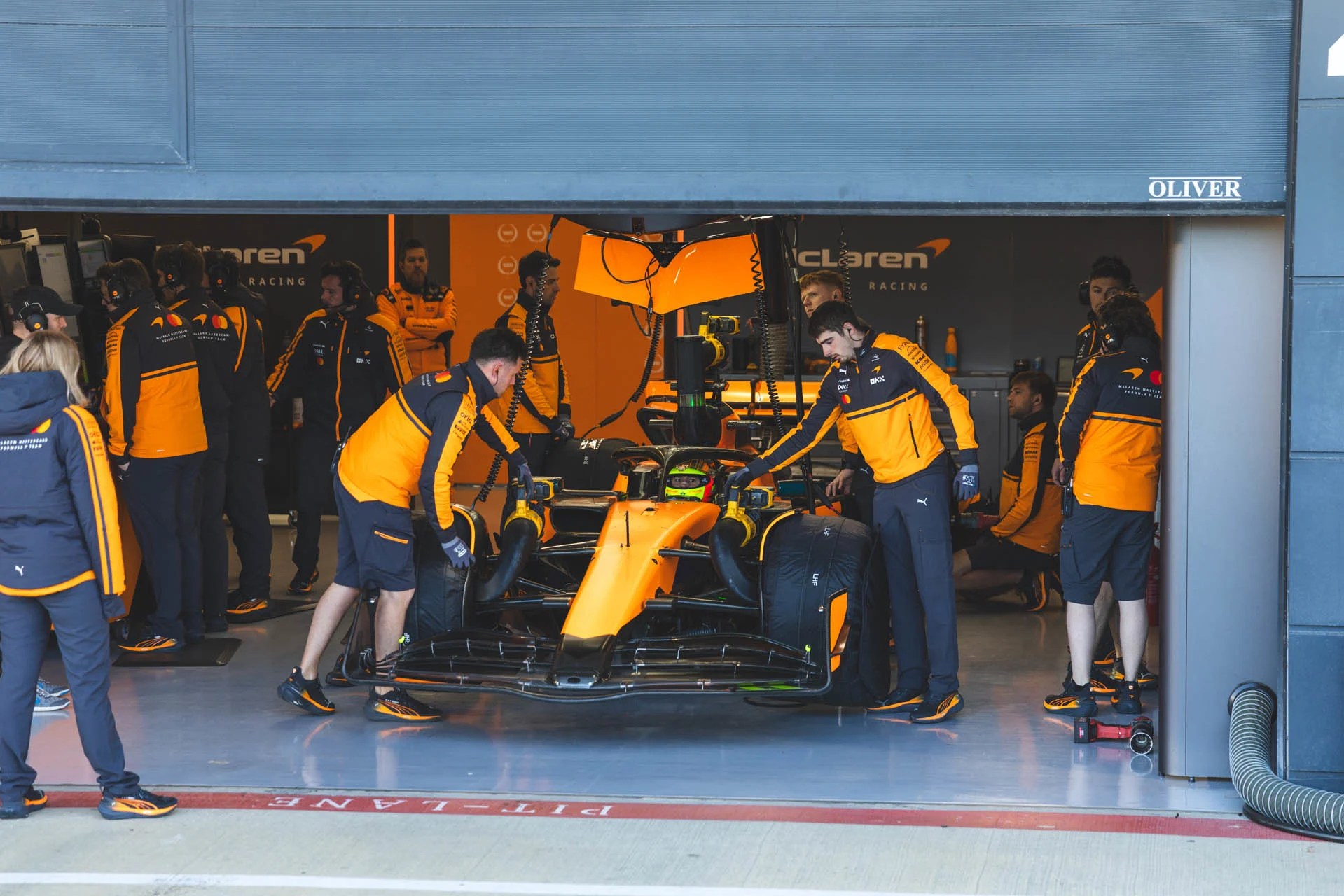
Formula 1 Grands Prix are about more than just race day. A good race usually comes about thanks to the preparation done in the lead-up, with the engineering team having typically arrived in the country on the Wednesday, before heading to the circuit on the Thursday, having made the journey from the McLaren factory - or during a busy period, the previous Grand Prix.
The FIA mandates that personnel involved with the operation of cars are not allowed at the track more than 29 hours before the start of Friday’s Free Practice 1, which, using a standard European timetable, means 08:30 on a Thursday morning. There’s also an end-of-day curfew cut-off, which limits time inside the paddock to 11 hours.
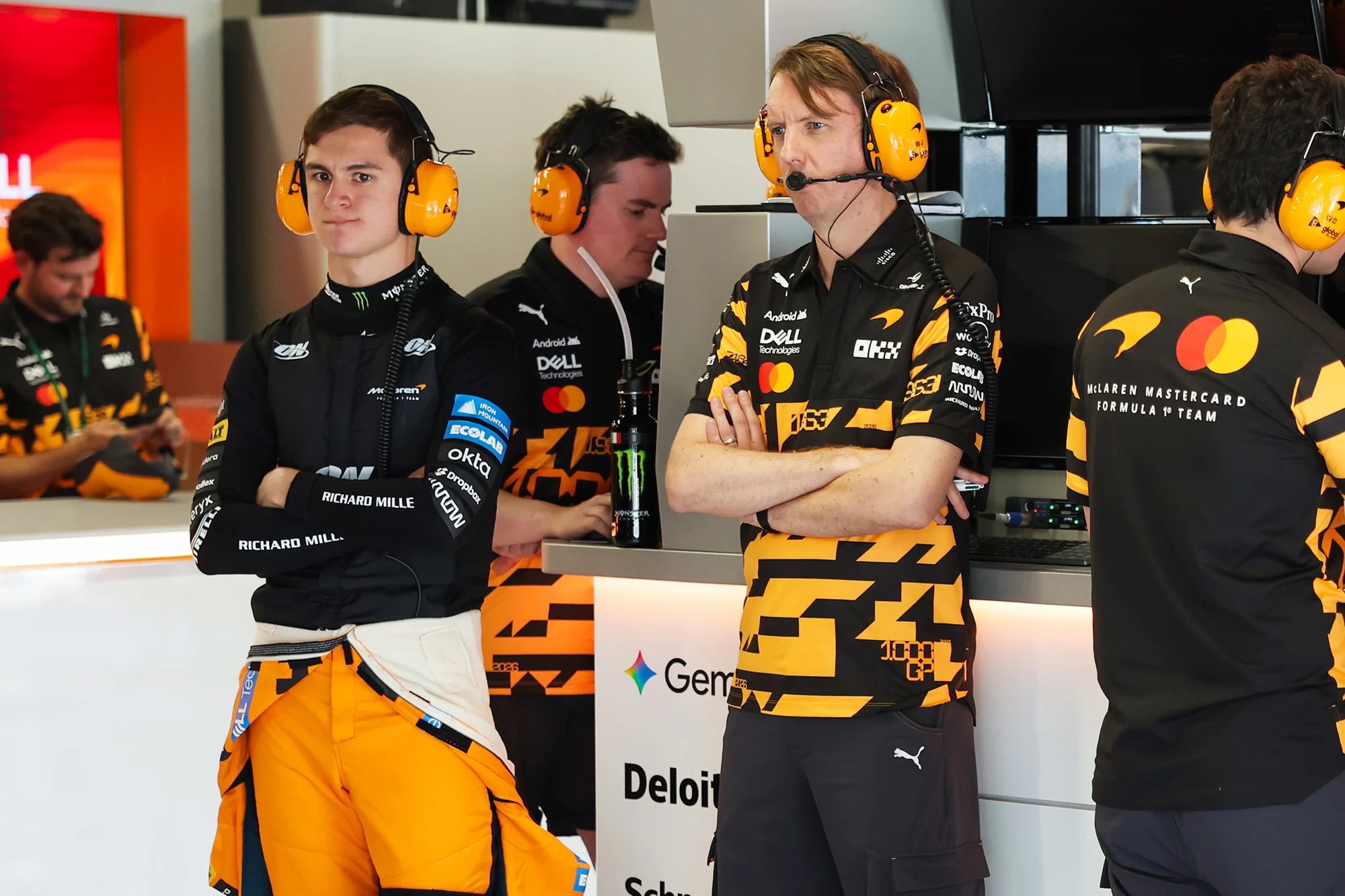
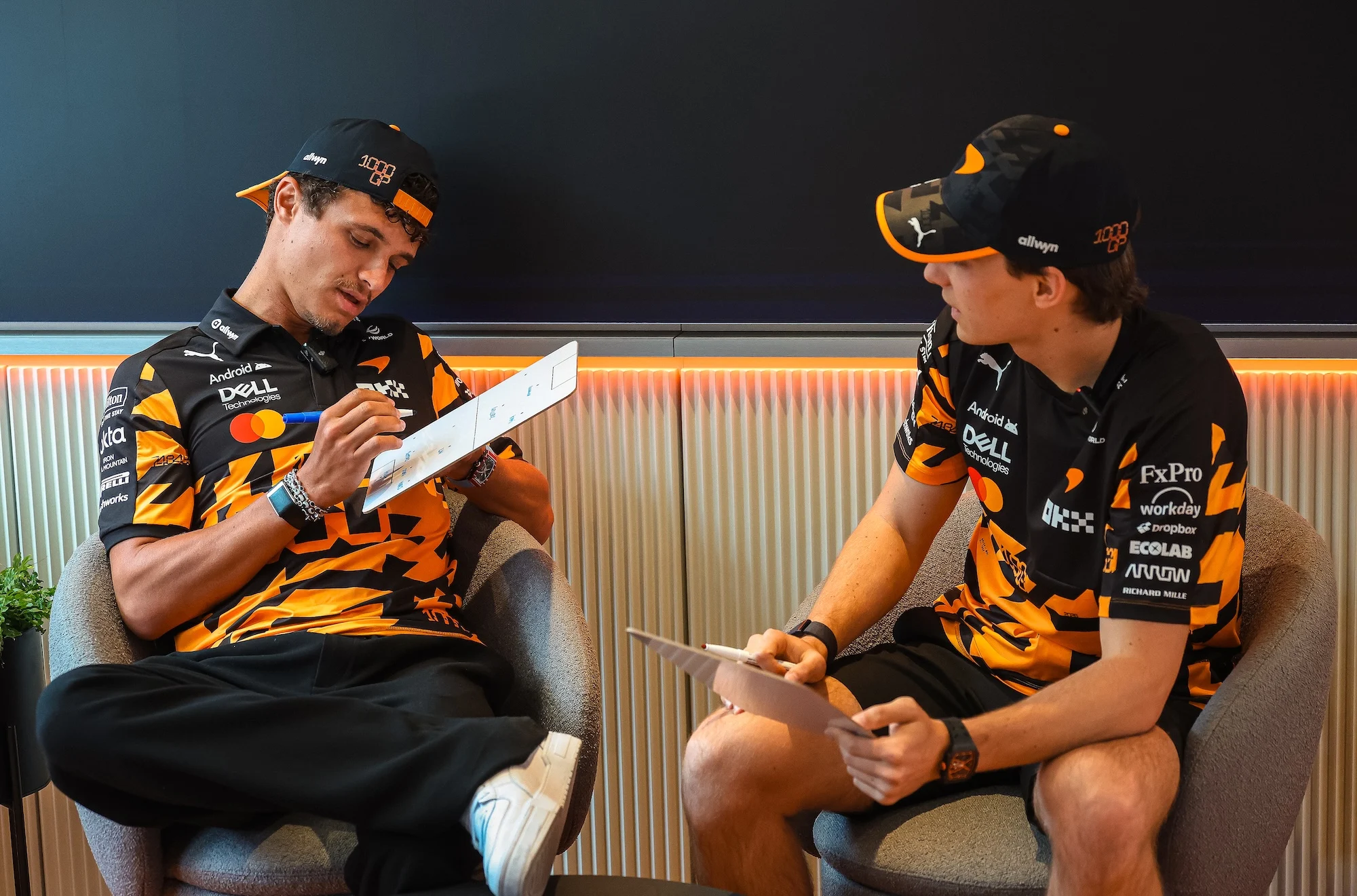
“We try and get in at the curfew time, and then you inevitably stay till curfew, so it's a full day,” Tom Stallard, Oscar’s Race Engineer, explains. “Set-up day is about doing the final preparation before the event. The main key thing about that is having time with the driver – the drivers don't arrive until effectively halfway through the day – but we have various meetings.”
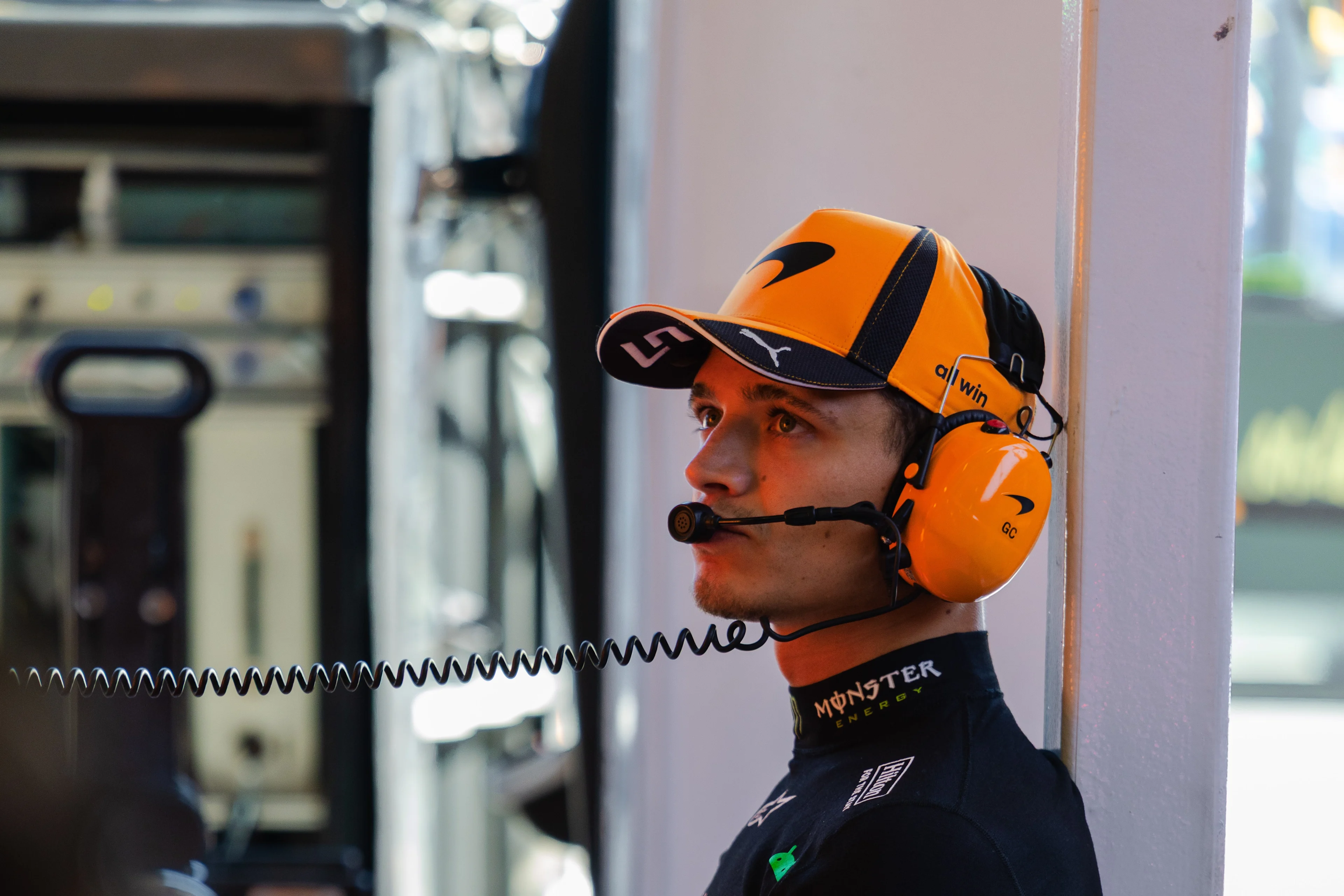
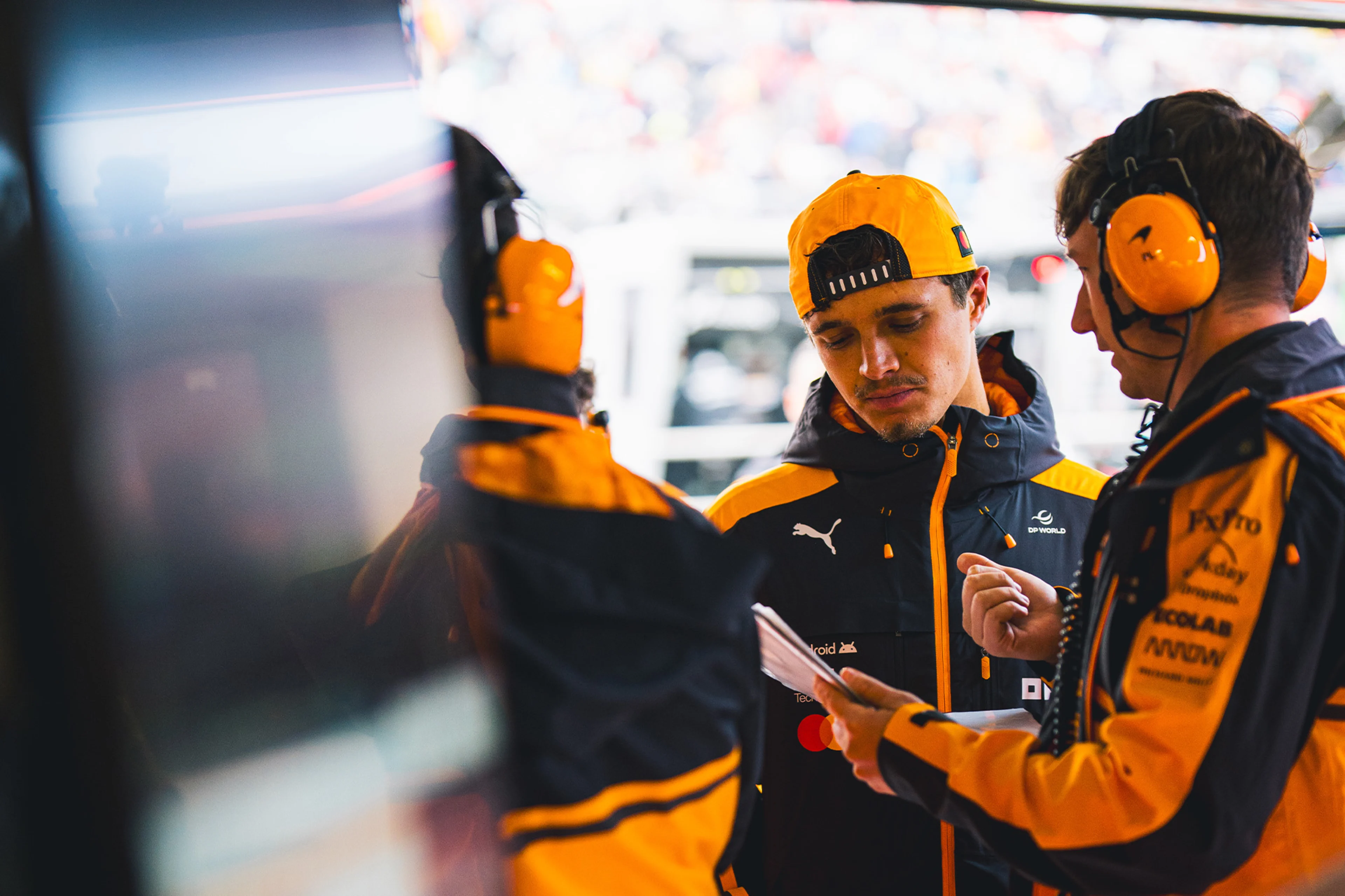
“It’s the same for each driver, but for me, there’s three-on-one time with Lando,” says Will Joseph, Lando’s Race Engineer. “That is myself, Andrew Jarvis, and William Doyle - the core crew of engineers around him. We'll have time to pick up on the details of this event, time to discuss anything that we want to learn or cover from the previous event, and that's sort of just Lando time.”
Drivers also have other commitments throughout the day, which include various marketing activations, from time with our digital team to face-to-face interviews with the media, before there are further engineering conversations.
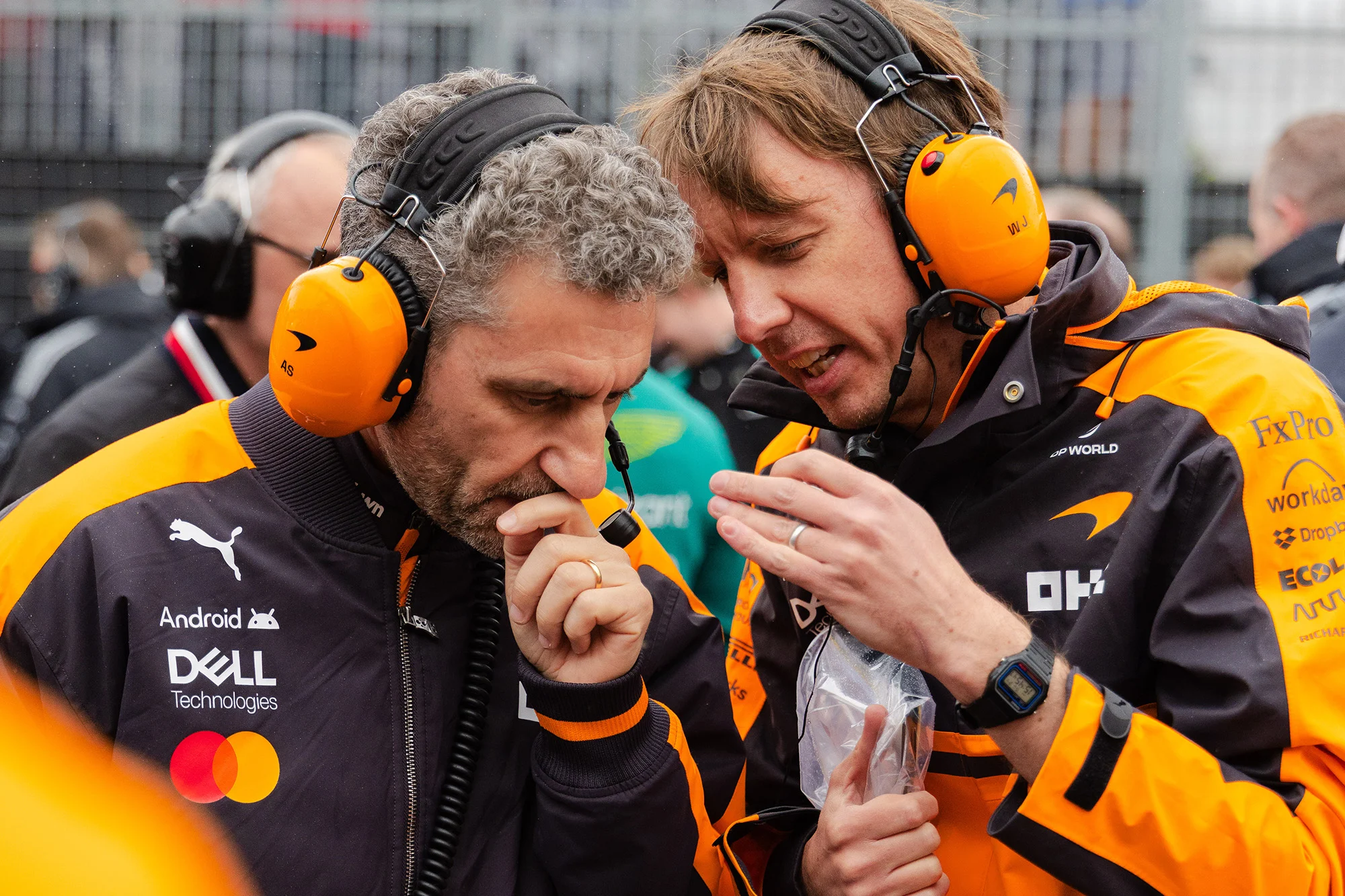
“We'll have time with the whole team, and each driver, which is the pre-event briefing,” Tom says. “There, we'll talk about the setup of the car, we'll talk about the run plans, and we'll talk about things that the drivers need to know from every area of McLaren, not just the specifics of us.
“Later in the day, we’ll have another session with our driver, in my case, Oscar. This is a second chance to cover anything that we haven't yet finished with. Sometimes, we just use that time to have a chat and catch up and talk about other things that aren't directly related to that event, which we believe will have a benefit. Other times we cancel that session because actually we've covered everything and it's better that everyone can head off from the track and rest.”
That opening day at the circuit runs to a very similar pattern weekend-on-weekend.
“One Thursday is basically the same as the previous Thursday and the upcoming Thursday because our time is so scheduled,” Will says. “It's effectively lots of meetings which we haven't done beforehand, and different people will do different meetings. There are meetings that are appropriate to the different audiences. For example, there's a meeting where the Performance Engineers and the Mercedes AMG HPP Engineers have a chat together. It's better to have them all face-to-face.”
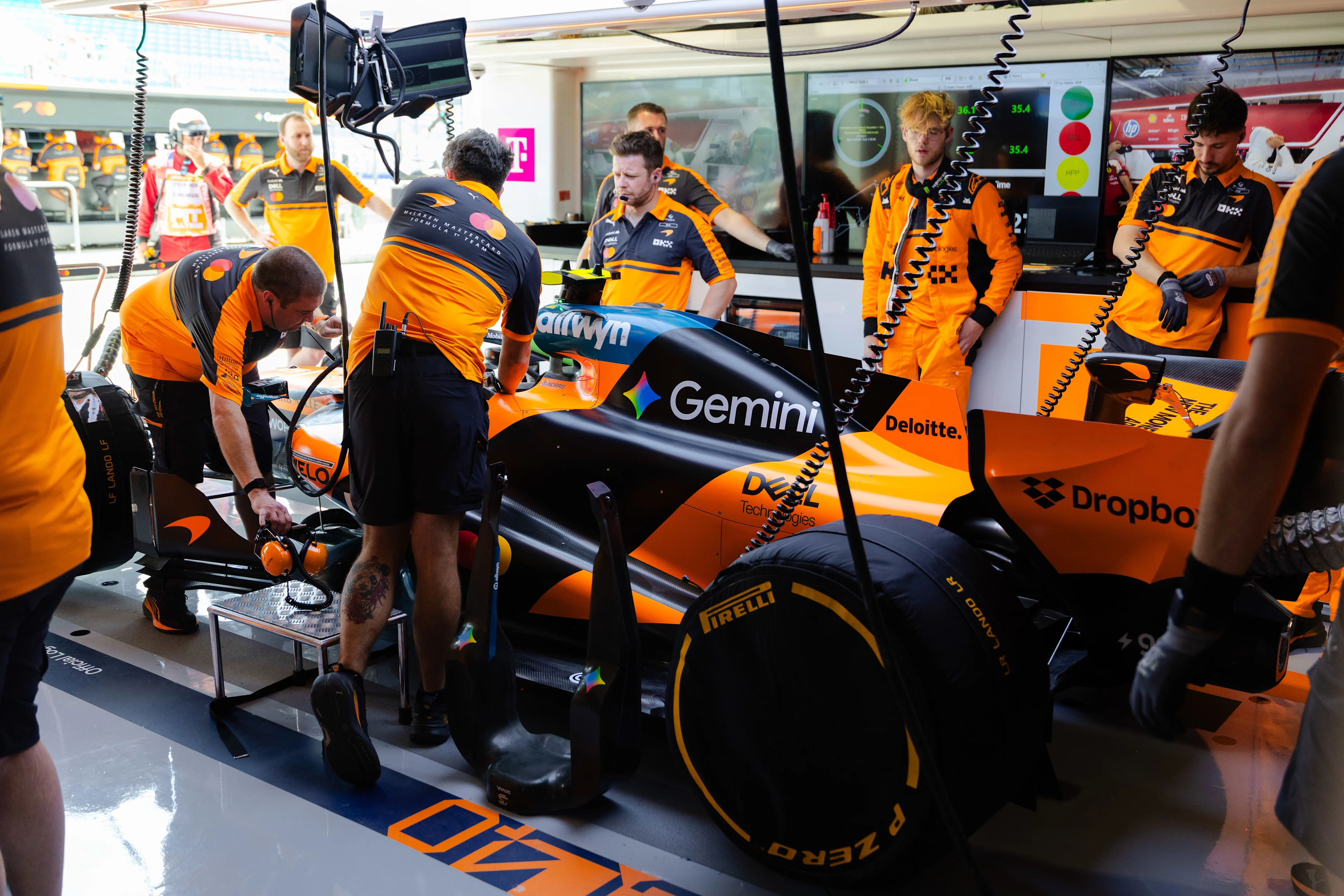
Friday’s curfew period ends four hours prior to the start of Free Practice 1, which, on a standard race weekend, will be at 09:30, so preparations can begin before the MCL40 exits the pit garage.
“Not everyone will come in at the start of curfew,” Tom says. “Assuming that we've done all our preparation prior, there's no need for all of us to be in four hours beforehand. Yes, there's always more work to do, but we've got a very busy weekend ahead in terms of time and concentration, so sometimes it’s better to rest a bit longer and come in slightly later.”
Friday’s track activity typically comprises two Free Practice sessions, lasting one hour each, with a two-and-a-half-hour interlude between the conclusion of Free Practice 1 and the start of Free Practice 2.
“There’s one more meeting between the drivers and us before Free Practice 1,” Will says. “That's just a chance to make sure that we haven't changed anything overnight, whether that be the plans, the setup or any issues that we might have found. It's that last chance to say, ‘yep, this is the plan,’ or ‘no, we're changing the plan.’
“As soon as Free Practice 1 starts, you don’t really stop for the rest of the weekend. You have Free Practice 1, that's an hour, then as soon as it’s finished, you enter a debrief. It’s a case of trying to work out how to change the setup of the car, how to change Lando’s or Oscar's driving if needed, and what improvements you're going to do for Free Practice 2. Does the run plan need to change? Does our learning from Free Practice 1 impact tyre choices or tyre usage?”
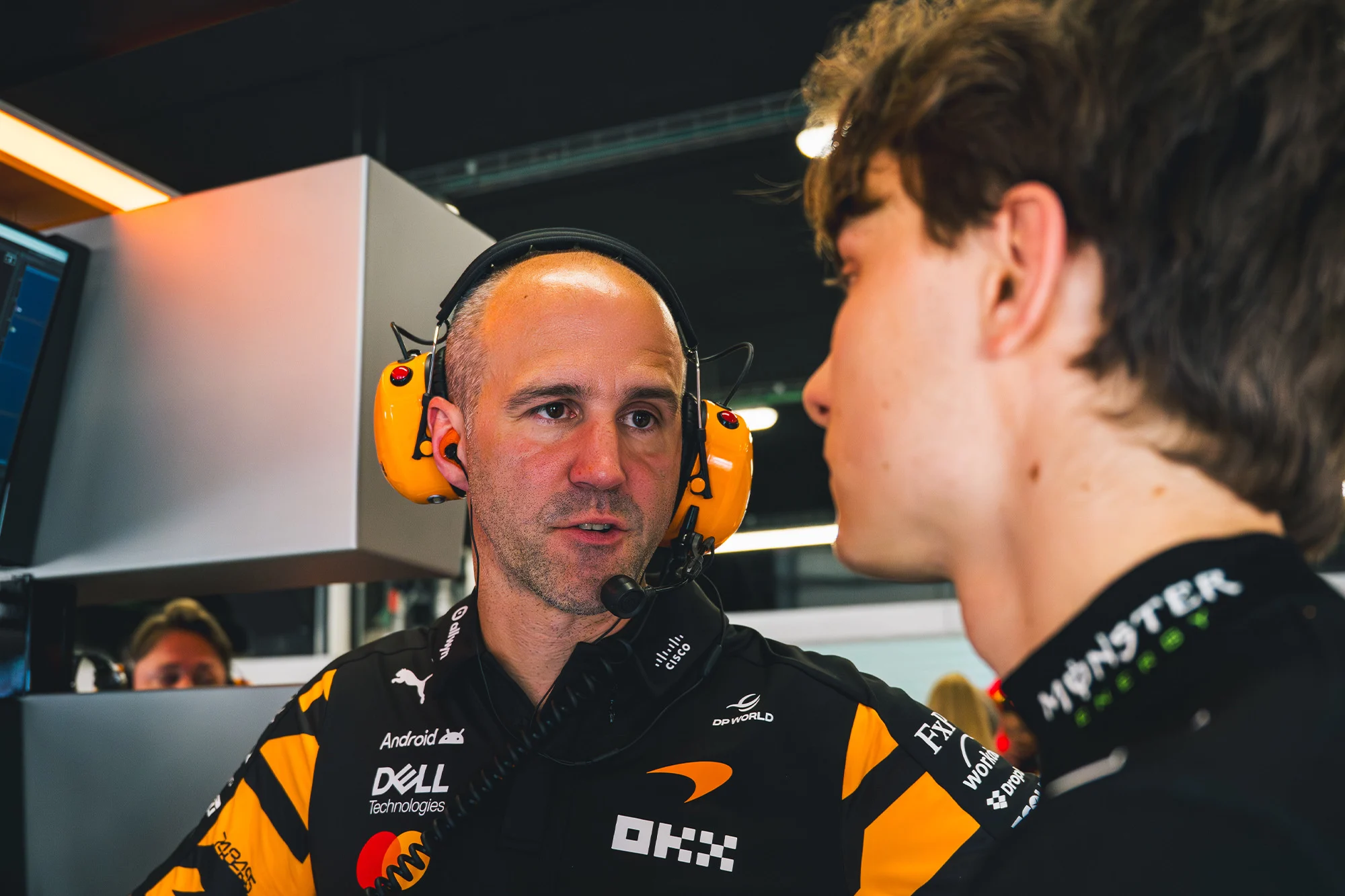
A similar situation unfolds after Free Practice 2, but with the impending deadline of the FIA applying overnight car covers, as well as the curfew period.
“When Free Practice 2 ends, you have three hours before the cars get covered, and you have one more hour where the engineers can work at the track,” Will explains. “You’re trying to cram in everything that you need to do.”
That includes feeding back information to our team back at the factory, who provide remote support, as well as the simulator team who work in tandem to trial any suggestions in the virtual world overnight.
“You’re trying to develop your own ideas, you’re debriefing with the drivers, and then you’re trying to think about what that means for your run plan in Free Practice 3 and Qualifying,” Tom says. “Obviously, we’ll have a first draft prior, but then it’s a case of applying any knowledge gained. So, we’re using all of that information to develop our run plans. Plus, we have dinner!
“Four hours actually disappear amazingly quickly by the time you’ve had a few meetings and done your work, which means we’re normally pushing it to the wire. We have to be out by curfew time, which means physically out of the paddock turnstiles, not just a case of slamming the laptop shut.”
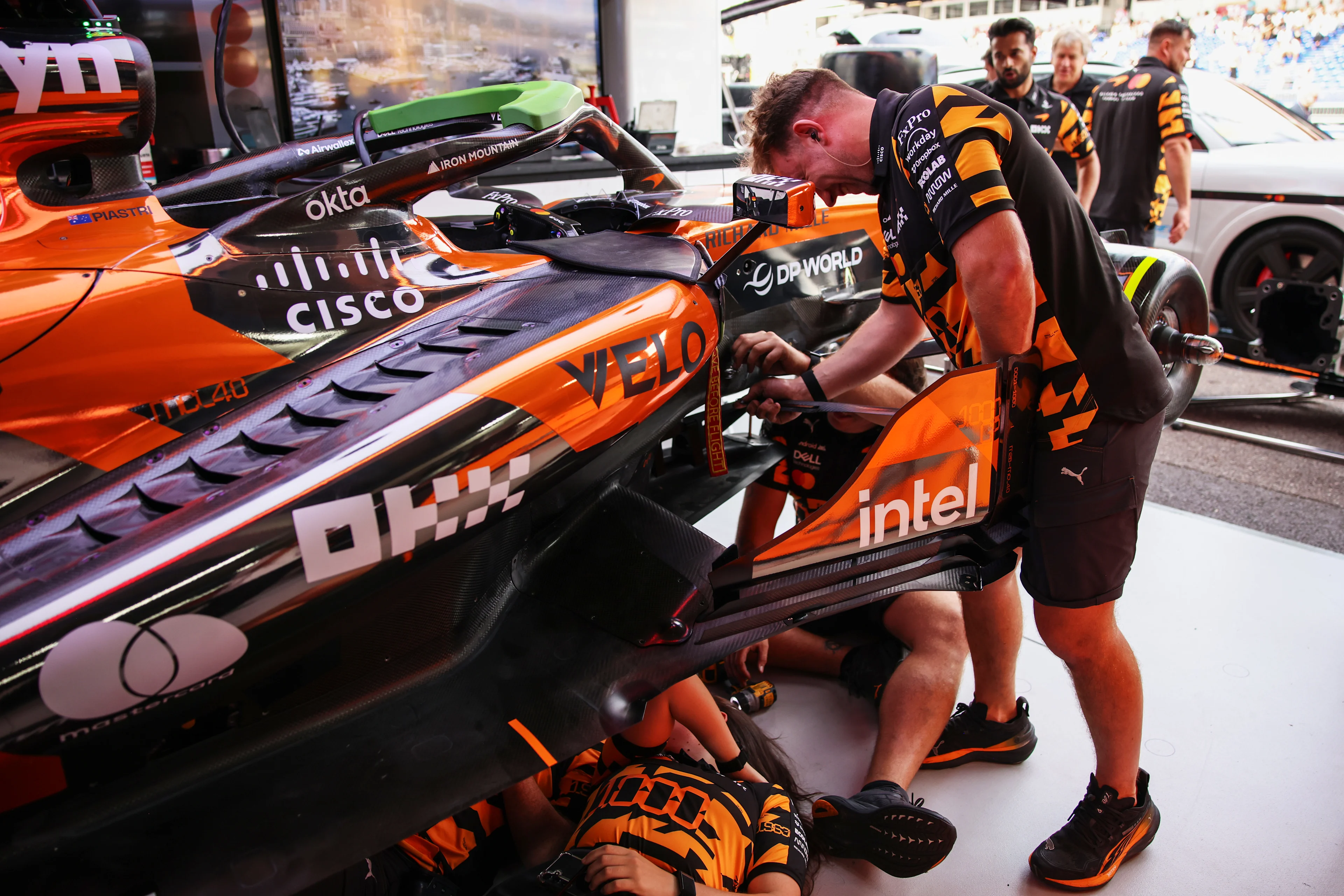
Saturday brings one further Practice session in advance of the vital Qualifying session.
“You come back in and pick up exactly where you left off on Friday,” Tom says. “You are in at curfew because you haven't finished all your work. You're finishing run plans, making sure your setup is correct, taking any overnight learning from the factory into your setups and preparing for Free Practice 3. When that ends, it’s the same thing, applying the learning in the right manner.
“Obviously, as you get closer to Qualifying, if everything’s gone to plan, you’re optimising more and more, so you’re into much smaller changes between Free Practice 3 and Qualifying. Whereas in Free Practice 1, you’re willing to do much bigger changes and move the setup around more to get it to within a window.”
Even those larger changes can still be extremely small.
“We're talking about millimetres of ride height, we're talking about small percentages of lateral balance,” Will explains. “The way that a Formula 1 car works these days is you're making what feels like tiny changes on paper, but can have a big effect on the time sheets.
“Sometimes we can make changes for what on paper are single-digit milliseconds, but it's worth it because if you make four of those changes, suddenly you're in hundreds of seconds, and then they just all stack up.”
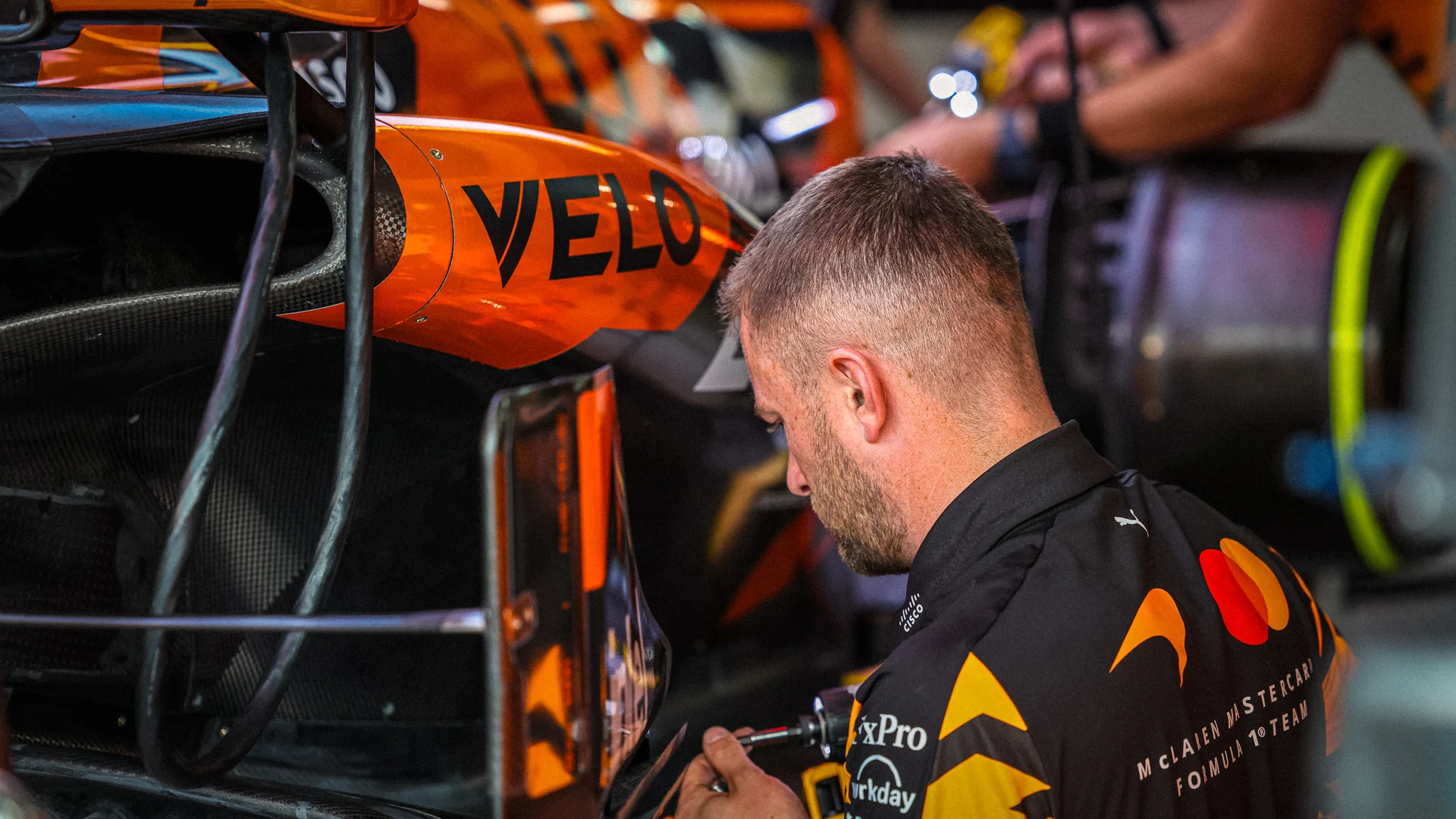
Maximising the single-lap performance is vital for the all-important Qualifying session and, once that begins, the regulations stipulate that setup is locked in for the remainder of the weekend.
“Qualifying is about obviously trying to put it on Pole position, or as far up the grid as possible,” Will states. “Then your mindset changes, as you can’t think about setup any longer, you then switch to looking at where the car has qualified, and therefore how best we can execute the race. That means thinking about the strategy, tyre usage, driving style, and how we’re going to communicate in the race.”
That brings three days of intense work to a conclusion – before even getting to Sunday’s race.
“Every day is a different kind of challenge,” Tom says. “Thursday's all about preparation. Friday's all about setup and optimisation. Saturday’s basically nailing Qualifying, and putting the car in the right place and nailing the timing.”