

27 May 2026 18:30 (UTC)
We love to look back on our greatest races, but rarely do we zoom in on the truly great racing laps

We’ll soon be celebrating both our 60th Anniversary in Formula 1, and our 1000th Grand Prix – two huge milestones, and the perfect excuse to delve into the archive. We’ve had remarkable races, and memorable years… but today we want to pay tribute to something on a smaller, though equally dramatic, scale: the legendary laps that defined some of our greatest races.
In the lead-up to our 1000th Grand Prix, we’ll be sharing the stories that have shaped McLaren you know today, from the individual moments of brilliance to the finest team efforts, and everything in between. Today, we’re looking at laps that set up our biggest wins. Not our great Qualifying laps – that’s an article for another time - just the racing laps that moved the dial.
For many of the team’s earliest years in F1, our greatest laps remain the stuff of legend, without cameras to record them. At most tracks, spectators only had a view of one corner, and pit crews a stopwatch on the pit wall, so what happened once the cars were through the treeline and out of sight was strictly between the driver and their cars. So, we’ve tried to stick to those we know the details of for certain, whether through film, the person themselves or a trusty journalist or biographer.
Of those we know, here are some of the best single laps our drivers have delivered.
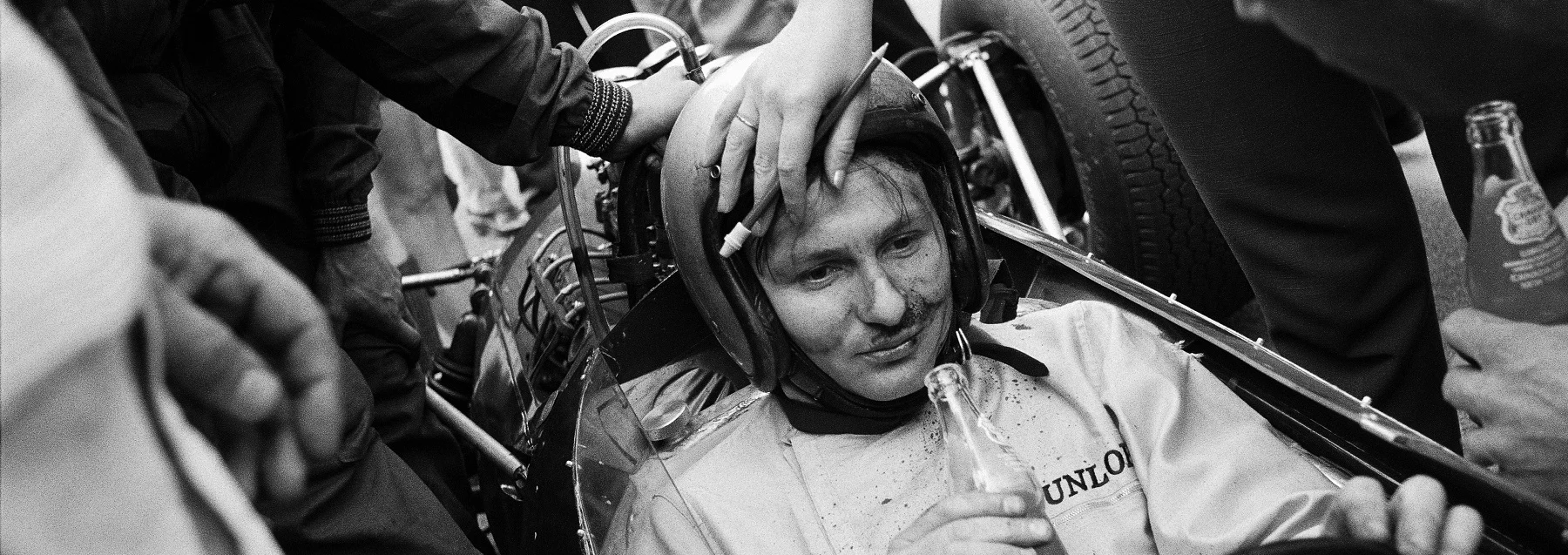
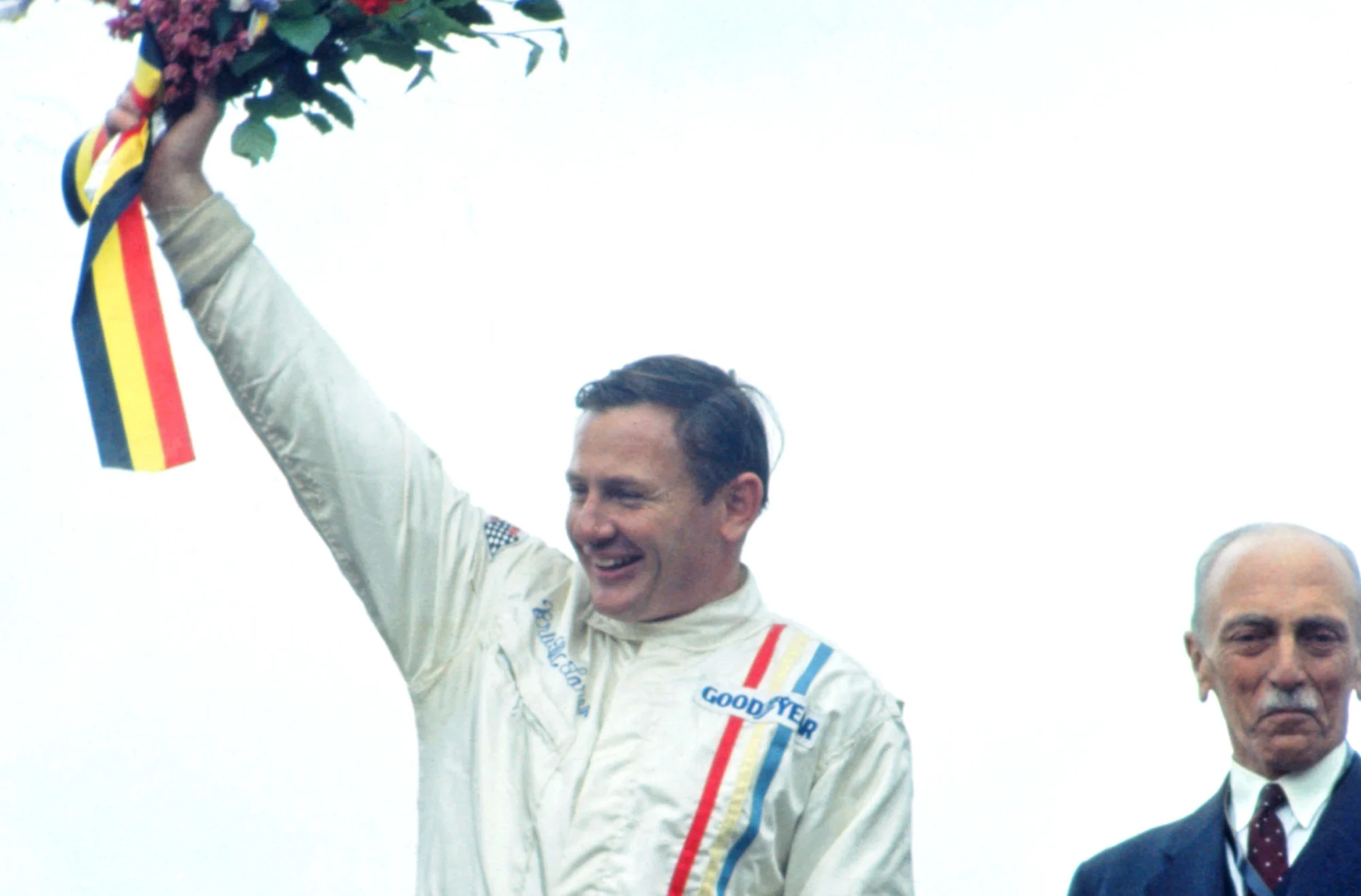
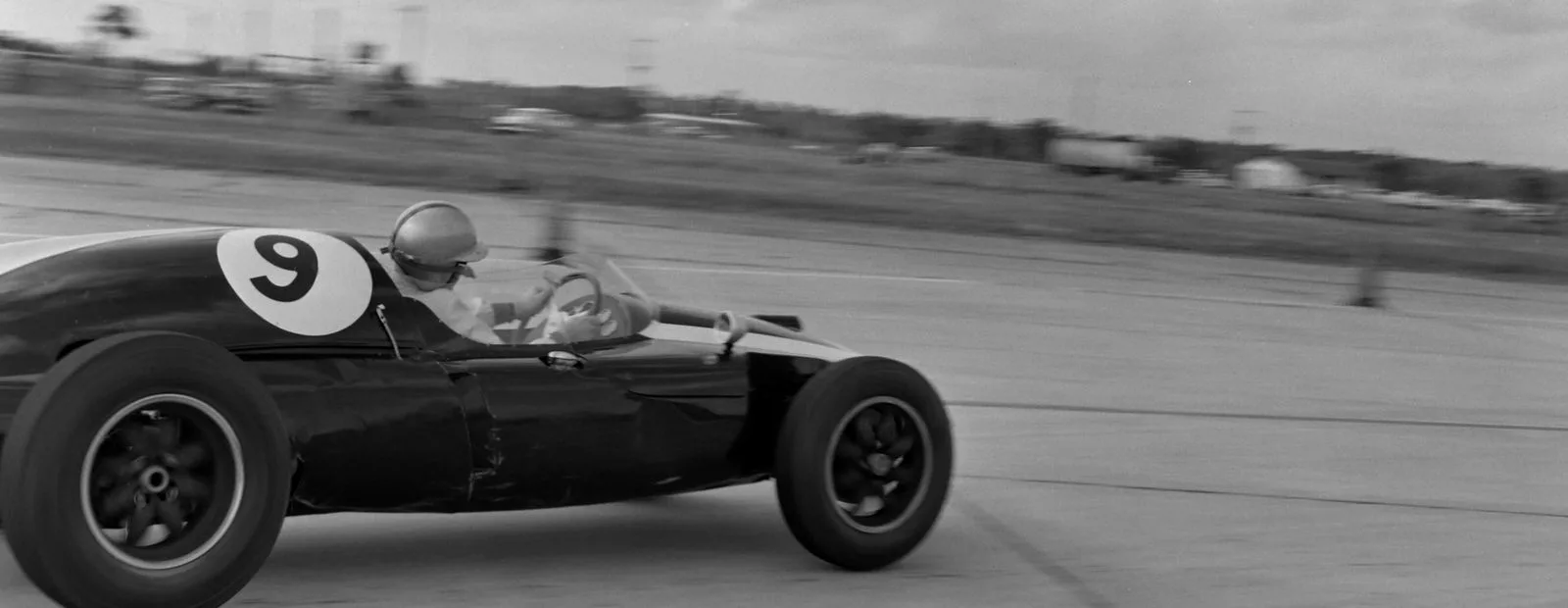
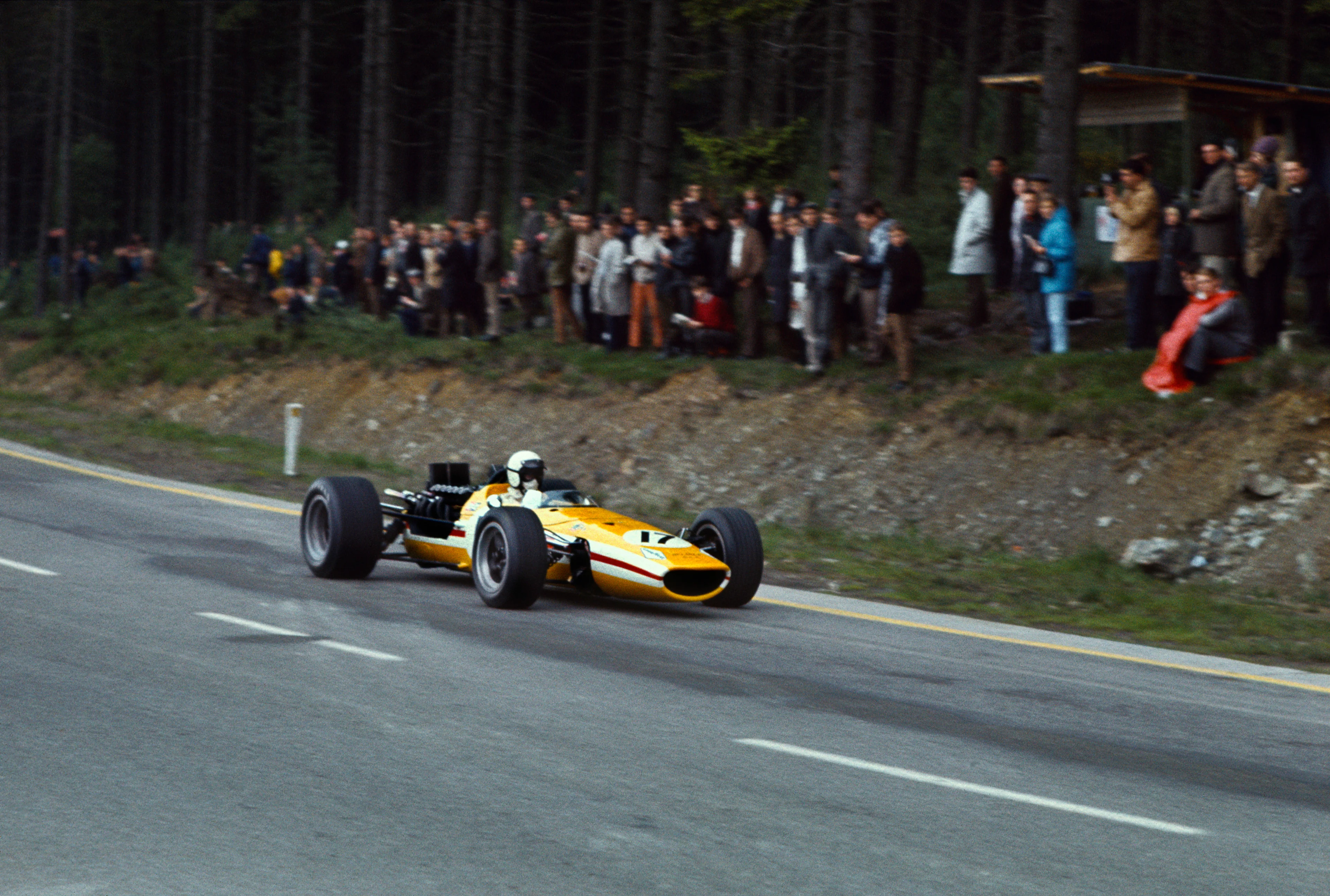
The final lap of the 1968 Belgian Grand Prix was a truly great moment for the McLaren team, with Bruce bringing the car over the line to record the first of our 203 victories to date. It was also the first of 11,928 Grand Prix laps we’ve led. Possibly, it would have been even more satisfying for Bruce, had he realised he’d won.
Unbeknownst to him, Jackie Stewart, who was leading, had been forced into the pits at the end of the penultimate lap, having run out of fuel. Bruce, some way behind, hadn’t been aware of the clear road ahead, and that he was cruising to victory with a 12s margin to BRM’s Pedro Rodríguez. The rest, as they say, is history. One to enjoy with hindsight.
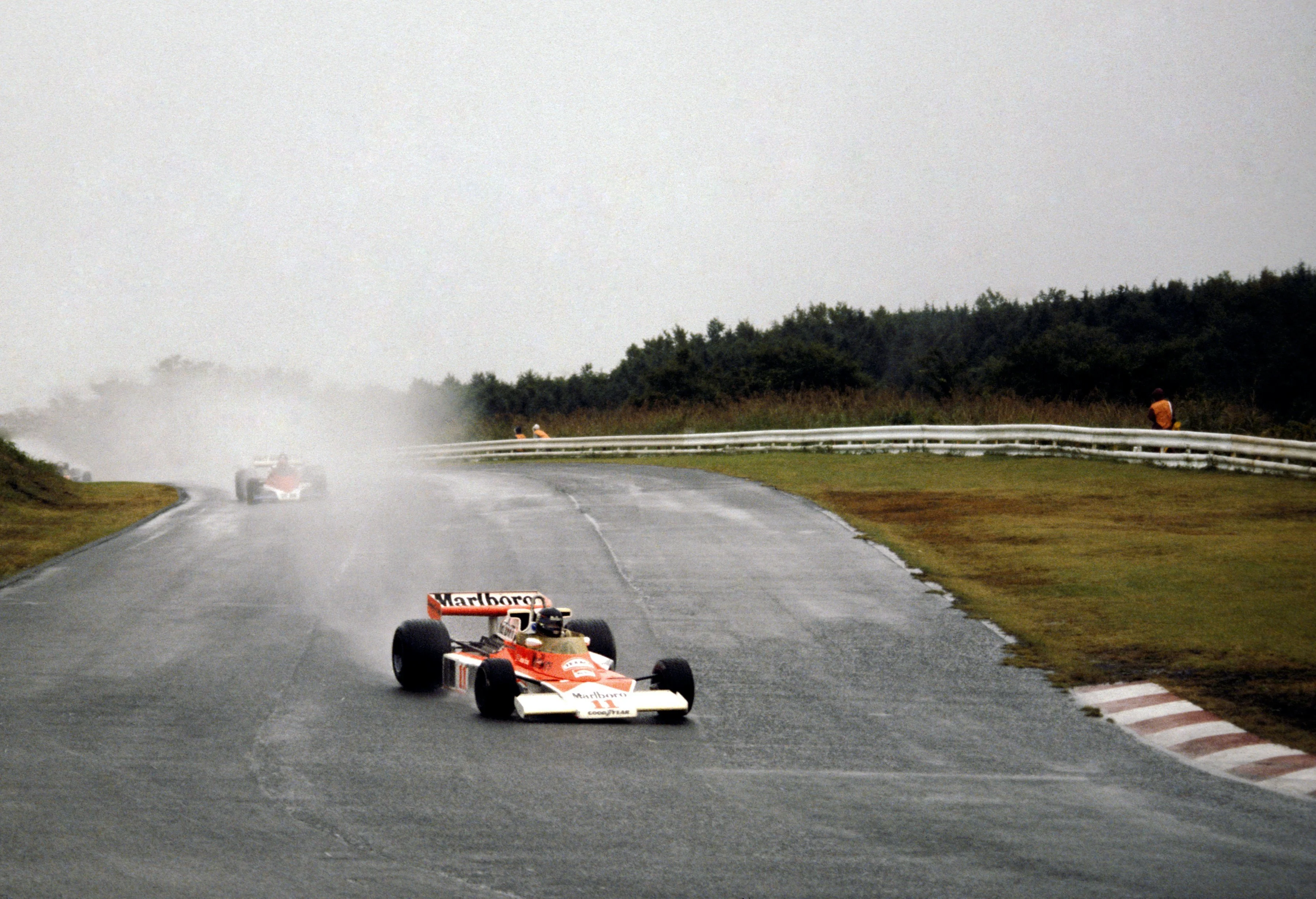
Wander out beyond Turn 1 at the modern Fuji Speedway, and you’ll come across the weed-choked edifice of the old circuit, poking out of the subtropical foliage. If you’re there on a wet day – of which there are many – you may not be able to see the jet-black banking through the mist… but the mind instantly goes to 1976 season finale when the inaugural World Championship Japanese Grand Prix had rather different set of values, starting in the sort of conditions that would have modern F1 deciding to put the kettle on and wait it out.
Championship leader Niki Lauda retired after the first lap, but James Hunt stubbornly drove on, knowing fourth or better would secure him the Drivers’ title. He led until Lap 61 of 73, when a drying track began to cause him issues with his tyres. Dropping back, he refocused on finishing fourth, rather than sealing the title with a victory.
The strategy backfired, and Hunt’s front-left deflated, requiring him to pit from P2. He rejoined in P5, with five laps to salvage his title hopes. While there was a dry line, the track was puddled and treacherous off-line – and off-line was where Hunt would have to go to make up the places he needed. Against the odds, he got the job done on Lap 71, passing not only Alan Jones in the Surtees, but Clay Regazzoni as well. It was pure Hollywood – which is probably why they made a movie.
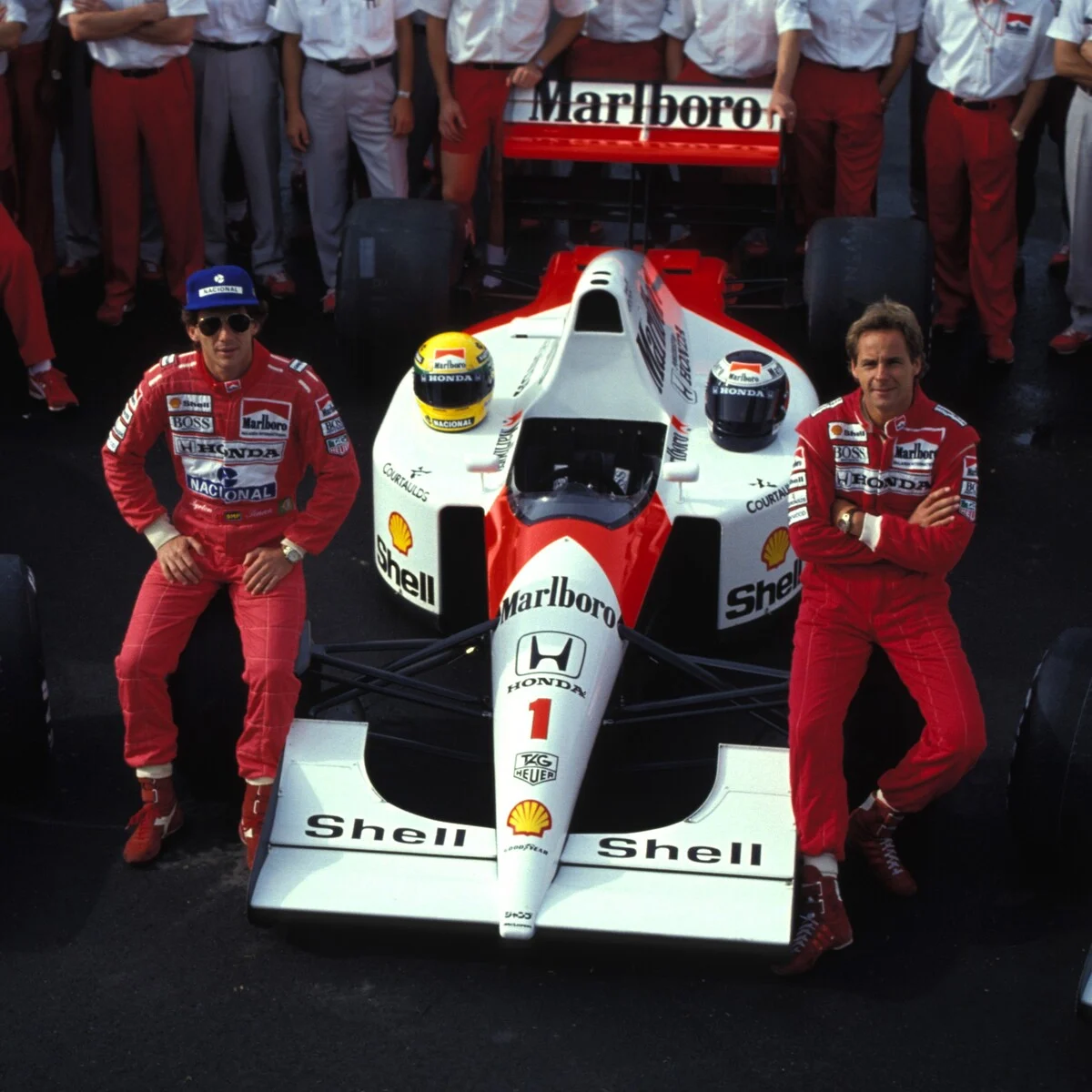
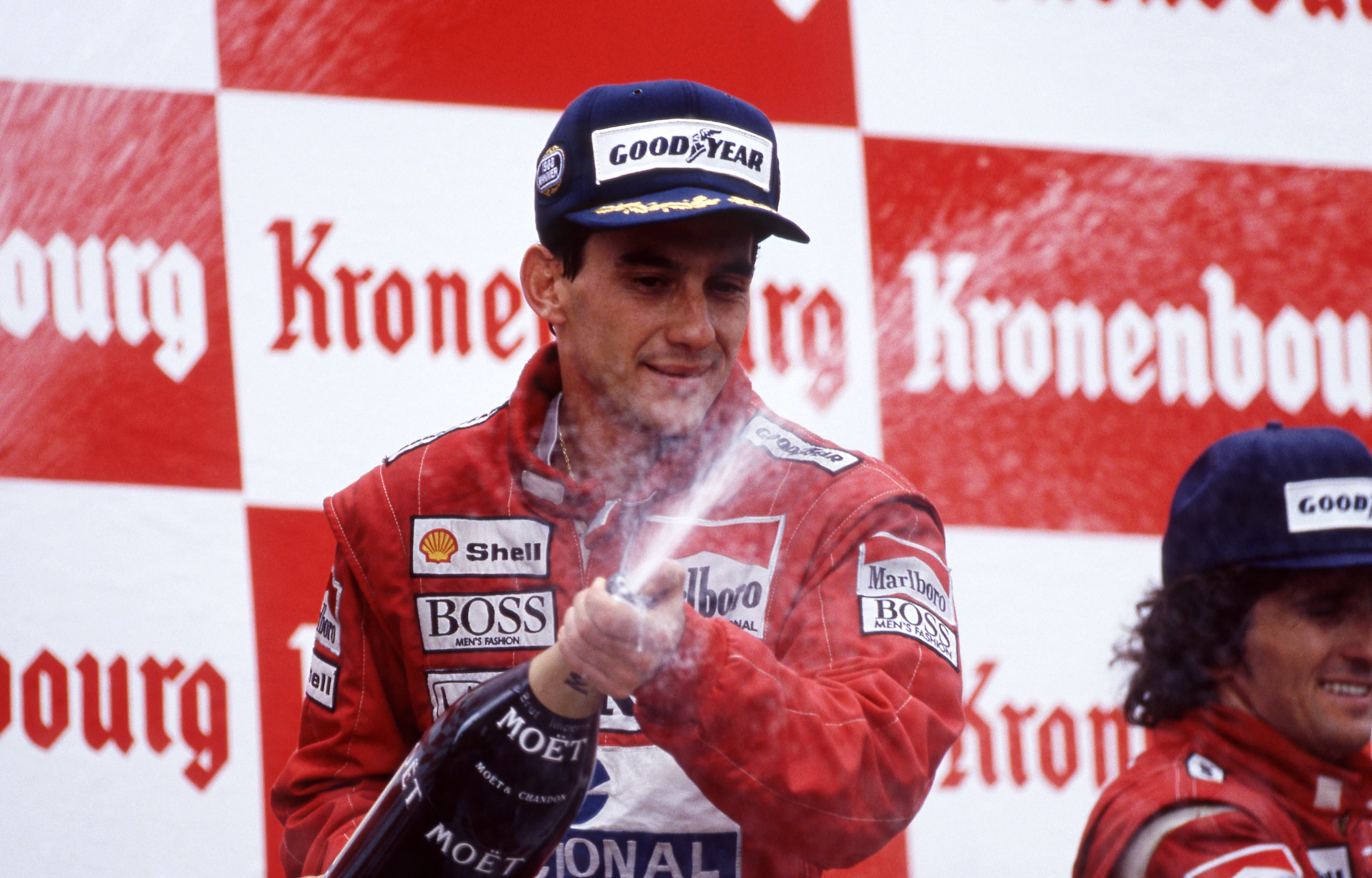
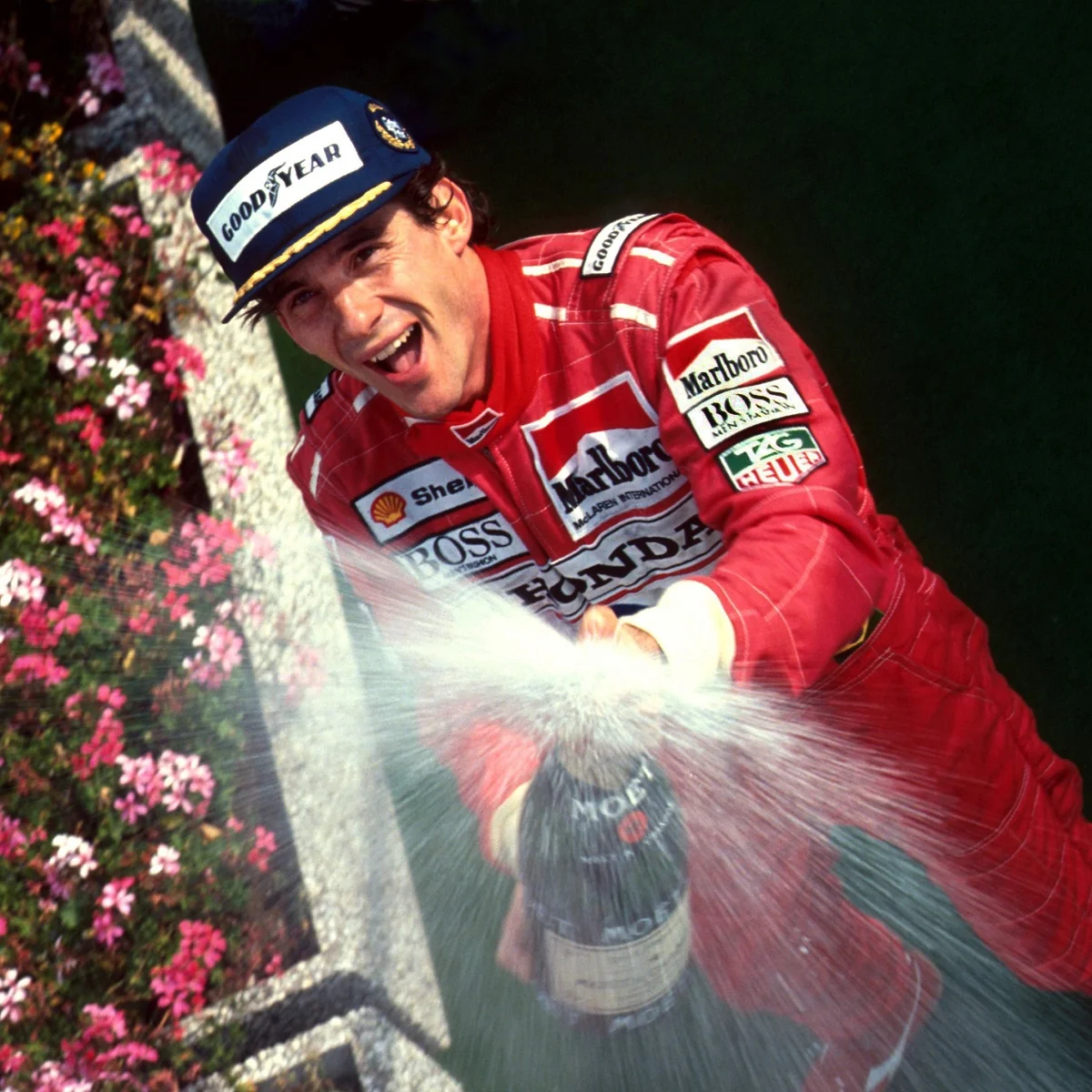
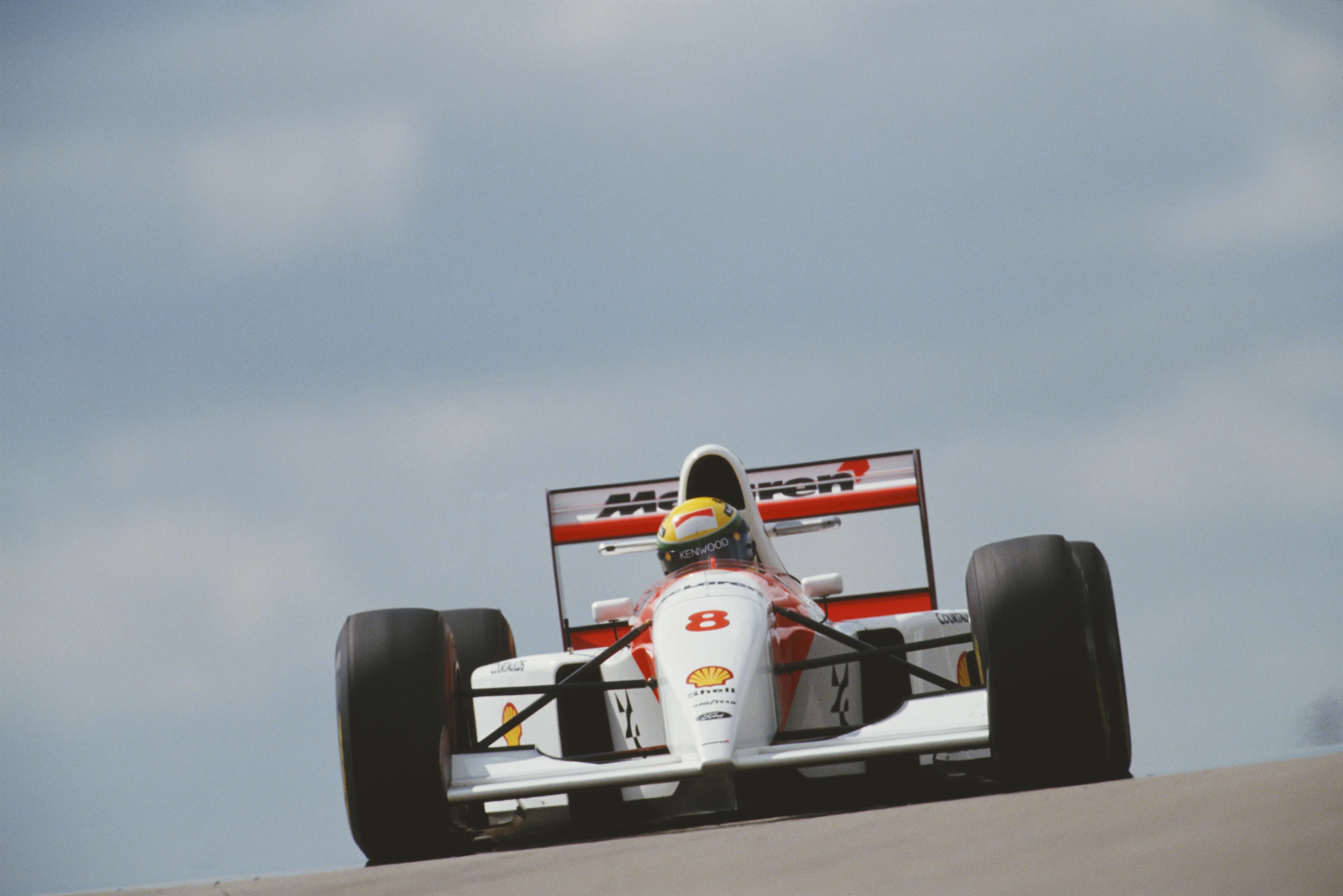
There are good drivers, great drivers, and then a small herd of potential GOATs. Ayrton Senna is at the top of this particular paddock, and it’s usually his first lap at Donington Park in 1993 that is presented as exhibit A.
F1 occasionally does strange things, but none are stranger than the decision to hold the European Grand Prix at Donington Park at the start of April. Easter Sunday was as cold and wet as you might imagine. Ayrton lined up in P4, behind the dominant Williams of Alain Prost and Damon Hill, and Michael Schumacher’s Benetton. The one they call the Lap of the Gods didn’t begin particularly auspiciously: a good start by Karl Wendlinger propelled the Sauber up to P3, dropping Senna to P5 before the braking zone for Redgate.
Ayrton swapped to the inside and passed Schumacher at the top of the Craner Curves, then went around the outside of Wendlinger as they plunged down the hill, up to P3 before the Old Hairpin. Back up the other side, he out-braked Damon Hill into McLean’s and then slithered past Prost into the Melbourne Hairpin to finish the first lap in the lead. The rain was heavy, the grip was low, and the quality of the opposition absolutely impeccable – but Senna looked like a driver on a completely different circuit.
There aren’t many F1 laps that create a new verb, but if you’re of a certain age, you’ll know exactly what we mean if we say a car is Zonta’d.
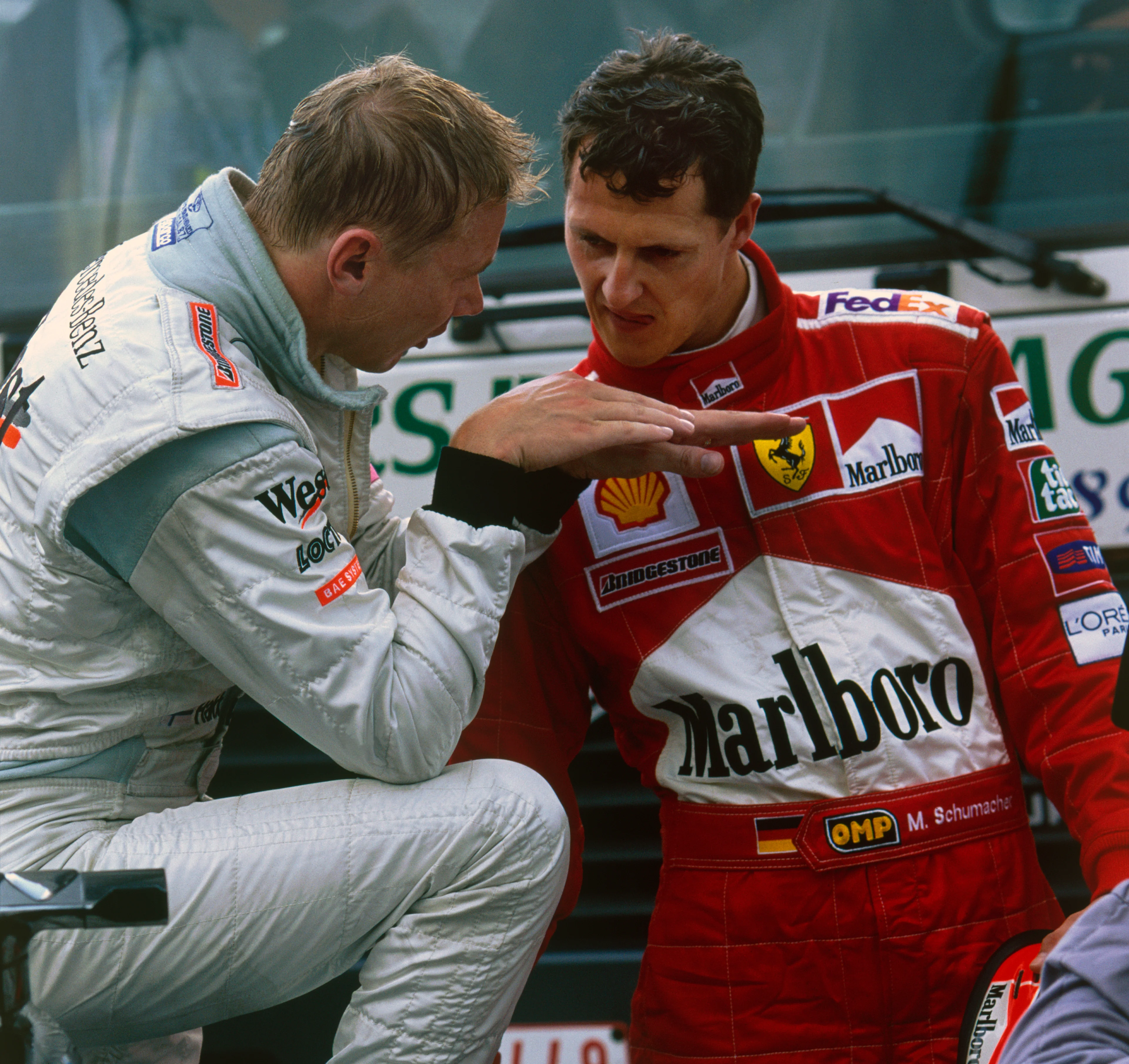
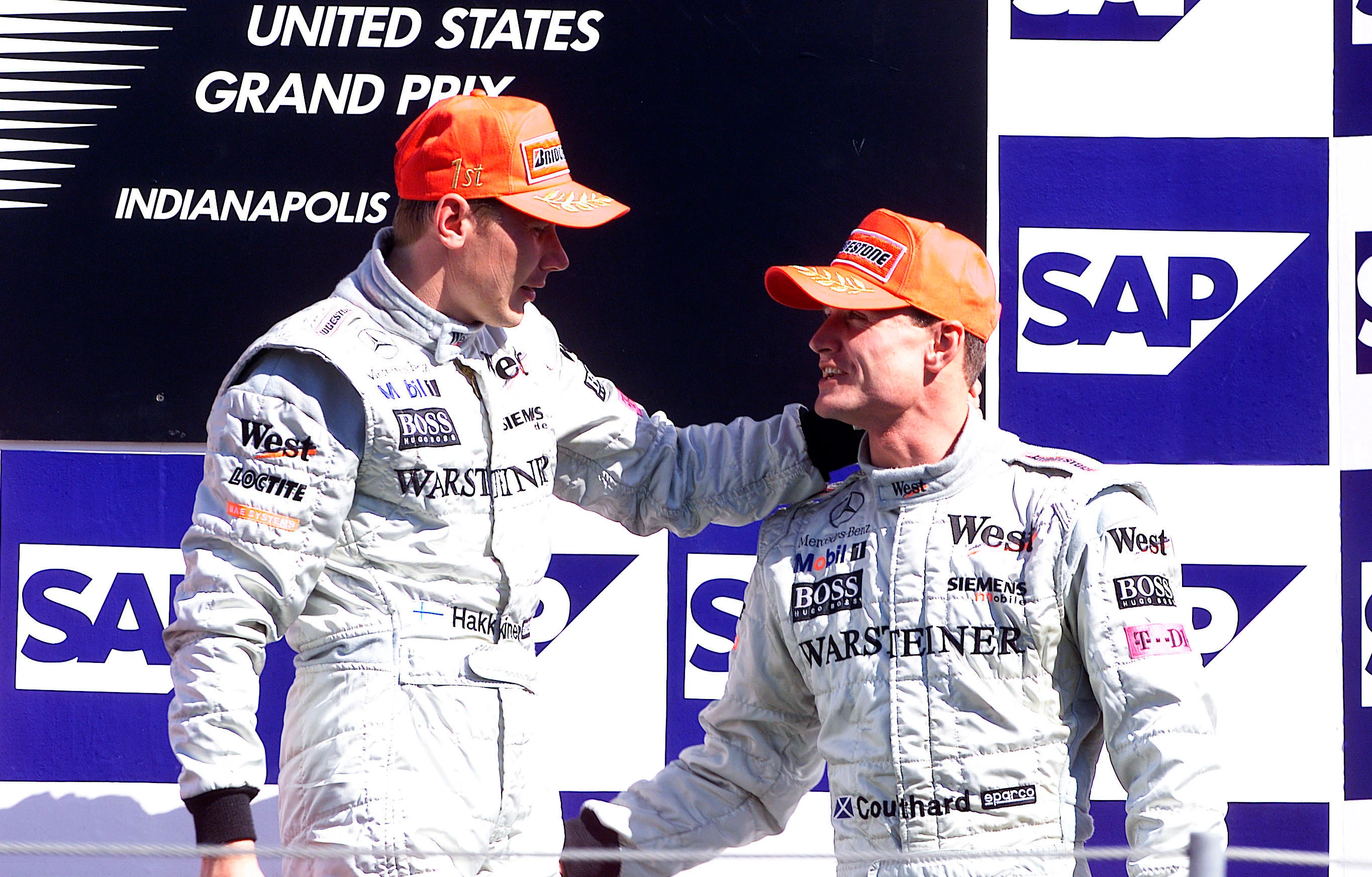
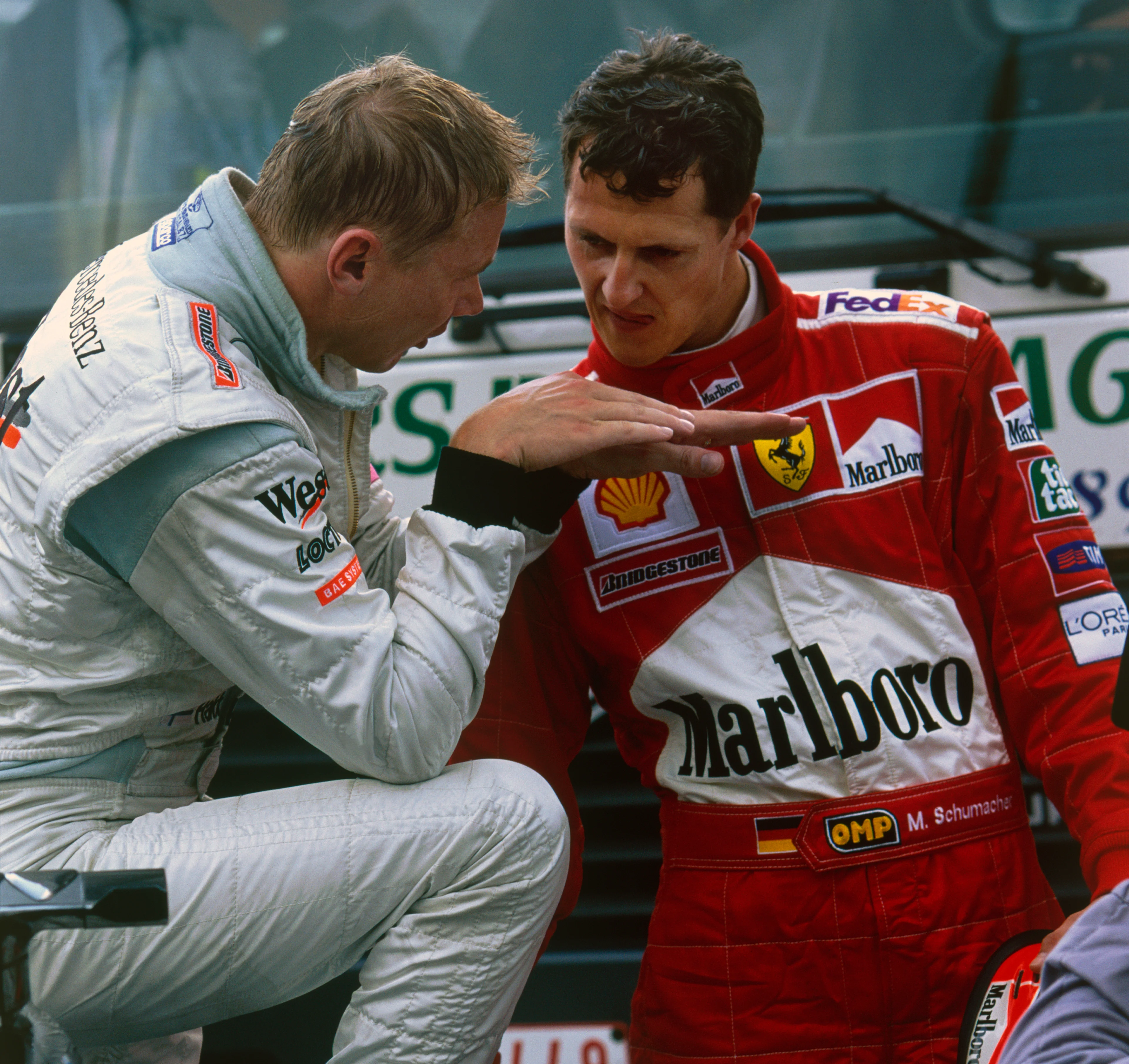
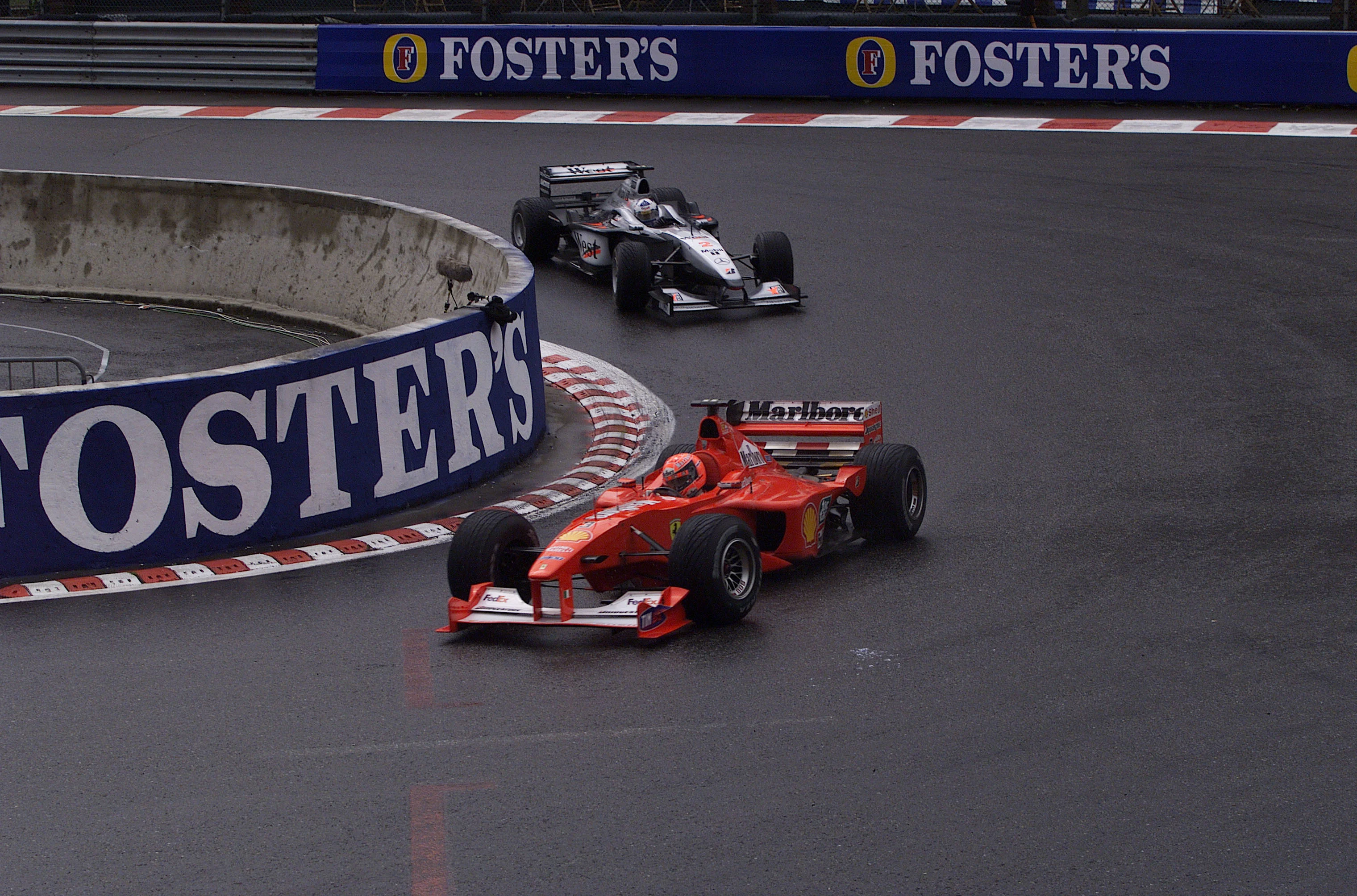
Michael Schumacher and Mika were tussling for both the Drivers’ Championship and the race victory at Spa-Francorchamps in 2000. Michael had the lead going into the final 10 laps, but Mika was closing in. He attempted passes heading up the Kemmel Straight into the braking zone for Les Combes, only for Schumacher to repeatedly slam the door.
Refusing to give in, Mika made the move stick on Lap 41, as the pair came up to lap BAR’s Ricardo Zonta. At around 340km/h, Schumacher went left, and Mika swung right… and it was the Finn who came out ahead as they stood on the brakes.
It’s remembered as a great overtake – but it’s a great lap too. Having been baulked several times, Mika needed to get exactly the right exit from the La Source hairpin, and follow Schumacher – in the dirty air and at incredibly high speeds – through Eau Rouge and Raidillon. And then, after passing Zonta, he needed to pull out enough of a gap through the middle sector to prevent Schumacher coming straight back at him down into the Bus Stop chicane.
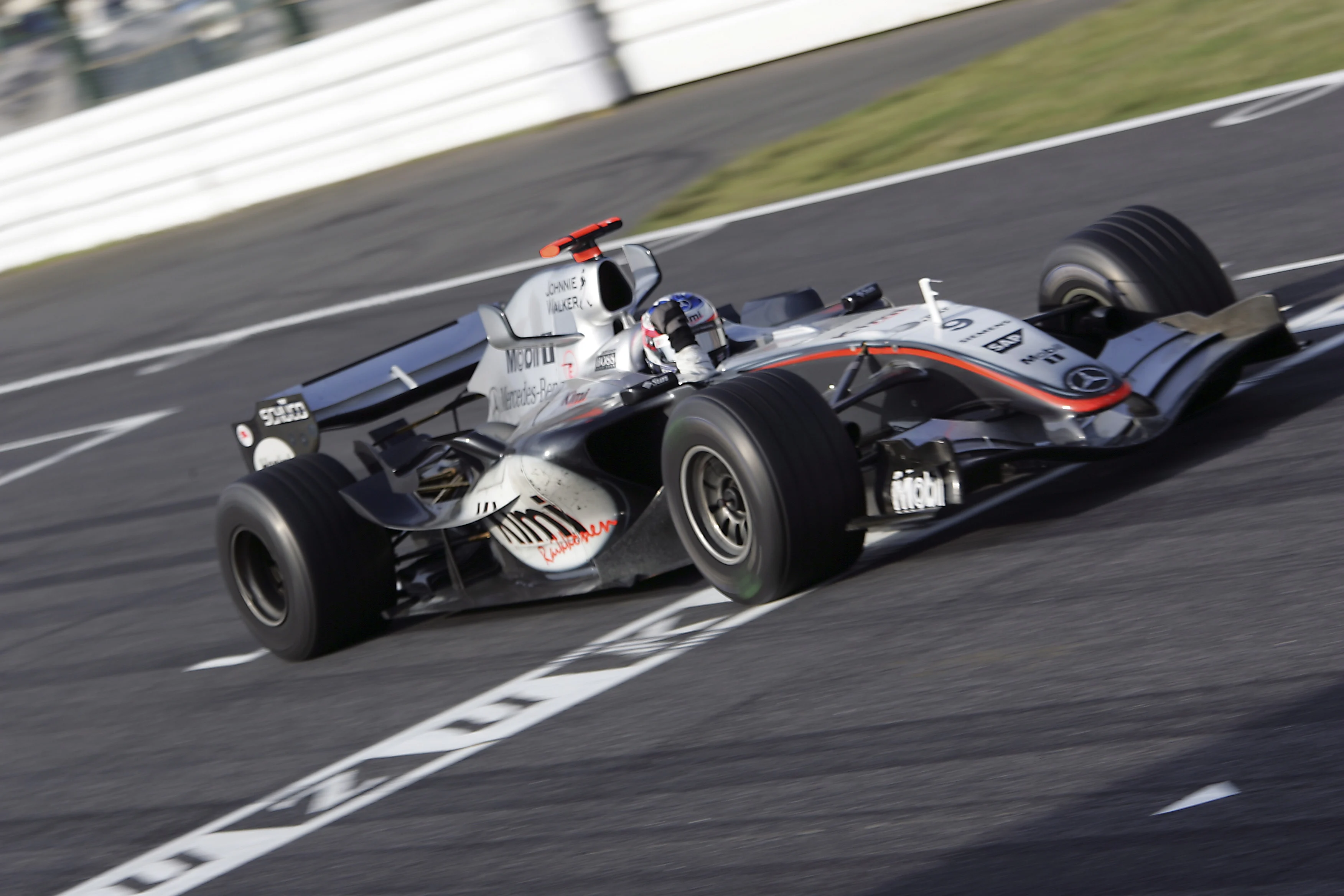
Lap 53 – the last lap of the 2005 Japanese Grand Prix – is rightly famous, as Kimi completed his remorseless quest to win from 17th on the grid, passing Renault’s Giancarlo Fisichella to take the lead and keep alive our Constructors’ Championship hopes… but the reality is that Kimi spent most of that Sunday afternoon performing qualifying-style flat-out laps of Suzuka, and it’s that continuous maximum attack commitment that got him within striking distance at the finale.
In the final quarter of the race, with Fisichella having made his final stop, Kimi found himself stuck behind Jenson Button and Mark Webber, who were also fighting for a podium. When they pitted, Kimi put the hammer down, produced a string of blistering laps before his own final stop, getting ahead of Button and Webber with the overcut, and putting himself within sight of Fisichella ahead. Each of those laps was a worldie in its own right – but 44 is the pick of the litter because it’s the fastest lap of the race.
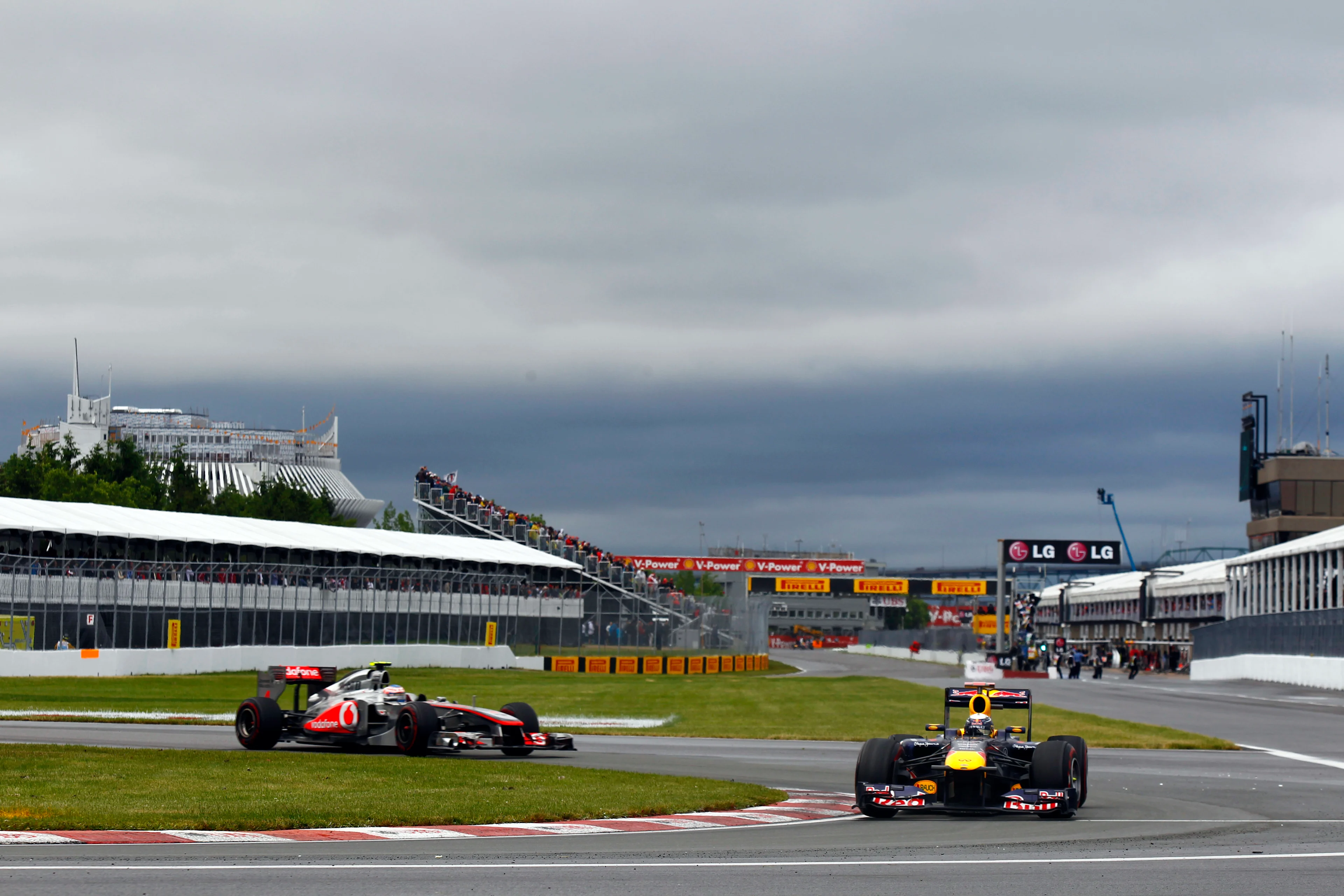
Some victories are elegant, some are ugly - Jenson’s victory at the Canadian Grand Prix was… difficult to quantify. Across four-and-a-bit hours (it rained a lot), five Safety Cars, and a Red Flag, he came across the line with crew on the pit wall going wild.
Jenson’s race involved a collision with team-mate Lewis Hamilton, a drive-through penalty for speeding behind the Safety Car, and another collision with Fernando Alonso, which caused a puncture. The rest, however, was sublime: Jenson was silky smooth in the wet, a master of the brake pedal. He scythed through the field and made his way up to P2 with six laps remaining. Conditions remained treacherous, but he closed up on leader Sebastian Vettel and made the Red Bull driver’s life very uncomfortable. Hounding him around the first half of the final lap, a half-slide for Vettel four corners from home allowed Jenson to pounce. From last to first in 30 laps.
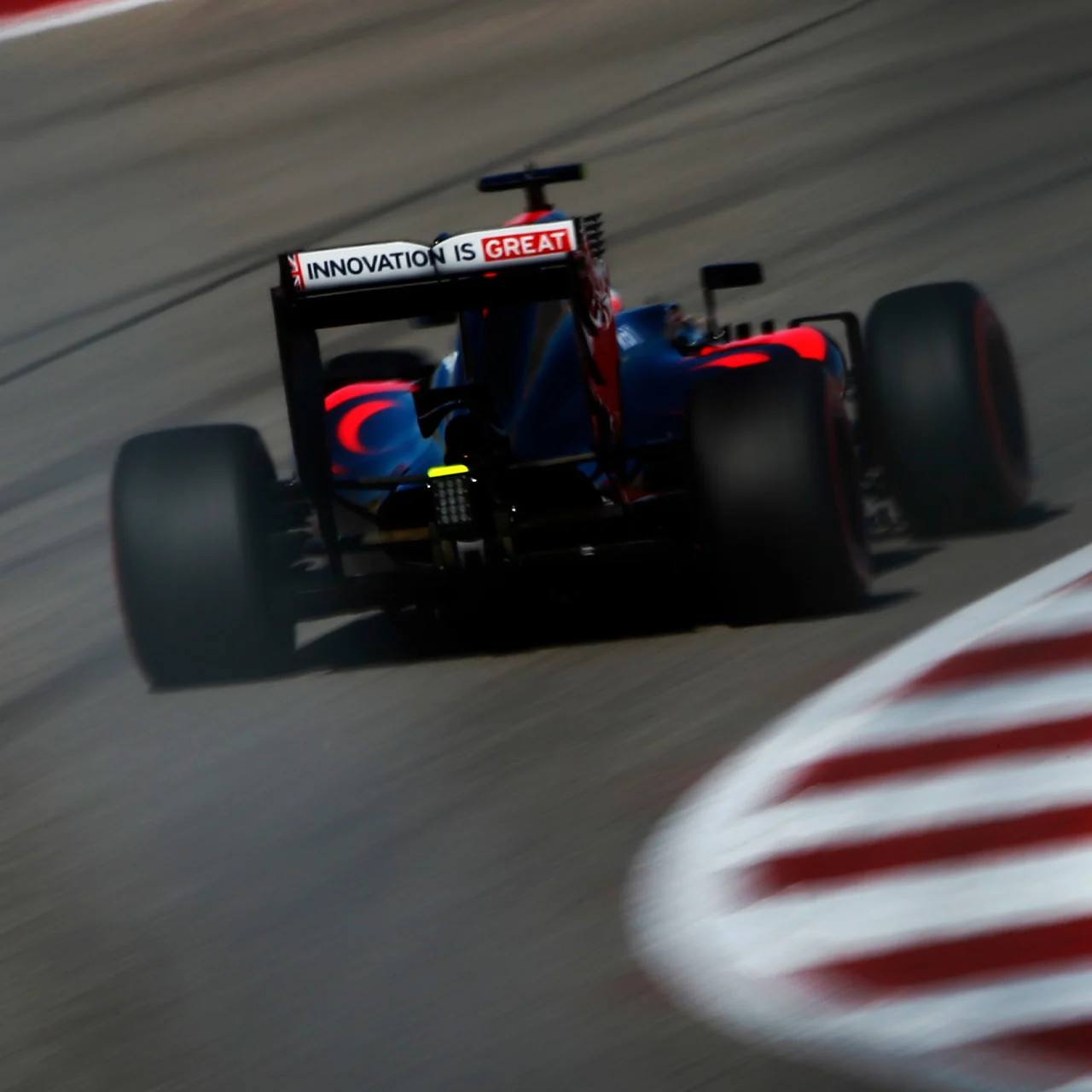
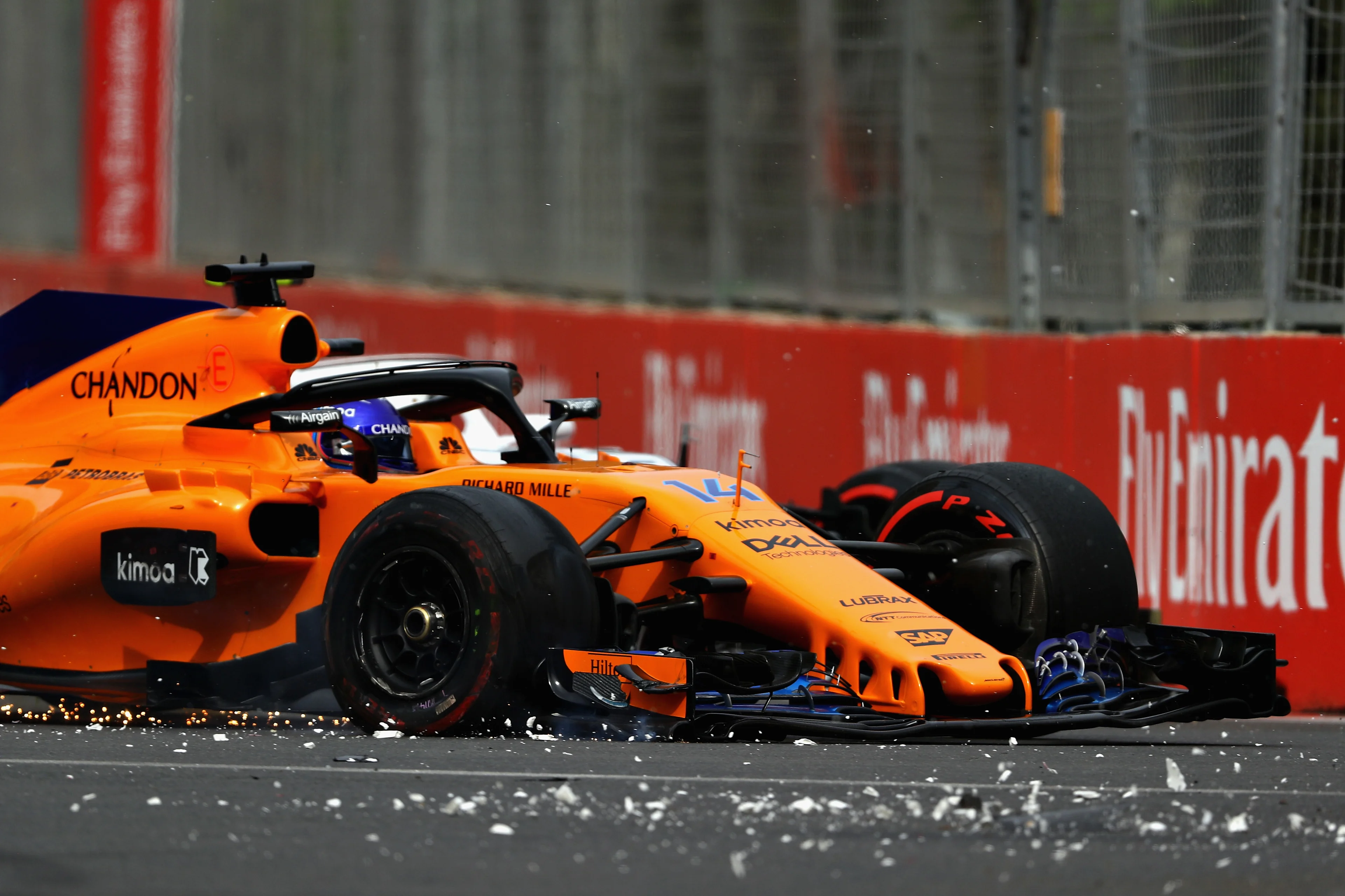
Usually with a great first lap, we’d be talking about steely-eyed overtaking moves… but Fernando’s first lap in 2018 was rather different. The start was a melee - collisions and debris everywhere. Fernando, starting in the midfield pack, was clipped, which damaged his nose and both tyres on the right side of his car. Game over… and yet, Fernando kept it running.
With the Safety Car out, he somehow managed to drag his McLaren back to the pit lane, occasionally banging off a wall because it wouldn’t steer, while calmly passing information to Race Engineer Will Joseph… along with a few choice observations about his fellow drivers. But against all odds, he made it back.
The team bolted on new tyres and a nose cone, and our Chief Mechanic had a good look at the suspension and gave the car his seal of approval, sending Fernando back out into the race. Normally, this would mean running several laps behind everyone else, the benefit being the experience gained from additional laps in the car, but Fernando being Fernando, went on to finish seventh.
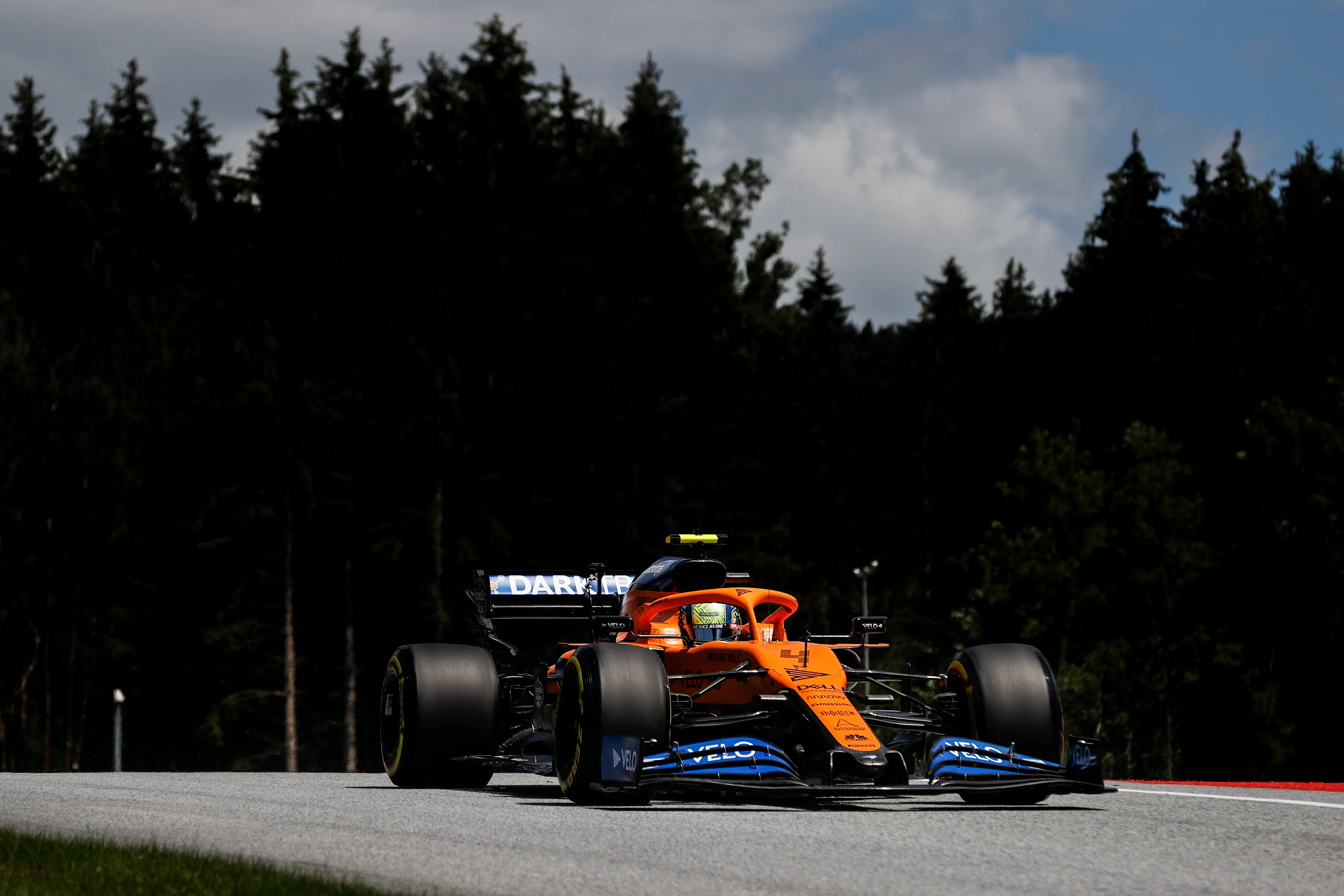
The best thing about the 2020 Austrian Grand Prix was that we had an Austrian Grand Prix. After a four-month Covid hiatus, the season finally got underway at a stark, empty Red Bull Ring in early July. It felt unnatural… but at least we were racing.
The MCL35 looked good, and Lando qualified fourth. After a race dominated by three significant Safety Cars, he was running P5 with five laps remaining. He passed Sergio Pérez with two laps to go, for P4. Charles Leclerc was the car ahead - however, the real target was Lewis Hamilton, running P2, but with a five-second penalty hanging over him. Lando had a tyre advantage but started the final lap 5.530s behind Lewis. Both cars were pushing for all they were worth, but it was Lando who delivered a truly mesmeric lap to close the gap, stealing P3 by a margin of 0.198s with the fastest lap of the race.
It was Lando’s first F1 podium, and a very happy day for the team – but the context is what makes this such a legendary lap: Lewis Hamilton and the Mercedes W11 crushed all opposition that year. So, to overcome that sort of deficit, on the shortest circuit of the season, against highly motivated opposition at the top of their game, is incredibly impressive. Heck of a good lap from Lando.
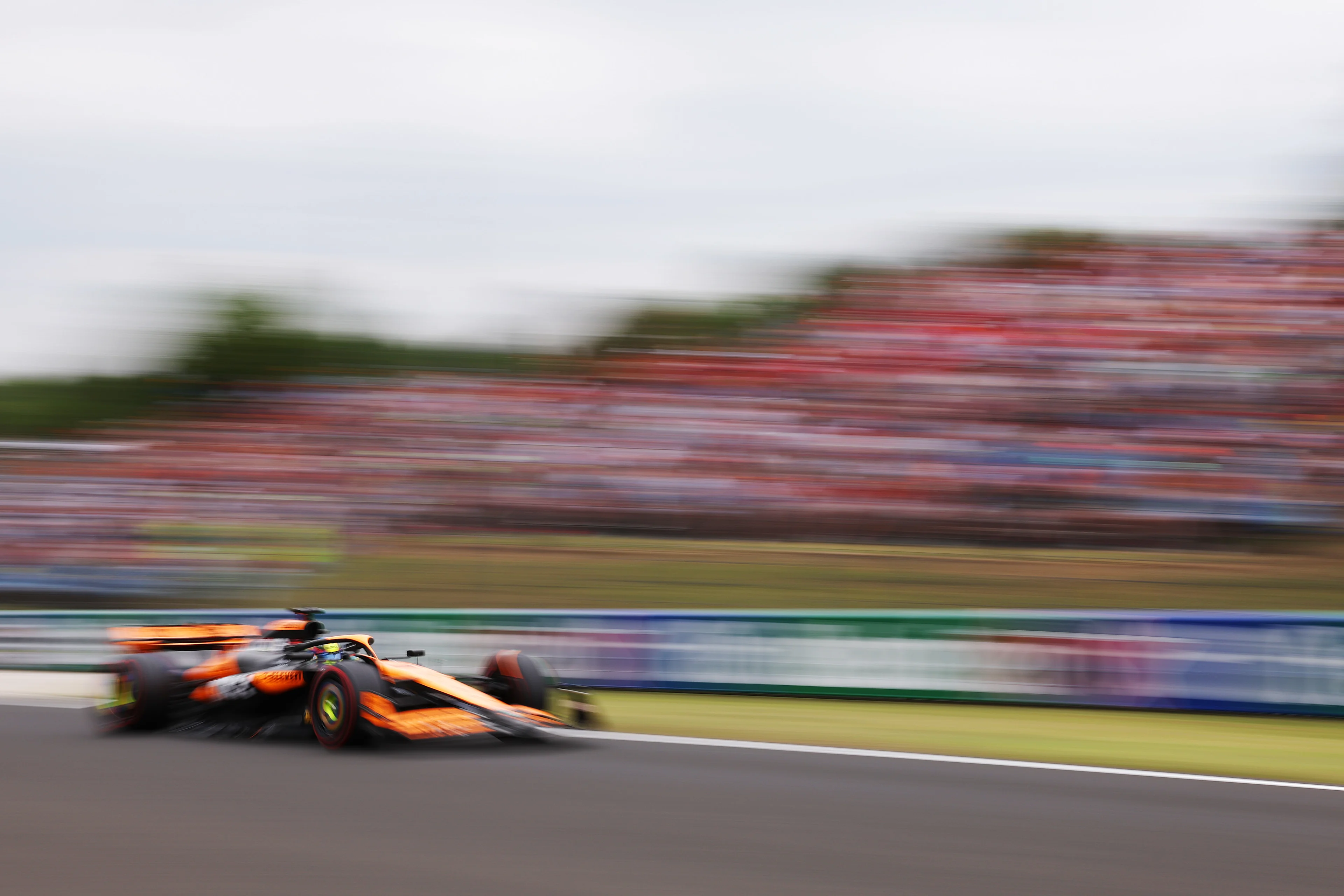
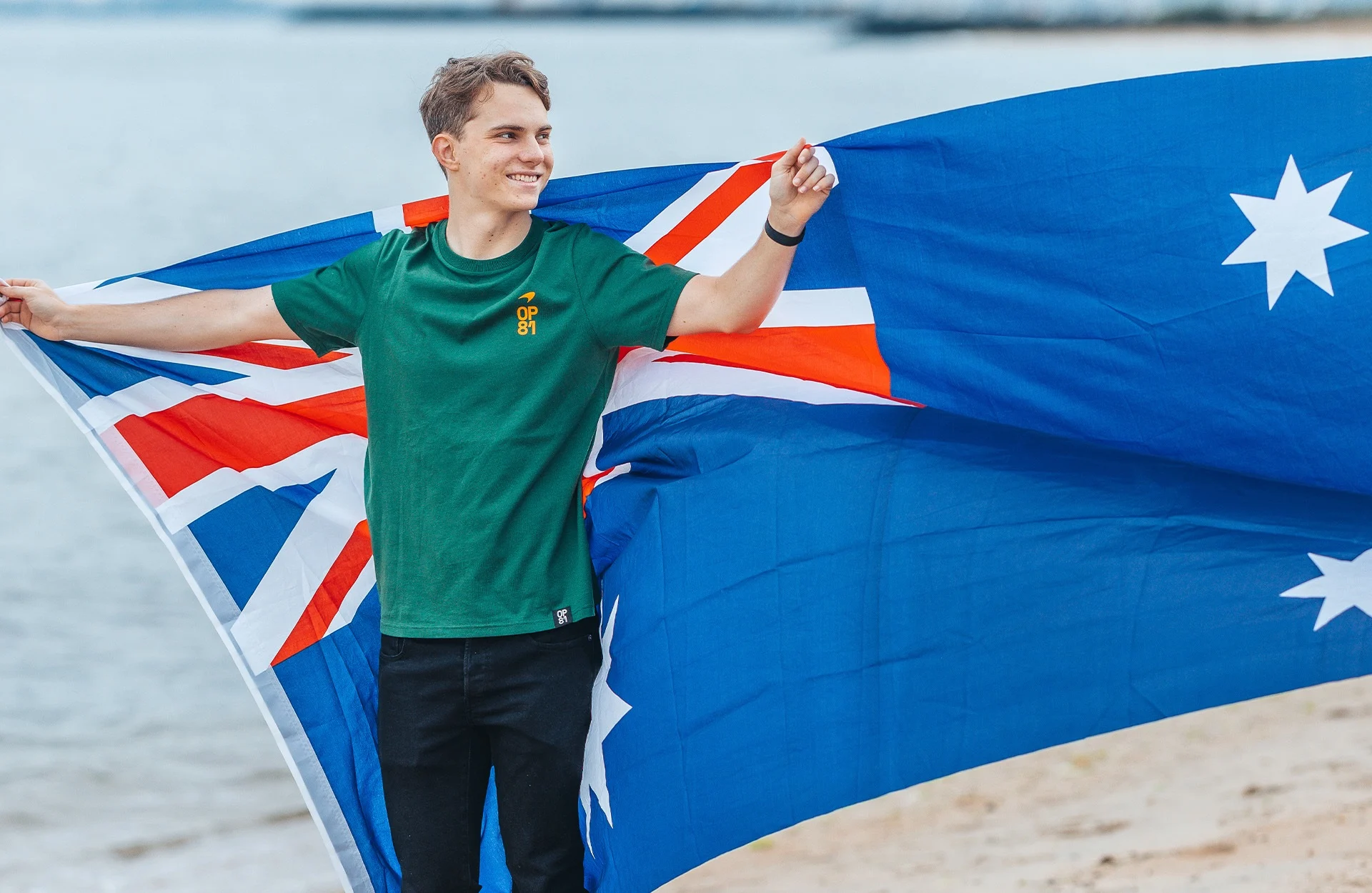
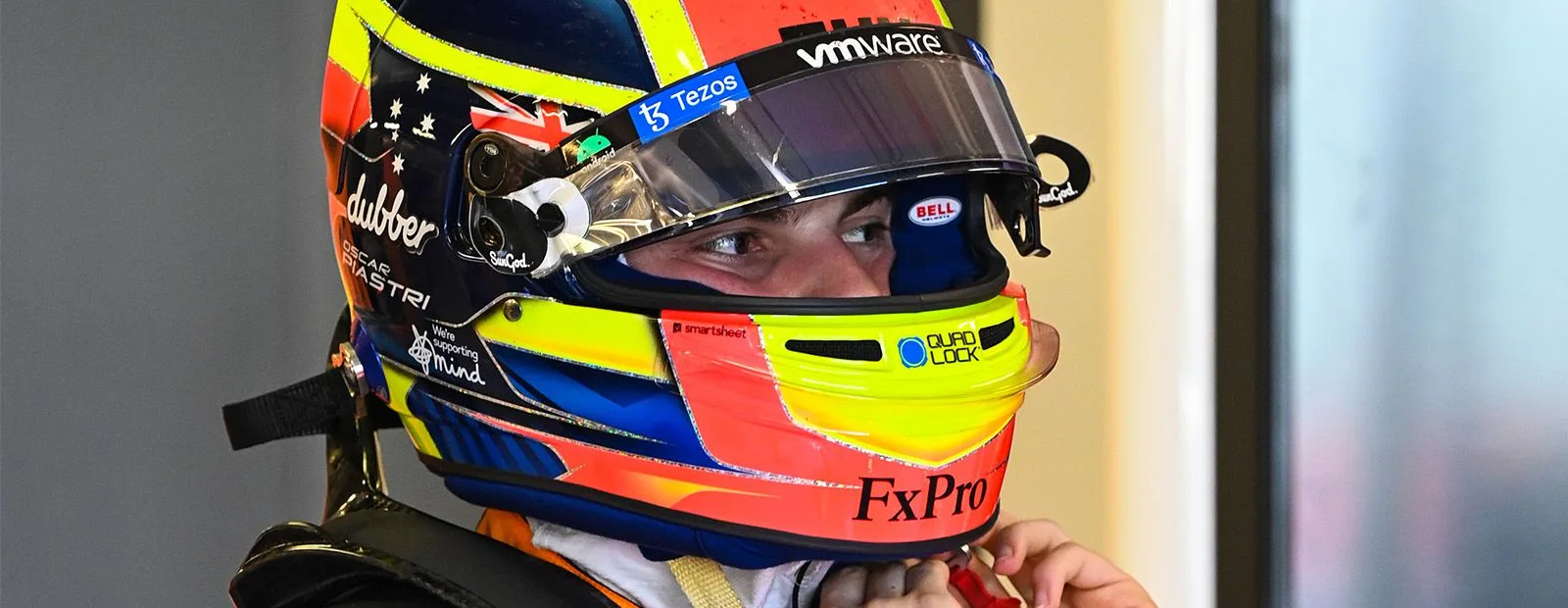
Oscar’s 2024 Hungarian Grand Prix win made him a Formula 1 Grand Prix winner, but it was his second victory that truly alerted the world to his talents.
Victory looked set to elude the Australian early on following an excellent getaway from Charles Leclerc. Oscar overworked his tyres trying to stay with the Ferrari before eventually slipping out of DRS range. Plan B was invoked on the pit wall. Oscar pitted on Lap 15 to cover off an undercut attempt from Sergio Pérez, and by the time Leclerc emerged from his own stop a lap later, Oscar was back in the fight.
Finding a second wind, Oscar was once again in the Ferrari’s rear-view mirror by the end of Lap 19. But with a 24-metre gap still separating the pair - and having already learned how easy it was to overwork his tyres in the opening stint - Leclerc looked to have enough of an advantage to hold on.
Lap 20 then turned the race on its head. Carrying greater momentum onto the long main straight, Oscar sensed a now-or-never opportunity. He launched an audacious dive down the inside of the Ferrari under braking, pulling off a spectacular, race-winning move.
Leclerc twice attempted to retake the lead, but never recovered. Oscar had produced, arguably, the overtake of the season. He was a deserving winner - and now the secret was out: Oscar was the real deal.