

14 May 2026 18:00 (UTC)
On the way to 1000 races, there are going to be times when you hit rock bottom. It’s what you do next that counts

Starting our 1000th Grand Prix will be a huge milestone for McLaren Mastercard, and we’ve been celebrating our history pretty hard in recent weeks. Inevitably, the focus is on the high points: the Championships, the great wins, and the fabulous laps… but getting to 1000 races isn’t simply a question of riding a wave of success.
In many respects, the years when the team are filling up the trophy cabinet are the easy ones. The secret to our team’s longevity lies as much in how we have coped with adversity as it does in the silverware we’ve collected along the way
It cannot be taken for granted, because the history of F1 shows that no one is too big to fail. Eight of the 13 teams that count their F1 victories in double figures are no longer competing. That McLaren isn’t among them comes down to how the team has reacted in the tough times. Here, we’ll look back on the more difficult times in our history, and how we rallied to bounce back.
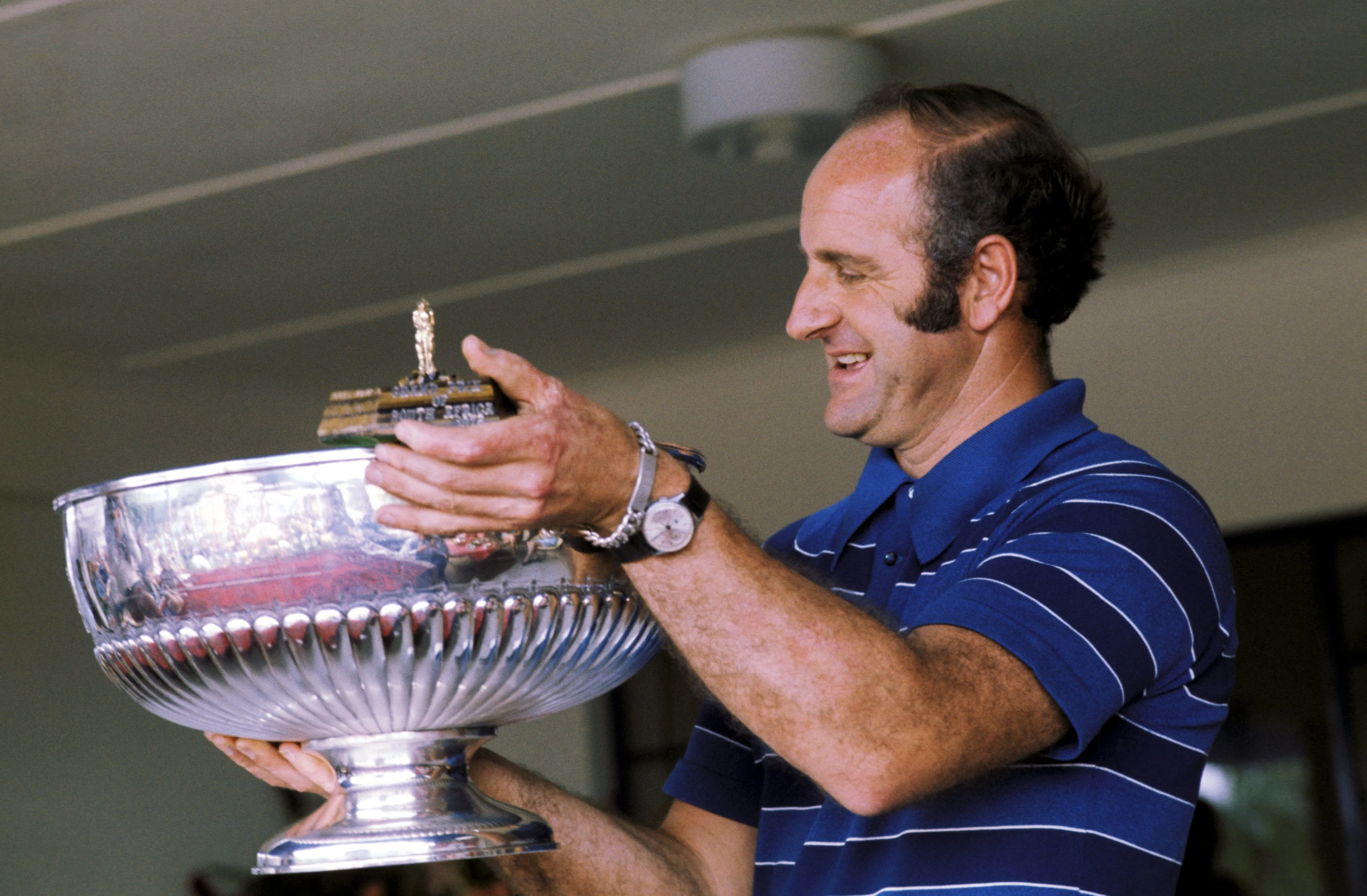
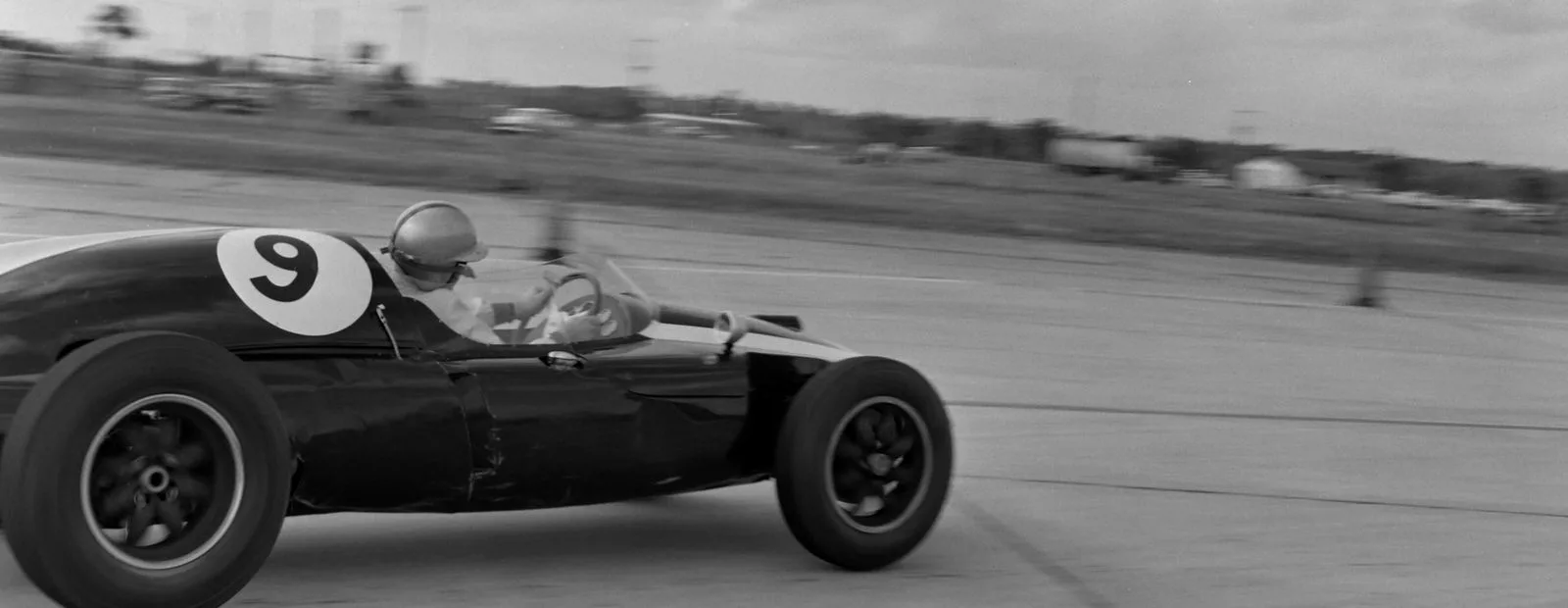
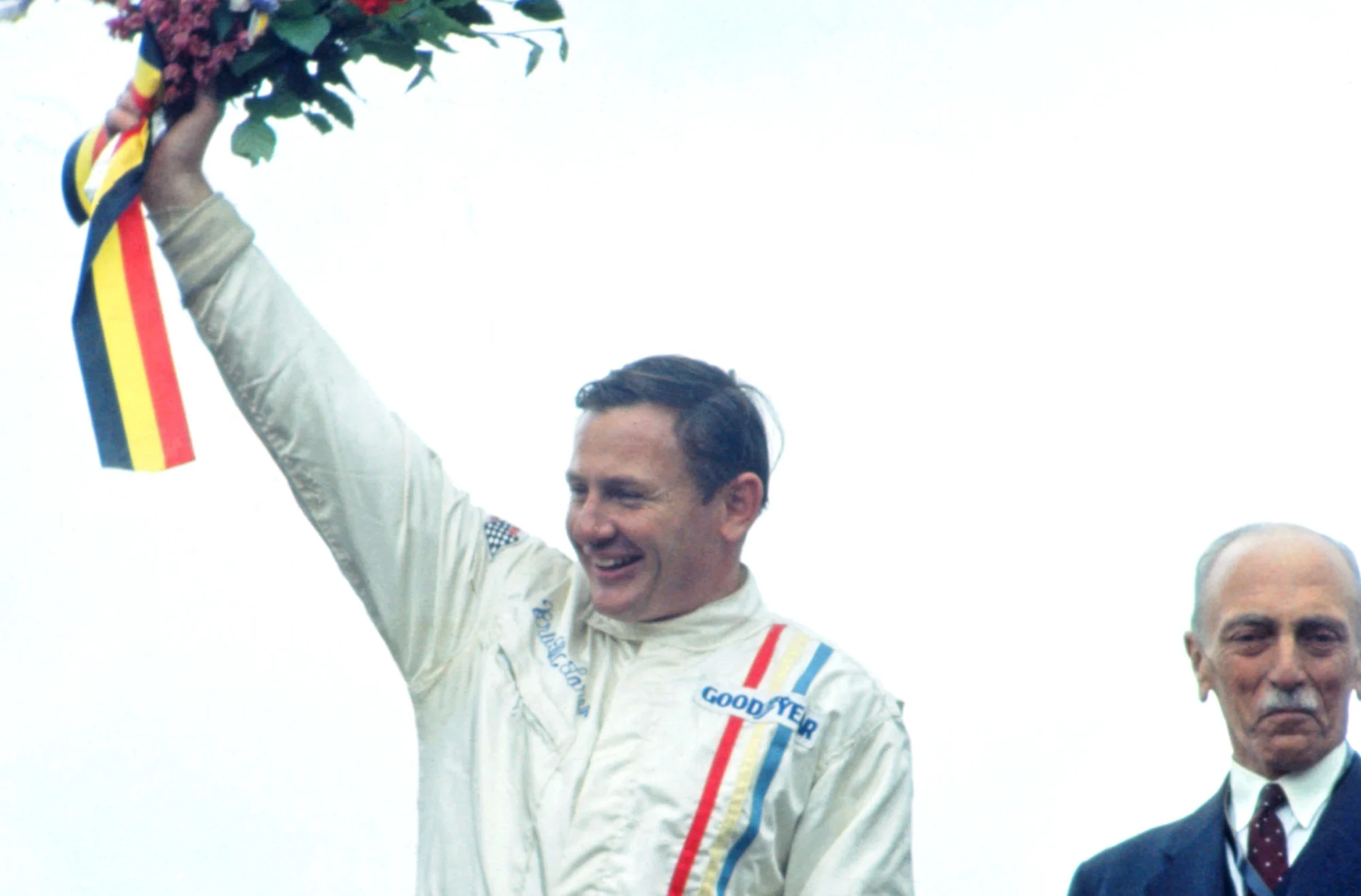
The team could have folded almost before it got going. Bruce McLaren died at the Goodwood Circuit on 2 June 1970. He was testing an M8D Can-Am car that suffered a structural failure, which caused it to spin off track and crash.
Bruce was driver, designer, engineer and leader – and for his tiny, close-knit team to suddenly find itself without its eponymous founder was a terrible shock. McLaren withdrew from the upcoming Belgian Grand Prix, but took part in the Can-Am season opener at Mosport just a week after Bruce’s death, his compatriot Denny Hulme racing despite having severely burnt his hands while testing the McLaren M15. The team then returned to F1 competition later that month.
Teddy Mayer, one of the team’s founders, was now at the helm. Denny shouldered the burden of leading on track, with Peter Gethin making his F1 debut and sharing the second seat with Dan Gurney, who made a brief return to the Championship. Denny took three podiums across the rest of the F1 season, while the trio of drivers dominated Can-Am, winning nine of the 10 races that year.
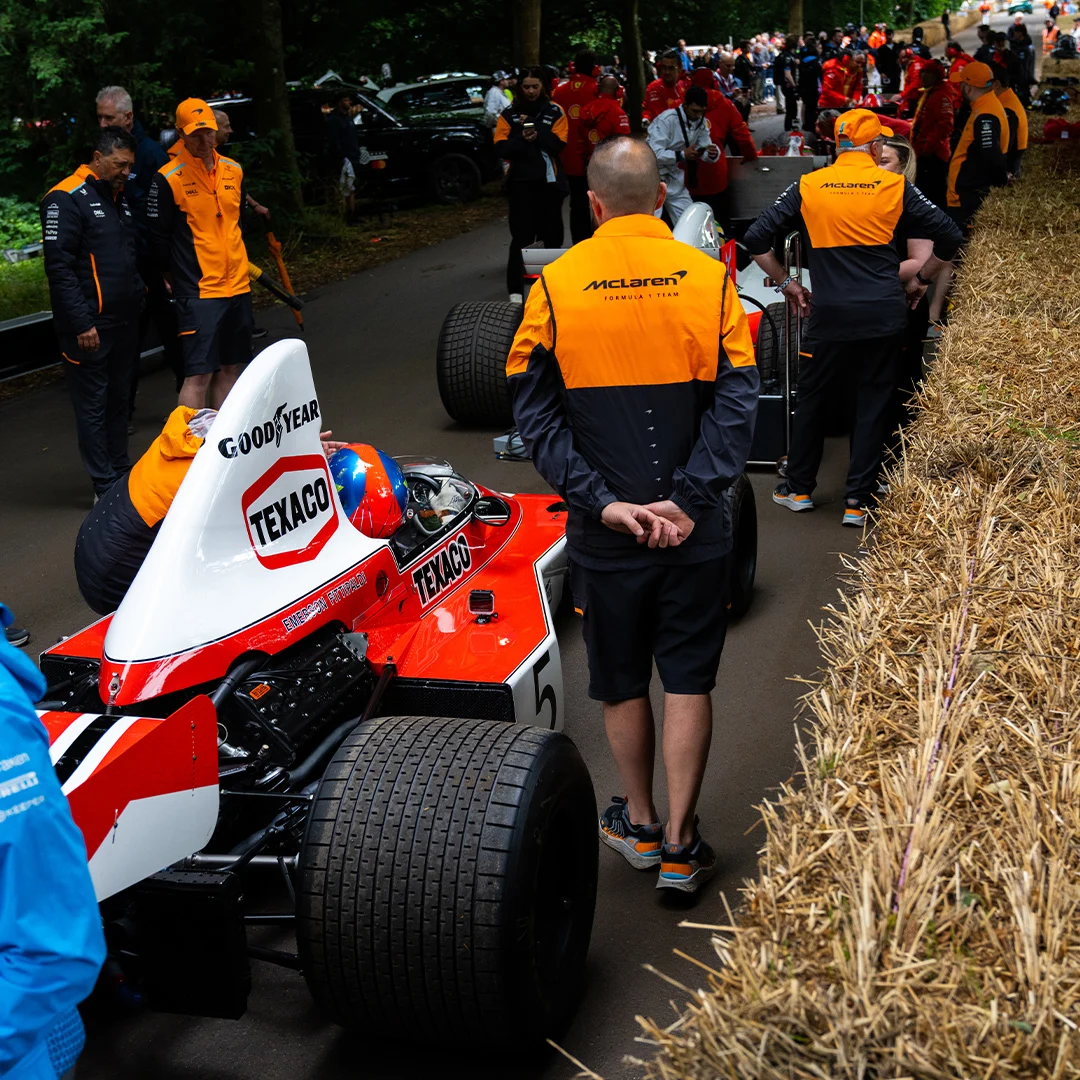
McLaren enjoyed a golden period between 1973 and 1977: 19 victories, Drivers’ Championships for Emerson Fittipaldi and James Hunt, and the Constructors’ title in 1974… but in the late 1970s, the team went into decline. Still capable of scoring points and taking the occasional podium, but not the force it once was.
In a period of exceptional innovation, a team that had previously shown itself to be among F1’s most creative were being out-innovated by its rivals. Everything from the fan car and six-wheelers to turbo engines and the blossoming of ground effect was being conjured up around us.
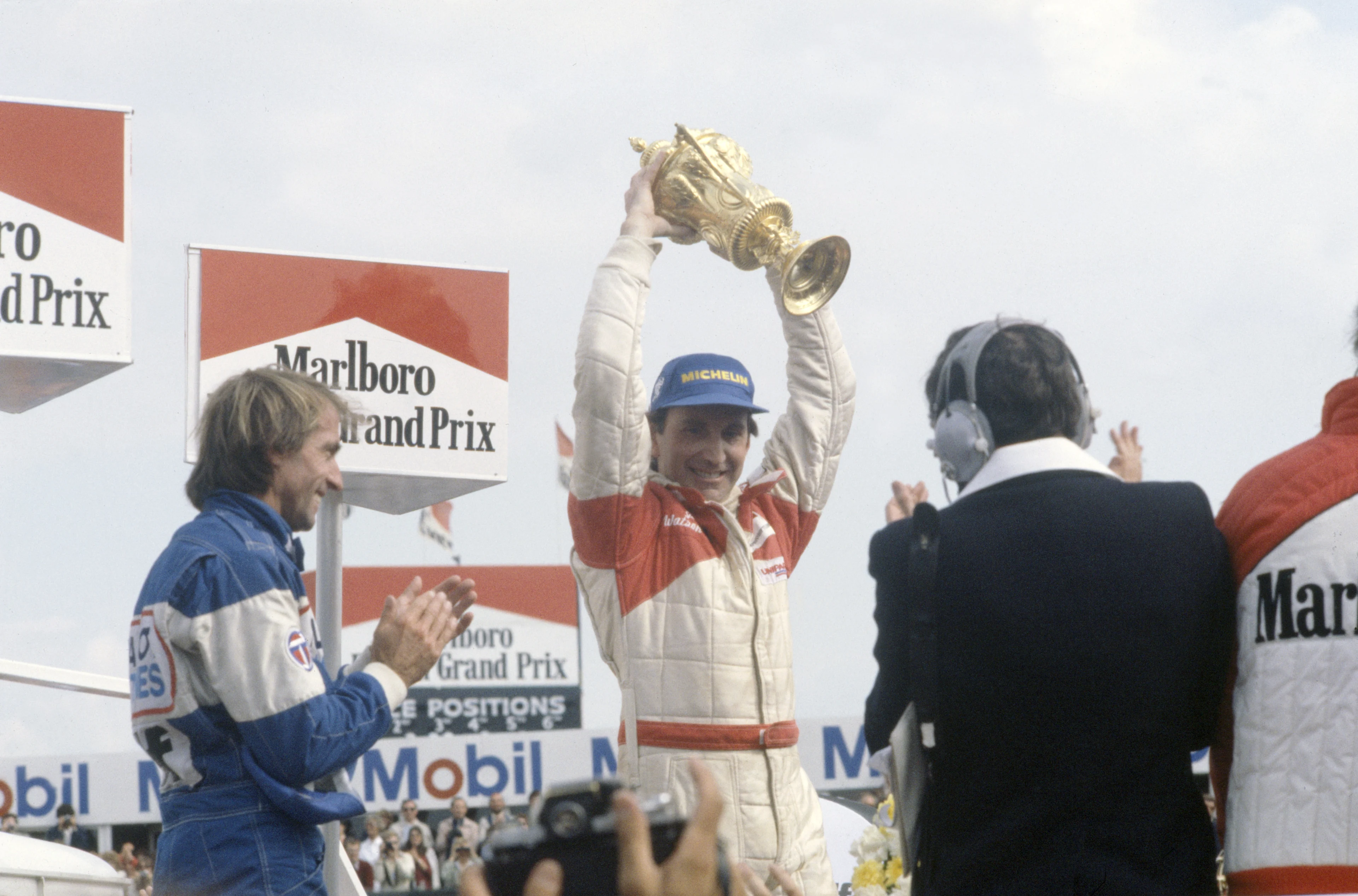
McLaren slipped back into the pack, finishing eighth in ’78, seventh in 1979 and ninth again in 1980. Change was required. It came in the form of a merger between Team McLaren and Project Four, Ron Dennis's F2/F3 team. Design guru John Barnard returned to McLaren and created the MP4, built around F1’s first carbon fibre chassis. It wasn’t hugely successful in 1981, but John Watson won the British Grand Prix and took three further podiums, leading the team to sixth in the Constructors’ Championship and laying the groundwork for the successes that were to follow throughout the 1980s.
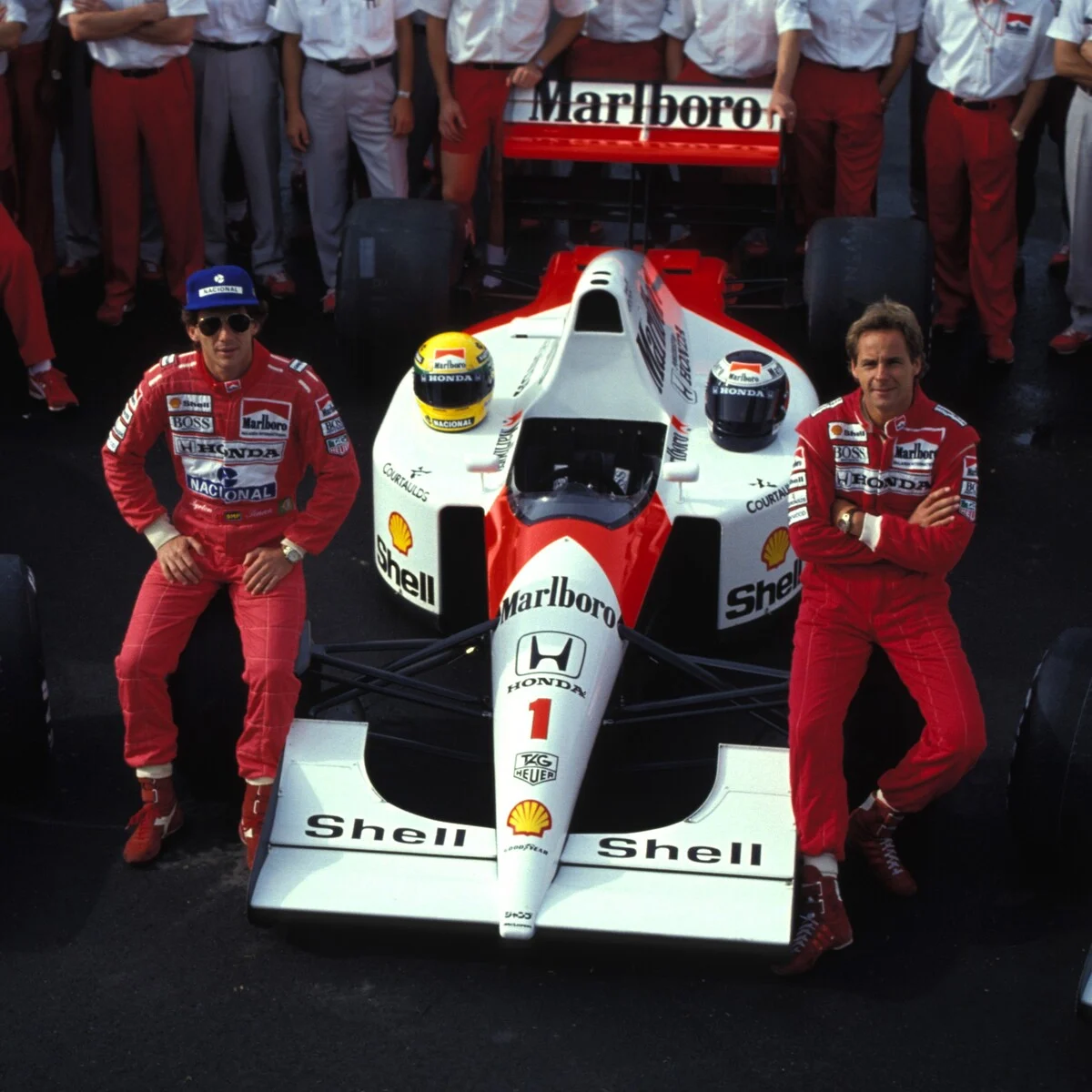
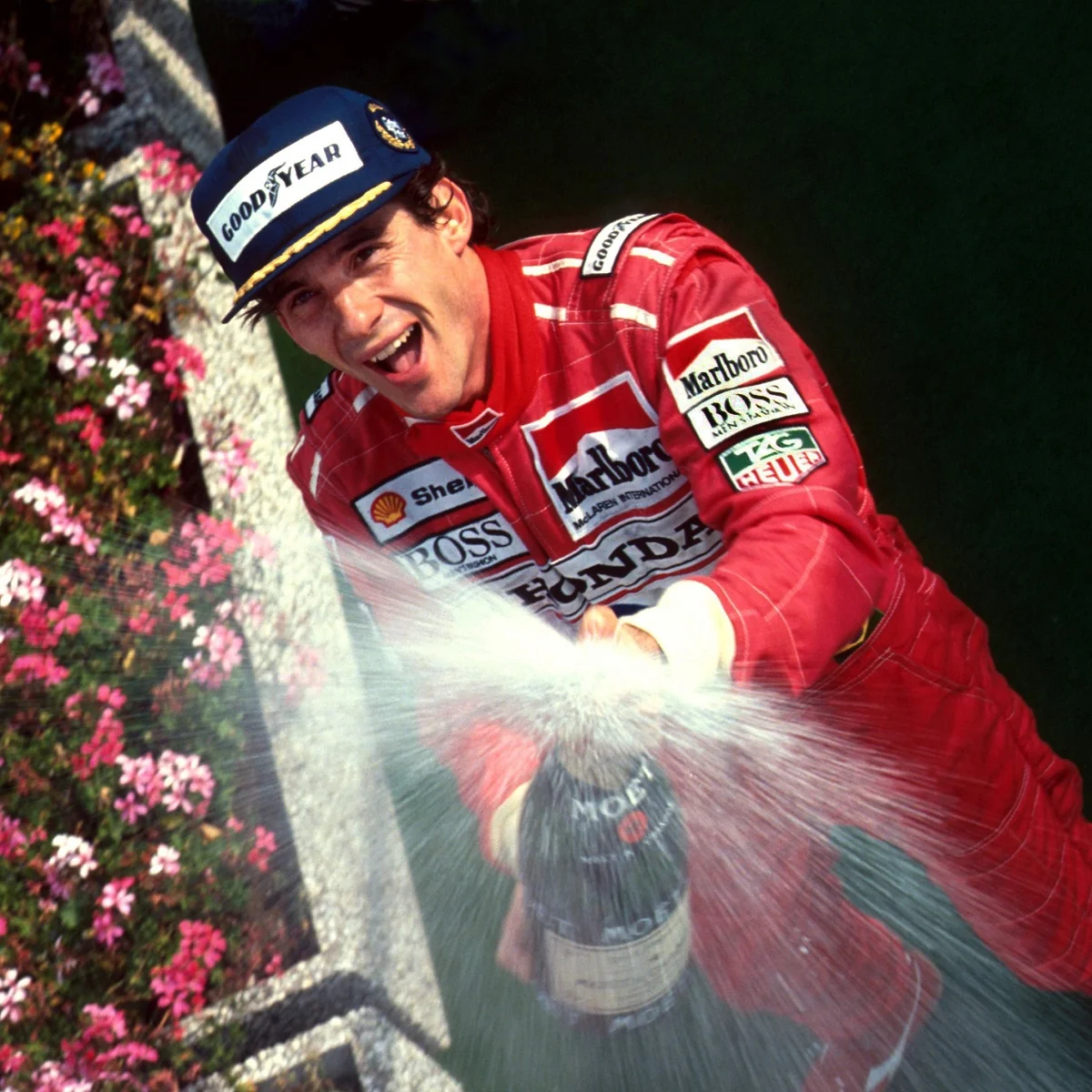
The McLaren-Honda partnership of the late 1980s and early 1990s was one of the strongest the sport has ever known. It started in 1988, in the final year of the first turbo era, when the team took 15 victories from 16 races. The transition back to normally-aspirated engines resulted in back-to-back Championships for the 3.5l V10, and then Honda, in their pomp, produced the magical RA121E for 1991 to make it four in a row.
The only year the partnership failed to win the title was in its final year in 1992, when five victories weren’t enough to compete with the magical, active Williams FW14B… but when you think of F1 greats, it’s usually a red-and-white McLaren-Honda that springs to mind. And this is why Honda’s decision to quit F1 cast McLaren adrift. The team spent 1993 with a customer Cosworth deal, and then with a new works deal with Peugeot for 1994 – but Ayrton Senna had departed by then, unconvinced by the direction the team was taking. The Peugeot engine wasn’t a failure: Martin Brundle and Mika Häkkinen managed eight podiums – but no victories and 17 DNFs.
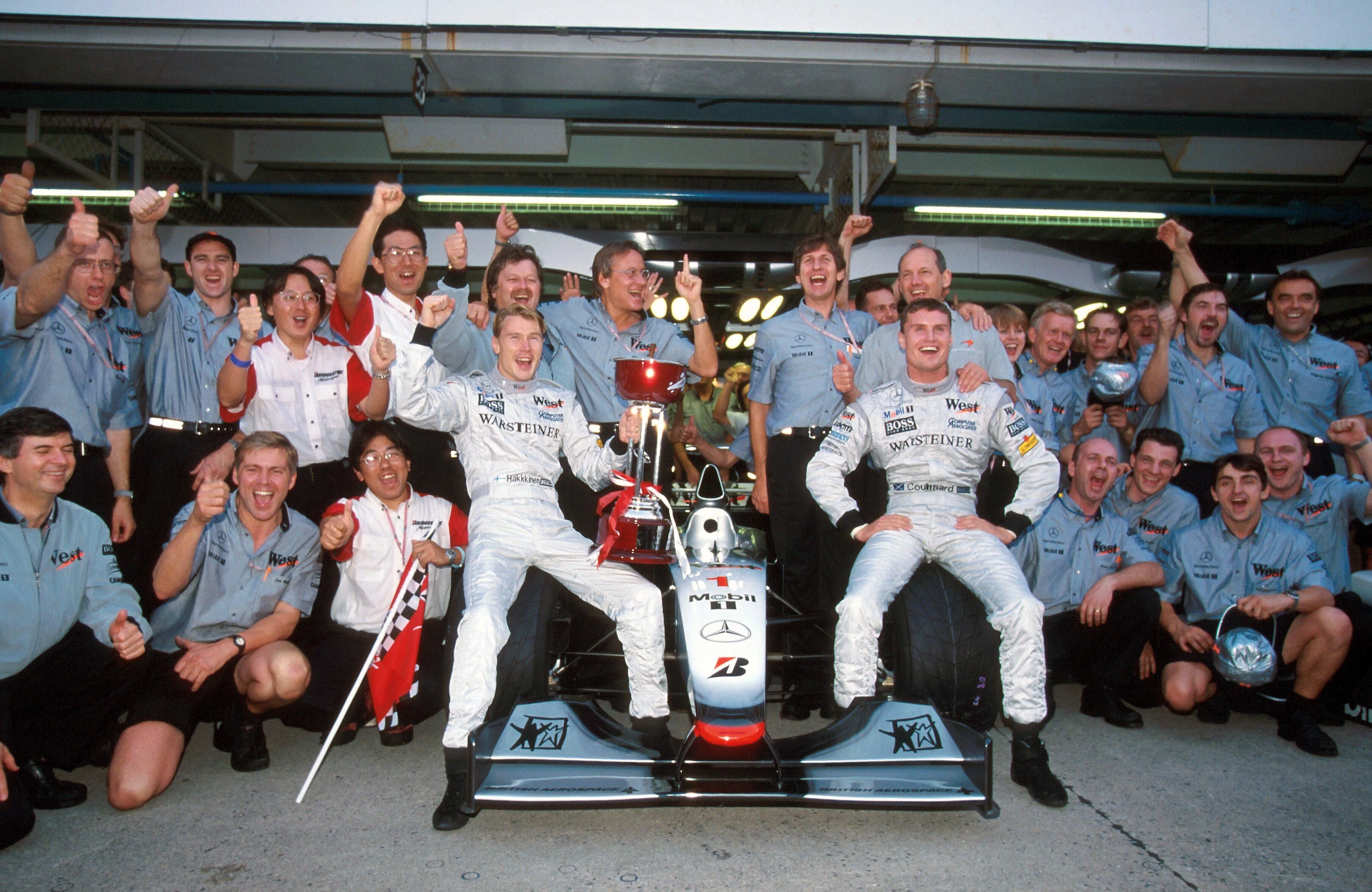
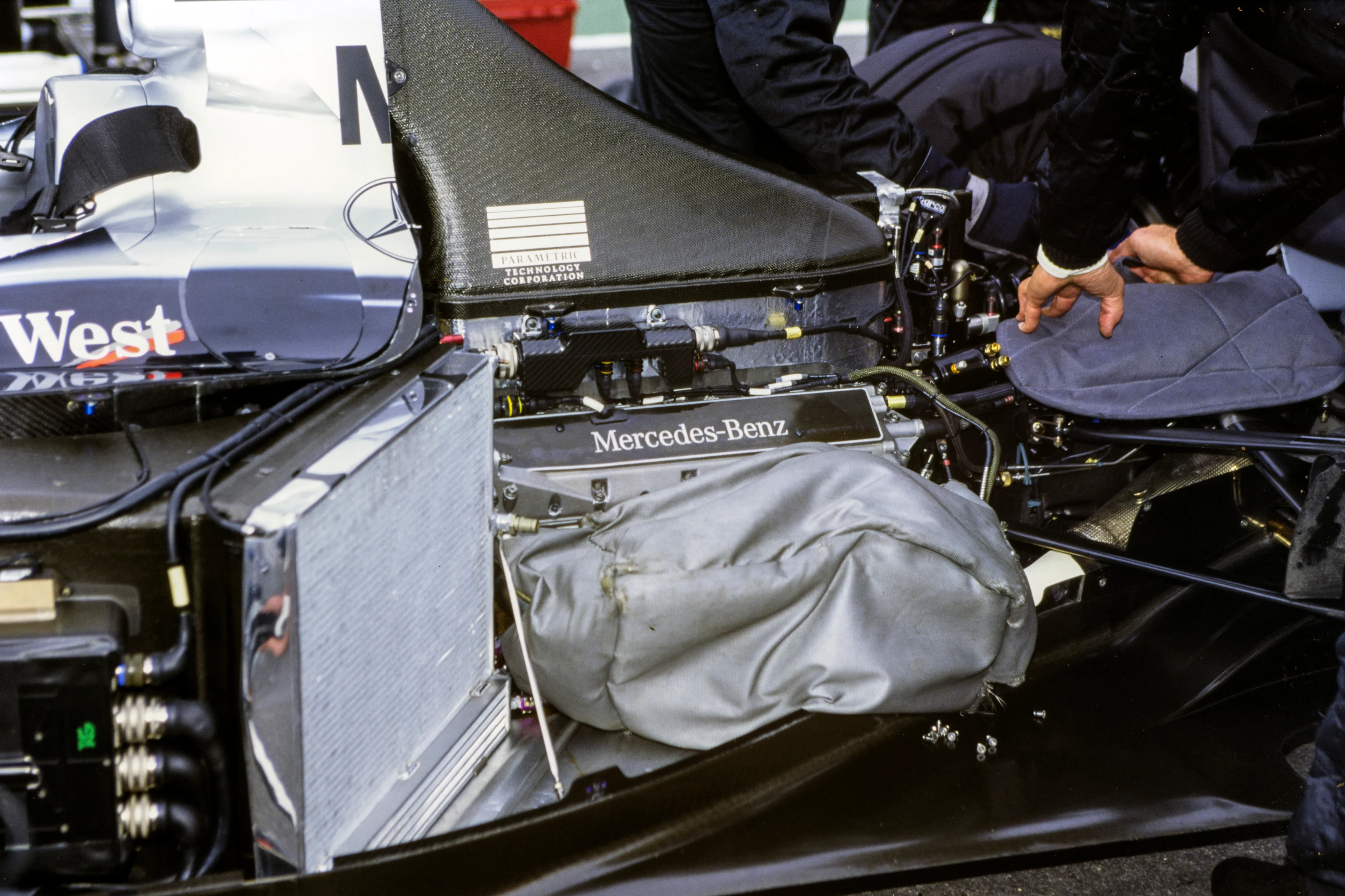
Something had to change, and after only a year with the French manufacturer, the team jumped ship and signed the three-pointed star. Mercedes, having recently returned to F1 through a partnership with Sauber, became McLaren's works engine partner. That original partnership lasted 18 seasons and delivered 78 victories, a Constructors’ Championship and three drivers’ titles.
The original McLaren-Mercedes partnership ran until 2014, ending just a few years after Mercedes’ decision to return as an F1 Constructor for the first time in 55 years. Honda had left F1 at the end of 2008, but were sufficiently curious about the upcoming hybrid regulations to return with McLaren, intent on restoring the glory days of McLaren-Honda.
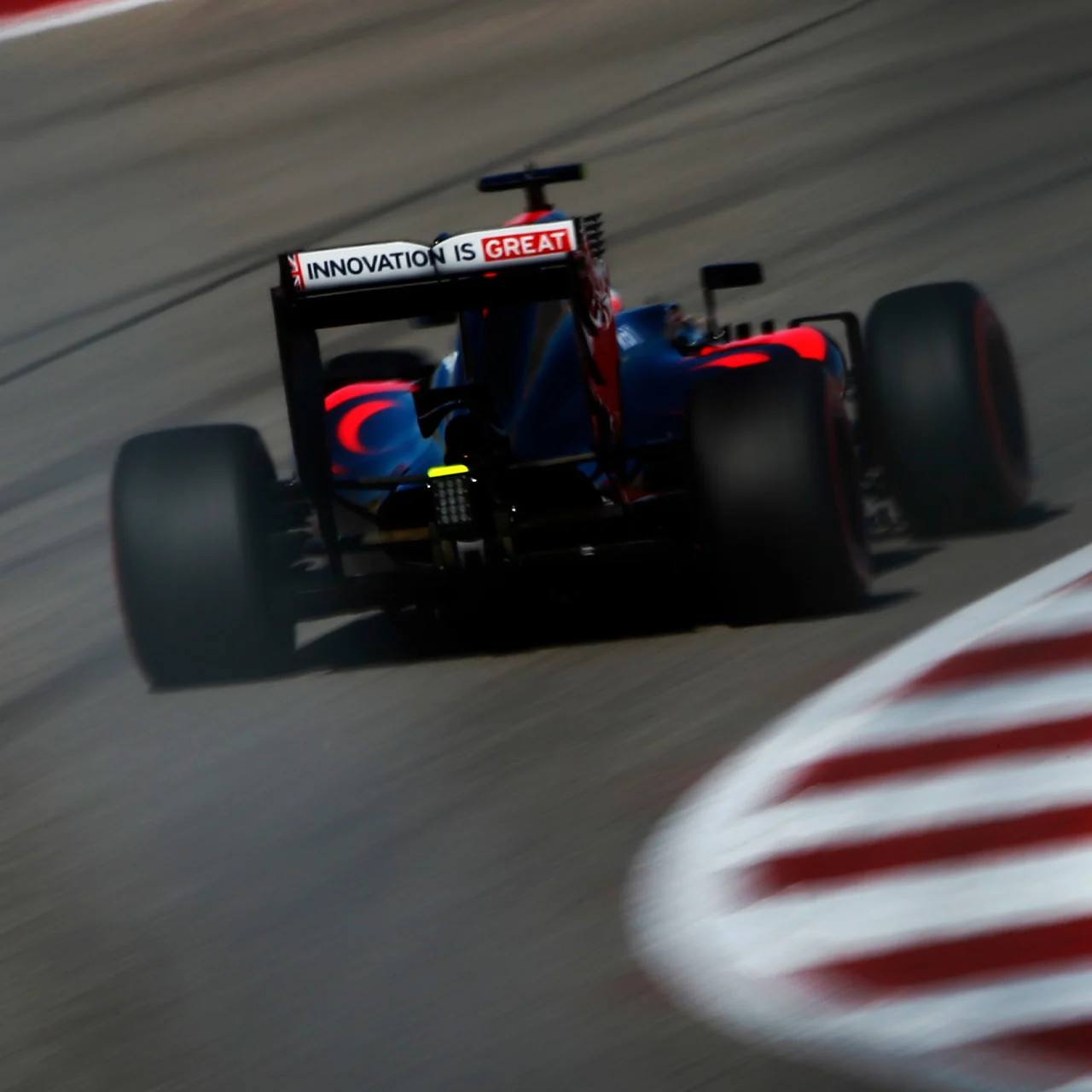
While a sound idea in principle, the second McLaren-Honda partnership was a difficult time for both famous marques. The first year, 2015, was particularly tough, with the car often catching fire, and running so hot that the first thing the crews did when it returned to the garage was throw wet towels onto the sidepods to stop them scorching. McLaren finish ninth, sixth and ninth. The team had 33 DNFs versus 30 scoring races, and no podiums – despite the presence of two former World Champions, in Fernando Alonso and Jenson Button, in the cockpit.
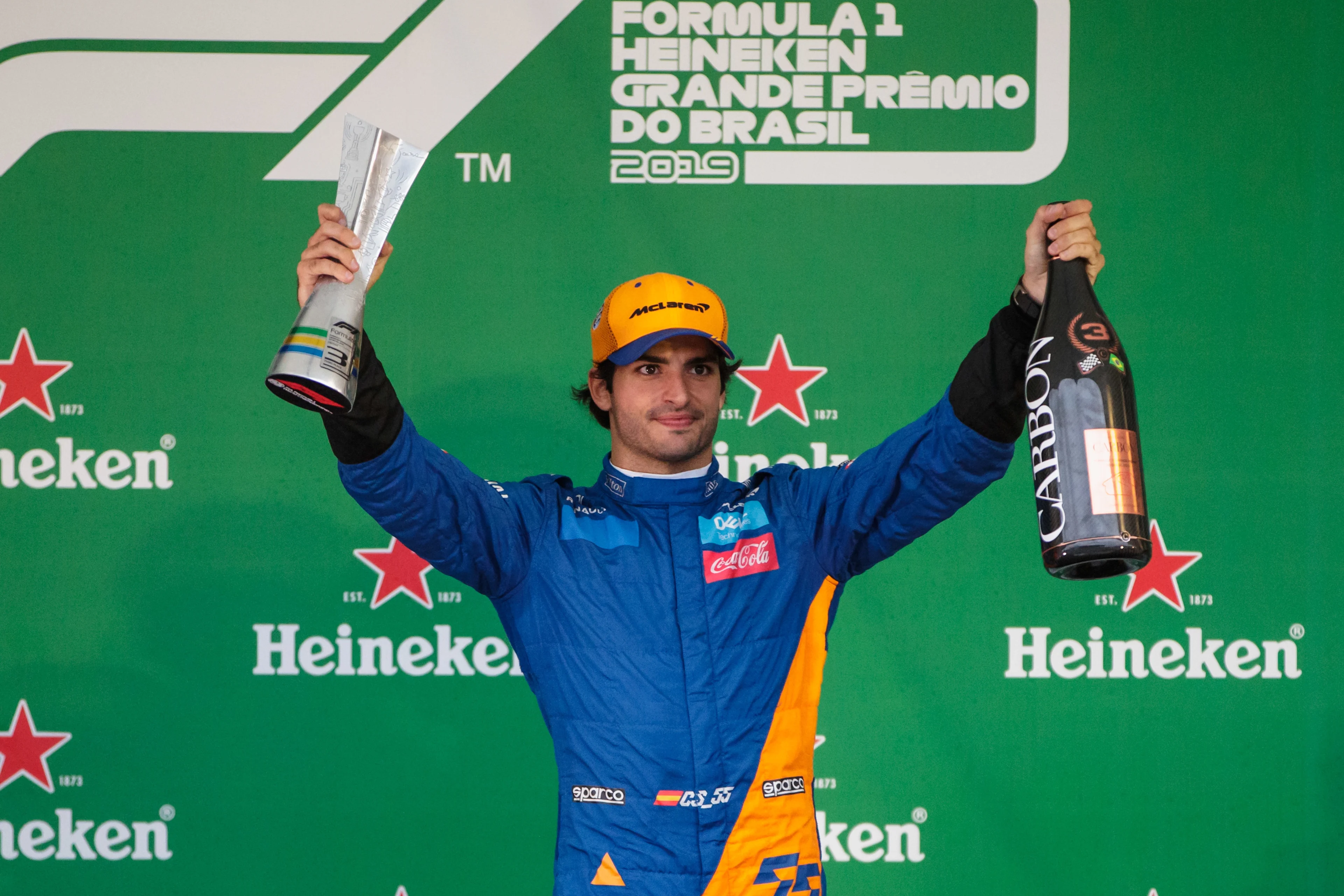
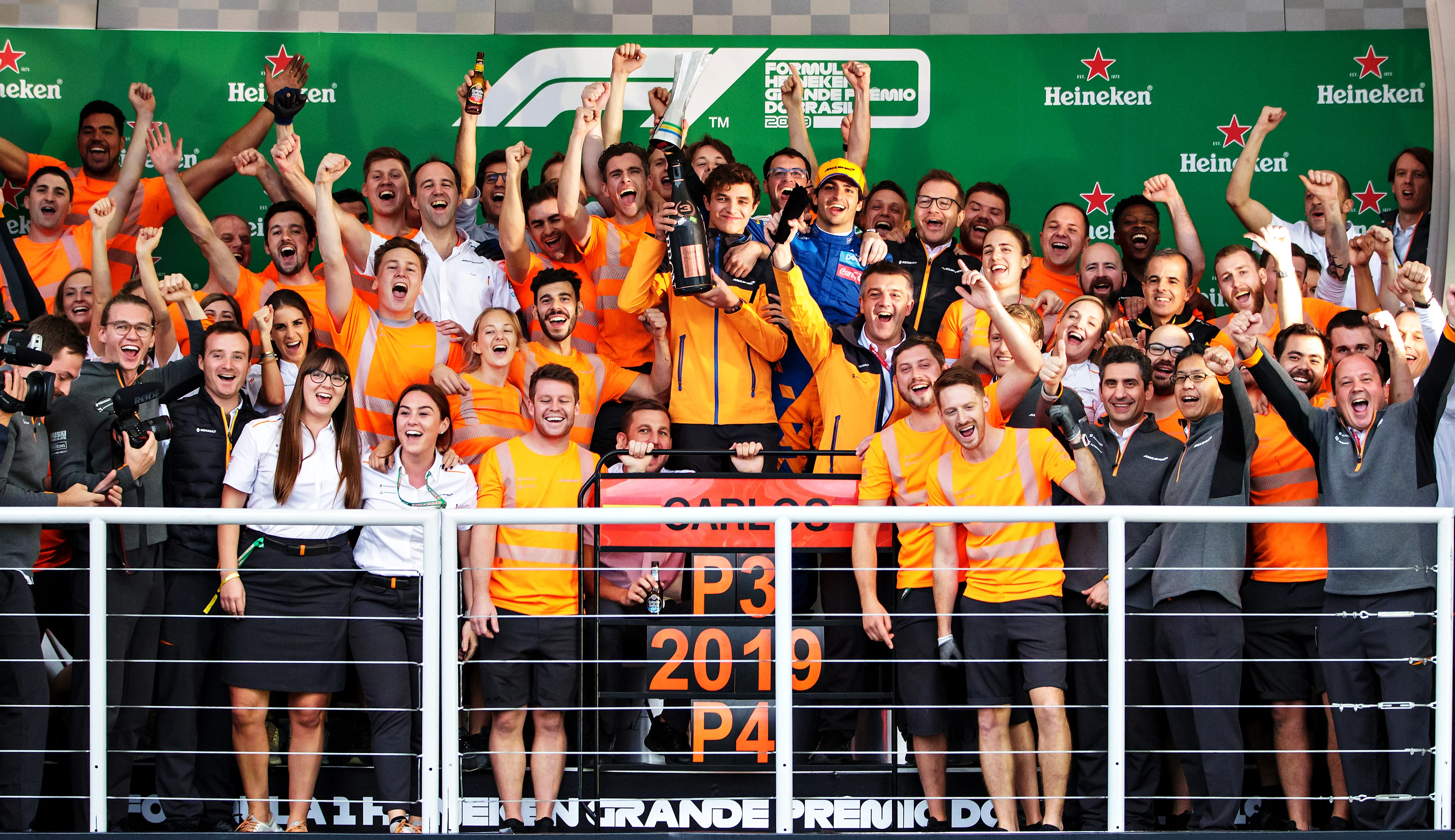
McLaren could build a great car, and Honda could design a great engine, but together… it wasn’t working. So, McLaren became a Renault customer, and while this may not be our most trophy-laden period in history, the McLaren-Renault years were quietly successful. Three seasons saw steady progress: sixth, fourth, and third. The cars started in the top 10 on three occasions in 2018, rising to 29 times in 2019, and in the shortened 2020 season, it was 28 times from 34 starts. The team also returned to the podium for the first time since 2013 in the 2019 Brazilian Grand Prix. It got the team pointing in the right direction again.