

31 August 2026 16:00 (UTC)
With the help of Technical Director – Performance, Mark Temple, we assess the impact of 2026’s regulations overhaul

For a sport that trades so very heavily on its history, change in Formula 1 is exceptionally common, and the changes we’ve had for 2026 are massive.
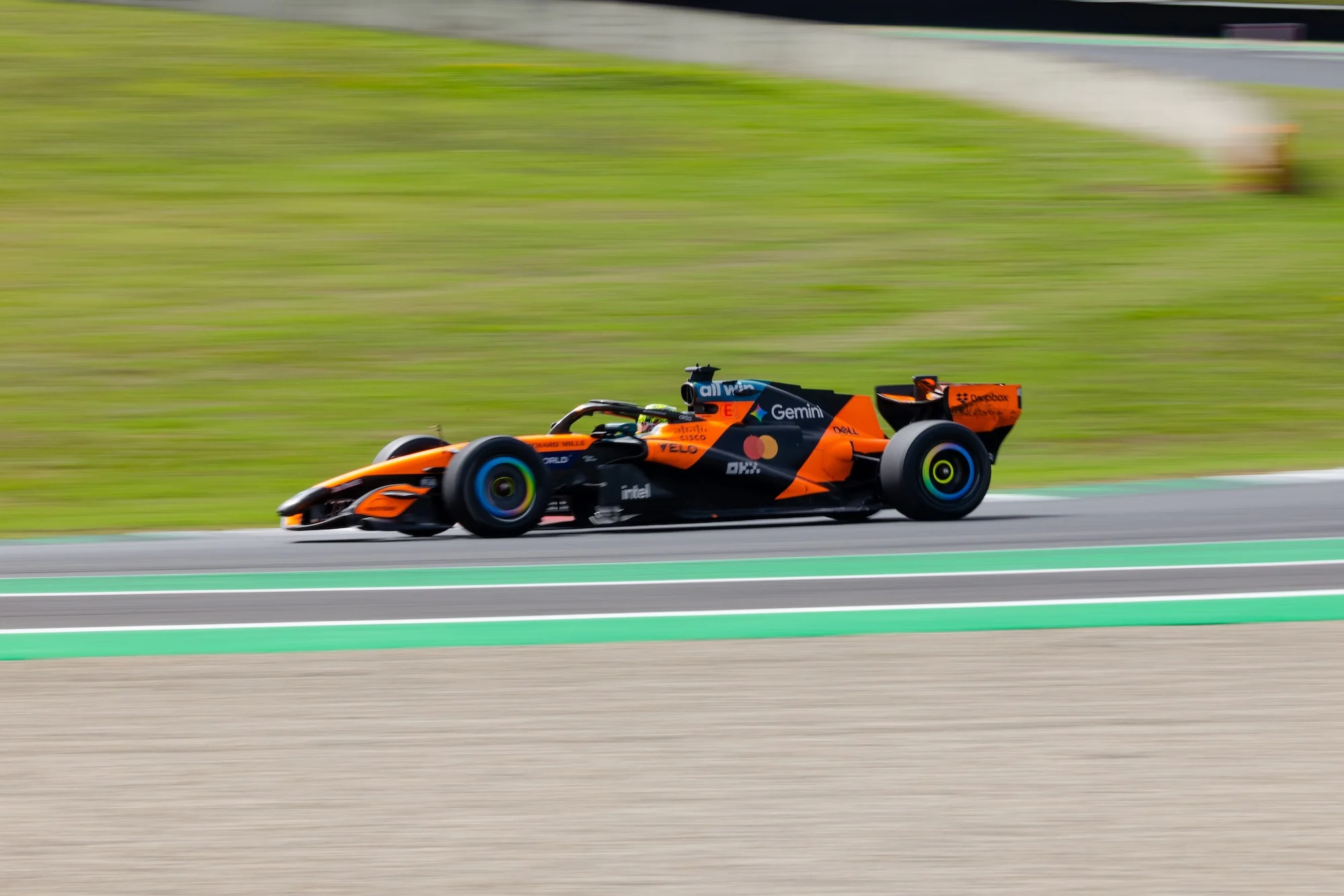
The aerodynamic reboot this year, with the introduction of active front and rear wings, is on a scale to match any shift F1 has ever seen – matched only by the vastness of the overhaul to our power units. An uprated electrical element has demanded fresh thinking from race engineering, and a different style behind the wheel from the drivers.
And yet, to the casual viewer, this year's racing looks very similar to what it replaced. The timesheets show a much more competitive, closer grid, but it is still the same four teams scrapping for podiums, while the strategies that proved effective last year are typically proving successful this year. However, a quick look under the bonnet reveals several key differences.
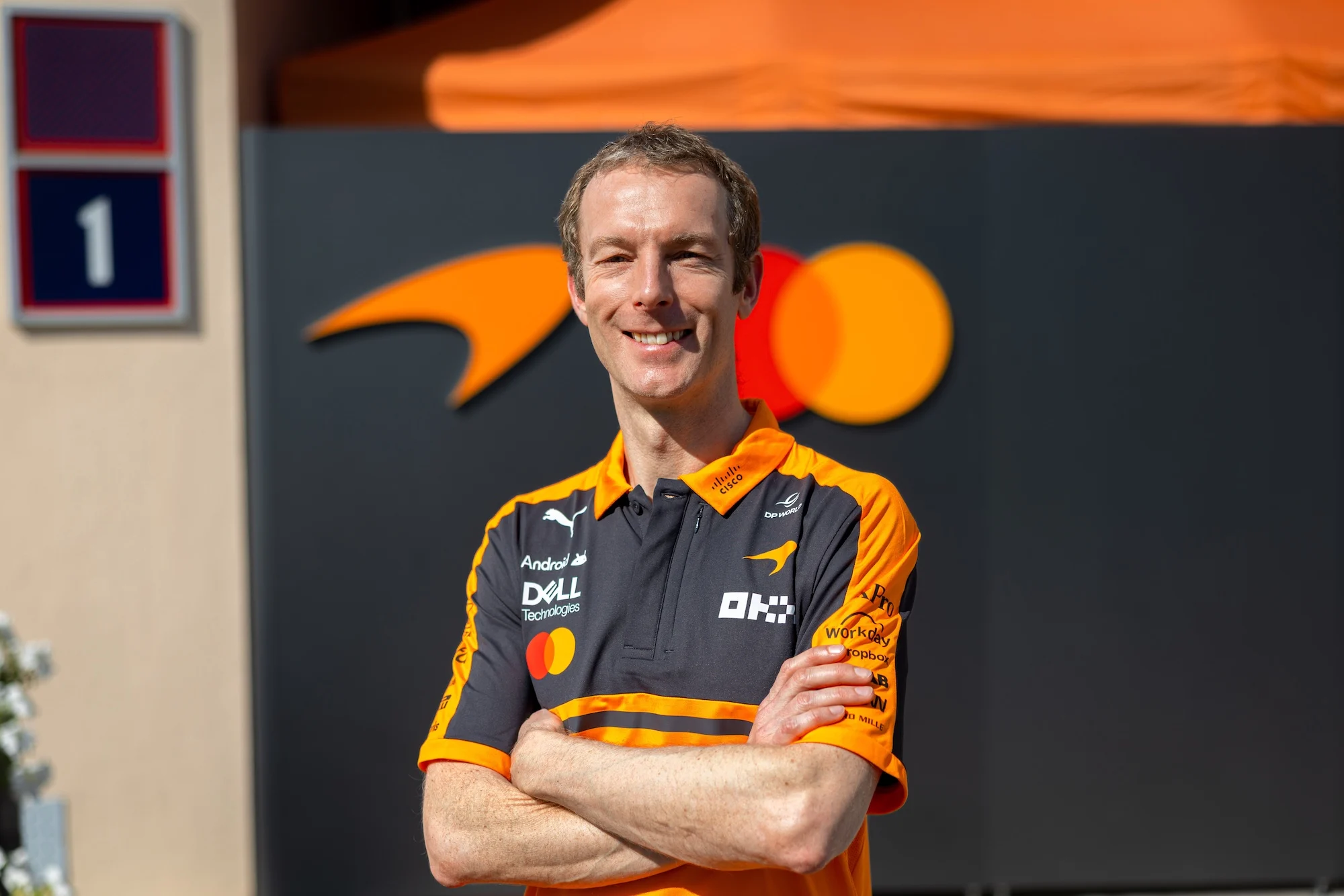
To get a better idea of what these are and what they mean, we asked Mark Temple, Technical Director – Performance, for his views on what’s really happening in F1 this year.
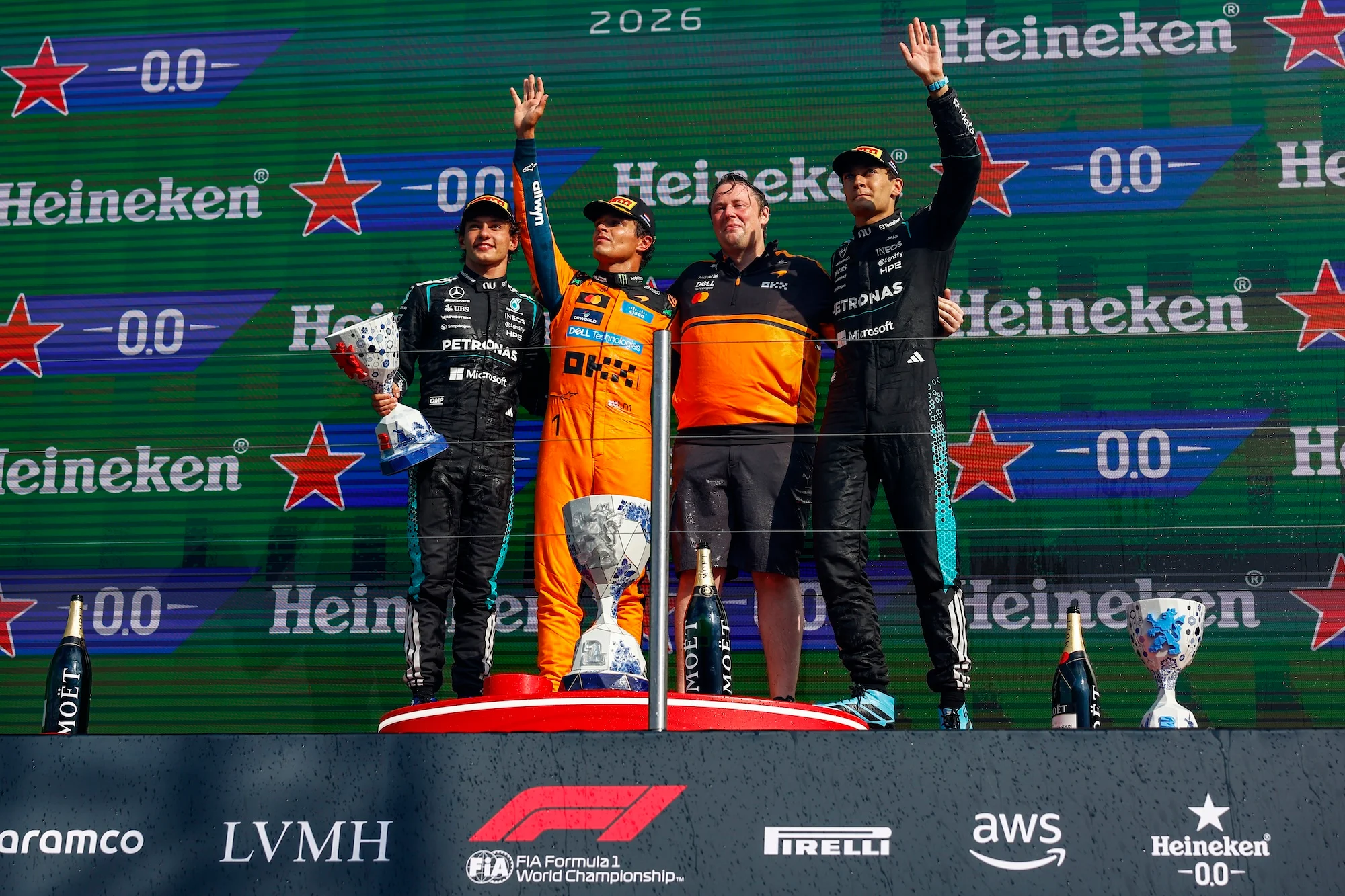
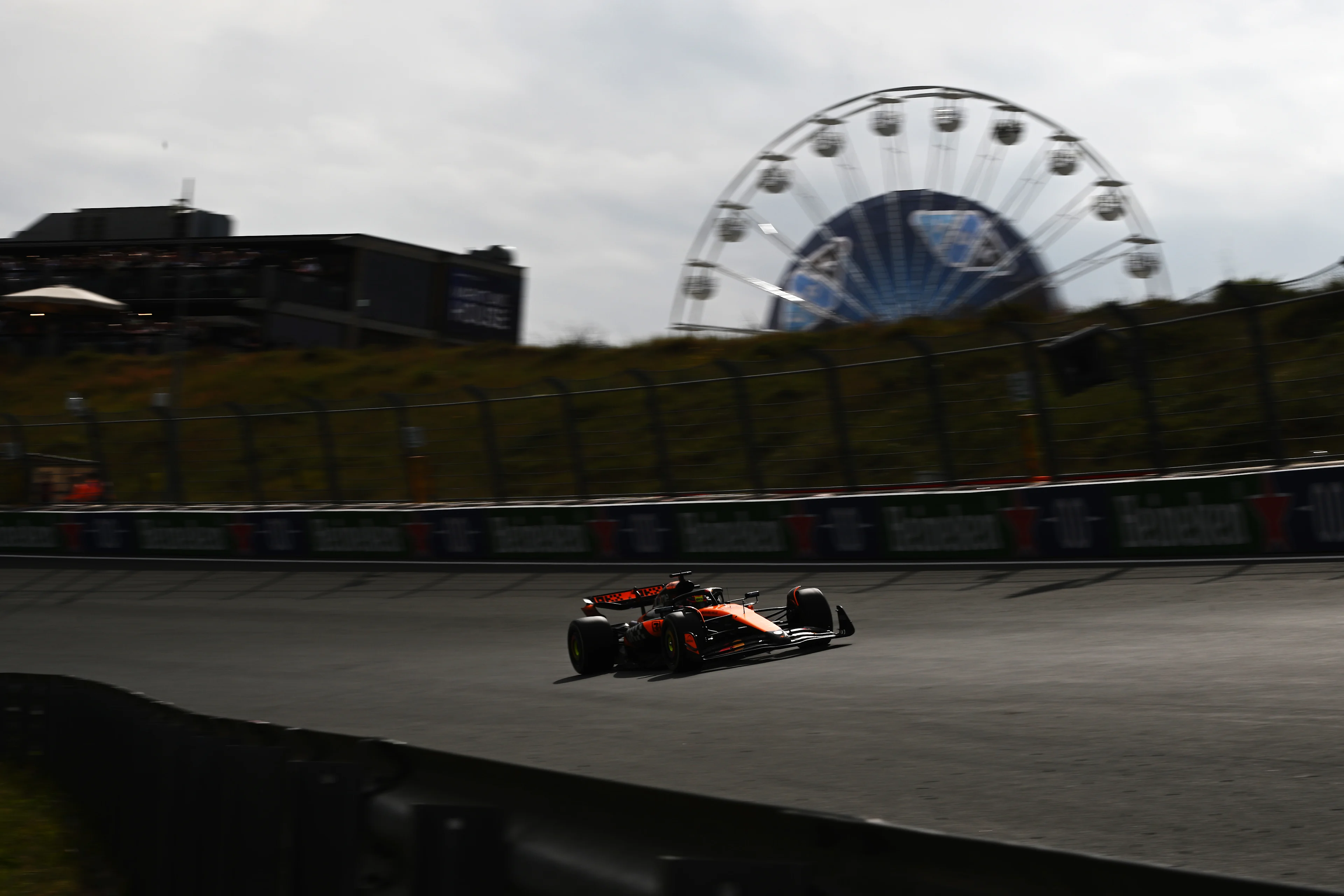
Perhaps one of the most astonishing things about this new era is how exceptionally close the competition is in 2026. The Hungaroring is a reasonably representative circuit, and in Qualifying, the top three teams were within two-tenths of a second, and the top four within half a second. This pattern repeated at Zandvoort, where in the Sprint, less than a tenth split the top three and half a second separated the top four. In Sunday’s race, three-tenths separated the top three, and less than half a second the top four.
It’s worth dwelling on that for a moment. This is the most radical shift ever in F1’s technical specification, with entirely new engines and an aerodynamic philosophy never before tried. And yet in the first year of these new regulations, four individual teams – thousands of staff – have already produced cars capable of challenging for Pole – even if, to date, only two have achieved this.
On the one hand, this isn’t surprising: F1 is astoundingly competitive. On the other hand, tradition dictates eras begin with a dominant team. We did have that at the start of the season – but what’s unusual about 2026 is how, following that very brief period of consistent success for Mercedes, the sport has returned to the very competitive picture that was common with the mature cars of 2025.

“It has been a surprise to see how incredibly competitive and tight it is at the top,” says Mark. “Mercedes starting the season very strongly wasn’t a big surprise – but what’s interesting to see is how close it has become across Mercedes, Ferrari, Red Bull and ourselves – and how much that changes from event to event. Mercedes have been the stronger team so far – but it really is very close.”
As always when a new set of aerodynamic regulations drops, evolution has been rapid. Not so much in the number of upgrades that appear, but rather in the effectiveness of those upgrades. With a mature car, gains are small, but 2026 has seen larger gains, with the advantage between teams swinging back and forth depending on who has the most recent development. This was not entirely unanticipated.
“I would say, on the chassis side, we expected there to be a high rate of development this year,” says Mark. “We expected teams to bring a lot of aerodynamic upgrades, and that there would be lots of different ideas out there for us to learn from, and so we were ready for that. I don't think there's anything unexpected there.
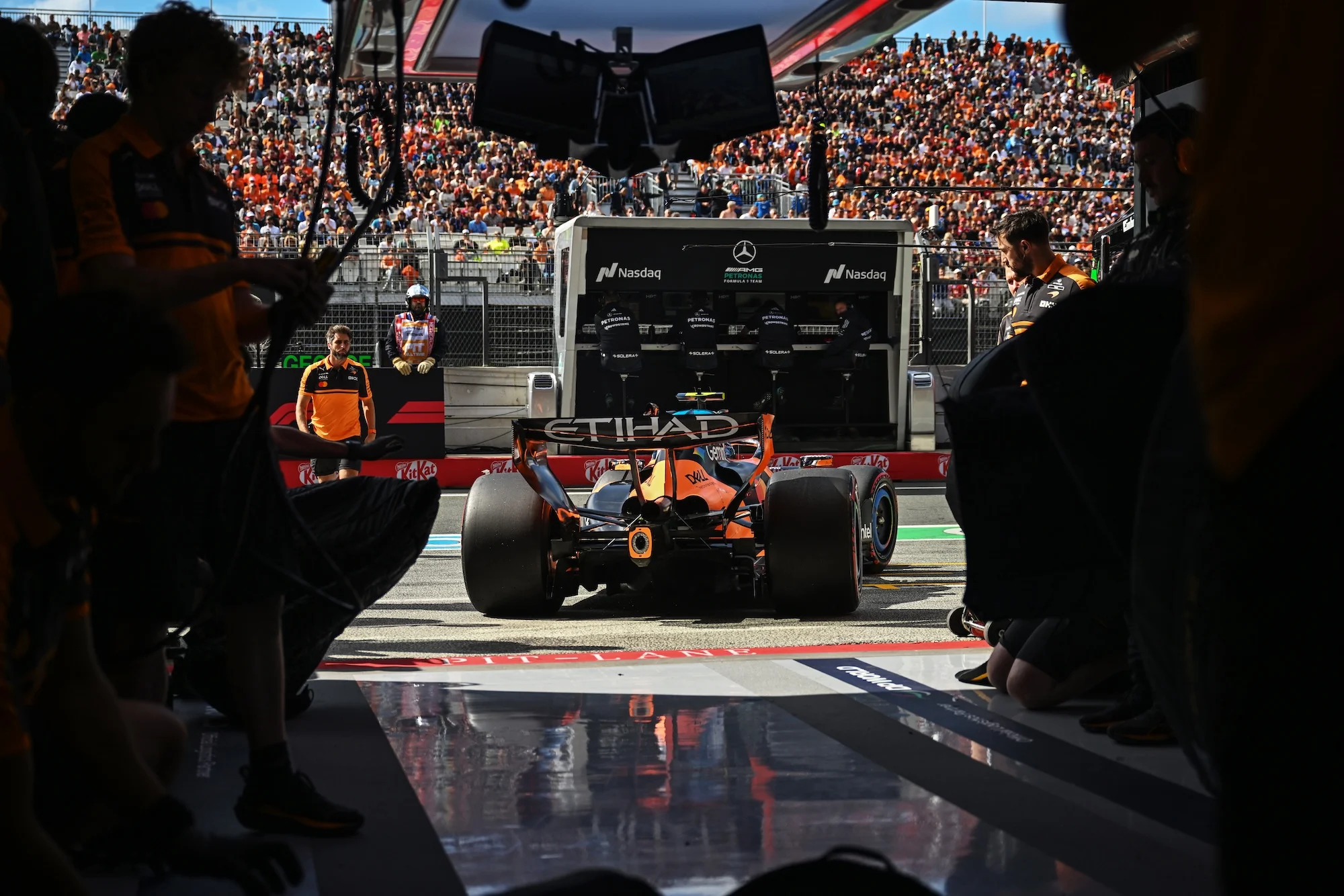
Where 2026 diverges from previous years – and even from other full-scale reboots – is that teams have been finding time not only from developing their car, but also from developing their understanding of how to operate that car. While teams will always have to get to grips with the quirks of any new model, this year has been hugely different, with both active aero and – more significantly – power unit operation pushing teams to adopt a fundamentally unfamiliar approach in how they go about their business.
The learning has been rapid. With that in mind, how would our Australian Grand Prix look if we rewound to March and ran the race with the launch car, but with the operational knowledge gained since then?
“Would it be too simple to say ‘better’?” I think certainly a lot better,” he says. “We were a bit caught out in Australia, in particular on the power unit side, and we got ourselves better prepared for the subsequent races, though we’re still learning something new every event.
“What is interesting is that any of the top four teams could claim they’d be on Pole and win the race in that scenario, using the processes we have now. That is an unusual situation to be in.
“I think it shows how much everyone has learned, developed and found performance. Not just with the car and the power unit, but with the driving: learning how to use the power unit, how to exploit the tyres, and understanding the big differences in handling.
“Regarding the drivers, from our side, once you understand the system, it’s easy to tell them what can happen, what might happen, and what they can try. They can even practice these things on the simulator, which is very helpful… but adding these techniques to your mental model, and doing it in the simulator is very different to when you are on track battling for a podium or wheel-to-wheel with a rival. The details then become so much more important, and there’s a focus that, try as you might, it’s very hard to replicate outside of competition.
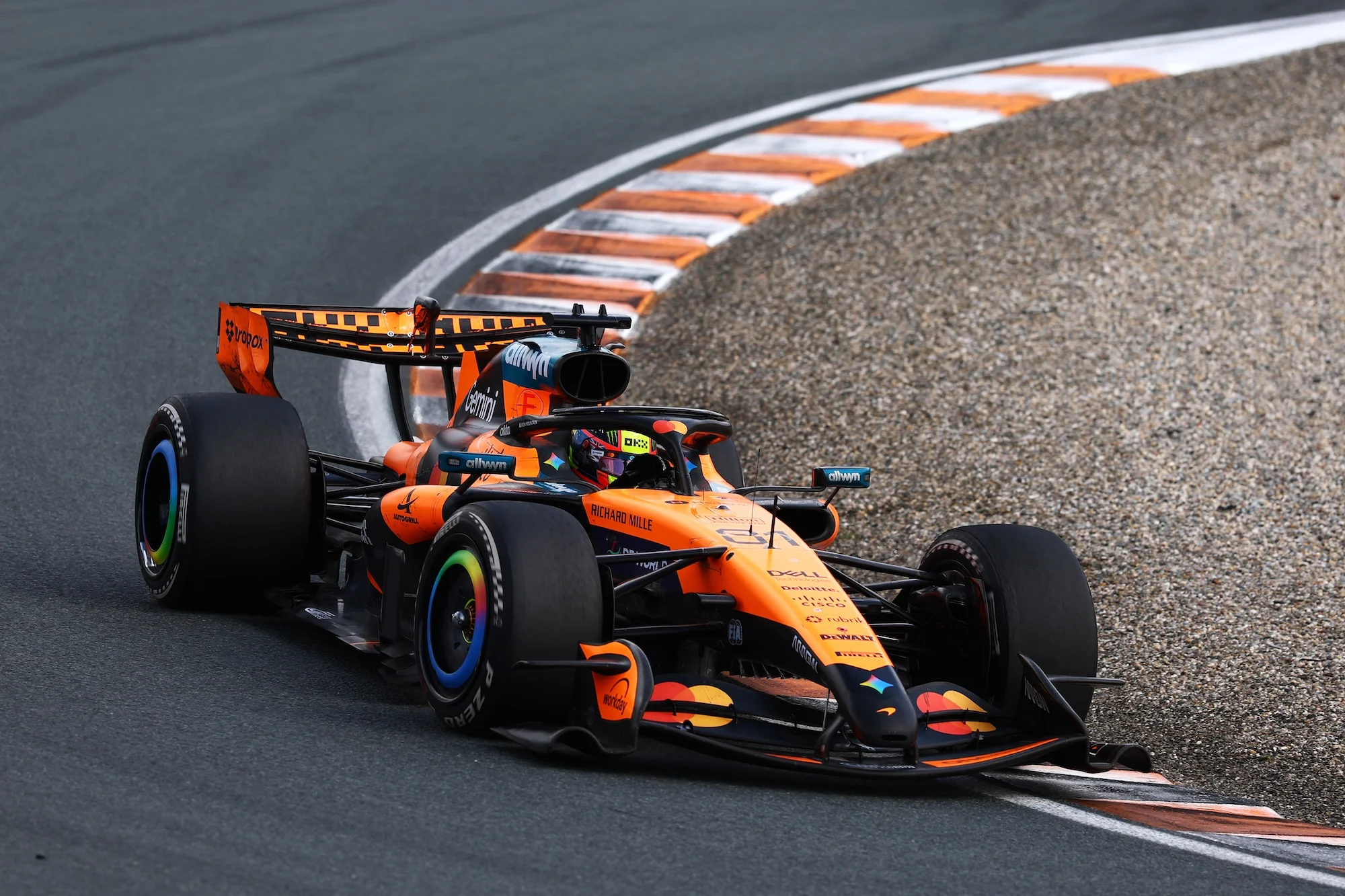
Despite the technical changes for 2026, what we haven’t seen are races with fundamentally different strategies. So far, most races have followed the same pattern as previous years: the two-stop tracks are still two-stop, and the tracks where Soft tyres race well still suit Soft tyres. But while the strategies are the same, the tactics are somewhat different.
“There aren’t massive strategic changes, and we weren’t expecting any, because the things that drive those are still very similar: the tyre performance; the degradation and so on – but the details of racing are different,” says Mark. “Tactically, how you race your competitors with the power unit has changed a lot. Instead of overtaking with DRS, you’re doing it with Boost, and the way you choose to manage your energy across a lap.
“The early races were very interesting, where we had the yo-yoing – though I think that’s something of a derogatory term – where one car overtakes, burning all of their energy to get past, and then is exposed on the next straight. Japan was the most obvious example because the circuit configuration suits it, but it happened at the start of the races in Australia and China too. It hasn’t been prominent since. I think that’s because, with time, the drivers learned what ‘just enough to get past’ was, rather than over- or undercooking it. There are still examples, but things have settled down now.
“Challenges like that make the tactics of racing in 2026 really quite different – but, fundamentally, these are still F1 cars, and still, in absolute terms, behave in a very similar way to how they always have… they’re just a bit different.”