

5 August 2026 12:50 (UTC)
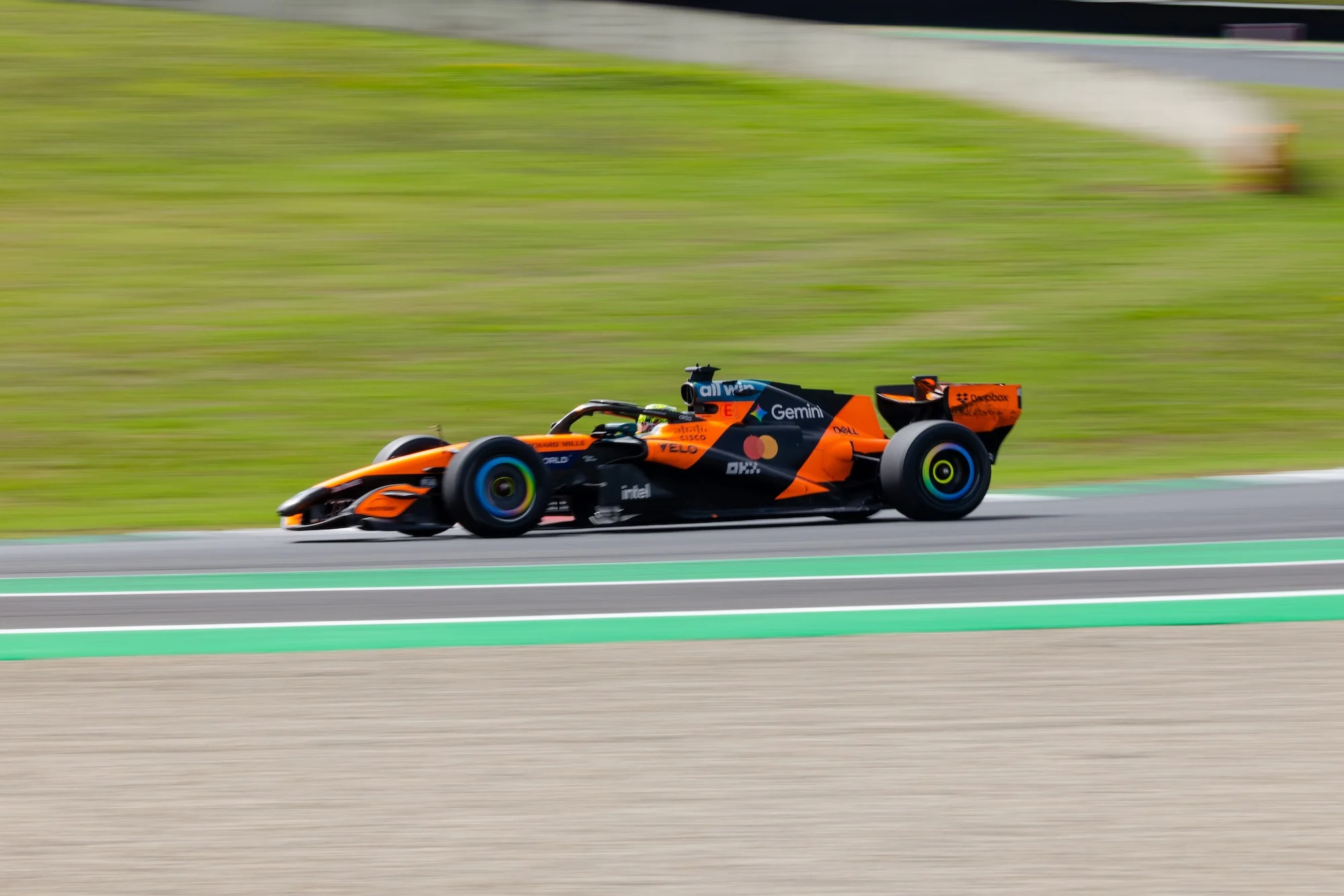
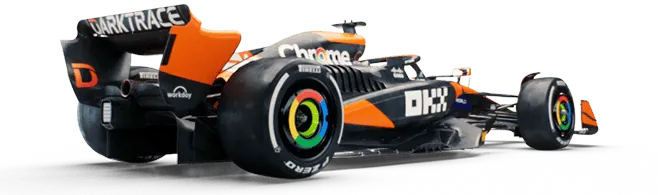
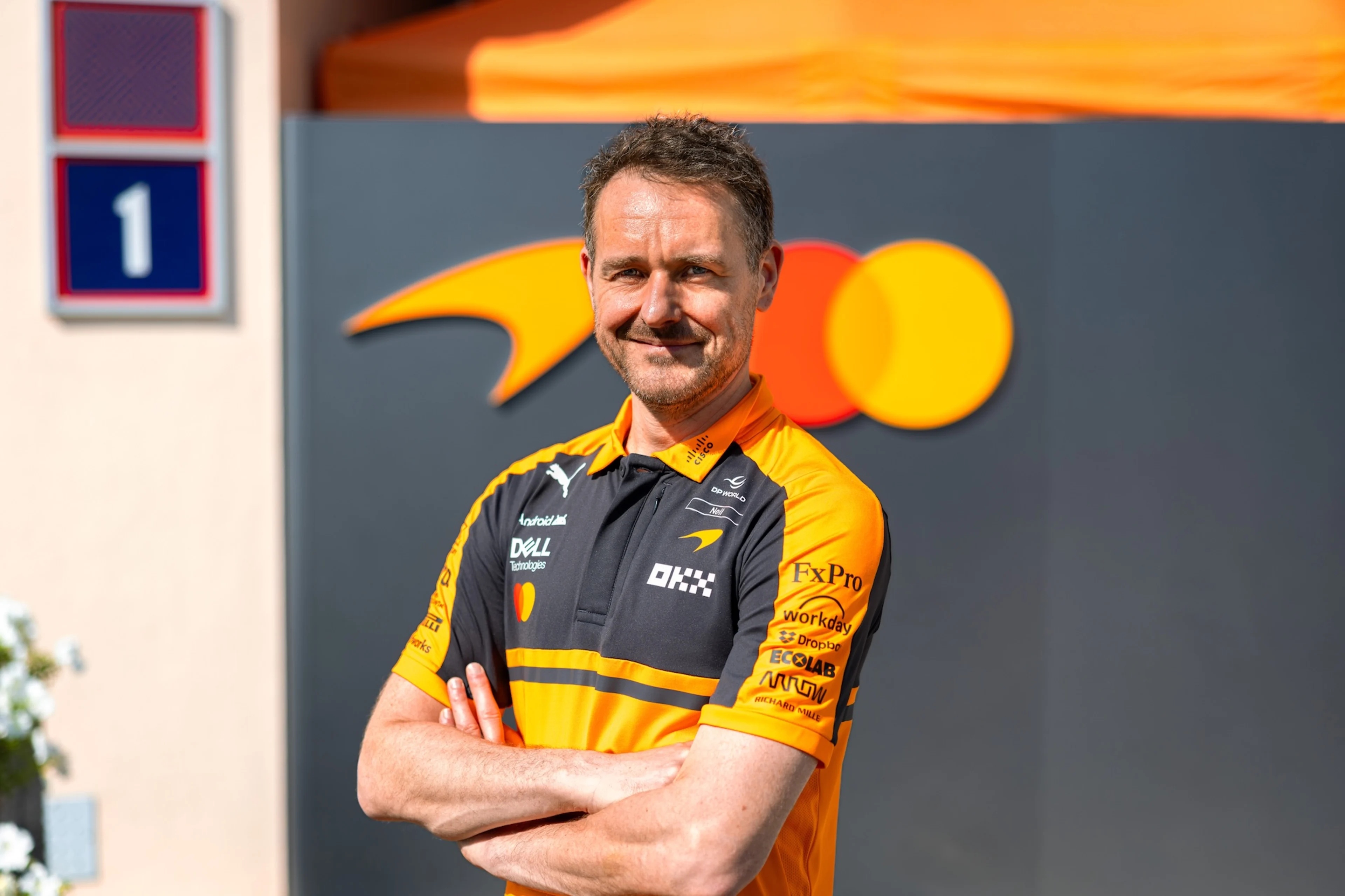
Technical Director, Applied Engineering, Neil Houldey reflects on the MCL40’s journey from launch to its first victory in the new era of Formula 1

How does a winning team react to change? In Formula 1, it’s reasonable to assume that a team on top isn’t entirely enamoured of a huge technical reset. It does, after all, have the most to lose. On the other hand, having demonstrated it has the people and processes to climb to the top of the heap, it is well-placed to do so again.
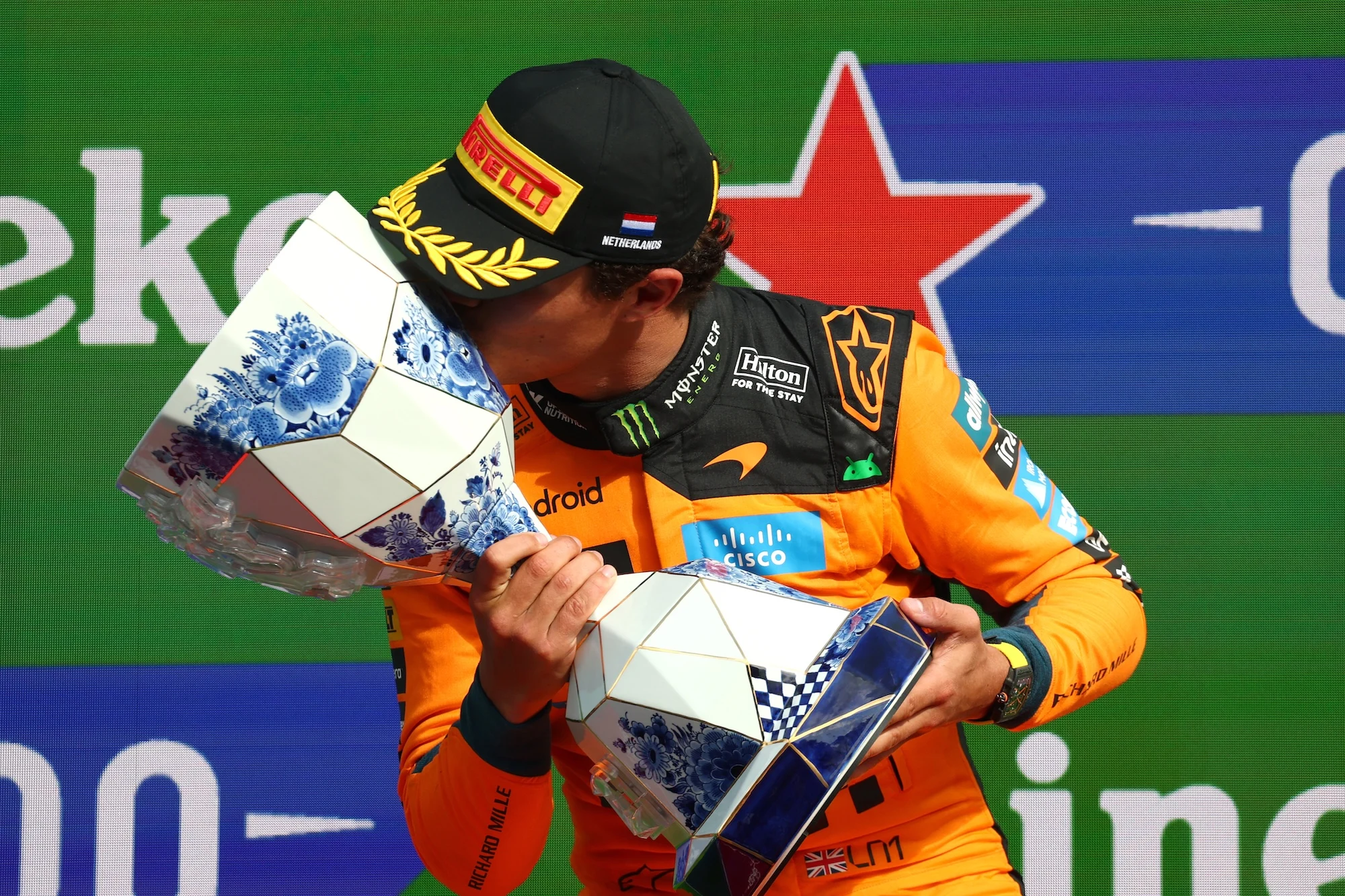
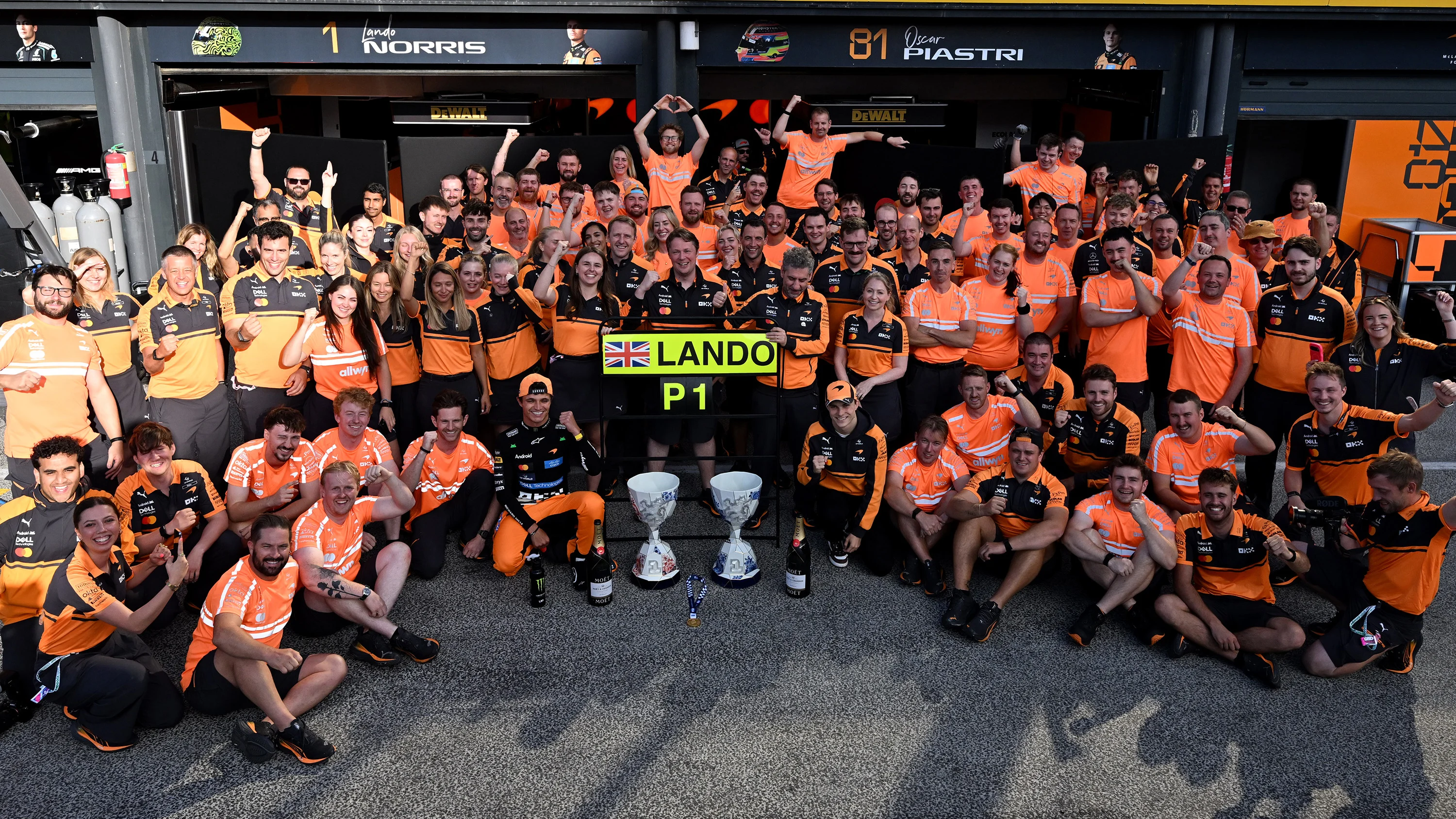
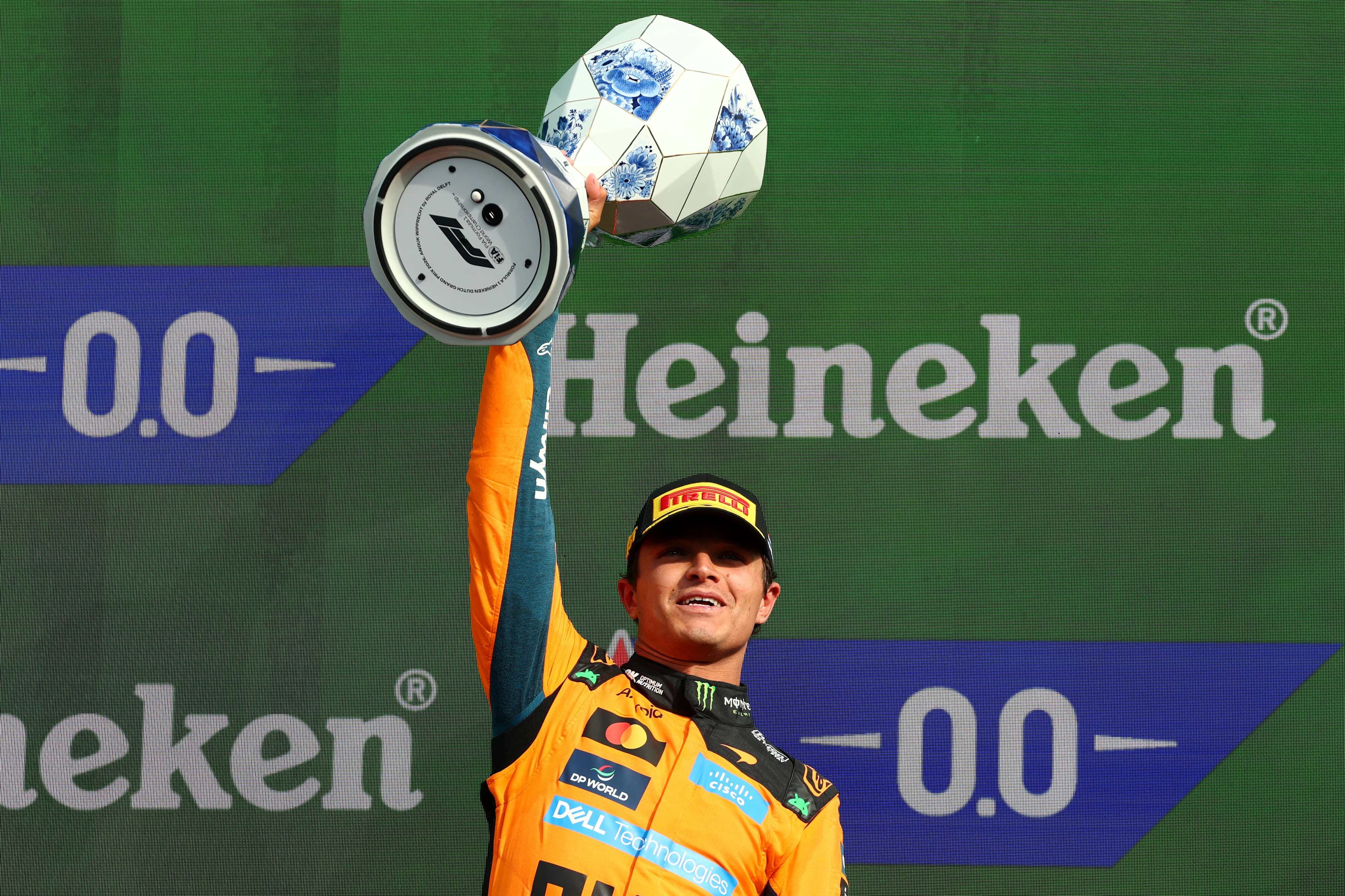
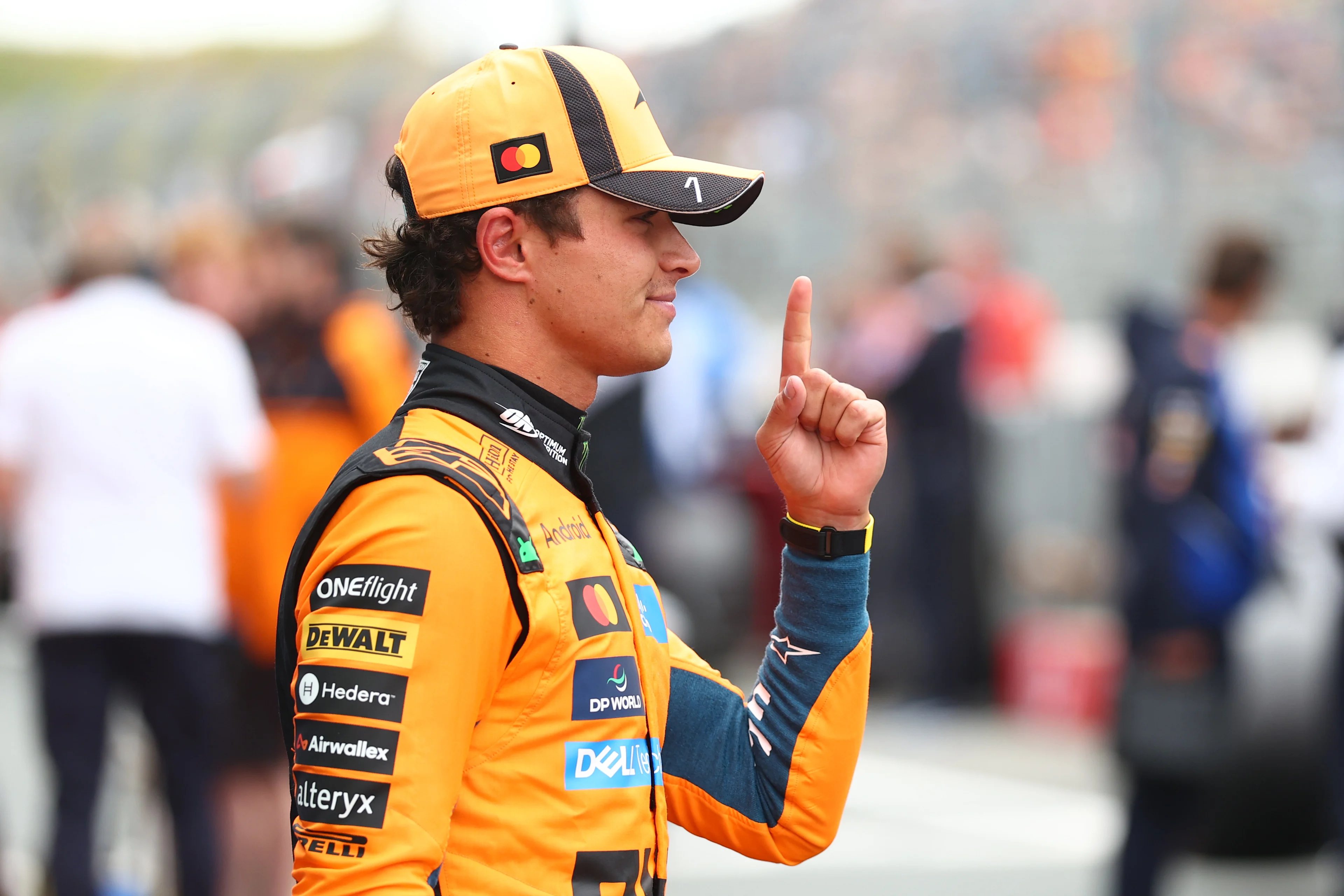
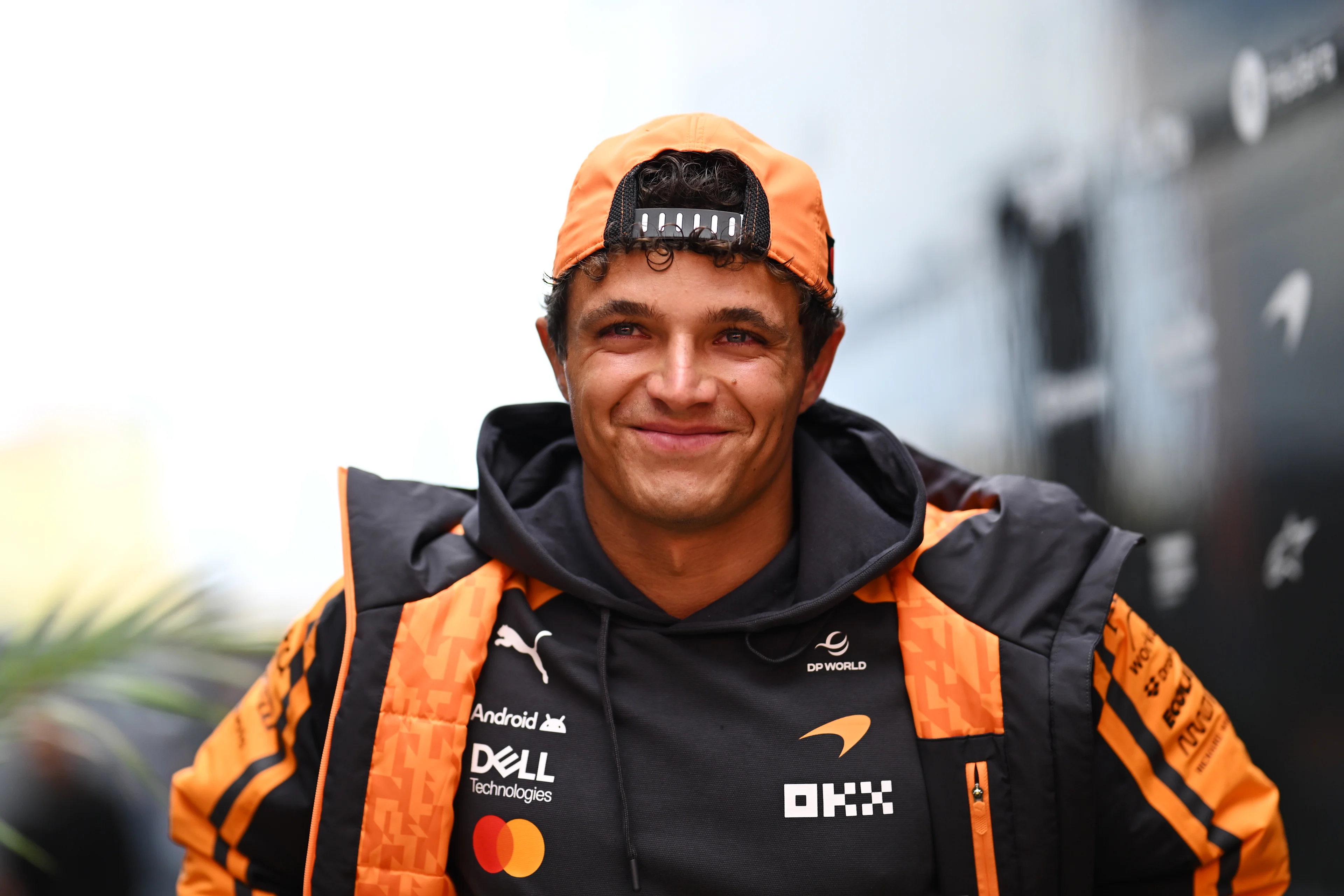
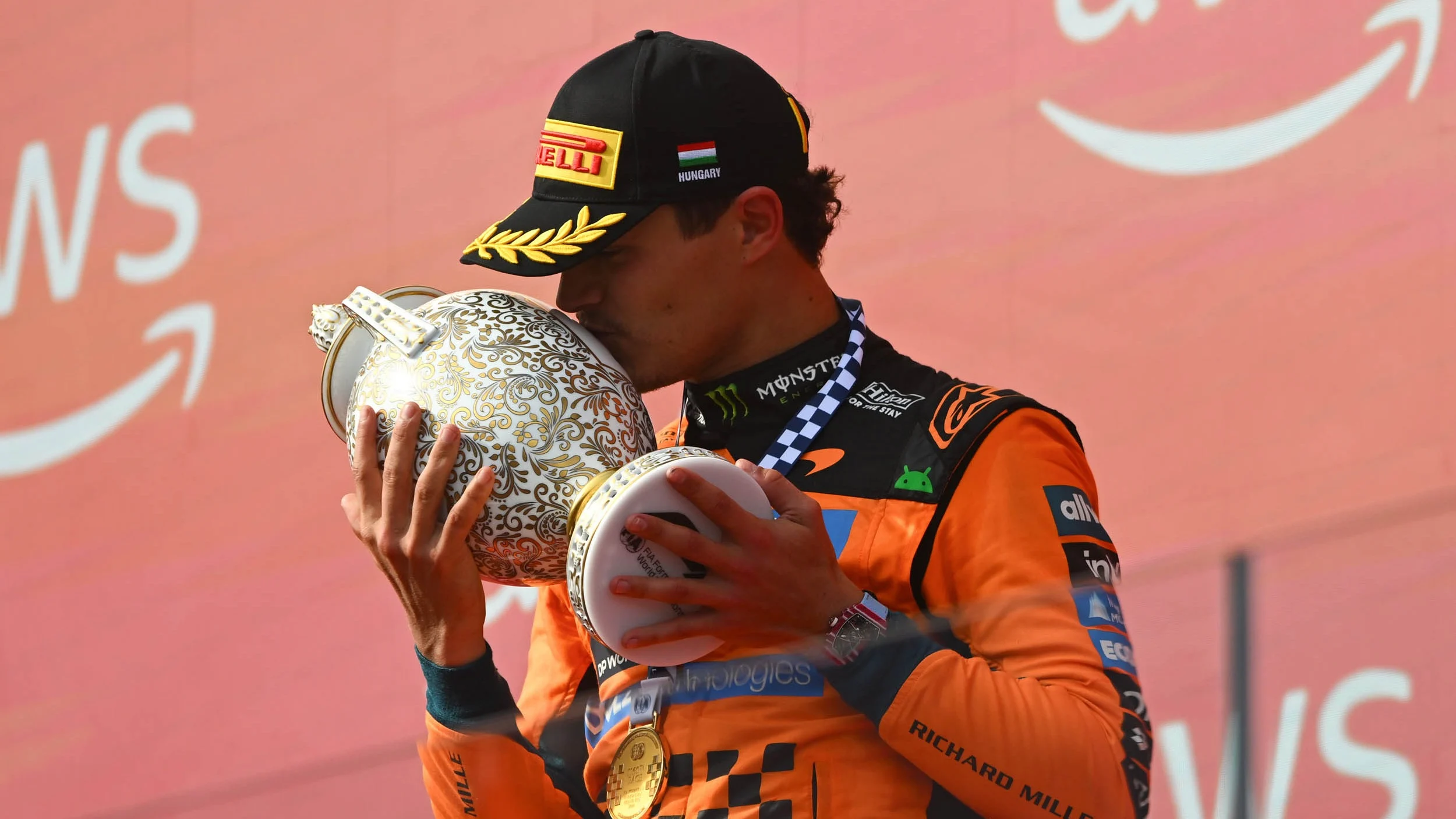
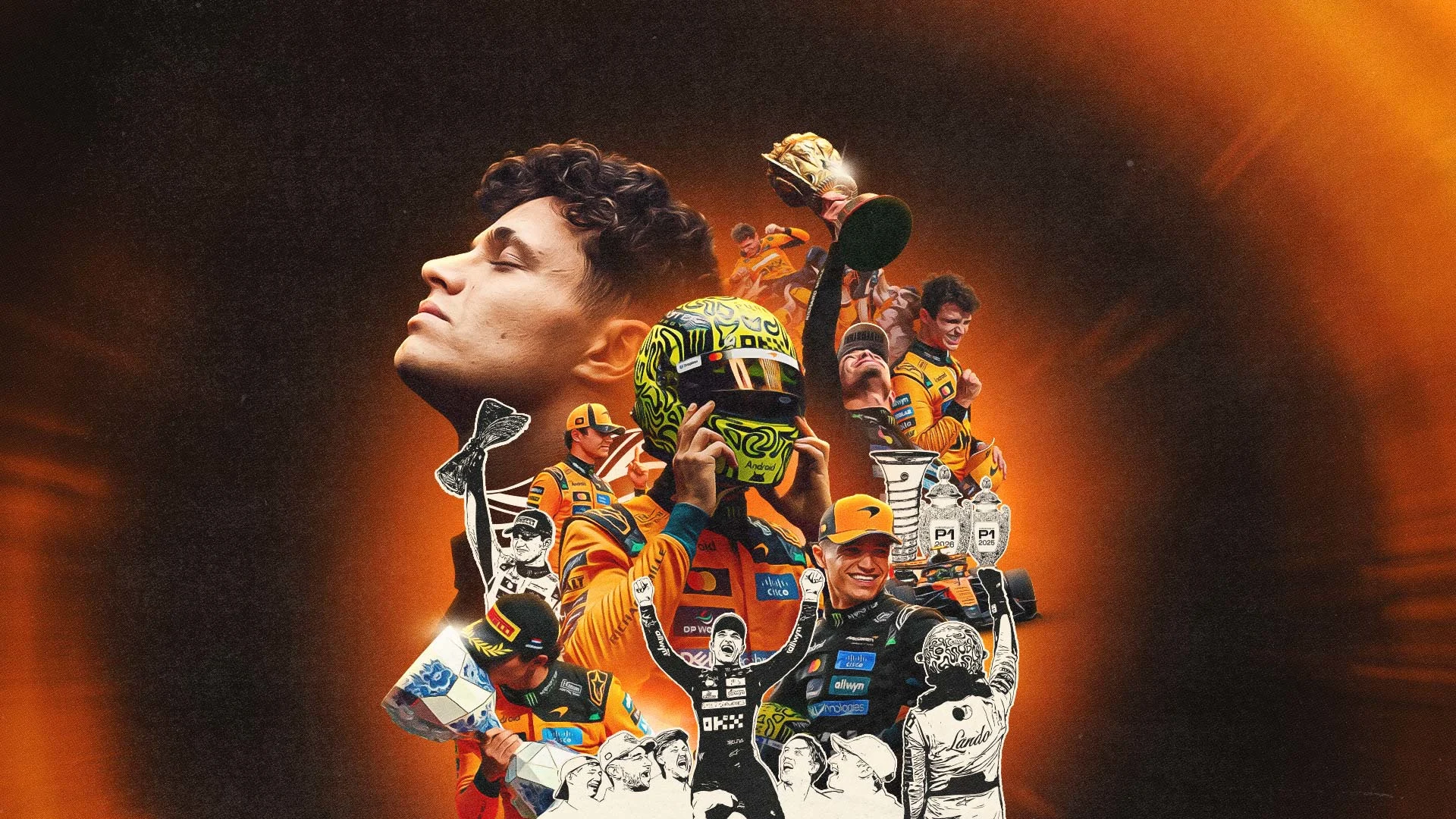
The first half of our season has been characterised by an ascent. We began the year in decent shape: the MCL40 performed reasonably in winter testing and put us in the leading pack alongside three other teams, and in the mix for podiums come Round 3 – but crucially, not at the front of that leading pack. Thus, the first half of the 2026 season has been characterised by McLaren playing catch-up. Ahead of the mandatory summer shutdown, we sat down with Neil Houldey, Technical Director, Engineering, shortly before the summer break, to share his views on the evolution of the MCL40 from where it started the year, to Lando’s victory Hungarian Grand Prix, two weeks ago, and onwards into the second half of the season.
The new power units have been the focus of attention so far this year – but the changes in chassis and aerodynamic regulations have been profound. An earlier-than-usual start to 2026 winter testing, meant a scramble to get the car on track in Barcelona for the final week of January – but the team was pleased with what it saw.
"I think the launch car was a good base to work from. I think we made good decisions on concepts, on layout, things that were fixed for the year, like the suspension geometries," says Neil. "All-in-all, we were pretty happy. Obviously, it wasn't as quick as we wanted it to be, and I think that partly came from decisions we made in 2025 to ensure we won the Drivers’ Championship, while other teams potentially started earlier on their 2026 cars – and that in turn led to us needing to do a little bit of catch-up at the start of the year. When the car was launched, we could have been a bit more developed in a few areas."
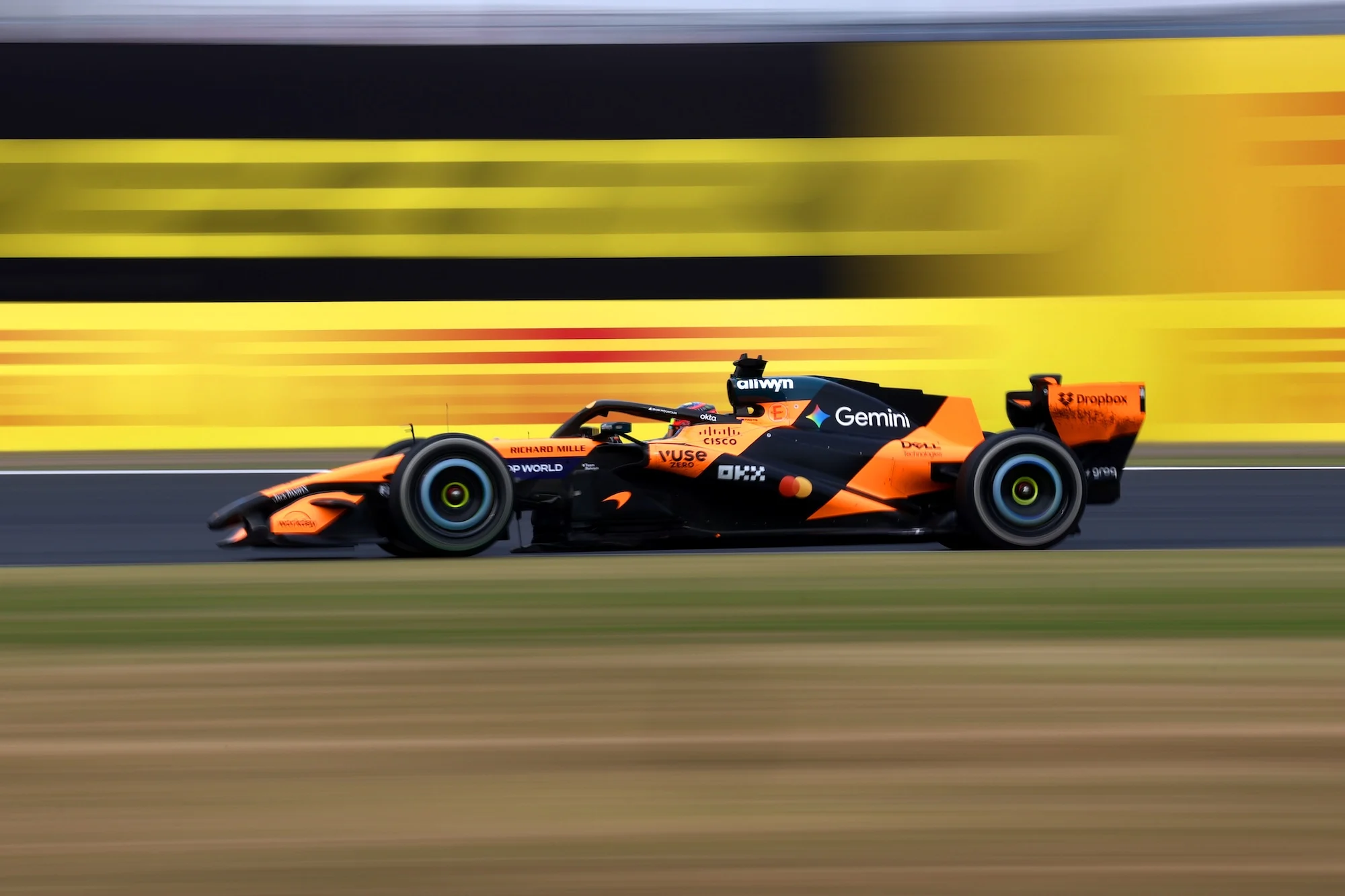
One of the primary challenges at the start of the season was hitting the minimum weight. This dropped to 768kg from 800kg for ‘26. Some – not all – of that came for free with regulation changes, the rest required a focus on paring down the excess.
"We were a little bit overweight on the launch car, and had to spend some time managing this before the first race, in order to get the car down to the limit. Of course, that takes resource away from other areas where we could have been adding performance," says Neil.
"There’s always a balance. You don’t wish to be overweight but equally, if the car is underweight, then that means you’re not maximising performance, because you can always put something on the car that adds performance, whether its parts, or perhaps just extra stiffness. There’s no reason to make the car excessively light, so we’re always targeting to be very slightly under the weight limit – but hitting that number requires a lot of predictions and designers’ approximations on what things are going to weigh.
"Once we started receiving parts, we calculated the launch car was going to be a little over – but we were content with that, knowing after once we’d tested the car in Barcelona, we’d see the opportunities to take material out. We’d also see places we needed to put material in – but overall, it worked out as planned, and we were on the limit for the first race of the year, which was the important thing for us."
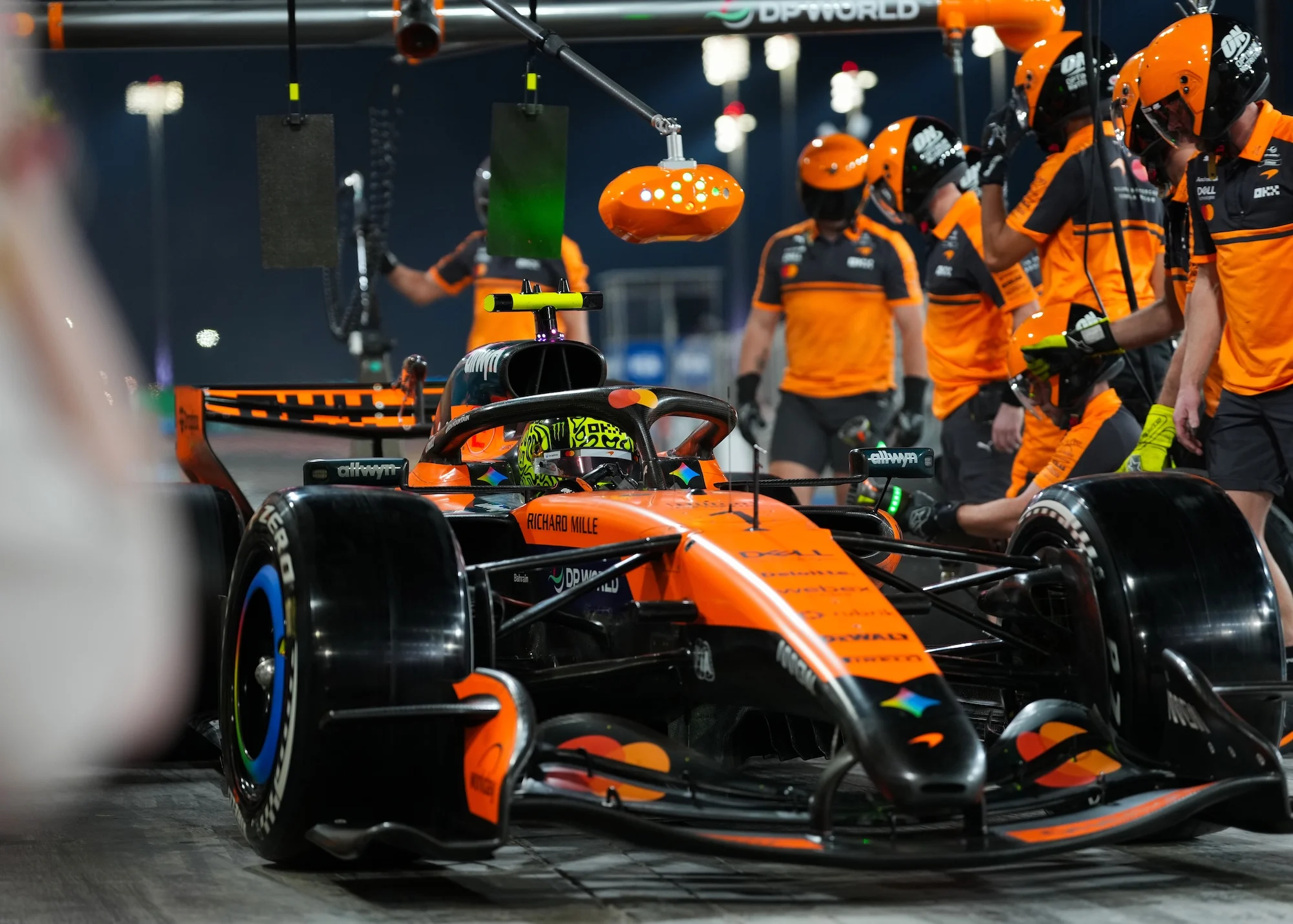
The car received its first significant upgrade in Miami, with a second following in Hungary. At the start of a new regulation cycle, it can sometimes be the case that the revolutionary idea will spread rapidly across the grid. This year, however, the upgrades to the MCL40 have been more a case of evolution in its standard form, with the first round of upgrades in the works during pre-season, and the second being more based on observation of the car on track.
"I think, from an aerodynamic perspective, you've got front wing, rear wing, floor and bodywork, and you know you're going to be looking for upgrades in all of those areas. So, I don't think that really changed [having seen other cars]. These were things we knew we needed to focus on, and the team was rewarded by finding performance in those areas," says Neil.
"I suppose [since launch] we got a better understanding of what the "bolt-on items" were worth. The floorboard was one; the spat area [the floor in front of the rear wheels] was something else that you can develop during the season without affecting the base floor. We found good performance there. And then we also learned a little about how the tyres were working, what they needed in terms of heating and cooling, and that's influenced some of the upgrades we've made. Those areas we only knew required our focus when we started to run the car, understood where we were, understood where we needed to be."
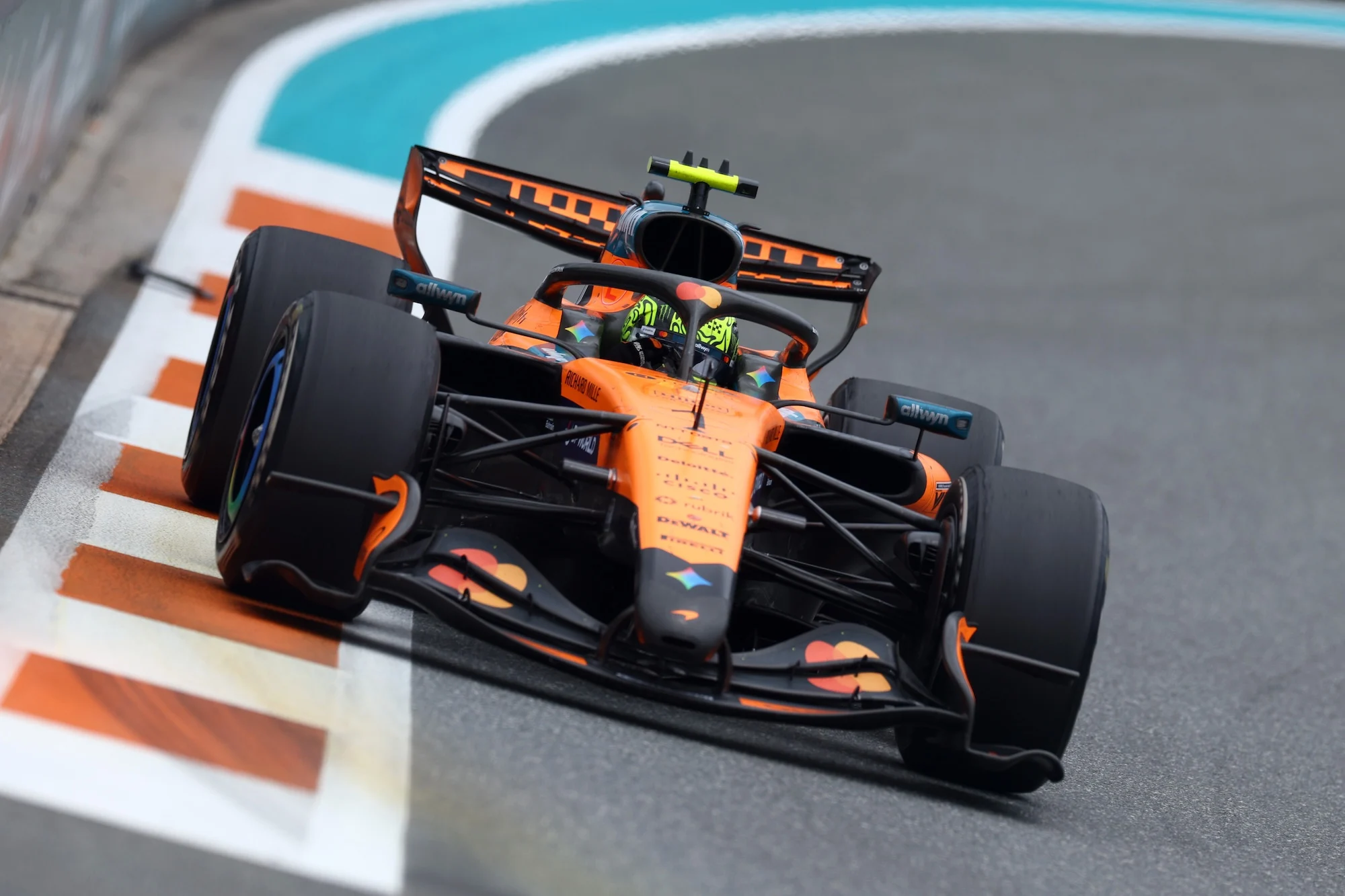
Next year’s car is already well into development, but the team has yet to make a decision on when to cease work on the current model. Without a significant reset for 2027, any learning now should carry over… but on the other hand, resources pumped into the next car pay a dividend later.
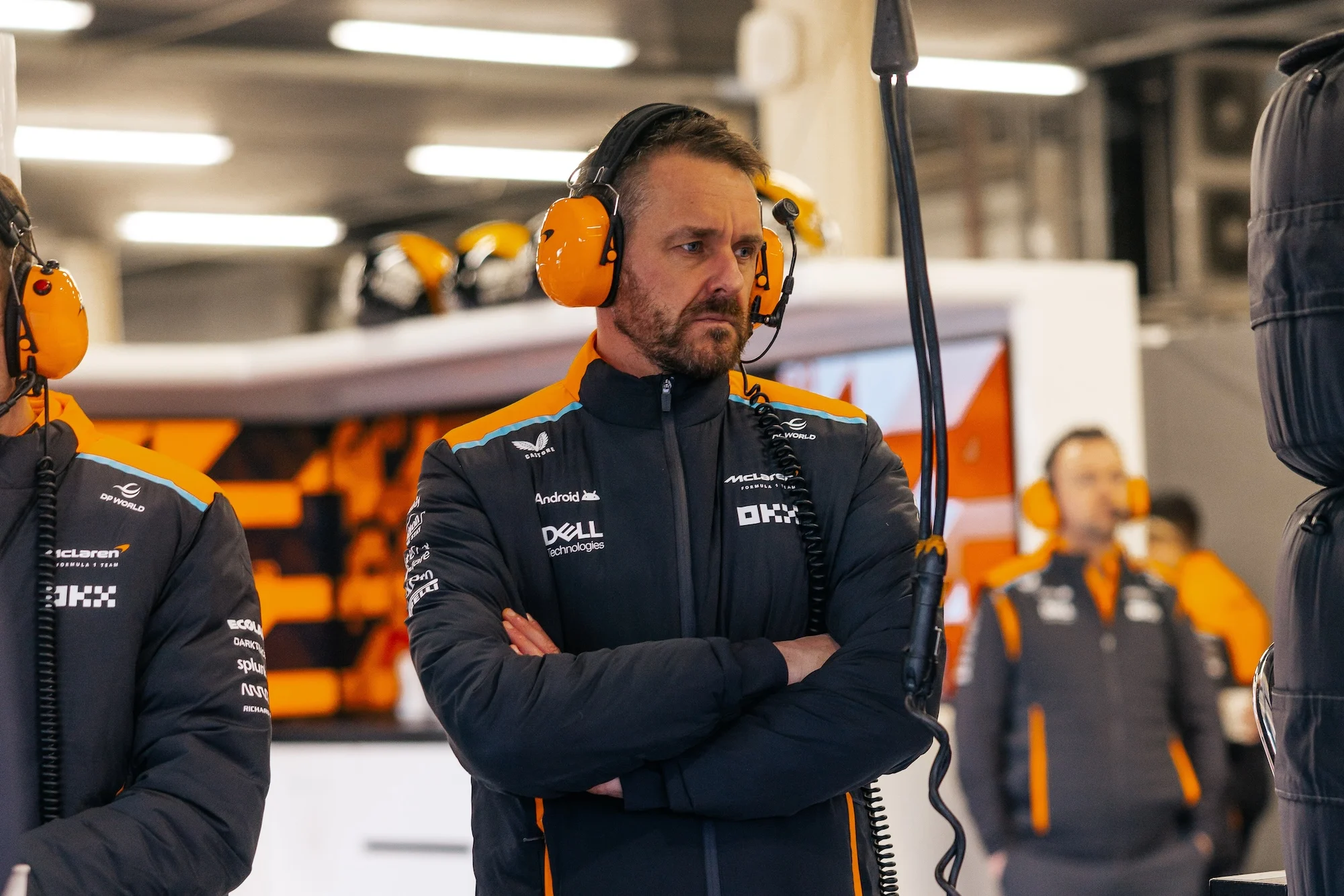
"After that, it really will depend on whether we find something substantial in aero after the summer break, and whether we think there’s value in doing an end-of-season package, or fully switch to next year’s car.
"It’s an open point at the moment. We’ll be looking at where we are, where our competitors are, and where we see the opportunities. I think there’s a good chance, we’ll have upgrades beyond Baku that can dig more performance out of this car, without impacting 2027. It’ll be things, like I just mentioned, that can be bolted-on, or bonded-on, rather than the big, wholesale bodywork upgrades, but still areas in which there’s good performance opportunities there for the taking."
Upgrades to the MCL40 are not necessarily about finding pure performance, but also concerned with driveability. In any year, there’s lap-time to be gained by having a driver comfortable in the cockpit and confident in the car – but this tends to amp-up in the first year of a regulatory reset, when the car concept is perhaps less refined than it will be later in the cycle.
"The drivers have given good feedback, from a handling perspective, and it’s clear the car isn’t easy to drive,” says Neil. “Obviously it was pleasing to see where we were at the last race, but there are development opportunities that would mean we can drive base car performance by adding overall load, but also make it easier for the drivers to get the lap-time performance, both in Qualifying and in the race."
Not all performance development, however, is based on upgrades. The enormous complexity of the 2026 power unit means there’s still opportunities to tease more performance out of the MCL40 without changing the car at all.
"From a PU perspective, we’ve learned so much this first part of the year," says Neil. "Every event we’ve done, we’ve learned a little bit more about how to fully utilise the PU, how to harness the energy in the best way, how to make sure we’re recovering the most amount of energy to deploy that energy in the most efficient way. I think that learning will be taken on into the second part of the year – and I think there's still some lap time in that area without having to make any fundamental changes."
One of the great difficulties in a season where both power unit and aerodynamics are new is understanding where the influence of one ends, and the other begins. The MCL40 has been struggling a little for end of straight speed – but whether that’s a function of aero or power unit deployment isn’t necessarily straightforward to recognise.
"We’re always trying to understand this – and I think it looks like a bit of both," says Neil. "We know there’s a little bit more performance to be found in that space, because our top speeds aren’t always the same as those of Mercedes. But this is something we’re working on, trying to put a bit more load on the car without adding drag."
The game-changer here might be out of the team’s hands, with ADUO (Additional Development and Upgrade Opportunities) developments likely to have an impact across the next tranche of races. “I don’t see development tailing off,” says Neil. “We know through ADUO there'll be PU suppliers bringing upgrades during the second half of the year. So, we know that there'll be lap time opportunities there. That's really for HPP [Mercedes AMG High Performance Powertrains] to deliver to us but I'm sure we'll see Ferrari, Audi, Honda bringing performance to their teams that way.”
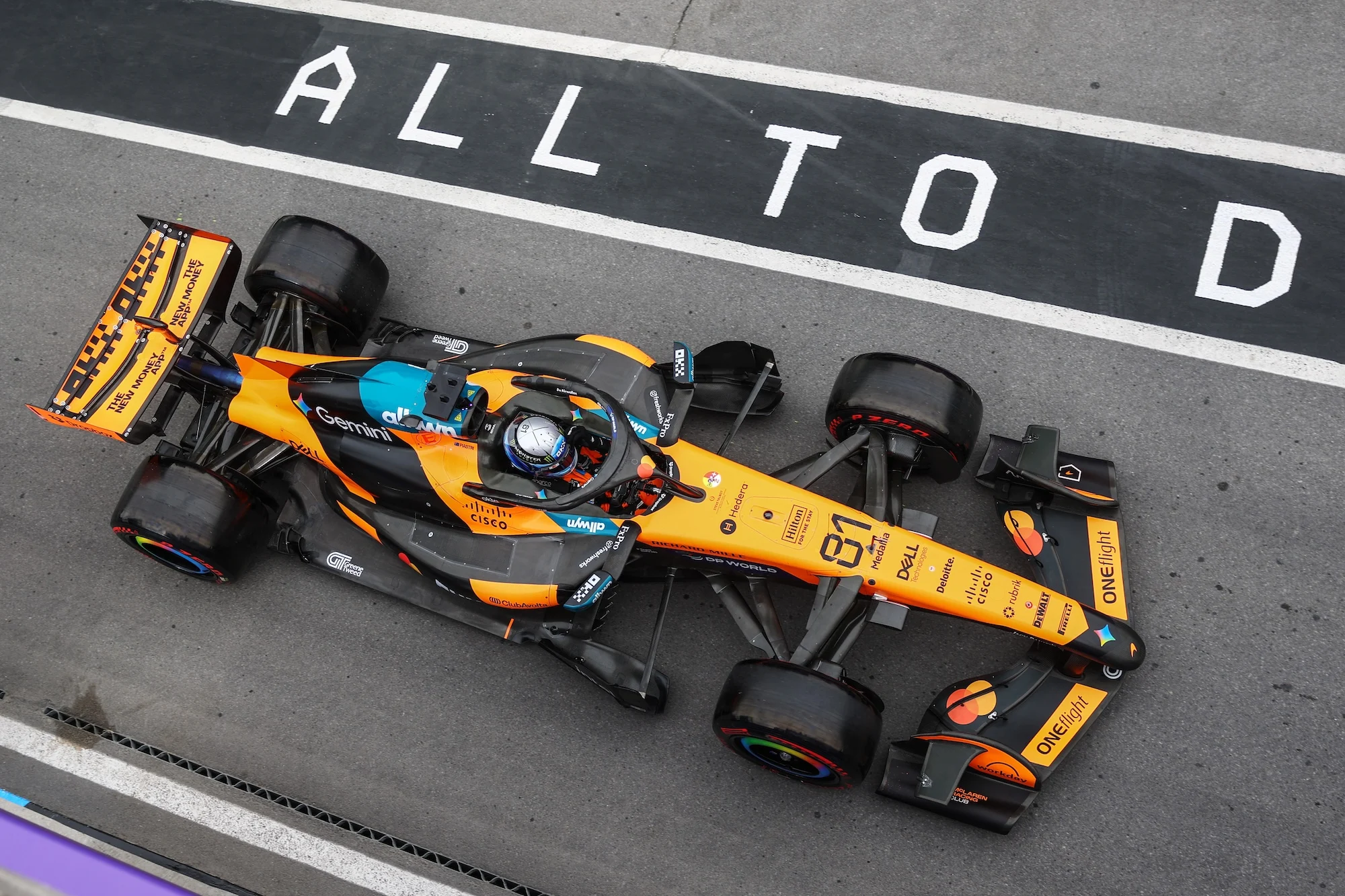
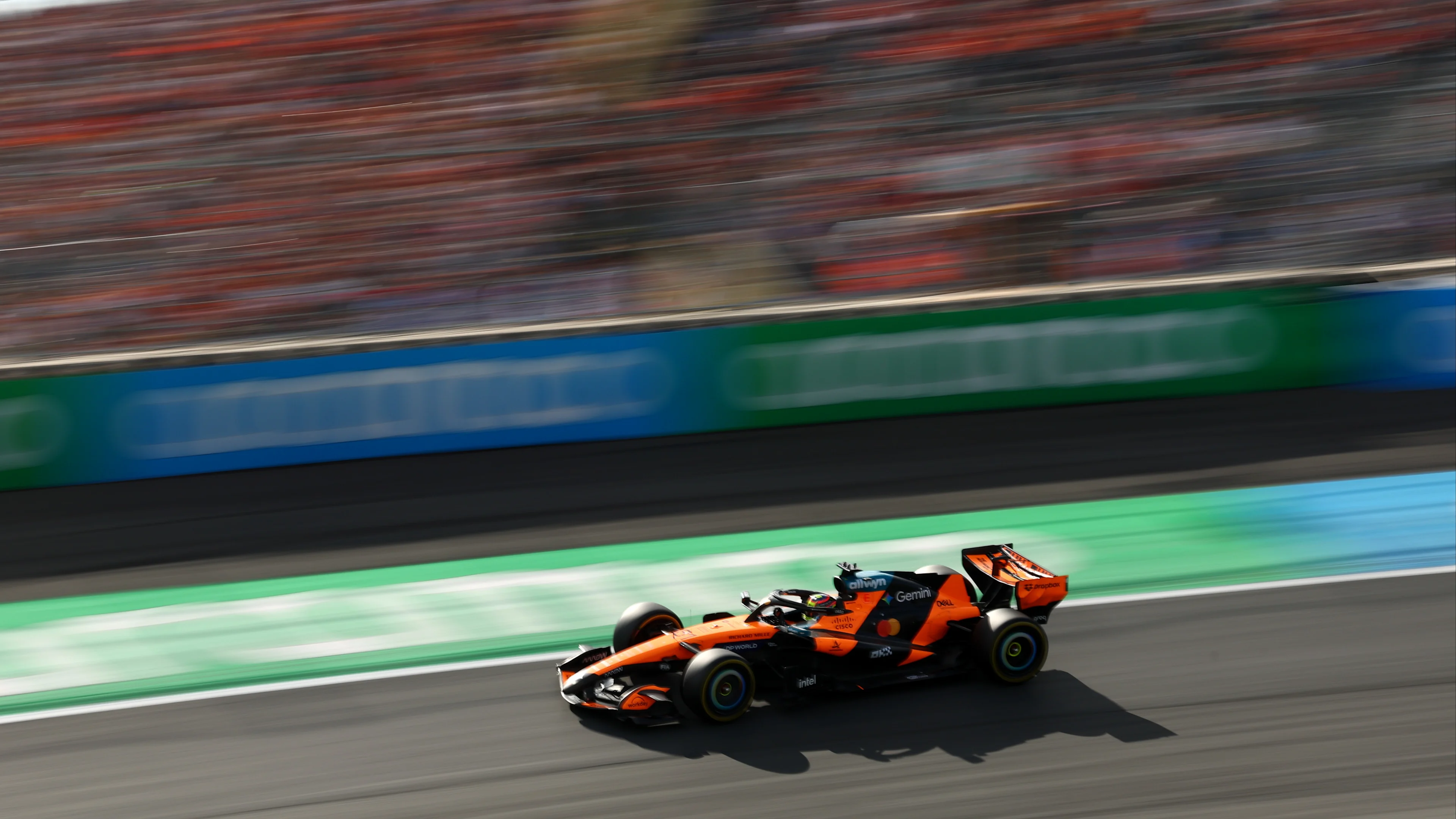
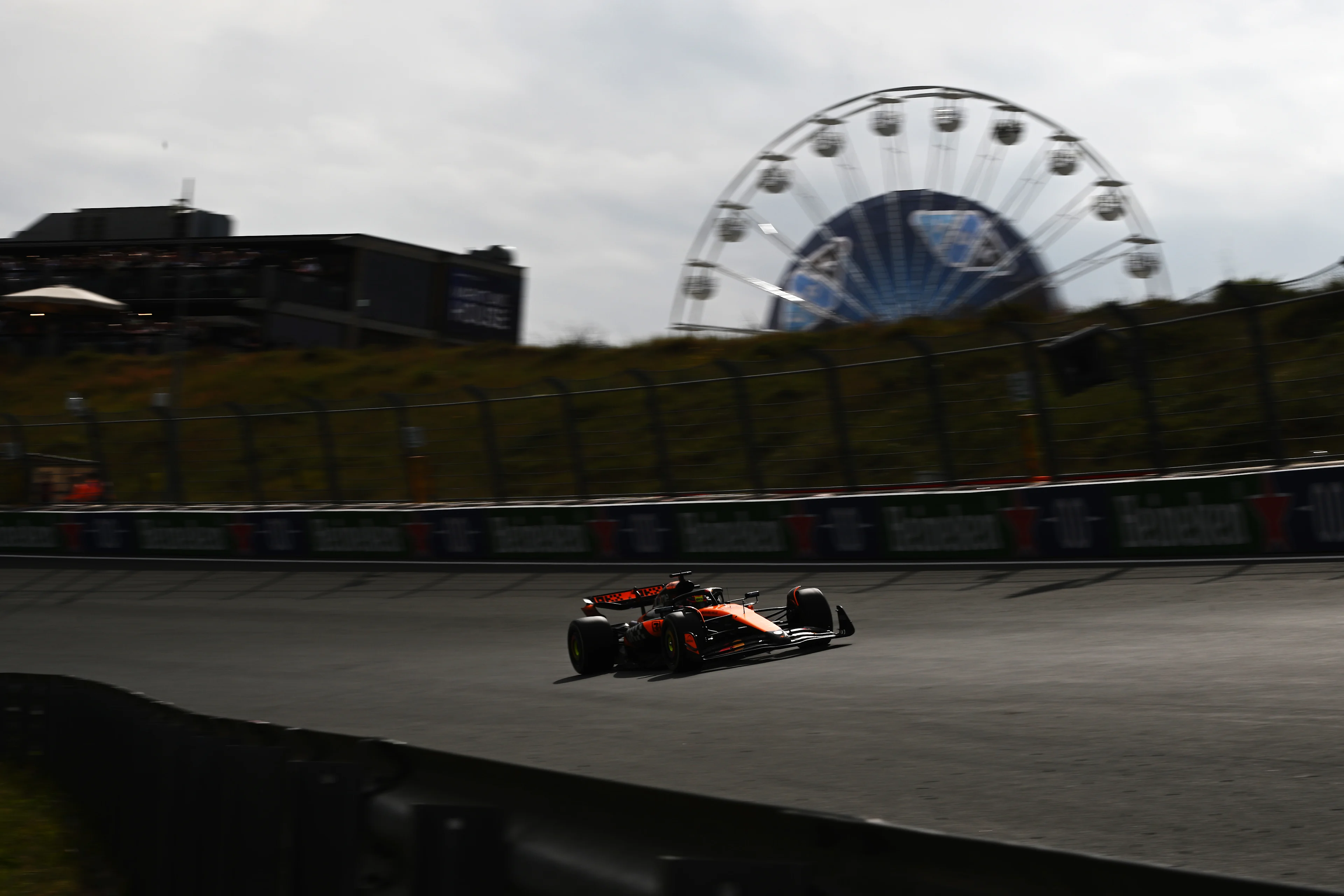
Despite this season being a fundamental reset, F1 cars are still F1 cars, lap-times are in the ballpark of where they were in recent years… and McLaren cars are still doing McLaren car things. It’s a curiosity that, despite the most profound changes F1 has ever seen, and virtually no parts carried over from 2025 to 2026, the DNA of the previous era survives. The ground-effect McLarens of 2022-2025 excelled in medium-to-high-speed corners, and that’s still the case in 2026 – as evidenced not just by a 2024-26 hat-trick of victories at the medium-speed Hungaroring, but also by the MCL40’s performance in places like the sinuous middle sector at Spa.
"We ask ourselves this internally – and honestly, I’m not sure we get all the answers, but it’s really interesting," says Neil. "In part it’s what the drivers ask for, and in part it’s how we run our CFD, how we run our wind tunnel, how we inherently develop performance. If we produce a car that always does XYZ, it’s probably because we always do ABC in development – because we think ABC is the right thing to do.
"We see where lap time performance can be found and develop our car in those directions – other teams have different views on where to find performance and they go in that direction, and they also produce a car with the same traits, year-on-year, irrespective of the era."
The rest of this season, from an engineering as well as a competitive point of view, is compelling. Victory in Hungary means we go into the second half of the year with good momentum… but also plenty still to learn.