


17 August 2026 15:00 (UTC)
Part V: What do the drivers do during an engineering day at the McLaren factory?

What does an F1 driver do between Grands Prix? There’s around 80 days of driving in the calendar year, and so it’s tempting to assign the other 285 to idle pleasure, but sadly, the reality of the job allows very little time for tanning on palm-fringed beaches or walking down the red carpet.
Instead, it’s a peripatetic lifestyle: lots of travel, many appearances, and a comprehensive fitness programme that adapts to circumstance: out in the mountains on the bike if you can - hotel gym if you can’t. It also involves quite a bit of time in the office…
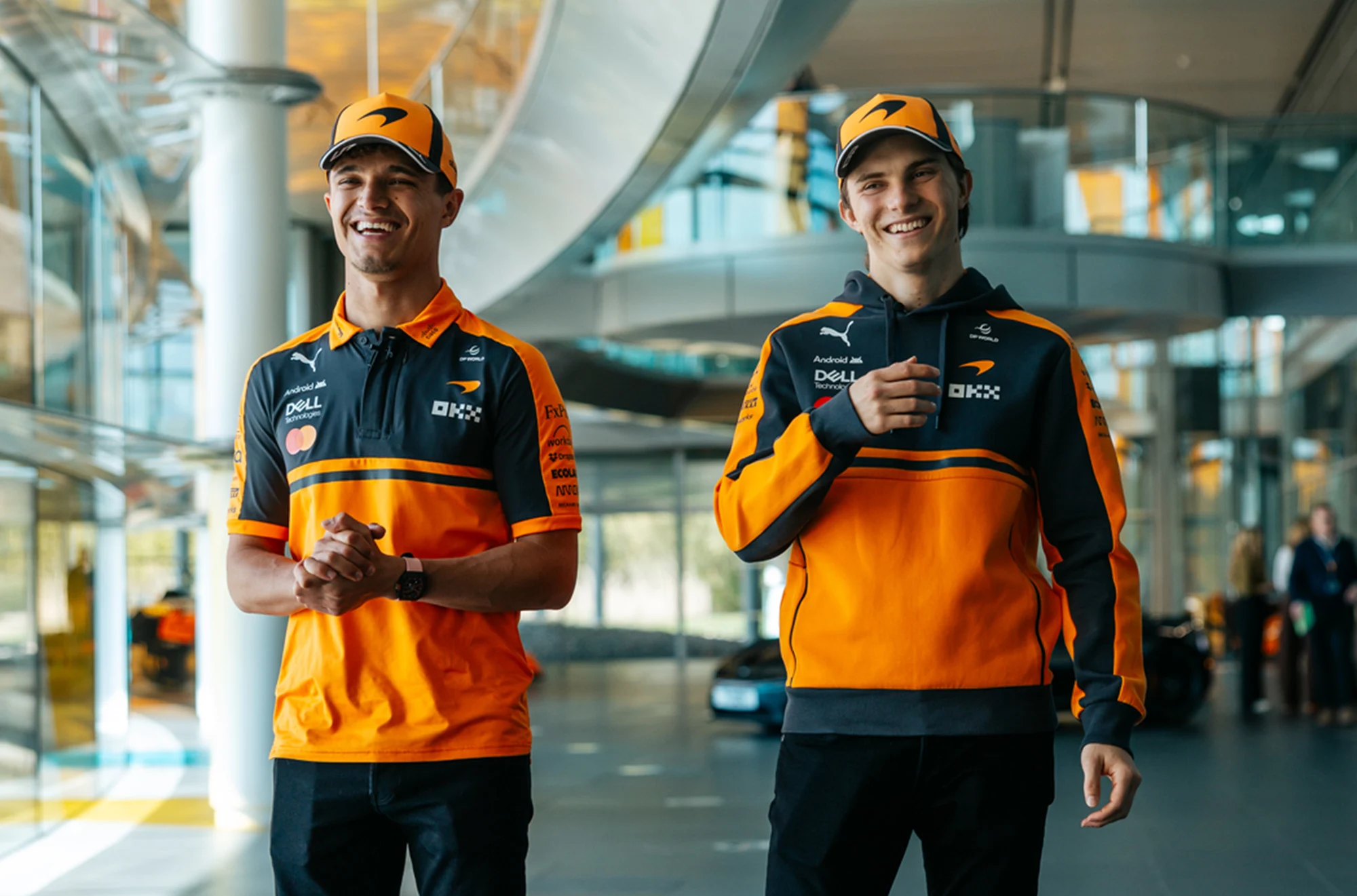
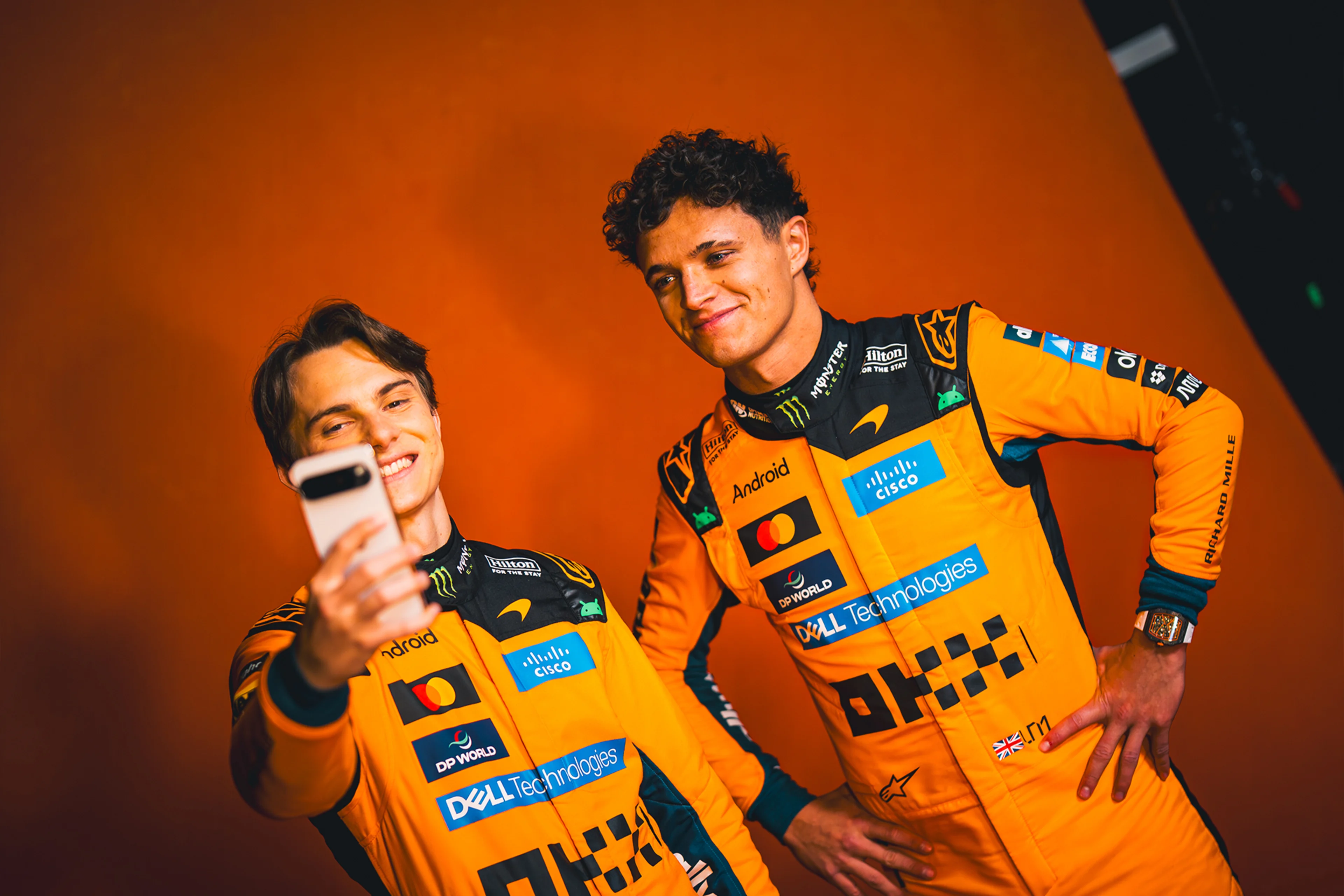
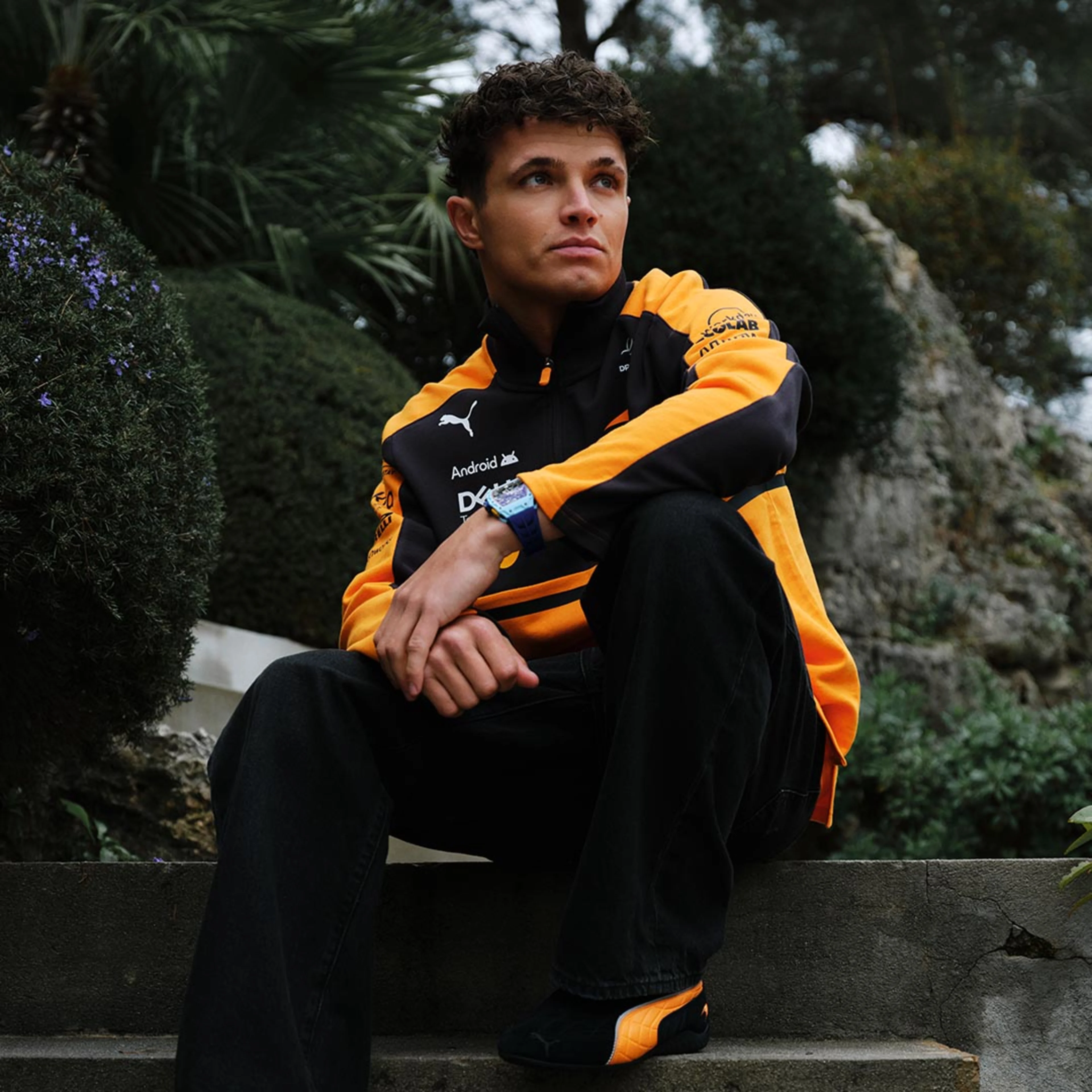
For Lando and Oscar, the office in question is the McLaren Technology Centre. They’re regular-enough visitors to not attract attention when they’re in the building – but not regular enough to have their own desk. Typically, they’ll do two days at the factory between races – or perhaps three days if we’re about to embark on a flyaway. And the days tend to be long.
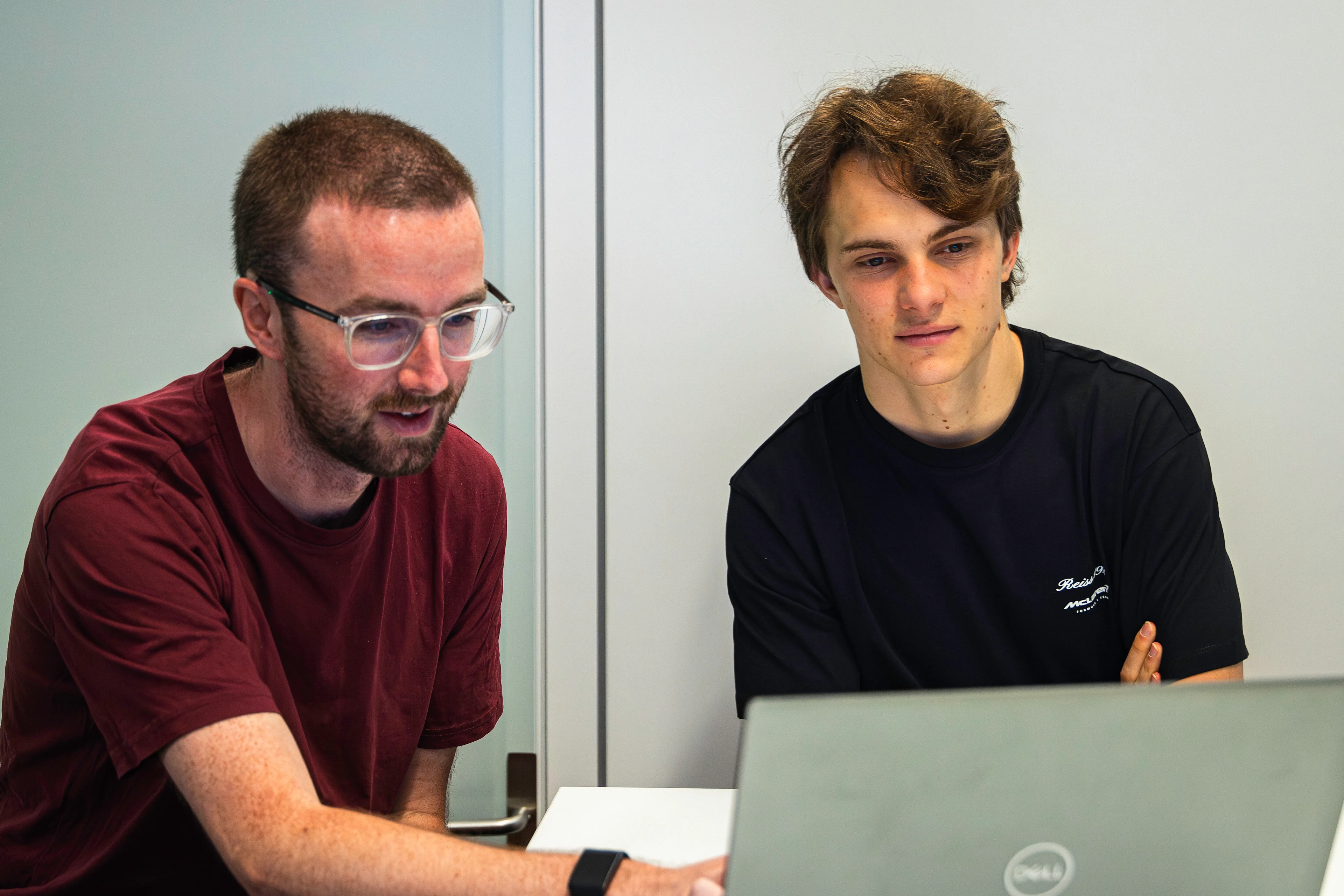
Our Day in the Life series, presented by our official innovation partner Dell Technologies, explores how teams across the business use data with Dell Technologies on a typical day at the McLaren factory. For this first piece, we spent the day with Oscar at the McLaren Technology Centre.
The main thing that brings the driver to the factory is the opportunity to prepare for races by driving the simulator. When we refer to the simulation work the team does pre-race, the bulk of it is off-line simulation, running millions of permutations of setup, assisted by Dell Technologies’ AI Factory. These establish a baseline, which the team then takes into the driver-in-the-loop simulator, where they further refine the package that’ll be on the car at the start of Free Practice.
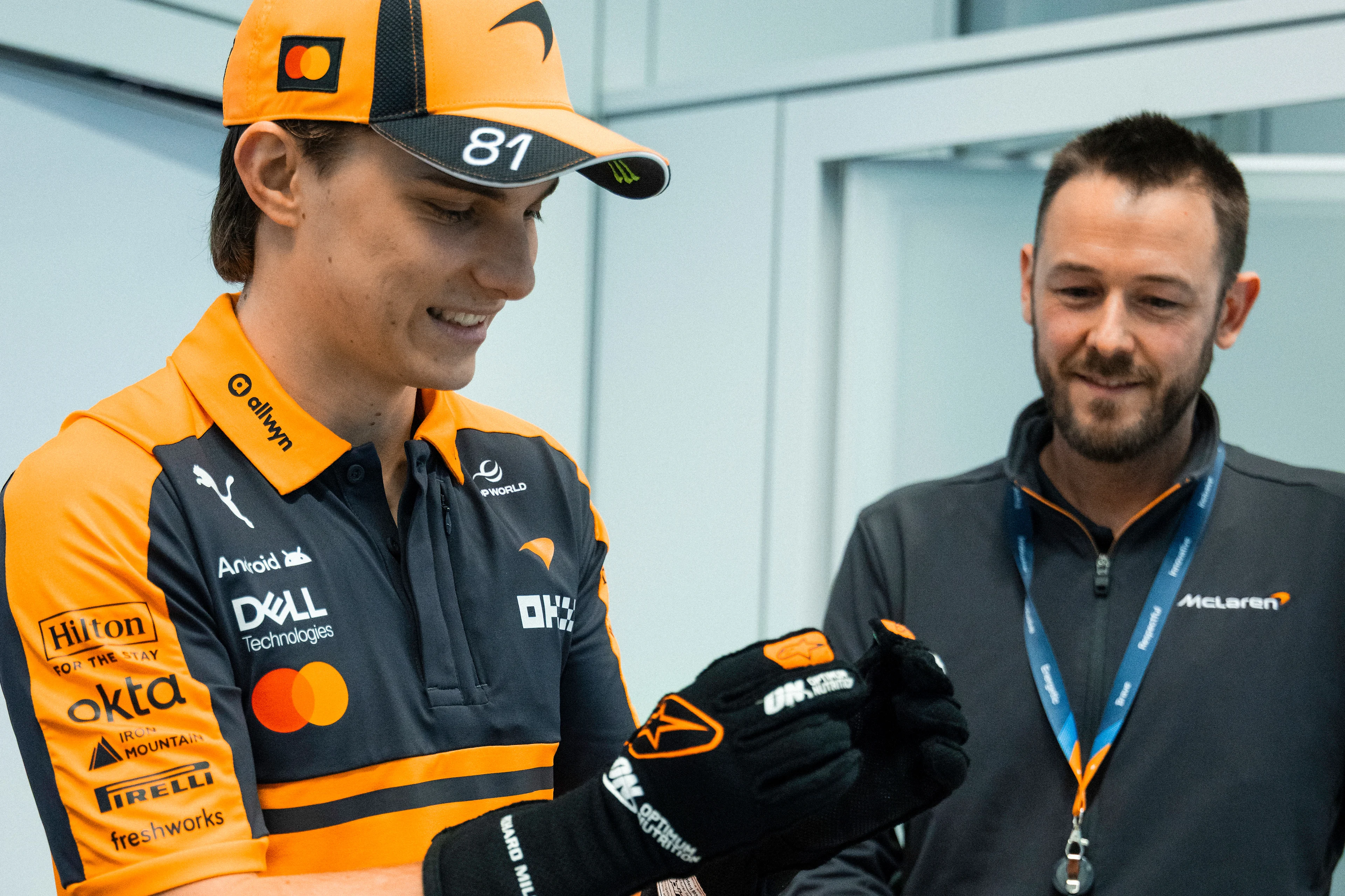
“The simulator itself is a massively advanced piece of technology, and a lot of hard work and effort has been put into it to make it as realistic as possible,” Oscar says. “It is very realistic in many ways. The modelling and the physics behind it are very, very detailed and incredibly realistic. The G-forces are the one thing that you will never be able to replicate very well, unfortunately, but we have some motion, so we try to replicate it as best as we can.”
The driver simulator has a dedicated team of engineers, who work primarily with our cadre of test and simulator drivers. They will work with Oscar and Lando, but for the most part, their sim sessions are overseen by their own group of Race Engineers, who will also be learning in equal measure. In many respects, the process is not unlike a test day at the track: the driver will make a run, perhaps make a few changes during it, then jump out for a debrief and study the data before going again.
“That's how I learn,” says Oscar. “Looking through speed graphs, the throttle inputs, braking inputs, that's how we prepare and try to hit the ground running [when arriving at the track]. The simulator is the only real testing tool that we have. We're not allowed to practise in real life anywhere near as much as we want, and so the simulator is the key for us.
“We debrief throughout the day. There will be various different items we want to tick off, whether it be driving style for me, car setup, upgrades or developments, all kinds of things really. Then after the sessions, the engineers will go away, look at the data, and then normally we'll talk about it [at the track] on the Thursday of a race weekend.
“Mentally, you're concentrating as if you're driving a real F1 car - obviously, the physical side of it, isn’t quite the same, but it'll be a good day.”
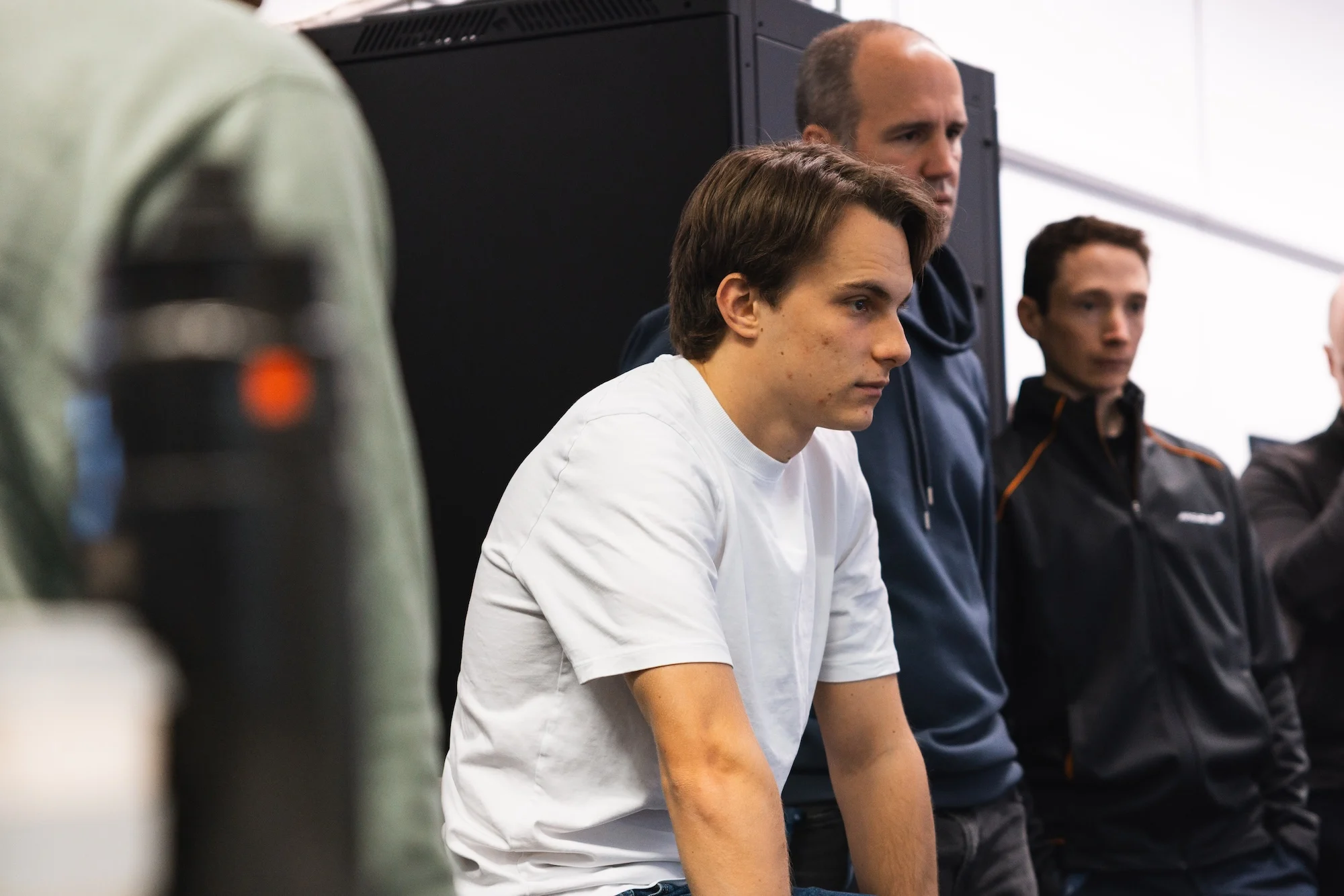
It’ll often be the case that the sim work will include things that the team has spotted at the previous race. That could be an area of concern – but it may equally be a strength the team wishes to reinforce. Having the driver at the factory also provides a good opportunity for a thorough debriefing.
We are a heavily data-driven racing team, in a heavily data-driven sport. And while the world tends to think of F1 data as ones and zeros transmitted off the car and back to our Dell PowerEdge servers in the garage, the number one sensor in the car is the driver, and driver feedback is an essential element for car development and the continual improvement of the trackside operation.
Around an hour after the Chequered Flag falls, there will be an engineering debrief at the track, during which time both drivers will pull on a set of headphones, fire up their Dell laptops and go through the data with the whole race engineering team. This will include an opportunity for both sides to share their observations.
While it’s important to get those down when the race is still fresh in everyone’s mind, sifting through all the data is work that continues long after the race team has packed up and left the circuit. In the days after, there will be further debriefing sessions, sometimes over video call, but where possible in person at the factory.
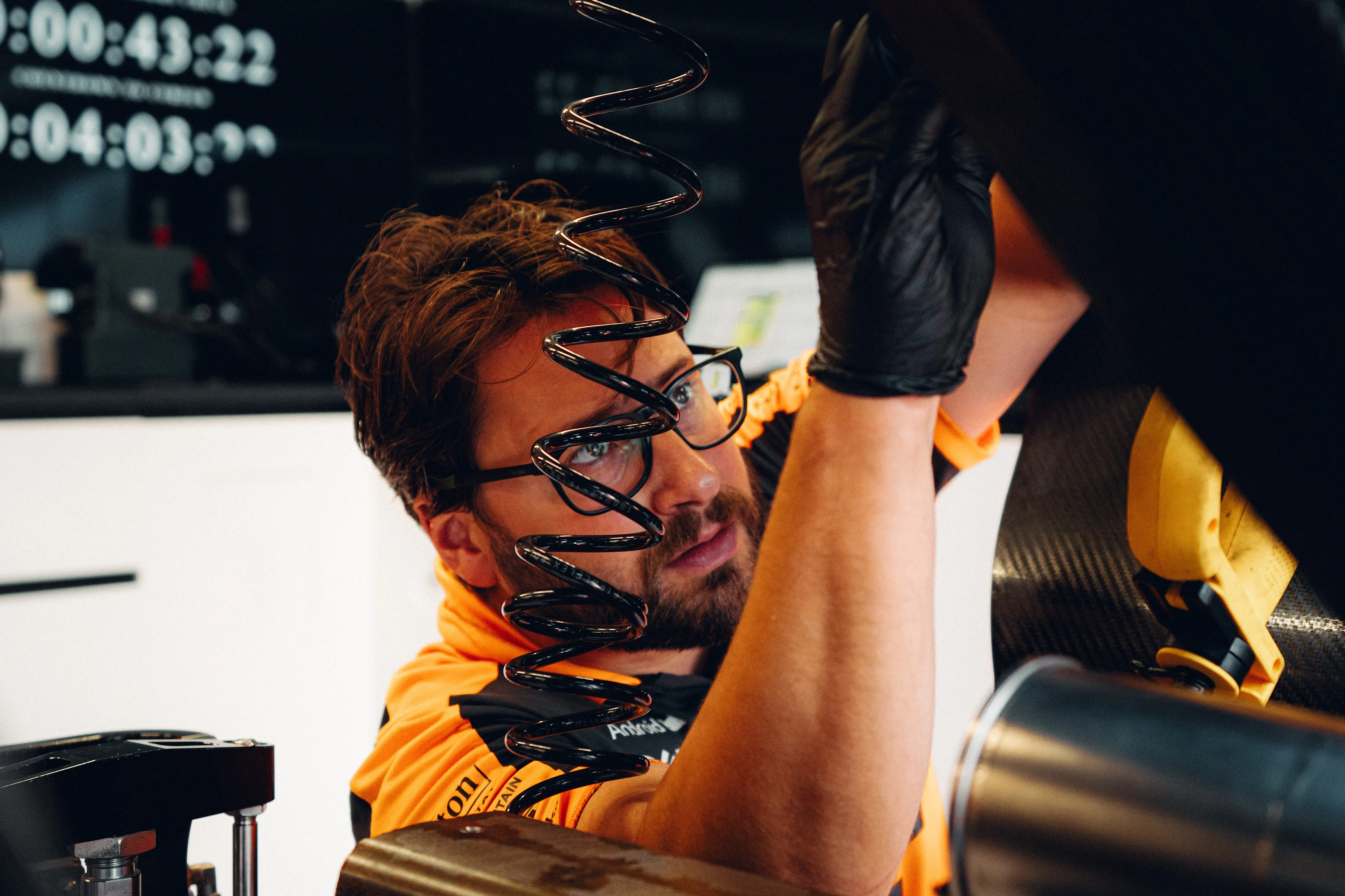
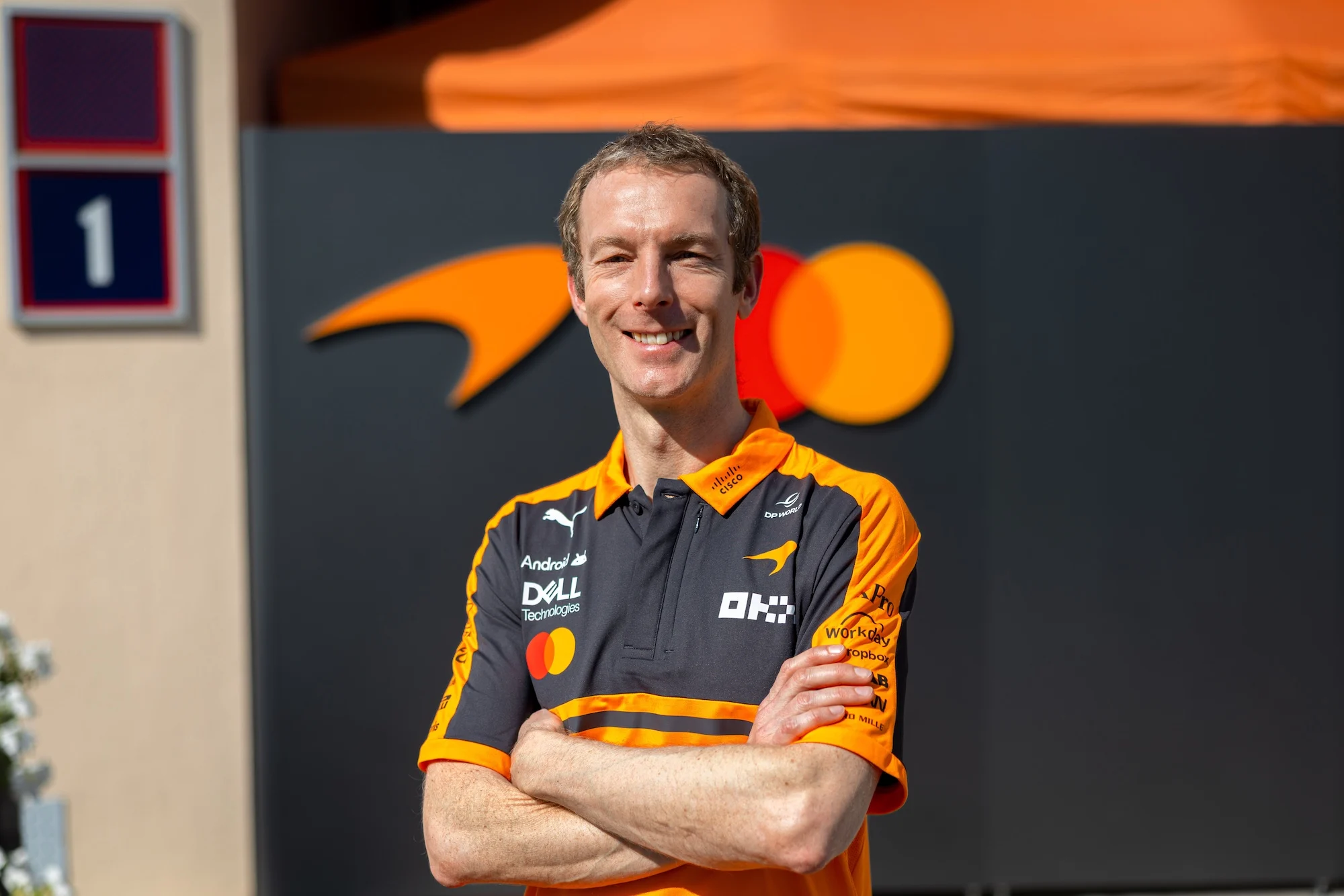
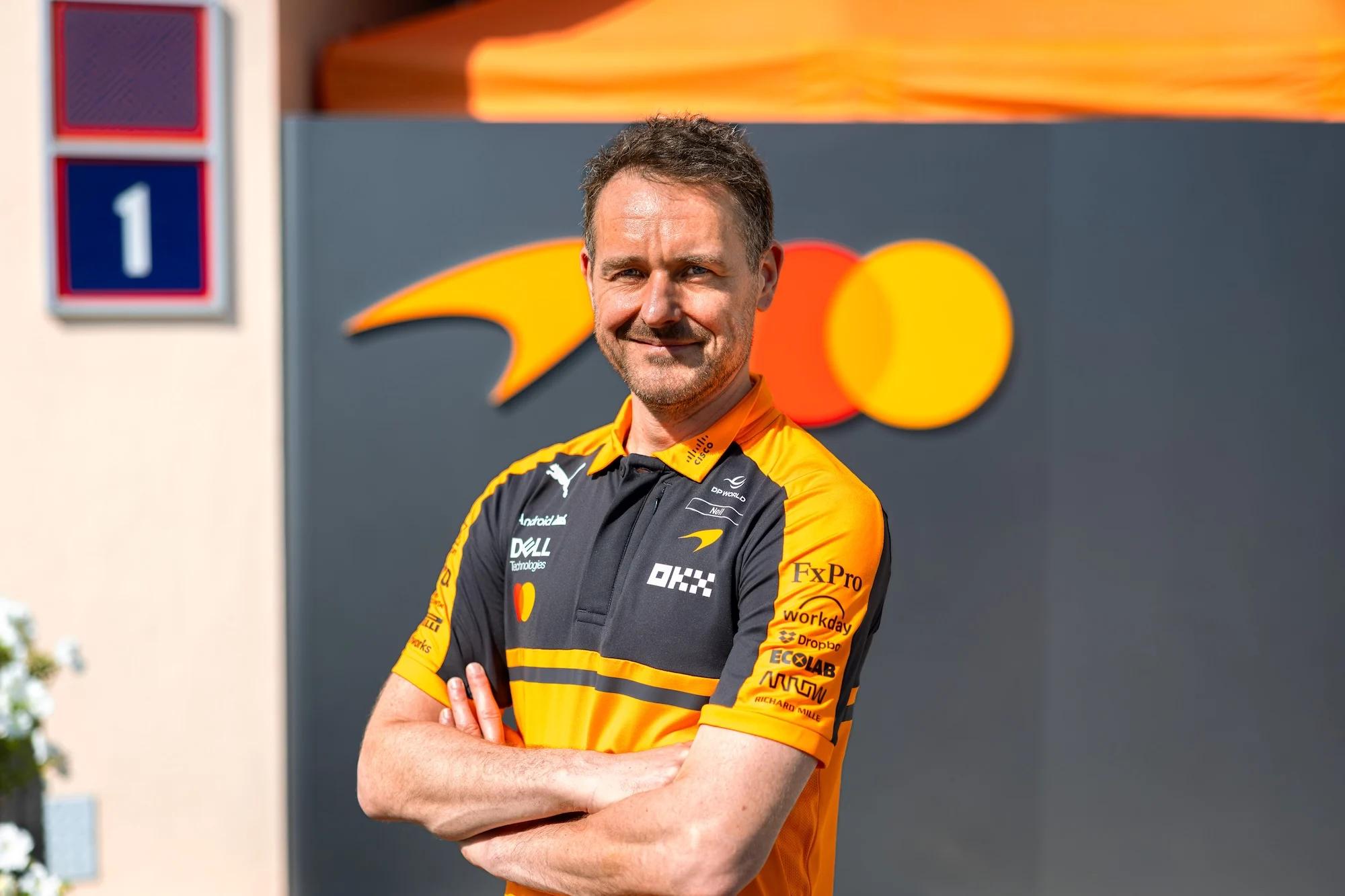
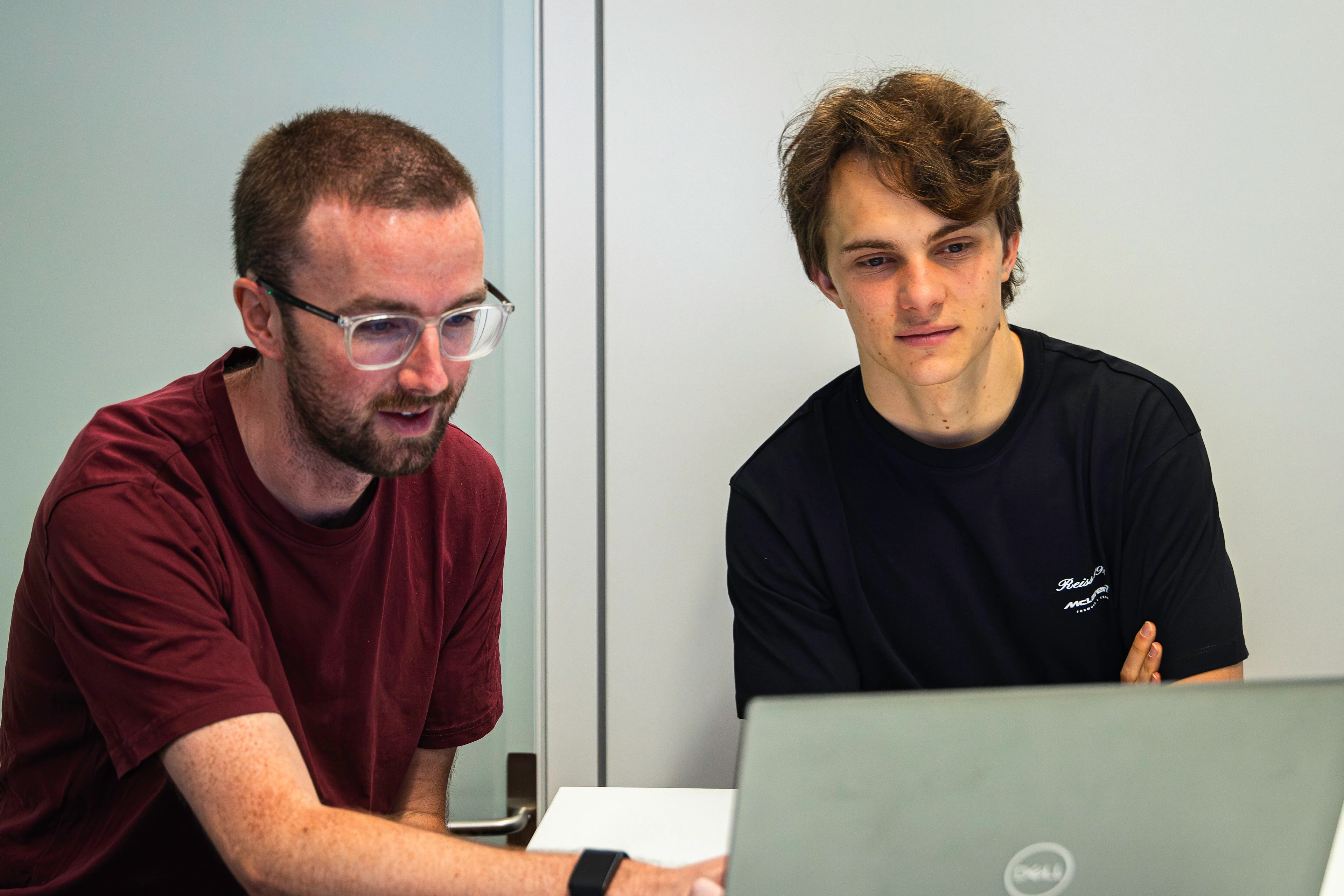
“My job is to help Oscar maximise how he interacts with the car,” says Performance Engineer Henry Fidler. “That's how he drives the car and qualifies. We look at lots of data comparisons with our teammates, and other drivers around the field, understanding how we can drive faster. Everything we do is IT-based. There’s very little that doesn’t touch some sort of data analysis in our day-to-day work.”
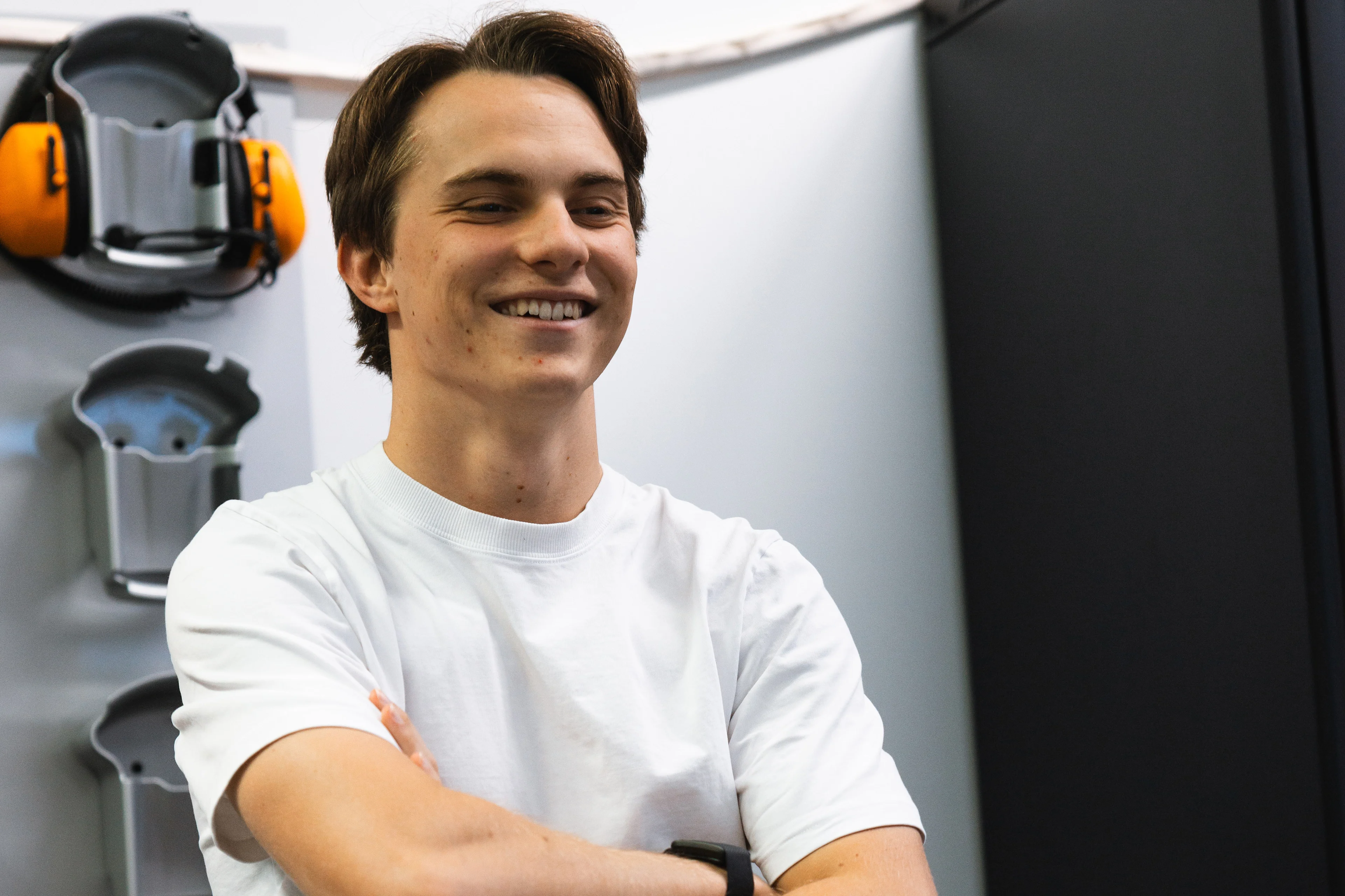
Everything on a race weekend is done against the clock, and the Free Practice sessions are no exception. There are no in-season tests, so anything the team needs to run through on the car has to be achieved within the three one-hour Free Practice sessions on a race weekend – or the single hour if that weekend is one of F1’s Sprint events.
This could be long-term research projects, signing off new components, or the bread-and-butter race prep. The smoothest weekends are those where the car is doing what the drivers want straight out of the box. Getting that baseline setup right straight away is tough but achievable through thorough briefs at the factory and simulator runs.
“We’ll be talking through driving goals, and what we think we need to do to approach [the next race] in the right way,” says Performance Engineer Amir Sampat. “He's normally quite receptive to what we're telling him. We’re often telling him lots and lots of things, but he's quite chilled out given there's a lot to think about.”
And that, in a nutshell, is how Oscar spends his engineering days at the factory. Long hours in a darkened room, interspersed with sessions looking at data sheets. And if that doesn’t take up every minute they have between signing in and heading home… well, we do have a very good gym.