

27 August 2026 12:30 (UTC)
One of the easiest ways to differentiate between McLaren eras is through the outfits worn around the paddock

From bell bottoms to oversized tees, fashion trends flashed through the paddock during the 1970s, 80s, and 90s, helping define each era of Formula 1 and shape the sport's modern image.
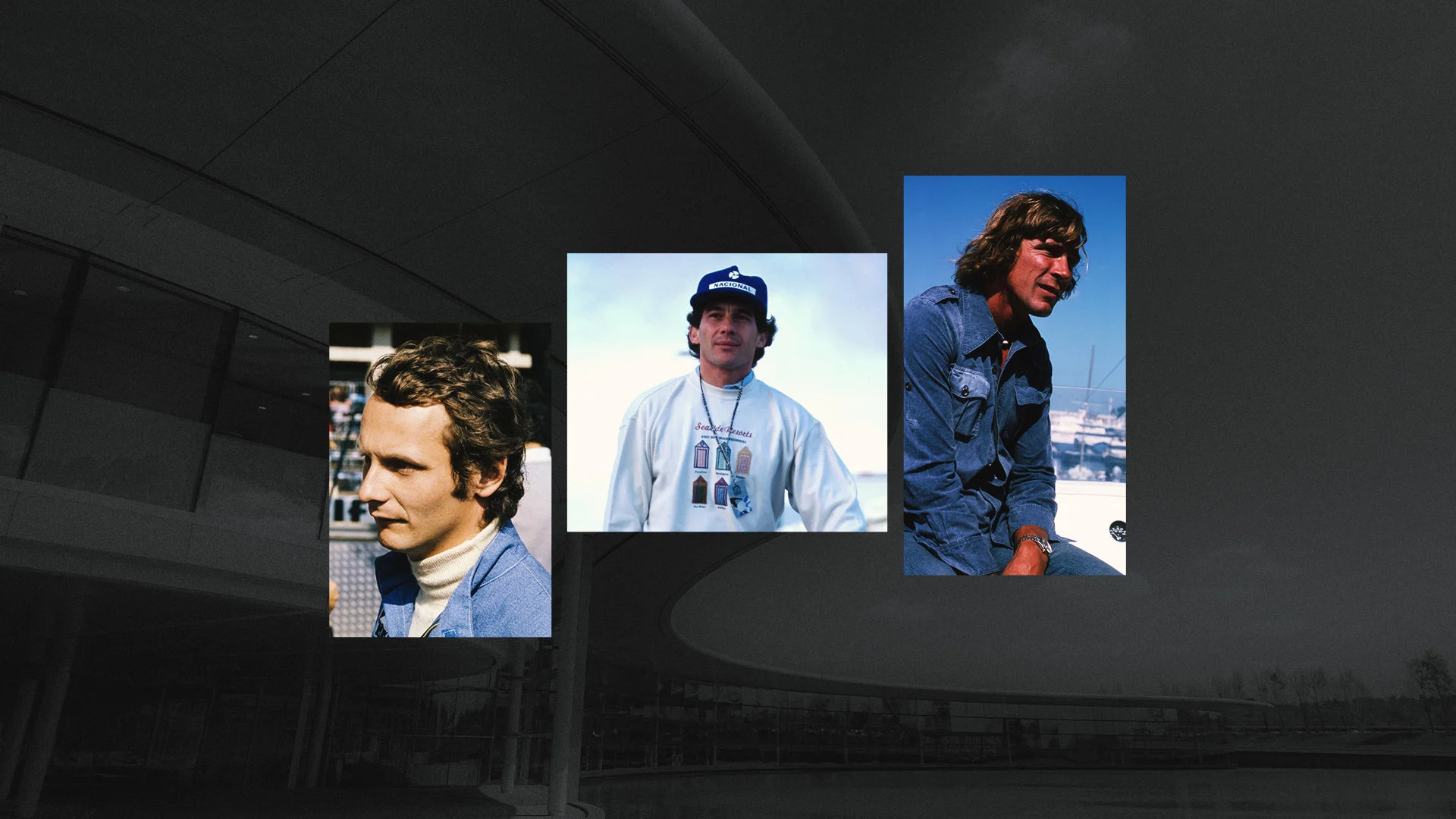
Many think the glitz and glamour of Formula 1 is fairly modern, but a brief glance back at McLaren drivers such as Ayrton Senna and James Hunt proves otherwise. Fashion has always been part of racing’s identity.
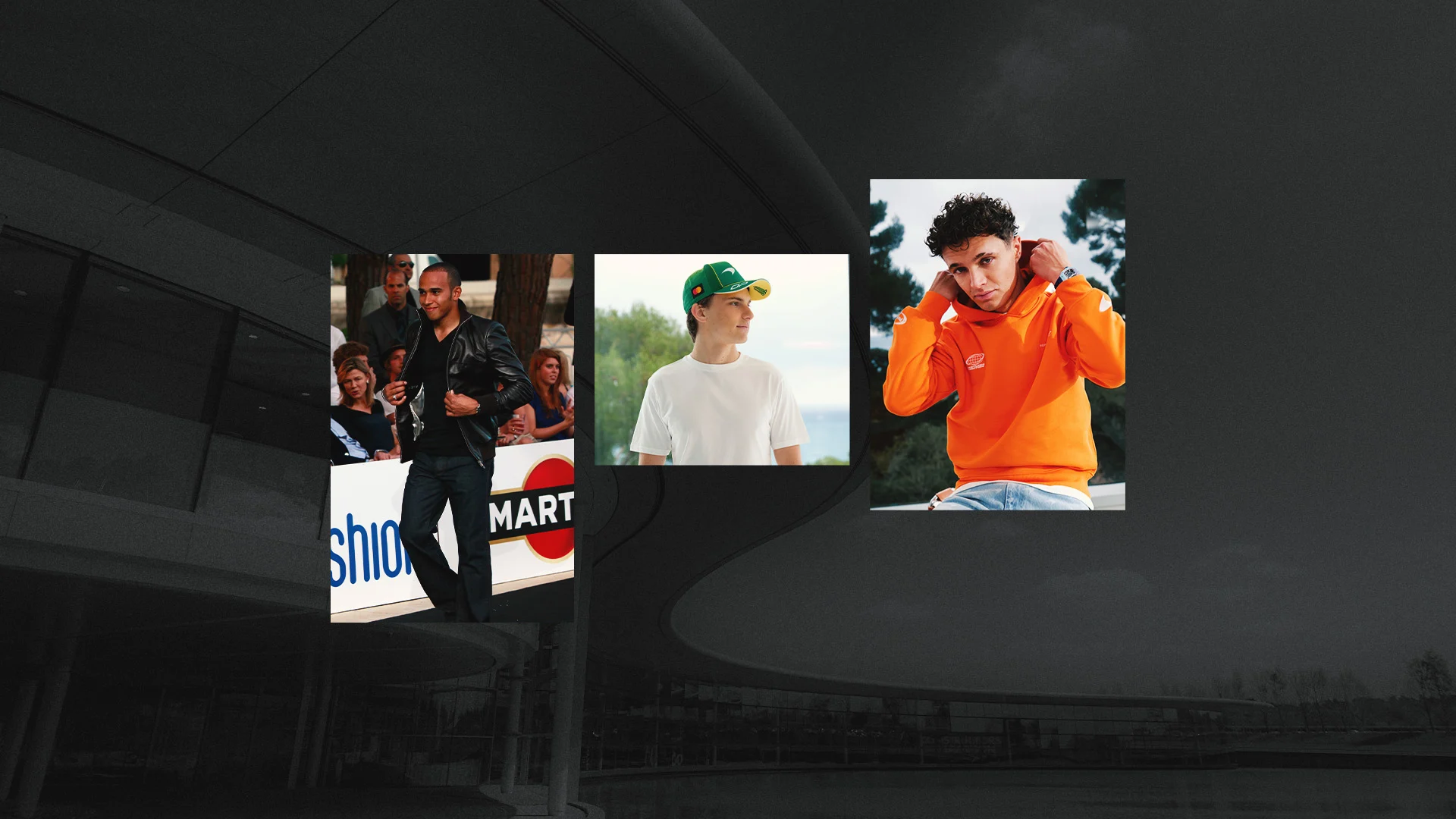
As part of Designed to Race: Front Row, we are exploring how fashion in the F1 paddock has evolved over the past six decades, starting with the ‘70s, ‘80s, and ‘90s.


McLaren had its fair share of icons in the 70s, from Emerson Fittipaldi to Gilles Villeneuve. Emmo was a key member of the emerging Brazilian contingent in the paddock, and his style was closely tied to South American fashion at the time. With oversized sunglasses, flat caps and thick sideburns, he brought a Brazilian ‘Ginga’ – to coin a native phrase – that the paddock was not used to seeing.
The 1970s were a great time to be a freethinker, with social activism gaining momentum across America and Europe as pop culture shifted towards freedom and self-expression. Those changes were reflected in the period’s fashion trends and bled into the F1 paddock, where drivers like James Hunt paved the way for a more nonconformist version of the racing driver.
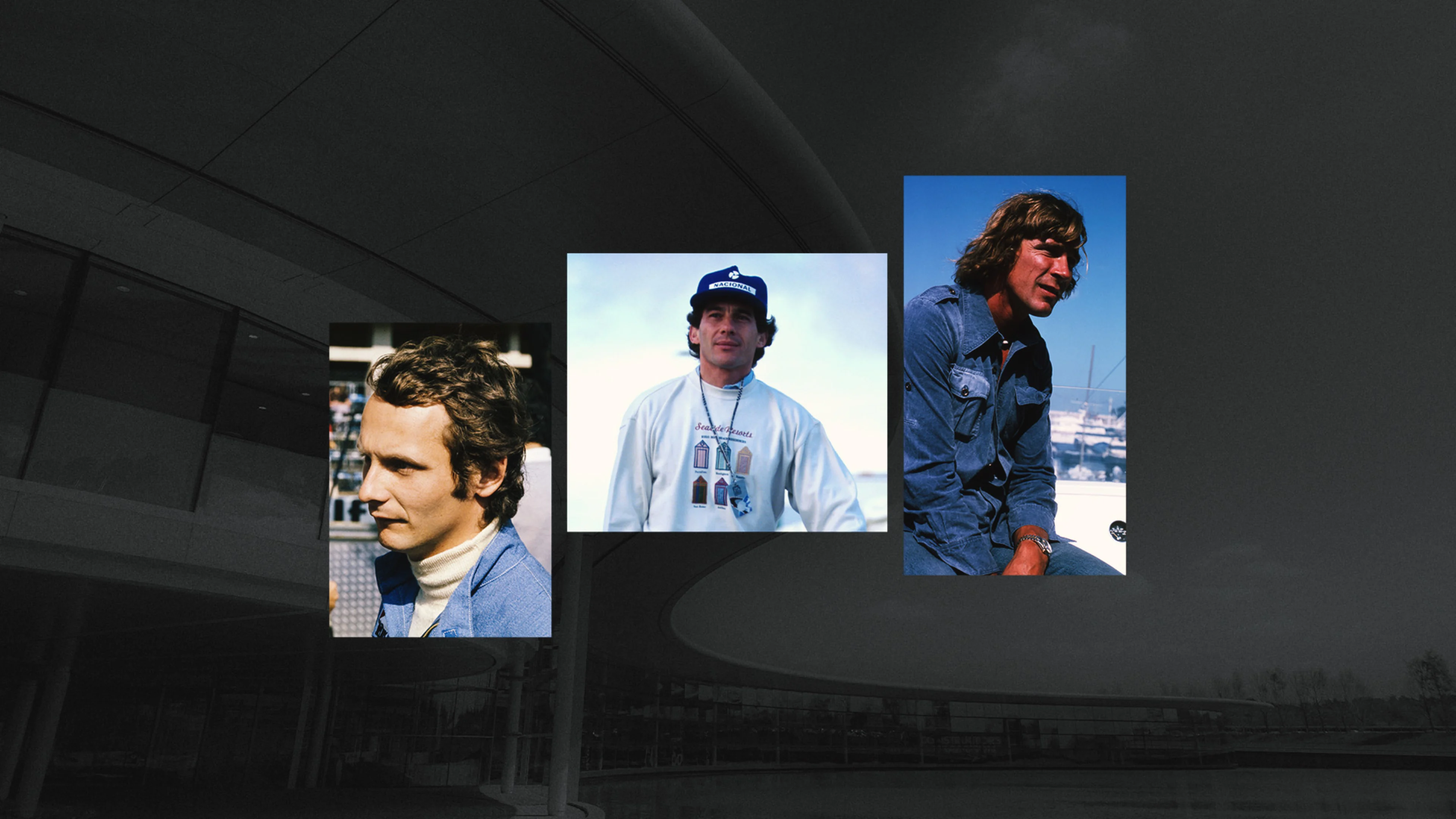
Joining McLaren in 1976, James embodied the liberated spirit of the 70s. He lived an unconventional lifestyle and would often turn up to the paddock barefoot or on his bicycle. This helped make space for a more expressive, less buttoned-up version of the Formula 1 driver. Typically sporting skinny bell-bottom jeans and a fitted tee, James loved patterned shirts and beaded necklaces.
Figures like Mick Jagger and David Bowie greatly influenced menswear during the 70s, and James drew inspiration from these icons. When picking up his trophy for claiming his 1976 F1 World Championship title, he showed up in a bright blue velvet suit and a palm tree shirt underneath. Considered controversial within the racing community at the time, James' suit would have fit right in with mainstream celebrities like Farrah Fawcett and John Travolta.


Everything was big and bold in the 80s. If your hair wasn’t blocking the view in the grandstands, you were doing it wrong. Star Wars was at its peak popularity, Madonna was the talk of the town, and our iconic red-and-white MP4/4 was winning races.
Celebrities like Michael Jackson and Harrison Ford played a huge role in shaping men's style as fashion became more prominent in the paddock, with drivers opting to wear their own clothes over a team uniform. This signalled a shift in what was to come in the 90s, with drivers becoming more aware of being on a world stage.
Previously, drivers had been expected to suppress their personal style to align with team branding, but in the 80s they began to shape their own image. The paddock was particularly enamoured by Harrison Ford’s ‘preppy’ smart casual style, which the likes of Michael J. Fox, George Michael, and the TV show Miami Vice helped popularise.
Alain Prost was ahead of the curve, favouring a laid-back, smart-casual style that stood out in the early to mid-80s. He often wore tailored linen trousers with neatly tucked-in polo shirts, while his race suits featured knitted cuffs and a built-in belt that added to the era’s high-waisted silhouette. Alain also loved contrasting colours and often layered thick sweaters under his race suits.
Niki Lauda was one of the coolest drivers on the grid in the 80s. Like his McLaren teammate, Niki embraced the smart-casual aesthetic of the time, though more subtly, favouring an understated muted palette over bright colours. However, his outfits were still defined by many of the same core pieces, pairing pleated or linen trousers with blazers, polo shirts and knitwear.


The 90s were when fashion cemented itself in the paddock. F1 had emerged as the pinnacle of motor racing and became the home of glitz and glamour in sport. The paddock became a classy, elegant space as the sport's commercialisation catapulted it onto a global stage, and drivers like Ayrton Senna made a name for themselves beyond the circuit.
While the 70s and 80s were defined by broad, recognisable fashion movements, the 90s became more fragmented. Style began to form around distinct communities, as rock bands, rappers and pop groups created identities that felt worlds apart.
F1’s new, more glamorous image felt more closely aligned to the major pop groups of the time. The Spice Girls – then among the world’s premier pop acts - even helped to launch the MP4/12 alongside Jamiroquai during an extravagant event at London’s Alexandra Palace in 1997. You’d never put either of them in the same box as Oasis or Snoop Dogg.
Public perception of F1 had firmly shifted. It was no longer seen as nitty-gritty and rough - Grands Prix were now the place to be seen for celebrities and high-profile sponsors. Venues became more developed, and F1 built a reputation as an affluent, classy and prestigious sport. This bled into paddock fashion, with drivers adopting the increasingly popular ‘old money’ look of the time.
Ayrton joined McLaren in 1988, but his personal style defined the 90s. He was always clad in dark denim, usually paired with an oversized button-up or a baggy sweater. The Brazilian brought these looks to the paddock, wearing his iconic ‘Senna’ sweater under his overalls, tying it all together with leather belts, bags, and shoes.
Ayrton played a key role in the growth of this aesthetic. His effortless, put-together style became something to emulate and still inspires looks today. The era of high-waisted, tight bell bottoms was gone, as the 90s saw menswear shift to tailored clothes, bringing an ‘elegance’ that contrasted the chaotic 80s. He was often seen wearing designers like Ralph Lauren, which added to the elevated brand he was building.
Ayrton created a style so desirable that it helped redefine public perceptions of the sport. His outfits fed into F1’s image of prestige and elegance, with neutral tones and tailored staples becoming the new uniform for drivers. The goal was not just to win on track, but to look successful off it.
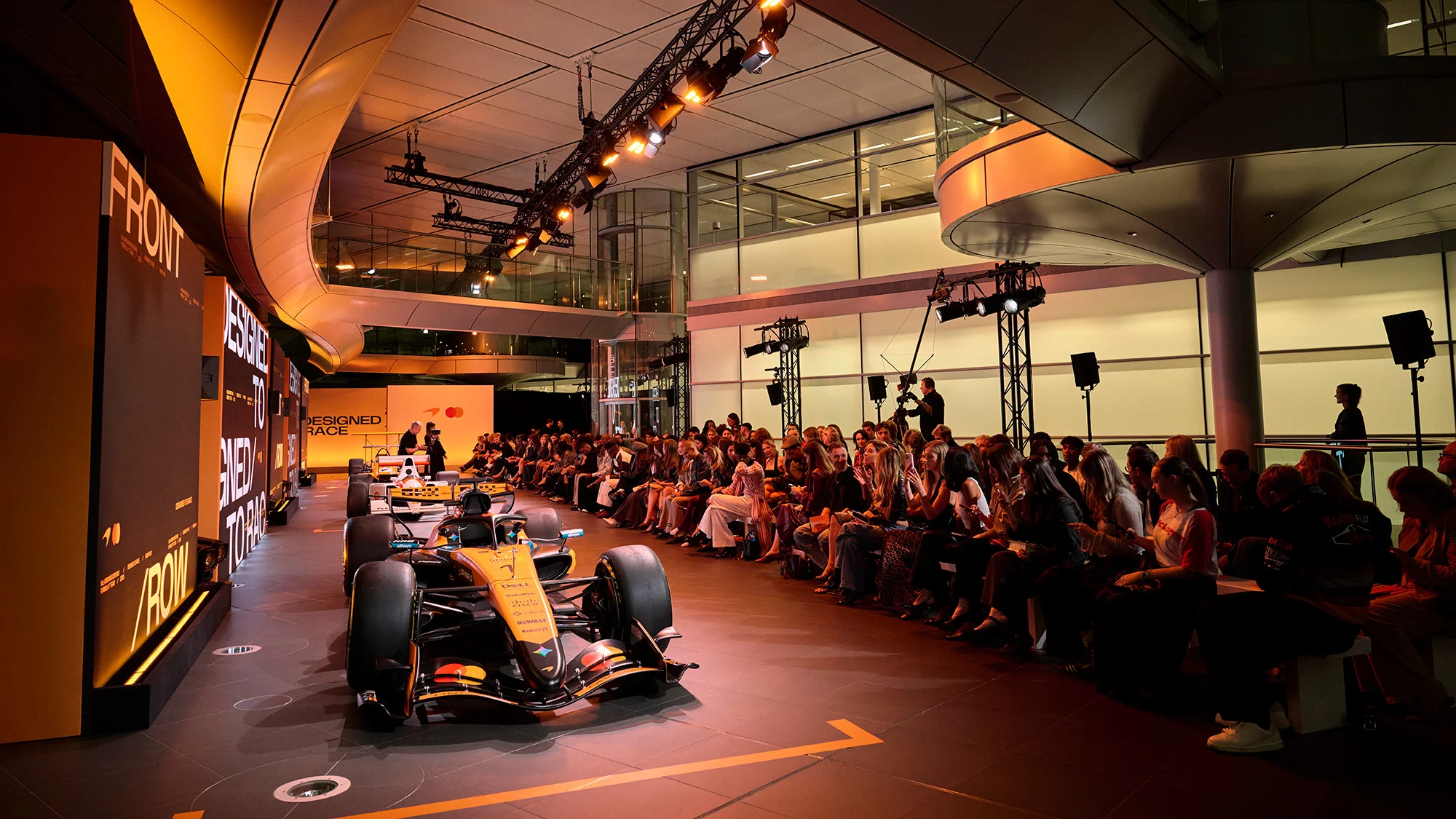
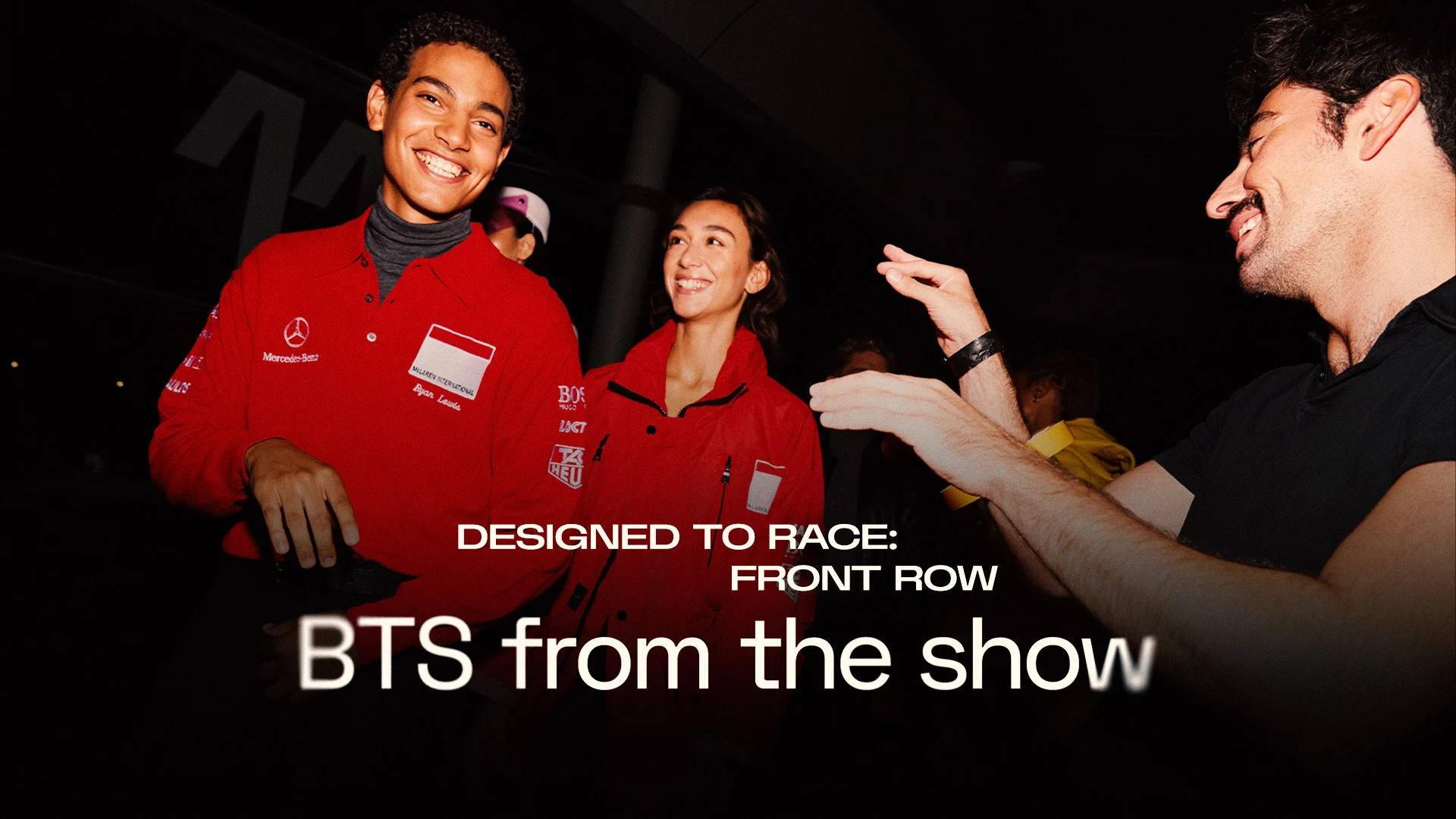
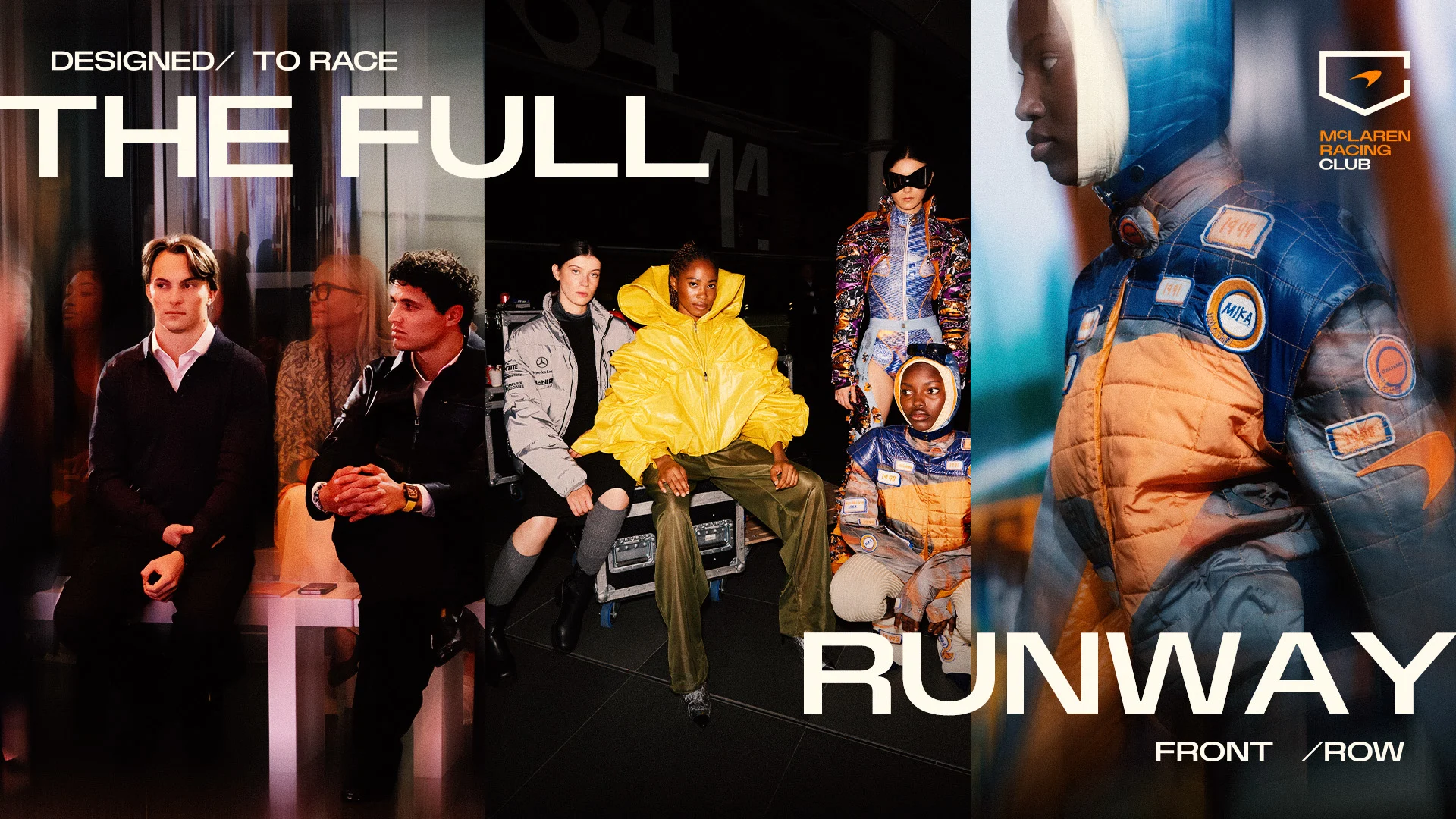
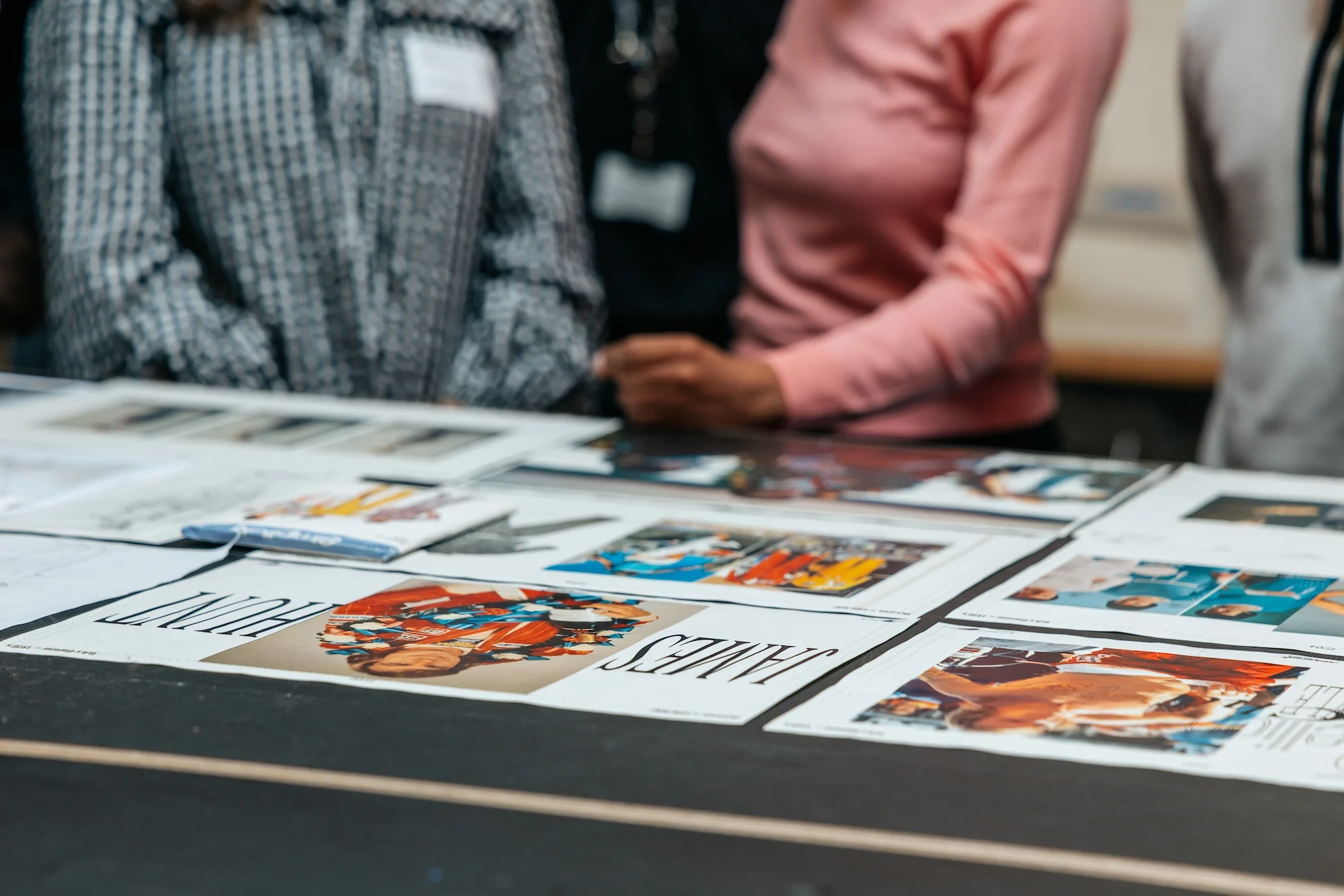
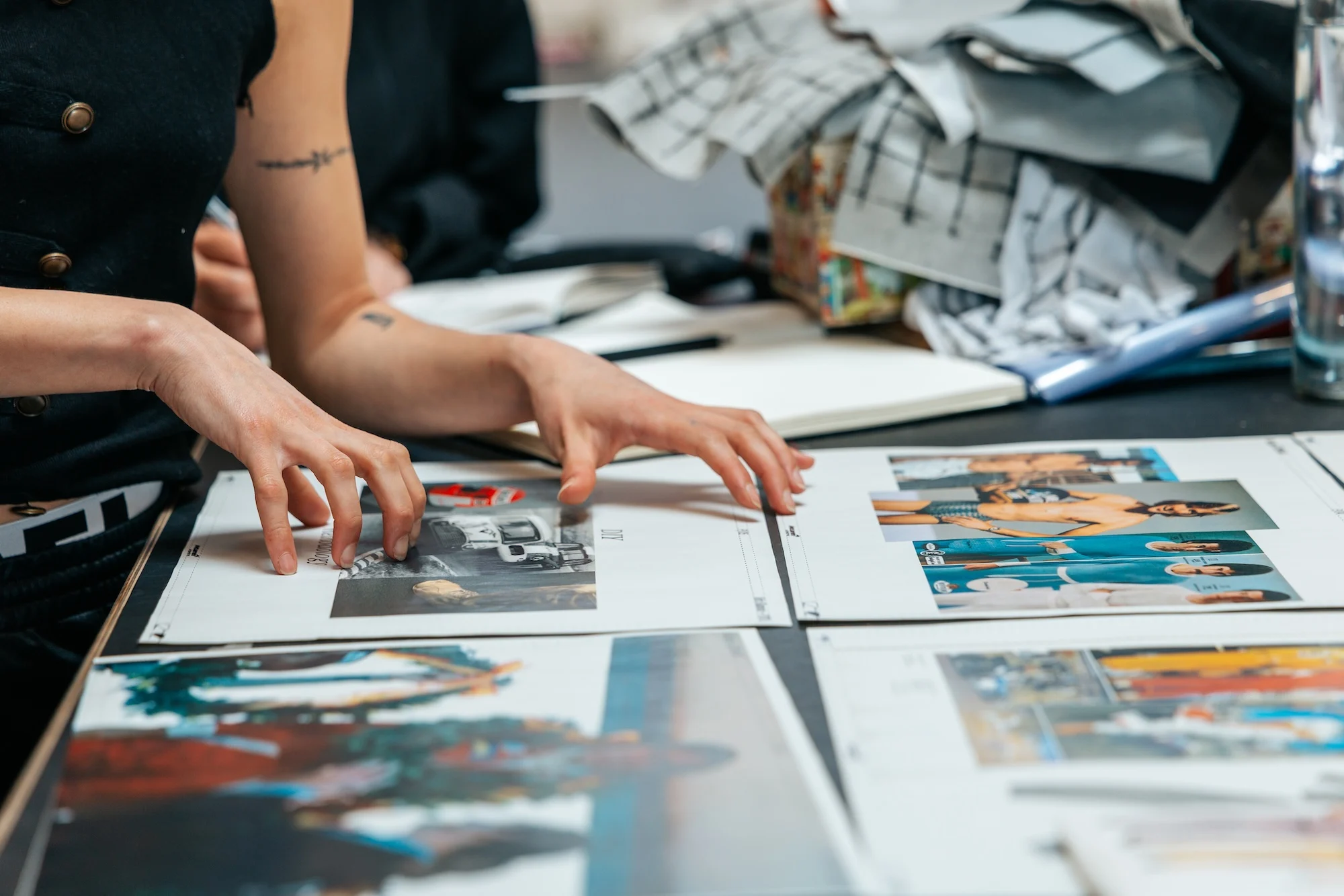
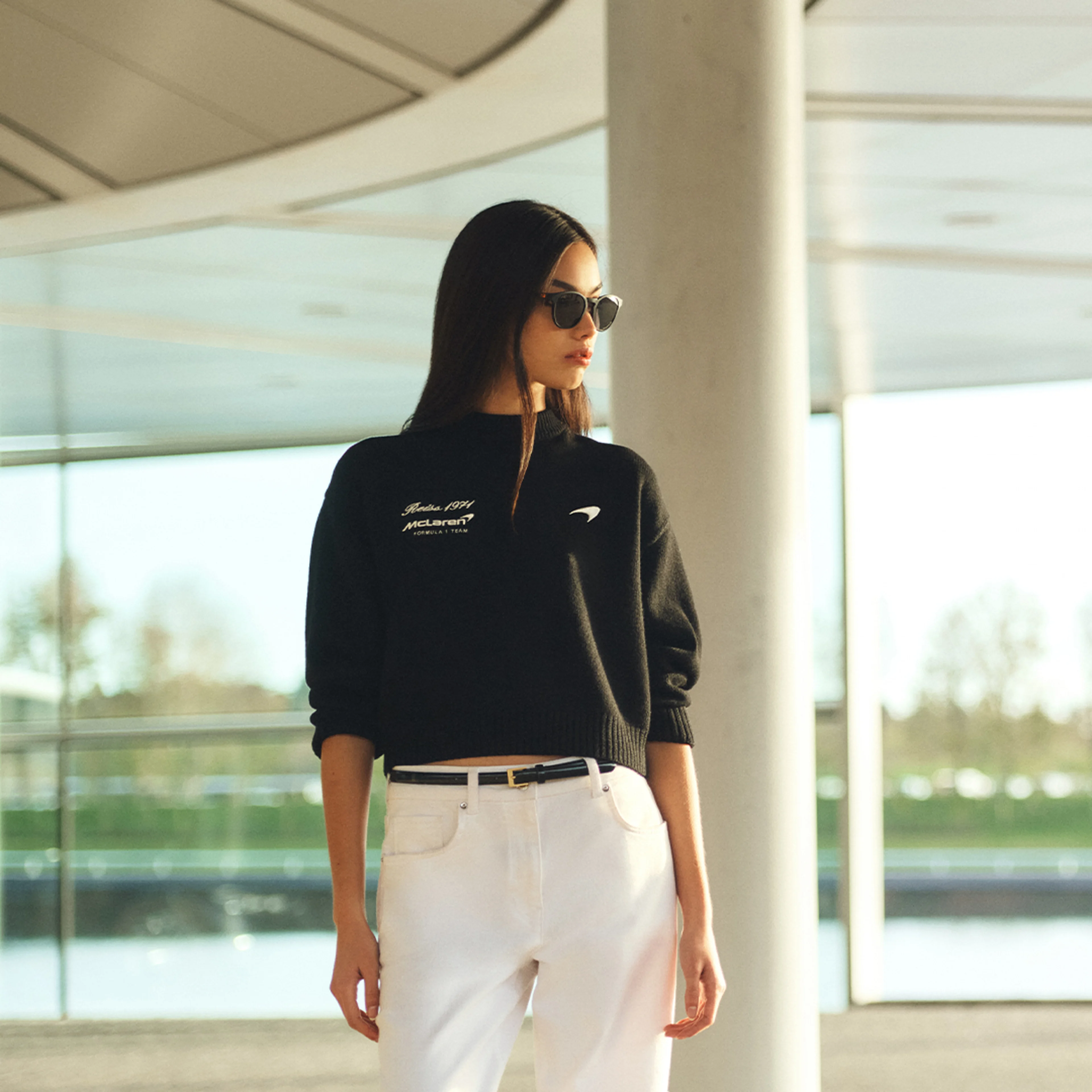
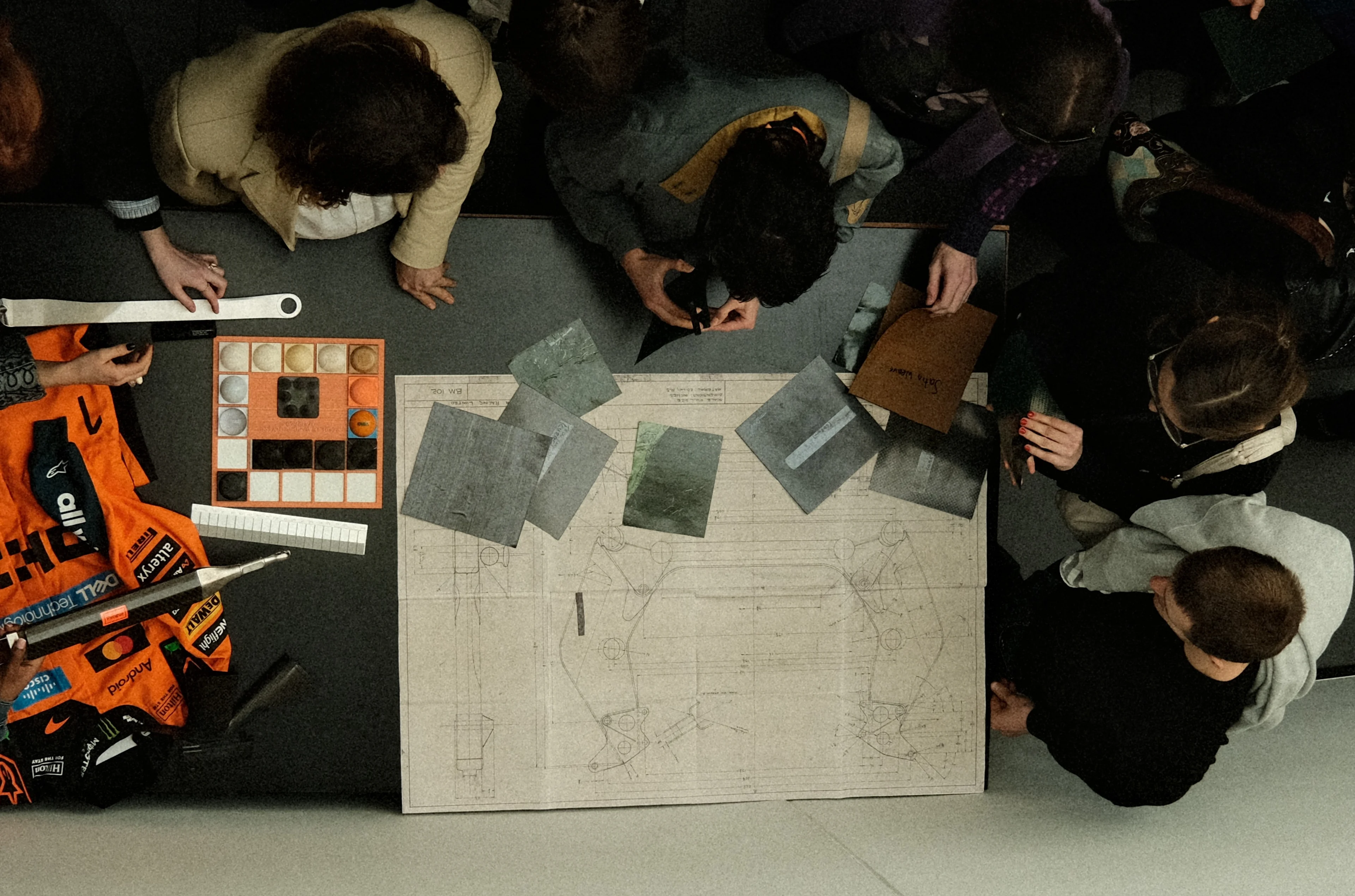
Designed to Race: Front Row marks McLaren’s next step into fashion. Culminating in our first-ever fashion show at the McLaren Technology Centre, we will bring our racing heritage to life through 12 original runway pieces created by students from Central Saint Martins, University of the Arts London.