

7 August 2026 09:00 (UTC)
We sat down with the McLaren Mastercard F1 Team, Team Principal to review the season so far

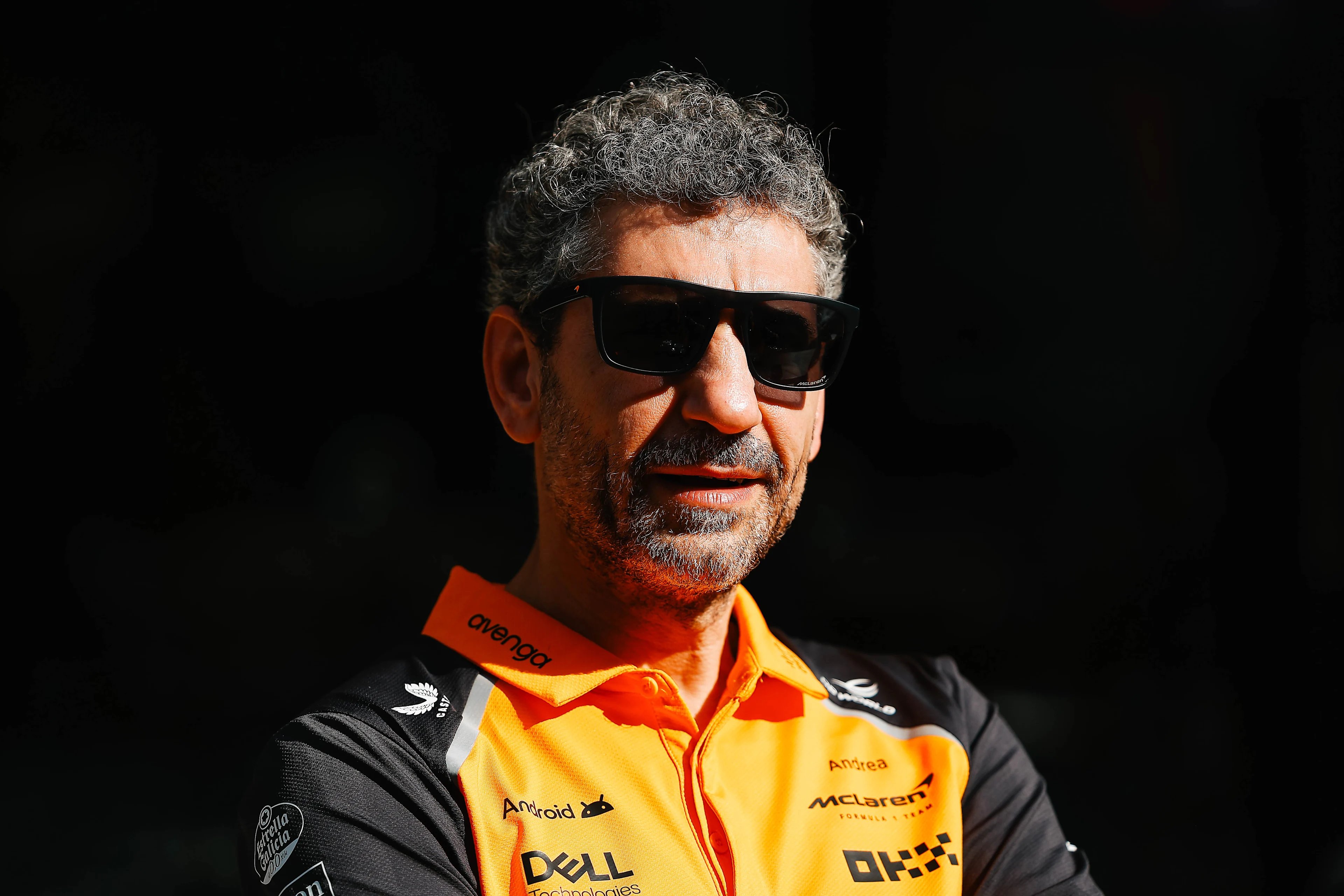
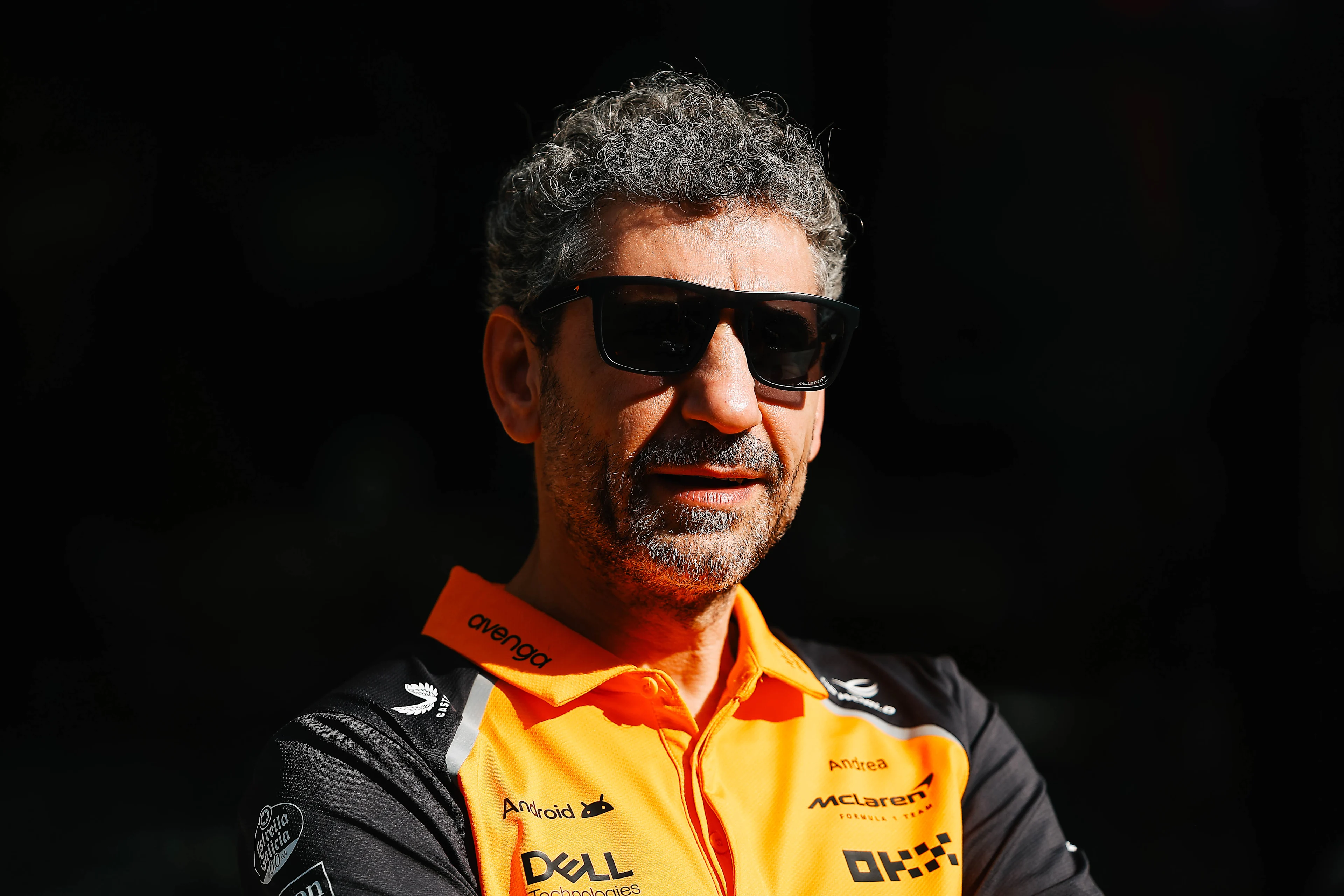
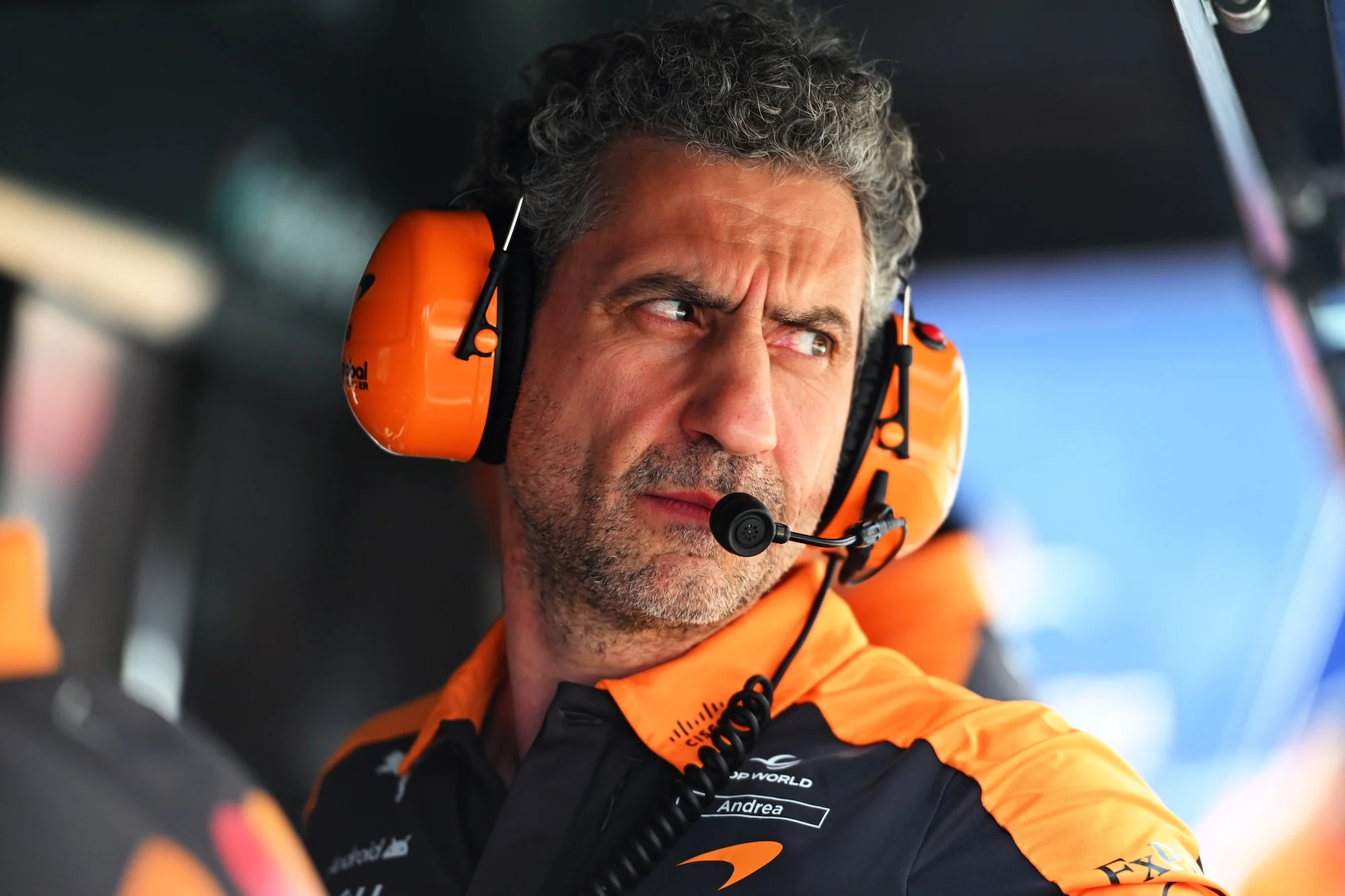
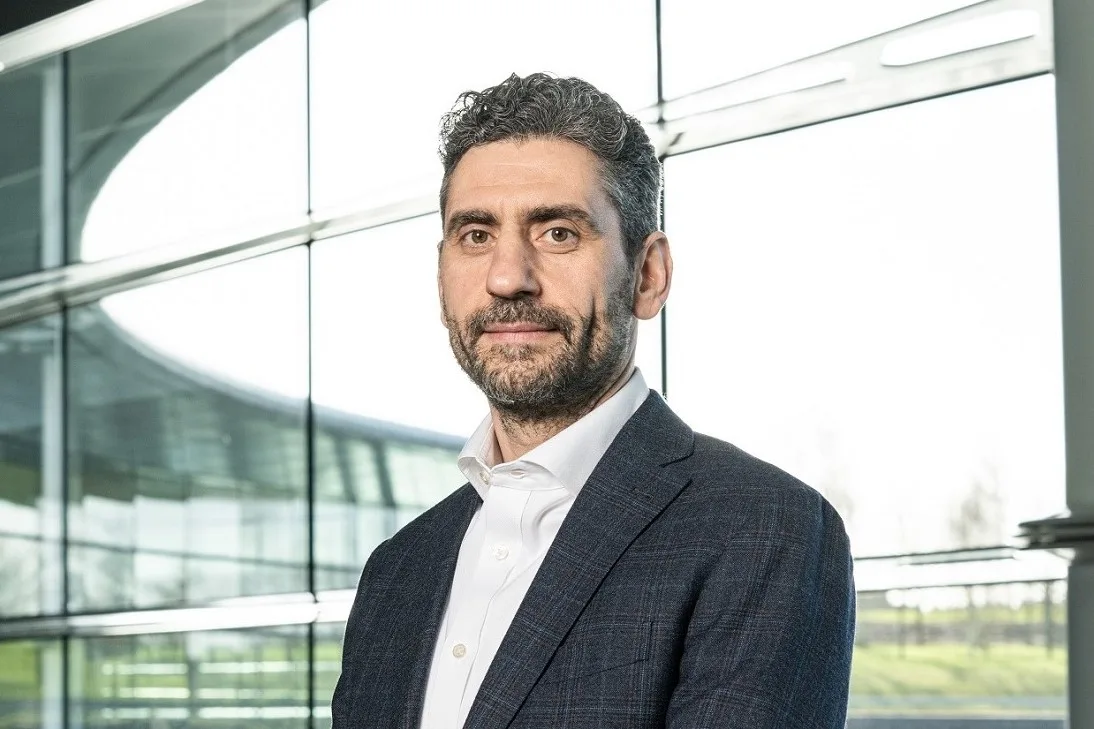
Andrea Stella was back at McLaren’s Woking HQ last week to address the team ahead of Formula 1’s summer break, where he thanked everyone for their efforts during an intense 11 rounds, while also reflecting on the highs and lows of the 2026 season so far.
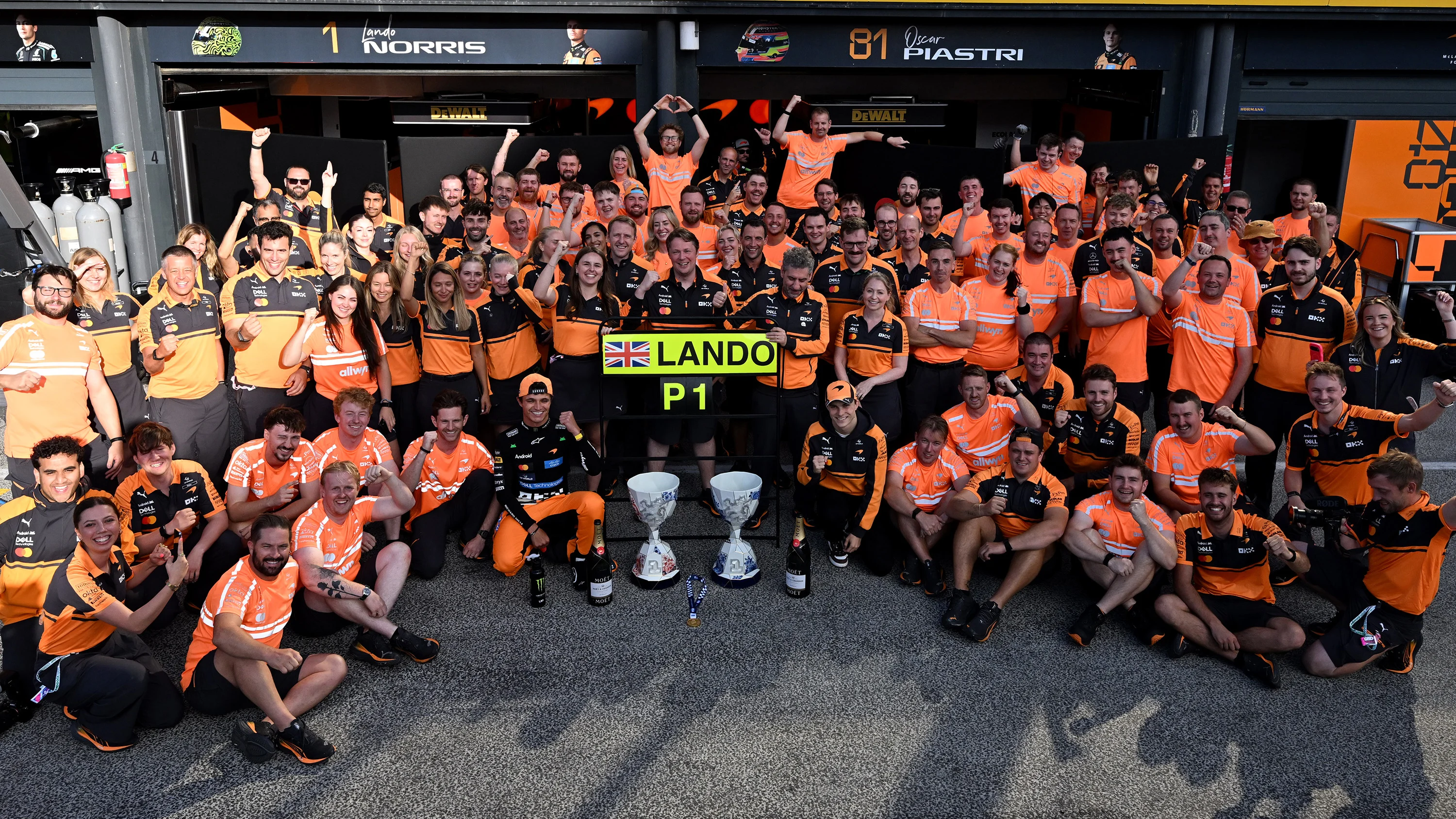
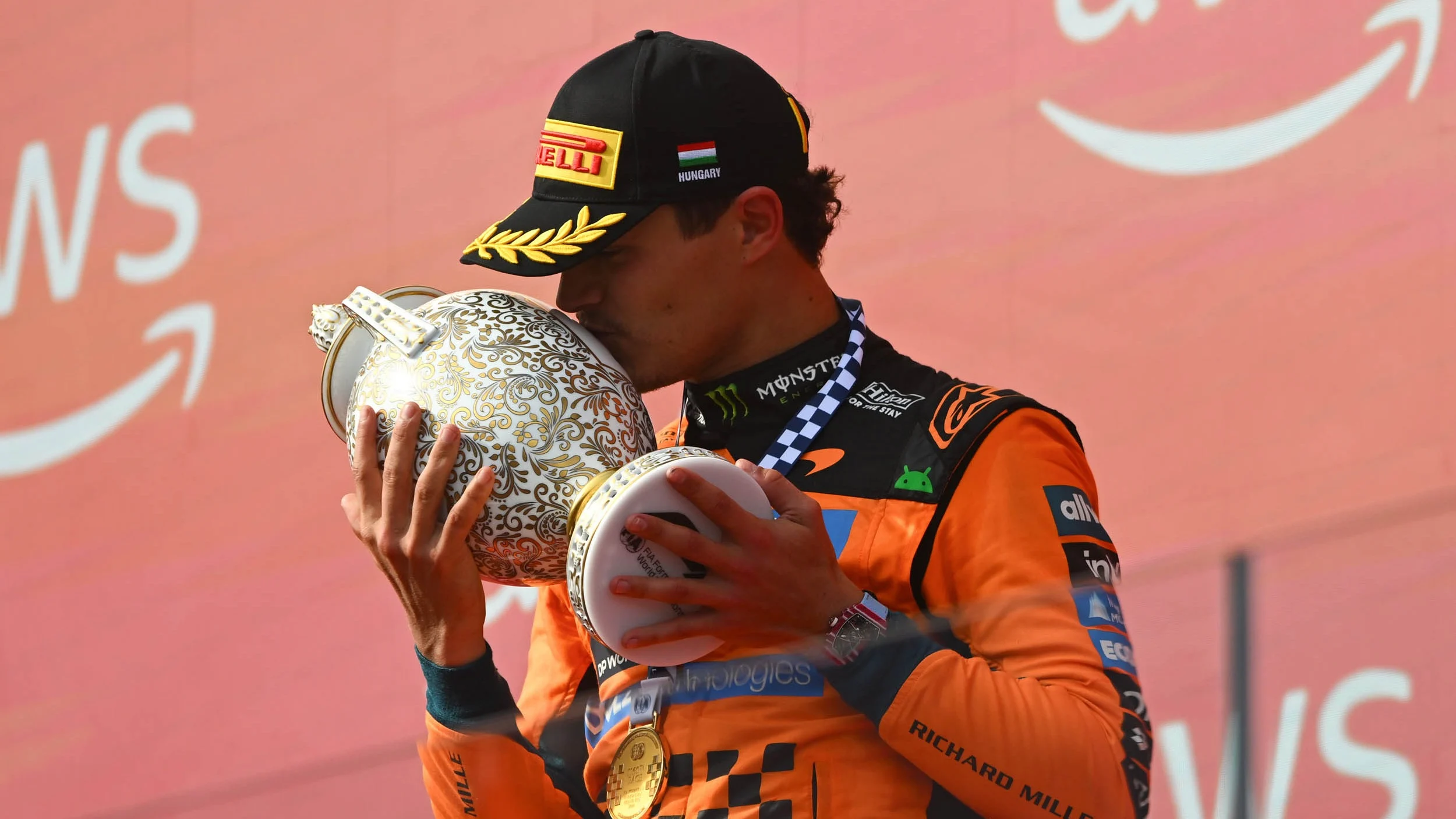
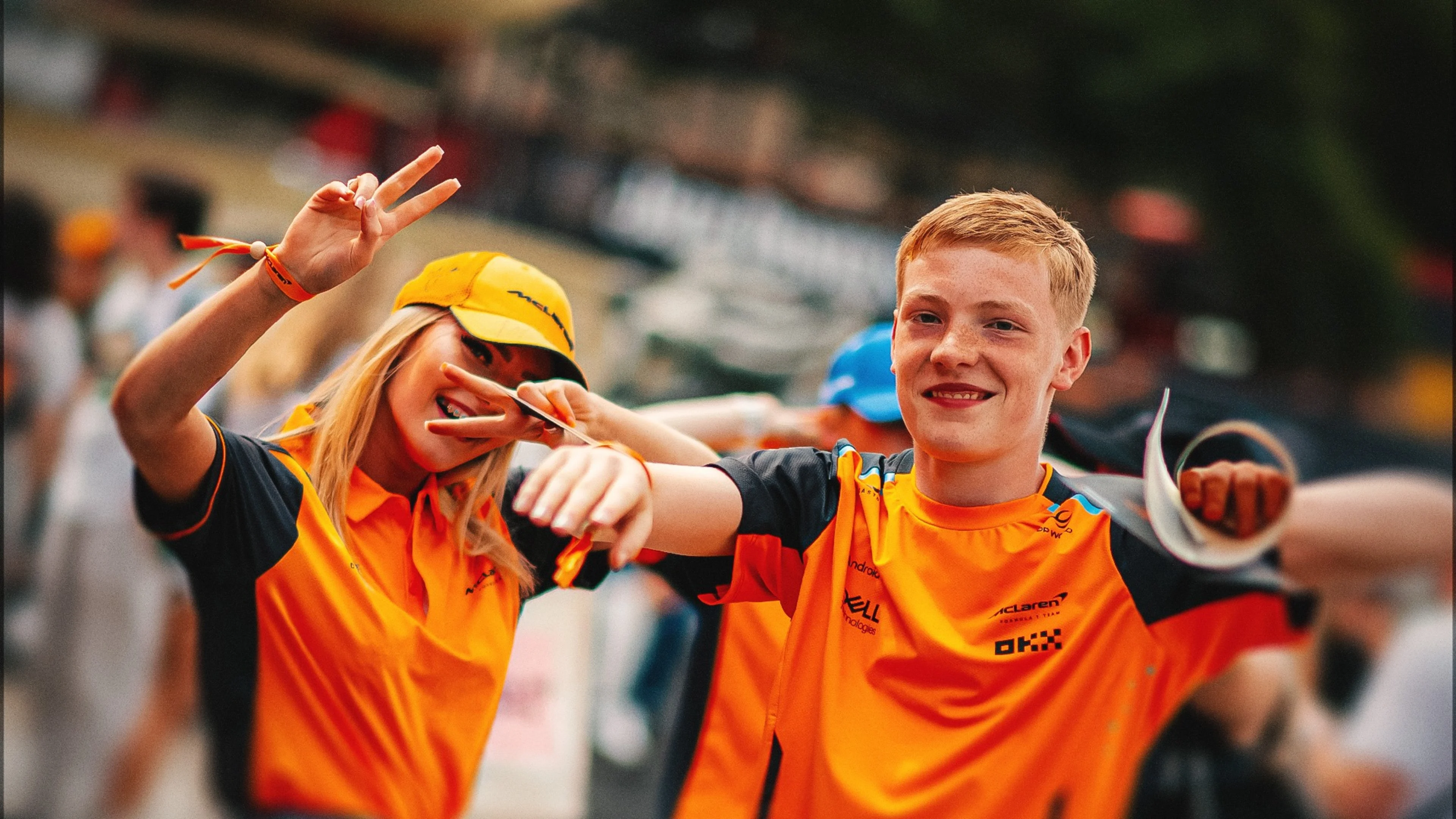
Alongside the regular post-Grand Prix debrief that Andrea hosts at the factory with his senior leadership group, we also gathered to celebrate and toast to our victory in Hungary on the McLaren Technology Centre Boulevard, before heading outside for McLaren’s traditional summer barbecue.
Before Andrea left for a well-deserved two-week break, we sat down with the Italian to review the season so far, discussing our start to F1’s new era, the progress we’ve made, and the lessons learned.
Andrea: I believe the most important lesson we’ve taken away from these seven months of hard work is that, in times of great difficulty, unity is strength. We’ve demonstrated, first and foremost to ourselves, just how crucial team cohesion is to bouncing back and getting back on track towards the top.
After three years of steady progress that saw us win three out of four world titles between 2024 and 2025, the start of this season has been a real reset: not only because the rule changes were probably the most significant ever in the history of this sport, but above all because we realised just how heavy a price we had paid for the effort we put in during 2025 to secure the world double.
We could have fallen apart; we could have found excuses for not being able to start the championship as we’d finished the previous one, but that wasn’t the case: we tried to understand the technical and strategic reasons, and we focused our efforts. And that makes me truly proud of this team.
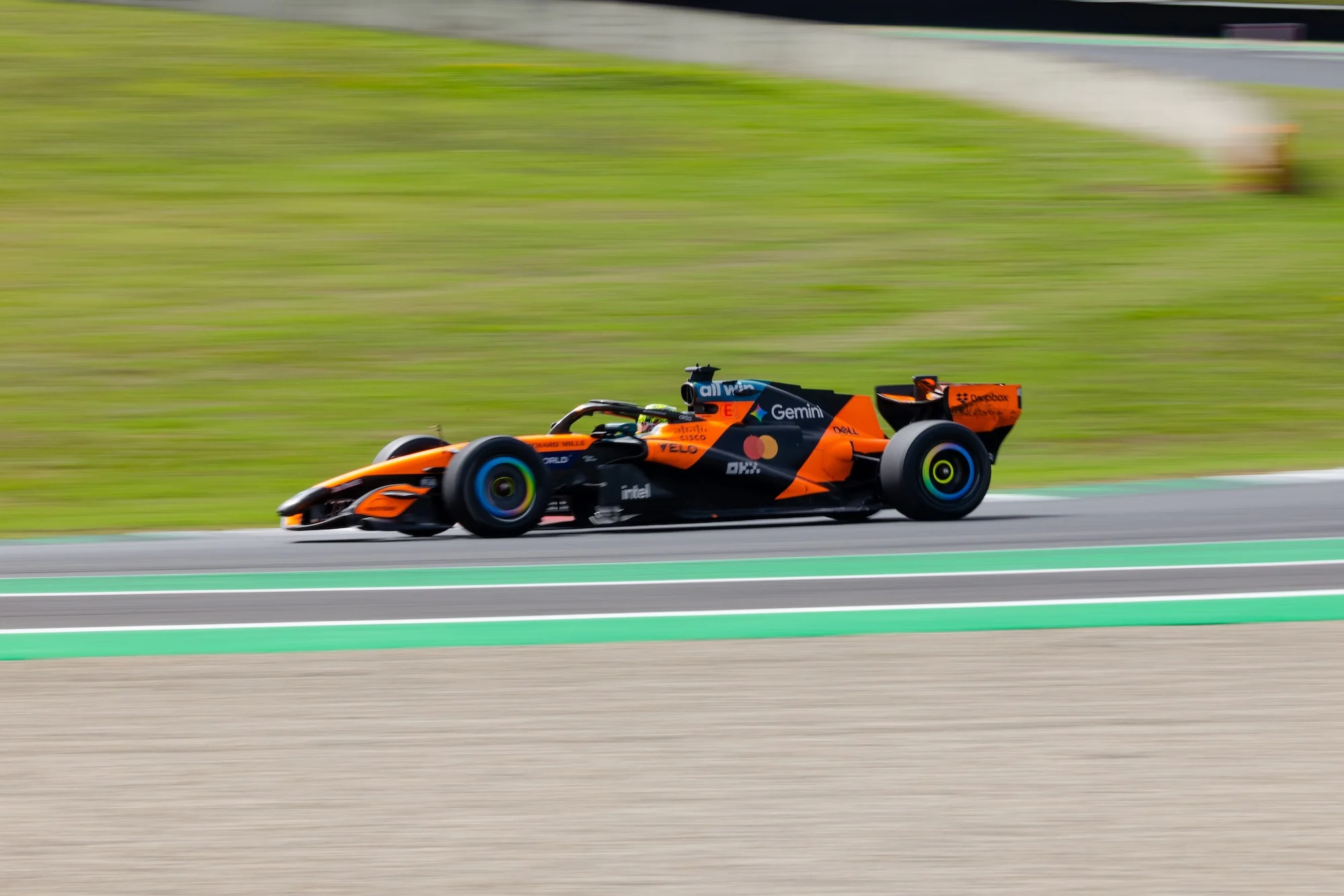
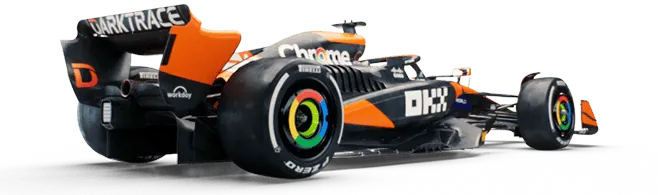
Andrea: There wasn’t a single event that changed course; rather, it was a growing awareness of the scale of the challenge we’re facing and the adjustments we needed to make. Paradoxically, the enforced break in April probably allowed us to focus entirely on analysing the MCL40’s performance and to fully understand that we needed to redirect or strengthen its development in certain areas of the car.
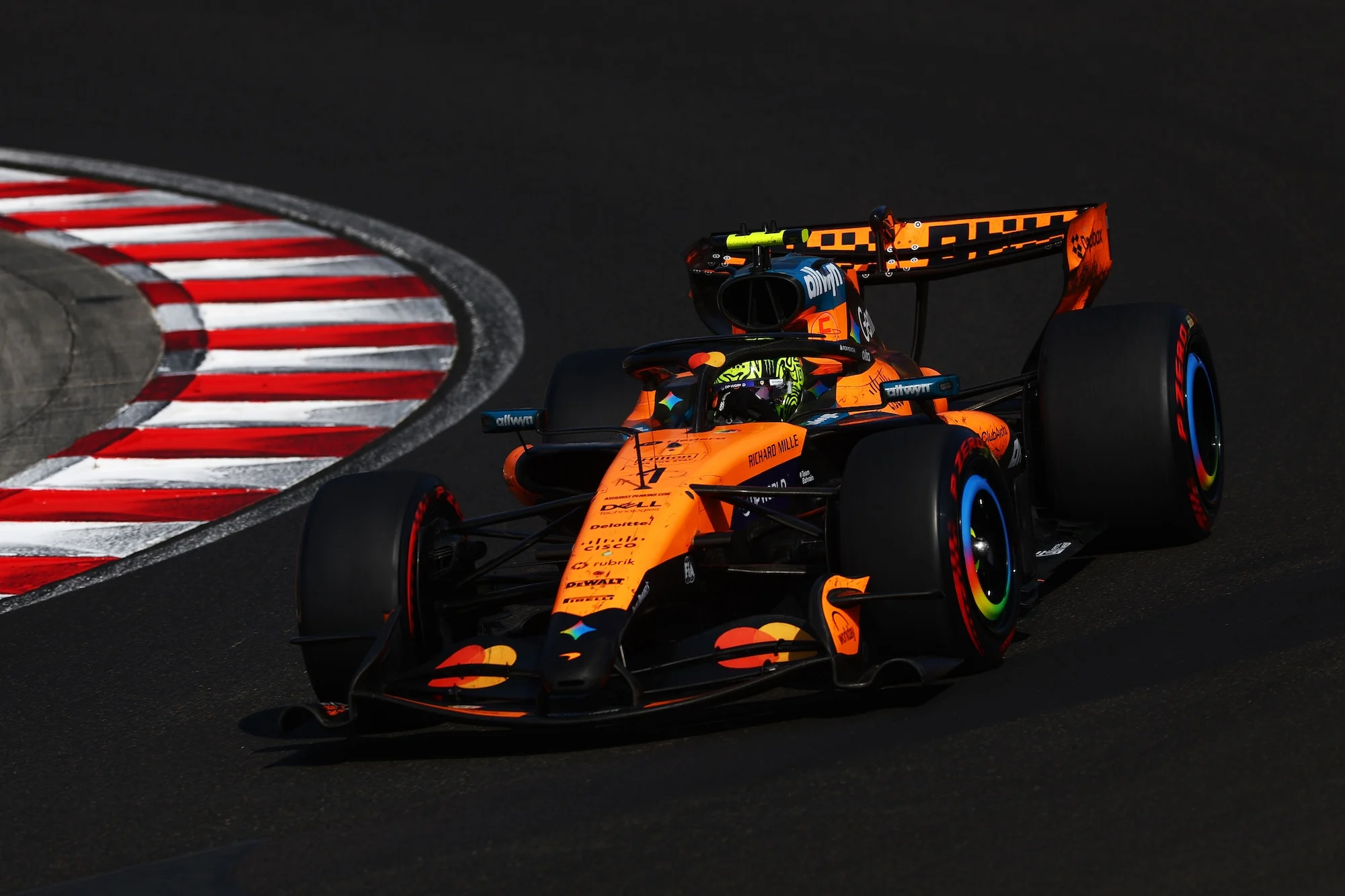
Furthermore, over the past few months we’ve had the opportunity to deepen our understanding of the new power unit supplied by Mercedes HPP and to work with our technical partners to work out how best to utilise it. It’s been a long process, with its ups and downs, but one that’s starting to bear fruit. That said, I expect that optimising the power unit will remain a complex issue throughout the 2026 season.
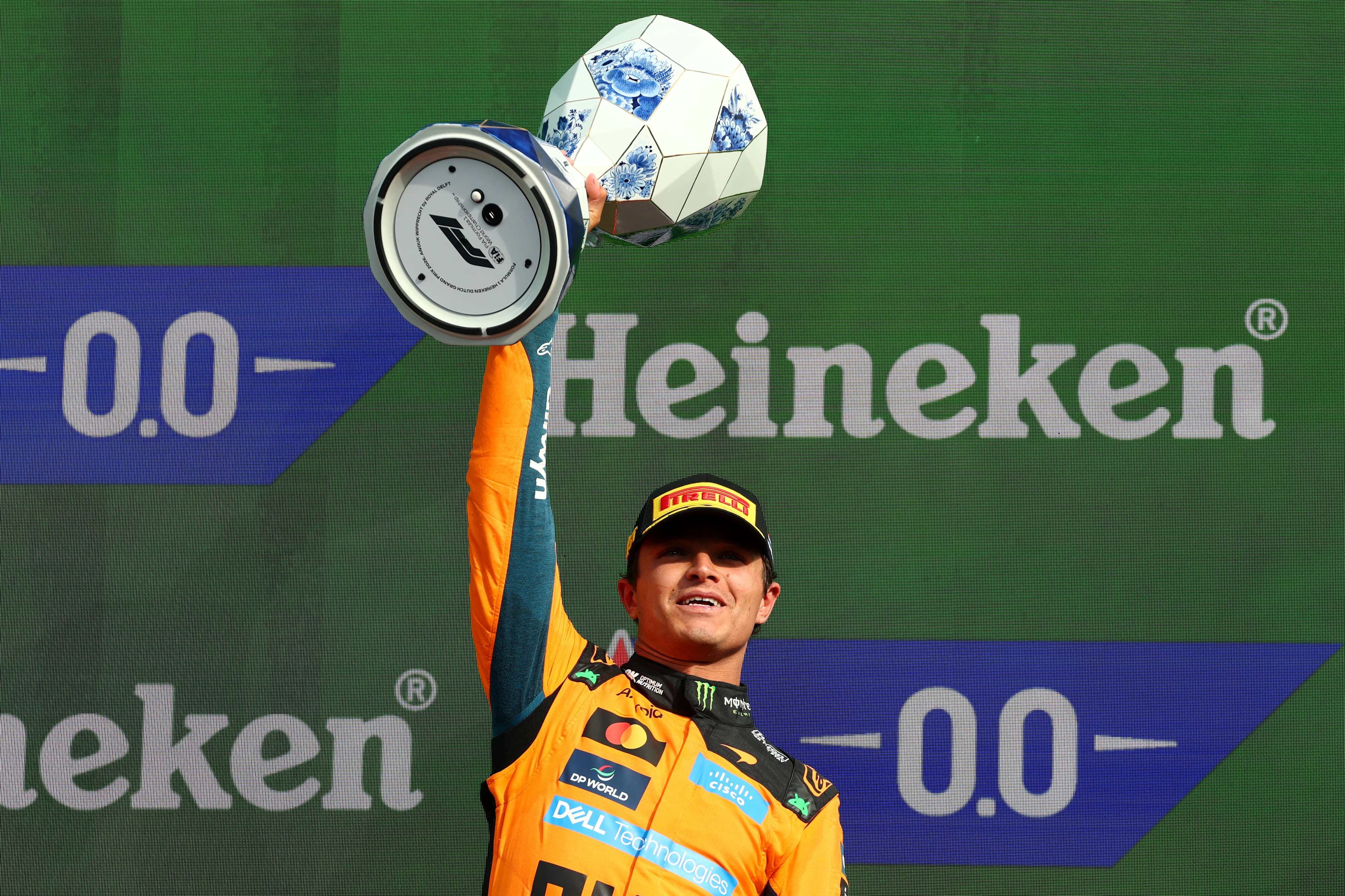
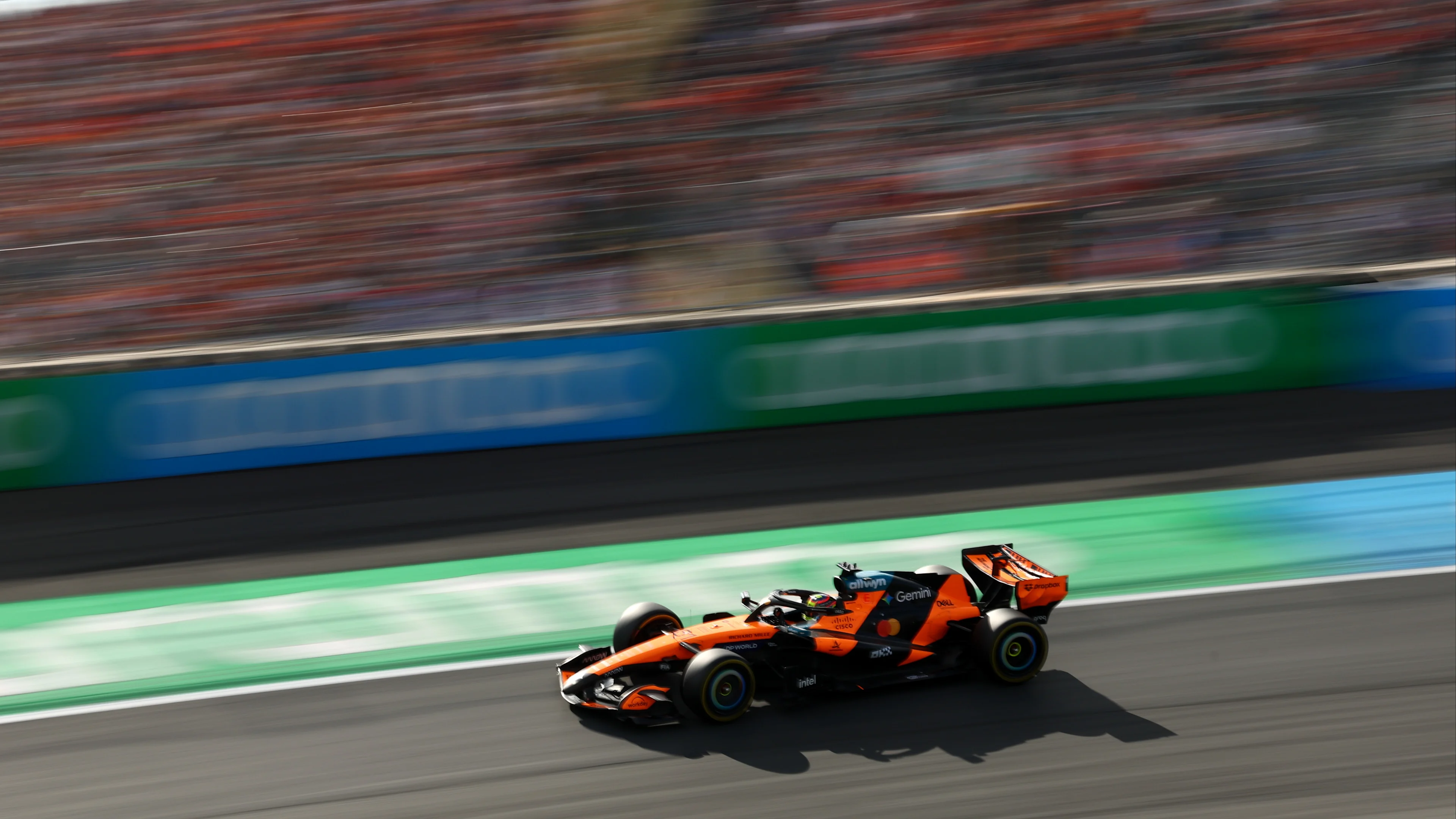
Returning to the car’s performance, it is clear that the Budapest weekend, which brought the first half of the season to a close, was the highlight: not only because of the result, but above all because the aerodynamic package we introduced at the Hungaroring is the result of this change of direction in development and has enabled us to make significant progress in terms of competitiveness.
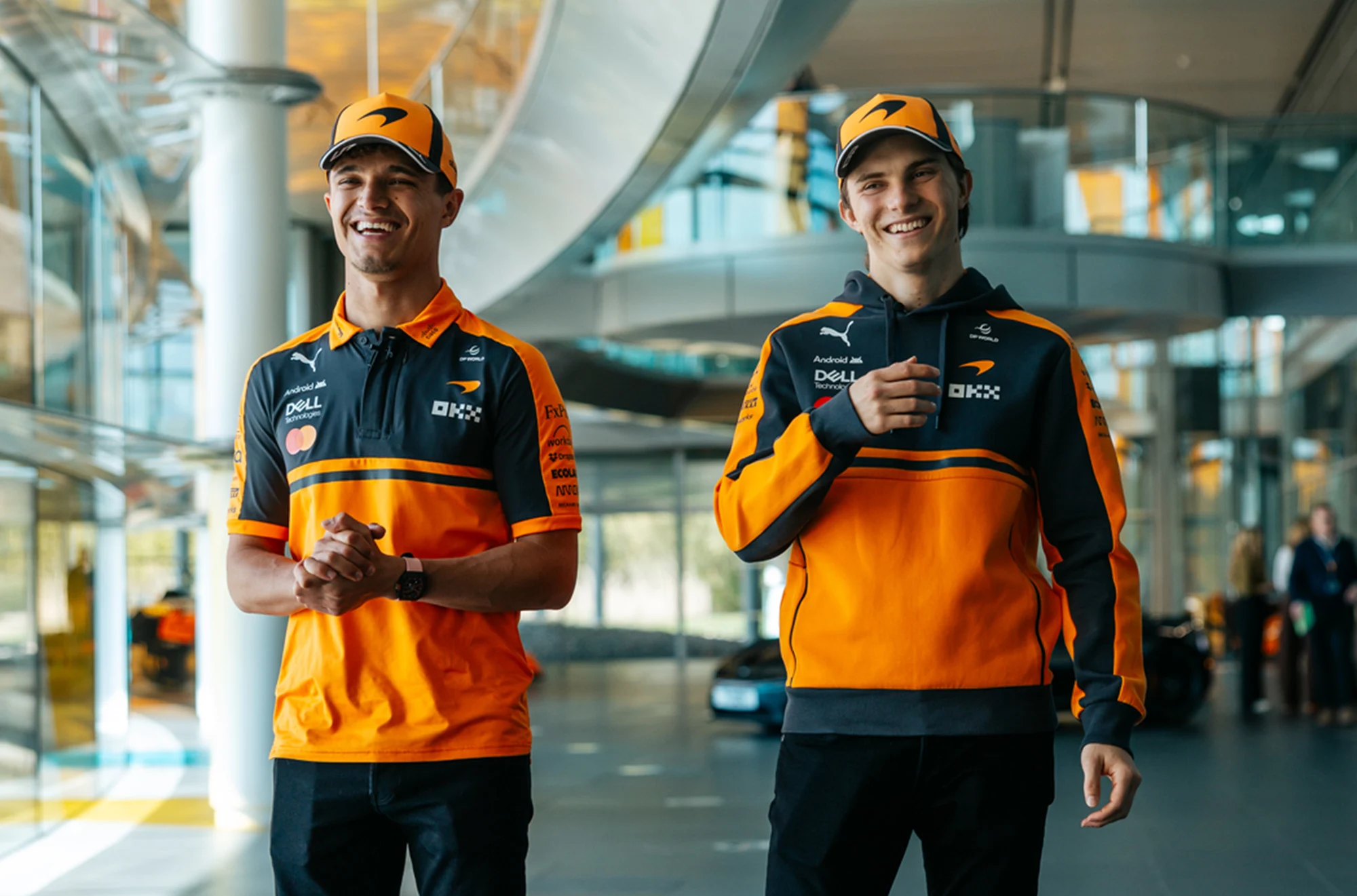
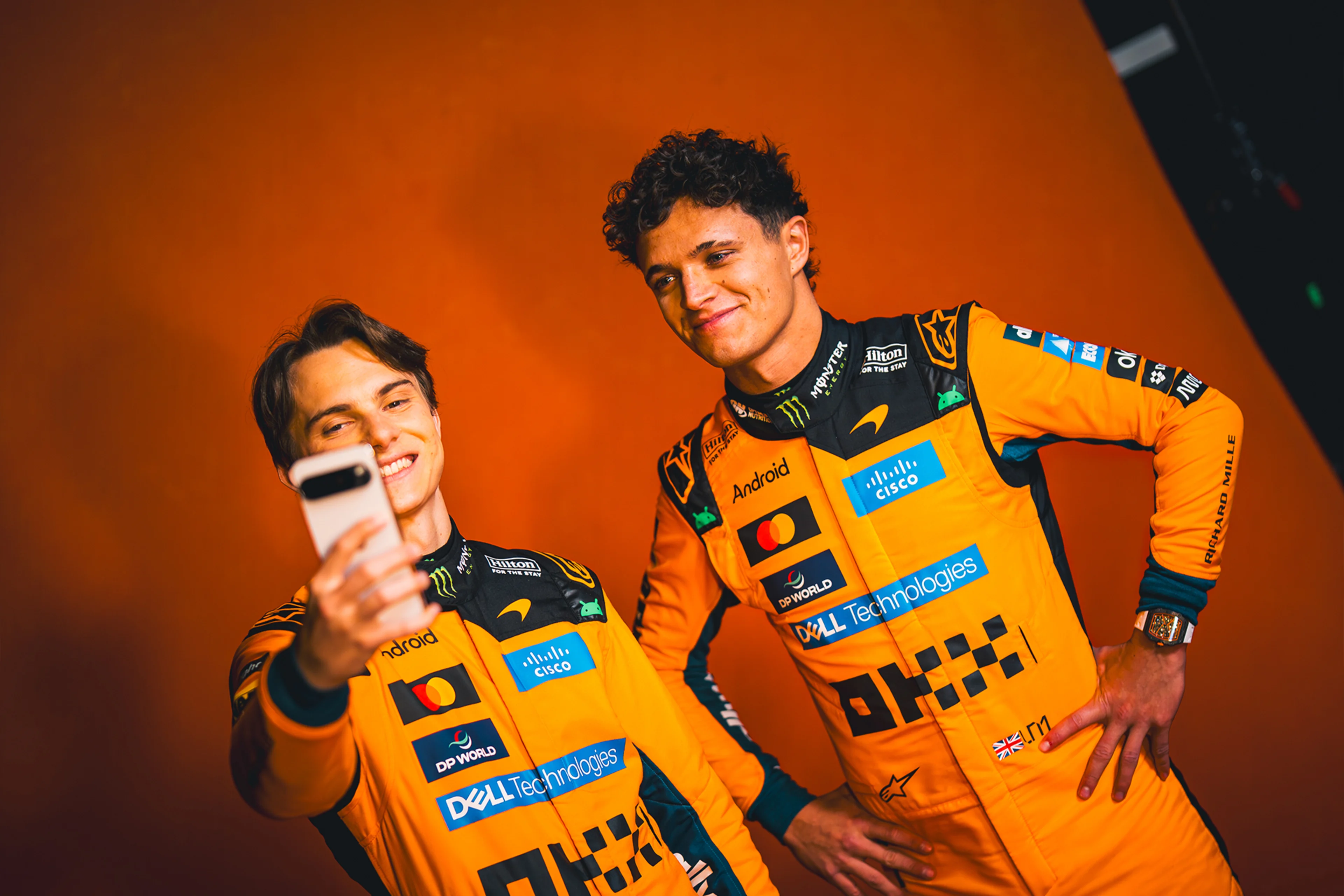
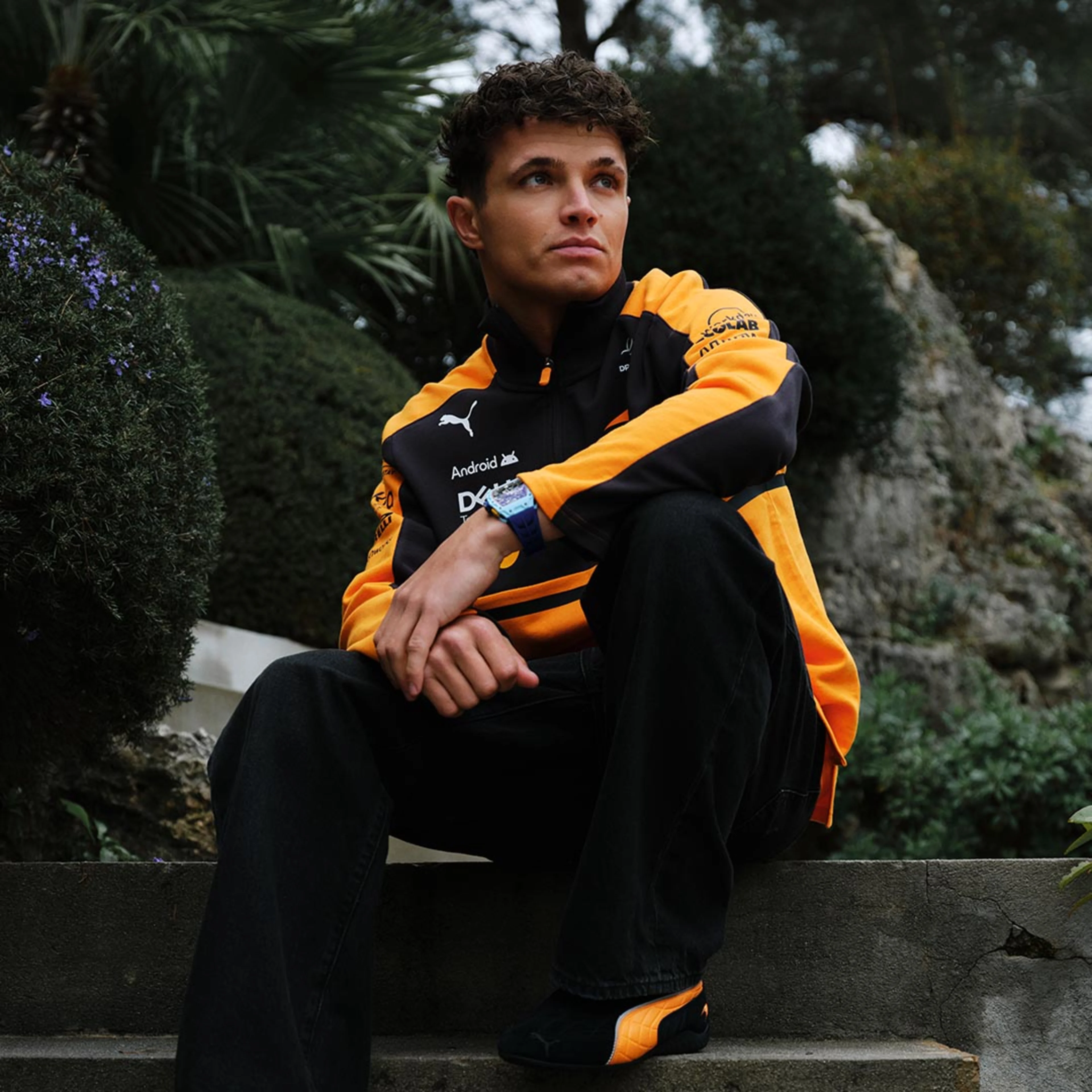
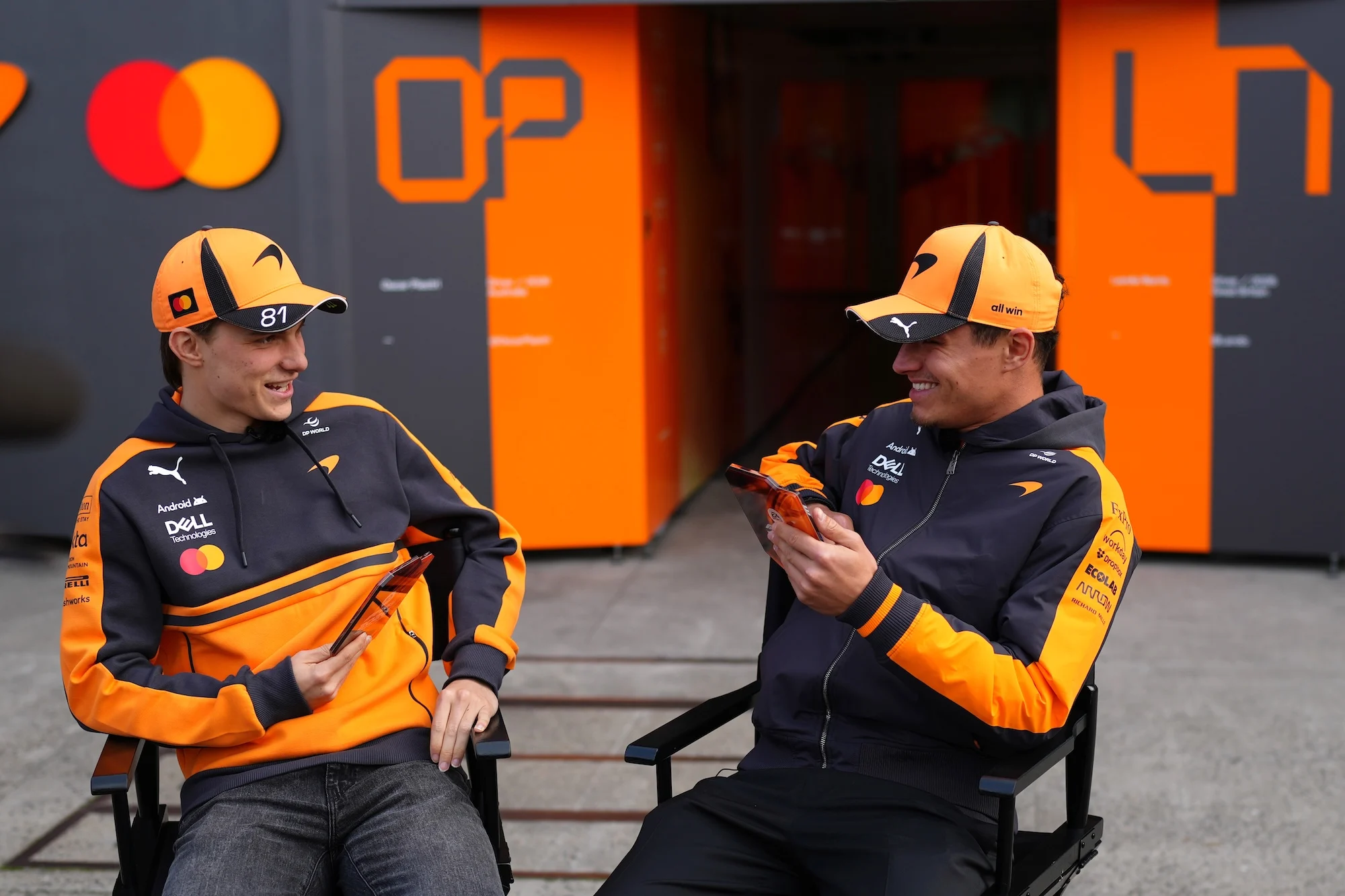
Andrea: I am very pleased with how our driver line-up is performing in this early part of the 2026 season. For Oscar and Lando – as indeed for their twenty colleagues on the F1 grid – the impact of the new regulations has been nothing short of disruptive. The new generation of single-seaters requires not only an adaptation of driving style but, above all, much greater focus on understanding how to exploit the full potential offered by the new power units.
The learning process has at times proved complicated and was slowed down, particularly in the early stages, by various reliability issues. Both have responded in the right way, working with great commitment alongside the team, day in, day out. There is still room for improvement, particularly regarding the power unit, and we are working very well with our partners at HPP, including on the interaction between the driver and the power unit.
Another aspect I’m really enjoying about our drivers is the way they’re working together. It wasn’t a given that, after last year – when they found themselves battling for the world title right up to the final race – the harmony they’d built would remain intact: yet not only has this not changed, but the relationship between them and with the team has actually become even stronger. And whilst this might, in a sense, have been expected of Lando – given that he was ultimately the one to become champion – it was not quite so predictable for Oscar, who, instead, has relied even more heavily on the team to accelerate his development, both on and off the track.
Andrea: Leo is showing great maturity in his approach to F1. So far, he’s always been very meticulous and attentive in the run-up to each test, never overdoing it but instead working step by step with great diligence. Our engineers are very pleased with how he is progressing at every test and how he performed in the two Free Practice sessions he took part in, first in Barcelona and then in Budapest. I believe his journey through our Driver Development Programme is going exactly as it should, and we hope it will soon offer him further opportunities for growth.
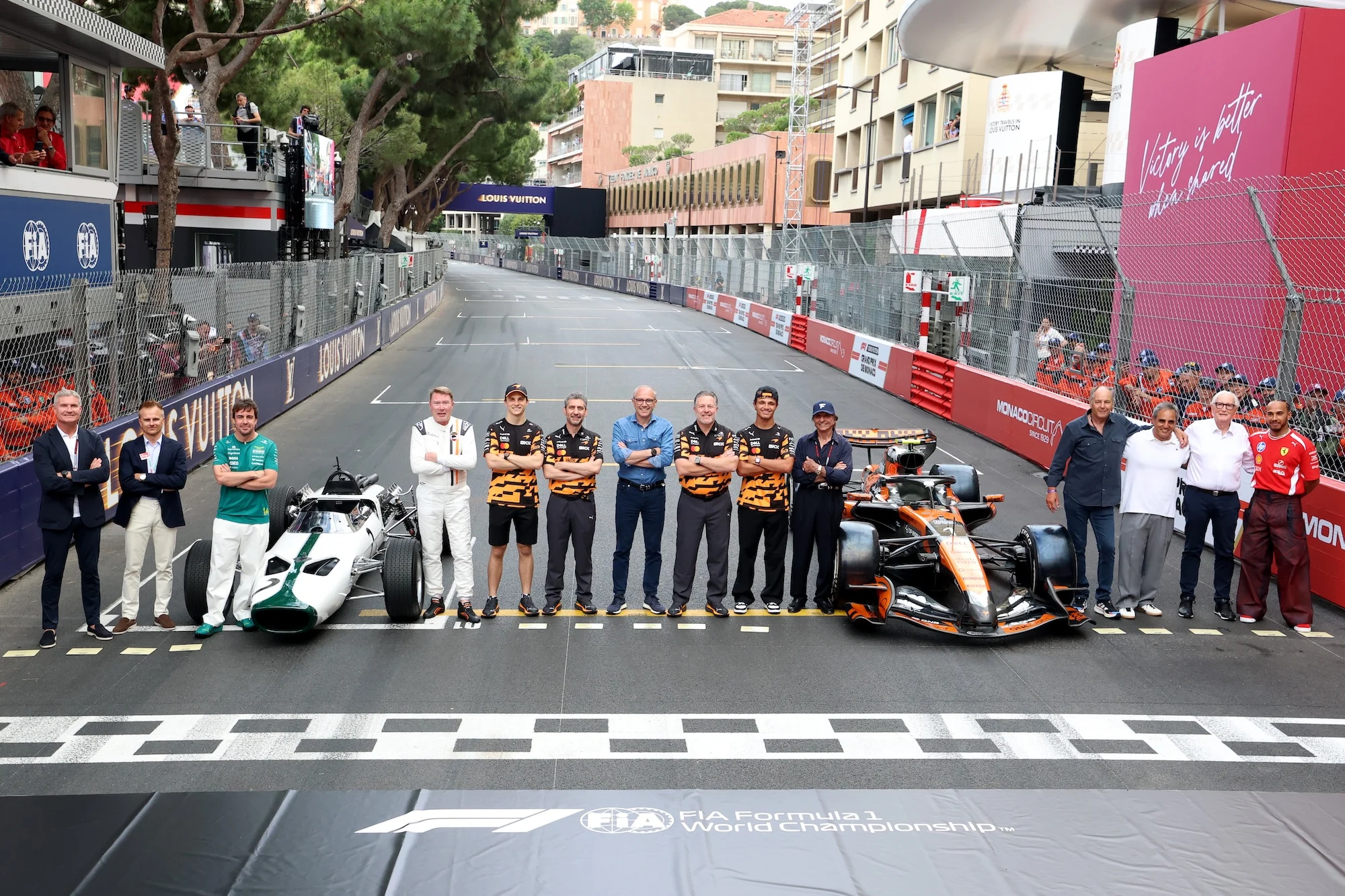
Andrea: It is certainly a significant responsibility, coupled with a sense of pride, which I’m sure is shared by all my colleagues in the team. It is a privilege to lead this team because of what it represents in the history and present of Formula 1, but above all because of the way the team continues to look ahead and tackle challenges: striving every day to be better than yesterday. There’s a hunger for victory, there’s energy, there’s talent. There’s a desire to write new chapters that live up to the tradition we carry on our shoulders, and to do so in true McLaren Mastercard style.
And that is precisely what makes McLaren Mastercard's journey today so special – and what we discuss internally within the team: the realisation that, despite everything we have achieved, the most important part of our history is still the one we have yet to write.
Andrea: In a sense, this year it is easier to find a middle ground between the two requirements. Whilst in 2025 we were faced with the need to strike a balance between two extremes – pushing right to the limit to win the world championship and having to design a new car practically from scratch – this year the transition between the two projects is much smoother, given that the regulatory changes are relatively minor.
We must bear in mind that this generation of cars is still very much in its infancy, both in terms of the chassis and the power unit; therefore, practically everything we continue to learn in 2026 will be useful to us next year. Of course, we’ll then need to find the right balance in terms of the budget cap, wind tunnel testing hours and computer simulations, and the allocation of resources across design and production, but I believe we’re in a good position on all fronts.
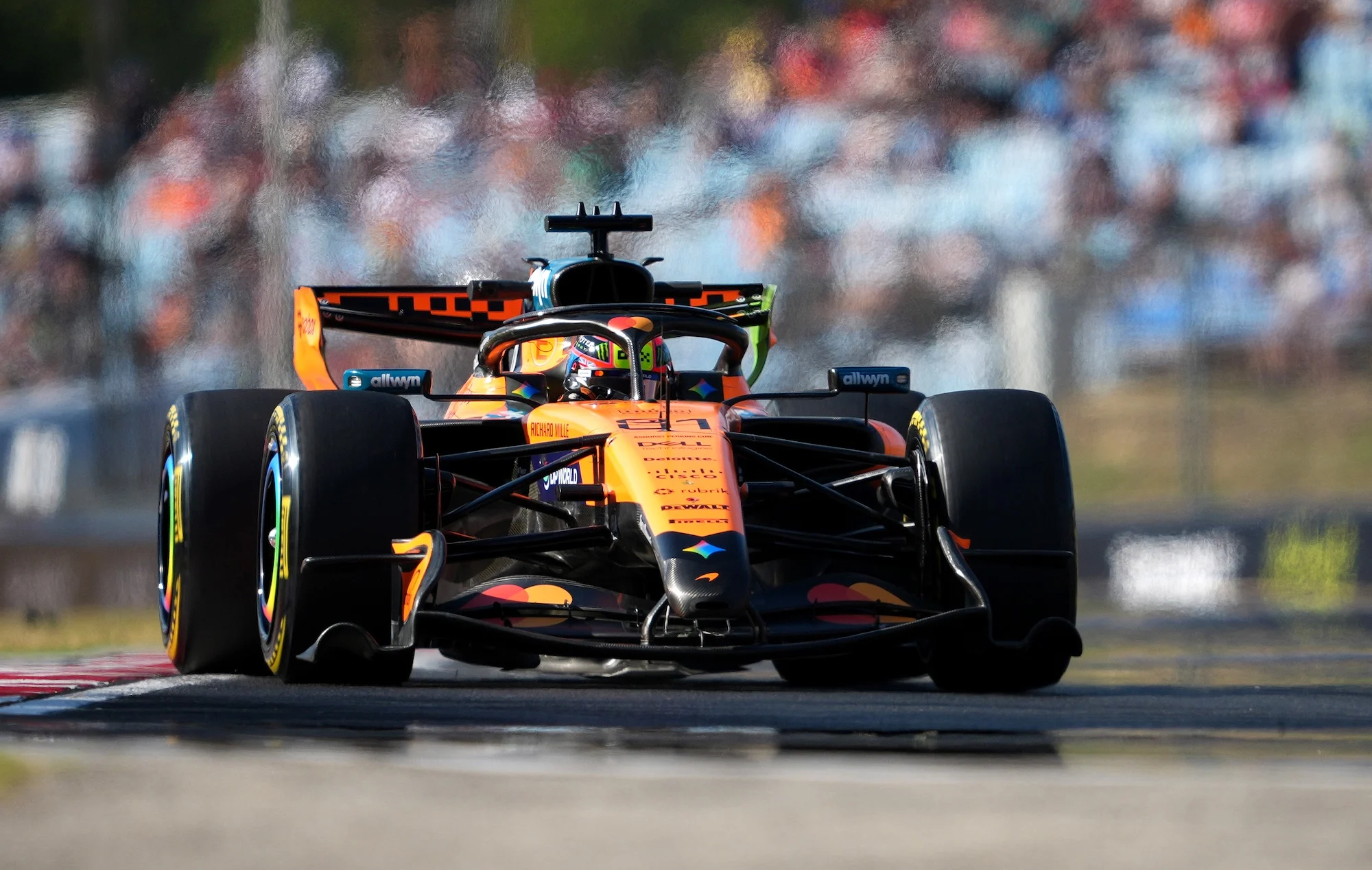
Andrea: That’s a difficult question, but there’s a very clear answer. If we can continue the season as we did in Budapest, I think we can still achieve a great deal. To do so, we must keep pushing with the development of the MCL40 and ensure we outpace our rivals – who certainly aren’t standing still – in this race within the race, which is the competition over updates.
The result will depend on how effective the solutions we bring to the track prove to be. In the first part of the season, we struggled more than we expected in this regard too, but I believe that in recent years, once we’ve gained some momentum, we’ve been able to maintain it.
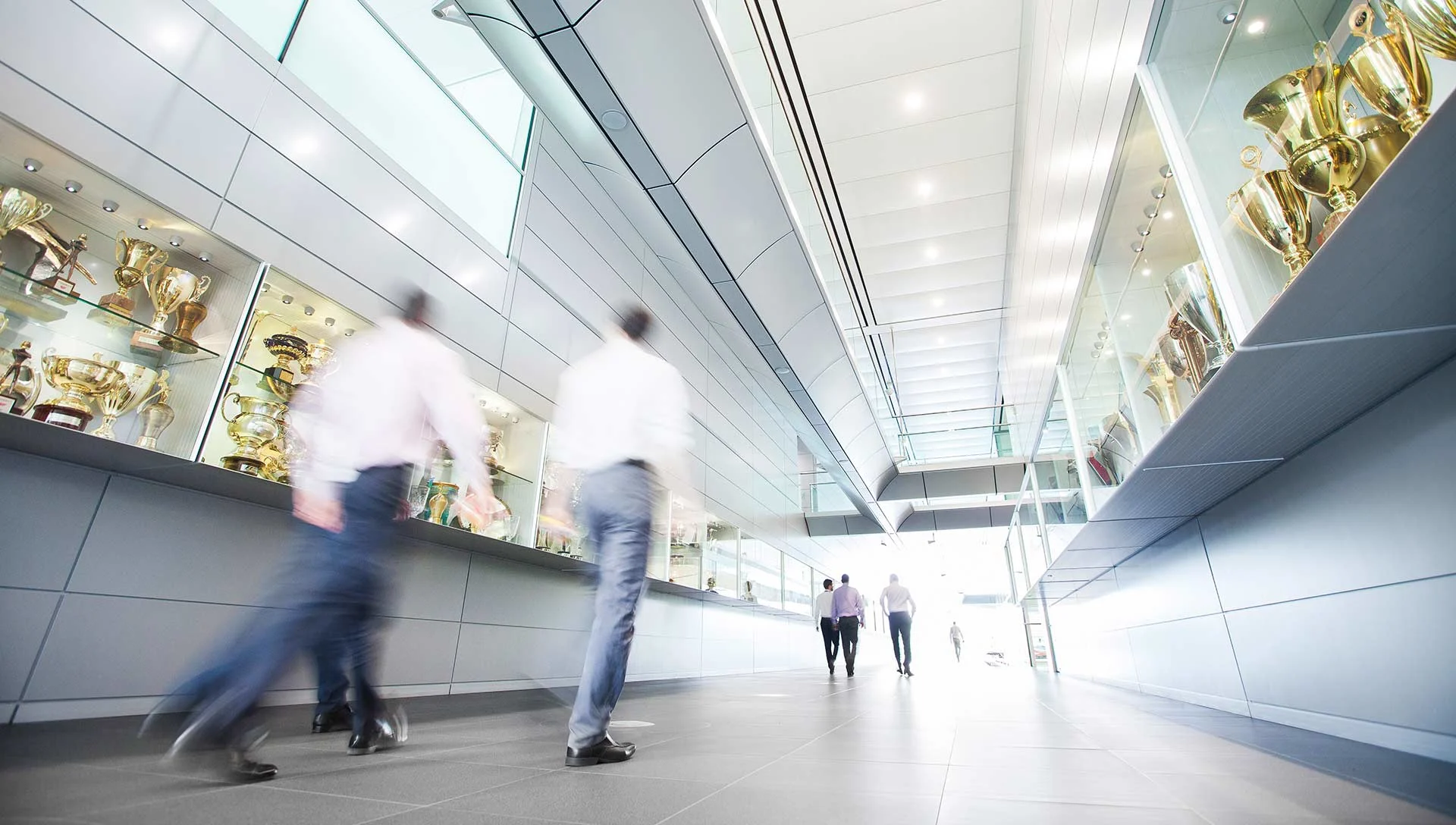
There are still 12 races left on the calendar, so there are plenty of opportunities given that 546 points are up for grabs. Of course, the gap in both championships is significant, but we remember last year’s lesson well: after all, I always tell the team that if we’ve set up a new display cabinet to house the new, recent trophies at the McLaren Technology Centre, then we have a duty to do our utmost to keep filling it...