

28 July 2026 11:00 (UTC)
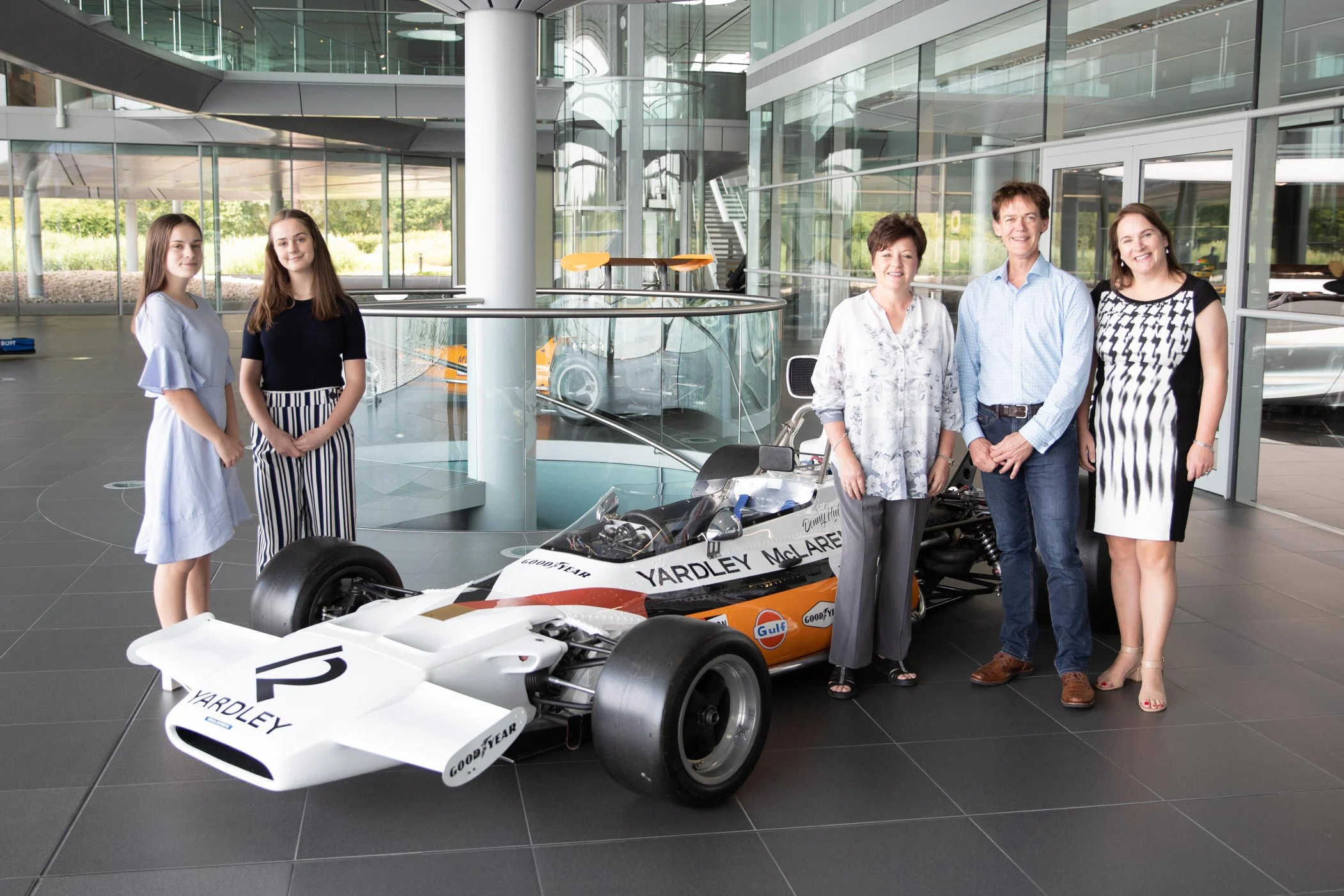
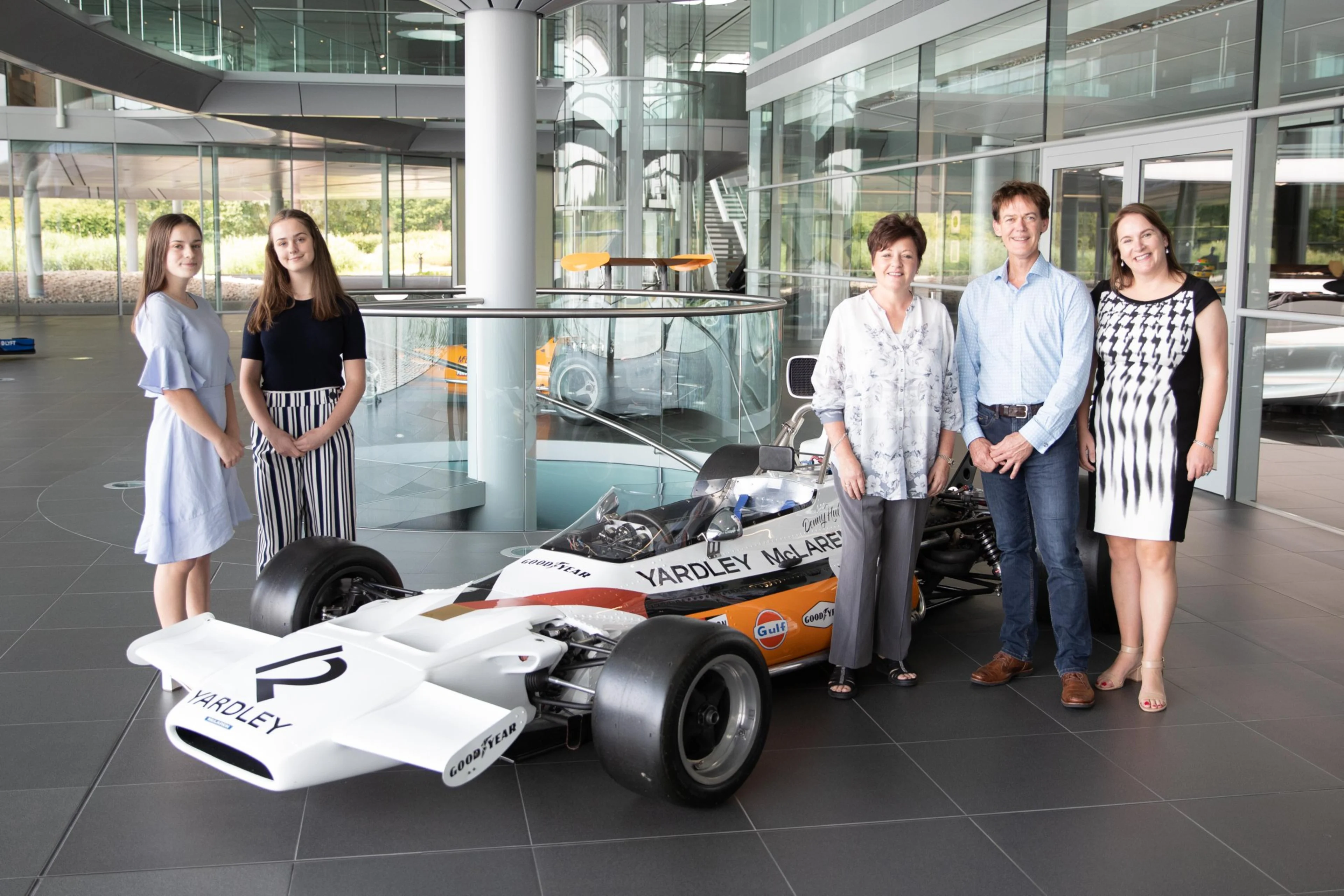
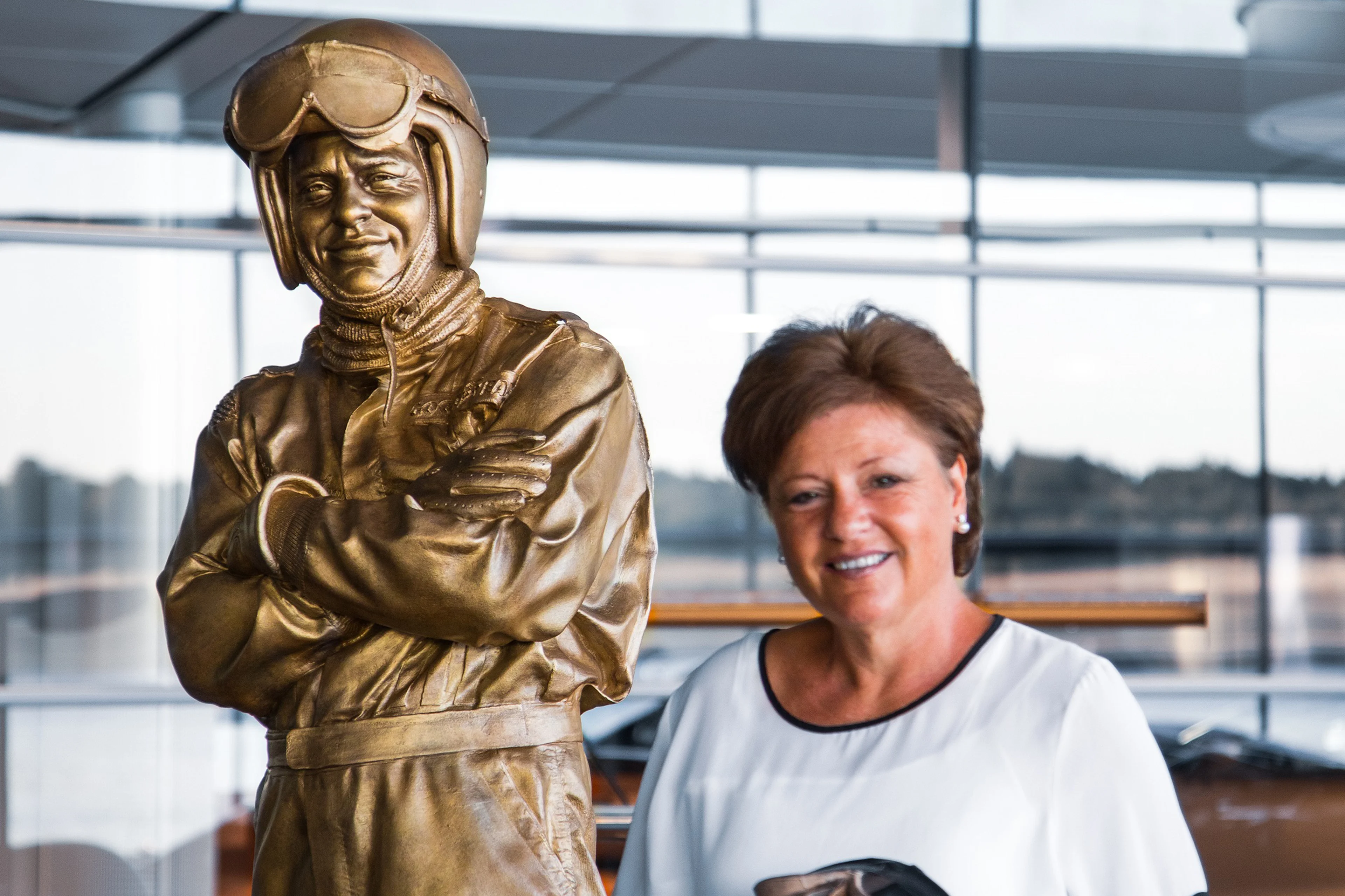
We recently welcomed Amanda McLaren, Alex Amon and Adele Hulme to the McLaren Technology Centre
Read time: 9 mins
While motorsport is truly global, there are some corners of the world where talent congregates. It happens in engineering, where little pockets of technical excellence are clustered in the most unlikely places, but more prominently, it happens with drivers. The right sort of interests, combined with the right environmental and social factors, produce a conveyor belt of talent. It’s how elite racing comes to be filled with Finns, Scotsmen… and Kiwis.
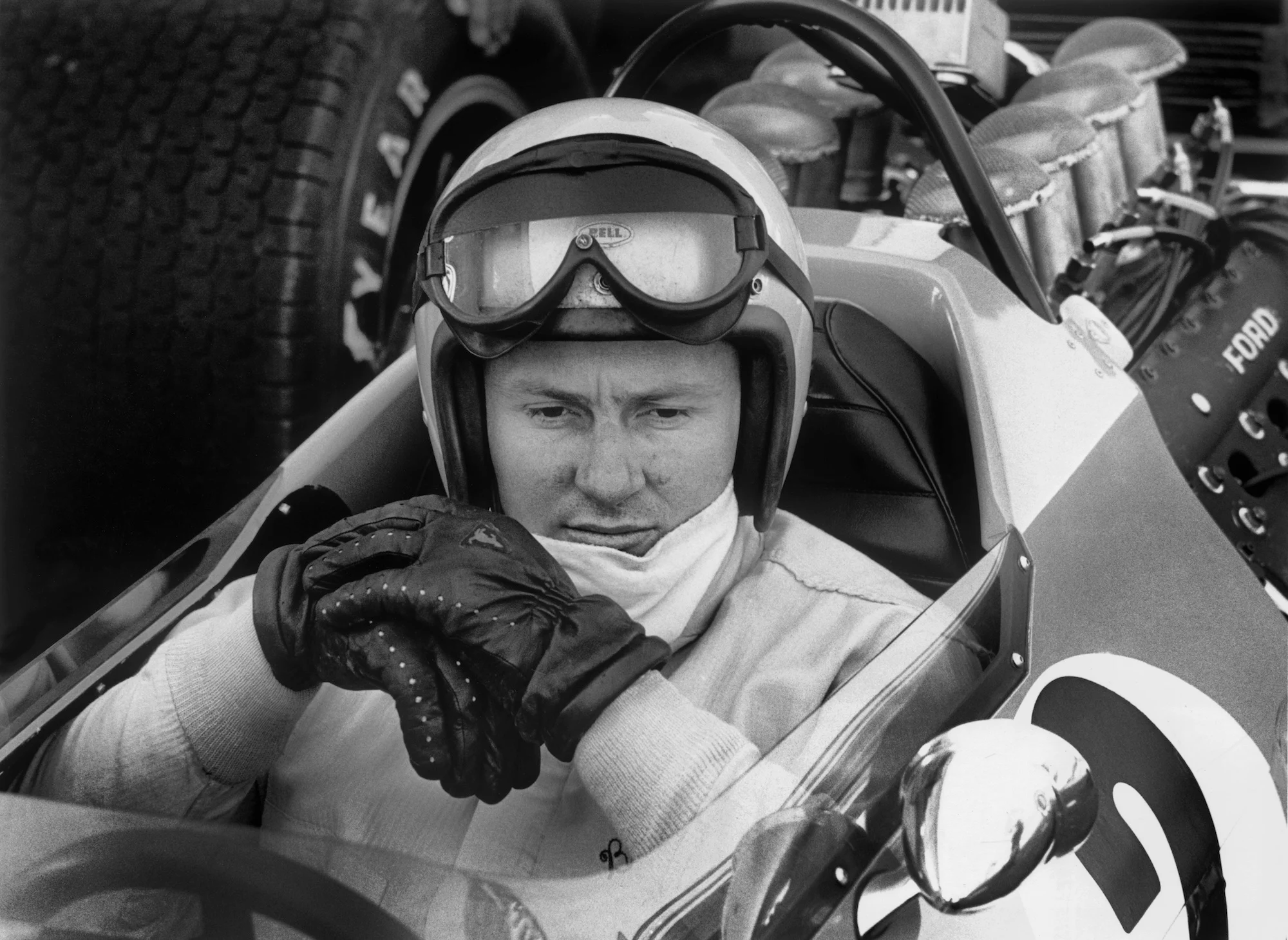
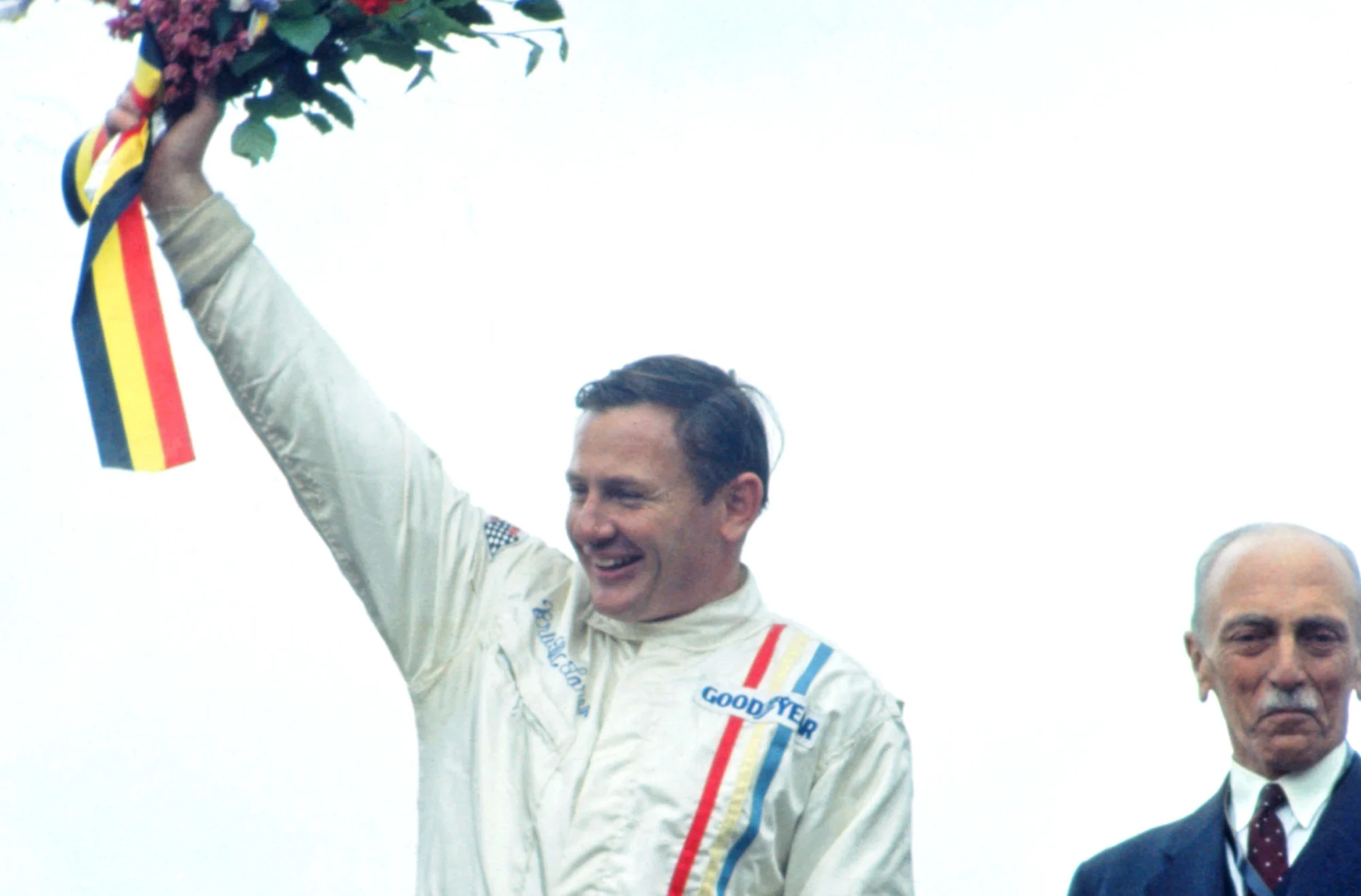
For a country with a population of five million, New Zealand produces an extraordinary number of elite drivers. Today, from Formula 1 racing to WEC and IndyCar, it punches above its weight, but this is nothing new: indeed, for a period in the 1960s, New Zealand was the centre of the motor racing world. In 1966, the Kiwi pairing of Bruce McLaren and Chris Amon won the 24 Hours of Le Man in a Ford GT40. Their car crossed the line in a formation finish with the ‘second’ GT40 of Ken Miles and another Kiwi legend, Denny Hulme.
The Trio at the Top, as a book dubbed the triumvirate of McLaren, Hulme and Amon, had intertwined careers around our team.
Across 1966, Amon was driving for Bruce McLaren Motor Racing in Can-Am and the British Sportscar Championship. He would have filled the second seat with Bruce’s new F1 entry, had supply problems not forced the team to concentrate on a single car. Instead, he raced for Cooper before moving to Ferrari in 1967. Hulme, meanwhile, started racing for McLaren in the 1967 Can-Am Championship, dovetailing that with his F1 Drivers’ Championship-winning F1 season with Brabham. When the McLaren F1 team expanded to two cars for 1968, Denny moved across to join his friend and compatriot, remaining and leading the team admirably after Bruce’s untimely death in 1970.
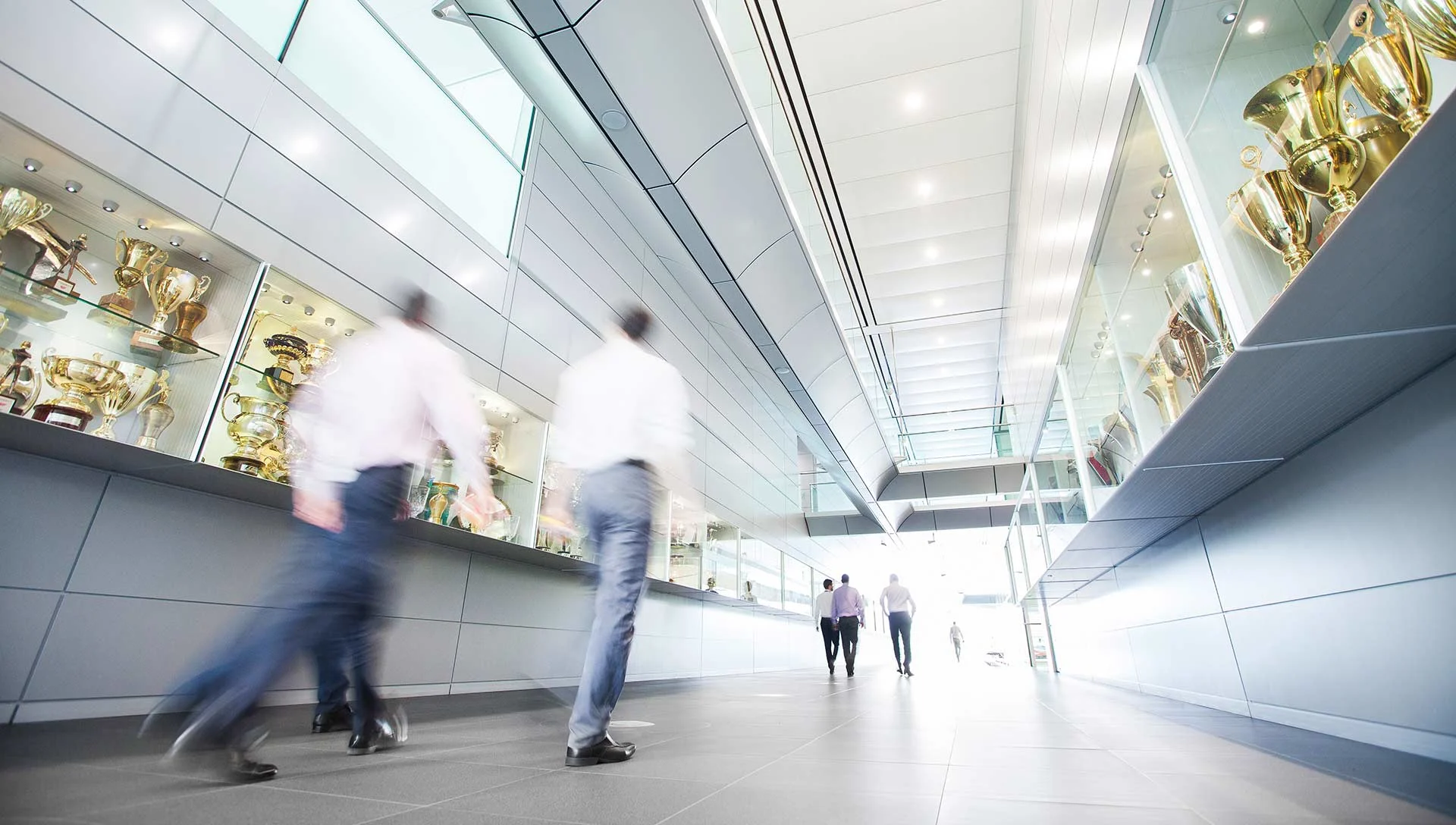
Their legacies live on at the McLaren factory, where multiple cars and trophies bear their names, and, of course, through their children, Amanda McLaren, Alex Amon and Adele Hulme, respectively, the daughter of Bruce, son of Chris and daughter of Denny.
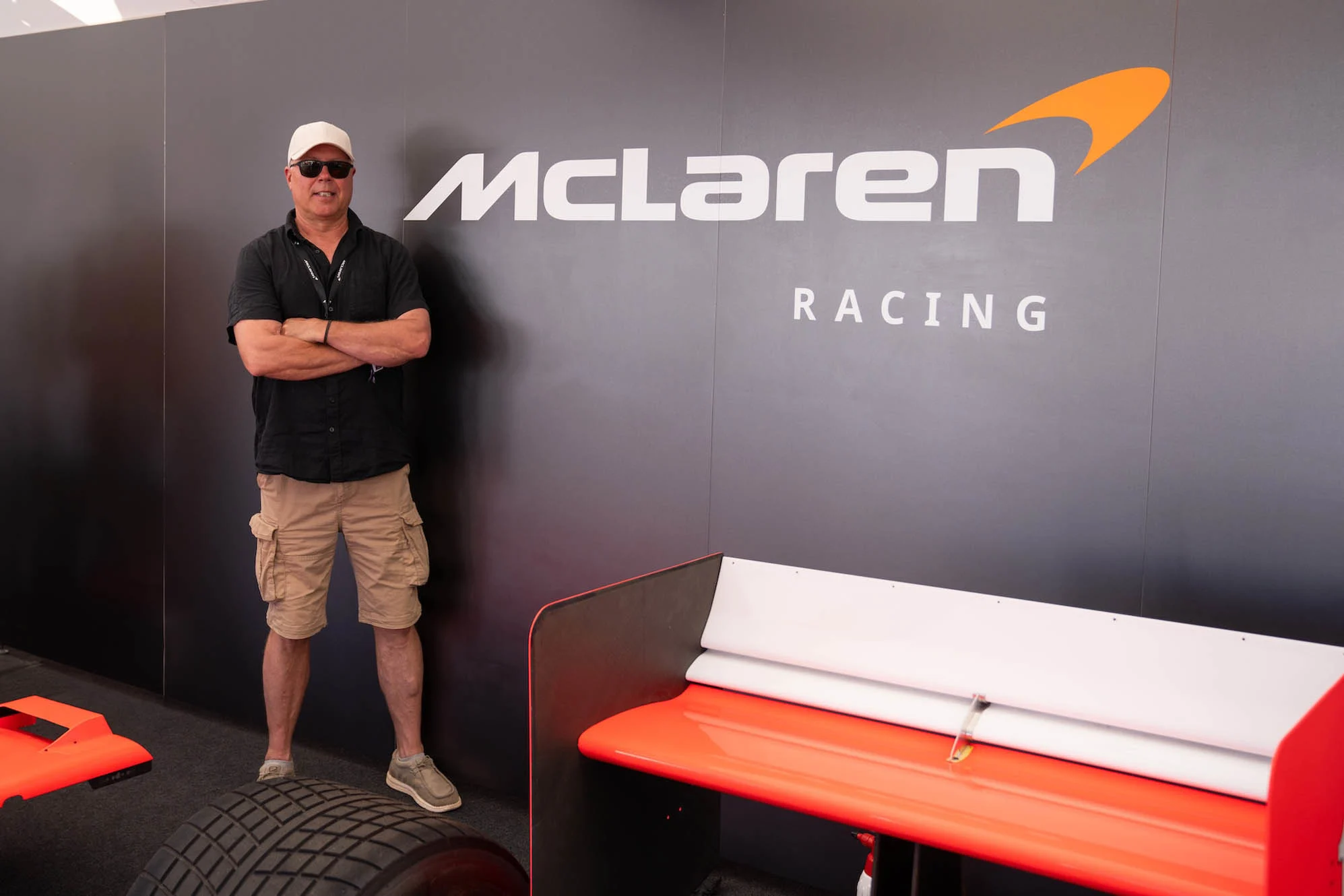
We were honoured to welcome the three of them to the McLaren factory, where they enjoyed a tour, met some of our team, and set a time on our simulators. During their visit, we sat down with them to get their unique perspectives on three of our greatest drivers.
Alex and Adele were actually meeting for the first time, but during her childhood, Adele says she would often visit the Amon farm in Bulls. Alex, meanwhile, can remember meeting Denny Hulme and sitting on his lap, changing gears, as they drove around his Amon farm. Amanda and Alex first met a decade ago, at the 24 Hours of Le Mans, where they were celebrating the 50th anniversary of their fathers’ victory.
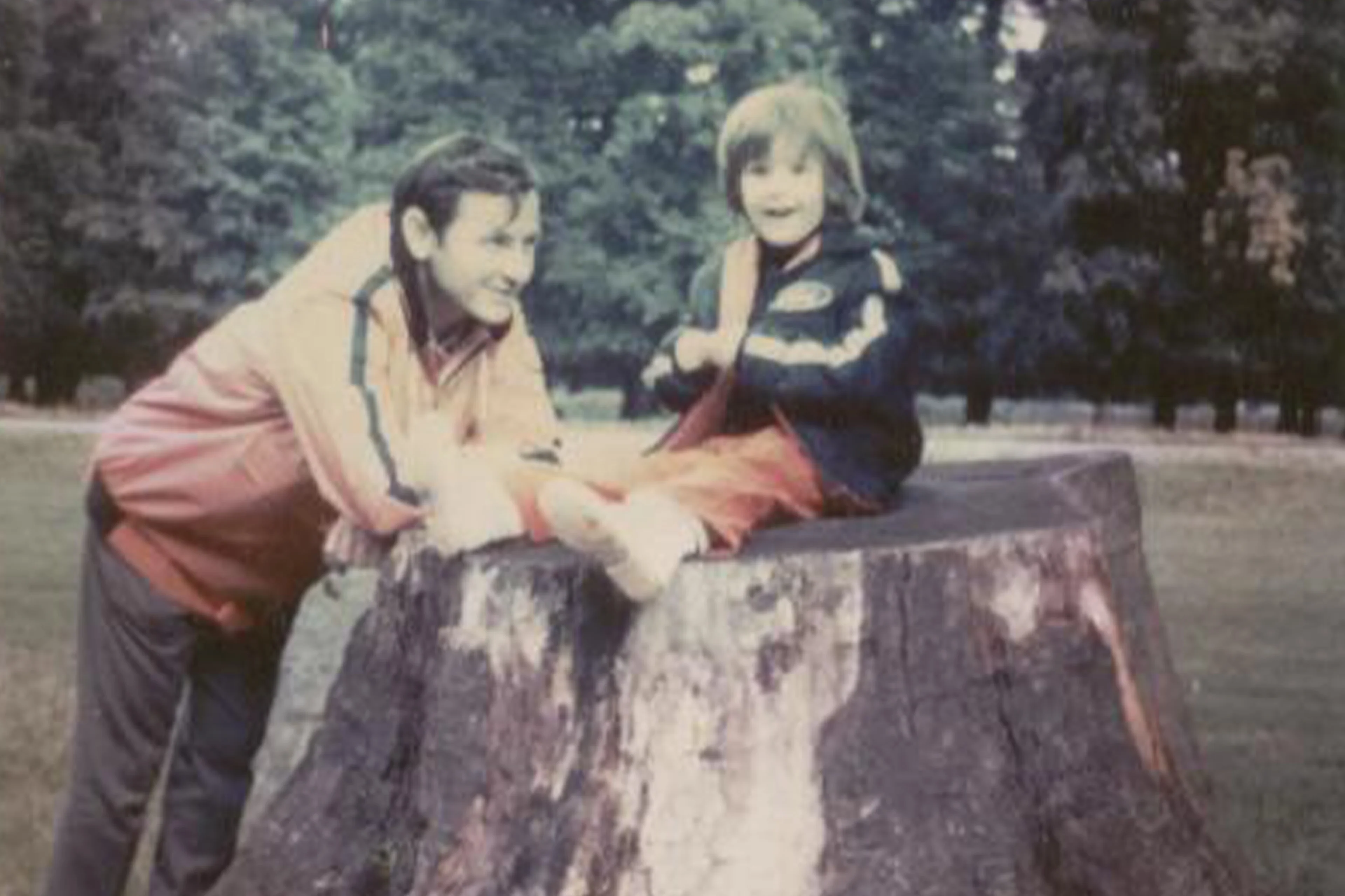
Amanda and Adele, however, have a relationship that goes back much further. “We saw each other a little bit when we were kids, though I don't really remember that too much,” says Amanda. “But when we moved back to New Zealand, Adele very kindly let us live in her Bach [holiday home] in Pukahina, close to where her Dad grew up. She lived in the place next door, so we’d often see each other on the weekend – we’ve probably seen more of each other in the last two years than we have in the rest of our lives, which has been great.”
The F1 circus was much smaller when Bruce, Denny and Chris were racing, and drivers would regularly socialise with one another.
“I think they were always playing cricket,” says Alex. “It seemed to be quite a common theme: Dad would say they’d all get together. I remember stories of Jim Clark’s parents coming to stay with my grandparents - they’d have a big cricket match with everyone there. I’ve seen photos of the three of them shirtless, playing cricket together somewhere – probably Richmond Green in the UK – and I imagine there was a fair amount of alcohol around!”
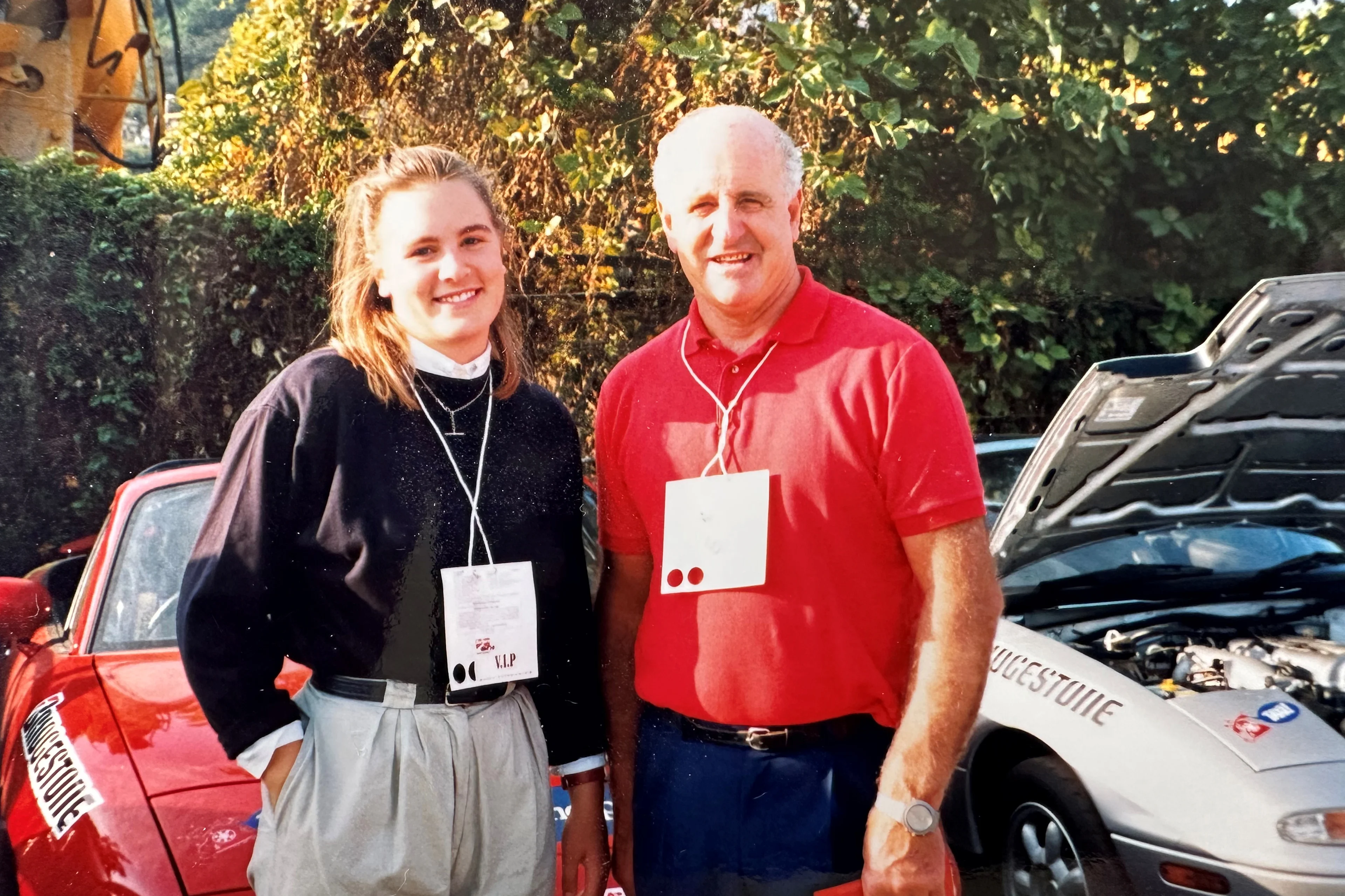
Amanda adds: “It seems like they all travelled in convoy together and stayed in the same hotels, so there was this friendship off-track and a lot of socialising after races, which there are plenty of stories about.
“It was a different world from modern F1, but I think those friendships and that camaraderie were necessary, because it was so dangerous, and they lost so many of their friends, so they had to band together and look after each other. The women set up a club to look after the wives and girlfriends of those who were killed, of which Adele’s Mum and my Mum were very much a part of.”
The Kiwi influence in the early years of McLaren was very strong. Beyond Bruce, Denny and Chris, Kiwi’s Howden Ganley and John Nicholson worked for the team, Ganley as a mechanic, and Nicholson preparing engines. Both would go on to drive in F1, with Ganley eventually starting his own racing team, and Nicholson creating the famous Nicholson McLaren Engines business. It is, says Amanda, a consequence of coming from a part of the world where people naturally acquired that sort of skillset.
“New Zealand is a tiny country,” she says. “Nearly five million people now, many fewer in the 1960s, but a significant number of elite engineers, scientists, and racing drivers. We were so far away, if you wanted to have something done, you had to learn how to do it yourself. You couldn’t go online and have things delivered! Our Dads grew up tough and gritty, and that’s what made them really good. There was a can-do attitude, and you just got out there and did it.”
Alex adds: “My Dad always said that the first Grand Prix he saw, was the first one he drove in [the non-championship 1962 New Zealand Grand Prix, won by Stirling Moss].
“He was lapped by Stirling Moss quite a few times, but there was a scout there who saw him, and so my dad ended up going to Europe as a result of that one race in the wet. You obviously don’t get that now.”
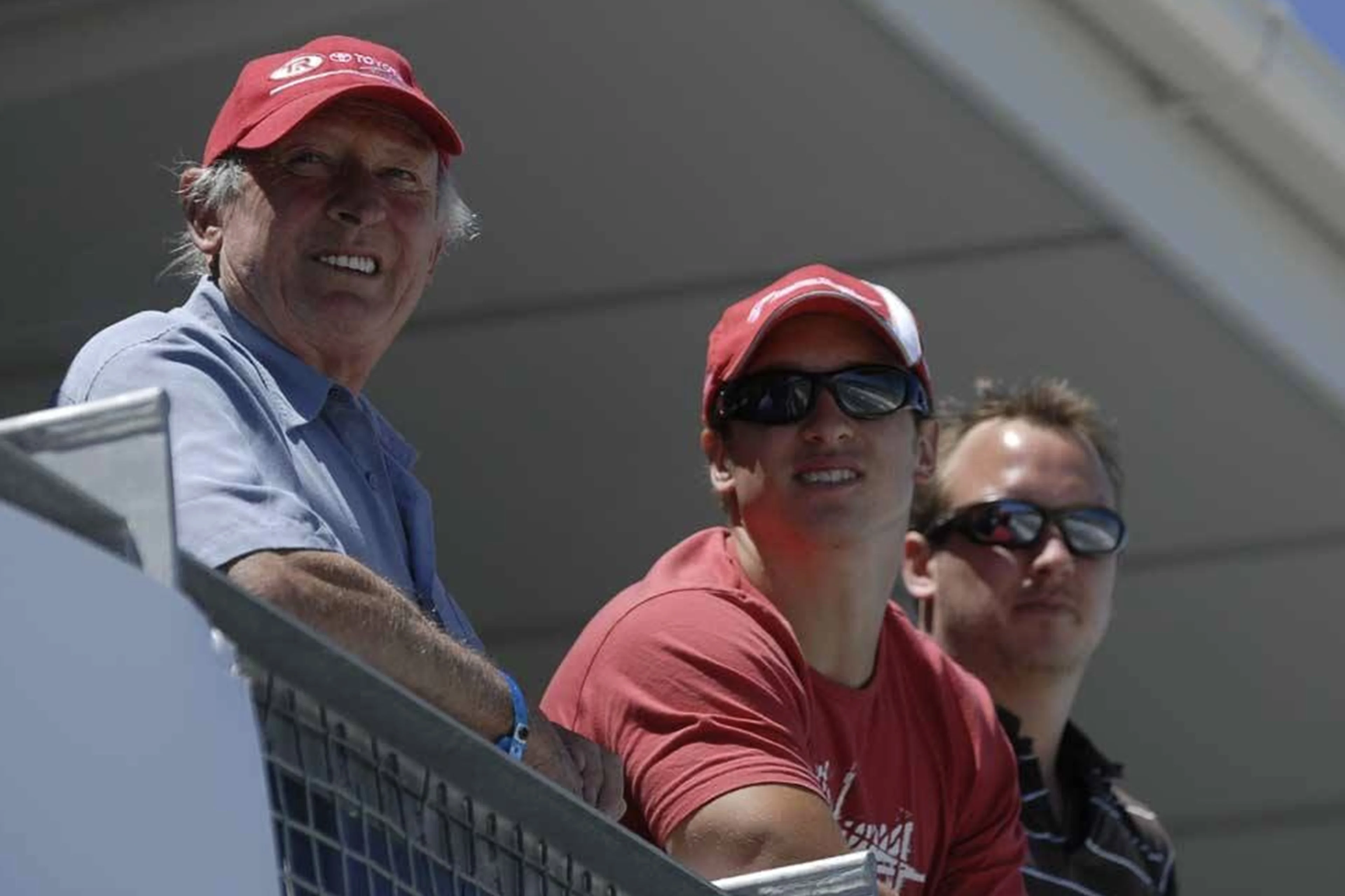
It’s impossible to sit at the McLaren Technology Centre in 2026 and not think in terms of the legacy created by the original pioneers. Sadly, we can’t ask them what they think of the 60-year, 1000 Grand Prix odyssey the organisation has been on – but we can ask their children.
“They've immortalised the name, haven't they?” says Alex. “There's no better place to come than here for the tour to see what happens behind the scenes. What better way to cement the legend that was Bruce McLaren than the McLaren Technology Centre? Everything Bruce was – from the stories I heard – I think he’d be incredibly proud.
“My dad doesn’t have a motor racing team named after him, like Bruce does, or an F1 World Championship like Denny, but he does have a local track in New Zealand, which he helped to design, named after him. He was very humble, and he always said his greatest victory was surviving the most dangerous era of Formula 1. For me, to be here in the factory right now, it is really nice to think that my Dad was part of such a great group of Kiwi lads taking on the world at the highest level of motorsport.”
Adele says: “It’s incredible how far it has come. Bruce was a very clever engineer and driver, who knew cars inside and out, but to come from those beginnings and build something that stands to this day is a fantastic achievement.”
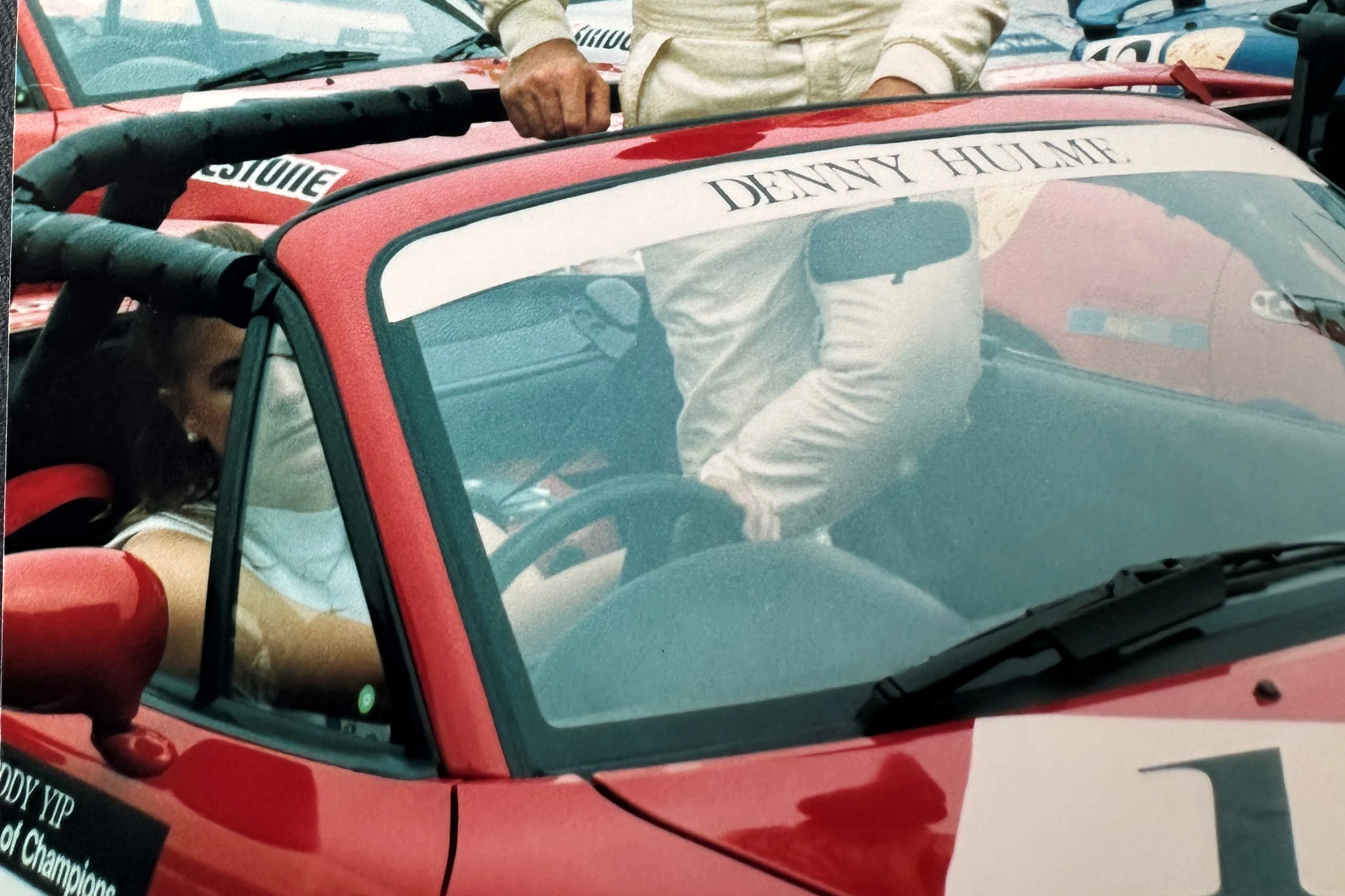
Amanda adds: “Dad wouldn't have had the Can-Am successes without Denny, and he wouldn’t have won the 24 Hours of Le Mans without Chris – they were both such a huge part of dad’s achievements and successes.
“The Hulme and Amon names will forever be linked to the McLaren name. They were the Trio at the Top - the Kiwis who came to the UK and did so amazingly well. I think it's a fantastic thing.
“McLaren was started by a little kid from New Zealand, who had a big dream. Sixty years later, that same team are not only still in F1 but in other forms of motorsport too, which Dad always wanted to compete in.
“Production road cars were going to be his next project for the company. He had designed, built, and was driving a prototype road car: an M6 Can-Am car with a roof. I also believe that he would have gone back to compete in the 24 Hours of Le Mans in a McLaren. I think that he would look at what we’ve got today and be blown away.
“He was an innovator and loved new concepts, so he'd have wanted to know every detail behind the technology that Racing and Automotive are working with today. He’d have jumped into the cars himself, wondered where the clutch pedal and gearshift were, figured it out and said: ‘Okay, so this is how we do it now. Give me a couple of laps!’ and away he'd go.
“I think Chris and Denny would be happy for their friend that the legacy lives on.”
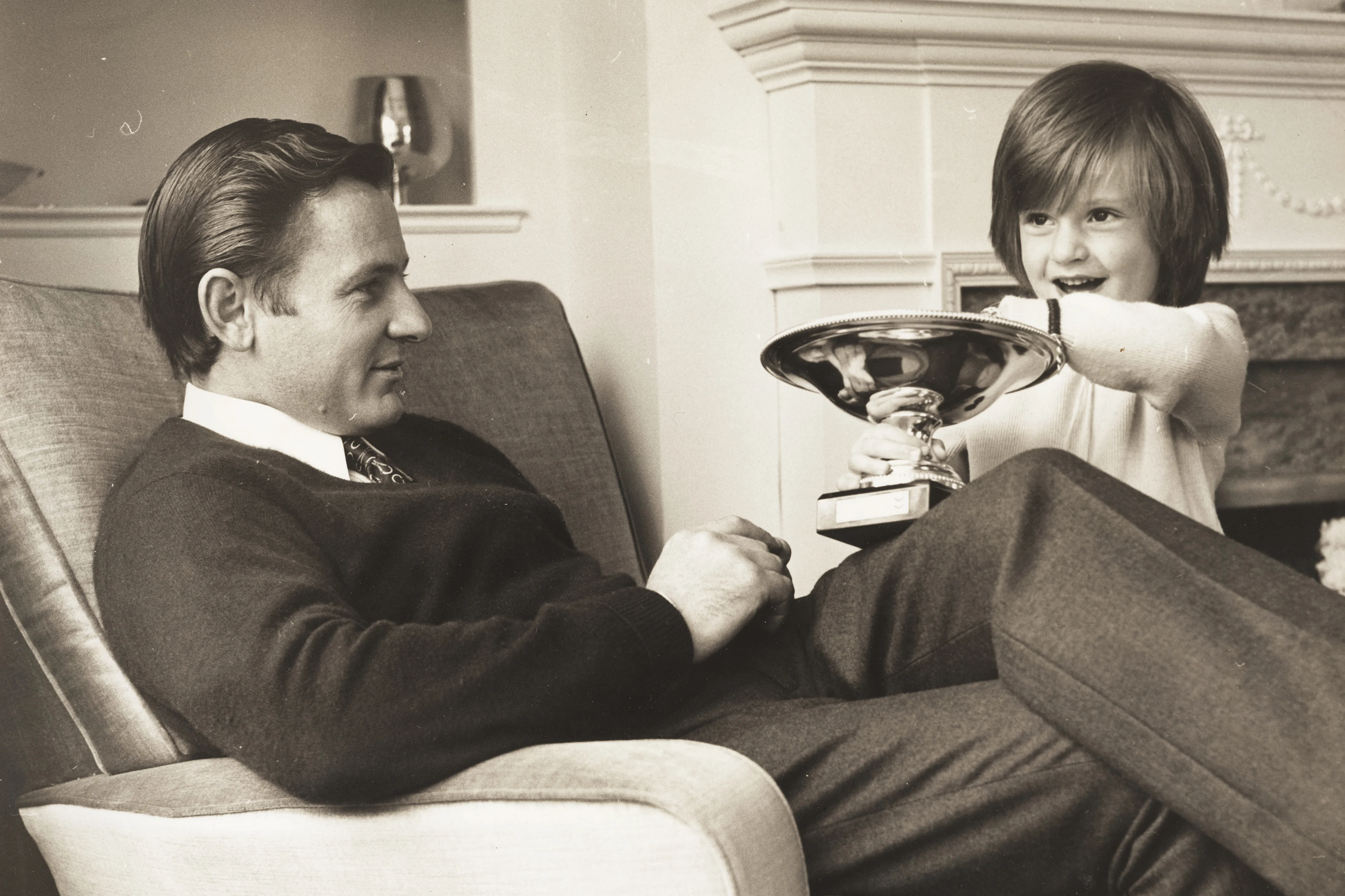
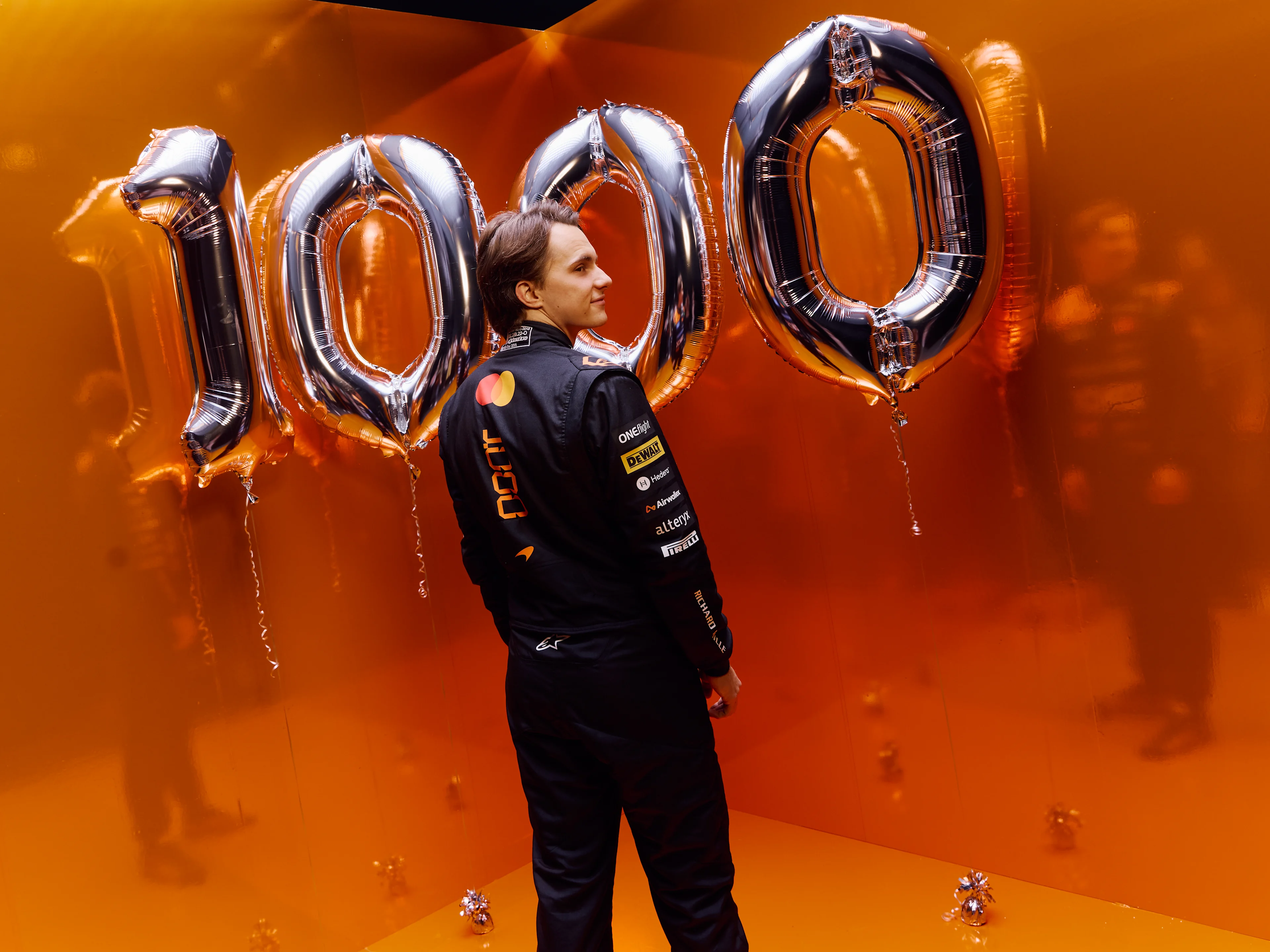
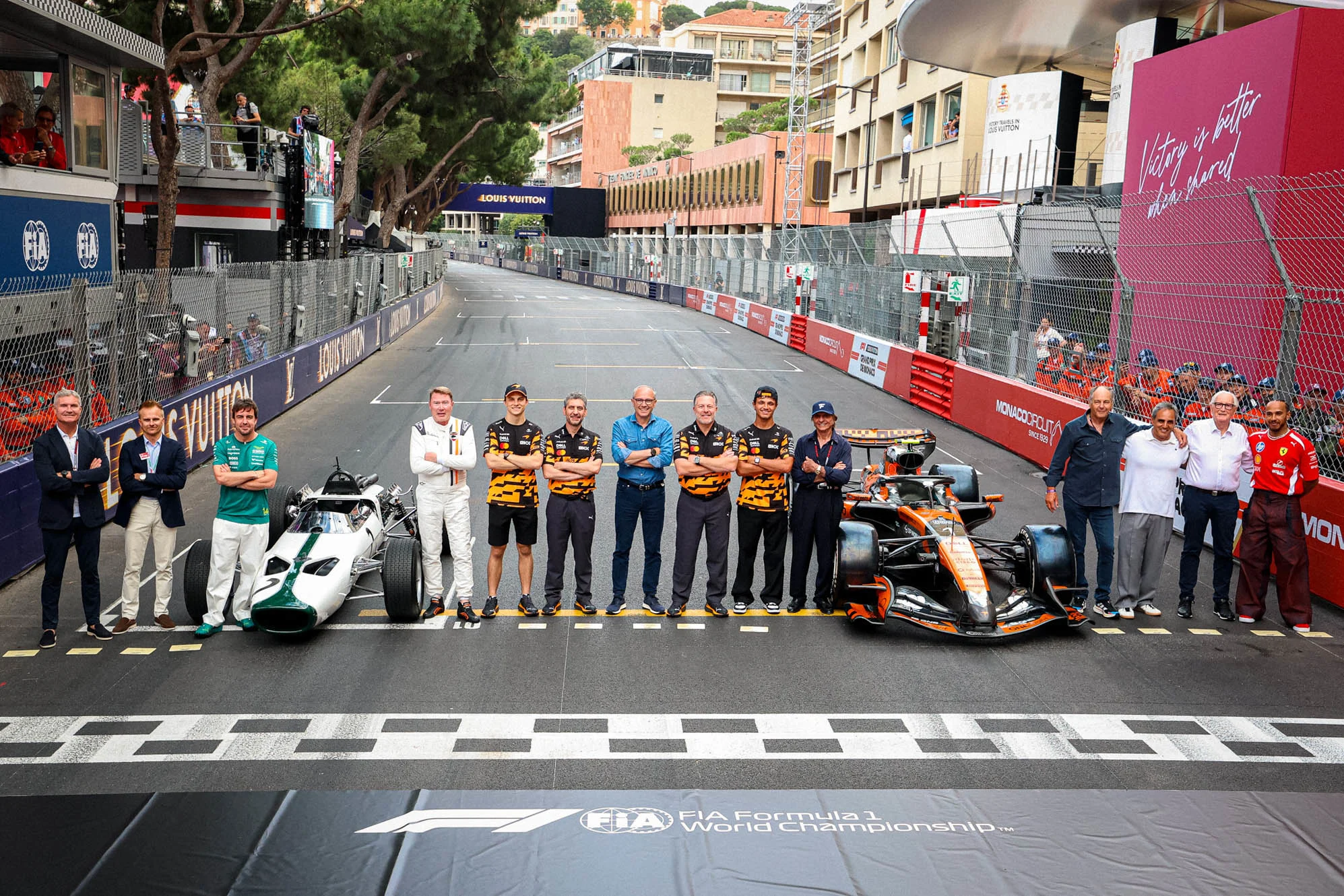
And that is a very nice place to leave this. The team recently celebrated its 1000th Grand Prix in Monaco, a neat piece of synchronicity, given it was also the place where Bruce gave his eponymous team its F1 debut, 60 years ago. Rewatching the footage of that race, notions of legacy seem appropriate: it does seem like a different world… though of course, the commitment to technical excellence and the desire to succeed are much the same today as they were then.
His philosophy, inscribed on the staircase of our new Team Hub, seems to suggest as much. It reads: “Life is measured in achievement, not in years alone”.