

12 June 2026 13:00 (UTC)
The Finn was part of McLaren’s Le Mans-winning trio. Thirty years on, he looks back, and forwards, as we prepare to return

Read time: 5.28 minutes
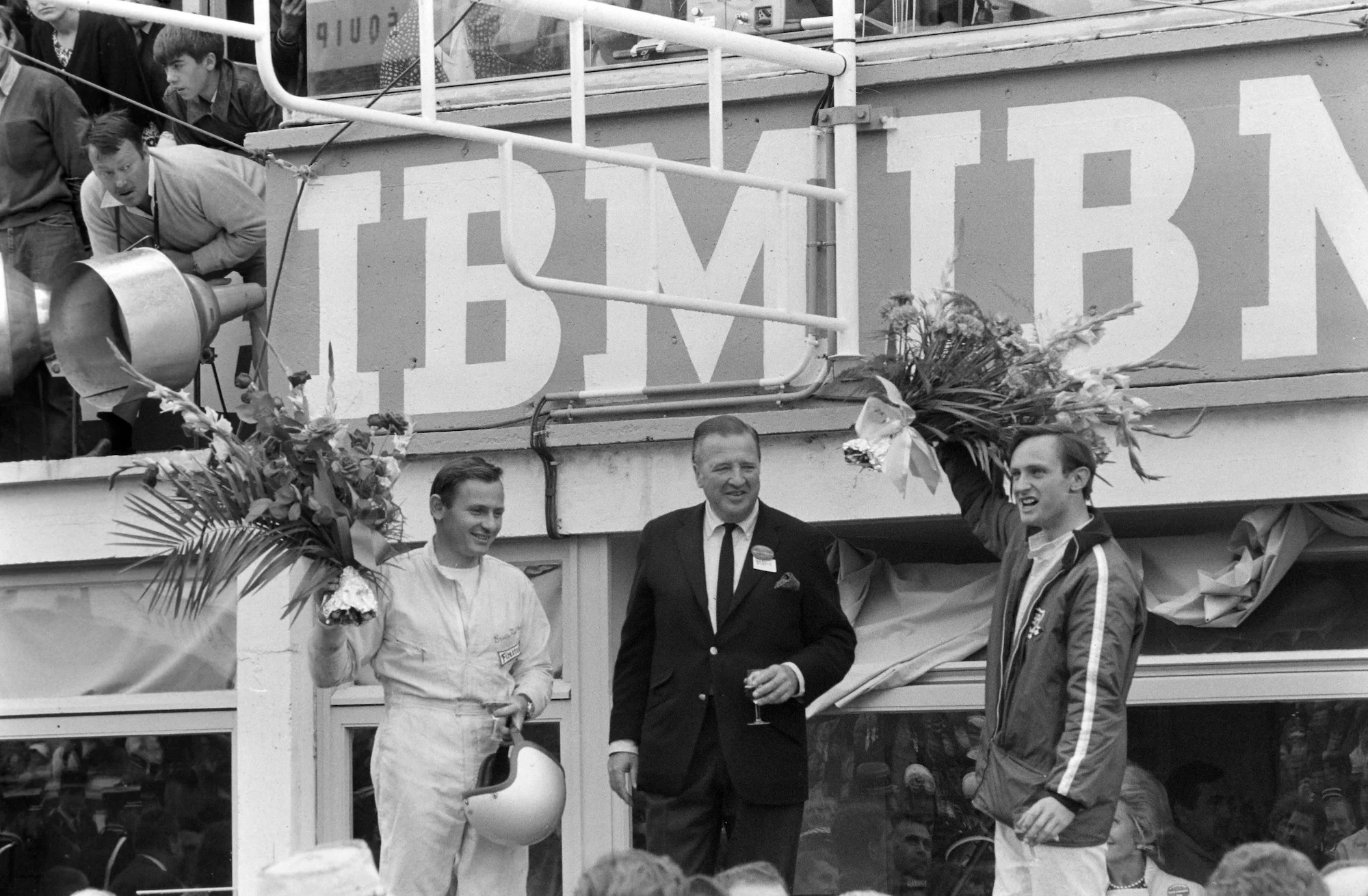
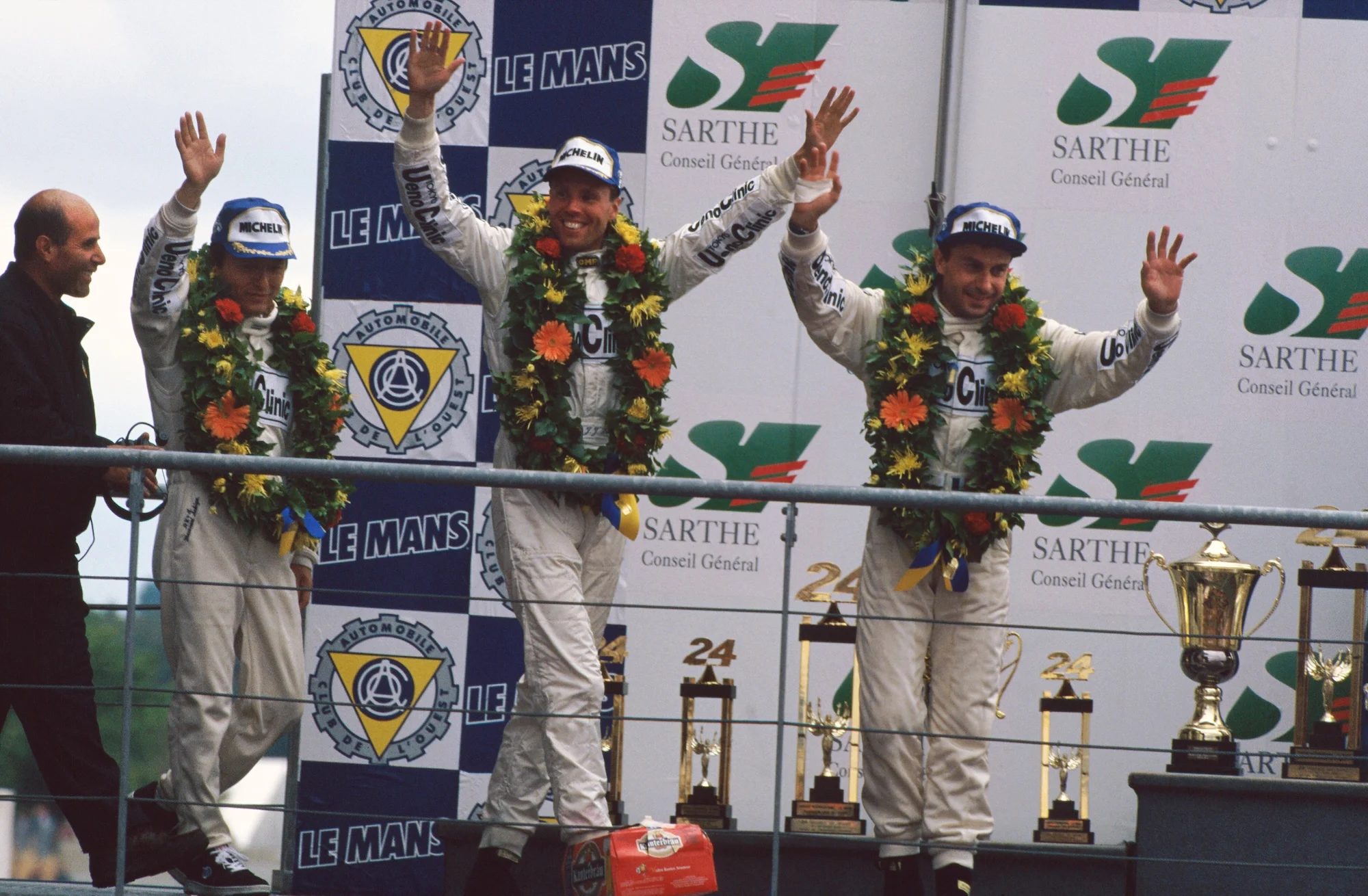
The 1995 24 Hours of Le Mans stands out as a key moment in McLaren's history. Not only was it the first time we took part in the fabled French Classic, but we won it, too.
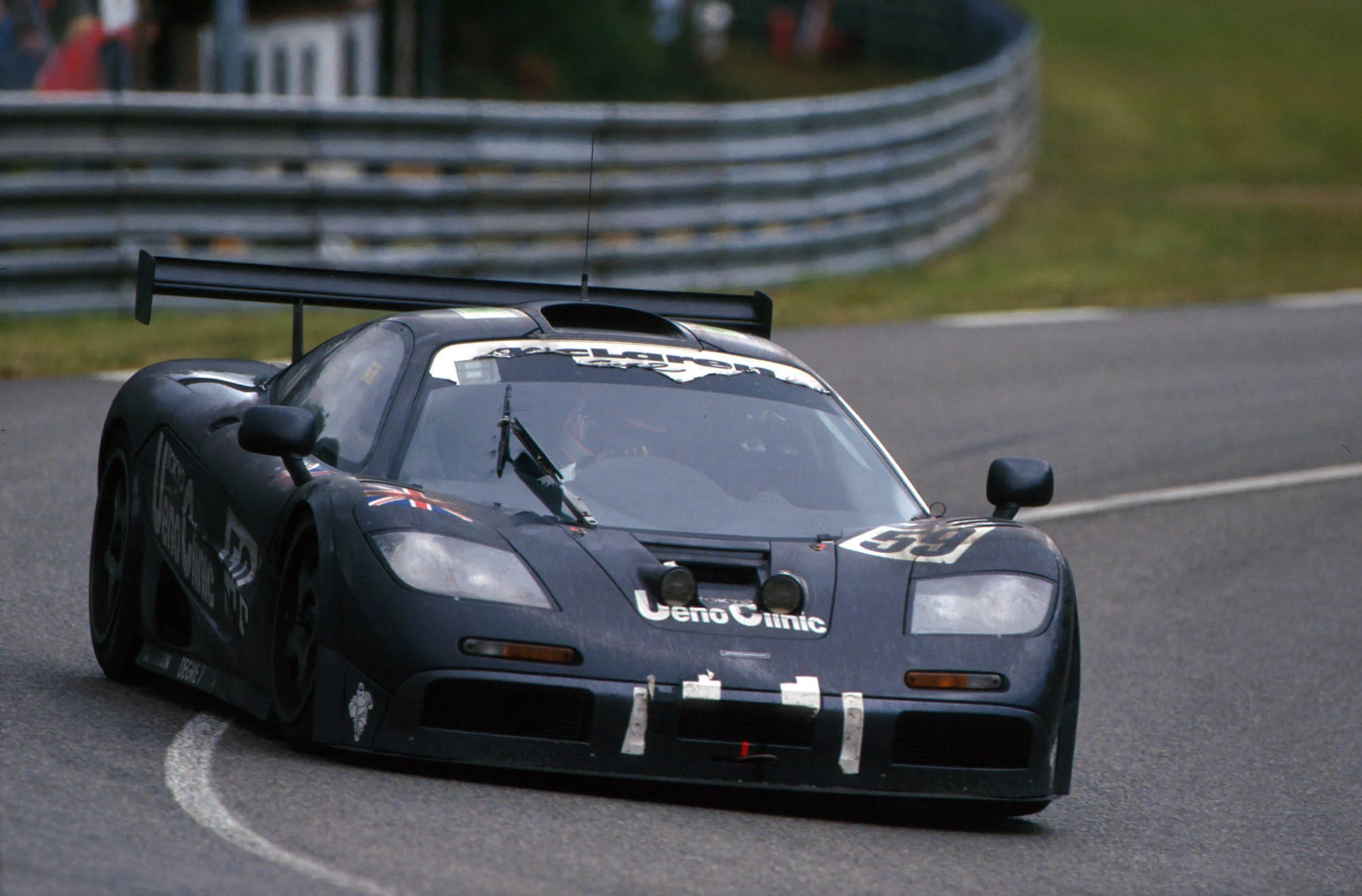
The race was expected to be won by a prototype car, but with rain proving to be a leveller, the F1s in the GT category shone. The Number 59 McLaren swept into the lead in the final hours and won by completing nearly 11 and a half kilometres more than the second-placed car after 24 hours. Such was our strength on that day, McLaren cars ultimately locked up four of the top five positions.
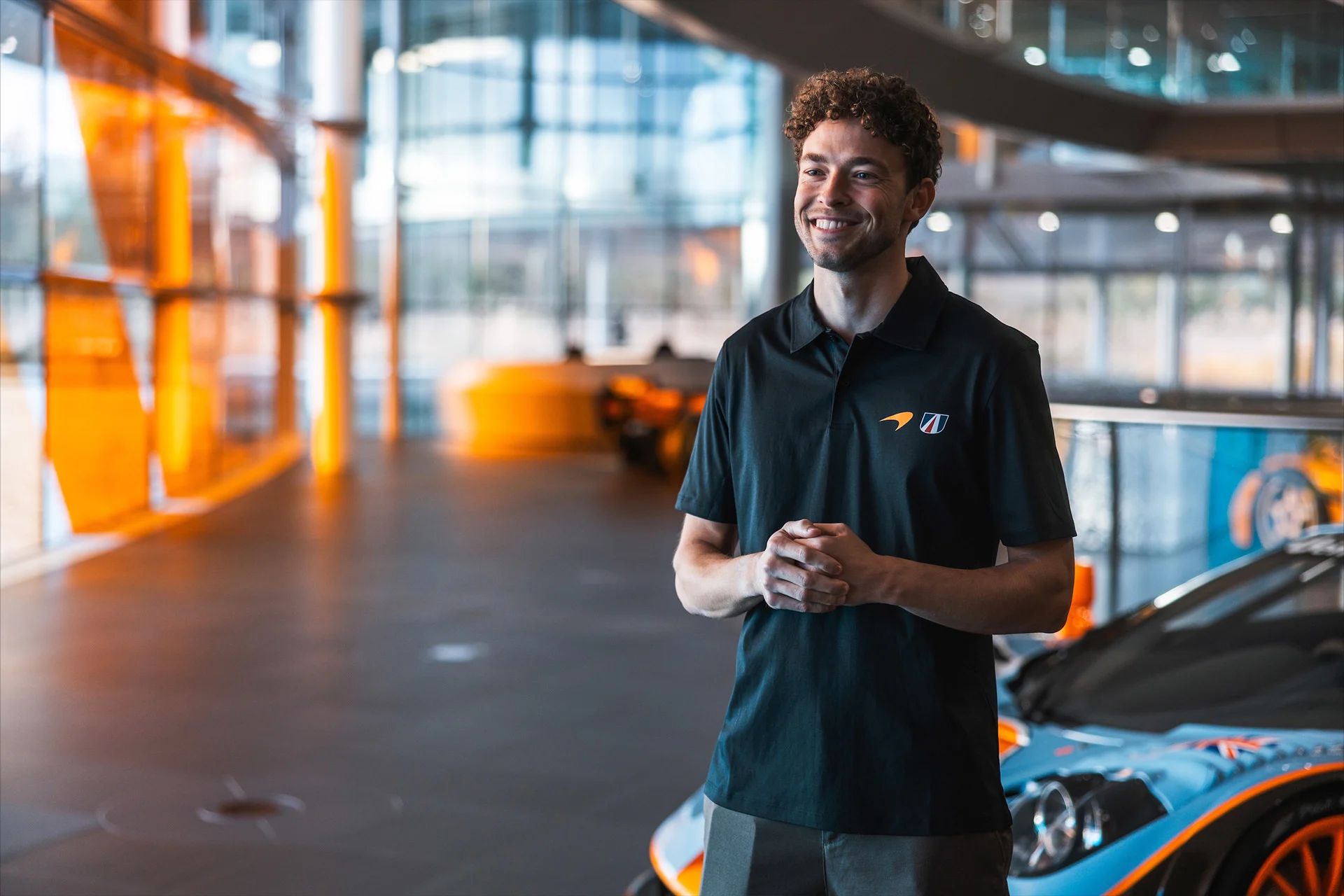
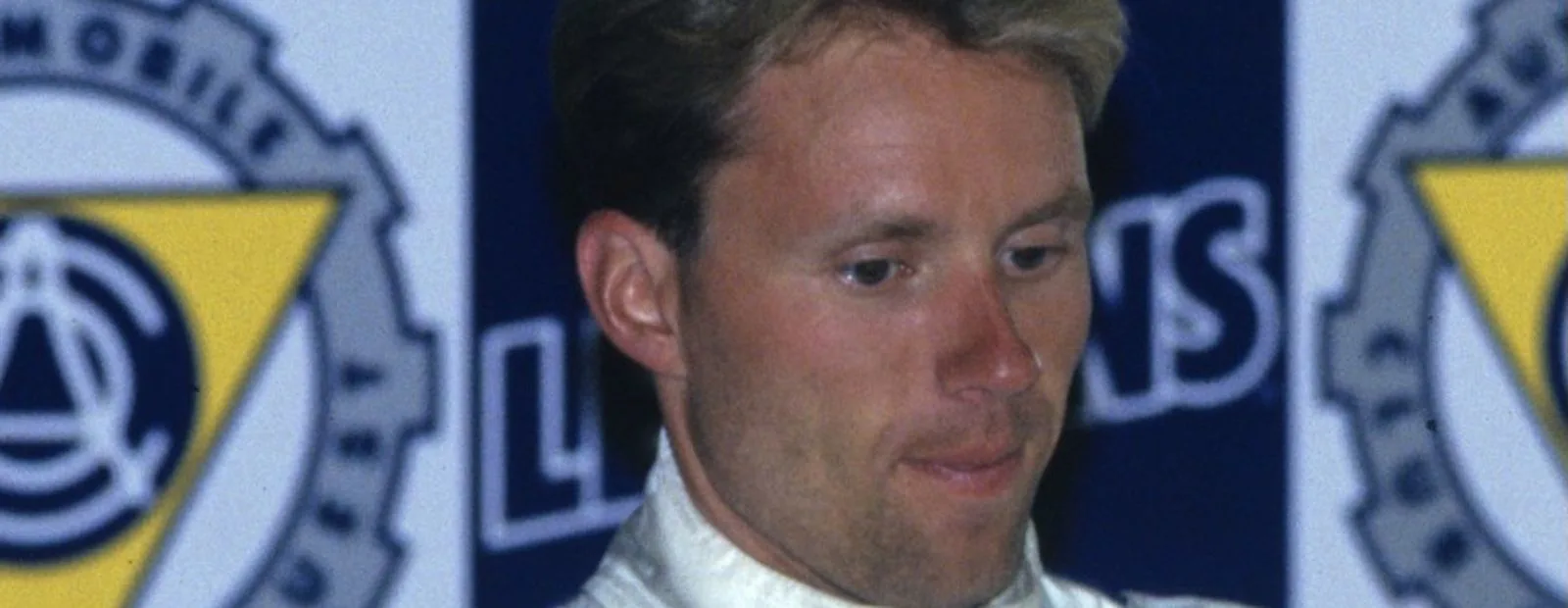
As we prepare for our return to La Sarthe and another attempt at that momentous feat, we caught up with one of our winning drivers from the 1995 race, JJ Lehto - who, alongside Yannick Dalmas and Masanori Sekiya, drove the winning McLaren F1 GTR - to get his thoughts on the new hypercar project, and his memories of the past.
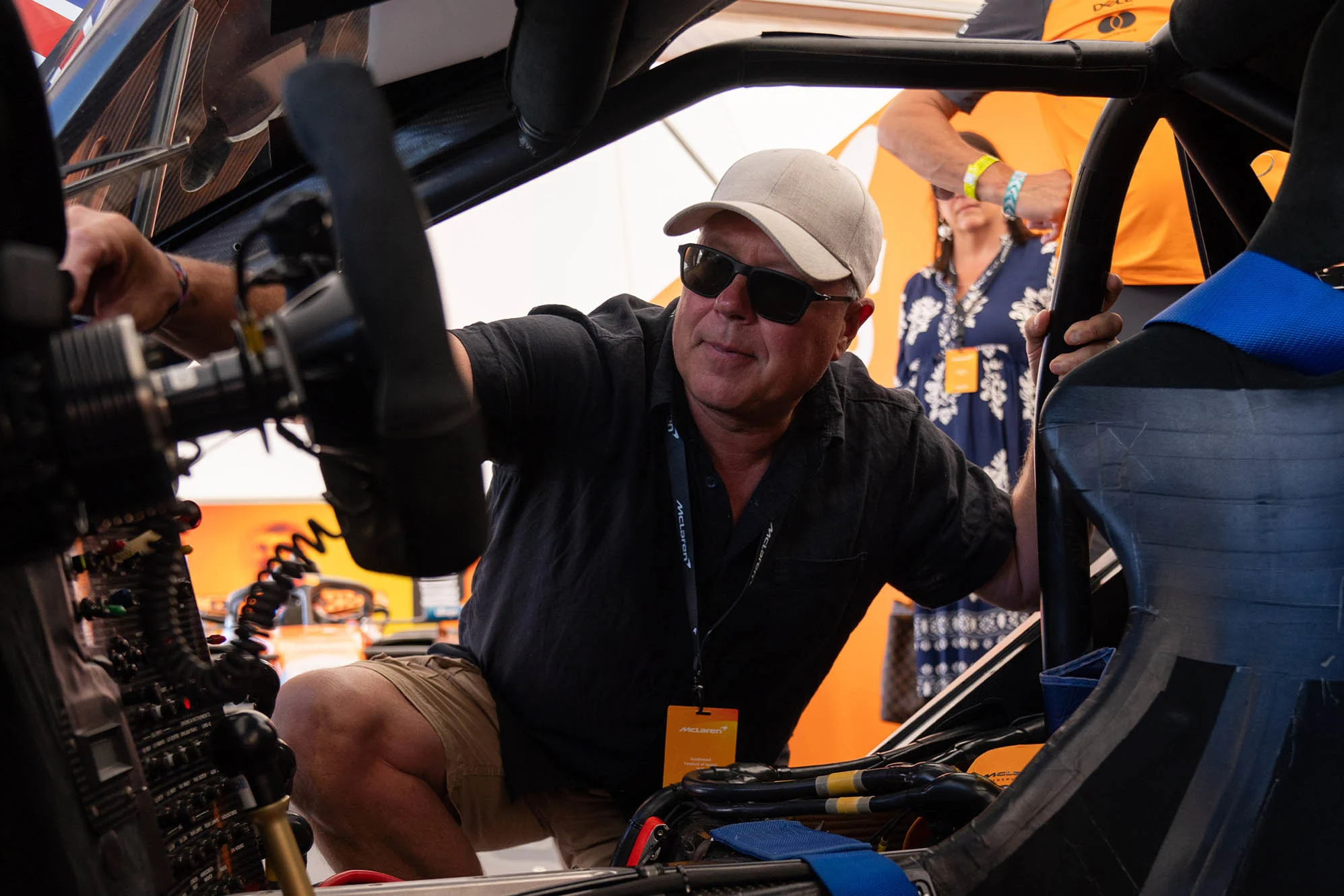
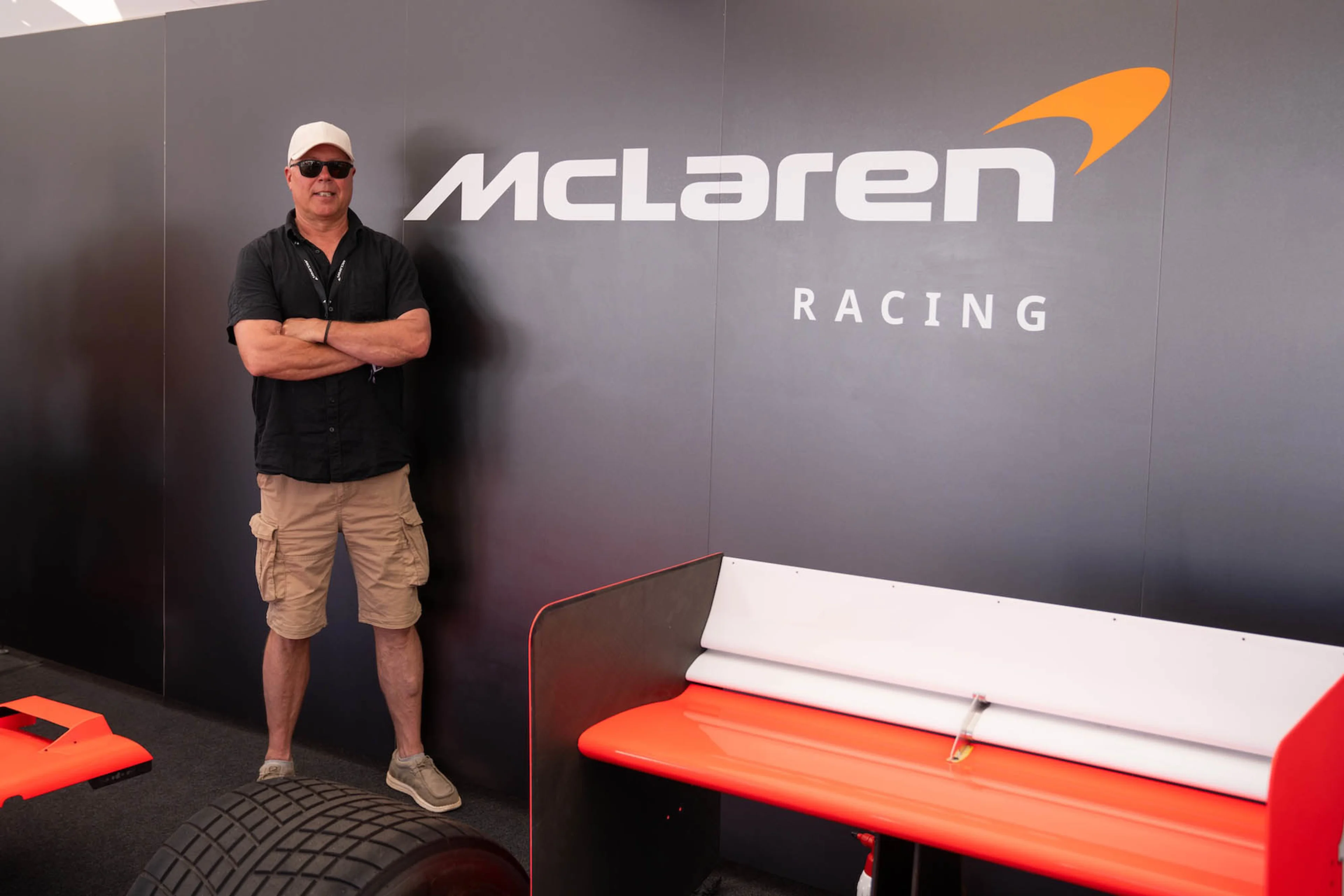
JJ first raced at Le Mans in 1990, when he drove a Porsche but failed to finish. He took ninth the following year, again in a Porsche, before the 1995 race, which was his third attempt. Prior to a lengthy and successful sports car career, he'd raced in Formula 1 with Onyx, Scuderia Italia, Sauber and Benetton, and, with single-seater racing being an entirely different world to endurance racing, he attracted some doubters early on.
“It's been a long time already, 30 years go by so quickly,” JJ says. “It was nice in ‘95 to do something in long-distance racing as well, because having a single-seater background, everybody's always saying ‘they are single-seater drivers, they are only sprint racers’, and once you go to Le Mans, they always say ‘he's not going to last because he's too fast and he's pushing too hard’. Twenty-four hours is a completely different game, and you need to learn it.
“That was my third attempt in Le Mans, and we did our work well. Once you win the race, suddenly everybody said, ‘okay, he's a Formula 1 driver, he's a single-seater driver, but he can do endurance racing as well’.”
Having experienced both sides of the coin, JJ is well placed to compare the two. And while F1 cars are known for being outrageously fast, JJ says that modern sports prototypes aren’t far behind for outright speed, with both capable of more than 200mph, and adds that in other areas, they even outshine F1 machinery.
“Of course, prototypes are heavier,” he says. “There's a little weight difference, but then again, with prototypes, the aero is really high-tech nowadays. They are creating a lot of downforce, and the power is unbelievable. The tyres are very good as well. Those cars could be faster through some corners than Formula 1 cars.
“You just need to get used to controlling the weight and finding the right setup. But that is the same, whatever car you drive - if you don't have the right setup, it's difficult to race it.”
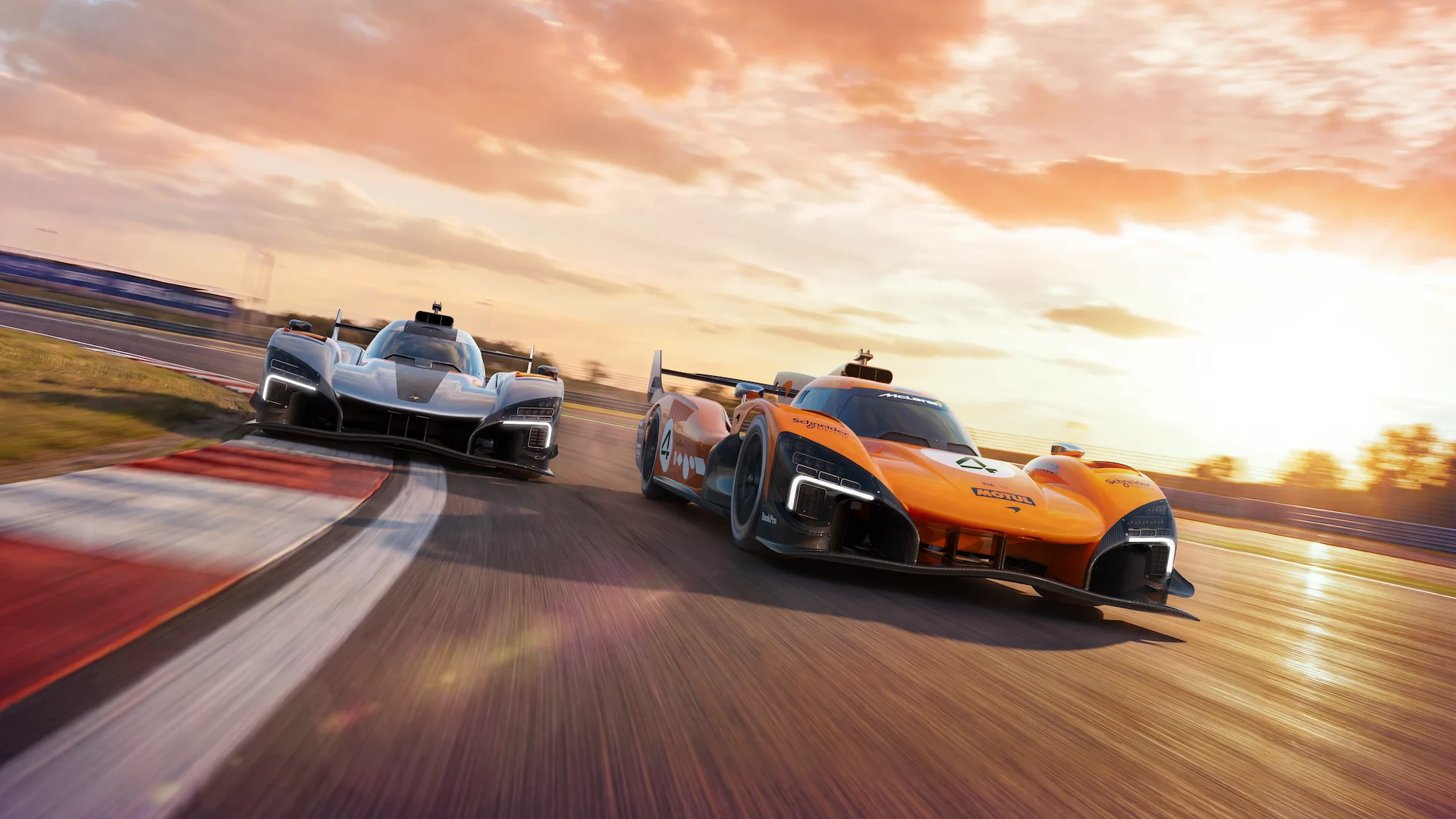
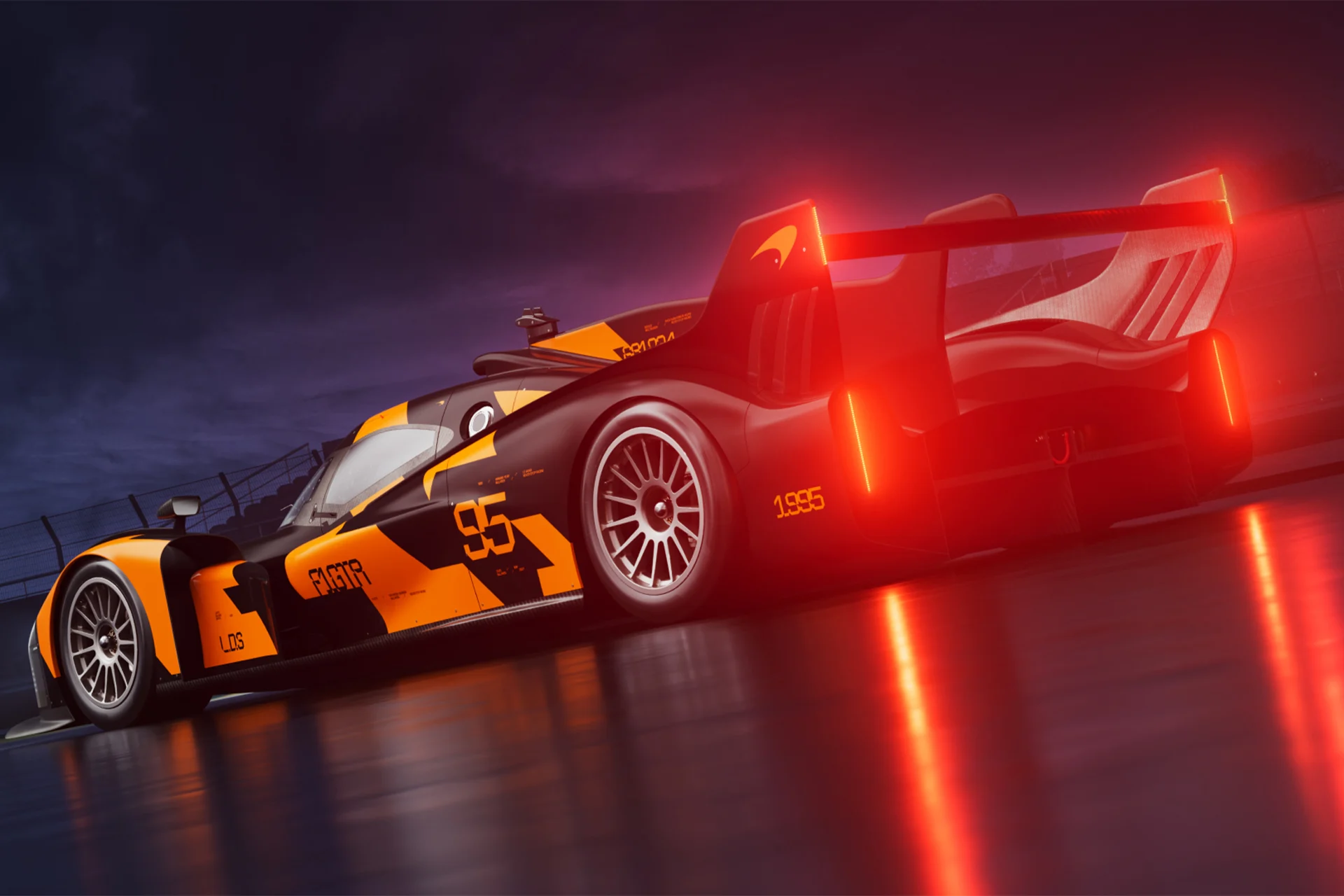
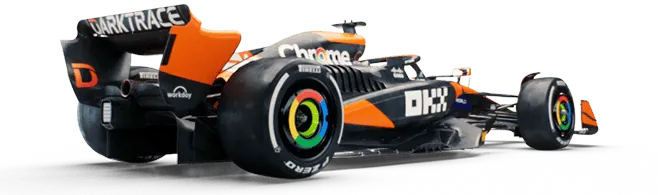
Coming from F1, and waiting until his third attempt to win at Le Mans, JJ knows what it takes to get to the top of sports car racing. McLaren has had success before, but this is an all-new programme. Right now, the team is testing the new MCL-HY. There are no races, and no lap times to get excited about, but this period is arguably the most important for the team.
“First of all, you need to get the car running, that's the biggest thing,” he says. “And also to me, the level of how they build the car has to be really high from the beginning. You need a lot of testing all the time, developing the car, making it fast all the time, but the base car has to be already good when you start.”
So far, two drivers have been named for our two cars, Mikkel Jensen and Laurens Vanthoor. They’re already winners of some of sports car racing’s biggest races and championships. Mikkel is a European Le Mans Series LMP3 and IMSA LMP2 champion, while Laurens was the 2024 World Endurance Hypercar Champion and won the 2018 24 Hours of Le Mans in the LMGTE Pro class, finished second overall last year, and has additional GTLM and GTD titles in IMSA.
But with the nuances of sports car racing, past success isn’t enough. Three drivers share a car, and while they, of course, need to be fast, they need to work together as a cohesive unit, not only to get the best out of the MCL-HY, but also to work well with it.
“Of course, you always need to find three good drivers, but they have to be of similar size, they have to like similar setups, so if you have three drivers and they really want to have very different kinds of setups, you can't get the combination right,” JJ warns. “You need to have three drivers who are happy with setups, and you work with the drivers all the time to get something for all of them.
“That's the thing. You can’t win it by yourself. You always need a crew and three good drivers, and they have to be equal drivers. I think that's the biggest thing.”
Our re-entry to the sports car arena sees us fulfilling Bruce McLaren’s dream of taking a McLaren car to Le Mans. Back when he had that dream, the team was competing across multiple categories, as it is today. It’s a fruitful time for the team, too. We’re defending Drivers’ and Constructors’ Champions in F1, and Arrow McLaren is a constant threat in the IndyCar series.
So, the timing couldn’t be better, and JJ is excited to see McLaren return to endurance racing.
“I'm really happy that McLaren made the decision, and Zak as well, because it's been such a long time,” he says.
“It seems that nowadays all the manufacturers and Formula 1 teams are spreading out much more than before, and obviously, Hypercar is fascinating and exciting. Those cars are so fast, so it's really McLaren.”
Could a fairytale win first time out for a new McLaren car at Le Mans be repeated? Of course, it’s never impossible and always an aim, but we’re entering sports car racing at a time where it’s arguably never been stronger in its recent history, so the challenge will be tough.
“The competition is really high nowadays,” JJ says. “You really need to do your homework right. I think that's good, because there's Ferrari, Aston Martin, Toyota - it's a good playground for McLaren to do races there.”
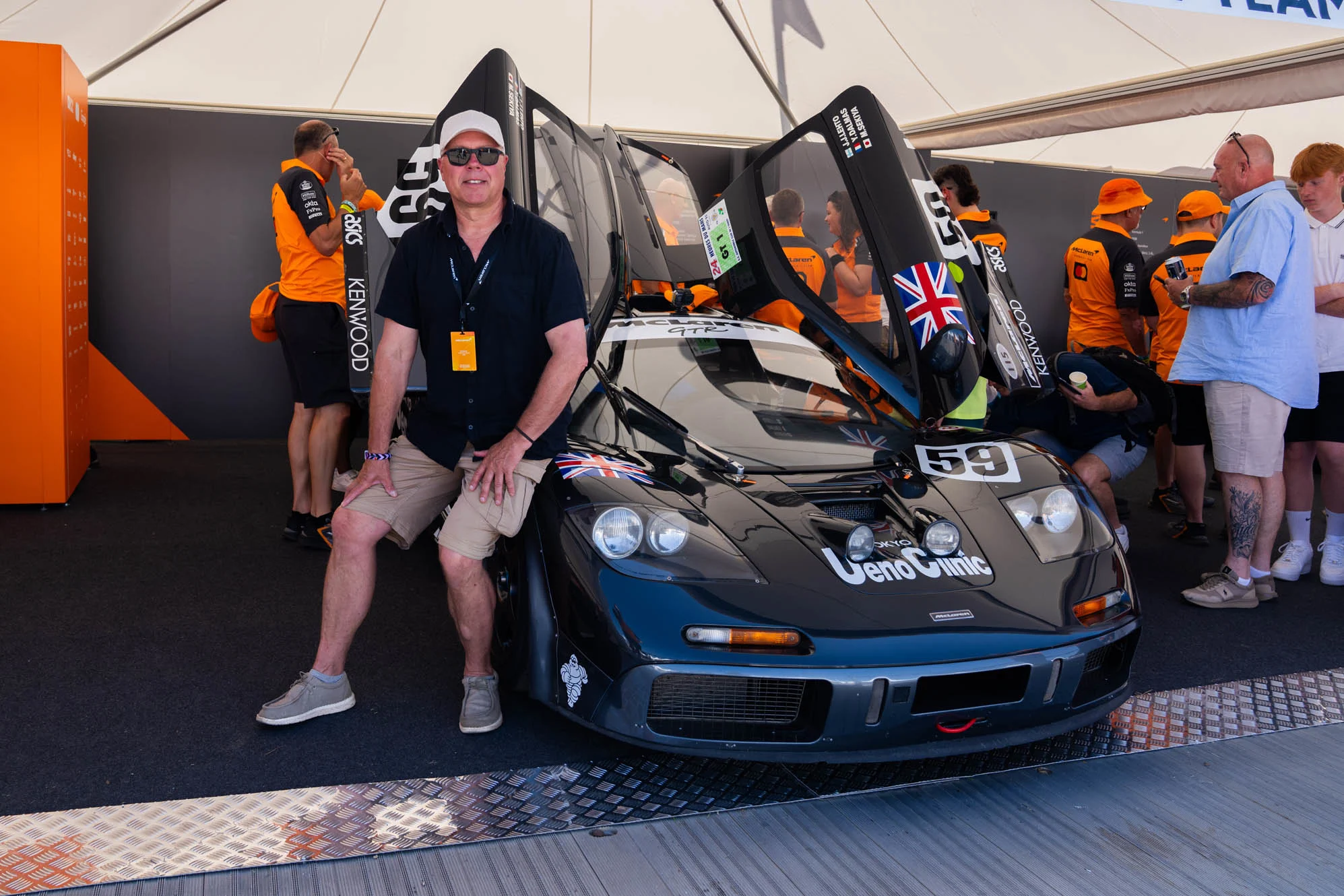
For 30 years, JJ has been part of a trio with Yannick and Masanori that gets to call itself McLaren’s only Le Mans winners. In going back, we’re hoping that isn’t the case for much longer.
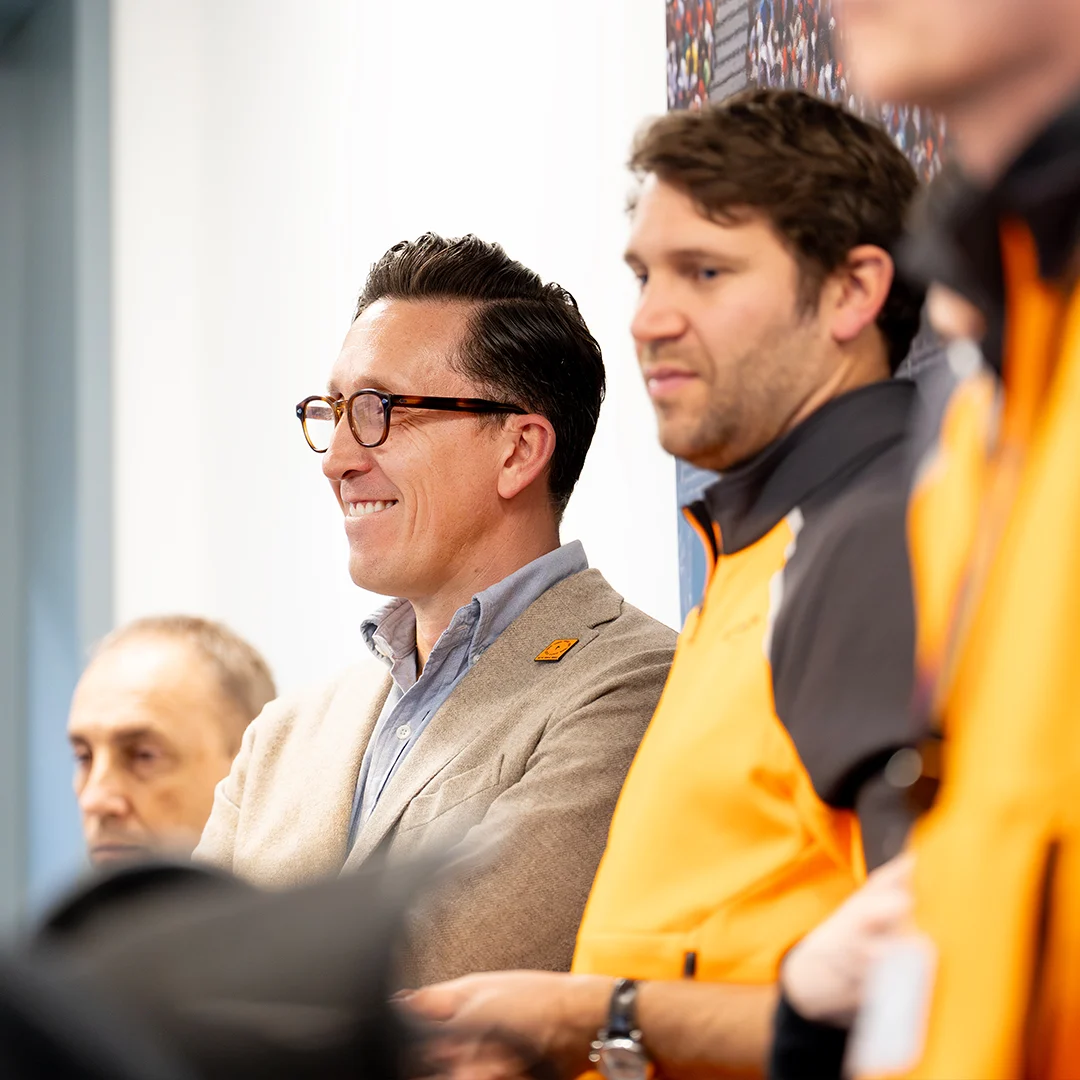
As this interview progresses, we’re interrupted by Mika Häkkinen, who stops to catch up with his compatriot, the pair discussing their family life and reminiscing on old memories. Until 2025, Mika was the last driver to win an F1 Drivers’ title with McLaren in the same year that we also took a Constructors’ title. The Finn has enjoyed watching from the paddock as his former team emulates the success from his time, adding more pages to the history books.
It is JJ’s hope that he will soon be able to watch McLaren do the same in the sports car realm. Although, “we will always be the first ones”, he adds with a smile. In the coming years, he has faith that his, Yannick’s, and Masanori’s exclusive club will welcome some more members.
“They need to work hard, but I'm sure that they can do it,” he says. “It makes me happy that McLaren values their heritage. We are getting older, fatter, and uglier, so it's time for some new faces to win Le Mans for McLaren!”