

6 May 2026 09:30 (UTC)
Our founder never got to see one of his cars take on Le Mans – now we’re returning in pursuit of history
Sports car racing has been in the very fabric of McLaren since day one. Our founder, Bruce McLaren, had a dream: to build a car and race it in the 24 Hours of Le Mans.
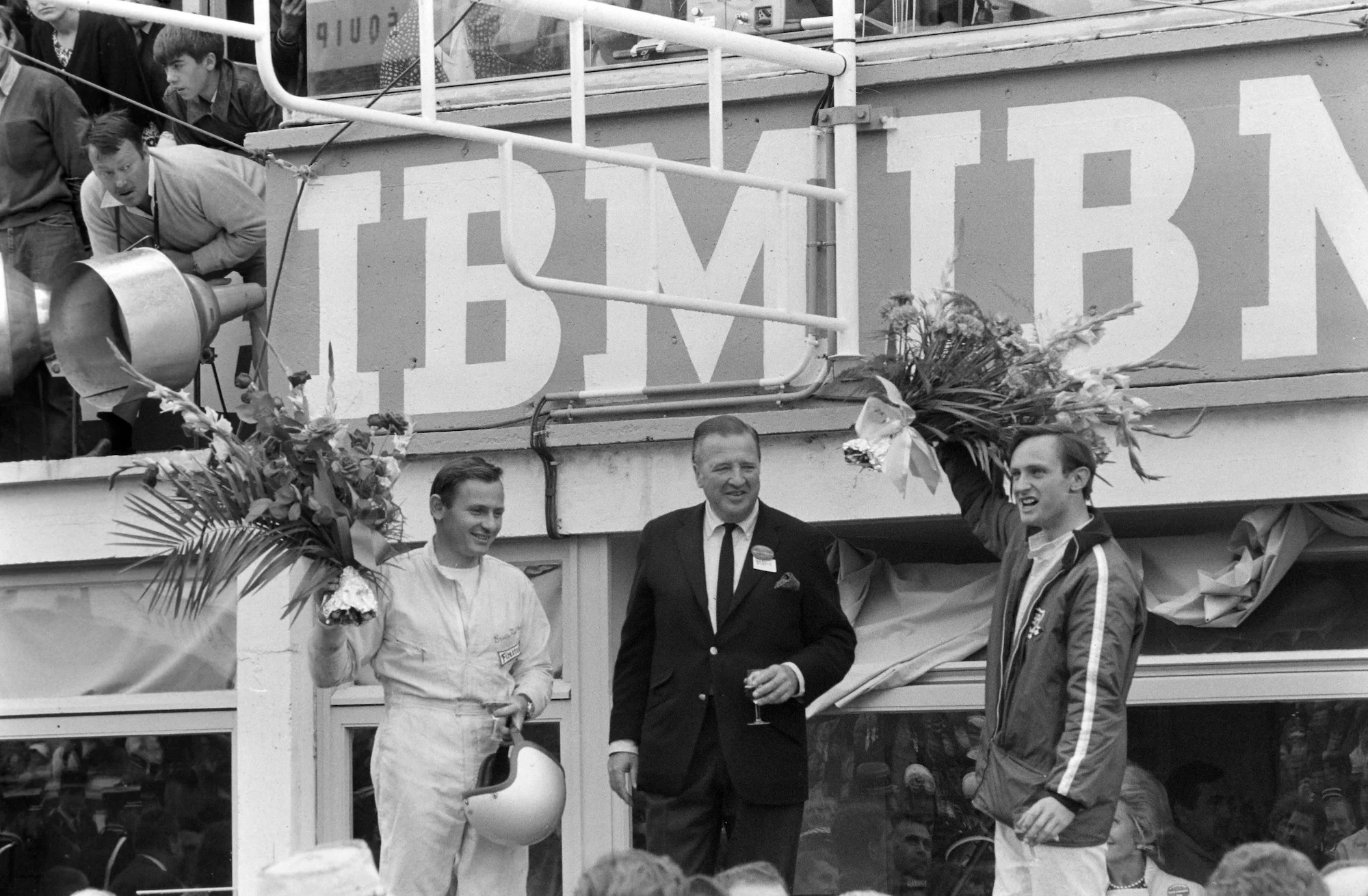
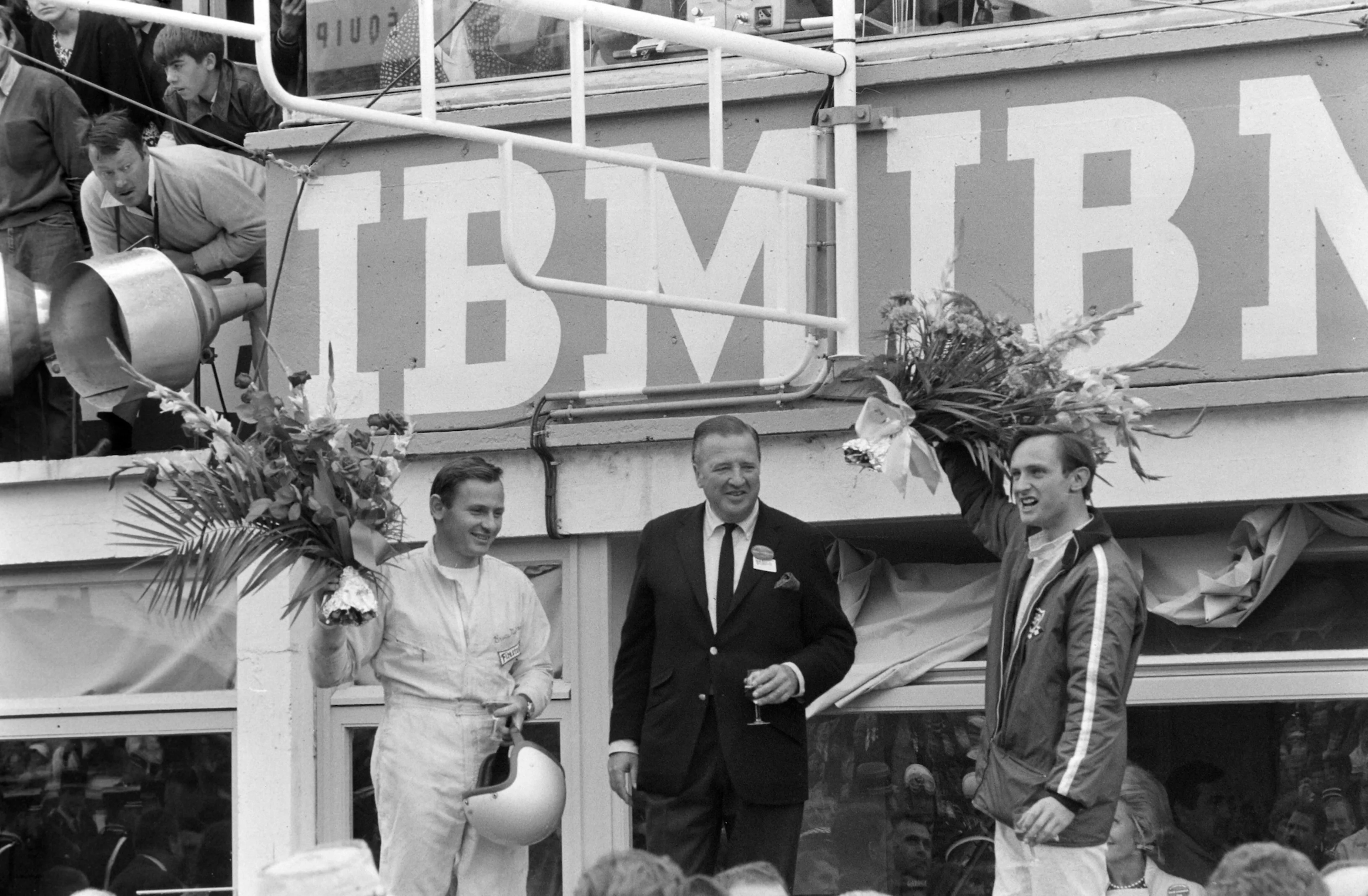
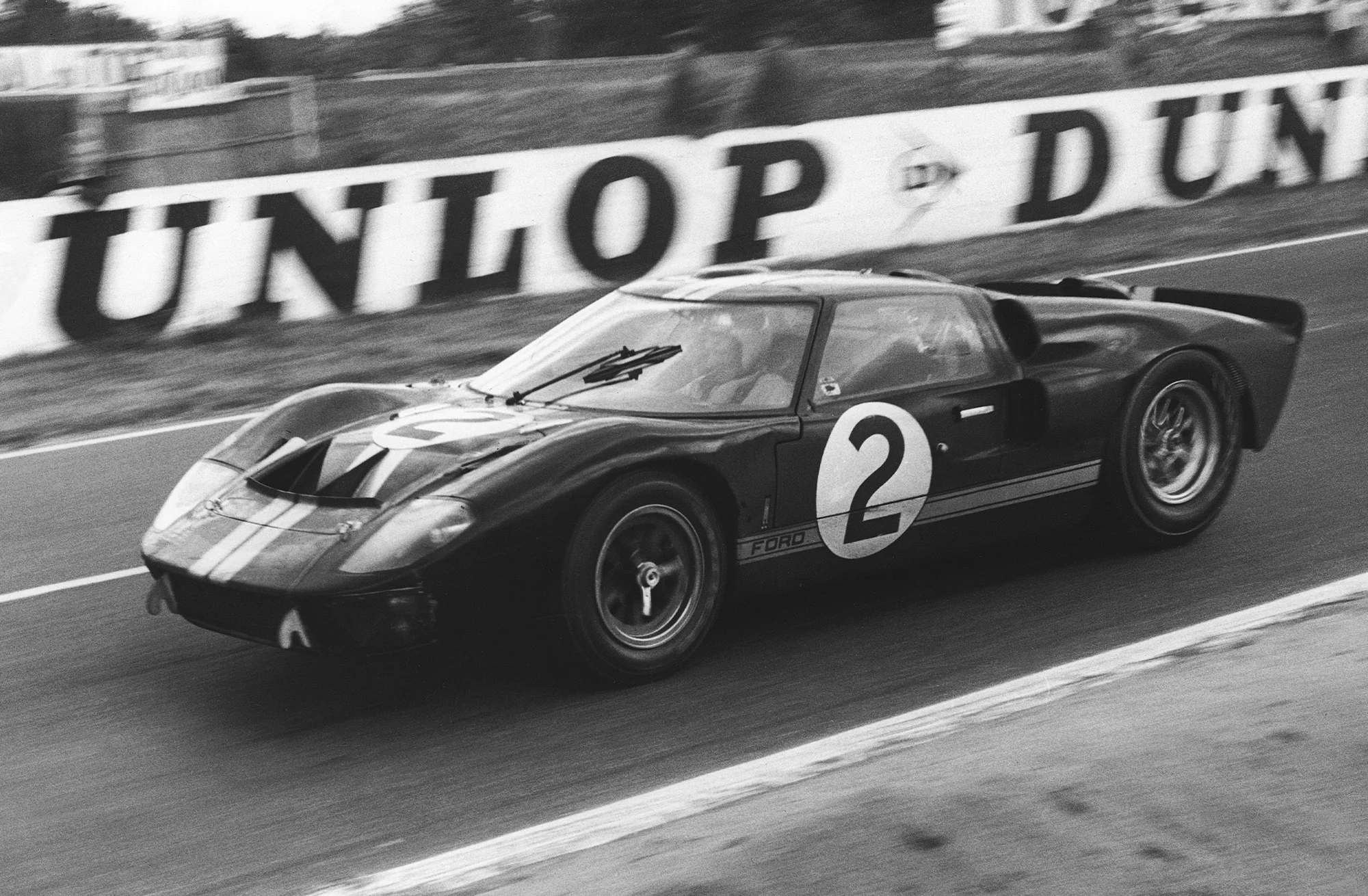
Unfortunately, fate dictated that he’d never get to see that dream realised. While he raced eight times at Le Mans, winning on his seventh attempt in the legendary 1966 race, he never lived to take on the race in a car bearing his name.
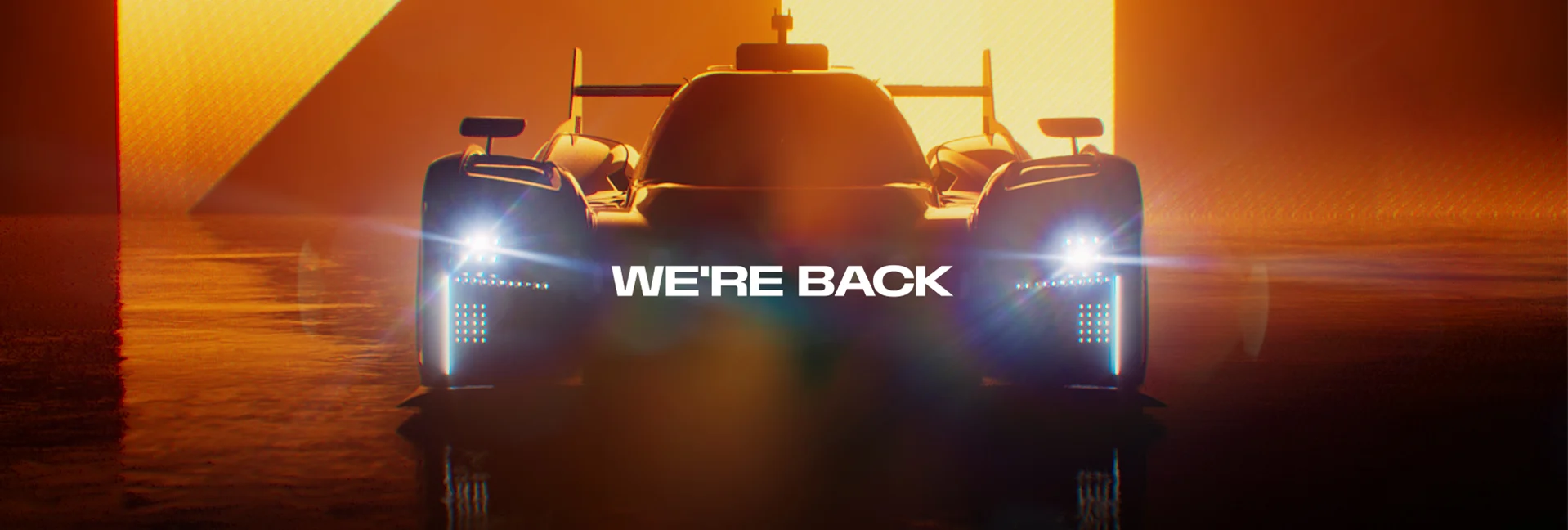
But while our founder was tragically killed at Goodwood in 1970, his dream for McLaren to race in the 24 Hours of Le Mans lives on to this day, and in 2027, Bruce’s team will make its long-awaited return to the Circuit de la Sarthe, 32 years after our historic 1995 win on debut.
Although the modern-day McLaren might be best known for our Formula 1 successes, the team was forged in Can-Am in the late 1960s and early ‘70s, where monstrous beasts competed on the road courses of North America.
In some ways, it was a precursor to present-day Hypercar, where multiple manufacturers built high-powered, high-performing prototype cars. A key difference, though, was that its rules were fairly open compared to the tight regulations of most modern-day series. While – even back then – F1 was regarded as the pinnacle of motorsport, those relaxed regulations meant that if you won in Can-Am, you probably had the fastest car on earth.
McLaren didn't just win in Can-Am, we dominated, winning 29 out of 33 races we entered between 1967 and 1970, leading many to dub the series the 'Bruce and Denny Show' after Bruce and his teammate Denny Hulme.
After a strong first season, in which every time Bruce finished a race, he was on the podium, he took his – and the team's – first Championship title in 1967, claiming wins at Laguna Seca and Riverside along the way.
That success was achieved with the M6A, the first of three Championship-winning McLarens in Can-Am (and the first of two for Bruce, with Denny taking the 1968 crown in the M8A, and Bruce once again triumphing with the M8B in 1969).
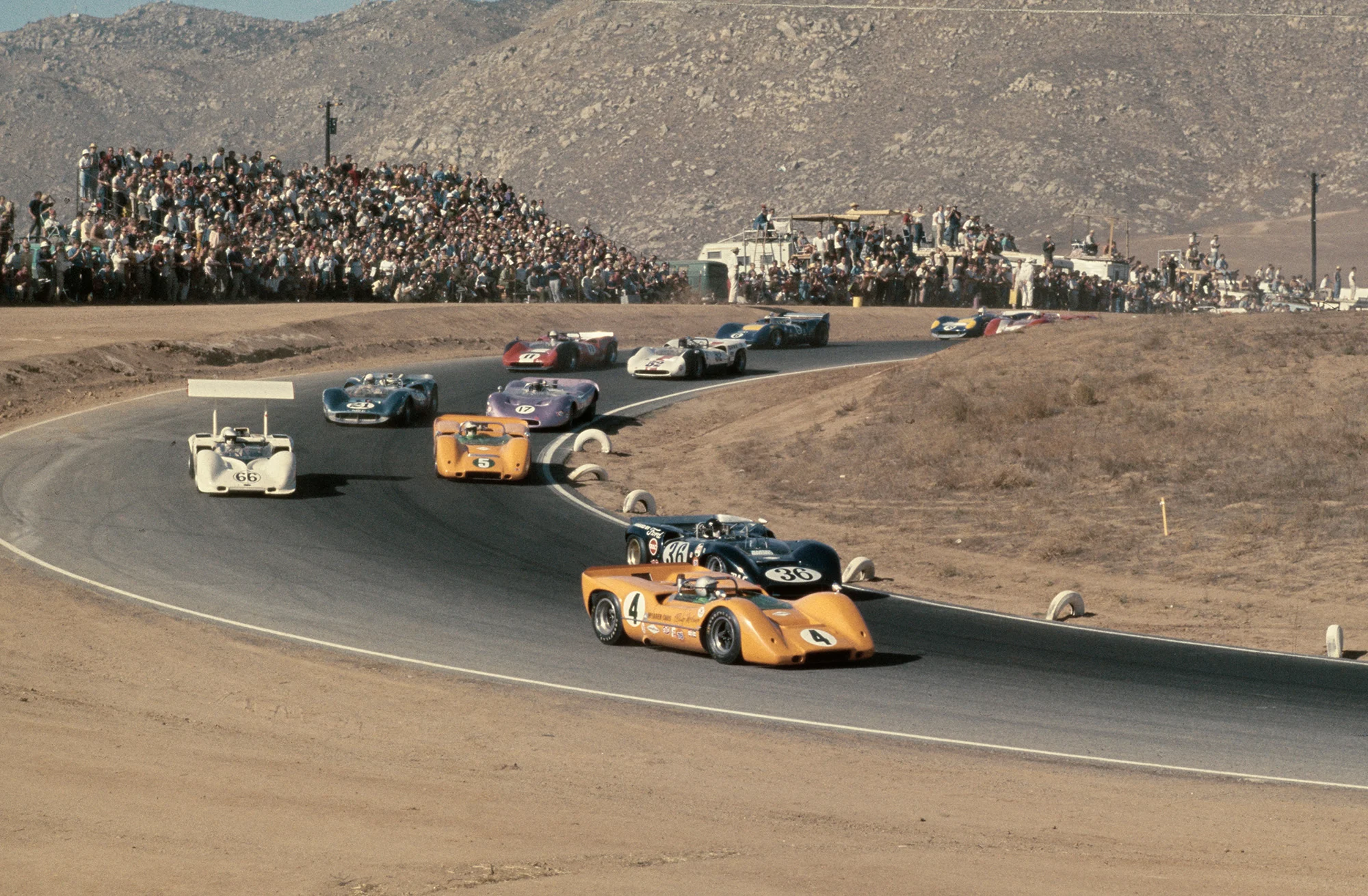
The M6A is cemented in McLaren history, and not just because of its success. It was the first McLaren car to race in the famous papaya livery, which has since become synonymous with the brand. More importantly, it was McLaren's first true works car, designed and built entirely in-house. It not only demonstrated McLaren's belief in building its own cars to race and win, but marked the moment when McLaren became a competitive force on its own terms and set the team on the path to the decades of success it’s enjoyed since, across multiple categories.
The M6A’s success spawned the M6GT, McLaren's first road car that was intended to compete at Le Mans under Group 4 regulations. But with Bruce's untimely death, the project was cut short. Instead of the required 50 needing to be produced, just two were made, and it never turned a wheel at Le Mans.
Fast forward to 1995, McLaren finally took on Le Mans. It was something of a reversal of the M6GT plan: the F1 was never intended to race, it was a road car made race-ready. Against all odds, it triumphed on its first outing, etching the McLaren name into the Constructors’ column of the event’s roll of honour for the first time.
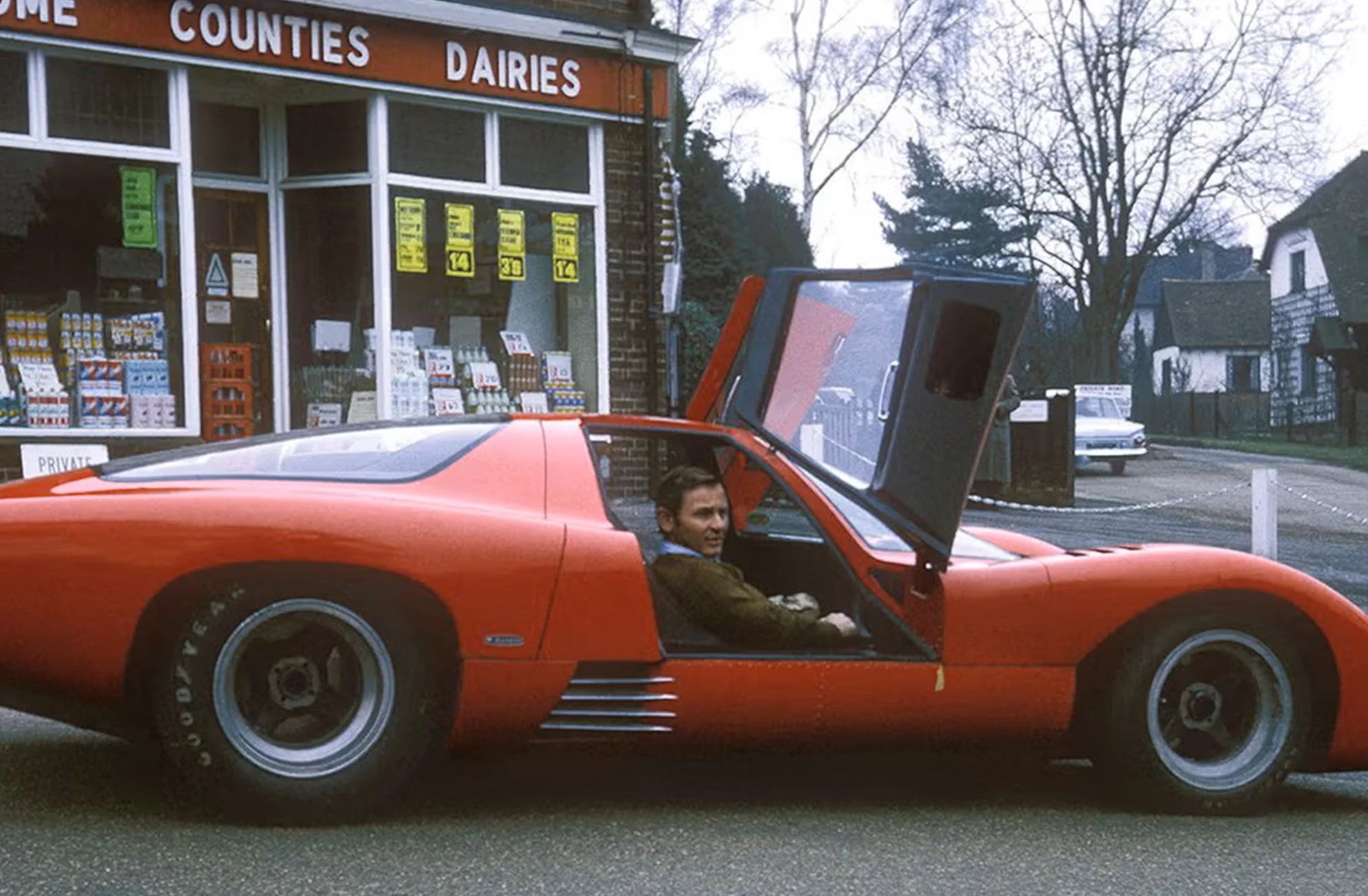
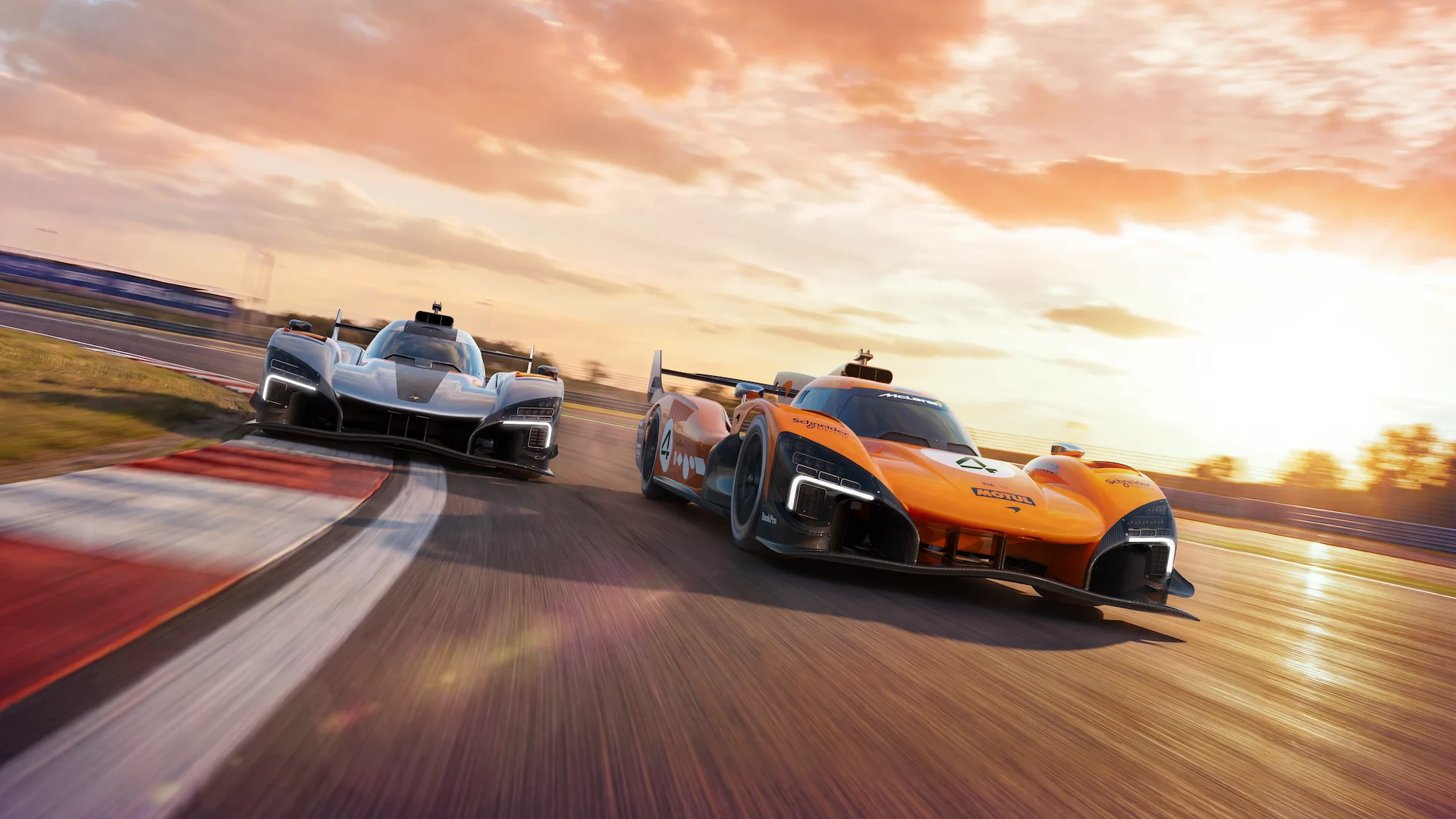
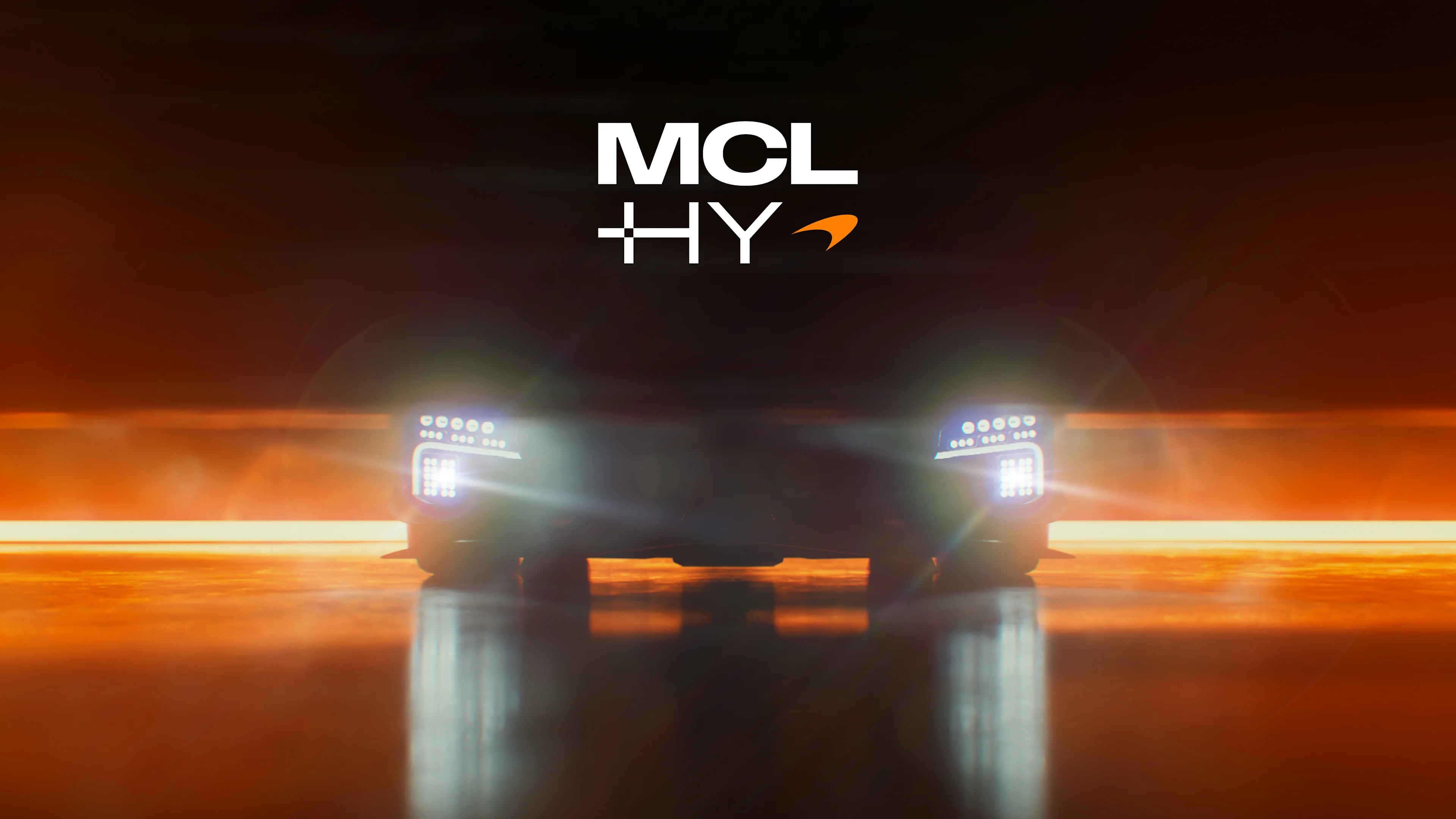
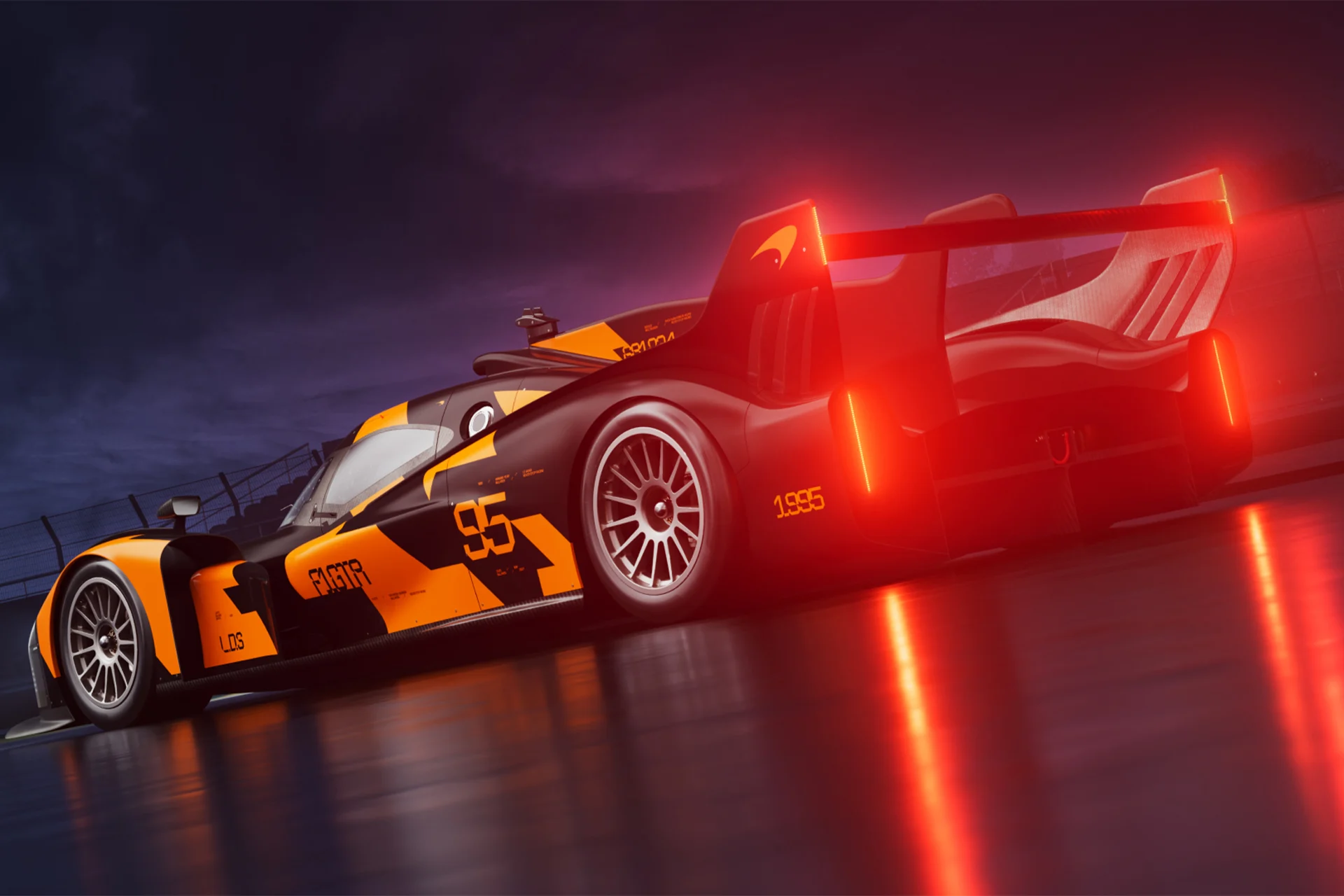
Our return to Le Mans isn’t about repeating a past success, it’s about building on it. The MCL-HY Hypercar will mark the first time a true purpose-built McLaren racing car has taken on Le Mans. Not just the race, but the full FIA World Endurance Championship schedule, too, building on our sports car racing legacy and chasing another world championship crown.
It might be a new chapter and a new challenge, but sports car racing has been a key element of our DNA since the beginning. Now that past is being reimagined for the future, guided by Bruce's philosophy and dream.
The first part of that new chapter perfectly demonstrates that philosophy of moving forward, inspired by the past. For the MCL-HY’s extensive testing programme throughout the remainder of 2026, the car will sport a livery paying tribute to Bruce’s M6A. As Bruce once dreamed of taking the M6 to Le Mans as the M6GT, the M6 will kick off our return to Le Mans in spirit, giving the car its look as it embarks on a very demanding development mission before its competitive debut.
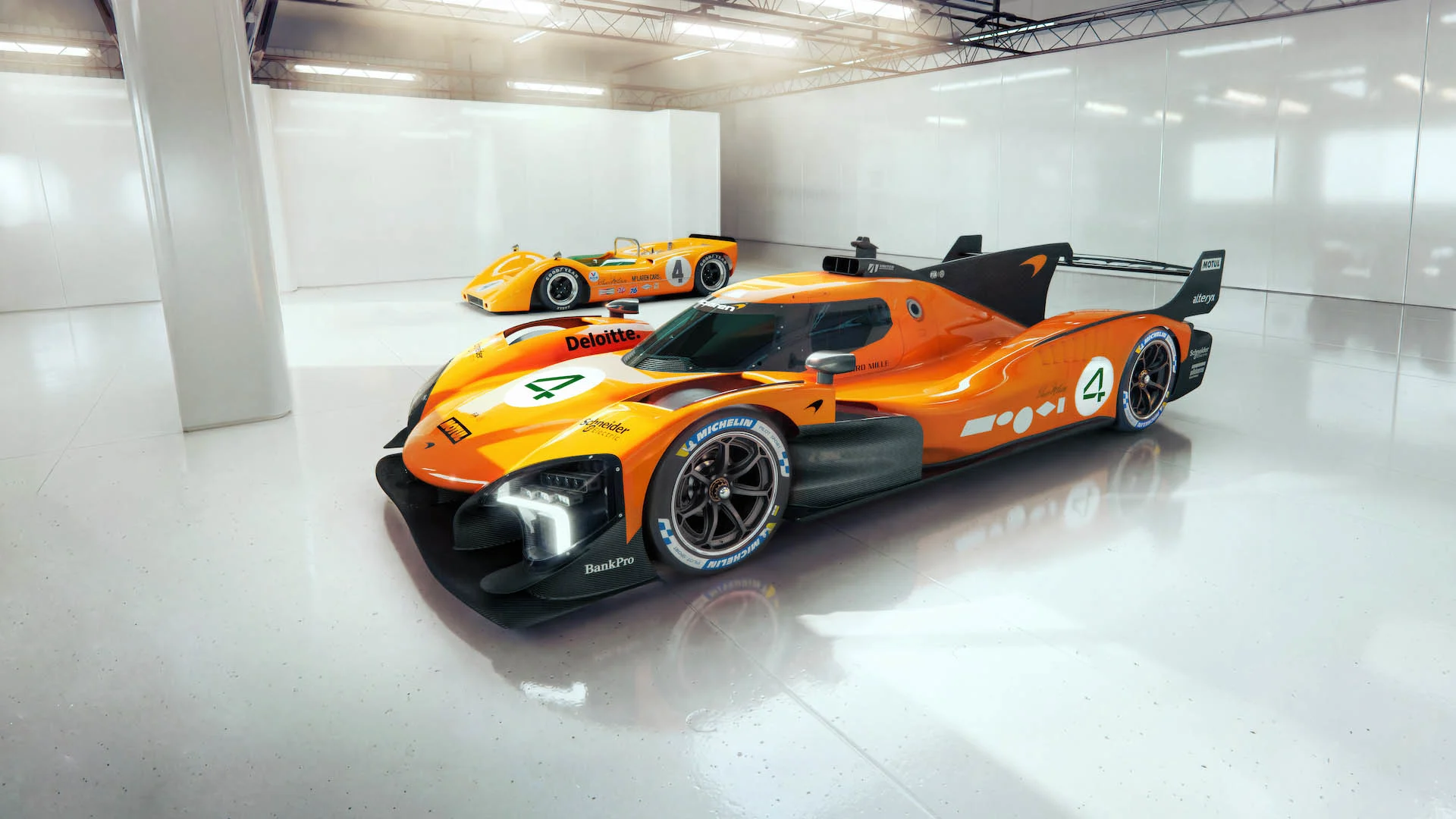
Bruce never got to see his dream come to life, but with the MCL-HY, we’re not just fulfilling it, we’re elevating it.
The MCL-HY will also mark the final piece in the puzzle of our quest to once again score motorsport’s Triple Crown of the Monaco Grand Prix, the Indianapolis 500, and the 24 Hours of Le Mans. We’ve already achieved it once, but now that we’re back in papaya, we want to do it again, in the colours Bruce first envisaged for his team.