

10 August 2026 16:30 (UTC)
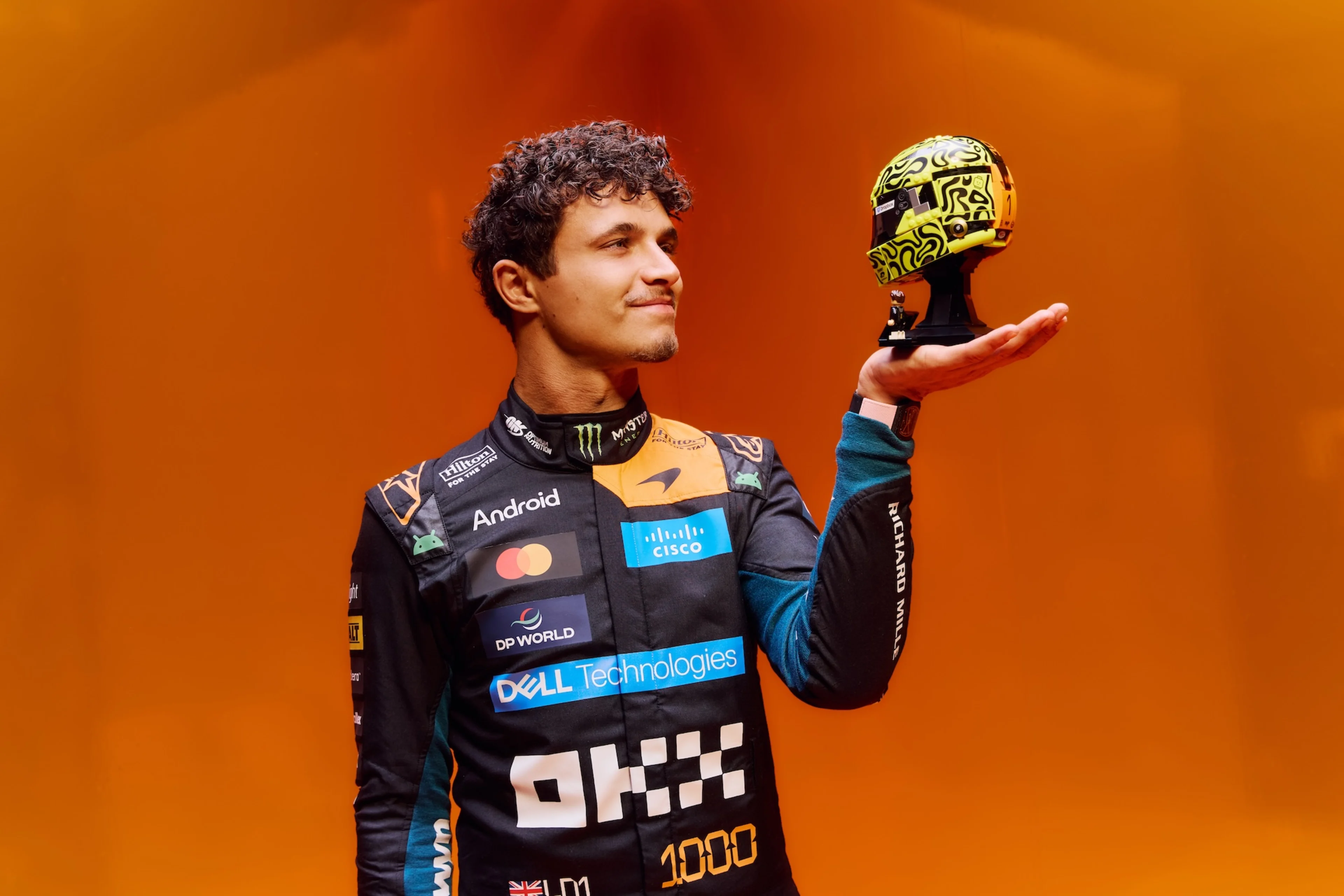
Lando and Oscar raced their own LEGO® helmet designs in the Monaco Grand Prix
LEGO Group is renowned for recreating iconic vehicles, world-famous architecture, and pop culture icons - from historic landmarks like the Eiffel Tower to Star Wars’ Millennium Falcon and the Friends Central Perk cafe. Over the past five years, they’ve been constructing historic and contemporary McLaren Formula 1 cars - in 2022, they even built a life-sized version of the MCL36 - but in 2024, they had a novel idea: What if they flipped the process on its head? What if one of their original designs ended up on track?
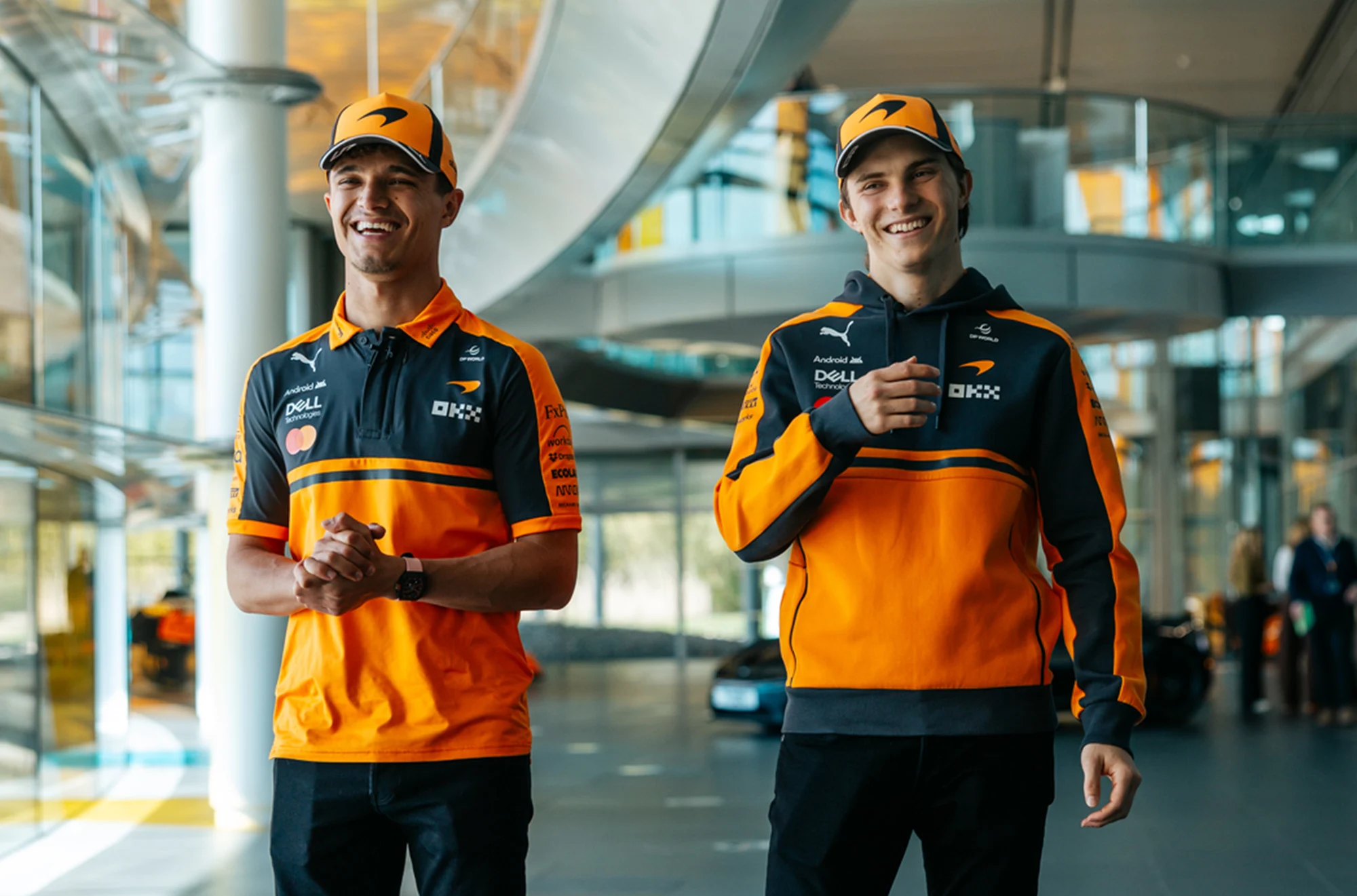
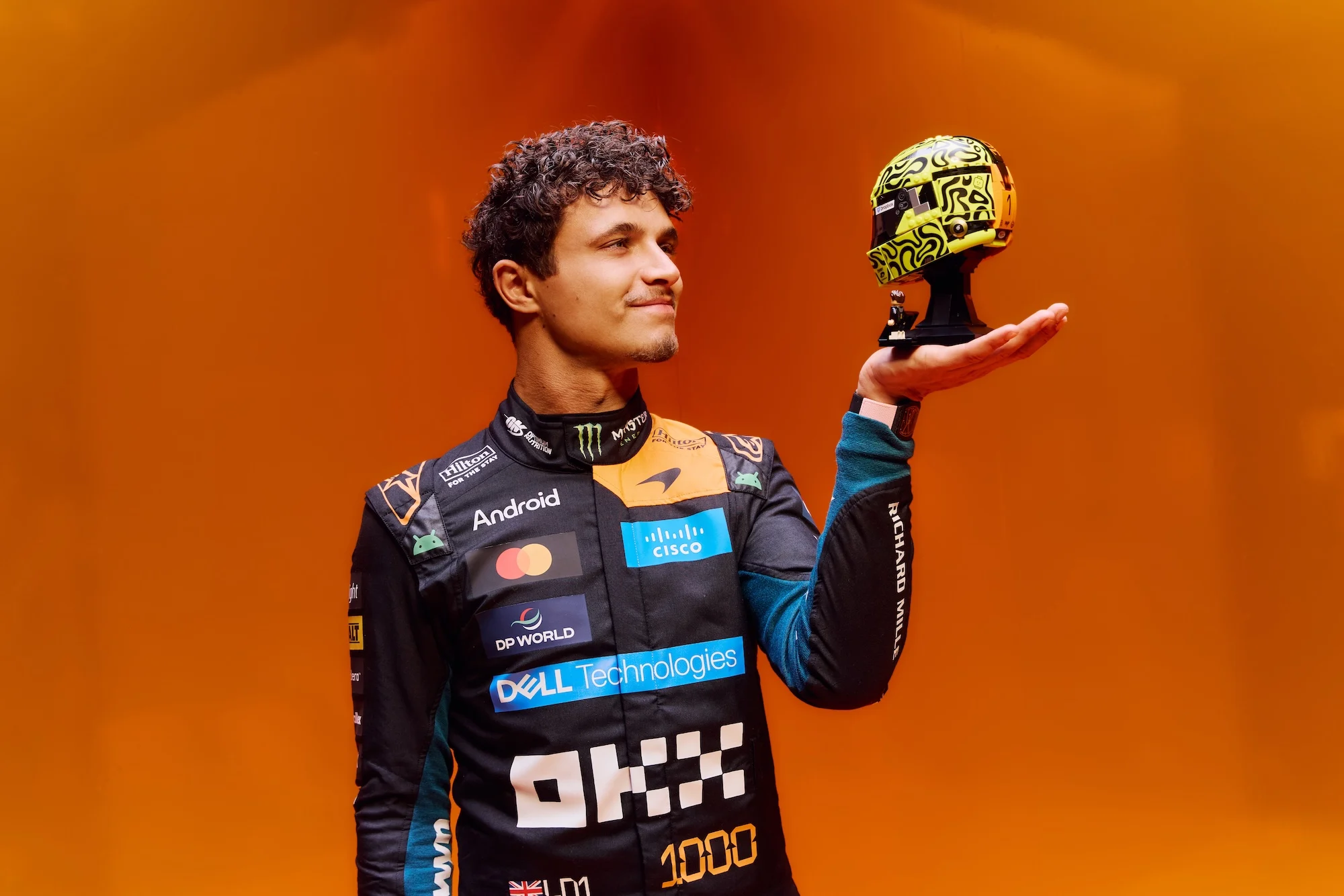
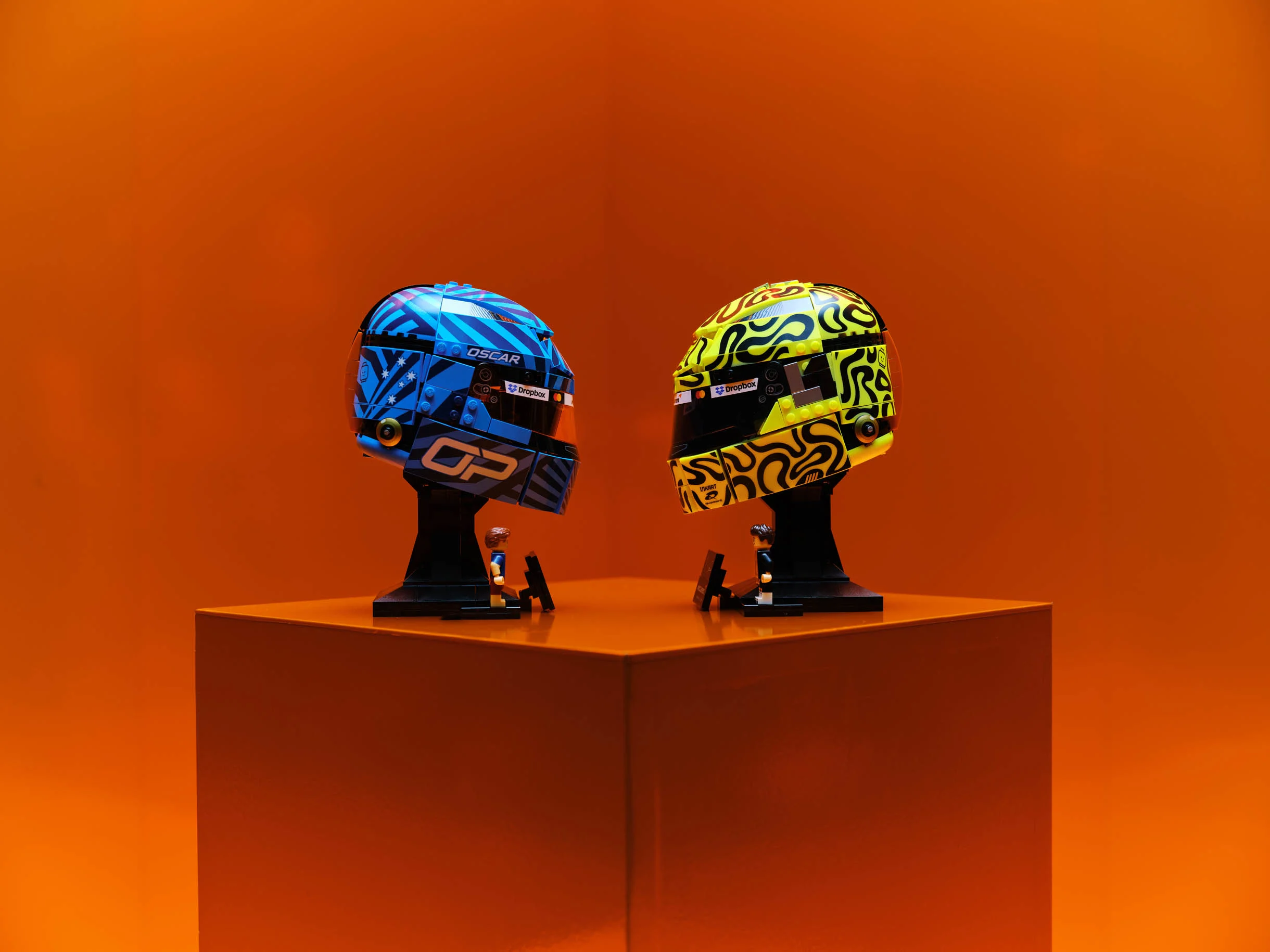
Lando and Oscar’s limited-edition helmets at the 2026 Monaco Grand Prix were the result of a two-year project to achieve exactly that. The LEGO Group worked directly with both drivers and McLaren to create a bespoke LEGO® build that could be seamlessly replicated on their race helmets.
The idea was first mooted two years ago, when LEGO Group were already working on plans to produce their first Formula 1 helmets.
"We always wanted to make F1 helmets, and we've had concepts in development for over two years,” reveals Dan Meehan, Design Director at the LEGO Group, and the Creative Lead for Motorsport.
“The big difference with this one is the co-creation – the coming together of multiple different design teams. I'd say it’s one of the coolest things that I've ever worked on at LEGO Group.”
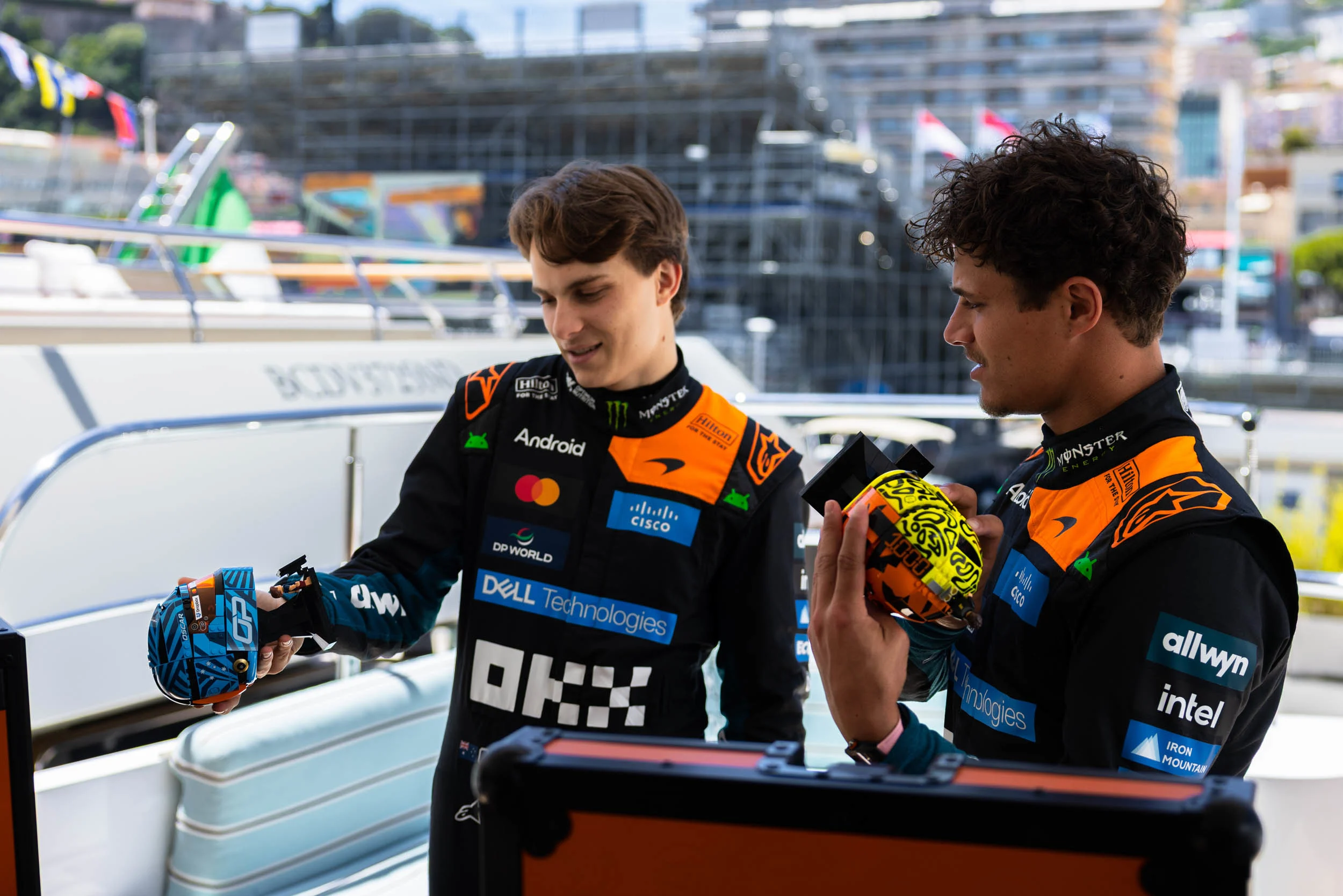
Both sides wanted the innovative idea to mark a special occasion, and so it was slated for release in honour of McLaren’s historic 1000th Grand Prix, a huge milestone and projected to be early 2026, which provided a realistic, if tight, deadline to work towards.
Early sketches were produced by Dan in December 2024 for a two-sided helmet: one half would belong to the driver, and the other to McLaren. Another novel design idea, adding to an already unique project. “The idea of a split design is one we had very early on,” he says. The McLaren half of the helmet would replicate the team’s special 1000th Grand Prix livery, while the other half would be designed in collaboration with the driver.
Co-creation began around six months later, when Dan and his colleagues visited the McLaren factory for an initial workshop with the various teams involved, including representatives from Lando and Oscar’s teams.
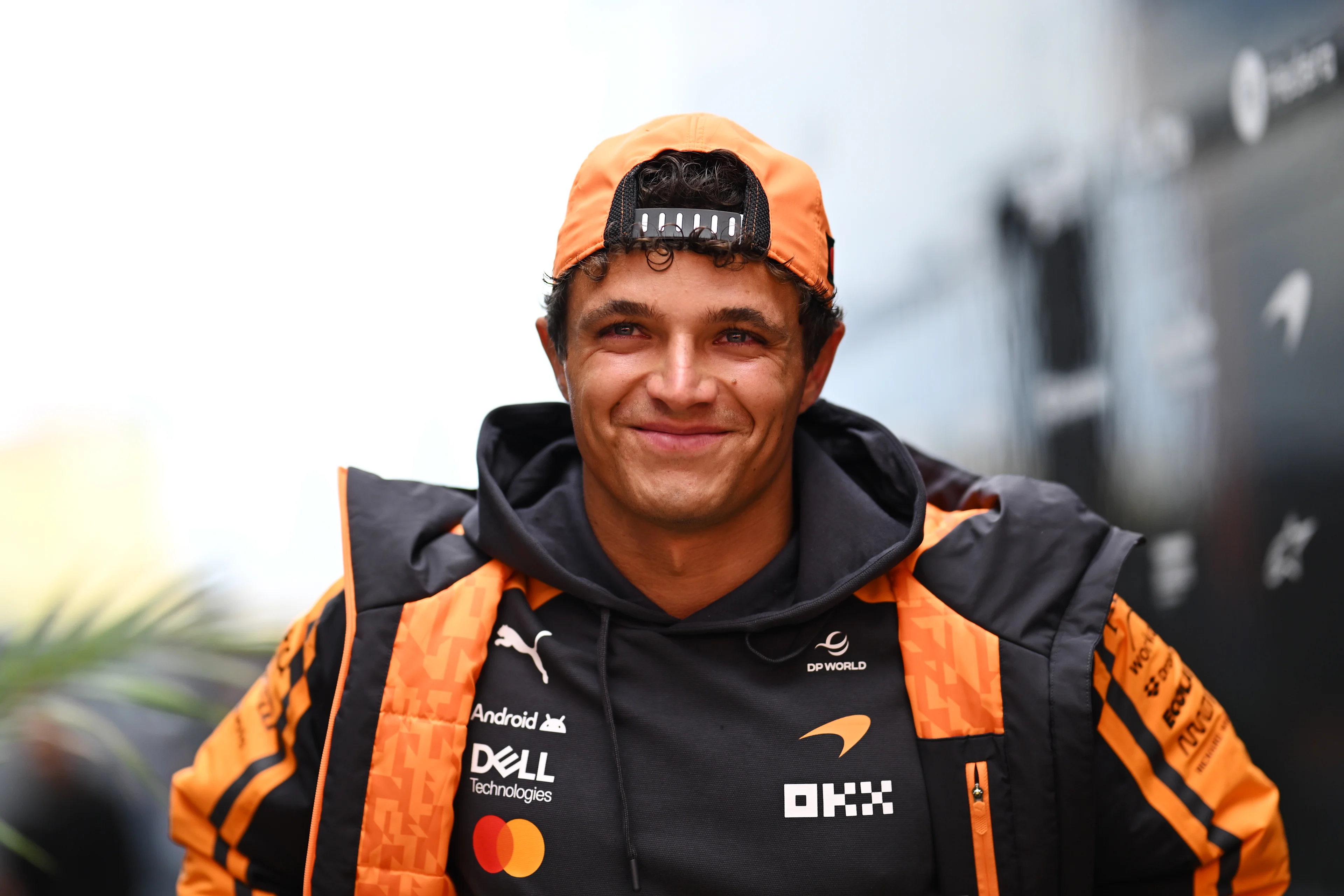
Both drivers were also brought into the process themselves, and played a critical role in the designs across multiple meetings – some in person, and others over video call, including one particular meeting where Lando dialled in from track while eating his breakfast ahead of a TPC (Testing of Previous Cars) test. Lando’s preference was to retain his distinctive blob aesthetic, while Oscar opted to design something completely new.
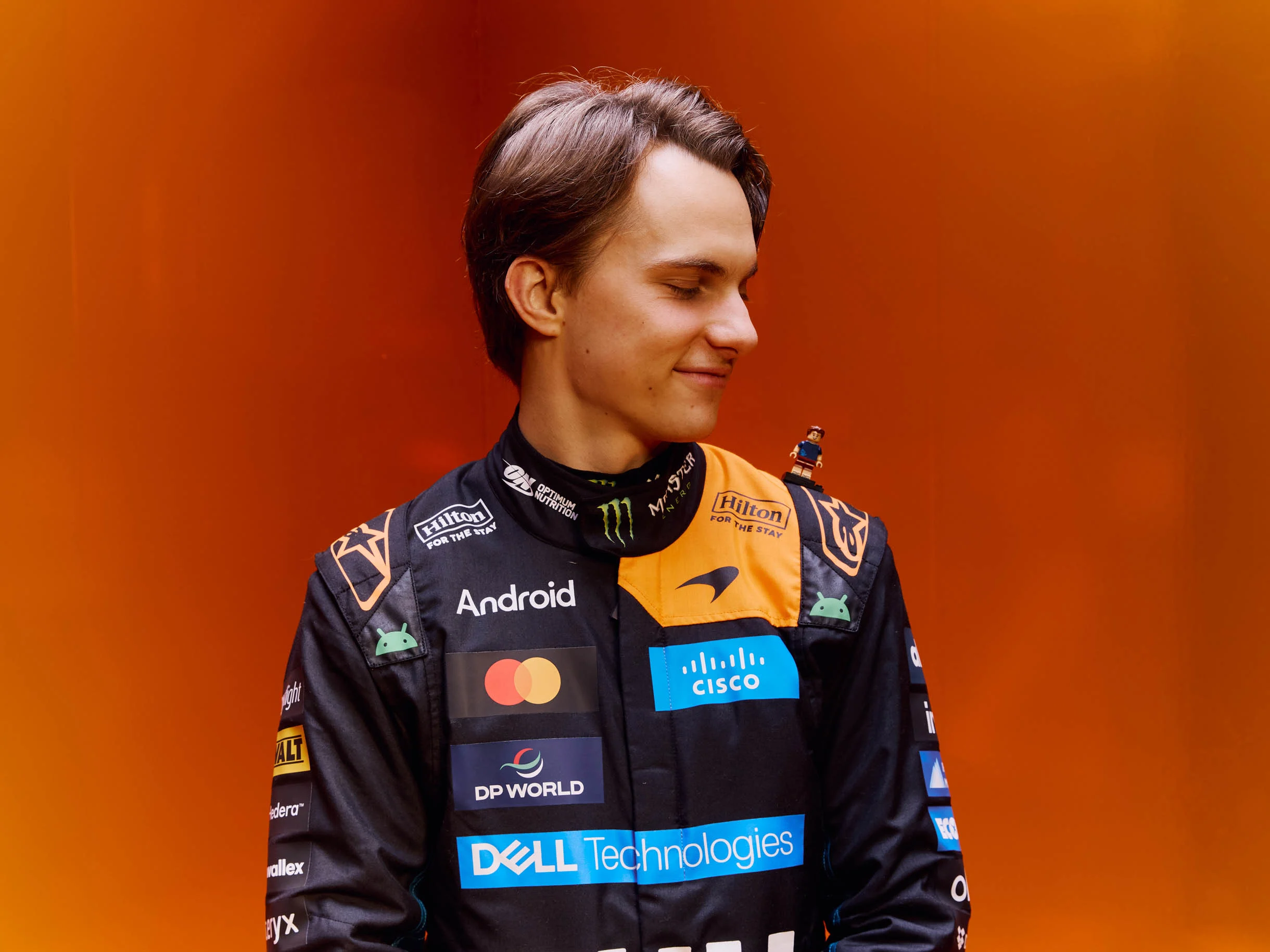
They were also heavily involved in designing their LEGO figures.
“We spent a lot of time on the minifigures,” Dan begins. “And there was a lot of discussion about the hair. We brought samples with us, and we were trying to find the right one. We still hadn’t settled on one by the end of the call, and I remember joking that ‘If we can’t decide on one, then we’ll pick a hairstyle, and you’ll have to get that haircut to match the minifigure!’”
Once the hair had been locked in, they moved on to their outfits. Typically, when LEGO Group produces an F1 set featuring a minifigure, the driver would appear in their race suits, but both Lando and Oscar wanted theirs to appear in casual clothing, the type they might wear when they arrive in the paddock on a Thursday.
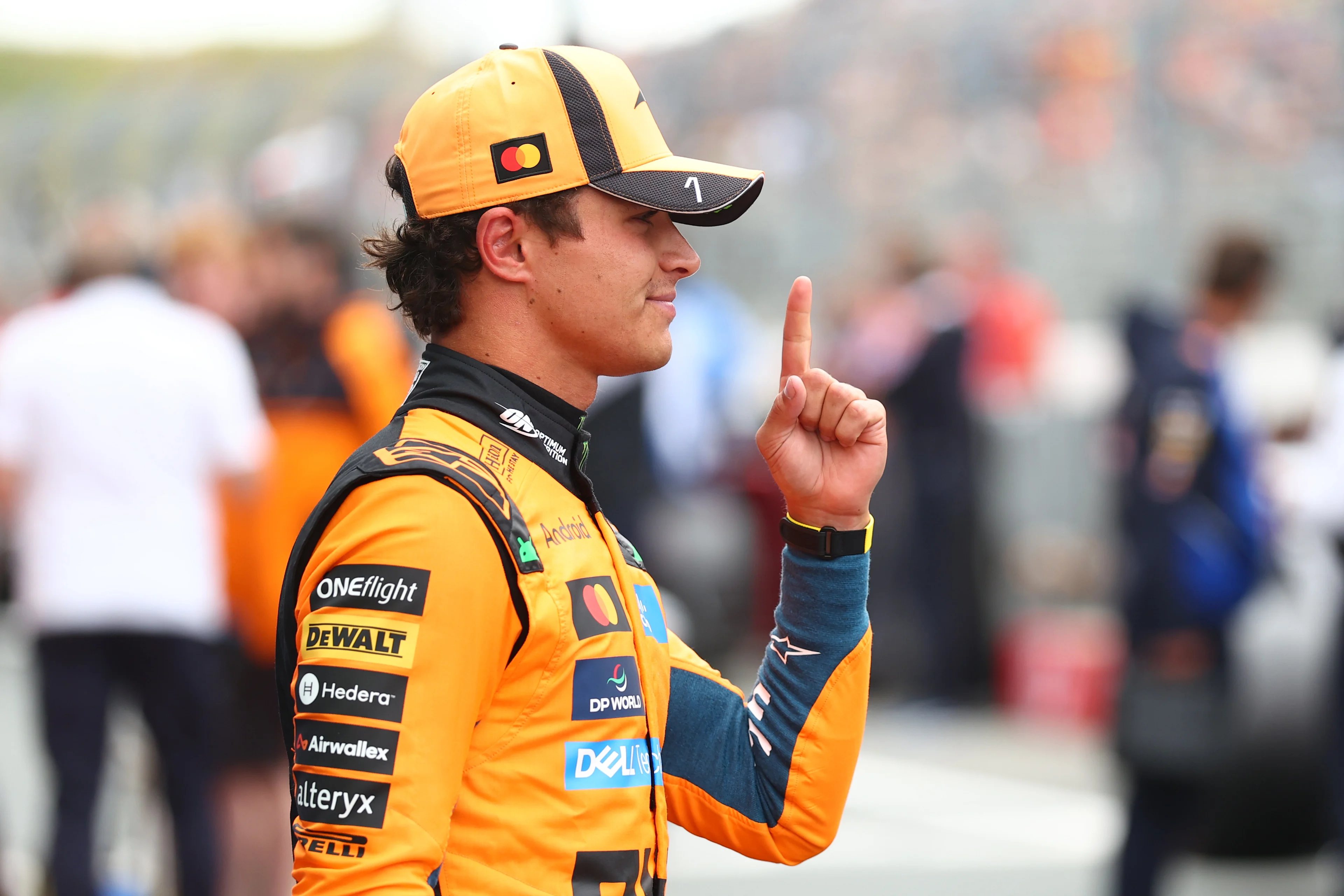
Lando’s look was inspired by his iconic entrance at last year’s Monaco Grand Prix, where he arrived on a moped, wearing a leather jacket over a black T-shirt and McLaren necklace, while Oscar’s was derived from his Aussie heritage, reflecting the sort of summer fit he’d wear back home in his native Melbourne.
“It's got thongs, a T-shirt, and the hair is pretty much perfect as well,” Oscar said of the minifigure. “It's not every day you get to say you have got your own LEGO figure. As F1 drivers we get some pretty cool stuff that not many people have, but LEGO figures...it looks like me!”
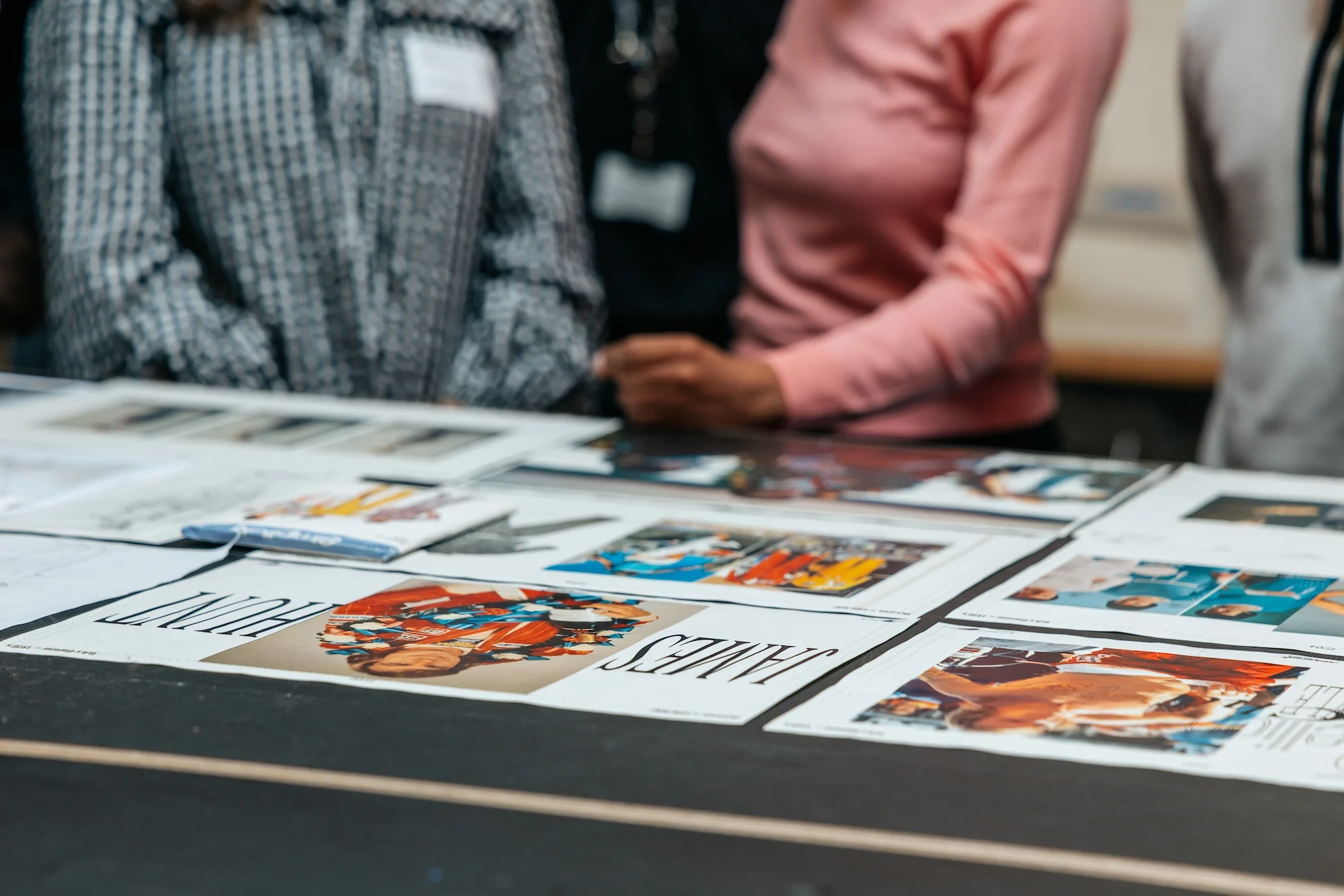
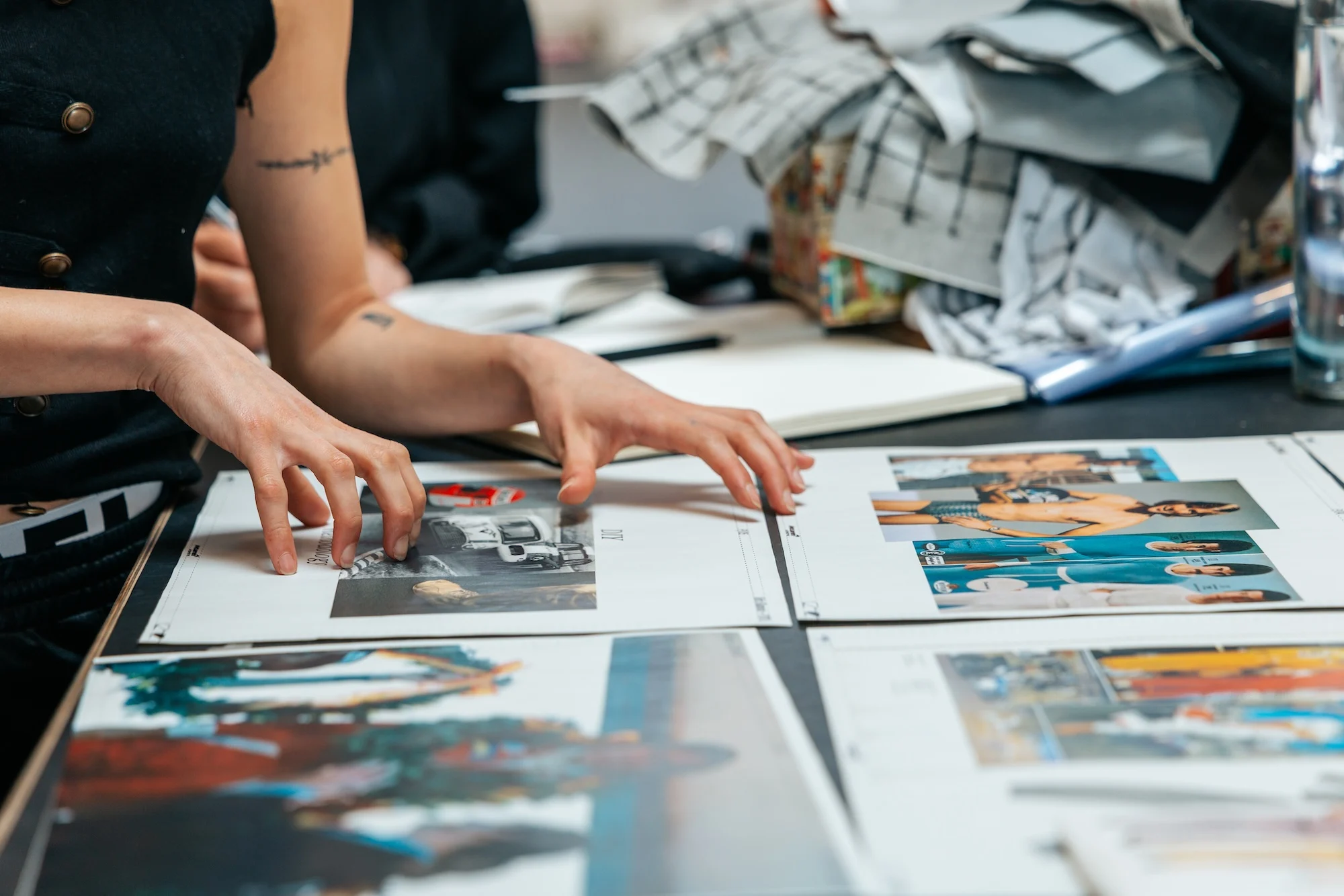
Dan adds: “Beatrice, one of our graphic designers, has a fashion background and she had a brilliant time creating all of these different outfits for Lando and Oscar to choose from.”
During their meetings at the McLaren factory, Dan and the team brought white LEGO race helmets with them, which they had built specifically to design and draw on. John Ho, a Model Design Master, was digitising their designs as they worked, helping to speed up the process.
“We wanted the helmets to look as genuine as possible,” Dan explains. “Obviously, they’re created using hundreds of LEGO elements, all in different shapes, and made up of very straight lines. We also had to produce some new parts, like the visors on the helmet, which had to be a single element. That was critical.
“Finding a way to recreate their designs and the patterns across these elements required a lot of skill. Thankfully, we have two very talented graphic designers, Beatrice and Colin. Colin is a huge McLaren fan, so he was very happy to have joined us on this journey.
“This was a particularly complex design, but we wanted as many people as possible to be able to build it, so that was a real challenge for John and the building instructions team. It’s a little bit of mad genius!
“We had to push ourselves, but the finished product is such a beautiful piece of work – a kaleidoscope of colours and elements. It's been a really satisfying process. And, of course, there are a few Easter Eggs on each of the helmets. I won’t reveal what they are, you’ll have to build them and find out. It’s nice to do that for fans.”
However, with the finished designs confirmed and production approaching, it became obvious that they might have one very welcome, albeit hugely complicated, obstacle to overcome.
“It went all the way down to the wire, didn't it?” Dan laughs. “There was this realisation that, ‘wait a minute, someone's going to be World Champion here, which means that they’re probably going to change their race number…
“We had two LEGO sets, one with the Number 4, one with the Number 81, but we had to ask the team whether either would take the Number 1, if they were to become a World Champion, because the helmets need to have the right number on them.”
The sets were scheduled to hit the shelves in time for McLaren’s 1000th Grand Prix, which was due to take place in early 2026, less than six months after the season finale. Not nearly enough time on paper for such a significant change.
“We produce the sets quite far in advance because we have to get them to shops all around the world – we have to produce the product itself, but also the packaging, and the building instructions, and we need to get them onto the shelves in time ready for people to purchase. I remember speaking to the Project Manager, and he told us that the absolute deadline was the Brazilian Grand Prix.
“In the end, we had to call in a few favours - luckily, we've got a lot of good friends throughout the LEGO Group, many of whom are F1 fans. There were a few late nights, but we managed to change Lando’s number from 4 to 1. That included the helmet itself, the mini figure, and even his signature on the plate and the packaging. We got his new signature two days after he had become World Champion.”
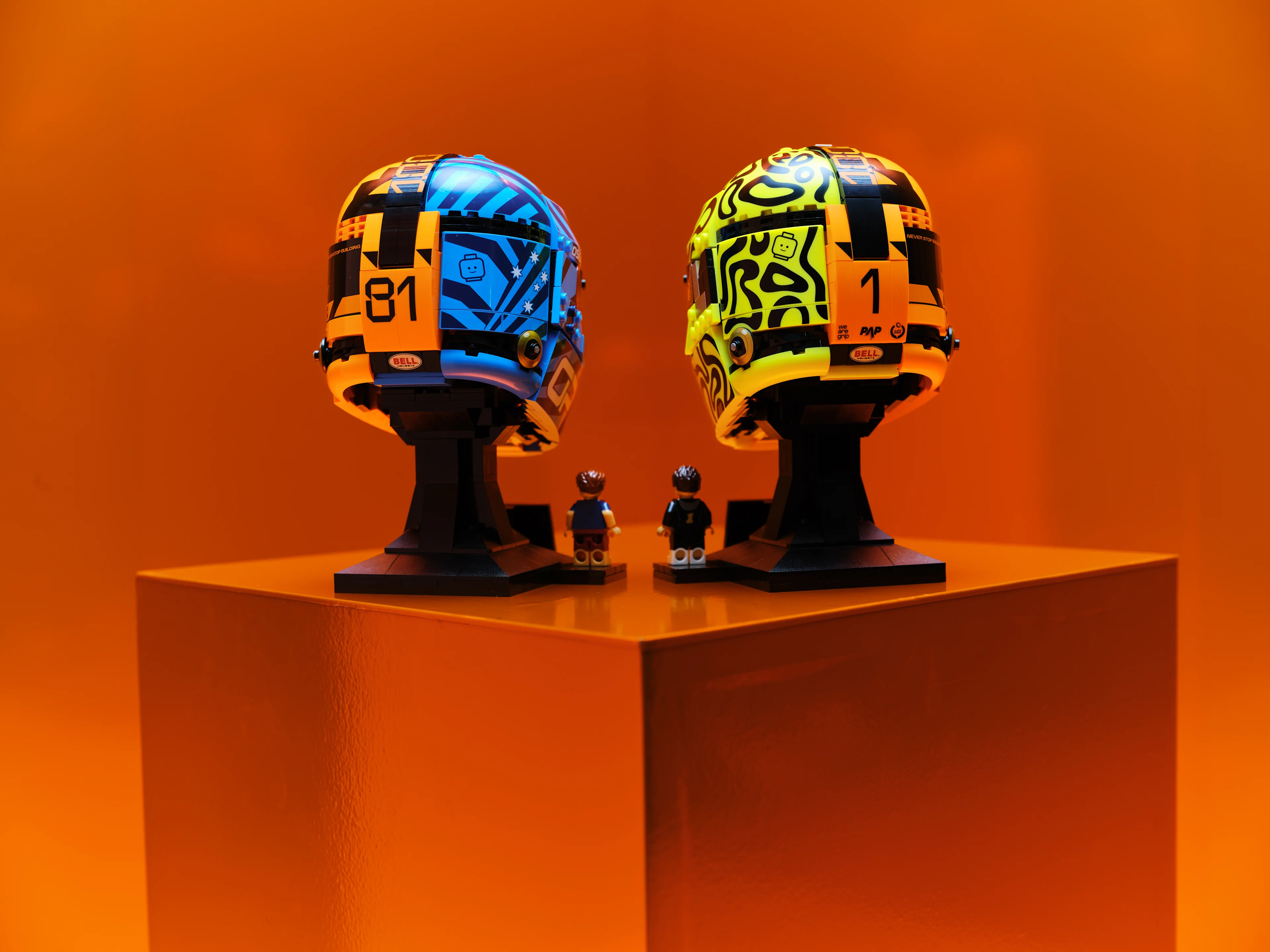
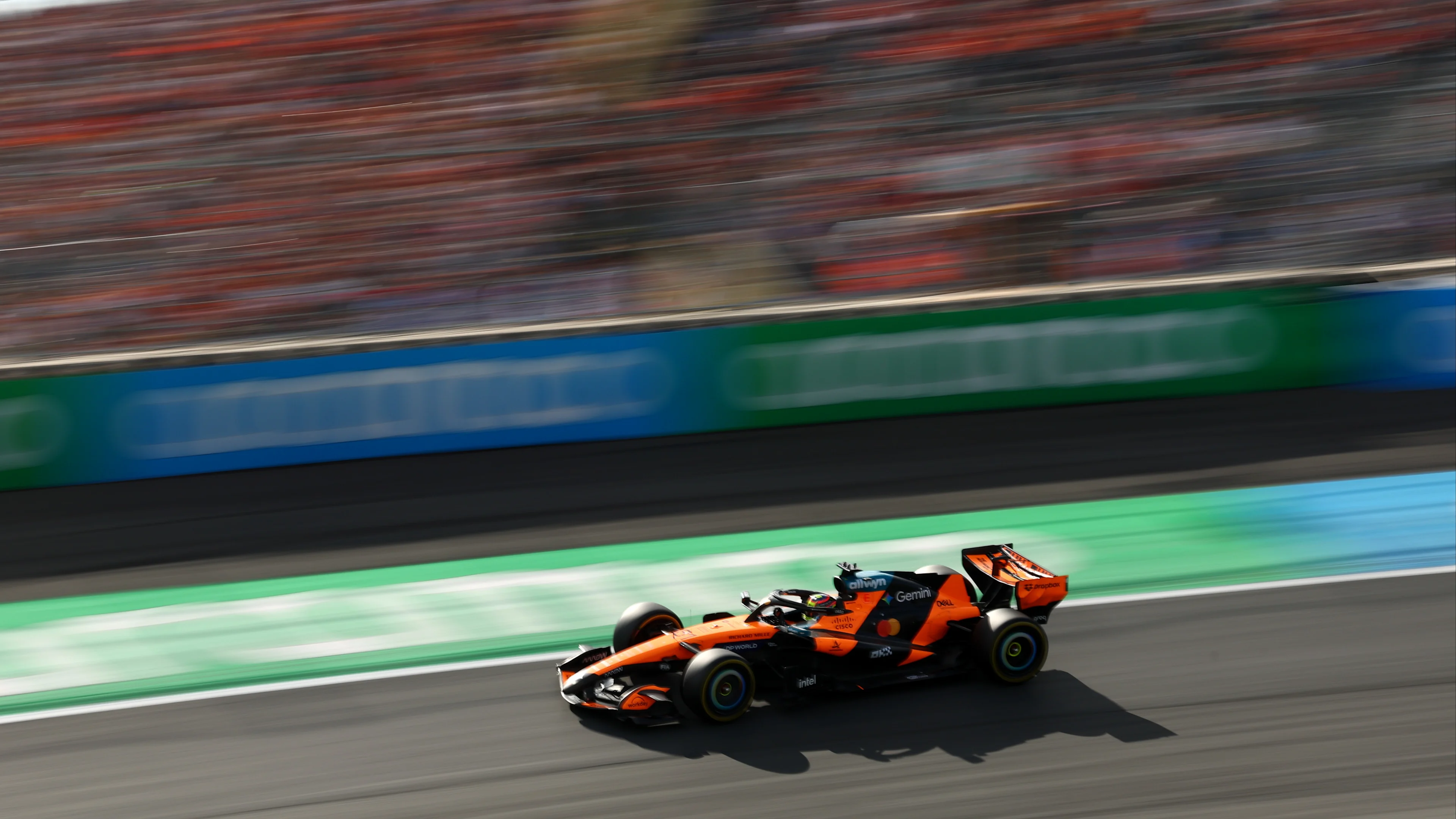
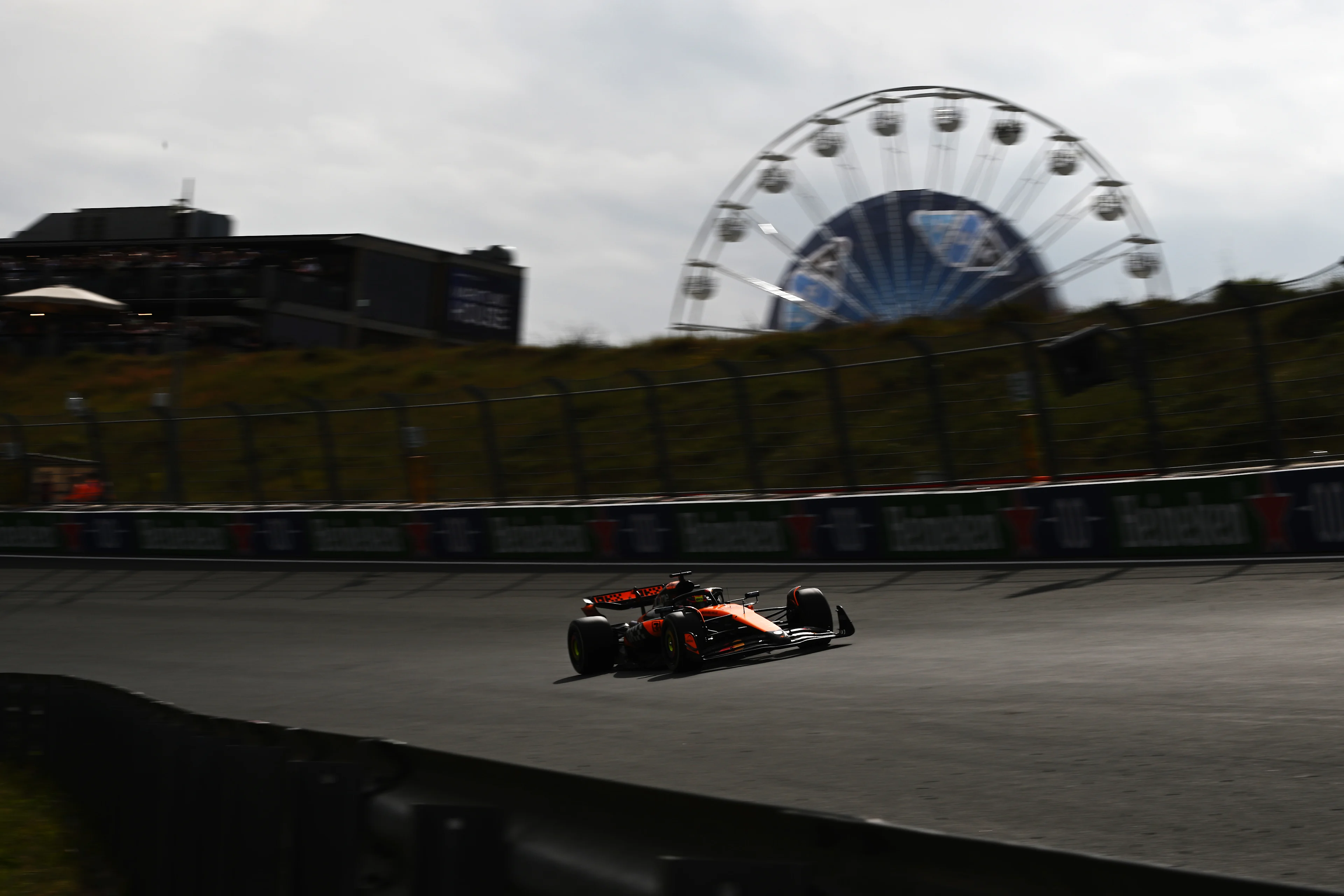
Those favours helped to ensure that when Lando and Oscar got behind the wheel in Monaco for McLaren’s 1000th Grand Prix, thousands of people back home were watching on while busy building the helmets they were wearing.
Across more than a decade with the LEGO Group, Dan has worked with huge names across massive collaborations, but seeing the team’s hard work physically out on track around the streets of Monte Carlo was a special experience.
“This is a genuine co-creation, from the original sketches all the way through to the prototypes and the actual helmets,” he says. “We’ve designed some awesome LEGO F1 sets over the years, but we’ve never done anything where we designed it together. It’s a real pinch-me moment. And to see them in Monaco, on track, is amazing.”