

3 August 2026 14:00 (UTC)
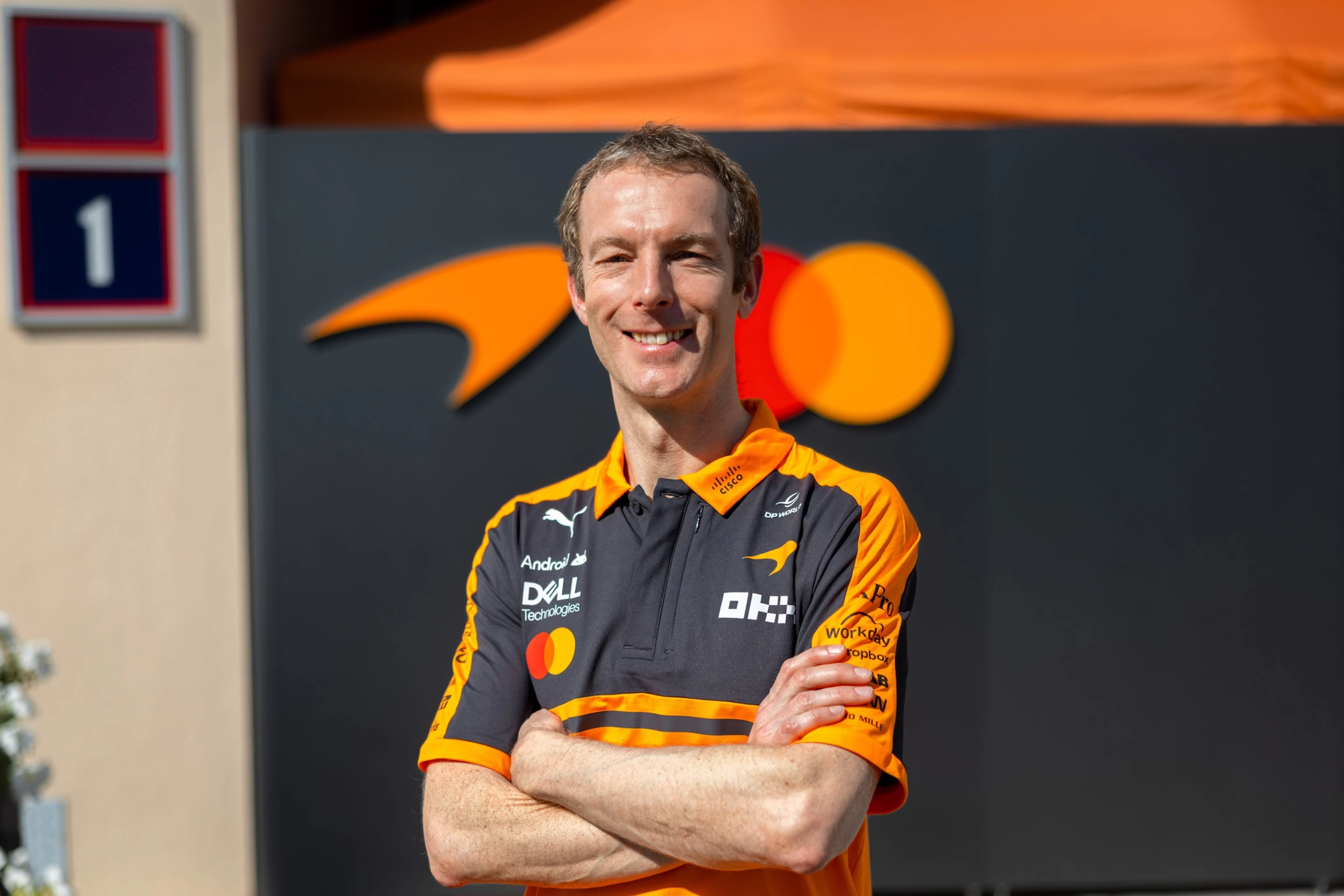
Technical Director, Performance Mark Temple dives into the detail of a busy 2026 season so far

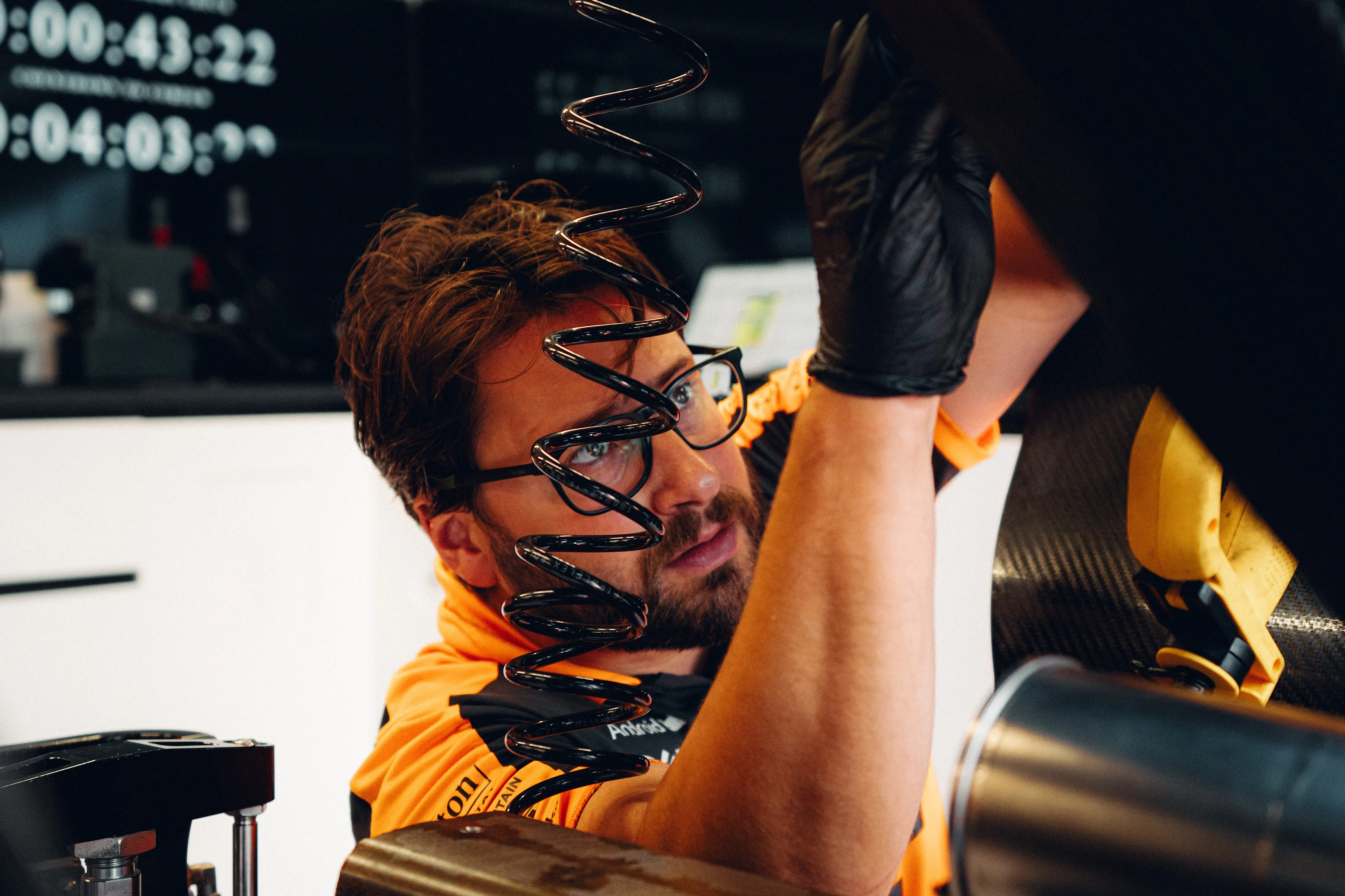
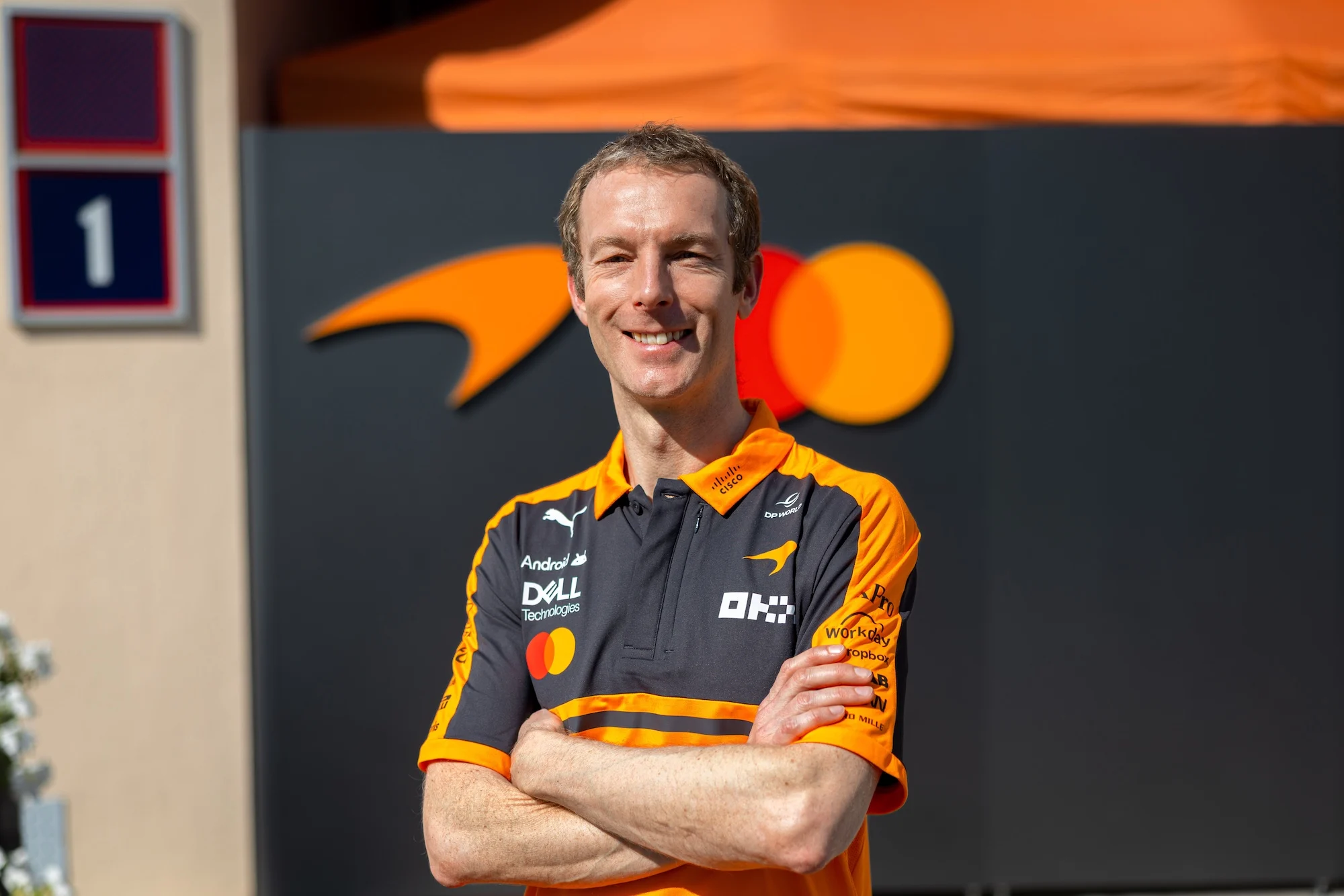
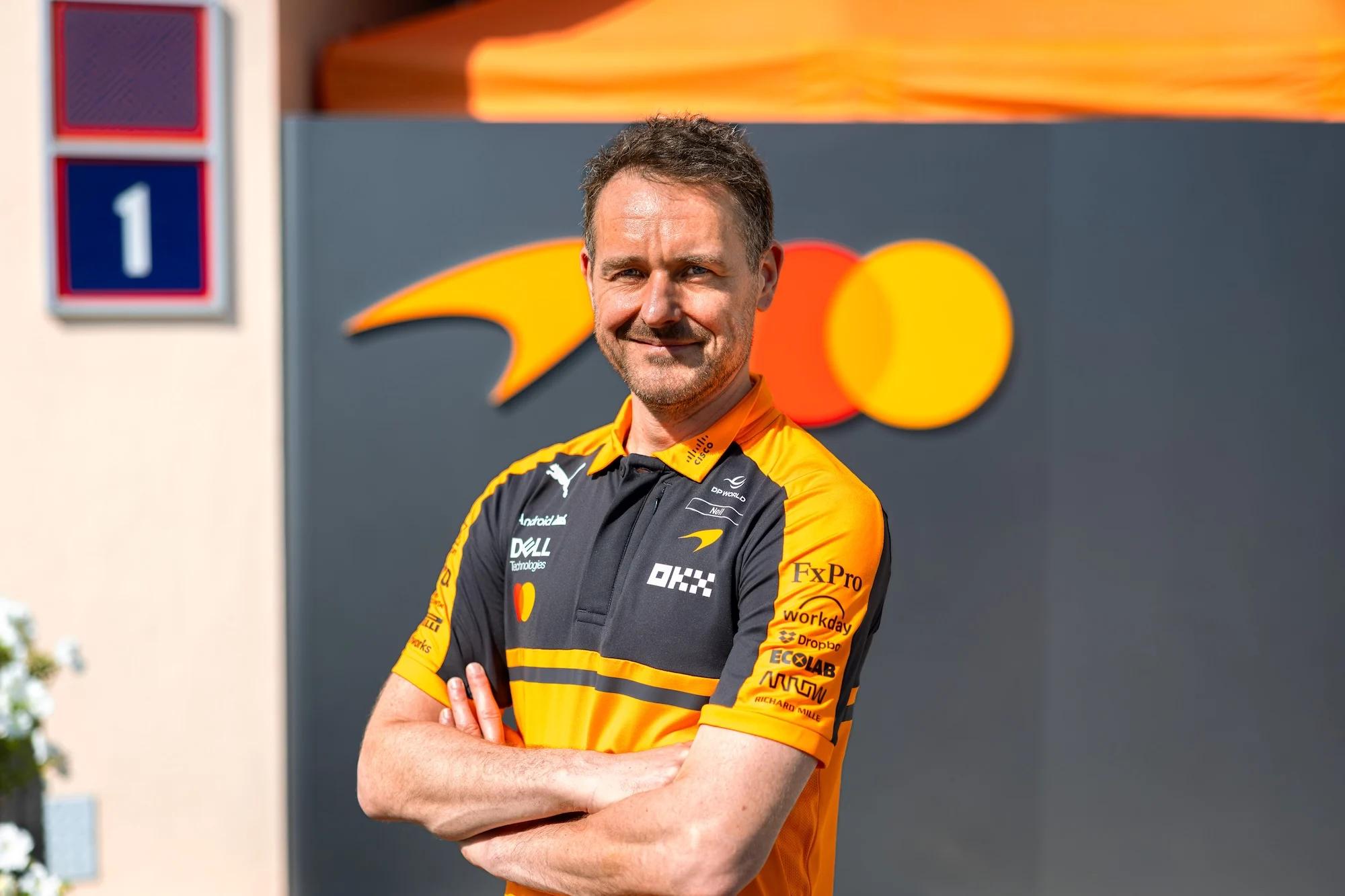
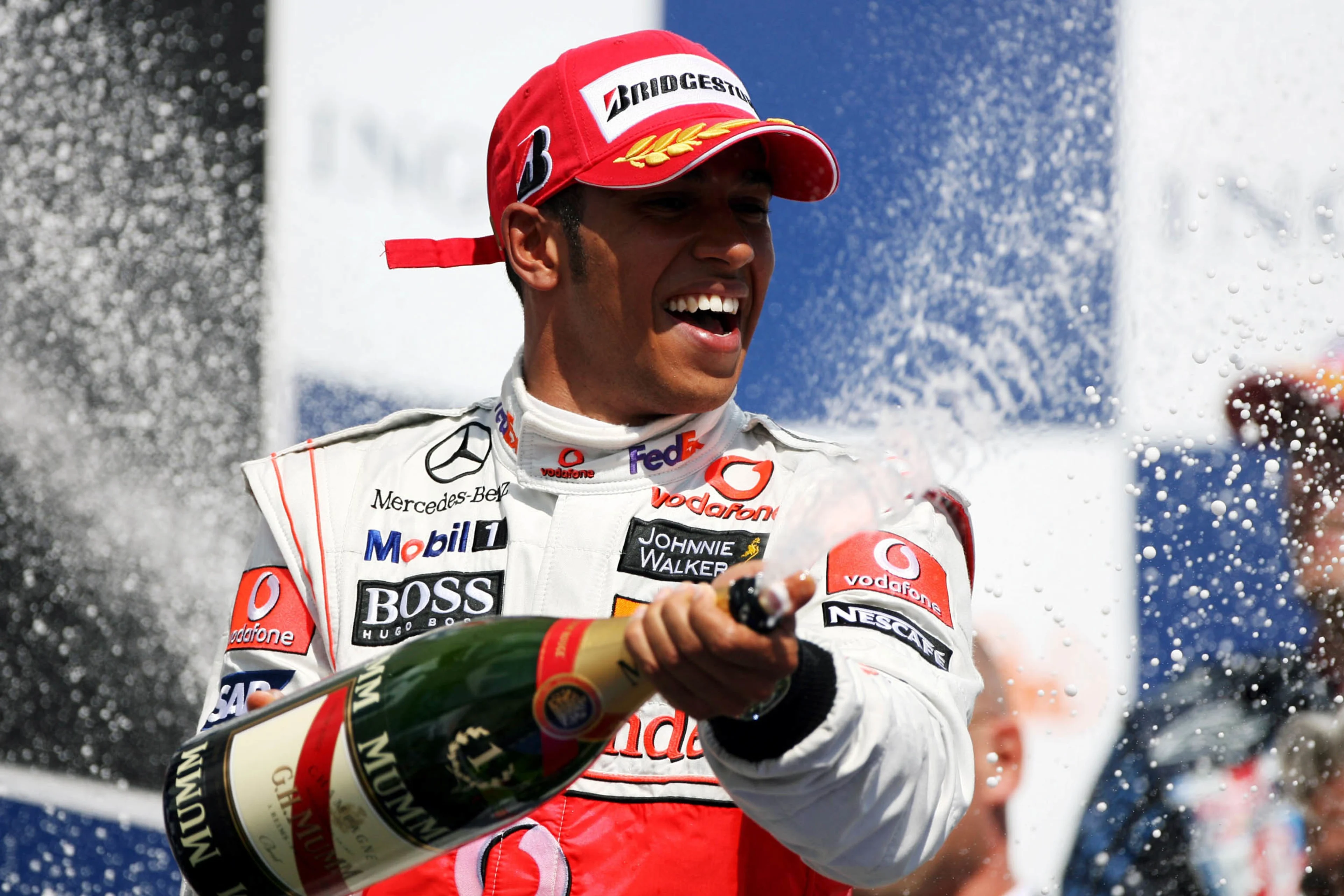
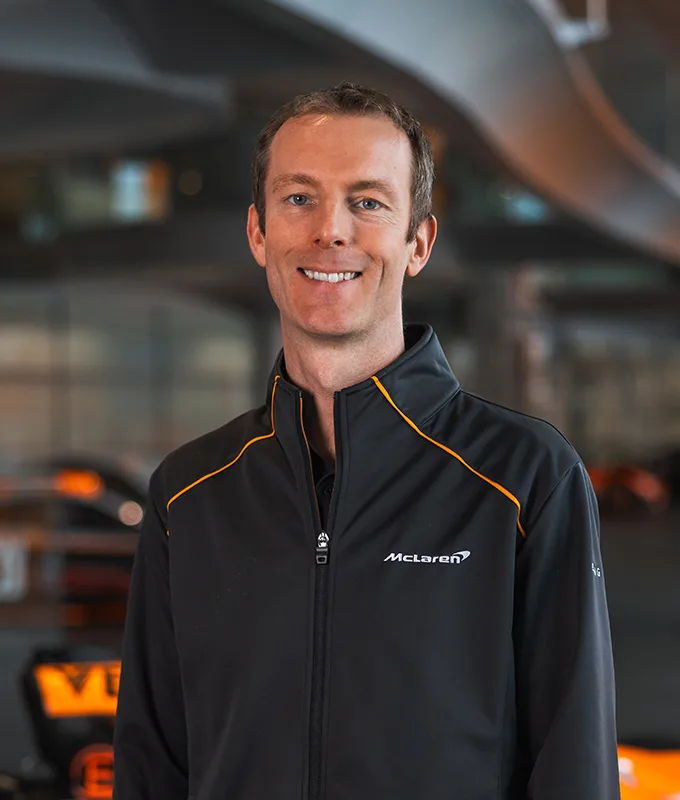
Mark Temple has witnessed many of F1’s technical resets. Our Technical Director – Performance began his McLaren career designing gearbox internals for the mighty V10 cars. He worked in vehicle dynamics during the switch to V8s, and was Performance Engineer for Lewis Hamilton when hybrid technology first appeared in the form of KERS.
His stint as a Race Engineer from Hamilton through to Fernando Alonso coincided with the arrival of the first generation of true hybrid engine, and his tenure leading our car performance group back at the McLaren factory covered the move to ground-effect cars. He brings all of that experience to bear when describing F1’s latest, arguable most comprehensive, technical reset… via the medium of crisps (or chips, if you’re that way inclined).
"Broadly speaking, from the chassis side, we've still got four black, round tyres," he says. "They behave differently, so you have to learn how they are different, but it's a case of being a different flavour of the same thing. And that’s true across most of the car. It’s like you’re used to eating ready salted crisps, and someone hands you something new, like paprika, or smoky bacon! The power unit, though, that’s the really big change. That’s more like someone asks you to try corn tortilla chips – or something made with lentils!"
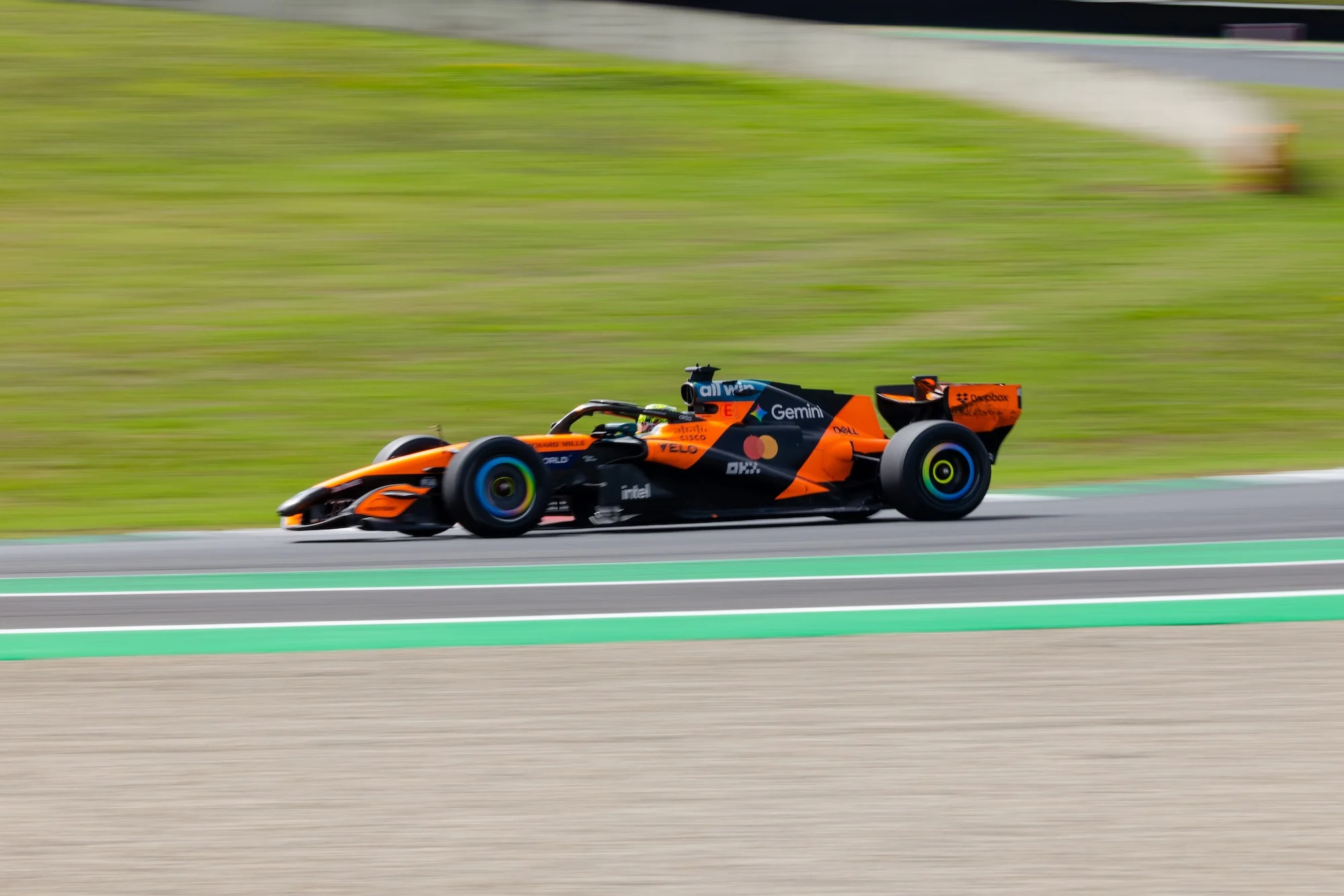
It's not uncommon for F1 to have a wholesale aerodynamic reset - nor is it uncommon to see a new engine formula adopted. What is unusual – to the point of being without modern precedent – is having both at the same time. It’s happened this year because the two are complementary, with an engine of reduced power output and a lighter, more aerodynamically efficient car combining to maintain lap times close to their former level.
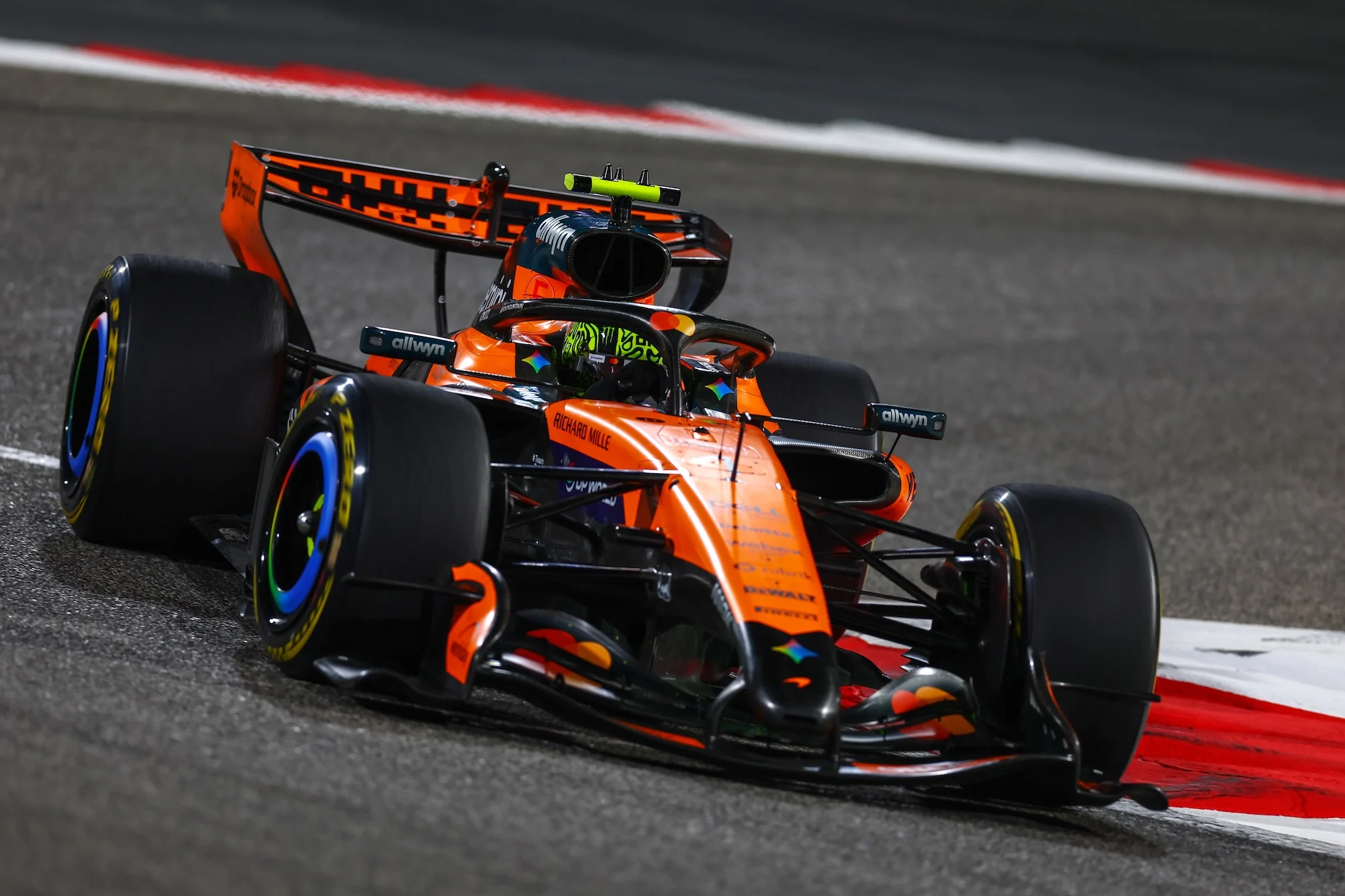
It makes sense… but it does pose a set of new challenges for race engineering and the performance group as a whole. This, says Mark, came as a surprise to no one – but equally some of the challenges posed were perhaps steeper than anticipated.
"Coming into the season, we knew it was going to be a lot more complex because there were so many things that had changed," Mark continues. "The power unit, obviously, made the biggest headlines. We knew that was going to be difficult to manage but also that there would be a lot of performance opportunity from it, and that it would have quite a big impact on the way we go racing.
"At the same time, there are some things that have proved to be more challenging than we expected, and it’s taken us longer to get our processes – the way we prepare for each event – into the state we would wish them to be. In truth, there's still a lot more work to do in this space."
The challenges for the race engineers have been mirrored in the cockpit. Pre-season, the drivers did a vast amount of work in the simulator, but there is still a difference between the controlled environment of a darkened room at the McLaren factory and the reality of putting wheels on tarmac, no matter how state-of-the-art your simulator is.
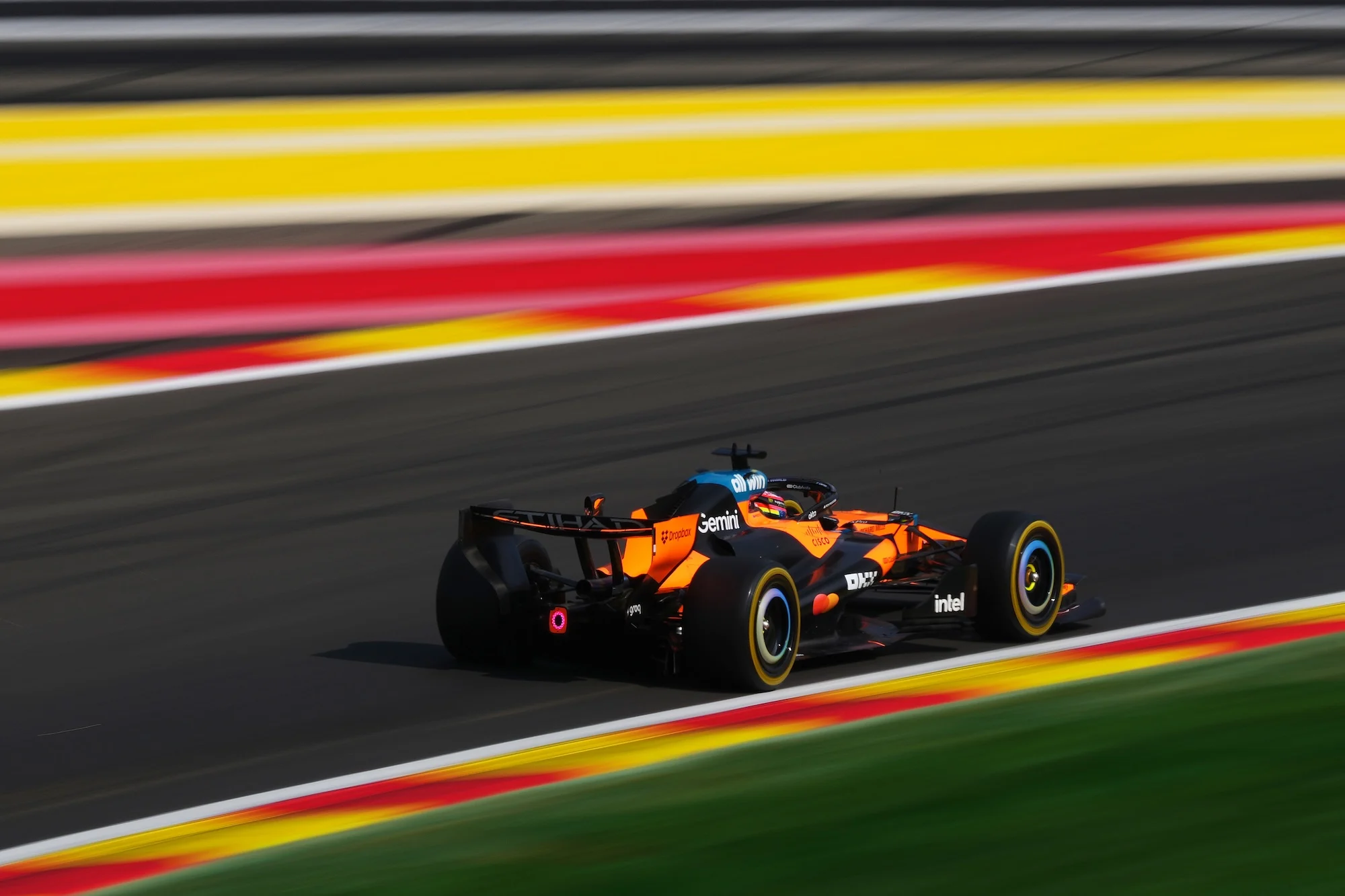
"This, obviously, is a more visceral experience for the drivers. And again, they knew the power unit would be a big part of what they do this year – but the reality always feels different."
The team’s response to the challenges of dealing with a new engine formula has been to create a group at the factory, tasked with studying how best to use these new, very different hybrid power units that have a 53:47 split between combustion and electrical energy.
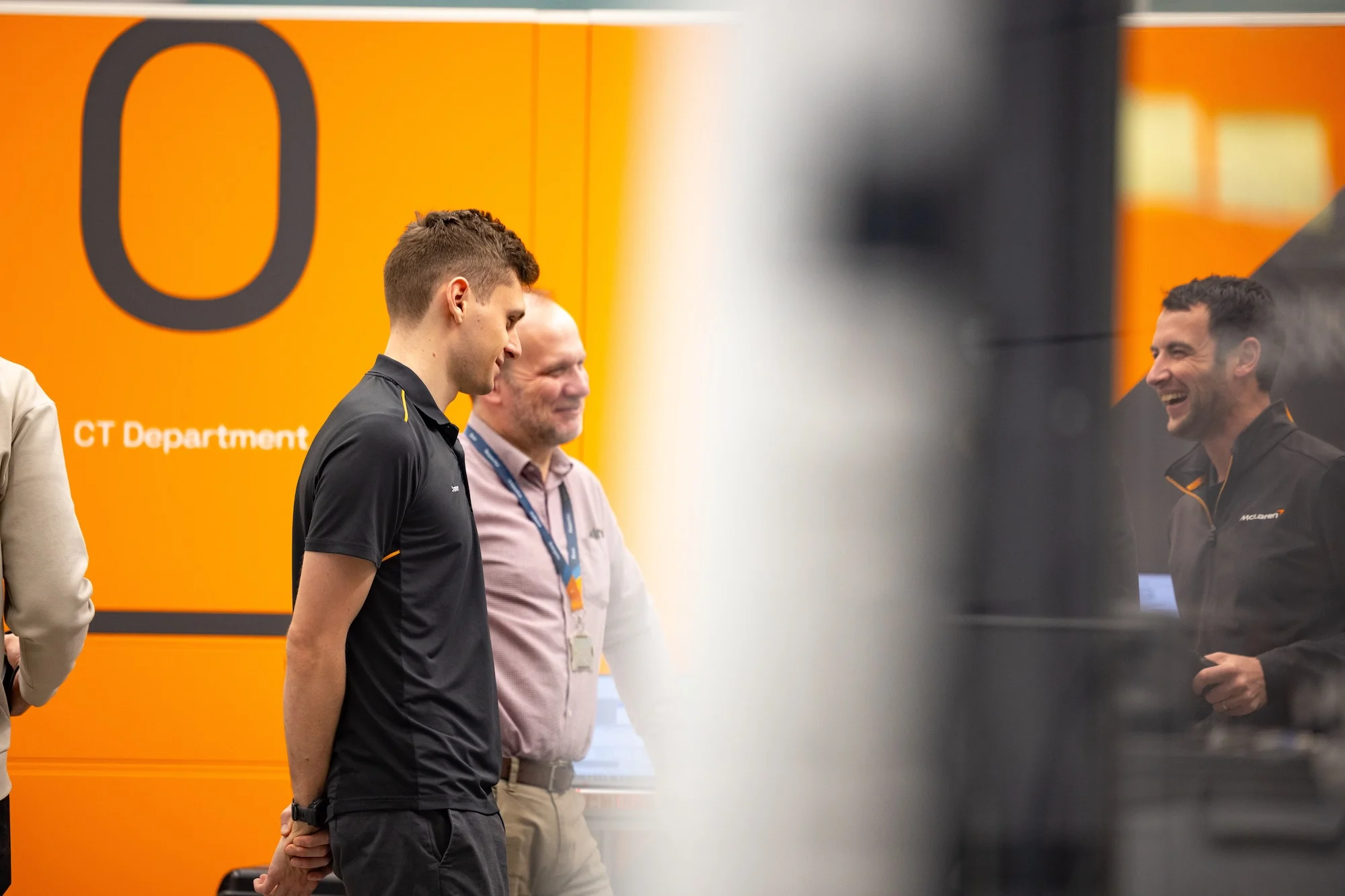
"There are new roles," confirms Mark. "We have a power unit performance team now, which we didn't have before. They’re focused on understanding how we get the most out of the power unit. They’ll study track data, and work with race engineering, but also use our simulator and offline tools to maximise our performance. It’s definitely a new set of skills, and a new way of working – because these are things we didn’t really need to worry about before."
McLaren have a strong working relationship with engine suppliers Mercedes AMG High Performance Powertrains (HPP), though this new group is an internal McLaren initiative, adding a top note to the work done with our engine supplier.
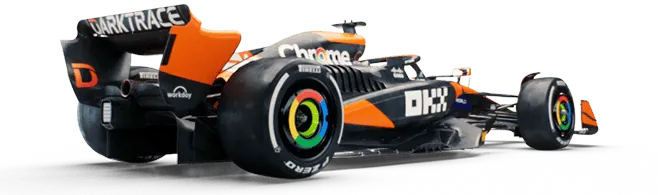
"It’s a group of people at McLaren who work very closely with HPP," explains Mark. "As a normal activity, HPP will do simulations, and come up with a configuration for a particular event and a given session, and present a multitude of different options of how best to use energy around the lap. We want to then check that against our tools, and the specific requirements of the MCL40, plus variables like the wind direction, the grip level, the amount of fuel in the tank, and so on.
"So, we explore all of those things and compare them against what we think is optimal, and then make recommendations to our race engineers alongside the HPP engineers. It’s a very collaborative process – but we use some of our tools differently – and indeed have slightly different tools – to HPP, so it’s a combination of the two approaches.
One of the consuming narratives of the 2026 season has been this question of the relationship between works engine suppliers and customer teams, and specifically, the way in which McLaren haven’t quite been able to extract as much from our power unit as the works Mercedes team (MGP) has from identical units. This, again, wasn’t an unexpected state of affairs as a works team is naturally more integrated into the design loop and recent years, with a frozen engine spec, have perhaps skewed the reality.
How we accelerate our learning and recover the deficit is one of the key tasks for the performance team – but that a deficit exists was not a surprise. "I think some of it comes from how much influence you have over the design and the installation," says Mark. "We do have considerable input, but ultimately MGP have the final say with HPP on what happens. That shouldn’t be taken to mean we’re ignored – we’re ultimately just not the ones in complete control.
"The way HPP work on a race weekend is with a main team and customer support teams. We work very closely with our customer support team, and have good relationships with people in the main programme. From that, we have influence on what’s happening within the main programme – but we don’t have guarantees they’ll accept things we request. We’re a little out of the main loop in that respect, working in a side loop that feeds into the programme, but it means we don’t always get the configurations we want and that would suit us.
"It’s the same with the timeline. In the run-up to a race, we receive information from HPP, but there’s decision-making and evolution we’re not part of. When we find out what we’ve got, there’s often not a huge amount of time to react and respond – so part of what we’re trying to do this year is build and improve our process to make this less of a limitation."
The impact of the new power units is rather overshadowing the move to active aerodynamics, which, in any other year, would be the groundbreaking new tech dominating the conversation.
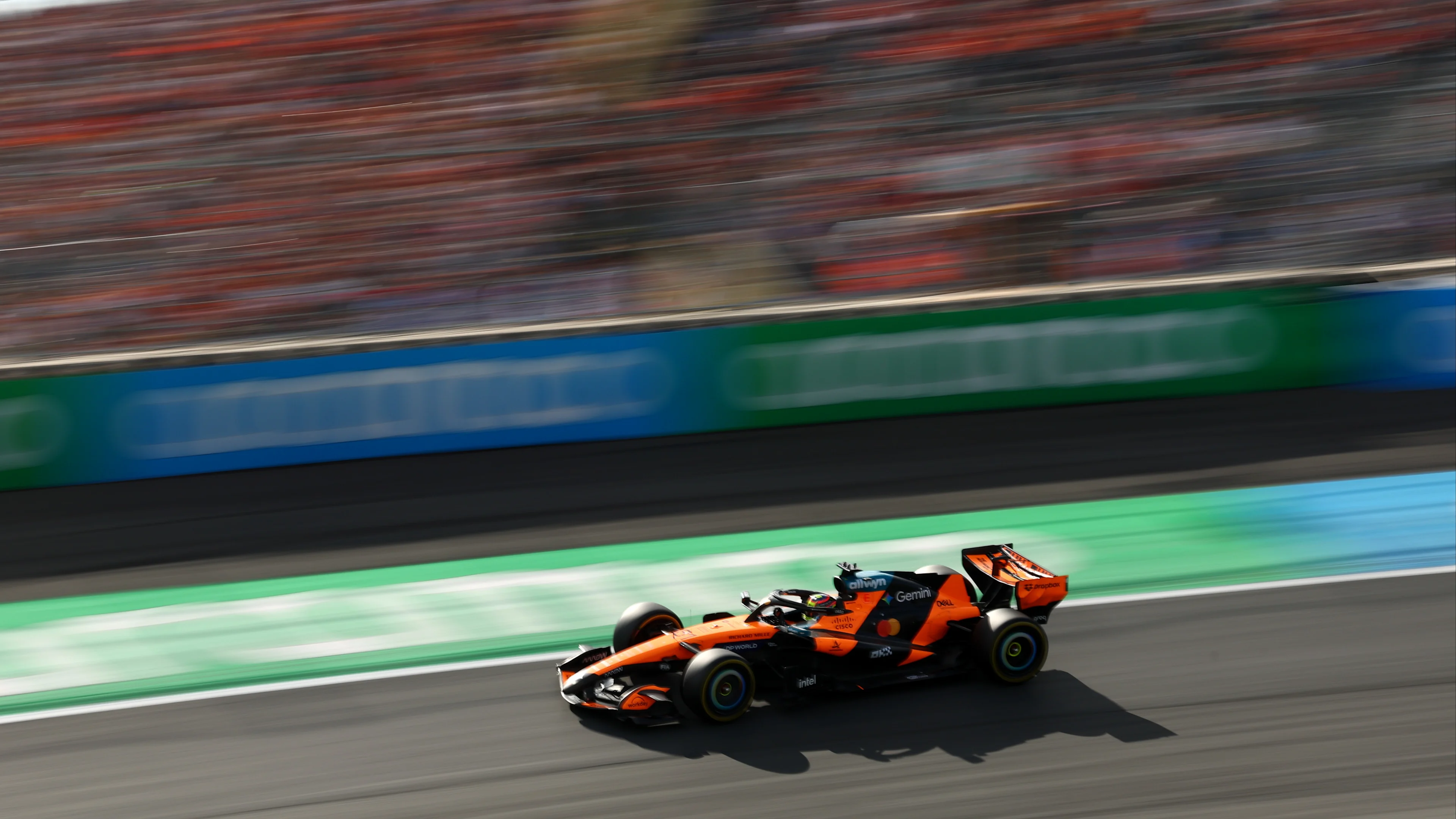
"Straight Mode is very different, and has a big impact on how we go racing," says Mark. "The fact that it’s front and rear wings moving has a big impact, the fact that it’s there for every lap of the race has a big impact, and the fact that you won’t have it in the same way in the wet has a big impact. It’s creating challenges for the handling of the car, whether that’s tuning out understeer for a heavy car on old tyres, or racing somewhere like Miami with downforce taken off. There’s definitely learning around this – but the power unit really is the big one."
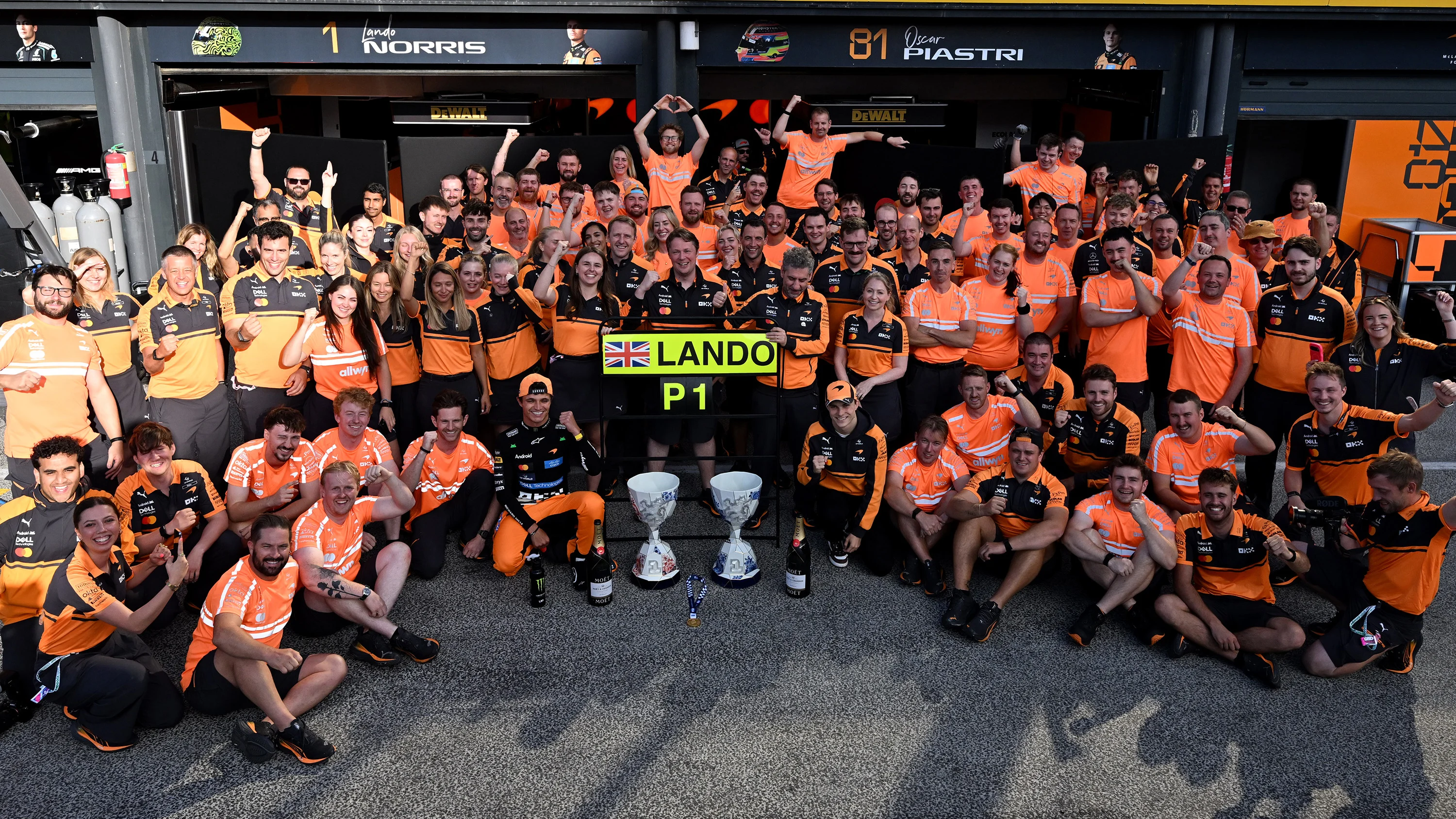
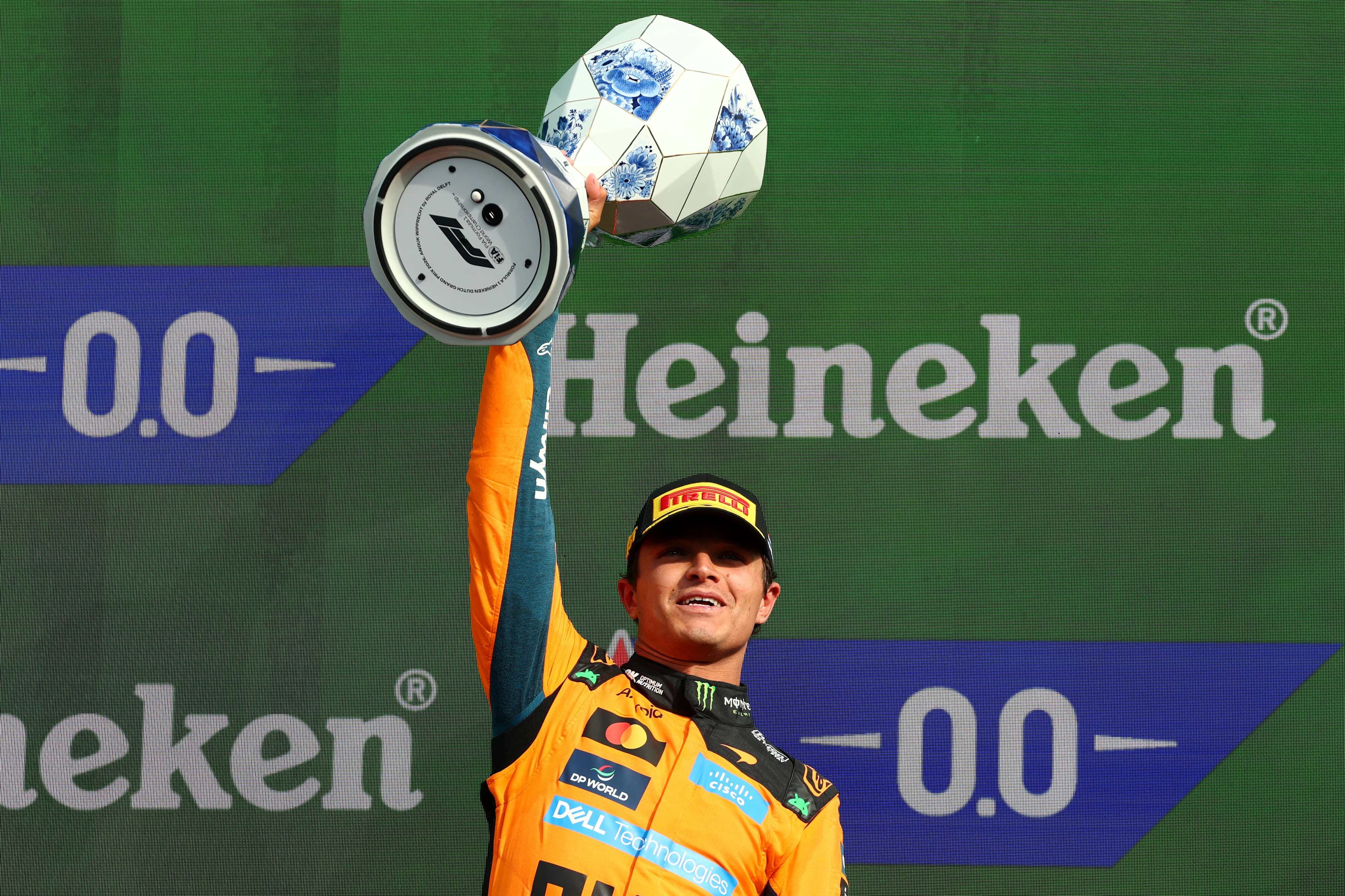
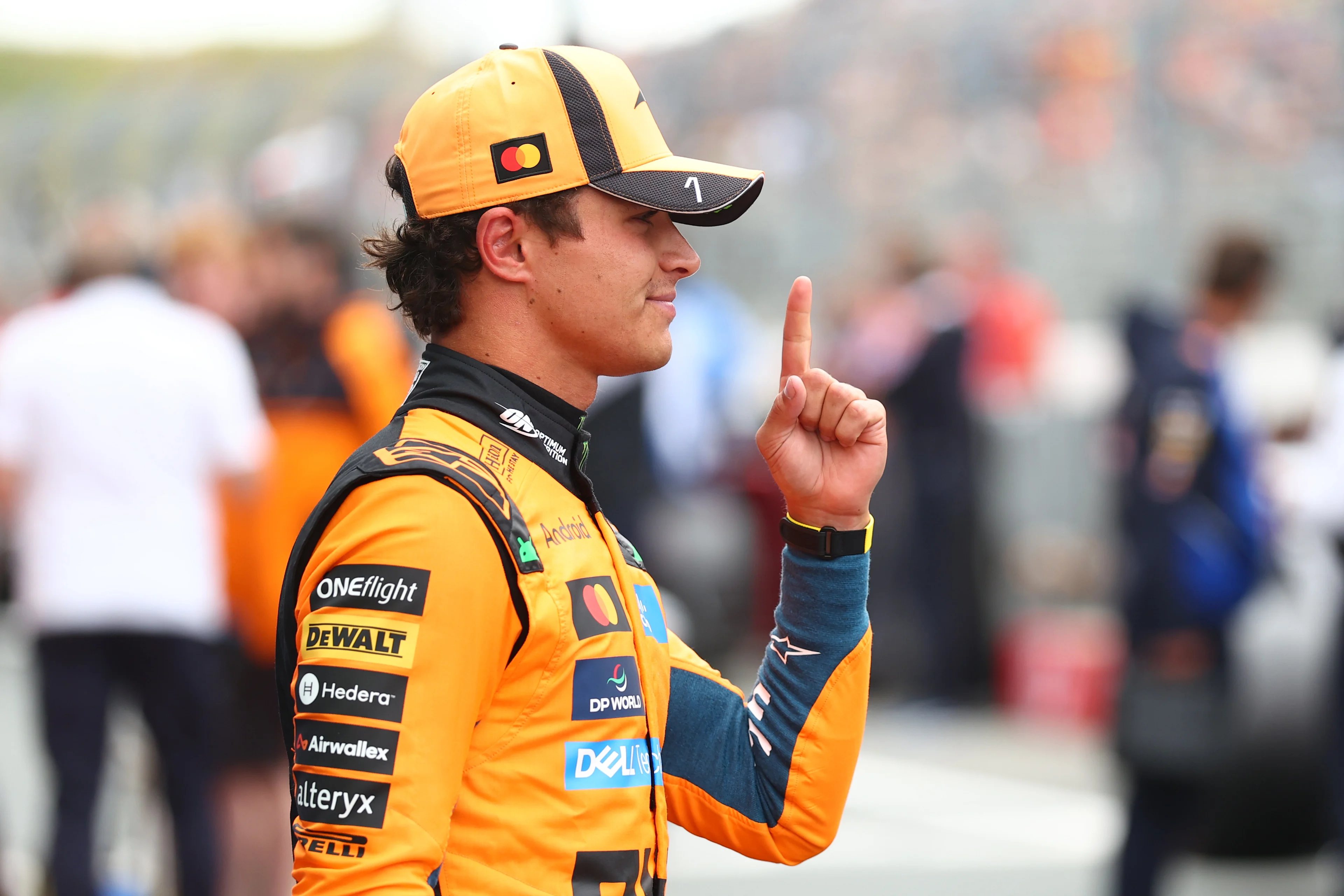
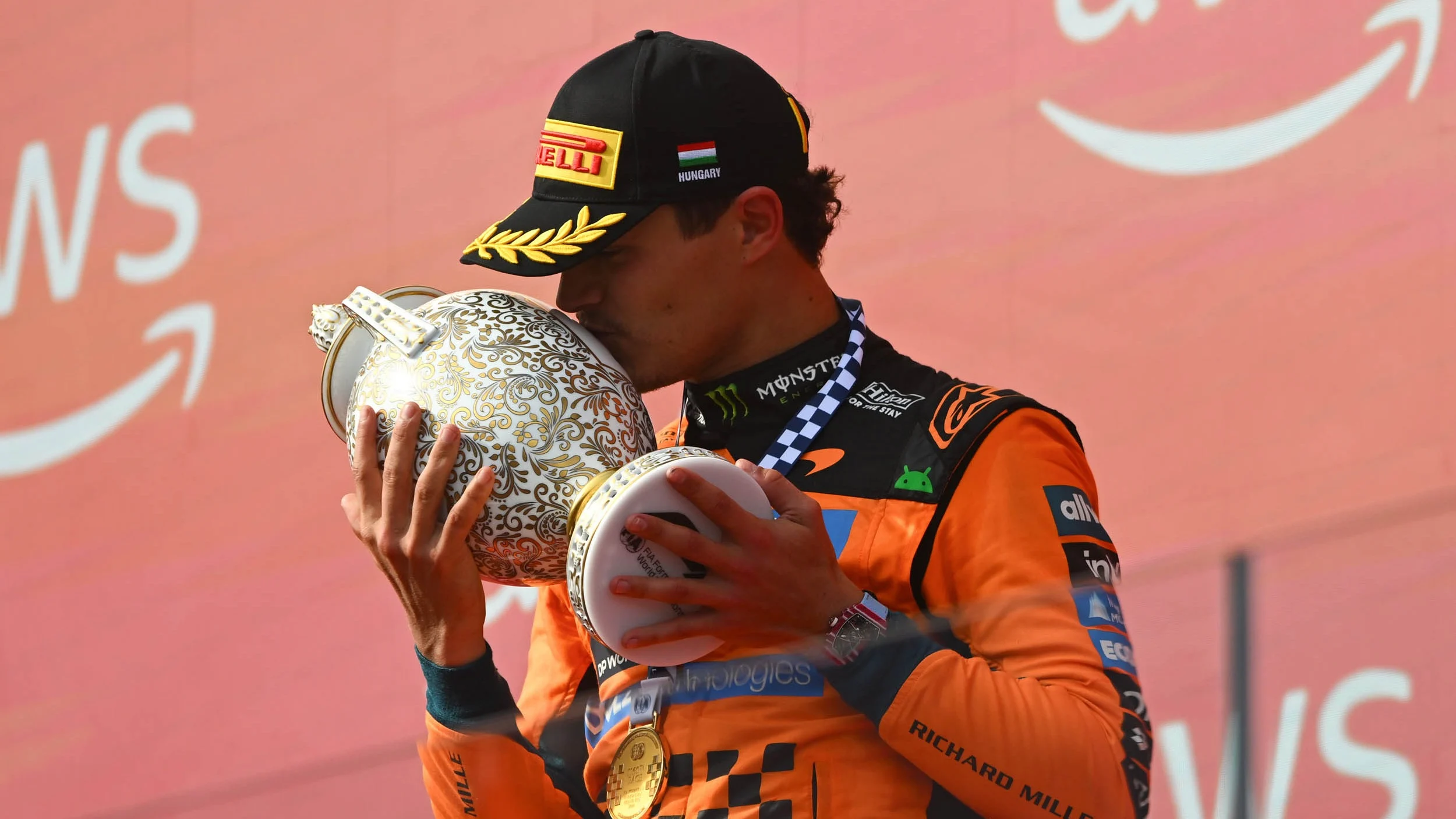
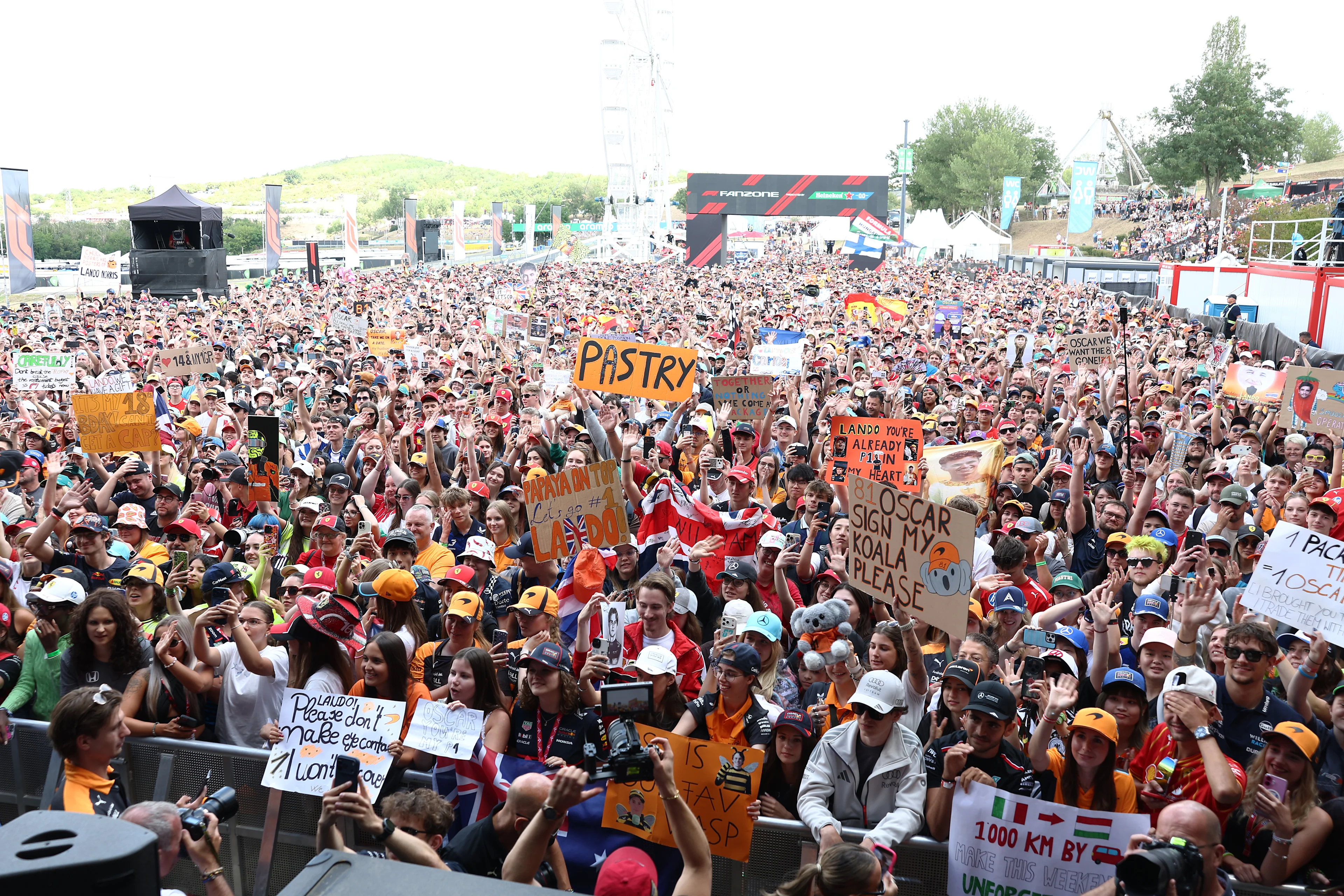
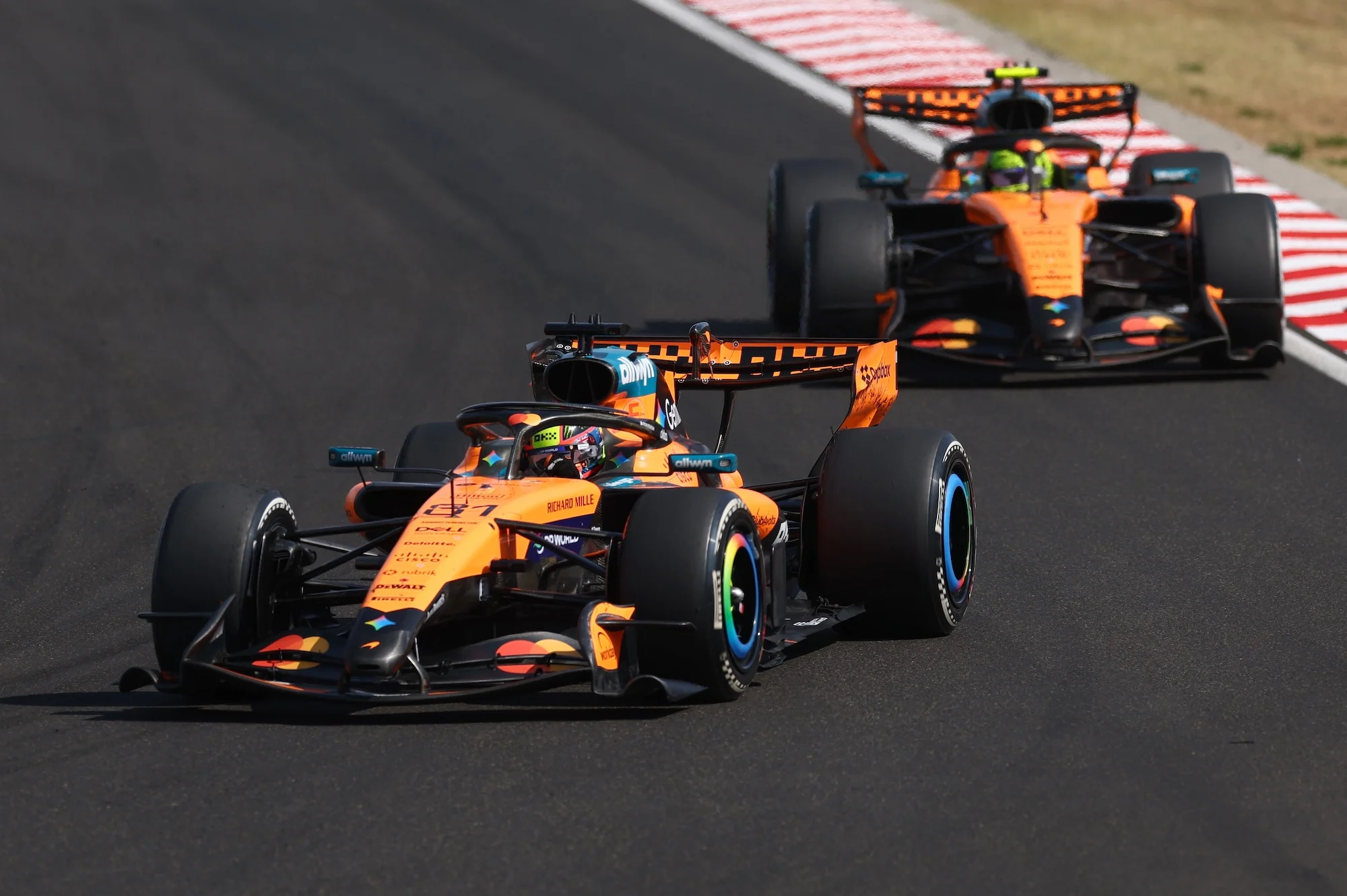
Our first Pole position and victory of the season in Hungary means the team goes into the summer break on a genuine high, and with some good momentum behind us – but the consensus among the senior engineering team is that there’s still a lot to learn, still considerable ground to make up, and no shortage of room for improvement in the second half of the year. It’s going to take a lot of hard work if we want our crisps to be Champagne-flavoured.