

1 September 2026 09:00 (UTC)
Style has always been central to F1, but in the 21st century, motorsport has started influencing fashion as much as it follows it

While the 80s were arguably McLaren’s most stylish era, the 21st century has seen a major shift in the relationship between Formula 1 and fashion. Slowly, the culture has shifted, and Formula 1 has gone from following fashion trends to driving them.
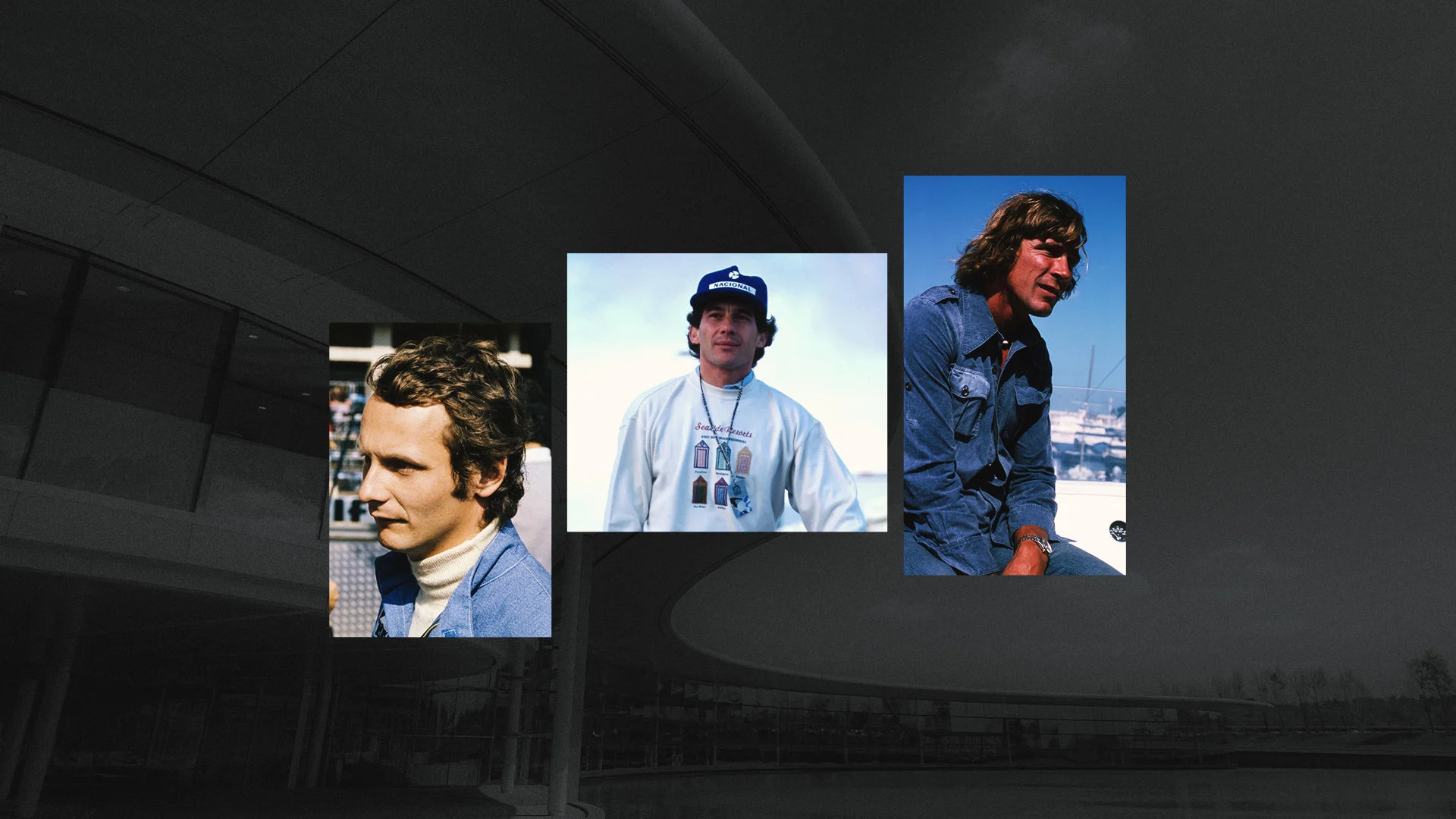
Even the most fashionable drivers from the 70s, 80s, and the 90s largely followed the styles of the time, whether it was James Hunt’s, David Bowie, and Mick Jagger-inspired look, Alain Prost’s laid-back smart casual outfits, or Ayrton Senna’s ‘old money’ chic. Each helped to popularise these trends, but they didn’t invent them.
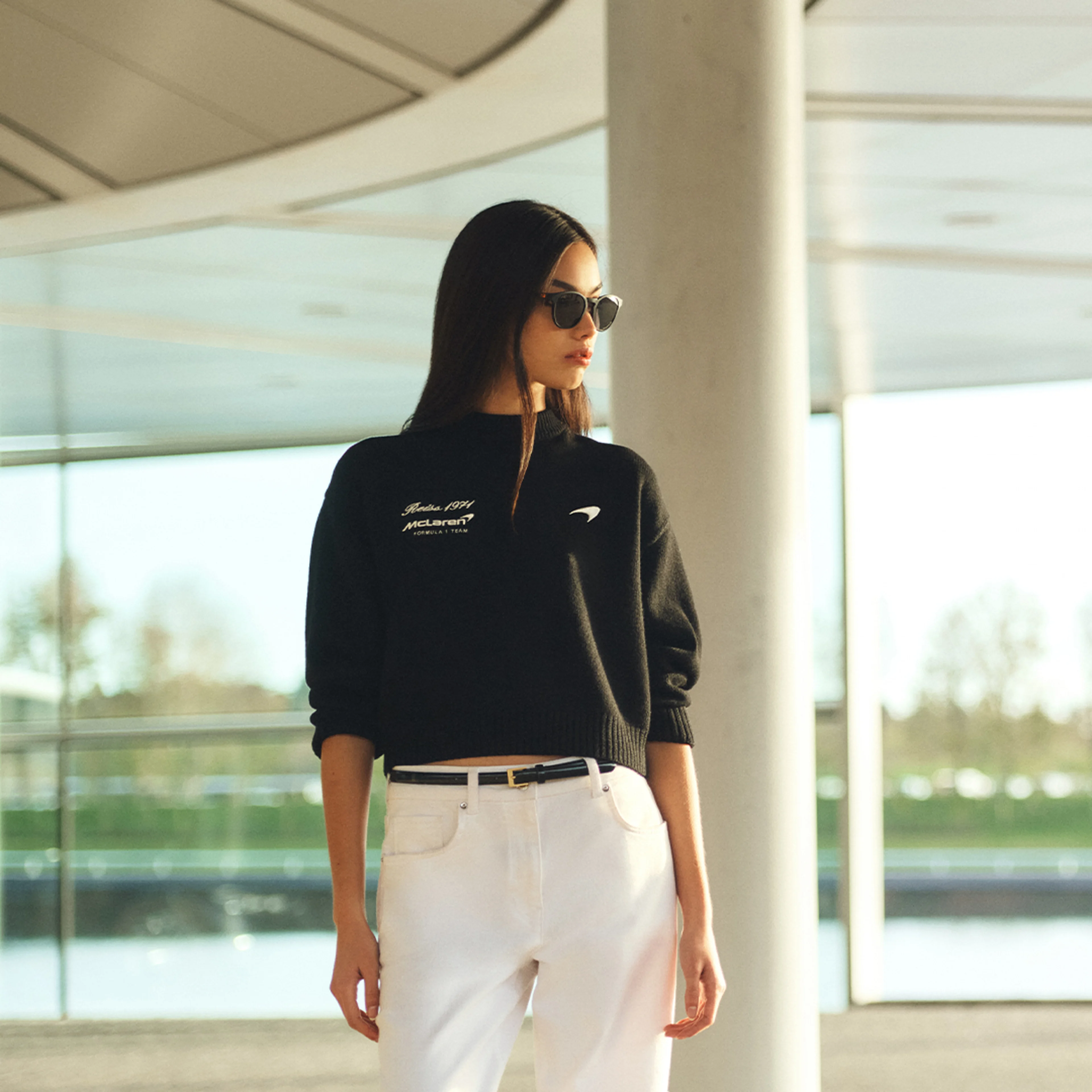
By contrast, the 21st century, and the 2020s in particular, have seen motorsport increasingly influence style. Designers have reimagined racing gear for the runway, translating race suits, boots, gloves and jackets into high-fashion pieces and, subsequently, high-street collections. At the same time, F1’s biggest names are increasingly sparking new trends in the same way rock icons and movie stars did in the 70s, 80s and 90s.
As part of Designed to Race: Front Row, we are exploring how fashion in the F1 paddock has evolved over the past six decades.


Often referred to as Y2K, the early 2000s marked a huge change for the world with the start of a new millennium. The term was first coined in the late ‘90s when programmers feared computer systems would crash because most systems were programmed for two digits (e.g., 00-99). As their fears proved unfounded, Y2K later became known as a fashion movement rather than a coding bug.
Shaped by the rise of the internet, mobile phones and social media, this was one of the most influential periods in recent fashion history.
At the start of the century, Mika Häkkinen was among the most stylish on the grid, often wearing long wool coats over his race suit. By the time his compatriot Kimi Räikkönen joined McLaren, that minimalist ’90s feel had given way to the bigger, bolder and brighter looks of the early 2000s, from velour tracksuits to jorts.
The Matrix films helped shape trends around this time, and Kimi was among the drivers who leaned into that darker, sharper aesthetic. He was often spotted wearing black leather jackets, small black sunglasses and black turtlenecks. He and Fernando Alonso also embraced baggy jeans and jorts, staples of 2000s streetwear that later became strongly associated with characters like Jesse Pinkman in Breaking Bad. During his time at McLaren, Fernando was very much the epitome of 00s fashion, typically wearing American sports jerseys and loose-fitting jeans.
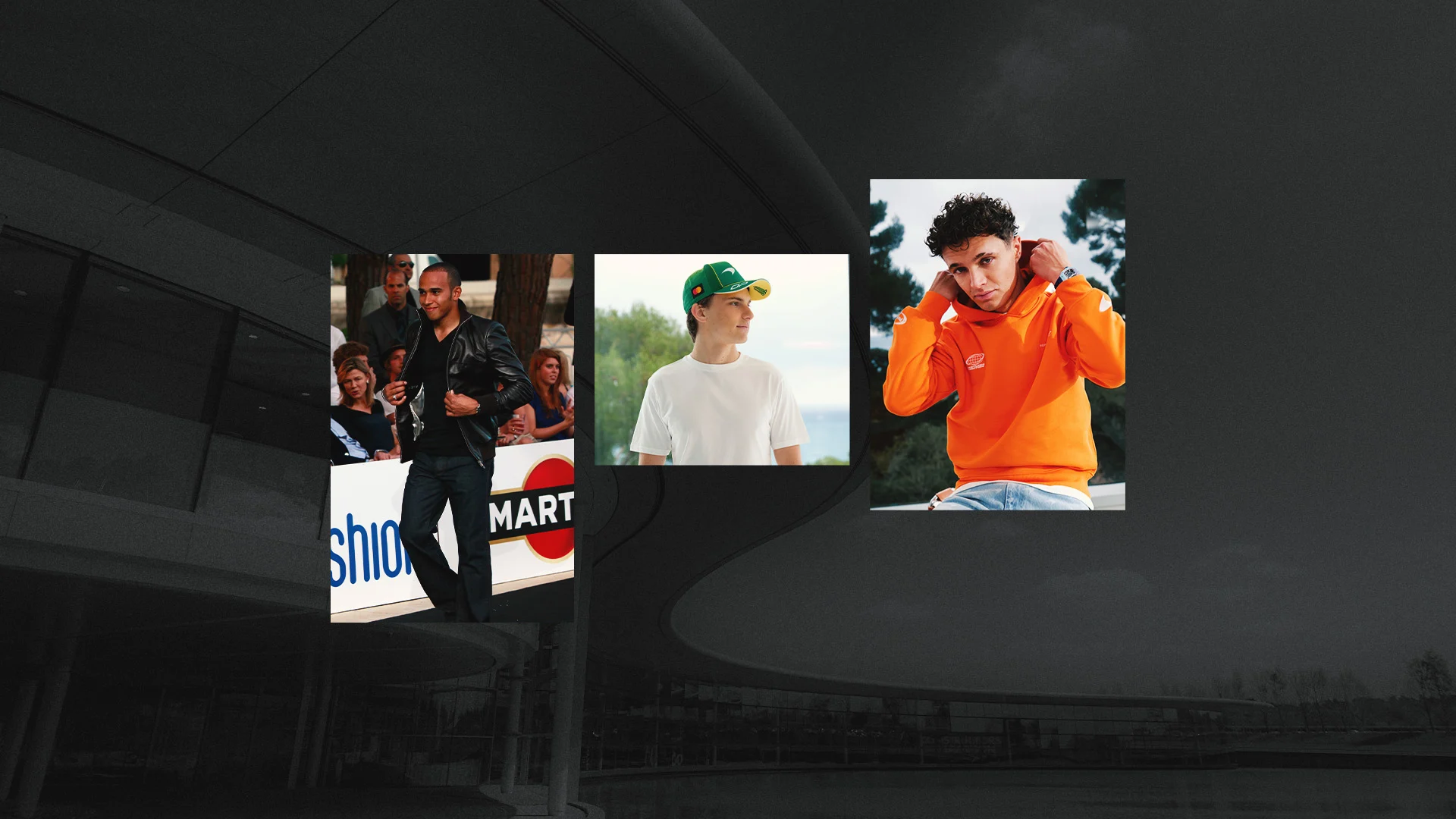
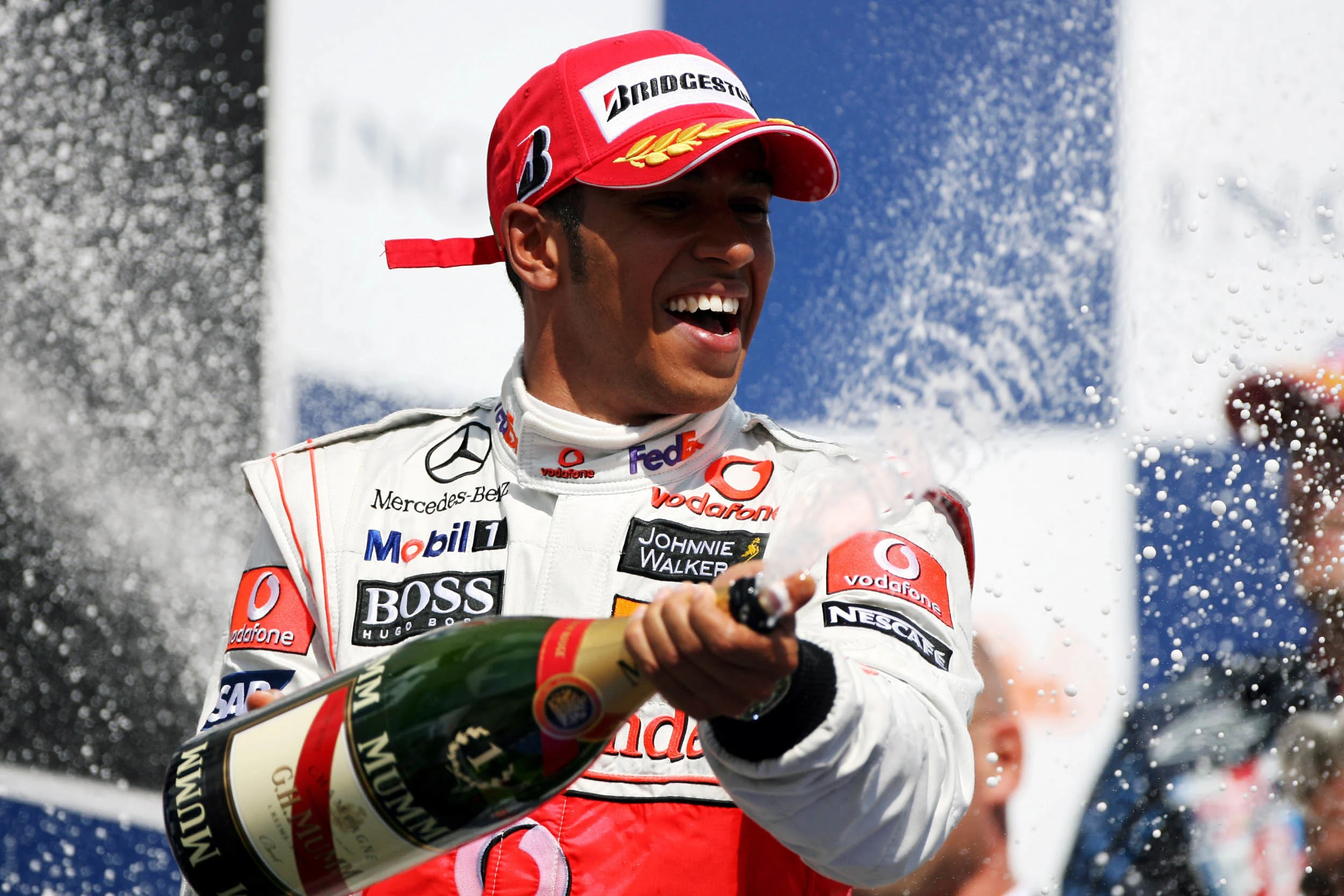
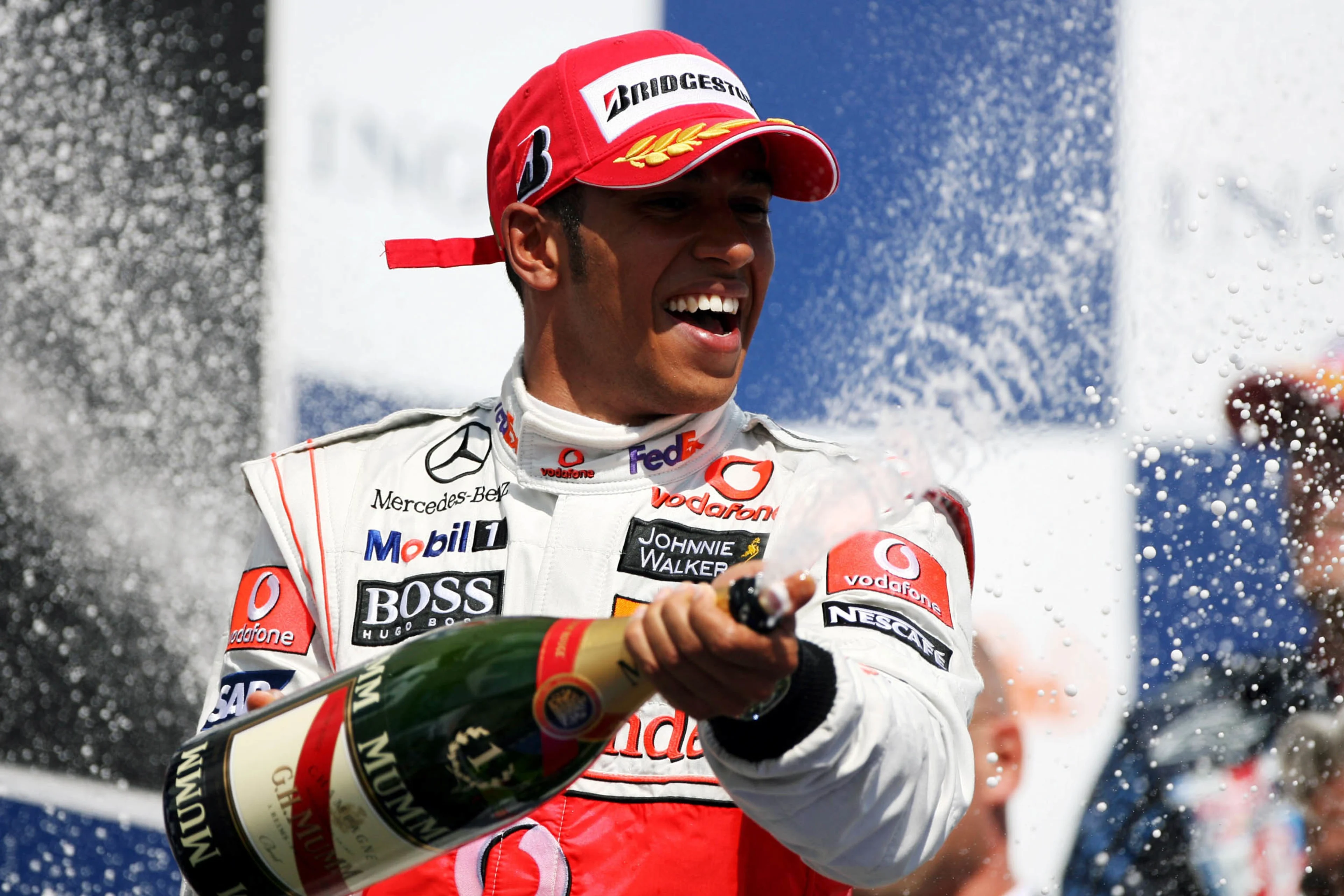
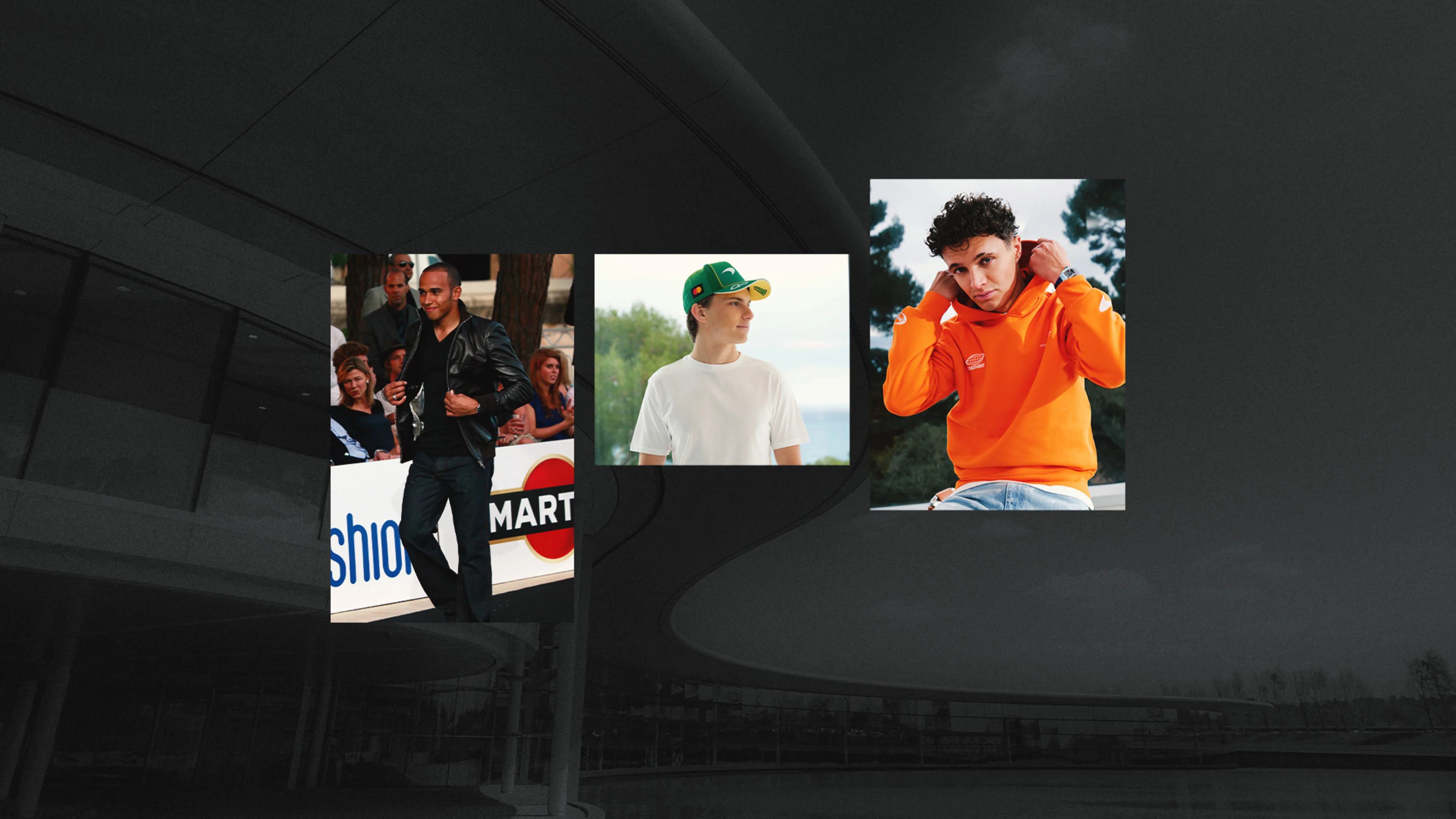
Even in his early years with McLaren, Lewis Hamilton was already on his way to becoming the fashion icon he is today, donning thick knitwear with high collars and an oversized fit that perfectly matched the style of the time.


During this period, we began to see more drivers away from the grid, fuelled by the boom in celebrity culture.
Drivers like Lewis were slowly integrating into pop culture, showing up in spaces not traditionally reserved for racing drivers, such as the MTV Music Awards. At the same time, apps like Tumblr and Instagram grew increasingly influential and fuelled a rise in subcultures, creating more variation in style than ever before.
By pairing Lewis Hamilton with Jenson Button in 2010, McLaren didn’t only gain a second World Championship-winning British racer, they also added another one of the grid’s most stylish drivers. Based around graphic tees and loose-fitting jeans, Jenson’s look at the time often drew inspiration from the skater and rock communities.
Fernando Alonso returned to McLaren in 2015, and while he was just as quick, his fashion sense was markedly different. The Spaniard ditched the streetwear aesthetic for a cleaner, more fitted look, swapping the sports apparel and baggy jeans for slim jeans, casual T-shirts, and hoodies.
During this period, we began to tap more into the high-fashion market, helped by the rise of logomania and partnerships with luxury brands looking for a route into motorsport.


Whether it was Michael Jackson performing the moonwalk for the first time on live TV, the unveiling of the first-ever iPhone in the 2000s, or the Harlem Shake trend of the 2010s, previous decades were defined by shared, mass cultural moments.
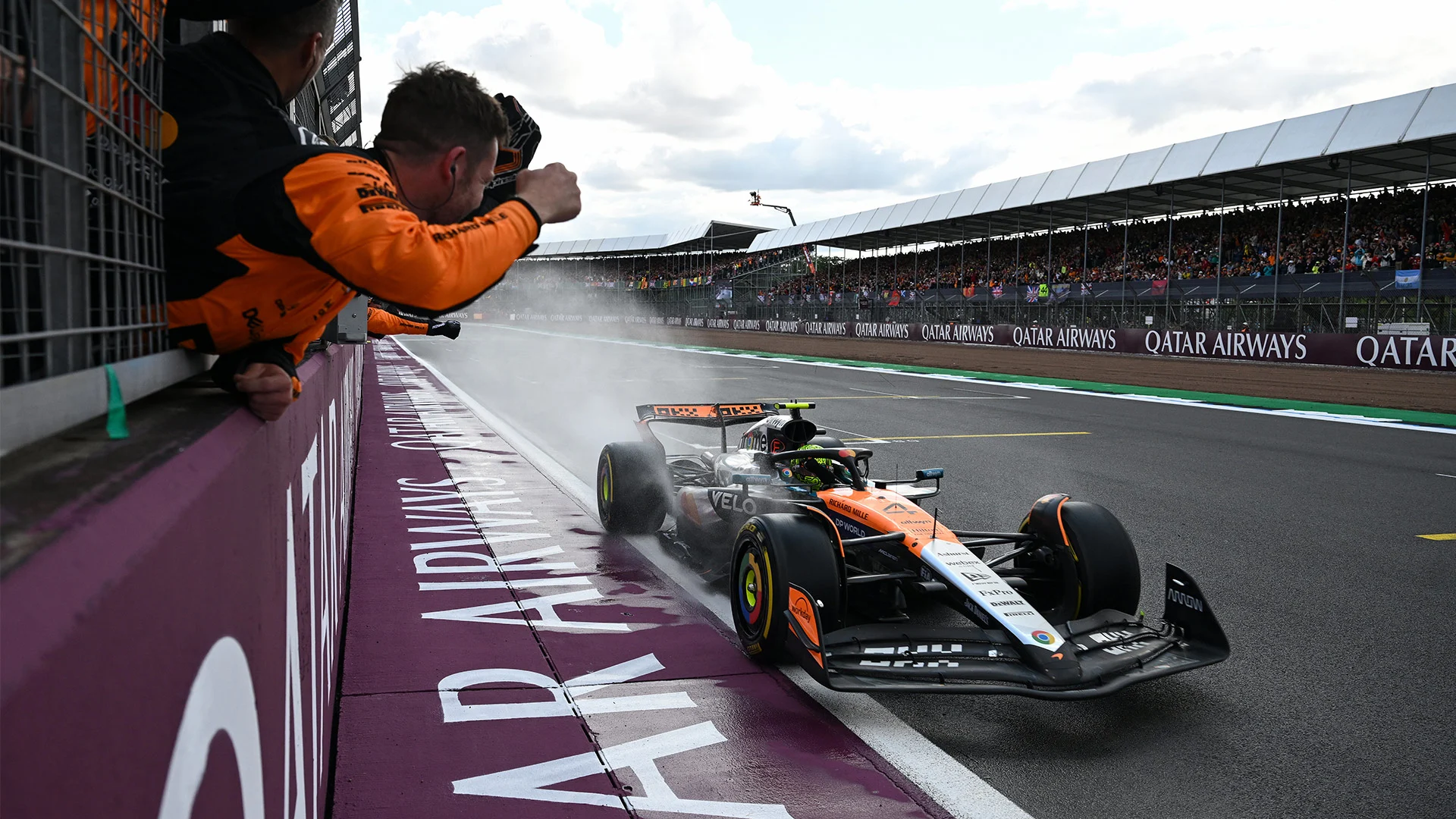
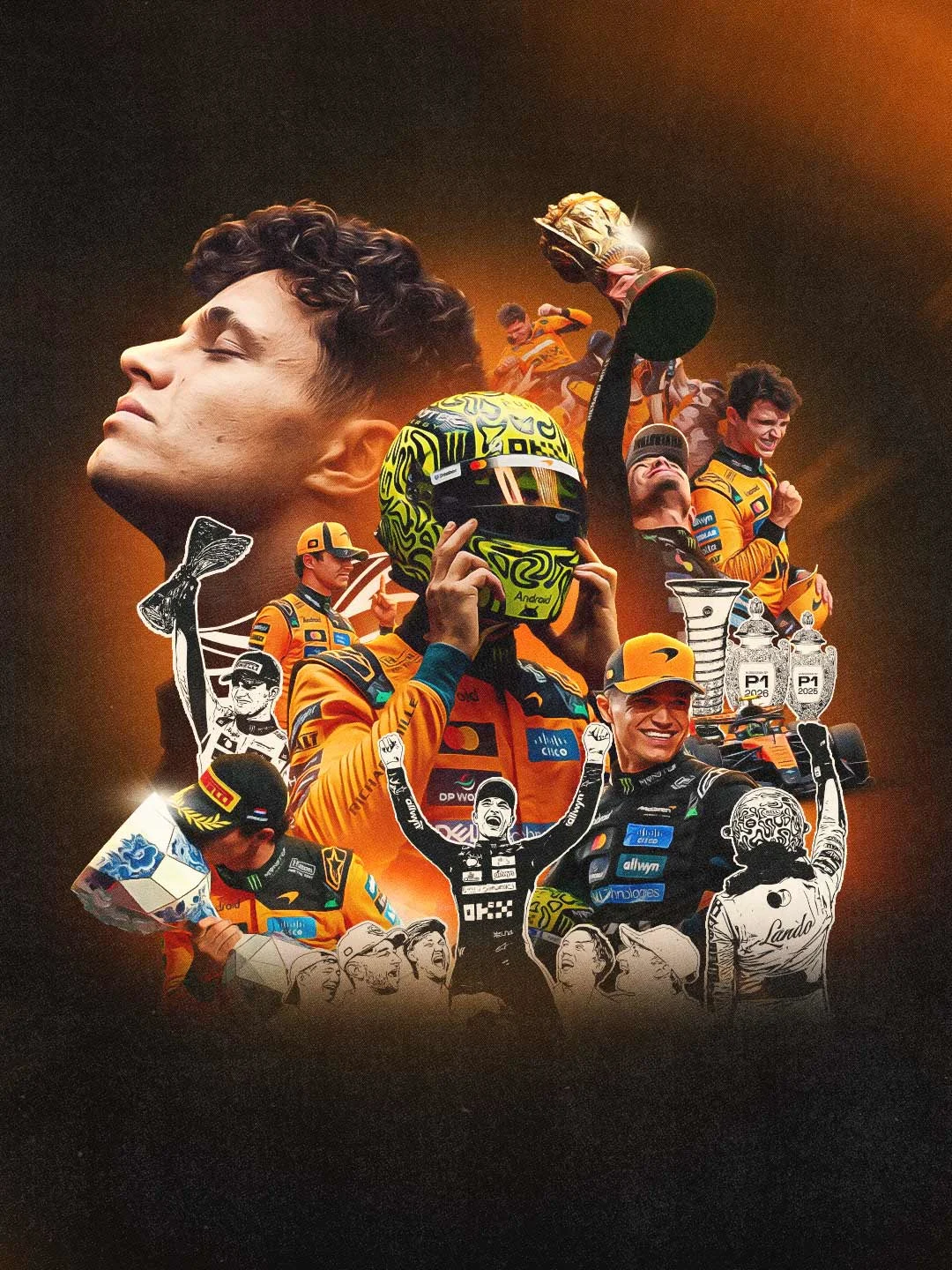
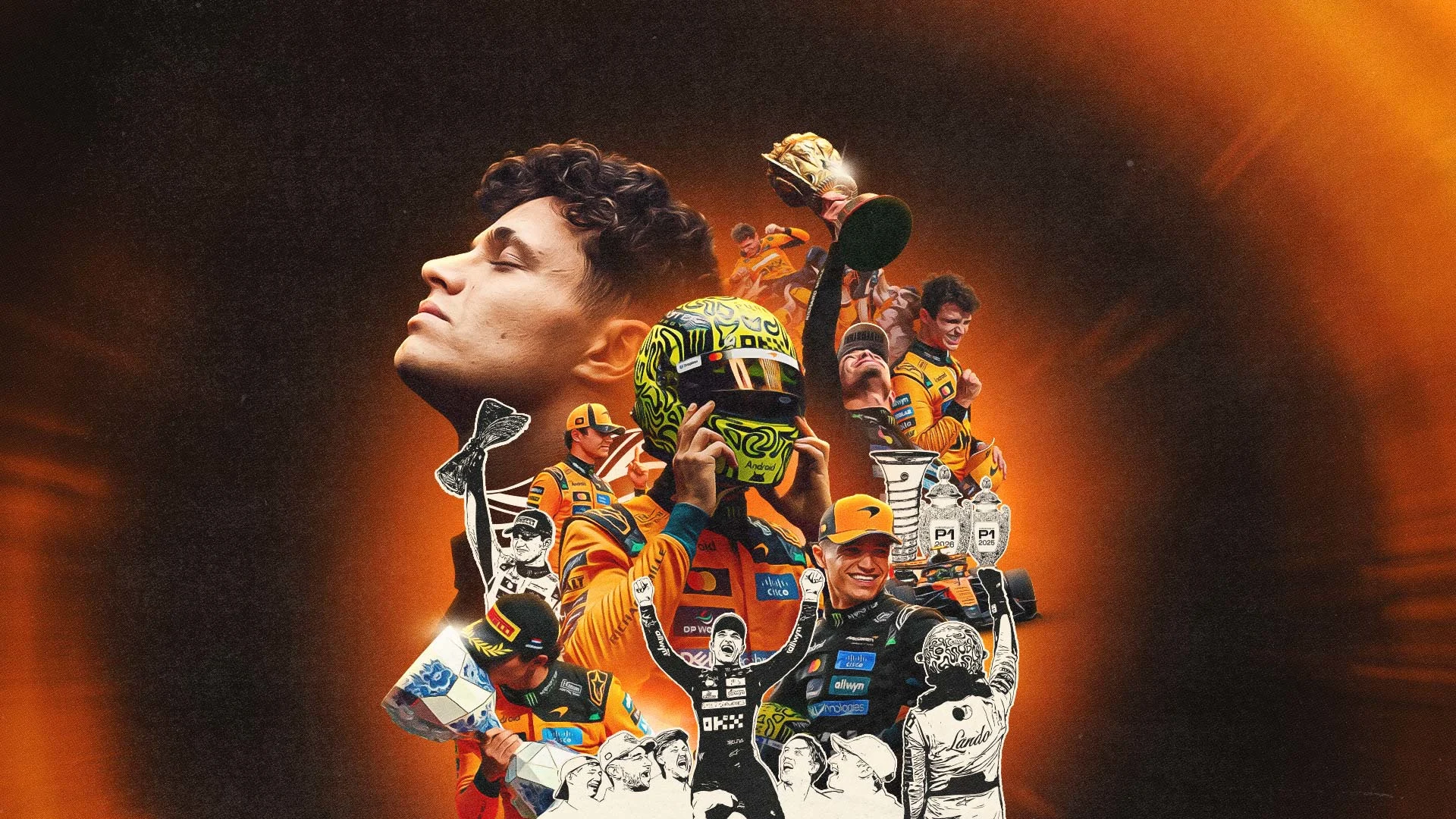
The 2020s have not been entirely without those moments - think Barbenheimer in 2023 - but have been shaped more by the breaking off of distinct subcultures. For some, the defining moment will have been Lando’s epic 2025 World Championship victory, while for others, it will be the Kendrick Lamar and Drake feud, Tiger King, or even the ‘Is it cake?’ trend.
Social media and the explosion of choice have largely driven this: niche sports have found new audiences, streaming platforms have multiplied, and music taste has become more personalised, from Brat Summer to the Eras Tour and the post-punk revival of bands like Fontaines D.C and Kneecap.
F1 has fully capitalised on this shift. Its public perception has undergone another massive overhaul in the 2020s. Sparked by the success of Drive to Survive and amplified by drivers and teams, the sport’s appeal has never felt cooler or more desirable. It has also never felt more open or inclusive, and fashion is a key part of that.
The foundations for this began to emerge in the 2010s, with the growing visibility of drivers away from the track and the rise of high-fashion partnerships. This opened the door for more brands to enter motorsport, while giving drivers more space to develop their own public image - each of McLaren’s drivers in the 2020s has their own distinct style.
Carlos Sainz would typically style neutral linens and silky fabrics, reminiscent of Alain Prost, while Daniel Ricciardo was bold, often dressing in outfits inspired by the countries we were racing in (he even arrived on horseback for the 2022 US Grand Prix), wore tons of colour, and experimented with his tailoring, fitting his bubbly persona.
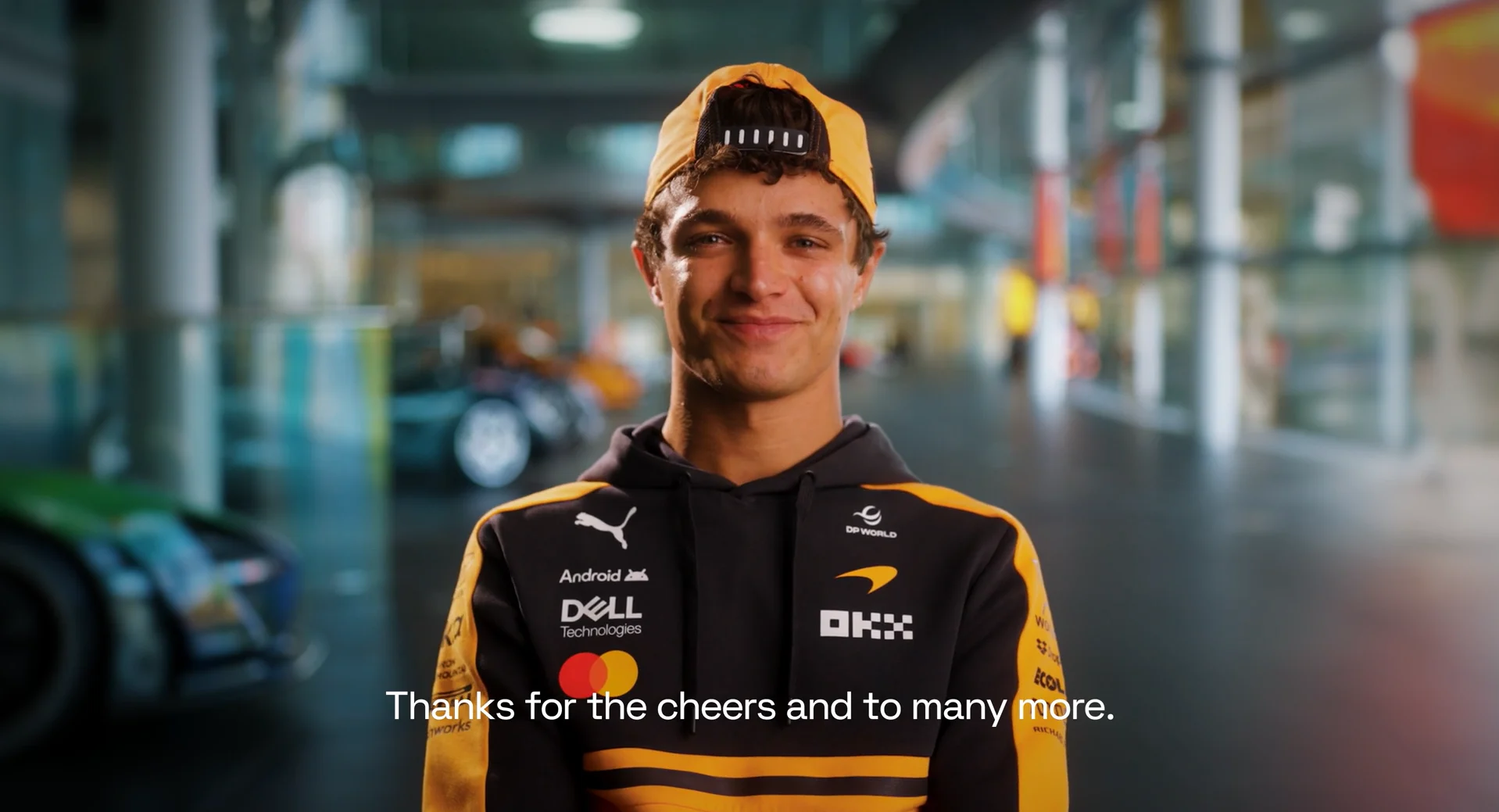
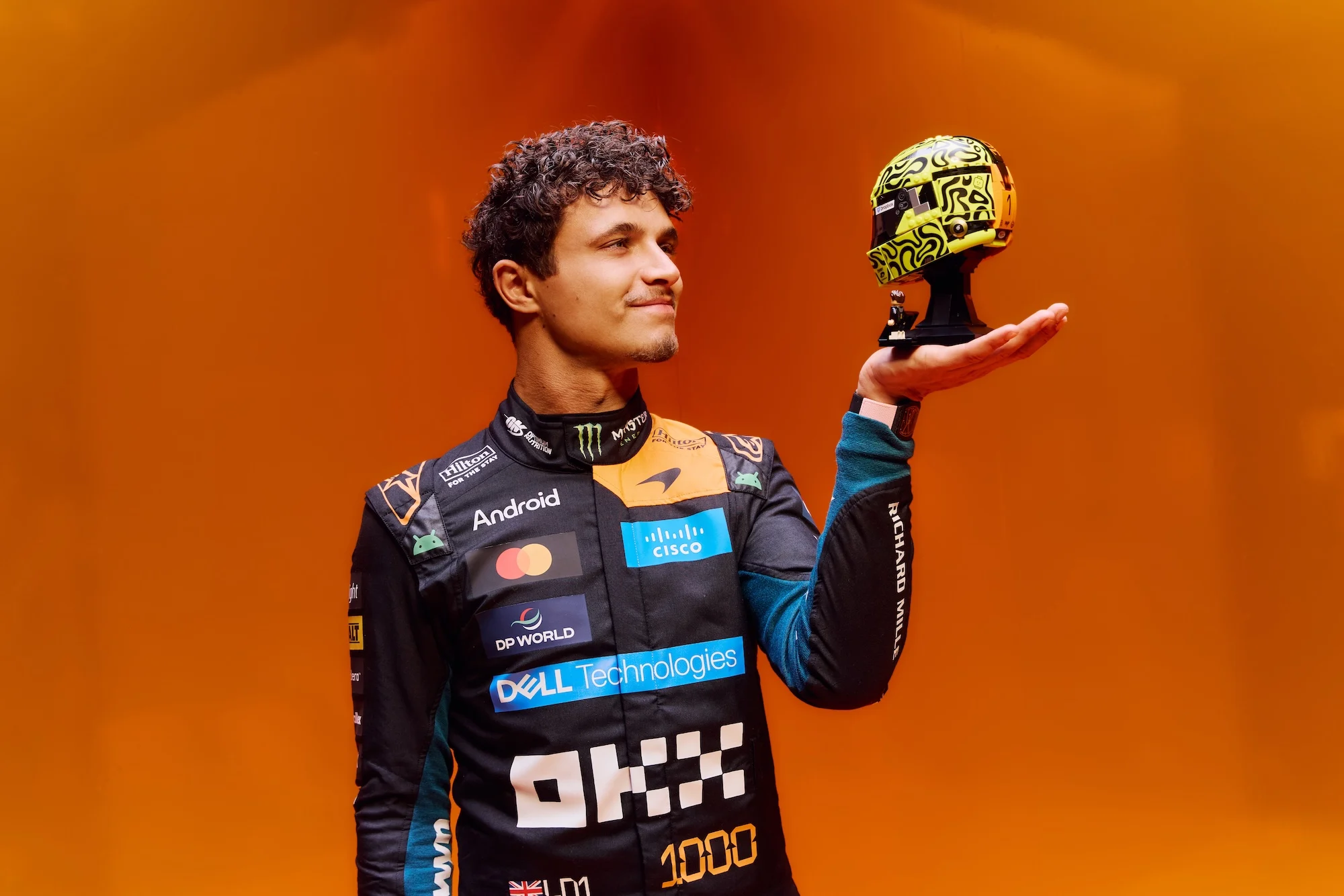
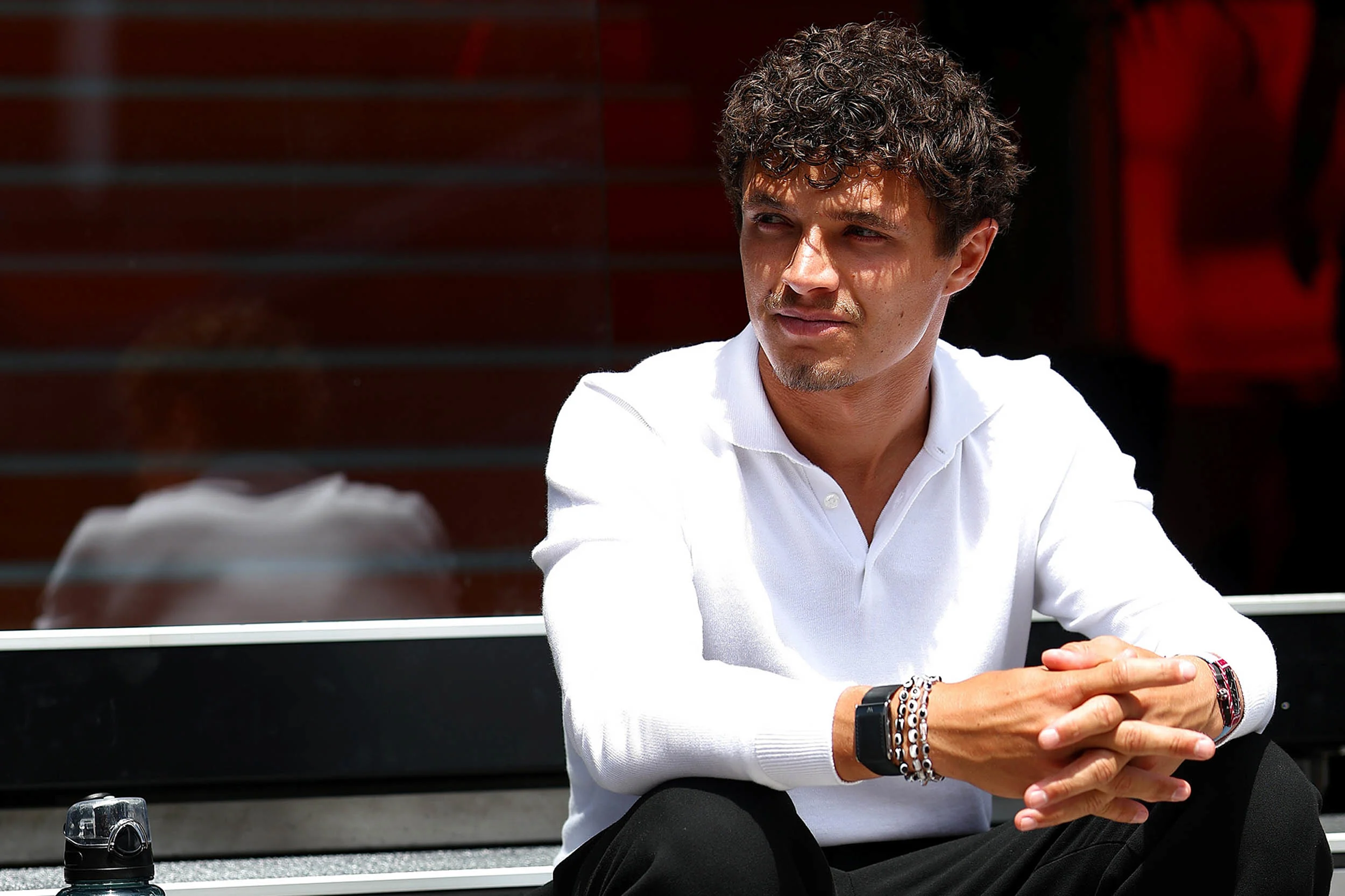
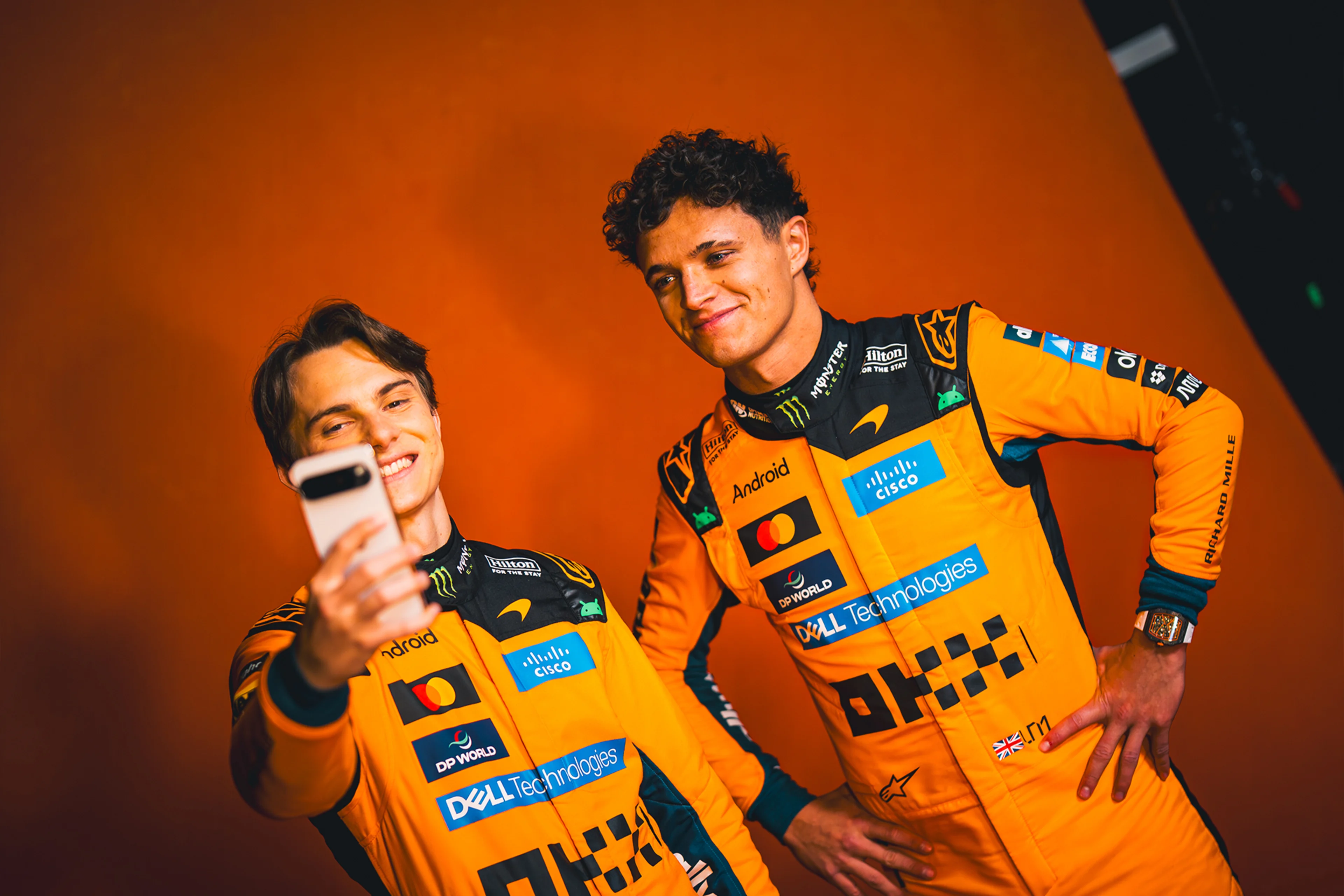
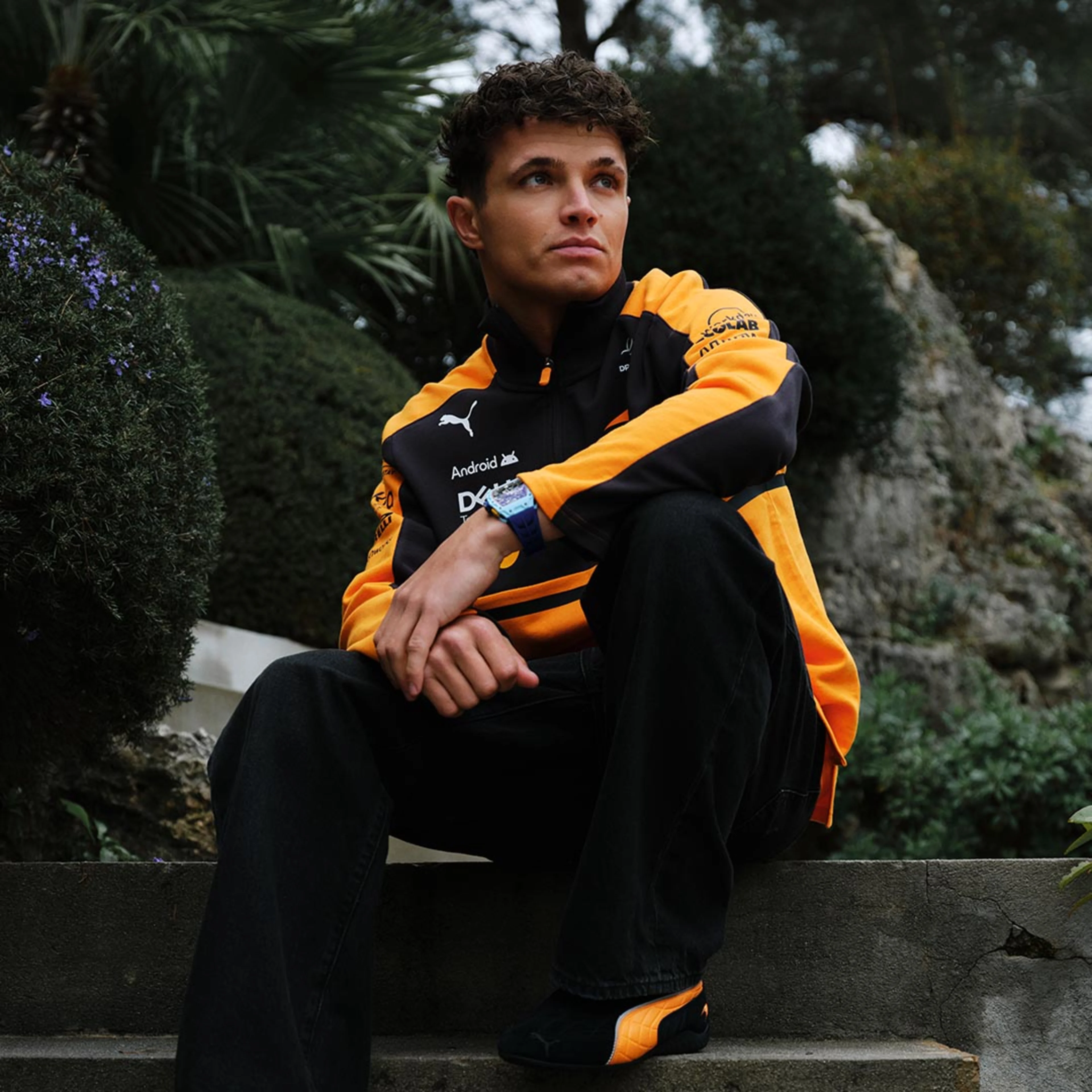
Lando takes a more laid-back approach to fashion, often opting for oversized sweaters and jeans, usually with a tee underneath, and always accompanied by fan-made beaded bracelets. His style is arguably the most varied of any driver to have raced for McLaren, shifting effortlessly between streetwear and tailored smart casual. The reigning World Champion has come out of his comfort zone compared to his first season with us in 2017, when he was rarely spotted without a graphic hoodie.
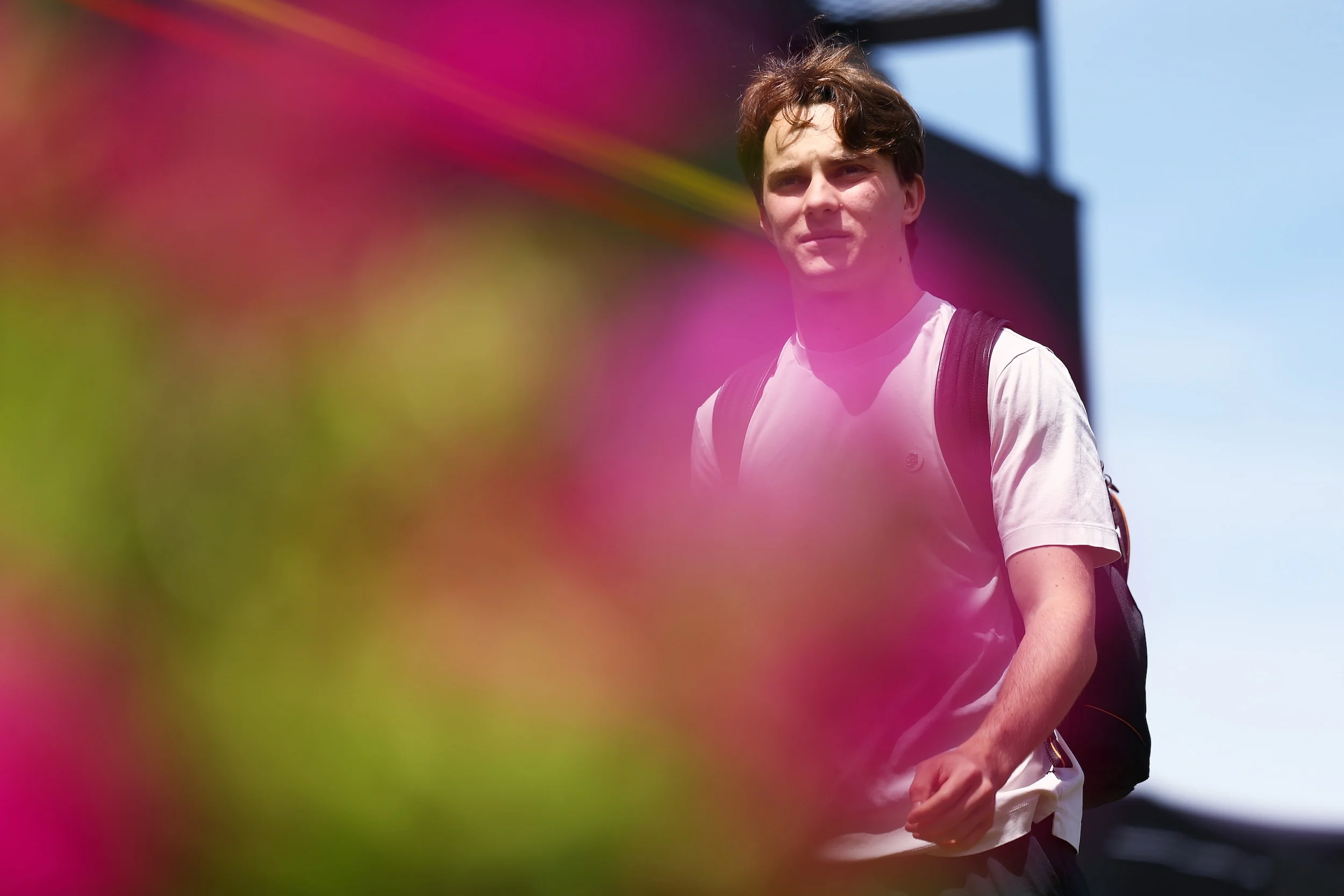
Oscar has a more classic sense of style, typically favouring a simple T-shirt and shorts - no matter the weather - while choosing knitted jumpers, linen shirts, quarter-zips, and chinos when needing to dress up. Like Lando, he has become more open to trying new trends as his time at McLaren has progressed, building a wardrobe that puts a modern spin on the fitted, smart-casual styles of the 1980s, largely featuring neutral colours. For Oscar, comfort will always come first.
Both drivers have been featured in fashion magazines, with Lando fronting British Vogue and Oscar appearing on the cover of Esquire Australia. It’s a clear sign that F1 now influences fashion trends, not the other way around.
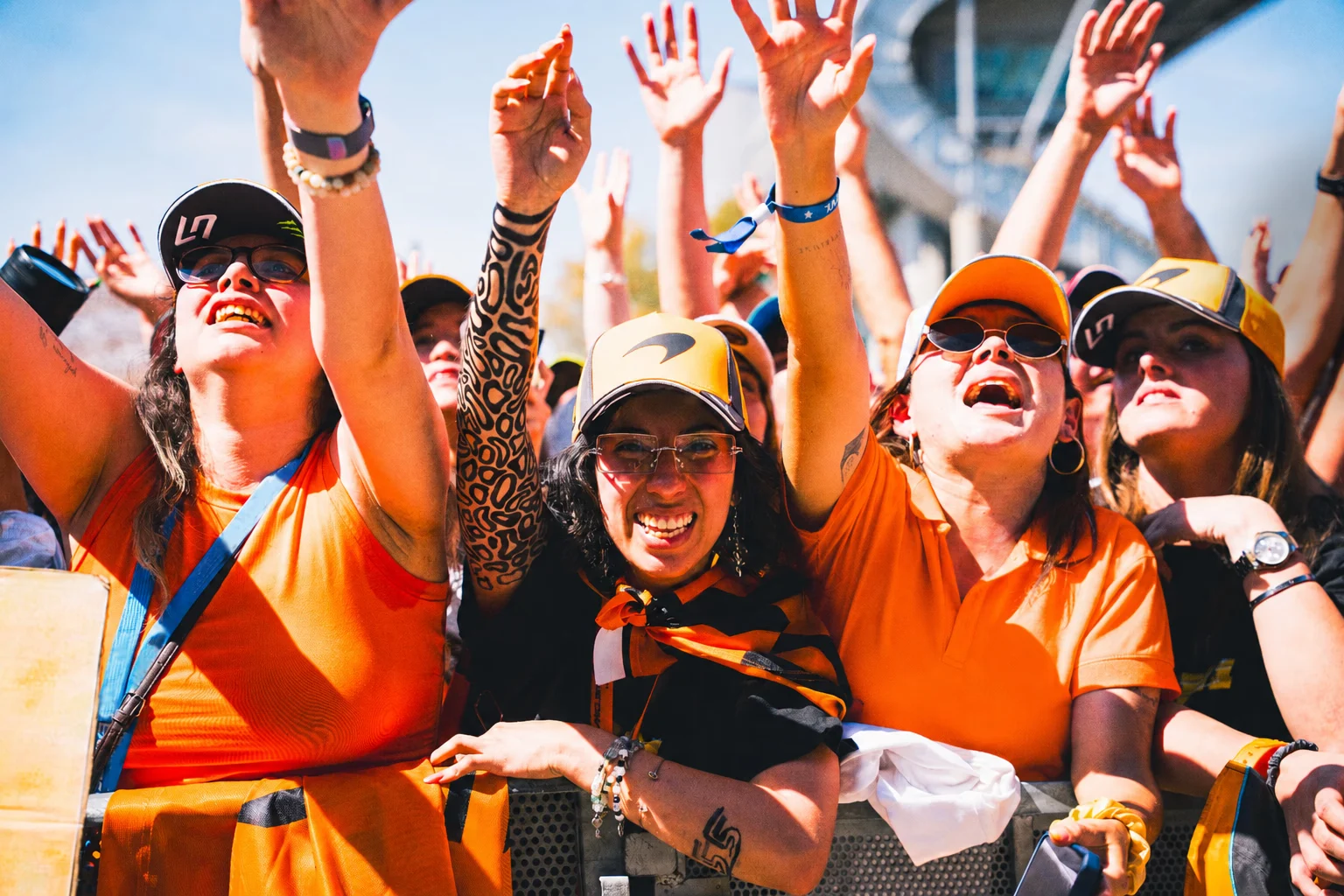
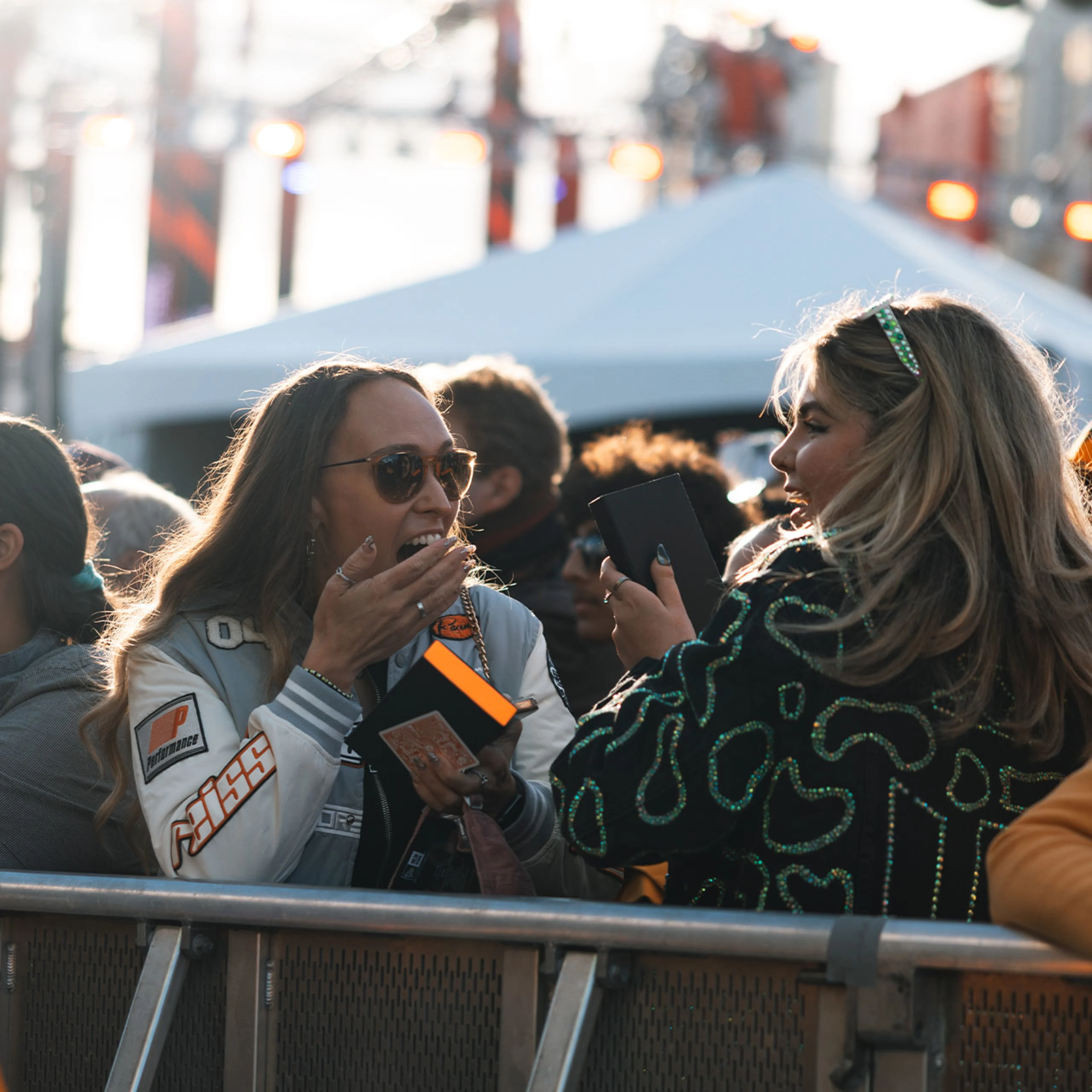
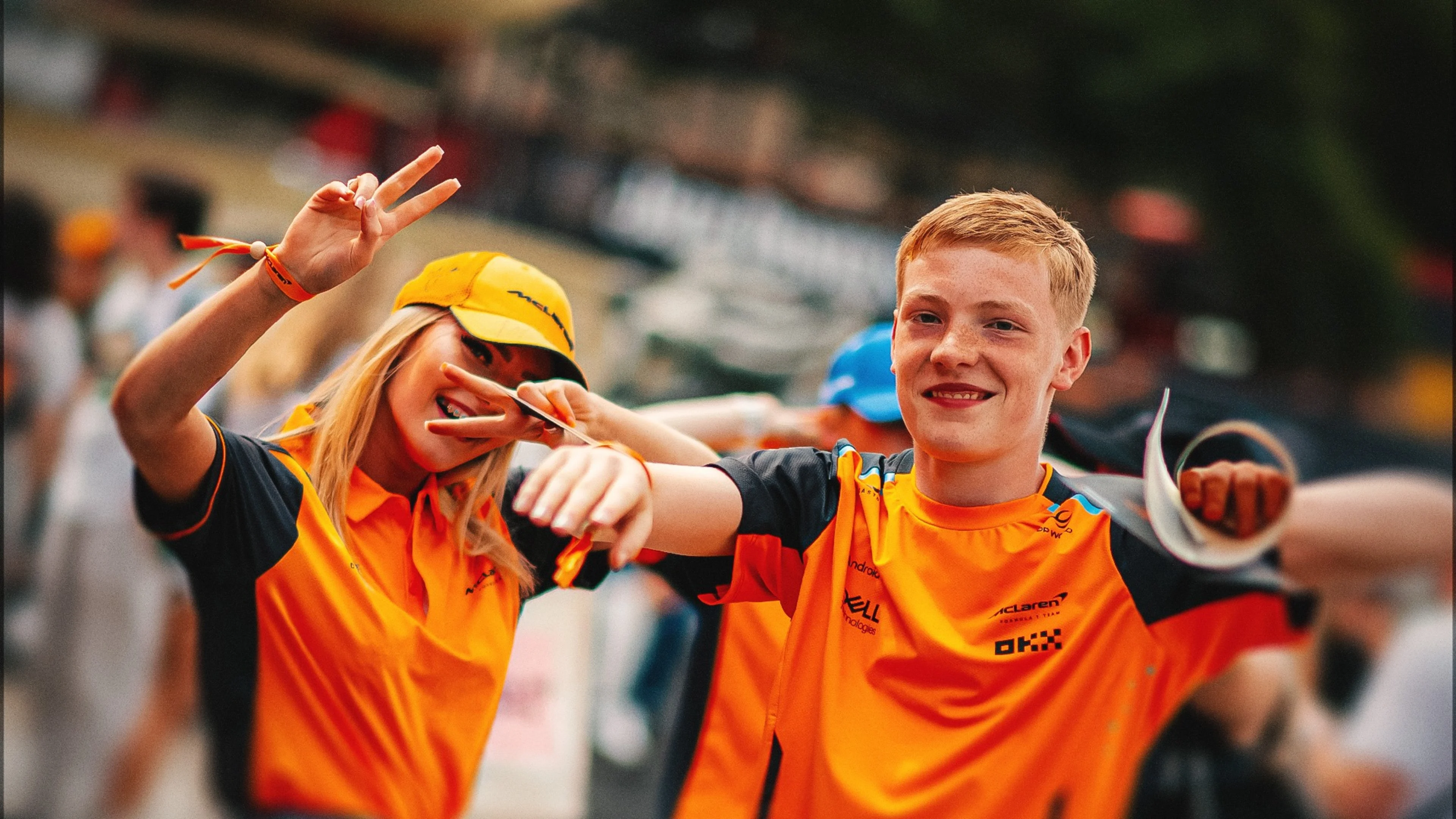
In turn, fashion has made F1 more accessible. Whether fans are styling a limited-edition cap or upcycling a vintage racing top, fashion gives them another way to express themselves, connect with the sport, and feel part of it from afar.
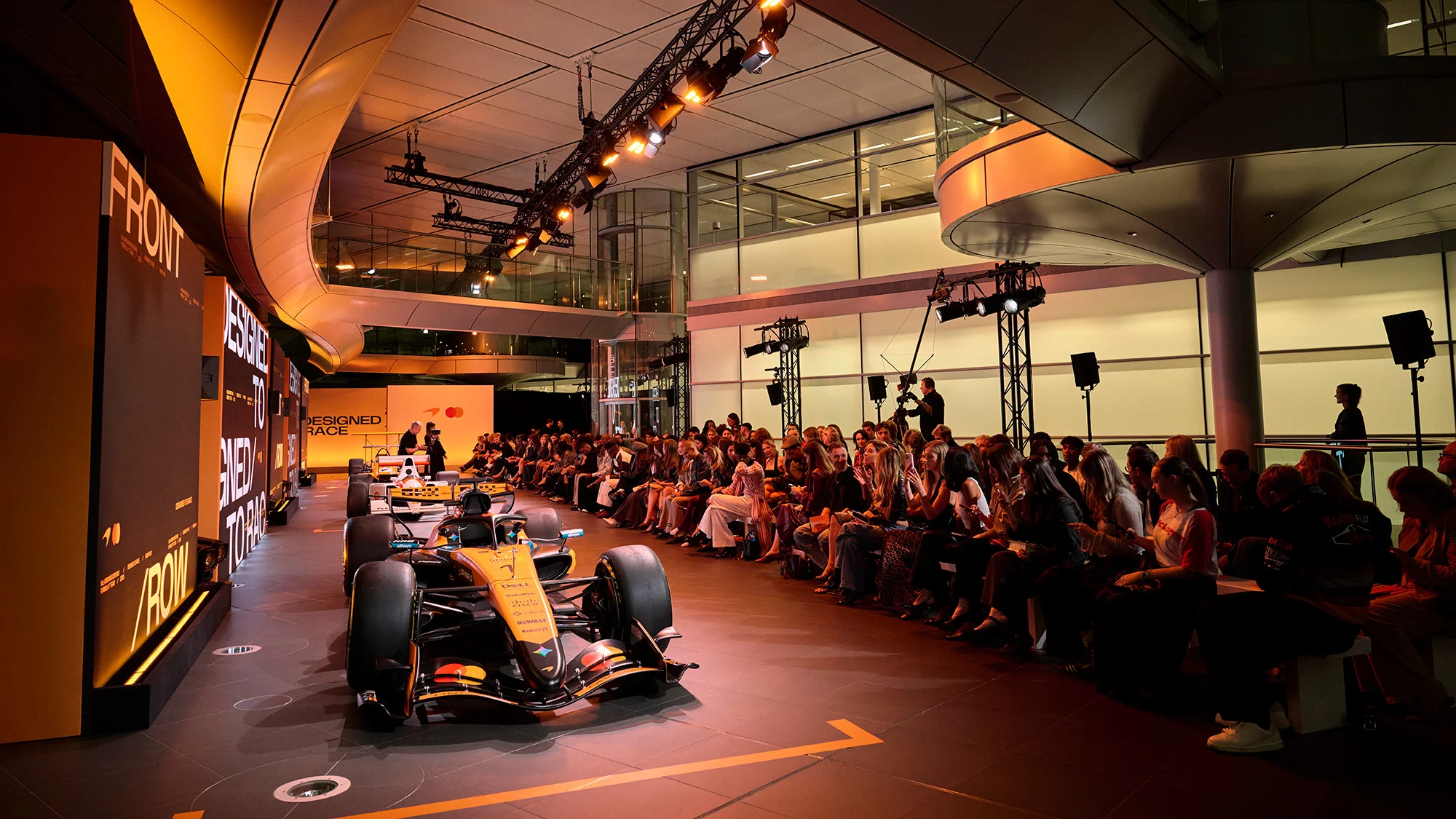
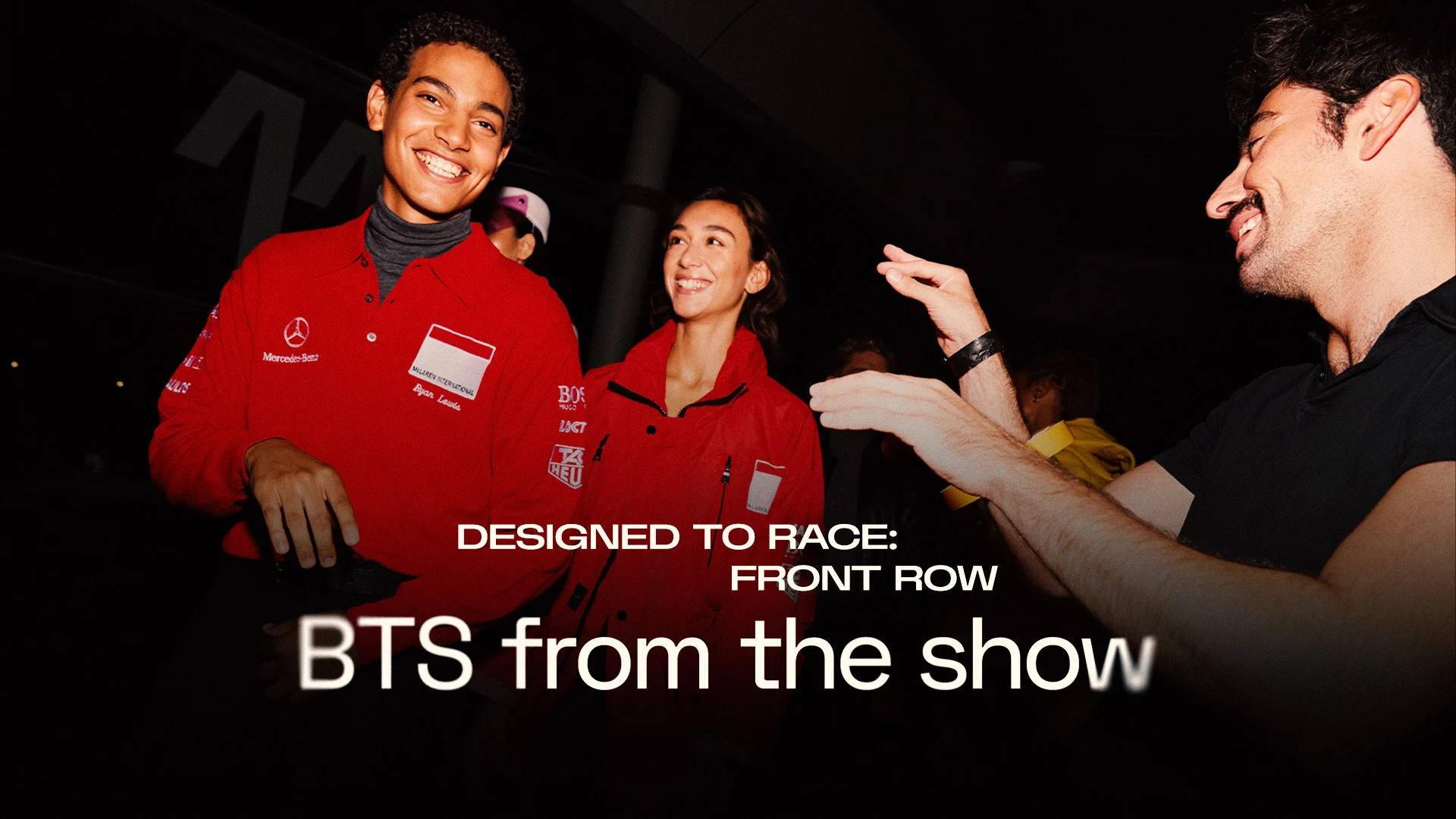
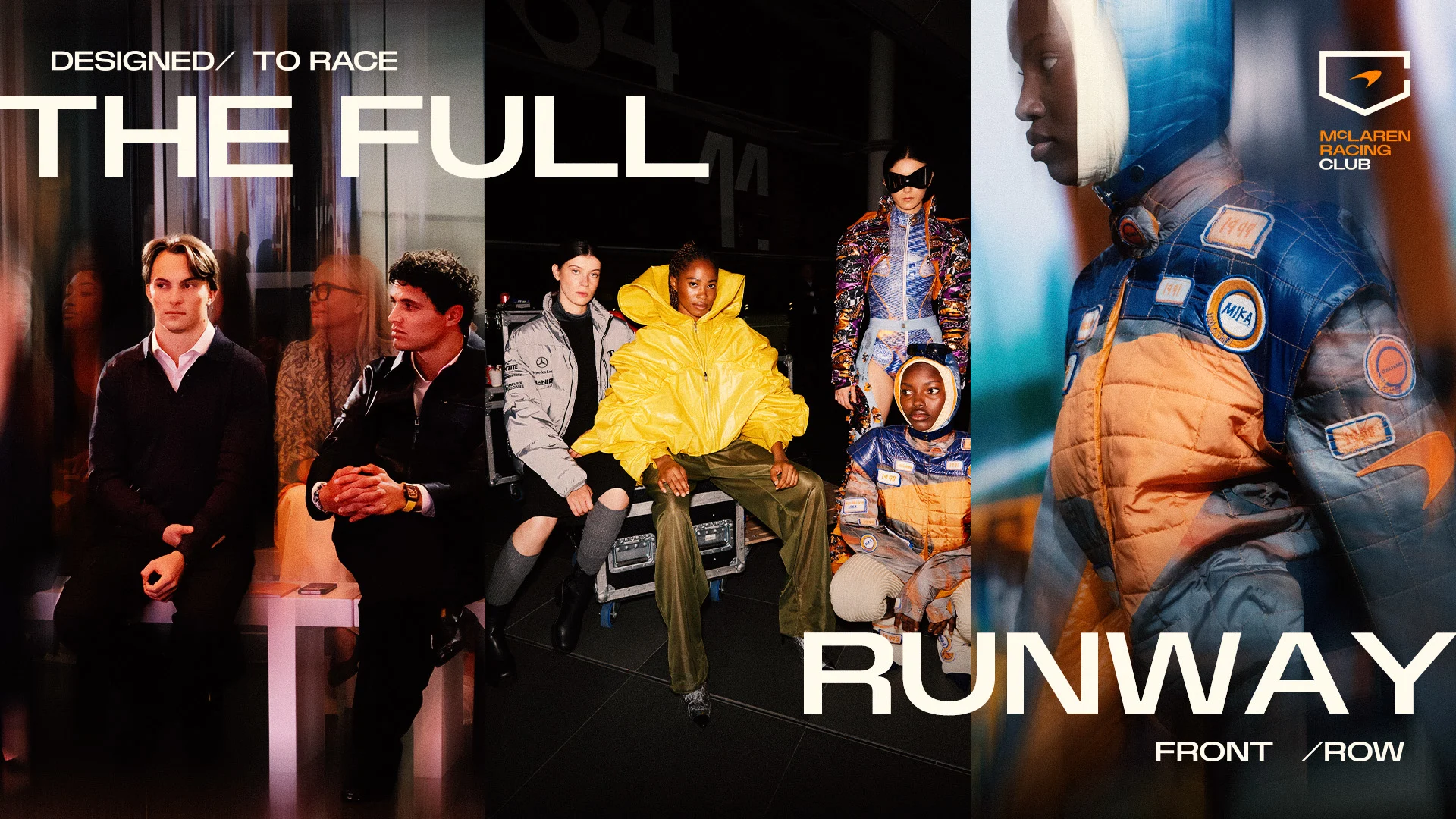
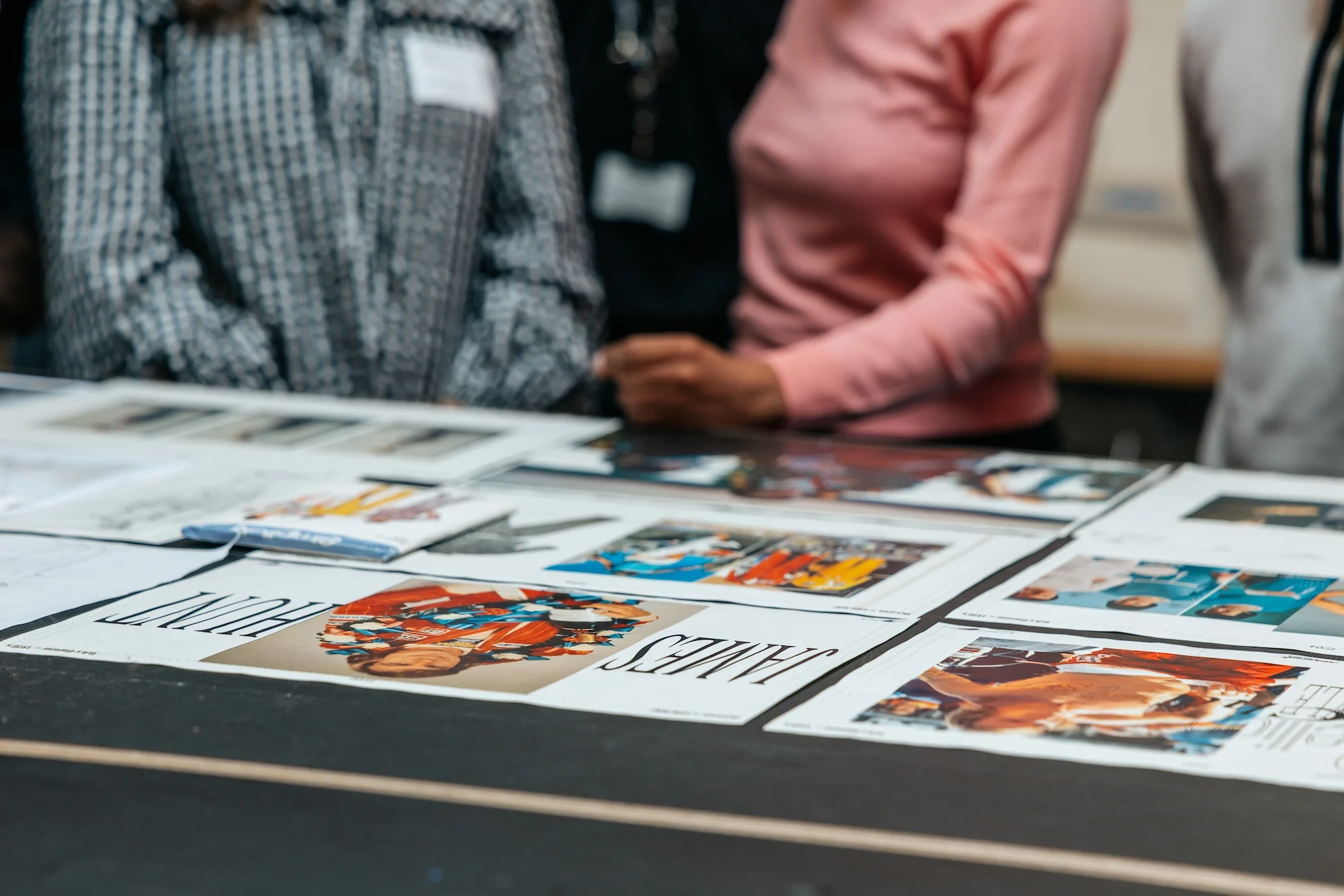
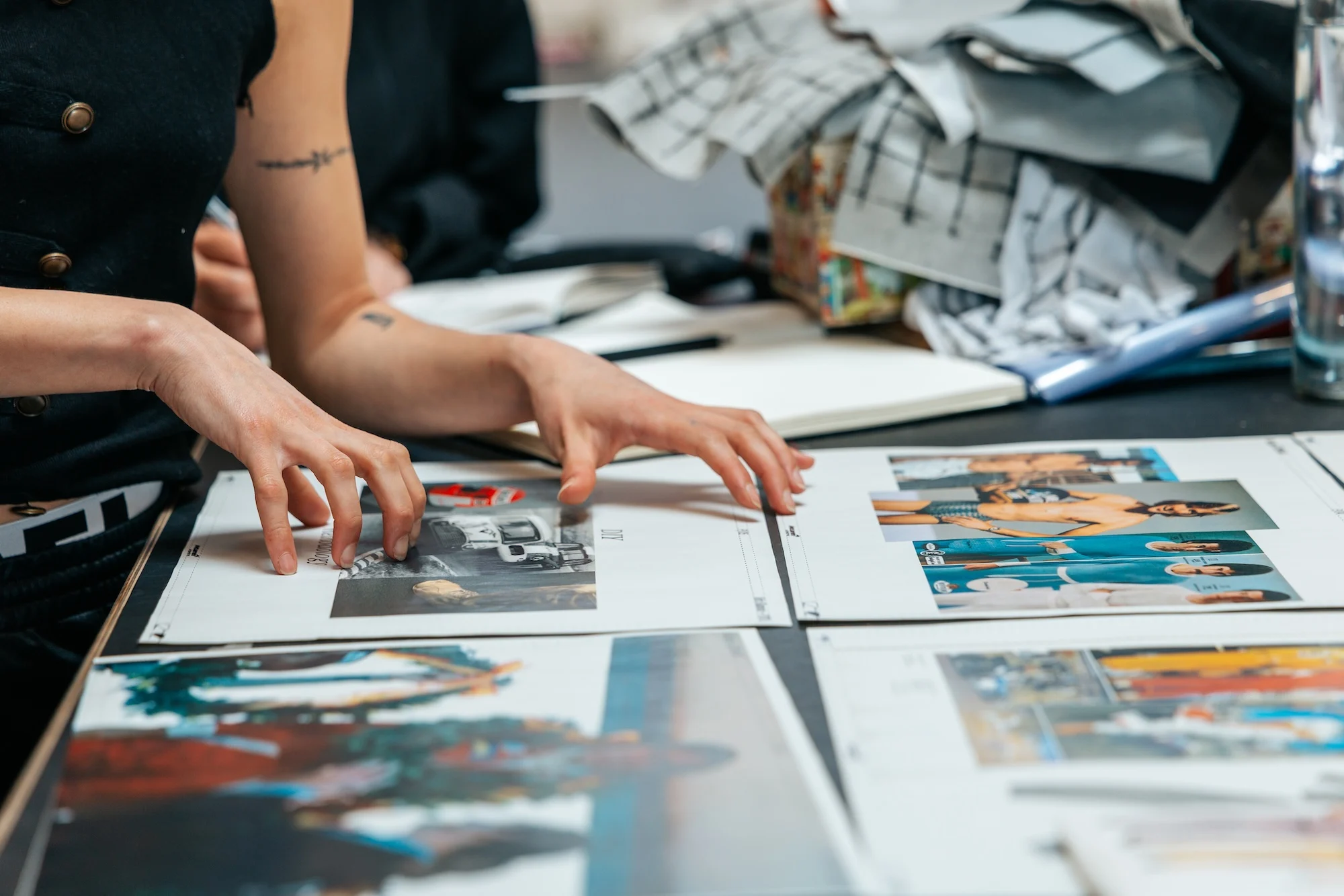
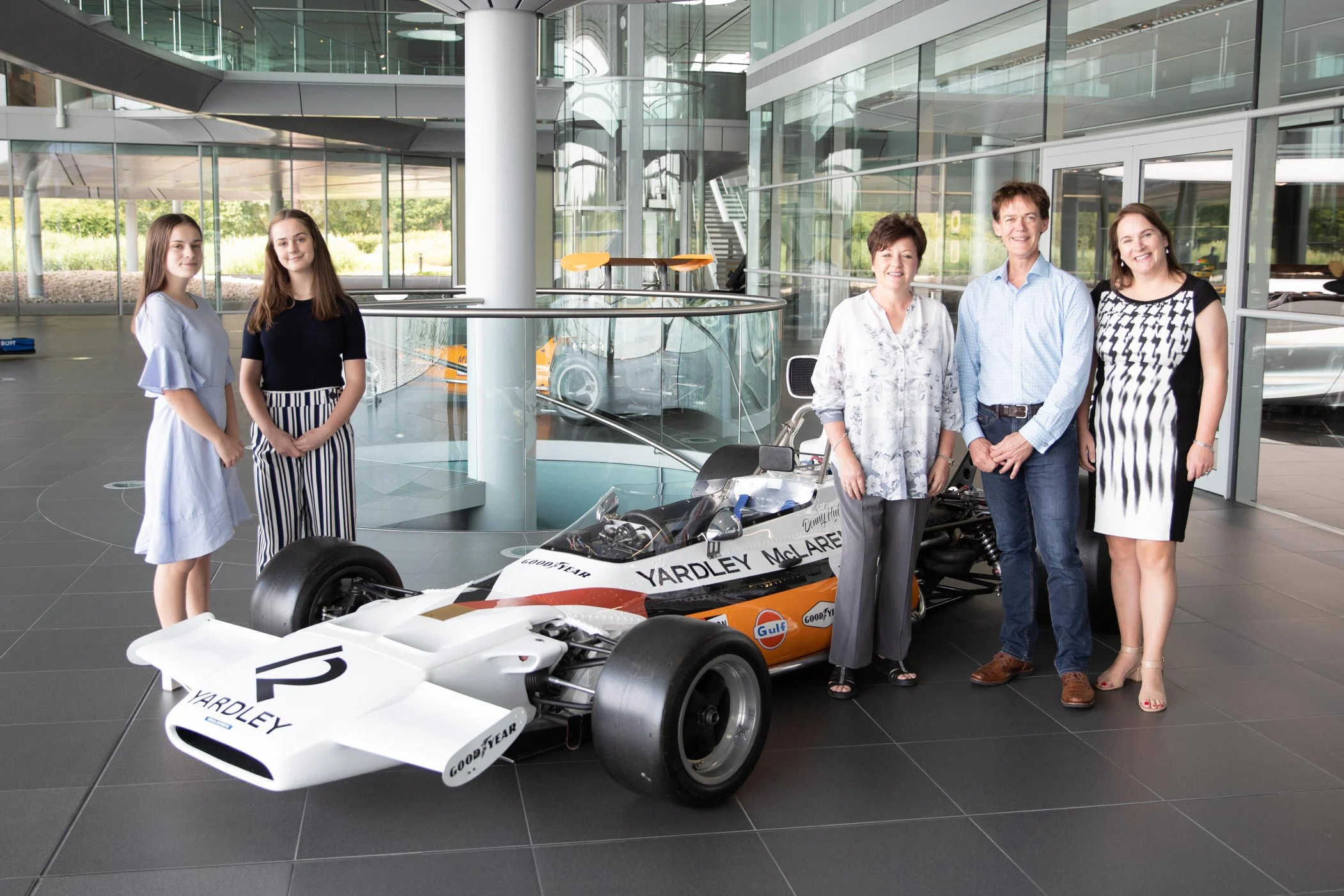
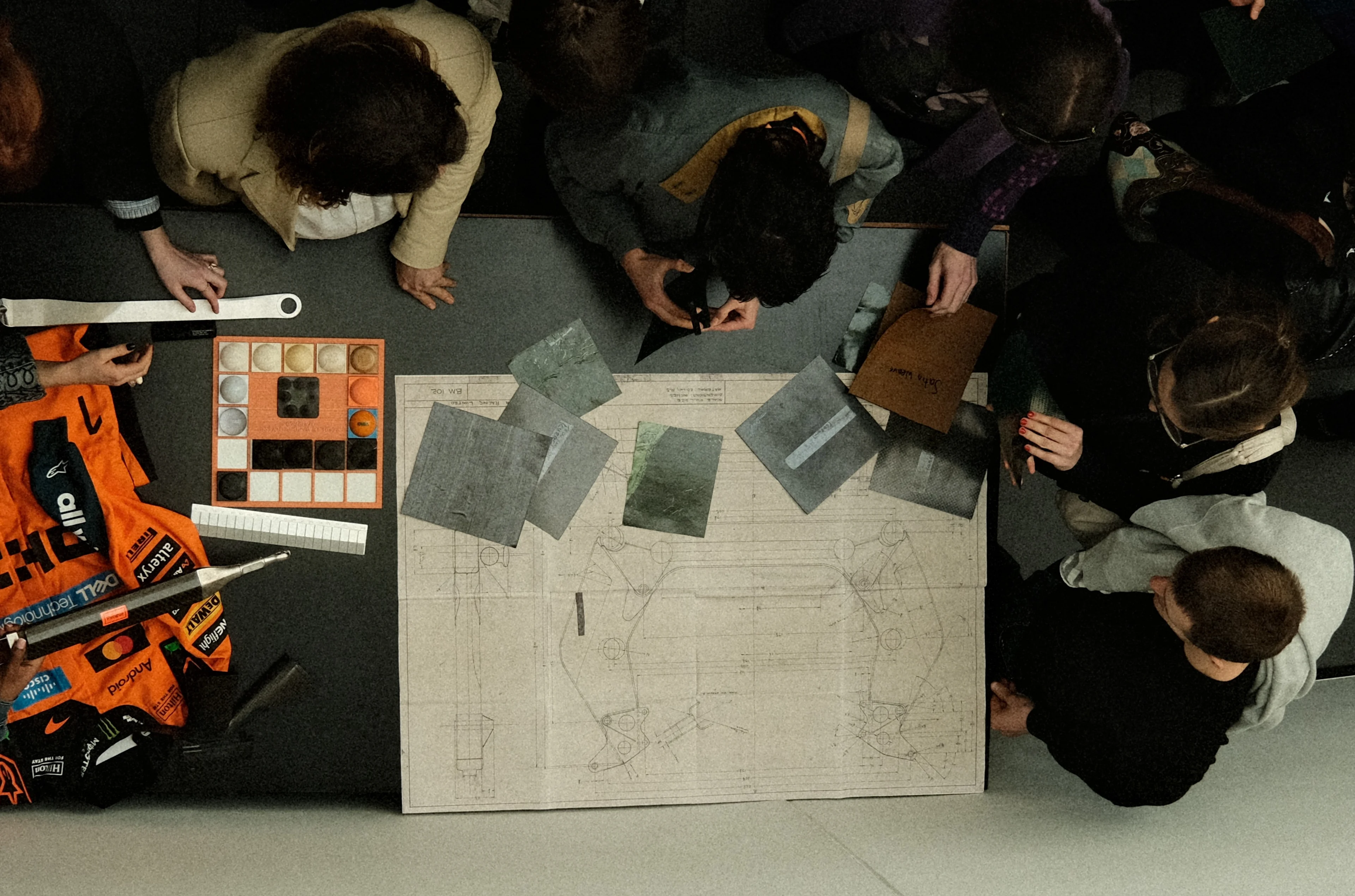
Designed to Race: Front Row marks McLaren’s next step into fashion. Culminating in our first-ever fashion show at the McLaren Technology Centre, we will bring our racing heritage to life through 12 original runway pieces created by students from Central Saint Martins, University of the Arts London.