

26 August 2026 15:30 (UTC)
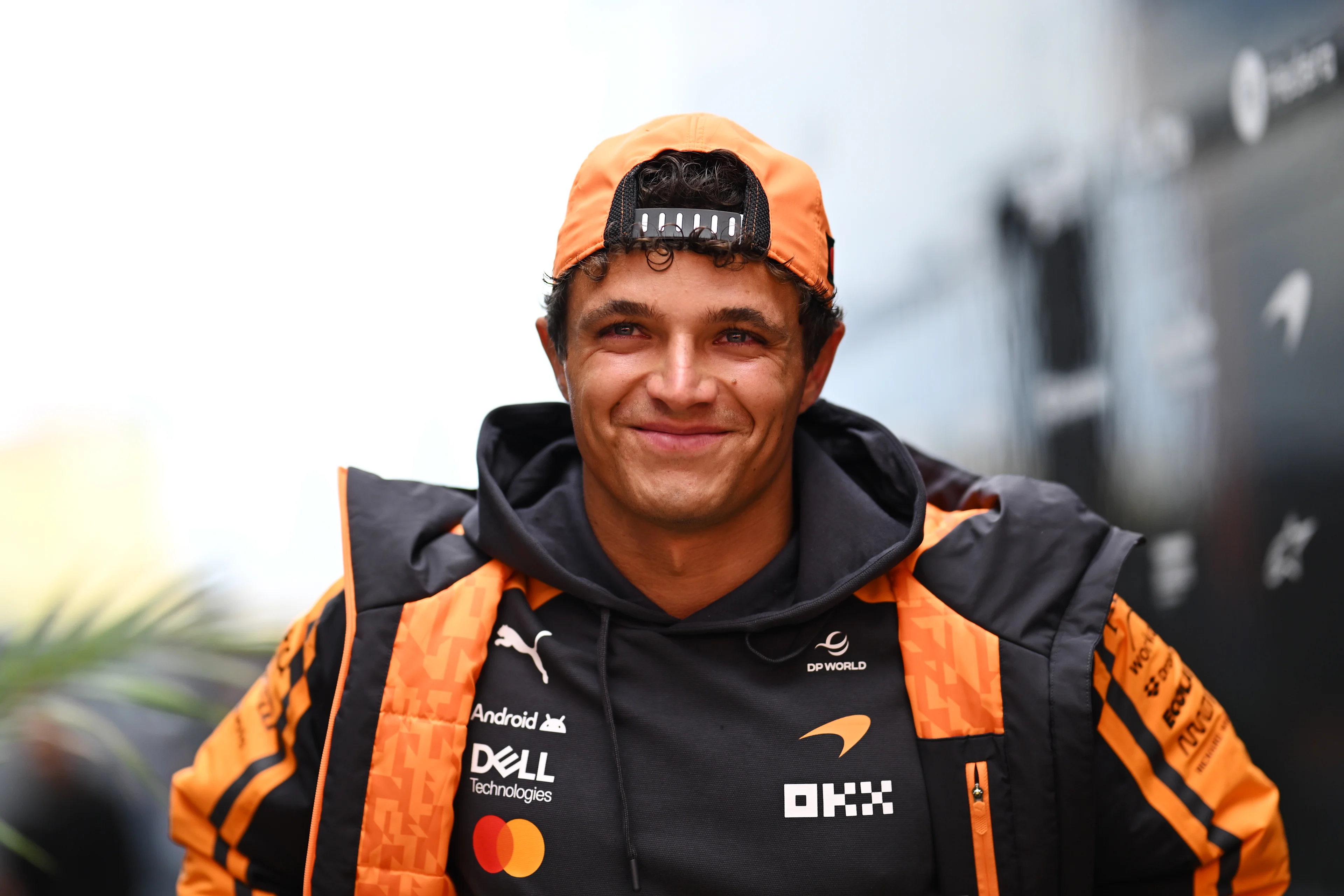
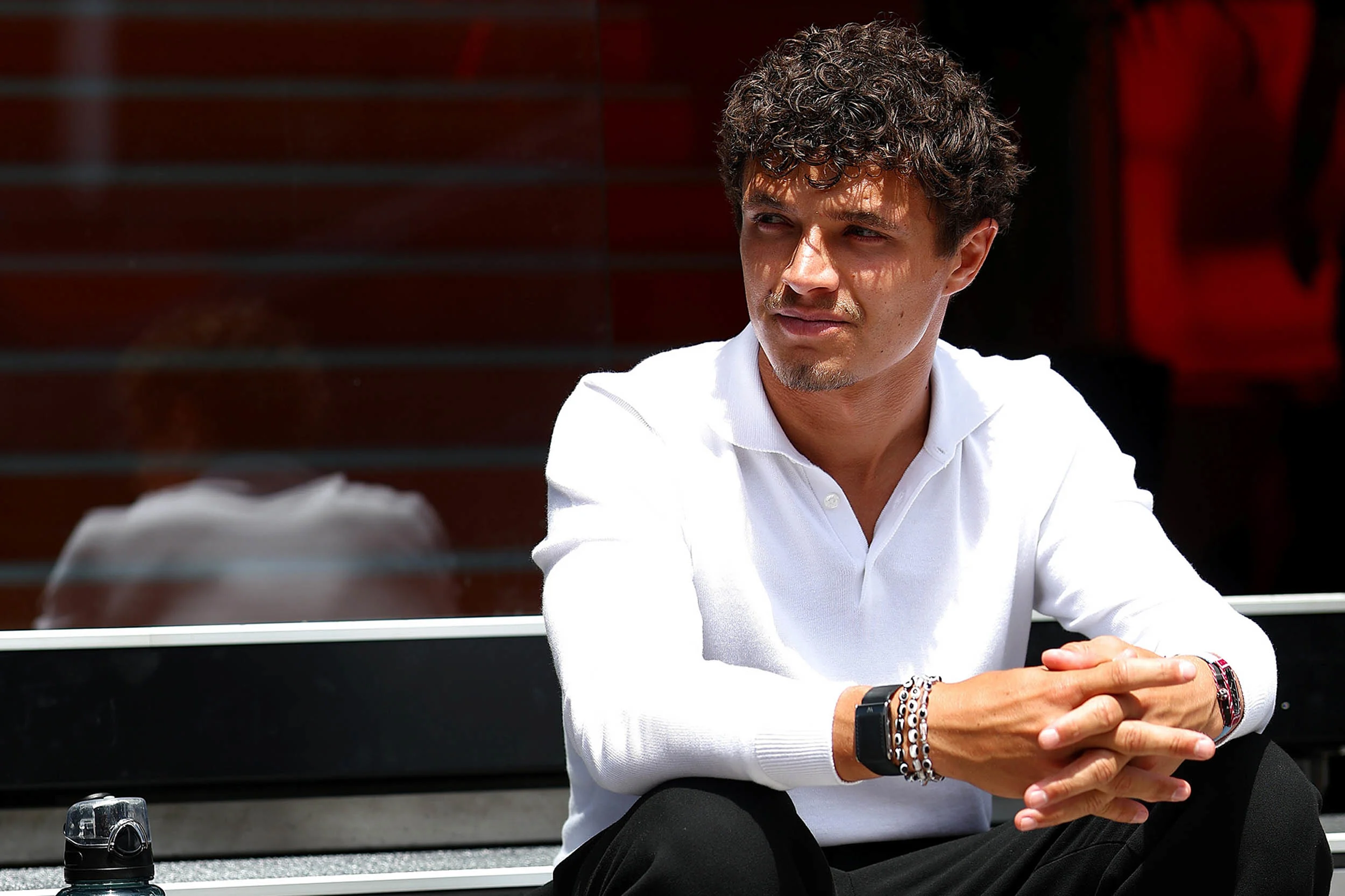
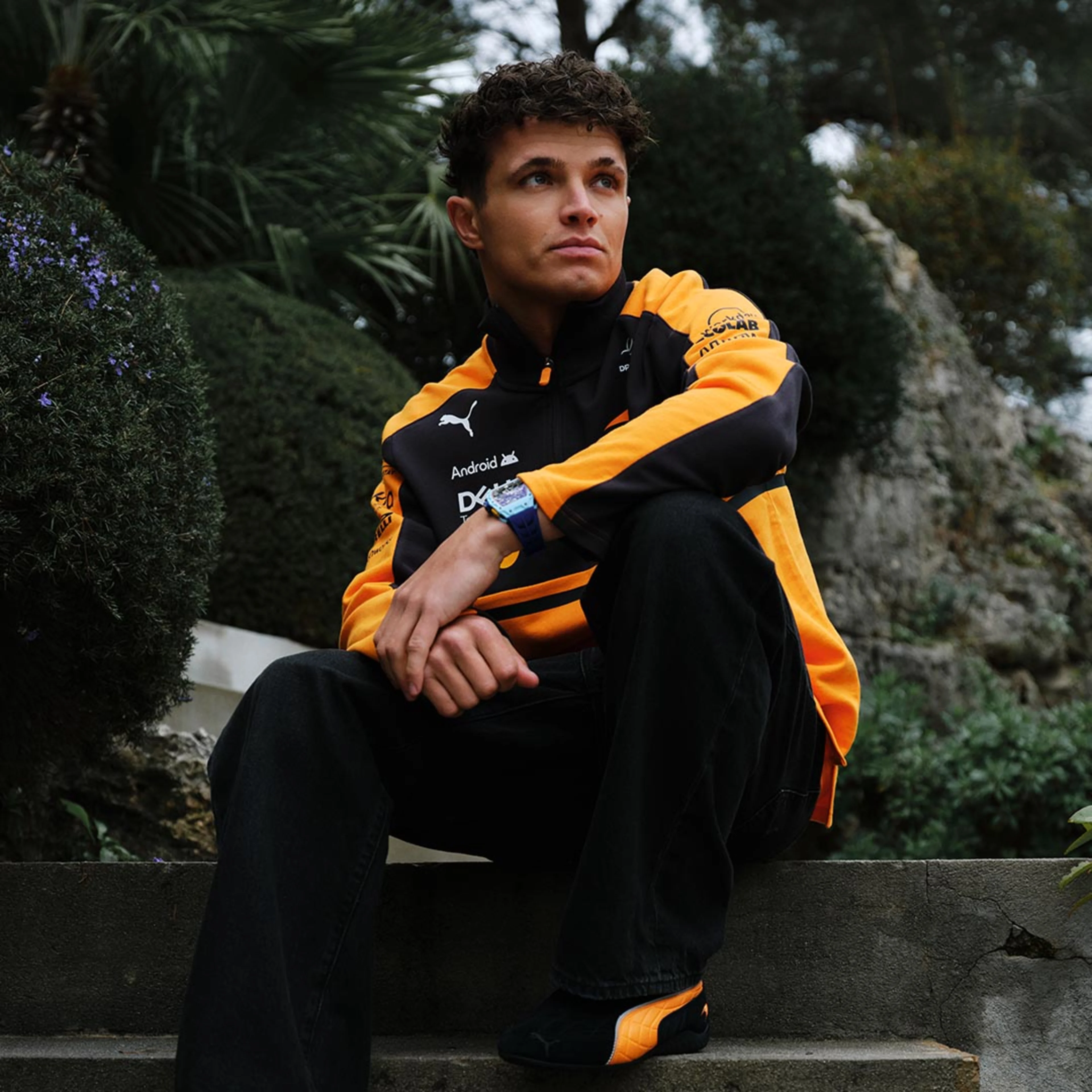
“Good strategy won me the race today,” praised Lando after the Flag. Here’s how.

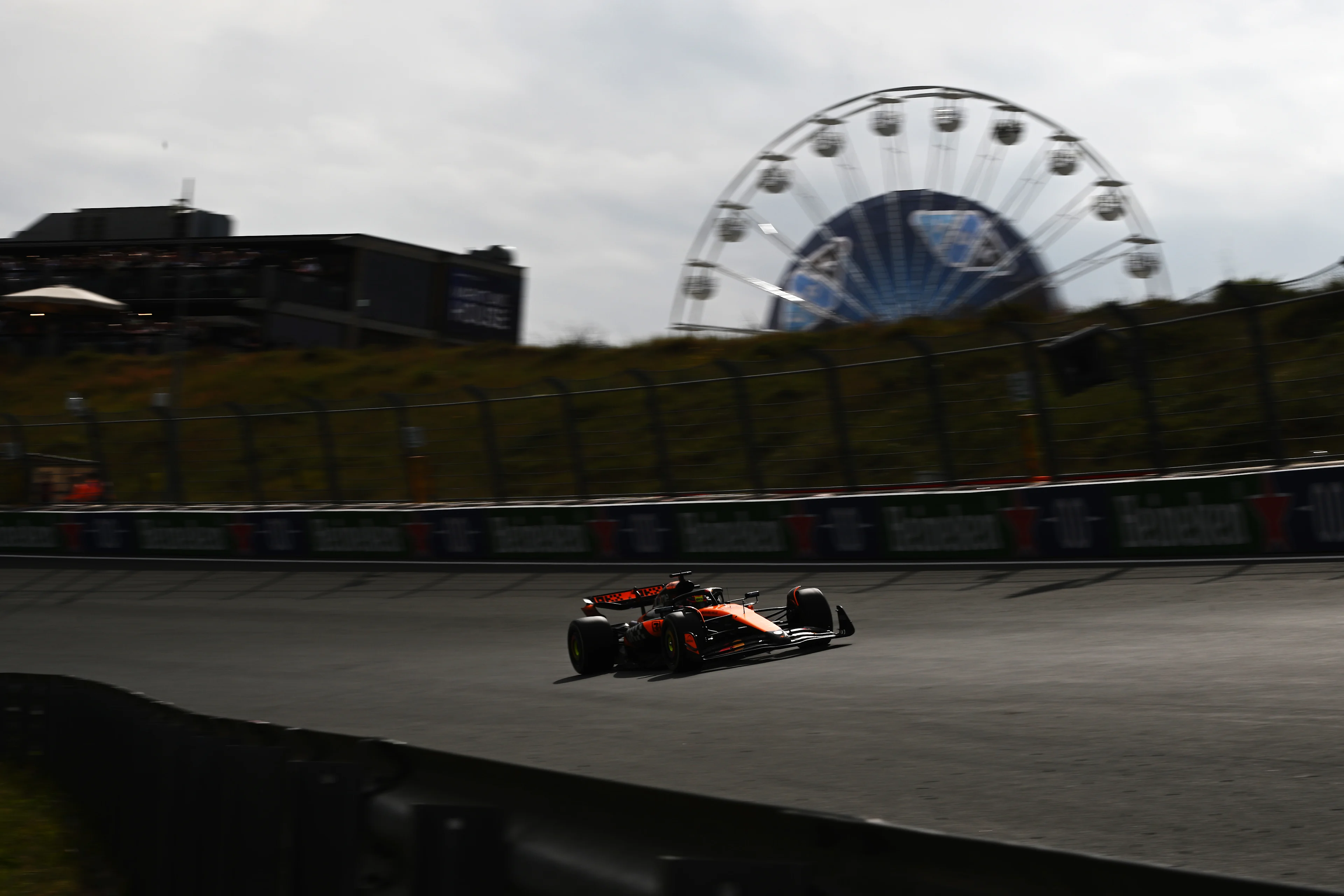
The lasting memory of this era’s final Dutch Grand Prix was that of a dramatic race. Across a six-year residency, Zandvoort has become notorious with a new generation of F1 fans for its changeable weather, dramatic reversals of fortune, frequent interventions and cunning strategy choices. It managed all of those in its first two laps yesterday.
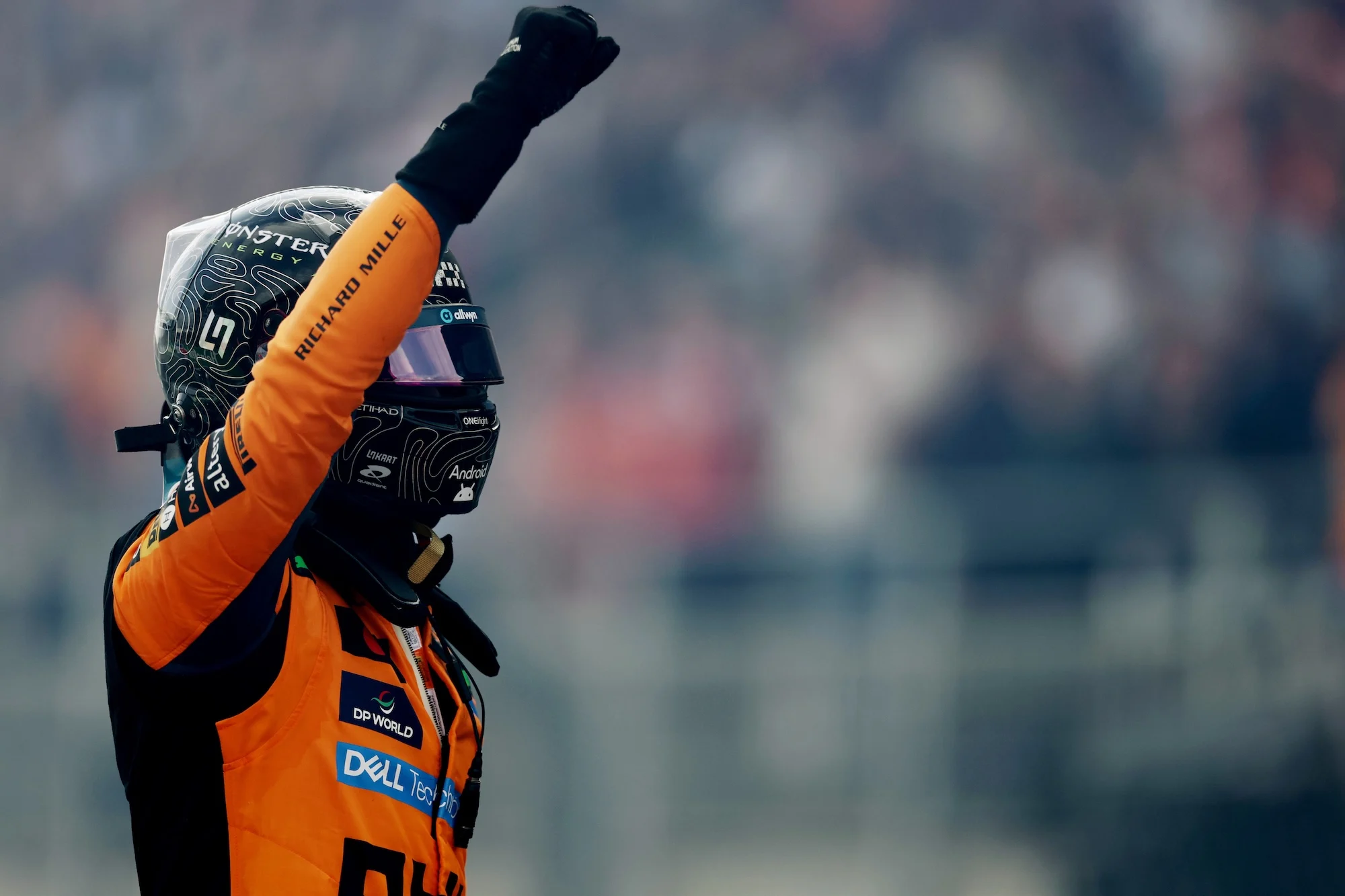
And yet, for Lando, on his way to victory, the last 10 laps were curiously calm. He was clear of the mêlée behind, matching his pace to that of notional challengers, winning by a comfortable margin. And thus, his radio messages at the Chequered Flag were not the adrenaline-fuelled whoopin’ and hollerin’ of an intense battle to the line, but something a little more reflective and considered. While thanking the team and urging everyone to keep pushing, he made a point of praising the strategy that got him over the line first.
“Well done, well executed. Good strategy won me the race today. Thank you, guys.” What did that mean? With the help of FxPro, we’re going to dive into Lando’s Dutch Grand Prix strategy calls.
Winning at Zandvoort made it two from two for Lando. While Hungary was a simple race - for a given value of simplicity - the Dutch Grand Prix was anything but. It was a day of 60 pit stops, a Red Flag and two late Virtual Safety Car periods. Lando dropped from the lead at the (second) start, and needed maximum pace to keep up with Kimi Antonelli in the opening exchanges. In a straight fight, the Mercedes would be tough to get around, so the team needed to ensure it wasn’t a straight fight. And some days, that’s what strategy is: tilting the playing field in your favour.
A Sprint weekend provides an unusual amount of clarity for race strategies, with everyone doing what is, in effect, a 100km race sim in the Sprint. Pirelli’s deterministic race strategy simulations on Saturday evening suggested the fastest way to the Flag was a one-stop race, with Medium>Hard the prime strategy, though only marginally – about a second – quicker than Soft>Hard.
The preference for one-stop over two came not from a belief that it was ultimately quicker but rather that it was easier. Zandvoort is a difficult place to overtake, potentially more so with this generation of cars, with Overtake Mode replacing DRS. Two-stopping cars likely need to fight their way past one-stopping rivals. At circuits where that’s difficult, maintaining track position with a one-stop race comes to the fore. Of course, every team has different strengths and weaknesses, and form their own opinions.
The forecast promised a dry race, and that’s what we had… more or less. A squall blew in off the North Sea and thoroughly soaked the track 45 minutes before the start, and five minutes before the pit lane opened. The cars went to the grid on Intermediate tyres. The rain stopped and the track dried sufficiently for the race to start on slick tyres. Dry enough, however, isn’t the same thing as dry, and both Max Verstappen and Gabriel Bortoleto had spins on the first lap. Gabi came through his unscathed, but Max wasn’t so lucky. He hit the wall, scattering debris across the track and the Red Flag was thrown. Race suspended.
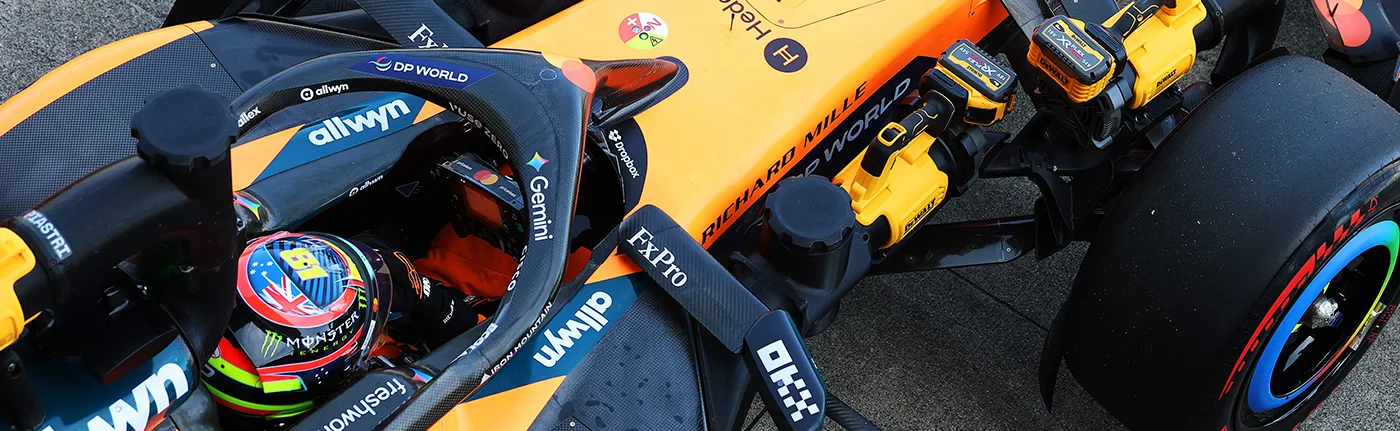
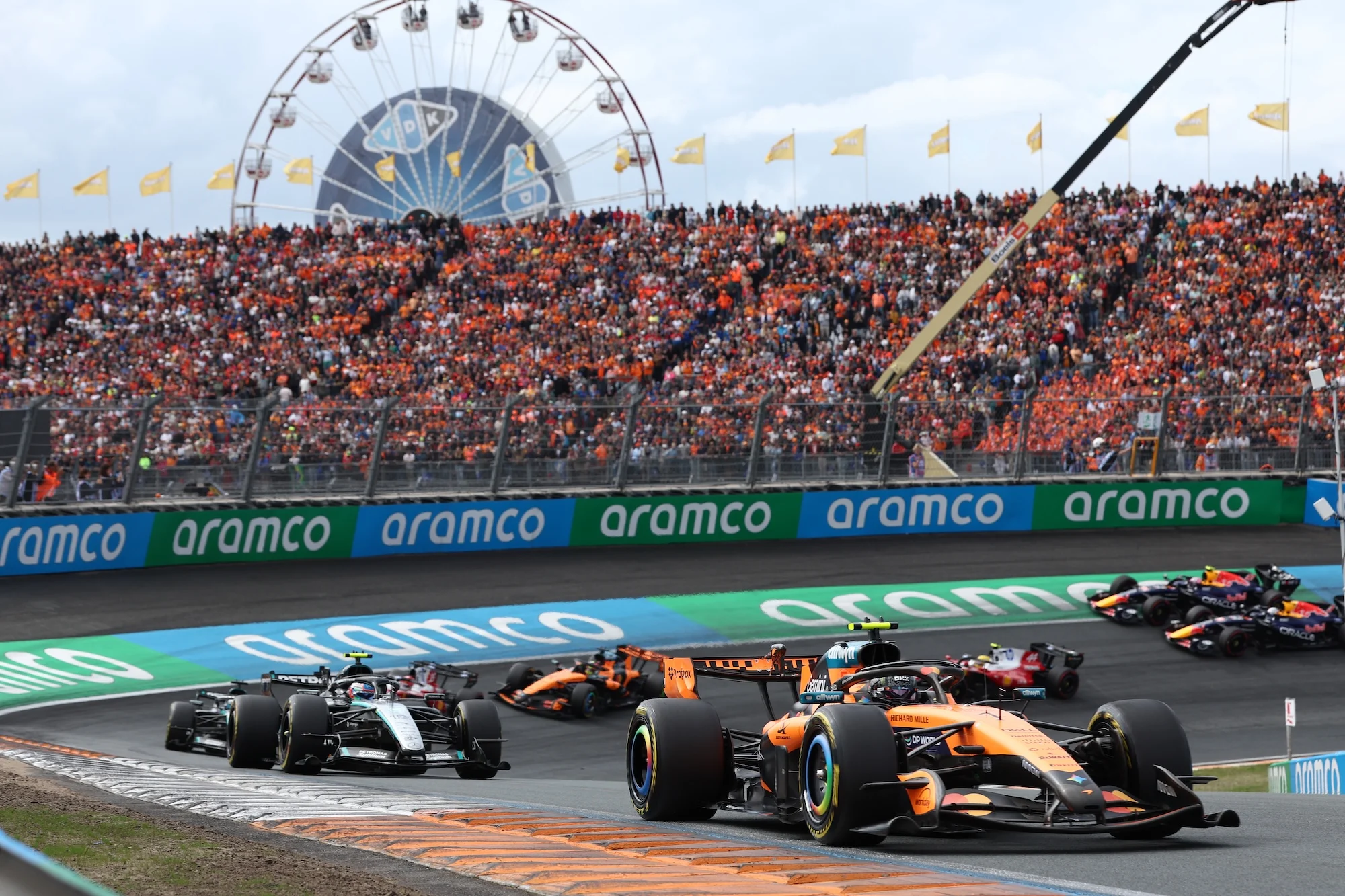
The original 72-lap race would restart with 68 laps to run (after a couple of formation laps). Ostensibly, the same race again – but with a couple of tweaks. The first was that the sun was shining while the cars were back in the pit lane, and the track dried fully. The second was that a first stint had been officially completed, giving everyone a little more flexibility on compound choices for the rest of the race. Mercedes and Ferrari decided to stay with their original start compound choices – Mercedes on Medium, Ferrari on Soft. We decided to switch it up. Lando and Oscar both started on a new Medium tyre, but at the restart Oscar switched to new Hards, and Lando to a set of Softs he’d used in Qualifying on Saturday.
Oscar, in theory, could have done the whole race from that point with two Hard tyre stints. Lando, however, concerned with keeping his lead, and having reviewed data from the first start, went in the other direction. As it transpired, the extra grip with the Soft wasn’t enough to keep him in the lead at the restart. He fell behind Antonelli and became the hunter rather than the hunted.
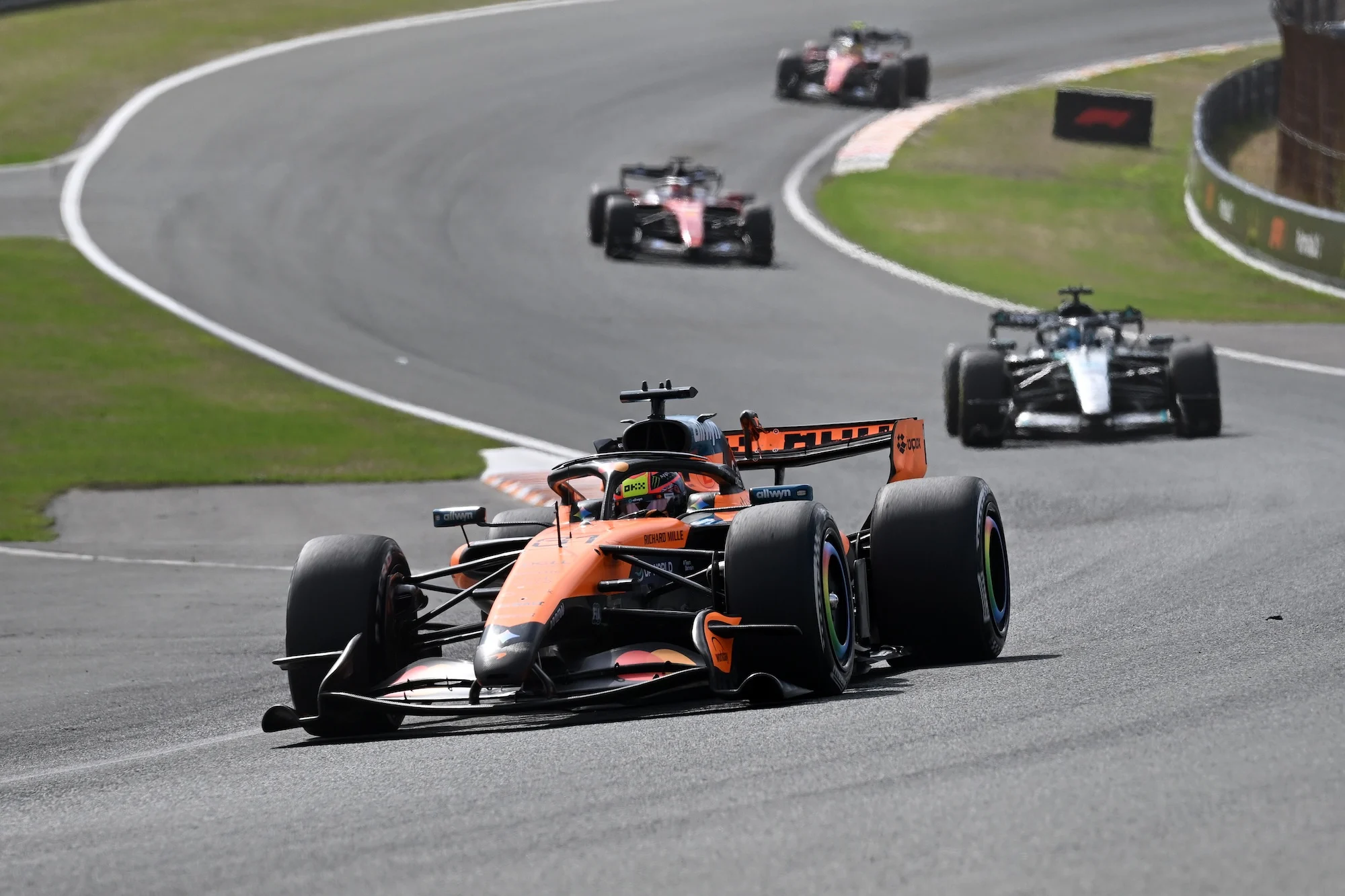
The advantage in this race swung to and fro, and in the first stint it wasn’t with Lando, who was giving everything he had to keep up with Antonelli. They went away together, and by the first round of pit stops, had pulled out a six-second lead over Oscar.
George Russell was the catalyst for the pit stops. Unable to pass Oscar, Russell instead opted to attempt the undercut, which would have been unsuccessful were it not for an issue with the rear-right wheel during Oscar’s pit stop, resulting in a 5.4-second stop.
Russell’s stop started a cascade. Oscar attempted to cover, pitting on Lap 18. Antonelli, Lando and Charles Leclerc all came in together on Lap 21 to defend against an undercut, with Antonelli and Lando successfully retaining track position. Both took on a Hard tyre, and neither would be required to stop again – but the stops were early enough in the race that they seemed very likely to need another.
Lando appeared to like the Hard tyre more than the Soft, and was soon hounding Antonelli. He didn’t attempt a pass… but made the Mercedes driver push harder than he would have liked. Without an obvious route through, Lando was given the instruction ‘box to overtake’, on Lap 40. Box to overtake – or what some teams call ‘Box Opposite’ – is the instruction to do whatever the car in front doesn’t do. Antonelli swung into the pit lane, so Lando kept his foot down.
Lando’s job now was to keep going, with the intention of building a tyre delta for a shorter, faster attacking stint on what would be his final set of tyres. He needed good pace in free air to ensure his gap to Antonelli wasn’t too large, but also to make sure Antonelli couldn’t take it easy and save his tyres for the attack that was certainly going to come.
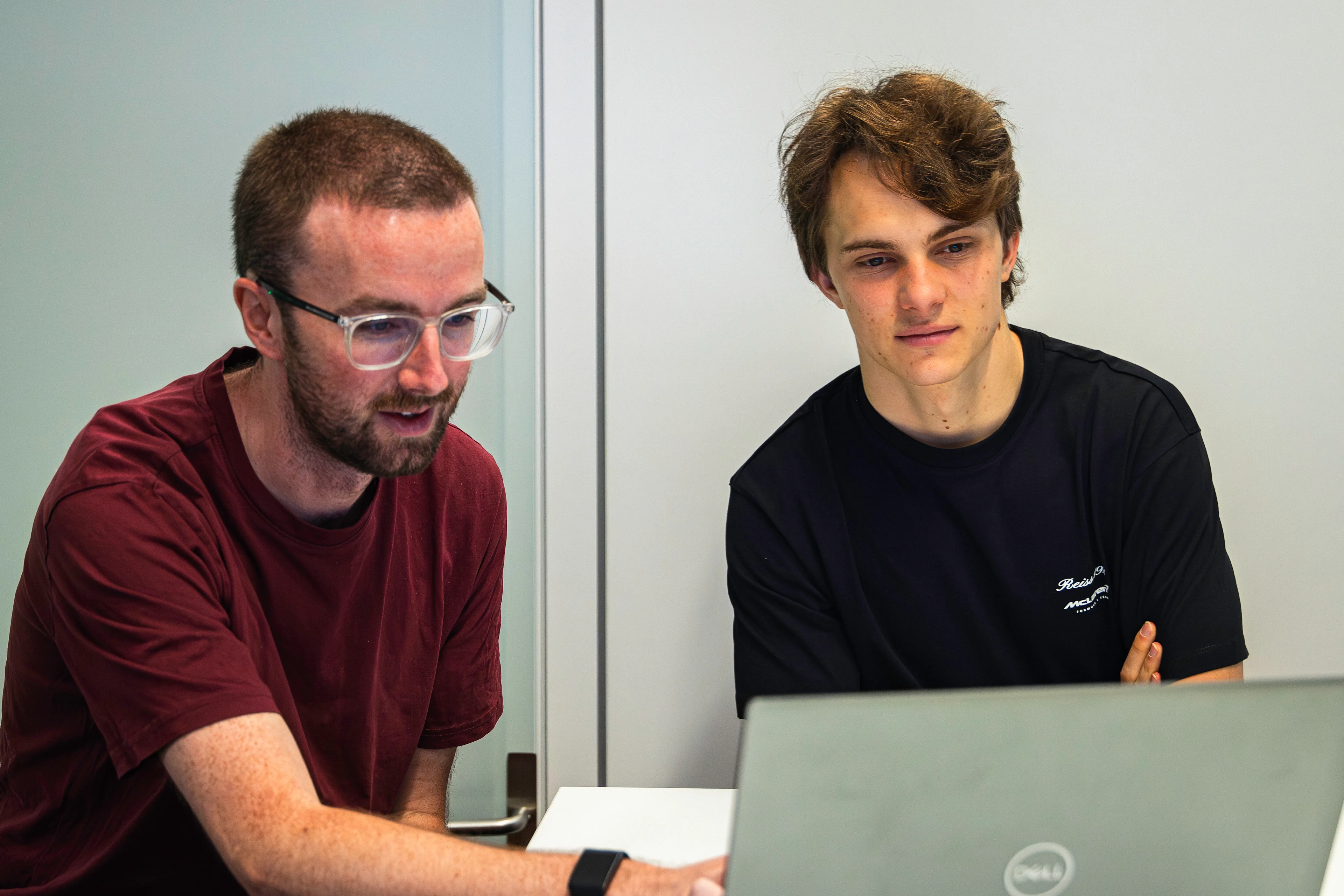
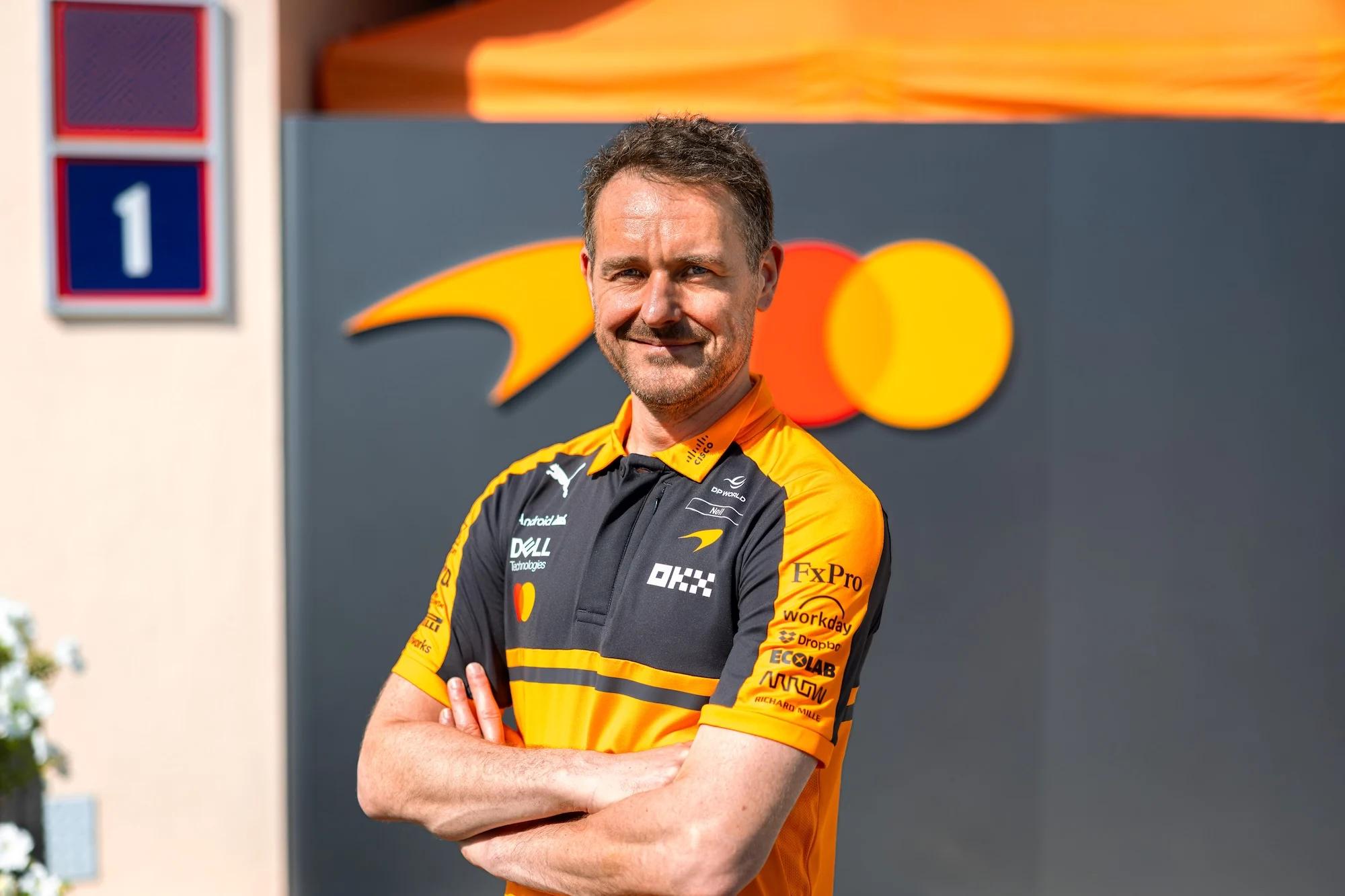
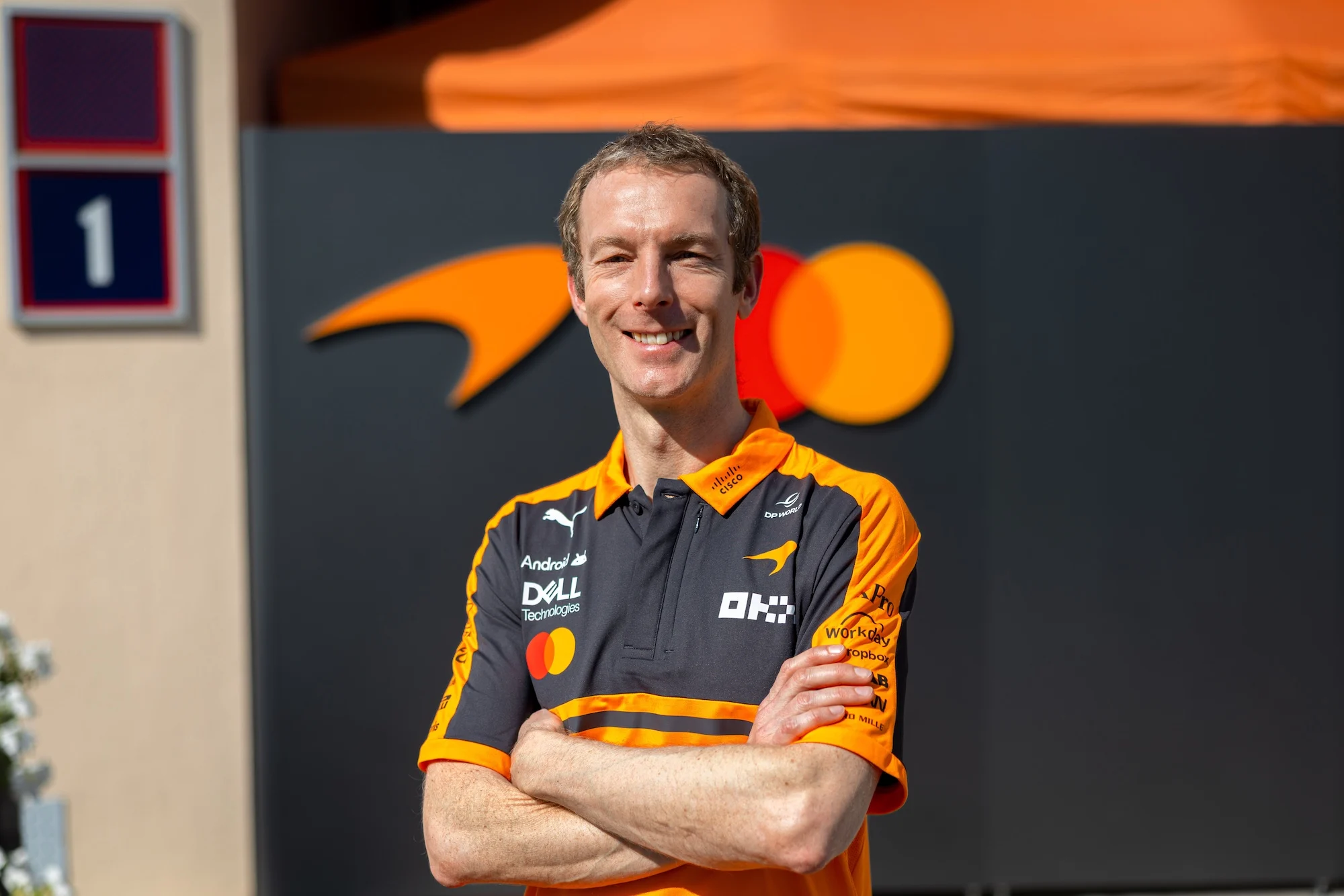
There was another possibility. Lando could have extended his stint and gone to the Flag on the Hard tyre he took on Lap 21. Keeping the tyre alive for that distance was a long shot, but race engineer Will Joseph asked the question. The response from Adrian Goodwin, Associate Director, Race Engineering, studying tyre performance, was unequivocal: “no”. Lando put seven laps into Antonelli, pitted on Lap 47 for his final set of Hard tyres, and returned to the track with 25 laps to chase down a five-second deficit.
Even when the numbers look good, the team collectively hold their breath to see if the plan is going to work out as expected. The tension began to dissipate over the next few laps when it became obvious that Lando wasn’t just faster, he was a lot faster. Antonelli was struggling to pass a long-running Lewis Hamilton, and Lando closed the gap within four laps. He passed both cars on the same lap and was into the lead by Lap 54 of the 72.
That wasn’t quite it for the Dutch Grand Prix. On the following lap, Esteban Ocon stopped on track, and a VSC was thrown. Antonelli, with little to lose, took the opportunity for a cheap stop, as did Hamilton, Leclerc and Oscar. Lando, however, stayed out. He had doubts… but the team felt they were on solid ground. When the race resumed on Lap 58. Lando’s lead was seven seconds over Russell, 12 seconds over the freshly shod Antonelli. Will Joseph was very calm on the radio: “He’s got to pass Russell and catch you by over a second a lap.” That wasn’t going to happen – though a full Safety Car would have made things trickier. Lando was able to peg his pace to the cars behind, coming home with an advantage of 11.536 seconds.
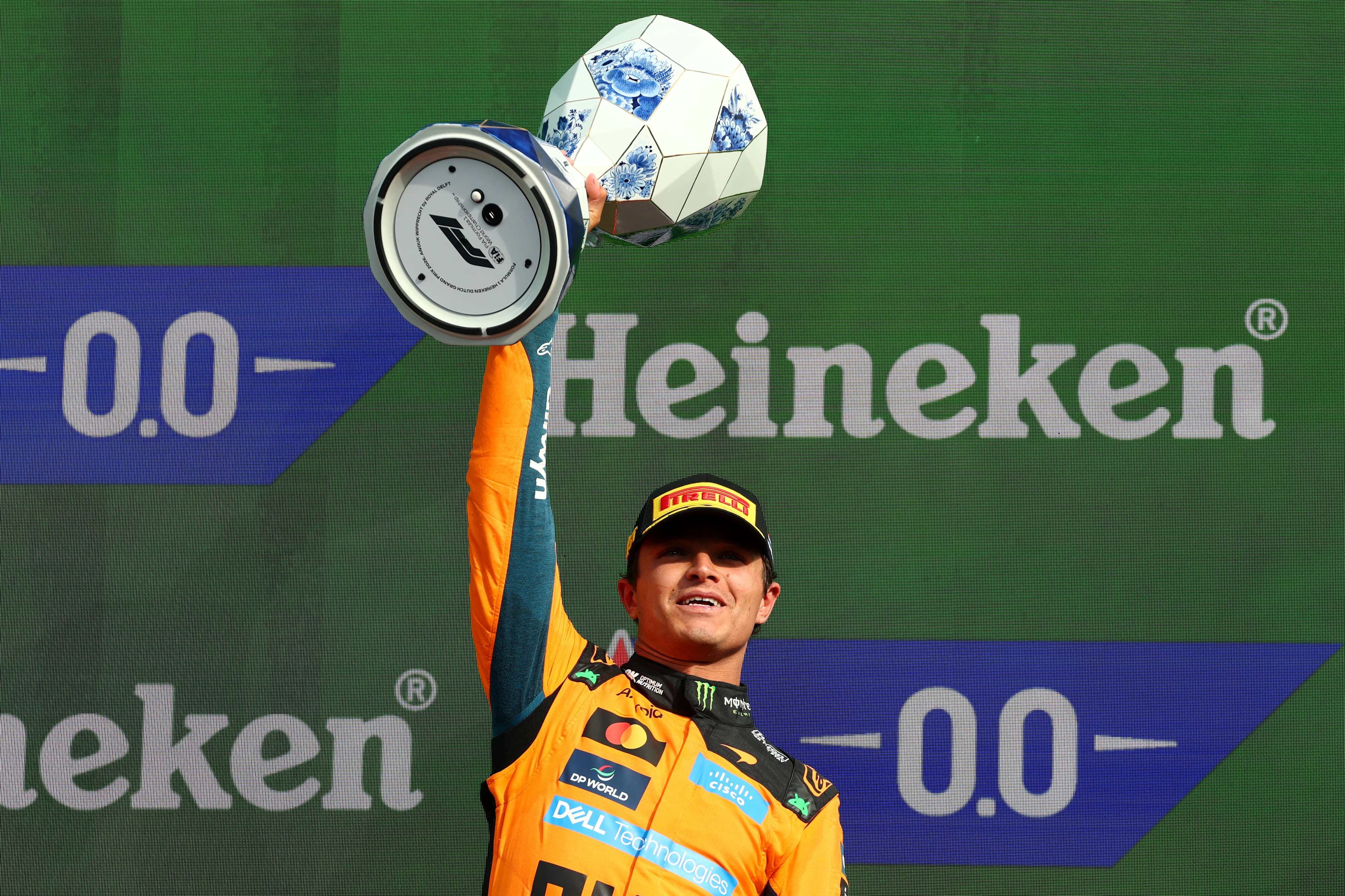
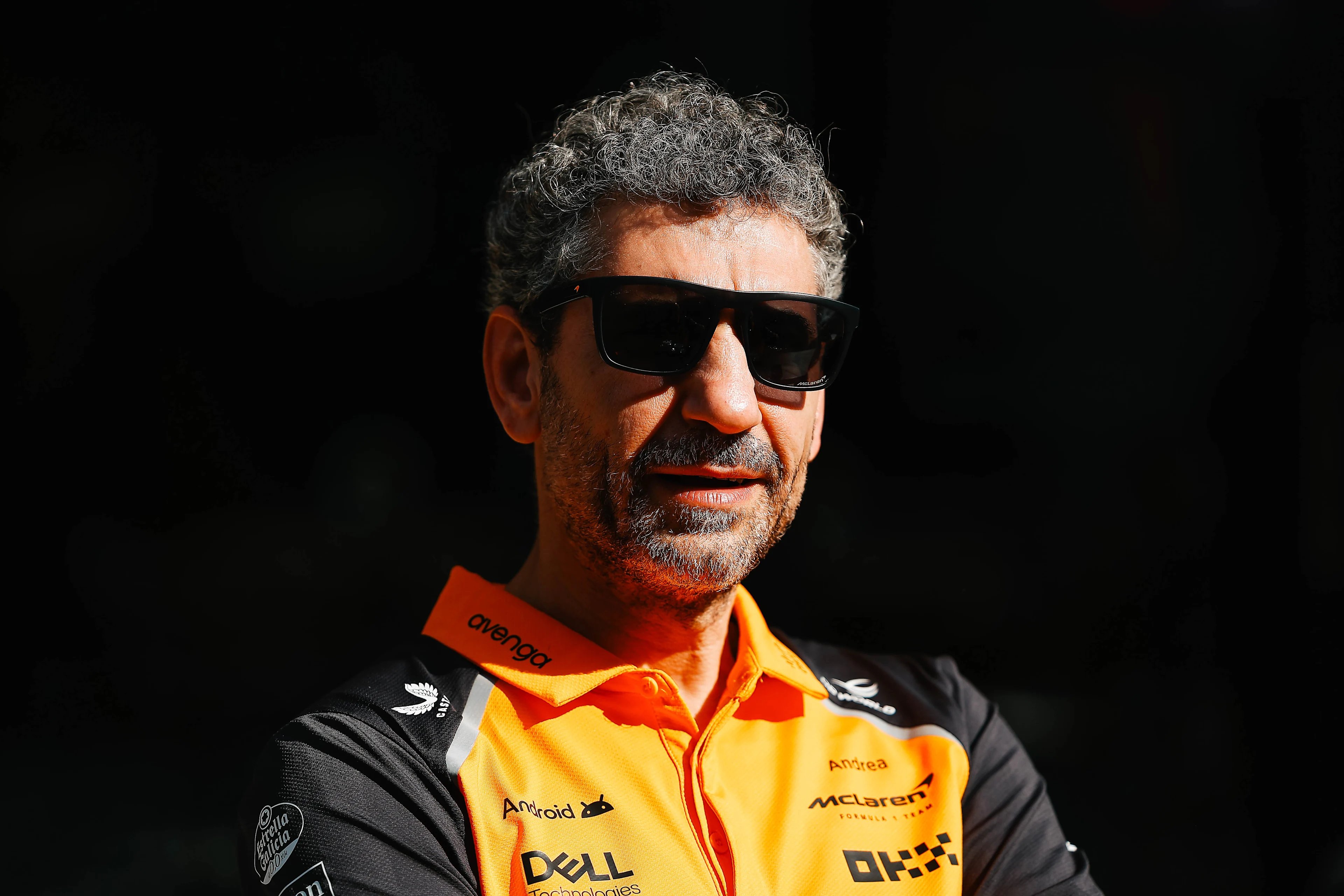
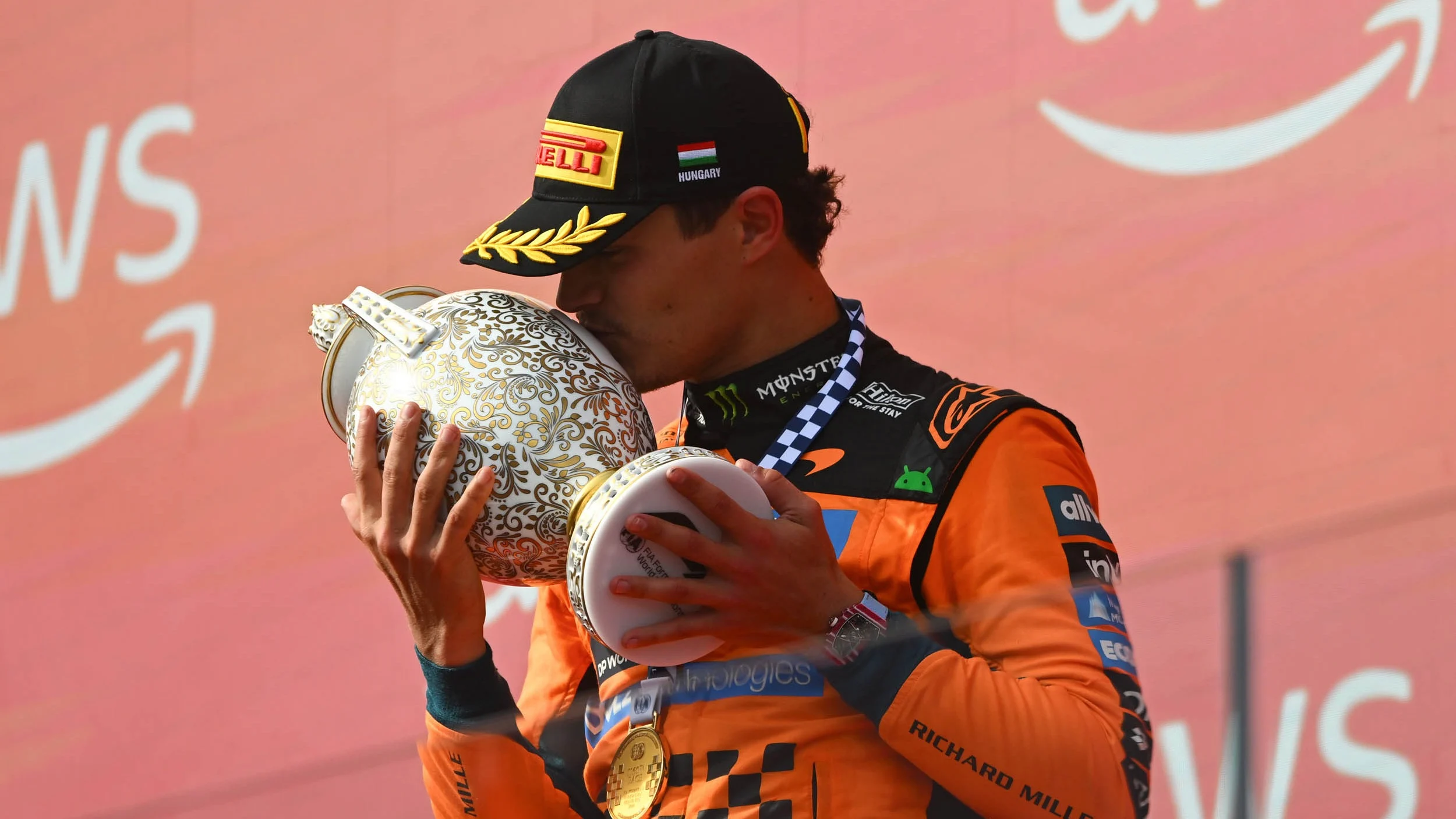
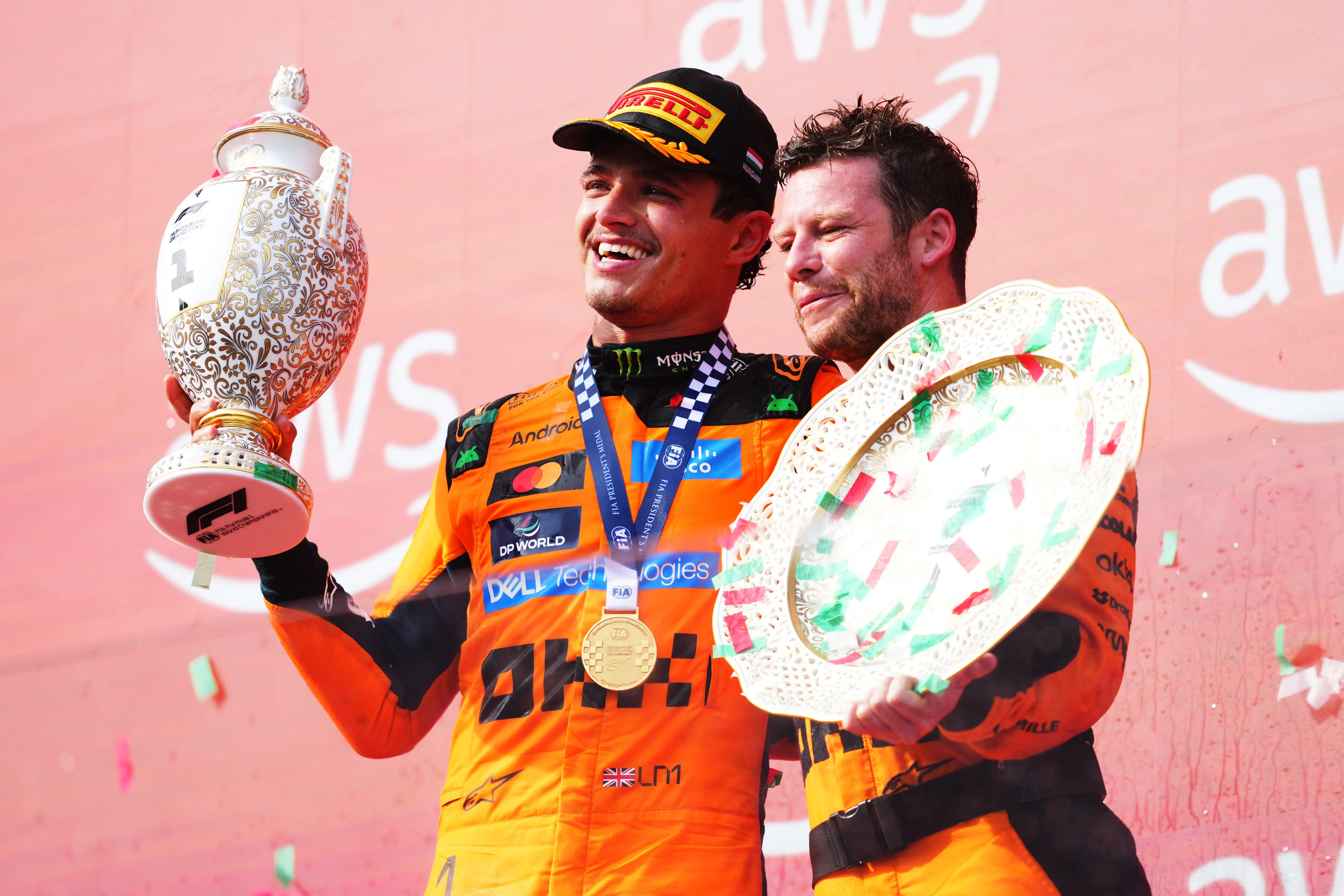
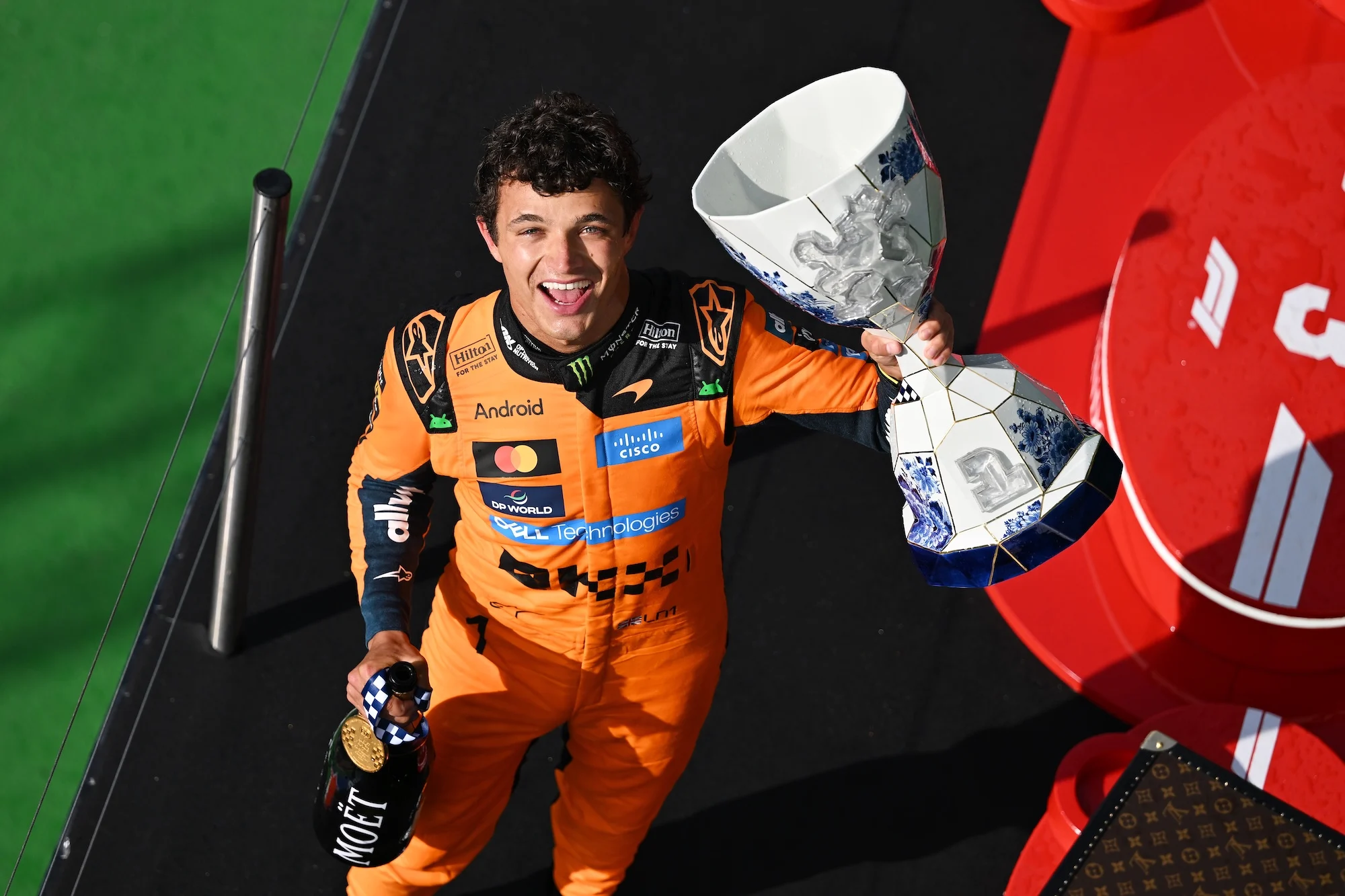
Lando collected his second winners’ trophy in two races, with Adrian taking the ritual soaking to pick up the Constructors’ Trophy. And those were the final acts of the Dutch Grand Prix. In 1985, Niki Lauda, reigning World Champion, took victory for McLaren, ending the first era of the race. In 2026, Lando Norris, reigning World Champion, has done the same to end this era of the Dutch Grand Prix, with the race now disappearing from the calendar. We can hope this is a short hiatus: the racing is simply too compelling for Zandvoort to be gone for long.
Learn how FxPro combines speed, innovation, and precision to drive performance in financial markets.