


24 July 2026 13:00 (UTC)
Differences to Spa and Silverstone, testing upgrades, and running Leo: Answering this weekend’s key questions

Welcome to The Briefing, where we’ll be answering the key on-track questions ahead of the Hungarian Grand Prix.
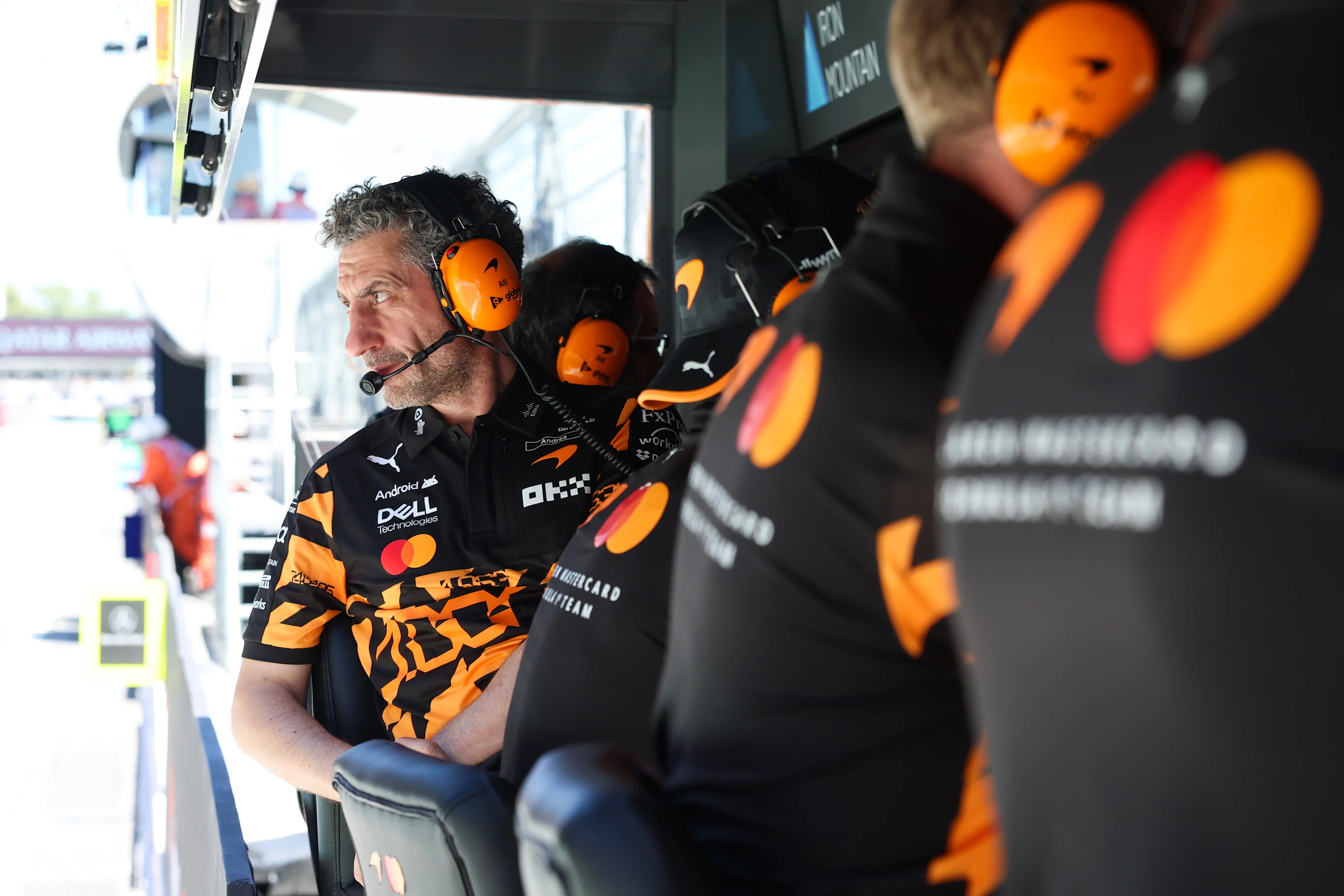
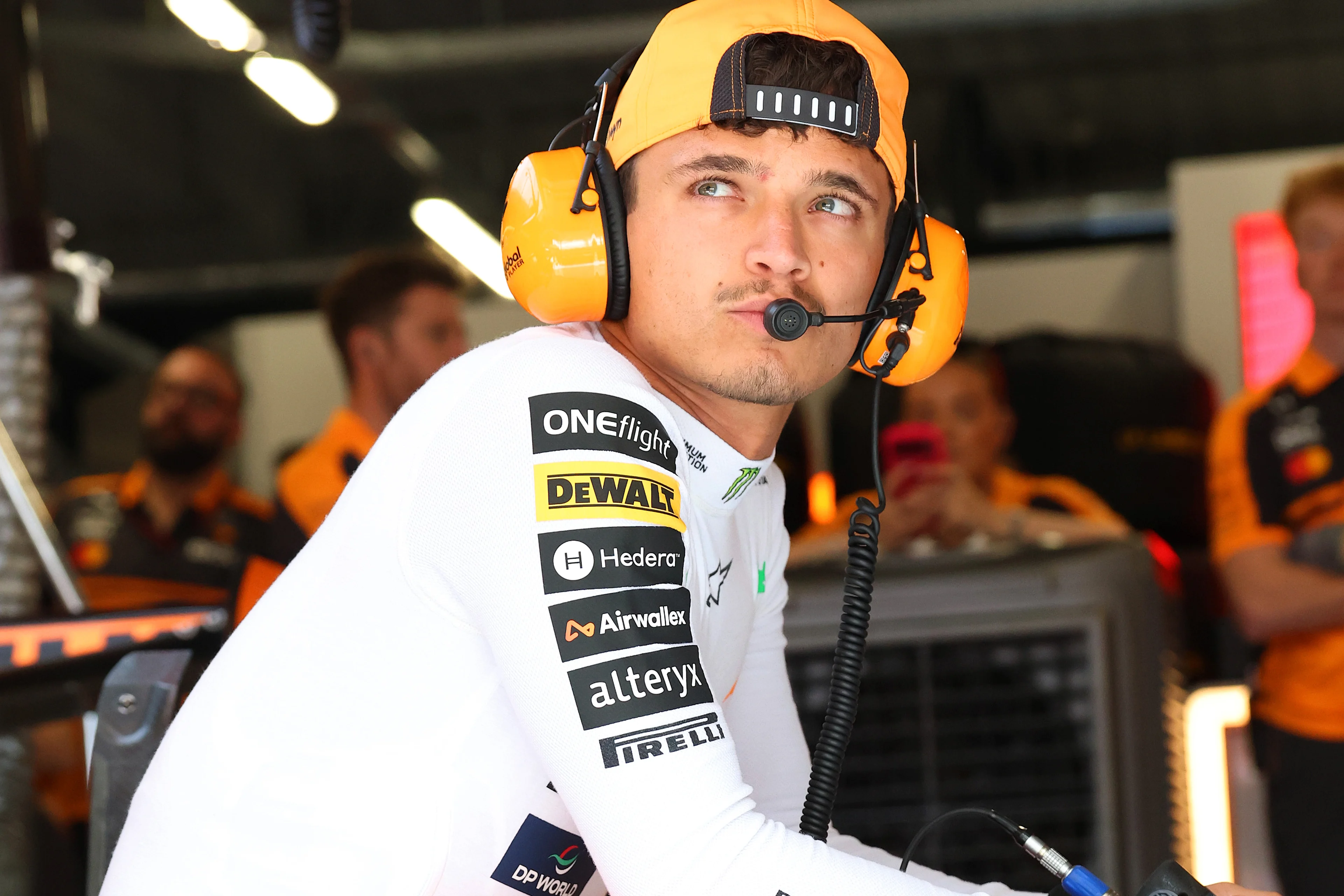
Each week, powered by Google Cloud, one of our trackside experts will join us to explain all of the weekend’s biggest talking points. This week, ahead of FP1, we spoke with Senior Racing Director, Randy Singh.
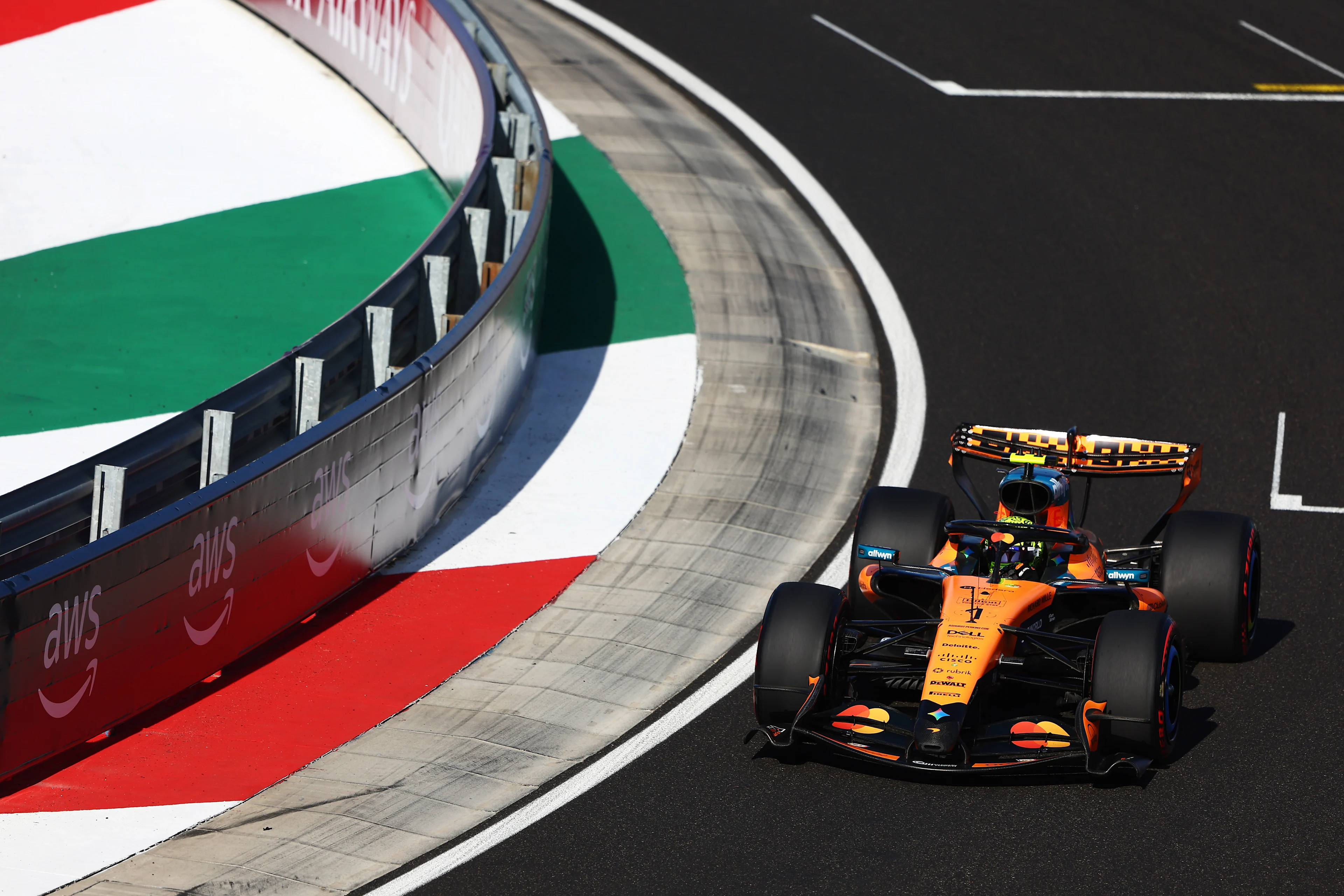
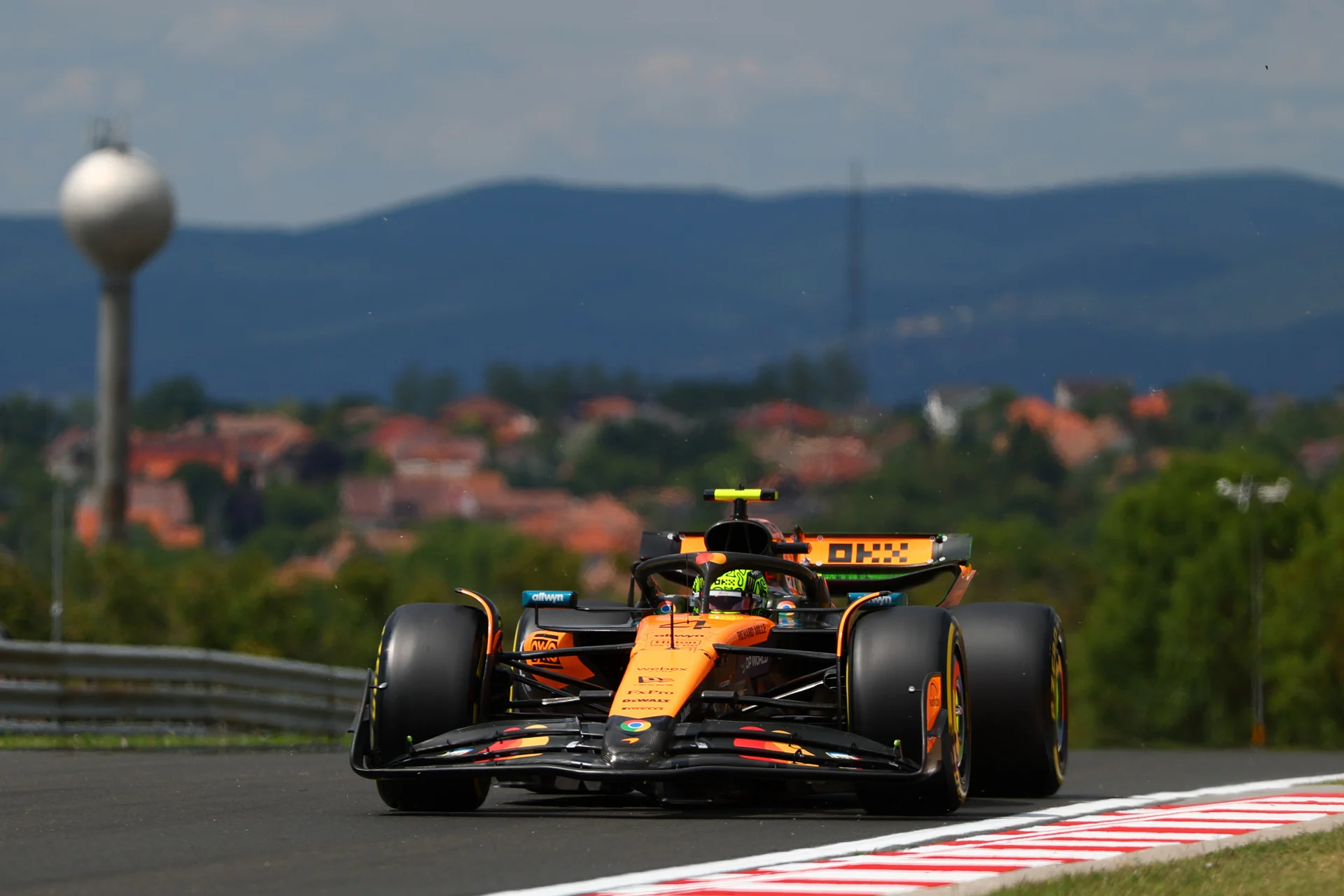
We’re on quite the run of circuits heading into the summer break, with the iconic Hungaroring capping off a historic trio of tracks that also included Silverstone and Spa. However, the Budapest-based track is very different to the other two. Unlike the long, fast, and sweeping layouts at Spa and Silverstone, which require low drag, Hungary is tight, twisting, and short, demanding maximum downforce.
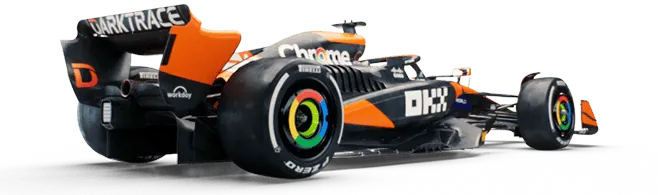
This weekend, we’ll be testing our latest suite of upgrades, which includes a new floor among other aerodynamic components, and is aimed at improving our performance on high-downforce tracks like the Hungaroring.
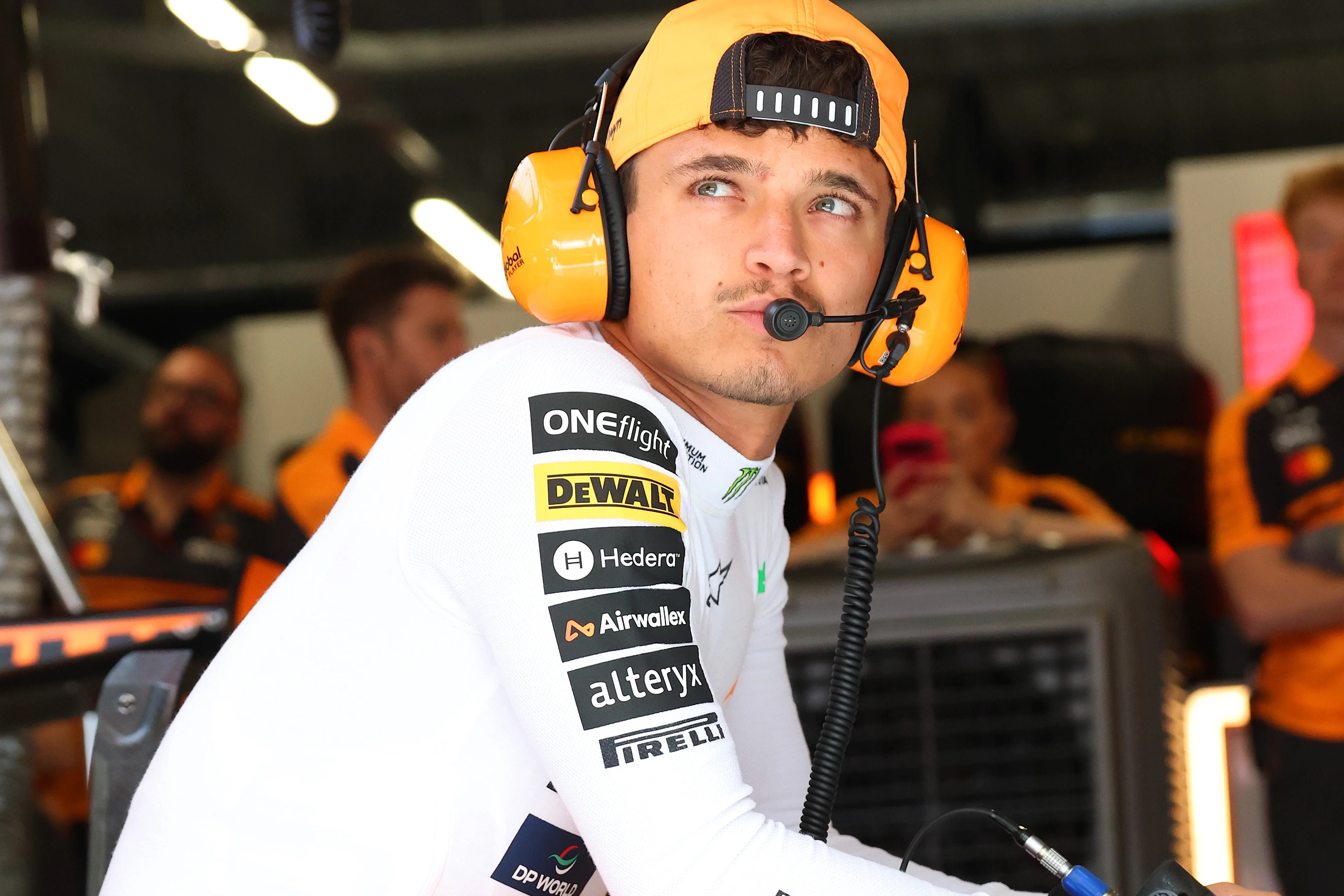
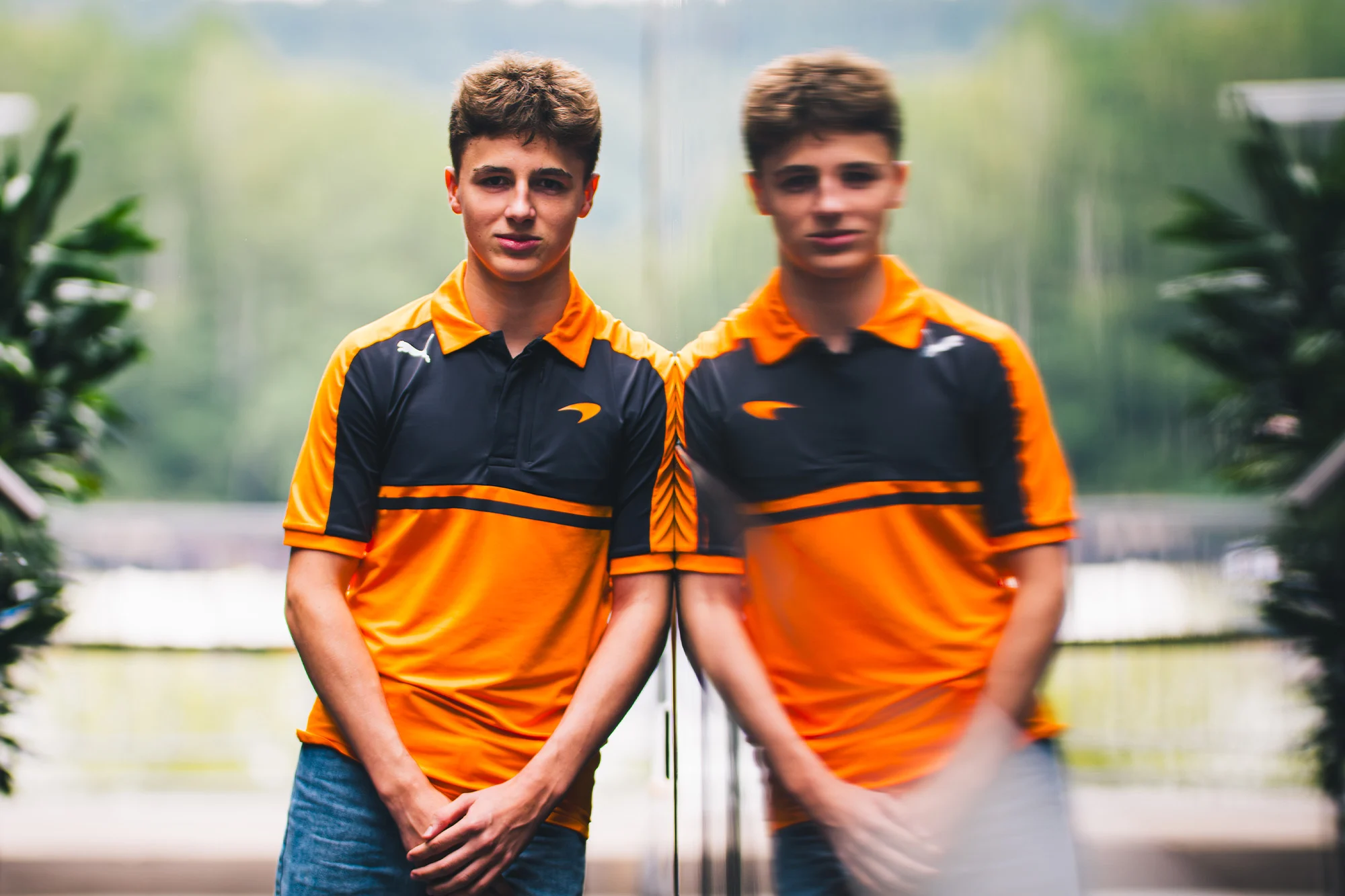
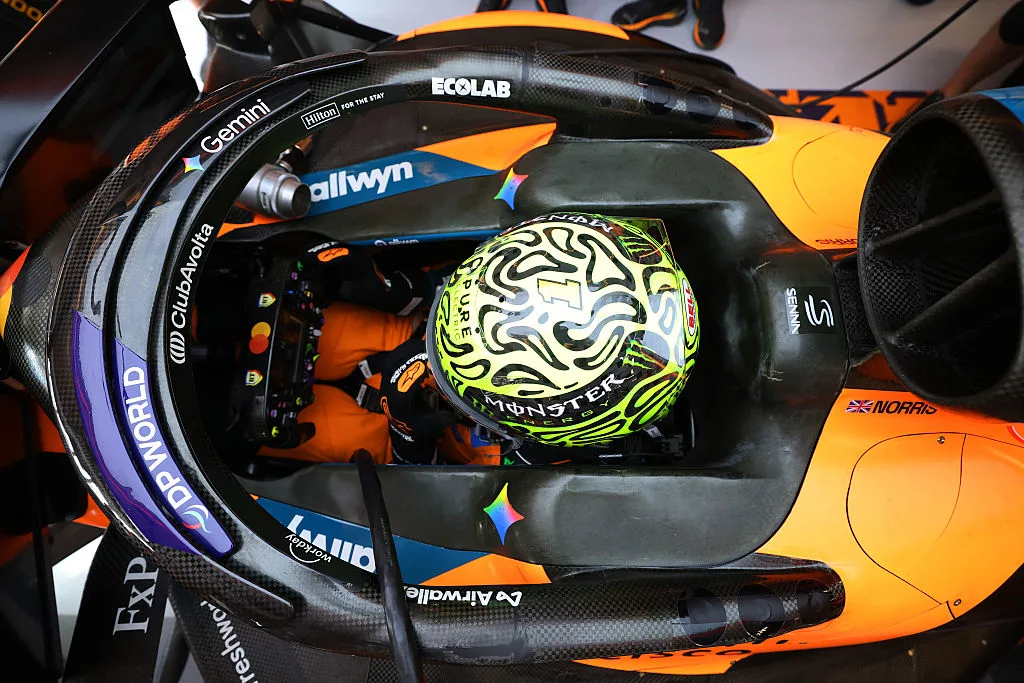
With the help of Randy, we’ll walk you through what these upgrades are and how we’ll be testing them, the strategy choices on offer, and what a wet session would mean for the team. We also had Development and F1 Reserve Driver Leo Fornaroli in the car for FP1, and we’ll cover everything he got up to.
Yes, there’s a lot of new bits on the car to test this weekend. The biggest is a new floor. We’ve got some smaller changes as well. It’s quite a lot of parts, and we have an extensive plan to test those through today.
We’re going to have Leo work with an experimental rear wing that originally was intended for practice in Austria. He’ll be helping us gather more data and further our learning as we develop this for the future.
We’re going to use his session to try as many tests as we can. There will be quite a few setup changes for him, so inevitably more time in the garage than Lando, as we make those changes – but he’ll still be on track for a large part of the session.
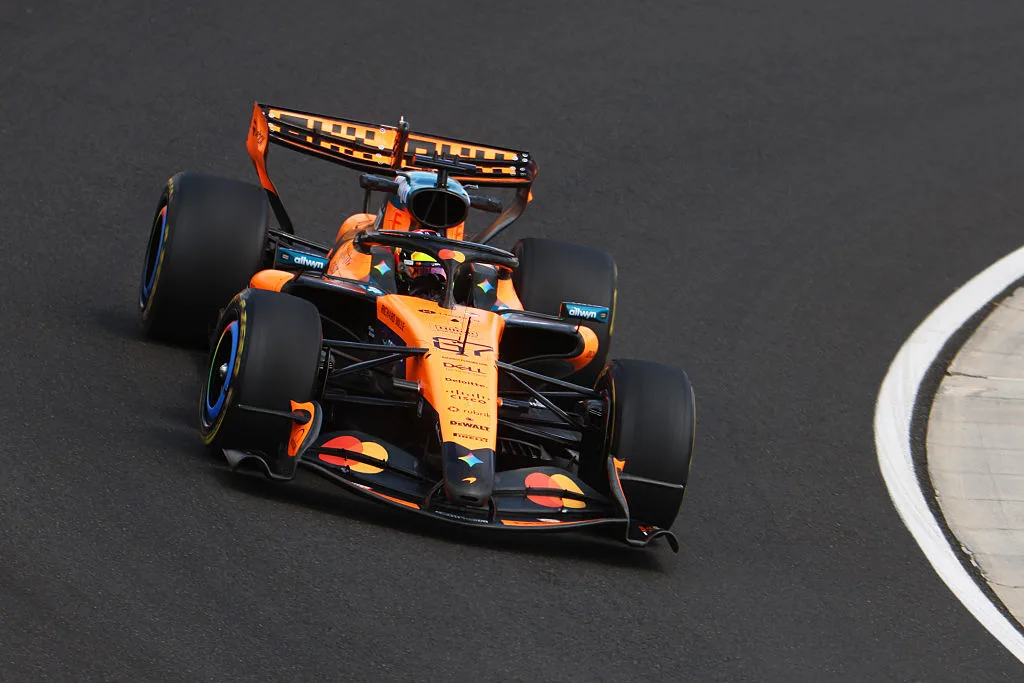
I think the main thing will be trying to assess if it's a one-stop or a two-stop race here. Last year, we ran both strategies, with Lando on a one-stop and Oscar on a two-stop, and they finished nose-to-gearbox. Having a good understanding of which strategy is going to be better this weekend will potentially make a difference to how we allocate tyres for the rest of the weekend.
The cars this year are very different, and we want to see how difficult overtaking is. It’s changed quite a lot this year – but significantly, how it has changed is different from circuit to circuit. At some circuits, overtaking has become slightly easier, or not changed very much, while at others overtaking has become harder.
We expect overtaking won't be as easy this year here in Hungary, and it may return to how Hungary used to be, prior to the generation of ground-effect cars. But even if that is the case, it doesn't necessarily mean it'll be a processional Hungarian Grand Prix. Overtaking might be tricky – but you could still see some different strategies at work, with split stop windows, early stops, late stops and so on.
Once we understand how many stops are preferred, and whether the overtaking is tricky or not, then we’ll know if it’s a race dominated by track position, or a race dominated by strategy, and do our best to maximise our potential under those circumstances.
Initial signs make this probably look more like a one-stop than it was last year, because overtaking looks like it will be on the harder side – but we have to go out and run to assess that properly. We’d like to see our cars do some following during practice and simulate overtaking – but it’s a difficult thing to do because time at high-fuel in practice is limited, and every lap you’re following someone closely, you’re not learning as much about the tyres as you would like to learn.
That said, it hasn’t proved easy to predict how races will go this year. There have been some circuits where we’ve arrived with a notion that overtaking will be very difficult or very easy, and it's just not worked out that way. It’s been a year where we’ve found out a lot once we’ve gotten on track, because we can’t always simulate everything perfectly, for example, the level of grip. It also matters what other teams do with their deployment.
This weekend, I think it’s fair to say that we’d prioritise learning about overtaking over learning about tyres, because the overtaking is a bit of an unknown, whereas the tyres at this point in the year are a little better understood. But we will assess as we go: we may see that tyres are not behaving as we expected, and then we’ll be very interested in them and try to put ourselves into clear air for the high fuel running.
There really isn’t much. We could change the setup, but that way we wouldn’t learn much about how the car would run in the dry. We do expect it to be hot on Sunday, however, so we would need a decent amount of rain to have a big impact. What would be interesting if it did rain is the parts of the track that have recently been resurfaced. Those tend to be trickier in even lightly damp conditions.
I think we've been quite excited at times this year where we thought there was a chance that we'd have a proper wet practise session! We’ve yet to run in the wet with these cars and power units, and I think the way people would treat the first wet practice session would be very different to what we’ve done in the past – where we’ve been very careful about how many laps are run, to not use up our allocation of Intermediate tyres.
I think everyone would have a different approach were it to rain here. We're all quite excited to learn about the Inters and Wets… but it doesn’t look like we’ll get the opportunity here!