

30 September 2026 19:00 (UTC)
Digging deeper into a few of the iconic pieces from McLaren’s first fashion show

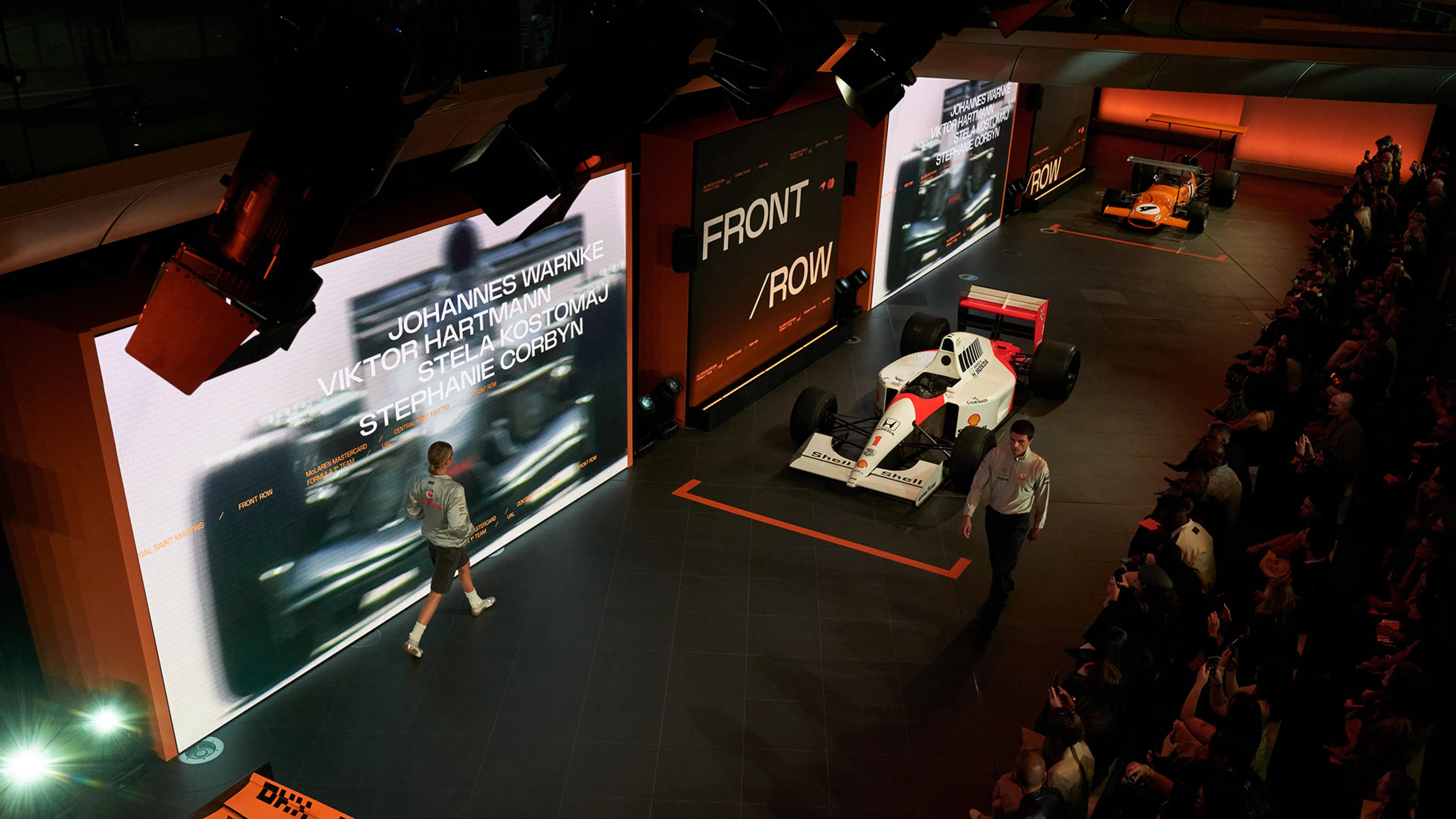
From a jacket crafted by a digital scan of a tyre to corsets structured from heritage car blueprints, every look in Designed to Race: Front Row made an impression. Choosing a favourite is impossible, but these are five we can’t stop talking about.
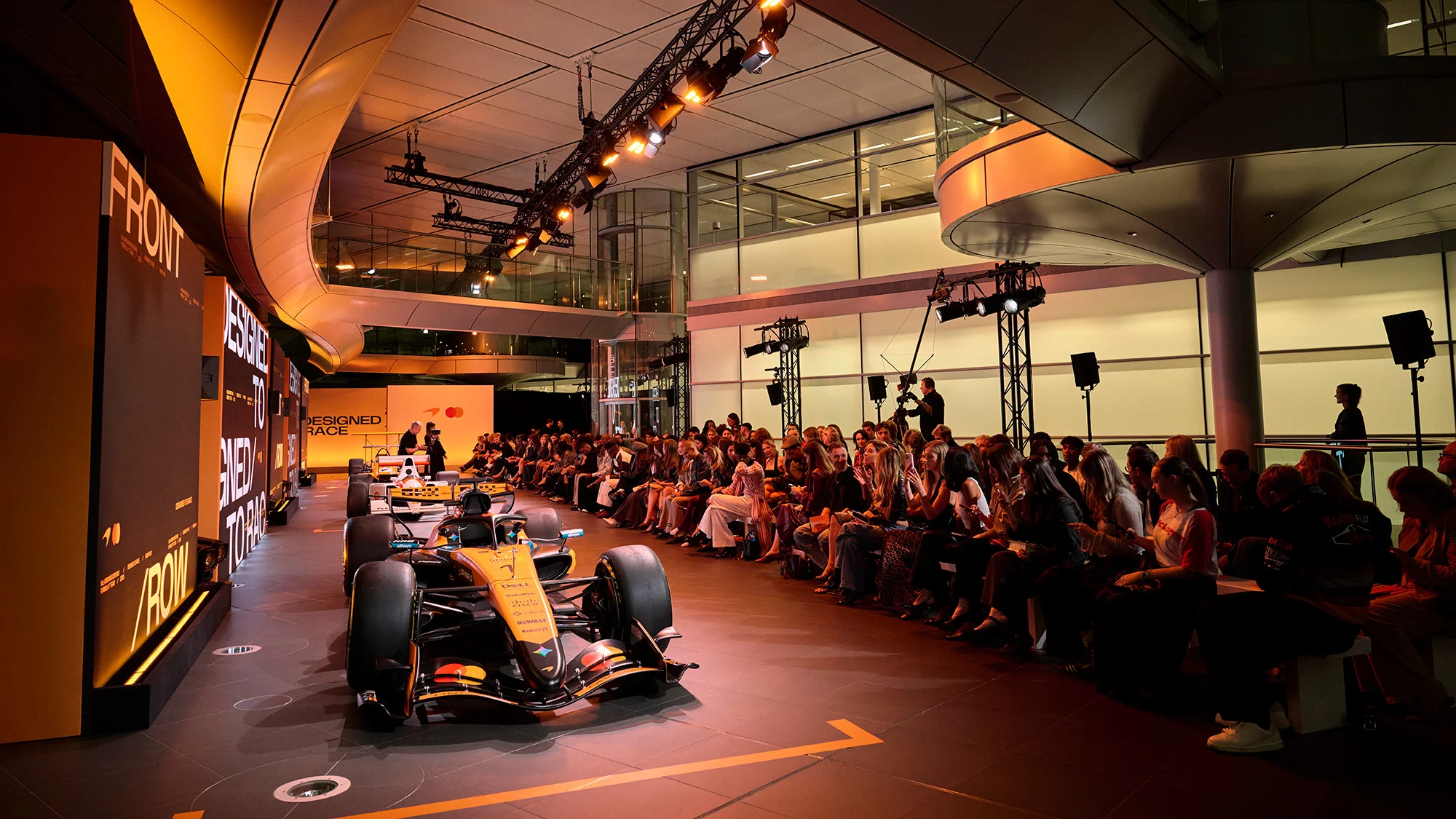
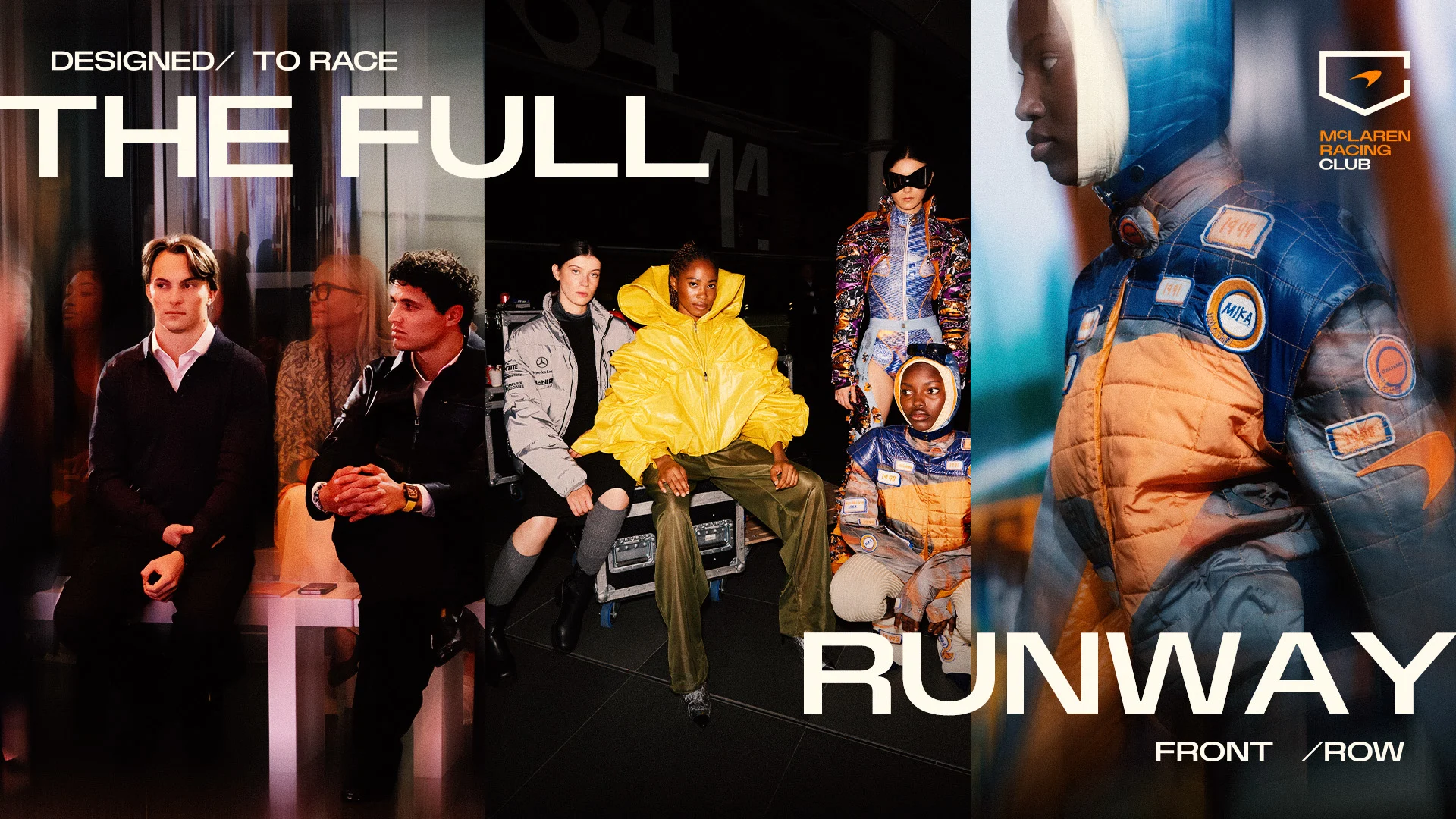
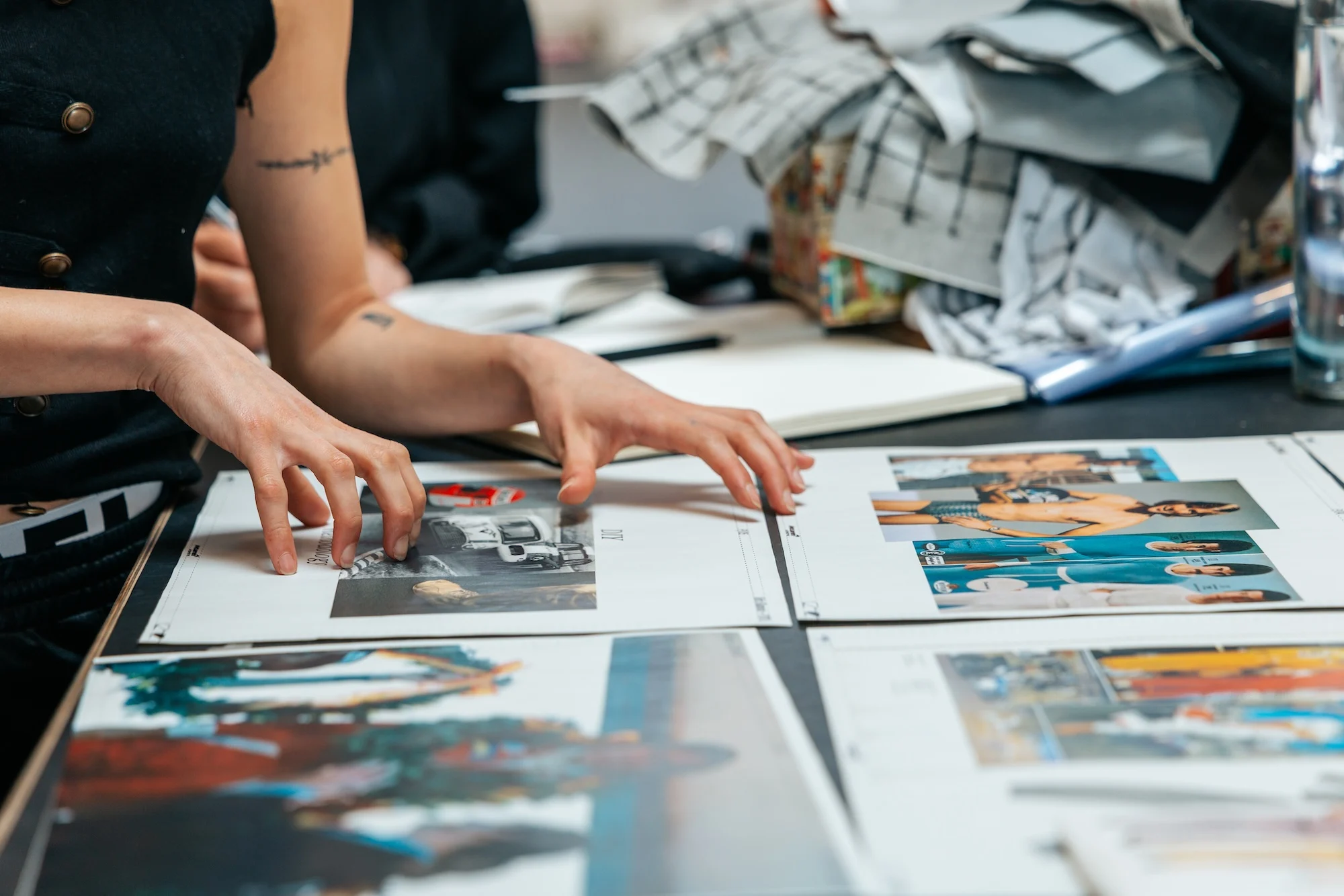
Twelve bespoke pieces debuted on the runway at the McLaren Technology Centre in a fusion of fashion and motorsport. Each look was created by students from the prestigious Central Saint Martins, who spent months translating six decades of McLaren’s lineage into high fashion. These designers created couture rather than wearable collections, each telling a story from the 70s through to the modern era of F1.
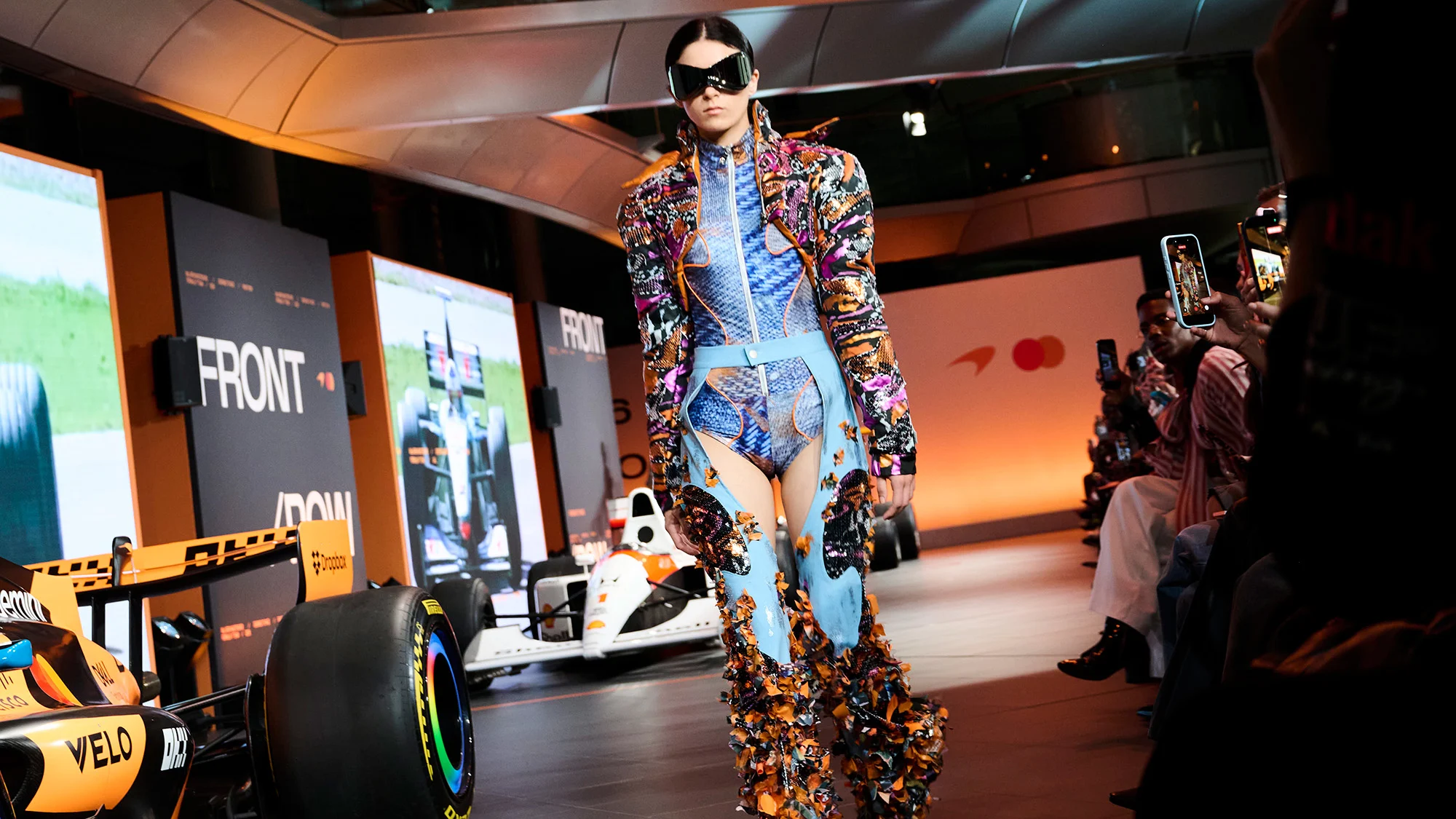
When designers Maxine Wint, Mario Don and Jim Cannon were tasked with creating a look based on McLaren in the 90s, they didn’t take the standard route. Forget the era of the Matrix or 90s minimalism - this group crafted a work of art based on innovative fashion, leaning on the futurism of Y2K: technology and precision.
During the design process, Mario said: “We were looking at taking some shapes of the cars, playing with texture and the colour palette. We liked the bright tones and wanted to play with different prints.”
This look was striking for so many reasons, and the use of papaya through the panelling and the texture captures the eye almost immediately. The group emphasised that the final look leaned into maximalism, highlighting the bright futuristic colours that contrasted the smooth denim look. Rather than using actual denim, they sublimated the texture onto lycra to create a more structured silhouette that mimicked a car chassis on the undergarment.
The puffer jacket was reminiscent of the designs popularised in the era, while the streetwear element tied the whole piece together. The papaya colour scheme nodded to McLaren’s modern branding, and the maximalist textures drew on the older paintwork on the cars. Oscar Piastri even called it his favourite look of the evening.
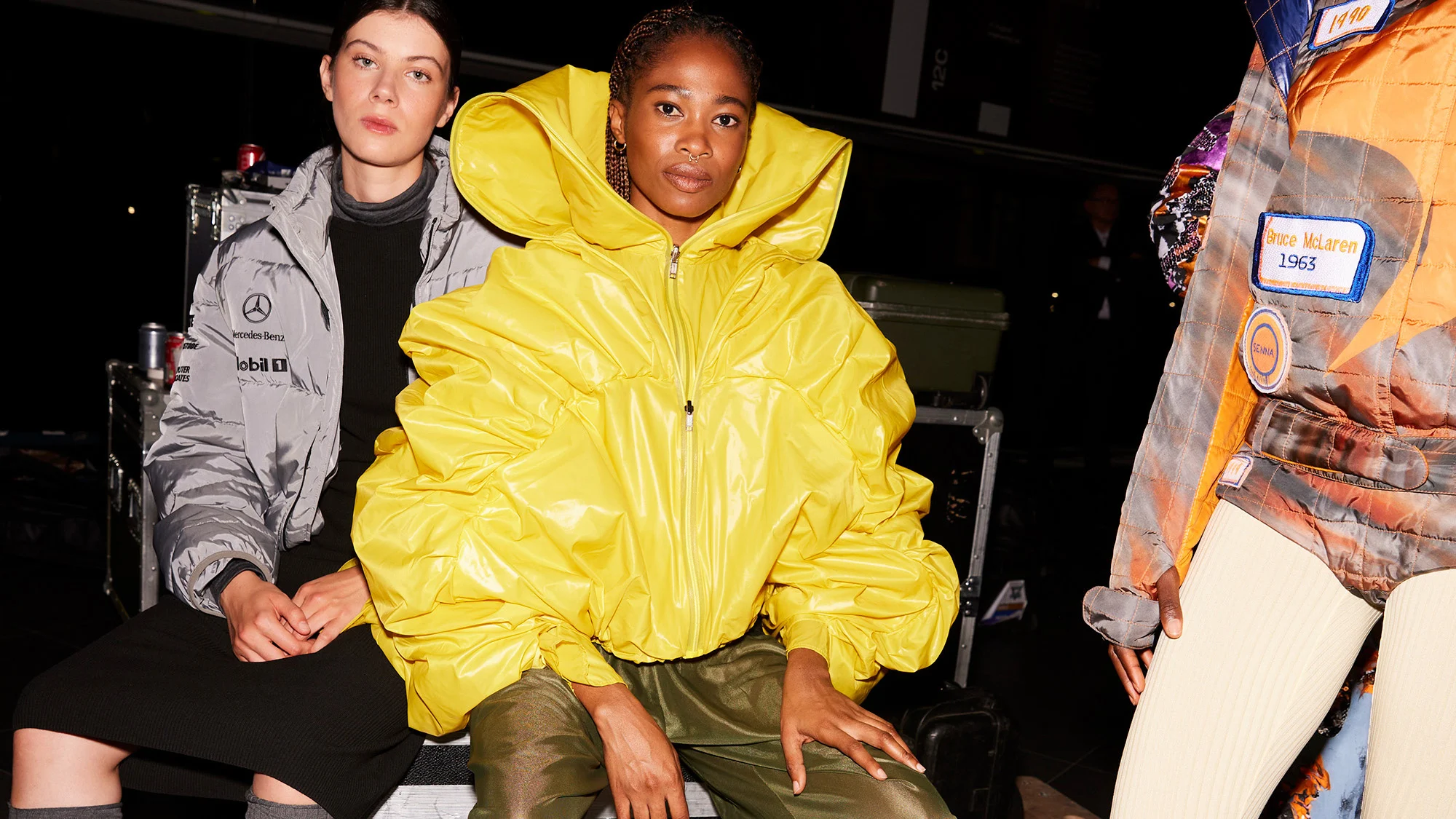
McLaren has a host of style icons to draw inspiration from, and Ayrton Senna was one of the most exciting. This group of designers used Ayrton’s iconic yellow helmet as the main theme of their design, but did not stop there. They explored Ayrton as a whole, referencing his character traits and aggressive driving style through the jacket's flow, while also highlighting McLaren’s ‘high performance’ of the era.
Nadine El Garhy, working alongside fellow designers Jimena Martínez, Dalma Gedeon and Aiden Kaltenborn, said: “We wanted to recreate the innovation process of McLaren throughout history when they were developing cars. We wanted to digitally slice open a McLaren tyre, extract the pattern and make it into a jacket. We just felt like that would be kind of a nice homage to the innovation and precision that McLaren delivered.”
The garment highlights this, with the group creating a windbreaker-style jacket with a loose flow that mimics a tyre’s shape. Nadine also explained that they digitally sliced open old tyres to explore movement and airflow before creating the jacket's structure. The final finish simulates a wet-tyre texture, spotlighting Ayrton’s incredible performances on rainy race weekends.
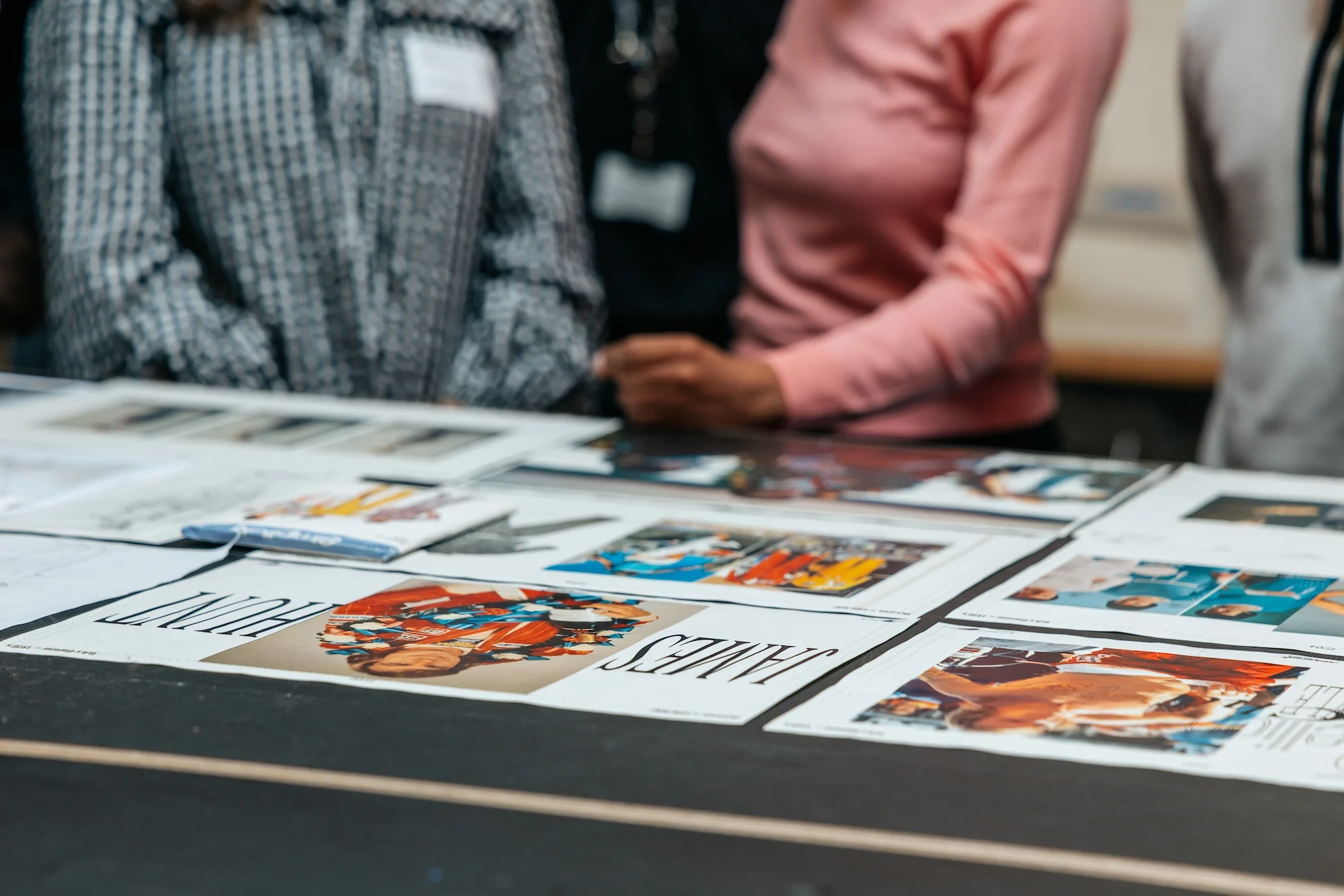
"It was great to see our look on the runway, but it was an amazing opportunity to have a conversation with the guests, to show a mini exhibition with them and to talk about the process of the design process,” Dalma said, reflecting on the platform the show gave young designers to interact with drivers, team members, and people in the fashion industry.
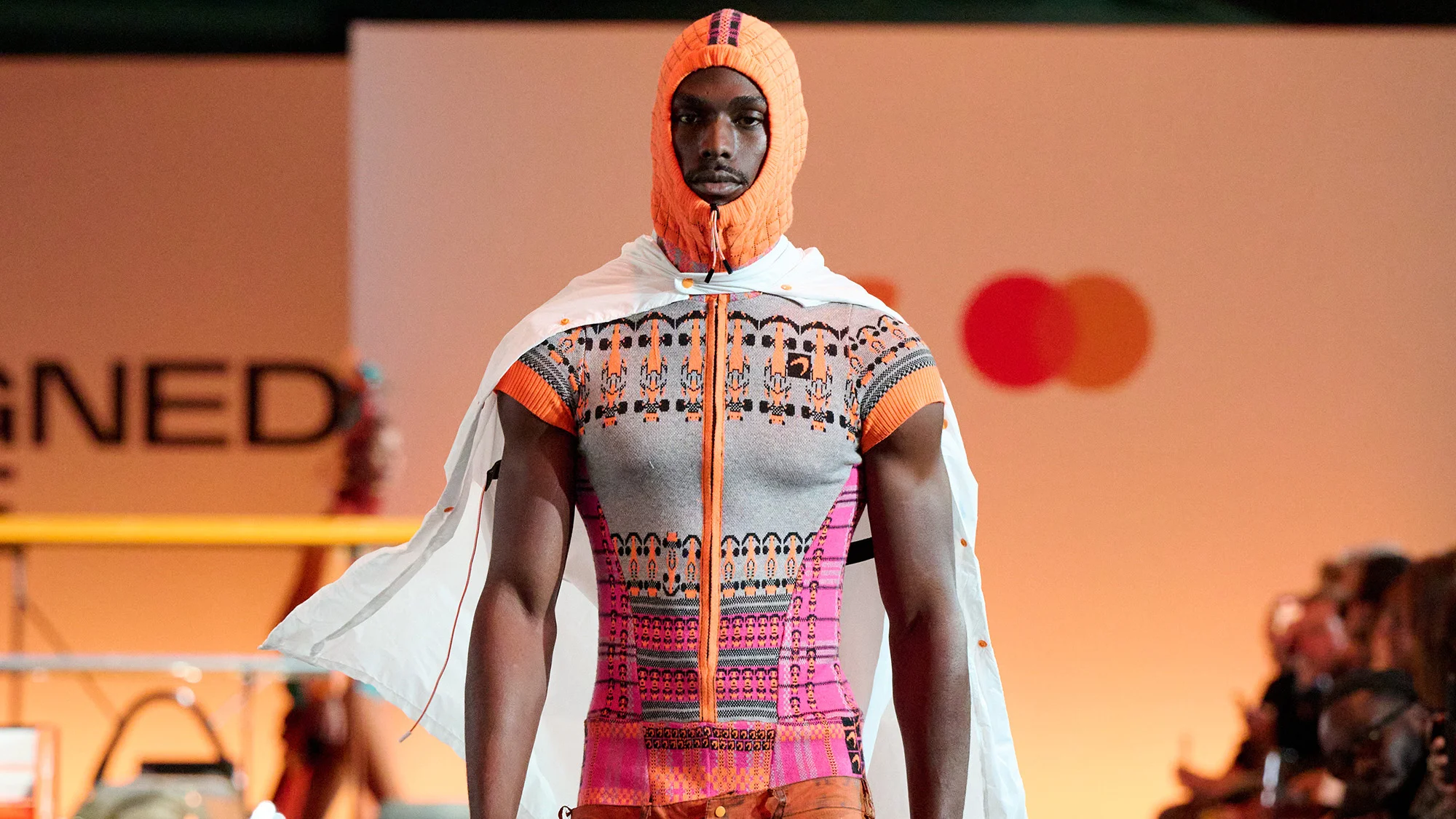
McLaren is quintessentially British, and this look epitomises our heritage. The team behind this look focused on using British fabrics, techniques, and ethos to craft the piece. Luke Hemingway, Oliver Roberts, and Paris Ryan wanted this piece to symbolise both McLaren's history of setting up shop in England and its time spent manufacturing in the United Kingdom. The garment features a pattern with our current livery knitted in the classic papaya colour palette, with tones of pink and blue.
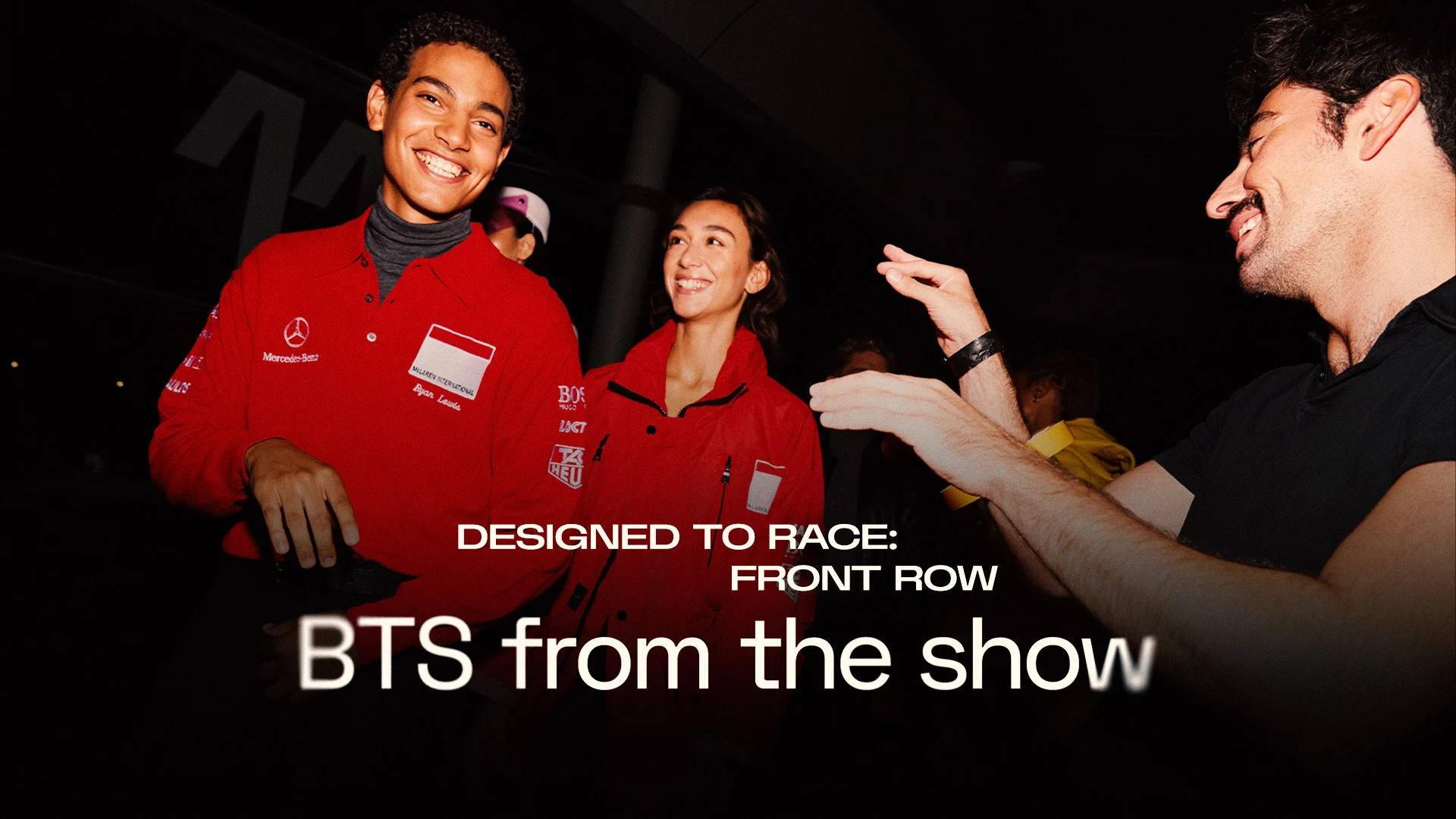
The construction of this piece was very intentional, with the team sourcing British yarns and waxed fabrics from the English countryside. They also took inspiration from the way modern drivers like Lando style their gear, with a papaya knit balaclava and deep oranges and browns used to create the trousers. The designers styled this piece for the show with a white cape, but the main focus was the craftsmanship of the knitted shirt, meant to mimic the fireproofs worn by drivers.
Oliver said: “We were responding to the Papaya era, trying to capture the attitude and vibe of future menswear. We started with pixel art, mapping out the motifs of racing cars and incorporated the checkered markings of the tracks into the garments. Then we wanted to clash the tartan with a bright colour palette. British manufacturing is quite a big part of all of the materials we are using.”
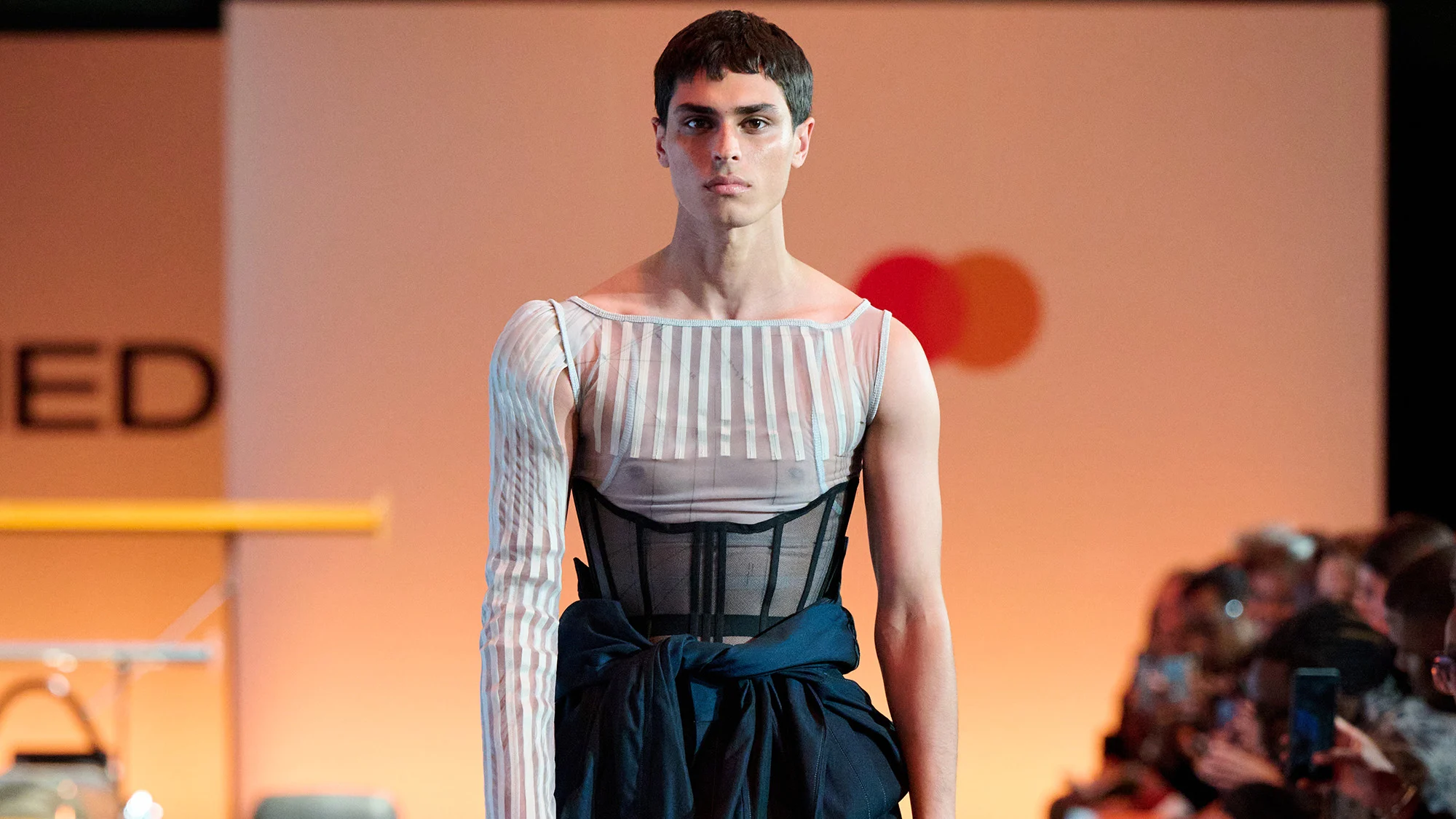
This look encapsulated the true spirit of the 70s. Designers Coco Corbisiero, She Carmona, Taylor Paige and Tony Wang drew inspiration from James Hunt’s free spirit and wild persona while honing in on the silhouettes popular in this era.
The piece referenced McLaren car blueprints woven into panelling on the inner corset, while the outer fabric imitated racing lines. The young designers wanted to contrast the structured corset with the rough edges on the finish, linking it back to James’ ‘wild style.’ When styled for the runway, they went for a one-sleeve look and fabric tied around the waist, referencing how James wore his race suits.
When using James as inspiration, Coco said: “We looked at his victories, the stuff that he used to wear and followed that ethos. He famously cut the toes off his boots, and he had this very DIY methodology to everything while refusing to wear suits.” The 70s were a more chaotic time in Formula 1, with the cars less restricted and drivers untamed.
The best part of this experience, for the designers, was the ability to engage with their audience directly. Freddie Hunt, son of James, praised this look in particular, and was excited to speak with the group after the show.
Tony said: “I am most proud of being able to explain our creation to the audience, as this process is very rare in the fashion industry. We felt valued and found it inspirational that McLaren offered us this opportunity. I wish we could bring this into the fashion industry, being able to approach your audience directly.”
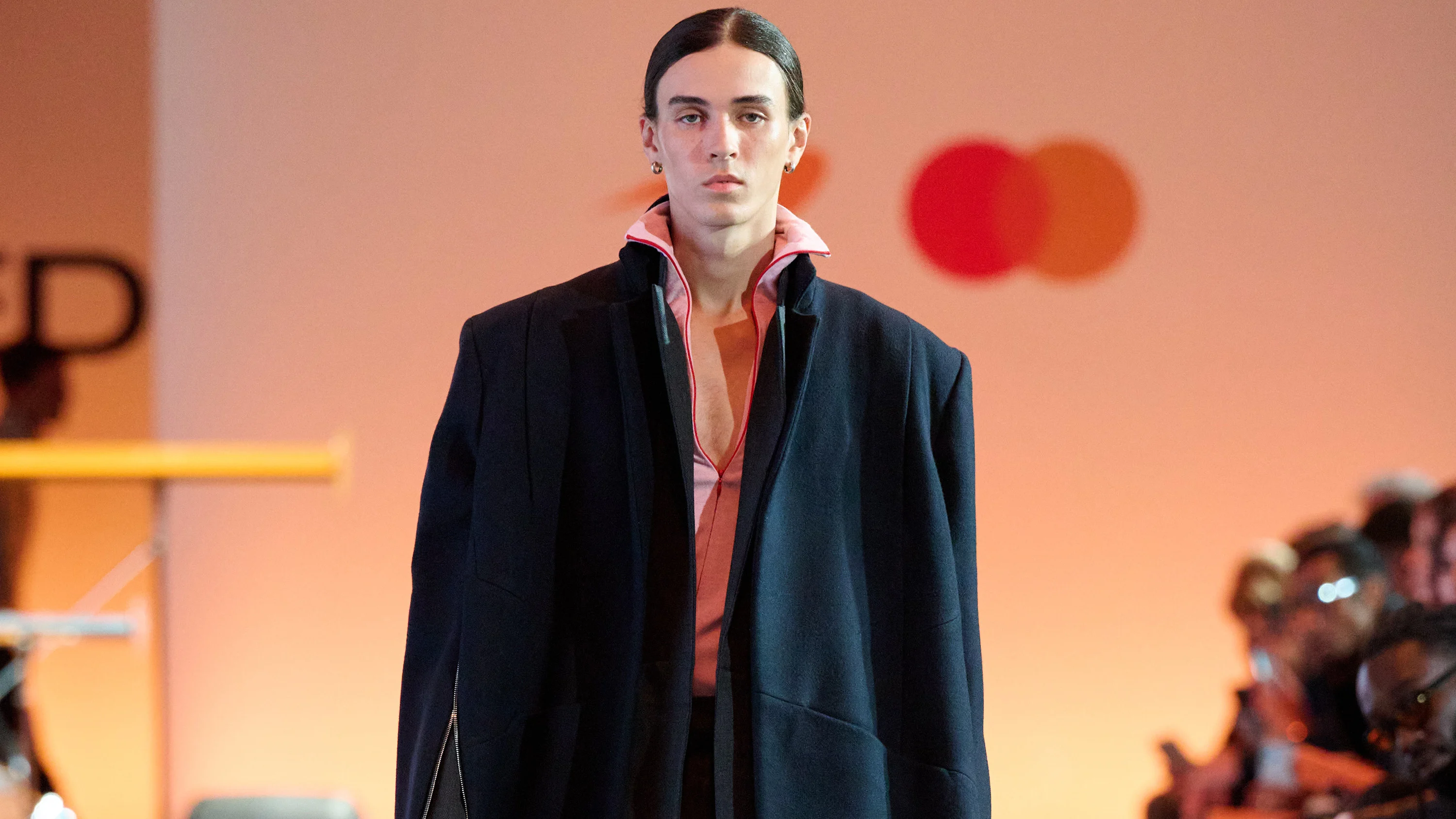
Designers Junya Barrett-Seward, Hayden Hamilton, Dongki Shin and Hyungjun Lim worked together to create a bold black suit that simulated a victory flag wrapped around the body. This group was inspired by the aerodynamics of McLaren’s race cars during the 2000s and early 2010s, hoping to simulate the same movement with a loose and flowing suit.
Junya said: “We thought about the aerodynamics of the suit, looking at how it would move with the fabrics, which is why we left an opening under the arm. We wanted to highlight the idea of success on and off track.”
The final garment had luxurious tailoring with loose layers of fabric flowing across the suit. This piece featured an incredible amount of detail in the construction, with precise stitching paying homage to McLaren’s engineering and references to Monaco’s iconic hairpin stitched into the trousers.
An opening under the sleeve also allowed more movement in the jacket and let the longer back layer glide across the runway, like the airstream of a race car in a wind tunnel. When modelled on the runway, the suit moved as if it were light as a feather, and the audience was left in awe of the piece.
What tied these looks together was the attention to detail each group brought to their designs. Every piece captured the essence of McLaren, whether through subtle references or bold storytelling. From circuit-inspired stitching and livery woven into knitwear to the use of locally sourced textiles, each garment carried elements of McLaren’s history and identity, reflecting the spirit embodied by icons such as Ayrton Senna and James Hunt. Together, they proved that fashion is more than something you wear, it can be a powerful form of art.