



22 October 2026 13:00 (UTC)
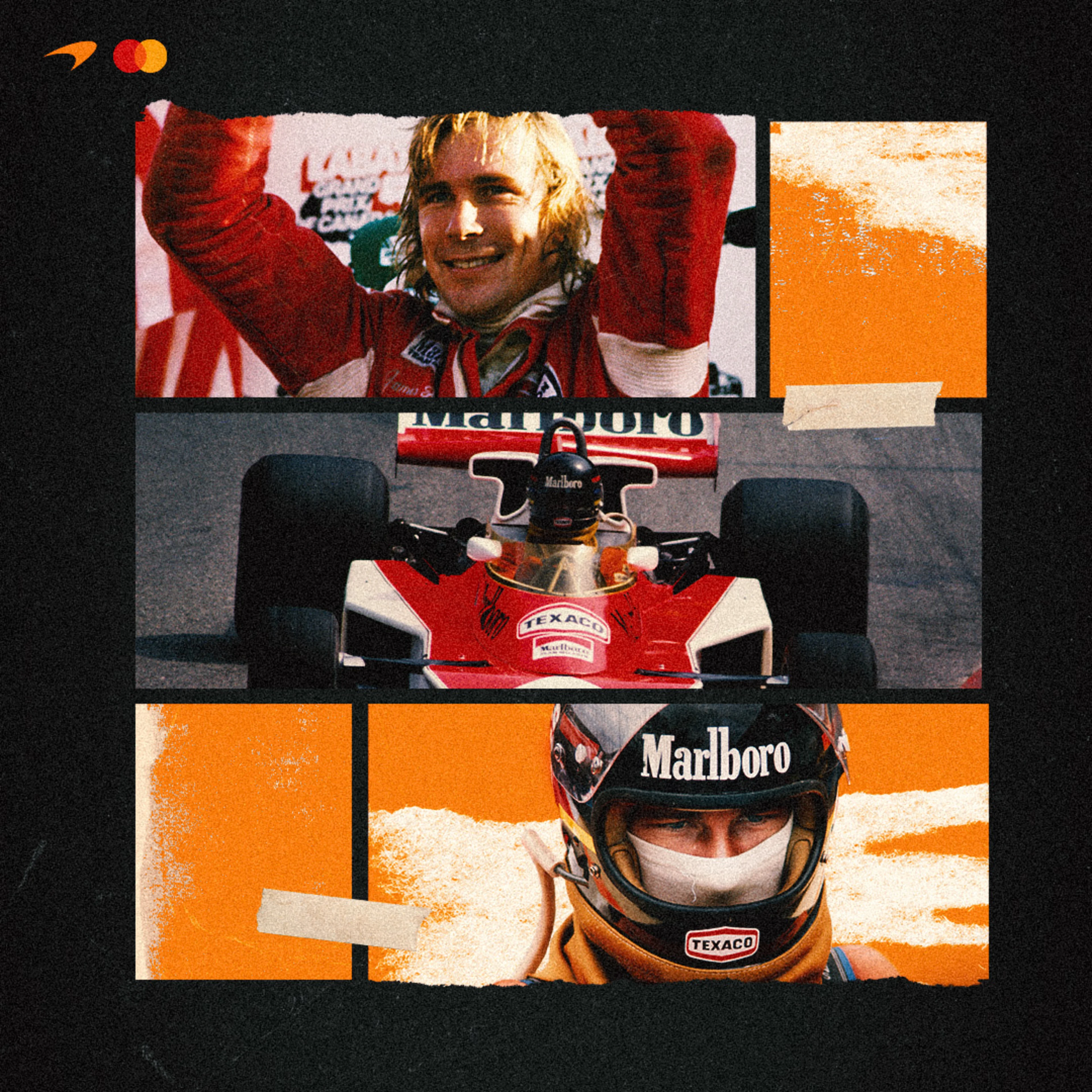
The racer behind the playboy: 50 years after his World Championship triumph, we revisit the talent, temperament and sheer speed behind one of F1’s most enduring characters

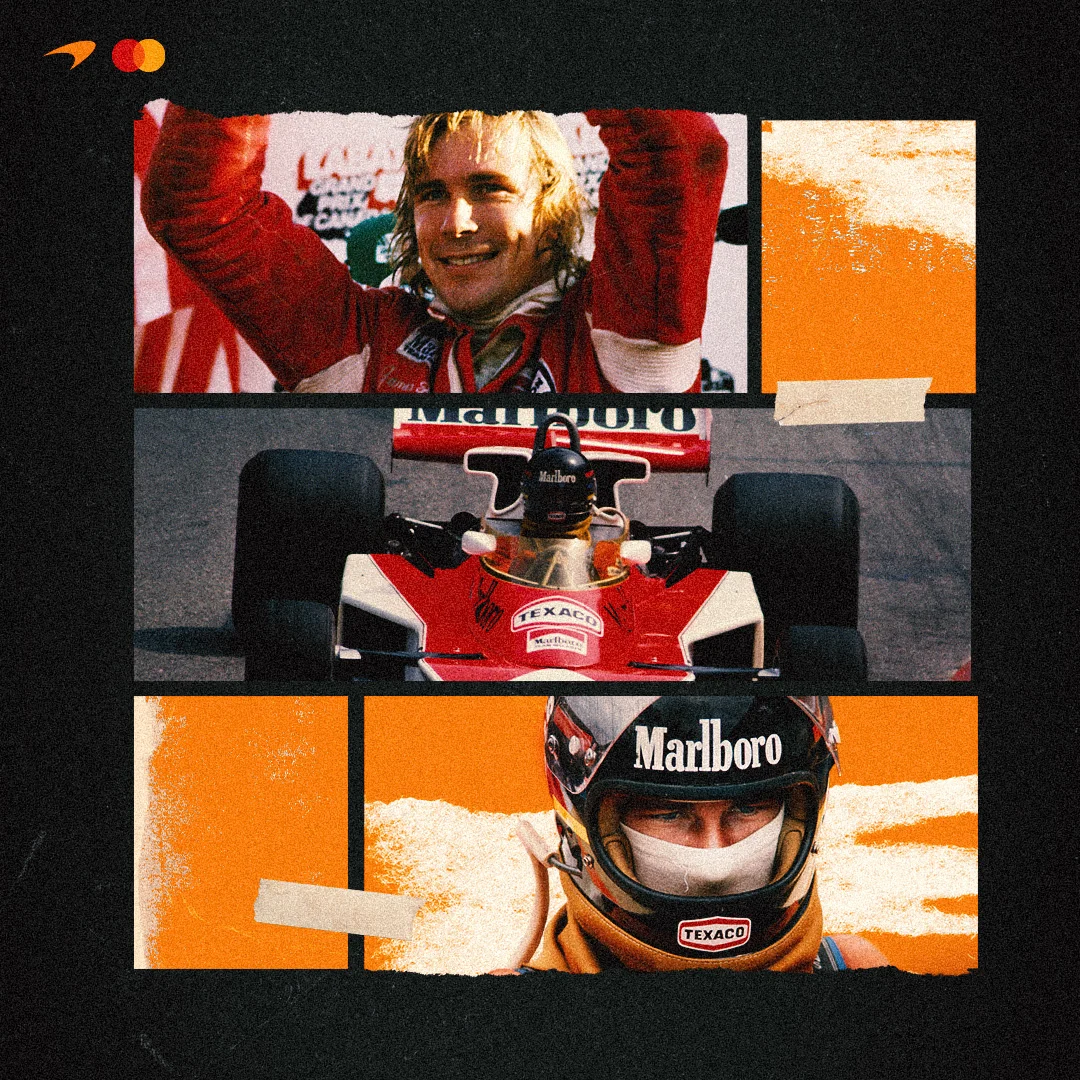
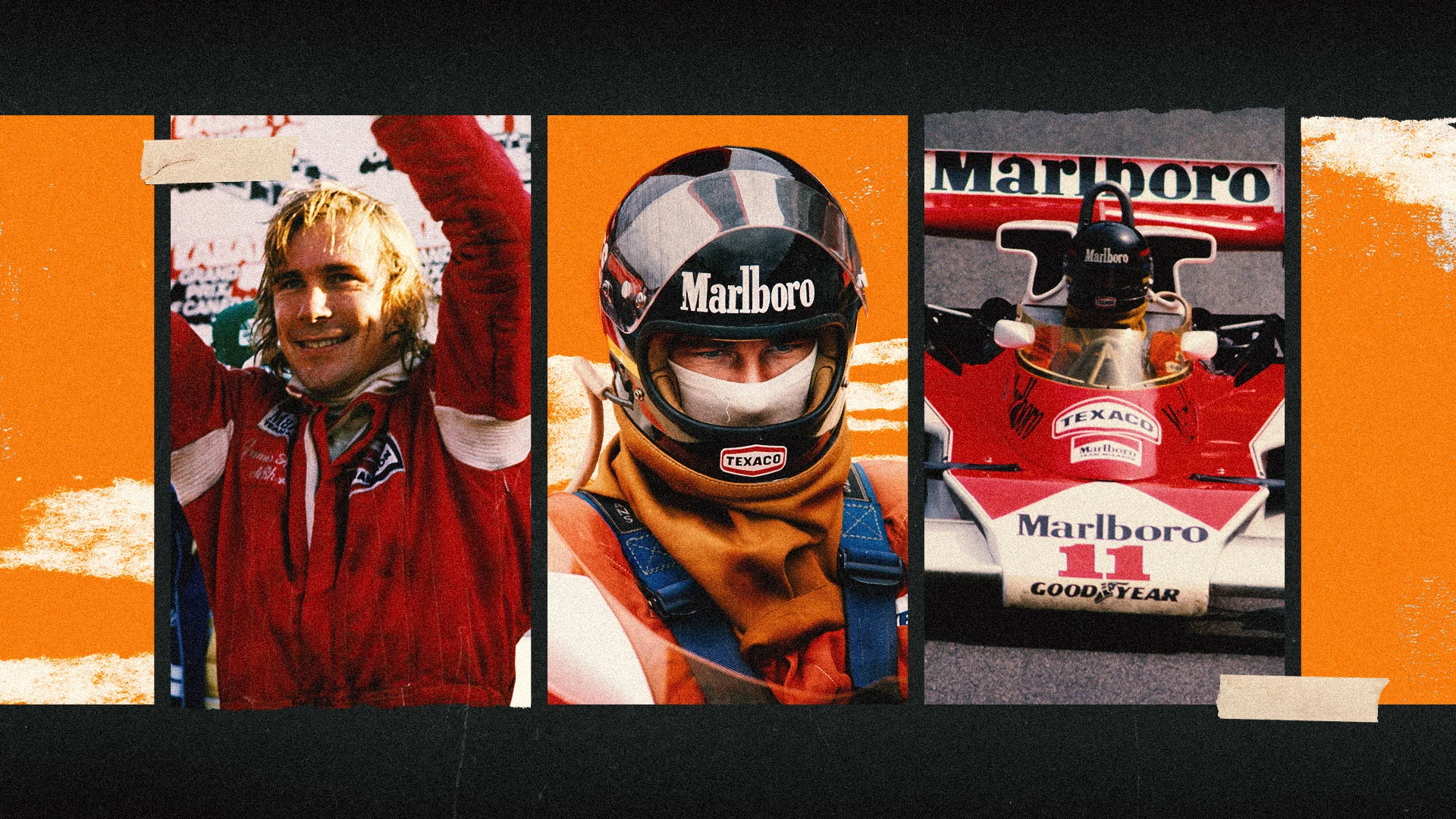
Behind the headlines, the parties and the Hollywood retelling, there was the driving. Forget the playboy persona and the colourful off-track anecdotes, James Hunt possessed extraordinary natural speed.
That much was obvious to everyone at McLaren from his first weekend with the team. Although he was known for his larger-than-life personality, it was James’ knowledge of what he wanted from the car and his ability behind the wheel that made the strongest impression on his debut.
Barely hours after labelling his car as undriveable and wrecking the engine in Practice, he thrashed a revised M23 around Interlagos to take Pole McLaren at the first time of asking.
“I have seen a lot in my career,” McLaren’s then Team Manager Alastair Caldwell says. “But given the build-up, I thought, ‘This is very impressive. The way he drove that car, it was superb’.”
It raises the question: were James Hunt's driving skills overlooked because of his colourful character? Here, we’ll attempt to unpick just what made him so special, and assess where he ranks among the greats, with some help from those who knew him.
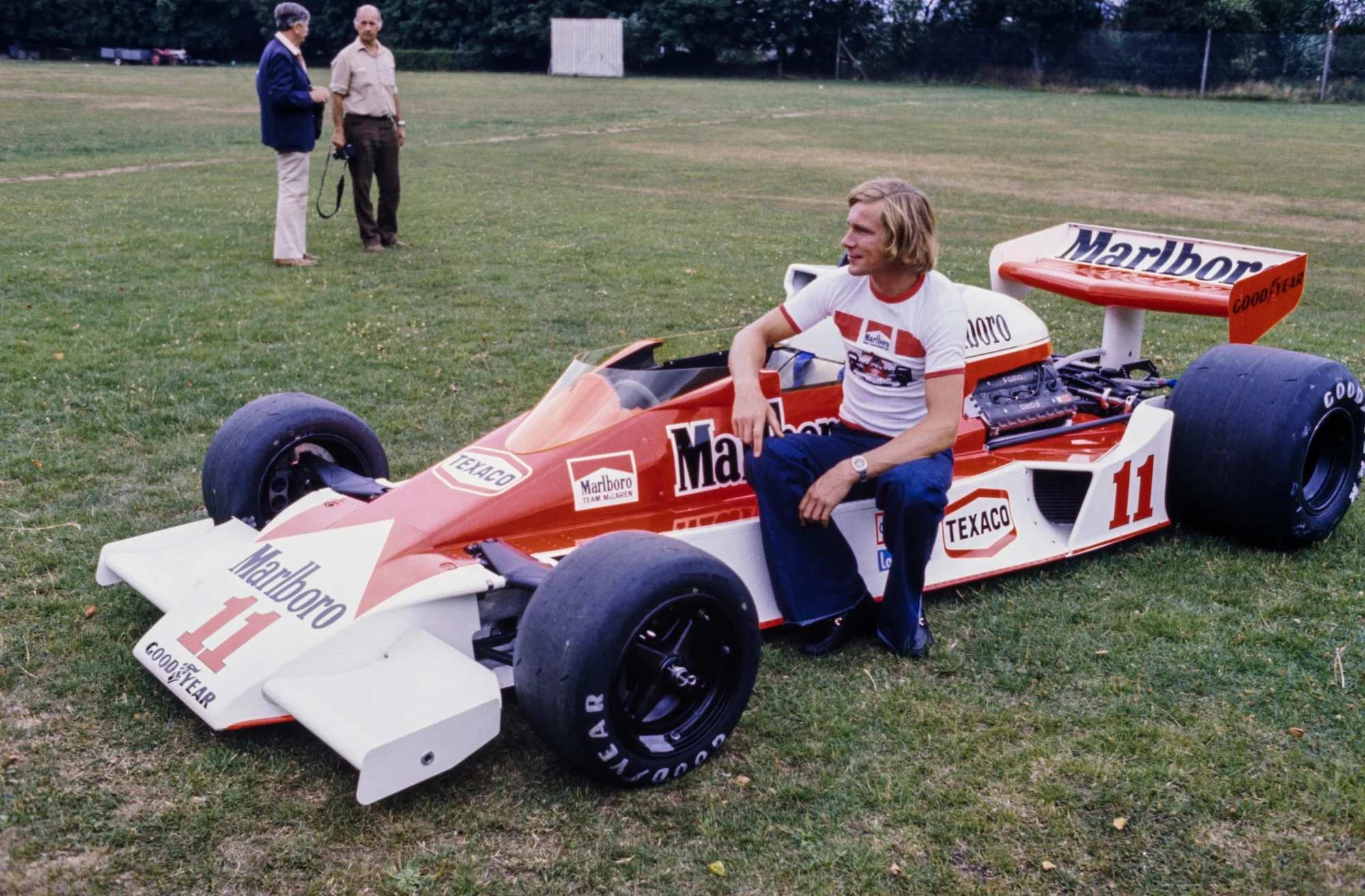
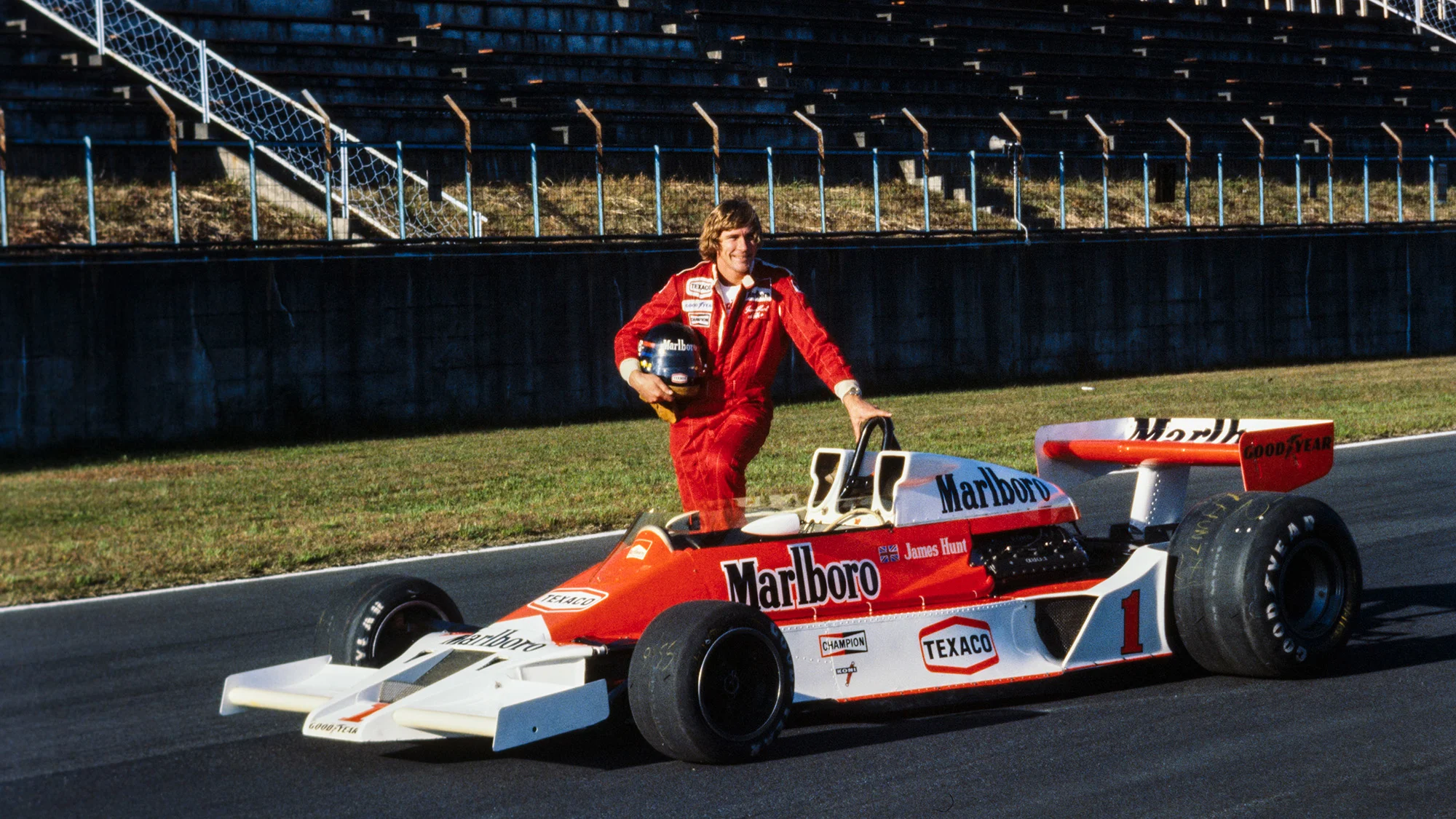
James arrived at McLaren in 1976 as the team sought to fill the big boots of its recently departed first World Champion, Emerson Fittipaldi. As it turned out, the man they signed - nicknamed ‘superstar’ by his former team boss, Lord Hesketh - was a little too big, with his size 10.5 UK feet and 6ft 1in frame proving a tight fit in the M23. He soon let the team know, along with what else he thought of their car, after first practice at the season-opening round in Brazil.
“He came in after one lap of practice and said, ‘I can’t possibly drive this car. The steering is very heavy, and my shoulders are exhausted. I can’t do more than one lap at a time’,” recalls Howard Moore, James’ mechanic who had worked with his predecessor Emerson.
Emerson’s setup, including the high caster angle on the front suspension uprights, reflected a driving style he had developed over years of racing that began in karting. James, who had taken a different route into the sport, and was a much taller 6ft1in, found the steering almost impossible to manage.
To compound matters, a piece of the M23’s engine cover fell off during the session and jammed in the Cosworth V8 engine. James still drove around as quickly as possible, but the engine was soon blown to pieces.
McLaren team manager Alastair Caldwell remembers the scene: “[Managing Director] Teddy Mayer was angry with him. ‘Why did he go on? Why did he blow up the engine?’ “I said, ‘Because he's a racing driver. As far as he's concerned, it still works. He's going to drive the s*** out of it’. And he did.”
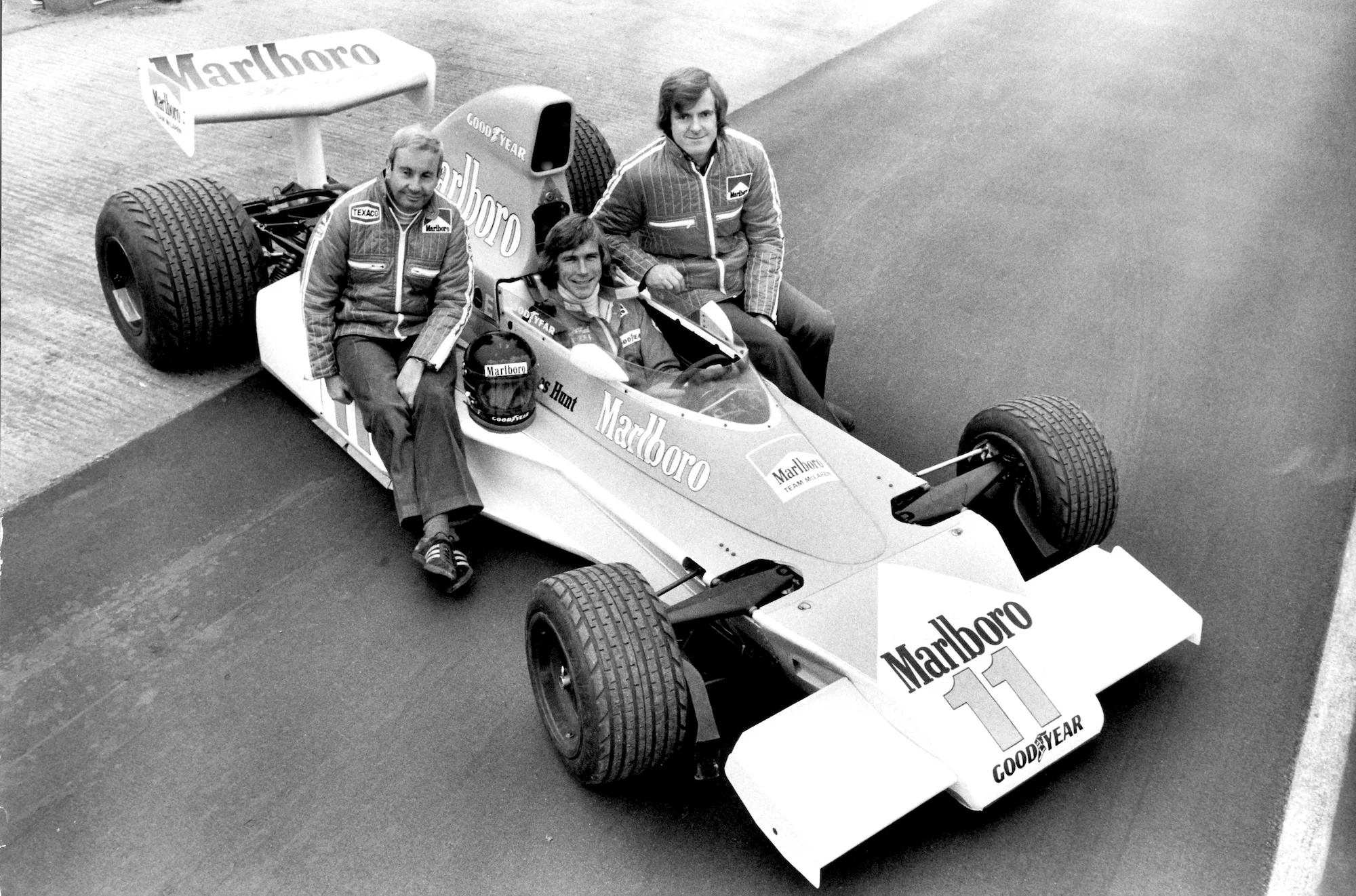
It was an inauspicious start. But what followed neatly encapsulated the enigma of James Hunt – a driver whose raw speed was unquestionable, even if his approach could leave even his closest colleagues scratching their heads.
The McLaren crew worked at breakneck speed to get the car back on track for qualifying, making a series of adjustments to suit James’ preferences, and repairing the damaged engine. Howard explains just how far they went to make the M23 more manageable.
“A high caster angle has the effect of transferring a lot of weight to the opposite rear wheel as soon as you turn the steering wheel,” he says. “If you turn into a right-hander, for example, it transfers a lot of weight to the left rear wheel. It’s a bit like a table with one short leg: it rocks on two legs at a time.
“Fittipaldi was using at least four degrees of caster. We halved it to two degrees, thinking that was the sensible thing to do. Hunt drove another few laps and said, ‘No, it’s still too heavy.’
“So we reduced it to about half a degree. The rest is history.”
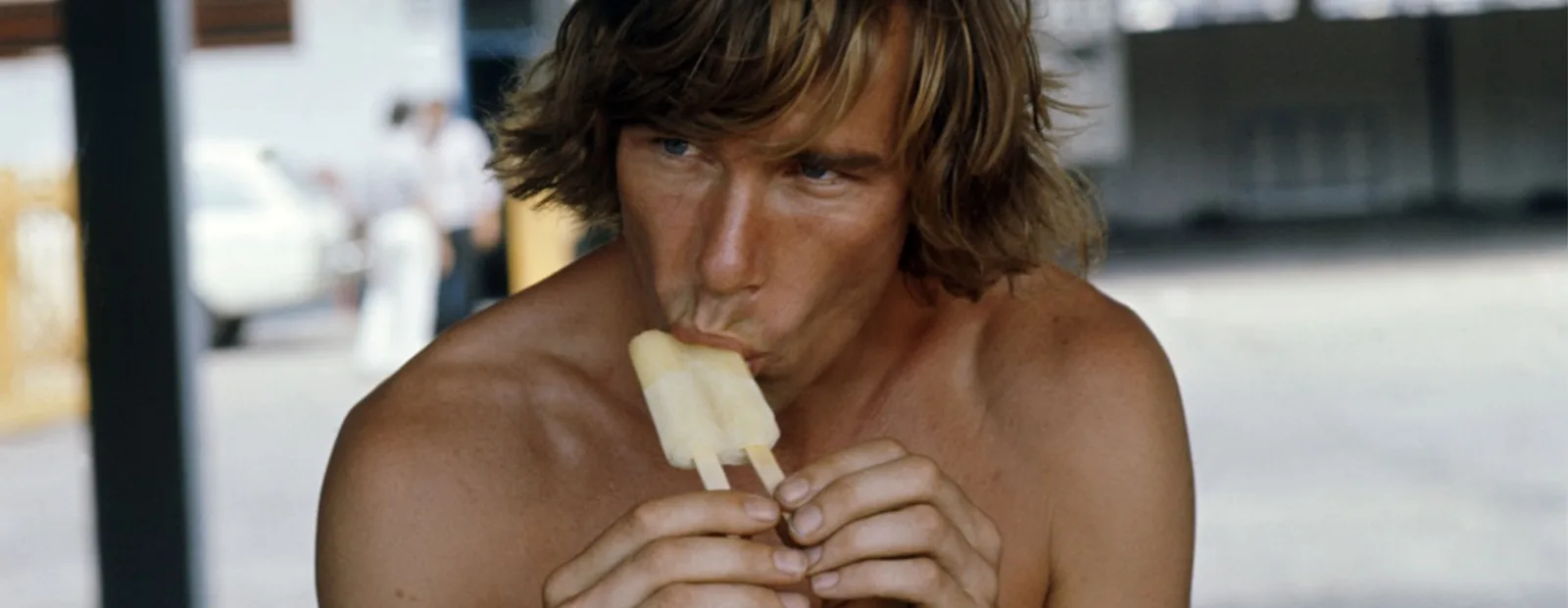
Indeed. Suddenly James was away, this imposing Englishman who could have been a movie star in another life with his flowing blonde locks. No one, not even his friend and rival, reigning World Champion Niki Lauda, could match James’ pace.
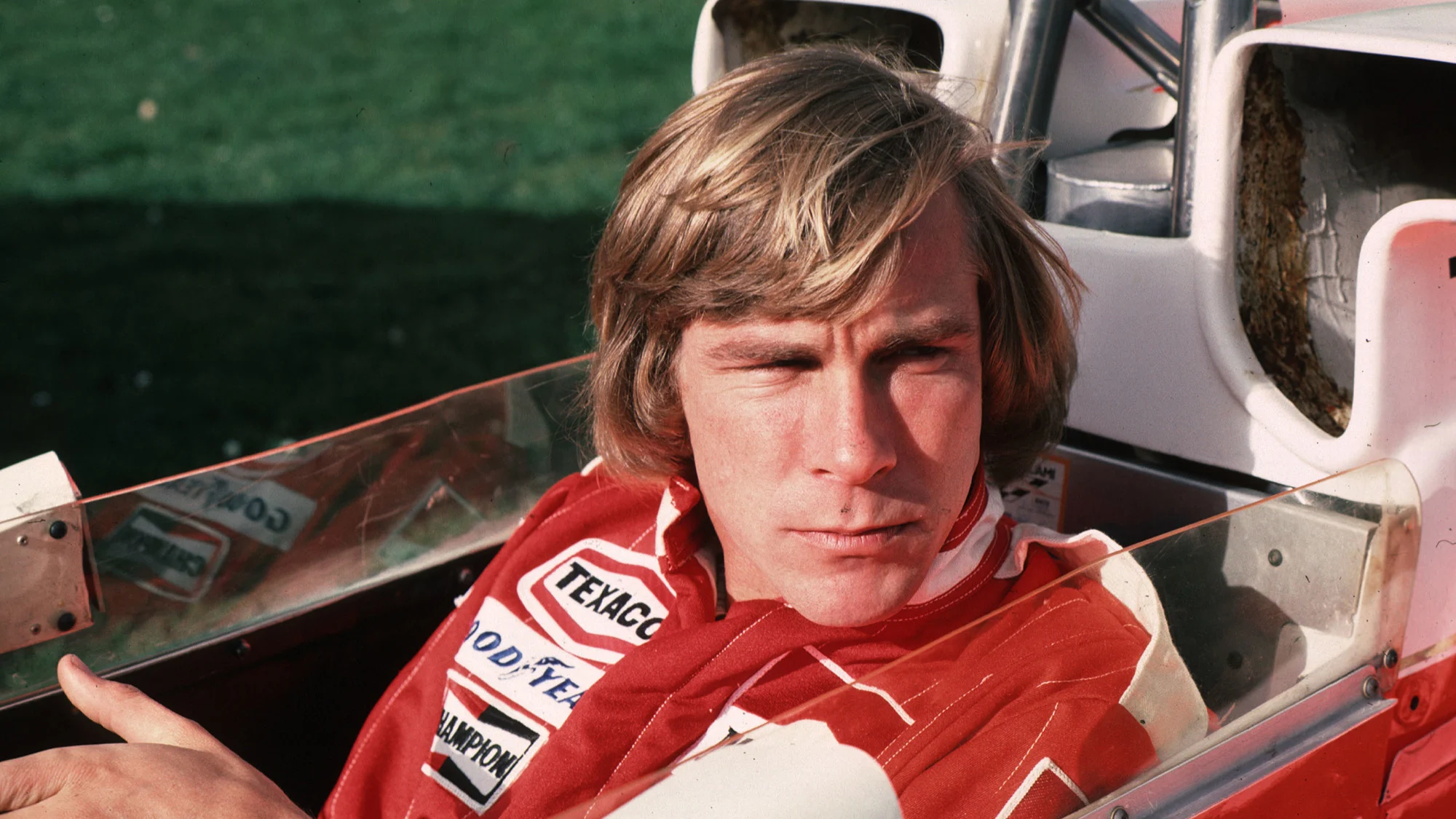
The performance illustrated one of James’ greatest strengths: his ability to find speed quickly, even when the circumstances were far from ideal.
“In the car, James was like a kettle boiling,” says John Watson, his friend, rival and successor at McLaren.
“He was very intense, very stressed. Rather than letting him go out early in Qualifying, he would be held back and held back and held back. And it was like a horse just pulling on the reins: ‘Let me go, let me go.’ And as soon as he let the reins go, pop, he was in the car and doing outstandingly fast laps.
“In terms of sheer lap speed, I would say that James was faster than Emerson, but winning a World Championship isn’t just about being the quickest guy on the racetrack. Emerson had other qualities and skills which enabled him to be a two-time World Champion.”

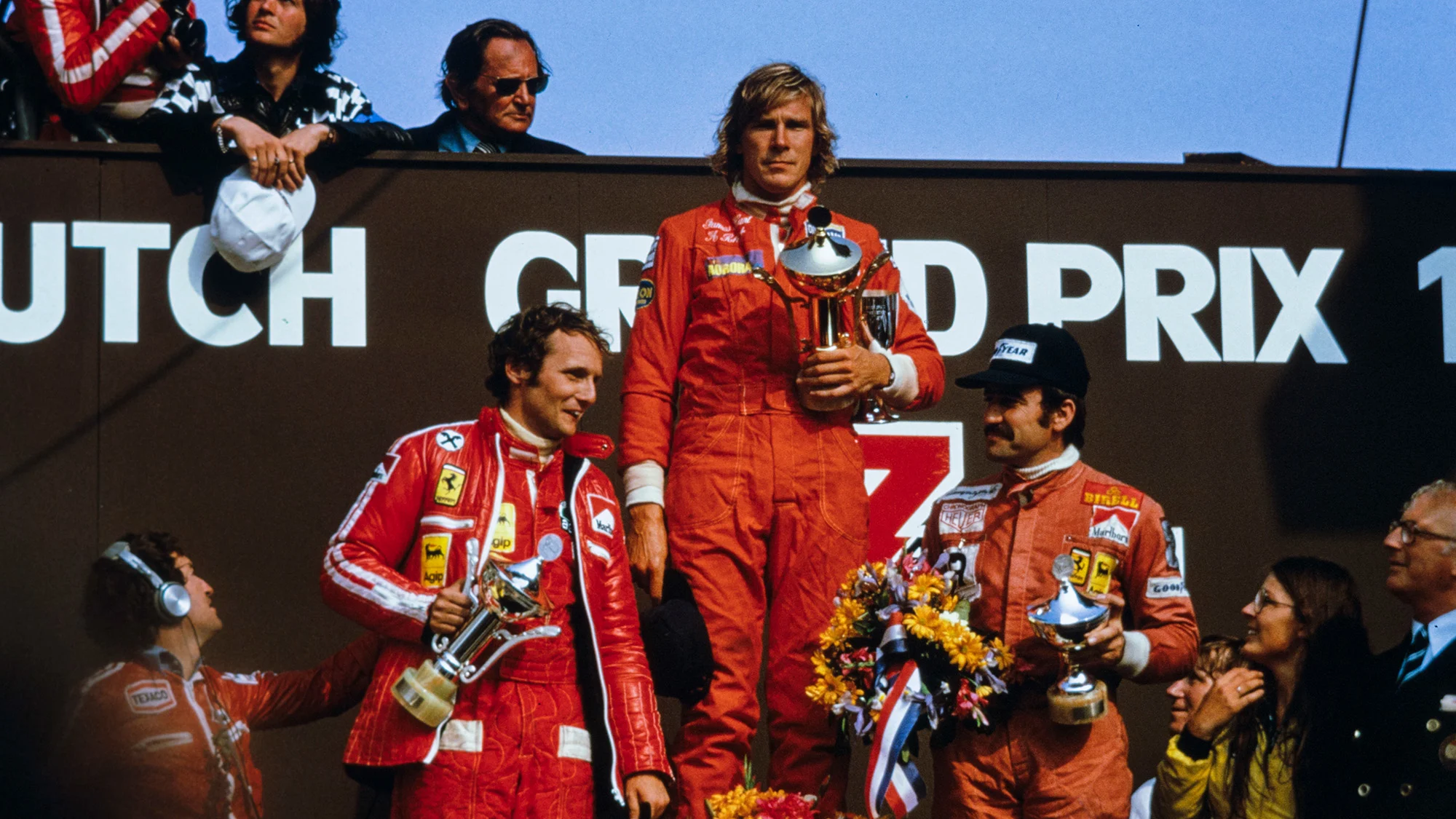
James’ maiden F1 victory at Zandvoort in 1975 was an example of his ability to adapt and deliver. Early in the race, he was P4 behind Niki, Clay Regazzoni and Jody Scheckter on a wet track that had been soaked by heavy rain just before the start.
He identified the perfect moment to pit for slick tyres on a drying track, pumped in some rapid laps while his rivals were still on wet tyres and then inherited the lead when they eventually stopped.
He later battled with Niki, who was dominant that season and on his way to a maiden Drivers’ Championship with Ferrari, in an inferior car but held him off for 15 laps. It was the only win Hesketh ever had.
“At the moment you start thinking, ‘I should now be thinking about changing tyres’, it was already time to do it,” he later wrote in an Autosport column. It was superb race craft and an insight into a driver that thought deeply about each race and could strategically read the situation perfectly.
He thrived in changing conditions, pushed his cars to their limits, and wasn’t afraid to get his elbows out in wheel-to-wheel combat. From his European Formula Ford debut in 1969, to his F1 swansong a decade later, James did everything full throttle.
“James was just bloody quick,” says John. “He danced on the limit, and his cars would slide under the strain of what he was asking it to do sometimes. He looked fast because he was fast, and he was always on the edge.”
But speed alone does not explain James Hunt. To understand what made him so quick, and why his performances could be difficult to predict, it is worth understanding the man behind the wheel.
Alastair explains: “He was very interested in money, and of course he didn't get much from us. That was one of his worries. On the grid, Teddy Mayer [McLaren’s Team Principal] would be asking him, ‘How are you getting to your next Grand Prix? Are you travelling first class? Are you bringing somebody?’
“James would be screaming and shouting back at Teddy because he was annoyed at what we paid him. This was great because it got him excited. He had a massive adrenaline pump, and if you could get that pump going, which wasn't hard, he was rapid.
“But it was controlled. He didn't do mad things for the sake of it. He was good. He wasn't "Hunt the Shunt" at all. Not at all.”
Money was a reminder of how precarious James’ route to the top had been. His journey through the junior formulas was full of risk, with little financial security and the threat of a costly accident never far away.
His son Freddie explains: “He did suffer from nerves, which I think is no secret, particularly in the lower Formulas because, firstly, of the fear of harming oneself. But also because he was so underfunded. I think his Formula Ford car, he borrowed the money to buy it.
“And if he had crashed the car, written off the car, that was the end of his career, but he still had to pay off the car for the next three years, so there was that added pressure as well. He was constantly driving with a gun to his head.”
That Sword of Damocles thankfully never dropped and, by the time he reached F1, some of the pressure had eased. However, beneath the party-loving persona was a driver acutely aware of what failure could cost him. And while Alastair insists James was not the reckless driver of popular legend, there were occasions when his competitive instincts threatened to overwhelm his judgement.
John cites his infamous 1970 Formula 3 scrap with Dave Morgan as an example. The pair were fighting for second place when Morgan attempted to overtake James around the outside of South Tower Corner on the final lap, but James defended hard and the cars collided, putting them both in the wall and into retirement.
James was so enraged that he jumped out of his car, sprinted down the start-finish straight to his rival and shoved him to the ground, while others were hurtling across the line near them. It was a reminder of the fine line that James needed to walk to perform. That fire inside him pushed him to performances few were capable of reaching, while also occasionally allowing his competitive instincts to get the better of him.
“He was a tough competitor,” John adds. “Unyielding. James was a very intelligent and amusing person to be with.
“That's one side of his character, which is different from his racing side, because I use the phrase ‘dogged competitor’. That's underestimating him. He was a very intense competitor.”
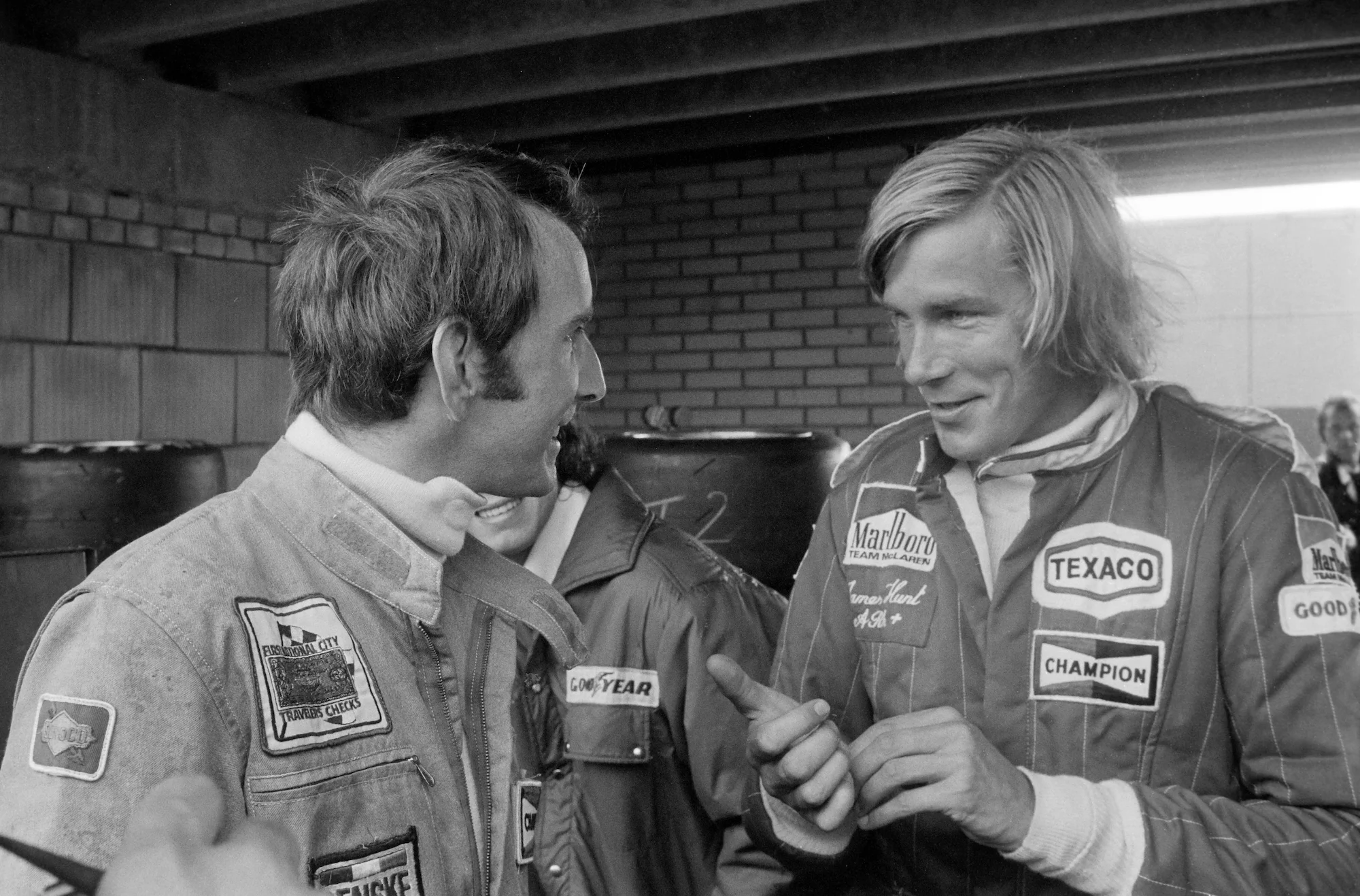
When it came to the grid, James stood out. And not just because of his looks and the infamous patch on his overalls. Physically, he was one of one, with his height, long legs, and short body, which earned him the nickname ‘Quasimodo’ from Alastair.
That moniker seems particularly inappropriate for F1’s biggest heartthrob but his body shape necessitated further adjustments to not just the M23, but his own racing attire.
Howard explains: “His feet were an issue. He had longer feet, and the toes of his driving boots were cut off. His toes, with his socks on, stuck out of the ends of his boots. We also had to extend the cockpit surround by putting in a section about four inches long at the rear, just behind his shoulders. That pushed the whole surround forwards and kept his feet covered.”
The effort was worthwhile. Once the car suited James, his enthusiasm and ability became much more apparent. He was conspicuous in F1, not only visually, but also because of his unusual background. Where many of his contemporaries came from families steeped in motor racing, James came to the sport almost by chance.
John explains: “It was only by a visit to Brands Hatch with some chums that he saw something that was a eureka moment: ‘I want to do this. I like this. It looks fun.’ Here's James, a big lump of a fella, a large, good-looking boy. Goes to Brands Hatch. ‘Oh, very funny. Let's have a go on this.’”
That background put James at a disadvantage, coming in with far less knowledge – and frankly, interest – in the cars he was driving, as Freddie explains.
“He didn't have the knowledge from learning about the mechanics of a car,” he says. “And he wasn't particularly interested either, but he had to become interested and he had to learn. He was on the back foot from the very beginning.”
Alastair’s view on it is rather more emphatic and highlights the contrast between James’ instinctive approach and the disciplined preparation associated with Niki.
He explains: “James wasn't obsessed by Grand Prix racing. He knew what you were meant to do as a racing driver. Niki Lauda was the perfect example of what you should be as a racing driver. Paying attention to the team, paying attention to the mechanics, paying attention to testing, your fitness, your health, your travel - everything. Completely by the process.
“James didn't give a damn. Exercise? He didn't eat the right things. He didn't sleep properly. He drank, he womanised, he was simply a relaxed racing driver.”
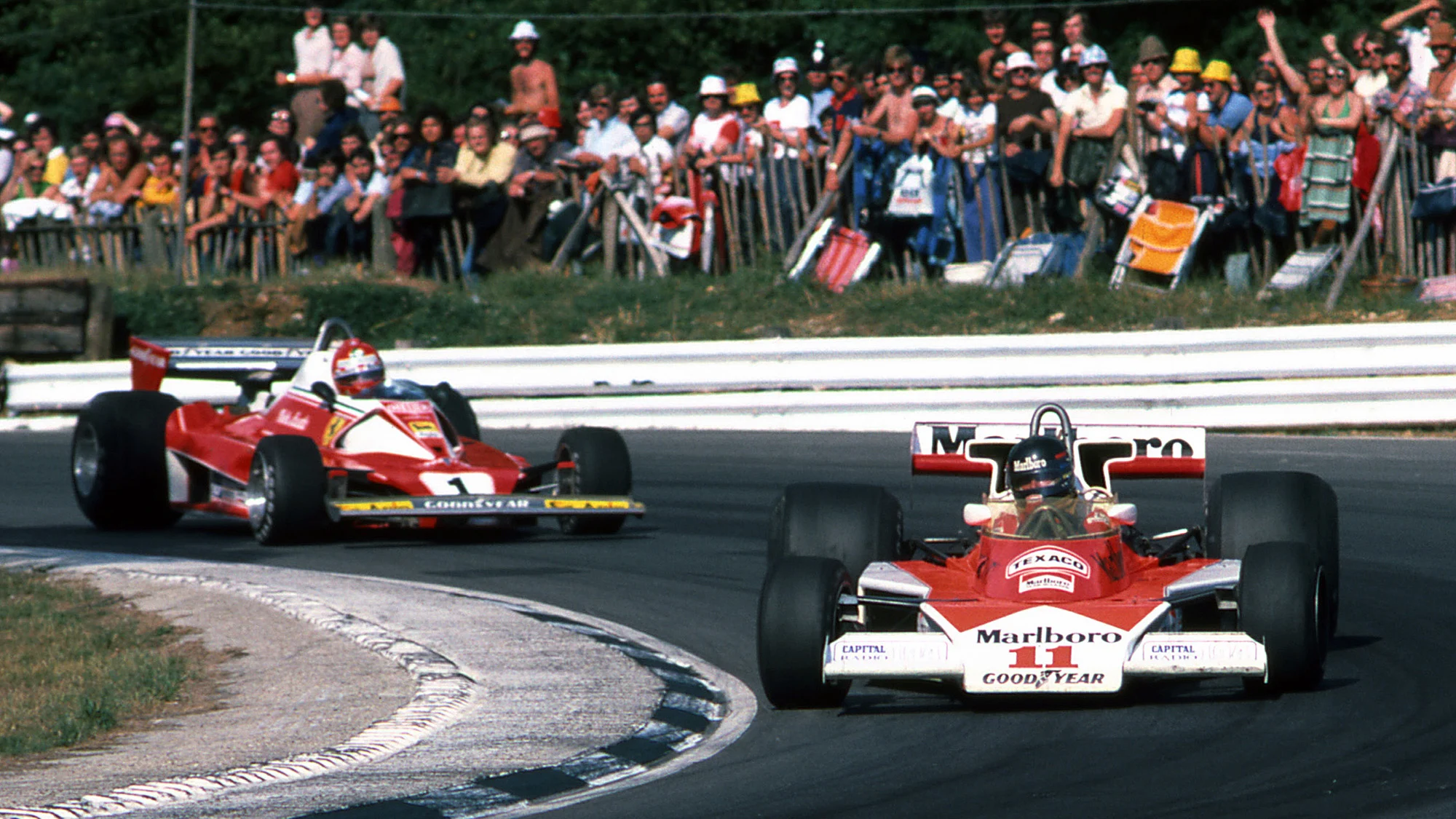
One of his greatest performances came in the British Grand Prix in Round 9 at Brands Hatch. Though he was later disqualified for racing in a spare car after a restart following a first-lap multi-car crash, the way James went toe-to-toe with Niki and came out on top at Druids, the sharp 180-degree corner on the Kent circuit, was testament to his driving skill.
Diving inside the Austrian going into the hairpin bend, he emerged in front to the cheers of the home crowd on his way to taking the Chequered Flag. It was a hallmark James moment. He gave no inch and was prepared to risk failure for glory.
Another illustration of James’ unique style and immense skill came in his Dutch Grand Prix win, a crucial victory that narrowed the gap to Championship leader Niki - one of two races the Austrian missed after his terrifying Nürburgring crash.
“In that race, he and I had a battle for about 25 or 30 laps, and he gave no quarter whatsoever," recalls John. "At one point, coming down the straight into Tarzan, and this was on the original layout of Zandvoort, not the kiddie-boy stuff that you’ve got today, I had a car which was quicker in the lap, but James ran slightly less rear wing, so he was slightly quicker down the straight.
“I would catch him, get the two of them, and he would hug the right-hand side of the circuit coming down into Tarzan, forcing me to go the long way around the outside, which I did on a number of occasions.
“But on one occasion, he ran me up over a kerb, and I just about kept the car in control. Then I had a mechanical failure and James won the race.”
Just as he had a year prior at Zandvoort, where the wind was in his face and the spray in his eyes, with three of the world’s best drivers ahead of him, James spied an opportunity to win, though this time under even greater pressure, with his title chances on the line.
Years later, Niki openly admitted that, when he heroically returned to the cockpit in Italy after a remarkably quick 42-day recovery, there was no question who was the faster driver.
"I think his words were, ‘Even if I didn't have the accident, I couldn't catch your dad. He was too damn quick, even in that s***** McLaren.’" Freddie recalls, chuckling at Niki’s usual unsharpened candour.
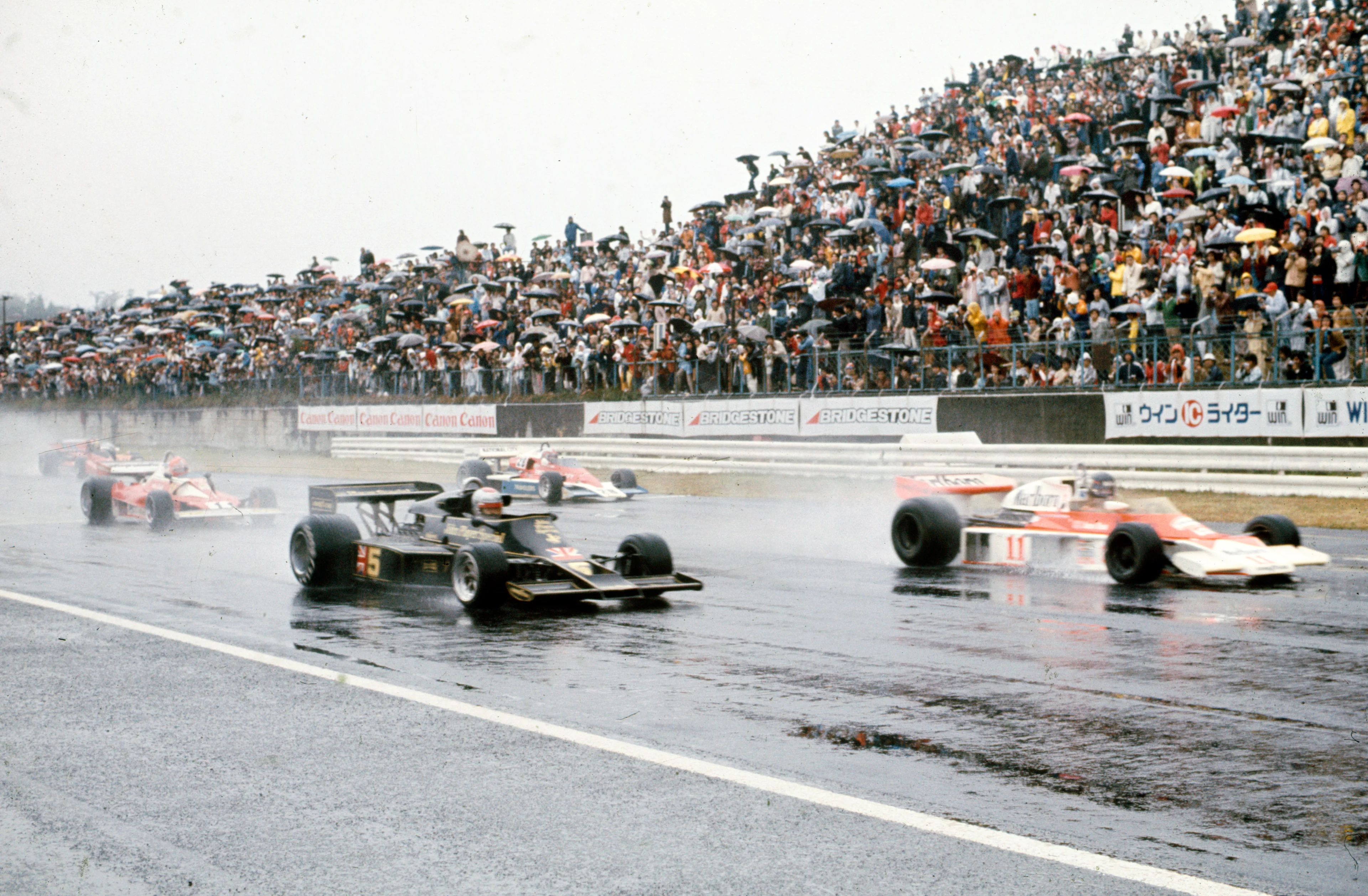
McLaren arrived in Fuji – the scene of the famous finale to the 1976 season – earlier than their rivals, with James and Alastair enjoying the luxury of the New Otani Hotel in Tokyo. Far from being overwhelmed by the pressure – James was three points back from Niki in the standings – he went back to one of his former loves to unwind.
“James asked to play squash with me,” Alastair recalls. “I couldn't play squash, so they got some good local guys to play squash against him, and he thrashed them. So I got a club professional involved. He thrashed him, too. Then they got the Tokyo champion to play him, and he thrashed him as well, and on live TV. James thought nothing of it, he was just having a laugh.”
Having conquered the best squash players Japan could offer, James turned his attentions back to the task at hand, but heavy rain threatened to curtail to his title ambitions.
John was on the second row of the grid alongside Niki, and managed to climb up to second after a good start, but like those around him, was limited by what he could do in the conditions. Except, that was, for James.
“In Japan, you get this really, really severe rain, and there's a lot of standing water,” John recalls. “Visibility for those behind the front row of the grid was non-existent. It was like driving in zero-visibility fog at 160 miles an hour, going down the main straight into Turn 1.
“You can become disoriented because you don't have visibility ahead of you. It's limited to either side. You're really judging by just your peripheral vision.
“Then you've got the sound of racing cars around you. It’s like if a house alarm goes off, it's quite difficult, certainly at night-time, to determine precisely the direction of the alarm sound.”
Niki retired after one lap, leaving James with an open run to the title provided he could bring his McLaren home in treacherous conditions. But James was never far from drama, and he missed his team’s calls to preserve his tyres in the final 10 laps, costing him the lead and causing him to pit with four laps remaining - the rubber on two of his tyres having worn down to the canvas.
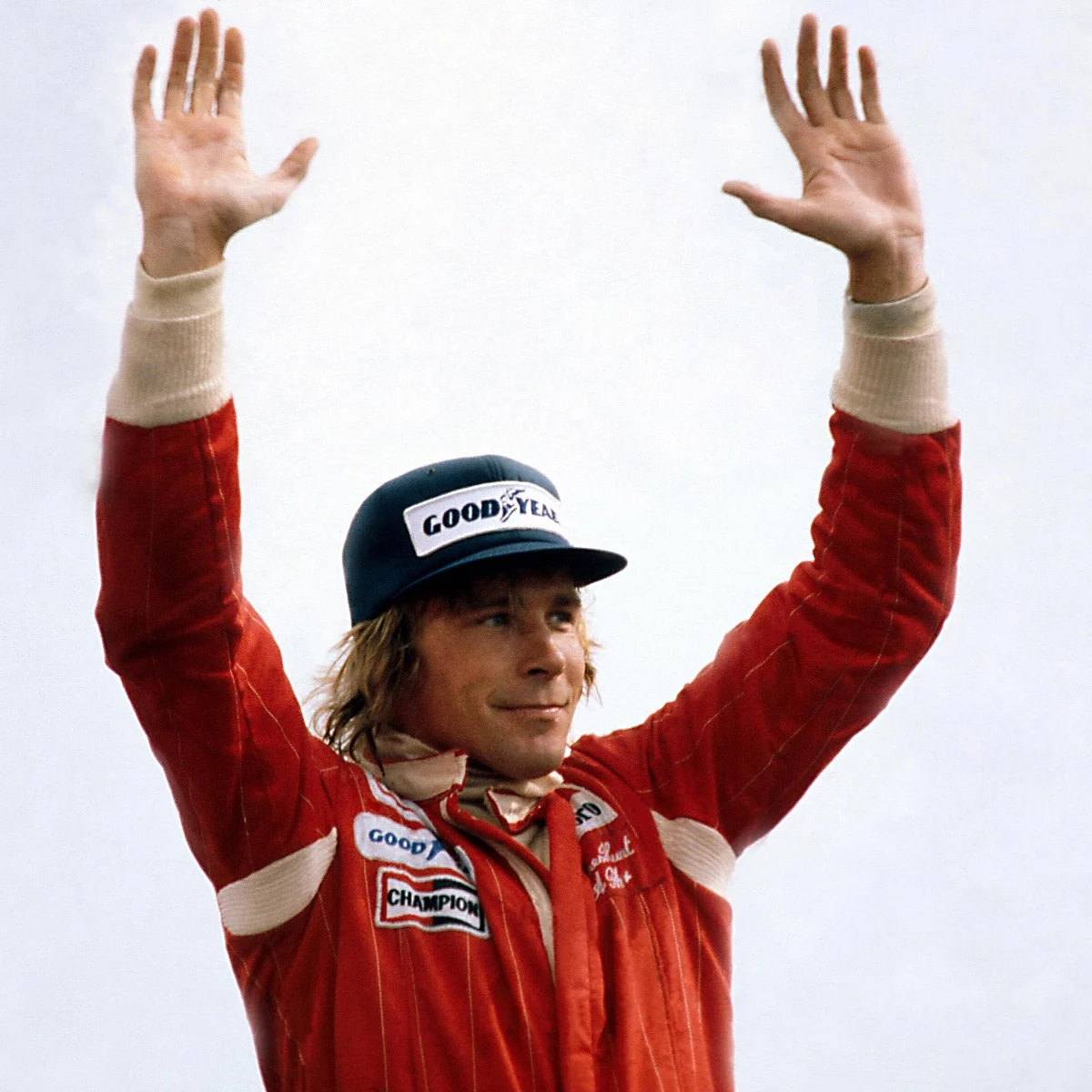
After a "stressful" stop, in which Howard was forced to abandon his right-rear position to help the front-left mechanic lift the car so he could get the jack into place, James calmly moved his way up to third to claim the title by a single point, showing no sign of nerves.
It was James in microcosm. Extraordinarily quick, fiercely determined and capable of producing a Championship-winning performance, but also liable to frustrate his own team.
“I wouldn't even speak to him,” he says. “You don't see me in the pictures, because if I'd had a baseball bat, I would have given him a whack over the head. He could have won the World Championship by eight points. Boom, boom. Nice and clear win, but no. He had to screw it up and struggle to the end.”
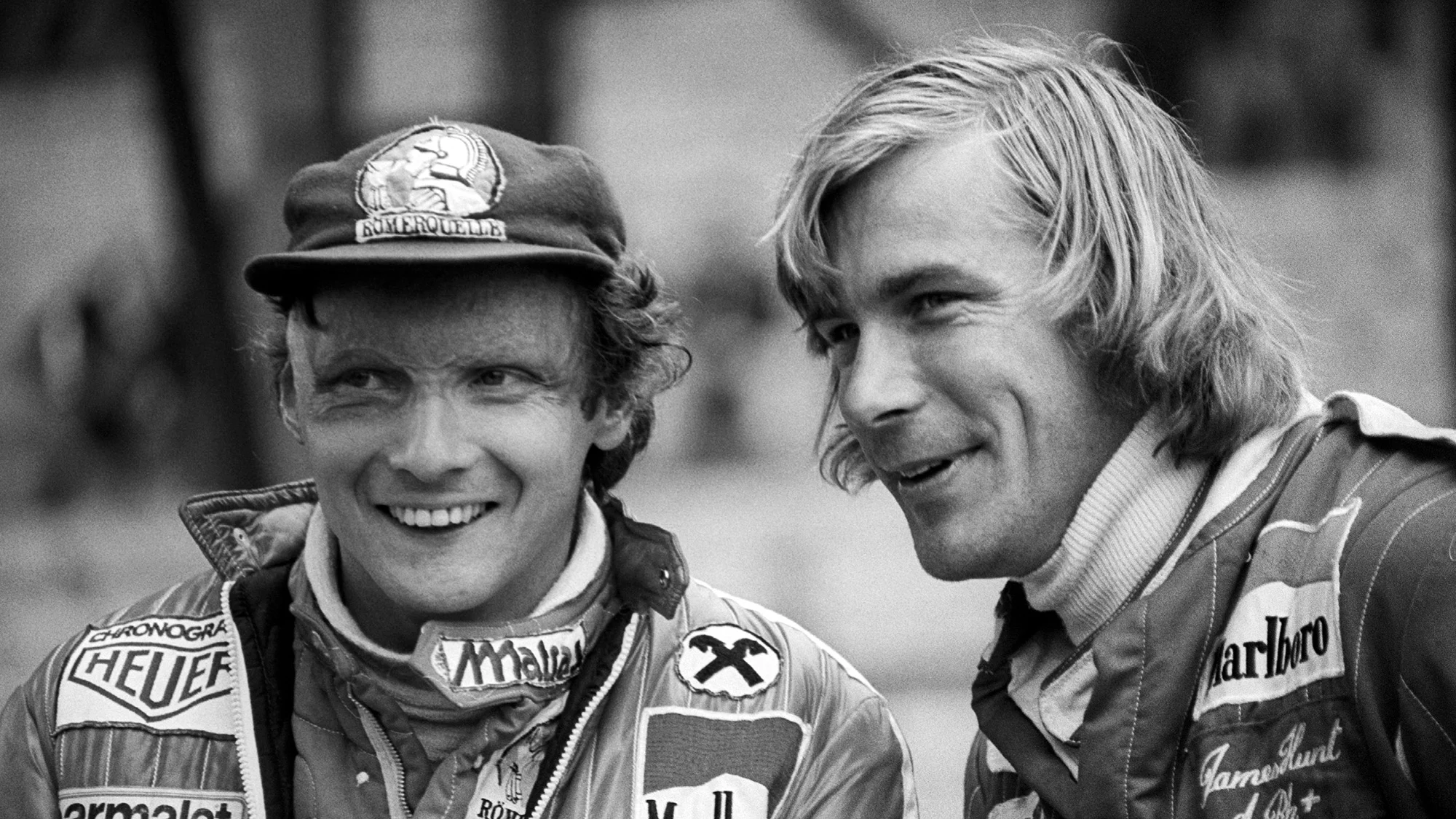
For all his frustrations with James in Japan, there is clearly plenty of admiration from Alastair for the man who helped him win a second title.
In terms of his record, James’ five full F1 seasons and that 1976 crown cannot compete with some of Britain’s multi-time World Champions but, as a pure driving talent, Alastair feels his off-track persona hides how special he really was.
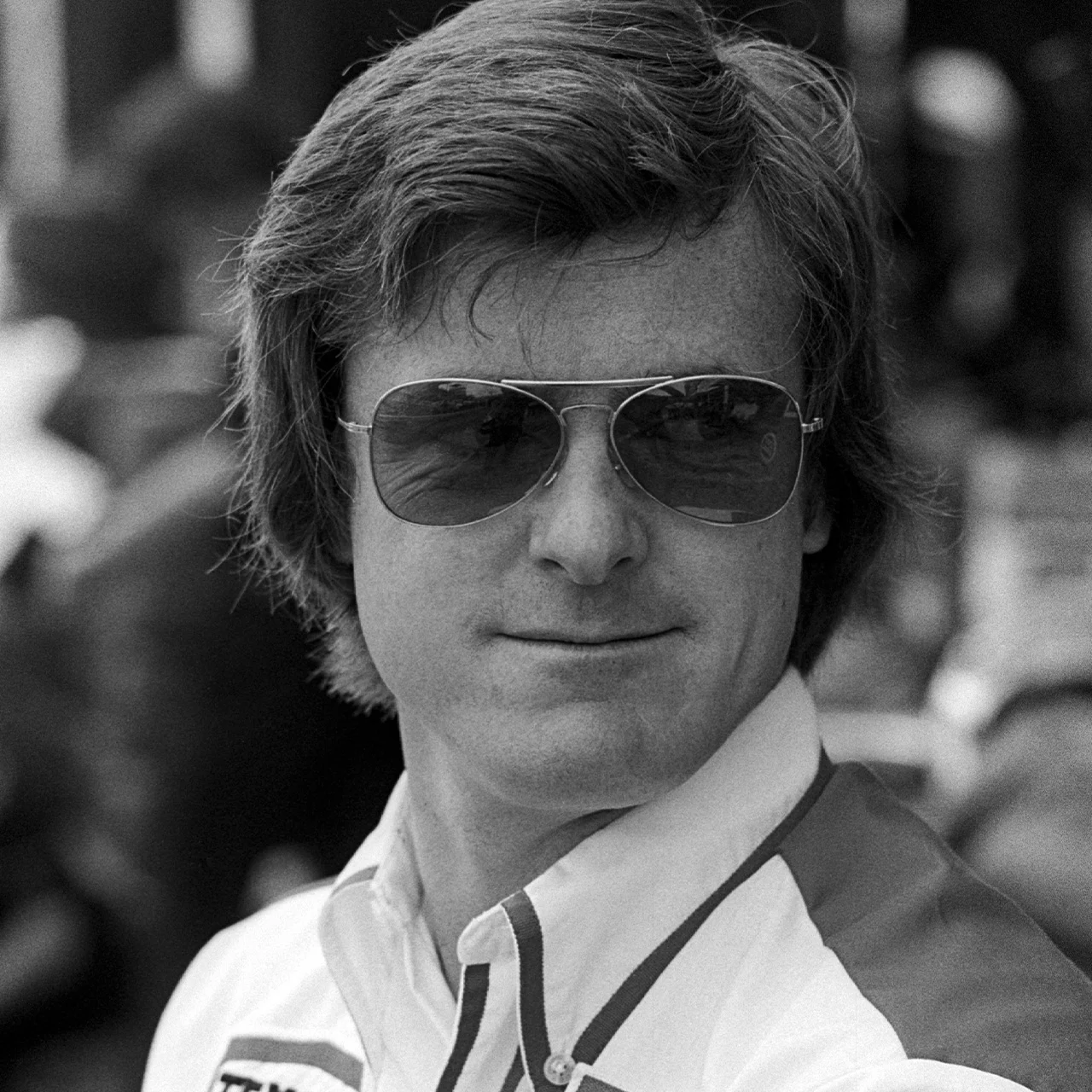
Like many, he believes 1977 may have been James’ greatest season, with a series of superb drives – including a famous British Grand Prix victory at Silverstone – cancelled out by a succession of car failures that denied us a second title fight with Niki and Ferrari.
“He was so charming. Charming and outrageous,” says Alastair. “And a very good racing driver. He was naturally quick. One of the best. He's overlooked whenever you see lists of the best drivers. He's never on them.”
James’ personality ensured that he was never forgotten, but it has sometimes overshadowed the driving that made him a World Champion. From the sunshine of São Paulo to the rain at Fuji, the 1976 season revealed both his remarkable speed and the flaws that made him such a complicated competitor. Fifty years on, the playboy remains part of the legend. But the racer deserves to be remembered just as clearly.