


8 September 2026 16:00 (UTC)
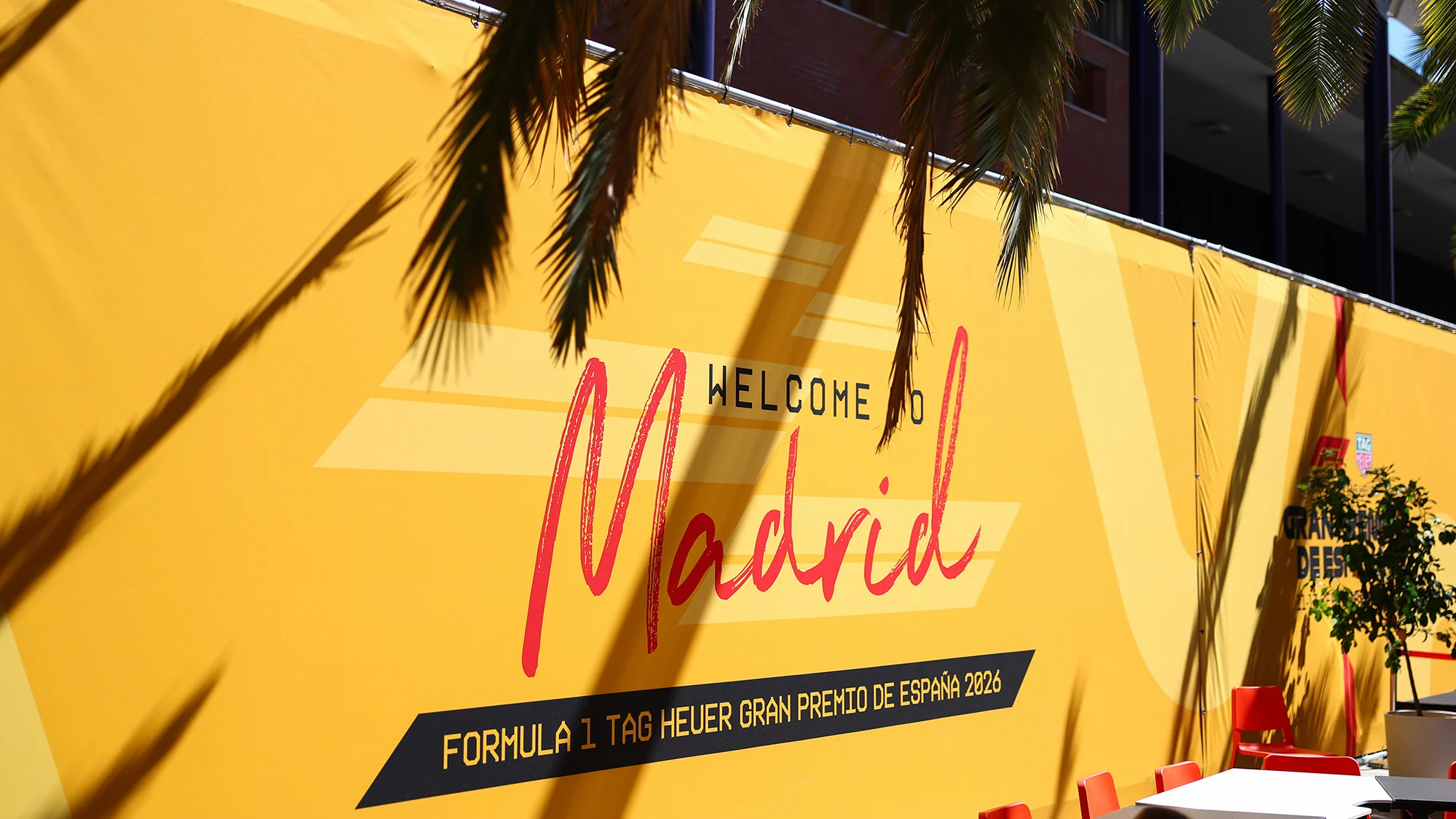
Formula 1’s Spanish Grand Prix will take place at the new Madring circuit on the outskirts of Spain’s capital city, an exciting, new location for the sport

From Barcelona to Madrid to Barcelona again, via Jerez, with a detour to Valencia sandwiched in there for good measure, and now back to Madrid… Formula 1 has certainly enjoyed a diverse adventure through some of Spain’s finest scenery.
Spain is among Formula 1’s most-visited countries, whether for Grands Prix or official testing, and this year, there is a fresh piece of tarmac awaiting exploration.
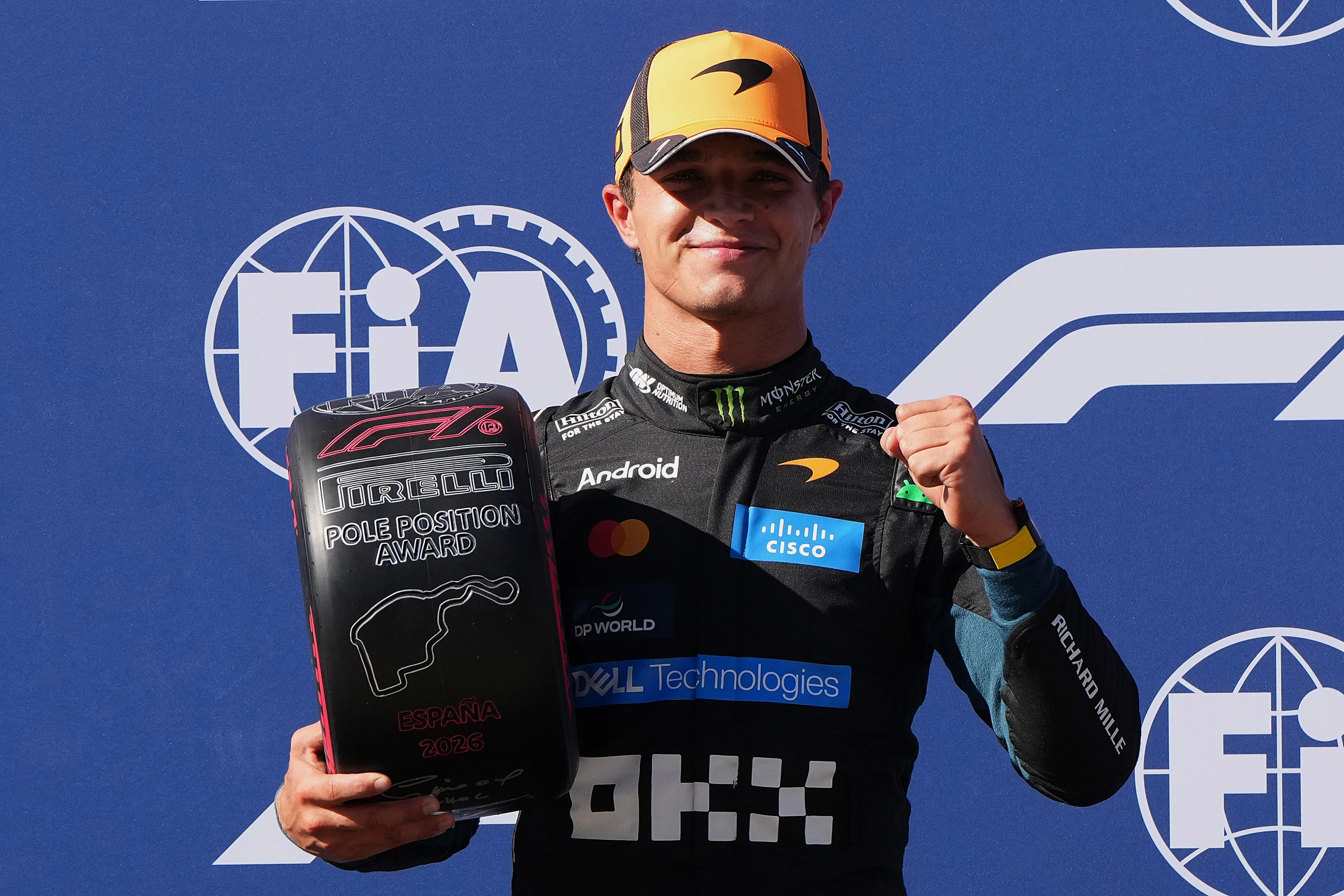
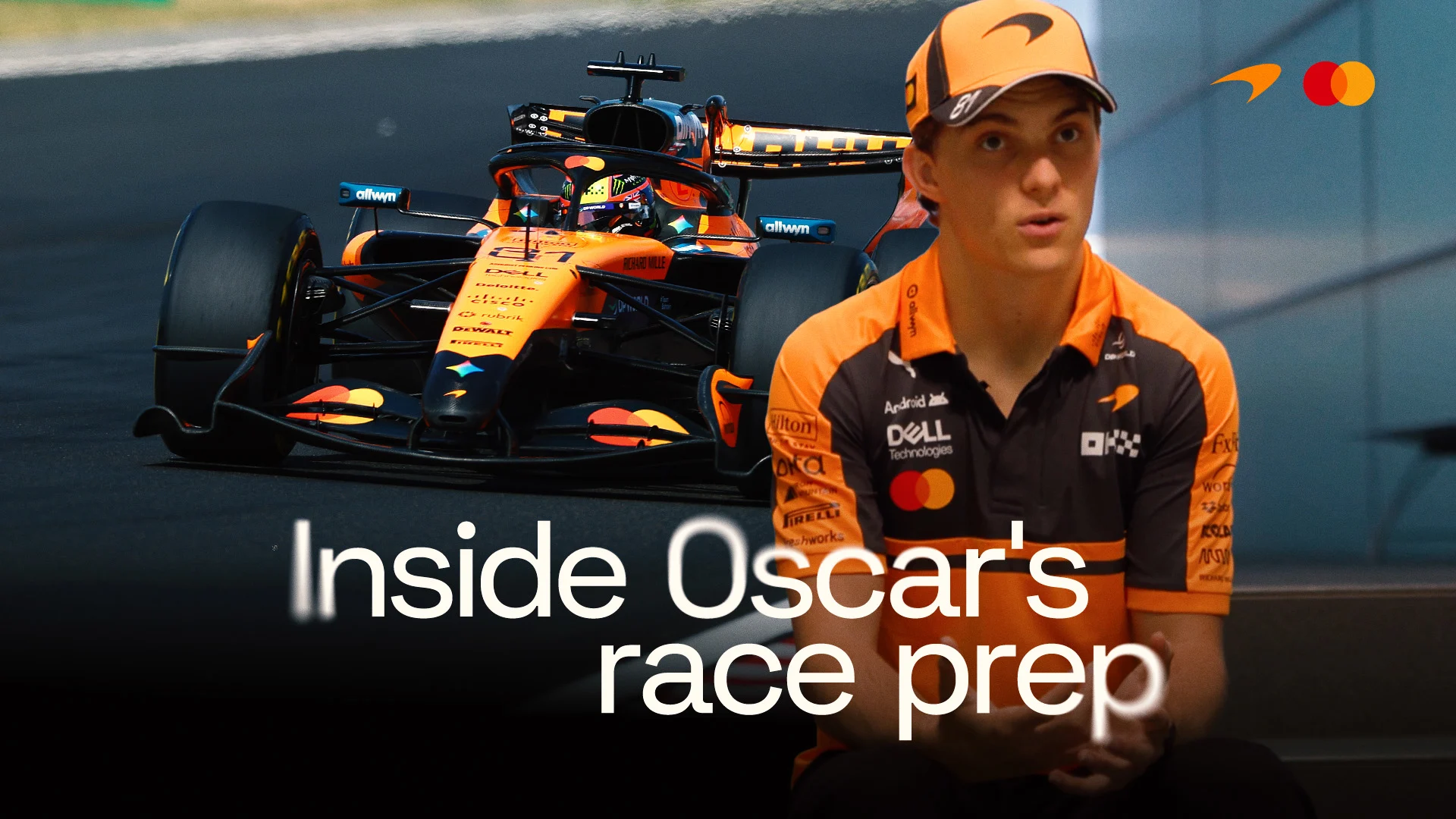
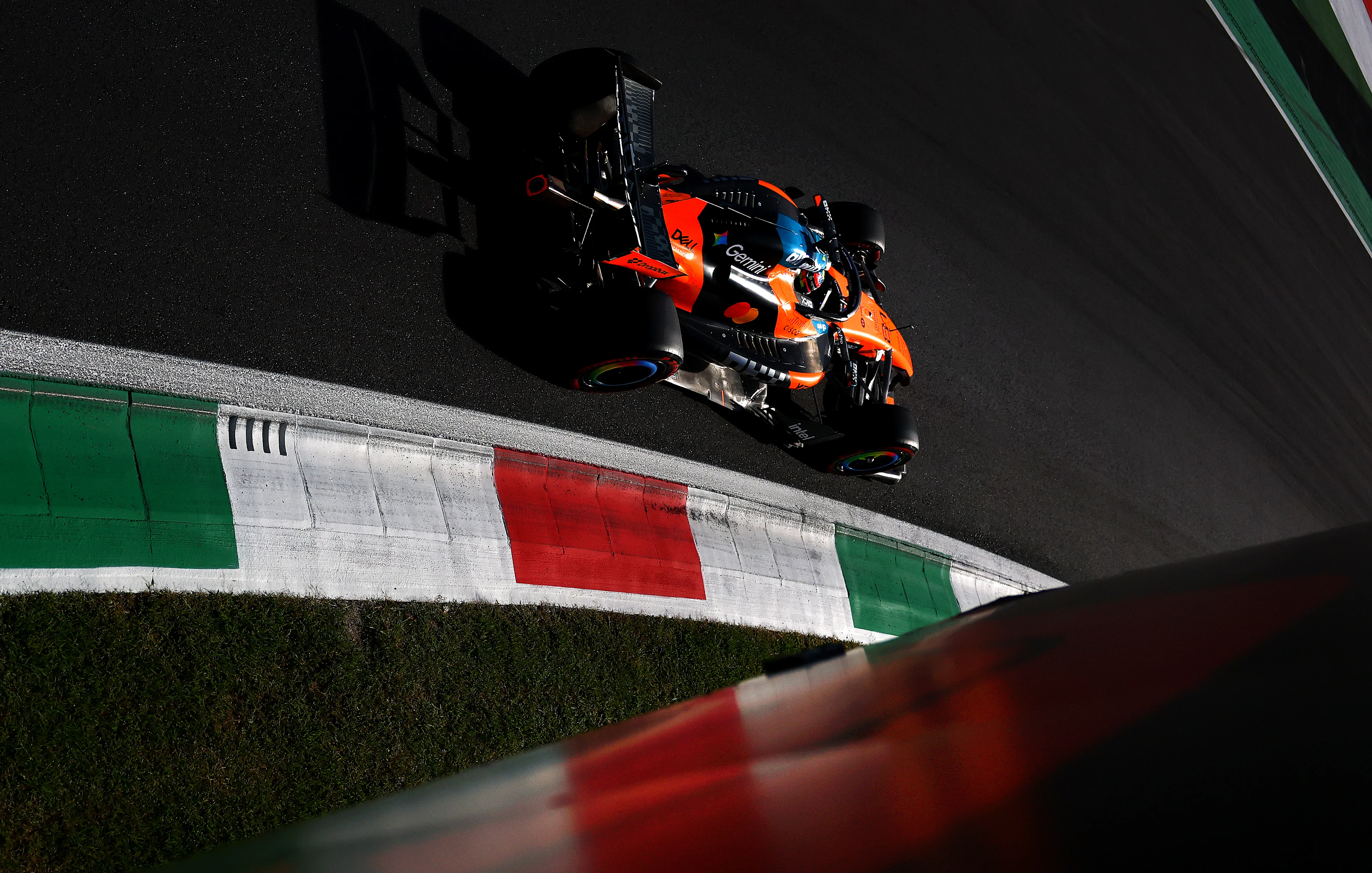
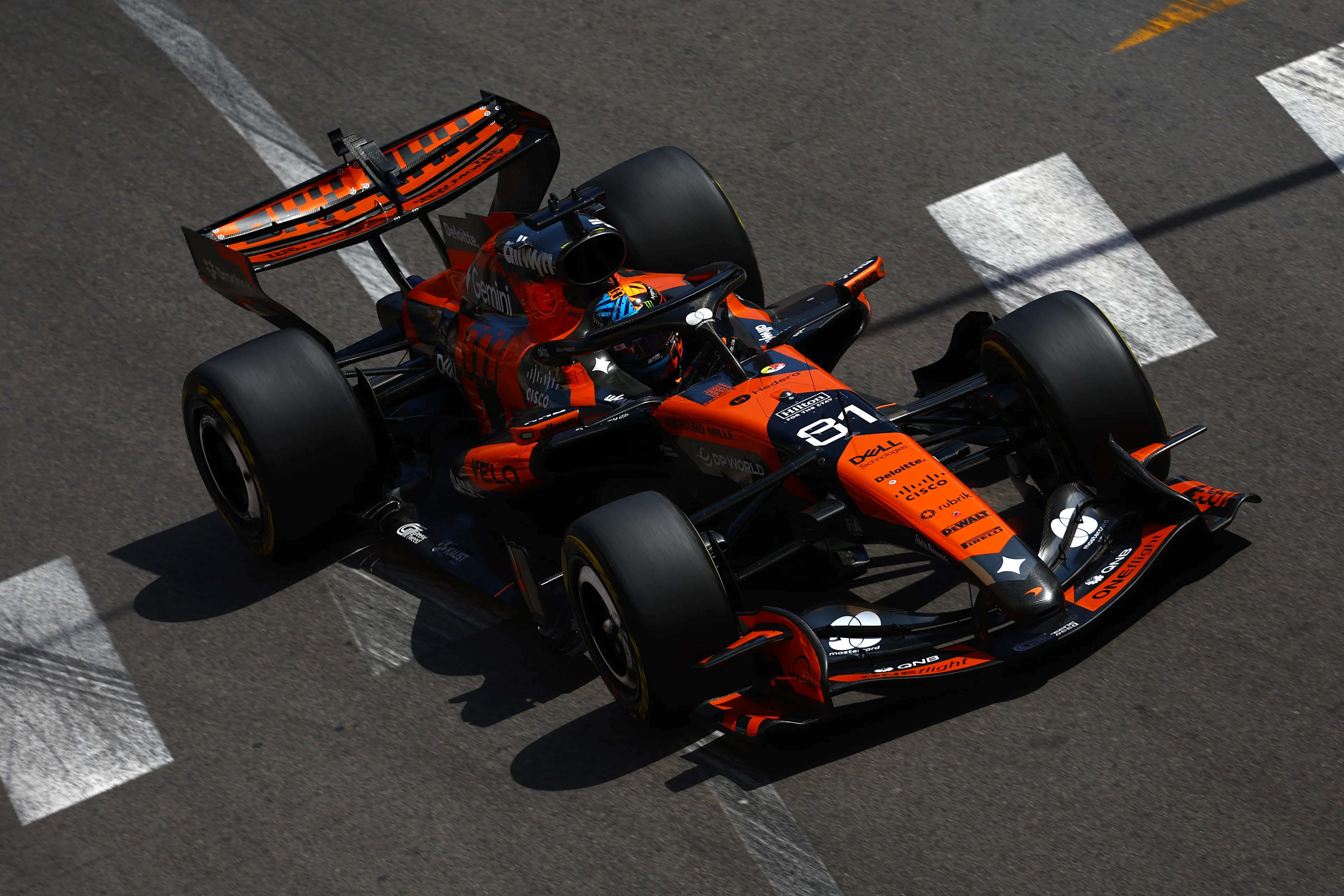
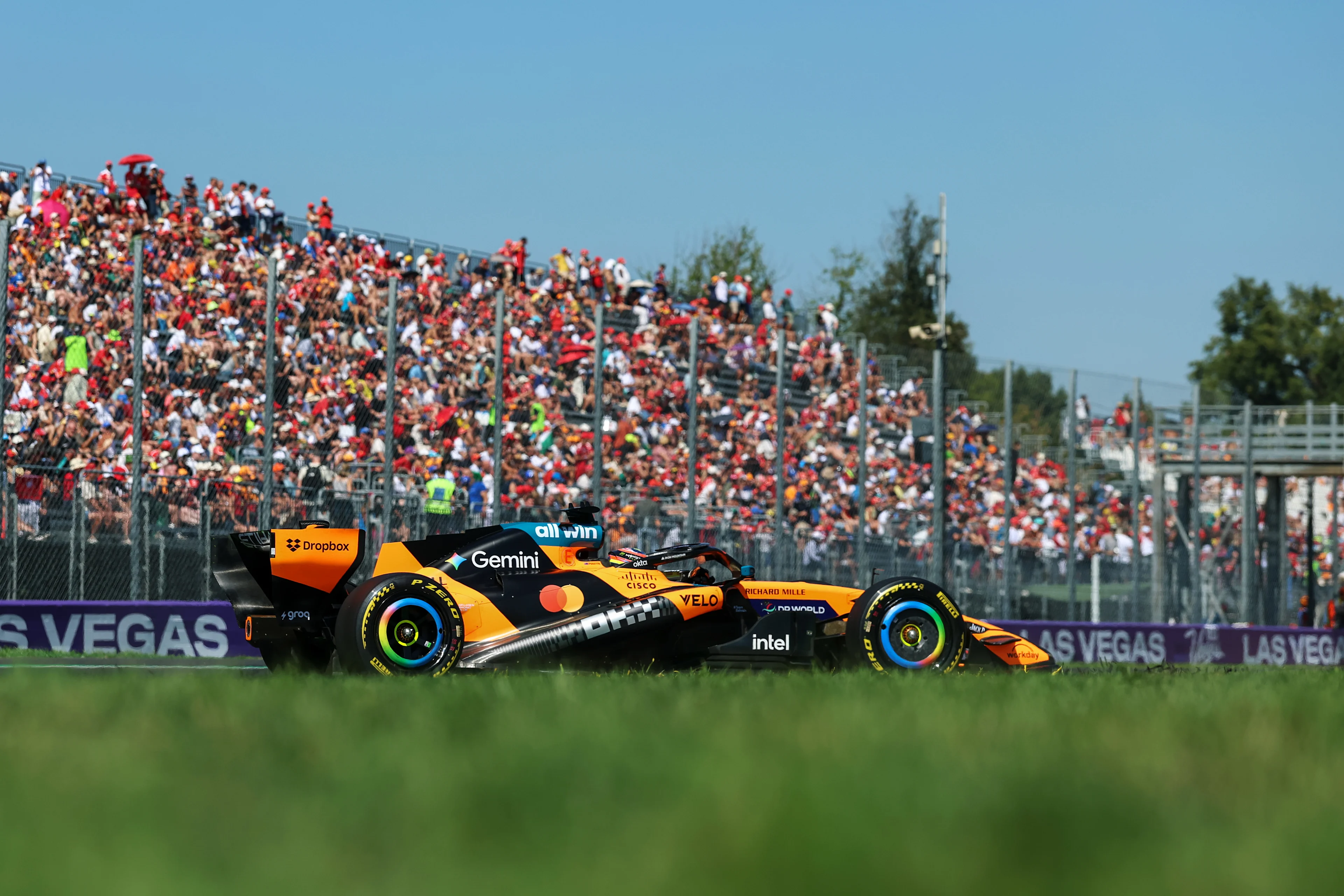
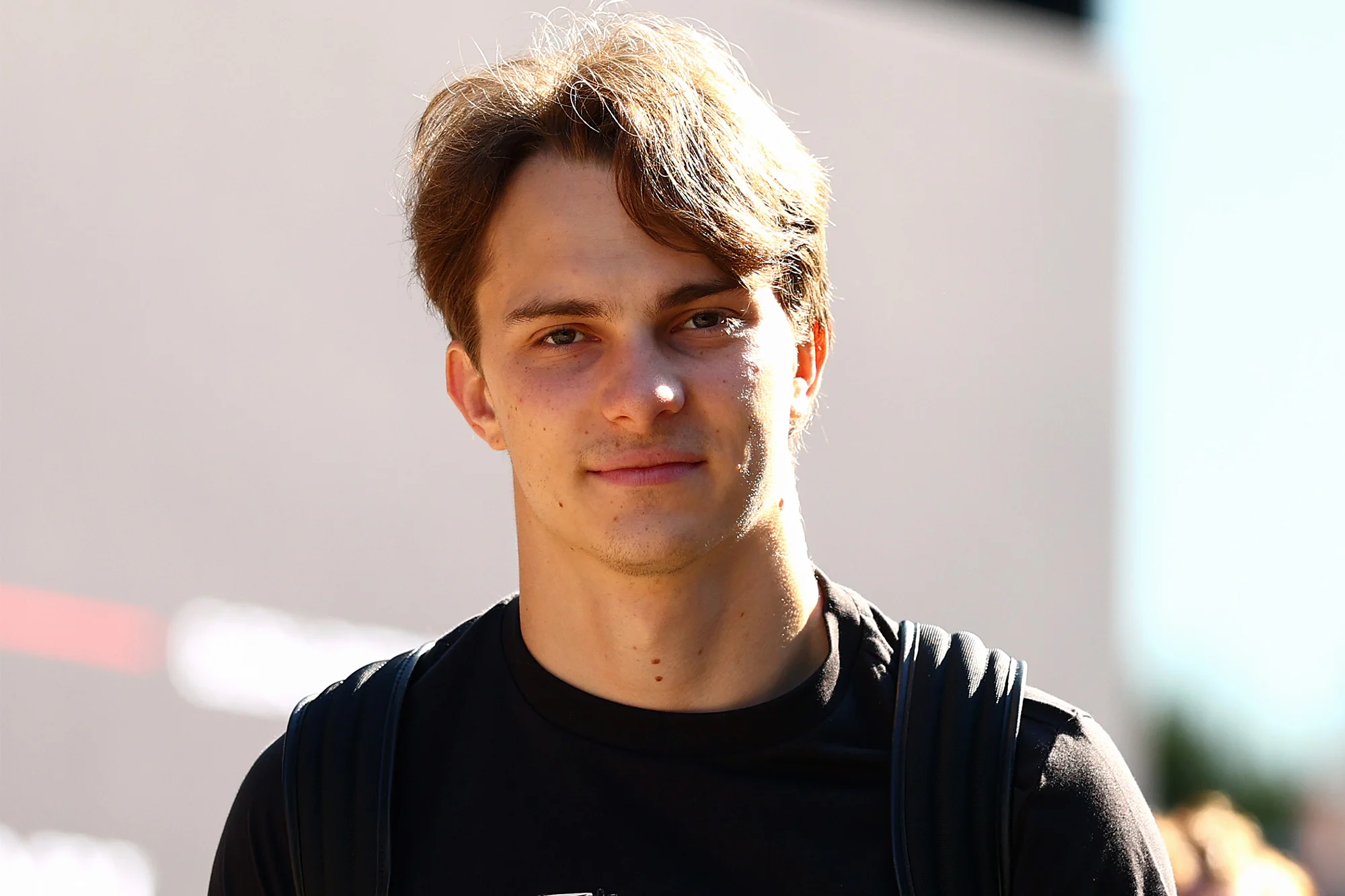
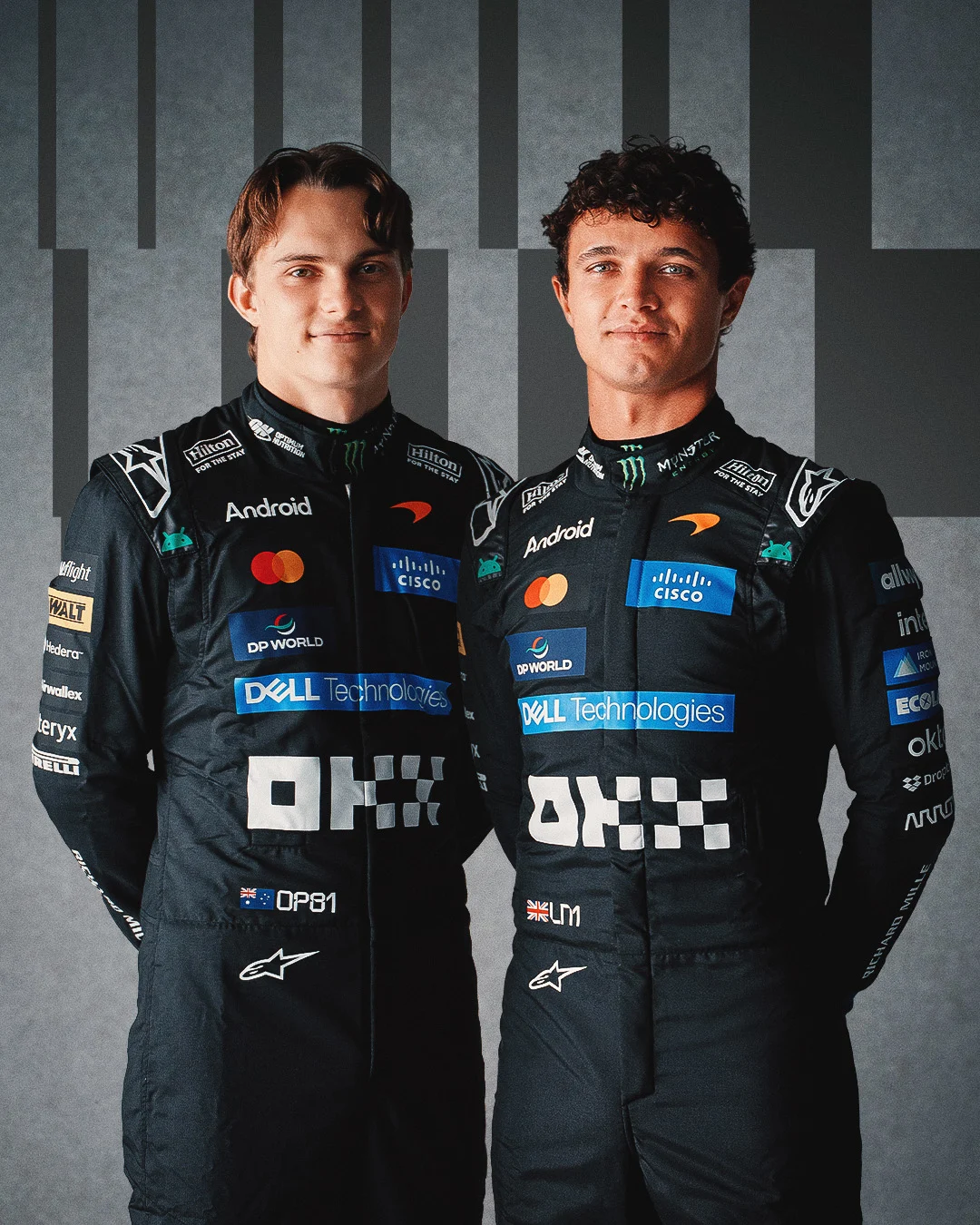
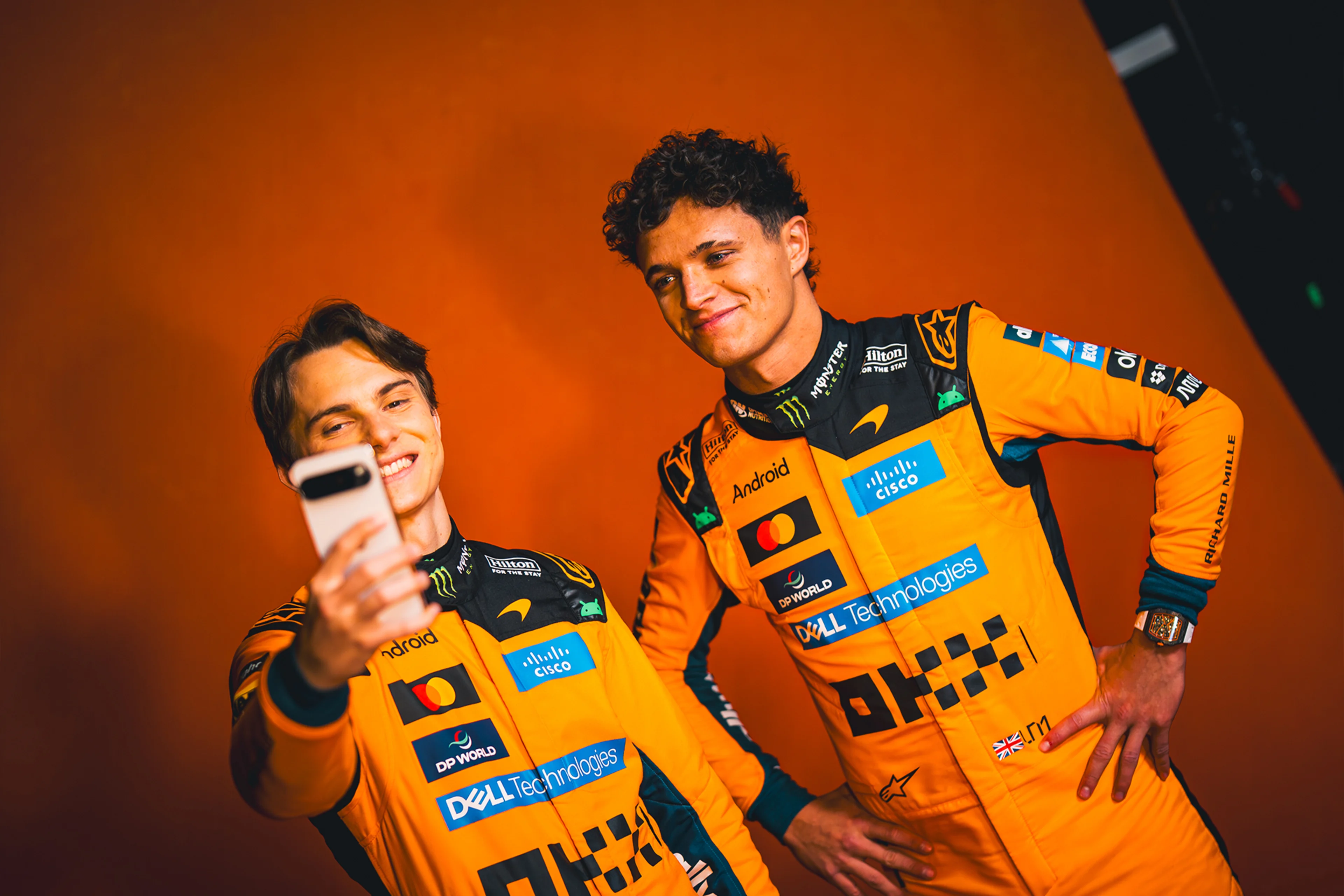
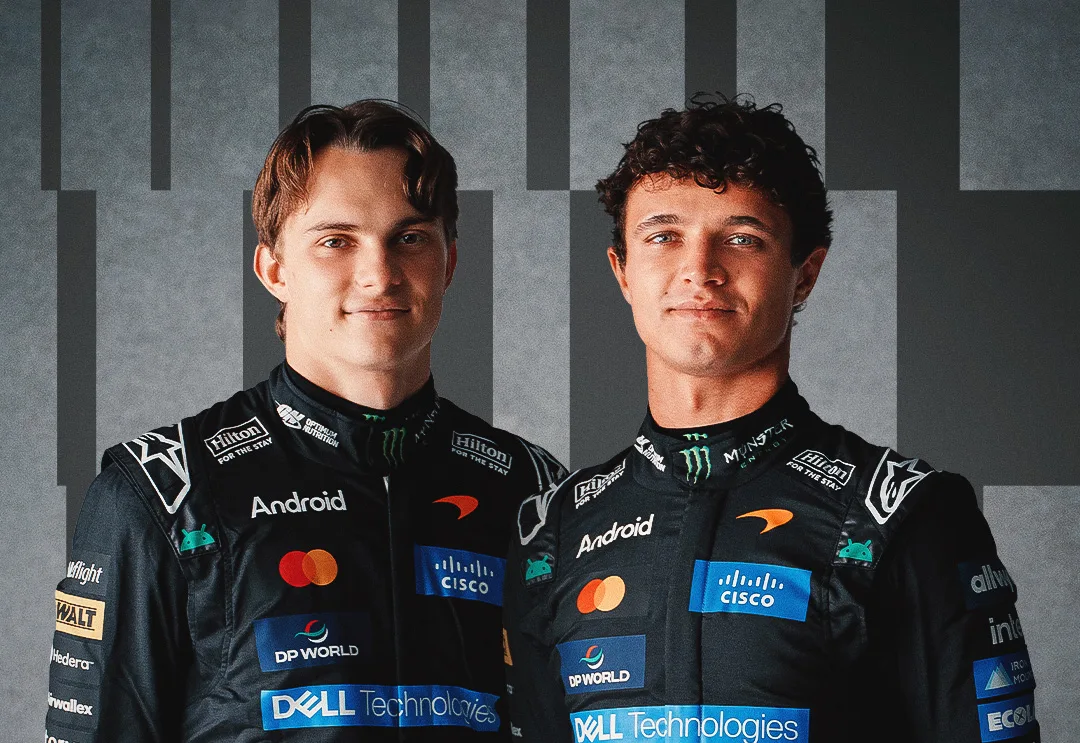
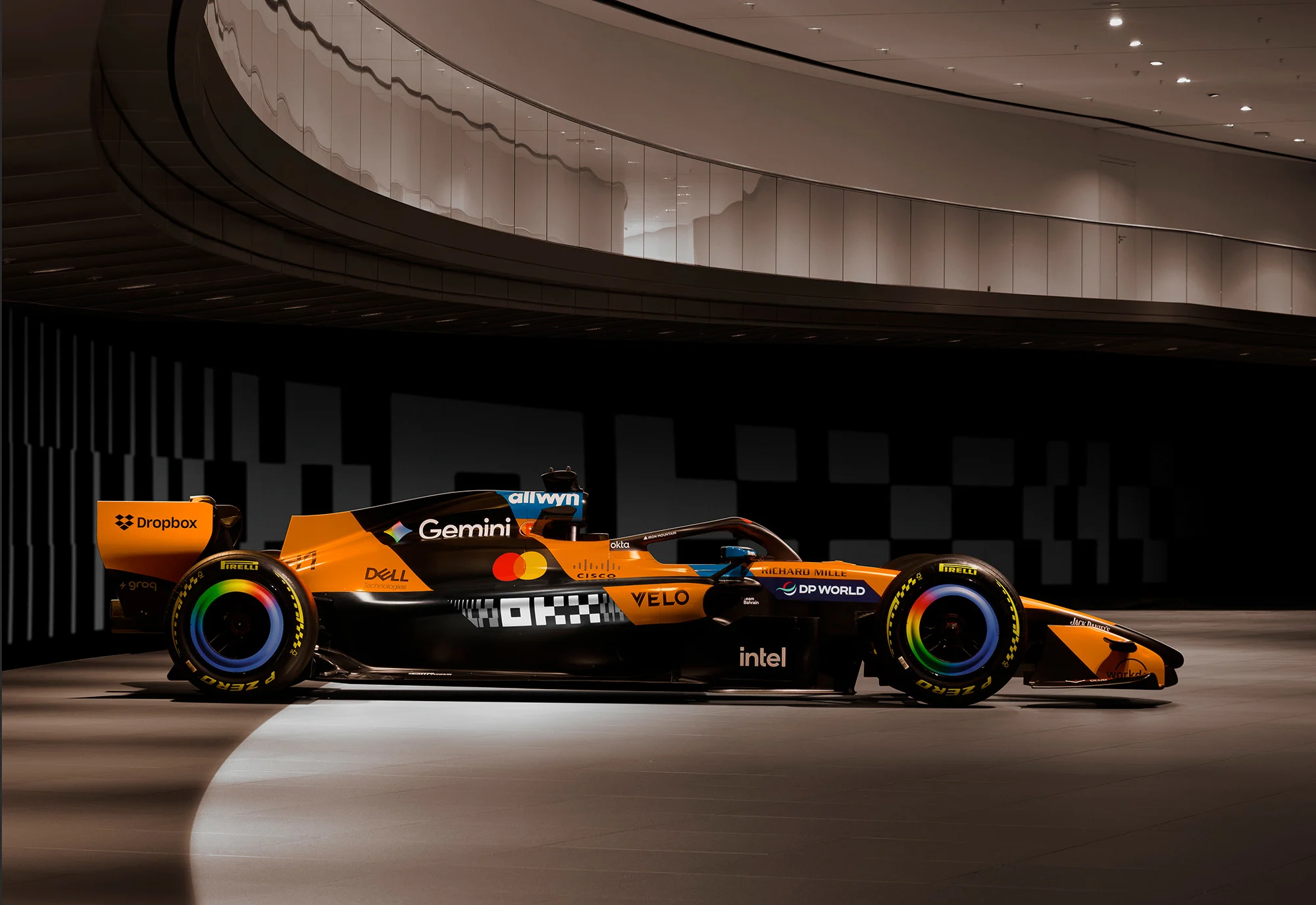
This week, Lando, Oscar, and the team are gearing up for their first experience of the Madring, so what can we expect from the new location for the Spanish Grand Prix?
Formula 1 first raced in Spain in 1951 at the Pedralbes street circuit in Barcelona, though it returned there only once, in 1954.
After a prolonged absence, Spain returned to the calendar in 1968, alternating host duties between Jarama - a permanent venue near Madrid - and Montjuïc Park, a leafy, undulating street circuit in Barcelona.
Jarama took over permanently in 1976, but the Spanish Grand Prix would switch again in 1986, moving south to the Jerez circuit.
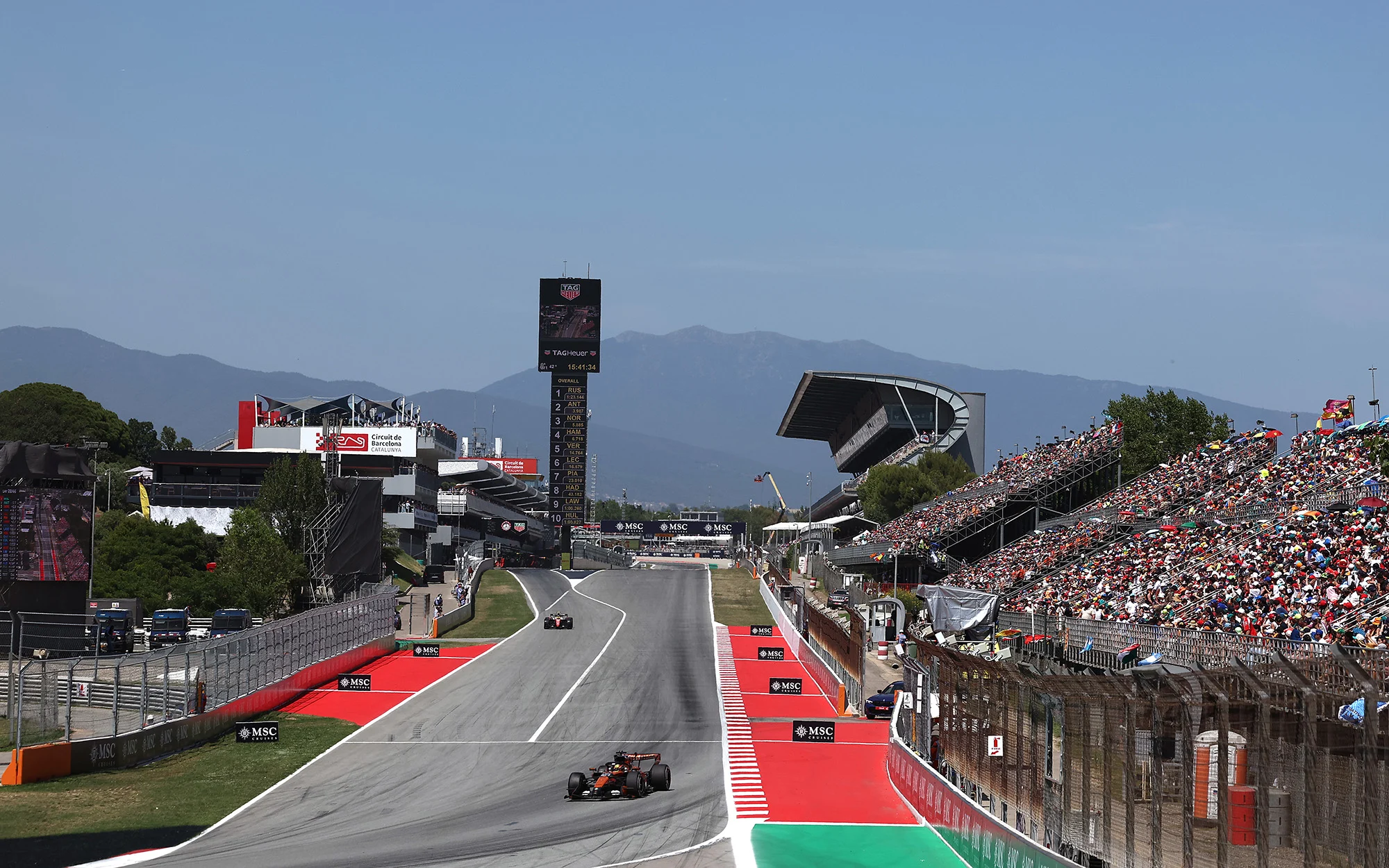
The Circuit de Barcelona-Catalunya, which hosted this year’s Barcelona-Catalunya Grand Prix, was constructed as part of the 1992 Olympics development programme.
The track was in use before the Games had even begun, hosting a round of the Spanish Touring Car Championship in 1991, followed just two weeks later by its inaugural Formula 1 Grand Prix. While the venue was used for the cycling road team time trials during the 1992 Olympics, this didn’t prevent F1 from returning the following year, beginning an unbroken run of hosting the Spanish Grand Prix all the way through to 2025.
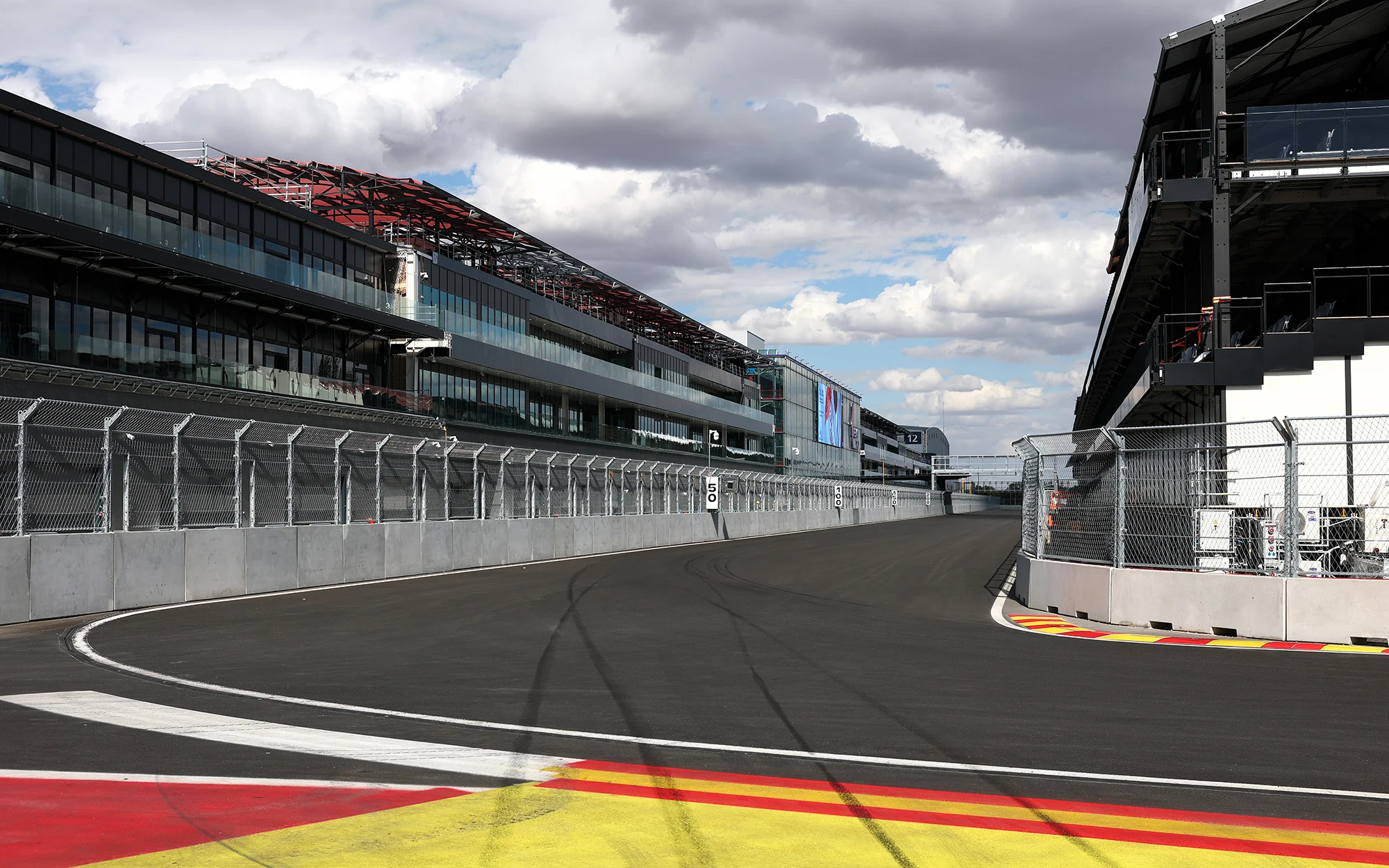
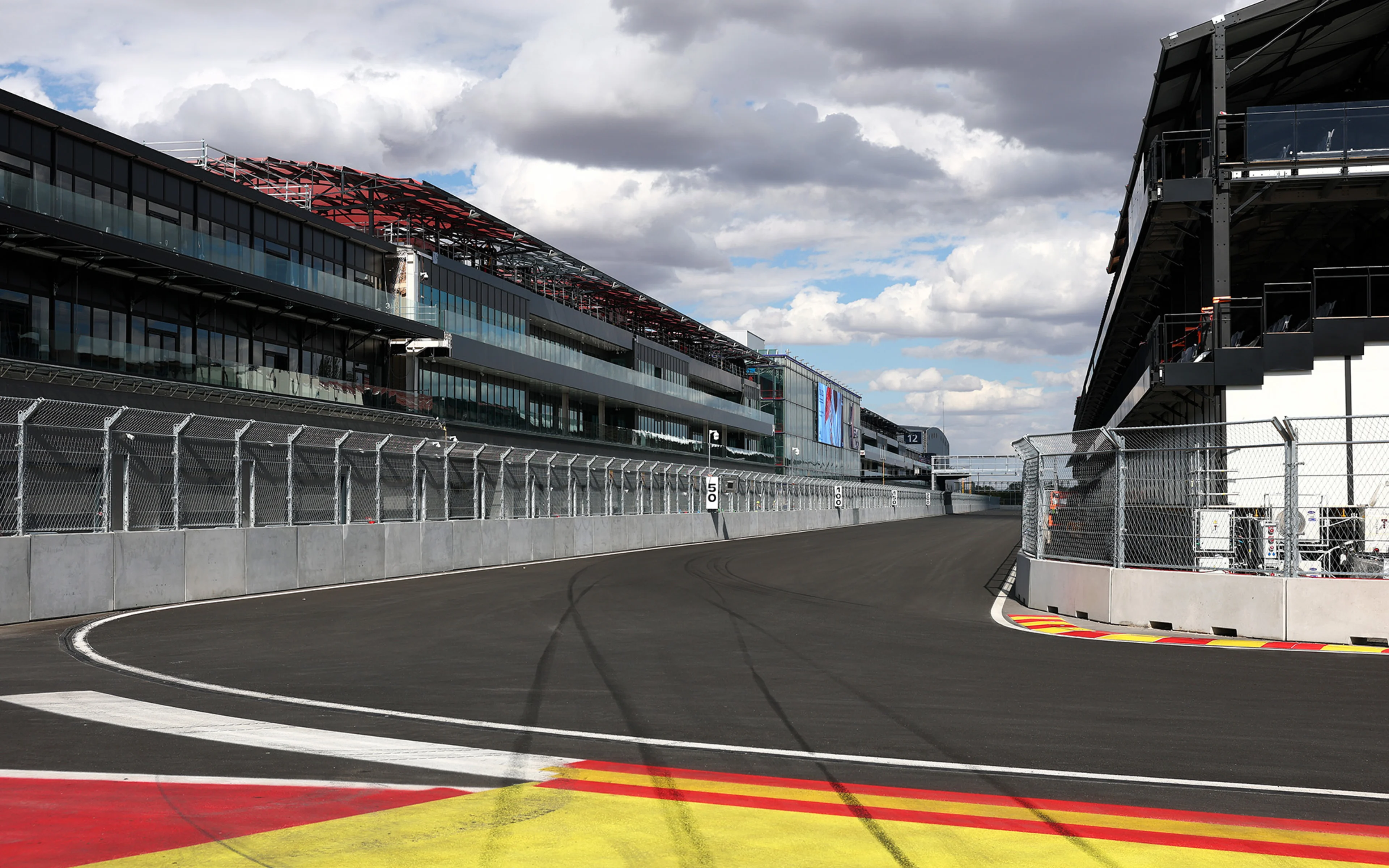
In January 2024, Formula 1 announced that the Spanish Grand Prix would relocate to Madrid from 2026 to 2035 inclusive, at a newly created circuit. Named the Madring, it has been designed around the enormous IFEMA Madrid exhibition centre, which is located between the centre of Spain’s capital and its Barajas Airport.
IFEMA’s large grounds and exhibition halls mean Madrid will hold one of the largest paddocks of the season – and it will be the final appearance of the year for the Team Hub, our home away from home at European Grands Prix.
Madring’s location provides straightforward access to and from the event by metro and rail, aligning with Formula 1’s sustainability ambitions and ensuring attendees can swiftly reach one of the world’s most renowned cities.
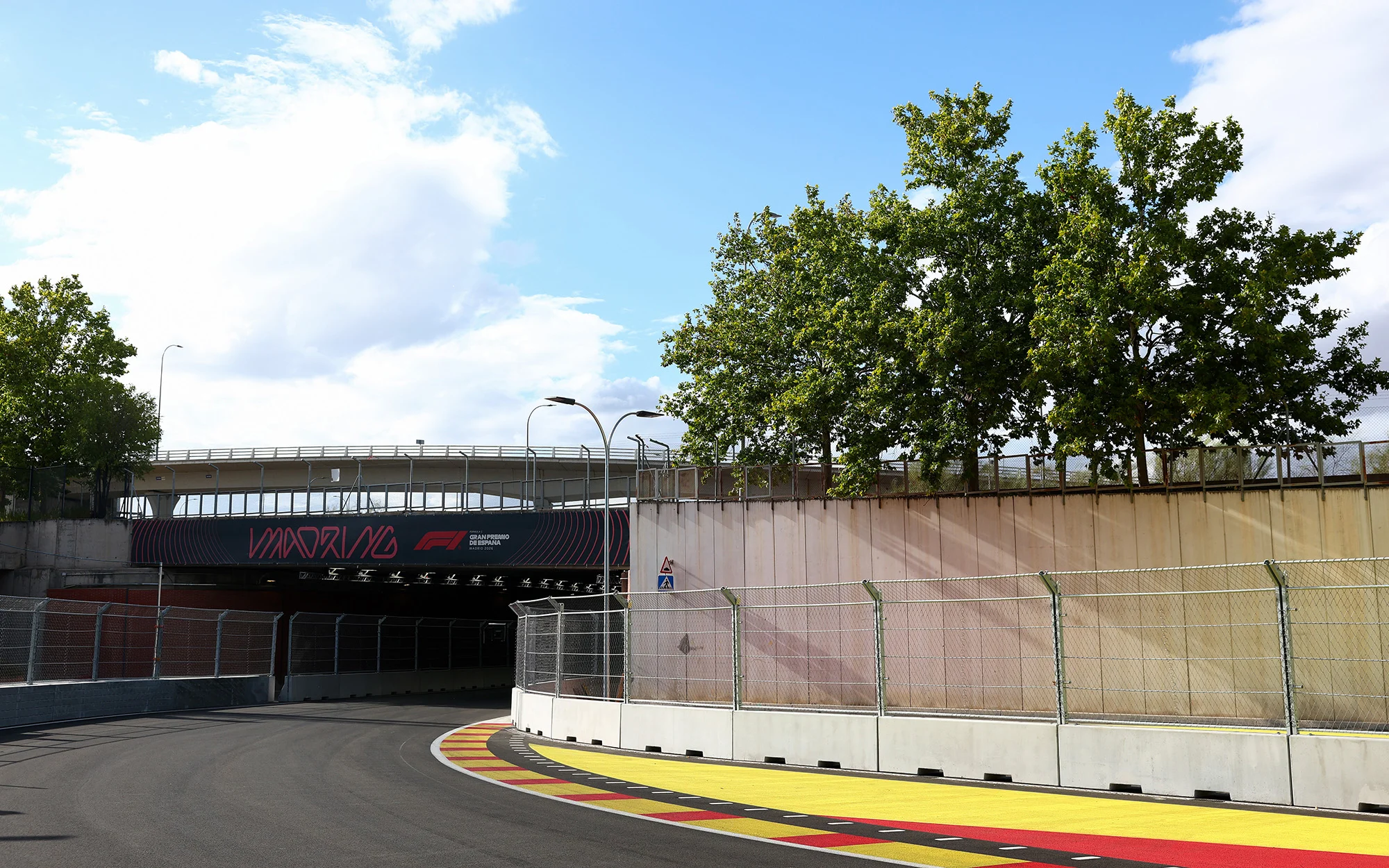
The 3.3-mile circuit has 22 corners and is a unique hybrid venue, effectively split into two sections, across IFEMA and adjoining private land in the district of Valdebebas, separated by a highway.
Construction of the venue began in May 2025, with the circuit plotted across the barren land. Several protected olive trees were successfully relocated, and the earth and soil were moved to create elevation changes.
Building of the permanent pits and paddock complex started in November, without interrupting the usual activities at IFEMA, which hosts hundreds of business conferences throughout the year.
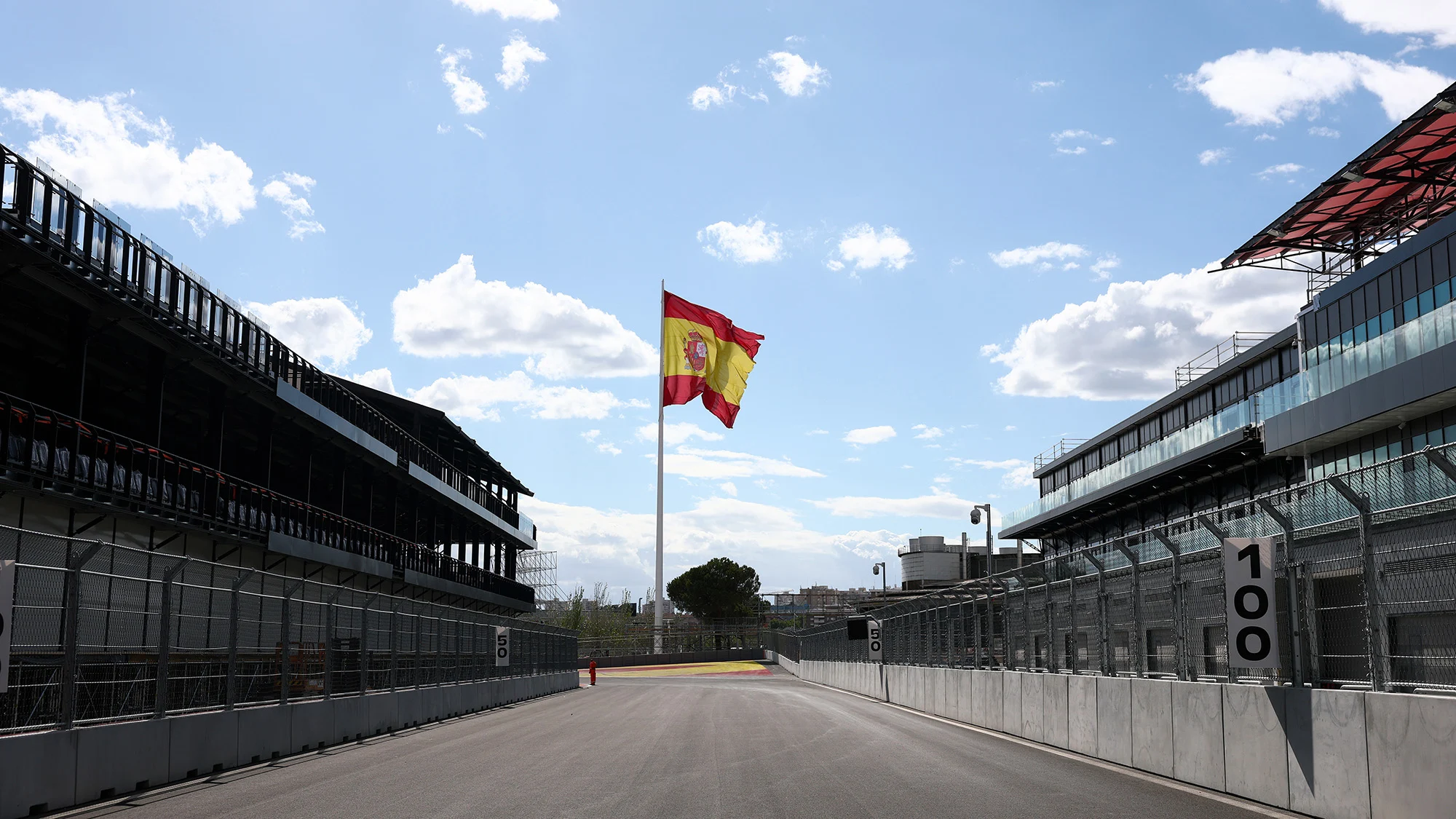
The first layer of asphalt was laid in December 2025, and the process was completed in May 2026, with an unveiling ceremony held at the first corner a few weeks later – where the biggest flag in Spain was revealed.
The grandstands were put up through the summer months, alongside the creation of the fan zone, expected to be among the largest of the season.
With Formula 1 waving farewell to the Dutch Grand Prix, it means two iconic banked corners have now disappeared from the calendar, but the Madring will arrive with its own fearsome banked turn, called La Monumental.
La Monumental, the 12th corner of the circuit, is a 550-metre-long left-hand turn that features 24-degree banking. It’s expected to offer drivers the opportunity to take multiple lines, promoting wheel-to-wheel action.
La Monumental will be taken flat out while the corner’s challenge is enhanced by its blind exit, which features a crest and a compression, acting as a slingshot to bring drivers into the second half of the lap. It should prove to be a significant test for both the drivers and the cars, and is doubtlessly the circuit’s showpiece.
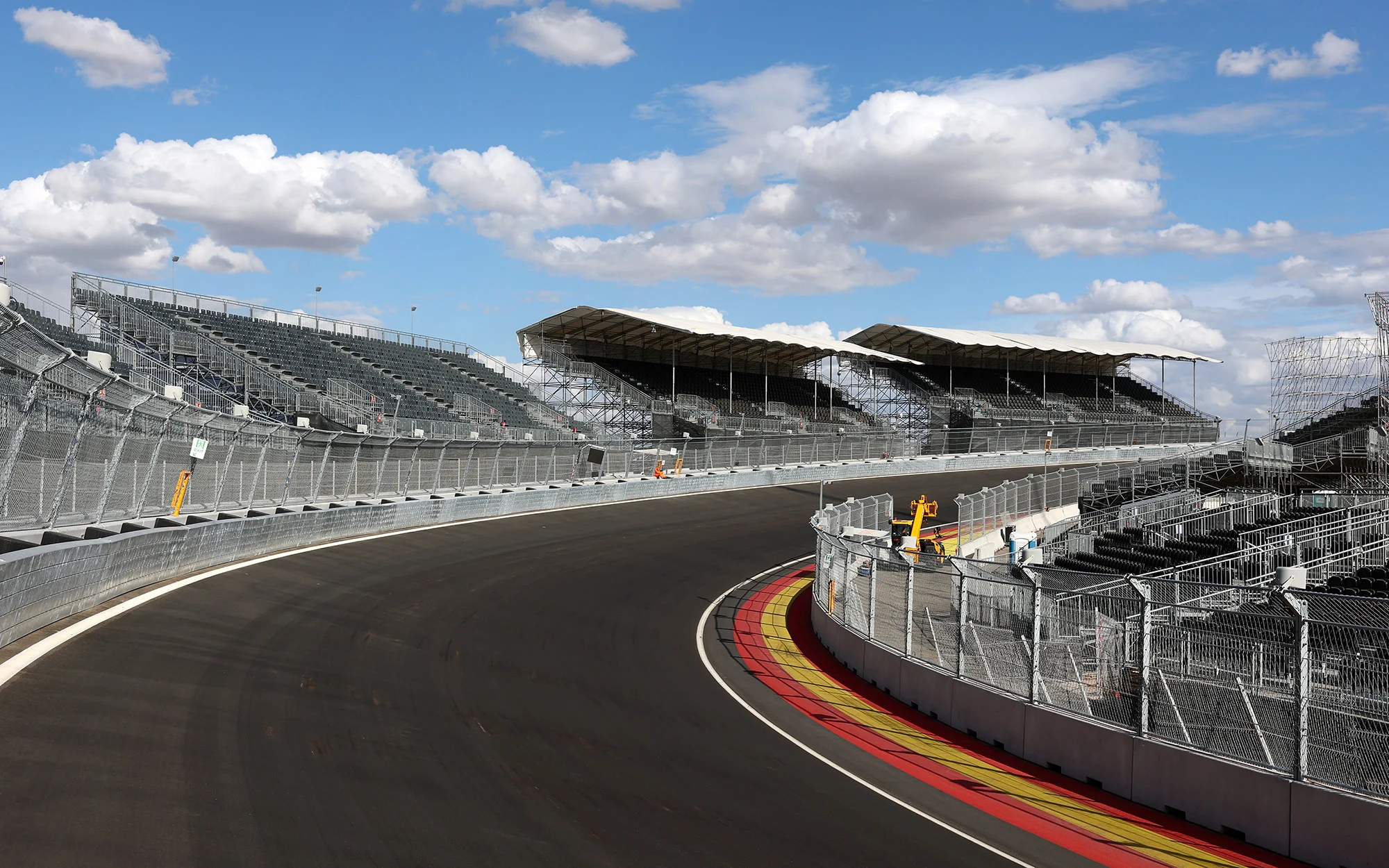
La Monumental has the potential to be totemic, but the remainder of the Madring will also offer plenty of challenges and interesting sections.
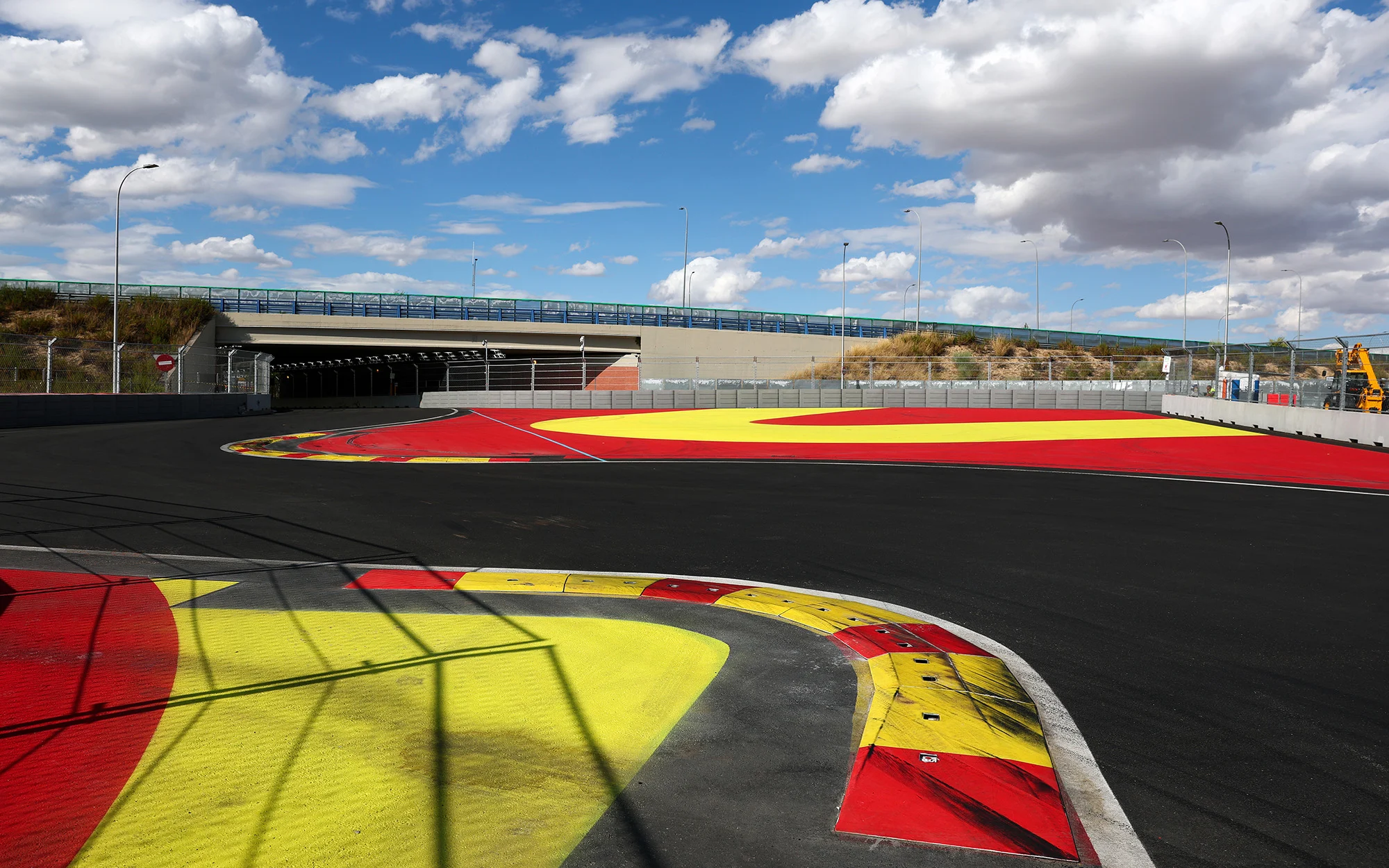
A sequence of sharp, flat, 90-degree corners characterises the IFEMA section of the track, before opening up into a flowing medium- to high-speed section with several elevation changes.
Subida de las Cárcavas (Turns 5 and 6) is a challenging left-right section that takes drivers underneath a highway and comes just after an 800-metre full-throttle blast, while the circuit immediately rises and takes drivers into the sharp Bunker turn – named after the protected Spanish Civil War bunkers nearby.
Las Enlazadas de Valdebebas (Turn 15) is a high-speed left-hander that leads straight into the tricky Turn 17 right-hander, a potential overtaking opportunity, while Turn 20 is an awkward left-hander that pinches back on itself on exit.
The limited run-off areas and proximity of the walls will leave little margin for error, akin to Montreal’s Circuit Gilles Villeneuve or Azerbaijan’s Baku City Circuit.
McLaren is one of Formula 1’s most successful teams at the Spanish Grand Prix, having claimed victory on nine separate occasions.
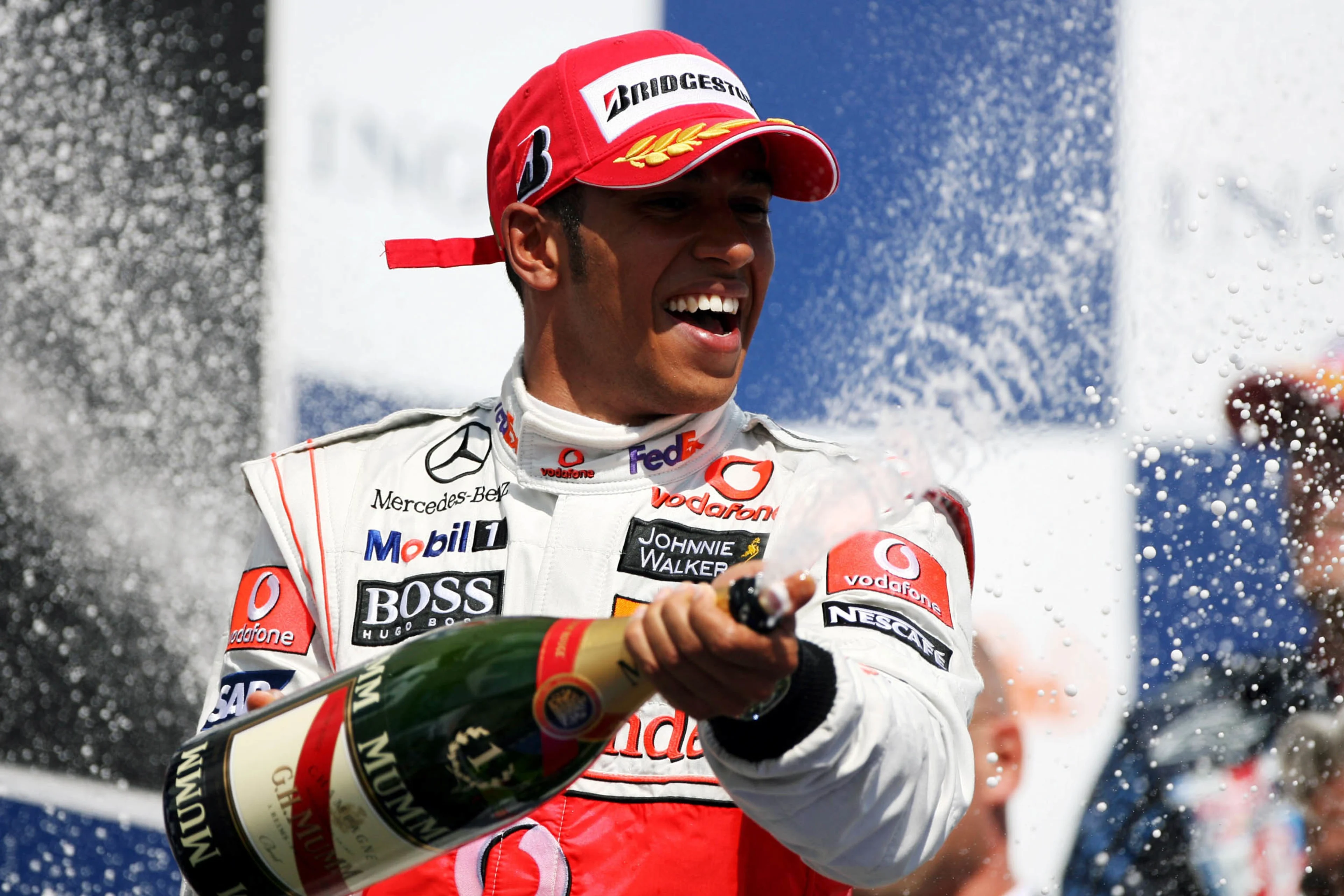
Jochen Mass was our first winner in 1975 at Montjuic Park, which was followed up by a second successive win in Spain a year later, with James Hunt triumphing at Jarama during his title-winning campaign. James was initially disqualified for a technical infringement, but his win was later reinstated on appeal.
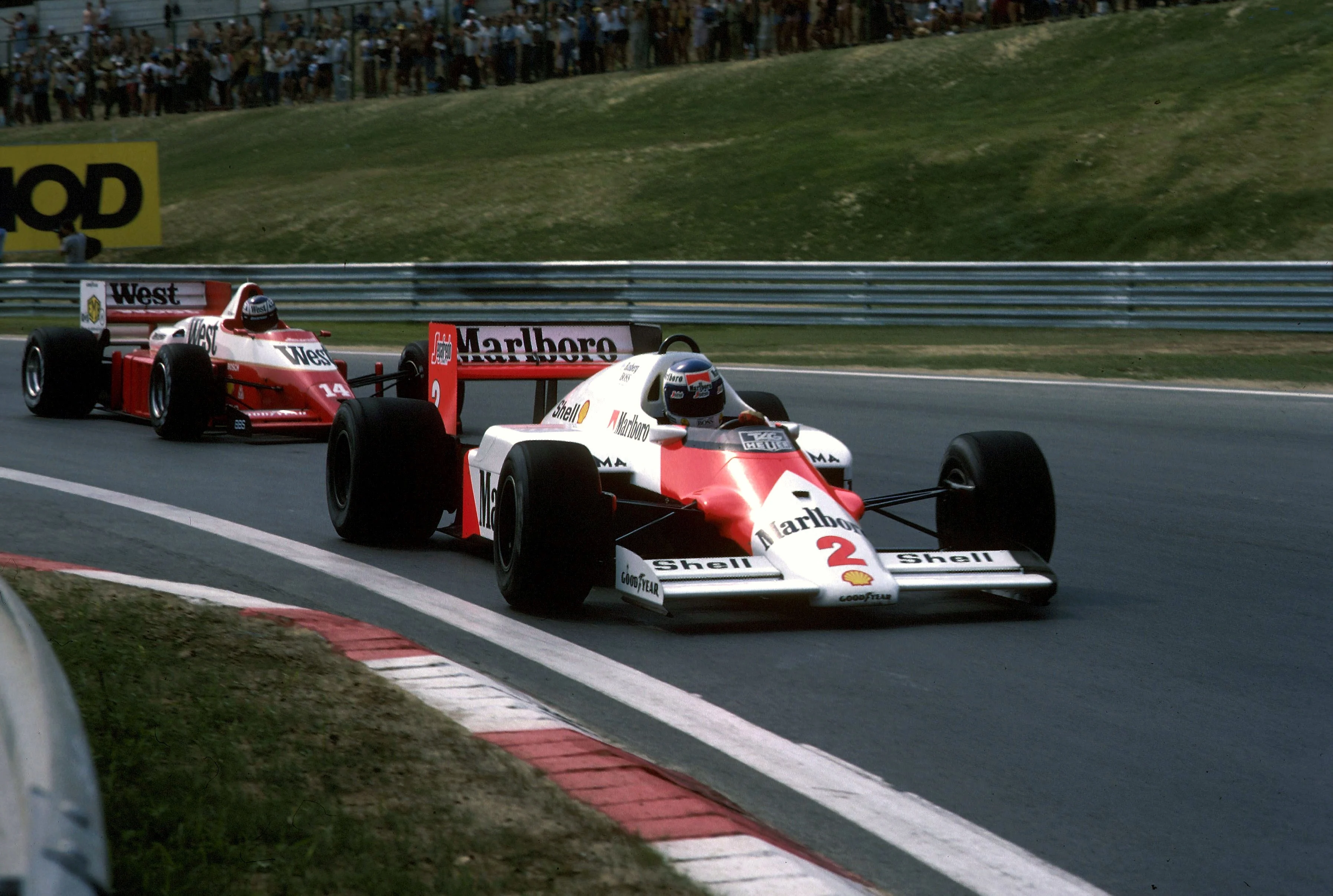
During their historic, dominant, title-winning campaigns, Alain Prost and Ayrton Senna won once each at Jerez, in 1988 and 1989, respectively.
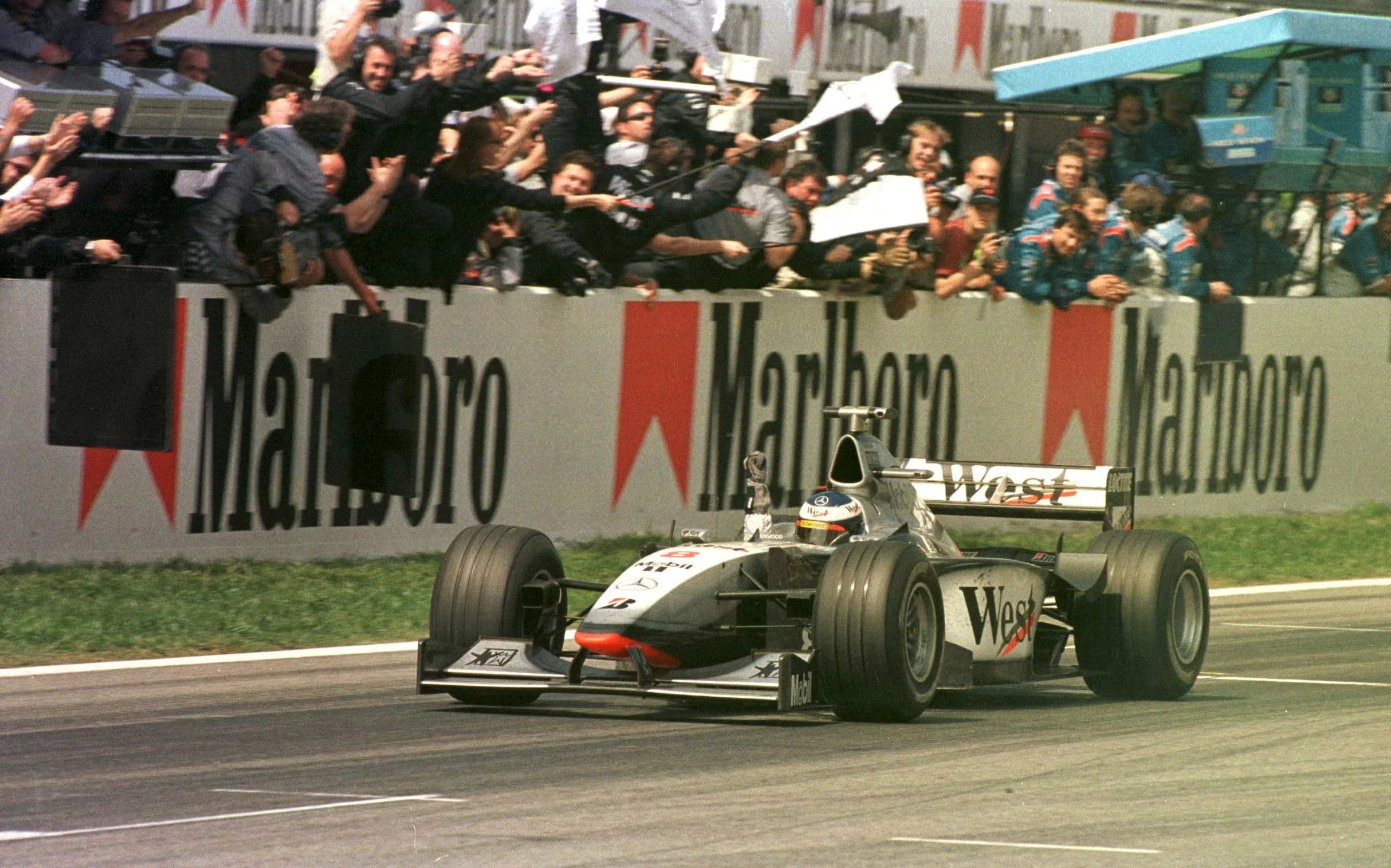
Nearly a decade later, Mika Häkkinen scored a hat-trick of wins at the Circuit de Barcelona-Catalunya in 1998, 1999 and 2000, while compatriot Kimi Räikkönen took victory in 2005.
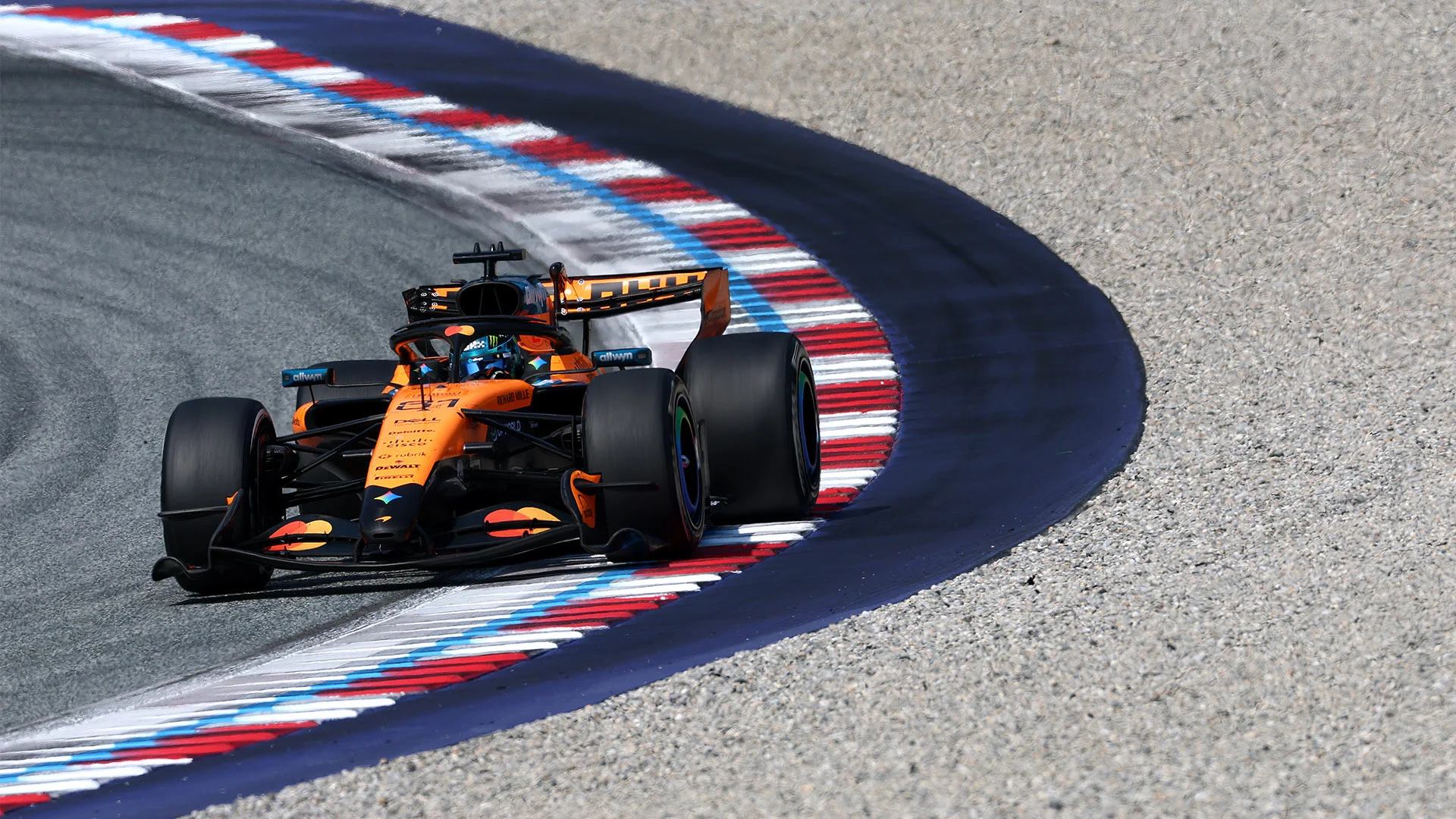
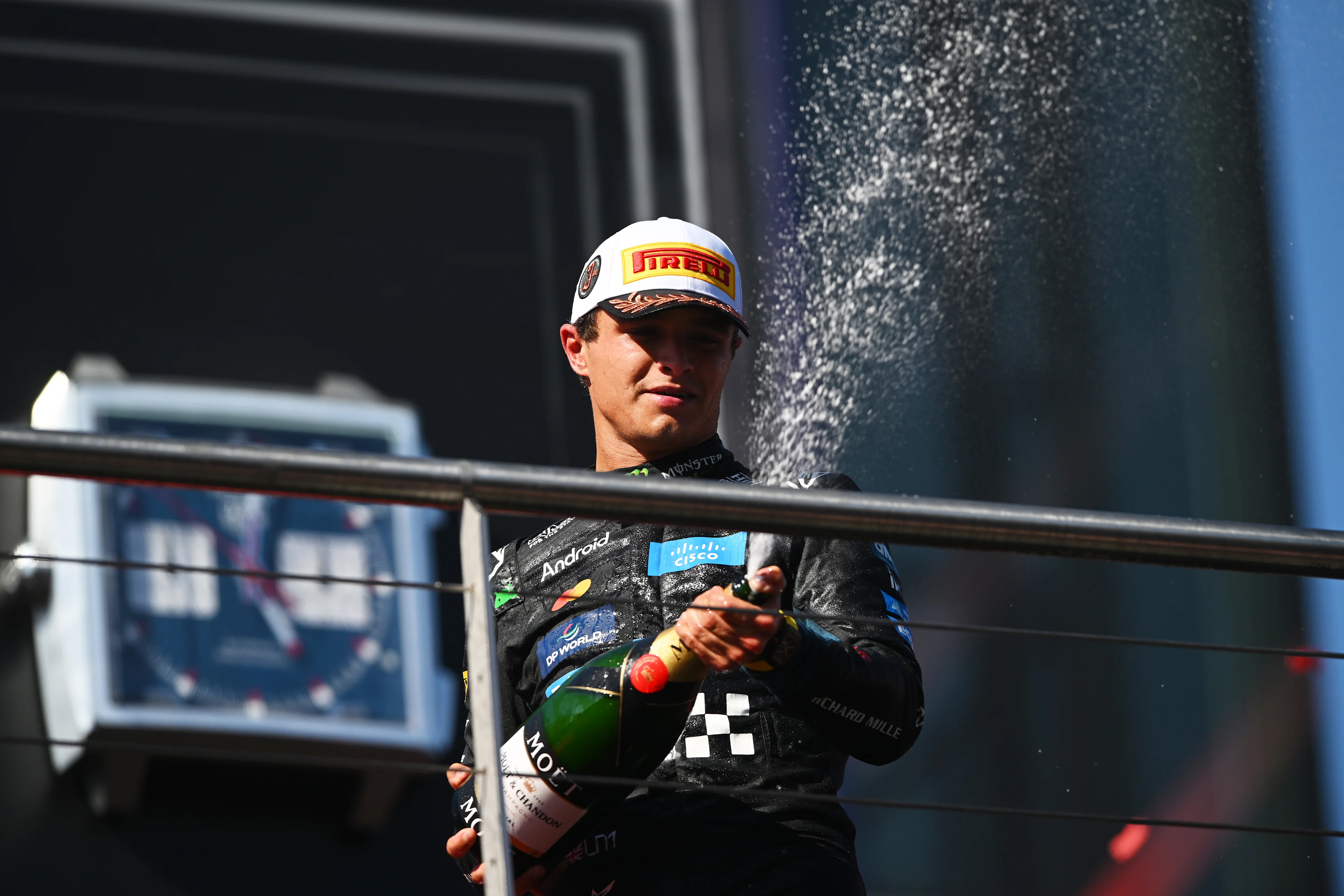
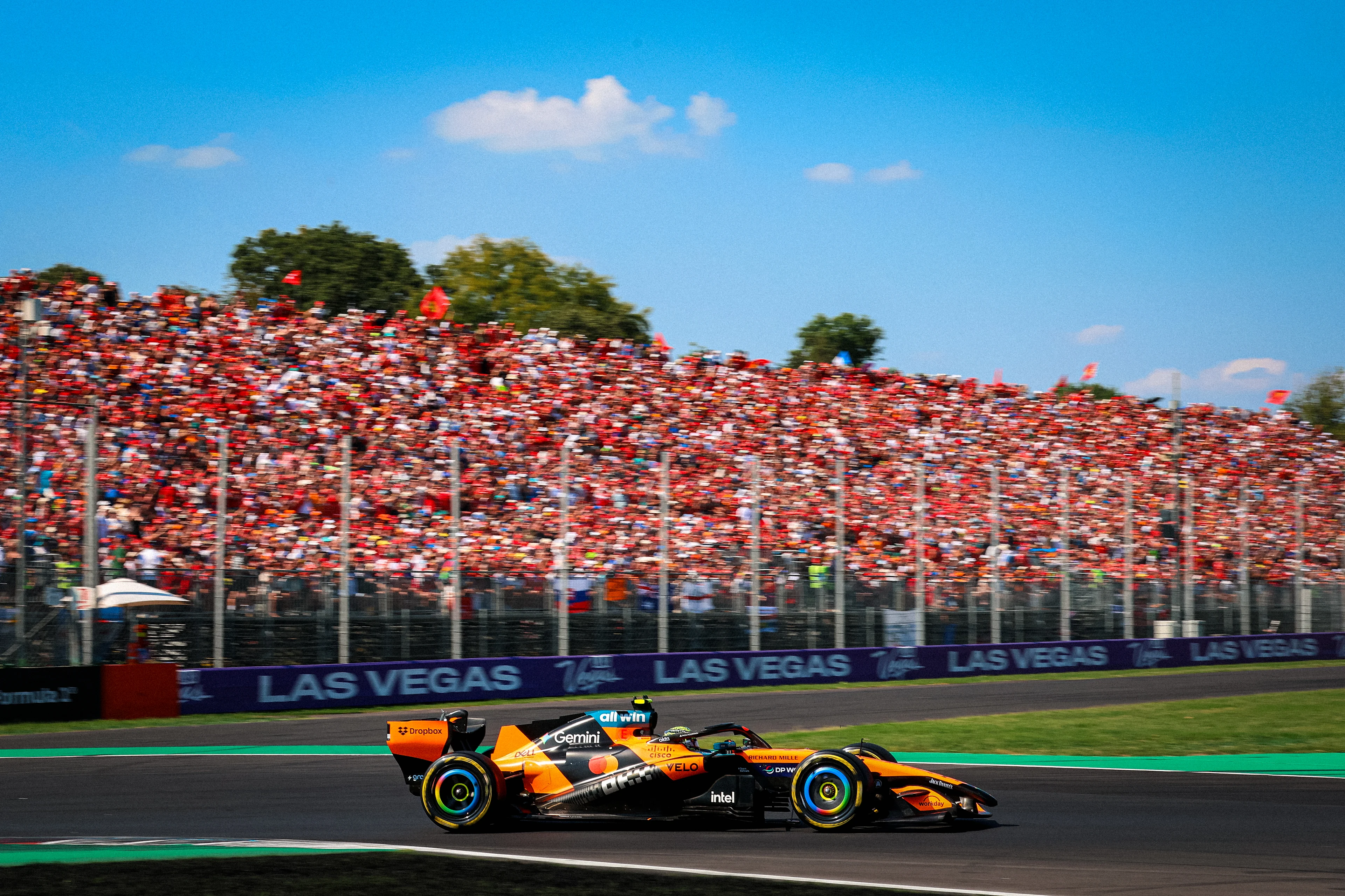
We’d have to wait another two decades for our next win, after a handful of near-misses, as Oscar Piastri returned McLaren to the top step of the Spanish podium, taking victory in the final Spanish Grand Prix to be held at the Circuit de Barcelona-Catalunya.
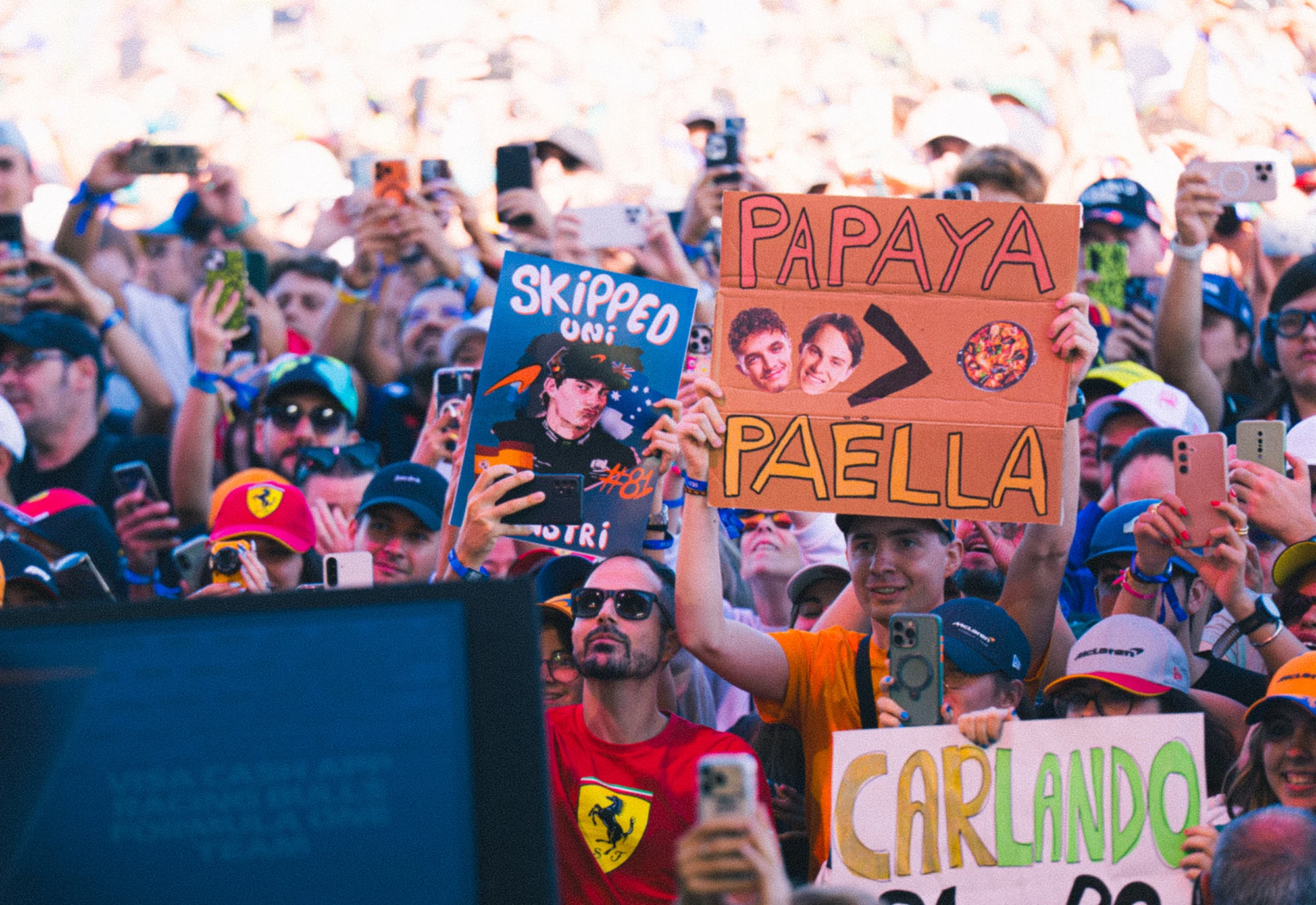
While we’ve never had a home winner on the top step in Spain, we have had several rapid Spaniards behind the wheel of our Formula 1 machinery, including the likes of Fernando Alonso, Pedro de la Rosa, and Carlos Sainz.
We won’t be waving goodbye to the high-speed, high-energy Circuit de Barcelona-Catalunya, which has been a regular test venue over the decades alongside its status as host of the Spanish Grand Prix.
Barcelona will remain on Formula 1’s calendar as part of a biennial deal, meaning the Barcelona-Catalunya Grand Prix will be held again in 2028, 2030 and 2032, effectively rotating with the Belgian Grand Prix at the Circuit de Spa-Francorchamps.
It’s not the first time Spain has seen two Grands Prix in the same season. While Barcelona held the Spanish Grand Prix in 1994 and 1997, Jerez hosted the European Grand Prix. The latter was a special round for the team, with Mika claiming a famous first victory for McLaren, finishing first in a historic 1-2. Spain was also the venue for the European Grand Prix in 2008 and 2012, held in Valencia, with an urban circuit winding through the city's port area.