



11 September 2026 13:15 (UTC)
Temperature, tyres, and setup selection on a brand-new track: Answering this weekend’s key questions

Welcome to The Briefing, where we’ll be answering the key on-track questions ahead of the Spanish Grand Prix.
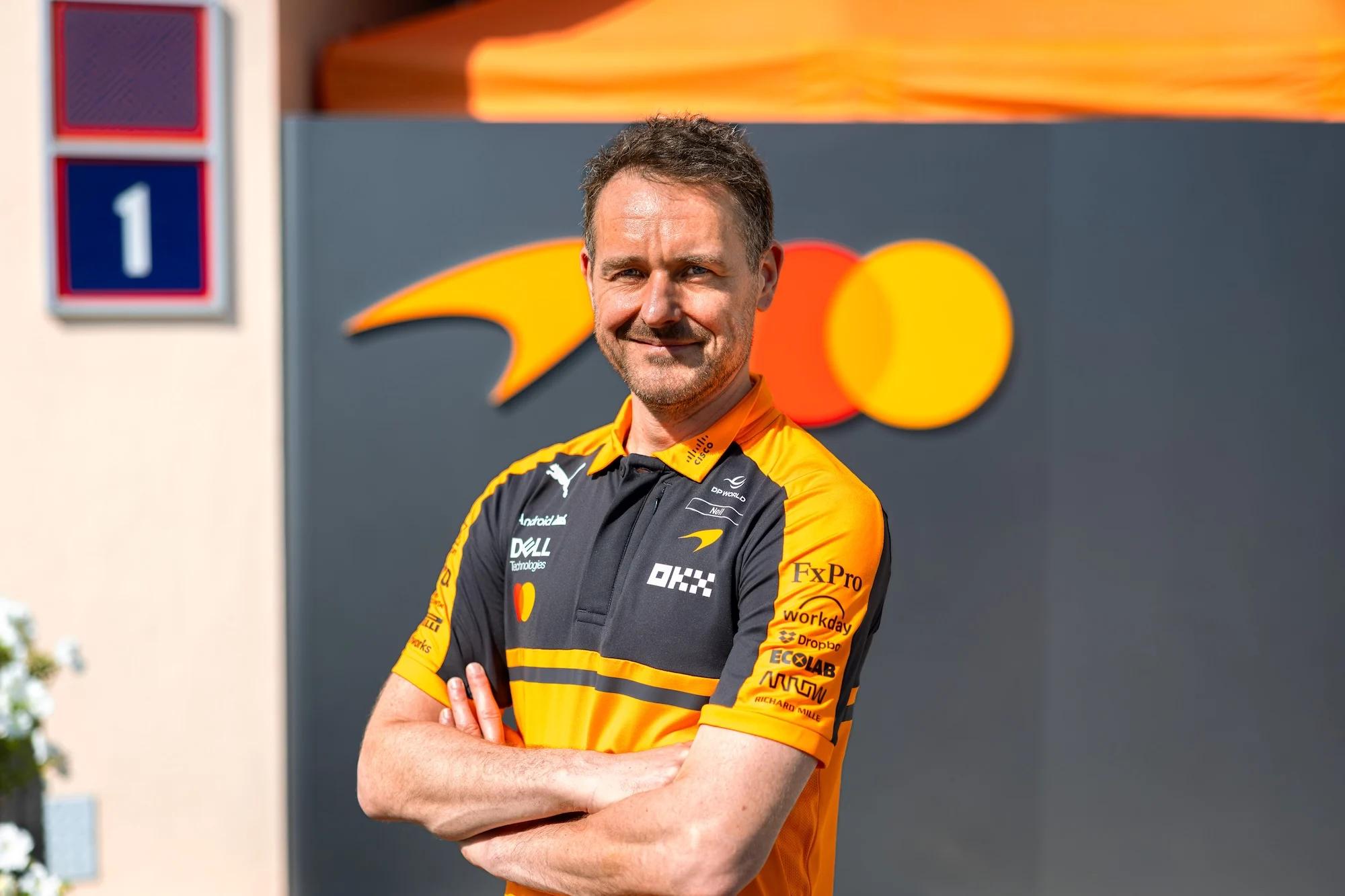
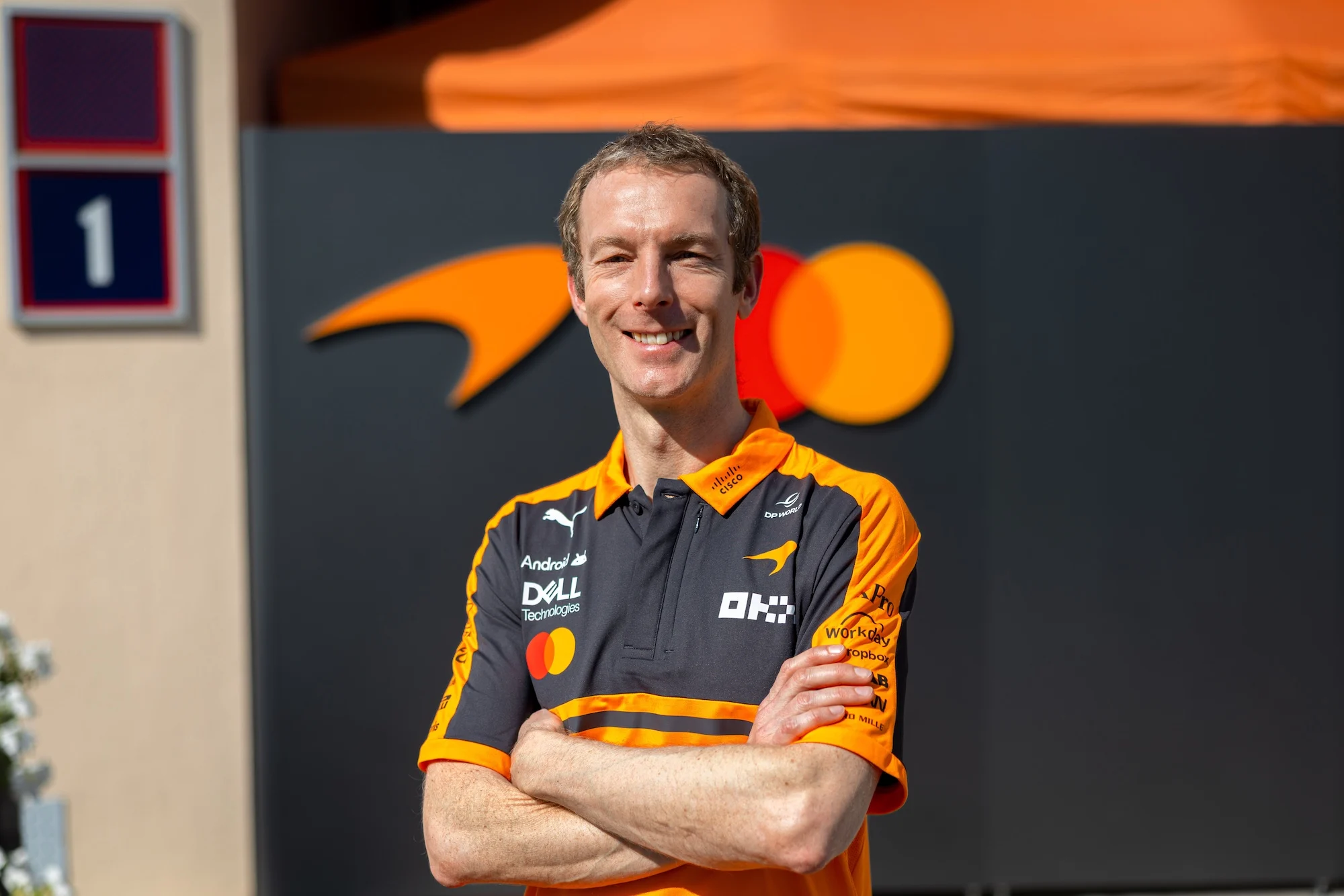
Each week, powered by Google Cloud, one of our trackside experts will join us to explain all of the weekend’s biggest talking points. This week, ahead of FP1, we spoke with Technical Director – Performance, Mark Temple.
With this being a brand-new circuit, you’ll likely have a lot of questions this weekend – and you’re not alone. The team have been working hard over the past few weeks preparing to take on the Madring, but there’s a lot you can’t know until your tyres hit the tarmac.
Here, with the help of Mark, we’ll bring you up to speed on everything we already know, and walk you through our plans for Free Practice, as we look to lock in our setup and learn as much as possible ahead of Qualifying.

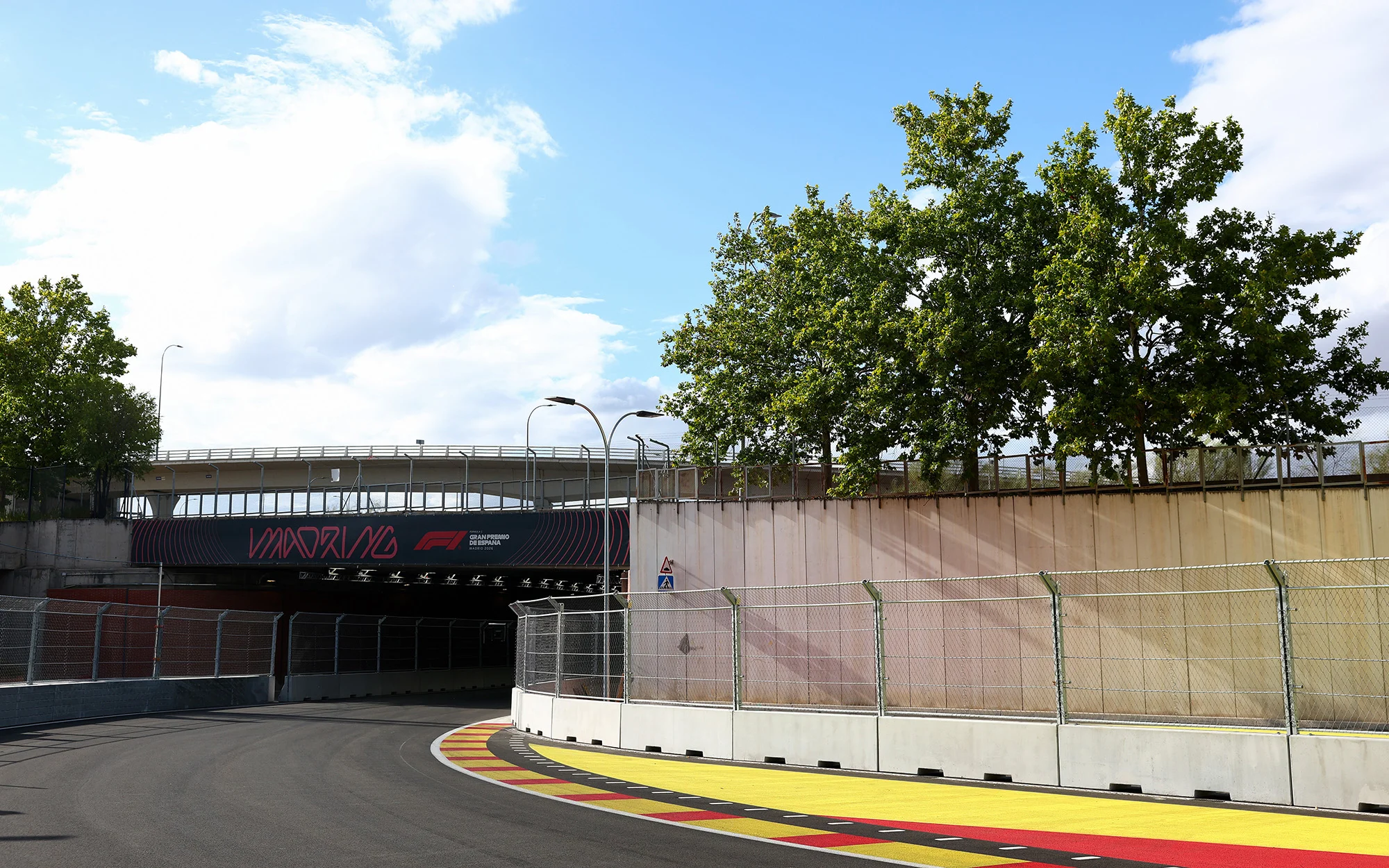
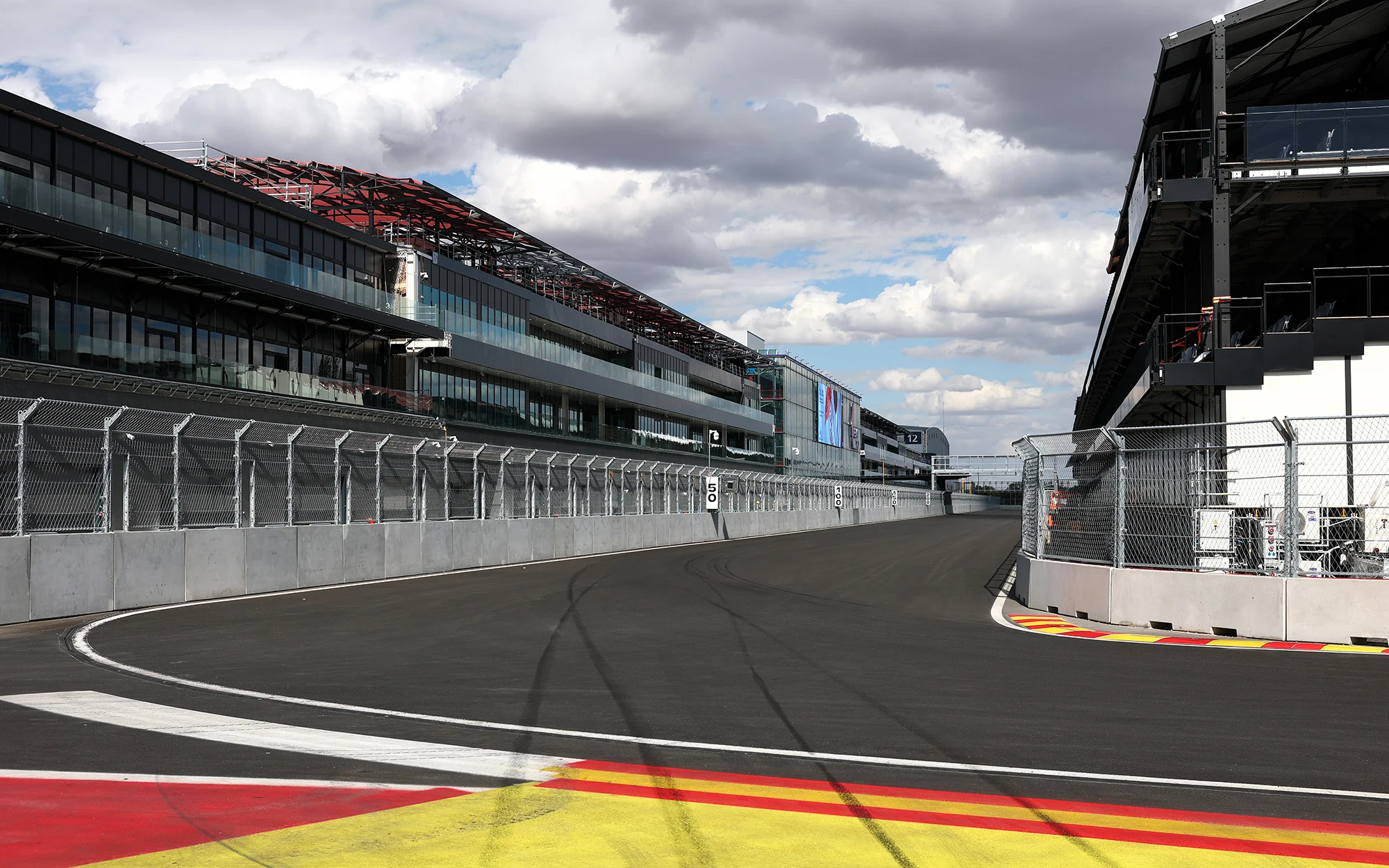
It’s a street circuit, and it comes with the characteristics you would expect from that sort of venue. It’s narrow, surrounded by barriers that are very close to the track. Overtaking is going to be a challenge, and there’s a high risk of incidents, car damage, Red and Yellow Flags.
It has a lot of low-speed corners, often with chicanes or curved entry lines where you’re steering and braking at the same time. It’s going to be very challenging for drivers to find the right lines, with a real risk of locking up, or running wide and making contact with the walls, like we see at circuits such as Monaco and Singapore.
In terms of the straights, there's only two sections where Straight Mode is activated, and a lot of the power-limited regions are curved, rather than genuine straights – so in that regard it is a little bit like Jeddah, albeit with lower corner speeds, more akin to Miami, Singapore or Azerbaijan… though it isn’t particularly like any other circuit. The Madring is unique.
In terms of high-speed, there is the very long T12 [La Monumental], which is a banked, high-speed corner where the tyres on the left-hand side of the car are going to get a hard time. We think it’s going to be a tough track for tyres in general. We anticipate tyre life is going to be a major consideration for the race, in terms of how you manage temperatures, degradation, and things like that.
The surface is, of course, one of the big unknowns. It will have a big impact on the behaviours of the tyres, but until we go out and put rubber down, we won’t know for sure what we’ll get… but certainly the track layout is very demanding.

We expect so. Miami is the comparison here, where you have high track temperatures and a lot of these low-speed, demanding corners that make managing the thermal condition of the tyres a really important part of performance. The expectation is that Madrid will be the same.
The limit will probably be the rear left – but the front also gets quite a hard time, and it could switch either way. In fact, all the tyres get a hard time! It’s not a super-handed circuit, so both sides of the car and both axles will suffer. The high-speed will tend to be more punishing for the front, and the low-speed and all the traction zones will punish the rear.
The first stage is to get architectural models from the FIA. Effectively, that’s the architectural design of the circuit, with a wireframe track layout. The first version of the sim is built from that. Later, when the track is completed, we do a LiDAR scan. That happened a few weeks ago. Inevitably, there are some slight differences between the two, and we adapt our model accordingly. We work with our graphics suppliers, and they turn that scan from the real circuit into a 3D model.
The process takes a while. The priority is to get the track surface, the kerbs, the corners, and the barriers done first, to give drivers that sense of immersion. After that, you add the buildings and landmarks that help provide visual references around the circuit.
The LiDAR really helps because you get much more accurate positioning of corners and kerbs. It does pick up any lumps and bumps as well, but the problem is that the sort of undulation that represents a significant bump for an F1 car travelling at 300km/h is very, very small, compared to what we would think of as a bump in the road. So, while it’s good to have these precise measuring tools, we’re never completely sure they're accurate until we drive the thing and get real measurements of how the car responds.
There are lots of different parts of the model, but as soon as we get data back, we can compare it to the work we’ve done beforehand. This is the first thing to check: is the model accurate? Is it close? Is it nowhere near what we expected? Is the whole track in the same state, or are some parts accurate and others not? From there we start making assessments: is what we thought was optimum still likely to be correct?
Inevitably there will be some differences. Hopefully it won’t be bumps – though it could be. It might be that the amount of grip we’ve assumed is too high, or too low, and this will have a big impact on cornering speeds – and sometimes it means certain parts of the track become more important than others.
From simulation, there are a few high-speed corners where I can imagine the drivers won’t brake if the grip level is very high, but will if the grip is low – and these things can have a significant impact, particularly on the behaviour of the power unit, the energy you can harvest, and where you use the energy. The difference that a few per cent of grip will make is significant. It’s something we will pay close attention to. And of course, that will evolve as practice goes on: the track grip usually improves, the drivers get more dialled in, and we’ll gradually move towards a qualifying fuel level. All of that tends to change the approach.
Certainly, we'll be trying to maximise time on track for the drivers, particularly because we assume there’s going to be interruptions for Red Flags – and you don’t want to be sitting in the garage for 15 minutes and then discover that was the best part of the session. We’ve seen this at other street circuits.
We want the low-fuel laps because that’s when the driver gets dialled into the car, but we need some of those continuous higher-fuel runs too, because those let us understand how the brakes perform, what the power unit does, and whether we have the cooling level right. This is all very important.

I'm sure there will be some differences across the two, but we’re not planning big experiments. It’s much more about driving time this weekend, particularly with the circuit so technically difficult. We’re not thinking in terms of trying competing philosophies. We’ll have the cars setup in what we think is the right place, and focus on driving.
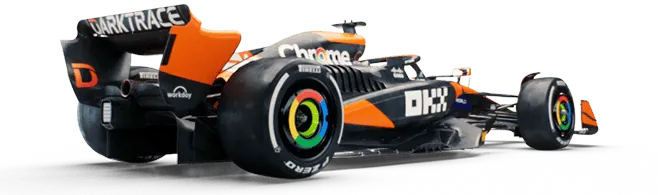
No, we introduced that deliberately first in Monza because Monza is very sensitive to any drag. The Madring is much less sensitive, and there isn’t much straight mode activation. We’ve decided to prioritise making more efficient use of the production time for the rear wing parts that we’ll be using in upcoming races.