


9 September 2026 14:00 (UTC)
The team are readying themselves for one entirely new circuit and another returning for the first time in nine years. Here’s how we get up to speed

New circuits introduce an element of unpredictability into a sport that likes to leave as little as possible to chance.
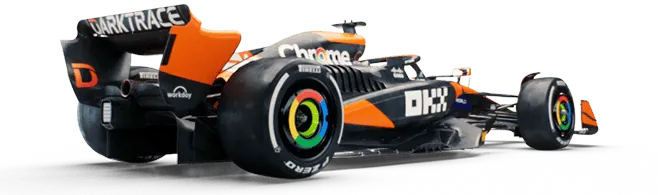
Preparing to race on a new track is a full-team effort spanning several months. The aim is to ensure that, when the MCL40’s tyres touch the new tarmac for the first time in Free Practice, the team faces as few variables as possible.
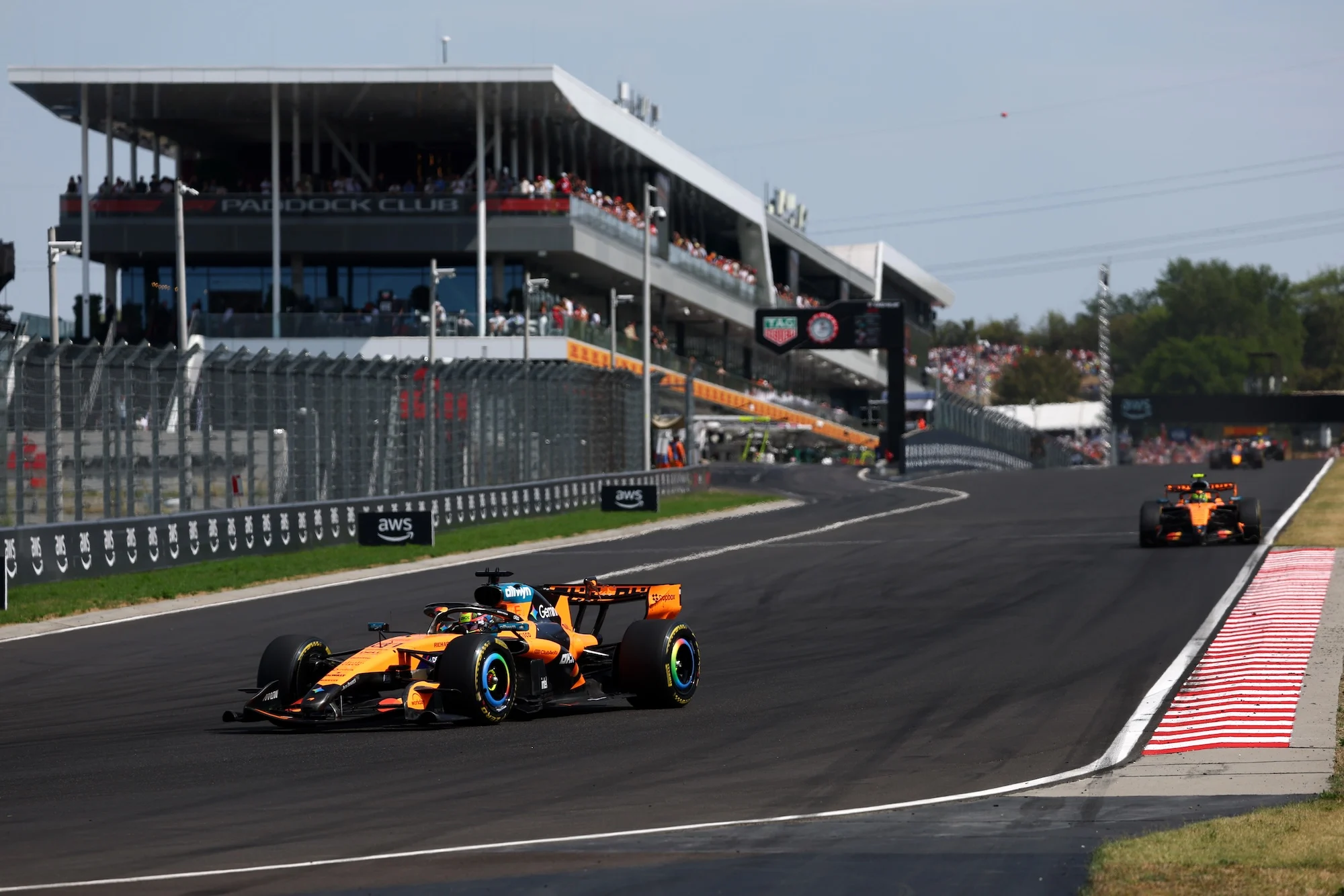
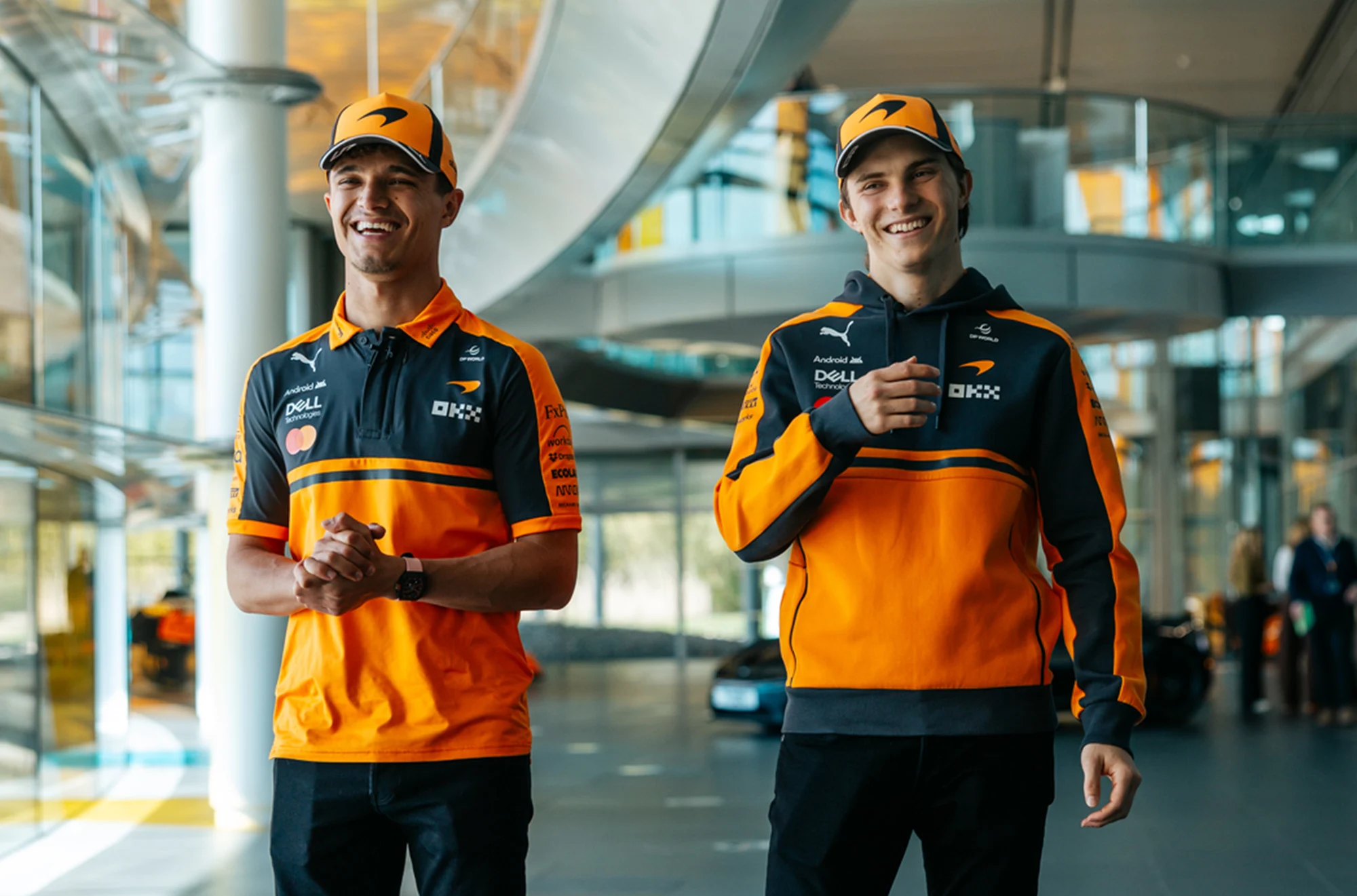
In 2026, Oscar and Lando will race on two new circuits. The first is completely new to F1, while the second is a returning favourite that hasn’t featured on the calendar for almost a decade.
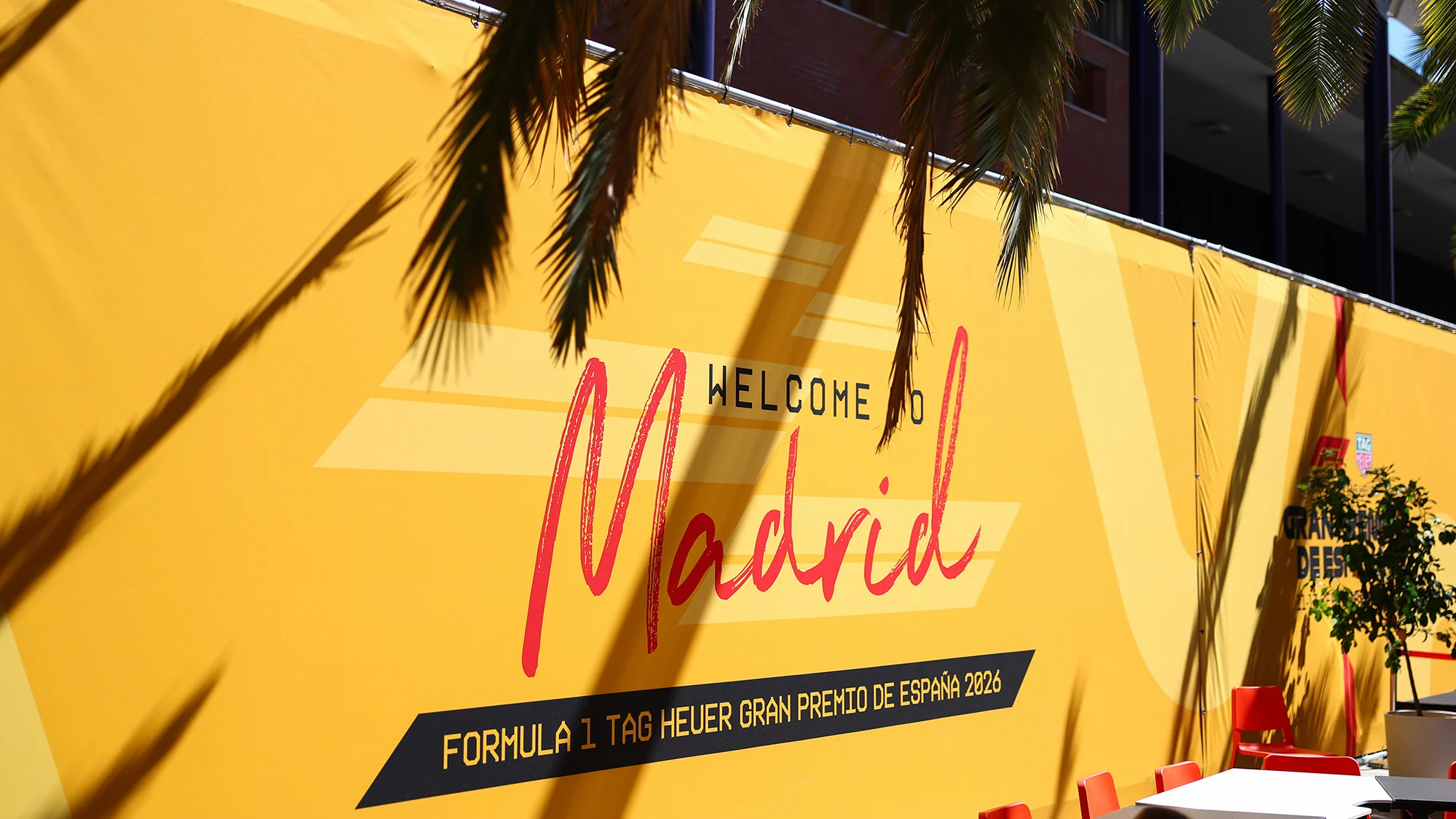
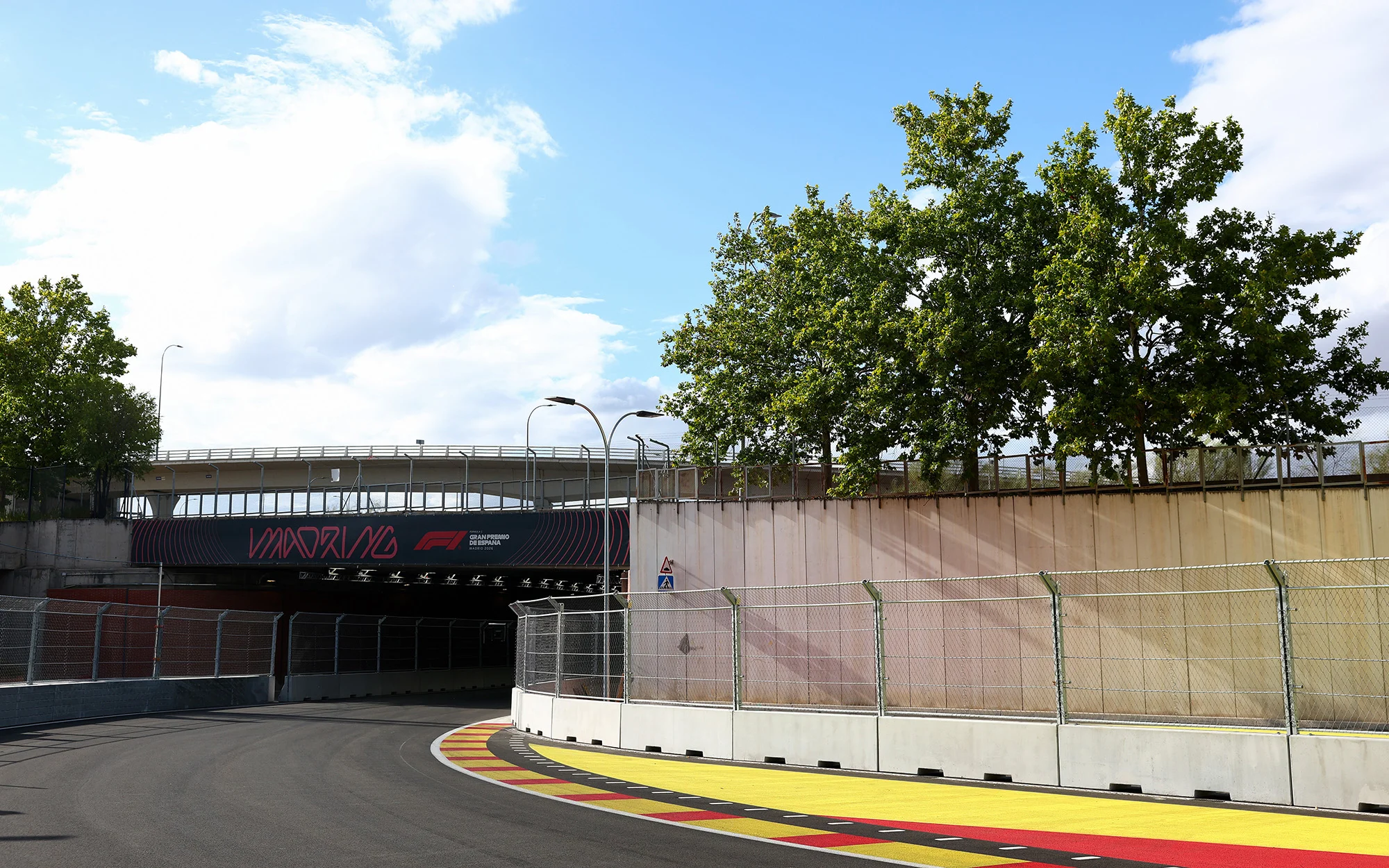
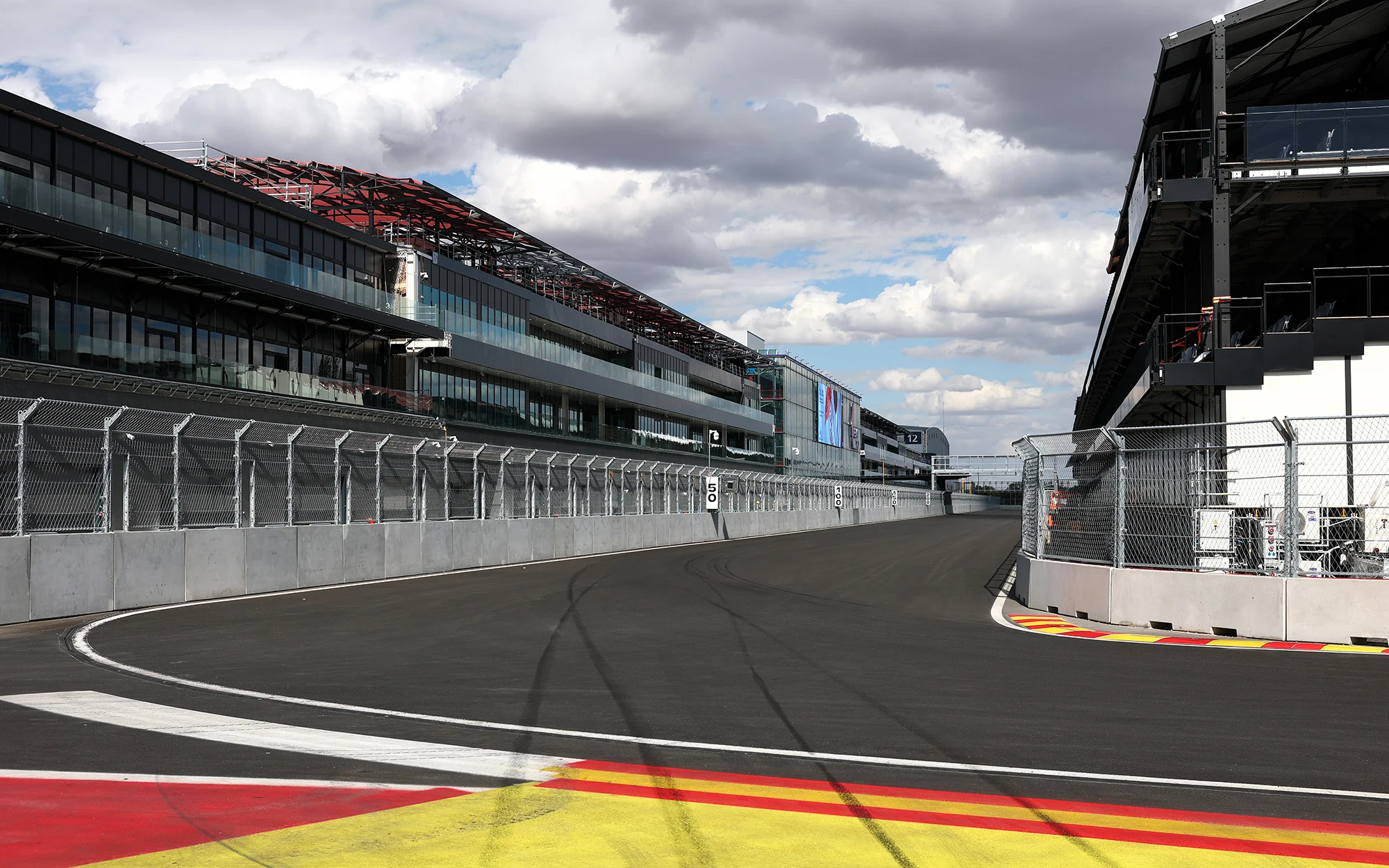
First up is the new Madring street circuit in Madrid, which has taken over hosting duties for the Spanish Grand Prix. Then, at the start of October, the Bahrain Grand Prix will take place in Sepang, Malaysia, on a track that was a staple of the calendar for many years, hosting the Malaysian Grand Prix from 1999 to 2017.
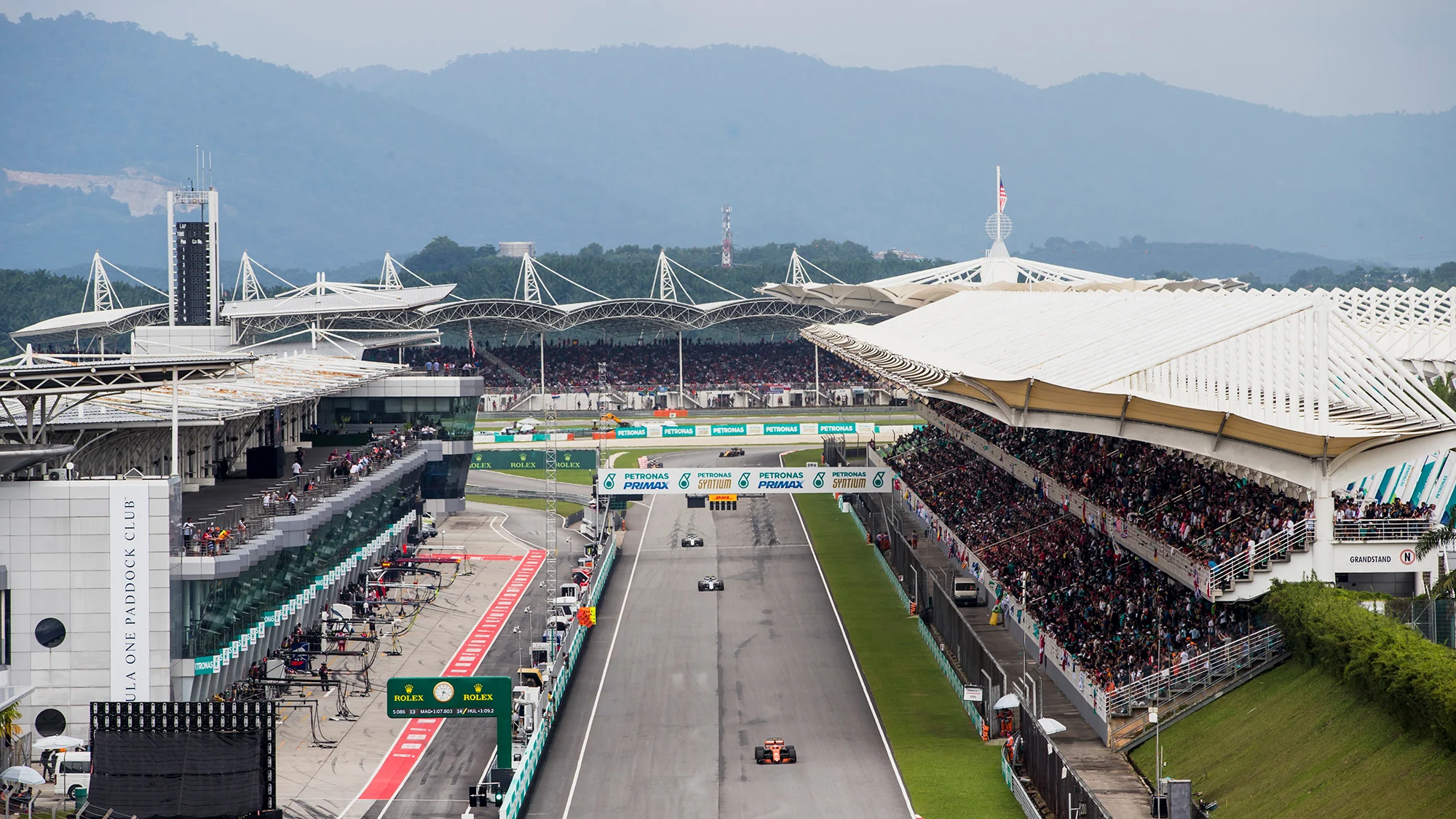
Although the circuit will be familiar to some on the grid, the nine-year gap since Sepang last hosted a Grand Prix means neither Oscar nor Lando has raced there before. The Madring – a street circuit built around the IFEMA Exhibition Centre - by contrast, will be completely new to everyone.
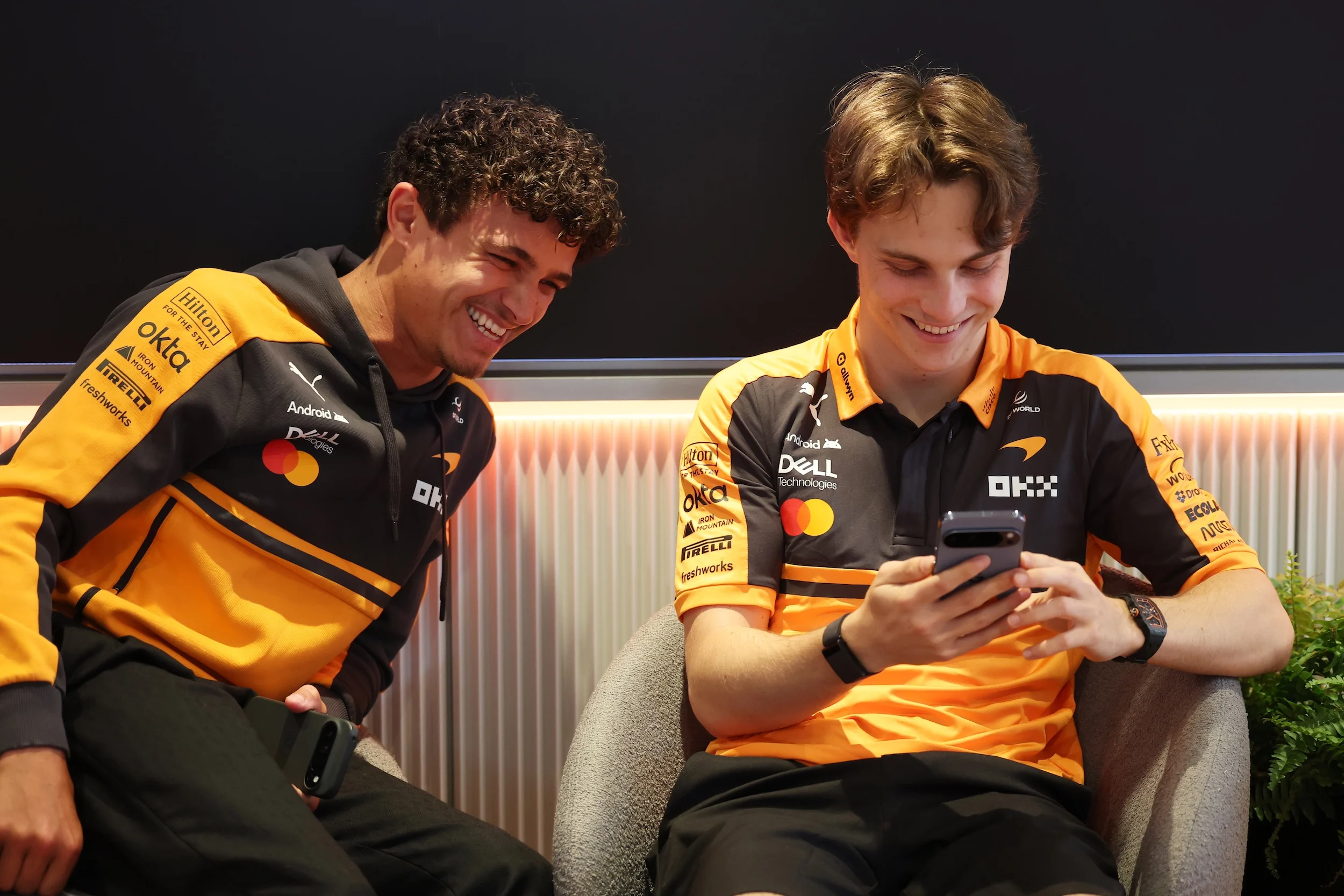
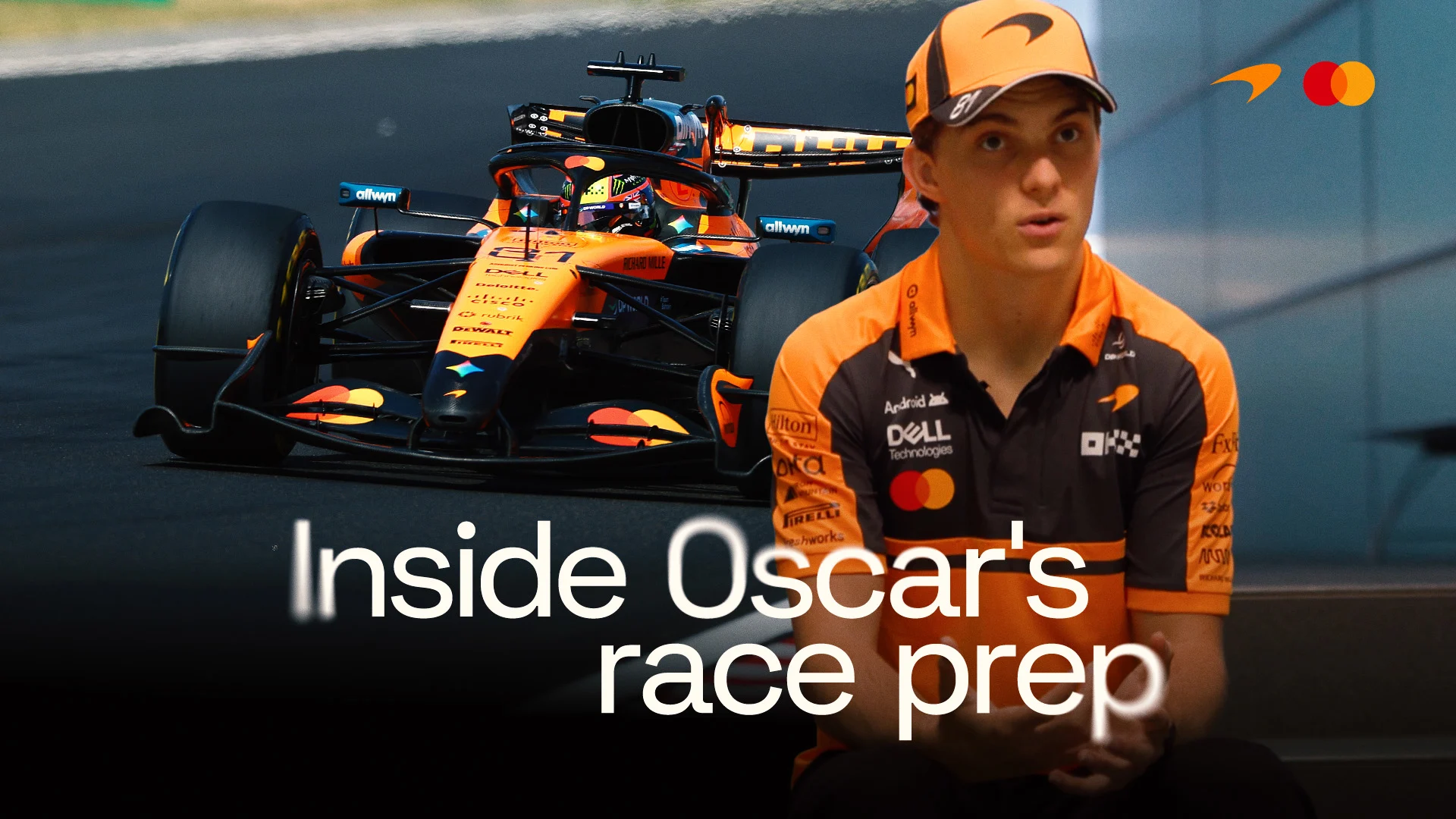
For Oscar, an initial starting point was watching footage from the F1 video game.
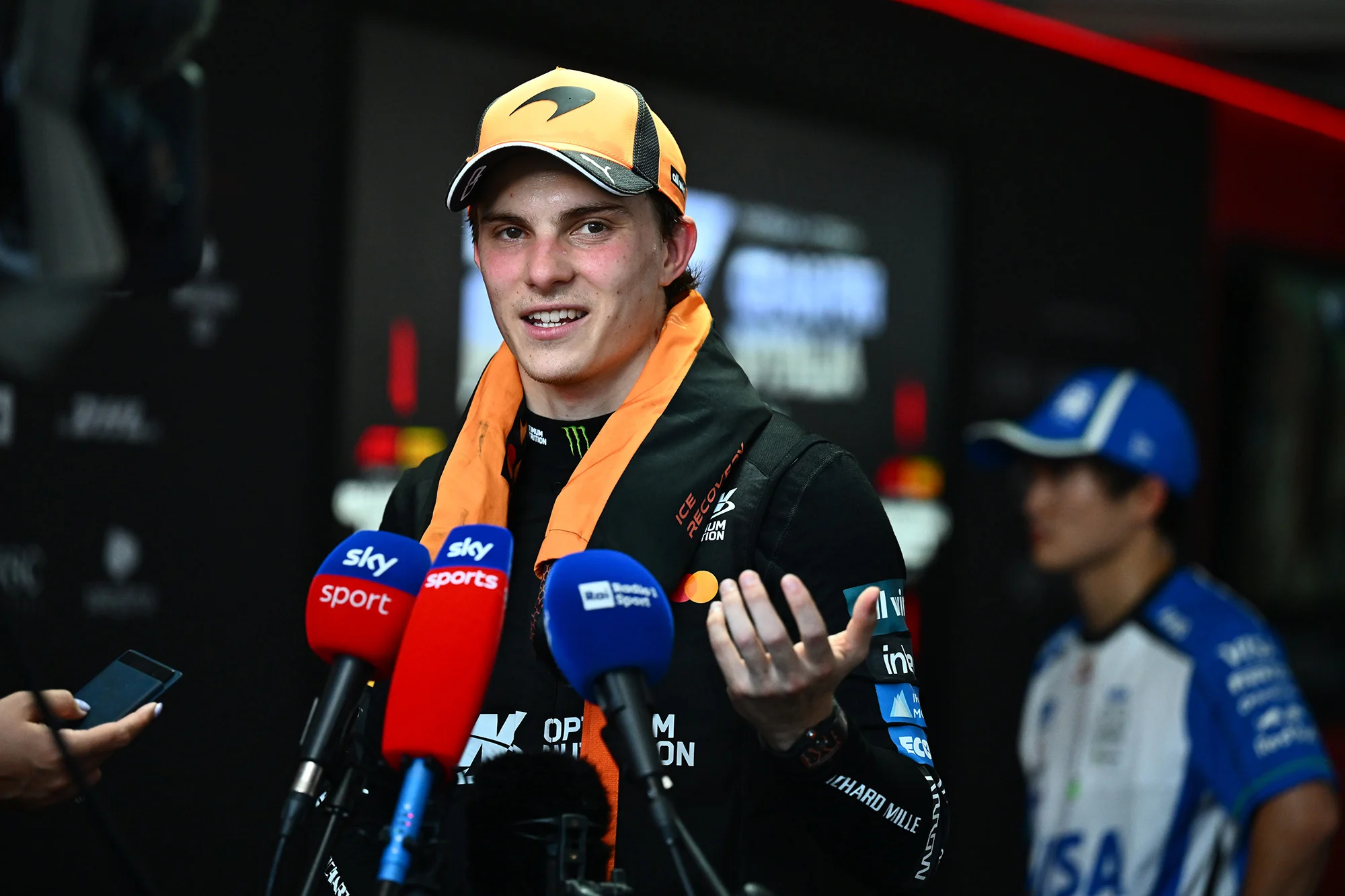
He explains: “Honestly, watching some of the footage from the F1 game that people have put out is always a good, nice, easy starting point. Obviously, the layout and the location of where the kerbs and the walls are does change a little bit, but it can still give you a good idea before you dive into the deeper, more technical stuff, when you start preparing for the weekend.”
Oscar has previous experience of getting up to speed on a new track, most recently the Las Vegas Strip Circuit, which debuted in 2023. Like Madrid, that was a street circuit, which makes the first in-person experience of the track something of a step into the unknown for the drivers.
“If it's a permanent circuit, it's a bit of a different story because it's built a long time in advance,” he says. “But for a street circuit, the radius of the corners and the walls are often different when you get there in real life from how they are on the simulator. You just try to prepare as best you can.”
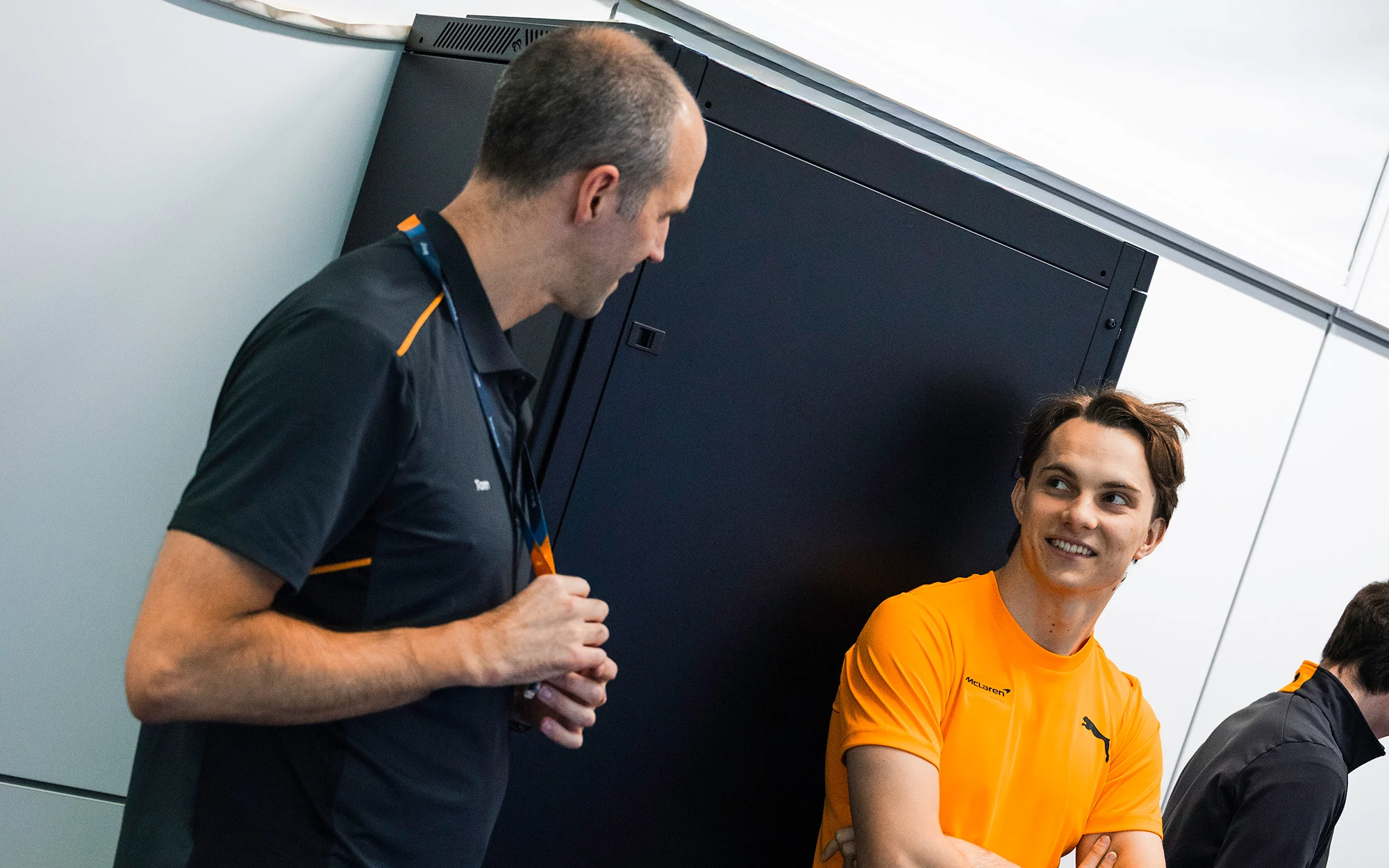
While the simulator cannot provide a perfect representation of the circuit ahead of time, it is still the team’s best and most important tool when it comes to preparing for a new circuit.
He says: “If you didn't do any preparation for a new circuit, it would be a massive struggle.
“I think in the simulator, it probably takes a good 15-20 laps to really start getting into the flow of the track and know which gears you want to use, where the corners go, how much speed you can carry.
“The most important stages of preparing for a new circuit are definitely the simulator preparation or the pre-event preparation of knowing where the circuit goes and roughly what speed you can take, what gears you might want to use, all those basics.”
If Oscar arrived completely cold, without having driven the track on the simulator, he’d instead need to use FP1 and FP2 to get up to speed. Time the team could have spent getting the MCL40 setup for Qualifying and the race.
"You would probably get close-ish by the end of the three practice sessions,” Oscar explains. “But then, you would be starting FP3 where you could have been starting FP1."
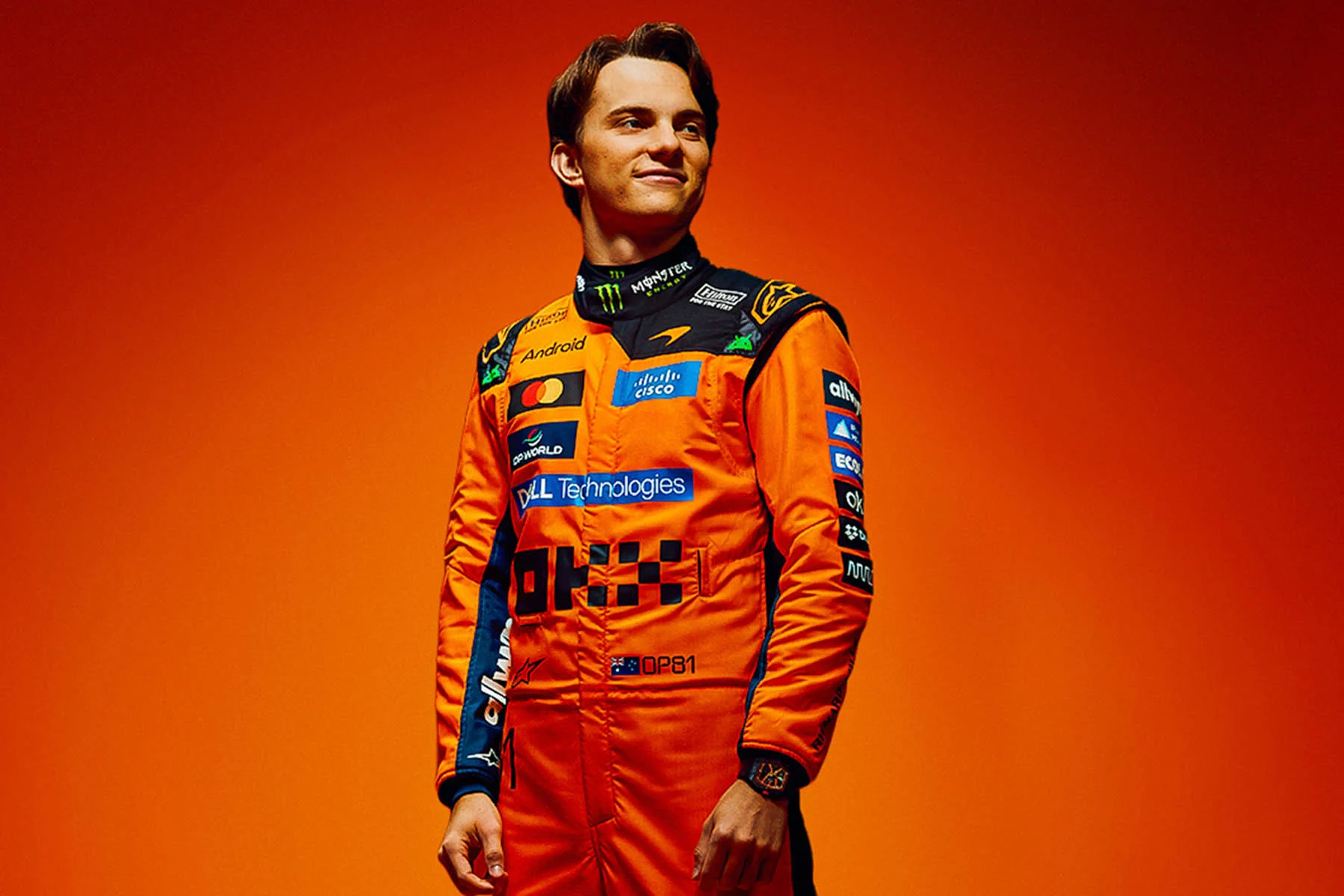
While Oscar and Lando’s focus has largely been on the ongoing race calendar, with limited opportunity to look ahead to Madrid or Malaysia, work has been happening behind the scenes to ensure everything is in place once we can shift our attention.
As with every aspect of an F1 operation, it requires an army to cover off every last detail, and that’s certainly the case when it comes to preparing for a new circuit.
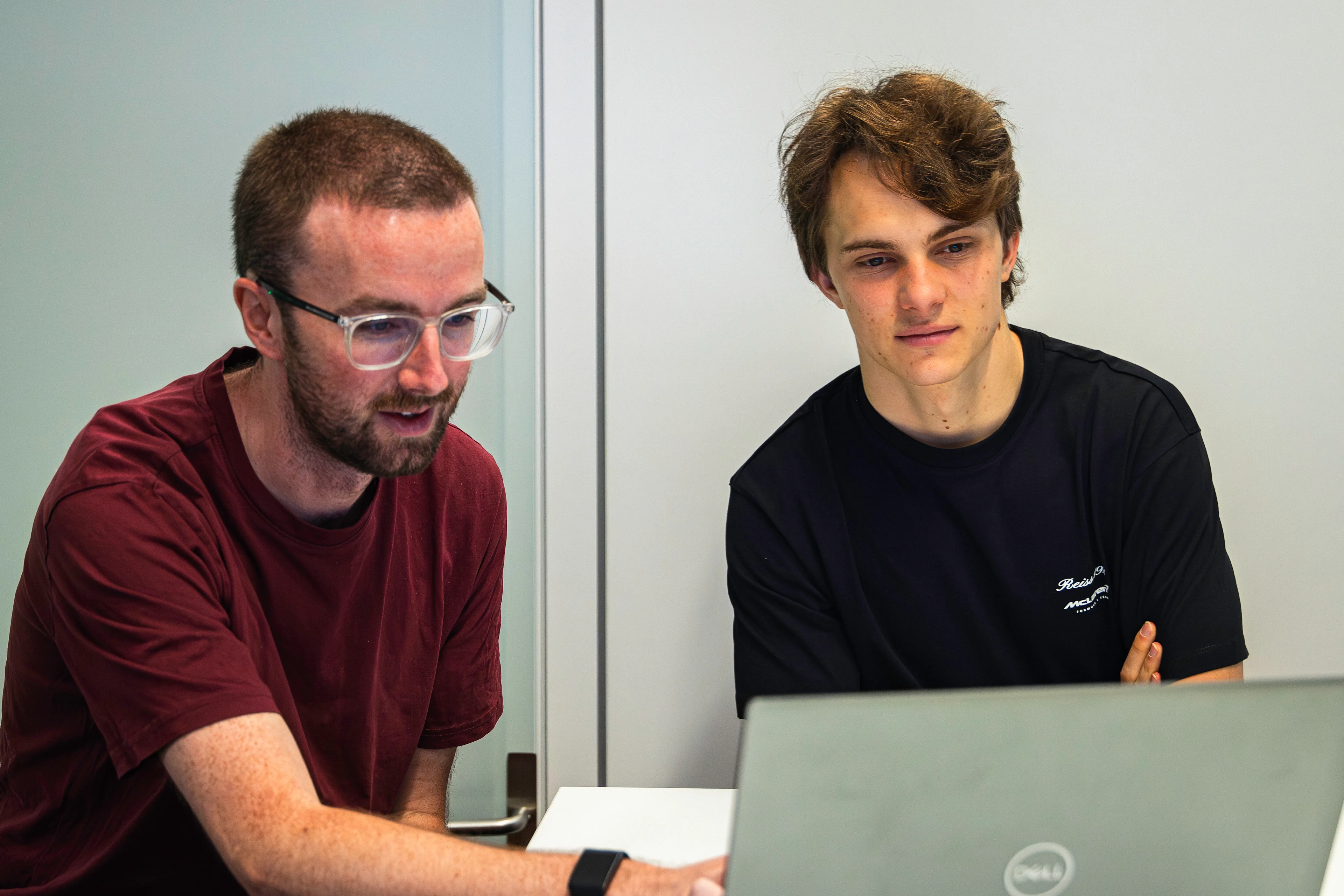
Mark Temple, our Technical Director – Performance, has been overseeing it all, pulling together a host of different teams for a process that began with gathering as much information as possible about the new circuit in the Spanish capital.
He explains: “For Malaysia, we can just look at the 2017 circuit layout that we have got in the simulator offline, and we can run simulations with our 2026 car.
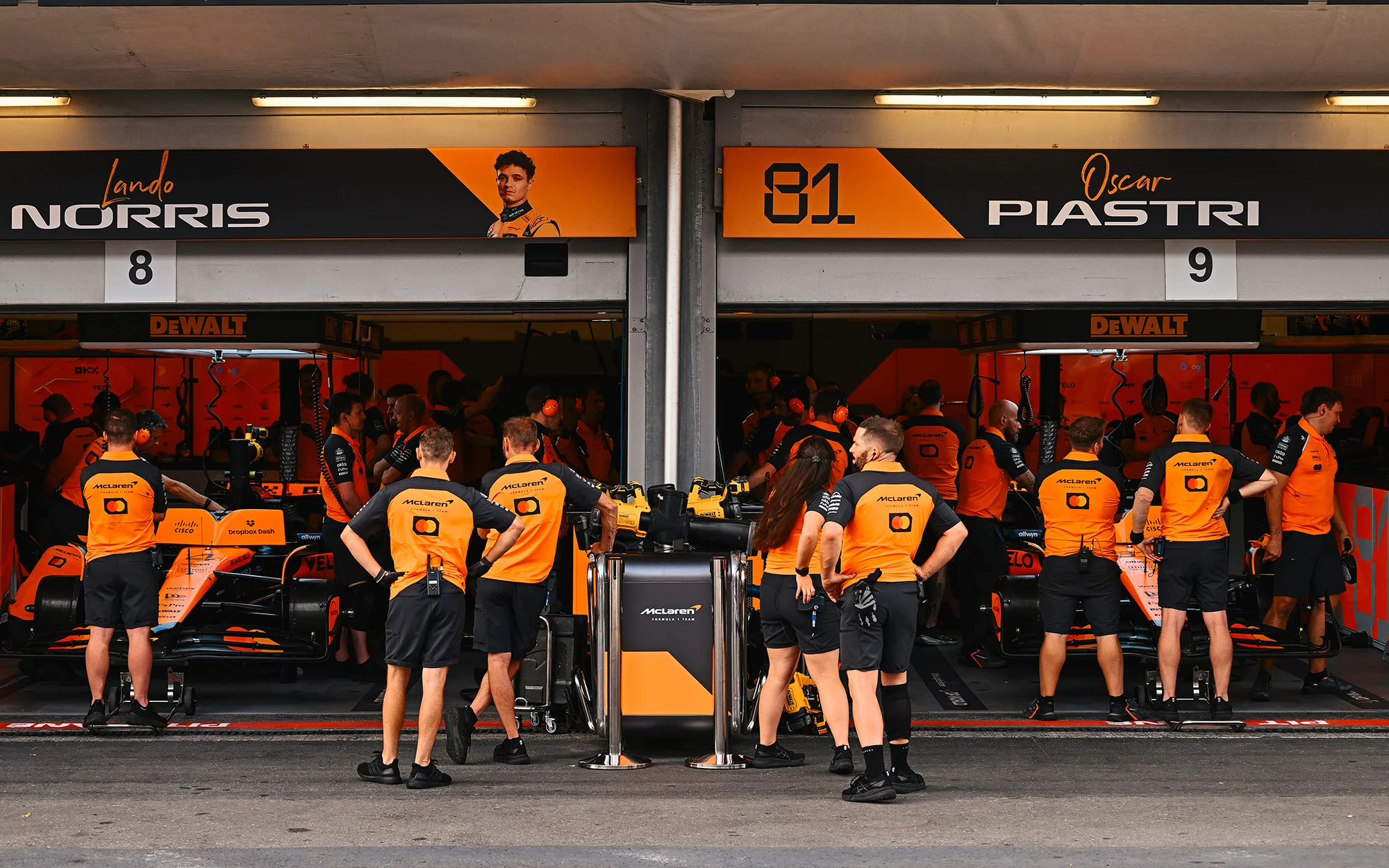
“Madrid is more challenging. The FIA will provide a rough layout, and we’ll then use Google Maps to support this further.
“We then put that data into our database to create a first layout. Initially, it’s a representation of a racing line and the track edges. We can then run our offline simulations using that data to look at those things.
The FIA will then provide architectural drawings, which are the first pass of where the track edges are, where the corners are, and what the elevation change is.
“You want to get that into the actual [driver-in-the-loop] simulator as soon as you can. For Malaysia, that was easy. For Madrid, we started to create the track based on the architectural drawings.”
The layout is created using a LiDAR (laser imaging, detection, and ranging) scanner, which is effectively a special vehicle that maps out the track using a laser scanner and video, measuring the distance from the car to different points everywhere it drives.
The track itself is the priority and once the 3D model has been created, offline simulations can be carried out to get an initial idea of the best racing lines. The performance department oversees the offline simulations, with the simulator development and simulator engineering teams playing an important role in this part of the process.
Many others will also weigh in to ensure the car is ready to cope with the different demands posed by climate and track factors. For example, the aero performance team will focus on cooling requirements, while the brake performance team will look at the impact on brake energy, and the tyre team look into the impact on the tyres while providing data to Pirelli.
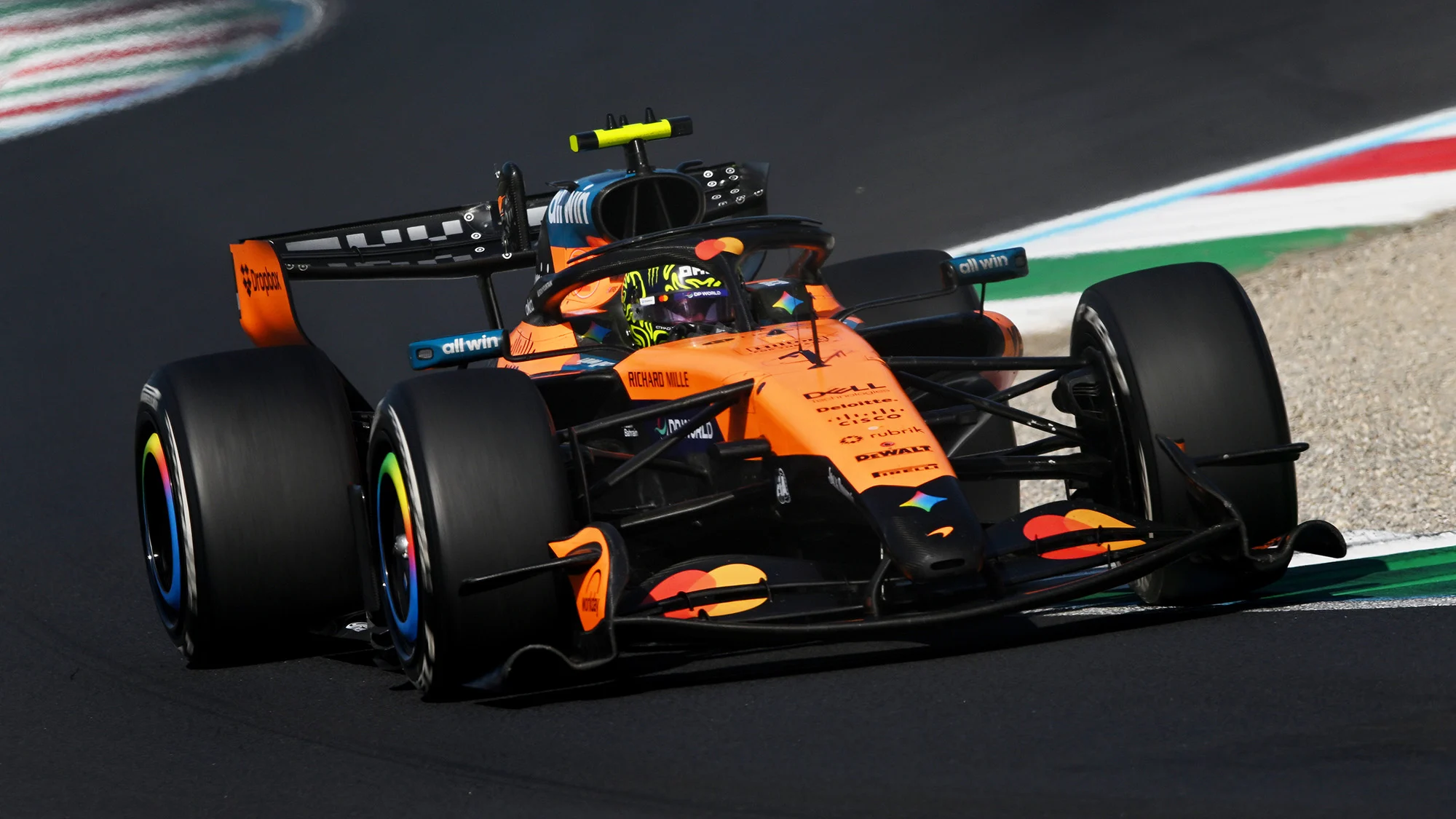
All those moving parts then need to come together on race weekend, where both drivers and the engineering team will have to adapt as we gather more information. That has become a familiar experience in 2026, with the power unit having completely changed how many circuits are raced.
“A good way to describe it, is that everyone is a rookie,” Mark explains. “In 2026, because of the impact of the power unit, we are having to look at every track a little bit differently than before.
“There are things that you have to do to get the most out of the power unit because the performance of the cars and handling of the cars in corners is different to last year.
“Our simulations can give us what they think the right line is, but in truth, our racing drivers are very good at figuring this out for themselves, so it's about giving them time to have a go and experiment in the simulator, so they go to the track with that first understanding of how they will approach particular corners.”
Based on the information gathered so far, both circuits will provide their own unique challenges. The Madring, for example, is expected to feature a number of low-speed corners with curves on the way in or way out, which could lead to a greater chance of incidents and car damage.
Malaysia, by contrast, will be challenging because of the weather conditions.
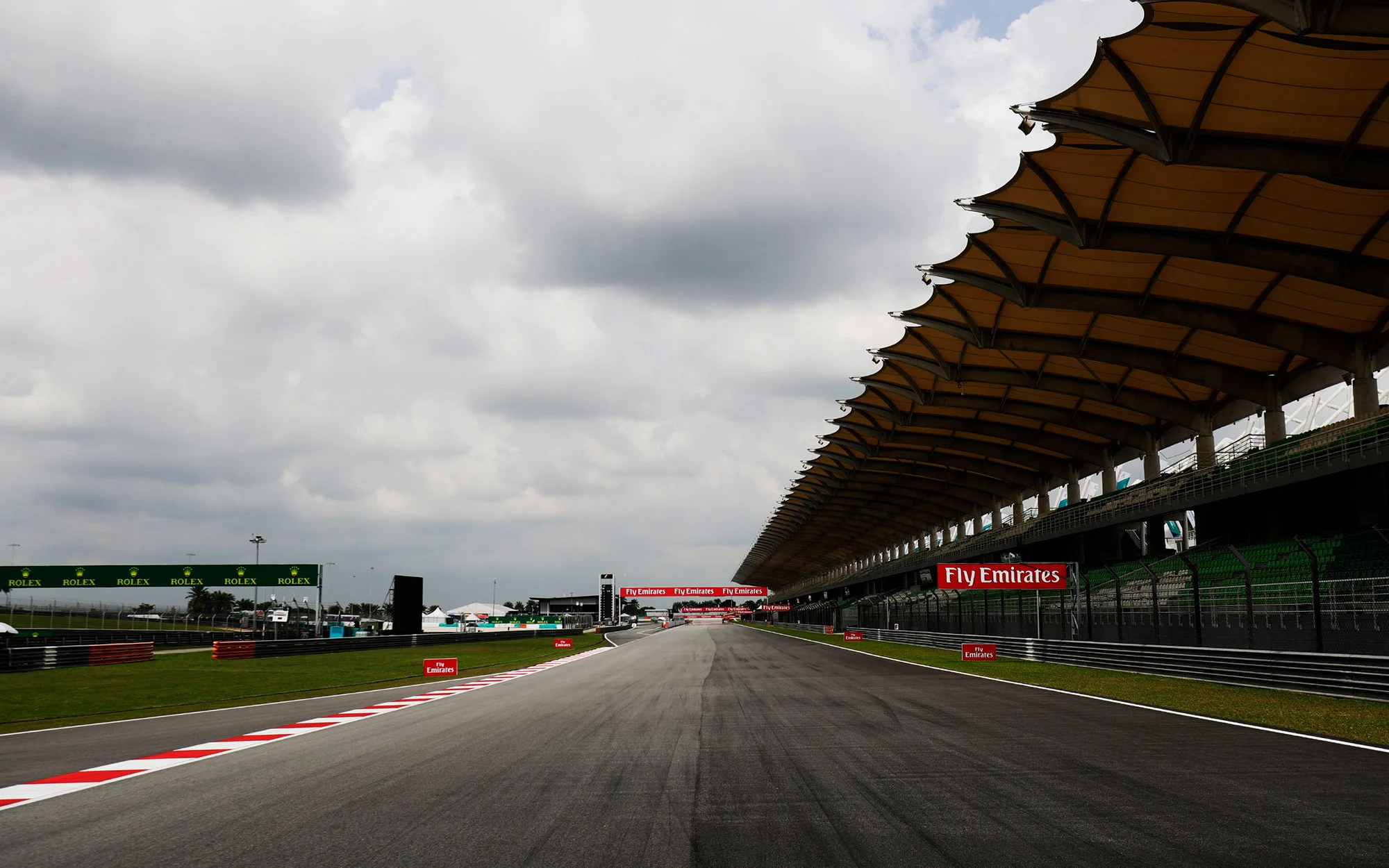
To combat the heat, the team will take lessons from other races this year that have been particularly warm, such as last weekend’s Grand Prix in Italy.
Thunderstorms are also a potential factor, and with rain having played almost no part in the season so far, there is very little data to draw from. Rain is also a factor that drivers cannot properly prepare for on the simulator, which could make a wet Free Practice particularly useful.
“We know there is a high chance of thunderstorms or torrential rain, we haven't had any rain affecting race or qualifying significantly this year,” Mark says. “Maybe that will continue, but if you were to put your money anywhere, Malaysia is going to be pretty high up on the list of races that could be rain affected.”
Whether it is those early experiences on the F1 game, or more detailed preparation in the simulator, you can be sure we will be ready to go when the time comes.