


17 July 2026 13:45 (UTC)
Unpredictable weather, downforce vs drag, and testing a new circuit-specific rear wing: Answering this weekend’s key questions

Welcome to The Briefing, where we’ll be answering the key on-track questions ahead of the Belgian Grand Prix.
Each week, powered by Google Cloud, one of our trackside experts will join us to explain all of the weekend’s biggest talking points. This week, ahead of FP1, we spoke with Engineering Technical Director, Neil Houldey.
From one iconic circuit to another. After a short period back at the factory, following the British Grand Prix at Silverstone, we have landed in Belgium for the first of two races in this final double header before F1’s summer shutdown.
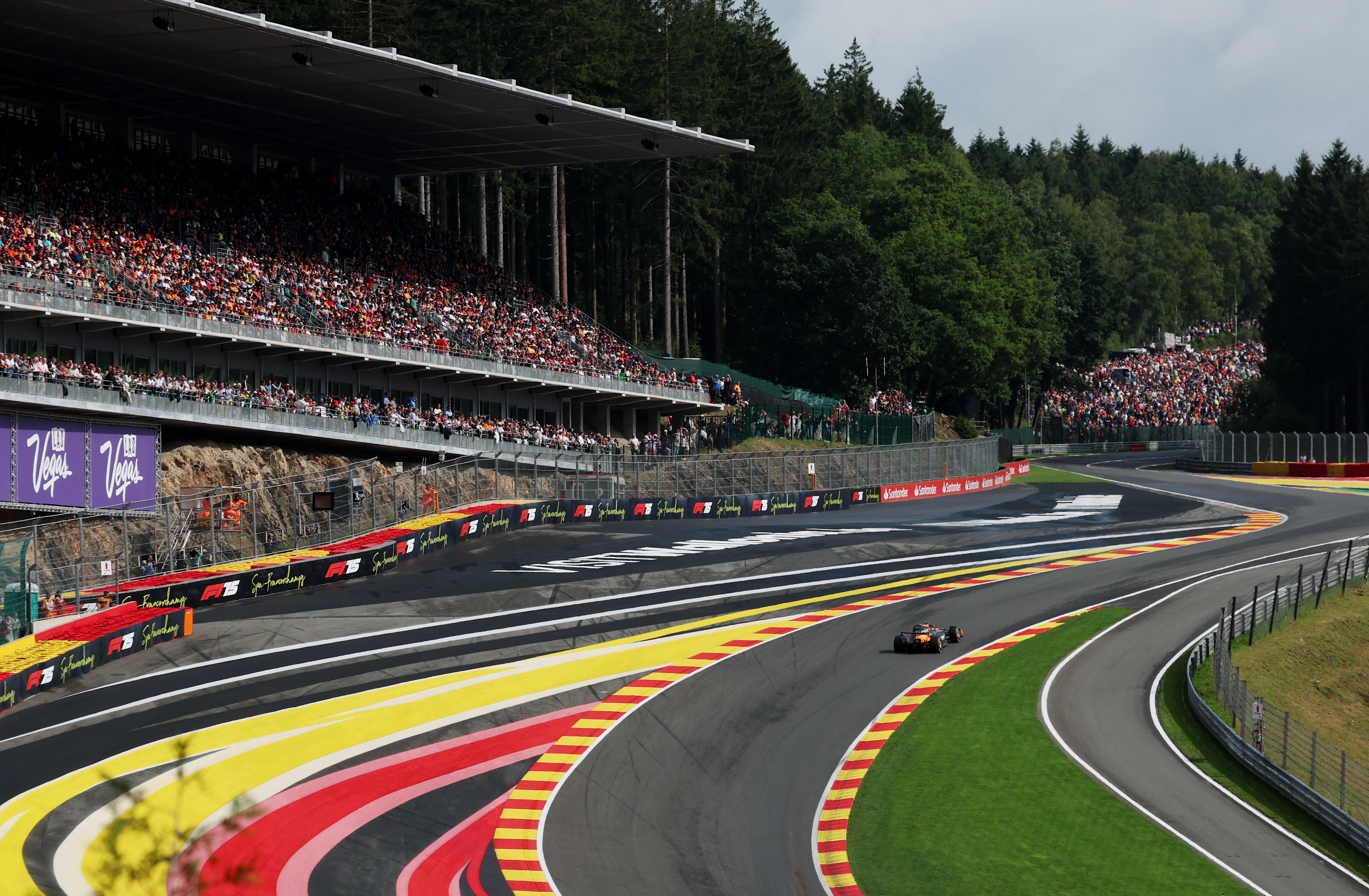
Spa-Francorchamps is among F1’s most iconic and historic tracks. It’s fast and flowing, featuring some testing elevation changes and the unpredictability of the Belgian weather. All of this combines to create a circuit that pushes both driver and team, with the lengthy straights and high-speed corners demanding a lot from the car, while also allowing the driver to make a real difference.
With the help of Neil, we’ll walk you through our plan to tackle those challenges, how the team plans to set the car up, and look at how what we learnt from Silverstone can help us this weekend.
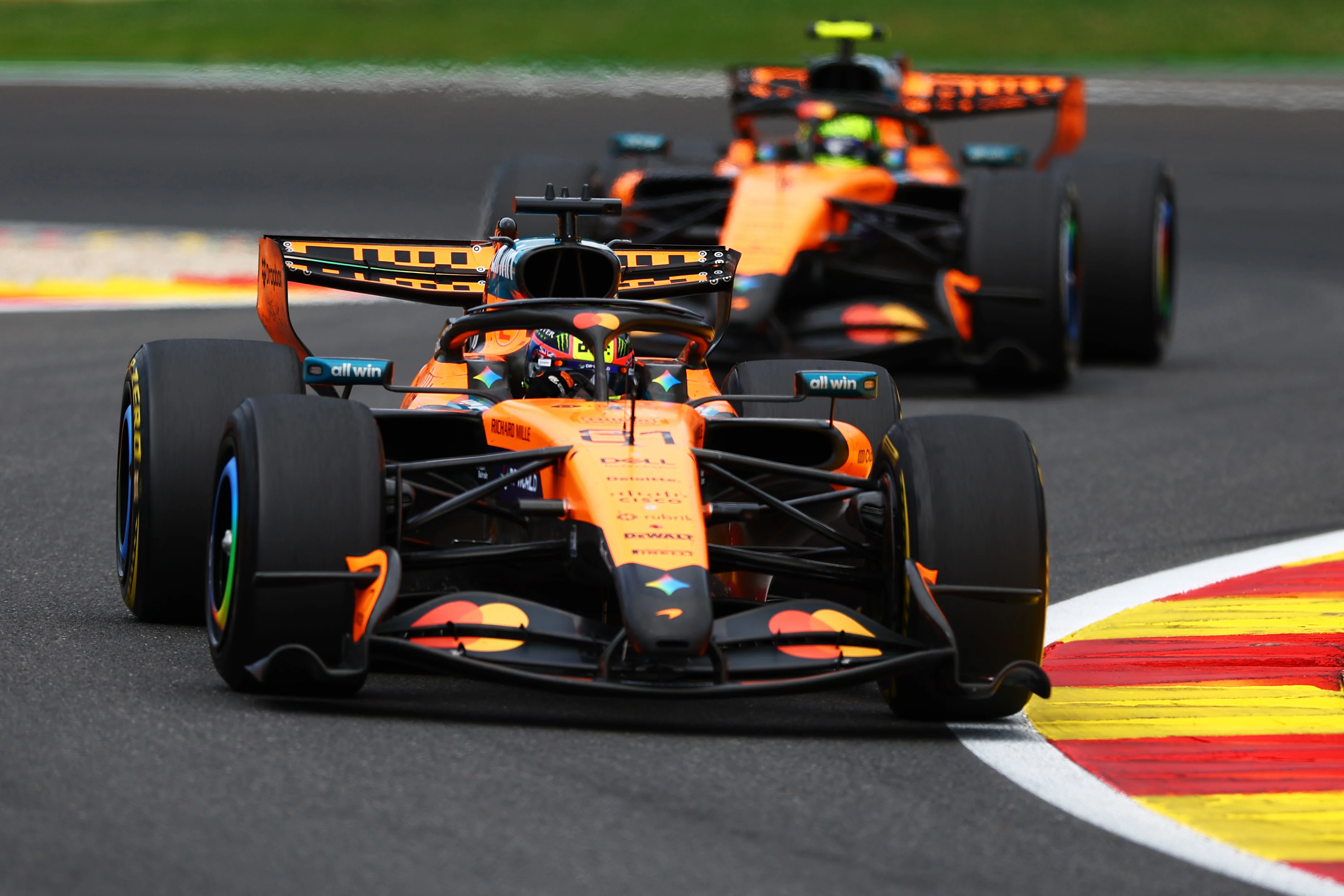
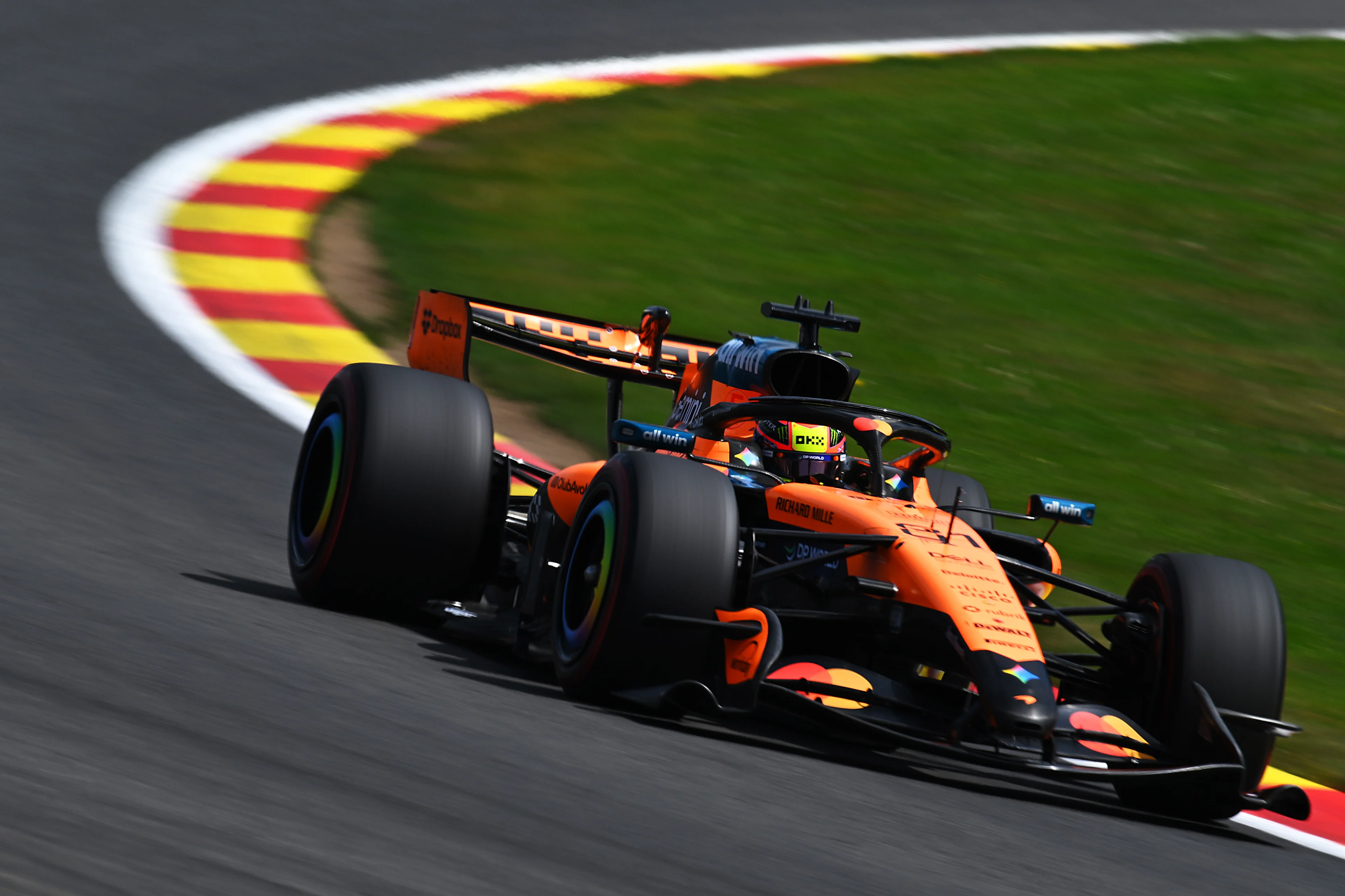
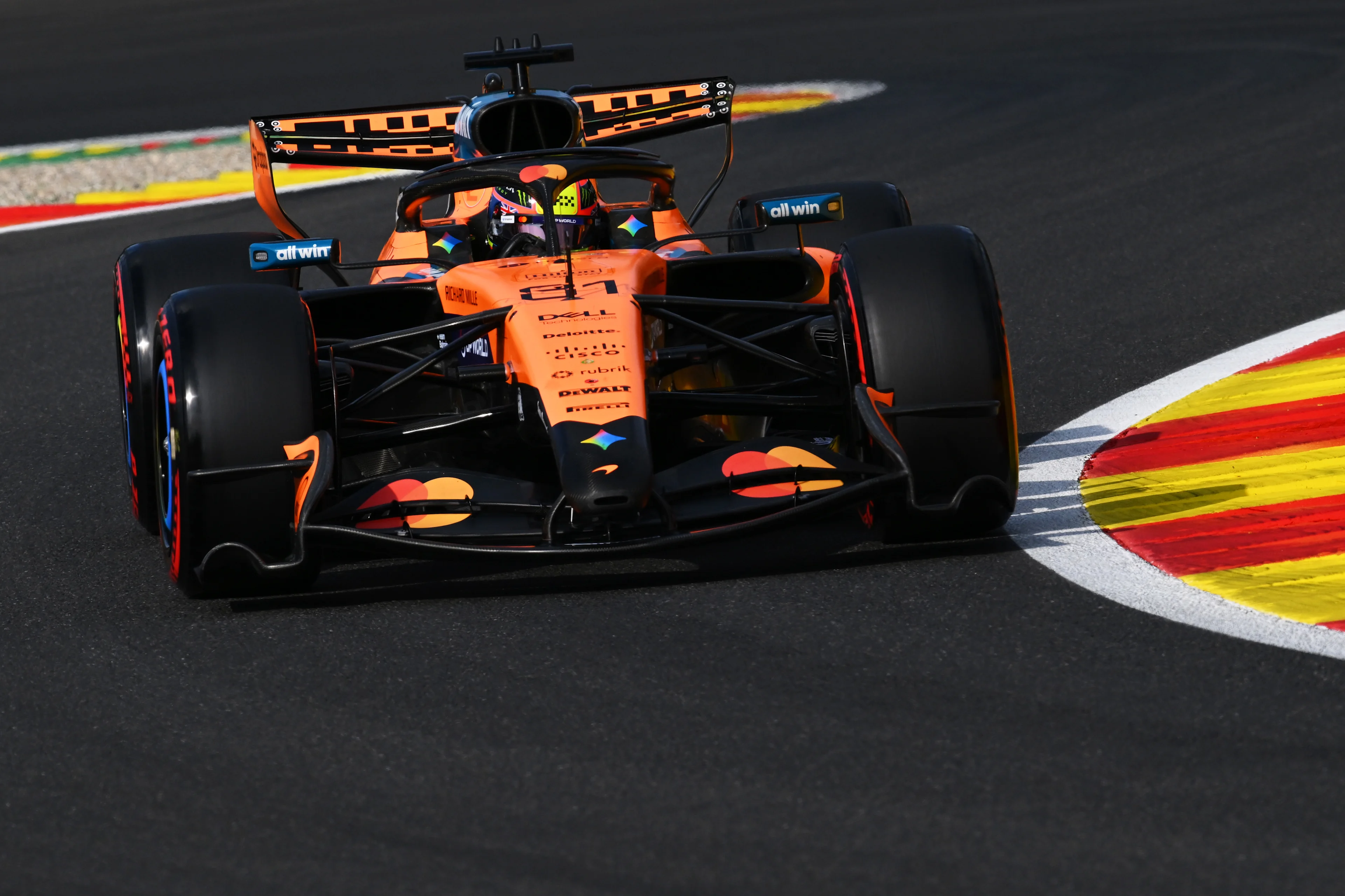
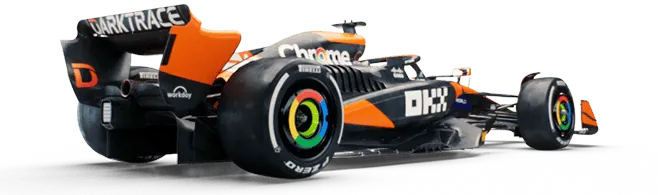
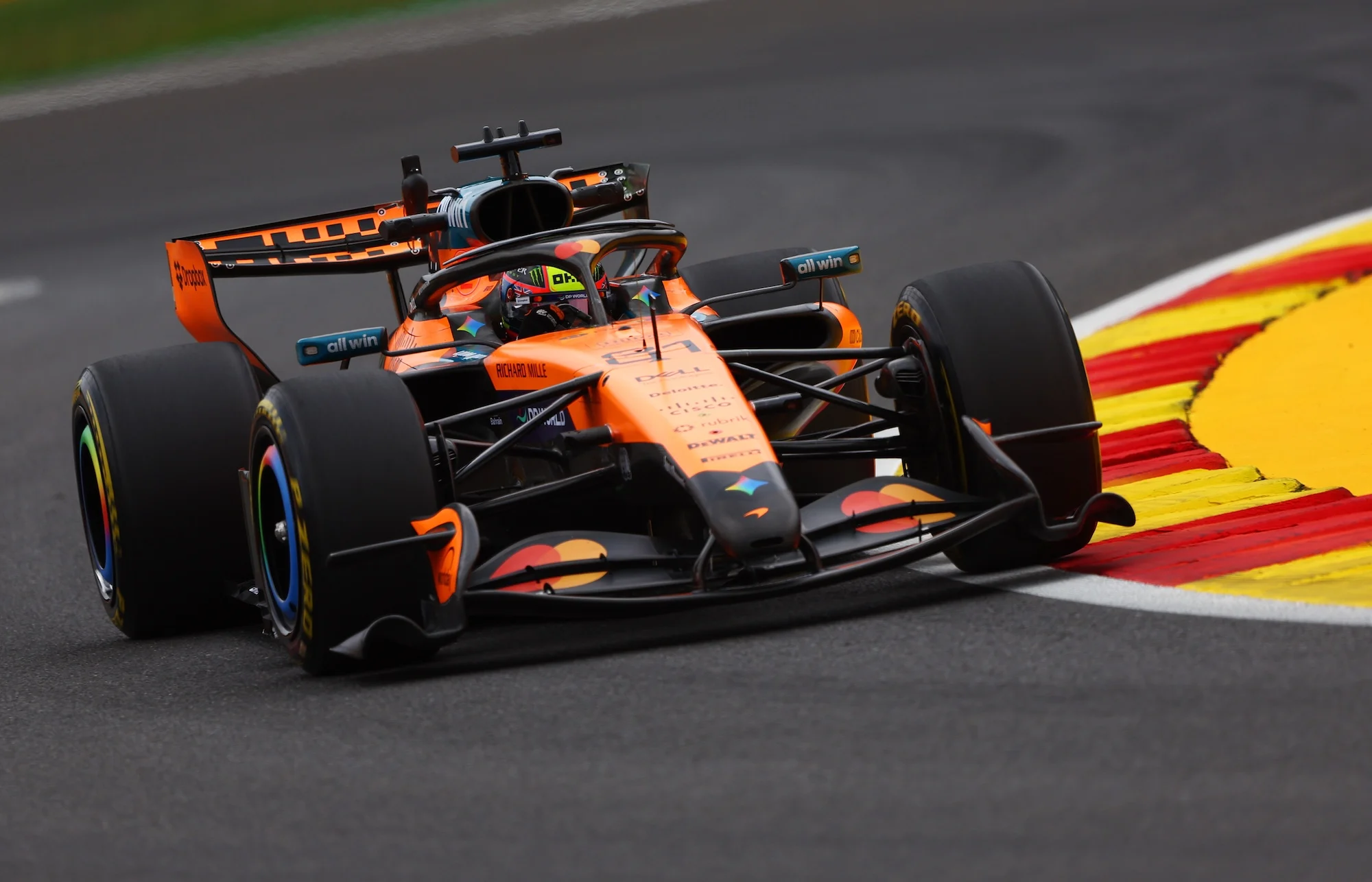
We have a new rear wing this weekend. It has a little less drag, and we think it will improve straight-line performance, both with and without Straight Mode activated.
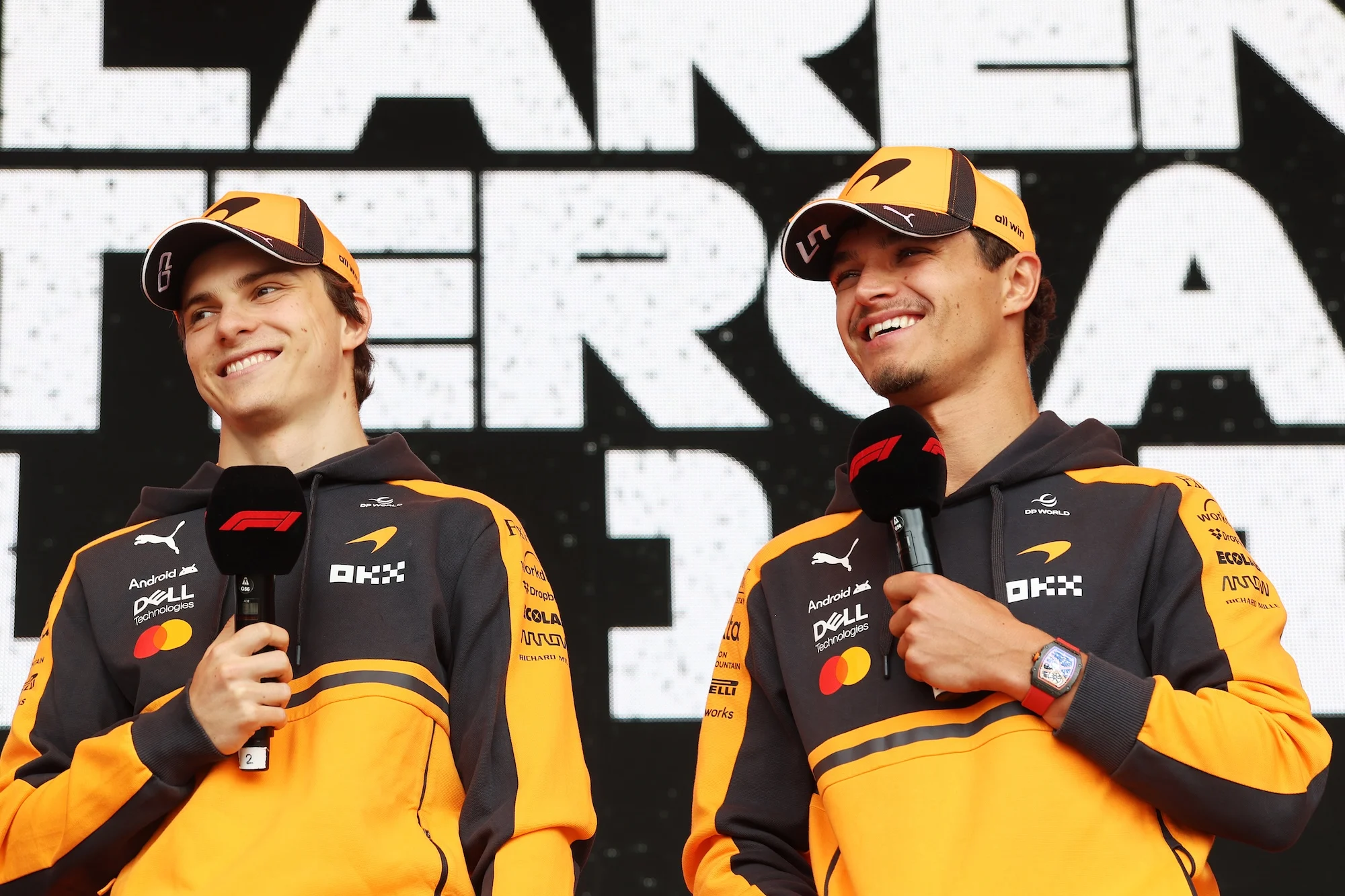
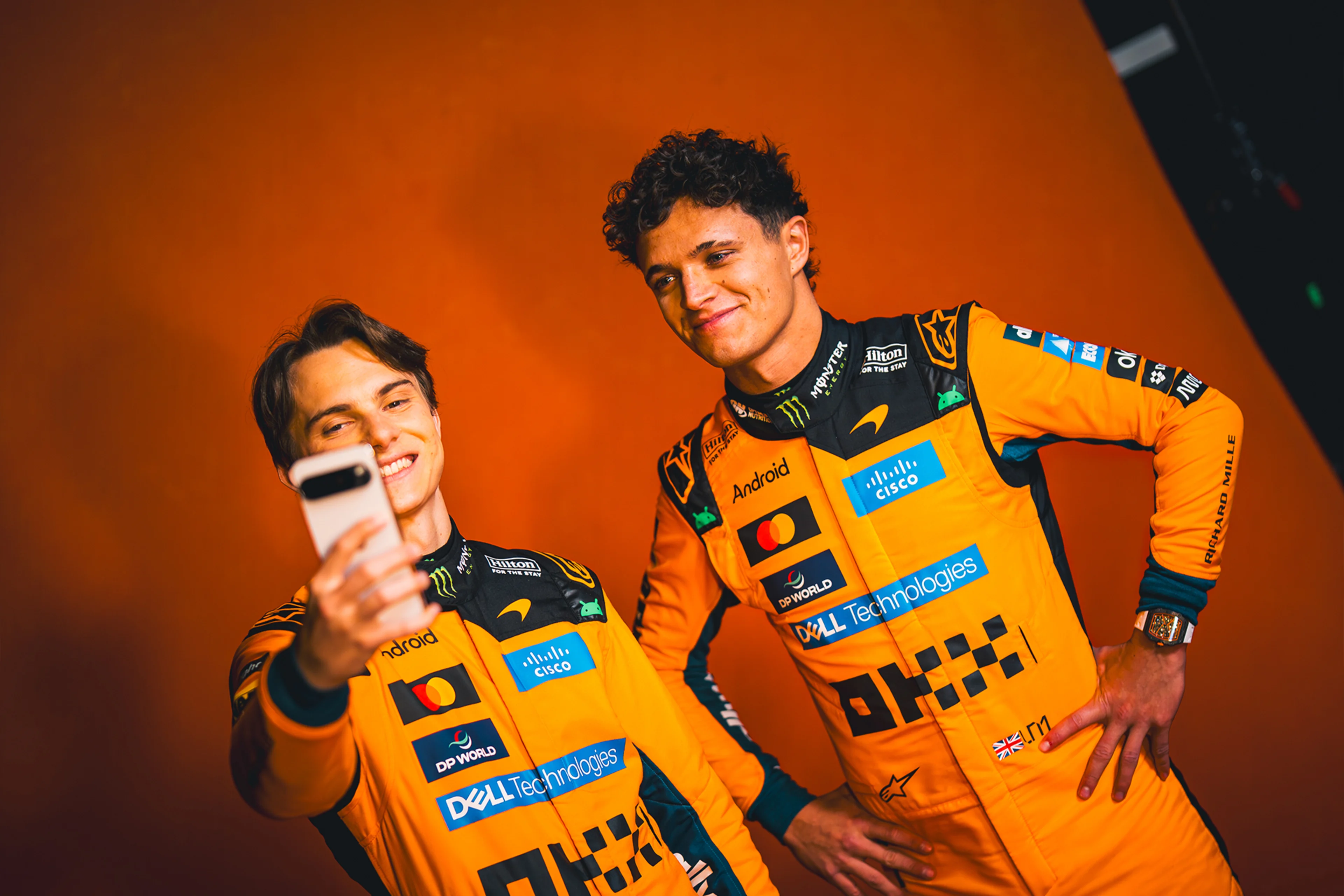
It’s an entirely new assembly, rather than the sort of cut-out we might sometimes have used in previous years at low-drag circuits like Spa. It includes the brace that attaches to the rear crash structure at the bottom of the end plates. We’ll test it on Oscar’s car in FP1 as part of our ongoing development programme, with Lando running an older-spec rear wing, to give us a good comparison across the cars.
I suppose the compromise is less of a factor – but we know that drag is still going to be very important this weekend, and top speed is going to be important. You certainly don’t want to make it easy for people to overtake you, and so you still have to find the best compromise between adding downforce for those corners and taking it off for the straights.
So yes, it may matter a little bit less than it has in previous seasons – but it's still something that we've chased for this event to make sure that we put ourselves in the most competitive position that we can be, compared with the cars around us.
We’ve learned a lot about energy deployment over the races we’ve had so far this year, and there’s still more that we’re learning now. Spa's definitely going to be one of those tracks where we're particularly energy-starved, and it will be a case of finding the right places to use the energy we do have.
I'm not sure we've learned necessarily anything directly from Silverstone, but with the work that we've done in the simulator and the work that we've done offline, I'm sure we'll put ourselves in a good position at the start of the weekend, and then we'll optimise from there as we learn more about the track and obviously the track grip that we will see, depending on the weather.
It really does depend on what sort of wet weather it is – and obviously we’re watching the radar pretty closely, and the forecast too. Should it rain today, what we do in FP1 and FP2 will be dependent on what the forecast shows for tomorrow and Sunday.
It is an opportunity, though. It would give us a chance to run in the wet for the first time. We’re interested in doing that, just to understand the drivability of the PU in those conditions, and indeed, the drivability of these cars under the new regulations for running in lower grip conditions.