

23 January 2026 10:00 (UTC)
A deep dive into what made our 2025 challenger such a special car and how it maximised our ground effect car concept

Read time: 14.6 minutes
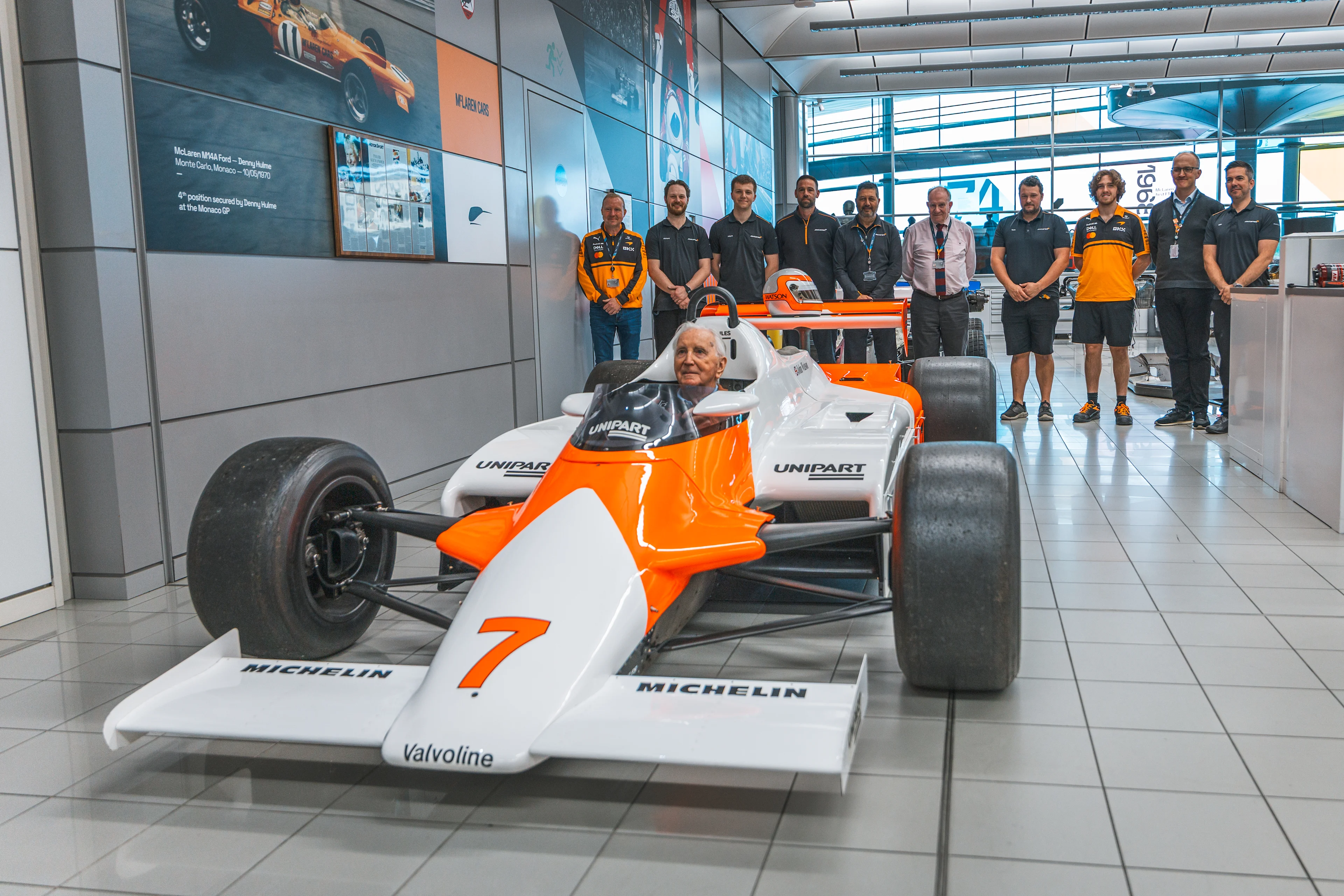
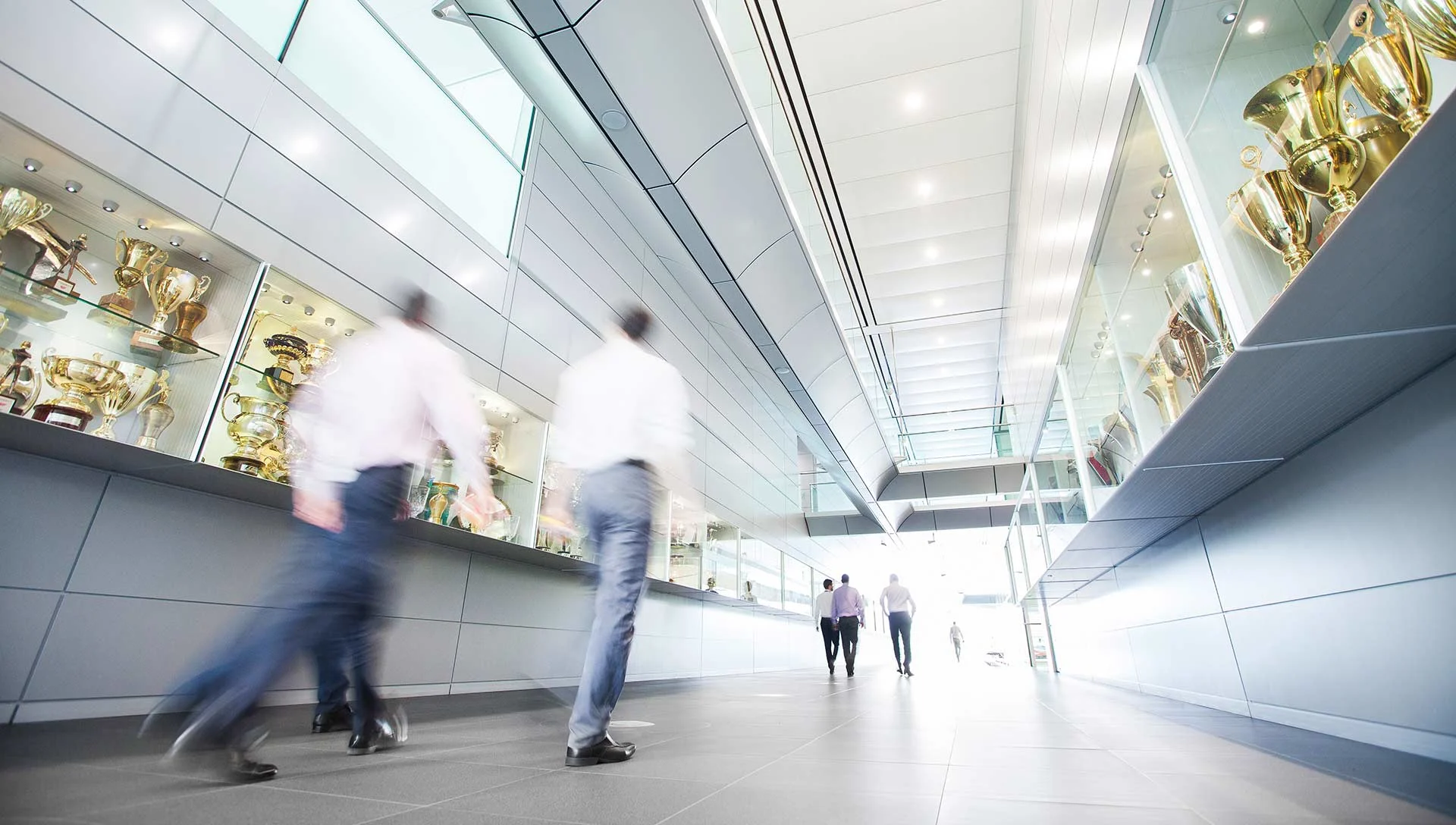
Where do old F1 cars go? For McLaren, there’s an ever-changing display on the Boulevard at the McLaren Technology Centre, while those on the factory grounds, but not on display sit either on the shop floor, stripped down and being worked on, or lie hidden away, lining the gently curving underground ‘spine’.
After 60 seasons, there are a lot. And while we’re committed to ensuring everything is retained in immaculate, running order, not everything can be ready to run at a moment’s notice.
The collection has its stars. While the Heritage Team love an excuse to prepare a rarity, there’s always a public clamour for the greatest hits. Thus, on any given day in the workshop, the heritage cars being prepared for everything from demo runs to launch events and exhibitions, are likely to feature M7s, M23s, MP4/4, an MP4/6 (ear defenders on standby), an MP4/13, and an MP4/23. Following the success of 2025, the MCL39 will doubtlessly now make that list of favourites.
In decades to come, crowds will get to appreciate them again everywhere from Goodwood to Interlagos, such is the second life of a double-Championship-winning colossus. The 2025 monocoques will be built into complete cars and provide a visual narrative for the season: perhaps featuring different liveries, and demonstrating the different aerodynamic configurations and upgrades introduced throughout the year.
We know the statistics: 14 victories, three Sprint victories, and 13 Poles. A new record for podiums in a single season with 34, and our record points haul with 833 – but what’s behind that? What is the story of the MCL39?
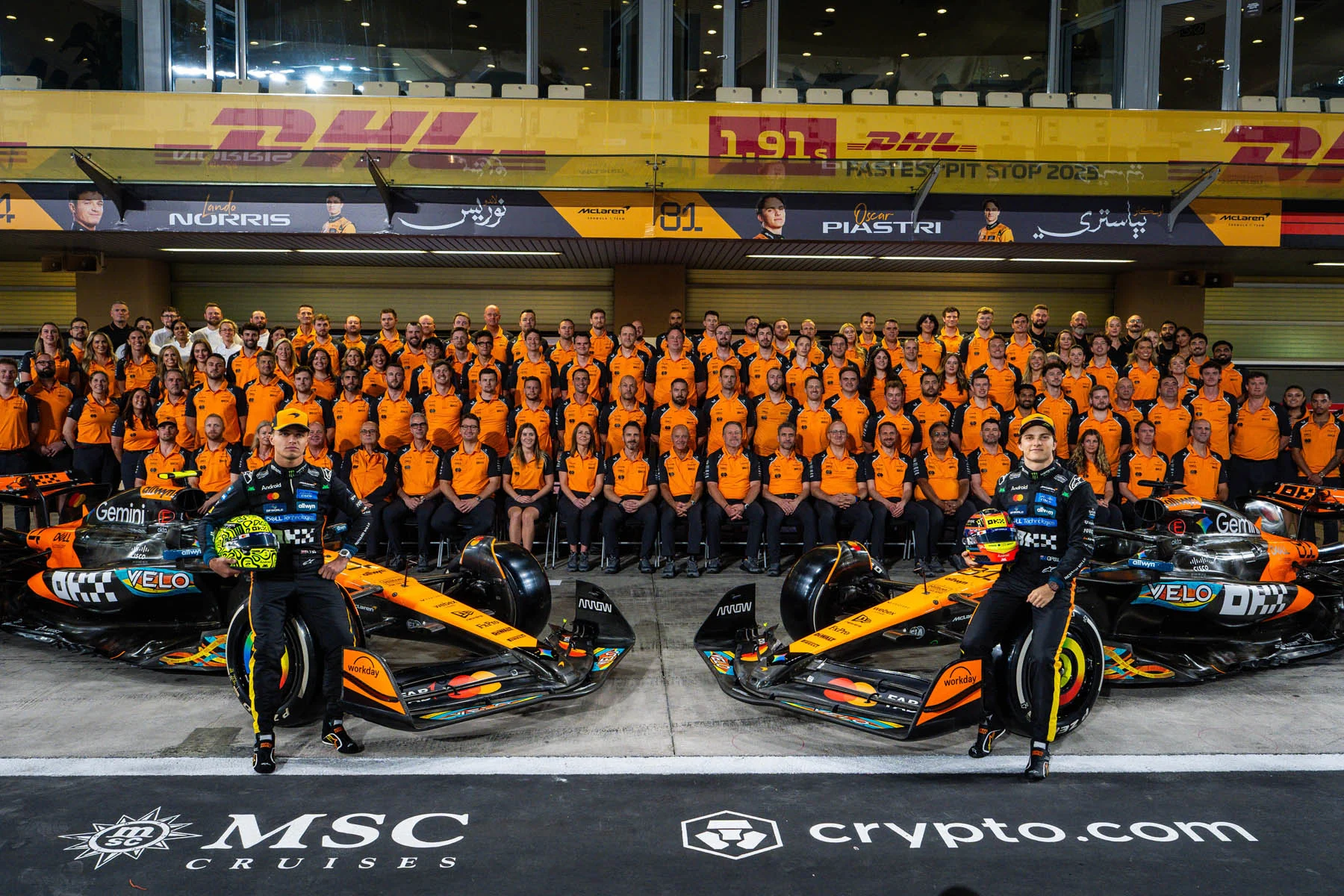
Continuity played a huge part in our 2025 triumph. In this final year of the regulatory era, the technical regulations were much as they had been in 2024. In conjunction with the big changes coming for 2026 and the huge amount of resource that requires, it meant 2025 was a year for evolution, rather than revolution, and we were in the happy position of having a great starting point in the MCL38.
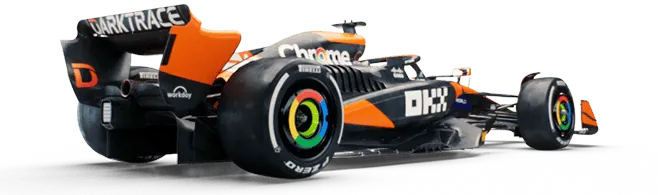
The covers came off the MCL39 at Silverstone on 13 February. Given this was only nine weeks after the MCL38 had been put to bed, there’s a temptation to assume the new car is just another in a sequence of upgrades – but there’s always a bit more with a launch car: it represents an opportunity to effect a thorough overhaul, and make the sort of changes that couldn’t be done piecemeal during the previous season.
While the family resemblance was clear, every part of the MCL39 was new. On the surface, there were visible changes to the front and rear suspension geometry, plus significant changes to the sidepods and airbox. Deeper down, there was a redesigned monocoque, with everything else either redesigned with a view to building a significantly better car, or reoptimised to find the sort of margin gain that really stacks up if you can find enough of them.
“I'd say, on the whole car, there's areas of innovation,” McLaren’s Chief Designer Rob Marshall had said ahead of the season.
As had been the case progressing from 2023’s MCL60 to the MCL38, the target with the MCL39 was to address the weaknesses of its predecessor, while not detracting too much from its strengths. It had been apparent in 2024 that the MCL38 – in very basic terms – was very competitive through medium- and high-speed corners, but lacking a little for straight-line speed and in low-speed.
“It’s a similar mechanical car,” explained Henry Fidler, Oscar’s Performance Engineer after winter testing. “The steps that we took between the ‘23 and ‘24 cars, we've gone in a similar direction again for ’25. There is more anti-dive on the front suspension: the rearward top wishbone is very extreme, based at the bottom of the chassis.
“Basically, these are things that we’ve done previously to try to control the aero platform. The idea is to stay flatter and control the mechanical balance, with options to improve traction at the expense of some stability in entries, but also options to back out to last year’s levels as well – albeit at this year’s higher level of performance. We also have more options for shaping of the mechanical balance between low and high speed. We can do more to rotate the car in low-speed apices for a given entry balance or high-speed balance. It’s a similar car – but the next step in that progression.”
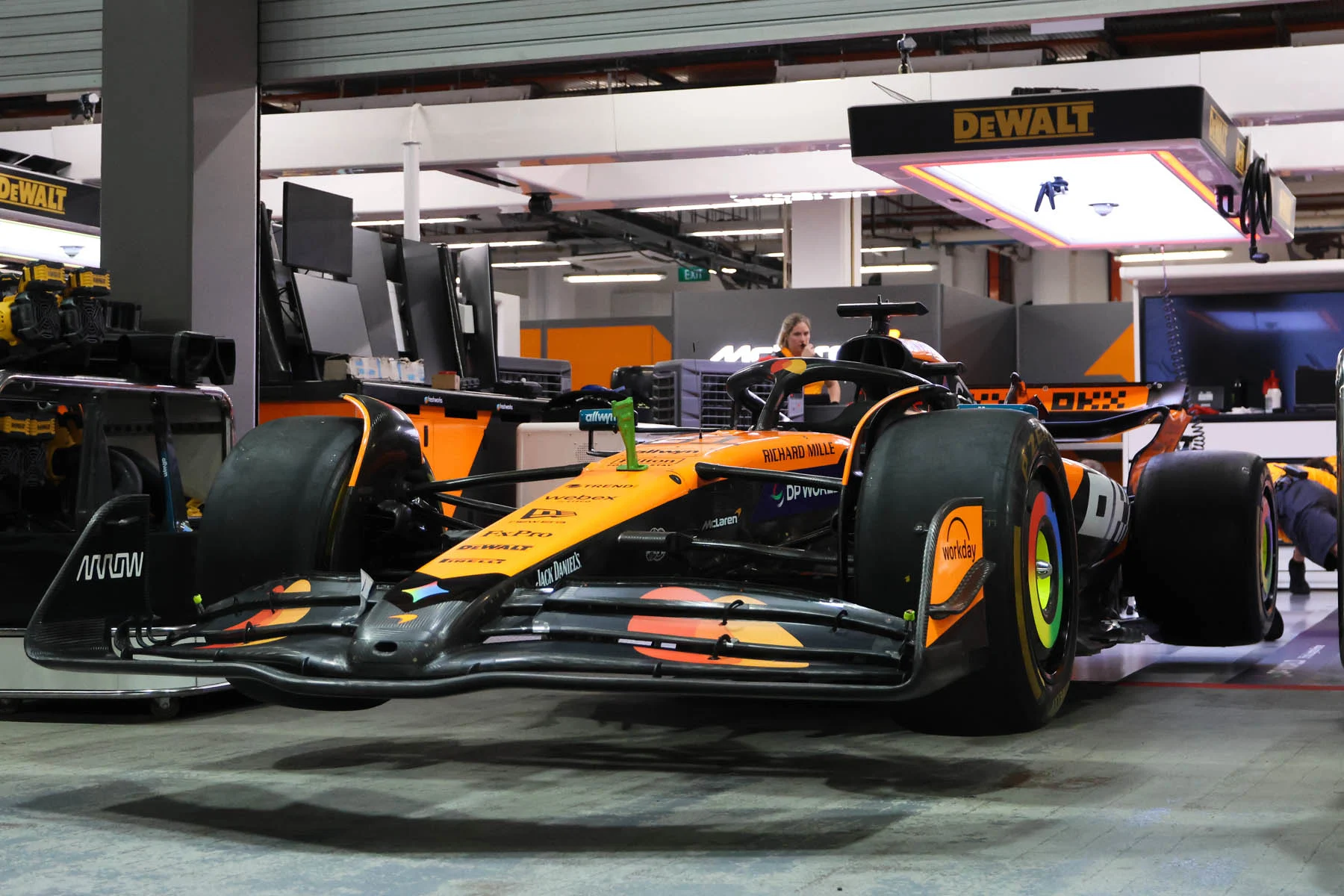
Perhaps the most interesting element of the early-season MCL39 was the anti-dive setup of the front suspension. A car – any car – under braking sees a load transfer that causes the front end to dip. In an F1 car, this tends to be problematic: the floor is the largest aerodynamic surface, and works more effectively when kept stable and level. Pitching it down at the nose robs the car of downforce at the point where it needs downforce the most.
The placement of our front suspension members gave the car extreme anti-dive characteristics, helping it to maintain an attitude closer to the optimum when braking. It made the MCL39 better in corner entry and more competitive in slower corners, but didn’t come without cost.
No characteristic of an F1 car exists in isolation. In the case of an extreme anti-dive suspension layout, one of the consequences was a front-end to the car that didn’t provide the usual feedback to the drivers. This ‘numbness’ was reported by both, but Lando struggled with it a little more than Oscar, particularly when the car was on the absolute limit in Q3, lacking the usual ‘cueing’ sensations that come when the driver gets on the brakes and the tyres bite.
“It’s clear there are differences from last year in how the car works, how it acts, and how I’m able to get lap time out of it,” said Lando at the end of April, ahead of the Miami Grand Prix. “I think there are just certain things which don't allow me to feel what I need to feel […] We’re working as a team, trying to understand these things – but it takes time.”
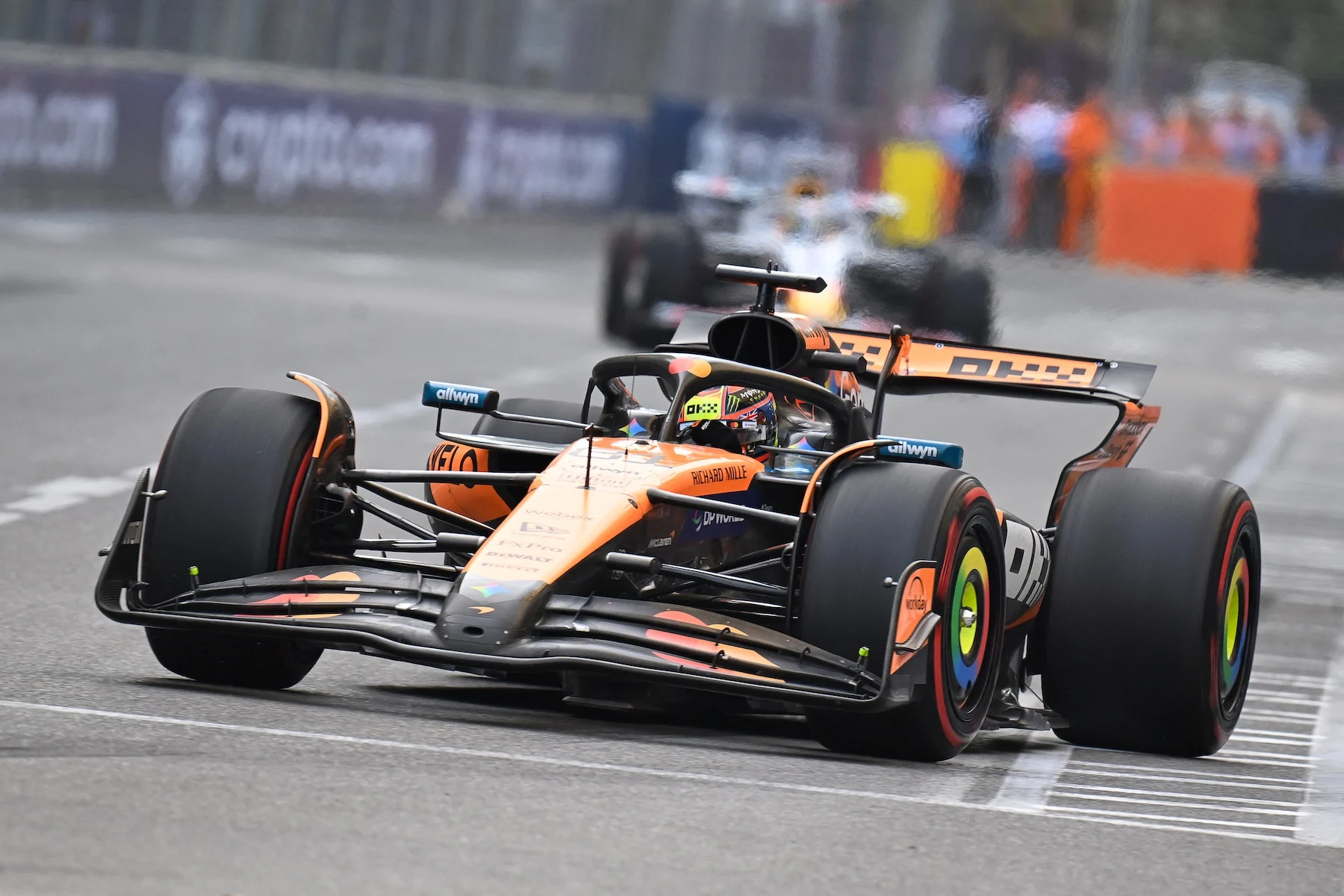
The story of the season, so far as the development of the MCL39 was concerned, featured frequent aerodynamic updates around front and rear brake ducts, and optimisation of that new suspension geometry, in addition to the usual work on front wings, rear wings and beam wings.
Compared to the launch car, Australia saw new brake duct cooling options, and a choice of new single and double beam wings. China had new rear brake duct winglets. Bahrain got front brake duct winglets. Saudi Arabia had more rear brake duct winglets and a reshaped diffuser.
Imola saw the first significant upgrade of the season, with revised rear corners and rear suspension, plus modified front suspension – but it also saw us test the high-downforce package for Monaco.
This was the pattern for much of the season, with new components being tested on Fridays, a race or two ahead of their planned racing introduction. Thus, while Monaco was always going to be a maximum downforce circuit, it’s the weekend where we introduced a medium-high downforce rear wing and beam wing package, plus a medium downforce beam wing… and another front suspension geometry update and some bigger brake ducts to provide extra cooling.
Canada saw a new front wing introduced, complemented by updated front suspension geometry, plus the first rear-wing update – a new Medium-downforce version to supersede the one that started the year. Austria got a front-suspension fairing and a modified front-corner, plus revised rear corners for an alternative rear-suspension geometry. Silverstone saw new rear-brake duct winglets introduced, and a new floor signed off.
Although, the floor wasn’t raced at Silverstone, because there was only one. In previous years, it may have been risked, however, due to both of our drivers being in the Drivers’ Championship quest, we focused instead on fairness and equality. The floors made their racing debut in Belgium, where there was another second-generation rear wing – in this case, a second medium-low variant.
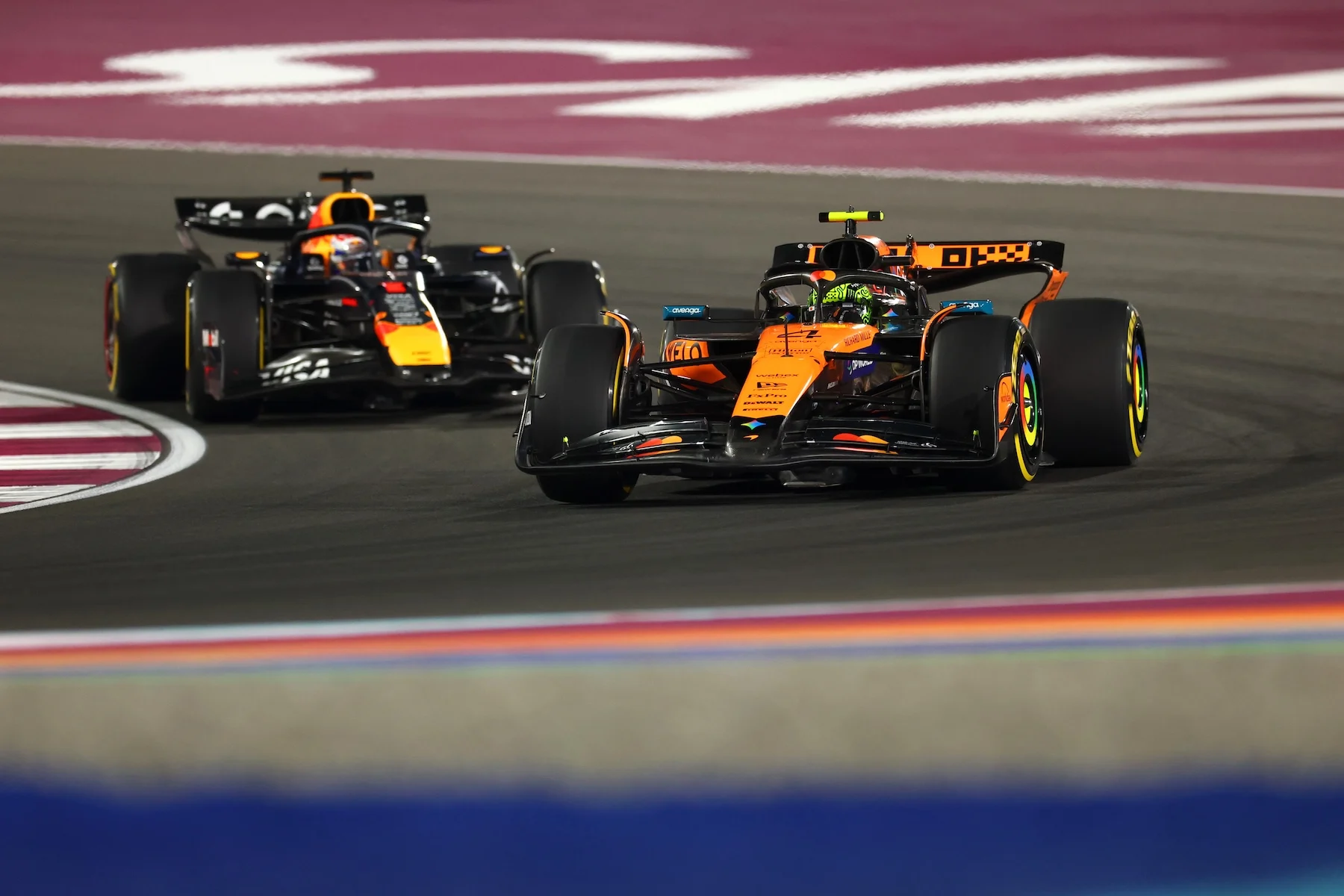
The suspension geometry updates that arrived in Canada were designed to create a front-end that felt more connected for the drivers. Both drivers tested it across various races - Lando was more comfortable with the new setup, while Oscar preferred to stick with the launch version. As this was a question of ‘feel’ rather than performance, there wasn’t a lap-time consequence attached to either direction, and so the team were content to let the drivers run the version they preferred, meaning the cars began to look slightly different from this point forward.
Silverstone marked the final genuine upgrade to the MCL39, those being the final parts to work through the manufacturing system, the development effort having halted a couple of months earlier. There would be circuit-specific parts to follow – Monza got a low-drag package, and this was subsequently tweaked for Las Vegas – but the final form of the MCL39 had been reached. Most teams were on a similar development cycle and likewise, locked in their ultimate version at around the same time. A few, for various good reasons, kept going beyond the summer break… that would cause us a few headaches in the run-in.
The decision to halt development when we did is one of those annual challenges faced by the senior technical management. The earlier you stop with the current car, the more resources can be committed to the next car. It’s always a balancing act – but with a regulatory reset on the way, that balanced tipped more towards the future, because the quality of the work done upfront can have an impact – good or bad – that lasts years.
Whenever a team is chasing something, there is a temptation to go deep into the season with development – but the decision to duck out of 2025 early was made a little easier for us because of the maturity of the car we had. There simply wasn’t that much more development potential in the MCL39. The huge leaps forward seen since Austria 2023 were a thing of the past. The laws of diminishing returns are inexorable.
By mid-season, the development well was running dry. While updates were still delivering gains, those gains were often in the order of hundredths rather than tenths of a second. The MCL39 had taken our ground effect car concept as far as it could go.
The 10 races after the summer break demonstrated a favoured F1 catechism that if you’re not going forwards, then you’re going backwards, with the MCL39 reeled in by the chasing pack. In many respects, its underlying DNA came to the fore: basically competitive everywhere but only really standing out from the pack on the circuits where medium- and high-speed corners dominate.
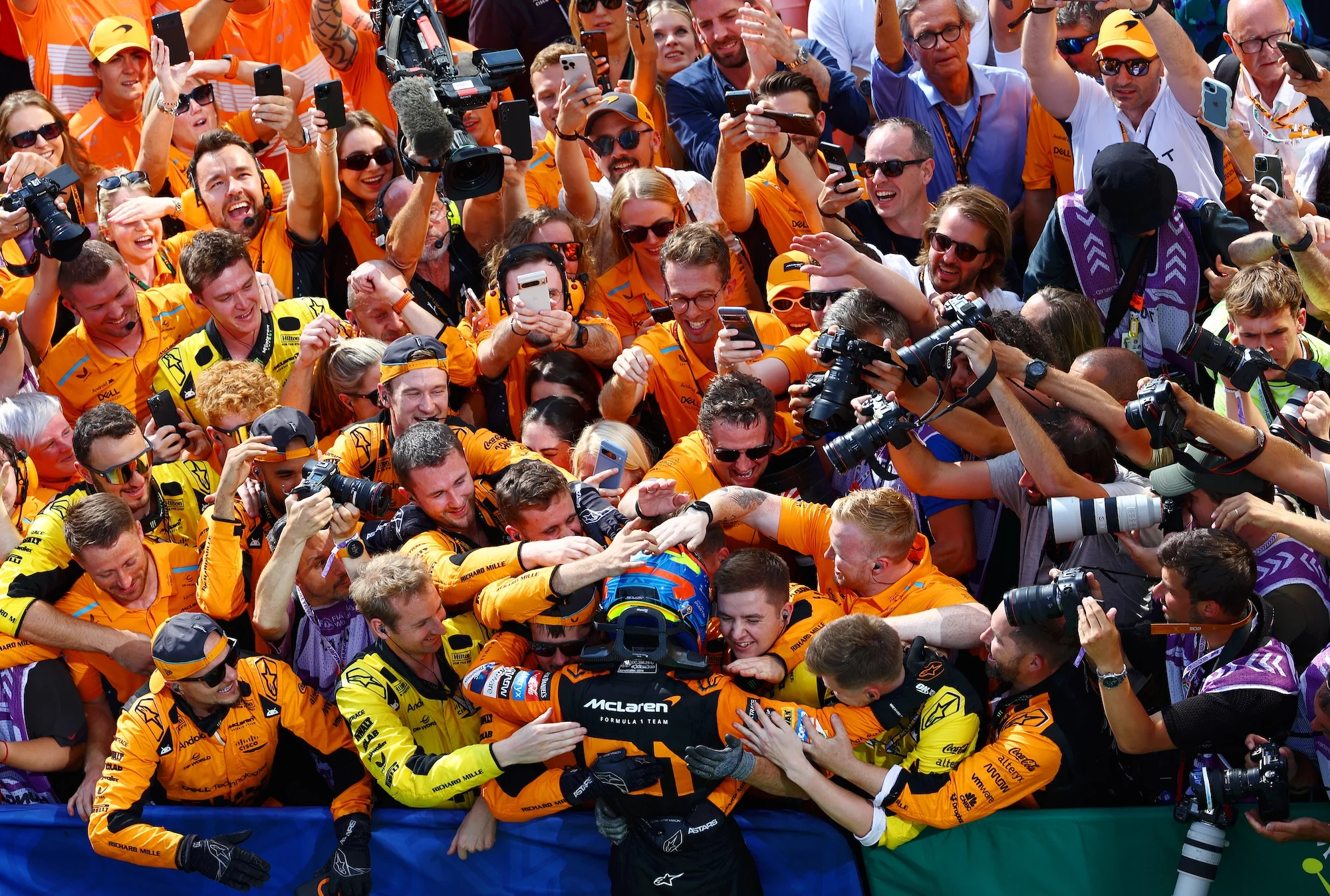
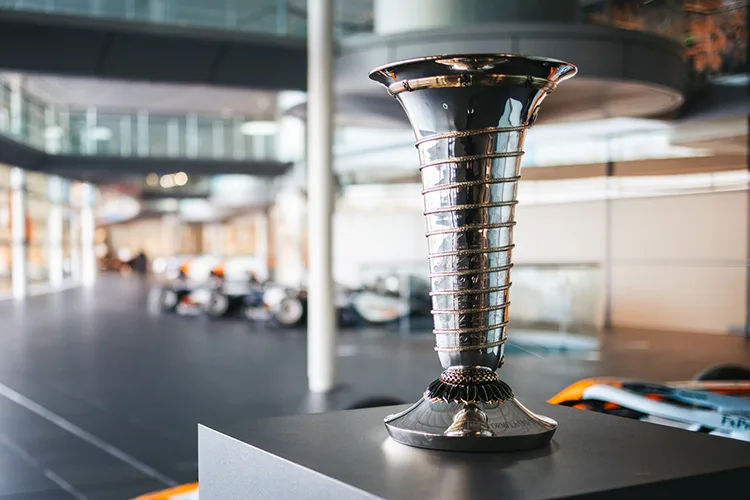
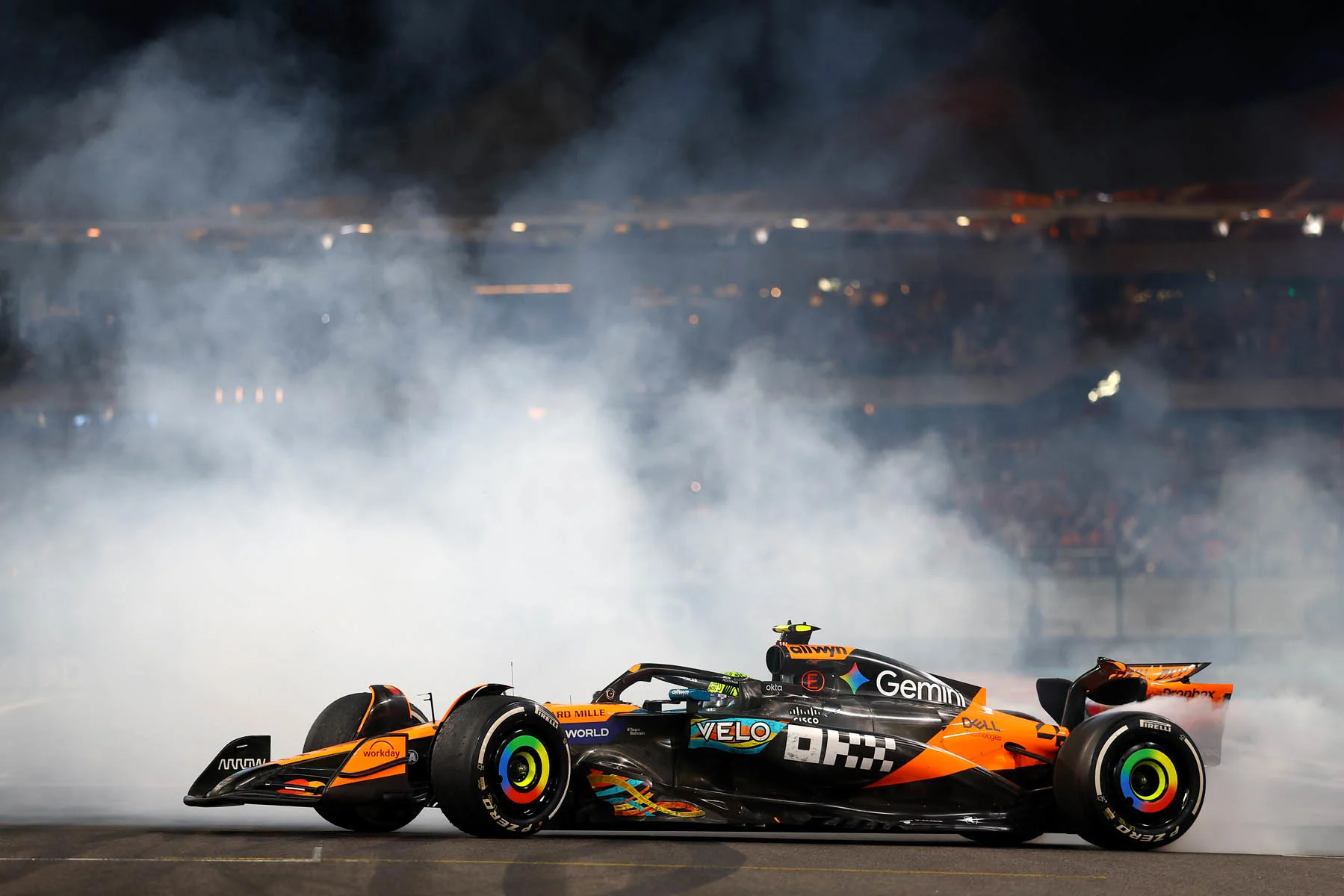
The renaissance of ground effect was short-lived. We’ve had just four seasons with these regulations – but it’s been the springboard from which McLaren have leapt back to F1’s top table. With the changes to come for 2026, the MCL39 was the last of its kind. Among its many records is the fastest racing lap ever, Lando’s Monza lap record being set at a colossal 257.781km/h. That isn’t going to be broken any time soon. Its real legacy, however, lies in the final two trophies collected by the team in a season garlanded with silverware. The MCL39 delivered to us the 2025 Formula 1 Constructors’ World Championship and the 2025 Formula 1 Drivers’ World Championship. It is a truly magnificent car.