


14 April 2026 16:15 (UTC)
Racing may have halted, but we’re still on track in April, running at the mighty Nürburgring

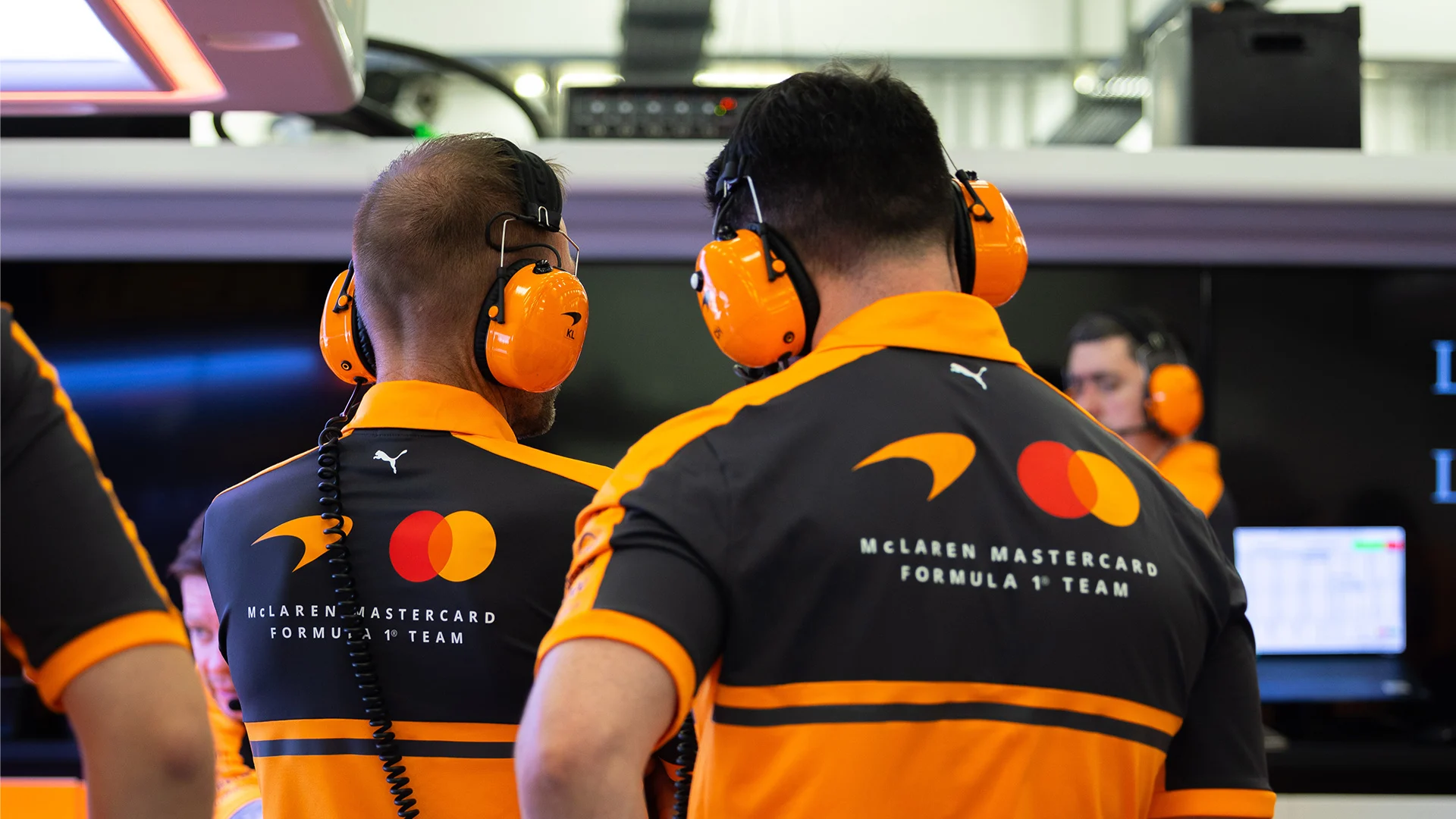
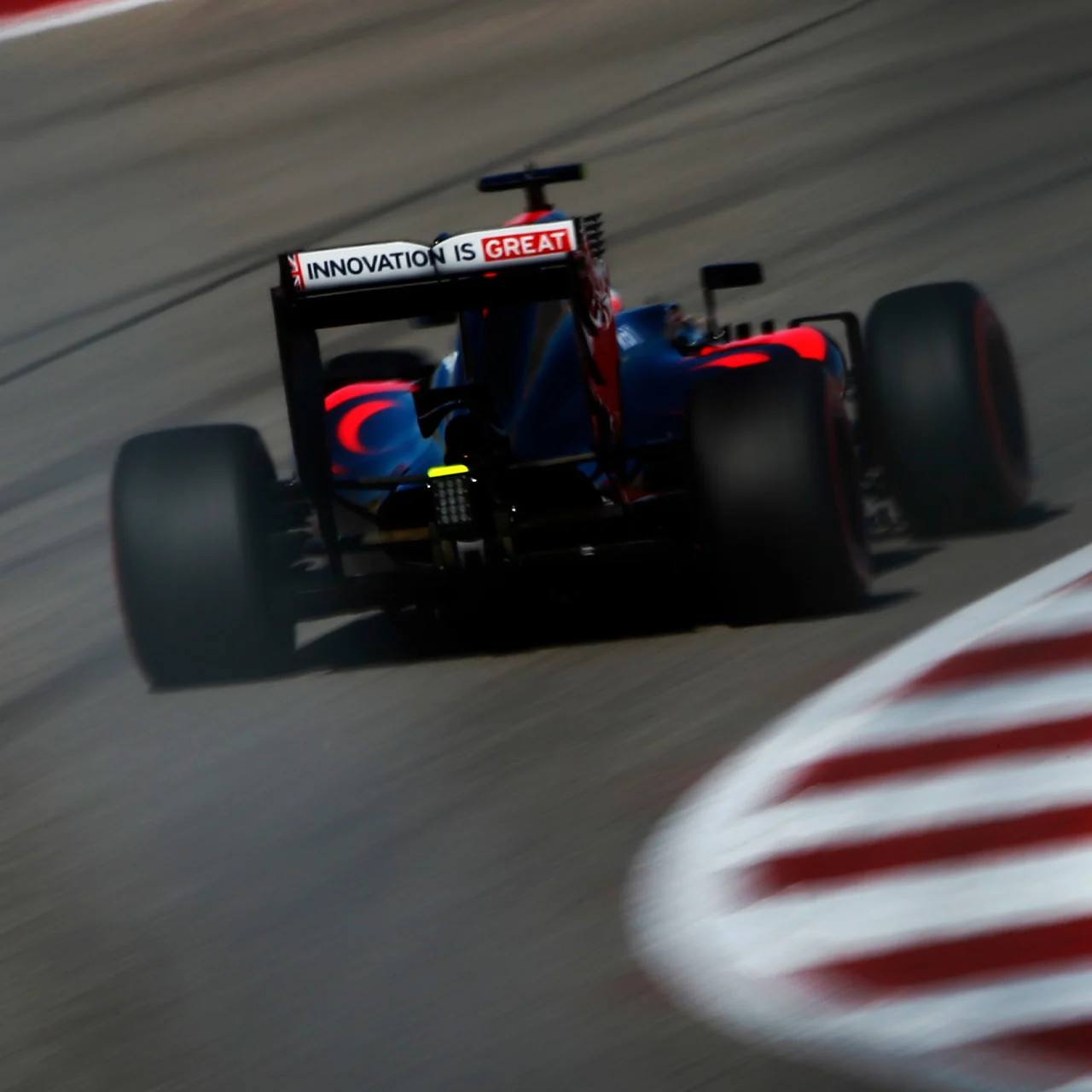
Formula 1 may be on hiatus in April, but for all 11 teams, the hard work carries on in the background. Designers continue to design, wind tunnels keep spinning, simulators are busier than ever, and the machine halls and composites shops are busy building spare parts. But even during this break, our team won’t be confined to the many walls of the McLaren Factory, as this week, we’re out testing at the Nürburgring.
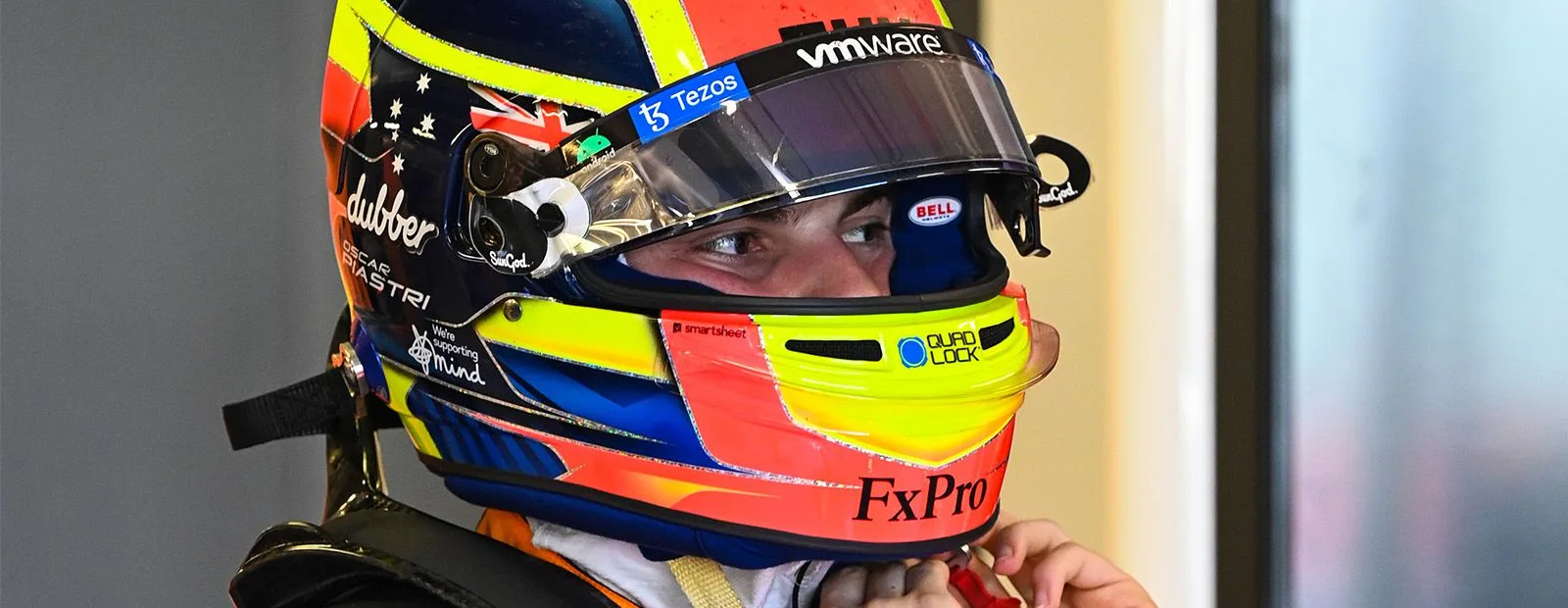
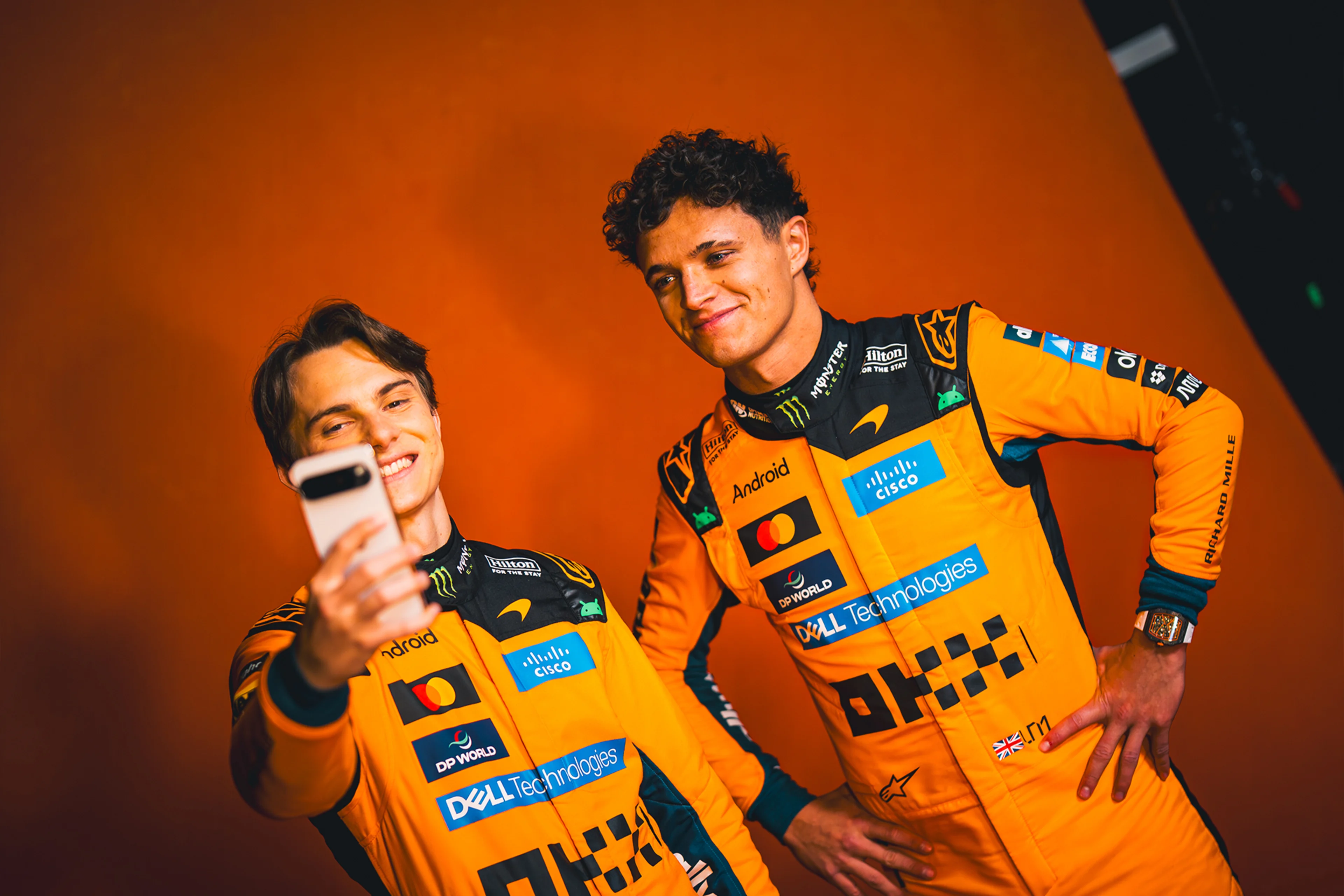
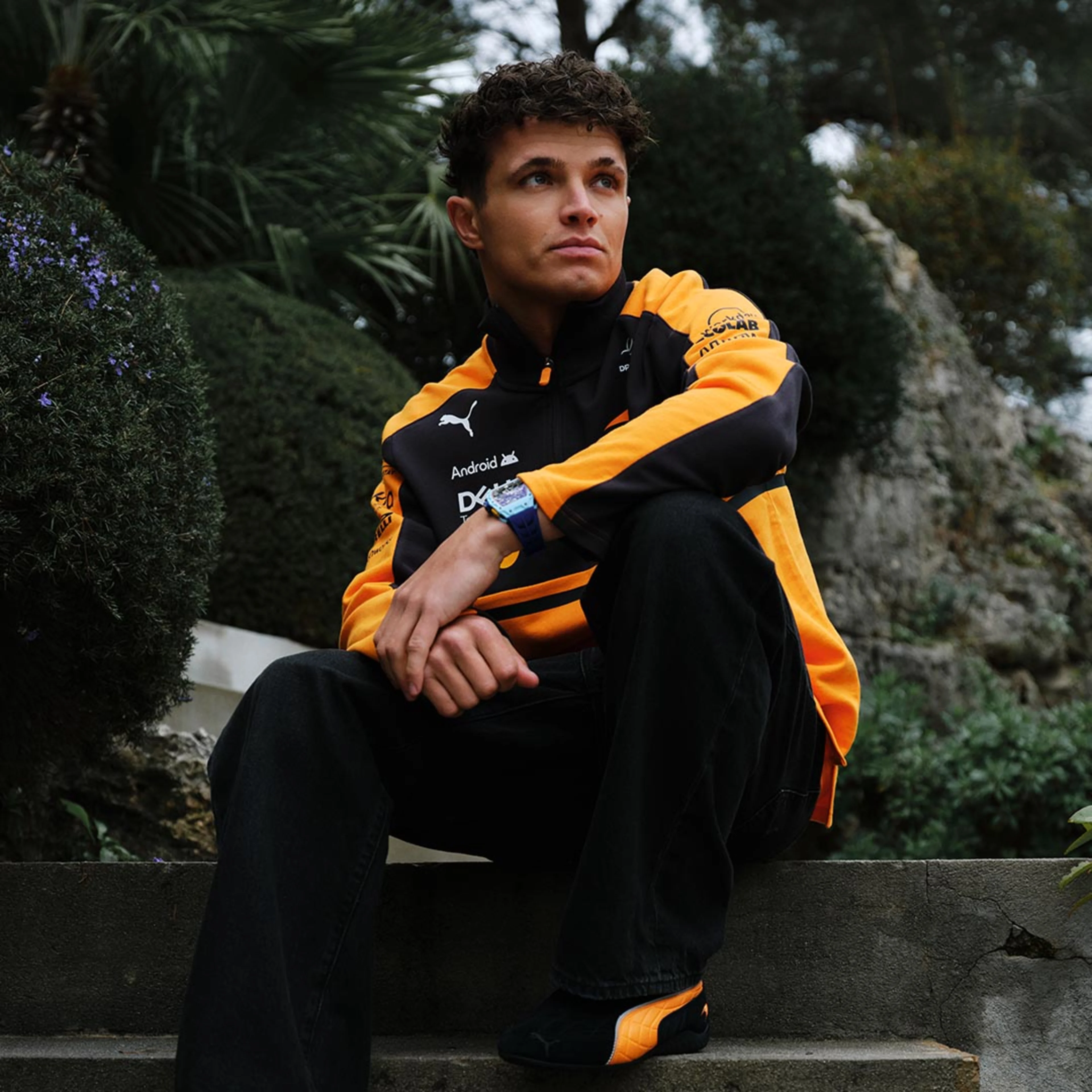
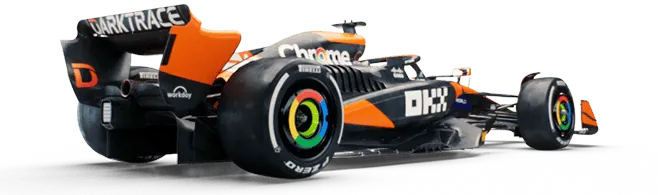
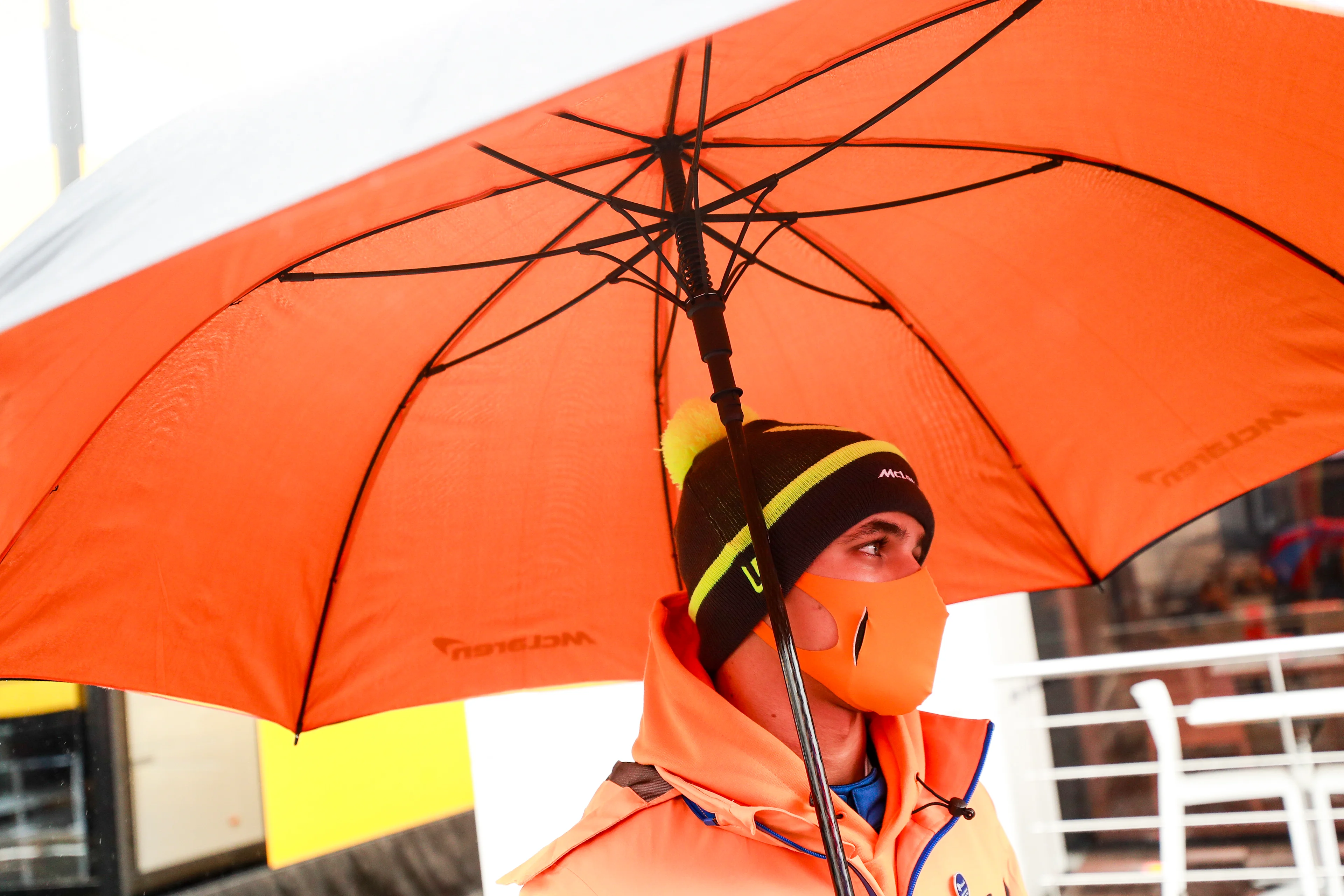
Lando and Oscar are in the Eifel this week, taking part in a scheduled Pirelli Tyre Test, sharing duties in the McLaren Mastercard MCL40, which will be used in a specification that has already been raced this season.
It’s our first visit to the ‘Ring in six years, since the one-off Eifel Grand Prix during 2020’s ad-hoc Covid calendar. That race took place in mid-October, which really isn’t the optimum time of year for one of F1’s favourite venues - it was bitterly cold, and the team had to run hot water over the engine, a task normally required only during cold winter tests. We also lost all of Friday’s running because the medical helicopter was fogged in. But despite these challenges, it was a genuine privilege to be back at the Nürburgring for the first time since 2013.
Why? Many reasons… but they all come back to this place being a huge part of the F1 story, written into the legend. One of those high, old places of European racing that entices a huge crowd out into the woods whenever a new chapter is written. It’s a place for campfires and stout walking boots, of fearsome weather, ruined castles and a real sense of history. It’s a place you want to see an F1 car.
We’ve taken five victories at the Nürburgring, and they do a good job of telling the full story of this remarkable circuit. The track was constructed in the 1920s and first hosted the German Grand Prix in 1927. It could be used in several configurations, with a 7.7km South Loop (Südschleife) and 22.8km North Loop (Nordschleife), though the original Grands Prix were held on the 28km complete track (Gesamtstrecke) comprising both.
During the F1 Era, while the Südschleife was used for the non-Championship 1960 Grand Prix, the Nordschleife is the one most closely associated with the German Grand Prix. It contains over 300m of elevation change, has at least 73 corners (73 that have names - there are plenty more kinks and bends), and, at some points out in the woods, feels very far from civilisation. Sir Jackie Stewart, a three-time winner of the German Grand Prix, here dubbed it "The Green Hell". The name stuck.
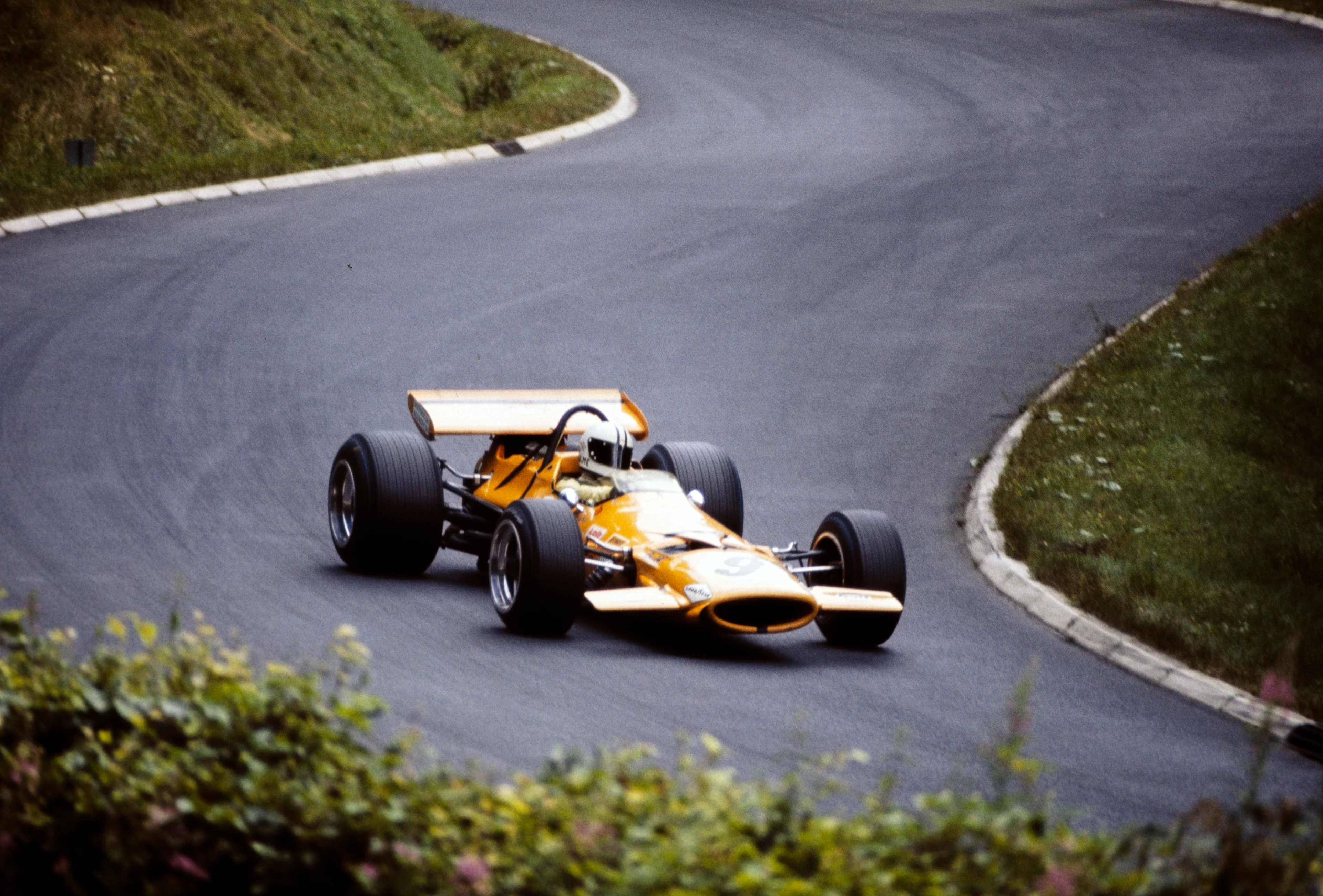
Magnificent though it is, there were some practical problems with the Nordschleife layout: the Circuit's great length meant that the race distance was covered in only 14 laps, while marshals were often a long way from accidents.
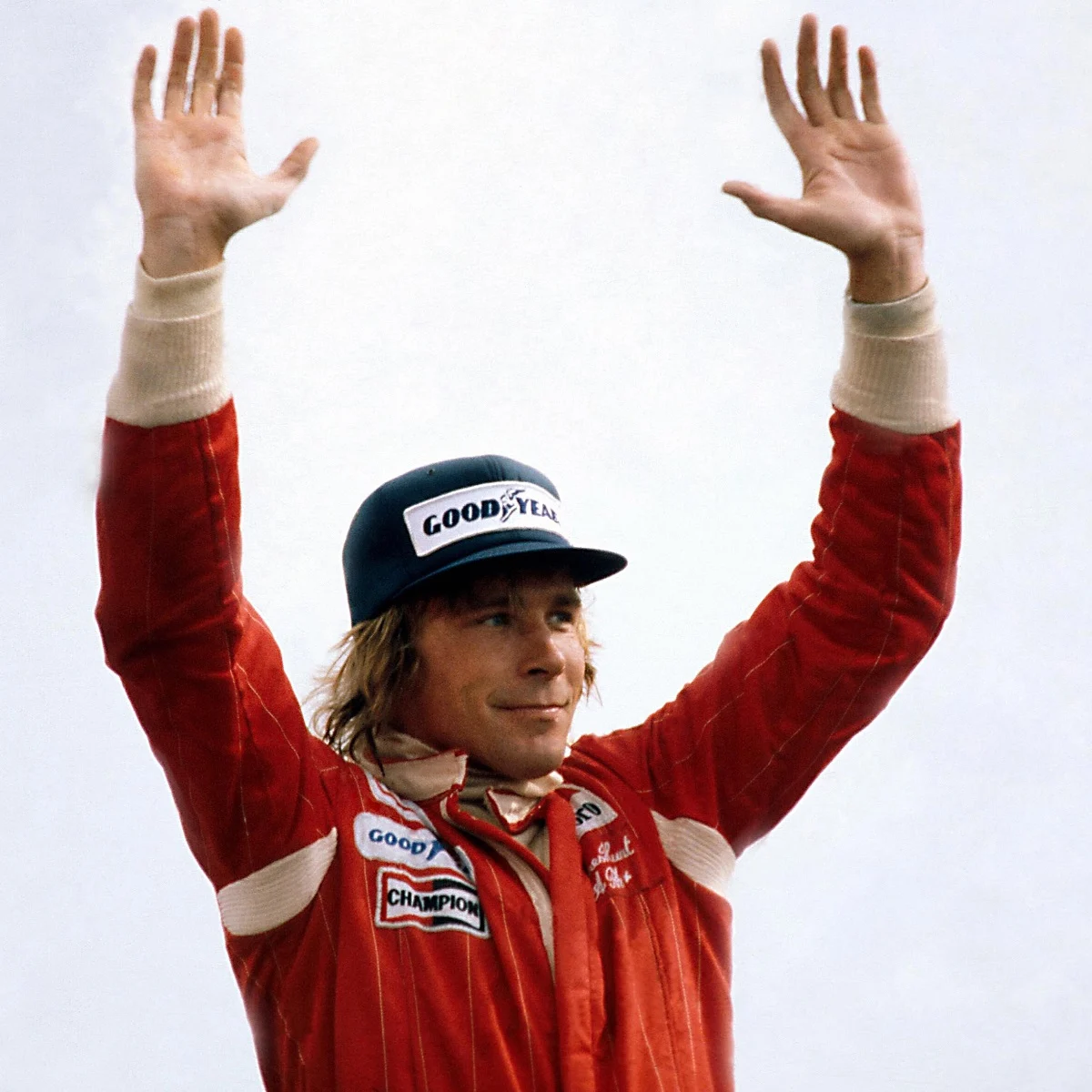
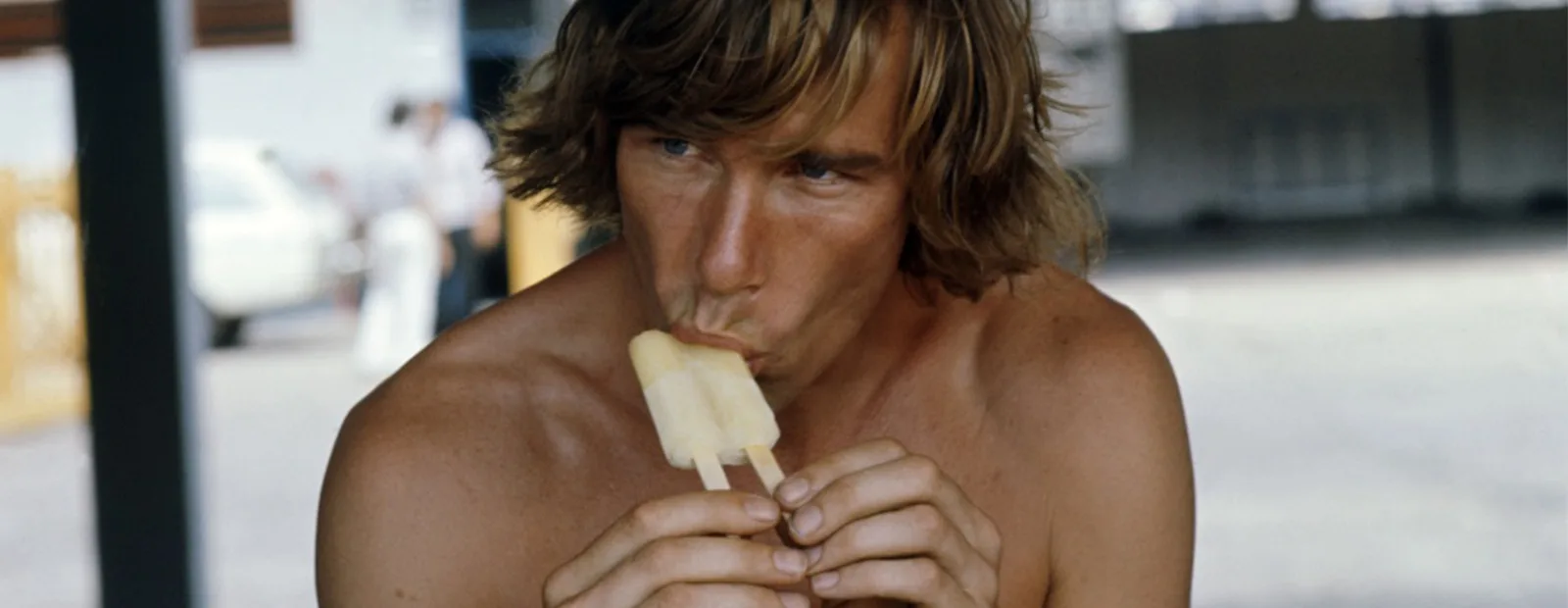
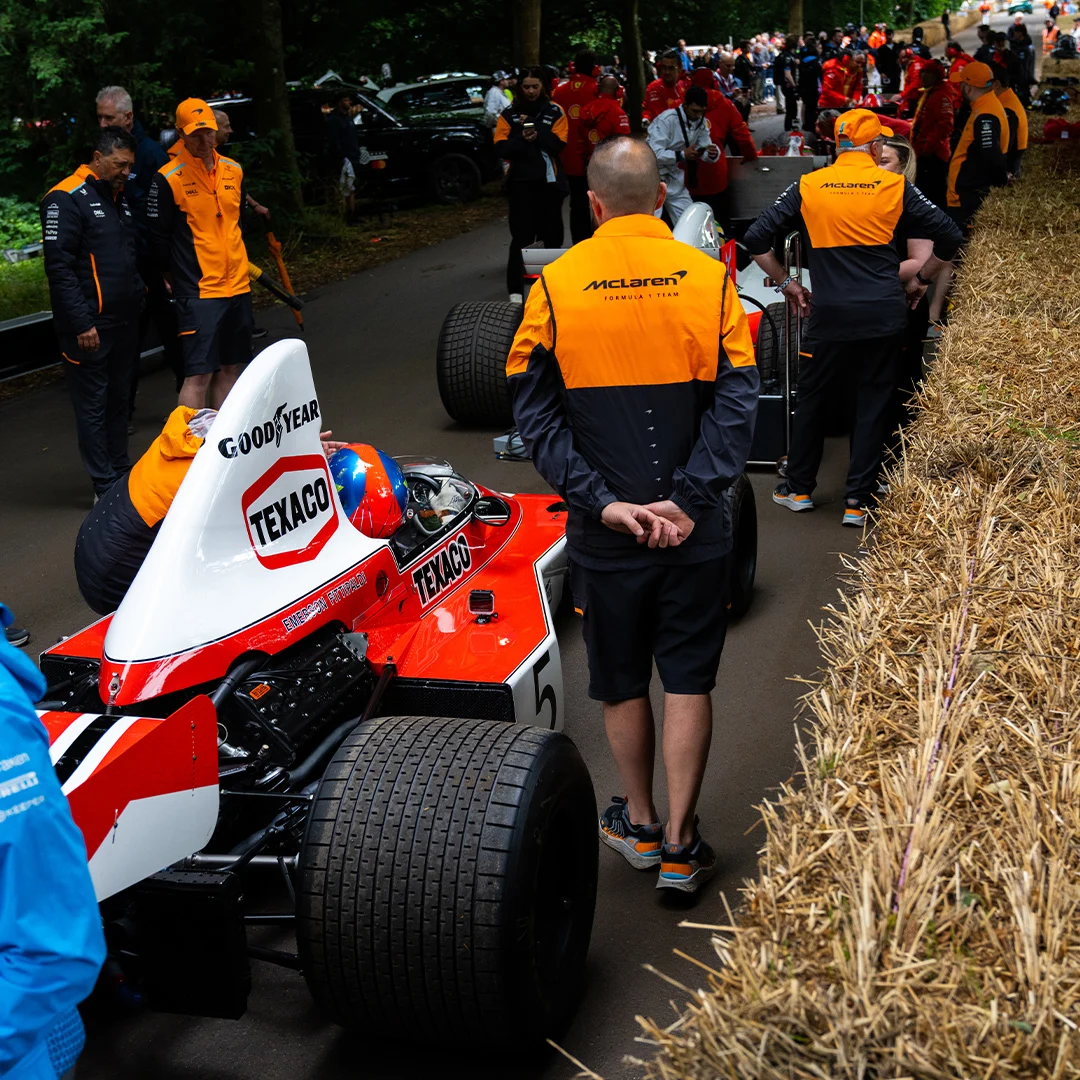
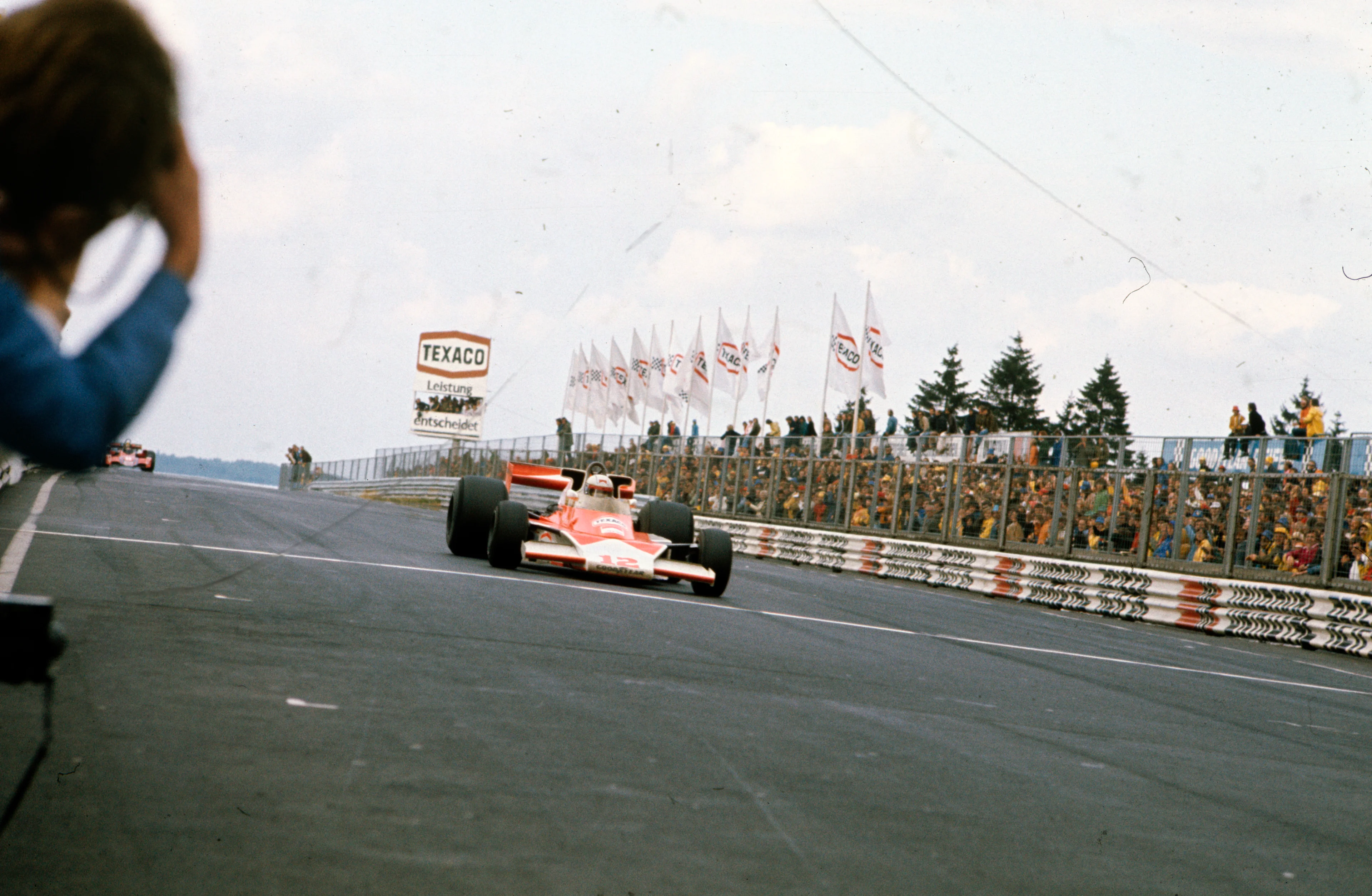
The 1970 race moved to the Hockenheim after the drivers demanded safety improvements on the Nordschleife. The race returned to the Eifel in 1971, but the Nordschleife was on borrowed time. The final F1 race held on that configuration was the 1976 German Grand Prix. It was won by James Hunt for McLaren… but is better remembered for the terrifying blaze that very nearly cost Niki Lauda his life. That was the end of the road for the Nordschleife as an F1 race track.
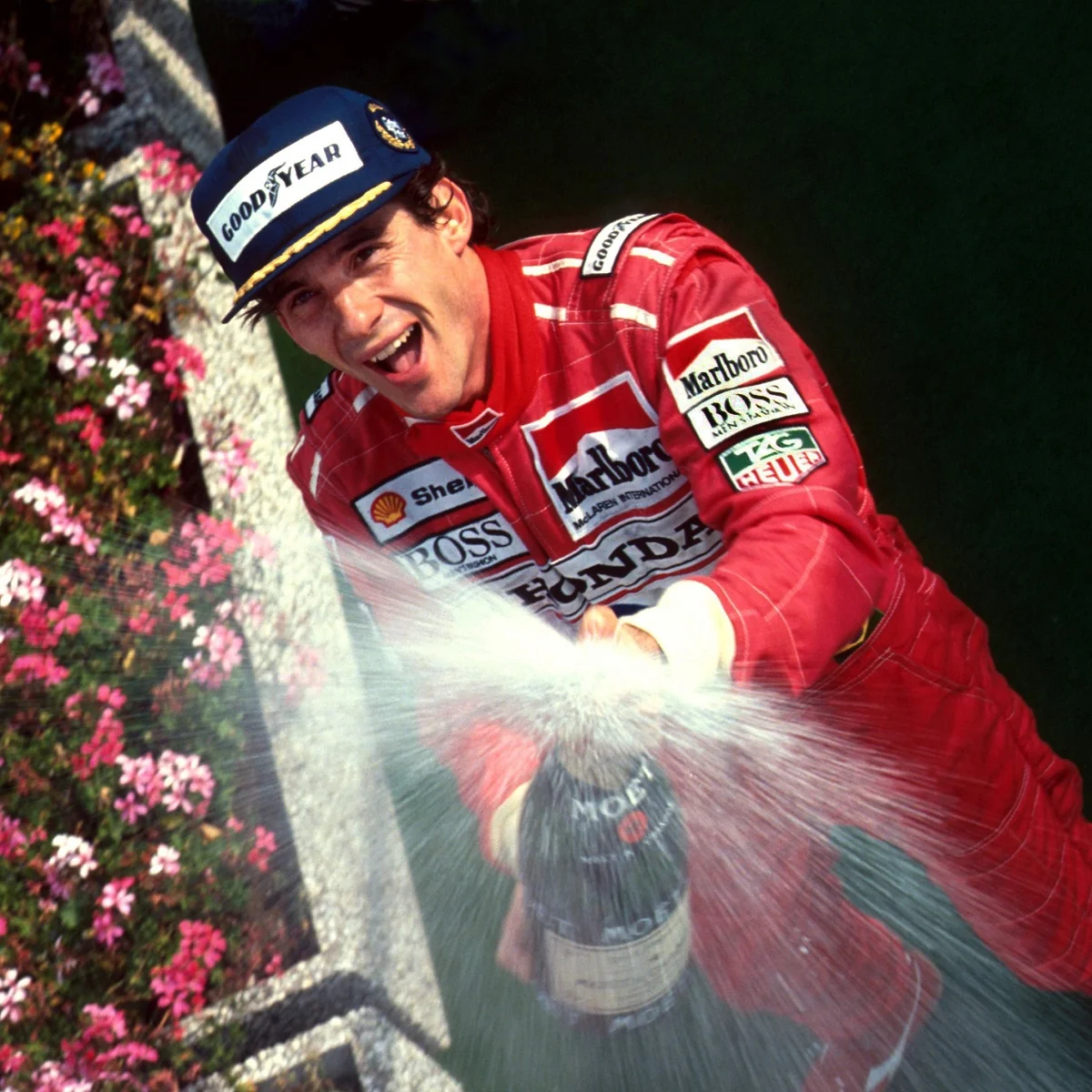
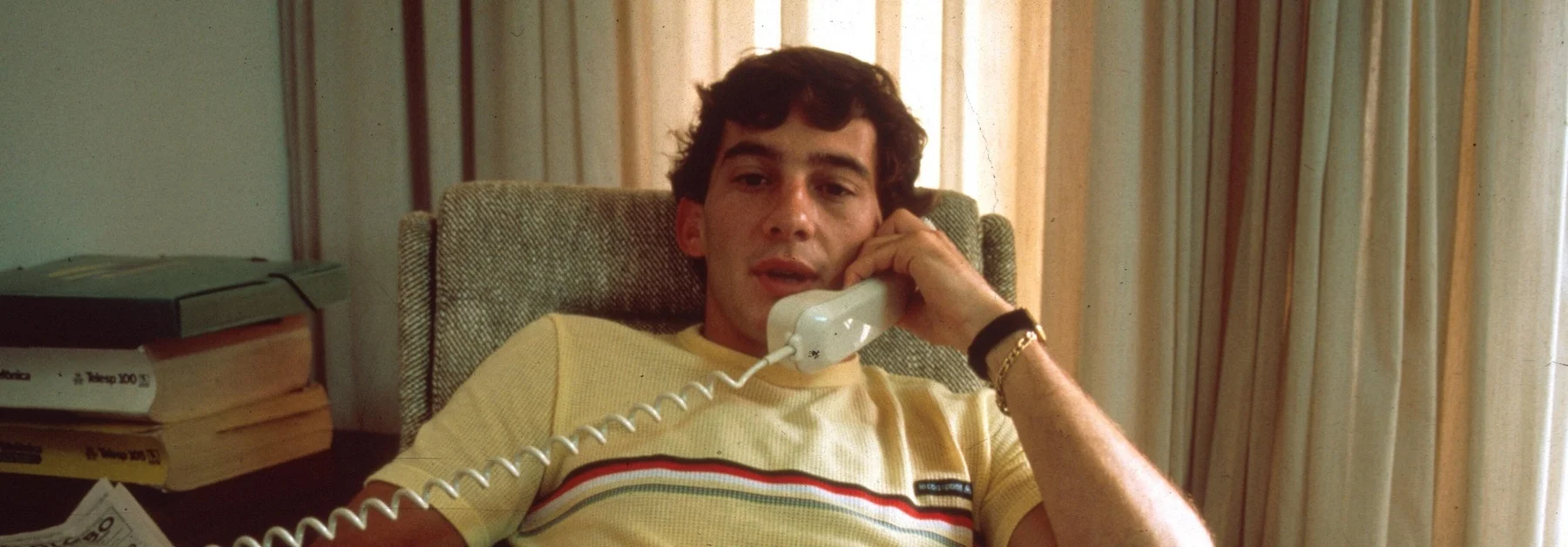
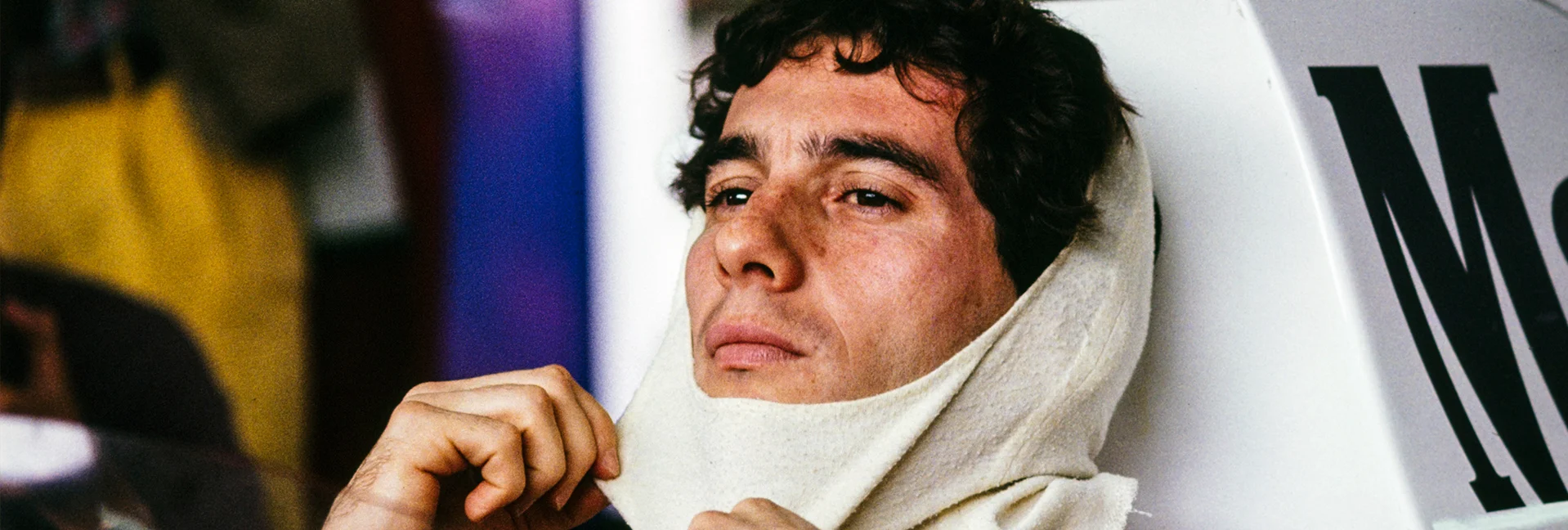
It was not, however, the end of the Nürburgring’s F1 story. When originally constructed, the circuit had included a short warm-up loop around the pit area. This idea – if not the actual layout – was revived with the construction of the 4.542km modern circuit based around the appendix-like pit complex where the Nordschleife and Südschleife used to join. The GP-Strecke opened in 1984 with an exhibition race/circuit shakedown organised by Mercedes. Of the 20 cars, nine were driven by F1 World Champions… though it was won by a young lad named Ayrton Senna.
That race took place in May, but F1 returned to the new Nürburgring in October. With the German Grand Prix now firmly ensconced at Hockenheim, the race at the ring took the ‘European Grand Prix’ name, and Alan Prost ensured we took back-to-back (albeit, separated by eight years) Nürburgring victories. There was another race in 1985, but then the track disappeared from the calendar for a decade. It returned in 1995 because there was suddenly a clamour for another race in Germany. The reason? Michael Schumacher.
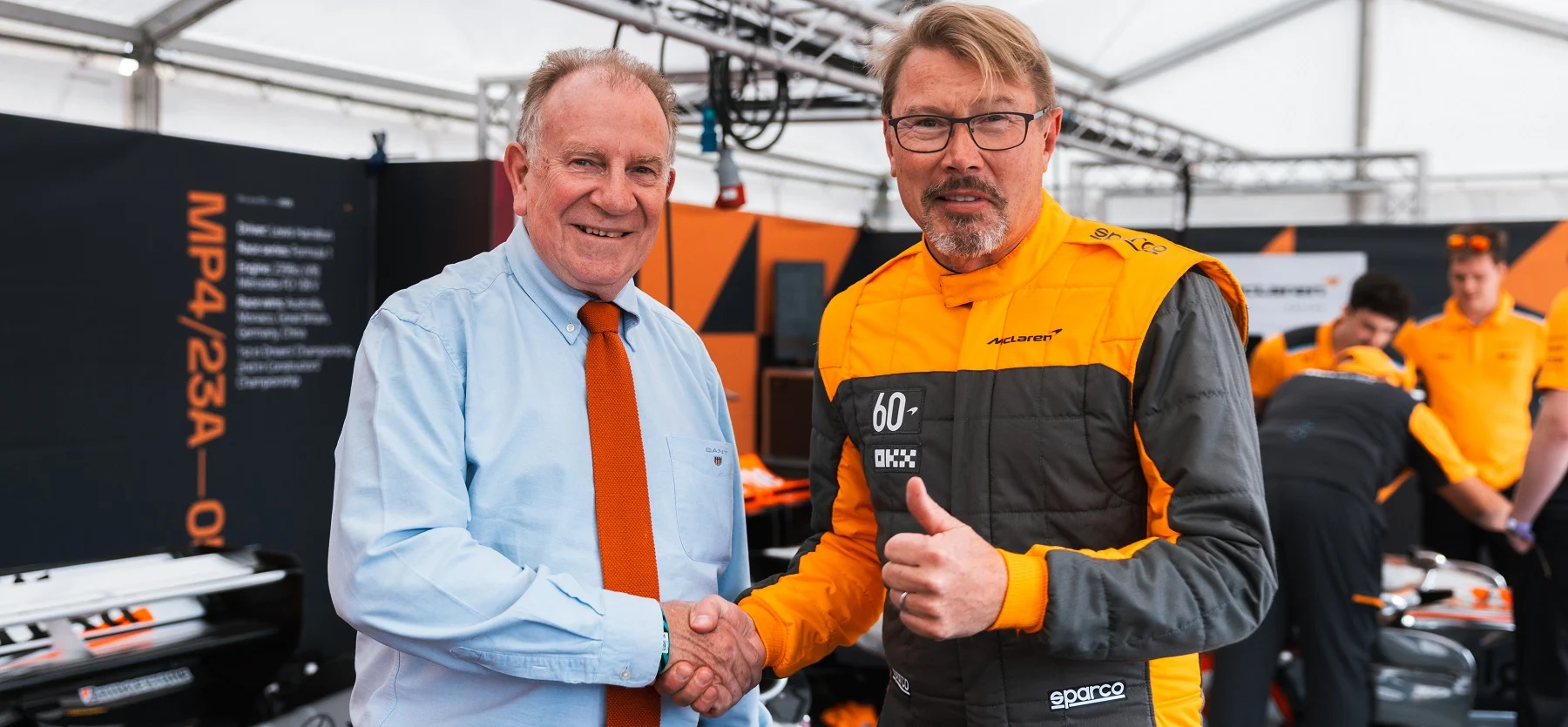
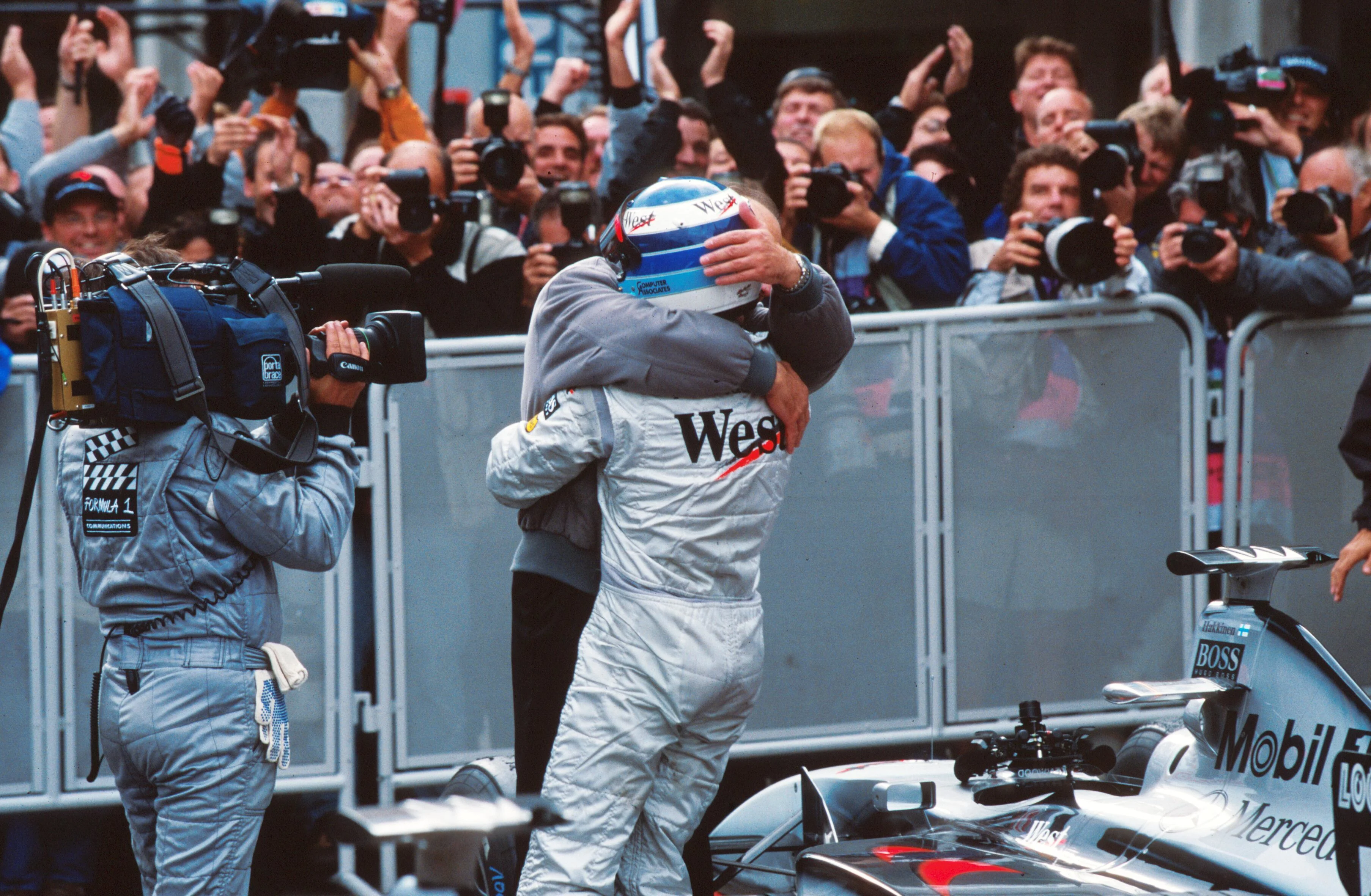
The Nürburgring GP-Strecke became a fixture on the calendar for the next decade, usually as the European Grand Prix, though in 1997 and 1998 it hosted the Luxembourg Grand Prix, despite being a solid 100km from the border with the Grand Duchy. Mika Häkkinen won the second of those races, on his way to a first World Championship, and also gave us the distinction of having won the German, European and Luxembourg Grands Prix all at the same circuit.
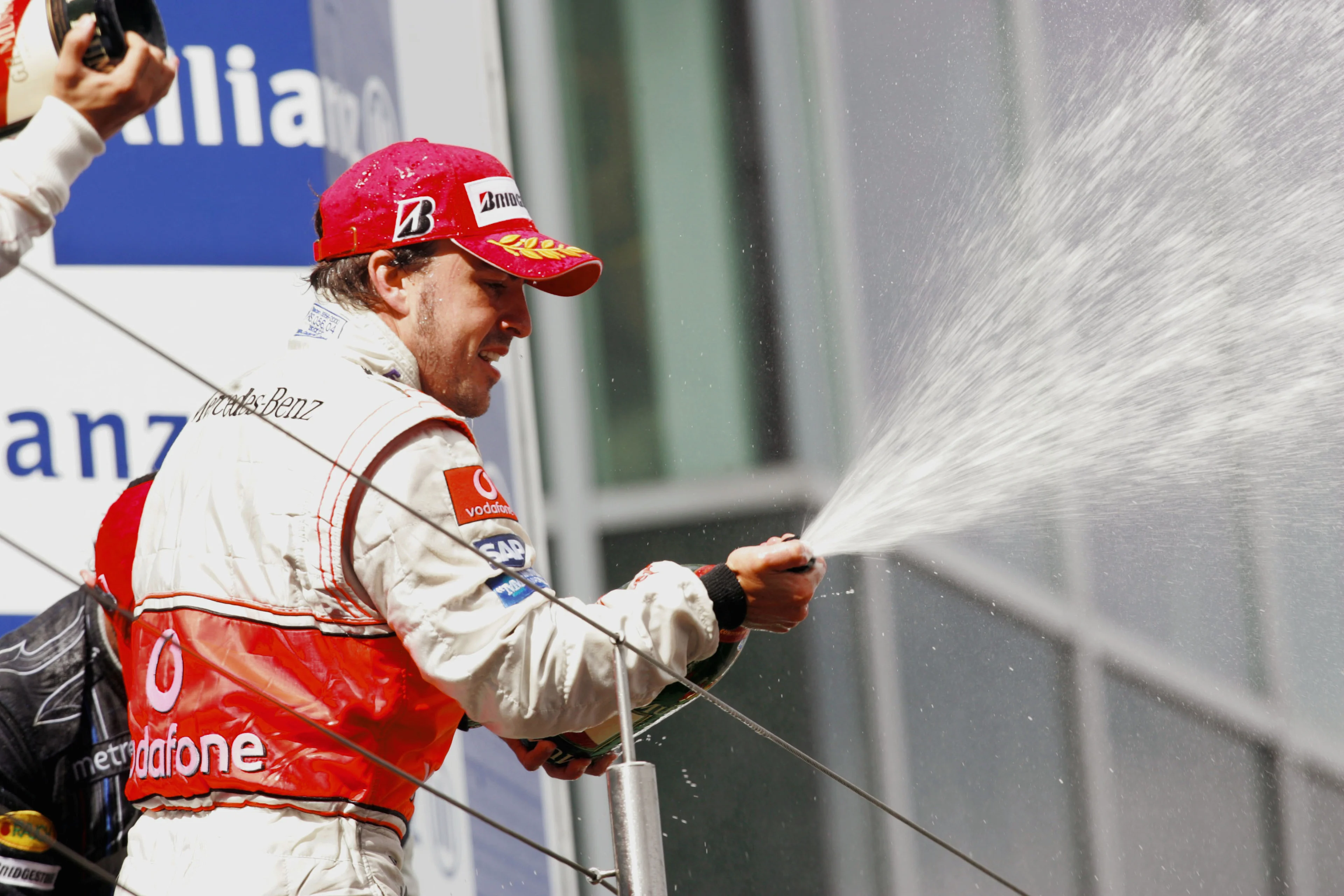
Schumacher’s (first) retirement in 2006 made it difficult to justify hosting two races in Germany, and so the Nürburgring and Hockenheim entered into an agreement to host the German Grand Prix in alternate years. The ‘Ring got the odd years, but for contractual reasons, the 2007 event was the European Grand Prix, though in reality the German Grand Prix in all but name, with no other race in Germany that year. It was a masterclass of Nürburgring weather, with a dry start, and most of the field diving in for Inters on the first lap, and then a Red Flag as a steady string of cars aquaplaned into the gravel at Turn 1 as the rain turned torrential. Of course, chaos and horrendous conditions are made for Fernando Alonso, and he came through the field to give us another victory.
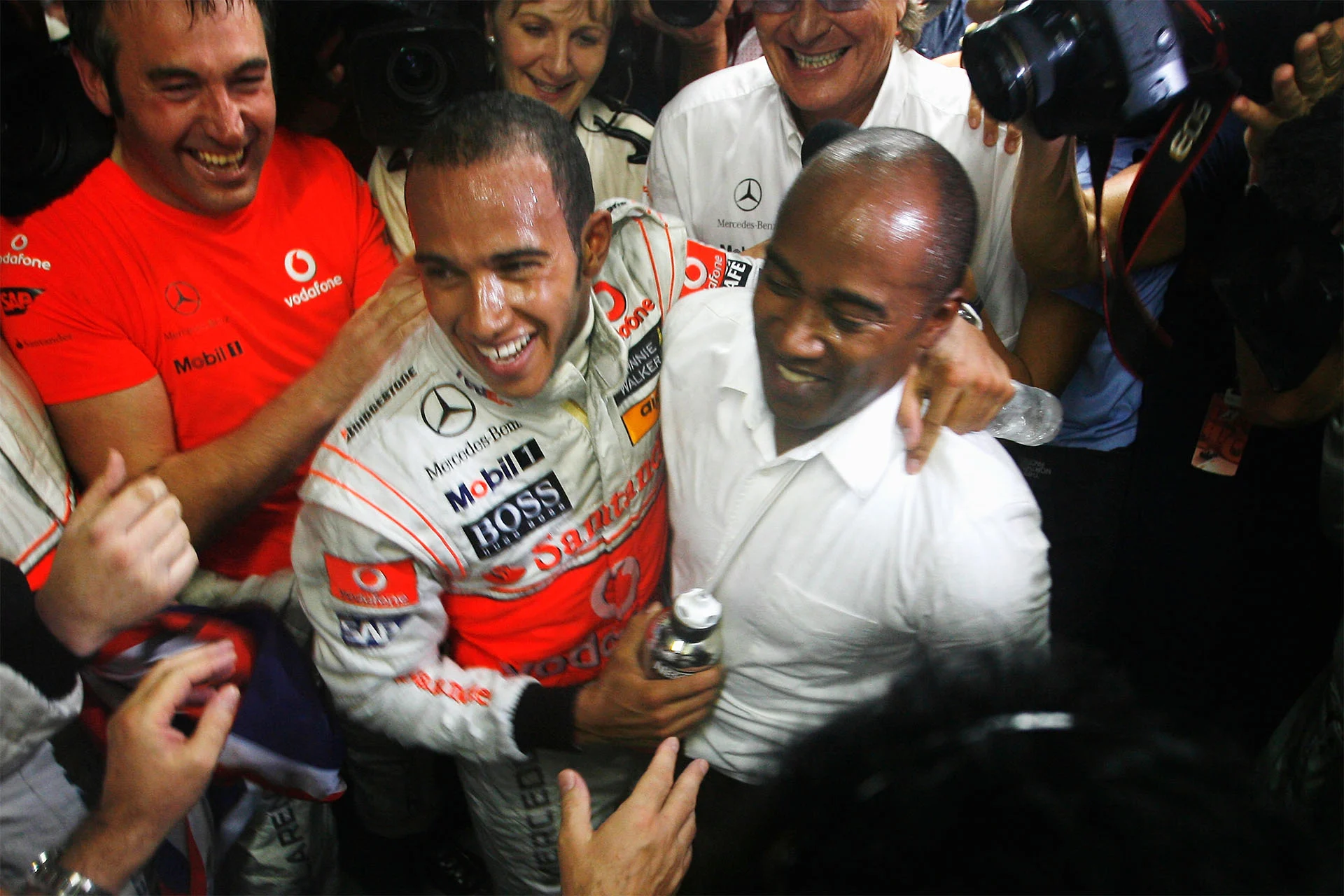
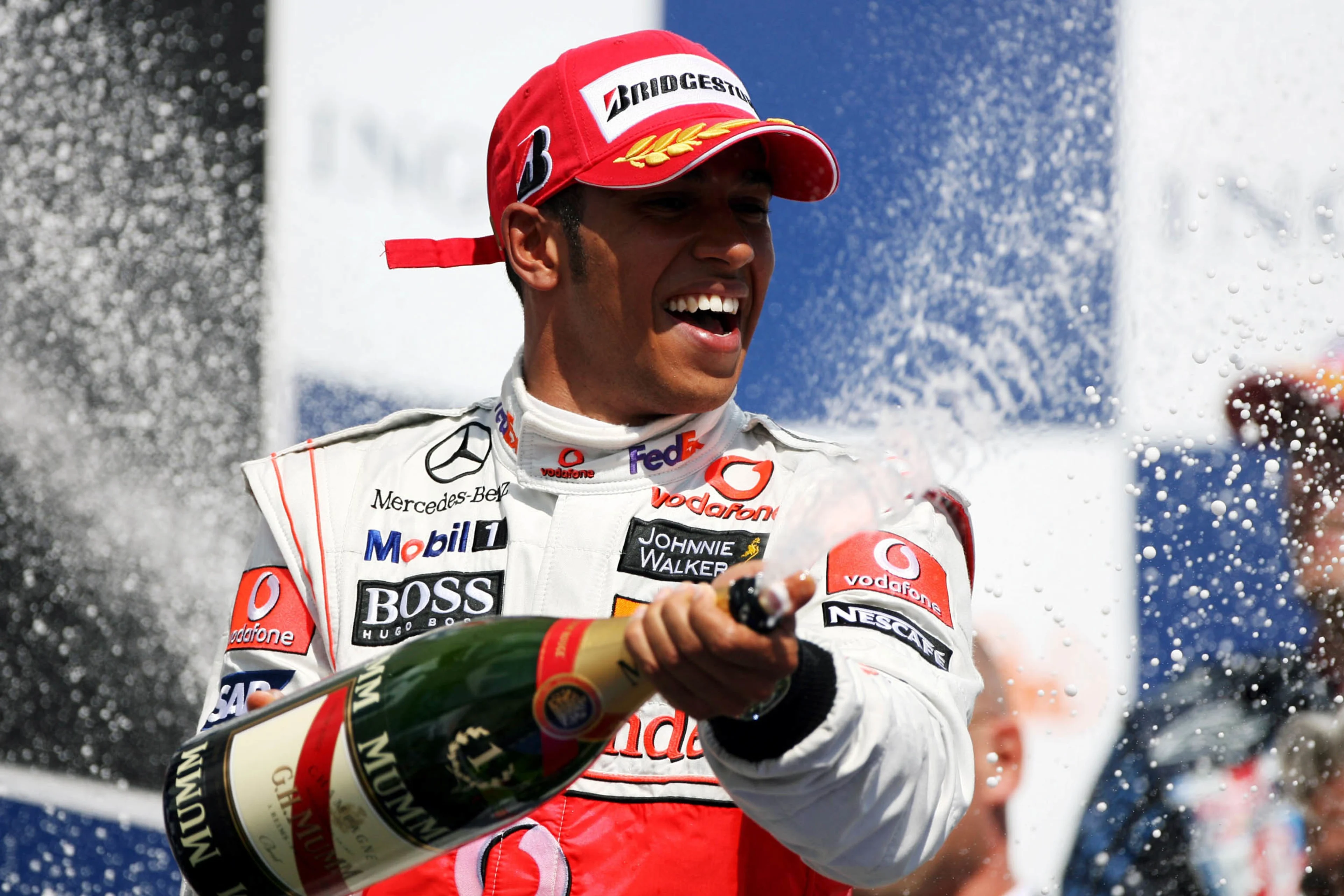
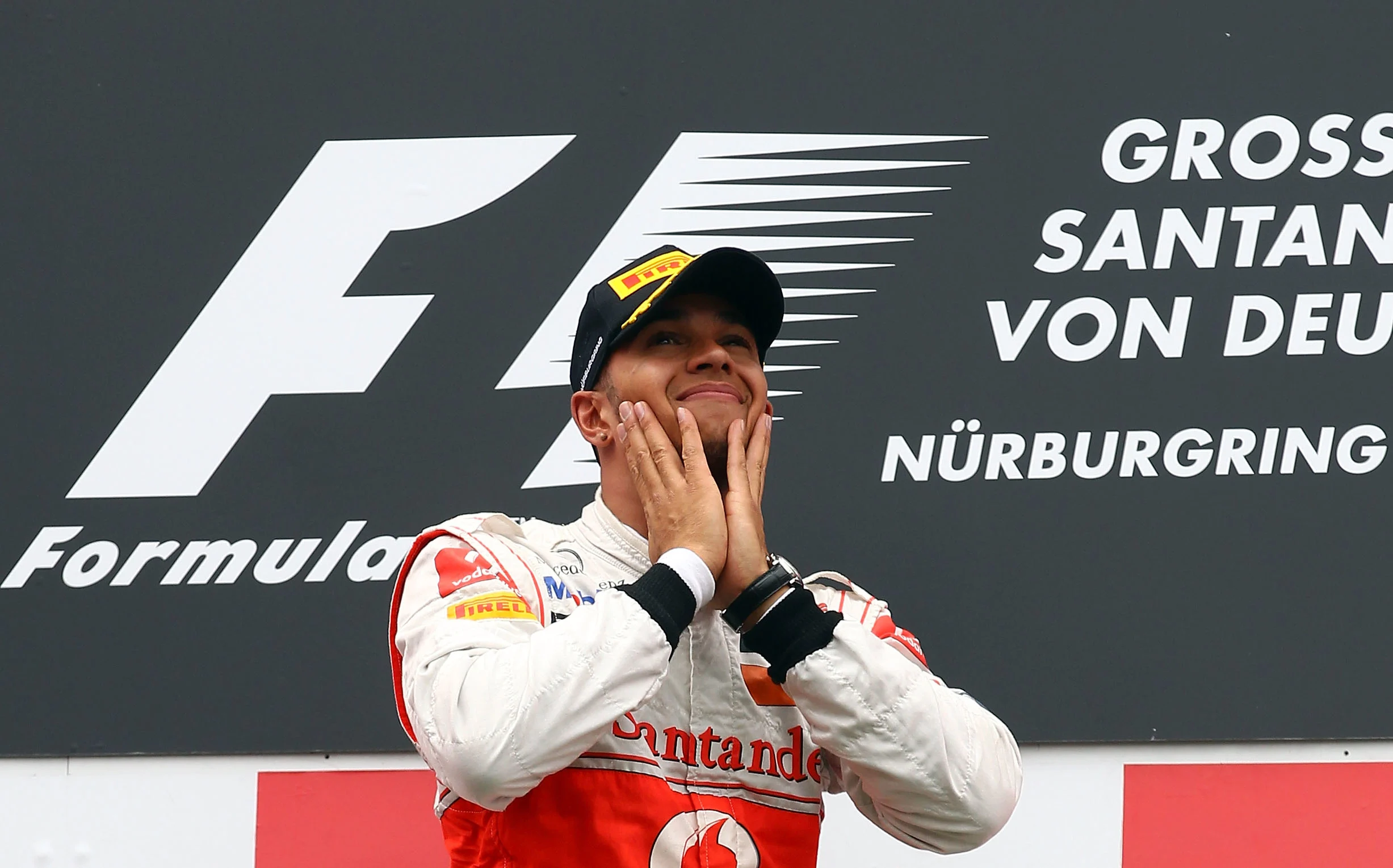
That was the last European Grand Prix at the Nürburgring, but the German Grand Prix returned in 2009, 2011 and 2013. The middle one of these saw Lewis Hamilton take our fifth and most recent win at the Nürburgring. Shortly after, the circuit once again dropped off the F1 calendar, returning only for a one-off event during the aforementioned 2020 season.
And now we’re back testing at the ‘Ring. It’s a very technical circuit now: unusual gradient changes, no long straights, but some very long corners that require the cars to run with high or maximum levels of downforce. Unlike its predecessor, it is perhaps not the most demanding circuit modern cars will ever encounter – but it’s the perfect track on which to test tyres… a place of big skies and plenty of run-off. And every lap, coming back up the hill, the cars drive past the point where the Nordschleife branches off, down into the Green Hell.