



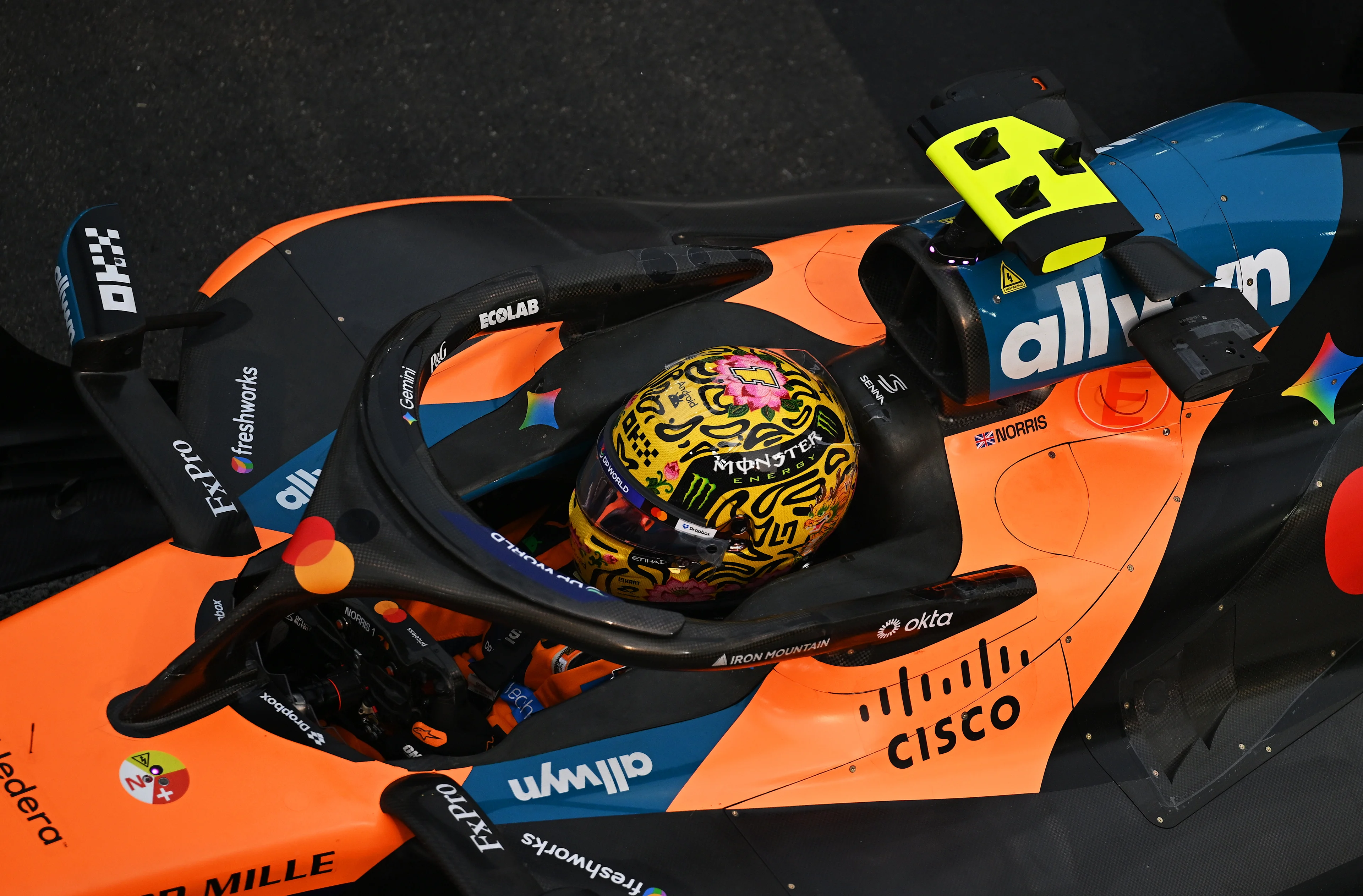
9 October 2026 11:30 (UTC)
Singapore’s first Sprint, optimising our latest upgrade, and selecting the right rear wing: Answering this weekend’s key questions

Welcome to The Briefing, where we’ll be answering the key on-track questions ahead of the Singapore Grand Prix.
Each week, powered by Google Cloud, one of our trackside experts will join us to explain all of the weekend’s biggest talking points. This week, ahead of FP1, we spoke with Technical Director - Engineering Neil Houldey.
With Singapore adopting the Sprint format for the first time this weekend, leaving us with just one practice session, we didn’t have much time to play with ahead of Sprint Qualifying. But that doesn’t mean we arrived with a short to-do list, as we look to improve after a couple of frustrating rounds and maximise our latest upgrade package.
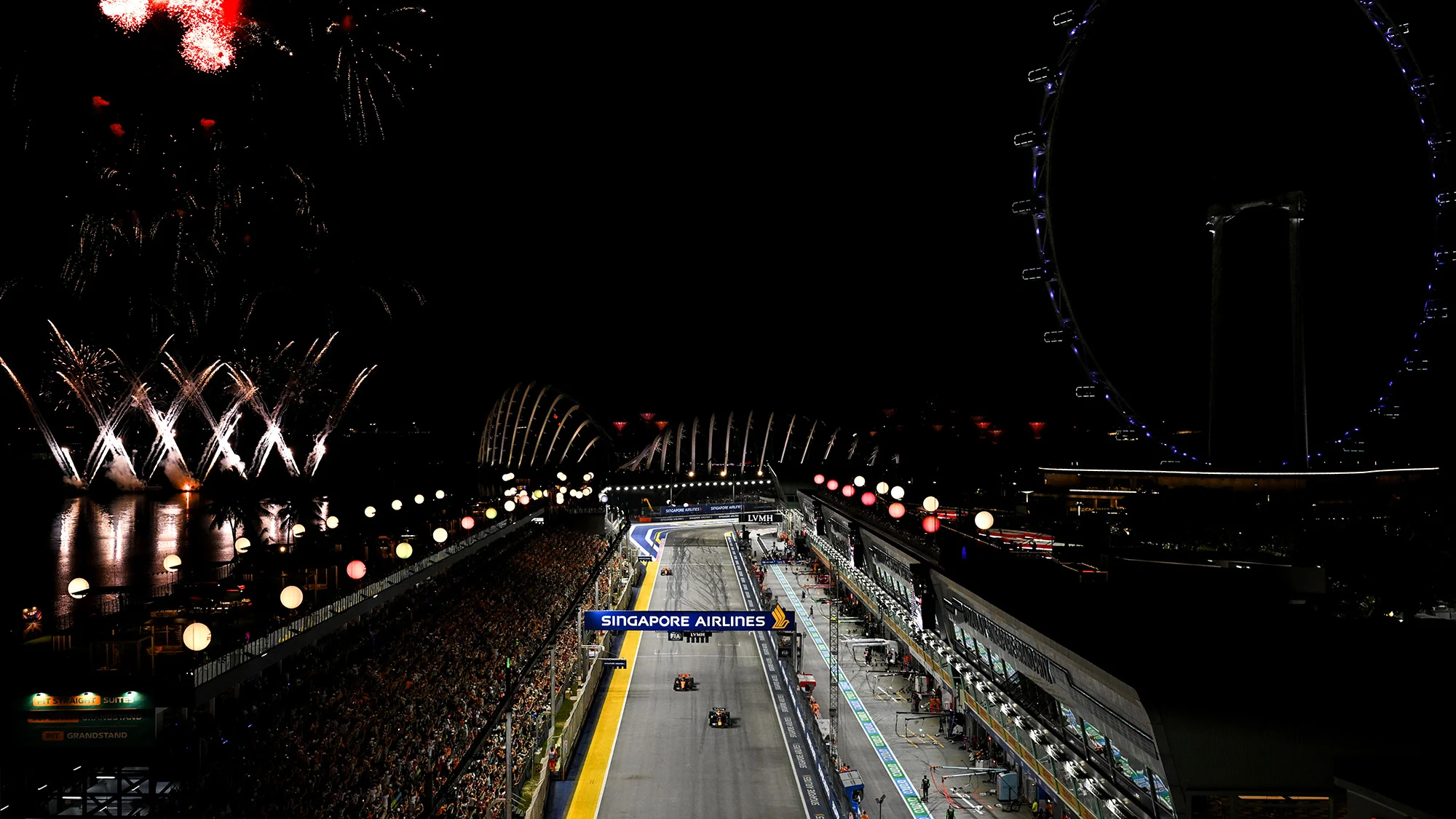
The team have also been hard at work over the past few days, digging into the data, and going over what we’ve learnt from the first two-thirds of this triple-header. With Neil's help, we’ll walk you through those learnings and how we’re aiming to bounce back in Singapore. We’ll also look more closely at the circuit and what you can expect from the Marina Bay Street Circuit’s first Sprint.
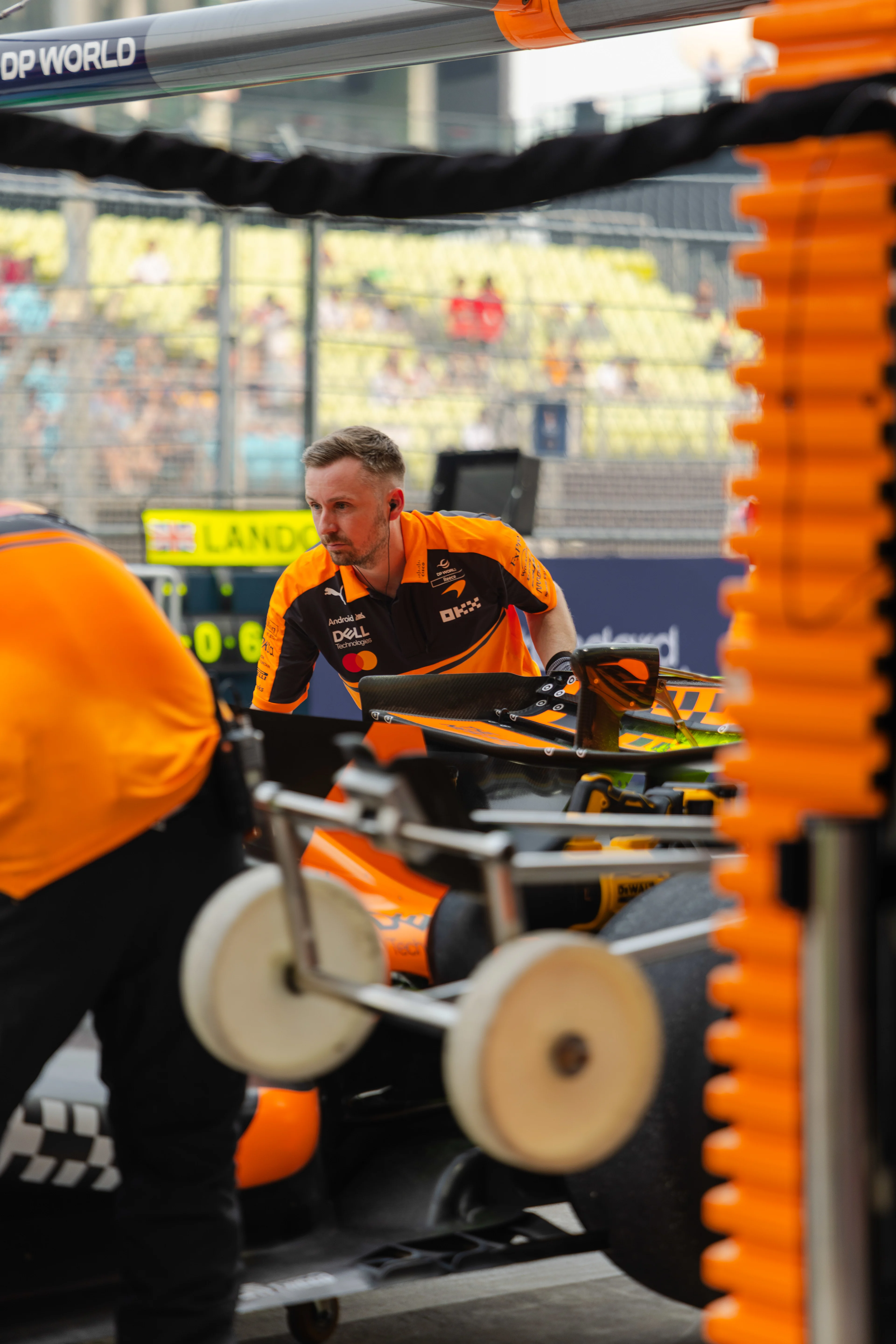
We don’t have too many major upgrades this weekend – but there are a few bits and pieces as usual. As you know, this is a circuit that really pushes brake cooling, so we have new front brake duct scoops and exits for extra cooling. That’s the only upgrade we’ll be running. You wouldn’t call it a performance upgrade, though, because with it being bigger, it will make us slower, but we’ll test it in practice to see if we need it for the rest of the weekend.
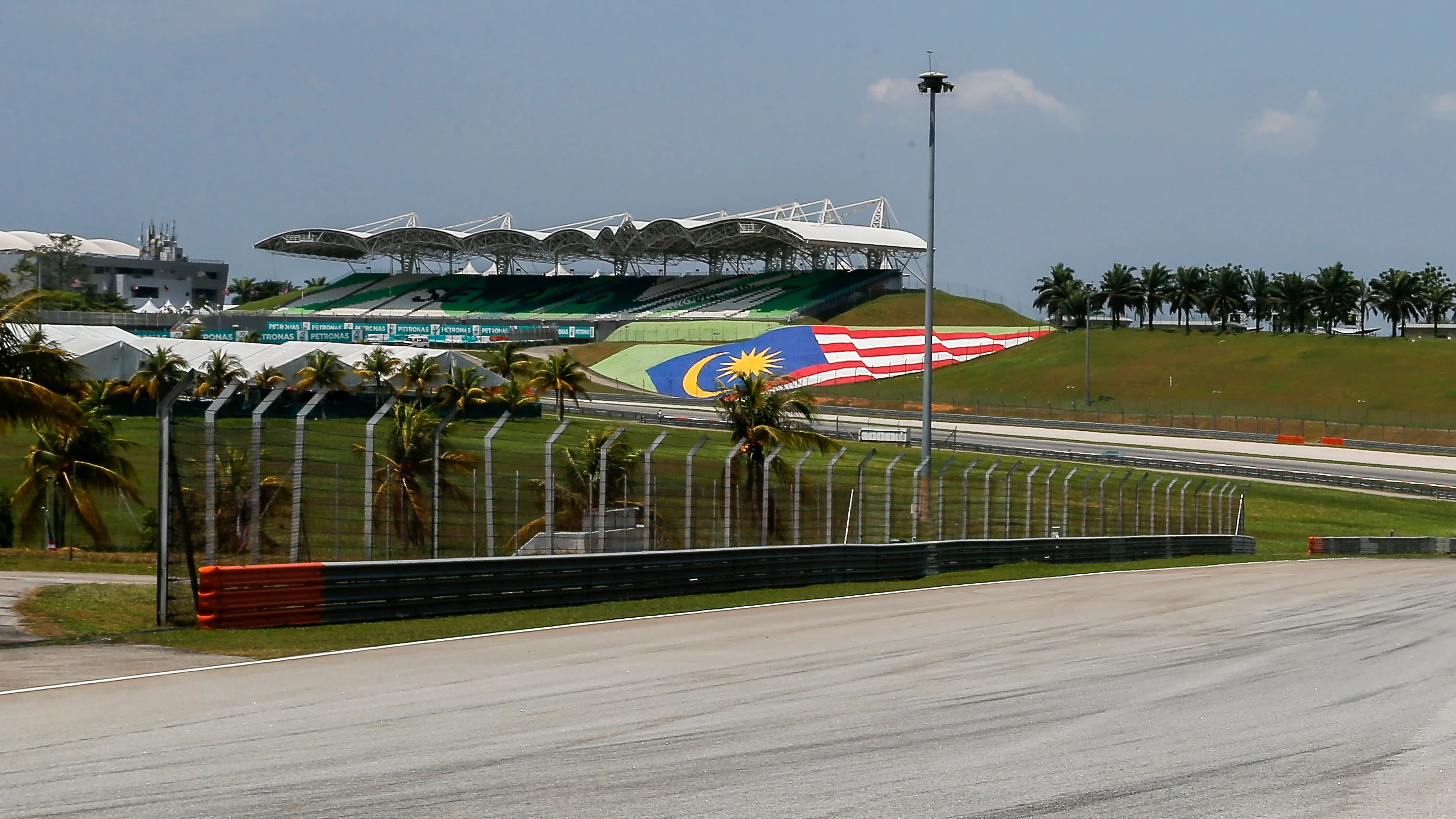
Over the last couple of race weekends, in Baku and Sepang, we have seen some differences between the two cars in terms of speed trace, as well as some irregularities in fuel injection. These issues have affected Lando in particular, but also Oscar. Over the last few days, we’ve had time to analyse the issue, engineer a solution, tweak some parameters, and replace some fuel-system components, which we'll test in FP1, so we hope the issue is fixed.
Given the competitive position over the last couple of races, it does look a bit like we could do with a few developments, though I think the reality is that we need to make sure we fully understand the latest package we have. The package we fitted in Baku seems to be delivering the aero loads we expected, but whether we’re fully exploiting that performance opportunity is something we need to fully understand.
We’ve certainly learned a lot over the first two-thirds of this triple-header, and much of this week has been taken up with discussion around understanding where we are, what we should be doing more of, what we should be doing less off, to extract the performance we need. It’s been a discussion across the entire team– everyone has something they can contribute to the car in Singapore. It’s an opportunity to show what we can do.
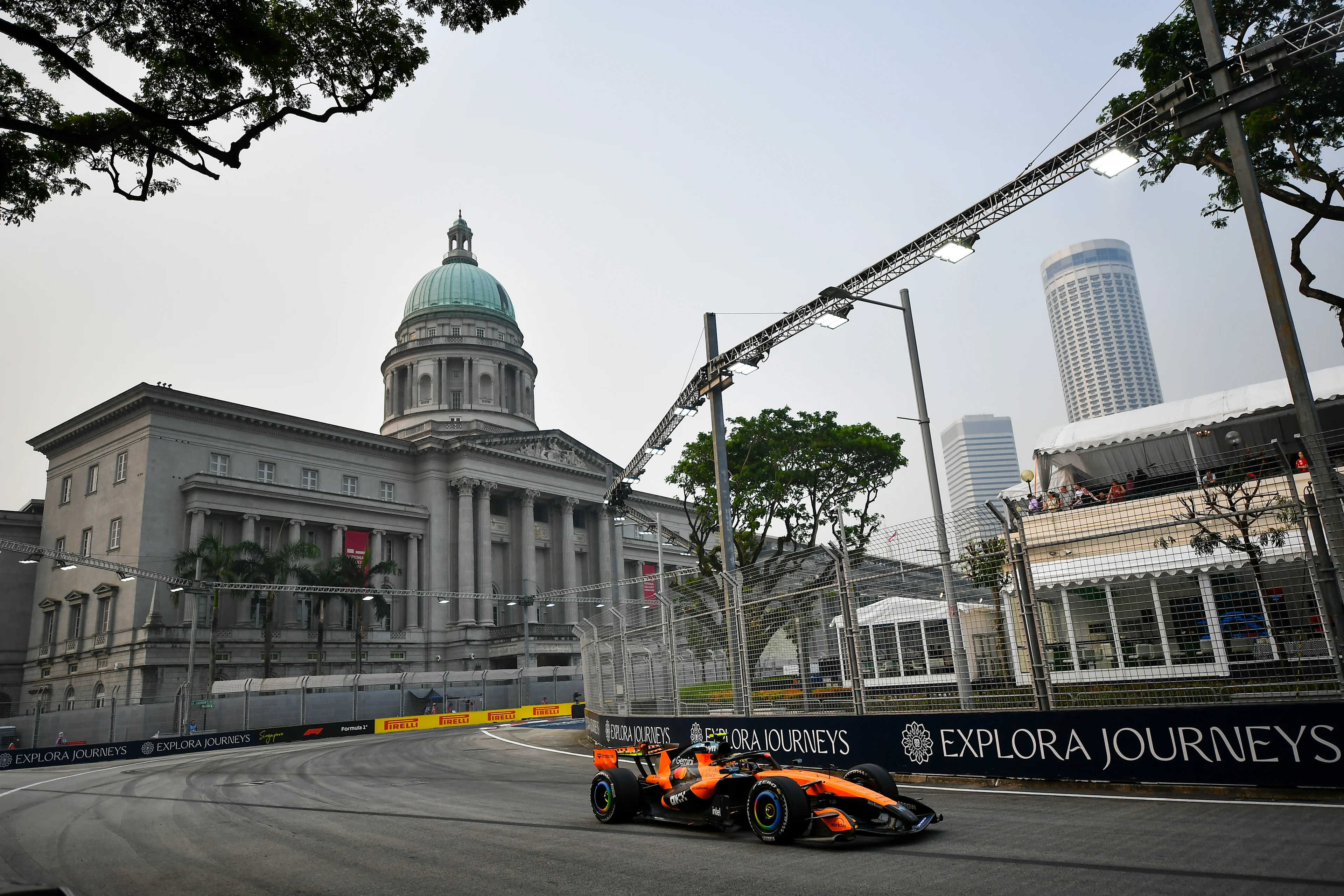
Our focus this week has been on how we setup perfectly, from an aerodynamic perspective, a car-ride perspective, a kerbing perspective – but beyond Singapore, we’ve got to hit the last few races with some more performance on the car. Most of that will come from further developments that have been in the works, building on the package introduced in Baku, with the intention of delivering those to the MCL40, alongside the team putting effort into the 2027 car at the same time. There are still reasonable opportunities to get more performance on the car, whether that’s smaller bits and pieces in the next couple of races, or further upgrades for the final stretch. We’re certainly fighting for positions within the Constructors’ Championship, and fighting for positions within the Drivers’ Championship so delivering performance to the car is important in the remaining rounds.
The work we’re doing is valuable for next year as well. It carries over. Something like a front wing may carry over directly, but even bodywork, floors, etc., which don’t carry over, we can take a lot of conceptual learning forward, and understand more about our car before the first race of next year.
We’ll try to learn everything we possibly can during FP1, for Sprint Qualifying and the Sprint itself, and then what we see in those sessions becomes good learning for Grand Prix Qualifying and the race. Sprint Qualifying obviously has genuine performance laps, while the Sprint gives us a better idea of how the car will respond with a higher fuel load and tyre deg. It’s not easy, and it does mean your pre-weekend preparation has to be incredibly thorough.
Make the car competitive! It isn’t particularly one thing. You have to look at everything you would over three sessions, but in a more economical way. It’s still a combination of tyre performance, aero performance and car setup. They all have to work hand-in-hand to ensure you get the most out of the car, so the workload in FP1 has to include work on all of those aspects of performance, in a balanced way.
Sepang was a good place to test it under extreme conditions, and we gathered the data we needed. We’ll need it in Mexico, because the altitude really reduces cooling potential. Maybe other places at the end of the season.
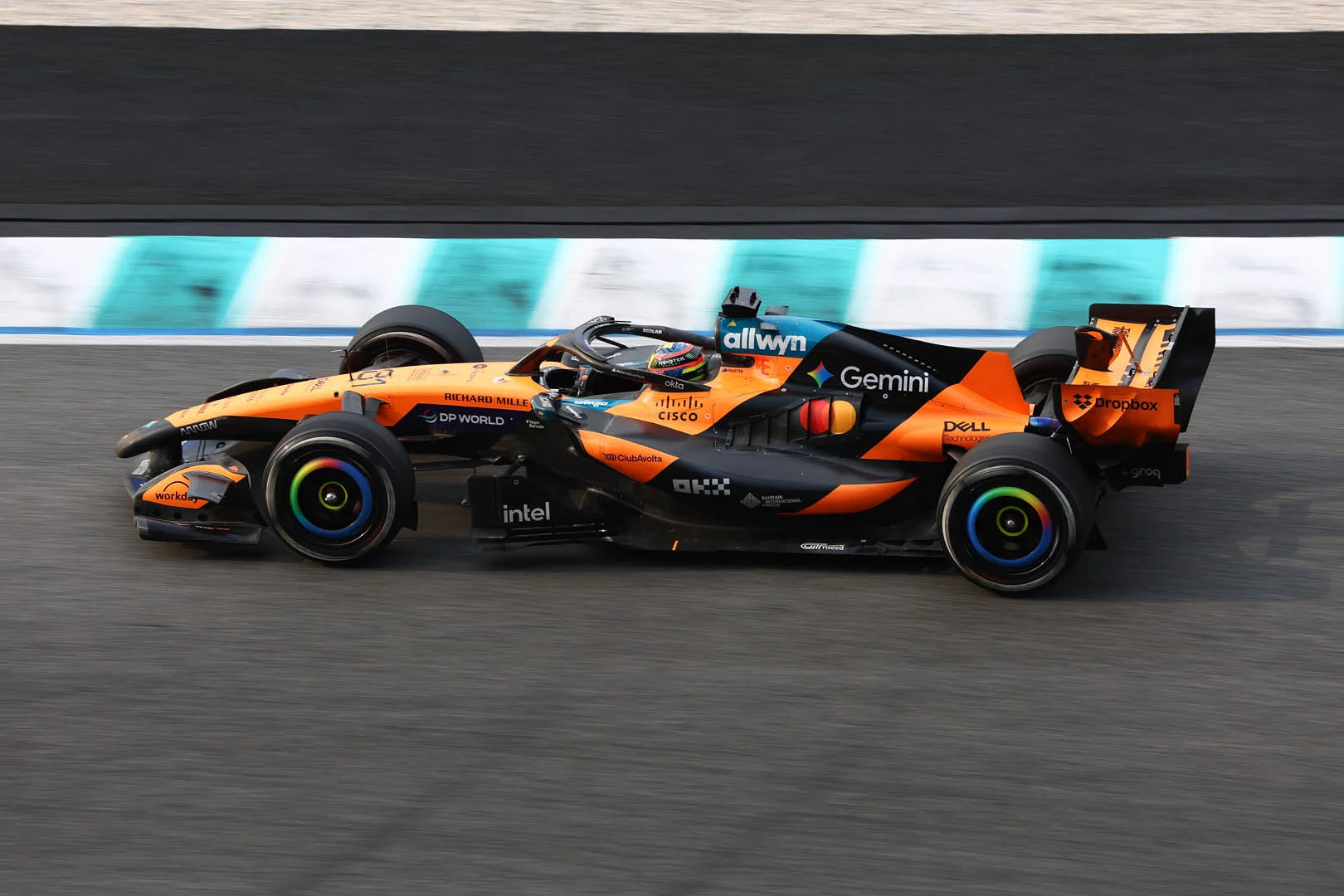
We will split the cars in FP1 and then we will take a decision. The H-wing comes with a small mass penalty and the low lap-time opportunity in Straight Mode at Marina Bay, so it looks like it makes the car fitted with the conventional wing – the one we had used in Madrid – a little quicker. Lando will use the H-wing in practice, and Oscar the conventional wing. We’ll see what FP1 shows us, and then we will move forward from there, listening to the drivers’ feedback.