



2 October 2026 07:00 (UTC)
Comparable circuits, unpredictable weather, and spare parts: Answering this weekend’s key questions

Welcome to The Briefing, where we’ll be answering the key on-track questions ahead of the Bahrain Grand Prix in Malaysia.
Each week, powered by Google Cloud, one of our trackside experts will join us to explain all of the weekend’s biggest talking points. This week, ahead of FP1, we spoke with Senior Director, Racing, Randy Singh.
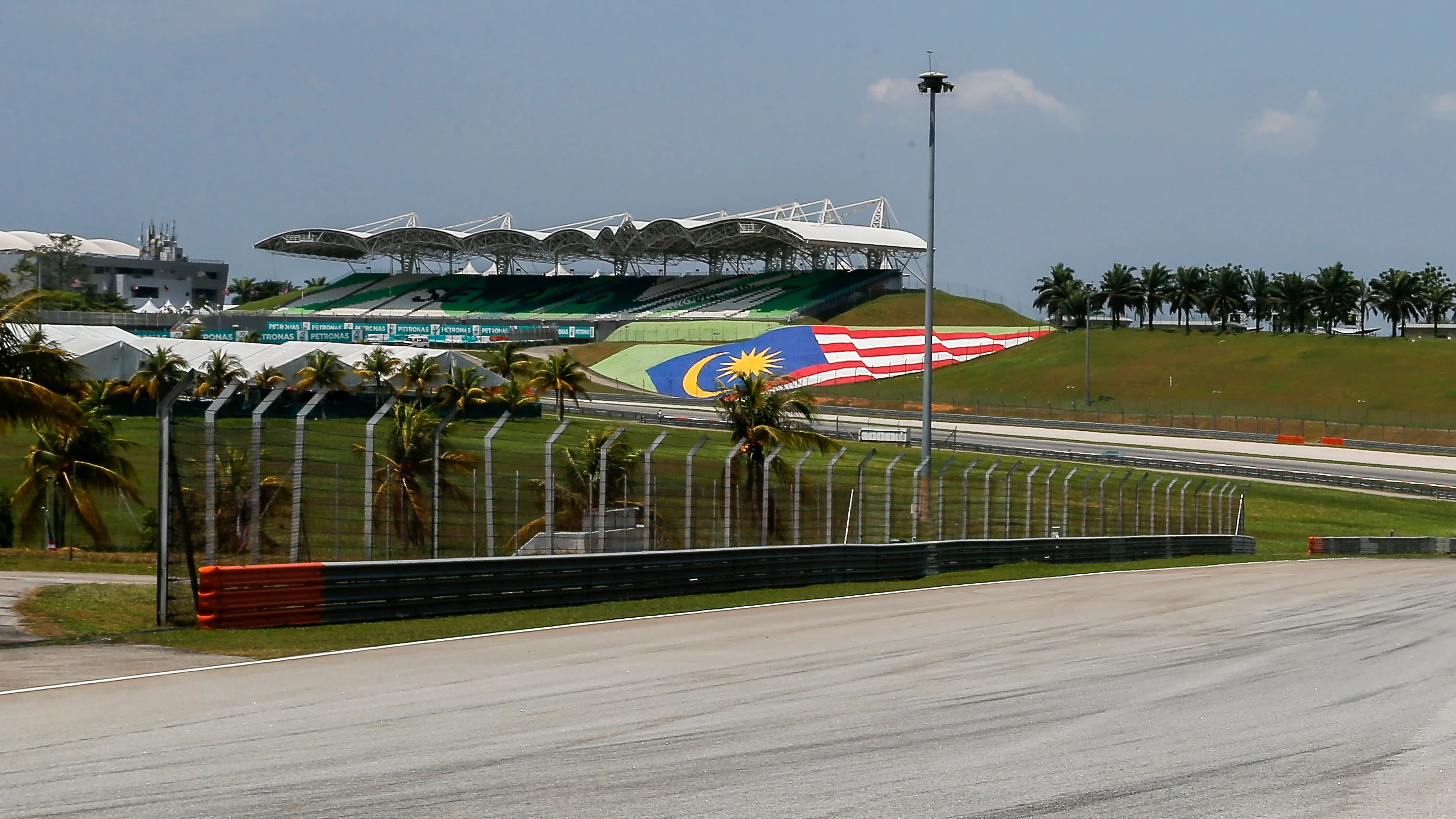
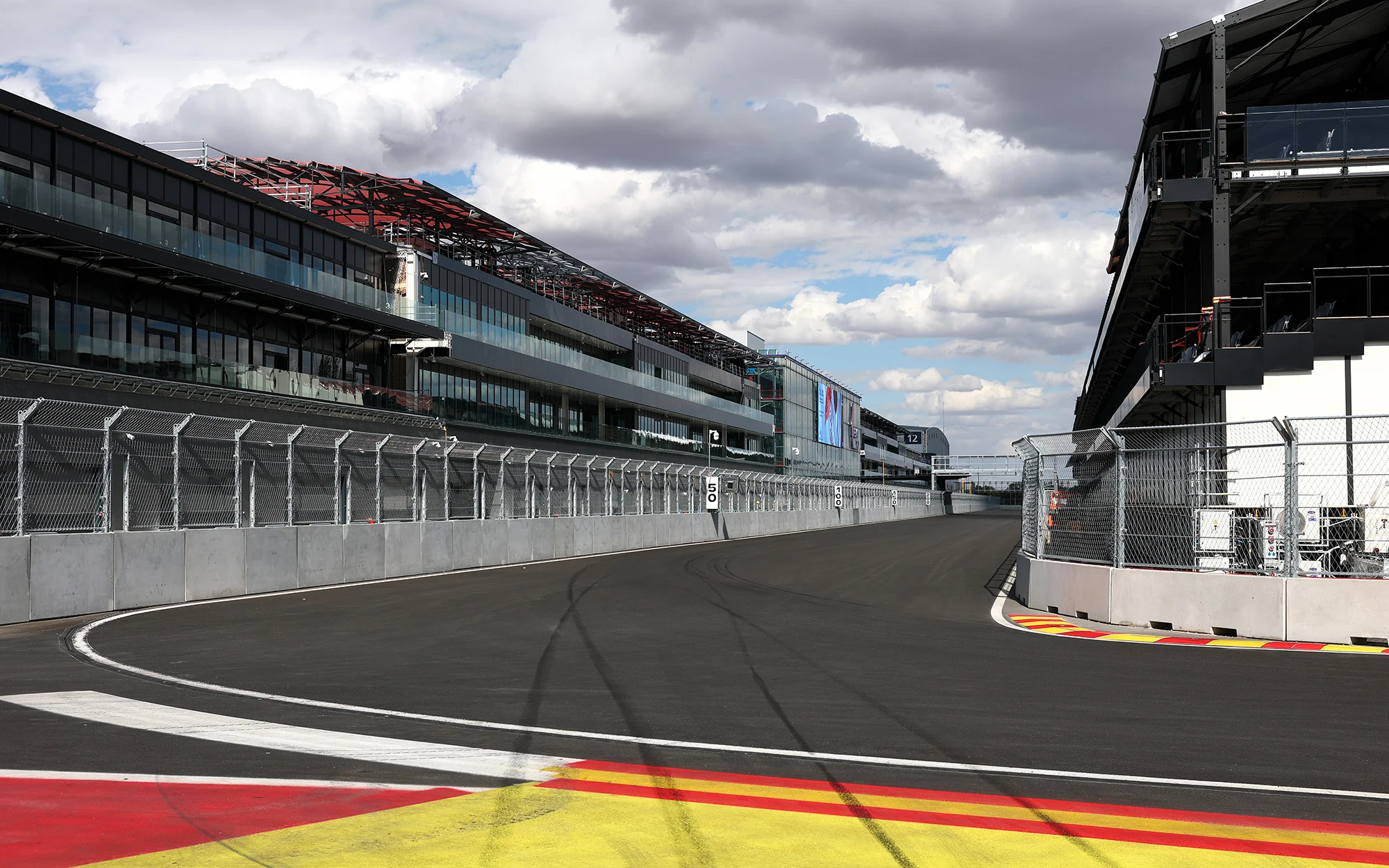
While not as new to us as the Madring was, the Sepang International Circuit is still a relatively unknown venue for the majority of the team, who have either never raced here before – or did so nearly 10 years ago. But no matter how familiar you are with the track, no one can be sure how the new generation of cars will react to it.
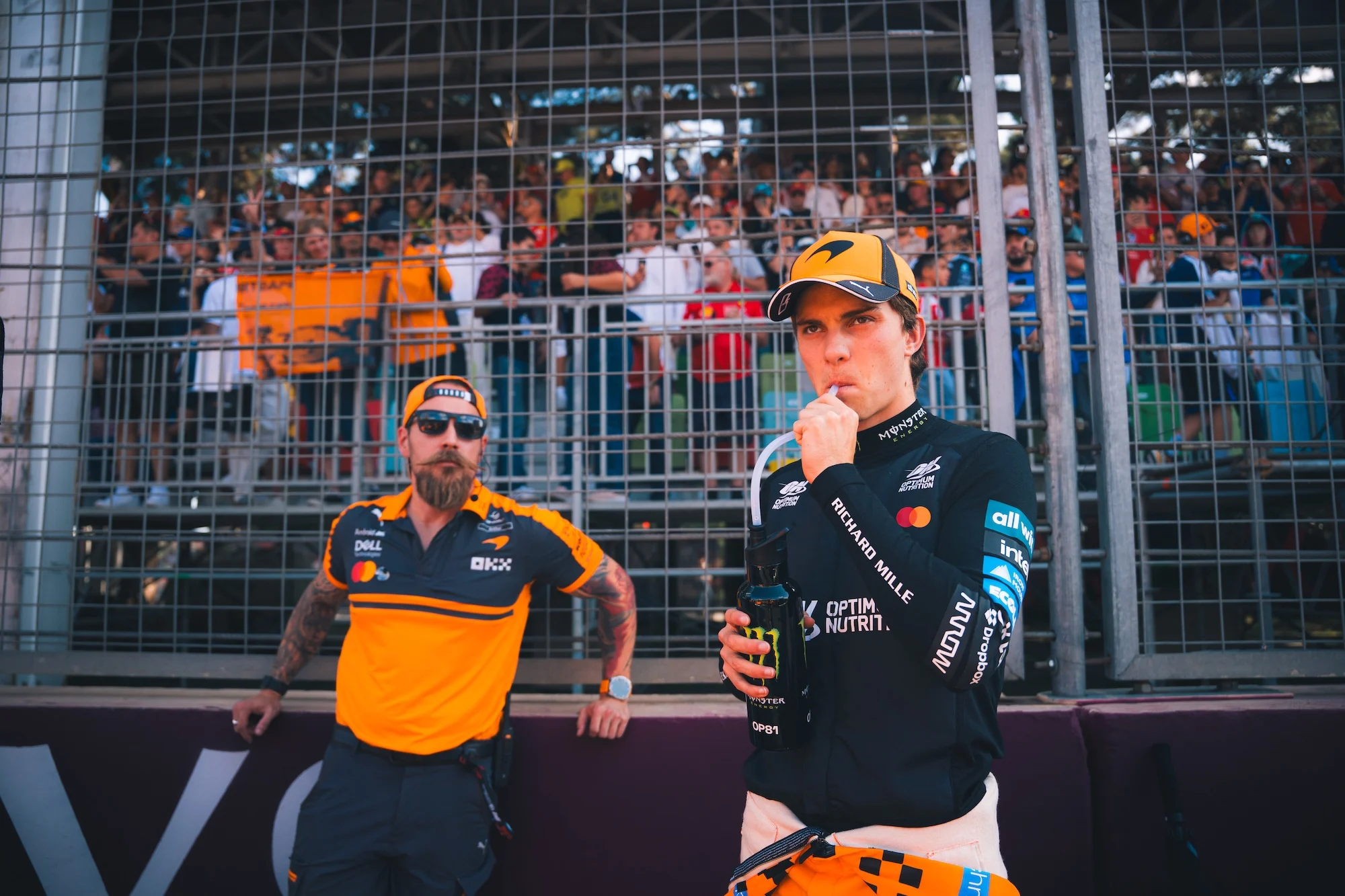
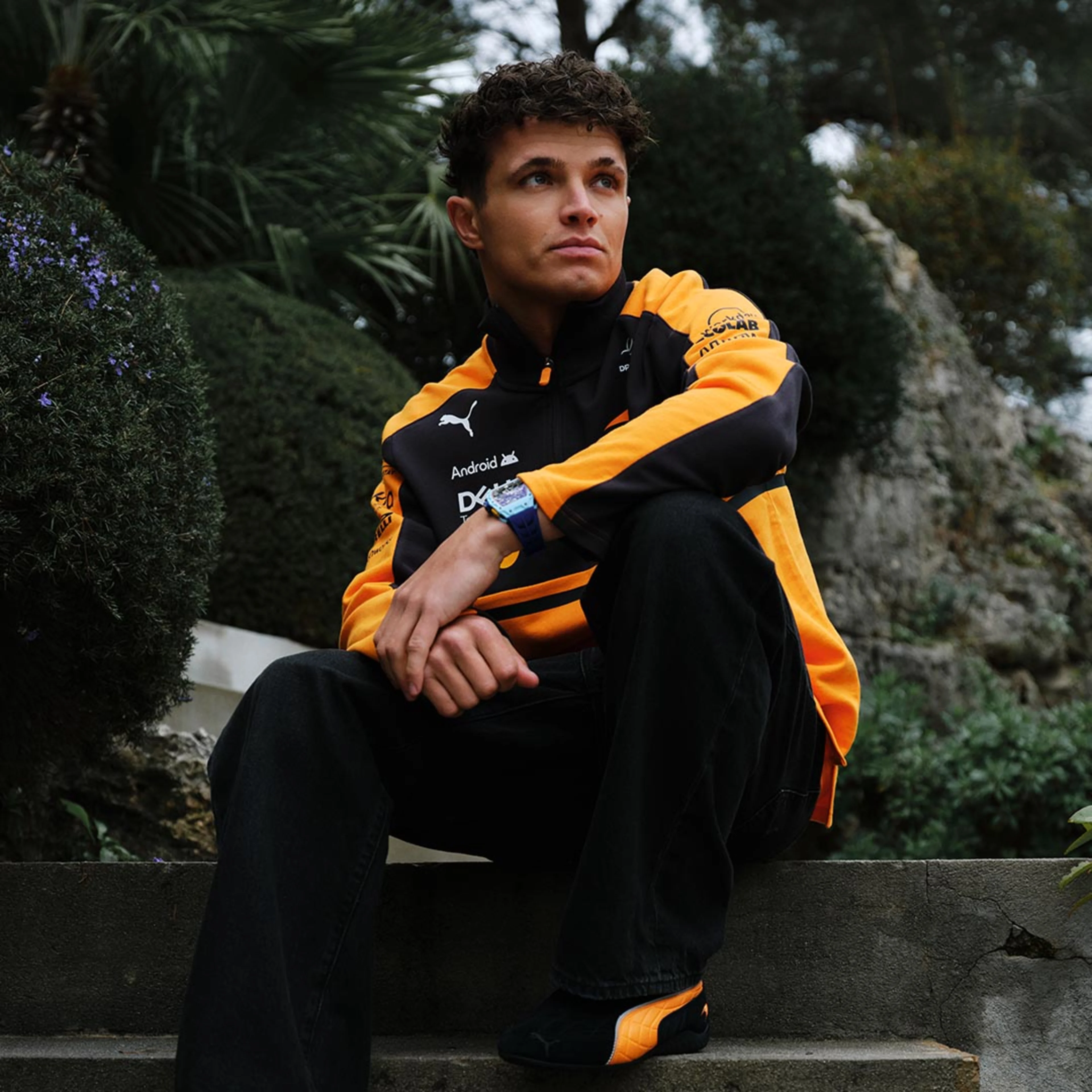
Through Free Practice, we’ll look to learn as much as we can while building Lando and Oscar’s confidence around a circuit they’ve never driven before. Here, Randy will walk us through how we plan to do this, and what you can expect over the weekend.
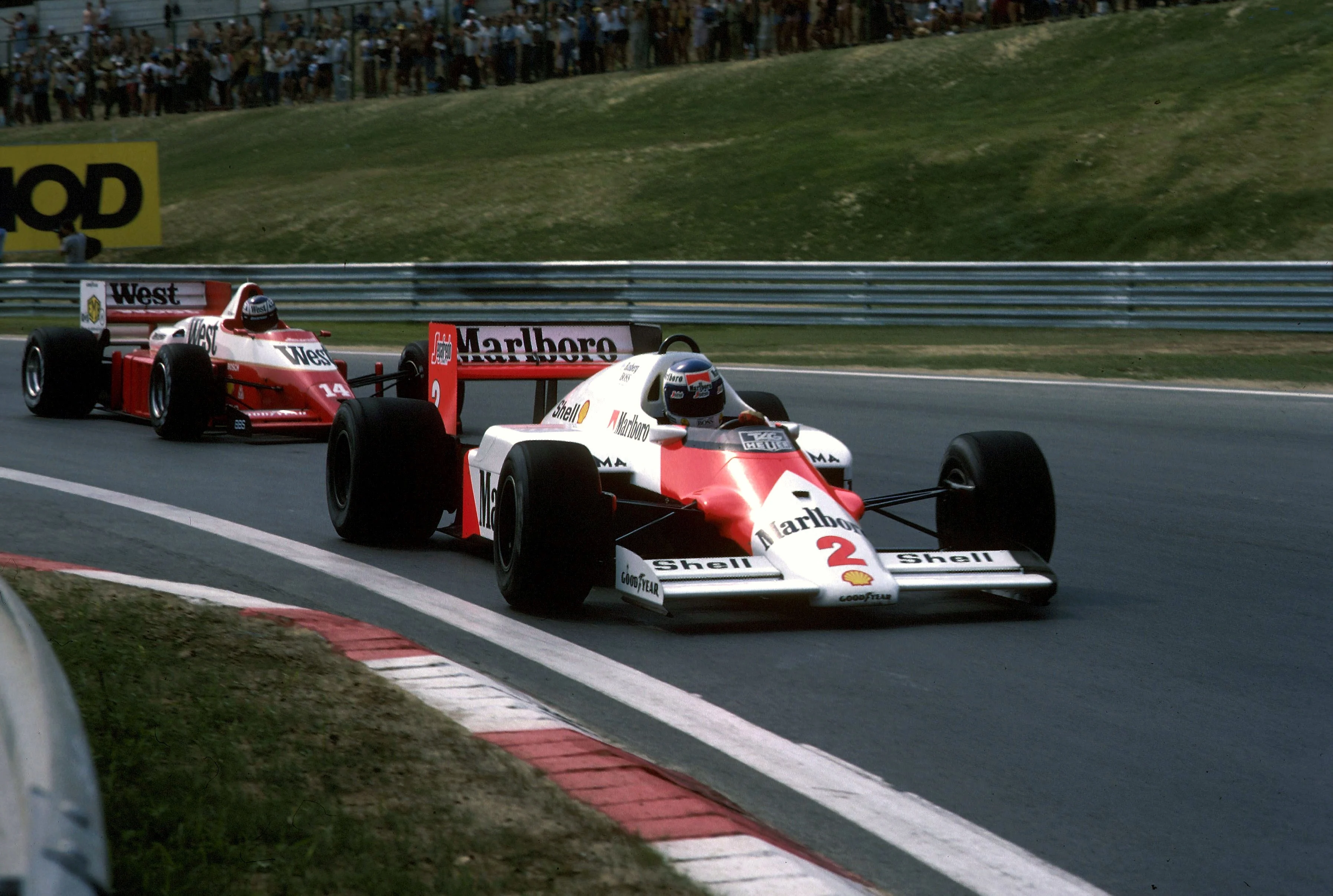
Certainly, we’re treating it like a new circuit. F1 was last here in 2017, and while some of the team were here back then, there’s quite a lot who never did either a race weekend in Malaysia or factory support. We have been looking at the old data to help us prepare, and some of it is really useful, but overall, this is a new track for us.
Of course, the layout geometry hasn't changed, but we don’t know vital details like how the tarmac has weathered since F1 was last here. We also don’t have a lot of information on how these power units will perform at Sepang – but in this, it’s true to say that every circuit this year feels like we’re approaching it afresh. The deployment is very different to previous years at every track, so the challenge of going somewhere new is perhaps less unusual than it has been in previous seasons.
What we can glean from previous races is that traditionally, it’s a circuit with a little more race bias than Qualifying bias. But it is tricky to make that assessment this year because, while the circuit has been well-designed with overtaking in mind, we’ll have to assess how our deployment works. Two long straights in quick succession will be challenging, so we may see racing like what we saw in Monza.
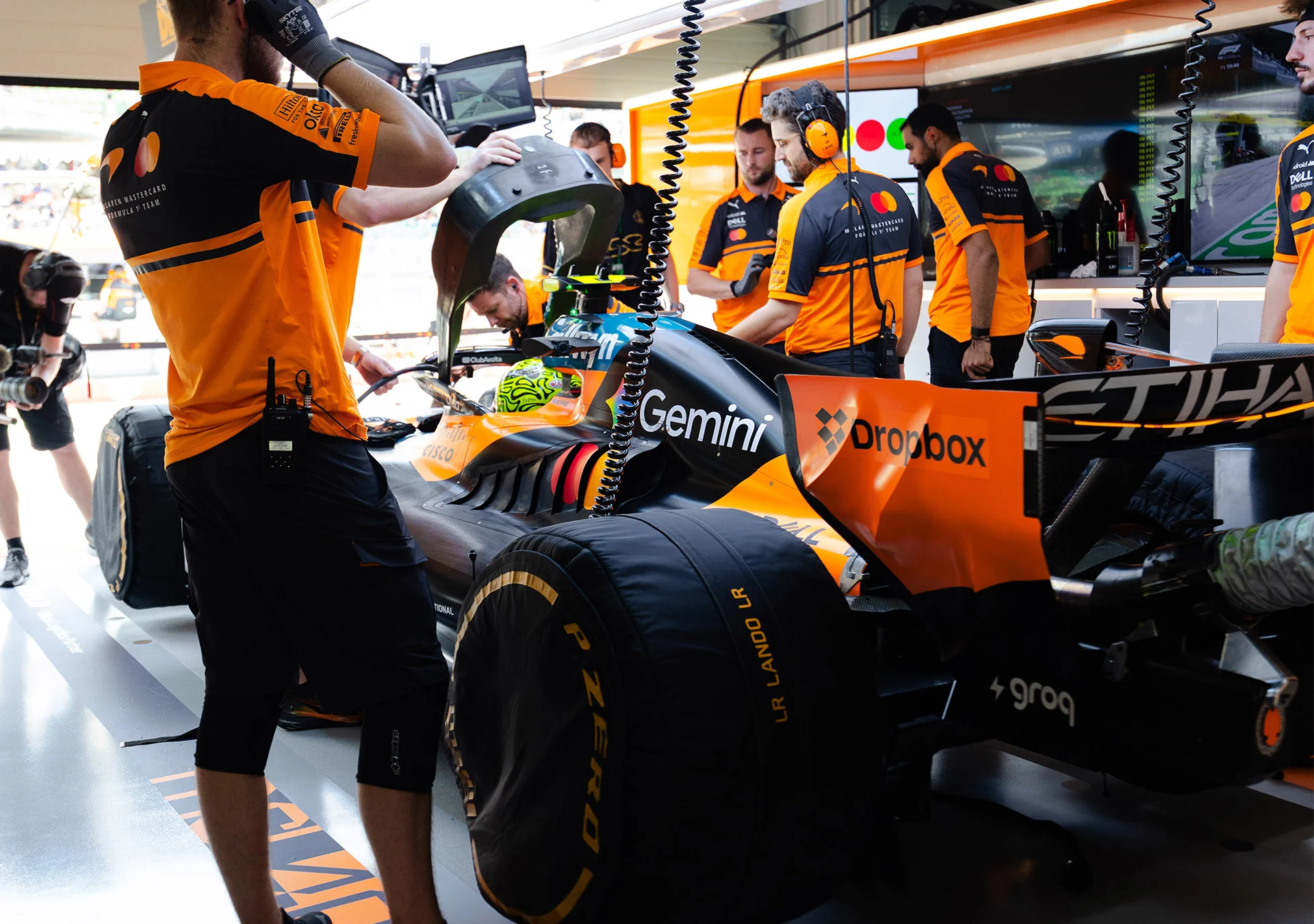
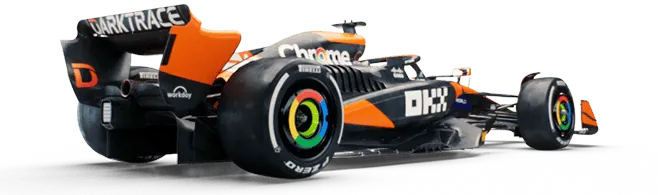
We had a decent upgrade last weekend in Baku, so there isn’t much to add to the MCL40 here. However, it is much hotter here than it was in Baku, so there will be some tweaks to the bodywork, fitting the looser versions designed to work in higher ambient temperatures.
Definitely. We learned a lot about the new package in Baku, but the cars are complex, and you can’t learn everything across a single weekend – and especially not on a street circuit. The priority in Baku was getting the drivers up to speed and in the right place. So, there’s a good, long list of things we’re going to continue learning about this weekend, with the advantage of having gathered a lot of data in Azerbaijan.
We’ll keep learning how the new package interacts with the car setup, so there is plenty to do here. We expect to see their effect more here in Sepang than we did in Baku. Here we can test the car across a full range of corner types, whereas Baku’s layout is more unique.
This track has a lot of medium and medium-low speed corners, often with high yaw angles, so there’s an emphasis on having a really strong front end in the car. There are a lot of combined entries, where you’re braking and steering at the same time, and some track warp too. It’s something to consider when we’re thinking about mechanical stiffnesses and roll stiffness in the car. There’s a fair number of higher-speed corners as well, and a couple of long straights, so we can learn a lot here – but equally, thinking about race setup, there’s a lot of tricky compromises too.
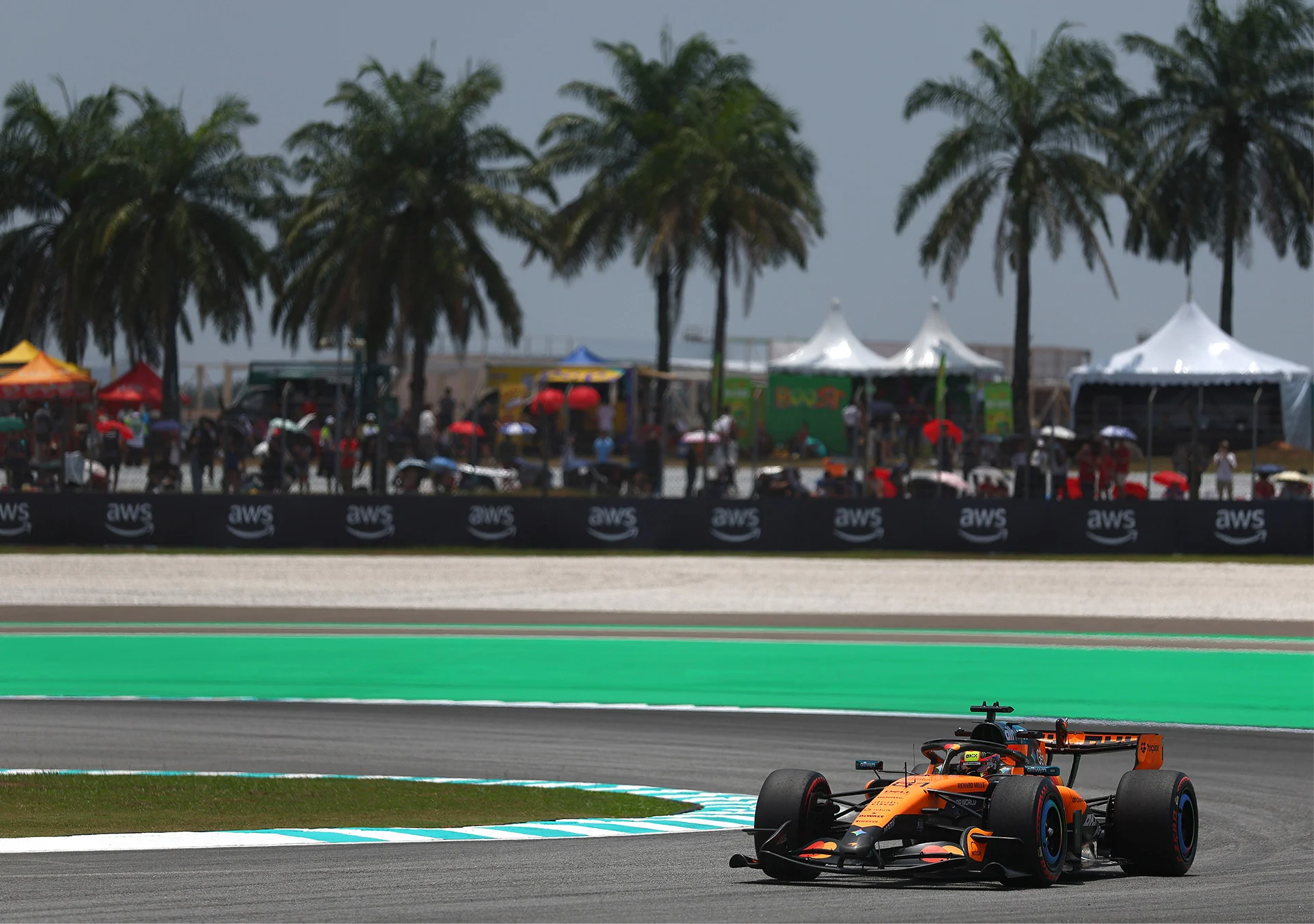
That's tricky! Perhaps Interlagos, or Yas Marina. They’re not particularly similar, because of altitude, temperatures and so on, but purely comparing the number of high-speed, number of low-speed corners and so forth. Though honestly, when you consider things like tyre performance, I don’t think there is anywhere with the same characteristics as this track.
It’s the standard things. We’ll want an accurate assessment of pit loss time, and we’ll also want to understand how the C2, C3, and C4 compounds are holding up across a long run. Together, these two elements will determine the strategy, what tyres we want to retain in the allocation, and whether it’s a one-stop, a two-stop race or even a three-stop one!
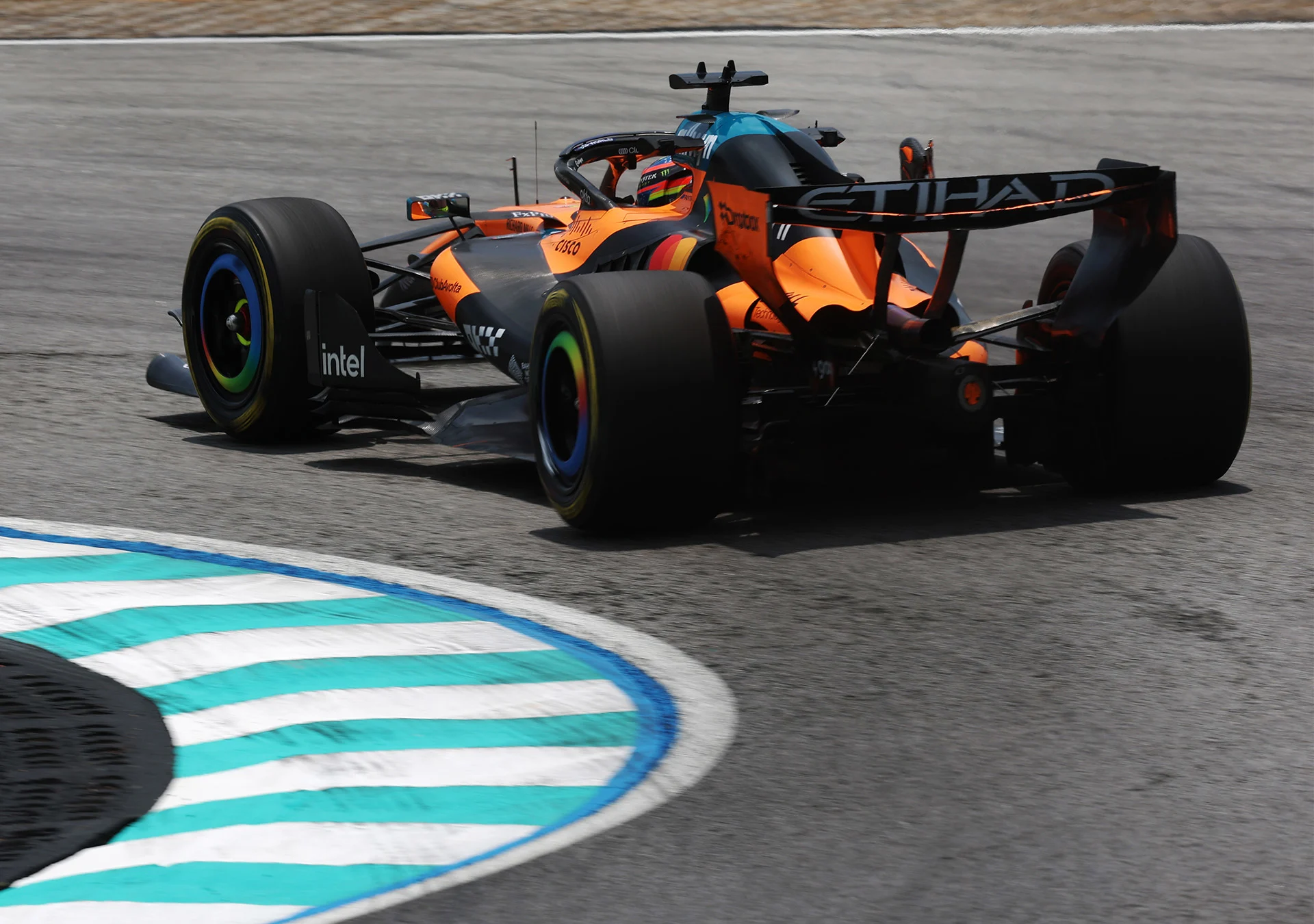
There shouldn't be any impact on this weekend's running. Unfortunately, we did lose several parts in the incident last weekend, which was no fault of Lando’s, but we don't foresee that affecting us in Malaysia. However, in the era of the budget cap, F1 these days never runs with a big surplus of parts, so it’s always something we keep an eye on.
Certainly, there will be some advantage to having driven here before, simply because you learn by driving, and some things can’t easily be captured and simulated. It’s always pleasantly surprising how well drivers perform at brand-new circuits, having driven them only in the simulator and perhaps done a track walk. I’m sure there will be some tuning-in for Lando and Oscar to do, but that would be true of any other circuit also.
Yes, we definitely try to prepare for that. Weather systems are different wherever we go. Some circuits offer decent consistency. For example, at Silverstone, you can see weather fronts coming in and can track the pressure systems and have a reasonable idea when the rain will arrive. At other tracks – Hungary at the beginning of August, for example – you get thunderstorms forming very close to the circuit, and don’t have that sort of warning.
Sepang is closer to what we see in Hungary. There is a risk of rain every day, particularly in the afternoons. Thunderstorms will form quickly and dump everything. If they form close to the circuit, that’s tricky, and we have to be vigilant - if they’re further away, you can track them. They tend to move quicker here than in some other parts of the world, but you can track them. We’ve been doing that for the last few days to give us some insight into what we should expect.