


30 September 2026 14:30 (UTC)
The Sepang International Circuit will welcome Formula 1 for the first time since 2017, hosting the Bahrain Grand Prix. What can we expect?

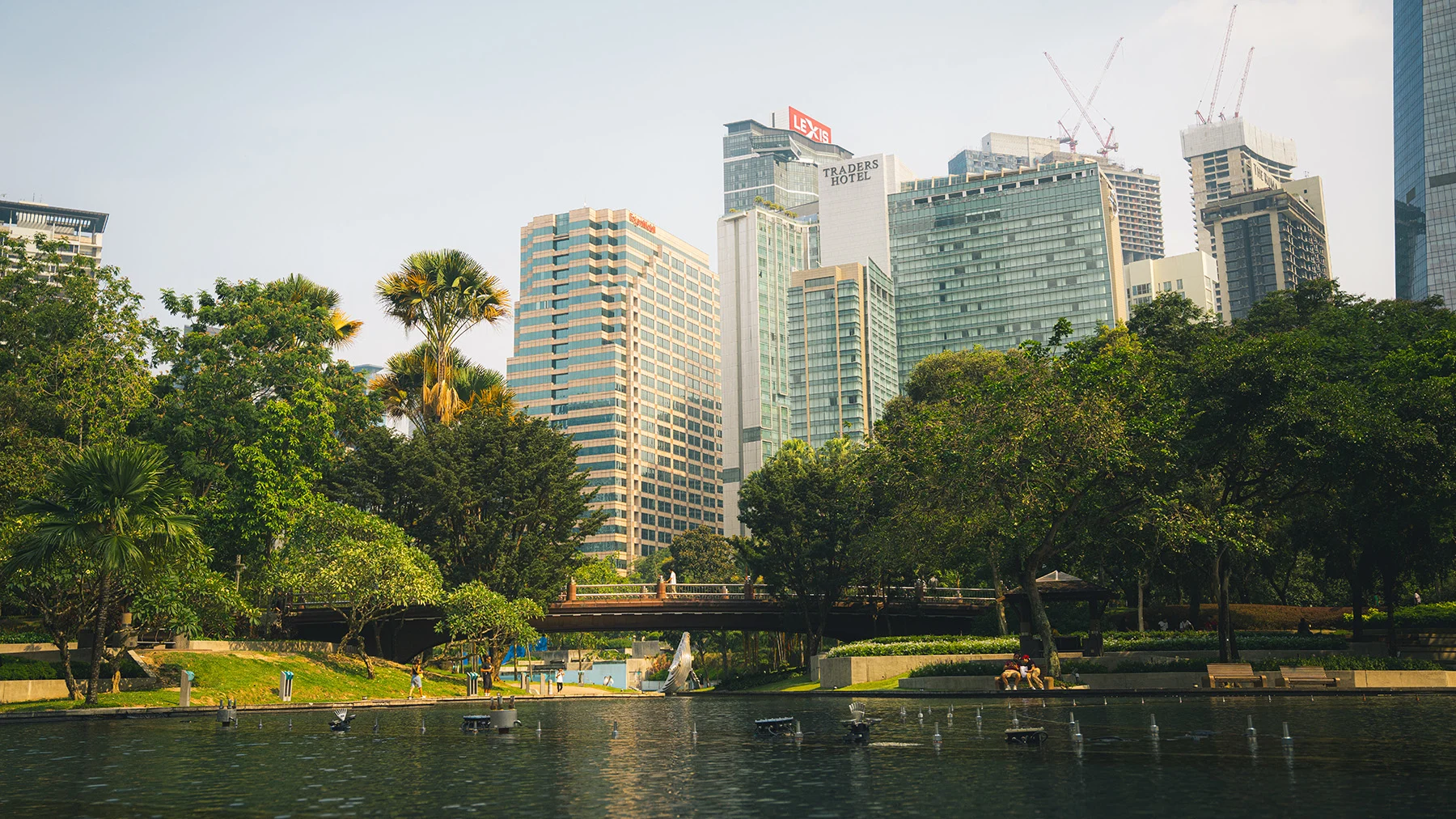
Sepang has returned to the calendar for the 2026 Formula 1 season as the stand-in host venue for the rescheduled Bahrain Grand Prix. The permanent circuit was a bastion on the calendar through the 2000s and early 2010s, before dropping off the calendar after 2017.
Following a nine-year absence, and with the landscape of Formula 1 having changed significantly, here's what you can expect from Sepang in this new era of Formula 1, as the Championship puts down its flag in Malaysia once more.
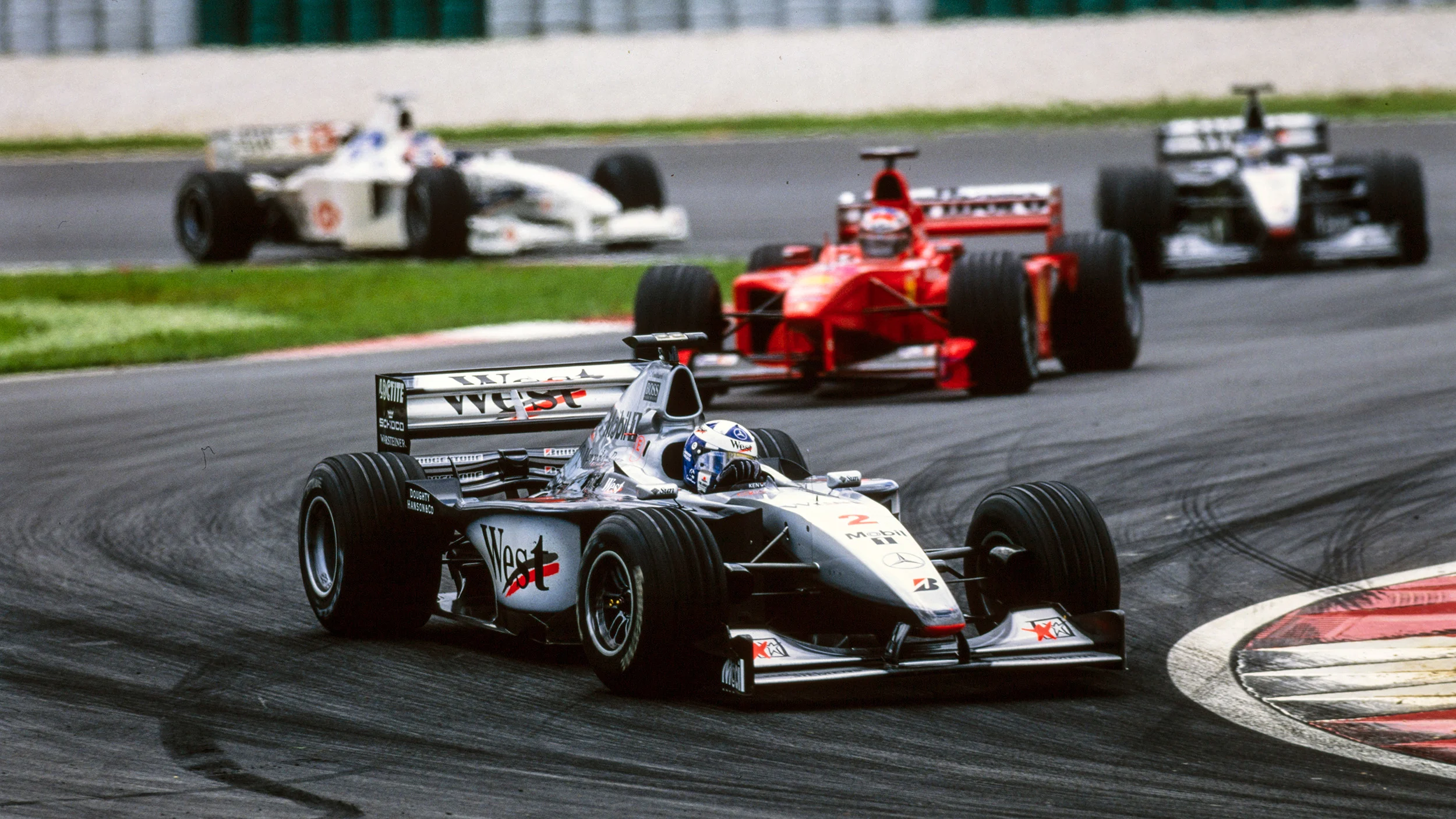
In 1999, Formula 1 was still a predominantly Europe-based sport. There was a smattering of rounds in the Americas – in Canada and in Brazil – a long-haul voyage to Australia to open the year, and a trip to Asia to conclude the campaign in Japan.
That began to change in the 2000s, with Formula 1 keen to grow the Championship and explore new territories. Over the next decade, Bahrain, China, Turkey, Singapore and Abu Dhabi would all host Grands Prix for the first time, as Formula 1 looked east to expand into new markets.
The pioneering venue for this was the Sepang International Circuit, in Malaysia.
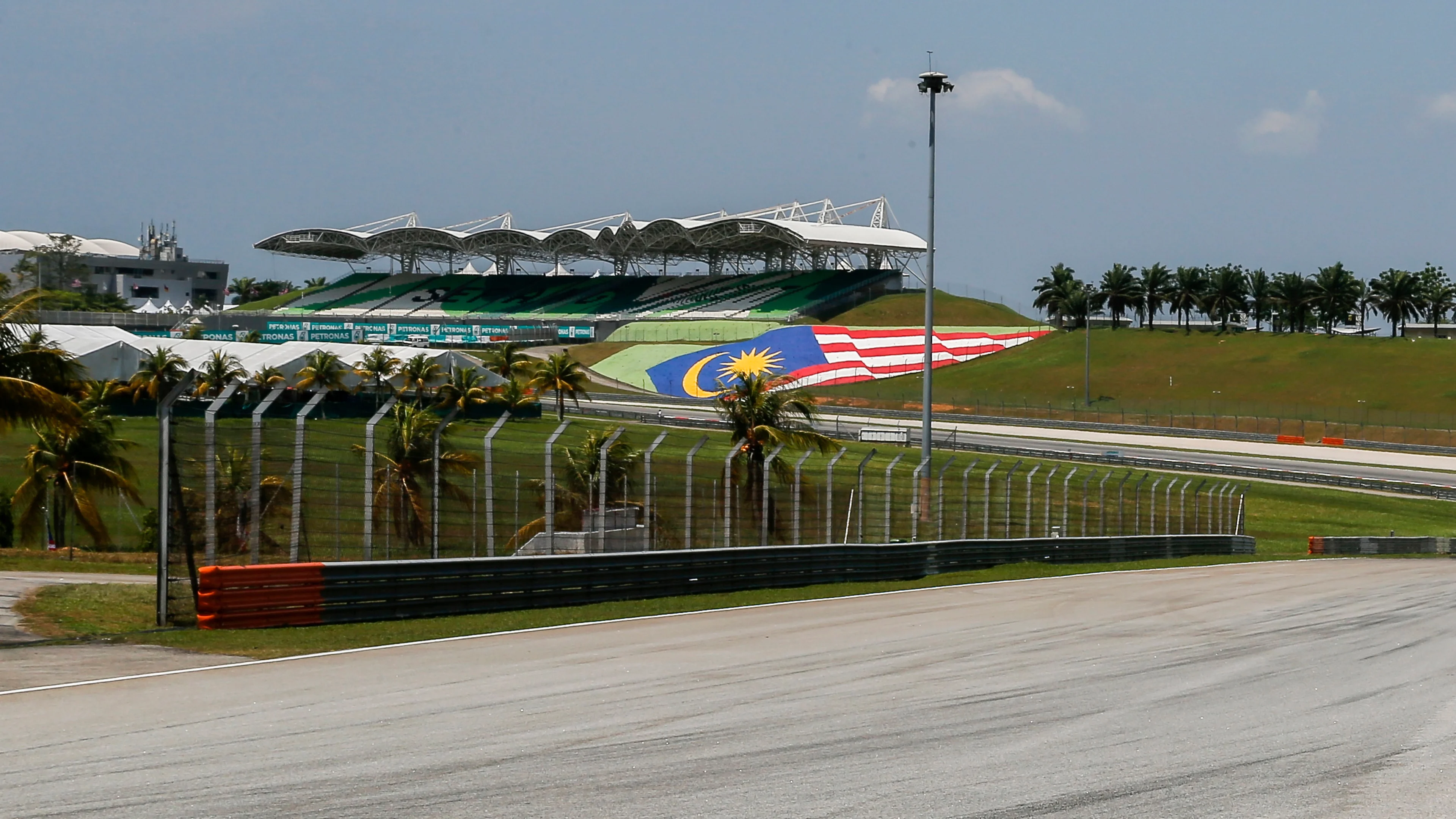
The facility was the first Formula 1 circuit built by design guru Hermann Tilke, who went on to become the go-to for constructing and developing new venues. Sepang was built to the south of Malaysia’s capital, Kuala Lumpur, just a stone’s throw from the country’s international airport, and its facilities reflected the dawn of the 21st century.
The circuit held its inaugural Grand Prix in October 1999, as the penultimate race of the year, and in 2000 it moved to the season finale. From 2001, Sepang became an early-season race, typically the second or third of the campaign, when hopes were still high and optimism abounded aplenty, before moving to an autumnal slot again in 2016. The fan favourite remained on the calendar for 18 successive seasons, before waving farewell to Formula 1 at the end of 2017.
The Sepang International Circuit has remained active since Formula 1's last appearance in 2017 - most prominently welcoming GT Racing, such as the Asian Le Mans Series, and motorcycle competition, including holding a round of the MotoGP World Championship
Formula 1 was initially meant to race in Bahrain in April, at the perennial host, the Sakhir International Circuit, but when the event couldn't take place, a deal was struck to compete instead at the Sepang International Circuit. This ensures the continuity of an event that would otherwise have been cancelled, thanks to the Government of Bahrain's vision and support.
The event will therefore be titled the ‘Bahrain Grand Prix in Malaysia’, temporarily bringing Sepang back onto the schedule after a nine-year absence.
There is also a convenient logistical element to Sepang, given there is a short turnaround to the following weekend’s night race in neighbouring Singapore, meaning it is only a quick hop to the south of the peninsula for both freight and personnel.
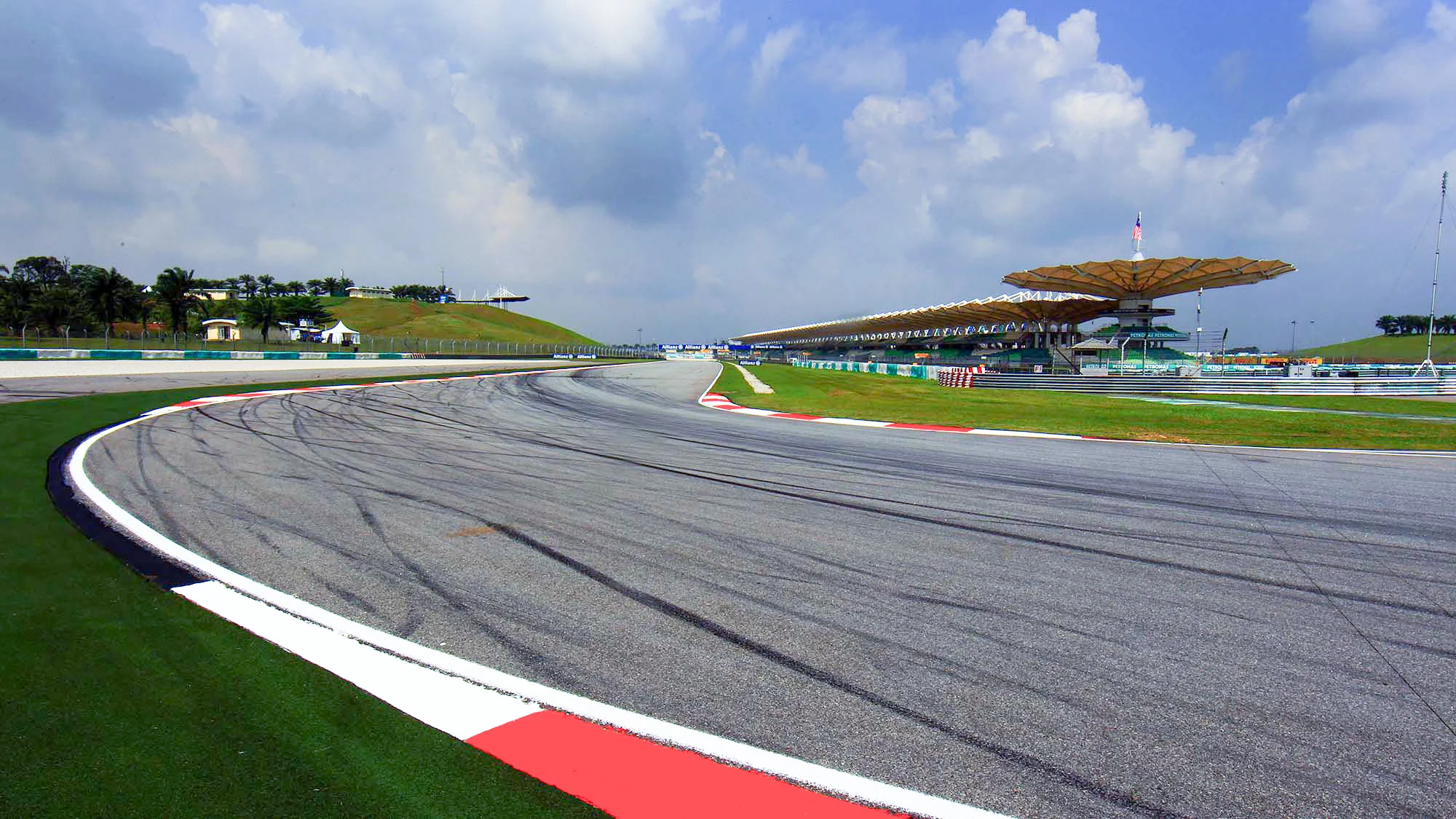
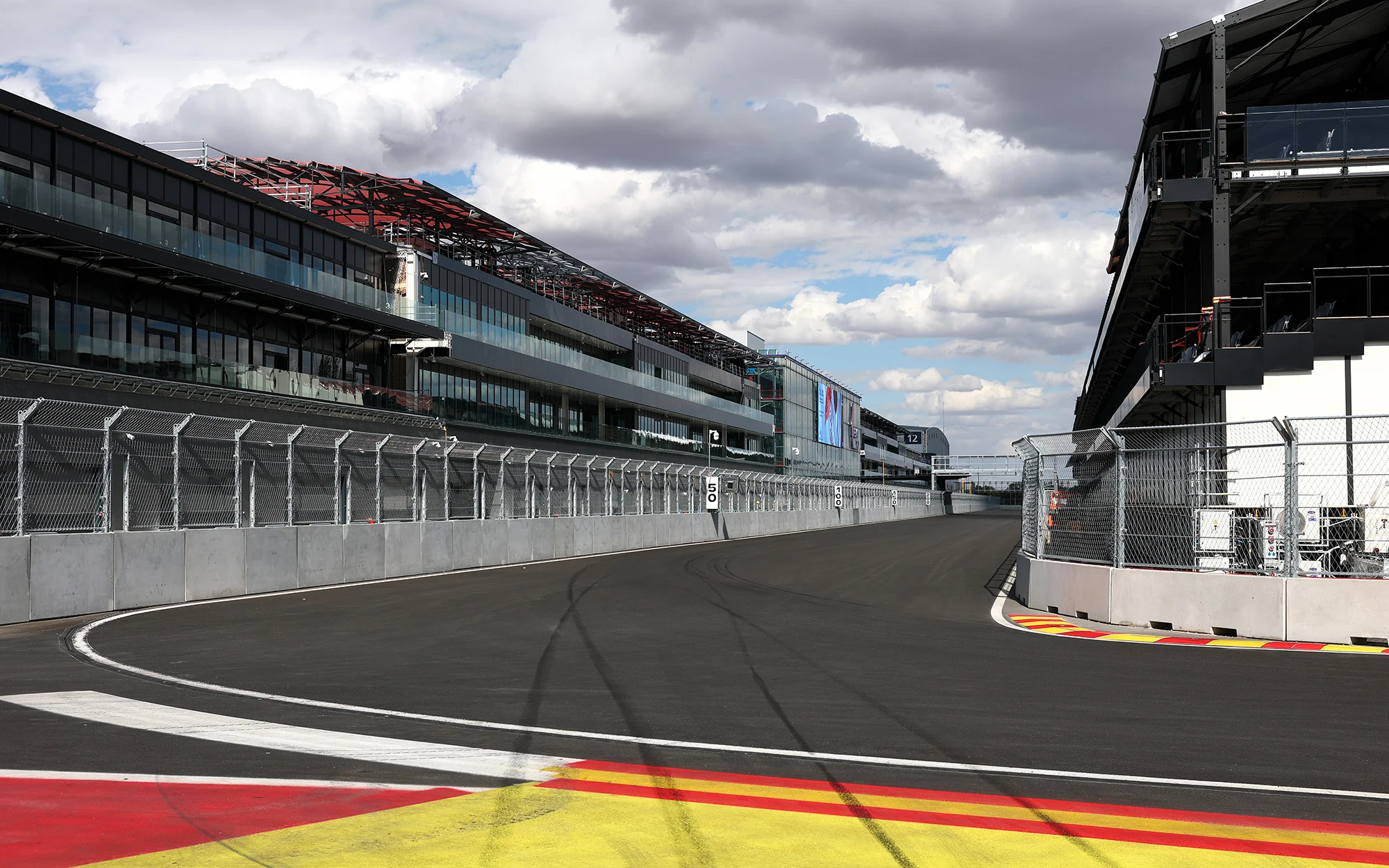
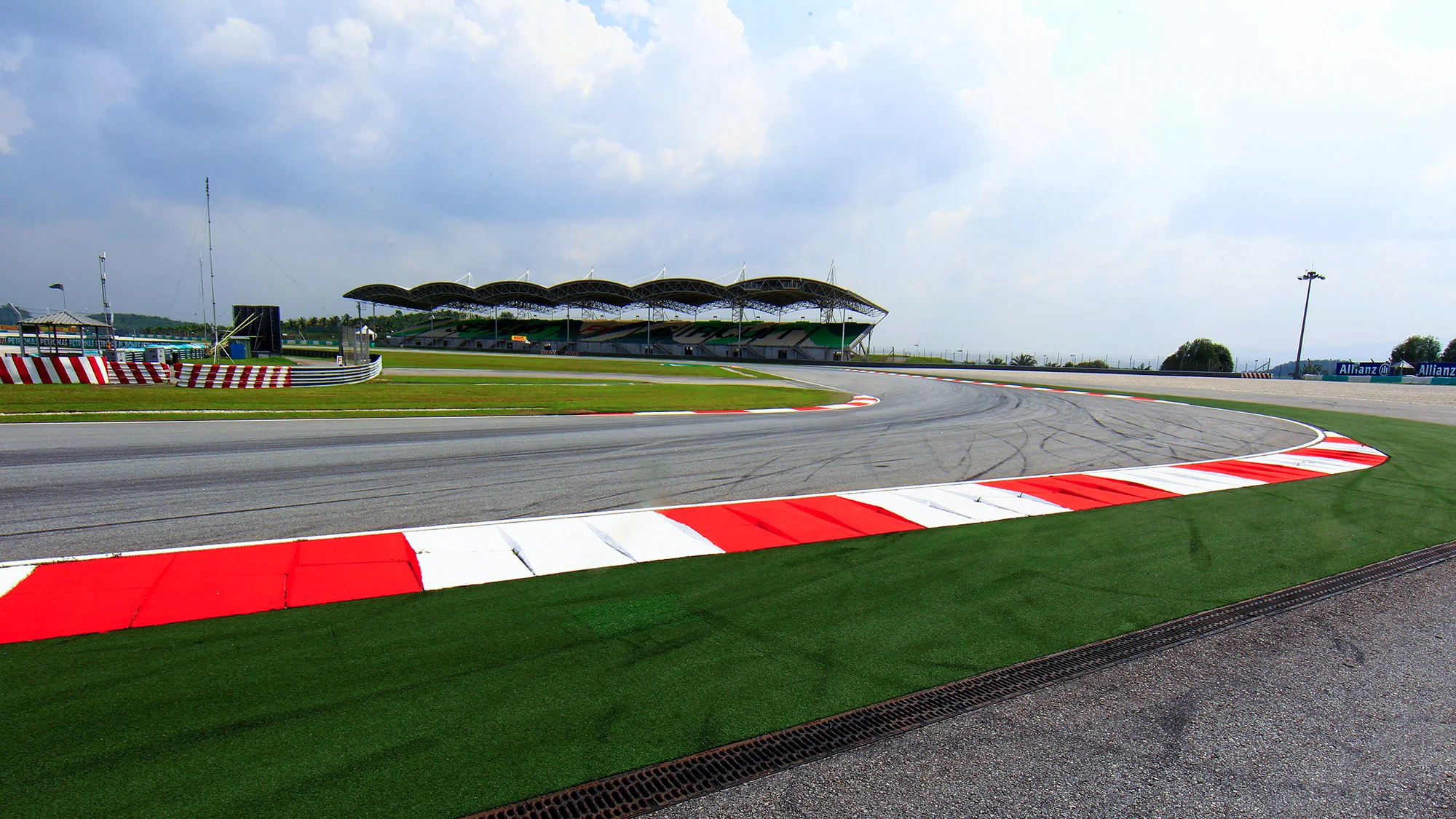
The Sepang International Circuit stretches across 3.4 miles and is known for its long-radius, featuring high-speed corners with late apexes, as well as tighter corners that promote side-by-side racing, aided by the track's width. It is a circuit that a generation of drivers were known to enjoy.
The pit straight and back straight run almost parallel to each other, connected by an off-camber hairpin, which provides drivers with the opportunity to attack using different lines. That has traditionally opened up the chance for wheel-to-wheel racing through the long-radius snail-like Turns 1 and 2, which wind right before a tighter left-hander and a downhill crest through the apex of Turn 2.
The 90-degree right-hander of Turn 4 entices drivers to attempt a lunge up the inside, while canny rivals can easily grab the cutback exiting the corner, before the high-speed sweeps of Turns 5 and 6. A sharp left-hander at Turn 9 provides another overtaking chance, as do late-apex long-radius right-handers at Turns 11 and 14, where a late dart up the inside is eminently realistic.
There is plentiful run-off around the majority of Sepang’s corners, though grass and gravel traps do lurk close by for any driver who finds themselves adopting a wayward line.
Sepang’s wide kerbs also need to be attacked, meaning a strong ride across them is vital, while the long high-speed curves mean it is a high-energy circuit for the tyres, an element accentuated by the hot temperatures likely to be encountered. Optimising deployment on the two long straights will also be key.
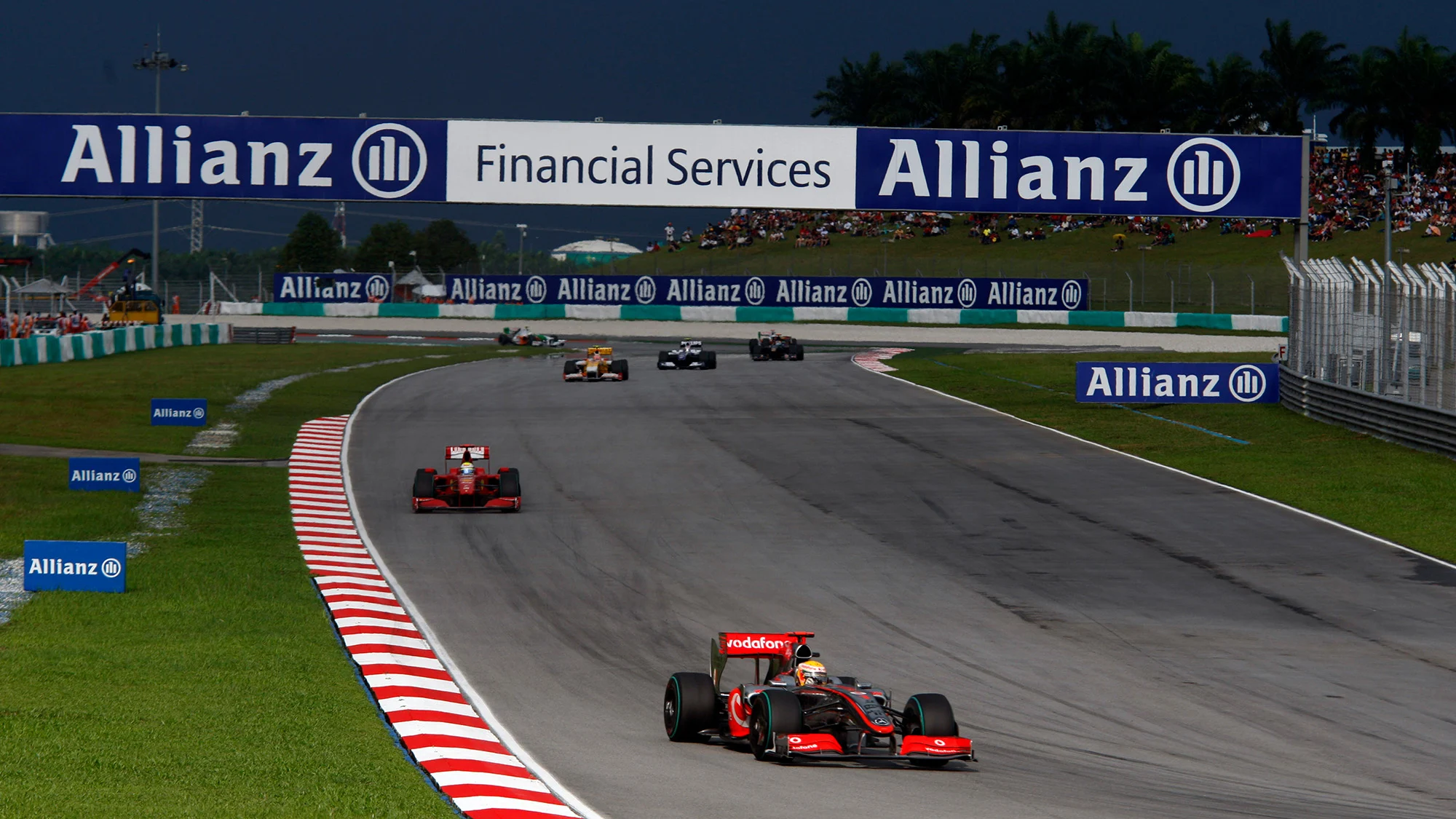
Sepang’s location means it has a tropical climate and, similar to the likes of Miami and next-door Singapore, the heat and humidity play a factor.
The humidity isn’t quite as unforgiving as in Singapore, given the manner in which the oppressive heat gets stuck within the confines of the city, but it adds another challenge for teams and drivers alike.
The weather radar also needs close monitoring, as Sepang’s tropical location means thunderstorms are commonplace, particularly mid-afternoon, when dark clouds plunge the sky into darkness and have previously interrupted on-track activity. And when thunderstorms unleash over Sepang, they typically do so with ferocity, turning dry tarmac into a cascading river in a matter of minutes.
Stormy conditions disrupted the Grands Prix in 2001, 2009 and 2012, while racing in 2009 was called off after only 31 of the scheduled 56 laps when fading light took hold.
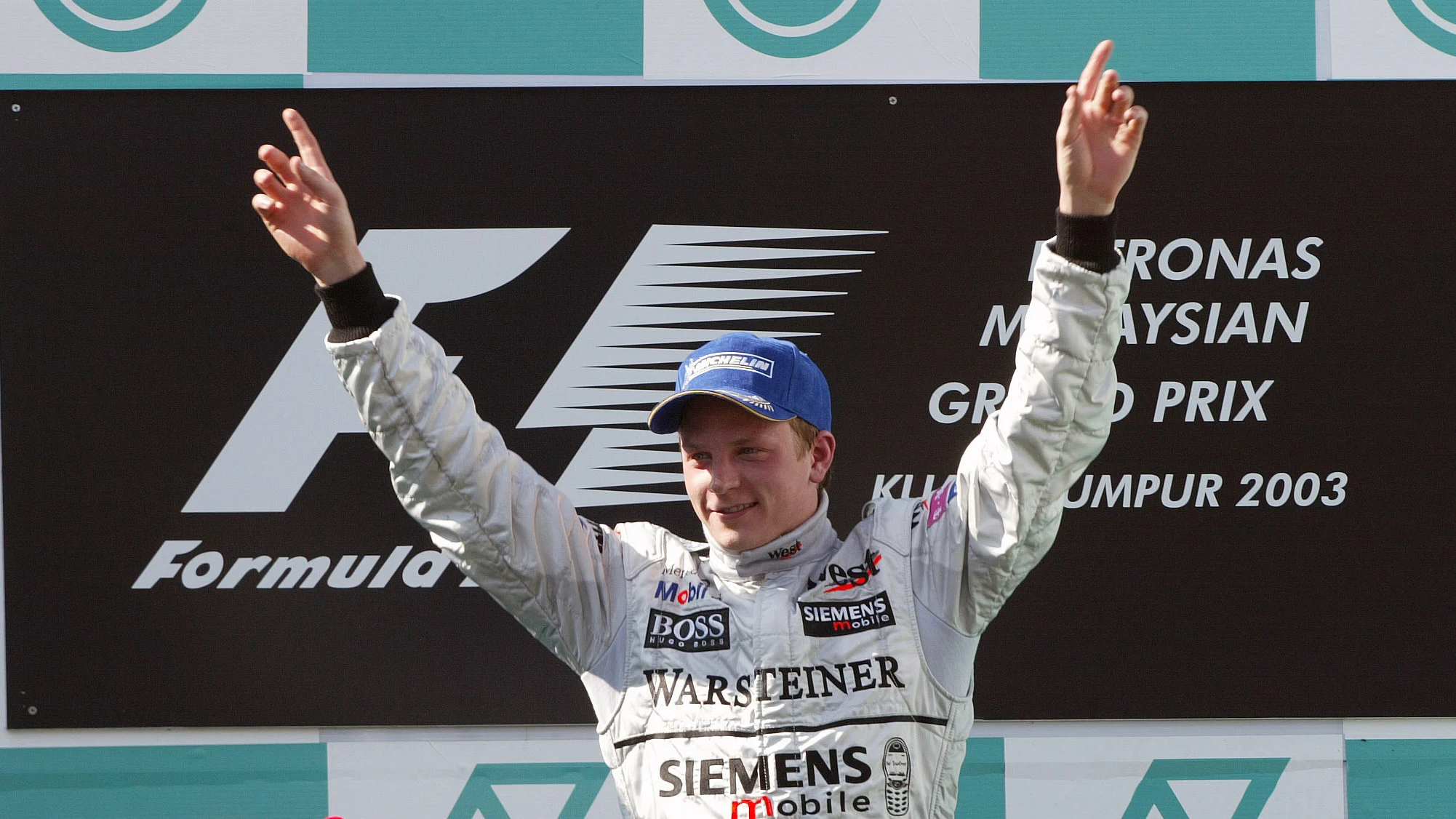
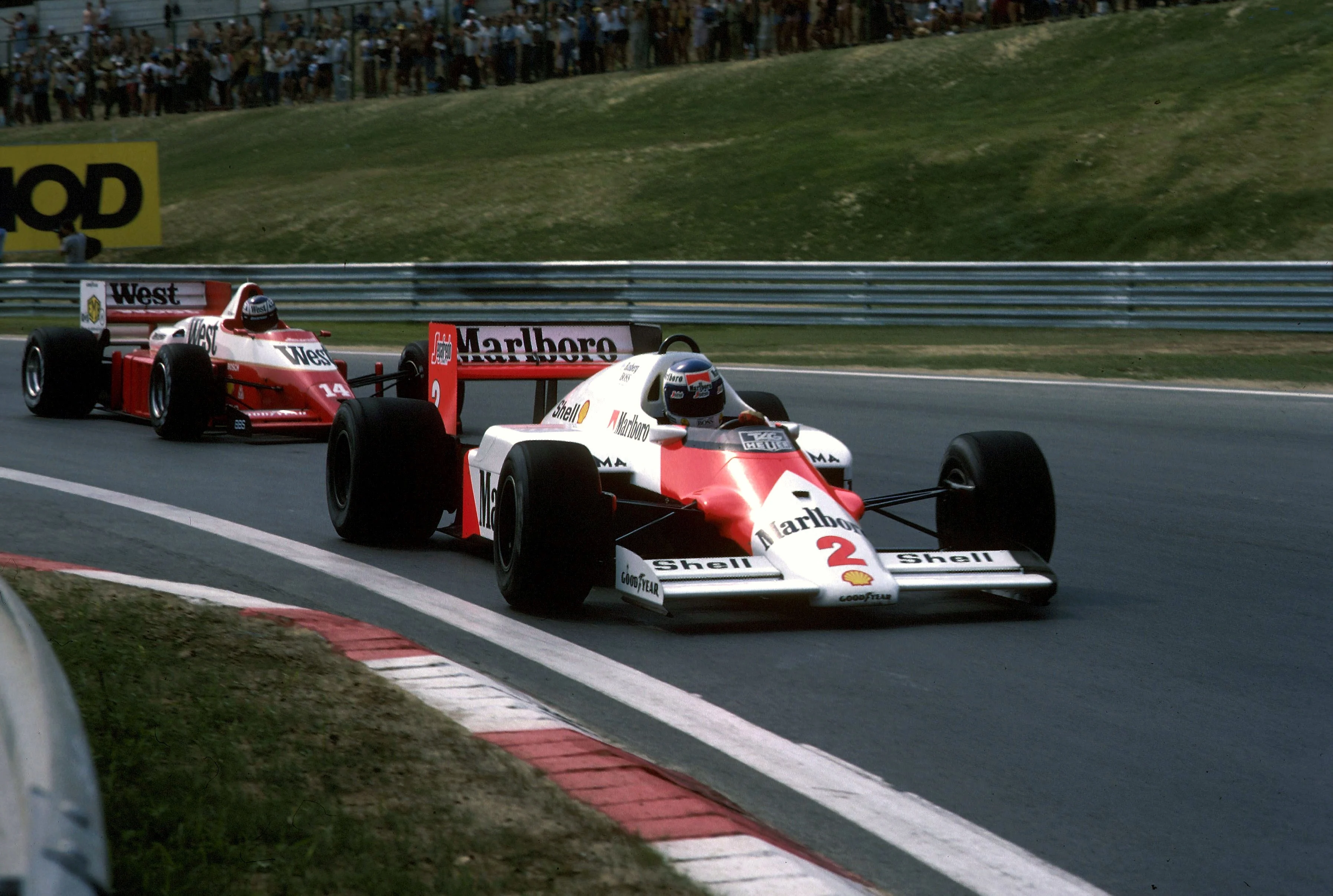
McLaren has participated in every World Championship Grand Prix held at Sepang, with Mika Häkkinen delivering a podium finish on the circuit’s debut, in 1999.
Further podium finishes followed for David Coulthard in 2000 and 2001, before the team took to the top step of the podium in 2003. It was a momentous day in the sweltering Sepang heat as Kimi Räikkönen rose from seventh on the grid to score his maiden victory in Formula 1, finishing a whopping 39 seconds clear of the field.
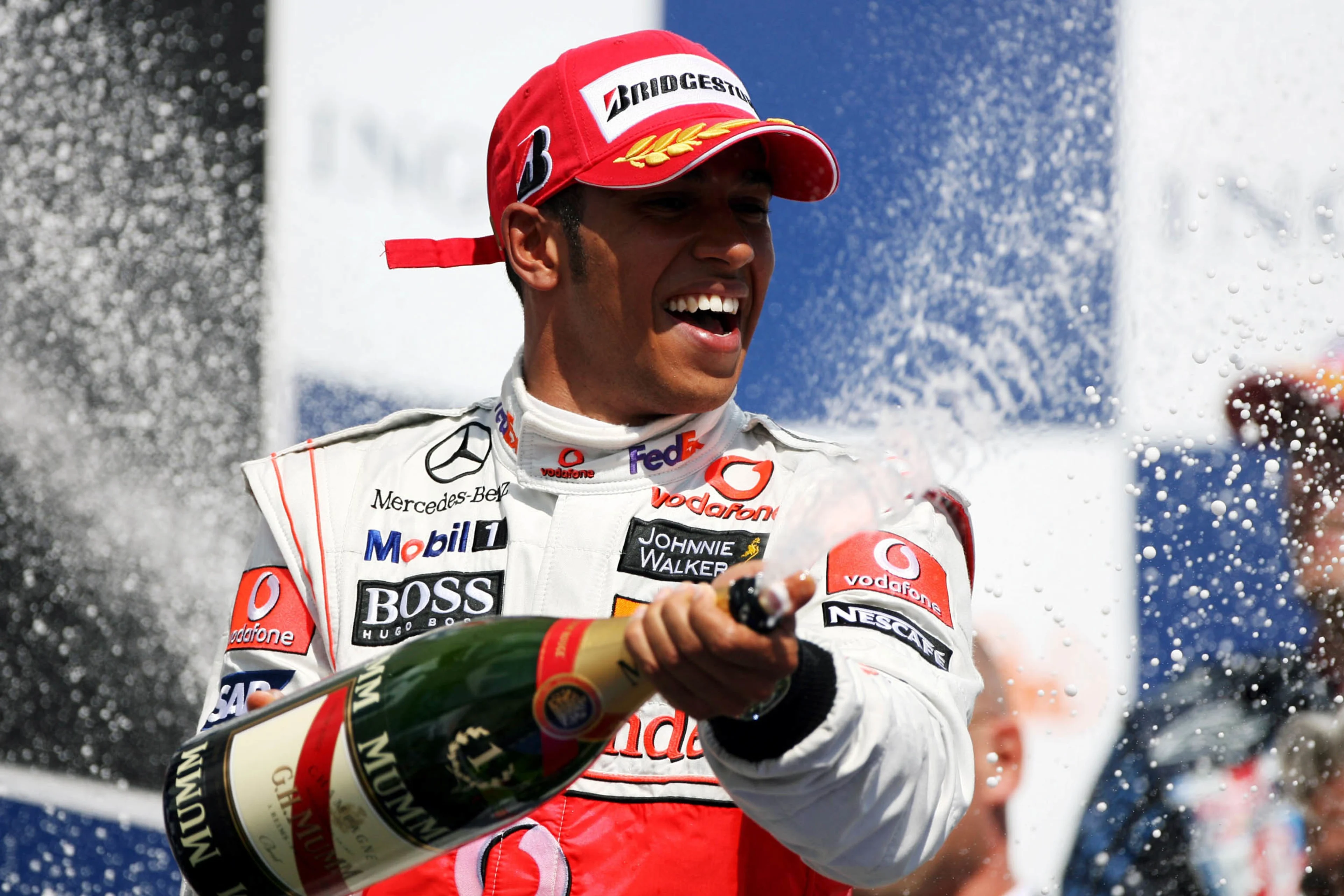
Fernando Alonso was the Pole-sitter who missed out on victory to Kimi in 2003, but in McLaren colours four years later, he rose to claim his first win for the team, followed home by teammate Lewis Hamilton, who prevailed in a fierce scrap against the Ferrari of Felipe Massa. Jenson Button scored a podium finish in 2011 at Sepang, while in 2012, Lewis took Pole position, finishing third in a rain-hit race.
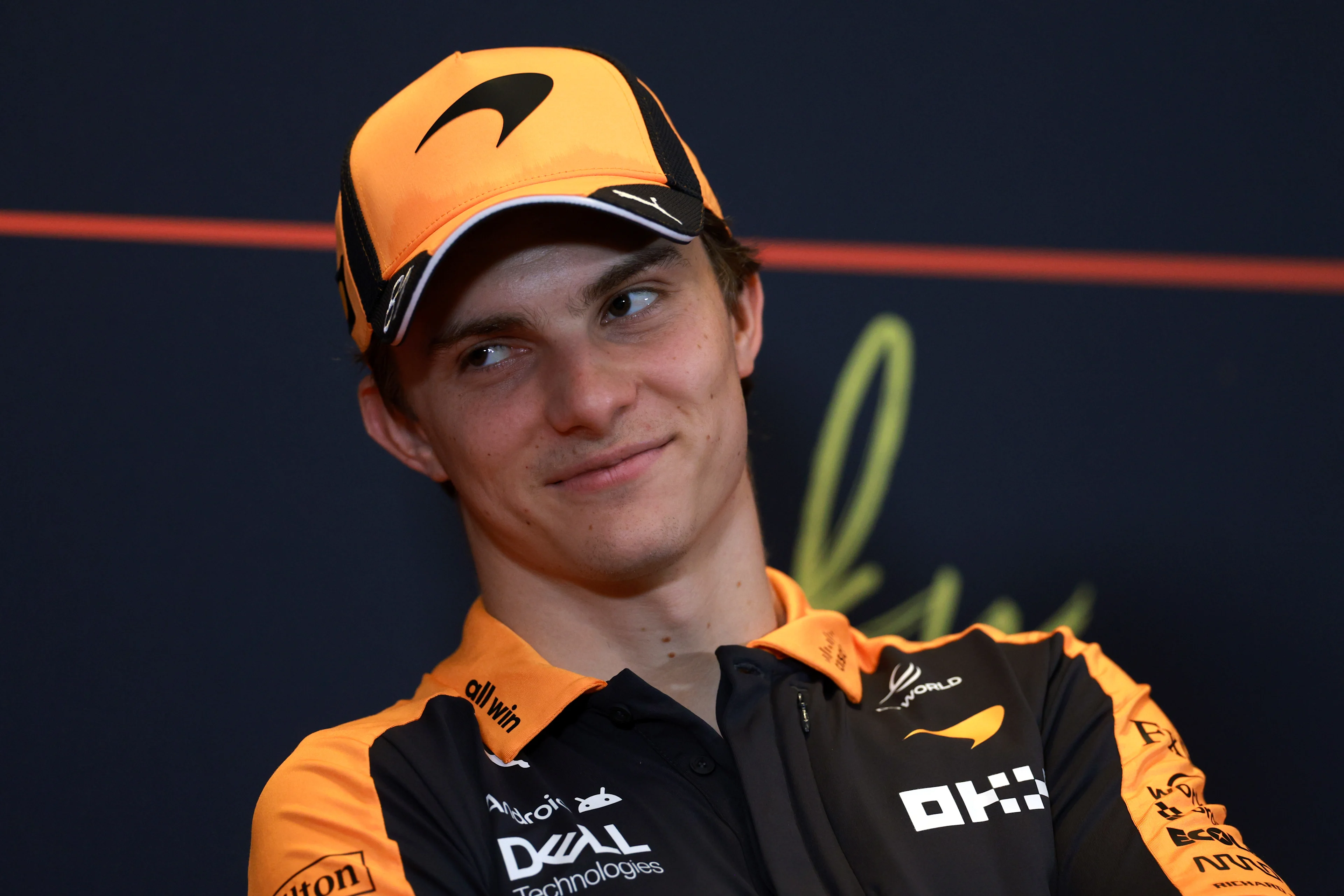
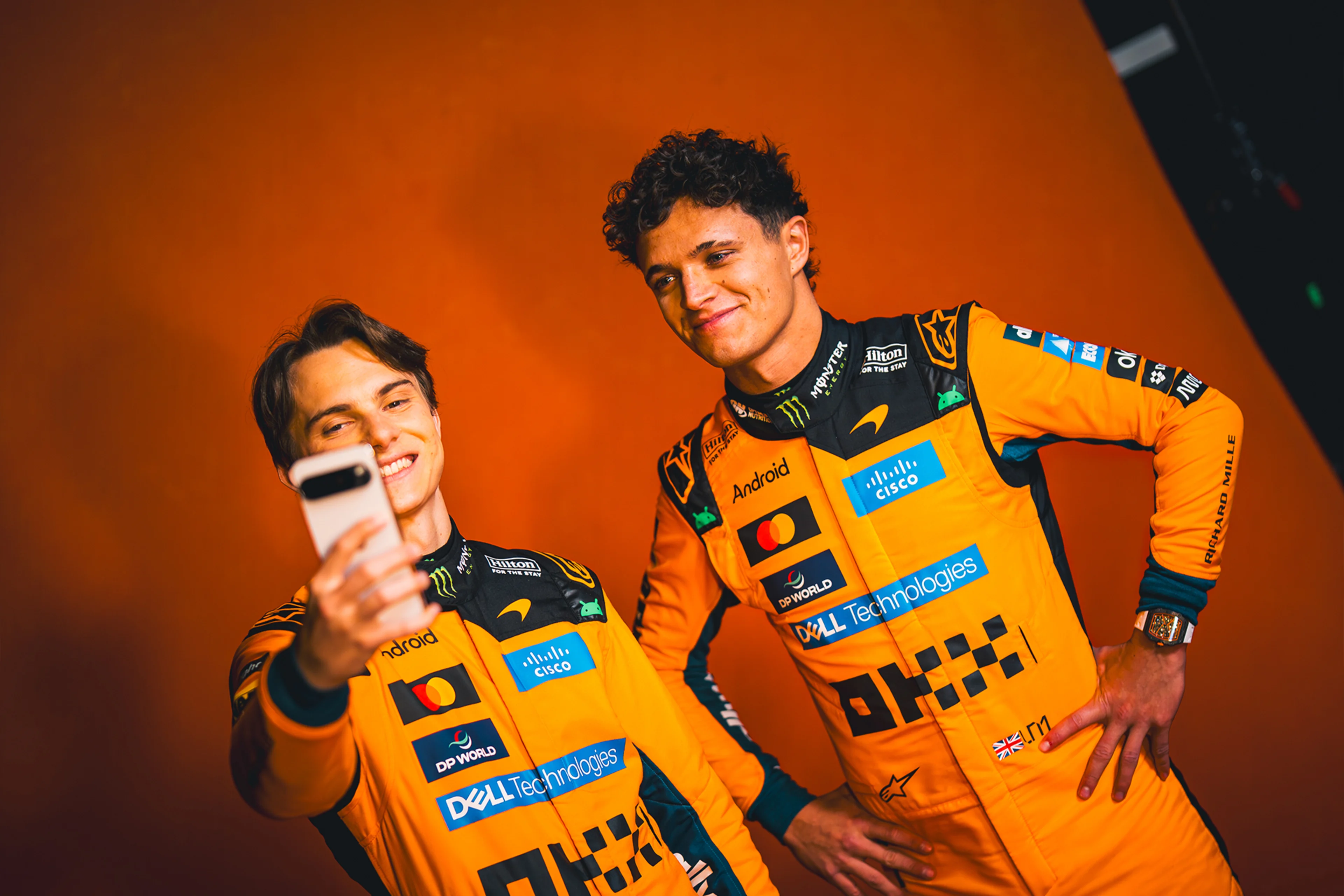
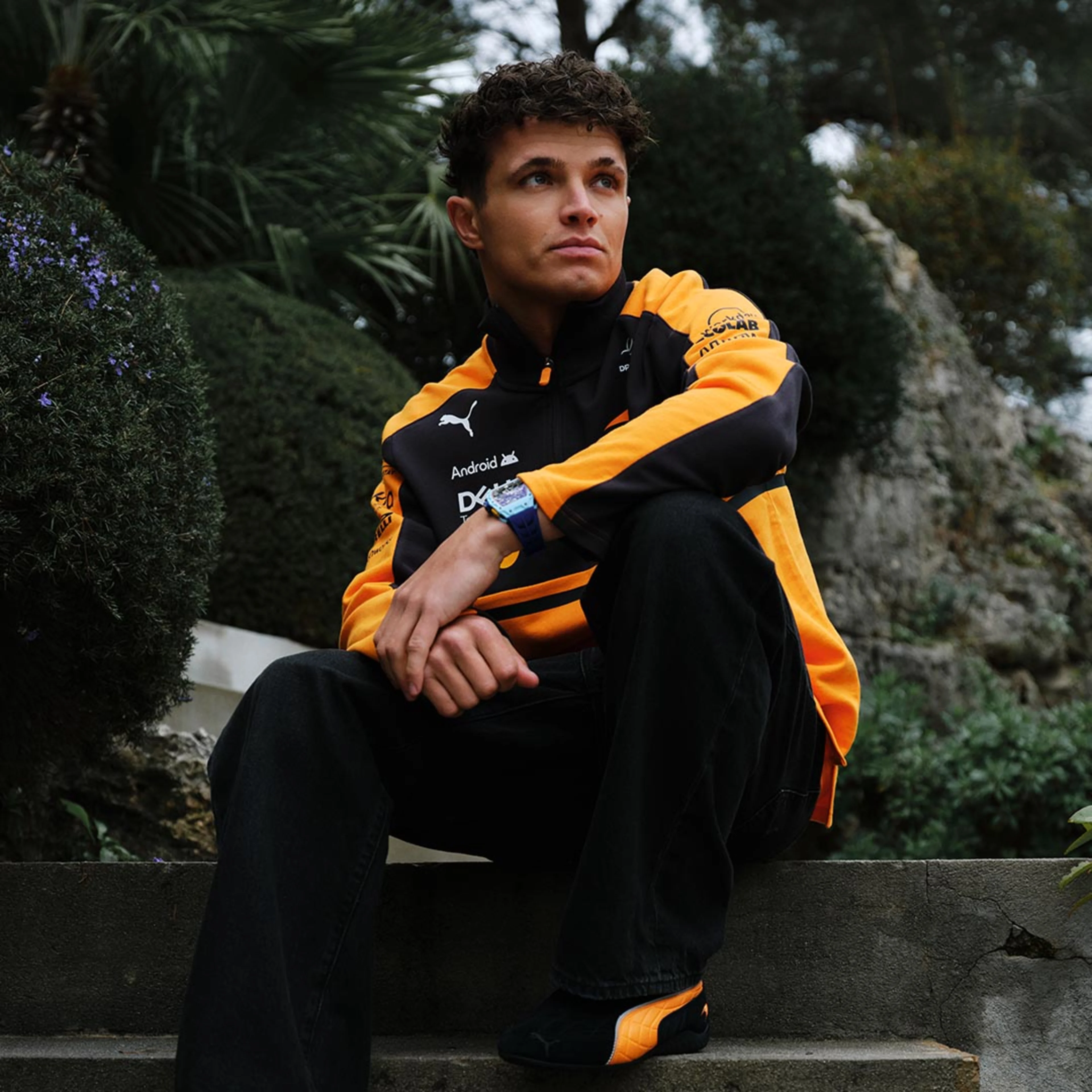
Sepang’s nine-year absence from Formula 1 means neither Lando nor Oscar have ever sampled Grand Prix machinery at the circuit. When Sepang last featured in Formula 1, Lando was on the cusp of becoming that year’s European Formula 3 Champion. After joining our Driver Development Programme earlier that year, he had enjoyed his maiden Formula 1 test for McLaren in Hungary. Meanwhile, Oscar was in his maiden single-seater campaign in British Formula 4, where he finished second in the Championship, outlining his credentials as a star of the future.