



1 October 2026 11:30 (UTC)
A change of location offers a return to a familiar track, but few things will be the same in Sepang

With its high-speed corners, long straights and unpredictable conditions, the unexpected return of Formula 1 to Malaysia has been greeted with open arms.
After the Bahrain Grand Prix’s postponement in April, the race will now take place in Sepang, marking a return to one of Formula 1’s most popular former tracks.
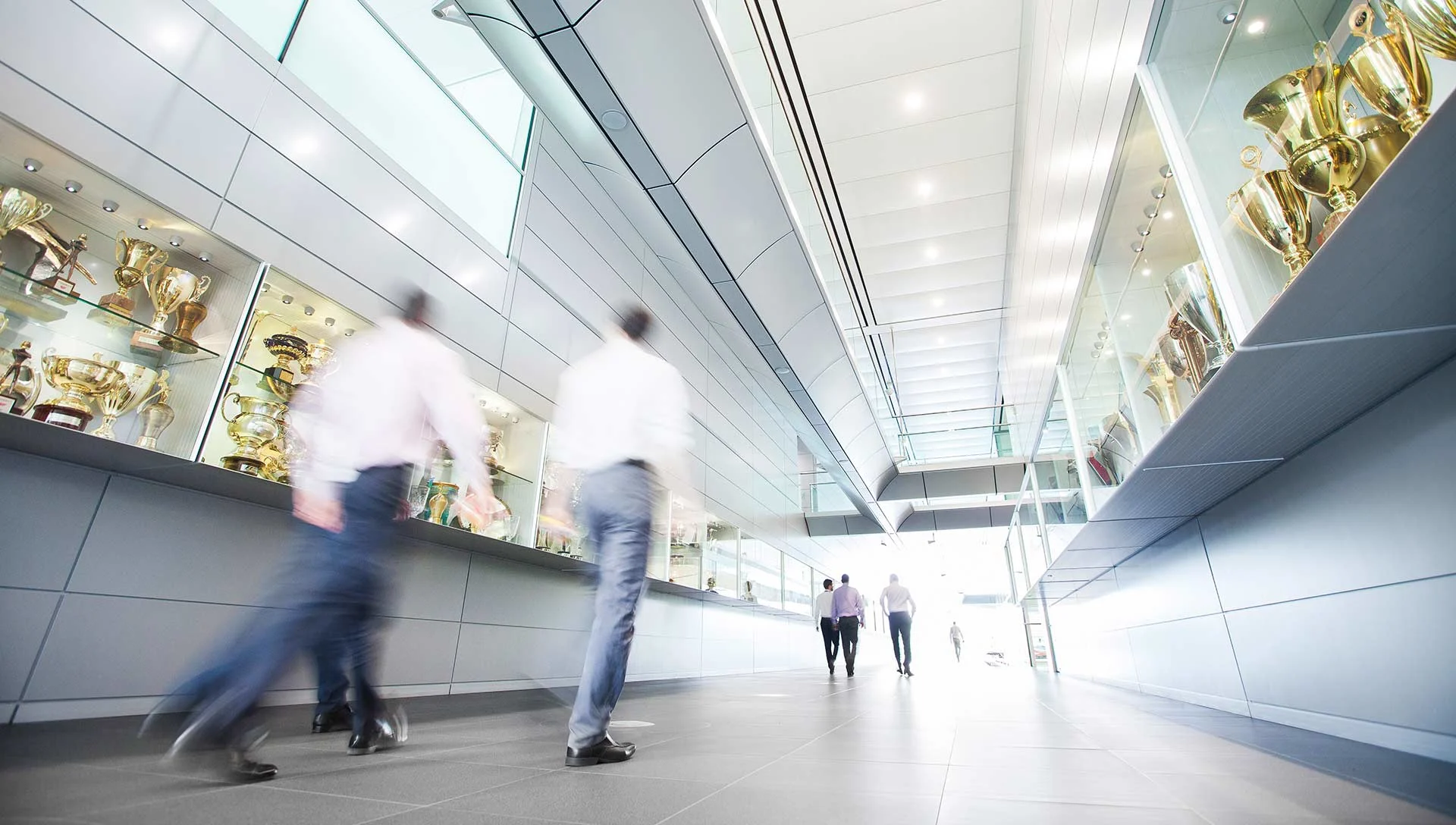
It is the second leg of a triple-header that started in Azerbaijan and ends with a short hop to Singapore next week, before we head Stateside – hopefully, after dropping some more silverware off at the McLaren Technology Centre.
Ahead of our first race in Malaysia in almost a decade, here are five storylines to look out for this weekend.
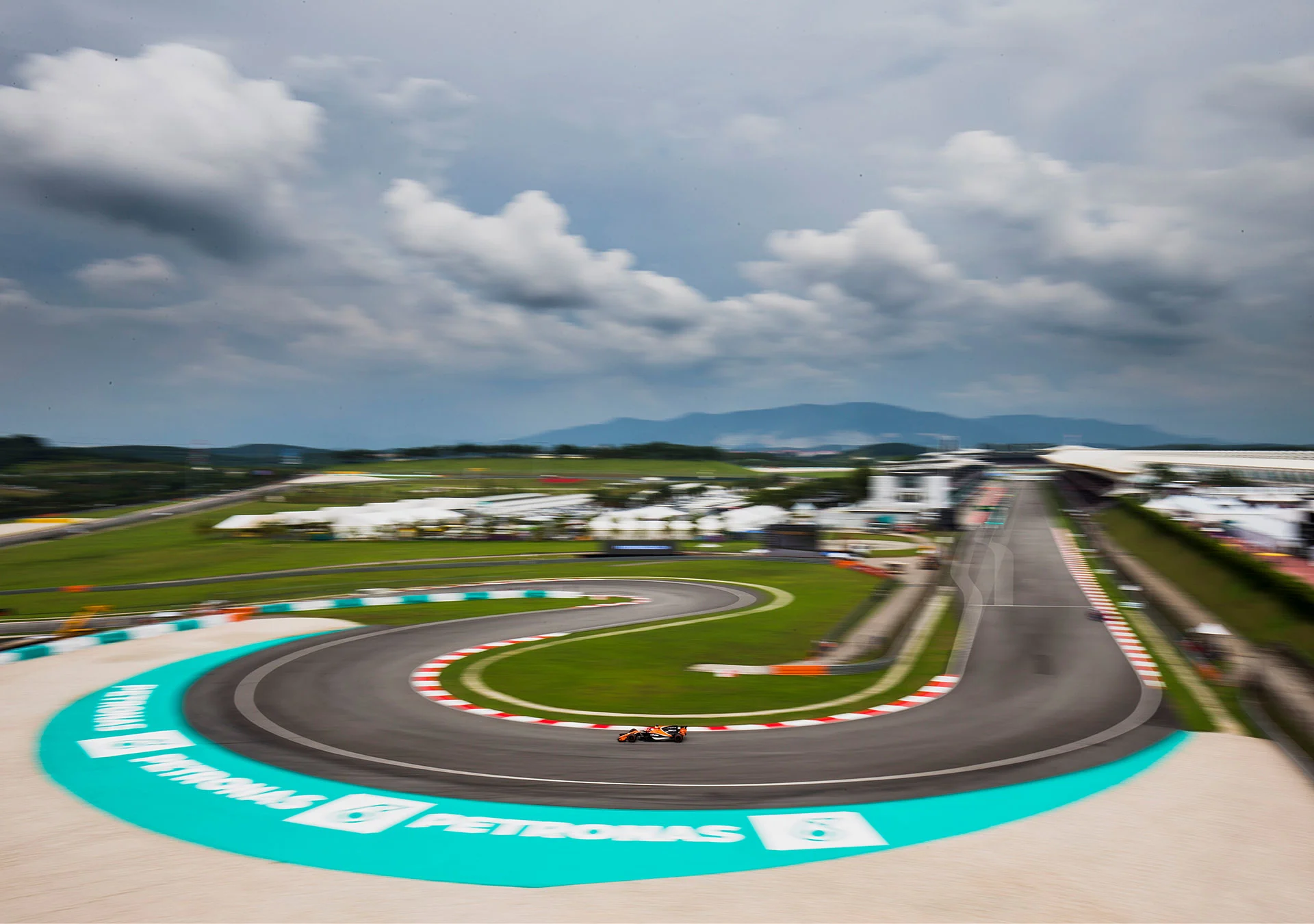
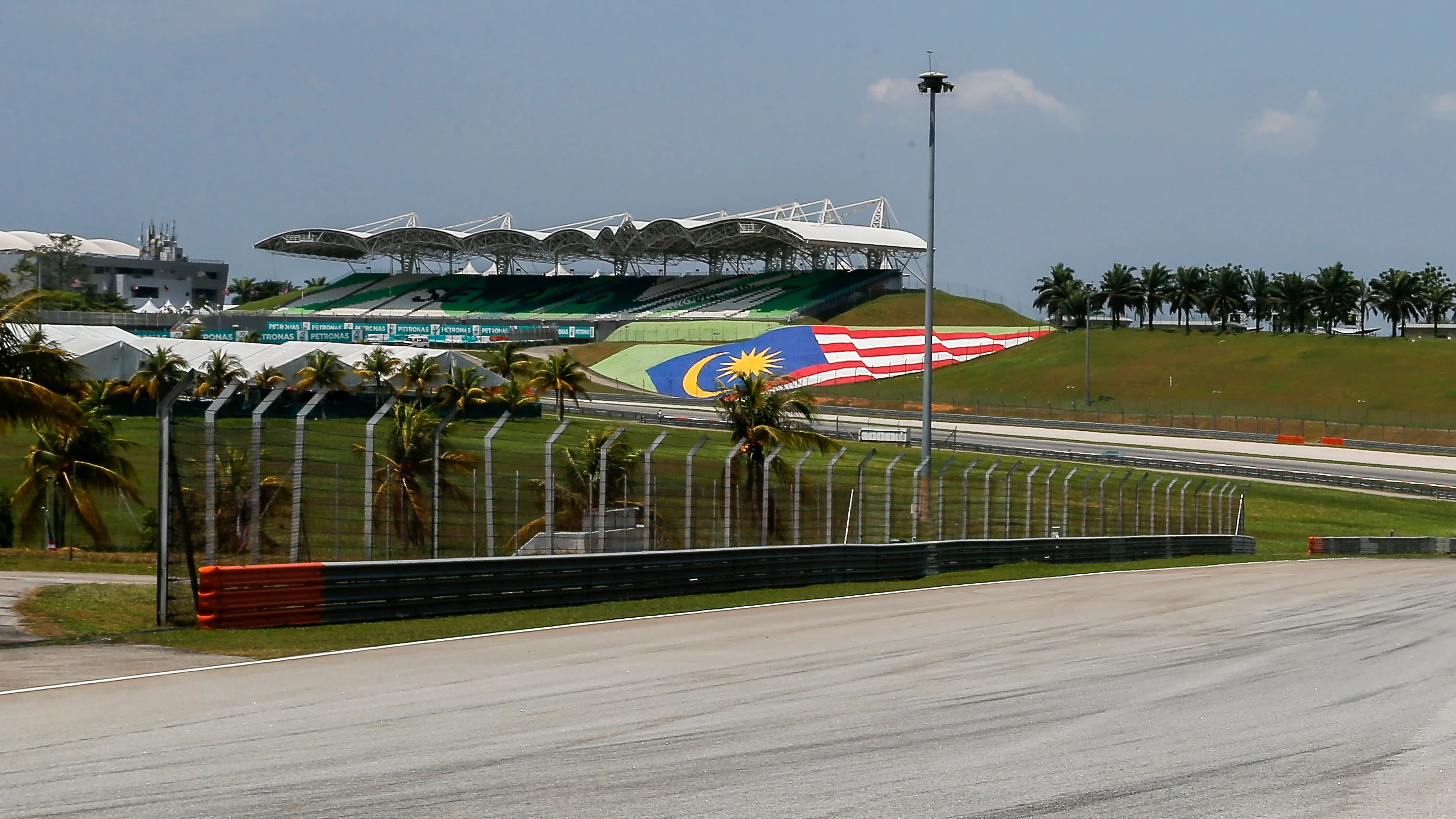
The Sepang International Circuit will be a familiar name to many Formula 1 fans despite its unanticipated return to the calendar.
With racing not viable in Sakhir, Malaysia has stepped in as host of the Bahrain Grand Prix, bringing F1 back to the country for the first time in nine years.
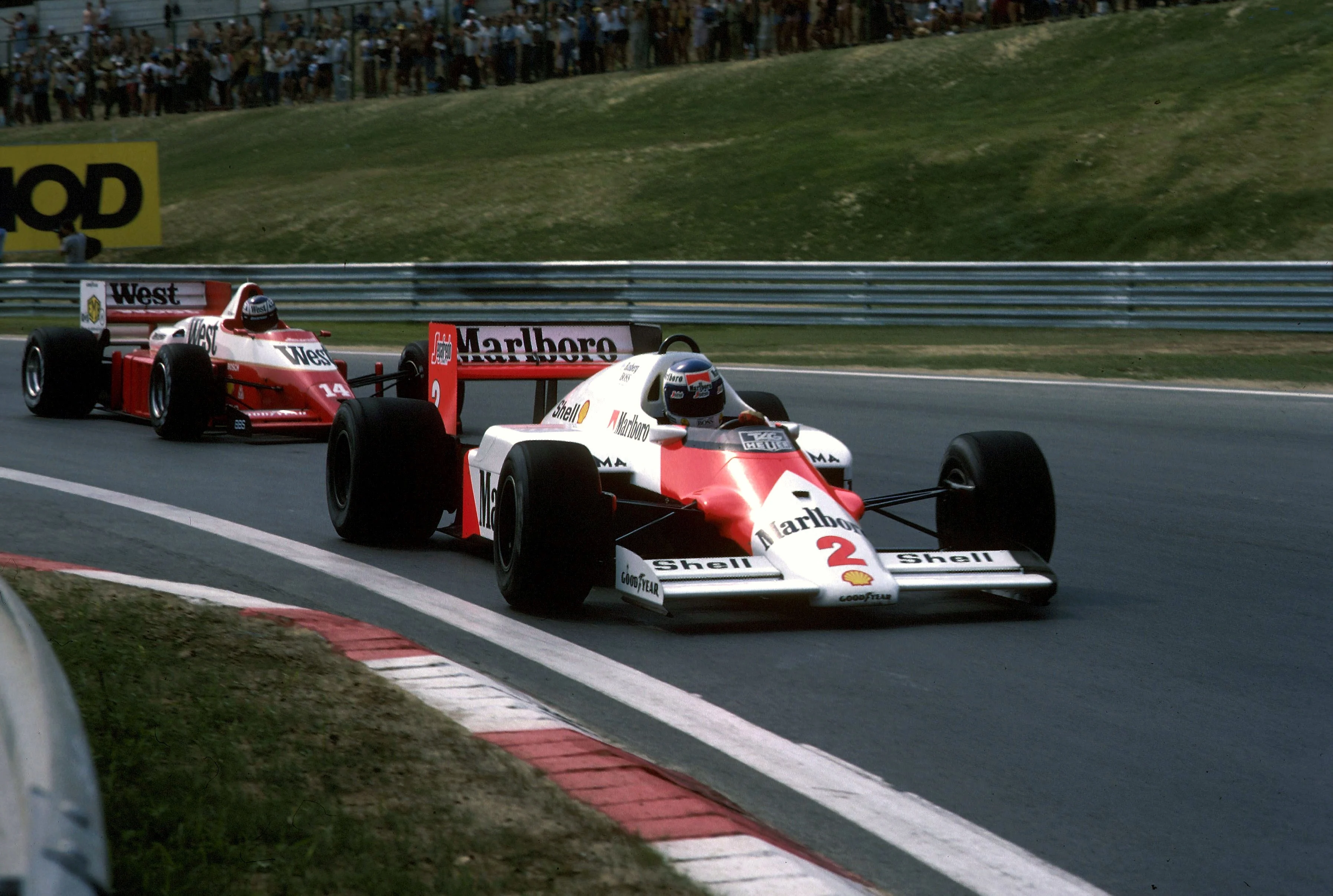
Malaysia first hosted F1 in 1999 and held races every year up until 2017. The circuit regularly delivered plenty of thrilling drama thanks to its ample overtaking opportunities.
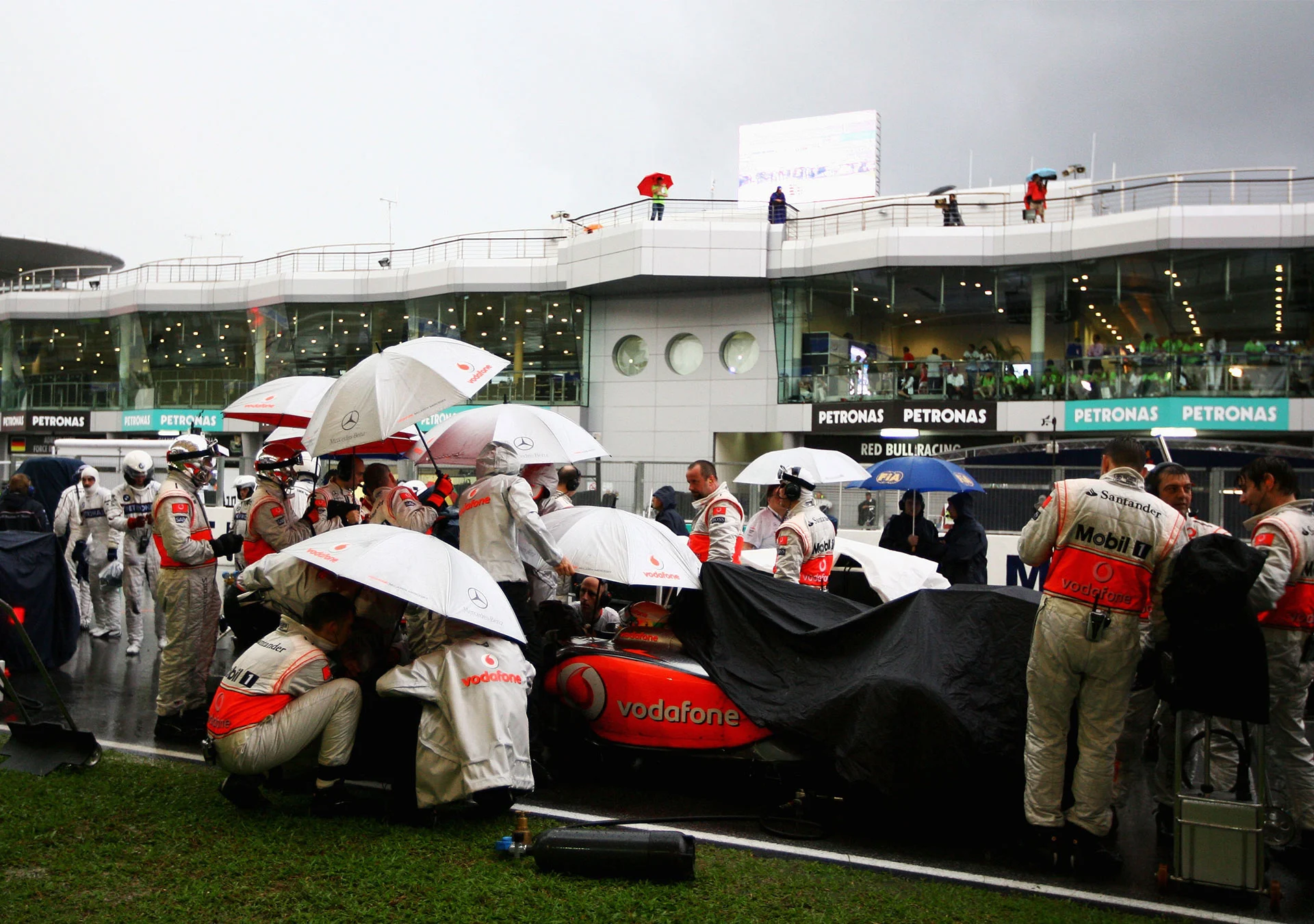
Alongside high-octane action, racing in Malaysia guarantees unpredictable weather.
Temperatures are expected to hit a humid 30°C, but this will be cut by regular spells of heavy rainfall. Those who can manage high tyre degradation and adapt to wet conditions on track best will be rewarded.
For history students, there are plenty of lessons. The 2009 Malaysian Grand Prix lingers long in the memory after it was cut short due to a storm, while races in 2001, won by Michael Schumacher in a monsoon, and 2012 were similarly rain-affected.
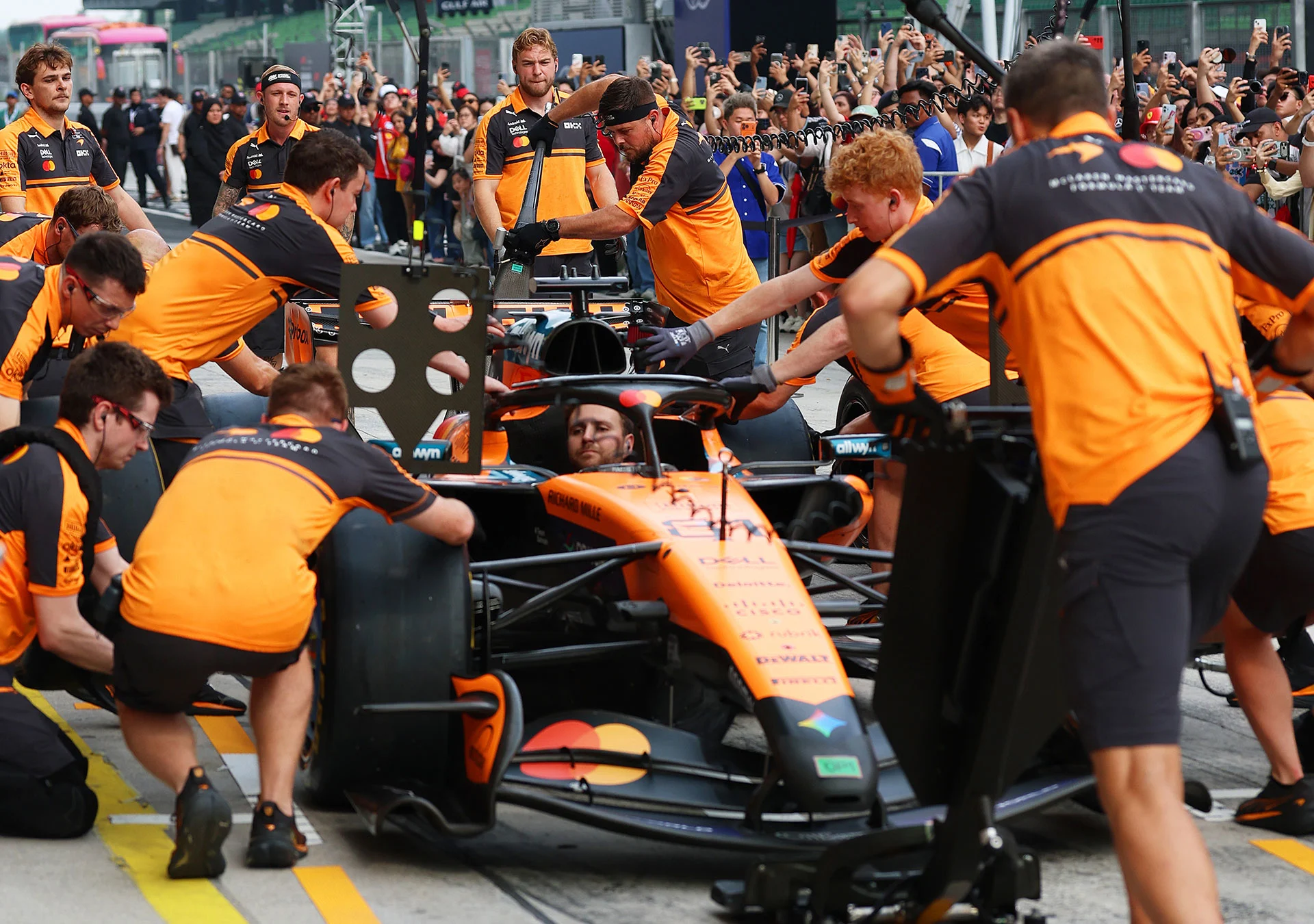
While Malaysia boasts an impressive F1 lineage, it’s yet to be determined just how much of its history will be relevant to this weekend’s race. This will be the first time the new generation of cars has taken to the Sepang International Circuit, meaning rules that previously held true may no longer apply.
Unlike in previous races here, for example, energy deployment will be a key focus. This will be especially important when balancing performance across the lap and maximising the opportunities presented by the circuit's different sections.
Those who adapt fastest will gain a strong advantage, making it vital to familiarise ourselves with the track while generating key data during the three practice sessions.
We will also continue to hone the upgrades that we brought to Baku, with Sepang potentially offering a truer sense of their likely impact. The team viewed the Azerbaijani track as a difficult one on which to judge the upgrades, due to its unique characteristics, which include a combination of very slow corners and the longest straight of the season.
Our data indicated that the new parts worked as intended, but their full potential will be emphasised on circuits that offer a wider variety of characteristics - starting this weekend.
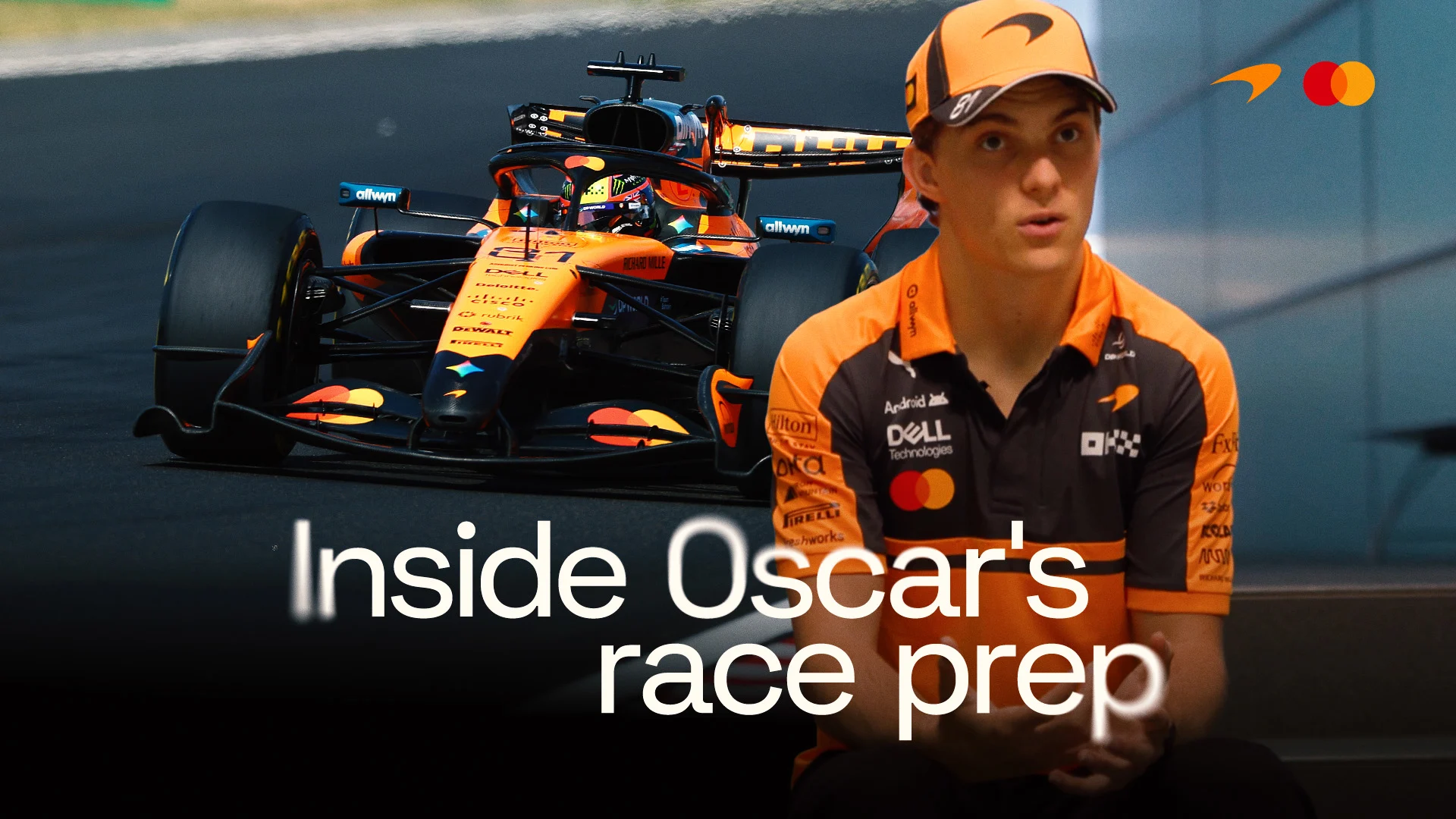
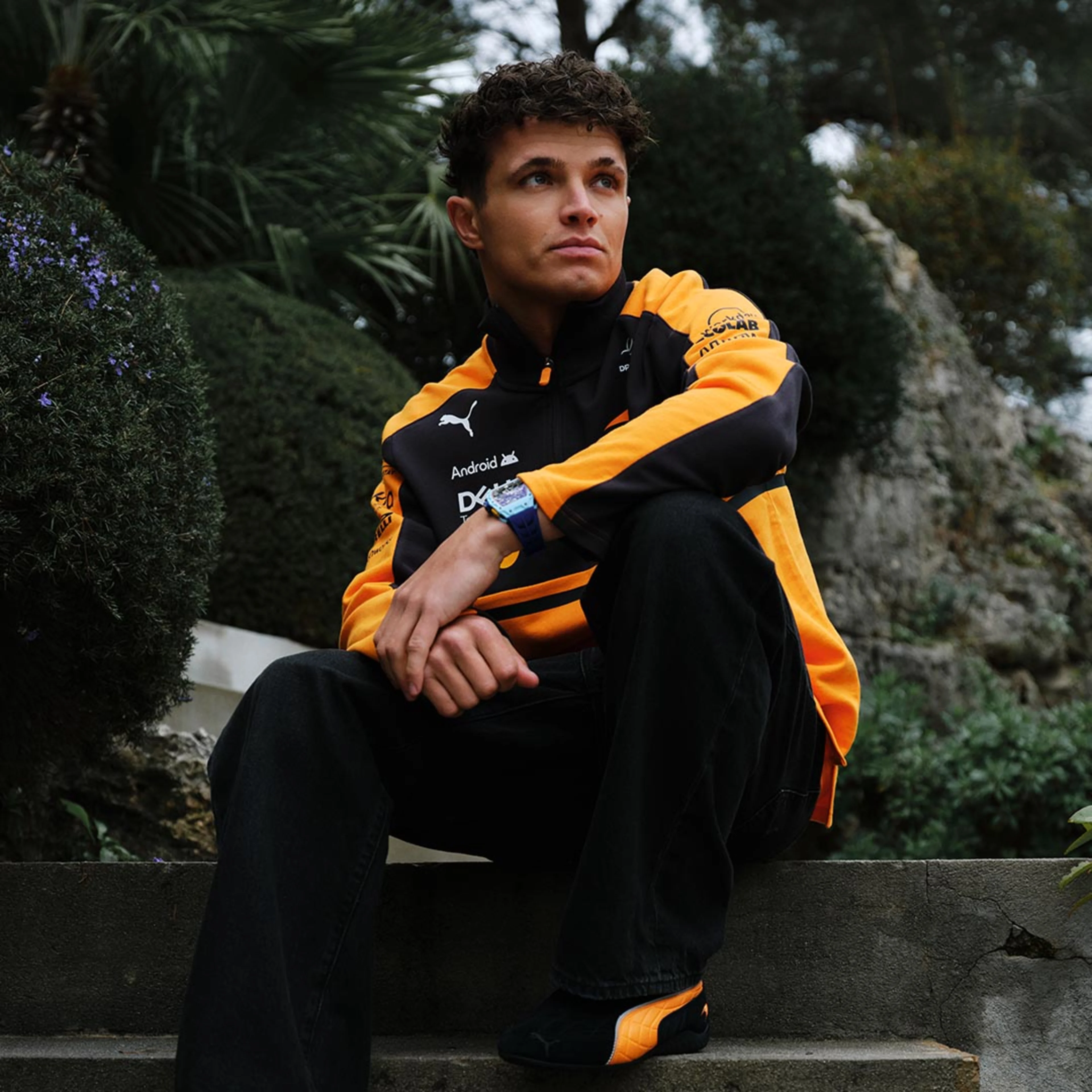
Neither Oscar nor Lando has driven this track before but have benefited from time in the simulator ahead of Free Practice 1 on Friday. They’re not the only drivers taking to the track for the first time, with just 10 of this weekend’s grid having previously competed in F1 at this circuit.
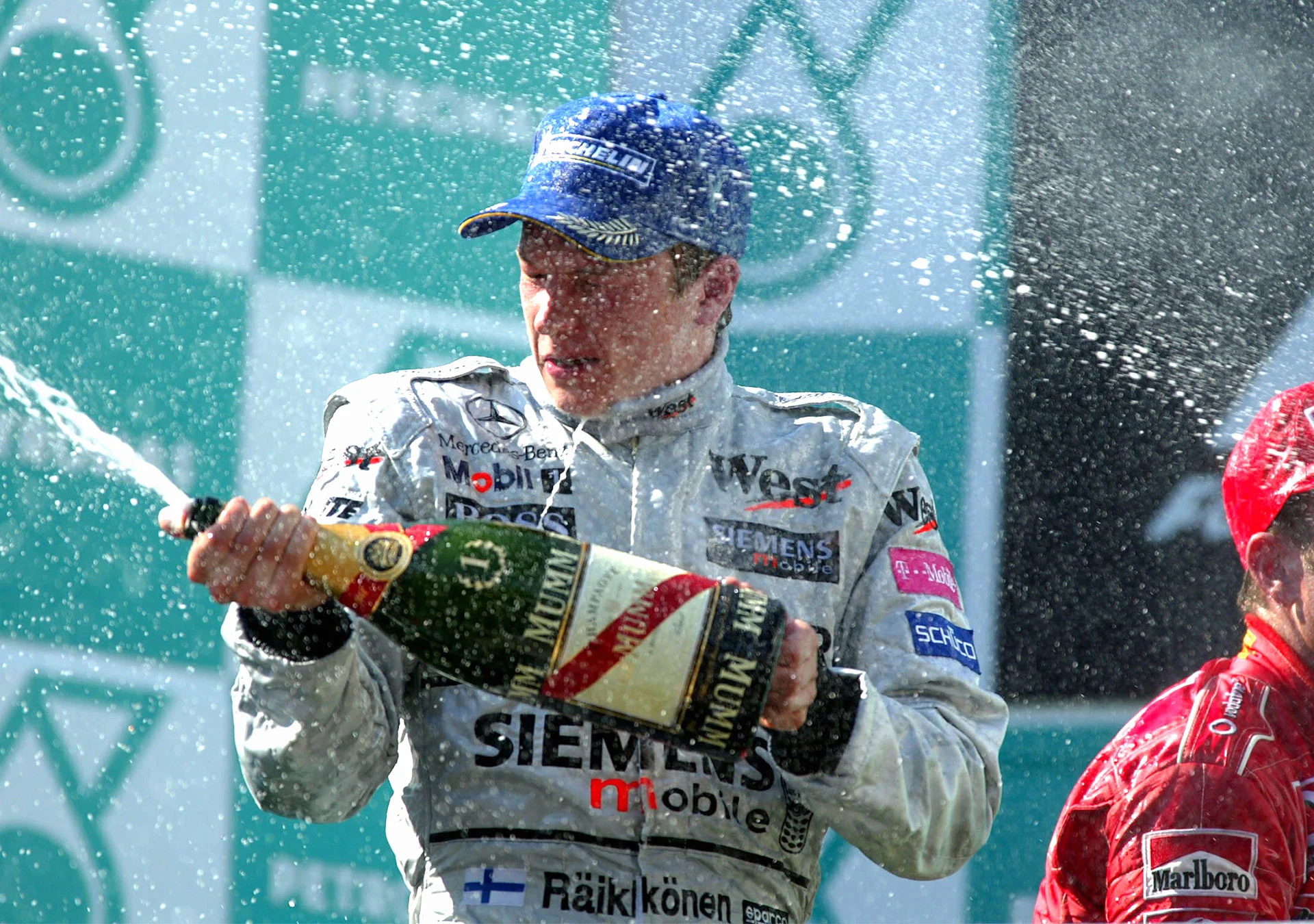
Our Malaysian memories go back to before the race, with Mika Häkkinen opening the Sepang International Circuit in 1999 with a memorable demonstration run in a McLaren. He then went on to claim a podium later that year in the Grand Prix, behind Eddie Irvine and Michael Schumacher.
In 2003, another Finn made history at the circuit when ‘Iceman’ Kimi Räikkönen earned his first-ever F1 victory. Starting seventh on the grid, Kimi drove a dominant race to clinch the first of 21 Grand Prix victories – nine of which came for McLaren – in his 19-year career.
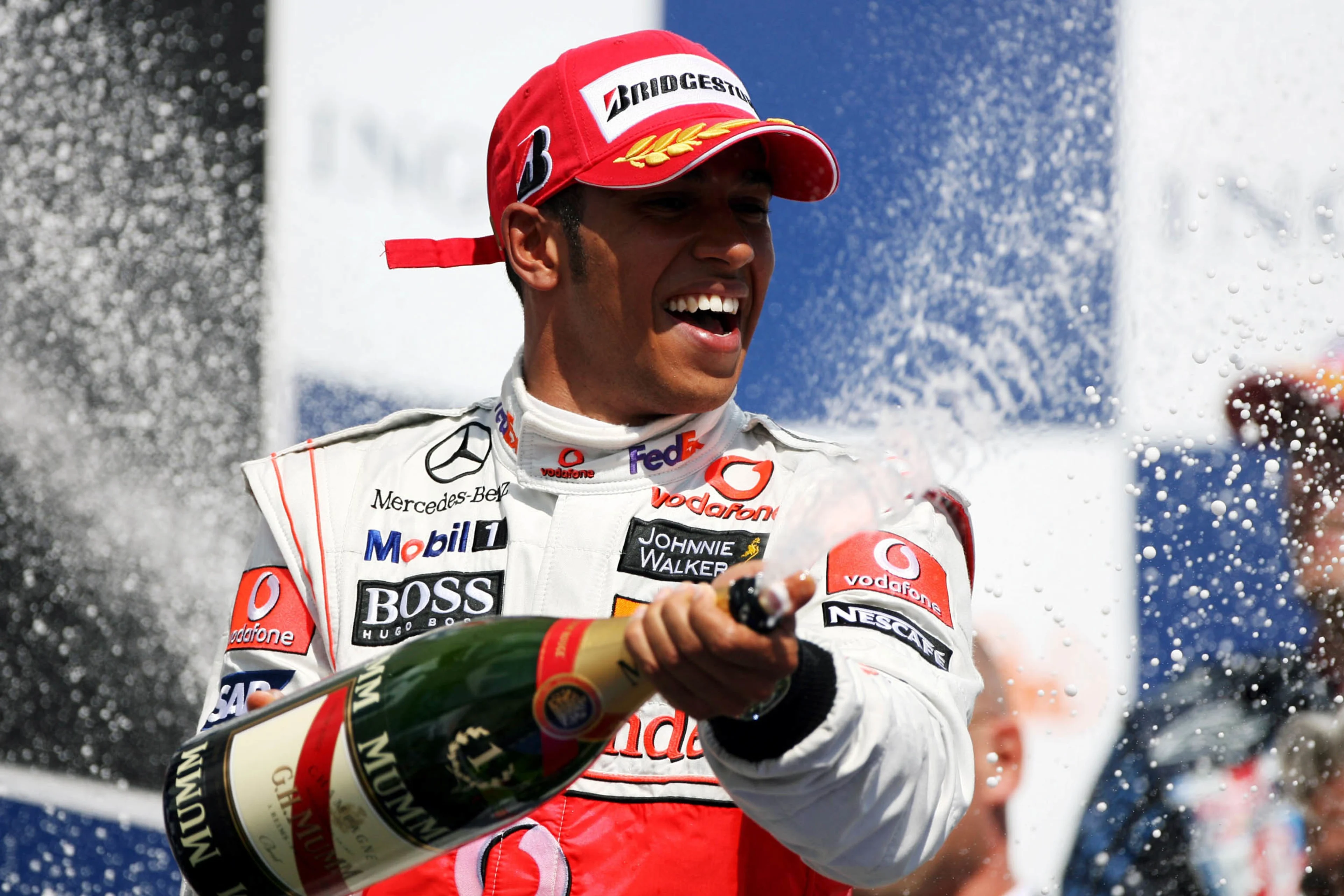
Malaysia was also the site of Fernando Alonso’s first race win in McLaren colours, when he led a 1-2 finish alongside rookie teammate Lewis Hamilton. The pair held off Ferrari’s Felipe Massa and Räikkönen to announce themselves as title contenders.
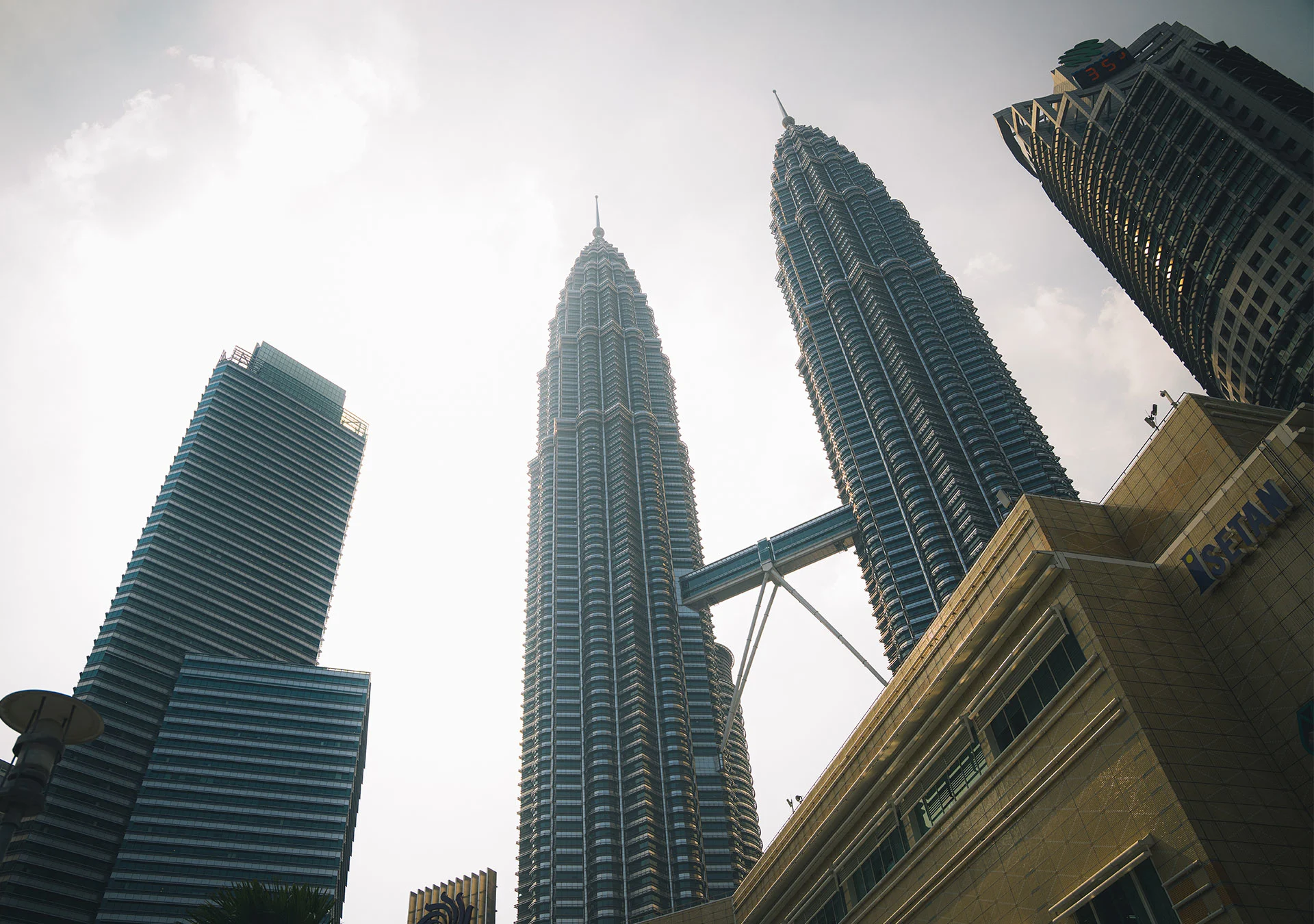
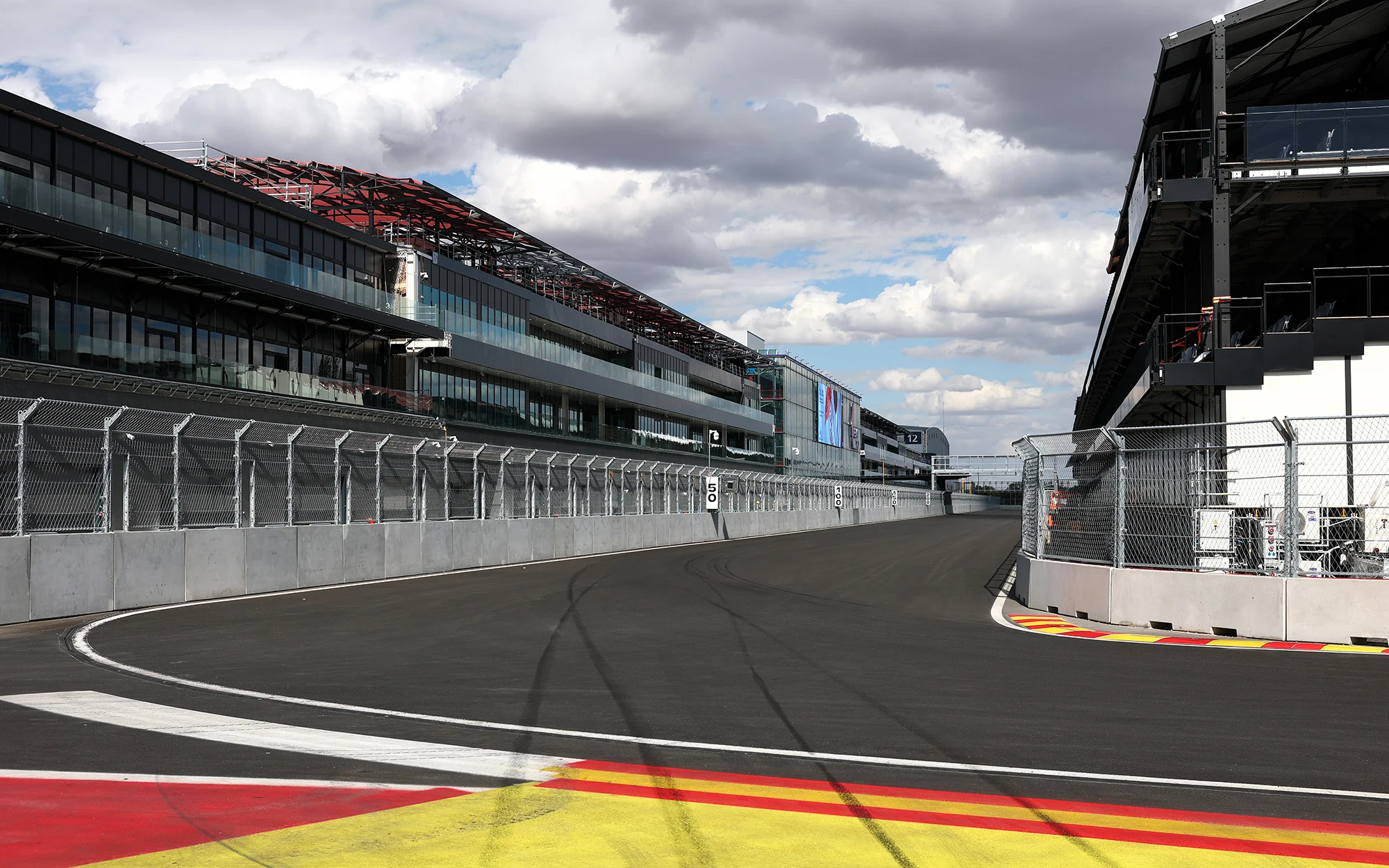
Located 45 kilometres south of Malaysia’s capital city, Kuala Lumpur, the Sepang International Circuit was created with entertainment as the priority by renowned German designer Hermann Tilke.
With over 15 turns, drivers can find multiple racing lines and roar through the double-sided grandstand. Drama is a guarantee.
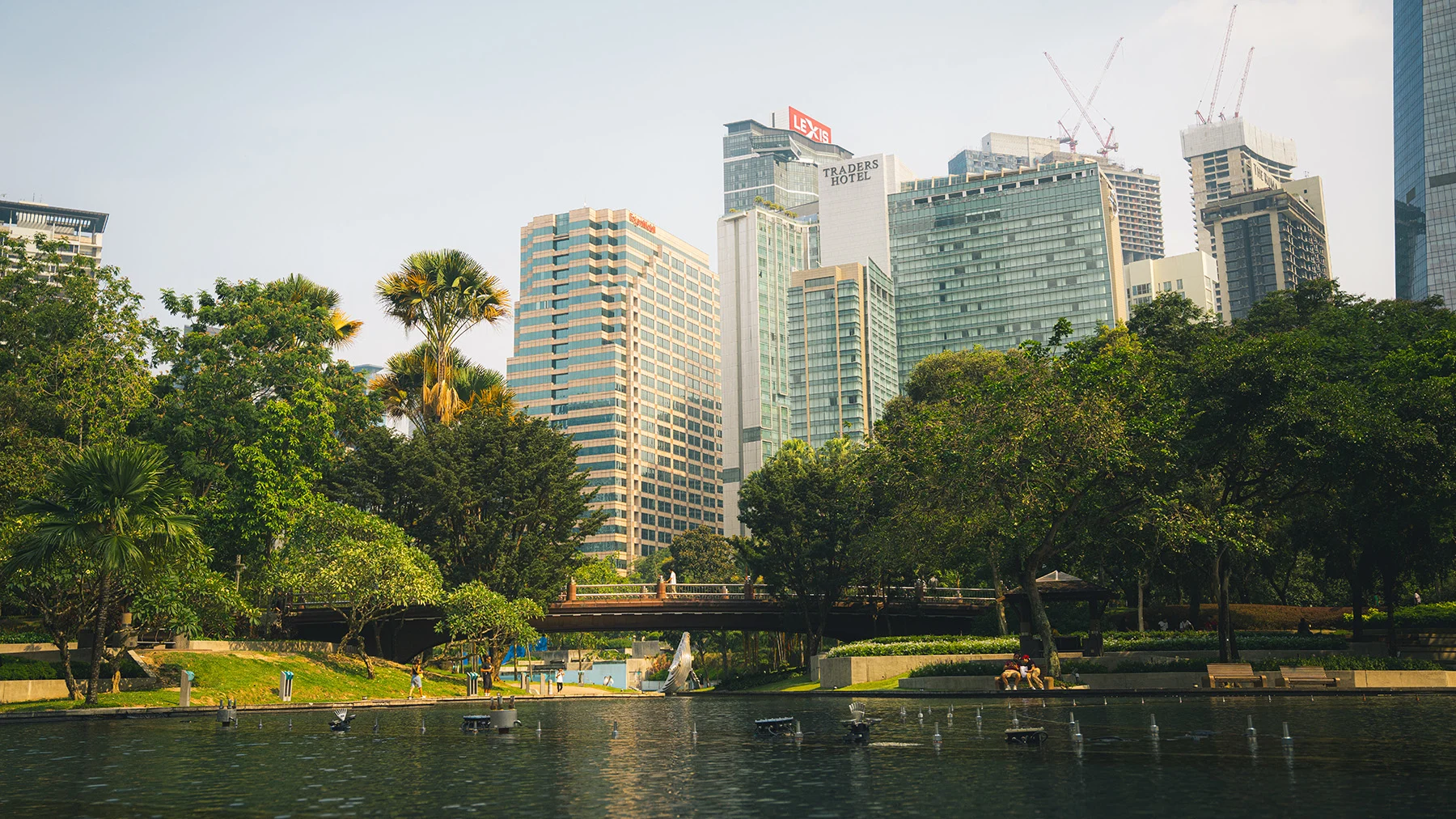
The soaring skyscrapers of central Kuala Lumpur, home to around 2.1 million people, provide a gorgeous backdrop for adventurous tourists. And with the track adjacent to the country’s busiest airport, fans can head straight to the racing.