


6 October 2026 17:00 (UTC)
"There are still seven races to go before the end of the season, and everything is still to play for"

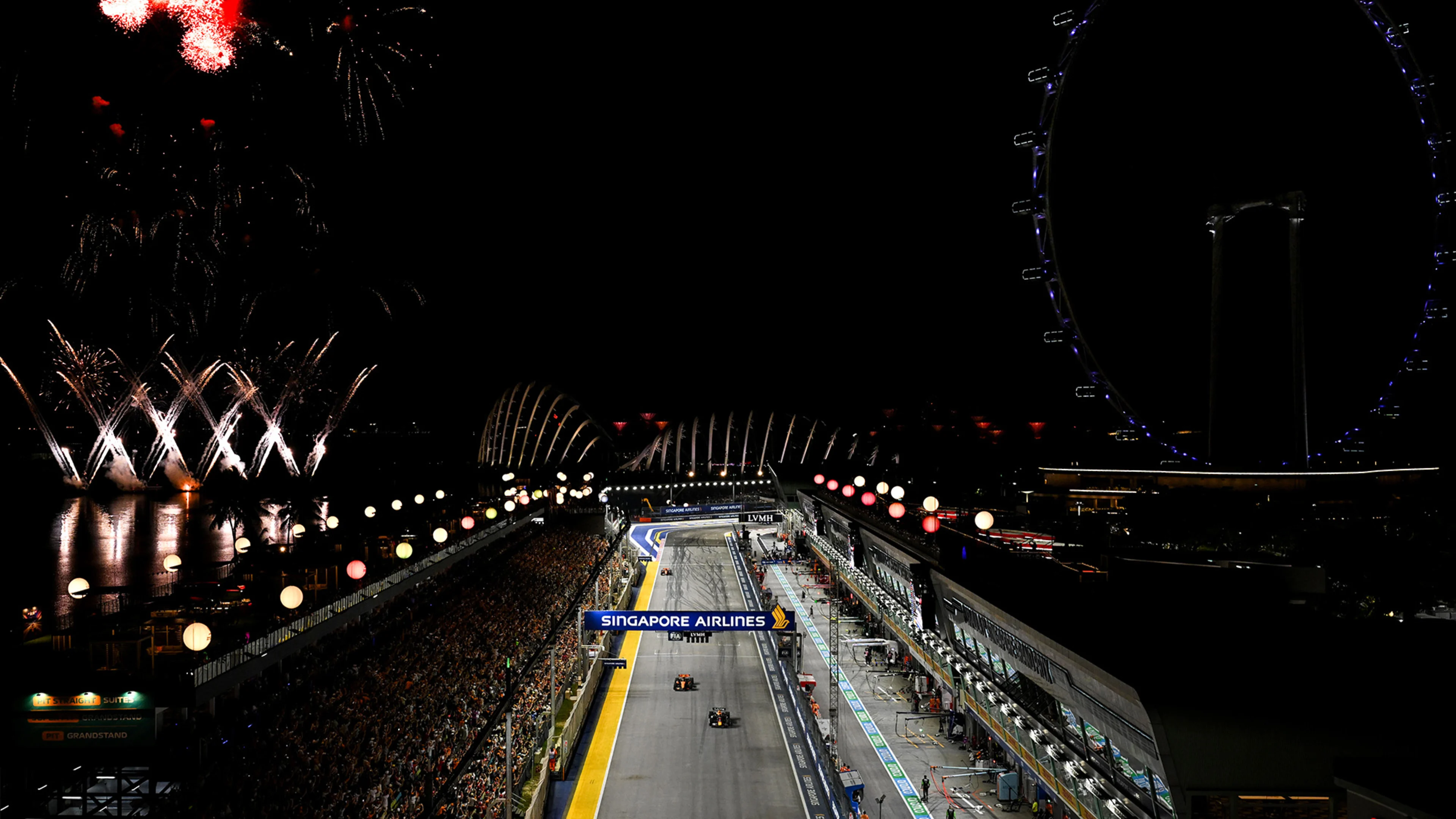
After the sun has set, the floodlights turn on, and the spectacle can begin to unfold. Formula 1 is rolling into Singapore for the first of this season’s night races.
The final leg of a tough triple-header brings us to the Marina Bay Street Circuit, where the sight of F1 cars speeding through the city at night has quickly become one of the sport’s most iconic images.
The Singapore Grand Prix has been a staple on the calendar since its introduction in 2008, with its tight, twisting track and humid temperatures making for brilliant races over the past two decades. Singapore made history as F1’s first night race, and it continues to evolve in 2026, with this year’s edition hosting the Sprint format for the first time.
We have tasted victory in Singapore twice before, first when Lewis Hamilton took the Chequered Flag in 2009, before Lando Norris grabbed the win in 2024. It was also the site of a brilliant moment for us last season, with results ensuring we retained the Constructors’ Championship.

“Singapore presents a unique challenge because we know everything is going to get hot, so we need to make sure we have the cooling correct, whether that is for the engine, gearbox, brakes or even the driver. From a setup perspective, the track requires us to find the right balance between keeping the car in the correct aerodynamic window and delivering good ride performance over the bumps and kerbs.
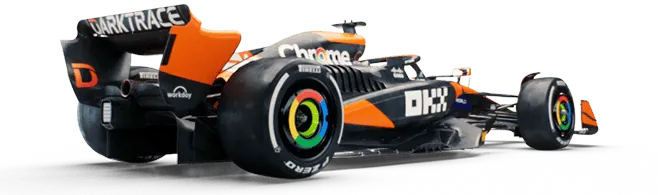
“We don’t think we fully maximised the performance available from the car at the last two events, so there is an opportunity to analyse the data and ensure we get everything we can from the MCL40 in Singapore. Our car may not be as well suited to the slow, 90-degree corners we see at Marina Bay, but we have also seen the competitive order vary from track to track this year. Our focus will be on maximising performance in every area and seeing what that delivers in lap time.
“With limited free running during a Sprint weekend, pre-event preparation carries even greater importance. We will arrive with a clear plan, while remaining adaptable to changing track conditions, Safety Cars and incidents. We want to win both races and know we have a quick car, but we need to extract all of its performance. The last two races did not deliver the results we wanted, but they provided valuable data and highlighted areas of opportunity. We must now put those races behind us, use them as motivation and focus fully on making good things happen in Singapore. There are still seven races to go before the end of the season, and everything is still to play for when it comes to the podium places in both Championships.”
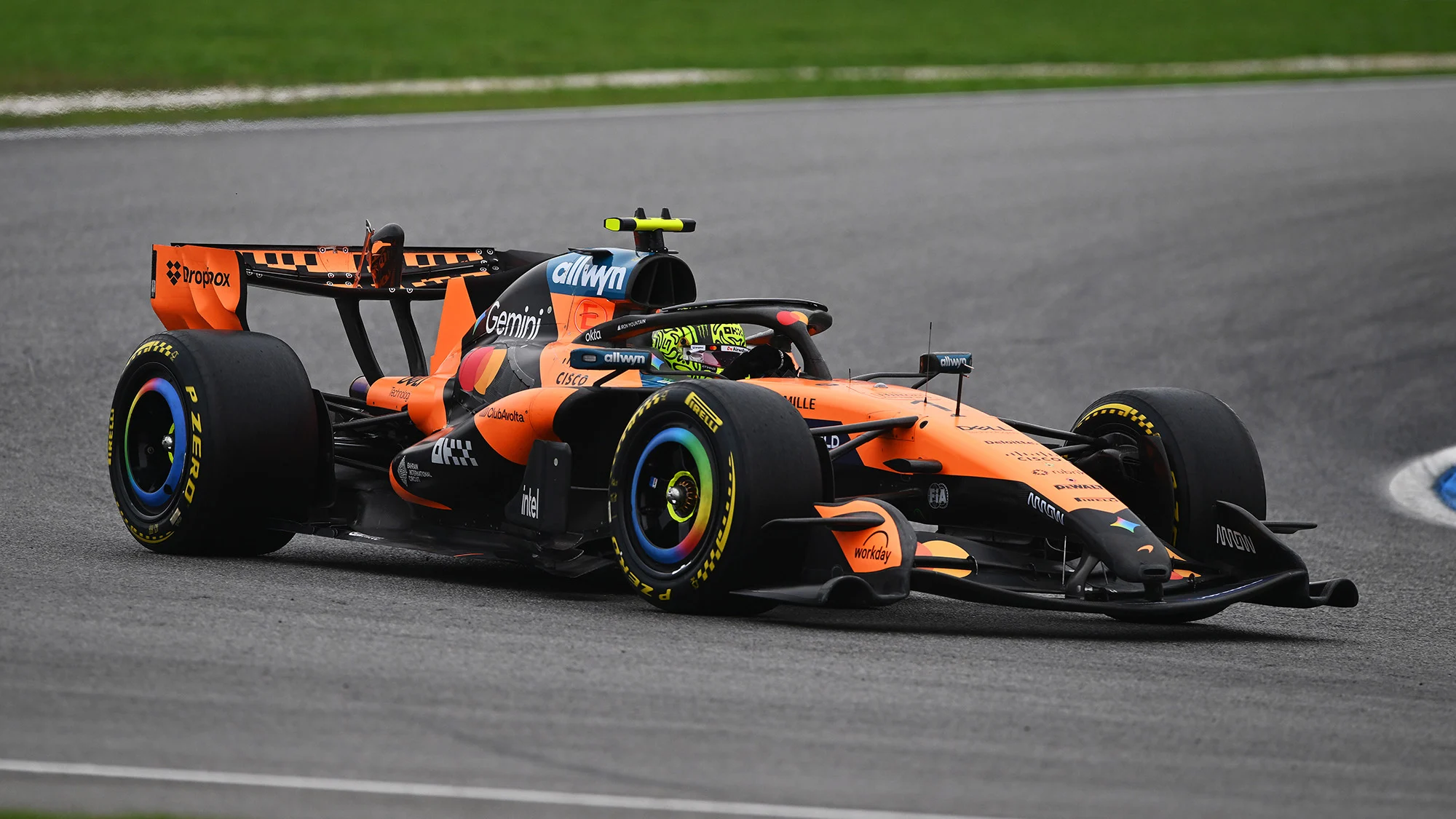
The Marina Bay Street Circuit is one of the most demanding on the F1 calendar, testing both skill and endurance.
Drivers must twist their way through 19 demanding turns, with the often narrow and wall-lined track offering little margin for error.
Singapore’s reputation for Safety Cars is well-known, with a Yellow Flag waved in the first 14 editions of the race, and the team will always keep the Safety Car in mind when plotting their race strategies. Although, with the past two years having been incident-free, they won’t hinge their strategy on it. The first Safety Car-free Grand Prix saw Lando lead from start to finish en route to the third Grand Prix victory of his F1 career.
Singapore’s tight confines do not mean overtaking is out of the question, with Turn 7 likely the first opening after drivers have navigated a technical opening section and a 90-degree Turn 5.
Turn 13 then provides another tough hairpin into a straight, where there may be an outside chance of overtaking for those brave enough, before heading into Turn 14. A chicane at Turns 16 and 17 is another late test of balancing speed and skill.
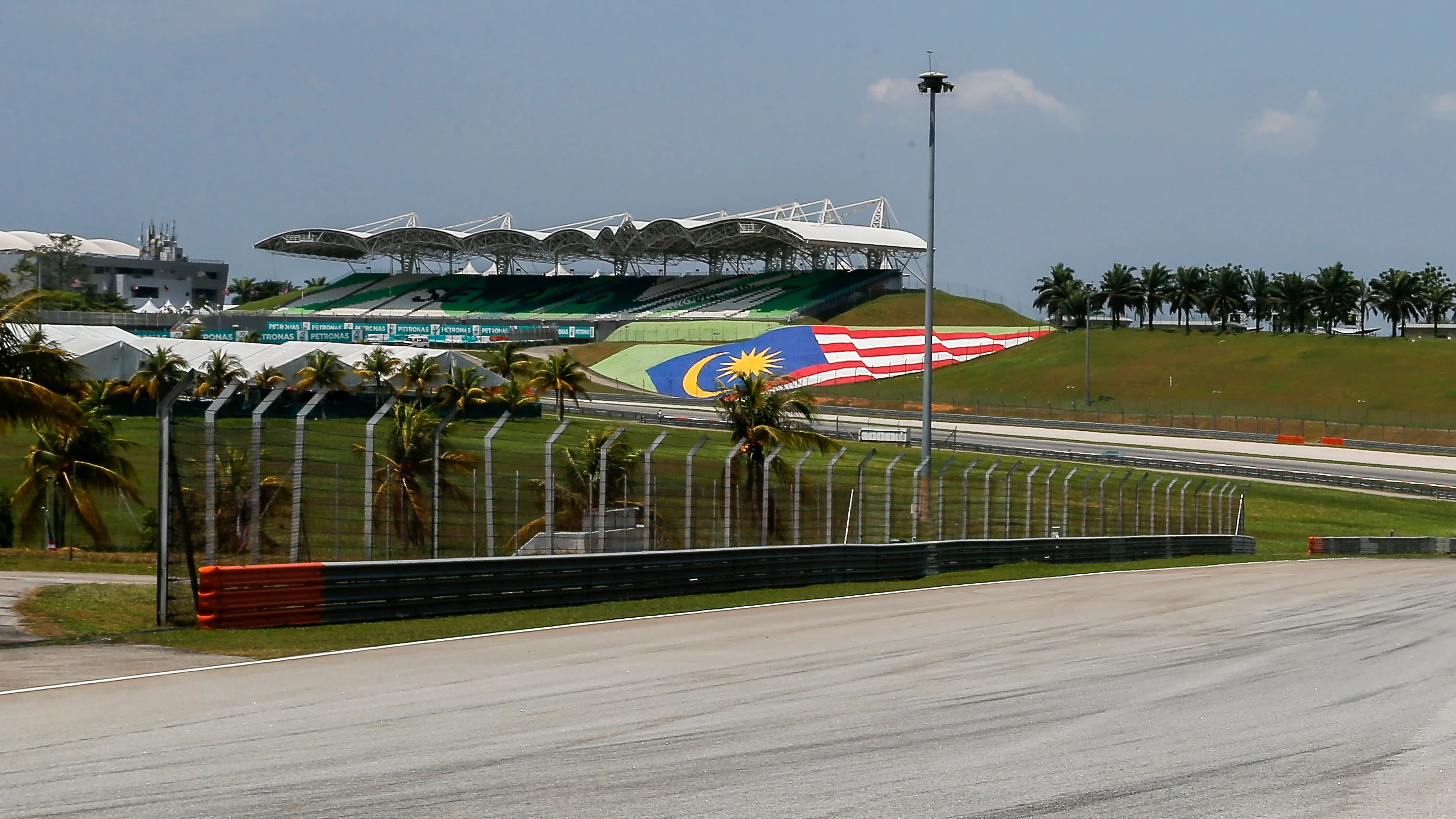
Throughout it all, teams will need to manage the heat and potential rain, with humidity regularly topping 70%. That places intense physical demands on all drivers, while teams will need to manage tyre degradation in similar conditions to Malaysia.
Due to a variety of factors, neither Azerbaijan nor Bahrain brought the results we’d have hoped for, following our most recent upgrade, but the team heads to Singapore aiming for a stronger result, having spent the brief few days between races analysing how to provide Lando and Oscar with a more competitive package.
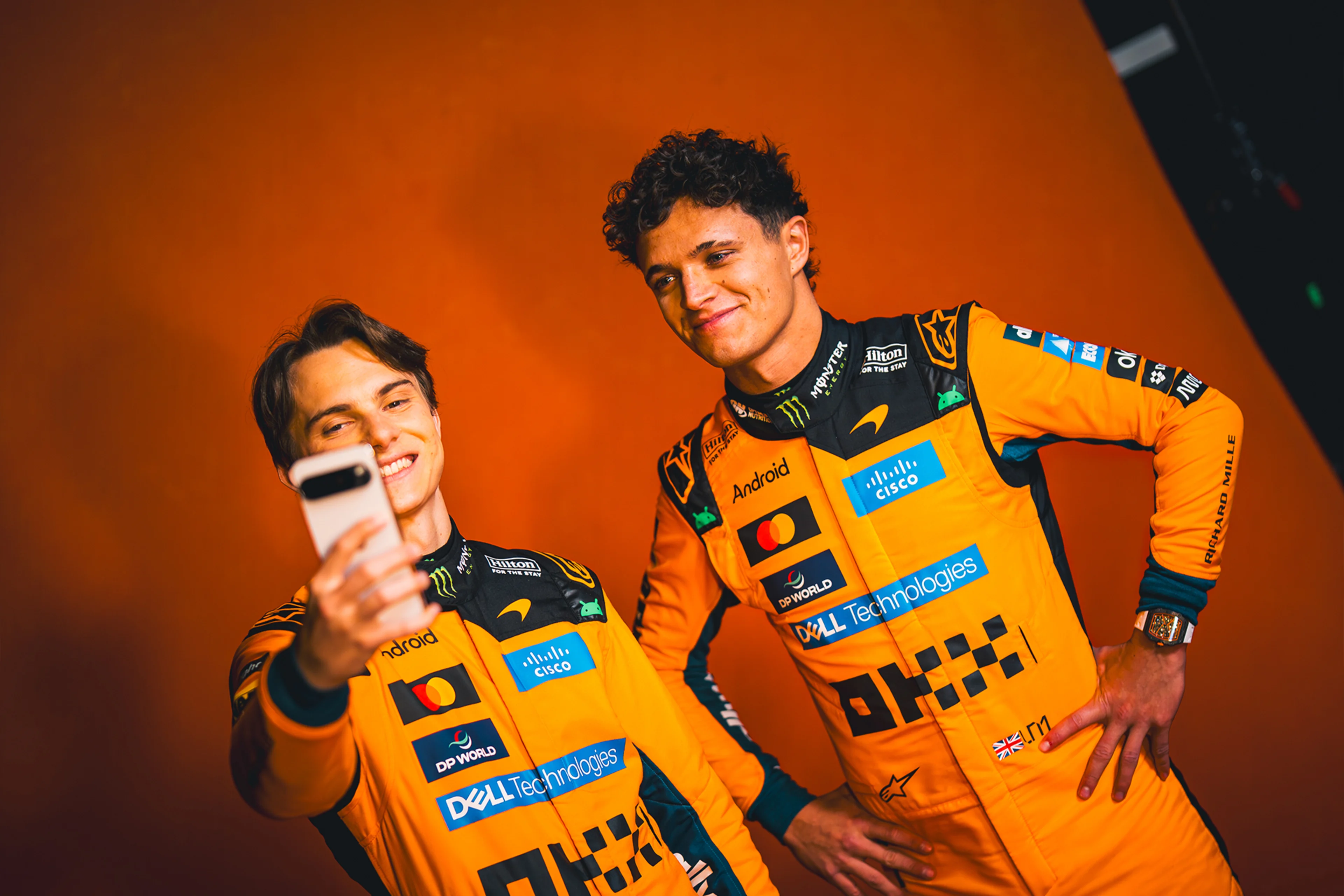
Oscar and Lando finished sixth and ninth, respectively, last time out in the Bahrain Grand Prix in Malaysia, and their points see us sitting third in the Constructors’ Championship on 316, 89 off second. In the Drivers’ Championship, Lando is fifth with 188 points, three off fourth, and Oscar is seventh on 128 points, 60 off sixth.

9 - 11 OCT
F1’s first race in Singapore set a new standard for downtown street circuits and pioneered the concept of an F1 night race that has since been successfully copied. It also extended Lewis Hamilton’s lead at the top of the Drivers’ Championship, and catapulted us into the lead of the Constructors’ Championship.
For Jonathan Brookes, then No.1 mechanic on Heikki Kovalainen’s McLaren MP4-23, the greatest uncertainty beforehand was how the team would adapt to working under the lights: “It was obviously completely unfamiliar to all of us going and racing at night. There was a lot of discussion about whether we could see to do a pit stop. I remember that clearly, and there were all types of head torches and items that we tested. As it turned out, we didn’t need any of that, and the lighting’s much better now than it was back then too, which helps teams operate like any other race event.”
The unfamiliar setting of night racing also created an intense challenge in the garage as the team worked through its early on-track learnings. Jonathan continued by saying: “I think we only had around an hour between FP1 and FP2. I seem to remember it was tense because the timetable was different. It was chaos for every team because we’d never had that sort of reduced gap.
“I think the bumps on the circuit had caught everyone out. There were loads of car changes between the sessions, and I think if we were to do it now, it just wouldn’t get done because you’re going to a new track, unknown to everyone, and then you compress the time between FP1 and FP2 to react. I recall loads of damper changes, and loads of extra work on the car but with only half the time to do it.”
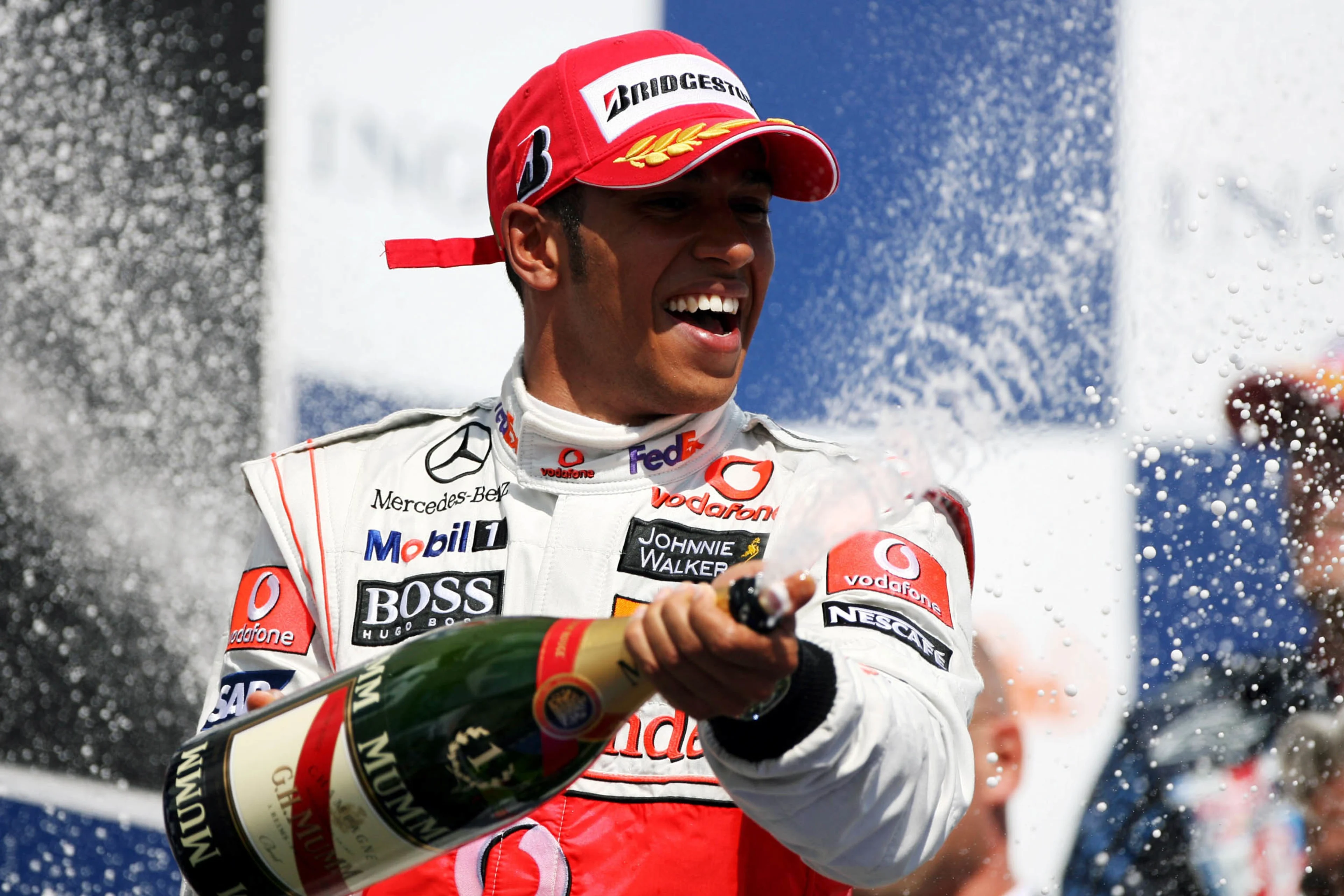
Lewis lined up on the grid in P2. He was one point ahead, but one place behind Ferrari’s Felipe Massa. The pair, who had been pursuing each other as F1 went through its European rounds, were difficult to separate, and both made good getaways to hold position off the line. The race, however, was blown apart by what happened behind them, as a chaotic Safety Car period reshuffled the order and catapulted Fernando Alonso, who had started 15th, into the lead.
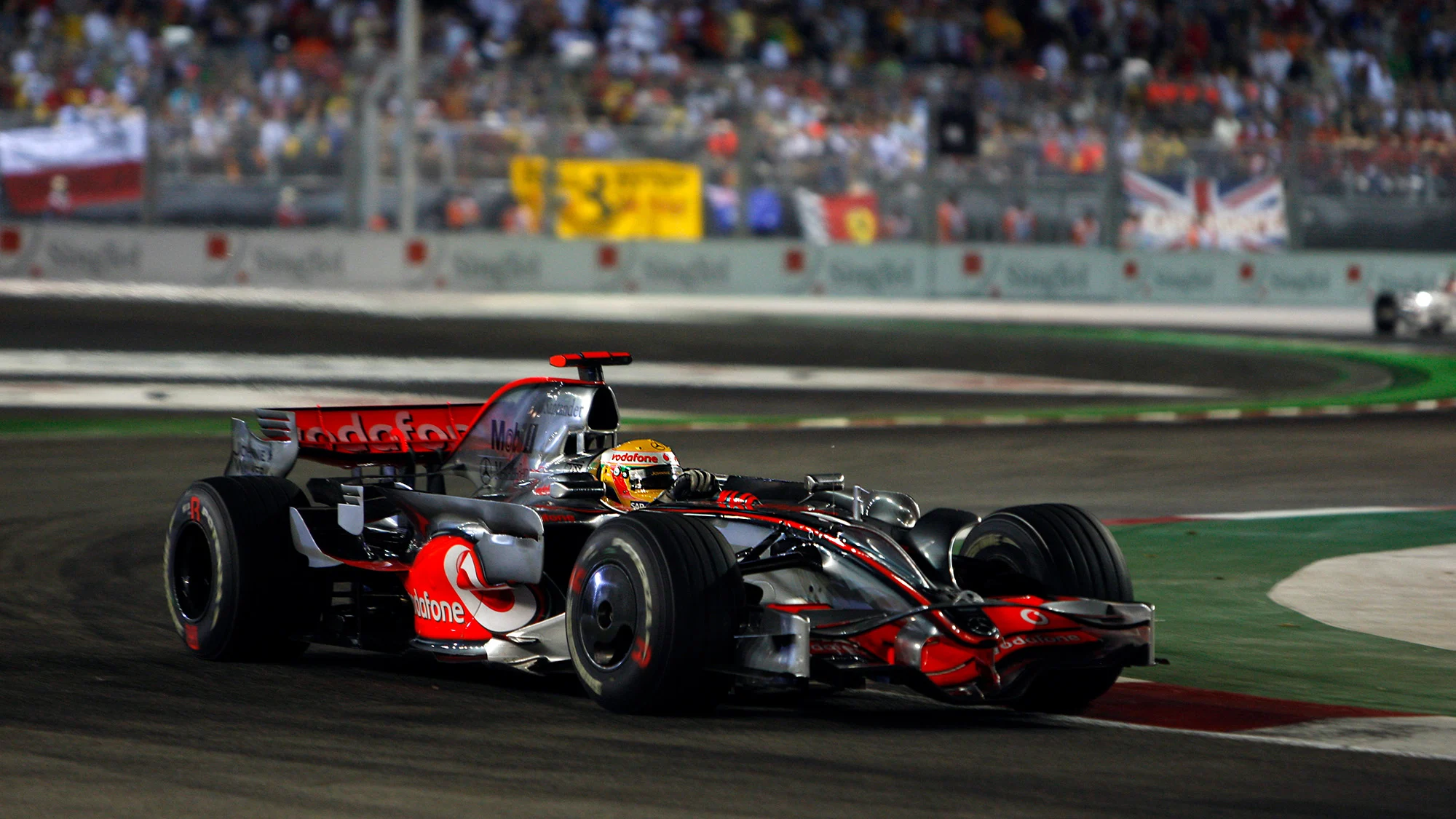
Lewis’ stop under the Safety Car had dropped him to ninth, but he gained places back as cars pitted ahead, and just before his second stop, he put a beautiful move on David Coulthard to briefly snatch P2. After a second good stop, he emerged in P4, kept a keen focus and moved up to P3 when Kimi Räikkönen pitted and came home there with six valuable points.
The first running of the Marina Bay Street Circuit therefore produced a well-executed strategy from the McLaren team, and a very calm drive from Lewis, keeping his head with madness all around.
Reflecting on how teams have adapted to the demands of Singapore since that inaugural race, Jonathan said: “Back in 2008, the whole weekend was different for everyone. We had new meal times and sleep schedules. It was all very strange having to do that for the first time. But I think the teams are a lot more organised and familiar with it now, especially since the race has been on the calendar for all these years.
“There are different elements that help now such as curfew, which we didn’t have before. So, it’s much more regimented and controlled with the schedules in place. The teams understand the meals required at the different time of day. I think everyone’s adapted to understanding the right amount of sleep required because back in the first few races in Singapore, you could actually be guilty of almost getting too much sleep as well, which is another problem. It was just about getting your body used to being ready at the right time.”
Each race week, we’ll be putting the same question to Lando and Oscar to find out just how similar (or different) they really are. The question could be anything: from their favourite corner on the F1 calendar, to their ultimate pre-race anthem, or even the one food they absolutely refuse to eat on race week.
This week, we asked them which movie or TV series they think everyone should watch.
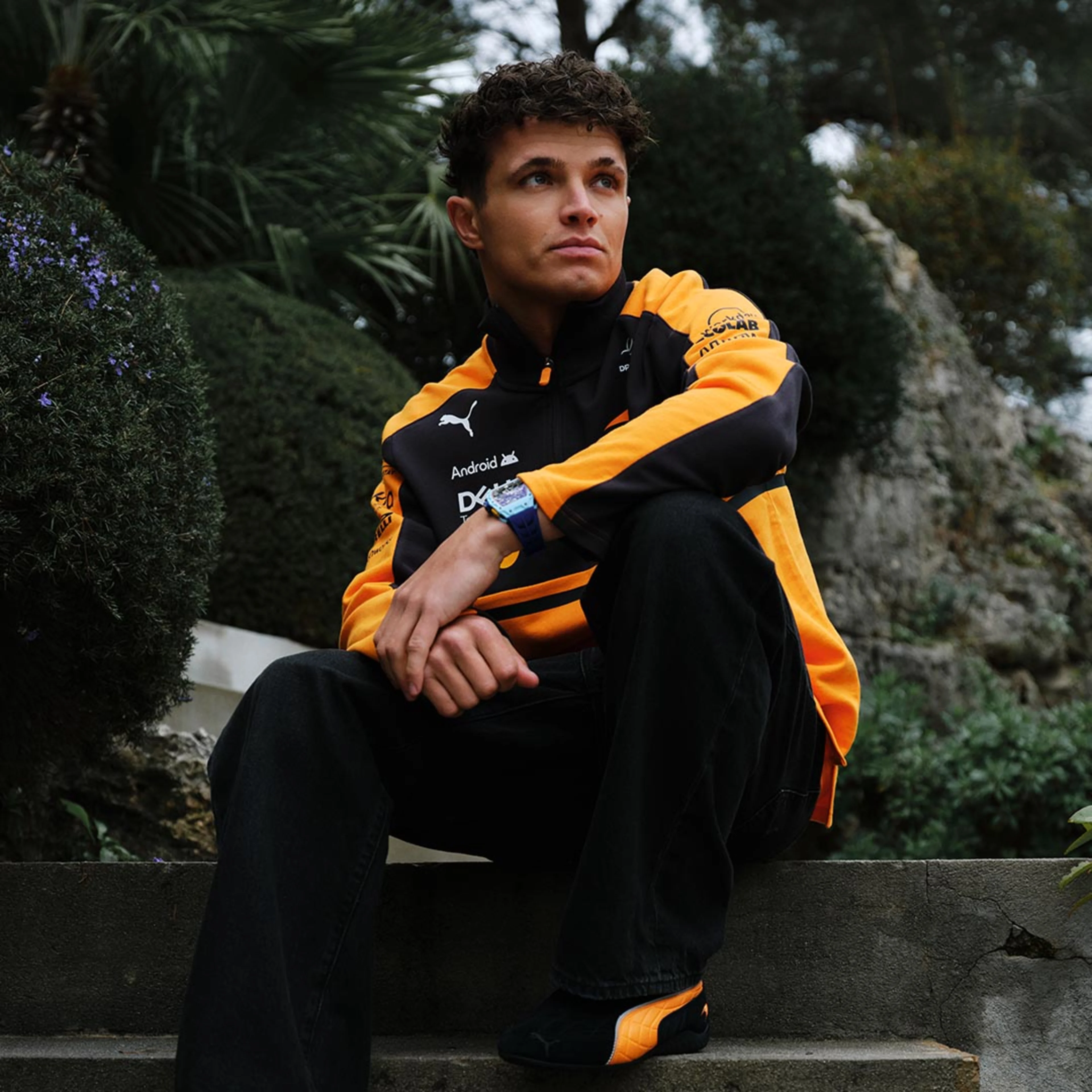
Lando: I’m shocking with the names of movies and TV shows, I struggle to remember them, but I’m a Jason Bourne kind of guy. I can remember trying to watch all of them when I was a kid. Otherwise, maybe Anchorman or Step Brothers? I wouldn’t want people to watch what I watch, but those are some of the films I’ve enjoyed.
Oscar: I think everyone should watch Breaking Bad. It's quite long, but it's definitely worth it.