


26 June 2026 14:00 (UTC)
Track warp, ride height, and whether the Red Bull Ring will suit us: Answering this weekend’s key questions

Welcome to The Briefing, where we’ll be answering the key on-track questions ahead of the Austrian Grand Prix.
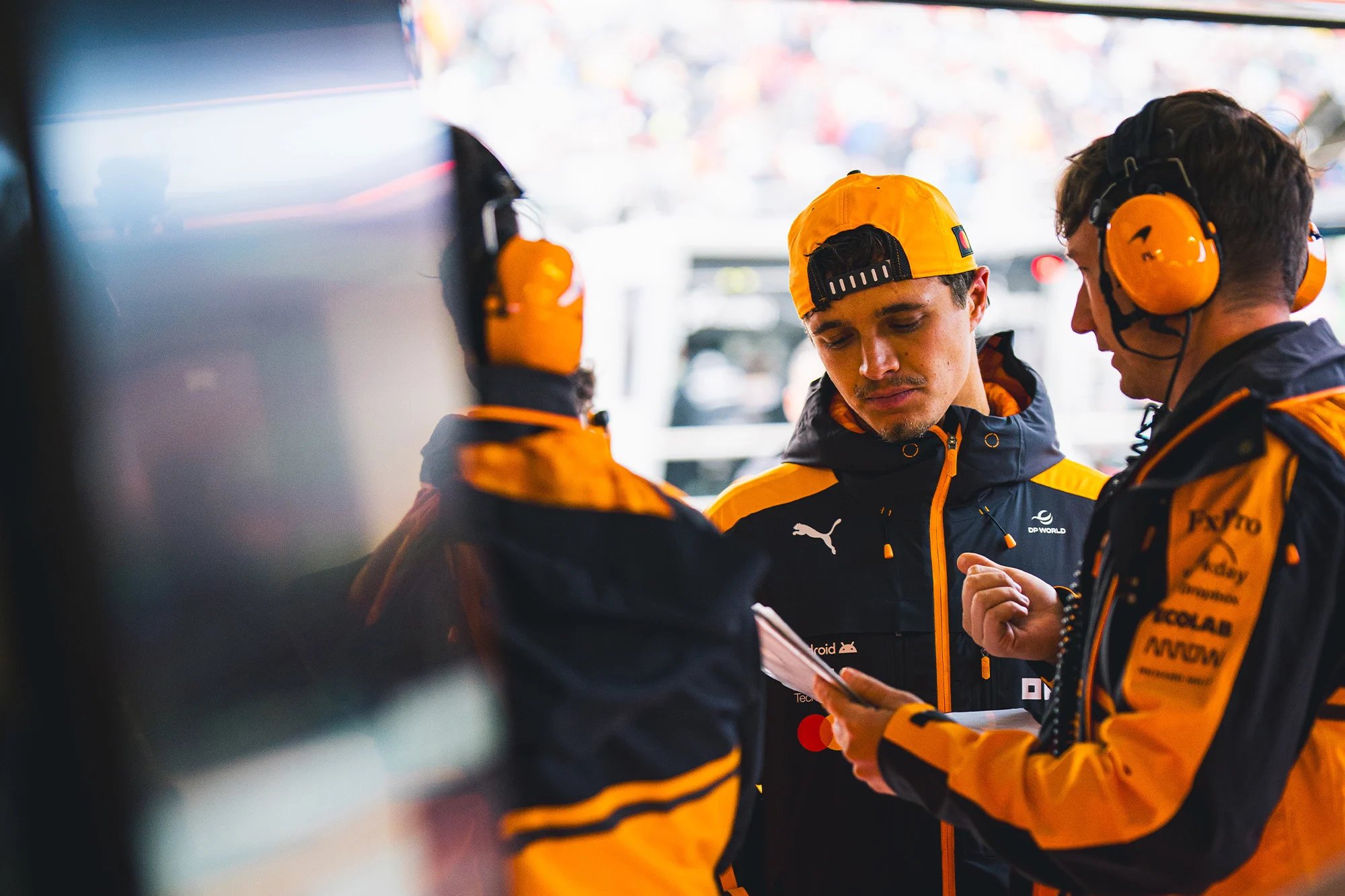
Each week, powered by Google Cloud, one of our trackside experts will join us to explain all of the weekend’s biggest talking points. This week, ahead of FP1, we spoke with Applied Engineering Technical Director, Neil Houldey.
Another weekend with three practice sessions means another opportunity to learn more about the new generation of cars, work we'll look to balance with our usual track-specific practice priorities.
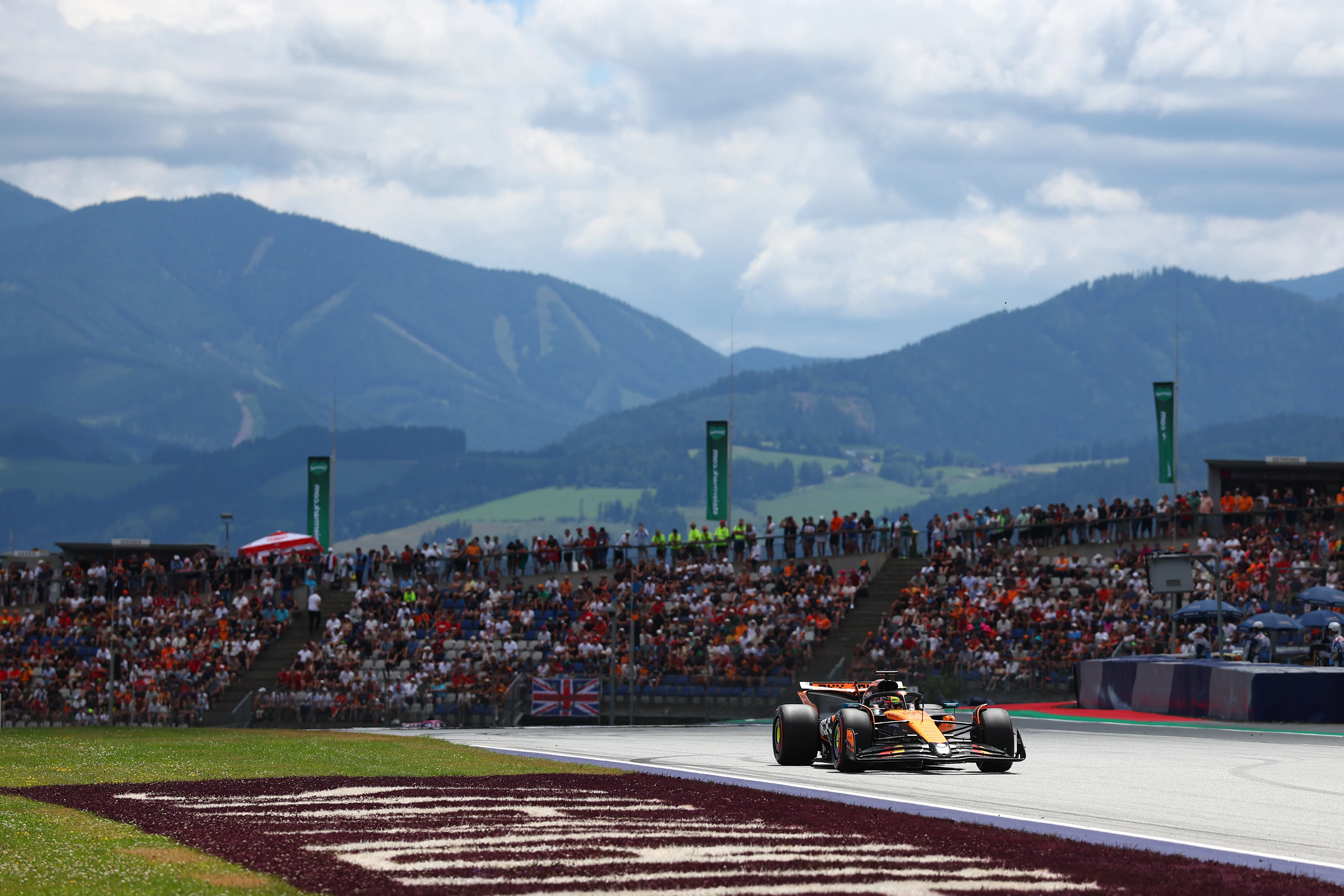
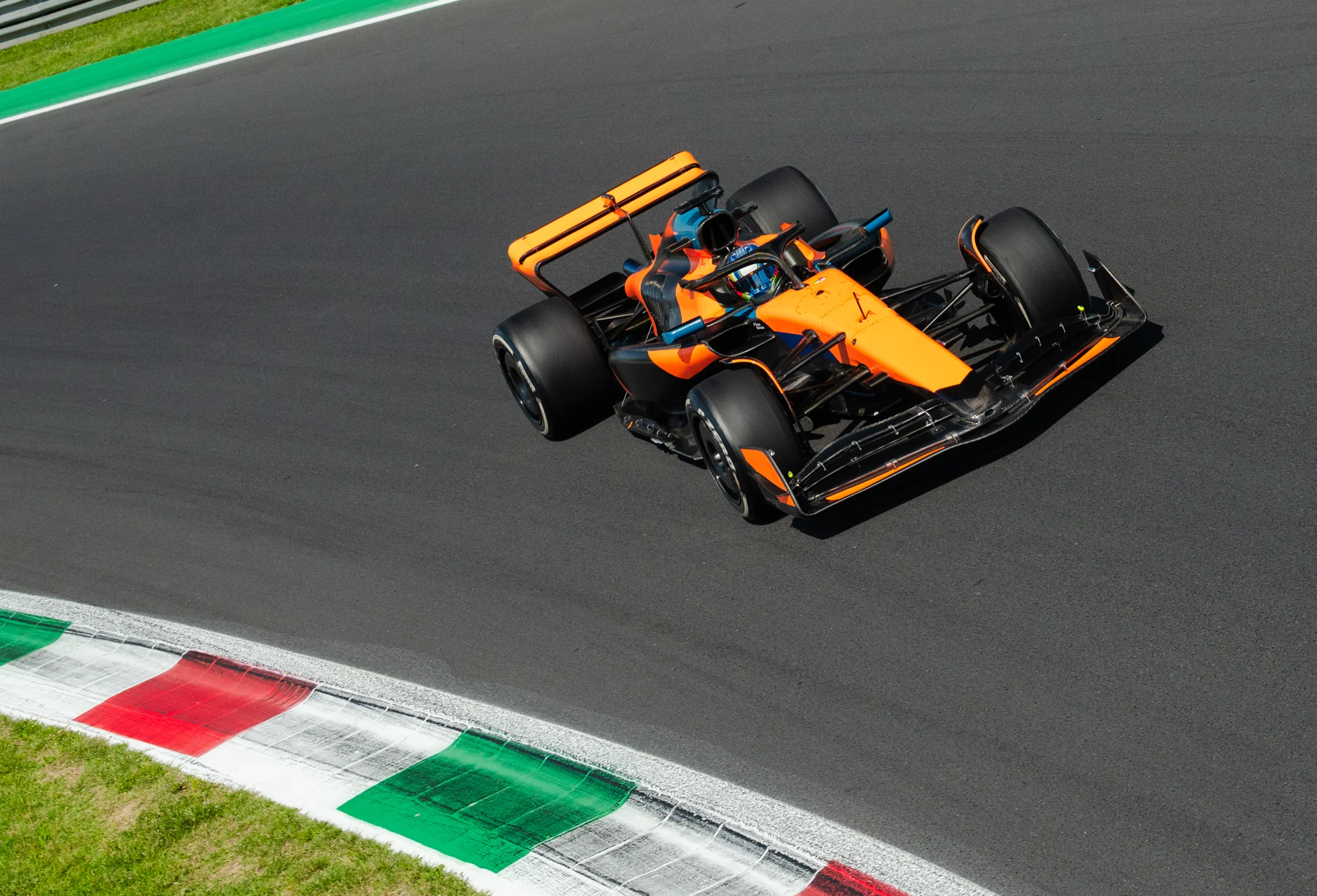
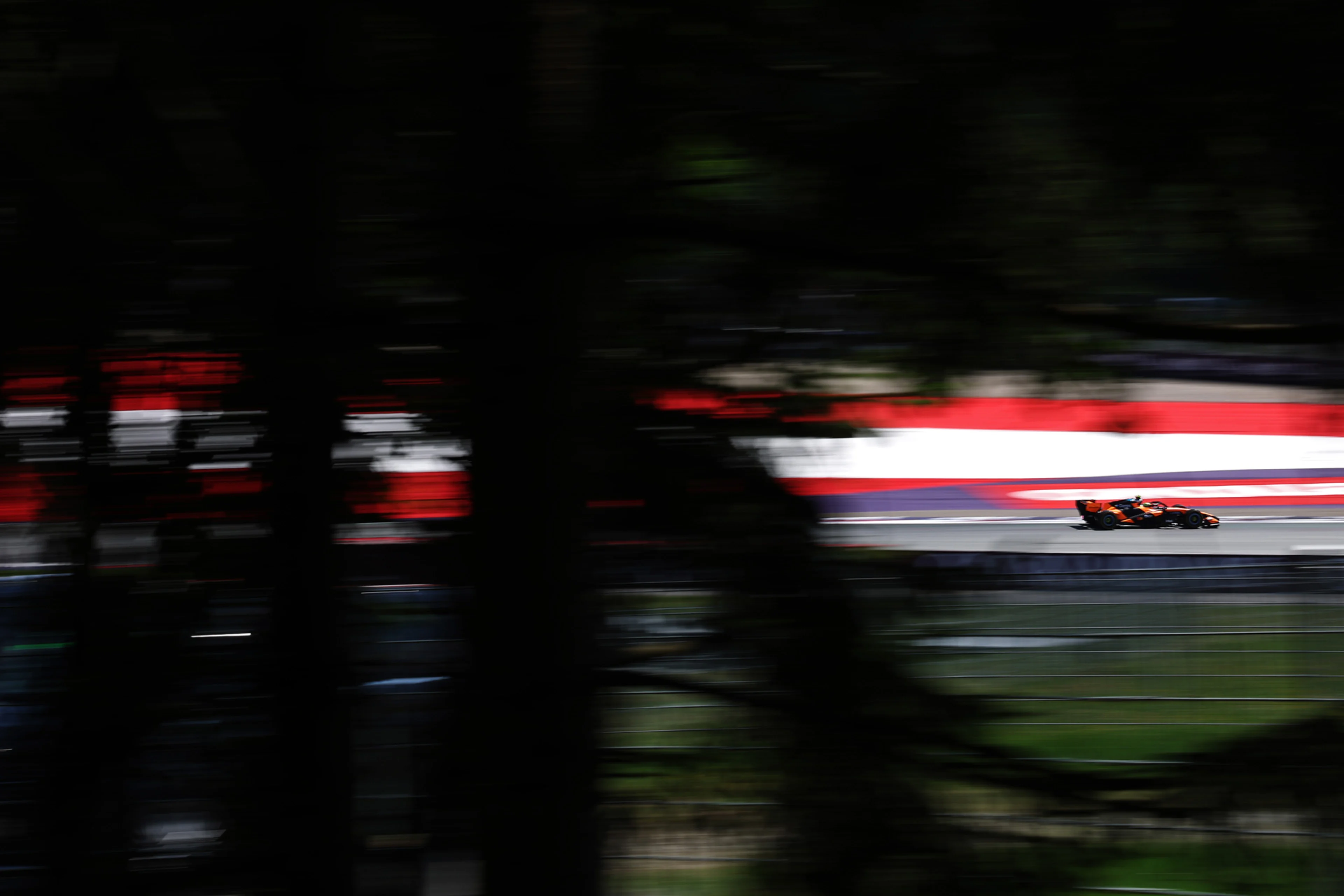
Austria is known for its stop-and-go circuit layout, with a rollercoaster feel created by high-speed straights, heavy braking zones and significant elevation changes. In previous years, this has played to our car's strengths, but will that still be the case in F1's new era?
With Neil's help, we'll explain whether we expect that to remain true, and what else we think will be similar - and different - about this circuit under Formula 1's new regulations.
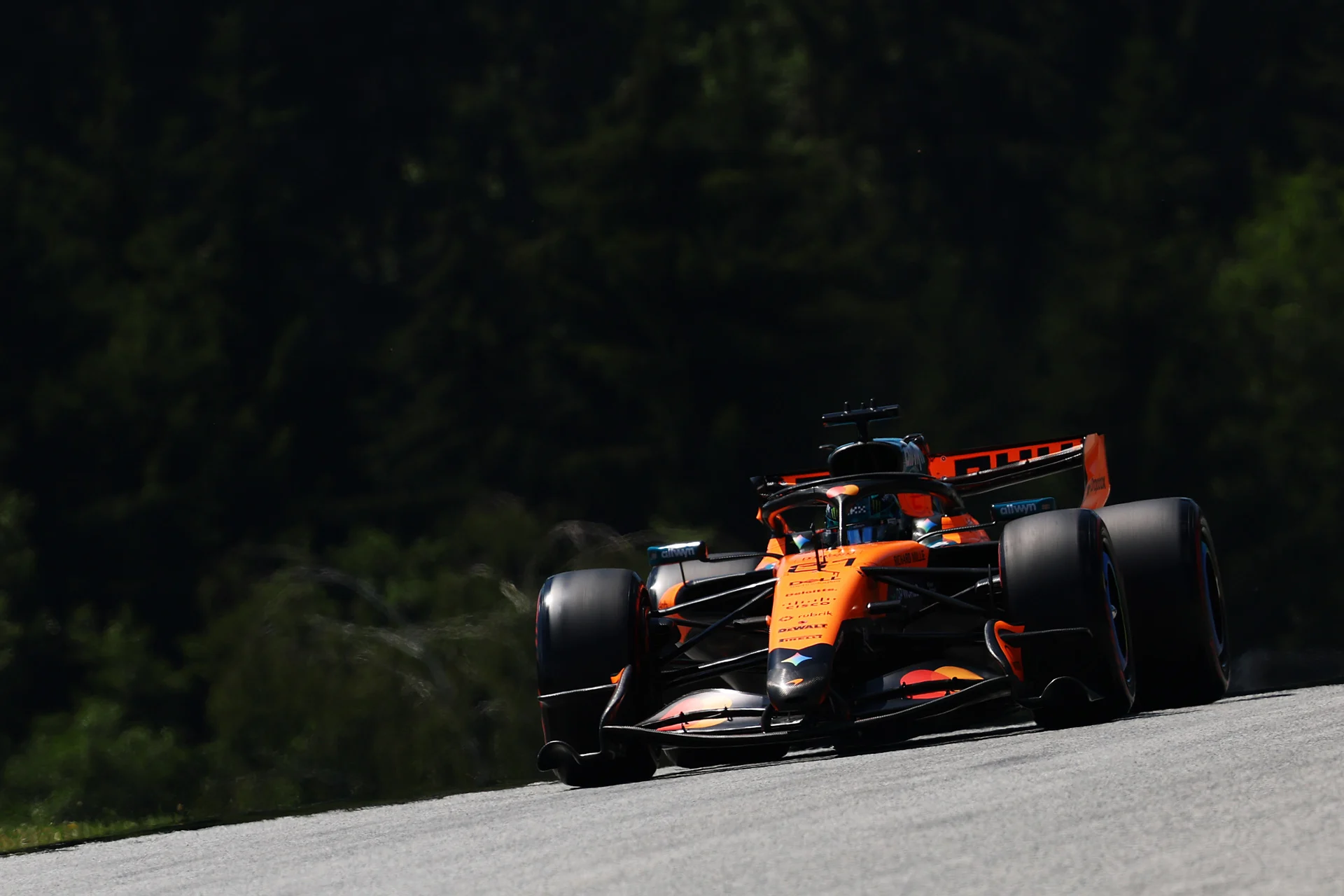
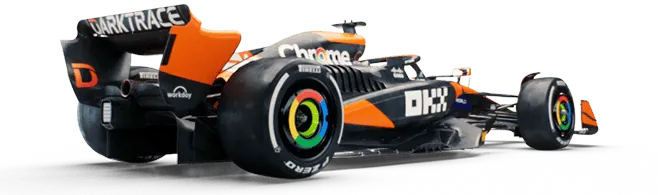
The team's experimental rear wing will not run at the start of Free Practice 1 as planned, due to it becoming clear further preparation work is required. The team will continue to prepare and develop that test item back in Woking.
We did do some upgrades to the rear brake ducts, however. They’ll add a small amount of performance. Even when we’re not testing large upgrades, we’re always bringing something that adds performance and lap time to the car. So, even though this event is lighter than recent races in terms of what we’re adding to the package, we’re always looking for lap-time opportunities wherever we can to maintain the momentum in our development programme.
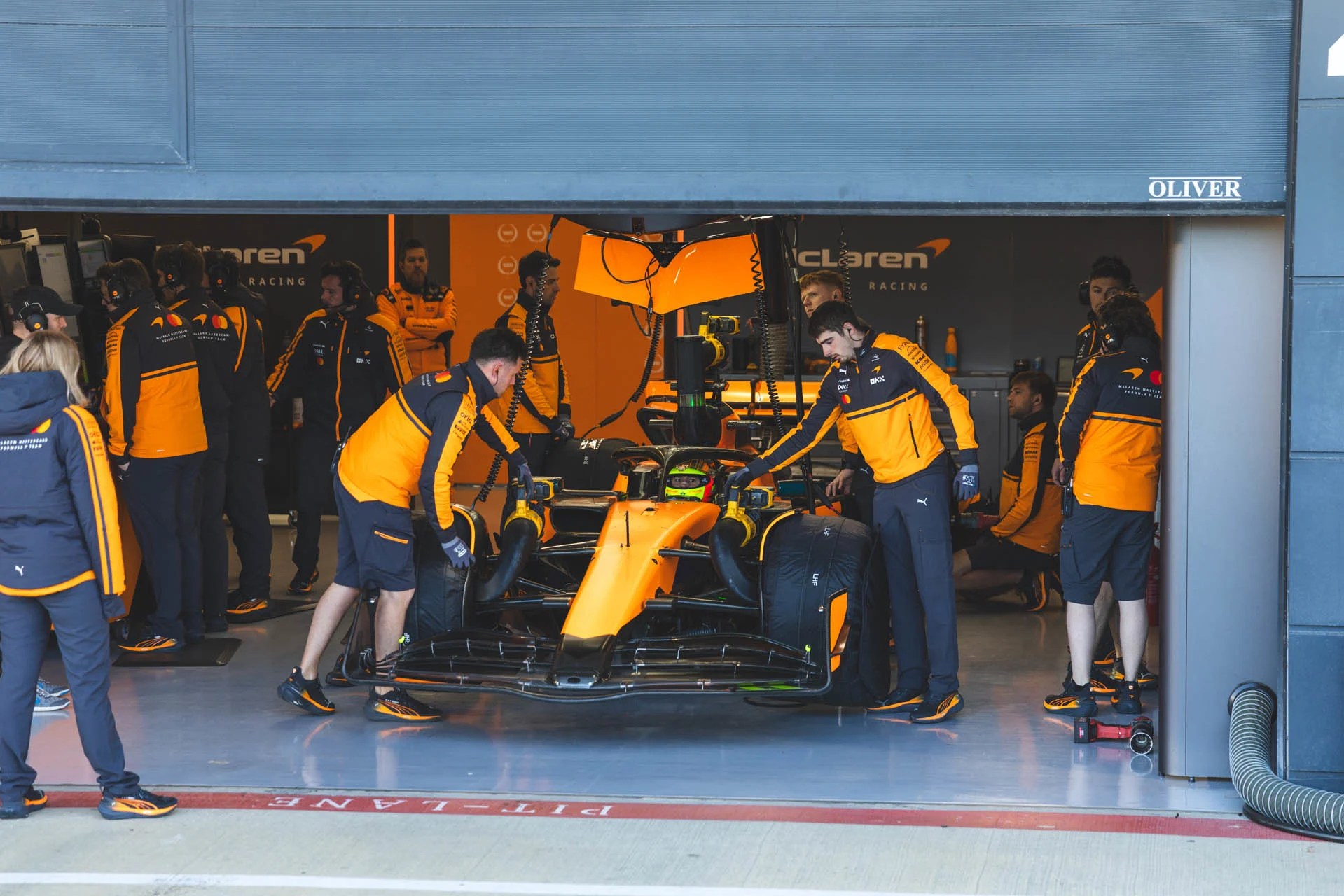
You get more time in a normal race weekend, which puts less pressure on that first session, but fundamentally, we’re still wanting to do the same things. One thing it does do is allow us to test new components and sign them off, which we wouldn’t be able to do at a Sprint weekend, and perhaps wouldn’t attempt somewhere like Monaco.
So, there’s certainly opportunity in this – but it doesn’t really alter what we’re trying to do. The priorities across practice remain the same: we’re going to want to understand what the balance is like on the car, we’re going to modify stiffnesses in heave and roll.
We also have a little bit more time to understand tyre behaviour across long runs, shorts runs and across the different compounds, and a bigger opportunity to work on ride height: how low can we run the front? How low can we run the rear? What’s the right rear ride height to maximise our aerodynamic performance? We do these things every week – but having three sessions just gives us a little more time to consider how we want to run the car.
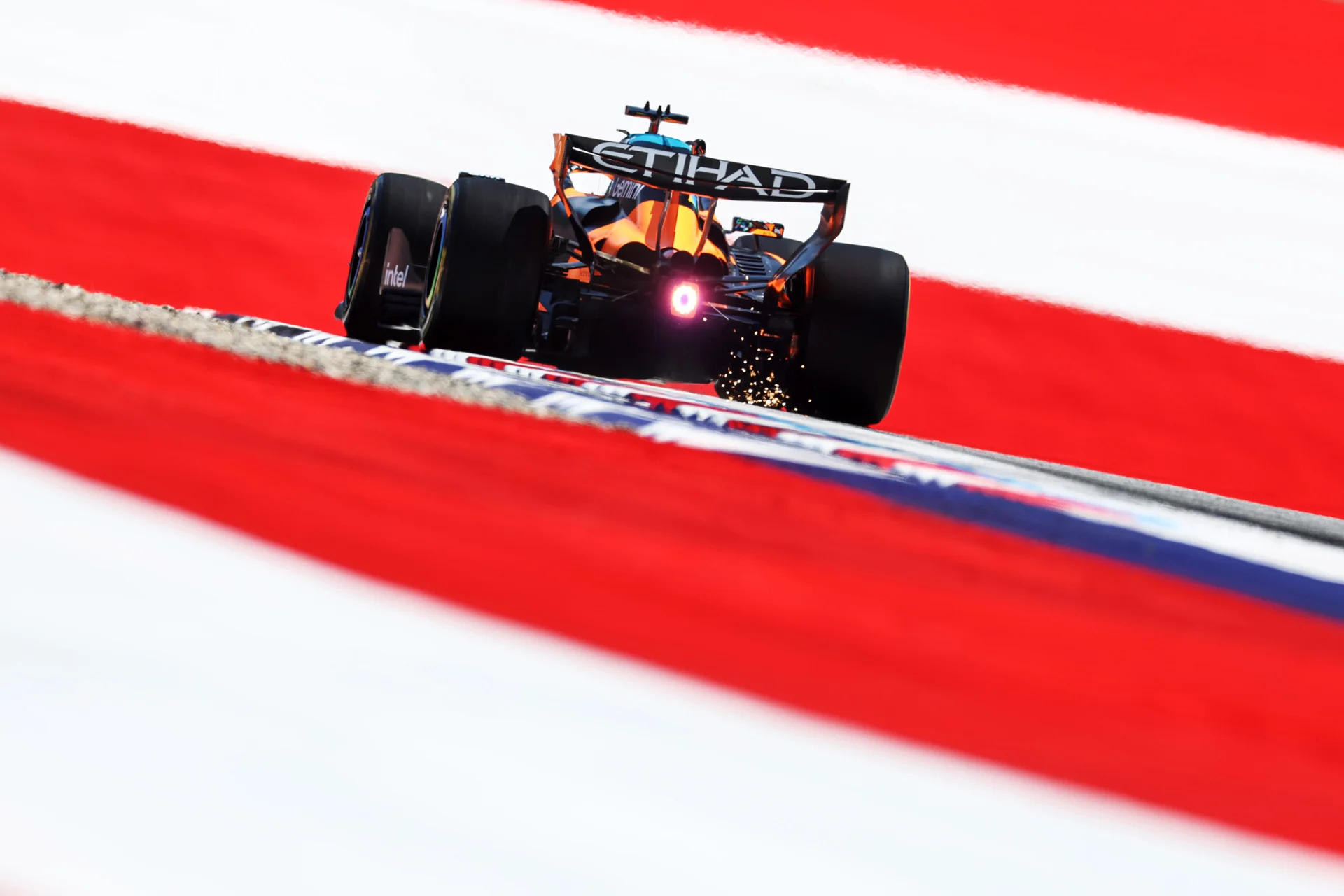
The intention of these regulations was to move away from the mega-stiff, mega-low cars that were bouncing and hitting the ground on every straight and into the braking zones. That’s been achieved, and we now run the cars a little bit softer and a little bit higher.
It means the setup windows are bigger. You can play around with stiffnesses, adjust your ride heights, and make different trades. Typically, we’re running rear ride a little higher than last year, and that will give the drivers a few more options.
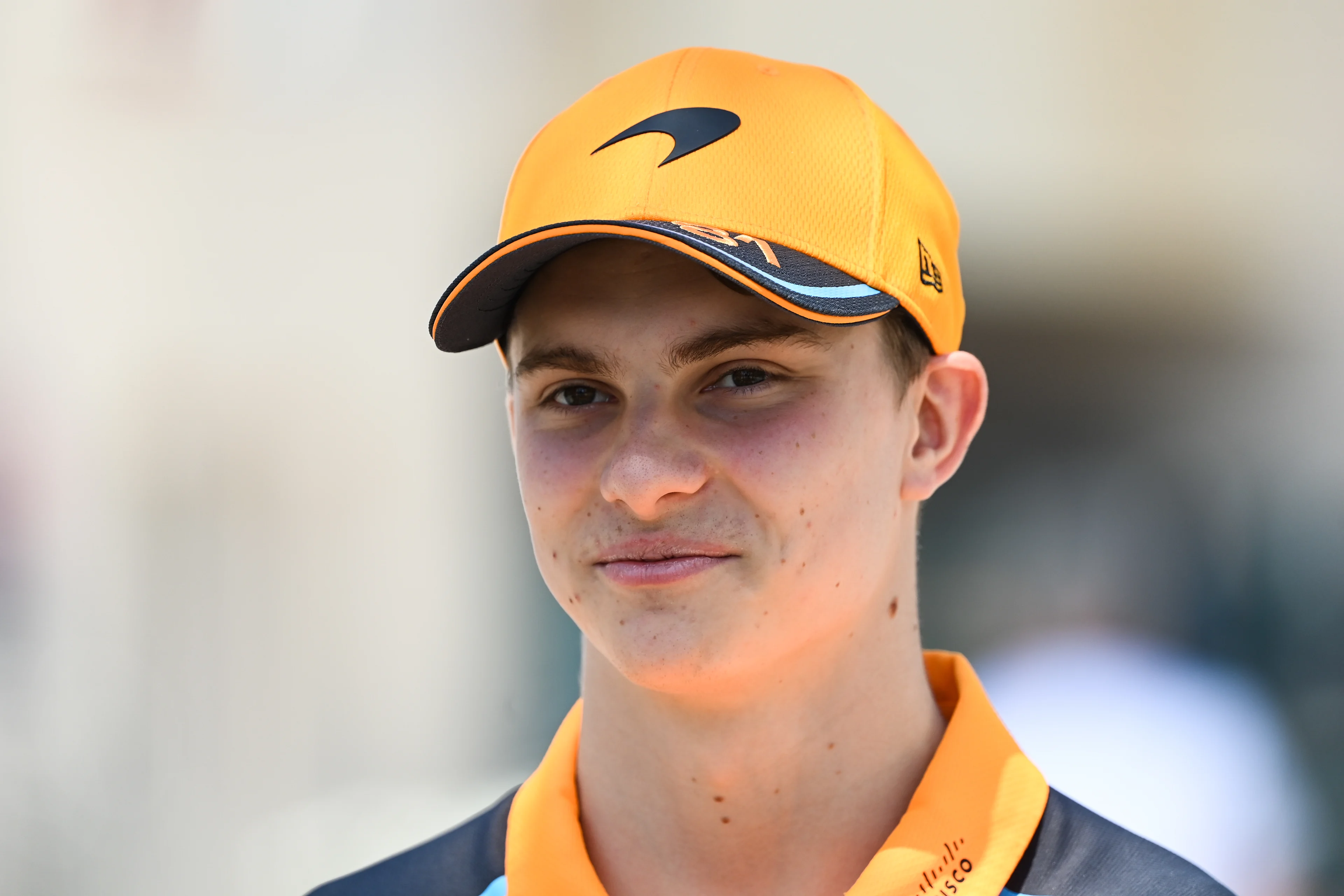
In choosing the circuits where we’re going to run a rookie session this year, we’re looking for tracks that are slightly less complicated from a driving perspective, a PU perspective, and a chassis perspective. This year, the Red Bull Ring is a track that will require a lot of energy management, and that’s something we need to get our race drivers familiar with immediately. There’s going to be a lot of learning in these three sessions, and we want to make sure Lando and Oscar are on top of every aspect of that.
By the same logic, we ran Leo in Spain because we’d already been there in winter testing and so had a pretty good idea of where we needed the car to be.
However much you start afresh, characteristics of cars within a team do seem to carry over from year to year, whether that’s McLaren or any other team. Obviously, we’d like it to be the case this weekend… but there are no guarantees.
Austria has a mix of high- and medium-speed corners, and heavy braking zones, and clearly that’s a combination that’s worked for us – and for our drivers – at previous events. As for this year, I think we’re still learning about where everyone sits in the pecking order in terms of who’s good or not so good with certain types of corners.
Additionally, the field is still tight, and with more learning being done, and upgrades arriving, there is still plenty of movement – I think you could see that in Barcelona, where we had a switch from Mercedes being outright quickest, to Ferrari being at least as quick as them. Red Bull, who have brought a big upgrade to Austria, can also be very competitive. But, setting that aside, I think the track this weekend will suit our car and our drivers, and I think we’ll be in the condition to fight for the first three rows of the grid. But we’ll know more after today.