


22 May 2026 19:30 (UTC)
More upgrades, cooler temperatures, and a single Free Practice: Answering this weekend’s key questions

Welcome to The Briefing, where we’ll be answering the key on-track questions ahead of the Canadian Grand Prix.
Each week, powered by Google Cloud, one of our trackside experts will join us to explain all of the weekend’s biggest talking points. This week, ahead of FP1, we spoke to Henry Fidler.
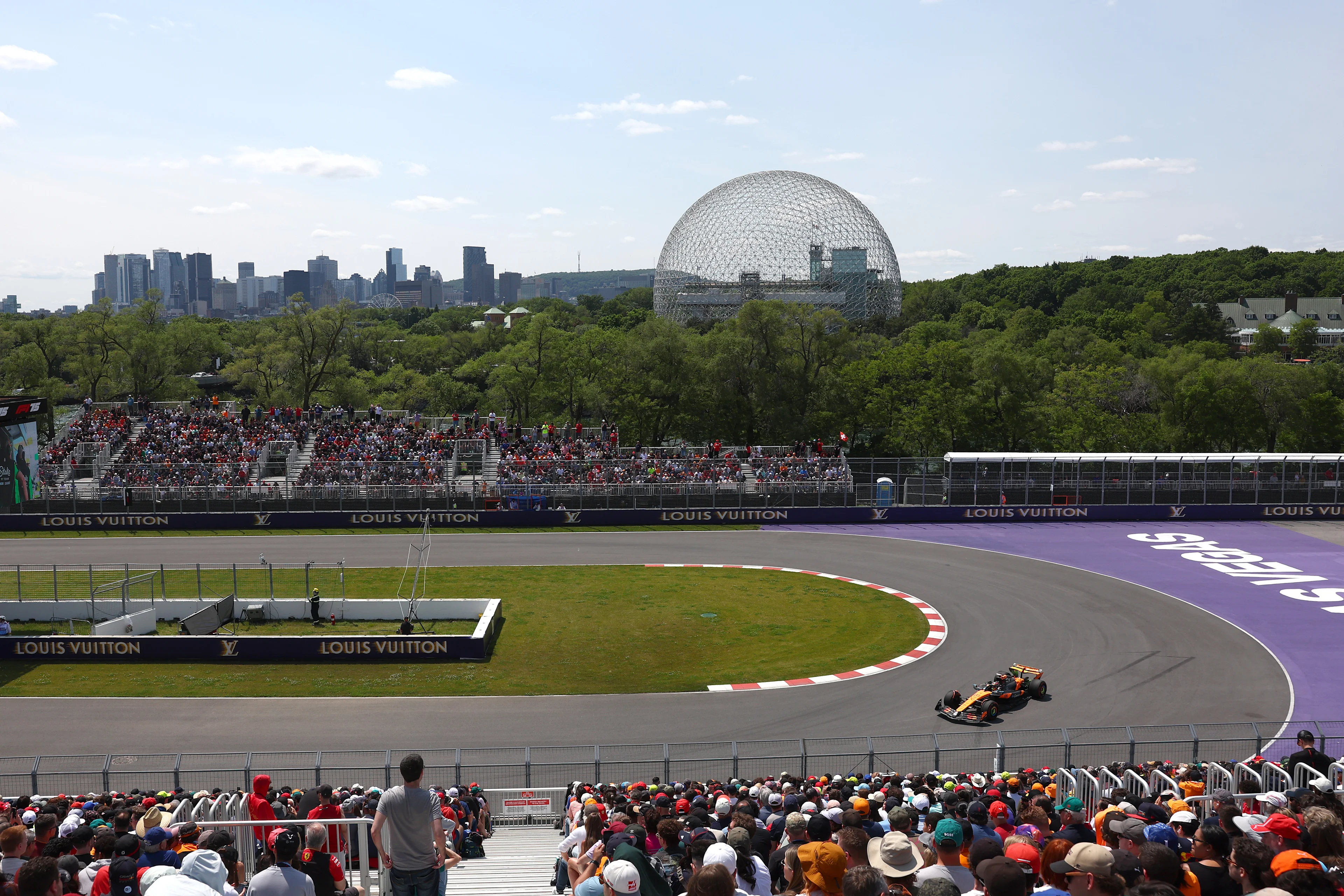
The Circuit Gilles-Villeneuve has always proven to be a thought-provoking track for engineers and drivers alike, whether that be due to the unique downforce requirements, the challenge of keeping the brakes cool, or the strain placed on the power units, but it will pose even more questions in this new era of racing. Known for its long straights and heavy braking zones, the Notre Dame Island-based track will require clever management of energy recovery and deployment.
These are the questions our team will have spent FP1 exploring, and with the help of Henry, we’ll explain all of the above and more.
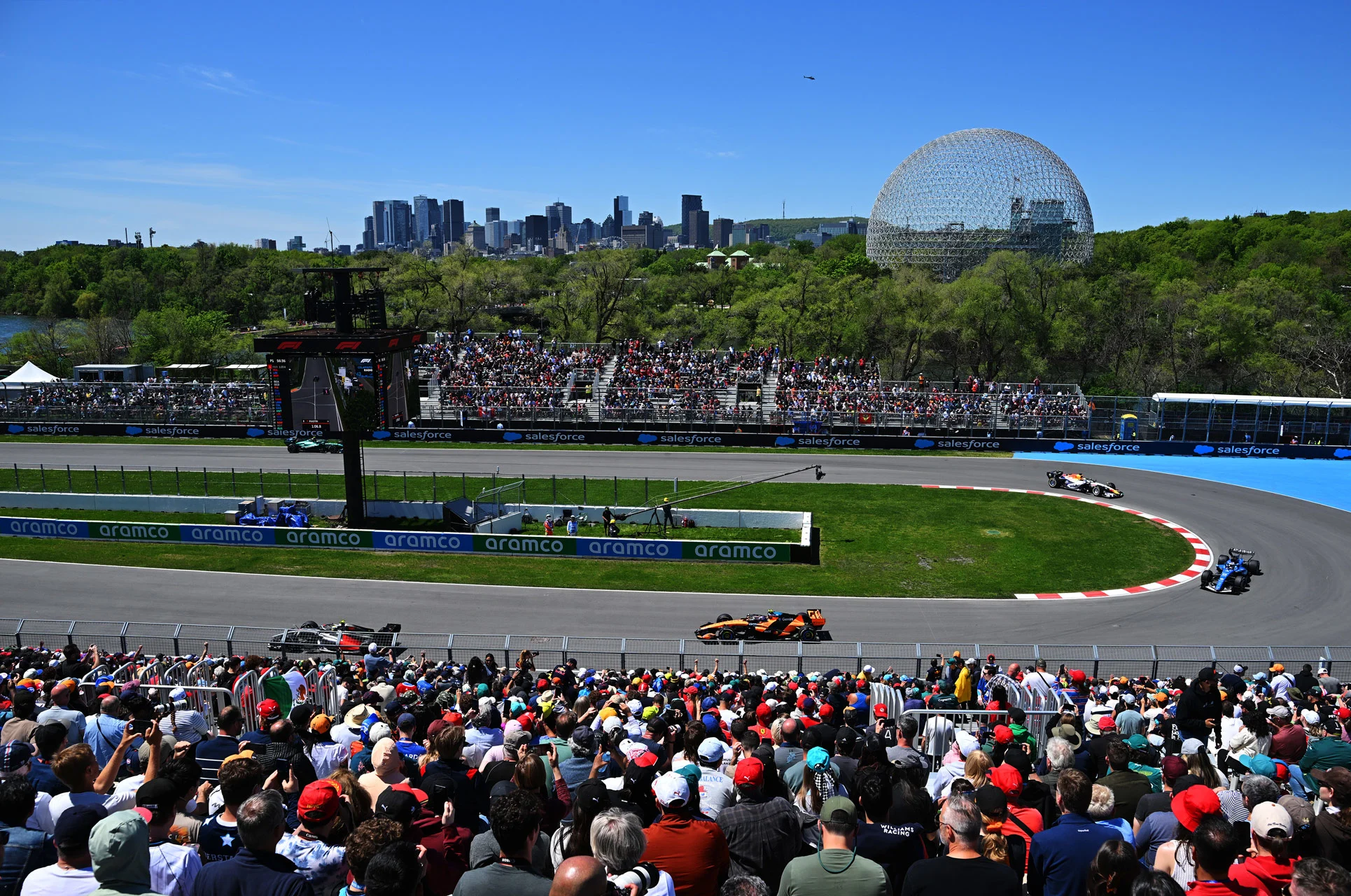
So the biggest item is a new front wing, which is quite a big change to go with the package that we added in Miami. This is probably the primary item we’re interested in learning about during FP1. We also have a number of new components across the floor, chassis, rear wing, bodywork, halo and roll hoop.
Most of the package is fit-and-forget, but we’re likely to test the front wing during practice. One car will probably run the new wing for the whole session, the other will swap between the new and old one. That way, we’ll get both the cross-car compare and the A-B.
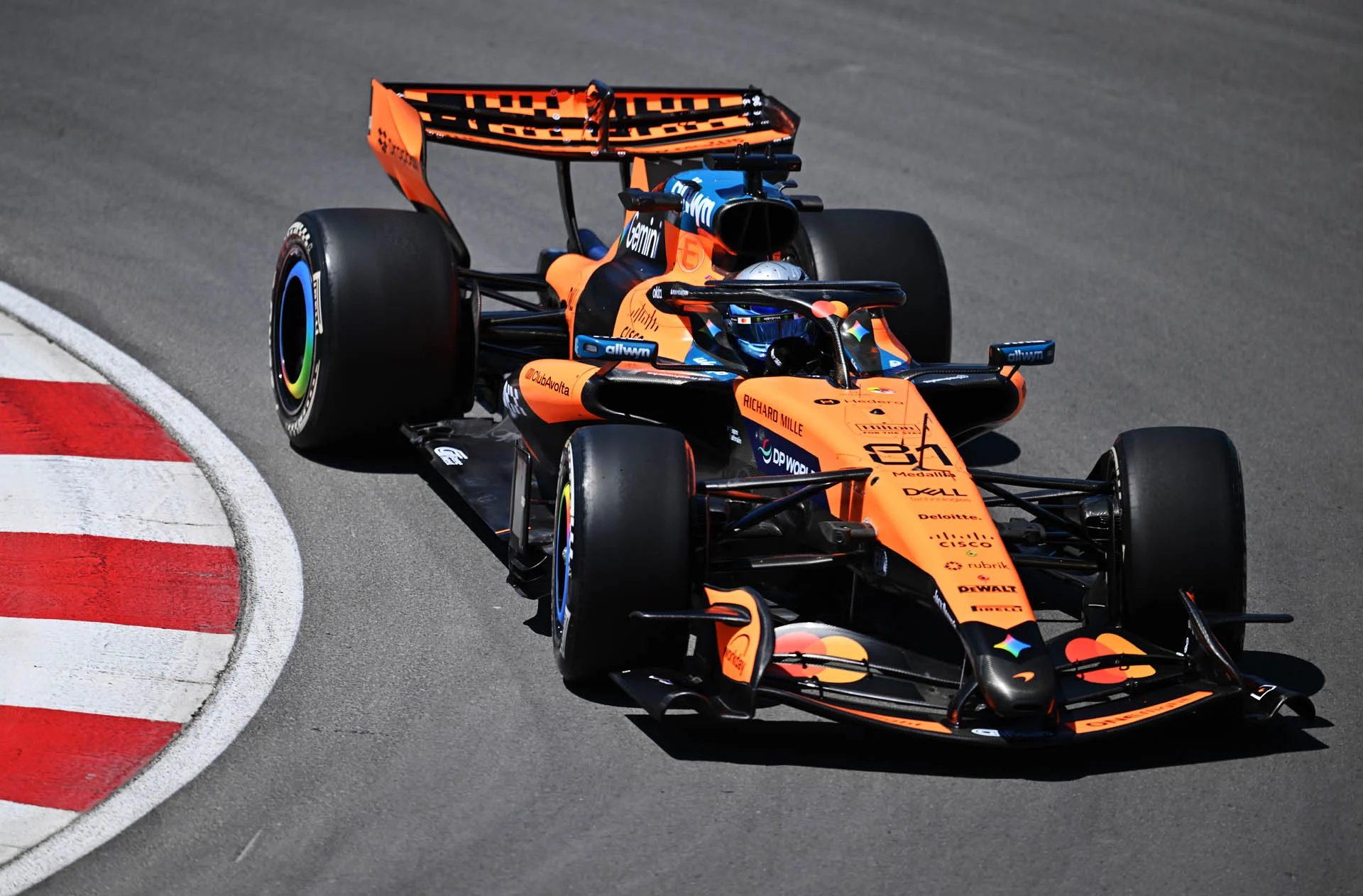
Difficult to say if there's a bigger chance or not! I think it's highly likely we'll see front-left graining. A good comparison is Australia, where we ran the C3, C4, and C5, and we had graining on all three compounds. So here, as the baseline, we expect all three compounds to grain.
One of the main talking points in terms of how we prepare the car for the Sprint and the race will be how we set up to prevent graining. Obviously, we have these slightly harder compounds than last year, which should help, and also, we have much higher mandatory rear tyre pressures than we had in 2025. That again could change where the limitations are, so there are some risks to understand.
Certainly, this is one of the more challenging events from an engineering and a driving point of view. Fitting in the learning we want to do, and the optimisation we want to do, and giving the driver enough prep to get comfortable, pushing the corner entries, getting closer to the walls on exit. It’s a lot to squeeze into FP1.
Year to year, you get different trends. So certainly, there is a trade-off to be had between how stiff do we set the car up and what kerbs is the driver going to take? It may be that some people set up their car stiffer and avoid places like the T3 apex kerb, potentially the T6 apex kerb.
There are some kerbs that you absolutely have to be able to take, however, like the high-speed final chicane, because it's so narrow on the racing line that you have to be able to use the kerbs. So, certainly, there is some kind of interplay between the driving approach and the car set-up, which is probably more of a factor here than it is at most circuits.
Aside from the kerbs, there are many bumps. The track was resurfaced a few years ago, but that doesn’t eradicate the bumps, just moves where they are, because this circuit has to go through massive temperature swings between the Canadian summer and winter, and historically, it always degrades rapidly.
Last year was already pretty bumpy, in T1, braking for T8, braking for T13, and those were challenging to deal with. They’re important considerations for the stiffness we can put into the car, as much as our approach to running kerbs.
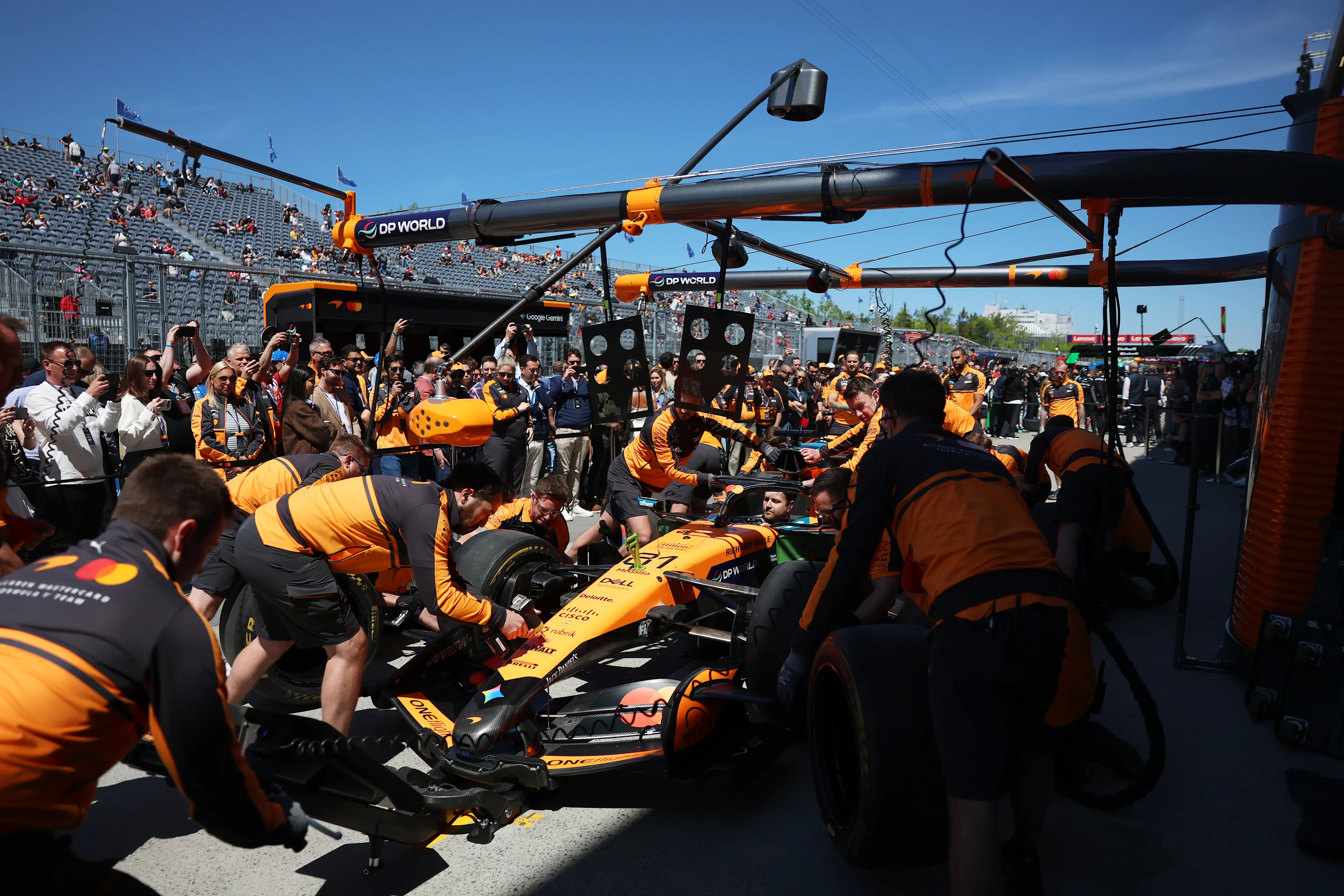
Yes, there is definitely less time to build up in that sense. We’ll start practice with what we think is the optimal car, try to maximise the drivers’ time on track, avoid time in the garage, giving them as many laps as we can, because there isn’t time to do lots of iteration towards what we think is the right solution.
It’s worse than Miami but better than, for example, Japan and Australia. Grip will be a factor. In Qualifying, if the grip is high, we might see some superclips in the second half of the lap. If the grip is not too high, we might see no superclips at all, so in Qualifying, it's fairly straightforward.
In the race with the harvest limit being a step higher than it is Qualifying, we will probably have some super-clipping around the lap. And then, especially if we get into overtake modes, we get the extra harvest, it's quite possible that you'll get some extra superclips, but it's not the kind of challenge that somewhere like Japan was, for example, where we're talking about doing strange driving techniques, to make sure that you maximise the harvest. It's not as difficult.
Undeniably, we will be going into the corner a little slower this year because there’s less load on the car – but we’ll still be putting in the energy because we’re slowing down to a lower minimum speed than we were last year. Brake temperature is always going to be a conversation here, because there are interesting trades to be made. You need to decide how much temperature you can get away with in the race to help avoid having cold brakes in Qualifying.
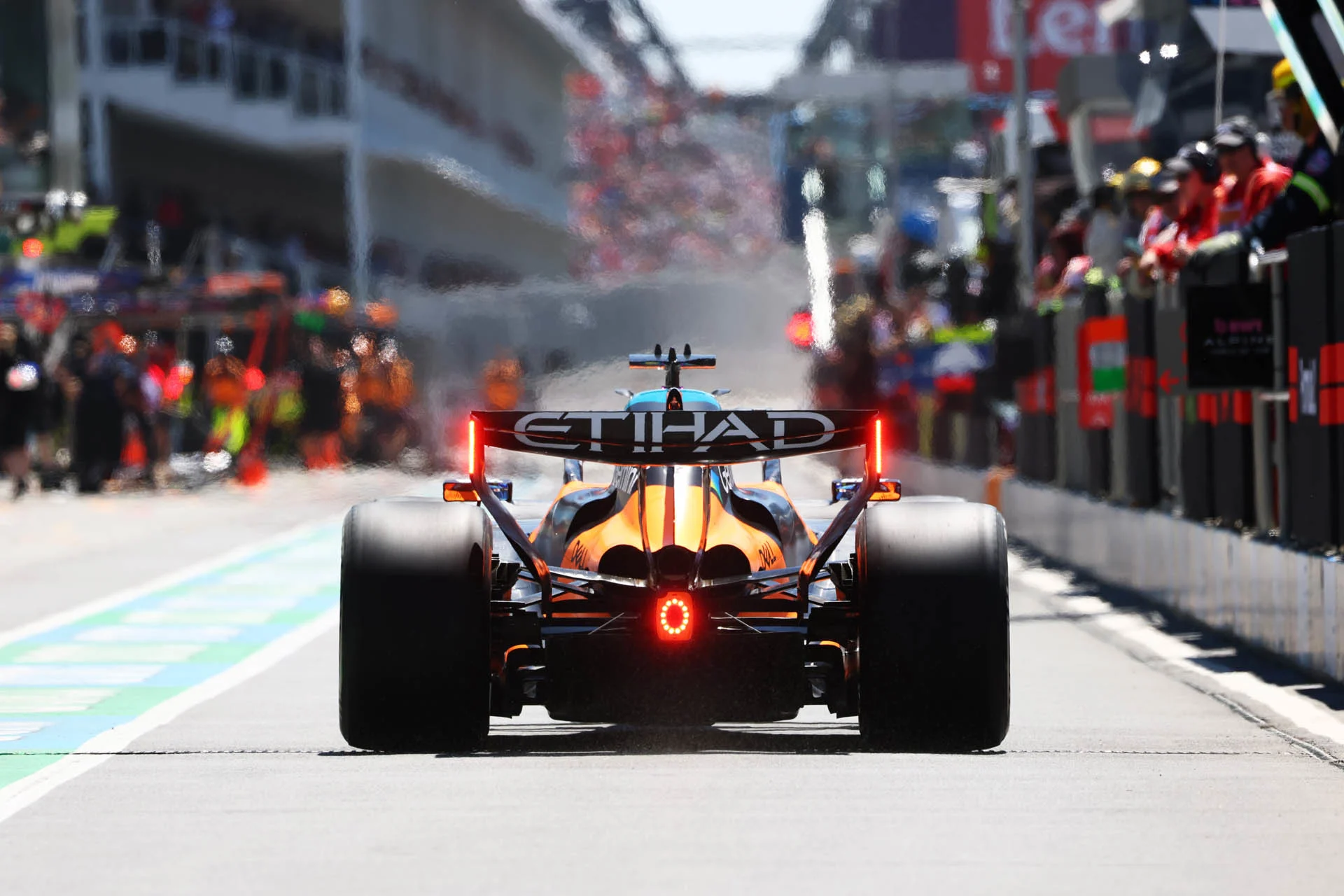
When a rain hazard is declared we are able to adjust the position of the front wing profiles controlled in Straight Mode, under Parc Ferme conditions. This allows us to manage the amount of front wing load required in Straight Mode, as in Canada, the Low Grip Conditions remove the SM zone between T9-T10 (as it becomes more of a corner in low grip).
Managing these power units in wet conditions is something we haven’t had much opportunity yet to properly assess. It’d be something of an unknown going into a wet session.
We spent a lot of time in Miami preparing what we thought that would look like and making sure the drivers were fully prepped for how the power unit might behave – but we obviously didn't get to put that into practise. I say that like it’s a bad thing – I was quite happy that it didn't rain in Miami!