




1 May 2026 15:00 (UTC)
Upgrades, updates, and an extended Free Practice: Answering this weekend’s key questions

Welcome to The Briefing, where we’ll be answering the key on-track questions ahead of the Miami Grand Prix.
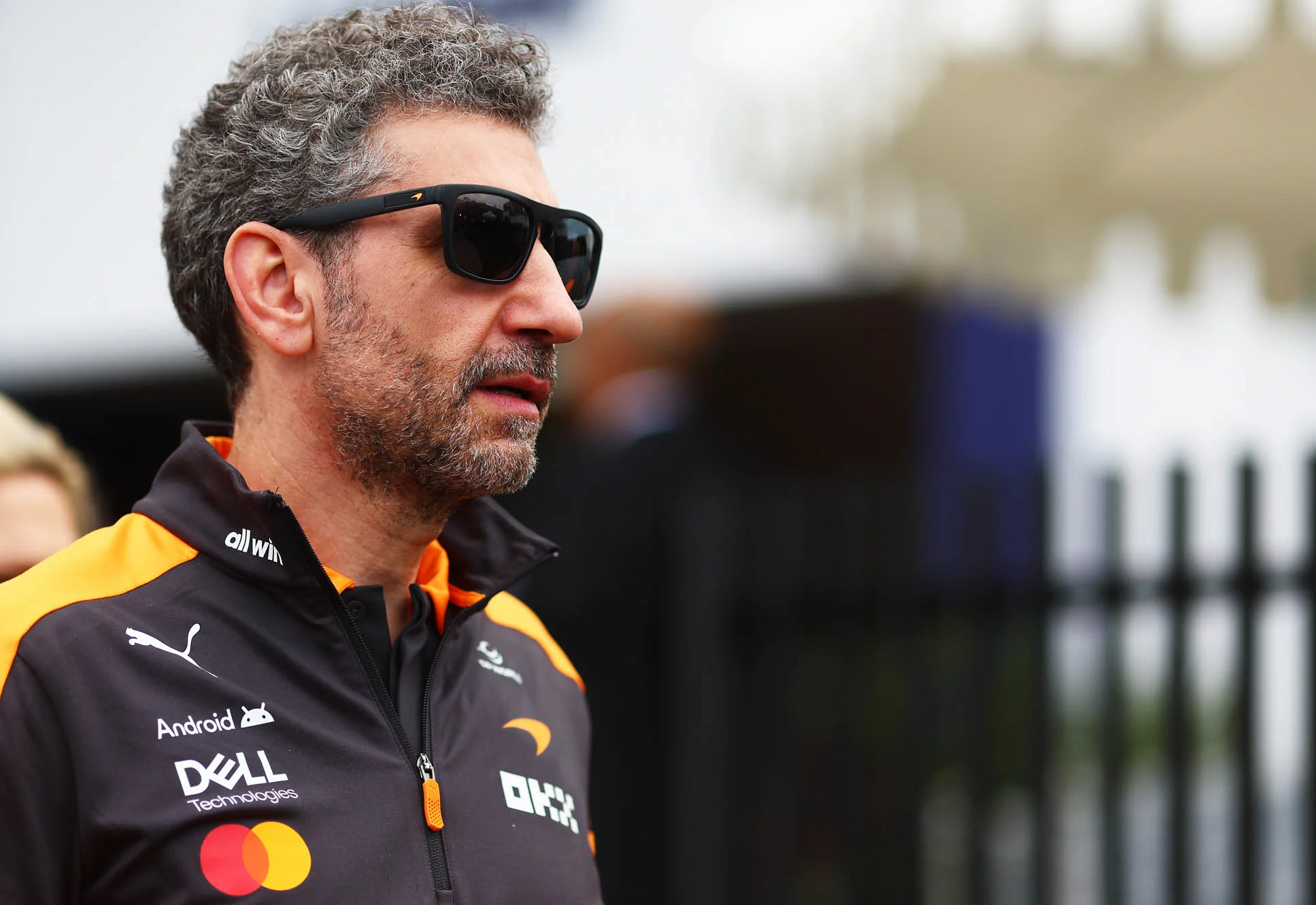
Each week, powered by Google Cloud, one of our trackside experts will join us to explain all of the weekend’s biggest talking points. This week, ahead of FP1, we spoke with Adrian Goodwin from the Race Engineering team.
There’s plenty for the team to get stuck into in Miami this week as they look to get back up to speed following a five-week break from racing, fit and test a sizeable upgrade on the MCL40, and adjust to the modified regulations. They’ll have just one Free Practice session to do this in – albeit an extended one - with Miami being a Sprint weekend.
With the help of Adrian, we’ll walk you through the upgrades we’ve brought, explain how we expect the updated regulations to impact us, and give you an insight into our FP1 run plans. Here’s everything you need to know…
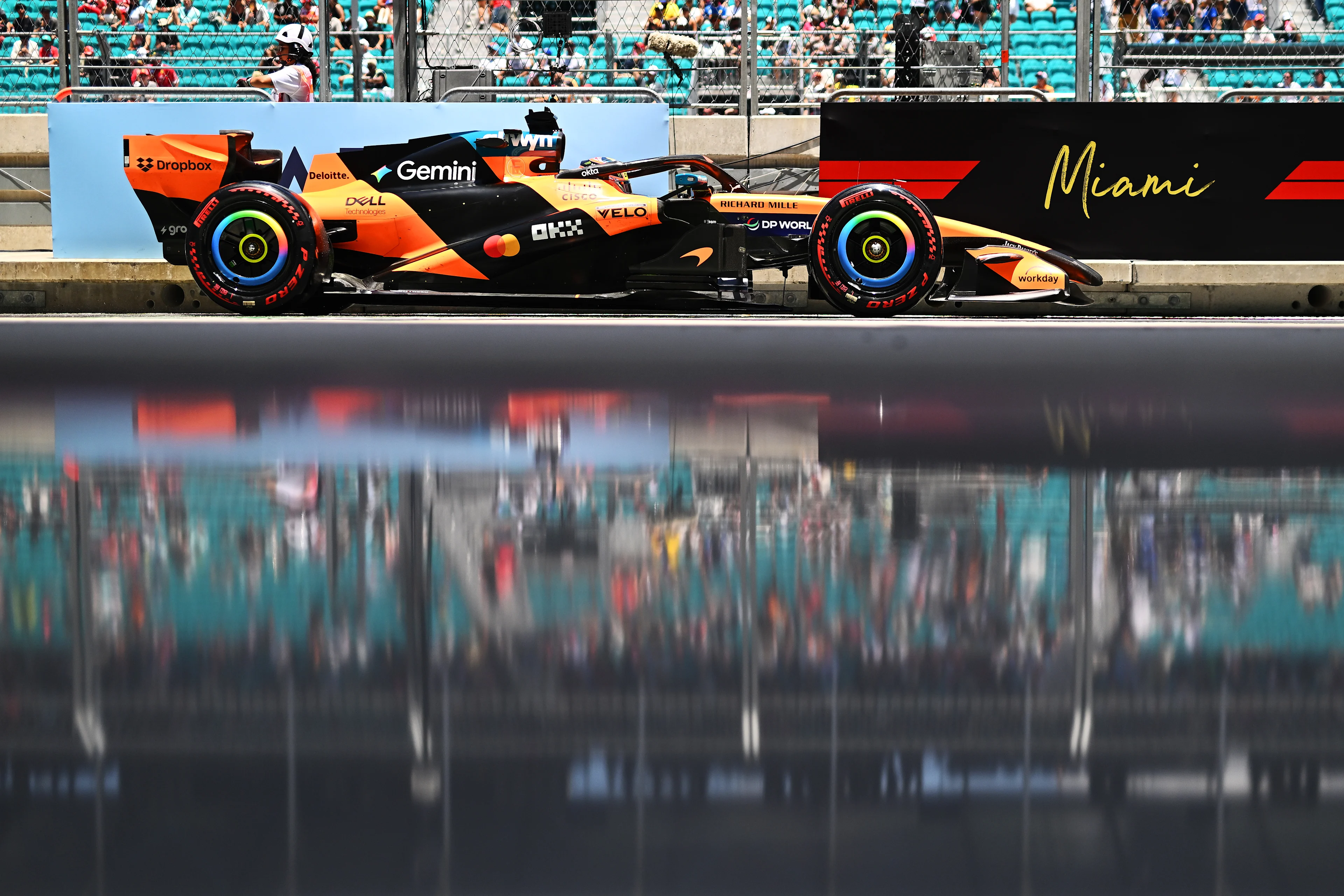
Yes. The Friday sessions came down from 90 minutes to 60 minutes for 2021, so it’s been a while since we’ve had this. We’ve been refreshing ourselves on the longer format, looking at how we used to build a run plan to make the best use of 90mins. We’d like to both do more laps and more experiments in the session today. It’s been done to allow the teams to get familiar with the new PU regulations – but it’s very well-timed for us as we have a reasonable upgrade package this weekend that we’d like to study as well.
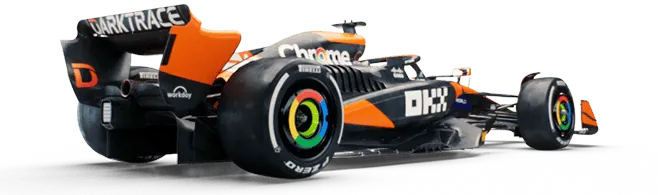
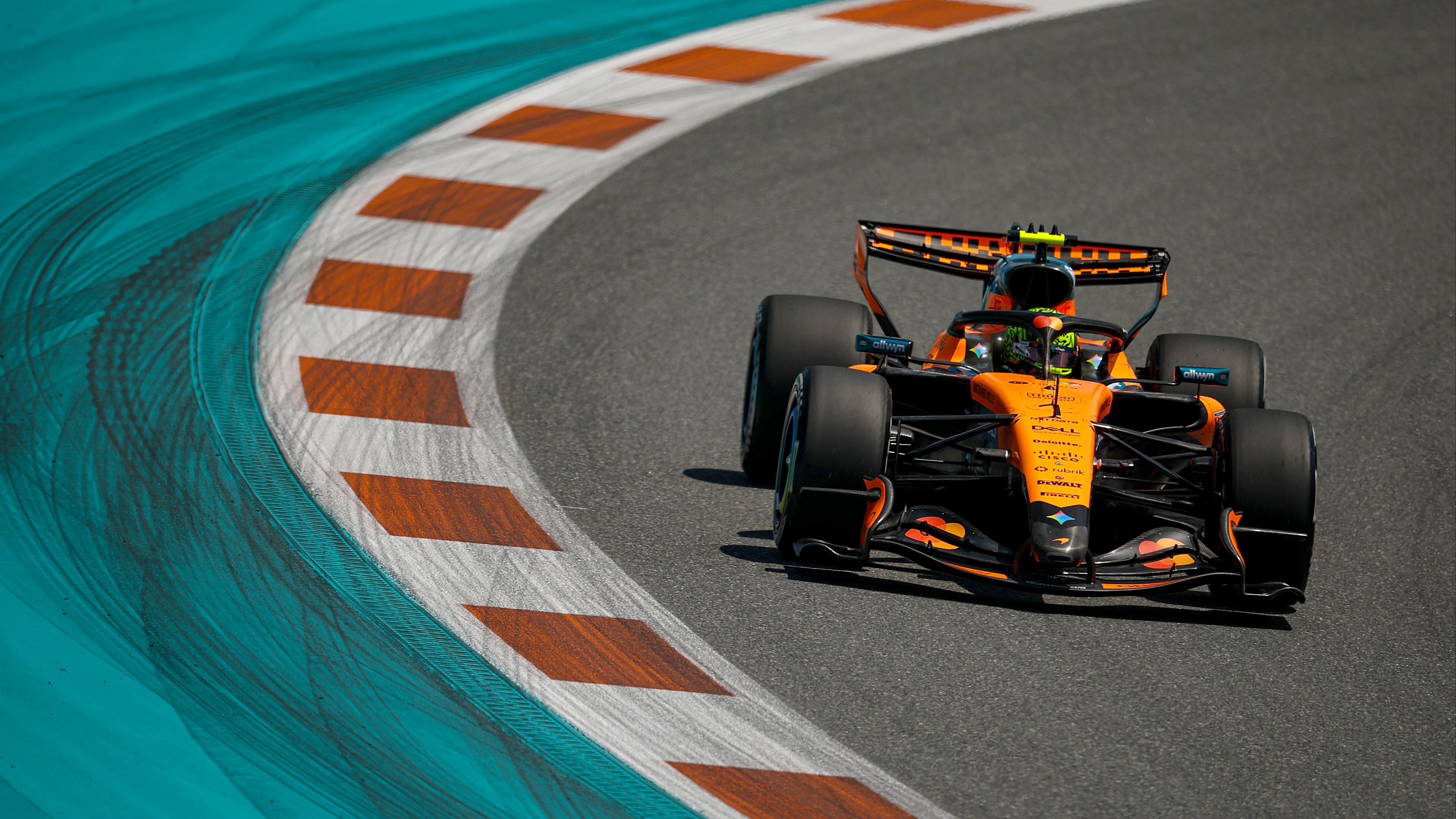
It’s a good step that will include an introduction to the first phase of MCL40 developments, with upgrades delivered to the front and rear brake ducts, bodywork, floor, and rear wing.
Both cars will have the upgrade fitted from the start, because it isn’t something you can change in session. It’s better to just get it on the cars, check the global numbers are in line with what the models have projected, and then begin experiments: playing around with things like ride-height to check the cars are in the right place as suggested by the model.
We’ll start with the cars reasonably similar and then try a step in each direction.
The primary change for safety concerns the issue of closing-speed deltas. The change that comes out of Japan is a limit on MGU-K deployment to 250kW in those areas of track where overtaking is less expected, and so could be more risky – which aligns with the areas of track where Straight Mode is not active, and is for the Sprint/race only. The car speed deltas will reduce in those regions – which in Miami is going to be the high-speed from T3 to T4-T5.
For Qualifying, the harvest limits have been reduced, and superclip power increased. This is all to reduce the amount of lift off or end of straight harvesting, all efficient methods of generating energy for deployment, but something that doesn’t sit well in the context of a Qualifying push lap. Beyond that, it is more about thresholds that we have in the code. Drivers have been having to drive the car in a PU-friendly manner, which isn’t entirely intuitive. The tweaks will hopefully mean it will follow driver demand more, rather than being forced to do things you don’t want it to do. Basically, getting rid of some nuances that have been a source of frustration when drivers start pushing to the limit.
It should be – though the laps on track will be very valuable. I don't think we can say it's going to solve all of the issues, but it's certainly going a step to doing that.
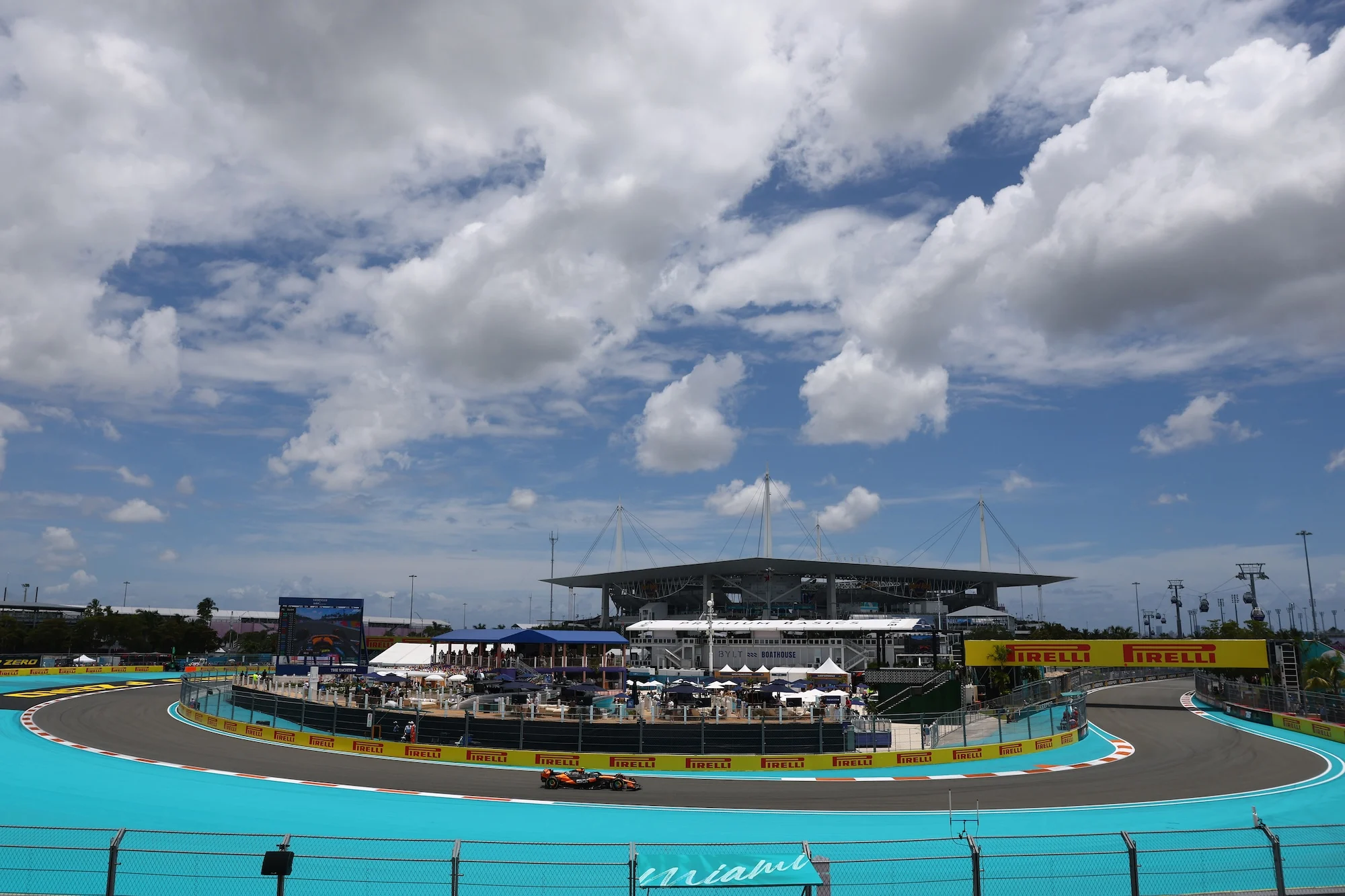
In Miami, we're still going to be in a situation where you need the battery full coming out of Turns 6 and 7, because you use all that energy on that next straight, and then you need the battery full coming out to Turn 16, because you use all that energy on that second straight. If the software gets itself a bit confused and you don't achieve a full battery at those points, then you will lose time on straight because you don't have the energy that you should be deploying.
Yes! Plenty of that to think about as well! In Miami, the classic one is heave/roll stiffness. What would be optimal in the high-speed section around Turn 5, versus what would be optimal in the low-speed run around the Turnpike off-ramps at Turns 11 to 16. In terms of overall lap-time, getting the PU in the right window is an order of magnitude more important – but this still matters.
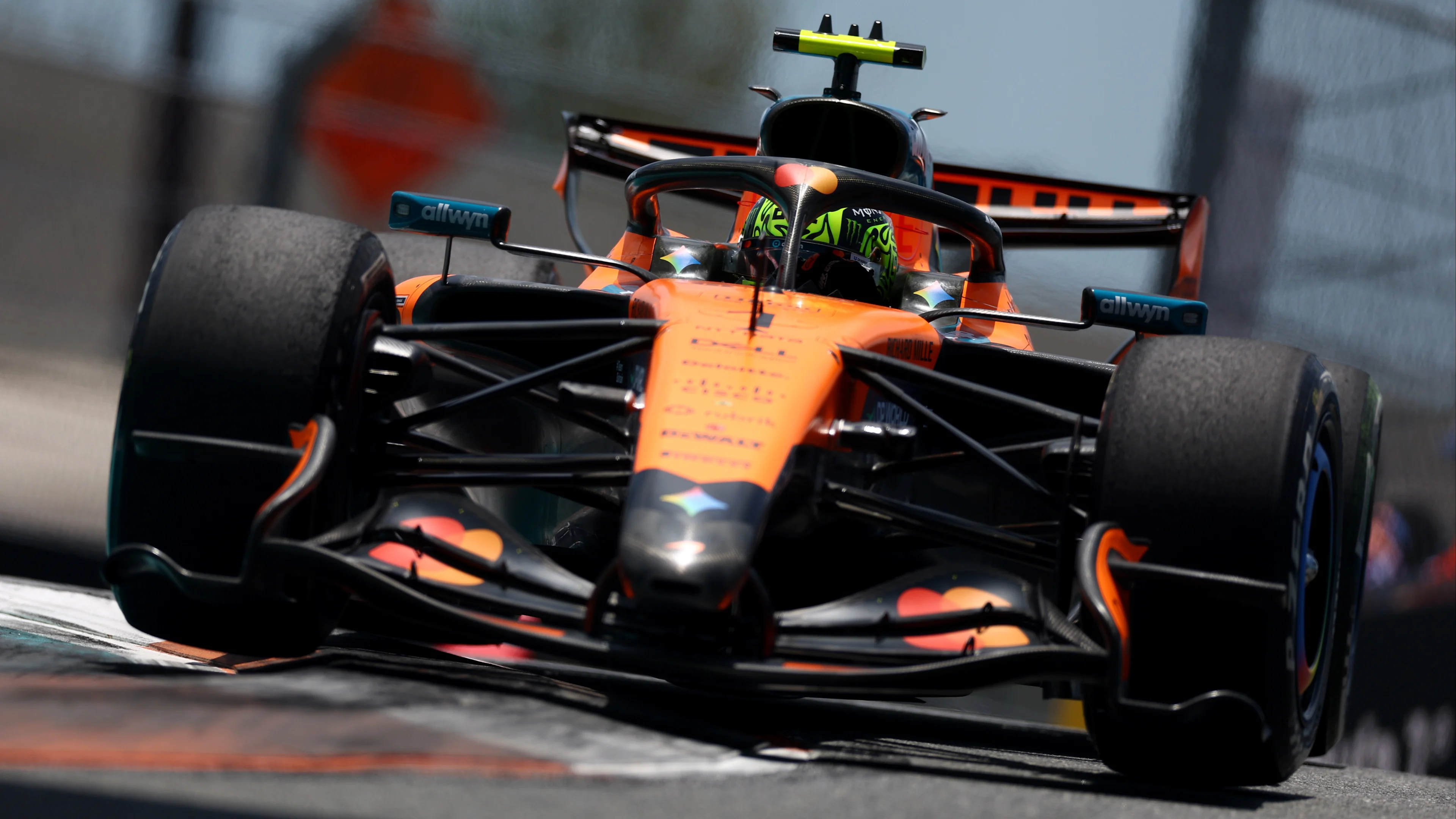
We last had this compound allocation in Australia. Albert Park did have some graining but Miami should be a decent chunk hotter, and the track is a bit rougher, so we’re not expecting it here. Last year, we didn’t see any graining, so our expectation coming here is that we’ll just have the usual thermal degradation which, depending on how you balance the car, could be on the front or rear axle.
No-one used a Soft tyre in the race last year, but the compounds this year are a little closer together, which means the Soft will be closer to the Medium, so may well be considered as a race tyre: it’s not going to be a terrible tyre that disintegrates, just one that trades having a little more grip at the start of a stint but degrades a bit quicker than the Medium. We’ll have a better idea of how the compounds behave after practice.
Follow all of the action this weekend via the McLaren Racing App, available to download on Android and iOS.