

24 September 2026 10:45 (UTC)
Upgrades, the H-wing, and a circuit of extremes: Answering this weekend’s key questions

Welcome to The Briefing, where we’ll be answering the key on-track questions ahead of the Azerbaijan Grand Prix.
Each week, powered by Google Cloud, one of our trackside experts will join us to explain all of the weekend’s biggest talking points. This week, ahead of FP1, we spoke with Chief Technical Officer & Chief Designer Rob Marshall.
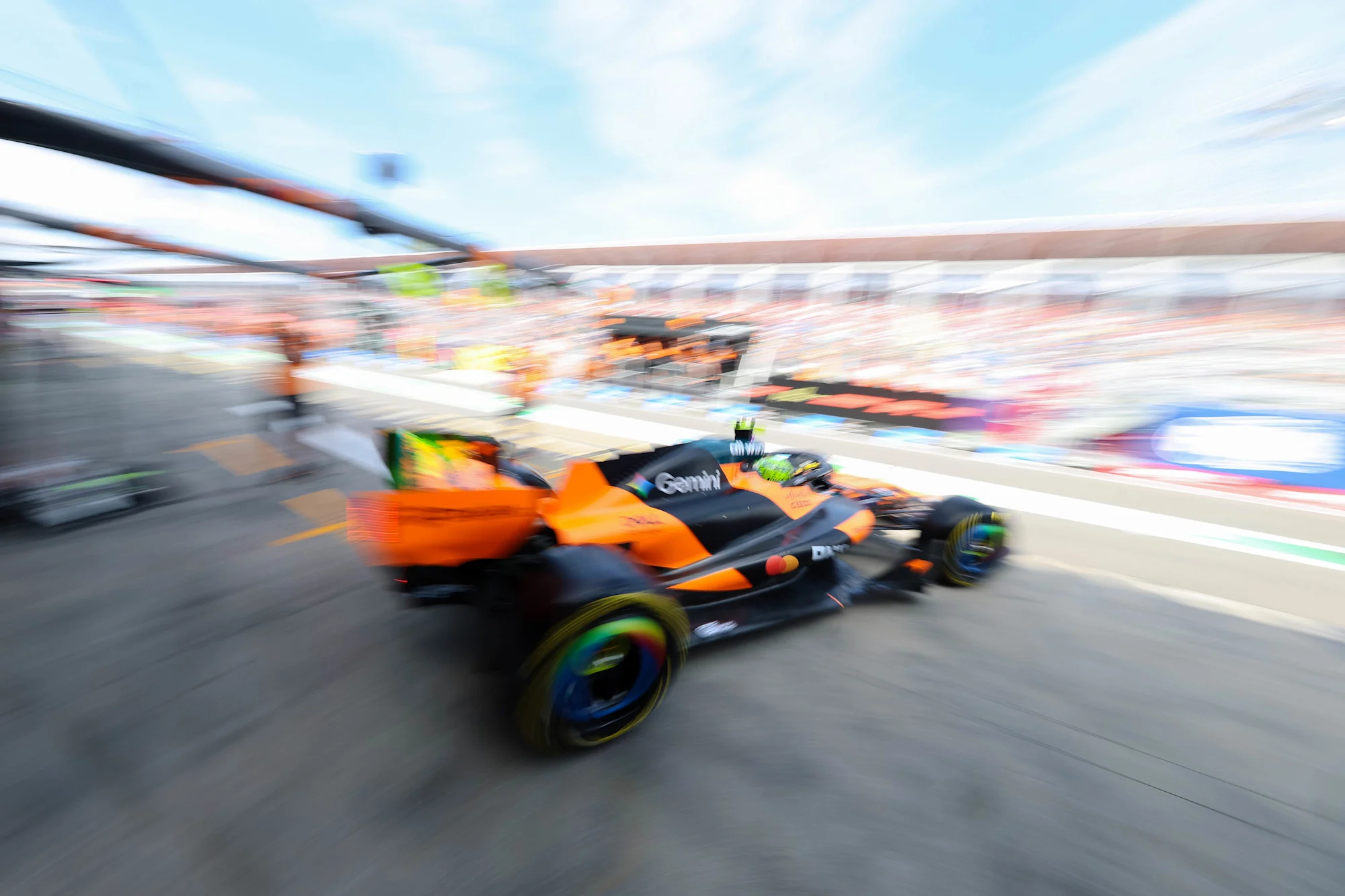
Rob joins us to talk through our latest suite of upgrades, including a sizeable aerodynamic package installed ahead of the weekend in Baku, which we’ll test through the three practice sessions.
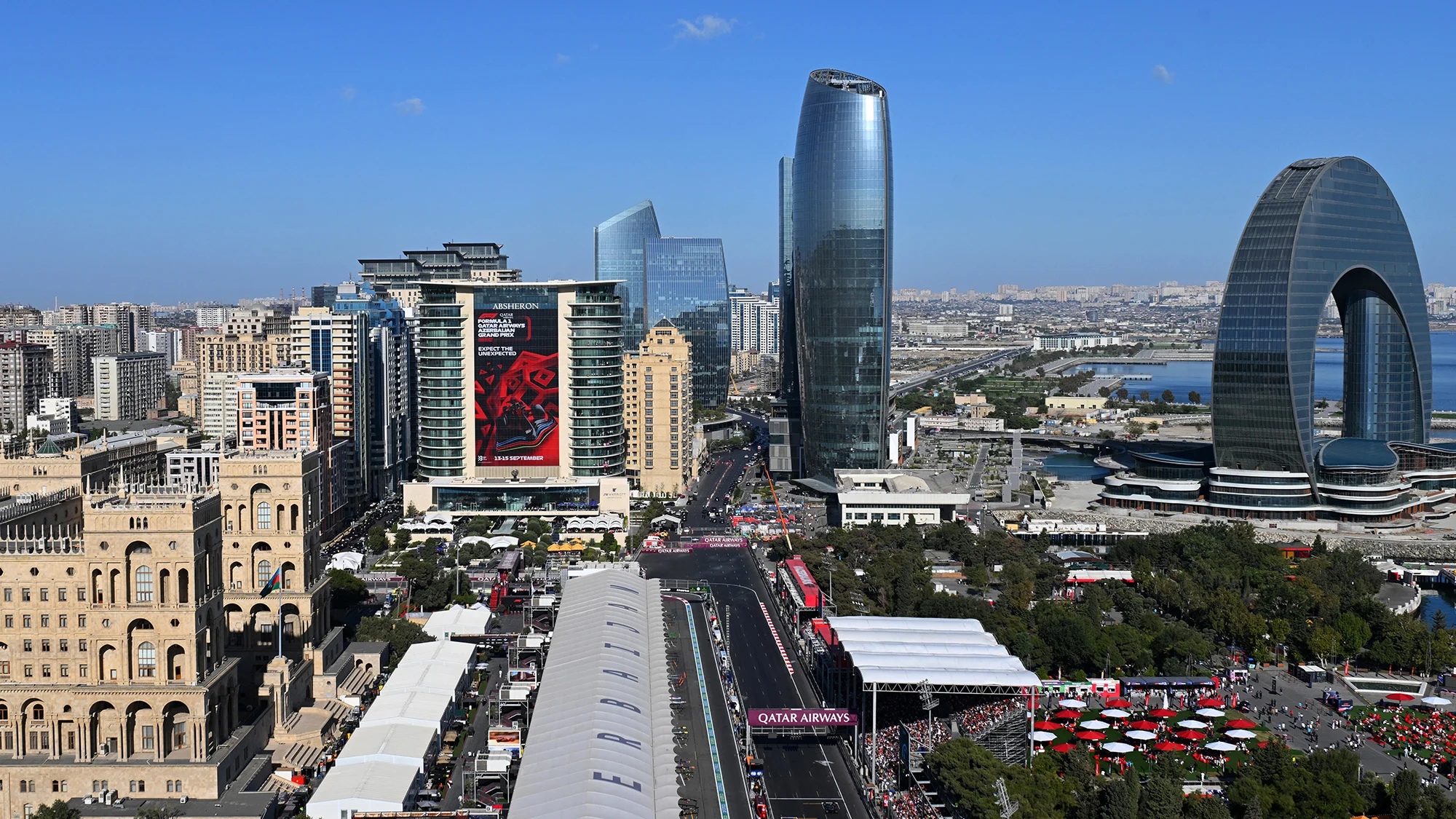
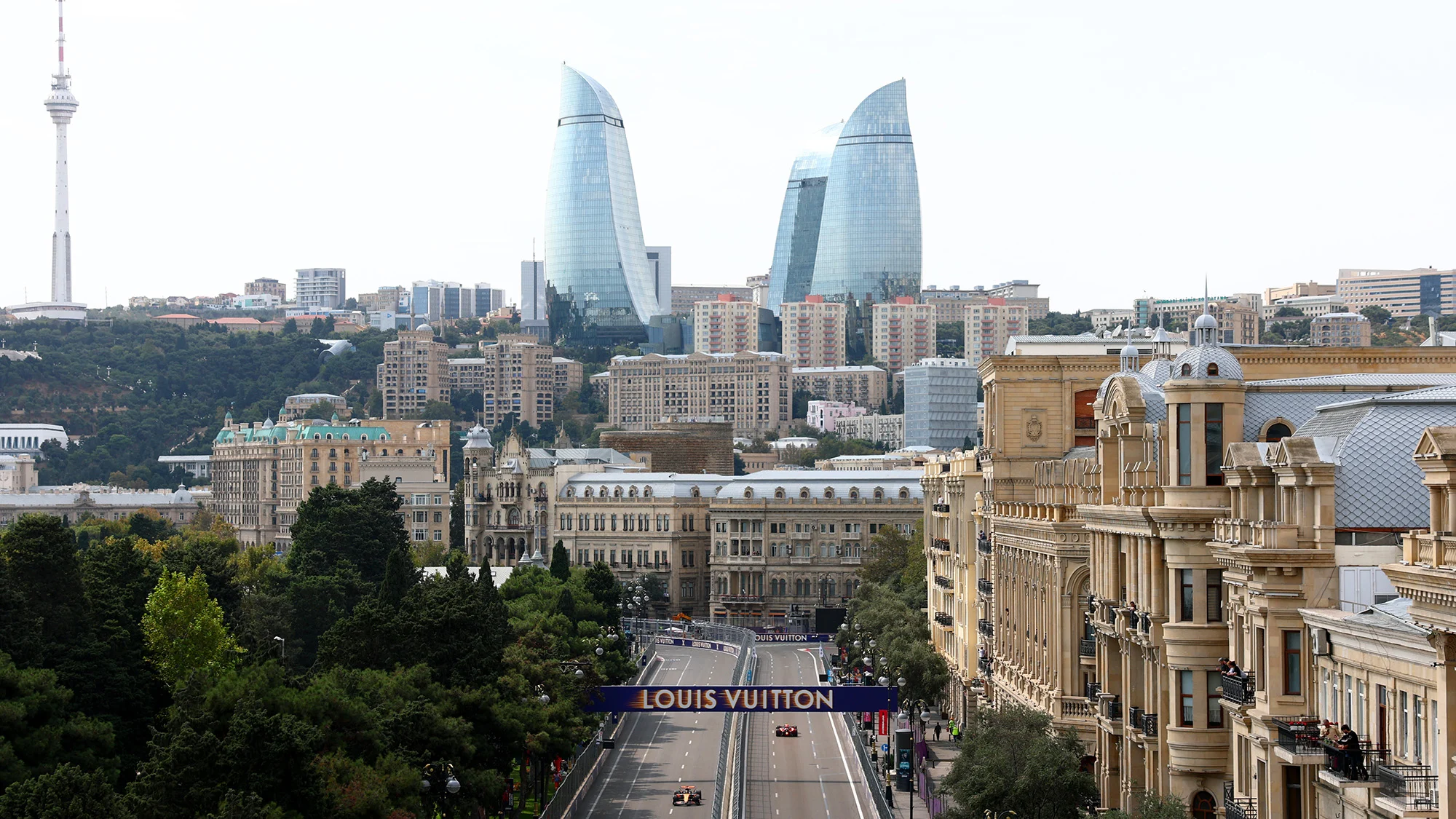
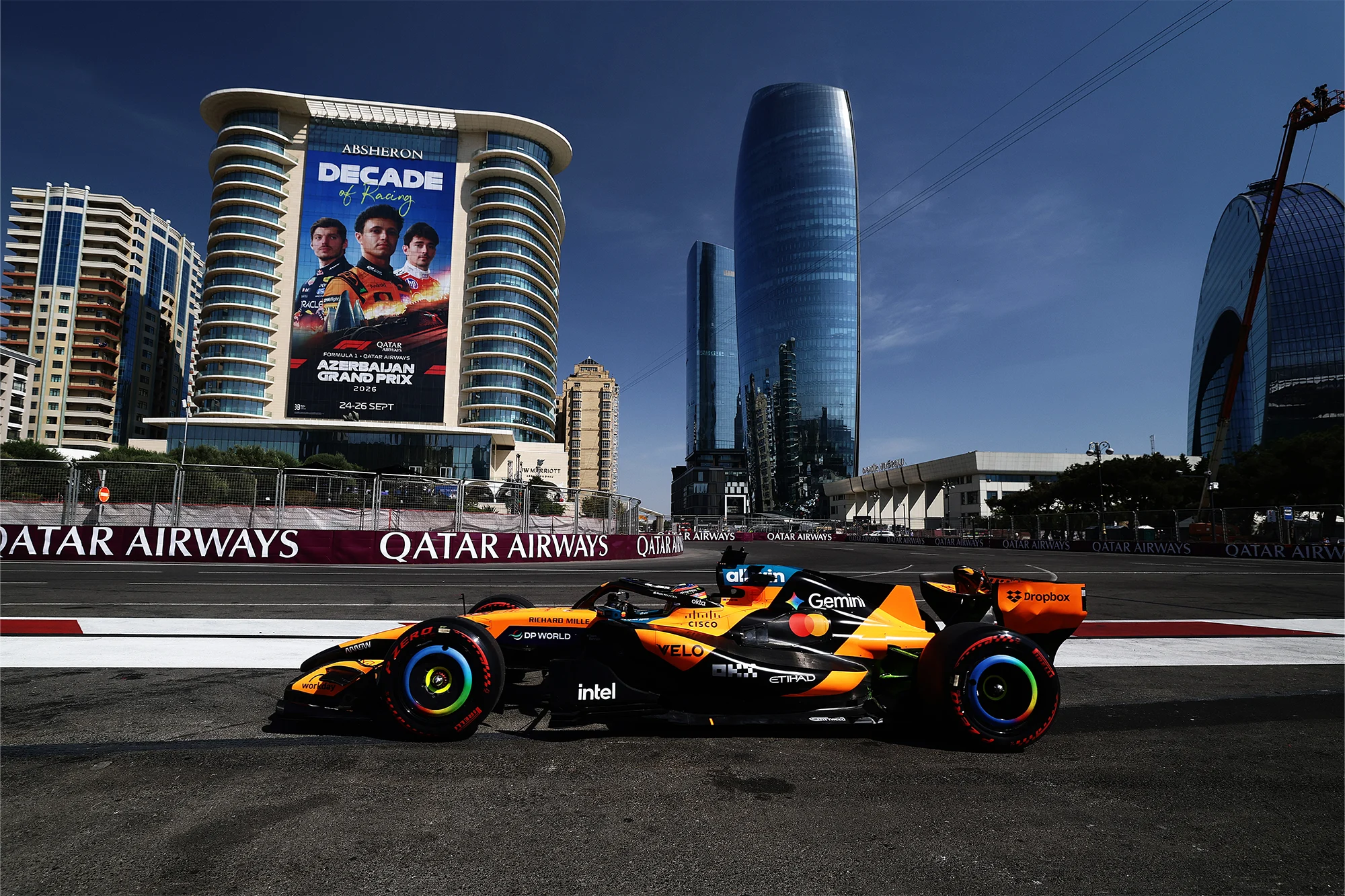
He’ll also cover what we can expect from one of the calendar’s more extreme circuits, which combines F1’s longest straight with some of the tightest corners on the schedule. It’s likely to be one of the most intriguing tests of this year’s new regulations yet.
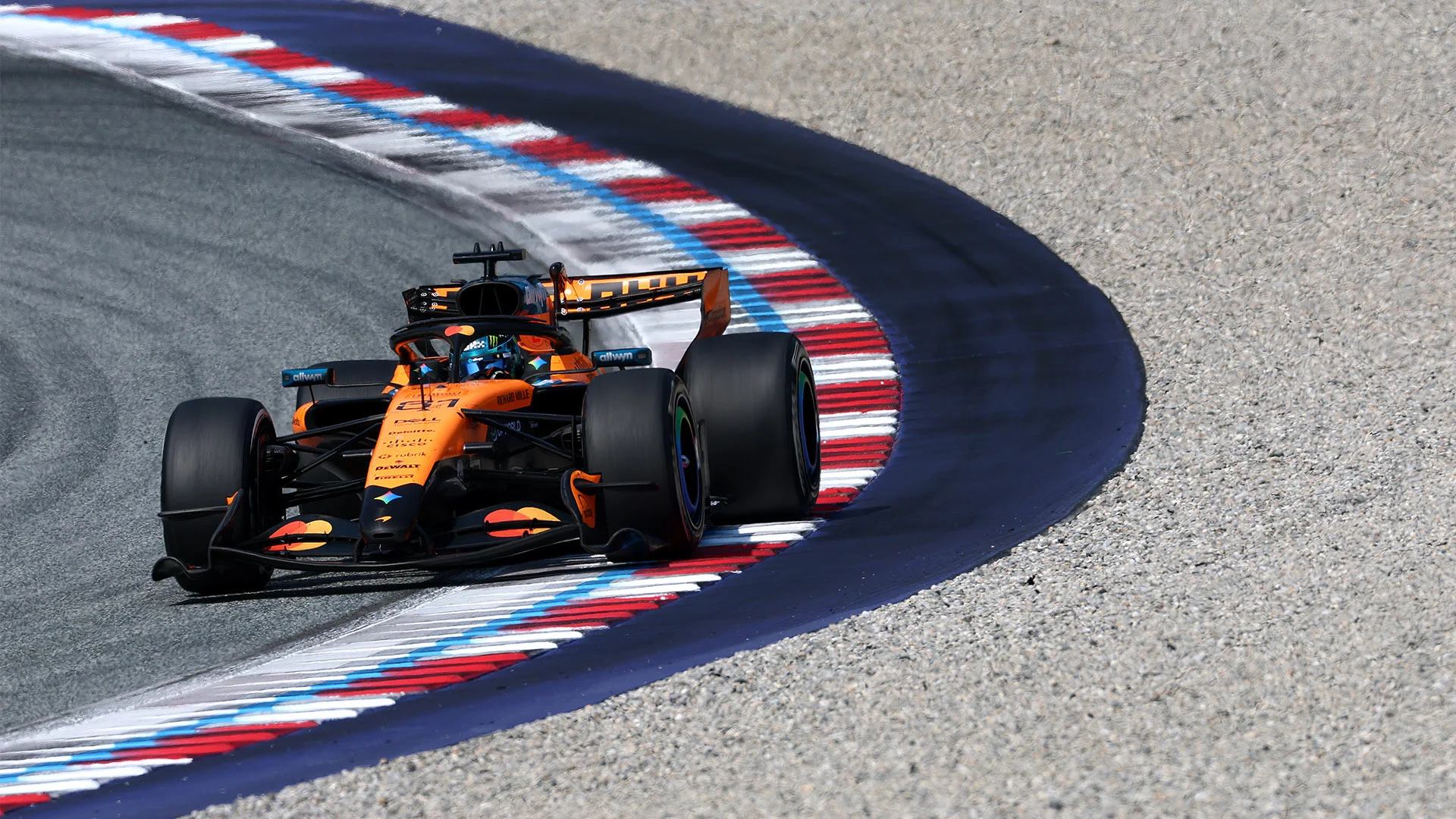
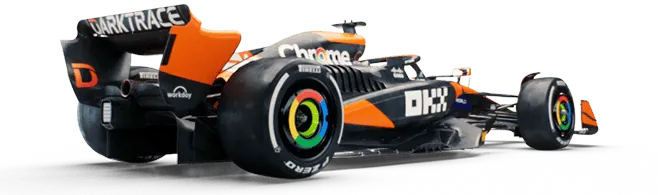
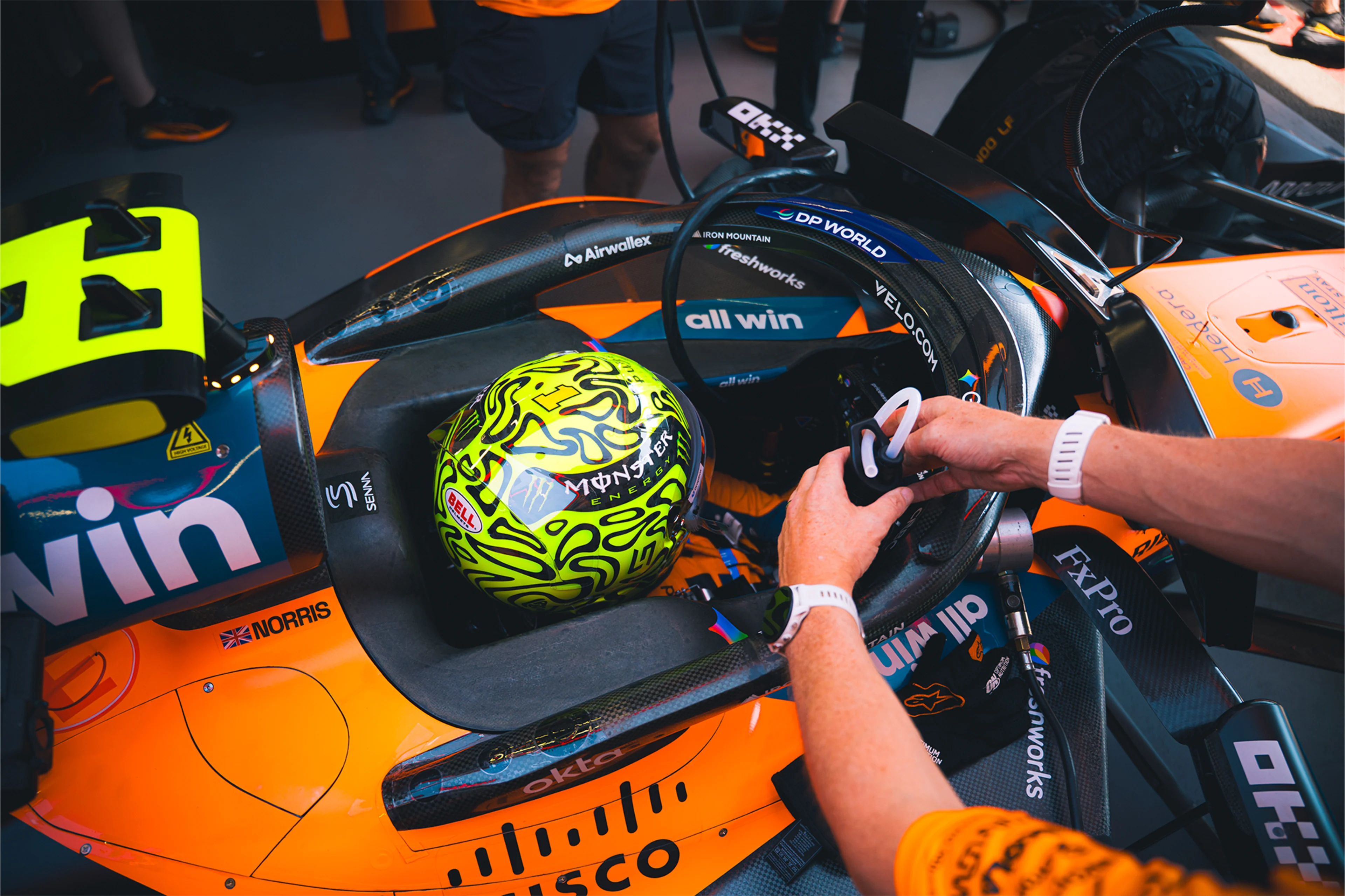
New on the car this weekend? Quite a lot! New bodywork, new sidepods from front to back, including the stuff that’s bonded to the chassis like the radiator inlets, and a new engine cover all the way to the rear. We’ve got a new floor and new suspension fairings that are sympathetic to both that new floor and the bodywork. We’re also bringing another rear wing.
Certainly, this year there is serious benefit to be had by continuing development deep into the season and carrying that learning over into 2027. There are regulation changes for next year, and they are not insignificant – but they don’t affect our confidence that a lot of the learning we do on this year’s car will be carried straight over.
Of course, this isn’t true for everything but most of what we’re doing we think will be cut-and-paste carry over. At least, in concept.
I think it’s a bit of both. It continues in the direction we’ve been going this year – but one of the things we haven’t done this year is rush through too many upgrades, too early in the season. We’re delivering quite a lot now, because we knew our understanding would evolve rapidly, and certainly we learned a lot over the first third/first half of the year, and that’s feeding into this upgrade.
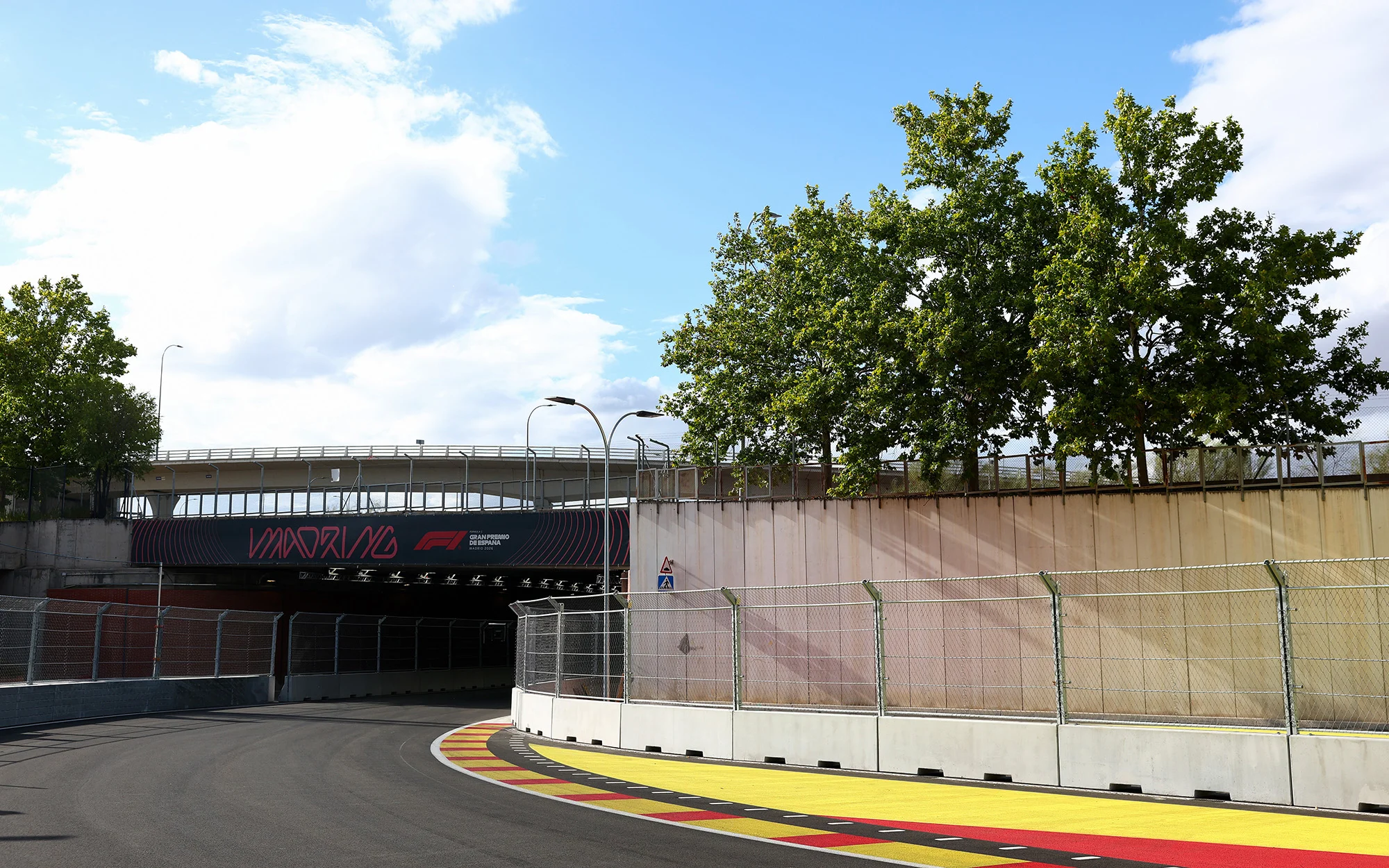
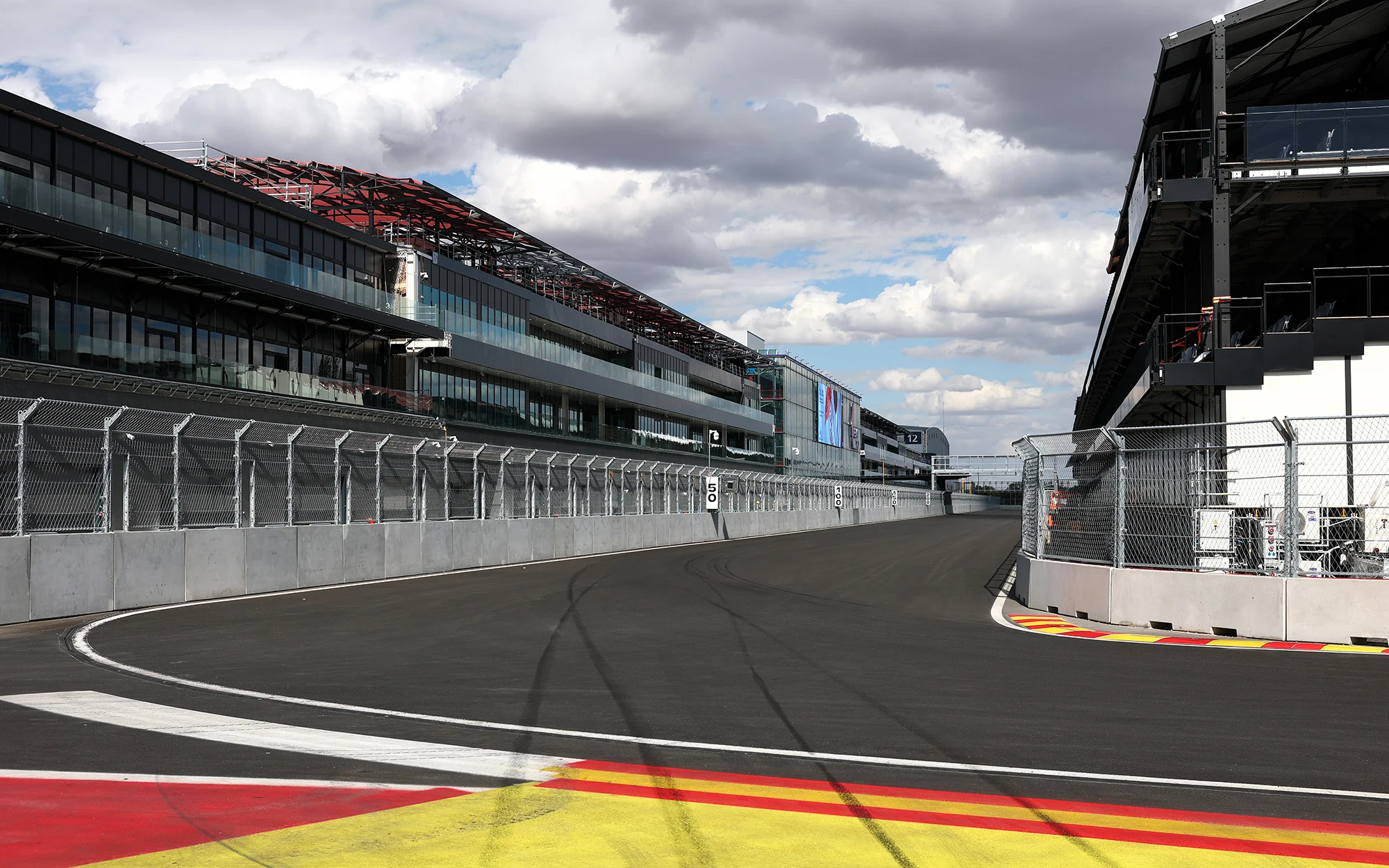
I think a lot of us were a little bit surprised to see how competitive we were at the Madring! I think it demonstrates the impact of this new set of regulations. It really does reset a lot of baselines. We used to know what was a high downforce circuit, what was a low downforce circuit, but now that’s harder to assess, because we have the ability to turn the drag on and off on most straights.
Our understanding is still evolving. I think this time last year, we were genuinely talking about perhaps needing only one spec of rear wing for 2026, and how much of a saving it would be to not have to design a full suite of rear wings to cater for every circuit, because the active area would allow us to turn the drag off on each straight. That’s not been the case! We’re continuing to find performance in rear wings, and that’s simply a good example of our understanding of the regulations, and the impact they have on these cars, developing over time. On the other side of that coin, there are development areas we expected to be very important this year, that have turned out to be less impactful. As a designer, it’s very interesting.
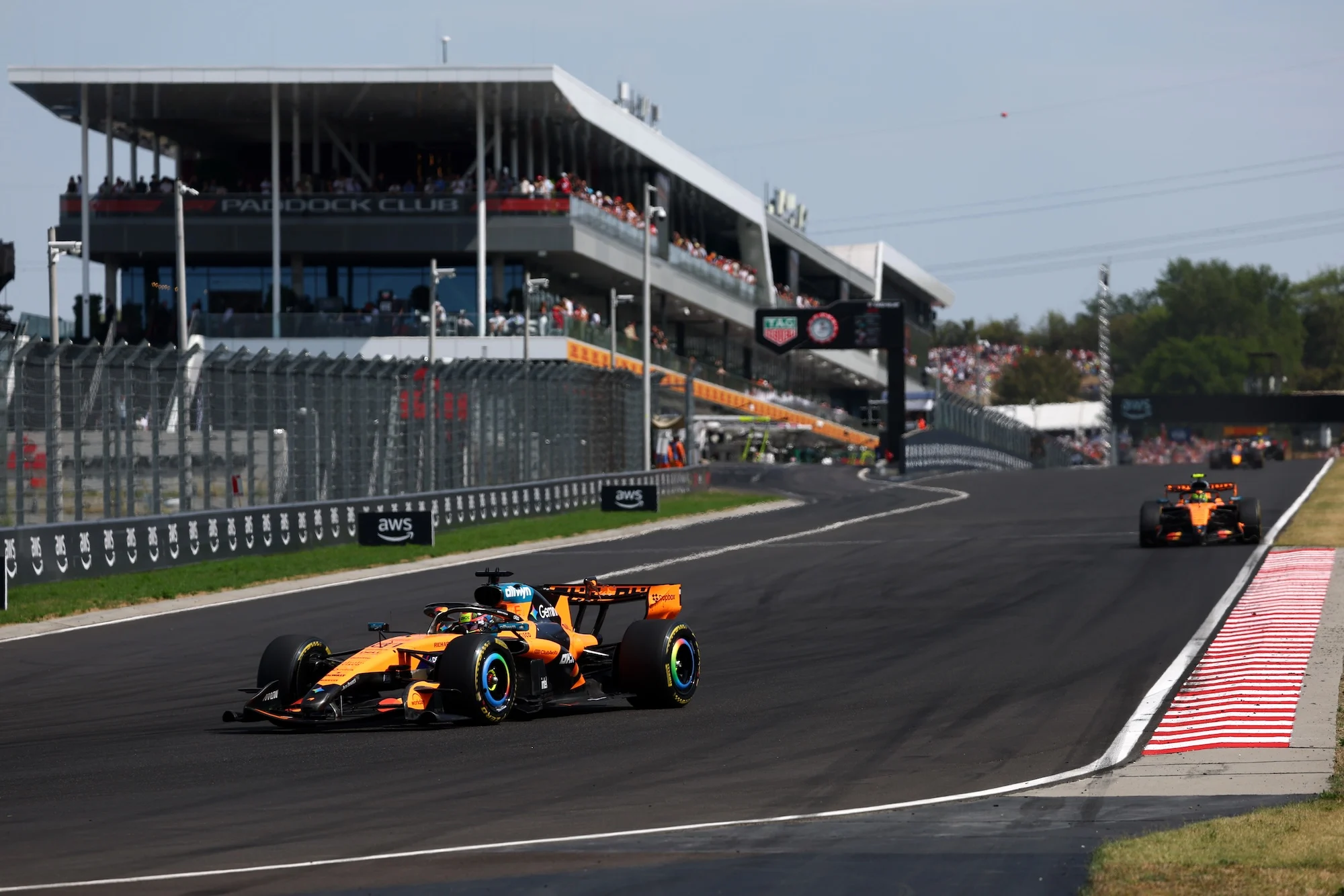
This is the eighth rear wing developed for the MCL40. Going forward, this will be one of the three we’re likely to use across the rest of the year. We have the high downforce conventional wing that ran in Madrid, the rotating medium downforce H-wing that was used at Monza. And this is another rotating H-wing but with a higher downforce level than the Monza spec.
All three of those options are available to us this weekend. The rest of the upgrade, however, will be tested throughout practice with a focus on gaining an understanding of, and confidence in, the new parts, ready to take them into the race. For some of the new parts, there isn’t an option to back out and revert to an older spec of car – but the confidence is very high that they are sound.
I think it’s a unique circuit, certainly one of extremes. You have the massive, long straight, but also some of the tightest, twistiest bits anywhere on the calendar. It’s really a lap of halves. Very quick, with the car getting cold for the first half, and slower for the second with everything getting hot: tyres, brakes, engine. That’s going to be a challenge to setup.
How this changes from previous races in Azerbaijan, with the new energy management side of stuff, isn’t entirely clear. Certainly, there's quite a lot of braking, so we should have a decent amount of recovery, but how that compares to what other people are able to achieve is going to be something to discover during practice.
I think we're about there. I think we have been for a few races. We have some better tools now to help us prepare for the weekend – and much of that is thanks to our engine partner – so I think we have fewer surprises now when we get to a circuit than we did in the first quarter of the year.
Speaking of Baku specifically, there are a lot of corners, and so we won’t be as energy-starved as we would be at a track with fewer braking points. There's likely a lot of opportunity for yo-yoing, and for people to use different deployment strategies around the lap to arrive at a similar lap time. My guess is that there will be quite a lot of opportunity for overtaking, maybe more than in the past – but we’ll know more after practice.