




27 June 2026 08:40 (UTC)
Inside the cooling systems, hydration plans, and human performance strategies helping McLaren handle the heat

At the 2023 Qatar Grand Prix, air temperatures reached 44°C, and humidity was very high. It was a tough event for the teams and the drivers. We coped very well, with Oscar taking his debut Sprint victory, both drivers finishing on the podium in the race, and the crew setting a world record pit-stop time of 1.80s that still stands today – but it did concentrate the minds of F1 to develop a method of keeping the drivers cool while racing in high temperatures. The end result is the heat hazard protocol.
A heat hazard is declared when the official F1 weather forecast predicts temperatures of 31°C or above during either a Sprint or a Grand Prix. Once declared, it remains in place for the whole weekend, irrespective of the temperatures reached. It requires the car to have the driver cooling system fitted and be functional.
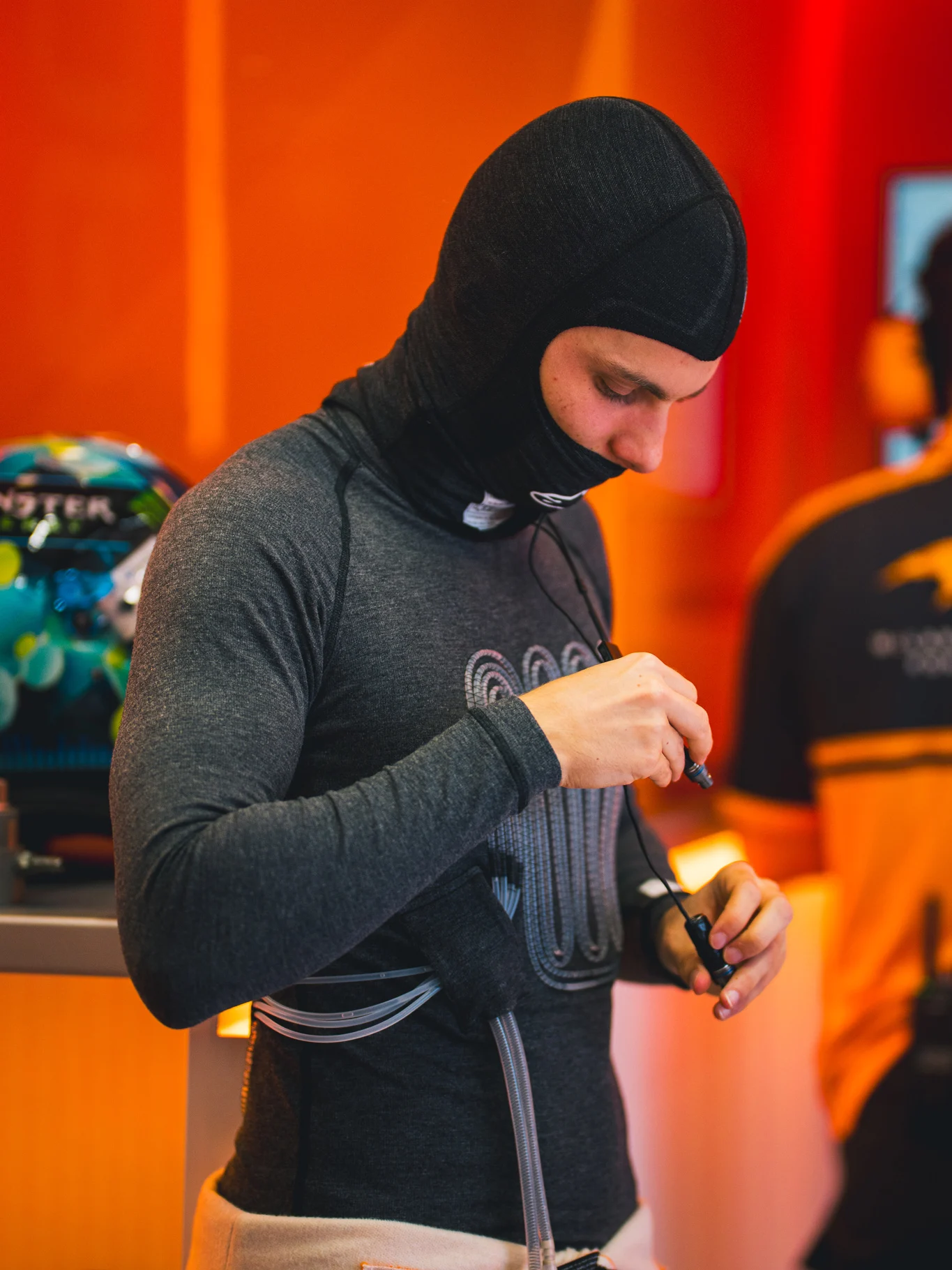
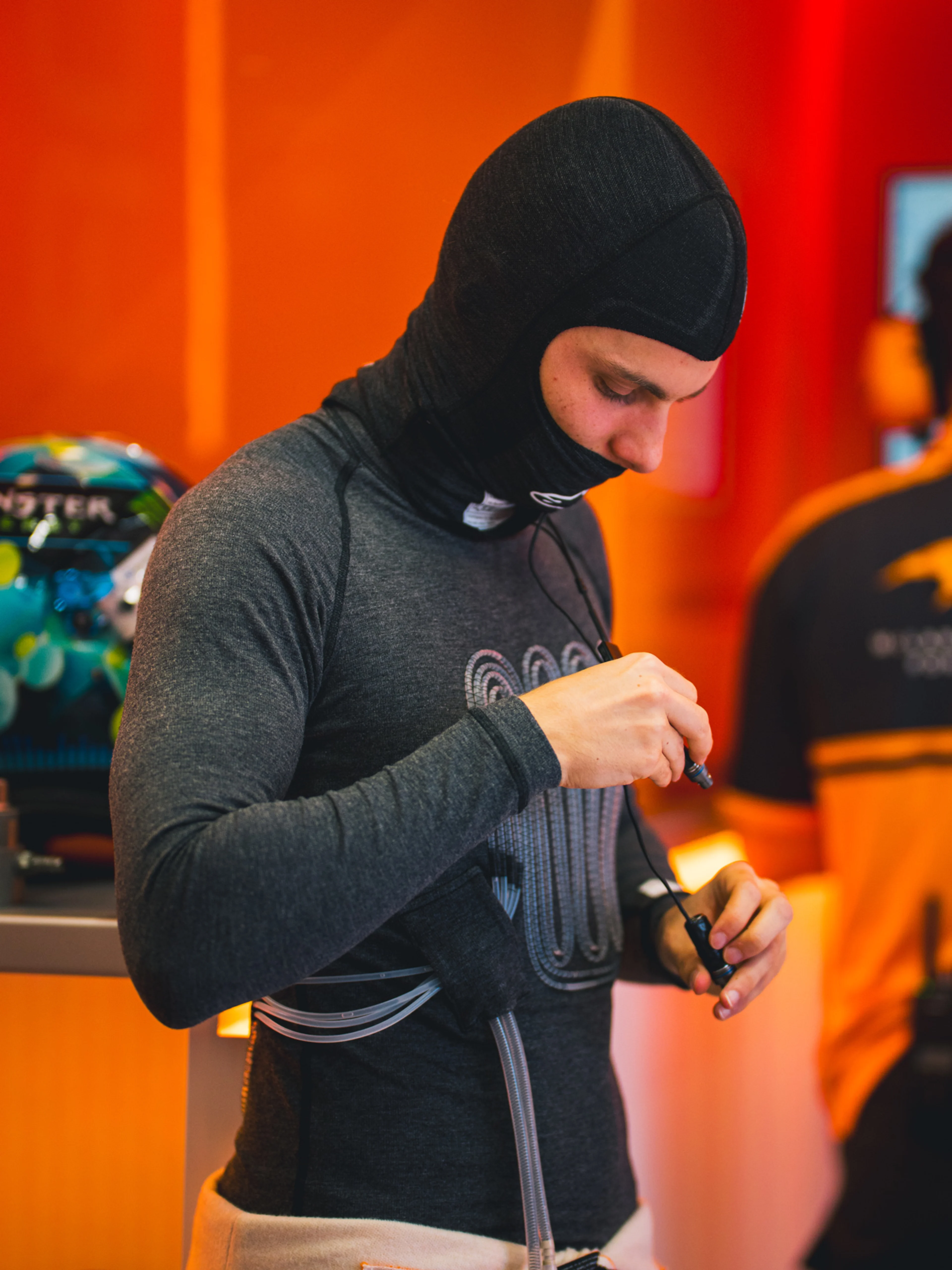
The system includes a refrigerant fluid, a cold store, a pump and plumbing to connect it to a special vest worn by the drivers, which circulates the chilled fluid through pipes woven into the fabric. The devices have been used in other forms of motorsport for several years, but the demands of fitting one into the ultra-tight confines of an F1 cockpit present quite the engineering challenge. The current rules do not oblige F1’s drivers to wear the vest; however, those who do not will have an equivalent amount of ballast added to their car.
Notwithstanding modern technology, the drivers have always been stoic about the impact of high temperatures. They are a special breed of people and tend to be extremely good at thermoregulation. The body does this by sweating, losing heat energy as water evaporates from the skin. Drivers, generally smaller in stature, have a larger surface area-to-volume ratio, enabling them to dissipate heat more effectively. It’s also the case that they’ve been wearing race overalls in high temperatures since they were children, and so by the time they reach an F1 cockpit, their physiological control systems are very effective and well-adapted to these hot conditions.
The team will use various strategies to help the drivers along. They may have ice baths before a session to lower core body temperature. Our partner, Liquid I.V., has a proactive hydration programme that starts well before the weekend and continues until after the race to ensure they have the required fluids and electrolytes.
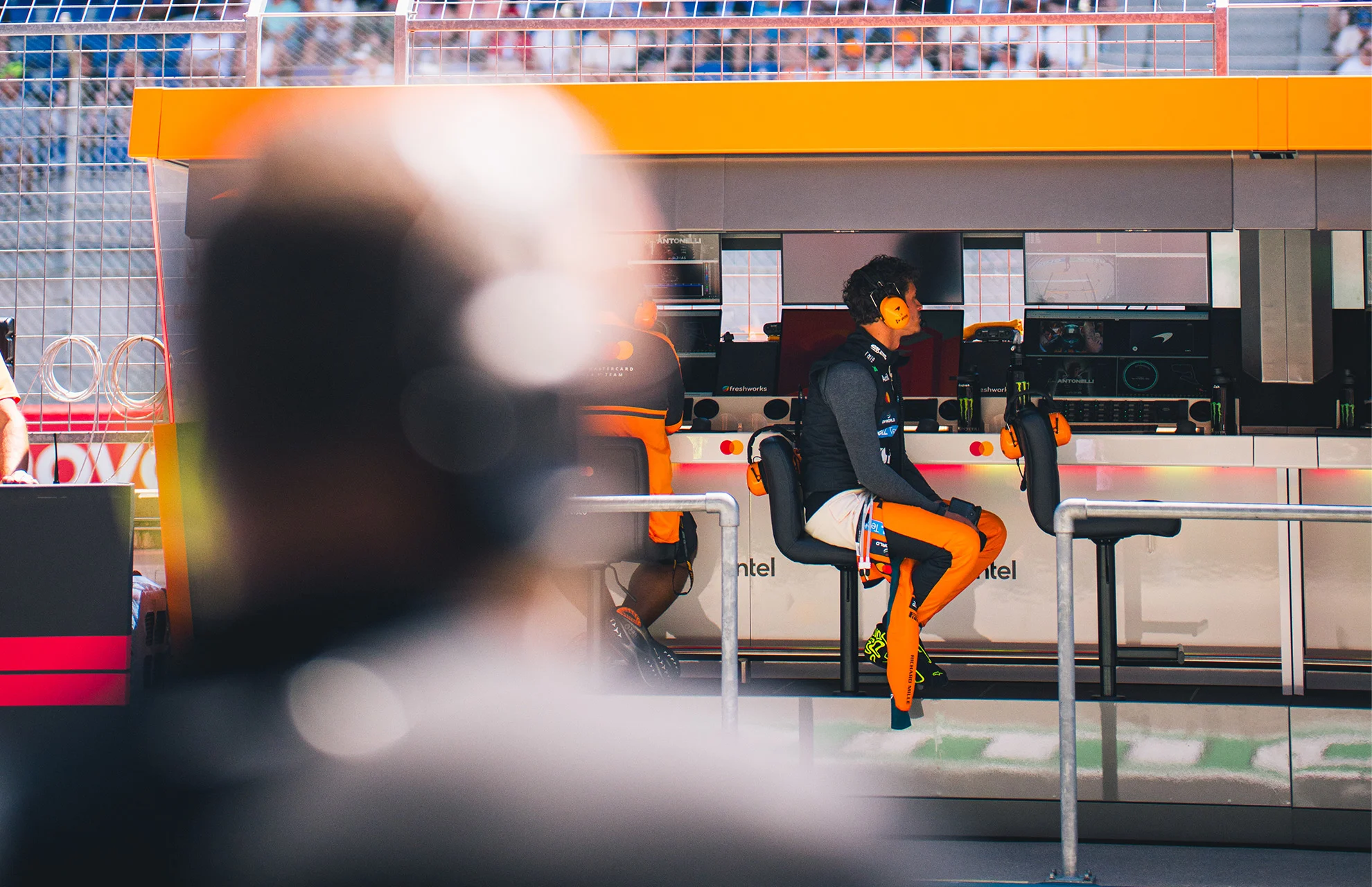
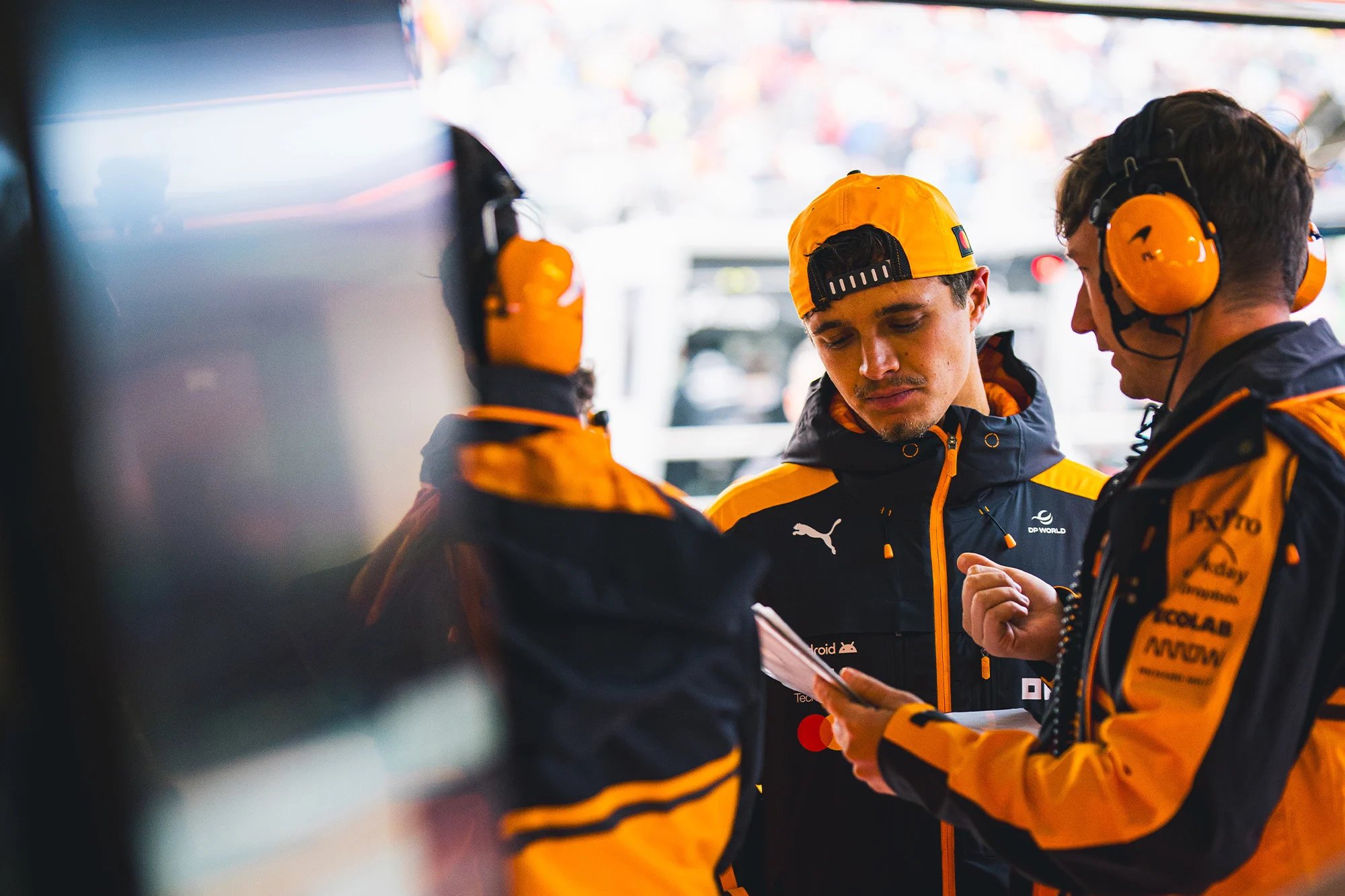
High temperatures can have a debilitating impact, and our human performance staff work very hard to mitigate those effects. We are habituated to viewing F1 drivers as elite athletes, however within McLaren’s trackside team, everyone is treated as an athlete, be they a mechanic, member of the pitstop crew or an engineer. Each role has very different skills and demands, and preparation is individualised. Engineers, for example, must assimilate vast quantities of visual and audio data. While these ‘cognitive athletes’ may require a slightly different human performance strategy to the mechanic, the basic principles are the same: they all have to maintain extreme focus for hours at a time.
Even mild dehydration can impair attention, focus, and concentration, so hydration has to be optimised over the weekend, given that its effects can be insidious, often impacting performance before the team member even feels thirsty. These subtle impairments are anathema to the goal of optimal cognitive and physical performance, whether that’s engineers on the island studying hugely complex data streams, or a pitstop crew changing tyres in under two seconds.
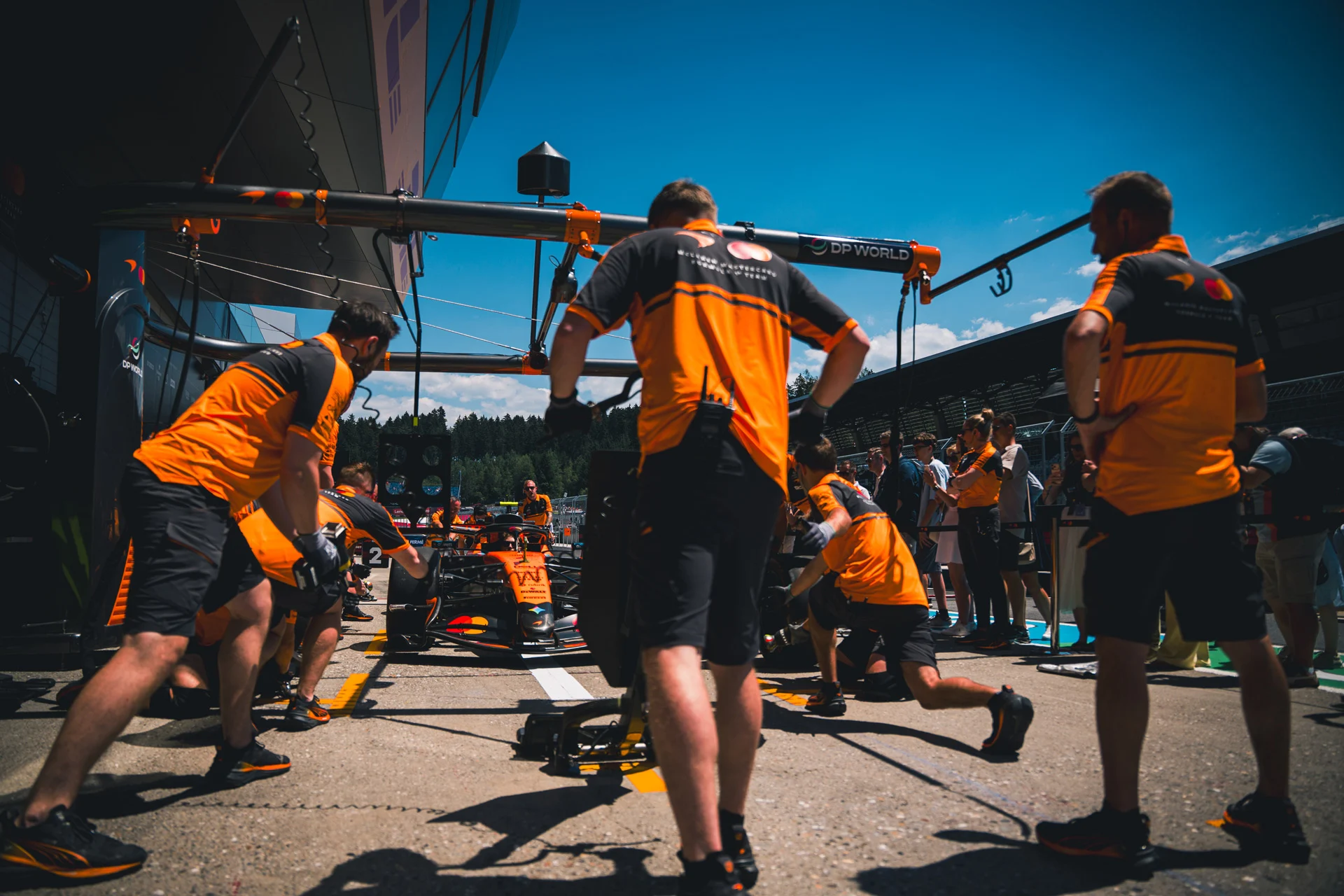
Like dehydration, the impact of excess heat is also detrimental to focus, concentration and alertness. Hotter environments lead to higher rates of sweating and electrolyte loss. The heart has to beat harder and faster to pump the blood to the skin to enable efficient cooling. This uses more energy, running down the internal batteries, and so the team works just as hard to ensure everyone stays cool, as they do to ensuring everyone stays properly hydrated. Team members are educated to monitor themselves – but also to keep an eye out for their colleagues: everyone looks after each other.
For cooling interventions, some of this is intuitive: double-skinned drink bottles with an ice-cold drink are frequently topped up; coolers in the garage will ensure a flow of chilled air; the pit-stand is air-conditioned; the pitstop crew have ice vests – but there are also positive psychological impacts from ‘perceived cooling’.
Ultimately, the enemy here is fatigue. Fatigue from dehydration and heat during a race is common. The human performance staff are always on watch for telltale signs of fatigue – a slower response during pit-stop practice may be a sign, but even a yawn is a giveaway. The response to that may be something as simple as a can of Monster Energy, an espresso for a caffeine hit, or sweets and treats for a glucose energy burst.
The latter doesn’t necessarily have a sizeable physical impact, but it’s nice – and in terms of maintaining focus, this does have a psychological impact. Things like an iced towel on the back of the neck aren’t going to reduce core temperature, but they will feel good, and the little things that make people feel good or believe they’re being cooled are valuable. In terms of retaining focus, preventing people from feeling hot and bothered is sometimes half the battle.