

22 April 2026 11:00 (UTC)
Our major triumphs are easy to spot, but before every World Championship is the moment before the moment

Ten Constructors’ Championships, 13 Drivers’ Championships, 203 victories, 559 podiums, 60 years and, imminently… 1,000 Grands Prix. Formula 1 has been good to the McLaren team.
Whenever we’re celebrating a major milestone such as this, there’s a tendency to focus on the glory years, especially at this point in time, with everybody in the team knowing what that feels like, but there are also the moments in the lead-up to any major success when you sense that something special is on the horizon.
It does, of course, depend on personality, but for some people within an F1 team, the days that really make the spine tingle are the ones that precede the glory - the times when things start going right.
Some of them are obvious: the day it comes together for a young driver, or a record-breaking pit stop. Others are hidden: the lap times in testing that make people on the pit wall look at each other and raise an eyebrow, or the mid-season upgrade that suddenly turns the car into a rocket ship. There isn’t a pattern – other than you know it when you see it: the moments before the moment, when everything changes.
Here, we look back on the catalysts that led to each of our major triumphs and periods of success.
It’s possible that the reason McLaren are approaching our 1,000th Grand Prix is because of the M7A. There are 167 teams listed as having started a World Championship race, and even discounting those that only raced in the 1950s’ Indy 500, that still leaves a rump of over 130 F1 teams, many more if you include those that never made it to the grid. They all start with grand aspirations, but many struggle to establish themselves and never manage to become a lasting fixture in the sport.
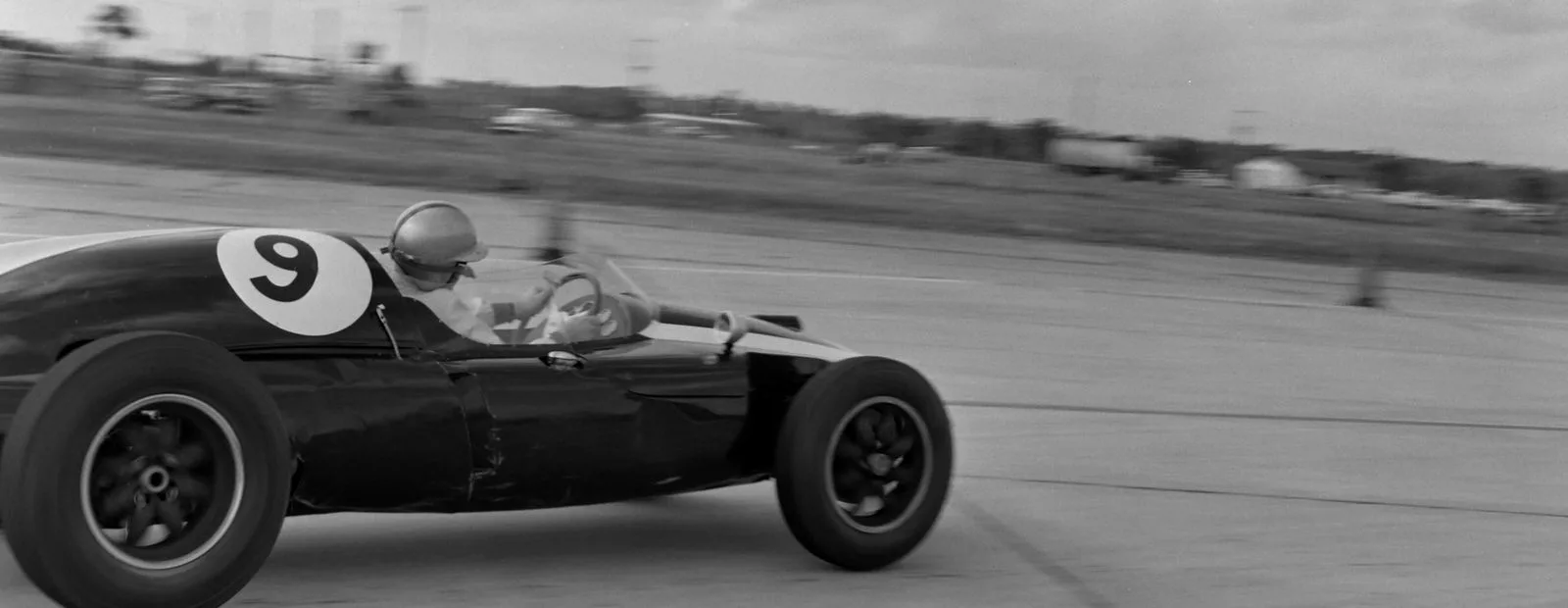
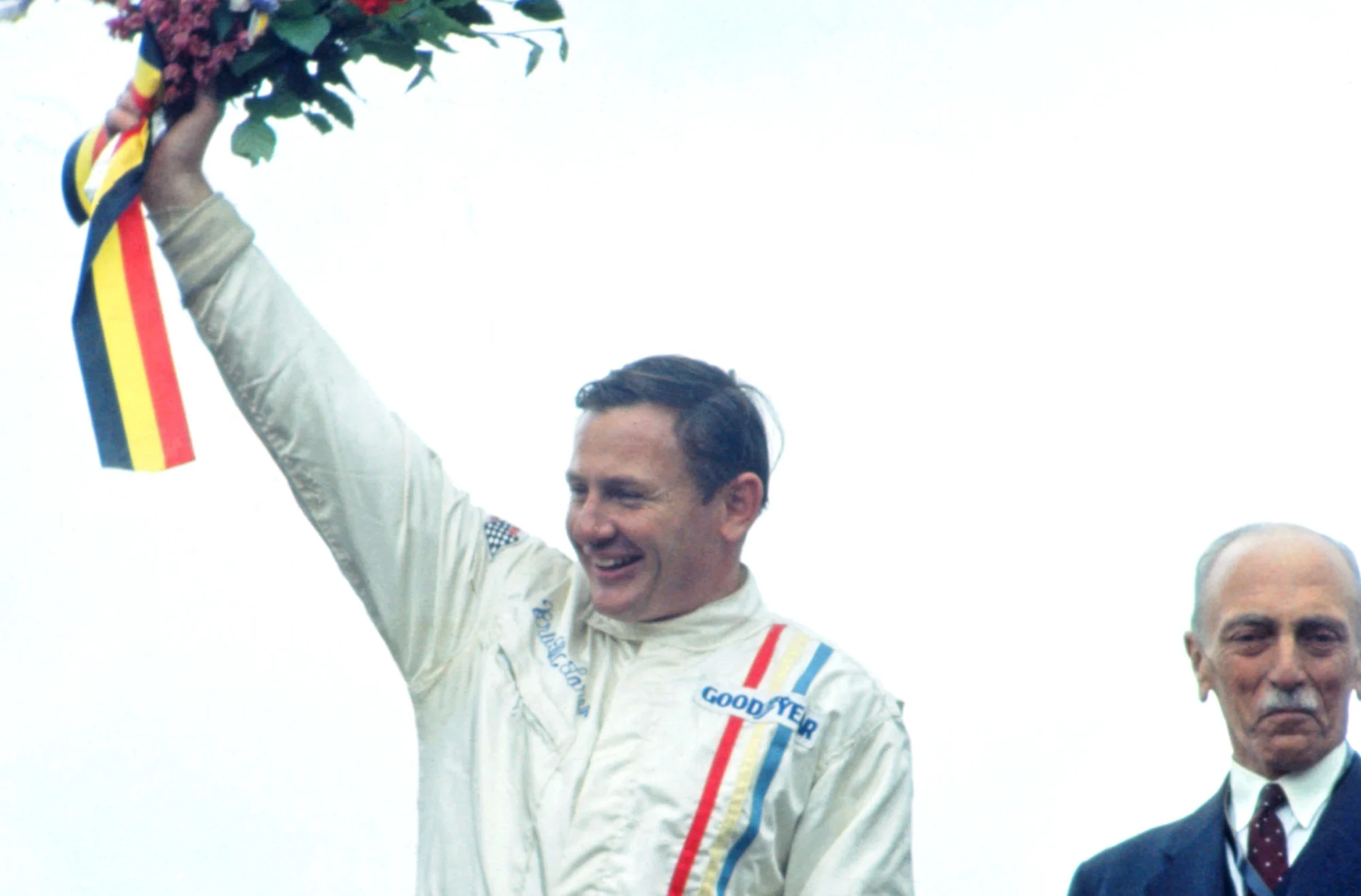
McLaren were a cut above that from the start, appearing in half the Grands Prix across 1966 and 1967, with Bruce, as sole entry, scoring points on three occasions – but the launch of the M7A, at the Spanish Grand Prix of 1968, and the move to a two-car team with World Champion Denny Hulme joining Bruce, really moved McLaren into the big leagues. Denny gave the team its first podium in Spain, Bruce provided the first win two races later in Belgium, and Denny added two more before the season was completed, including our first 1-2 finish, at Monza. The team finished second in the Constructors’ Championship and, while better cars would follow, this was the moment Bruce McLaren Motor Racing became part of the establishment.
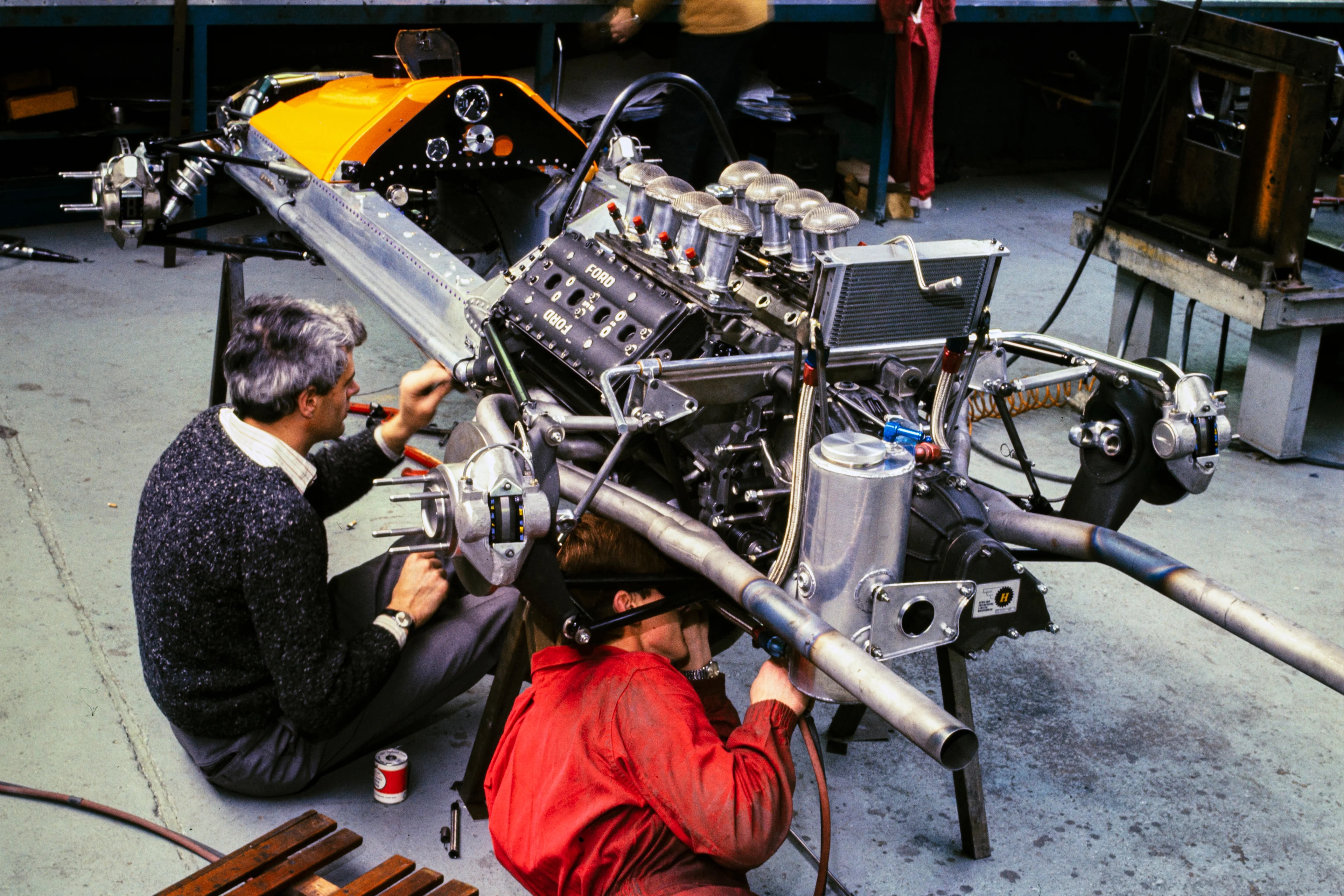
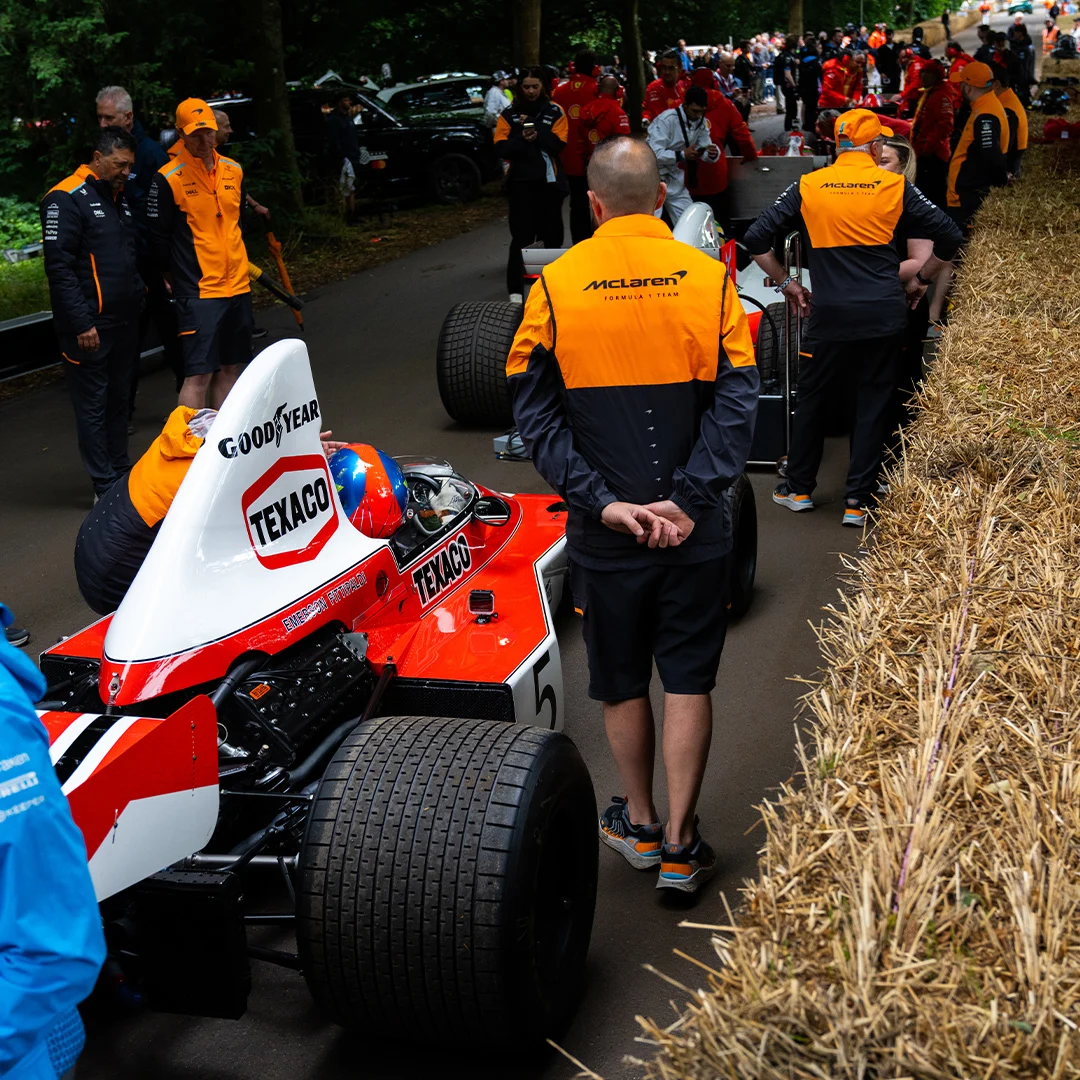
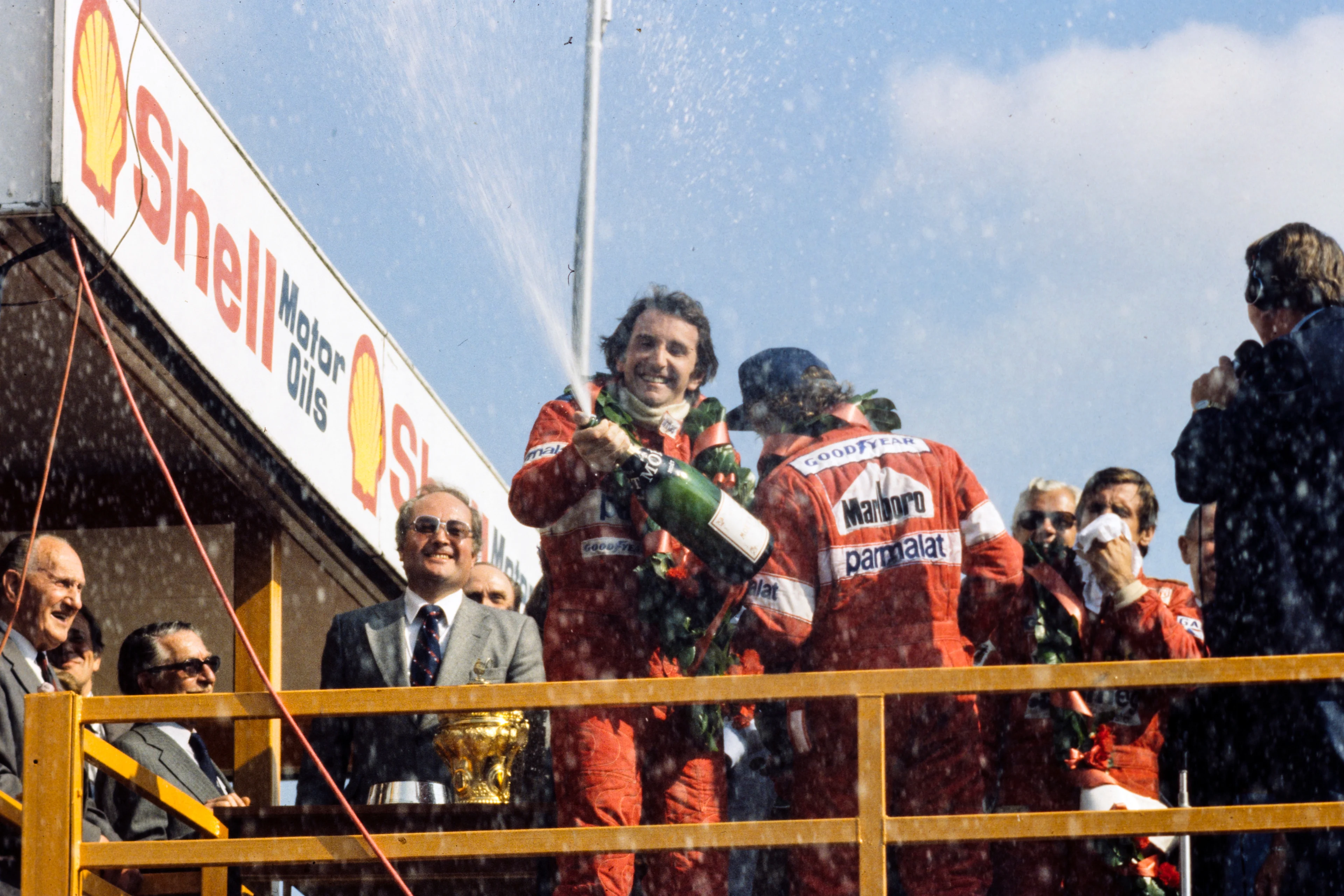
McLaren was changing at the start of the 1980s. After the golden period of Emerson Fittipaldi and James Hunt, the team hit a rough patch: eighth in 1978, seventh in 1979, ninth in 1980. The team was merged with Project Four, Ron Dennis’ Formula 2/Formula 3 outfit, and Team McLaren became McLaren International. Also key was Designer John Barnard’s return to the fold, who created the revolutionary MP4.
The MP4 arrived for the third round of the season in Argentina and featured Formula 1’s first full carbon fibre chassis. The car took a while to become competitive but was a winner by mid-season, with John Watson finishing first in the British Grand Prix. The next few years saw the team return to the top, with Niki Lauda coming out of retirement, Alain Prost returning, and a new Porsche-designed turbo engine replacing the superannuated Cosworth DFV – but that victory at Silverstone is where the upturn began.
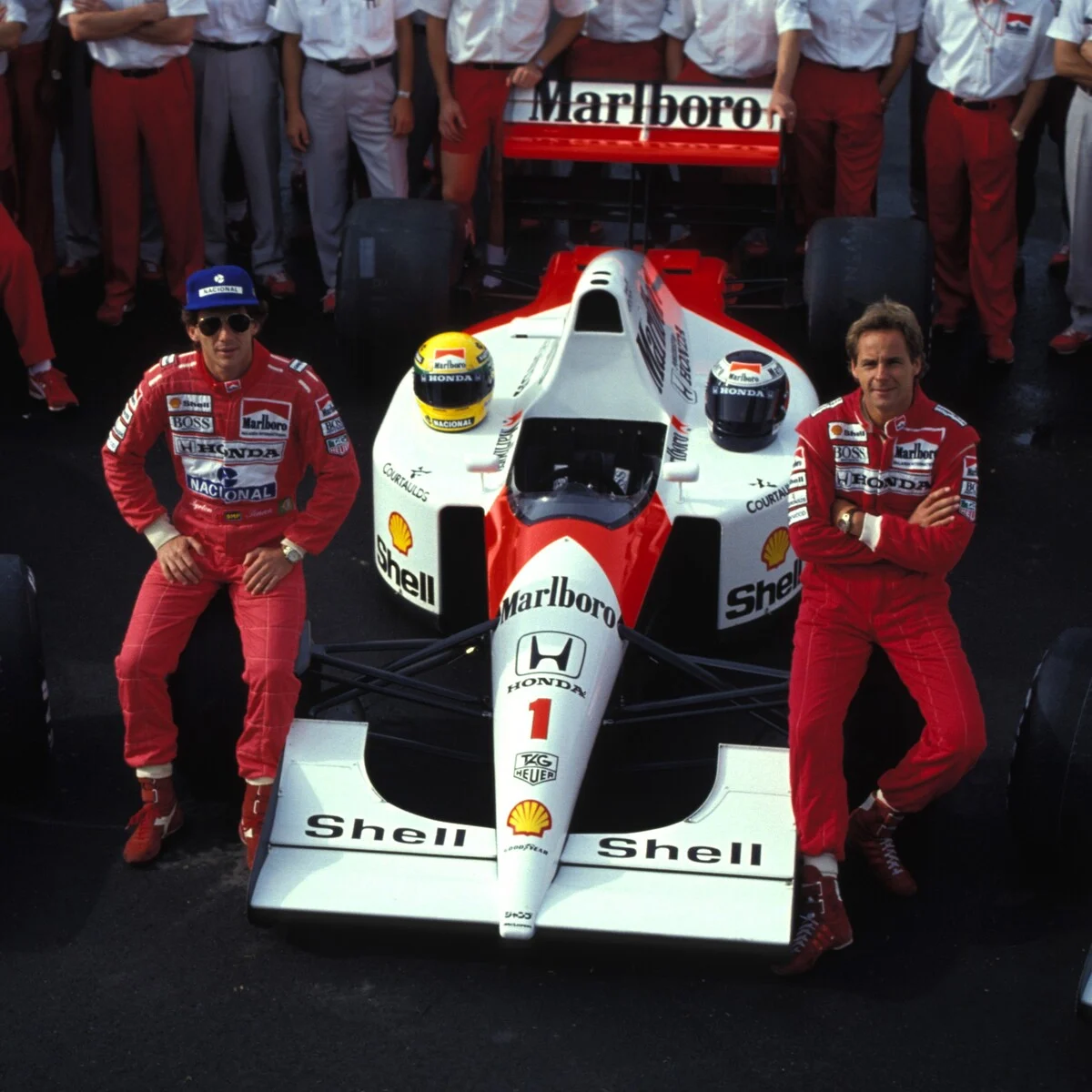
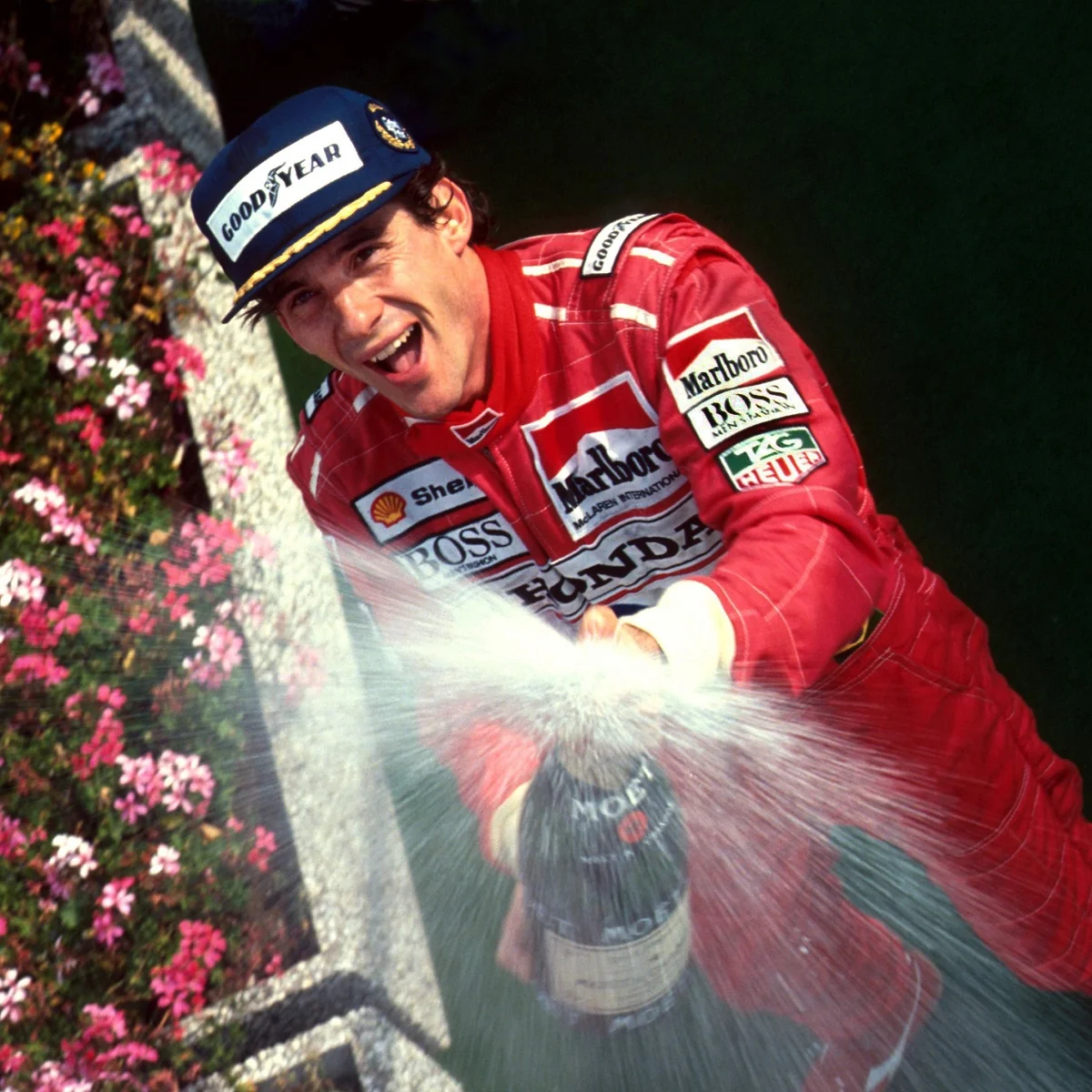
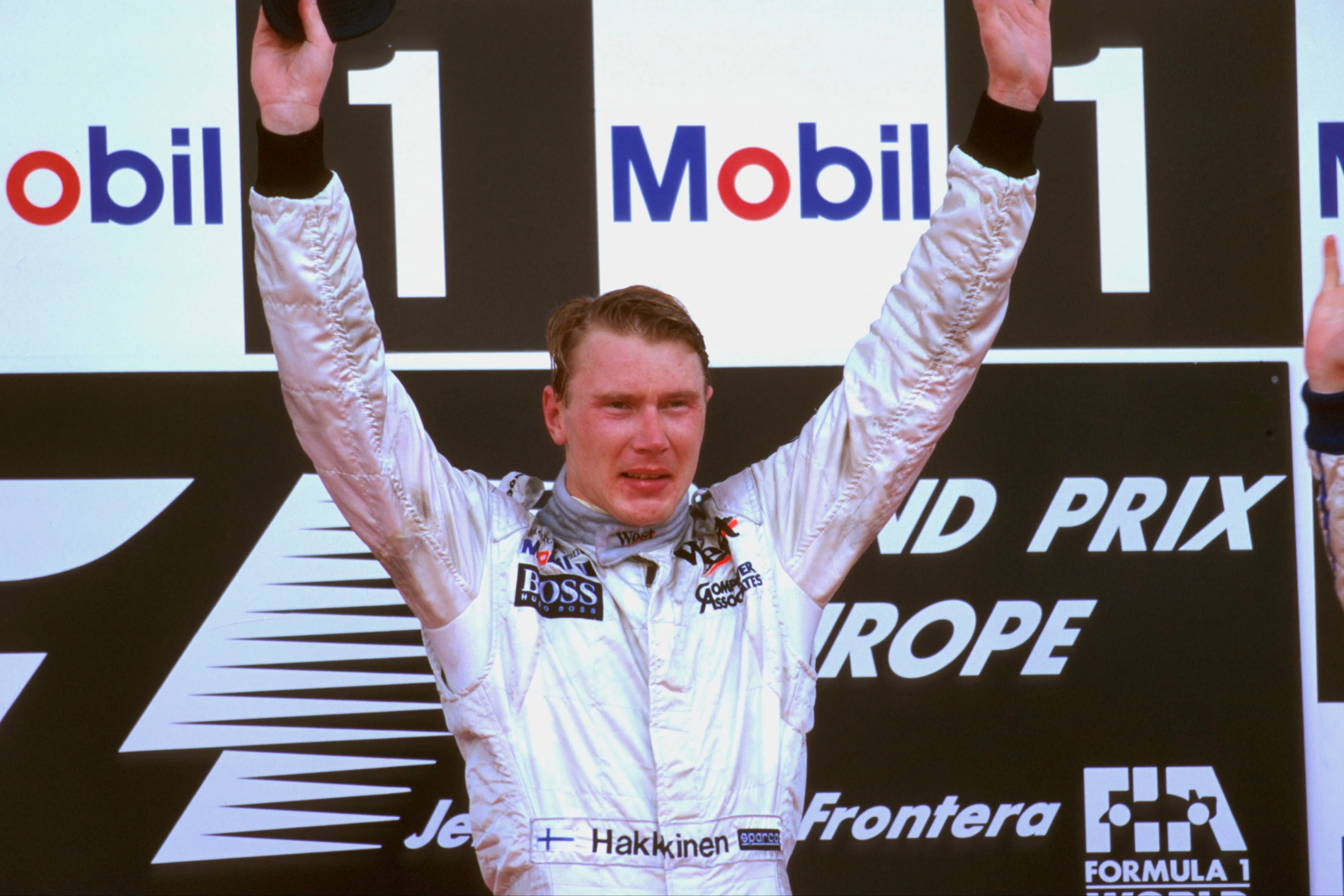
The legend of Mika Häkkinen is strong in these parts. In his first McLaren race, he out-qualified Ayrton Senna. In his second, he finished on the podium, but over the next four seasons, despite another 14 podiums, that first victory eluded him. As would be the case with Lando, a quarter of a century later, the sense within the team was that one win would lead to many. That win came at Jerez, in the 1997 European Grand Prix. From there, the floodgates truly did open. Nineteen more victories and two Drivers’ Championships followed in the subsequent four seasons.
“Winning gives you such amazing confidence,” recalls Mika. “People stop asking when you’re going to win because it’s done. You can focus on the next challenge, which was winning more, and winning World Championships. Jerez was the last Grand Prix of the year, so I got to be a winner for the whole winter. I got a lot of confidence from that, and when we started in 1998, I knew straight away. I knew how good the car was, and I knew I had the experience I needed to win. Everything just slotted into the right place.”
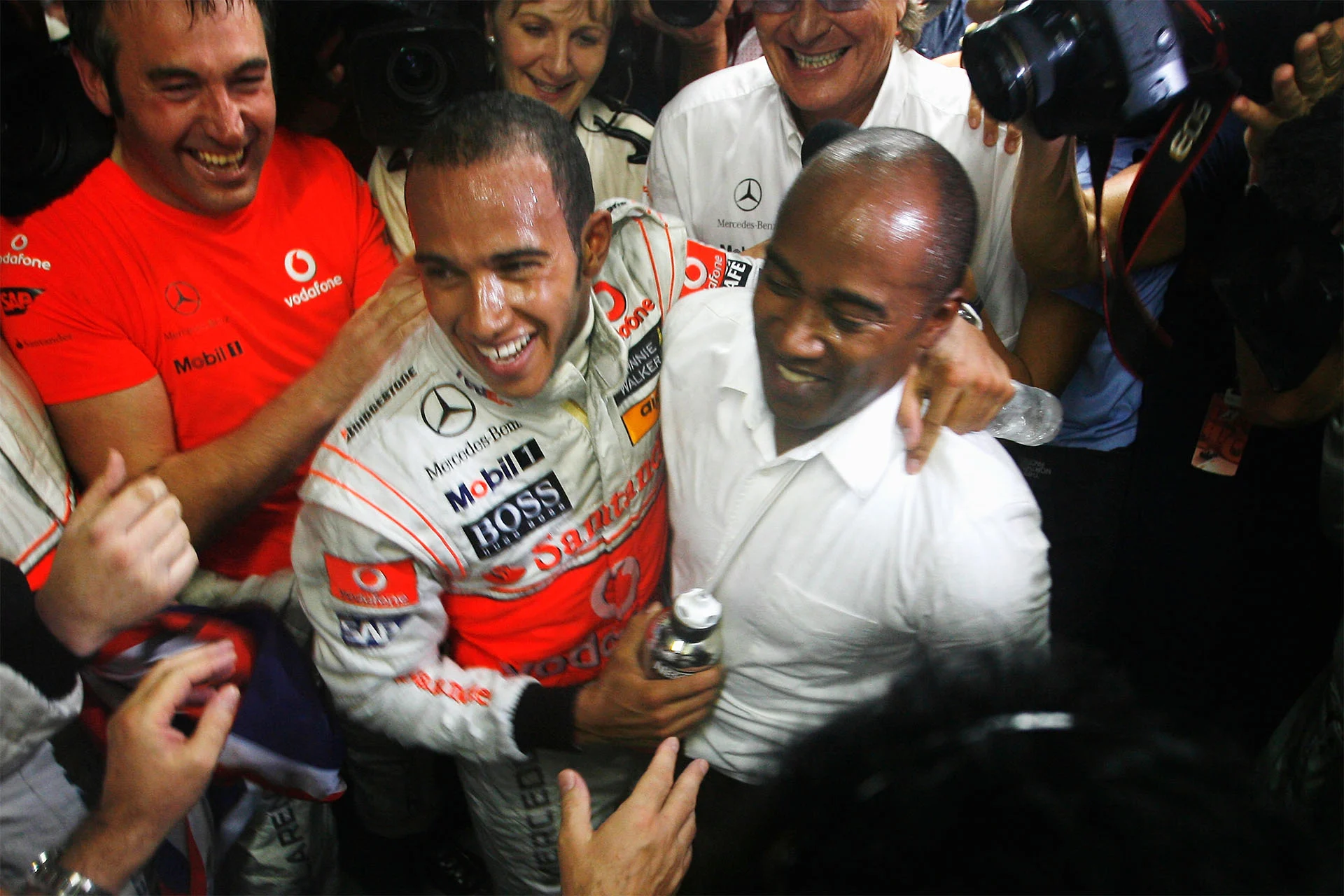
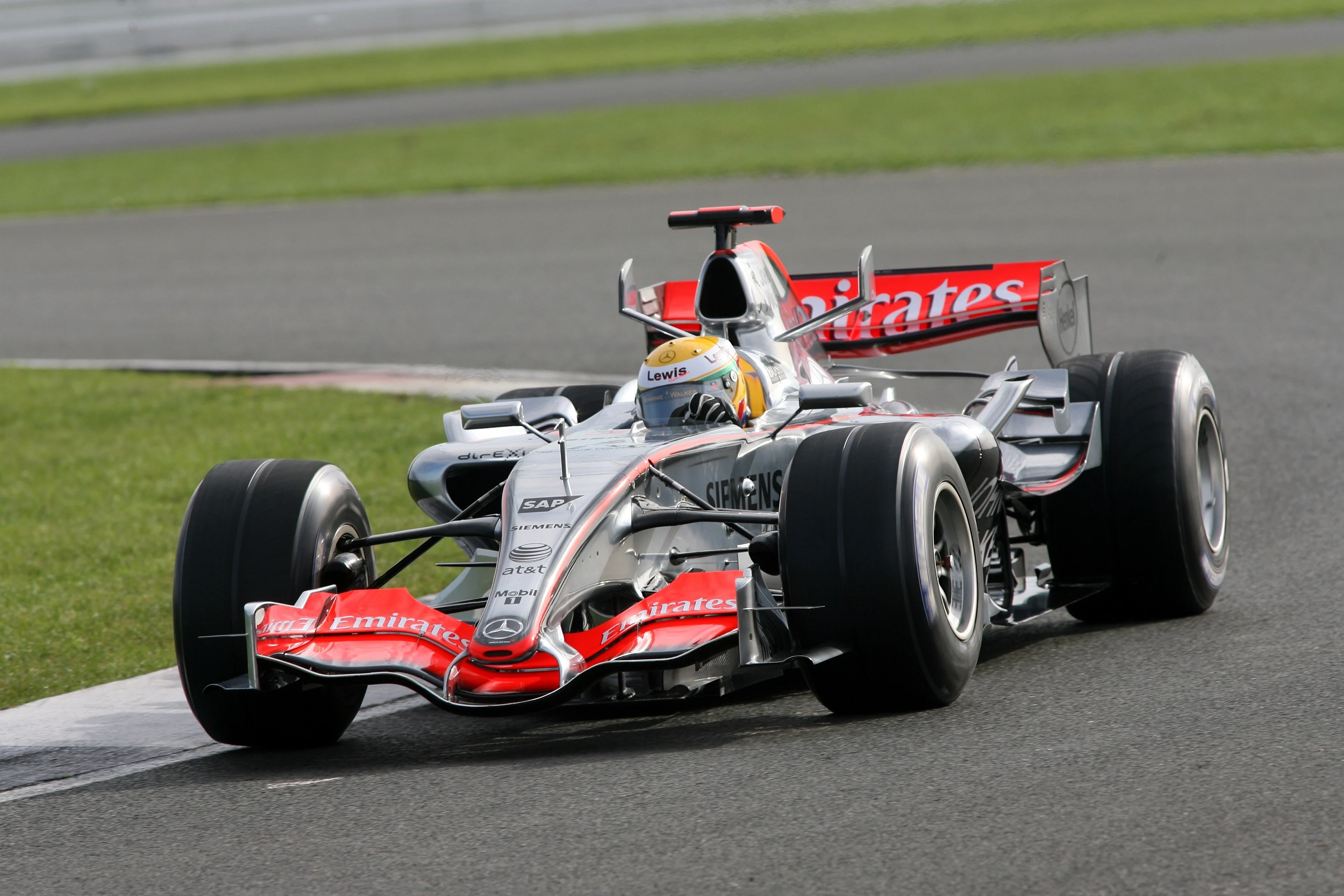
The F1 testing landscape looked very different in 2006. Putting a car on track was still the sport’s primary development tool, and so dedicated test squads were crisscrossing the world in an effort to improve their product. The record says we did 76 days and just north of 50,000km in 2006. Perhaps the most significant of those laps was a three-day F1 group test at Silverstone, featuring freshly-minted GP2 Champion Lewis Hamilton.
It wasn’t Lewis’ first F1 drive, he’d driven 21 laps in an MP4/19 at the end of 2004 in a closed session – but the stakes were higher now. McLaren had parted ways with Juan Pablo Montoya a few weeks earlier, and Kimi Räikkönen was leaving at the end of the season to join Ferrari, so there was a seat up for grabs. The choice seemed to be between Test Driver Pedro de la Rosa, who had seen out the end of 2006 in place of Juan Pablo, and Lewis. Pedro did the bulk of the running at Silverstone, but across 120 laps, Lewis looked assured and very, very quick. The same happened at the next group test in Jerez: Pedro was quicker at the start of the test, but Lewis was learning rapidly and finishing faster than the other driver.
In the November, the team announced Lewis would be partnering World Champion Fernando Alonso in 2007. The rest, as they say, is history.
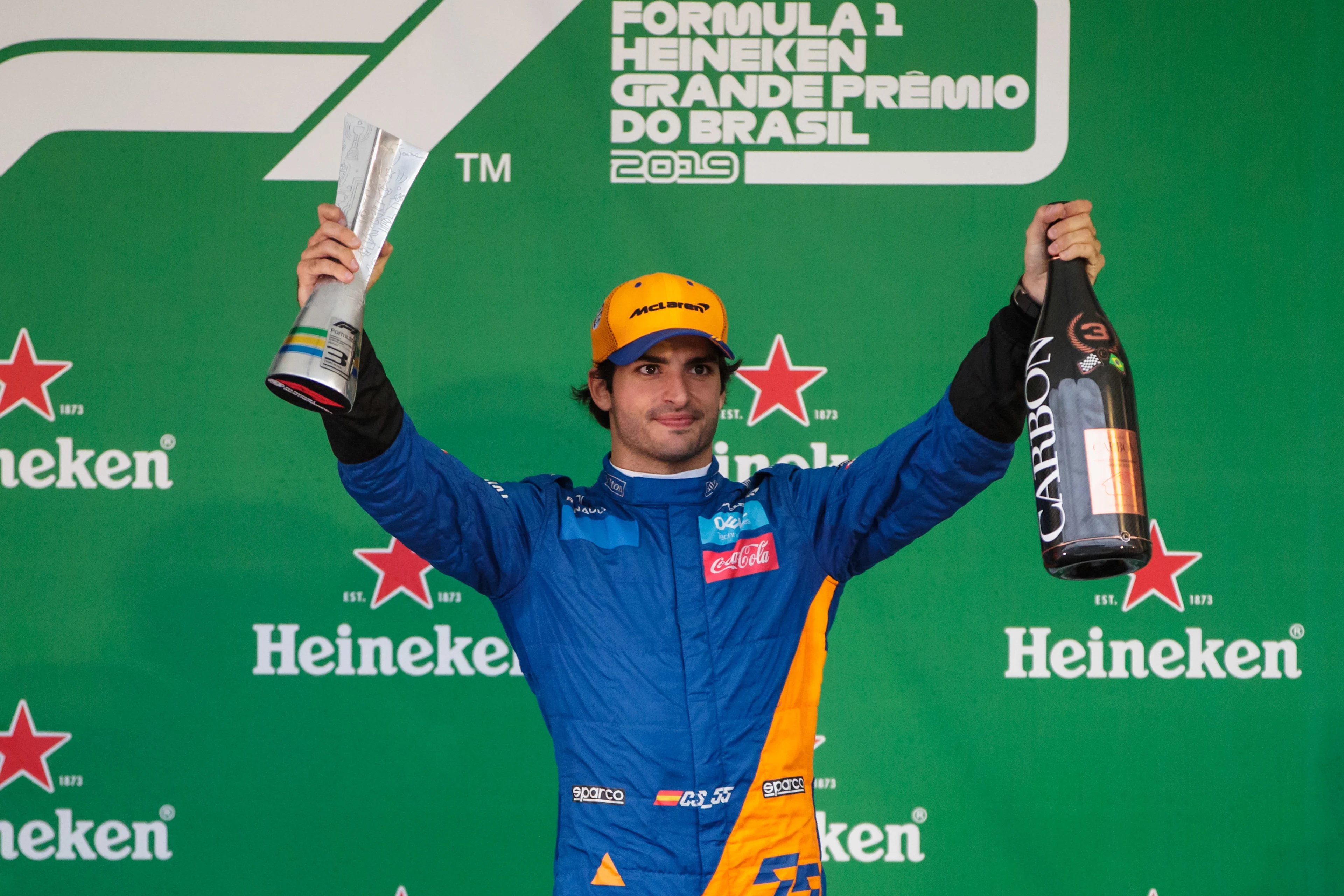
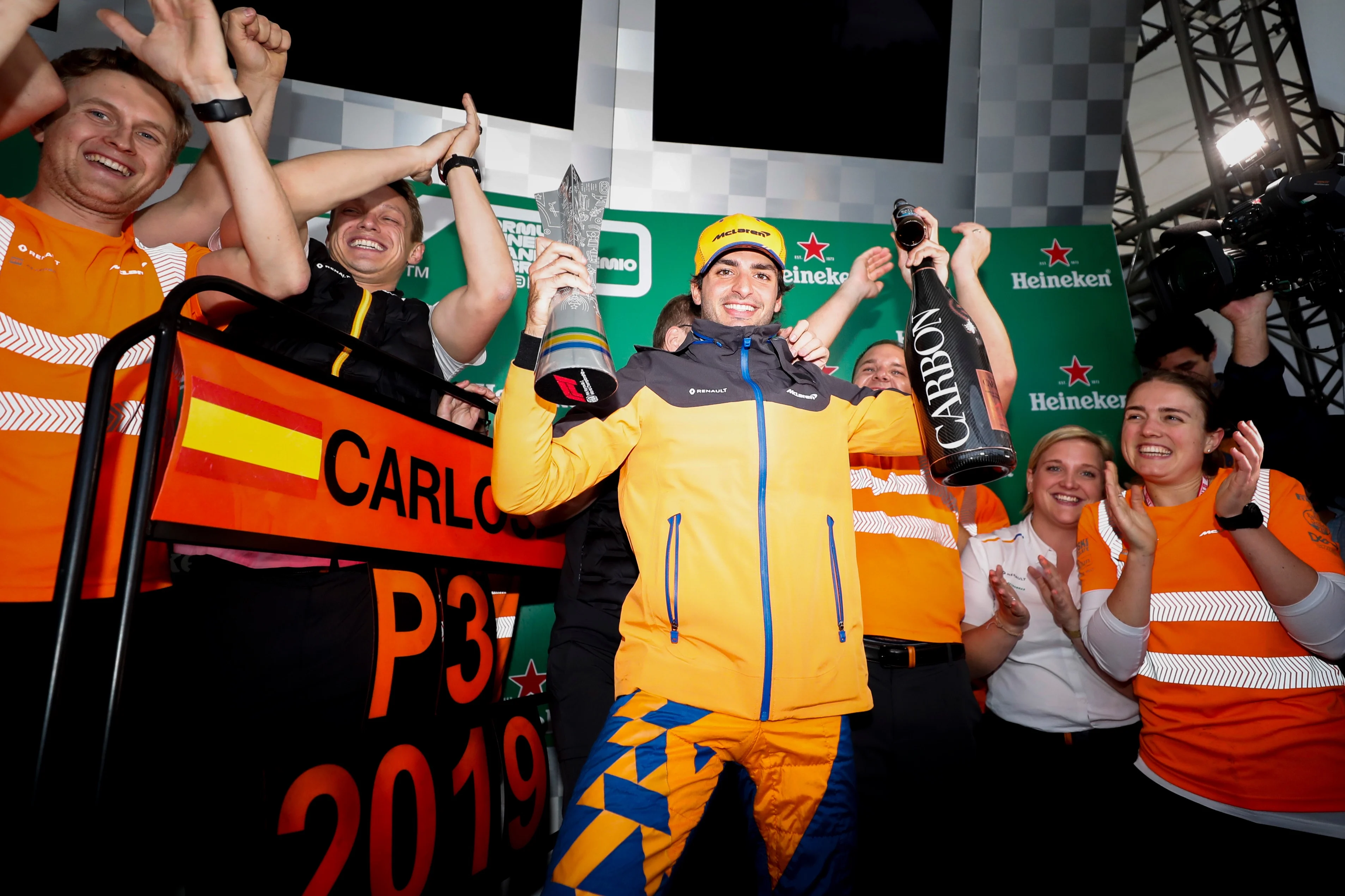
Night was falling on Interlagos when the team staged its guerilla podium celebration at the 2019 Brazilian Grand Prix. The whole paddock knew Lewis Hamilton was likely to get a time penalty, and Carlos Sainz was going to be elevated to P3, but it takes a while for the stewards to get through all of their reviews, and the crowd had long since left the Autódromo José Carlos Pace when official word came through. While it was a shame for Carlos, that he was denied a first ‘proper’ podium, it was lovely for the team that we were all able to celebrate it together.
But the significance runs deeper. This was McLaren’s first podium in six seasons. Opinion remains divided as to whether it was a false dawn or the genuine catalyst for the renaissance that followed. It certainly felt like the real deal at the time: the first green shoots of recovery.
It may come as a shock to some of our more impressionable readers, but history shows that sports teams aren’t always entirely honest about their prospects, good or bad. This form of communicative sandbagging – or glory running, depending on whether you are looking to falsely raise or lower expectations – is so common, in fact, that everyone tends to discount any statements and justifications of this nature, even when they’re entirely true.
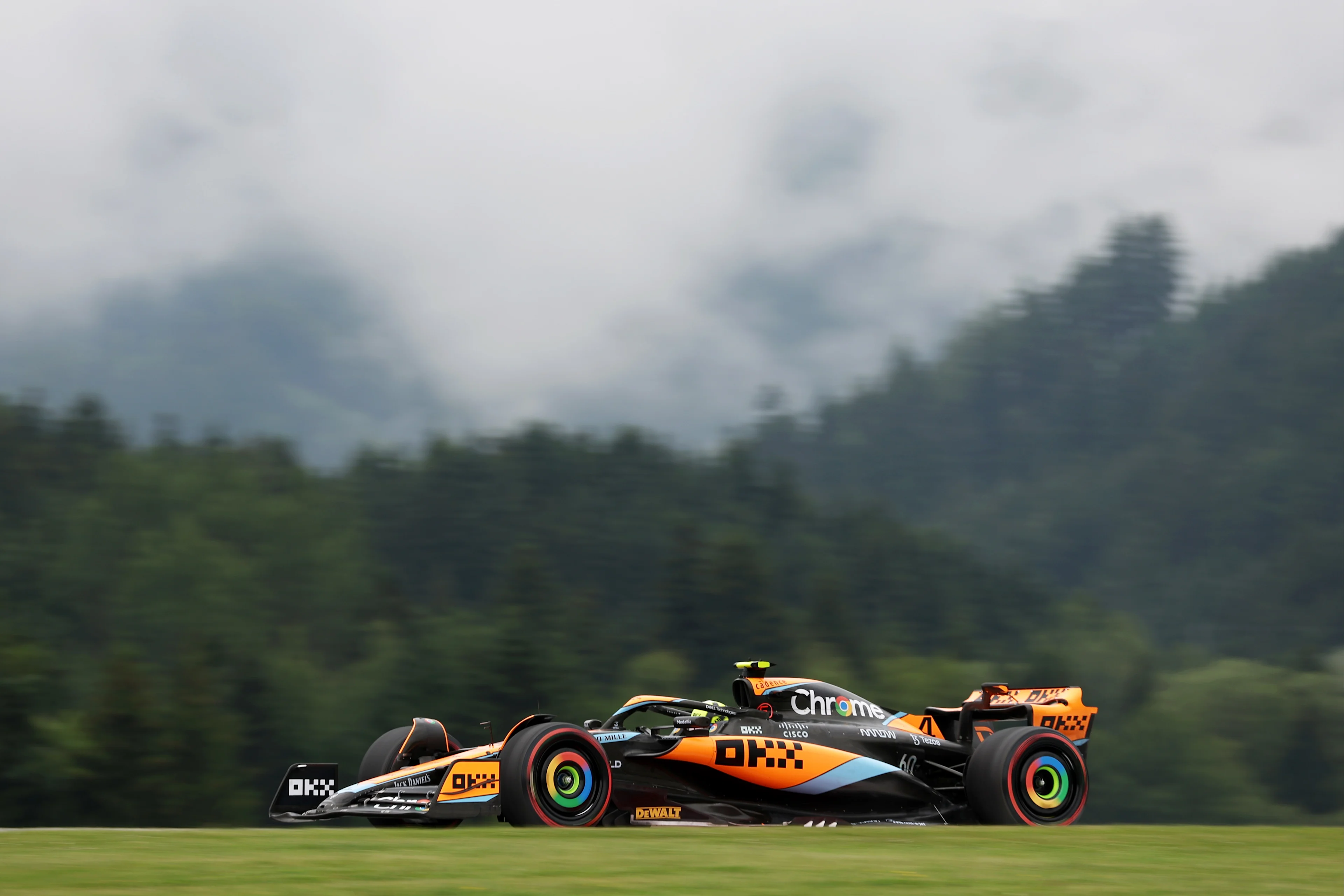
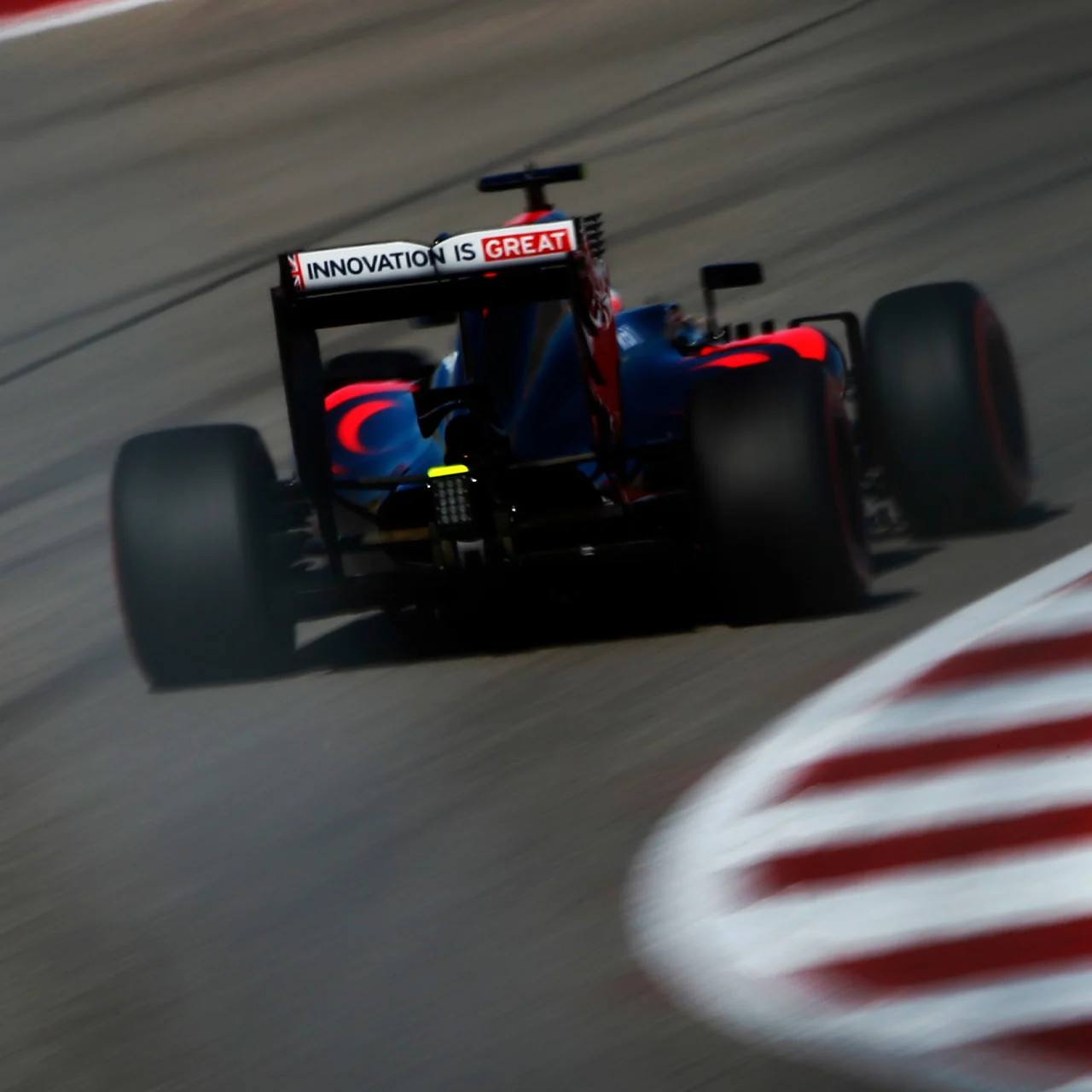
This was the situation for us at the start of the 2023 season, with the cars struggling to get out of Q1, and running at the back of the field. From testing onwards, Andrea has preached calm, explained that a late change to the technical regs in Autumn 2022 had put the team on the backfoot, that the launch car was a placeholder, and that the true performance of the MCL60 would only be seen when the major upgrade arrived. This was entirely accurate – though problematic given it’s exactly what a team would say if their car wasn’t doing what it was supposed to be doing.
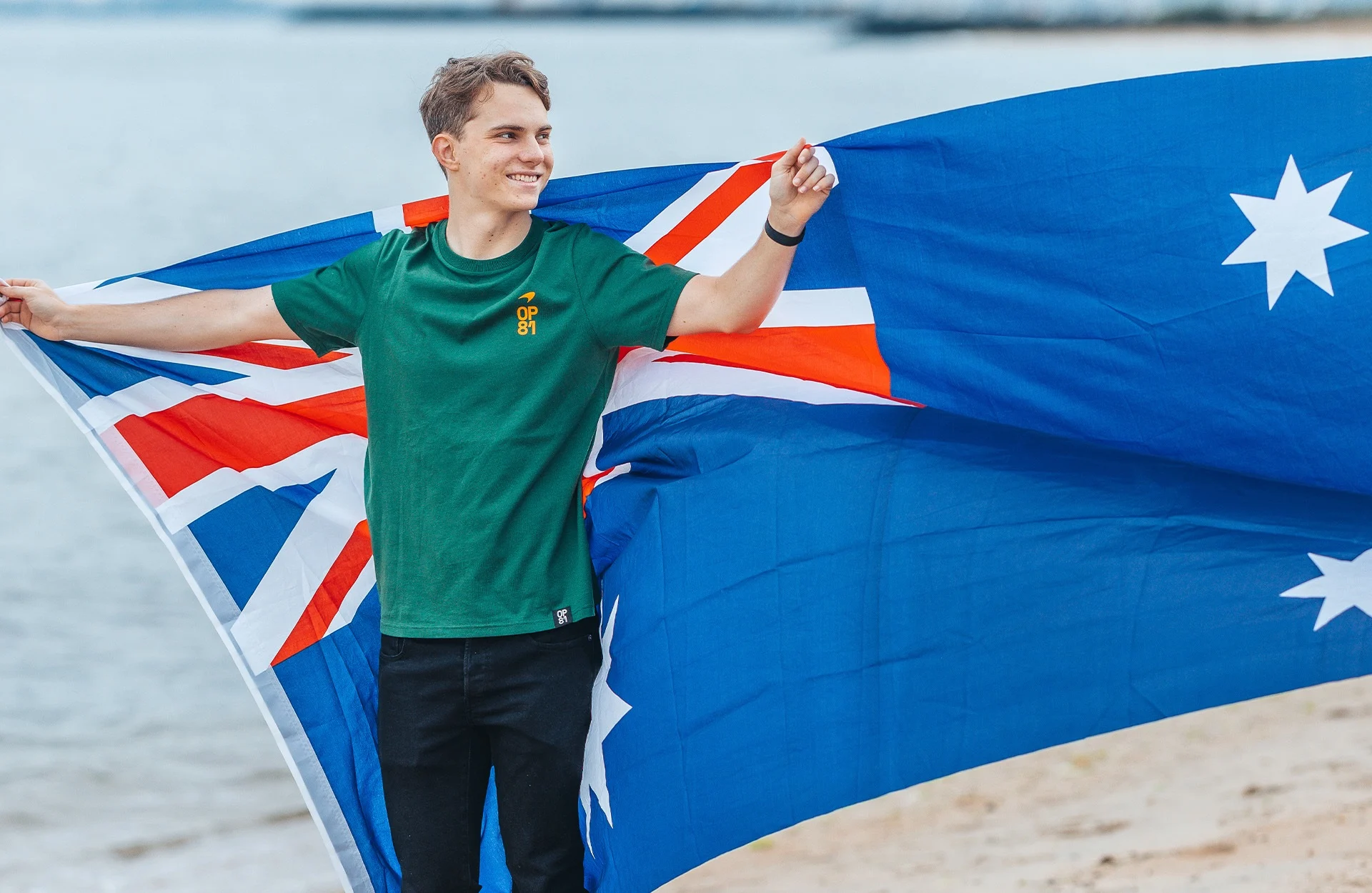
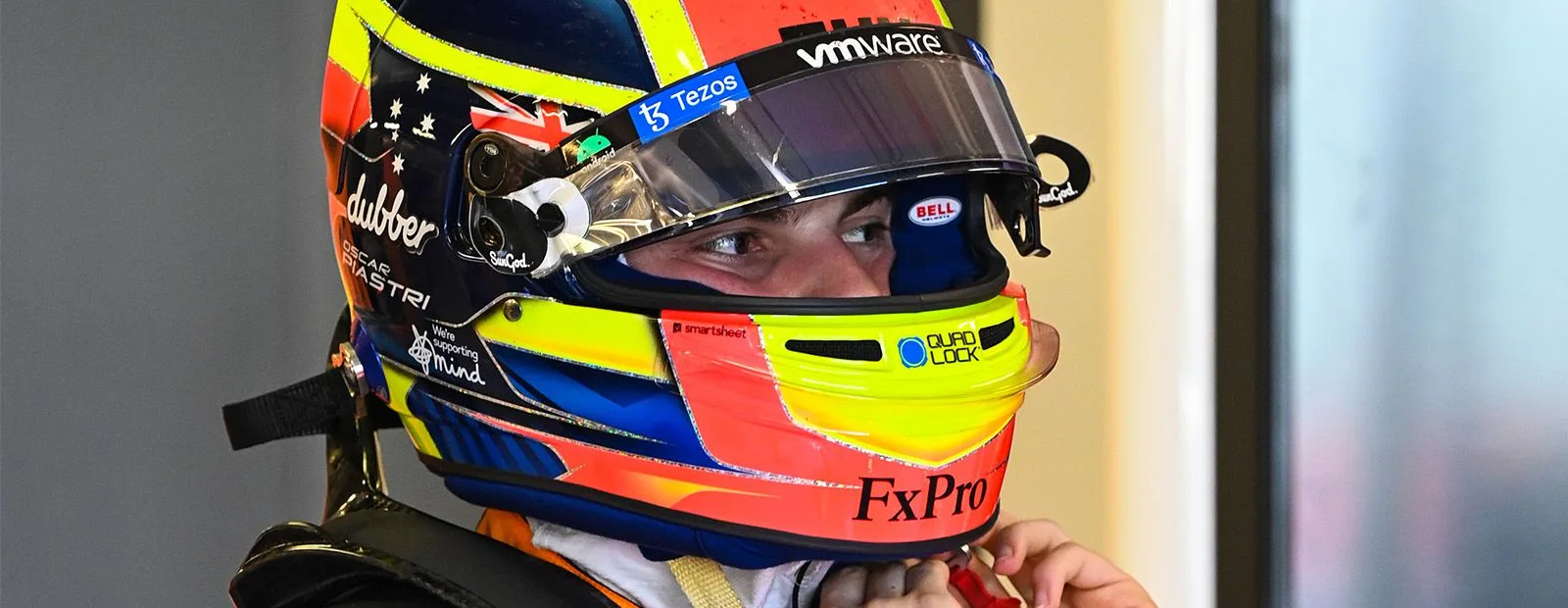
Heading to Austria, the team was sixth in the Championship, with 17 points after eight rounds, a best finish of sixth, and a failure to score in the previous two races. Fitting a major upgrade on a Sprint weekend is a risk, but also an incentive, with a lot of points available. One set of parts was available ahead of schedule, and went onto Lando’s car… and it was as though the sun suddenly came out. He was third in Sprint Qualifying, fourth in Grand Prix Quali, and then fourth in the race.
The enormous step-change perhaps wasn’t apparent from the outside, but the team knew. From there, we were never out of the points for the rest of the season, took nine Grand Prix podiums, and a Sprint win. It was a platform on which to build. Everything good that has followed since started that weekend in the foothills of the Styrian Alps.