


6 November 2026 18:10 (UTC)
Upgrades, Leo’s back-to-back FP1s, and another race at altitude: Answering this weekend’s key questions

Welcome to The Briefing, where we’ll be answering the key on-track questions ahead of the São Paulo Grand Prix.
Each week, powered by Google Cloud, one of our trackside experts will join us to explain all of the weekend’s biggest talking points. This week, ahead of FP1, we spoke with Senior Director, Technical Integration & Legality, Neil Houldey.
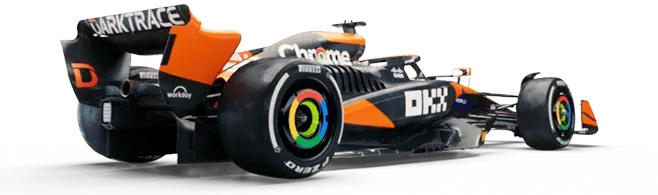
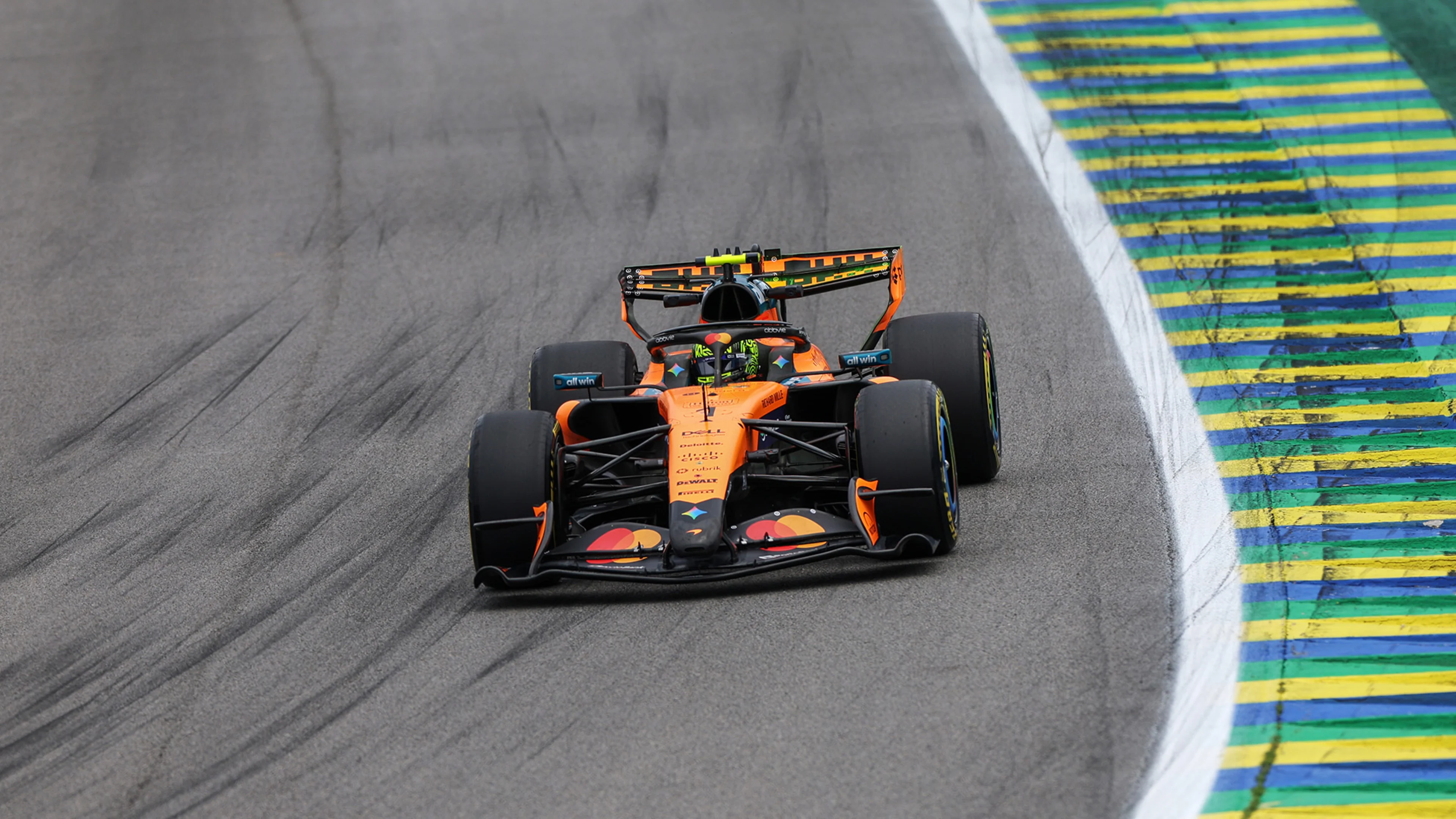
This weekend is a key one for the team in the fight for third in the Constructors’ Championship. Several upgrades are being fitted to the MCL40 at a track where we have historically enjoyed success.
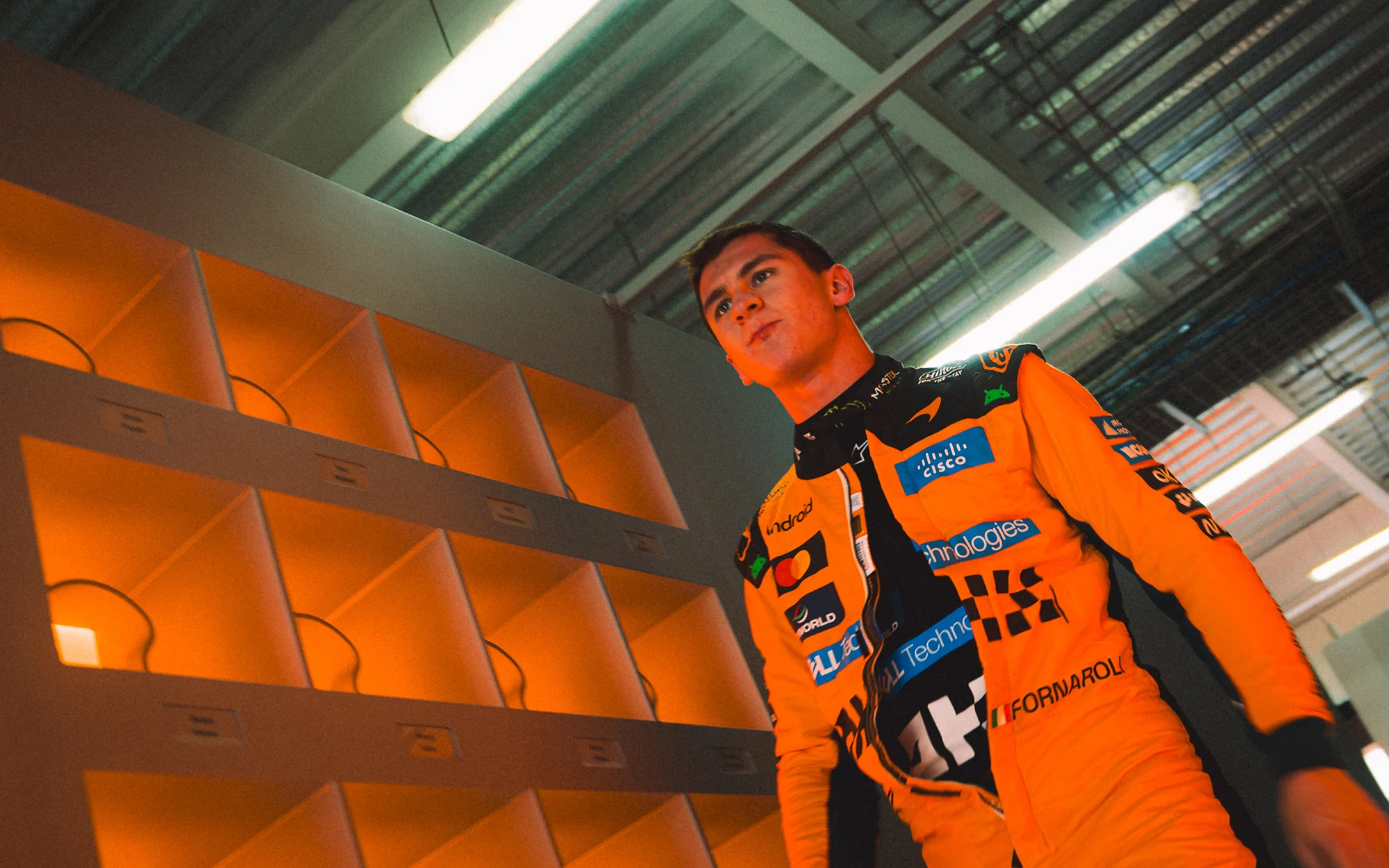
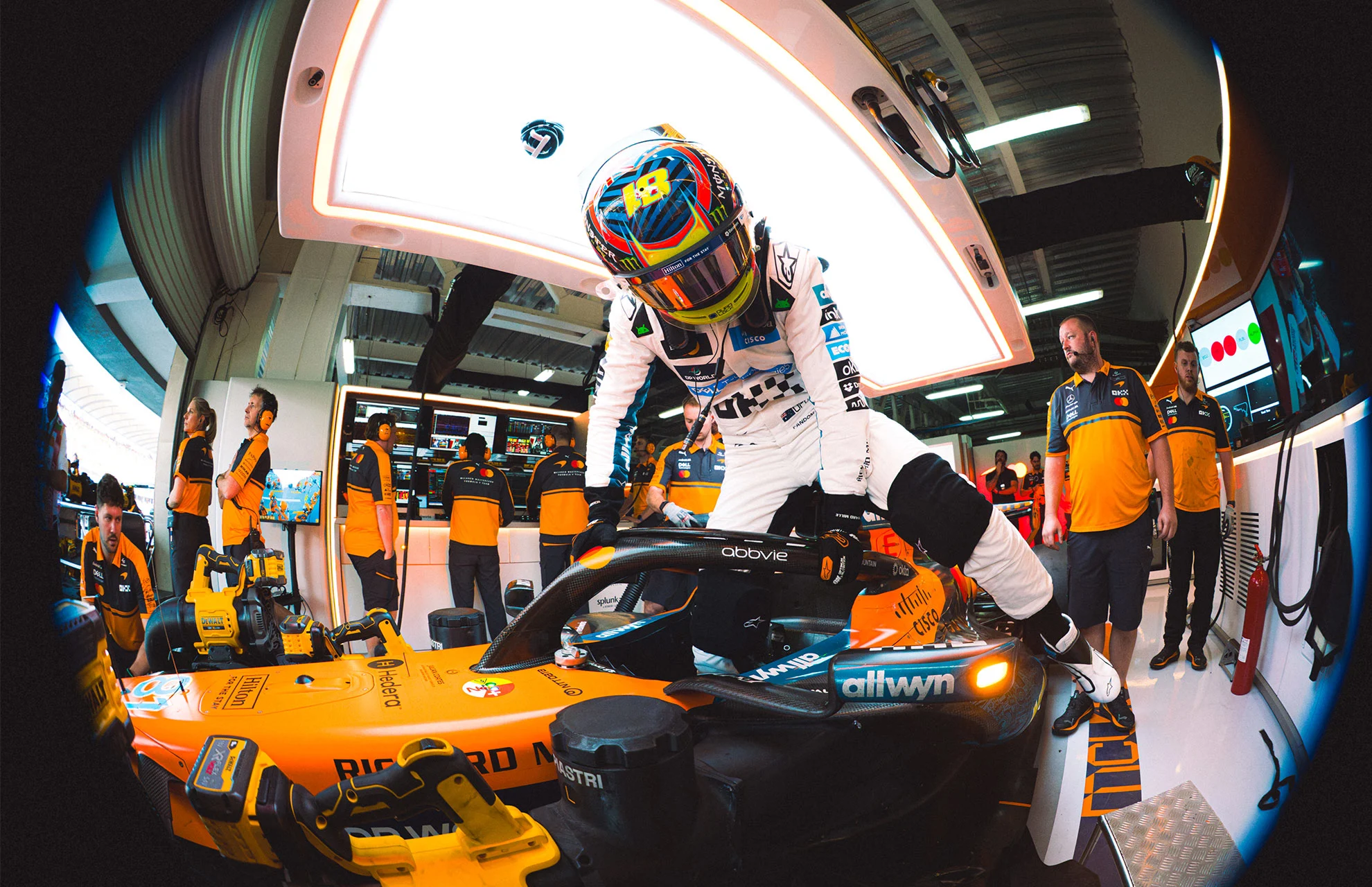
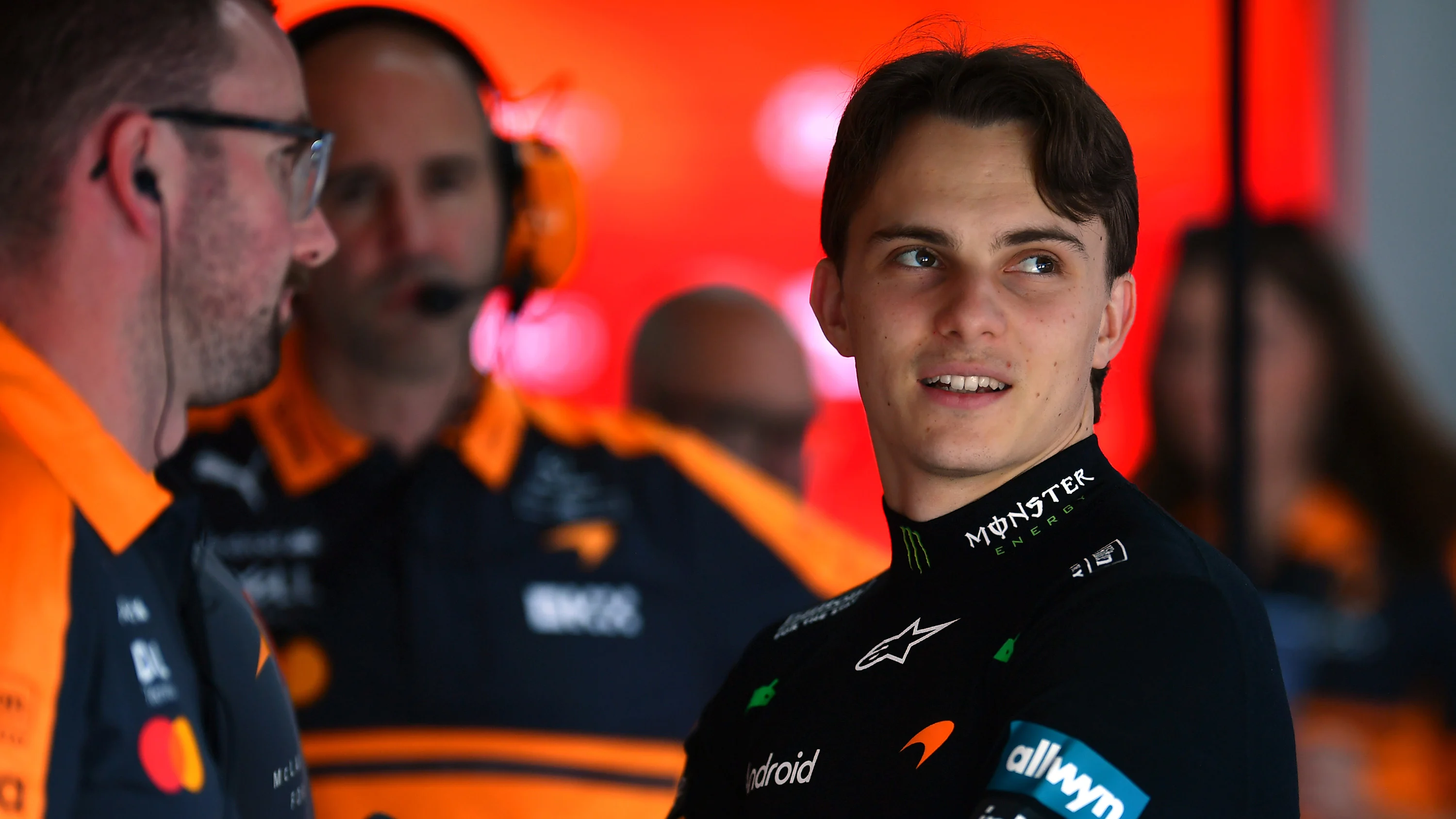
Those upgrades will be central to our Practice plans as we look to test their effectiveness and dial them in. Our F1 Reserve Driver Leo Fornaroli will play a key role in this, having replaced Oscar in FP1 to complete our final mandated rookie outing.
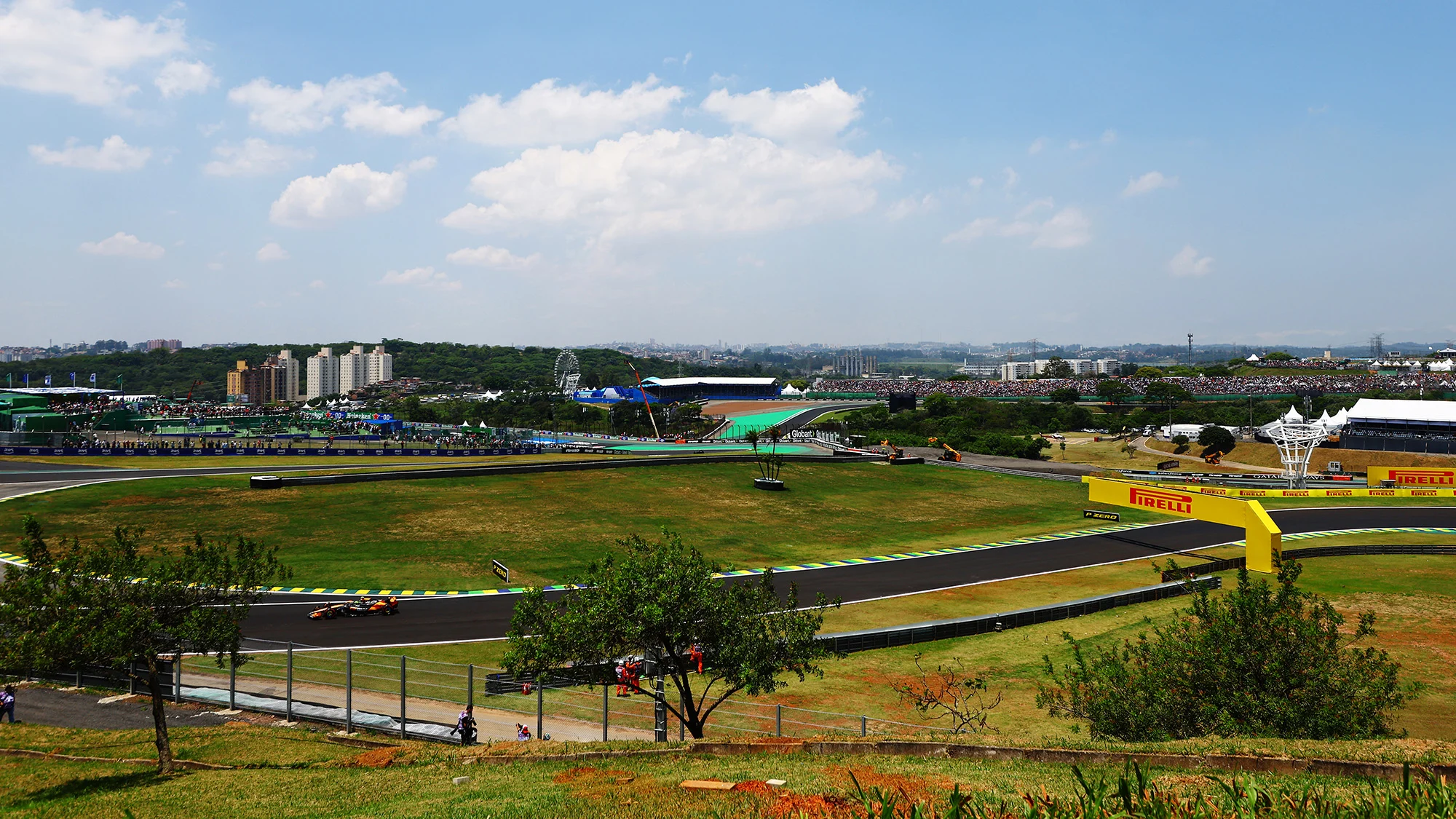
Here, we explain what these upgrades are, how we plan to test them, and what Leo got up to in first practice. We’ll also look at some of the key areas of the Autódromo José Carlos Pace, and how its altitude compares with what we experienced in Mexico City.
It’s a big upgrade for this event. We have a new front wing, a new rear wing, and a set of floor components. The floor components are smaller upgrades, and the wings are bigger, while also providing good learnings for 2027.
These are developments that will guide us into next year, but they’ll also help us right now. We’re in a battle for third in the Constructors’ Championship with a fast Red Bull car, and these add performance. We’re just looking at increasing overall load, rather than looking too much into the sensitivity of the car.
Leo did a great job in Mexico, doing exactly what we needed him to do. We got really good data, he got some good learning, and we’re keen to do the same again at Interlagos. Why do we choose Brazil? It's another circuit that has a little bit of space around it. It's not a street circuit, and the car's historically been reasonable around here, so he’s going to be able to do a good job setting up the car for Oscar and his engineers when he jumps back in for FP2.
Hopefully it won’t rain in the next hour, but if it does, that’s an opportunity for him to do some further learning, and again, the space around the track is an advantage.
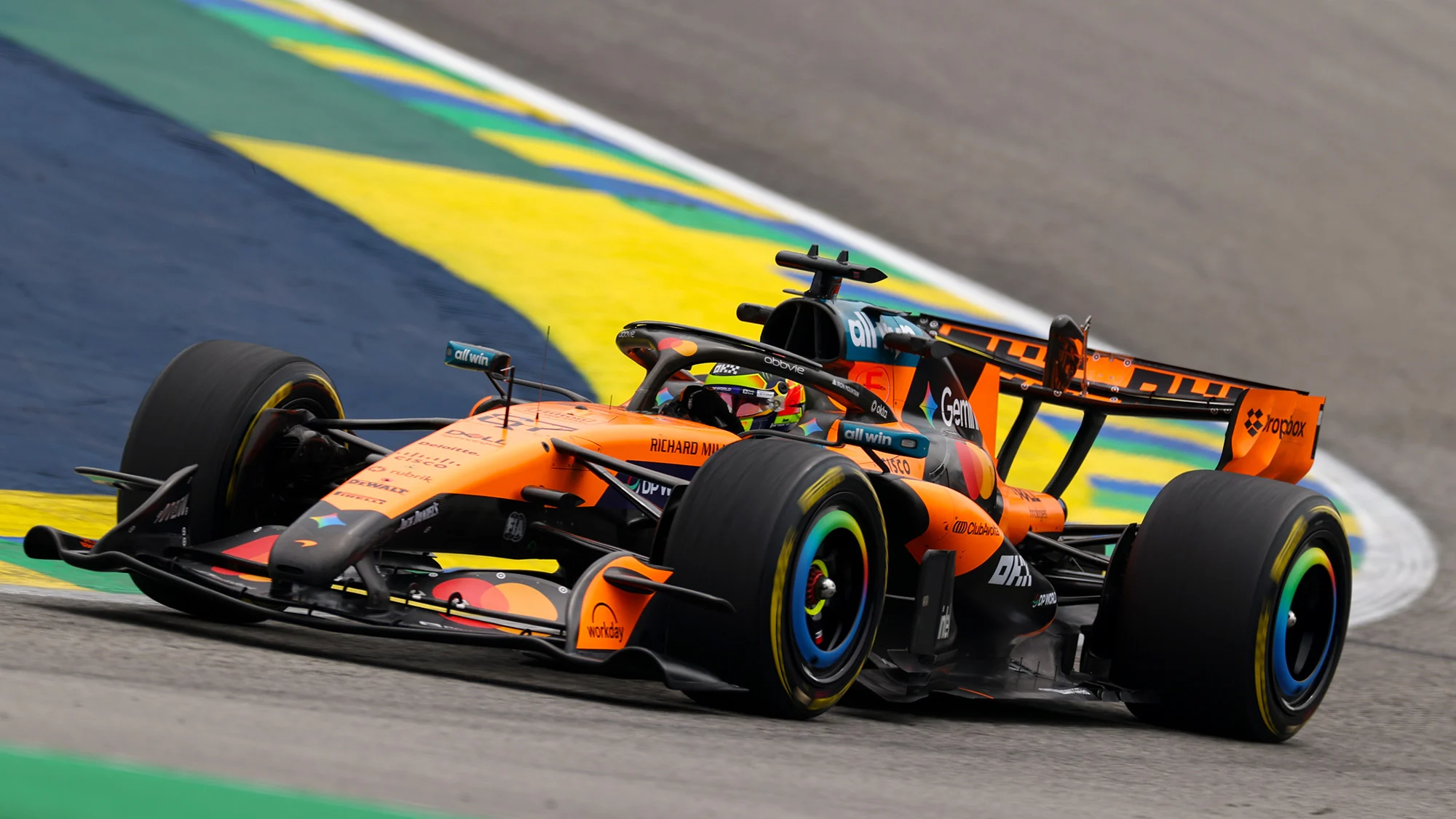
We’ll do aero testing – with the upgrades we have, it’s always important to ensure those are working correctly. The new rear wing is an upgrade to the higher downforce H-Wing introduced in Spain. We’ll check that it’s not fluttering, which was an issue when we first tested the revolving concept in the first half of the year. So, making sure the aerodynamic devices do what they need to do aerodynamically and structurally will be a big priority for the first sessions.
Beyond this, it’s the usual thing about getting the car dialled in. As always, we'll look at car stiffness and ride heights, and we'll try the car at low fuel to simulate Qualifying and high fuel to simulate race running, and try to understand the balance of the car in both conditions.
Similarly, we’ll want to study the delta between the tyre compounds, how resilient they are, and what performance we can get from them, to enable us to make a better call on what we might want to do in the race.
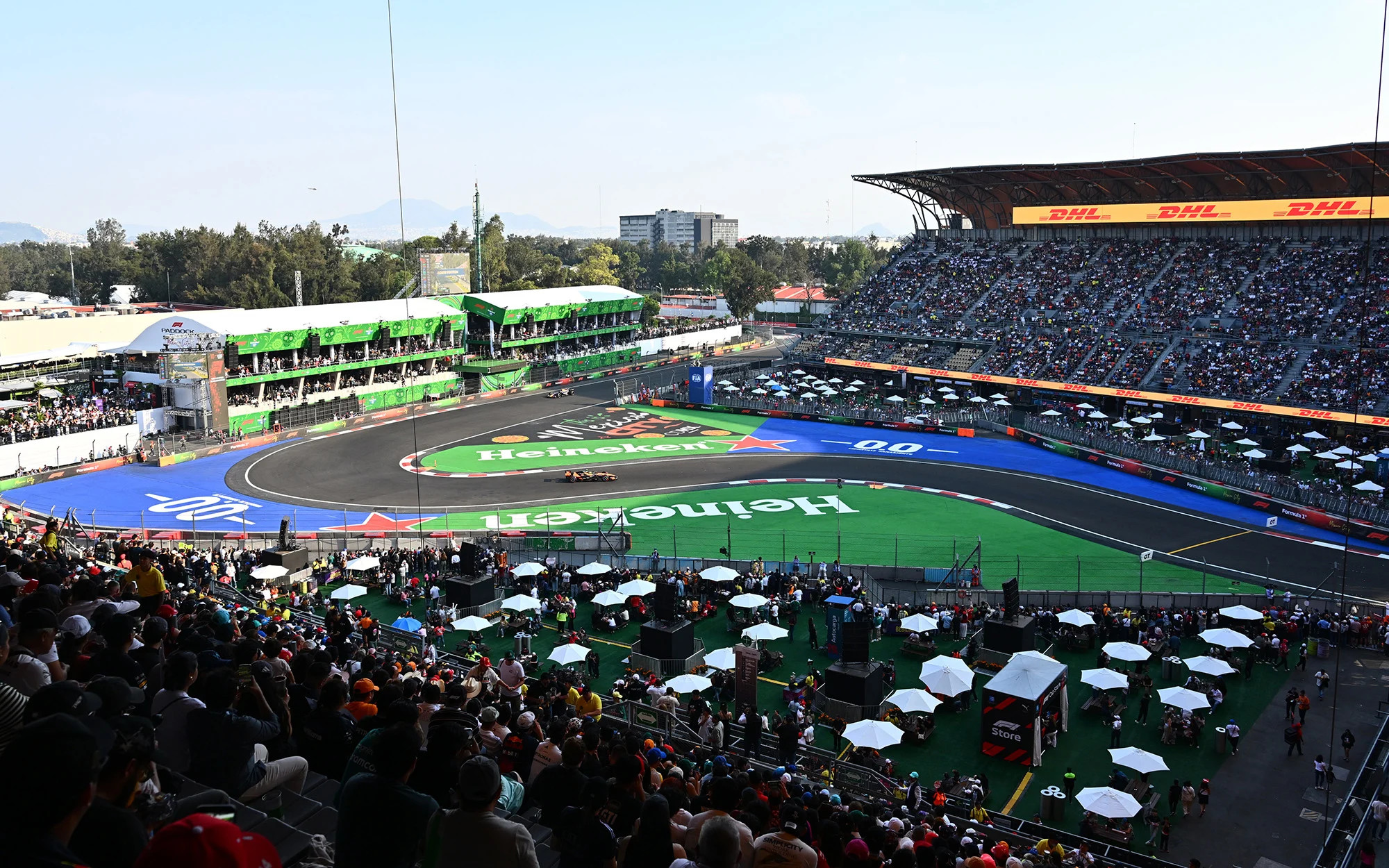
This is more of a normal race for us – high, but nothing near as high as the Autódromo Hermanos Rodríguez last weekend. We’re back to sensible cooling specs, with brake ducts that are a little more optimal for aerodynamics. Mexico is always a very strange race where you put on such big bodywork, but simultaneously, the downforce drops significantly. We’re back to something a little more standard here.