


3 November 2026 17:00 (UTC)
"We’re hopeful these upgrades can help us take another step towards the front"

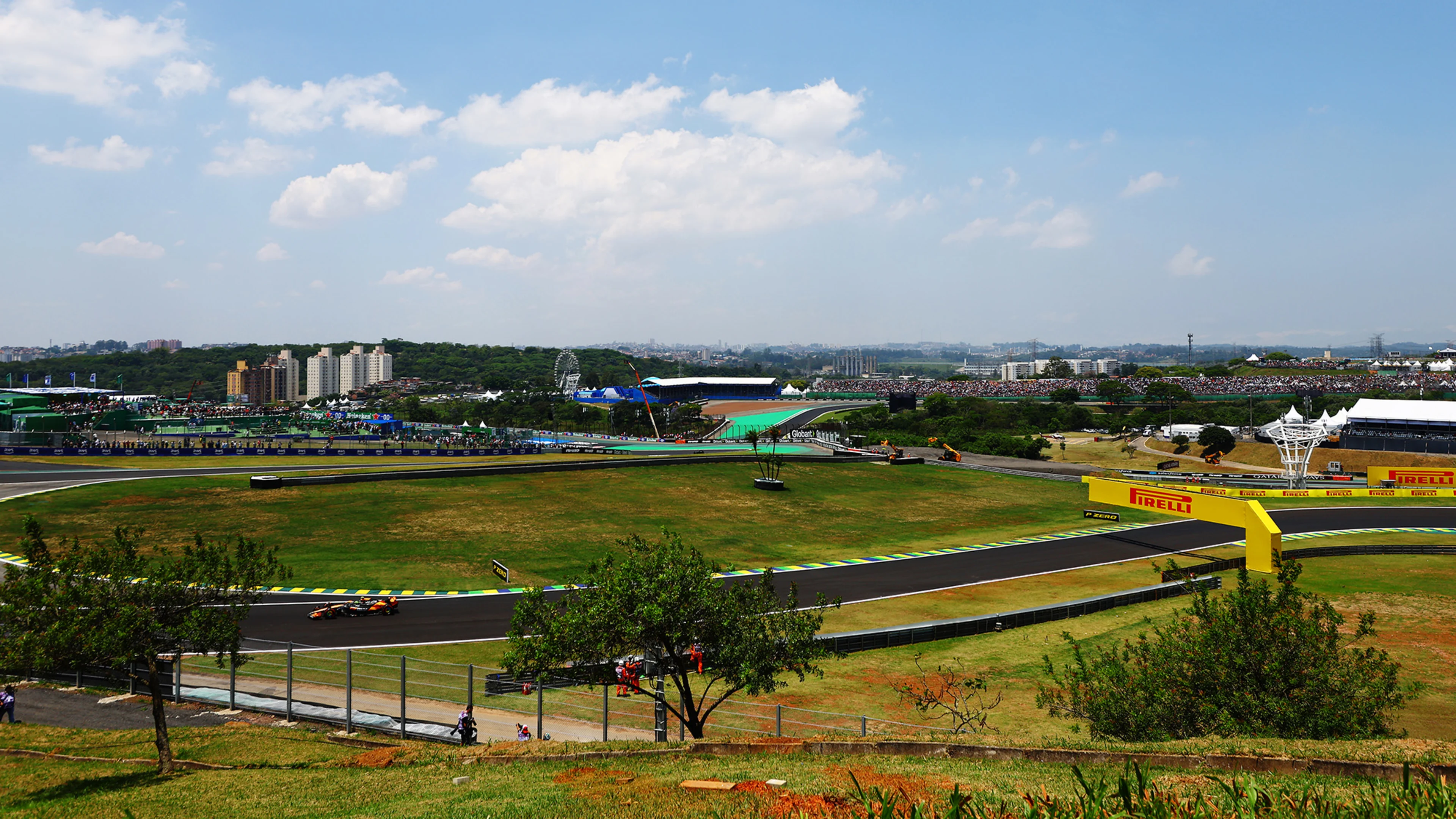
Between the peerless Interlagos circuit, a carnival atmosphere, and a back catalogue of McLaren’s most iconic moments, there is nowhere on the calendar like Brazil.
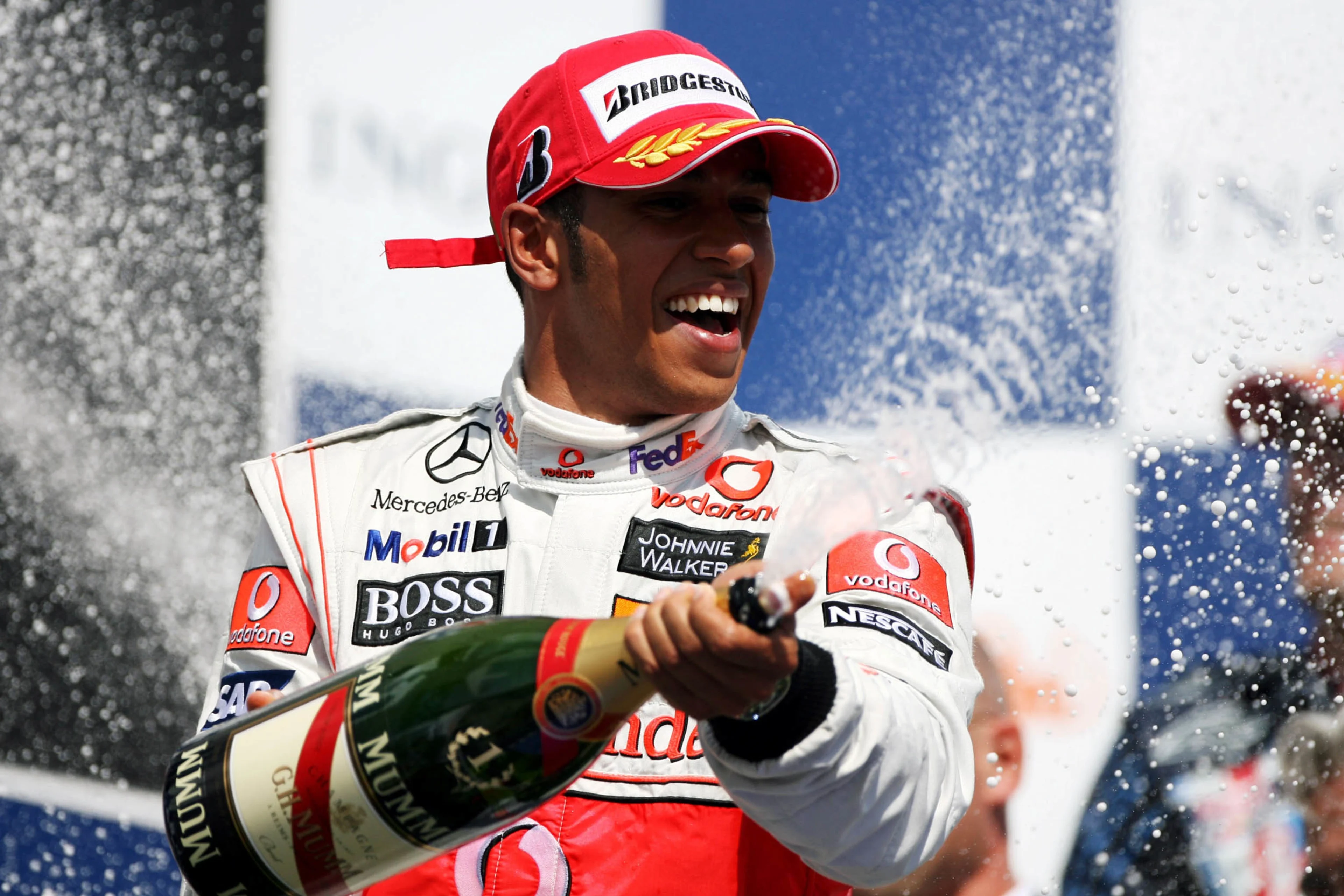
It was here in 1991 that Ayrton Senna drew on superhuman strength to win his home race with half a gearbox. It was here in 2008 that Lewis Hamilton sealed his maiden World Championship title. And it was here in 2012 that Jenson Button earned his final Formula 1 victory with a masterful gamble on used tyres.
At Interlagos last year, Lando unleashed one of the most dominant weekends in modern history, finishing first in FP1 before winning Sprint Qualifying, the Sprint, Qualifying on Pole, and coming out on top in the Grand Prix, becoming only the second driver to achieve a ‘Sprint Grand Slam’.
This is a circuit where fortune favours the bold. Heavy downpours can flip a race on its head, the old-school layout encourages gritty wheel-to-wheel racing, and the raucous Brazilian fans bay for gladiatorial head-to-head battles.
Get ready for one of the Grands Prix of the year, with our guide to where the race will be won, an overview of our latest upgrades, and another look back on one of our favourite past races.

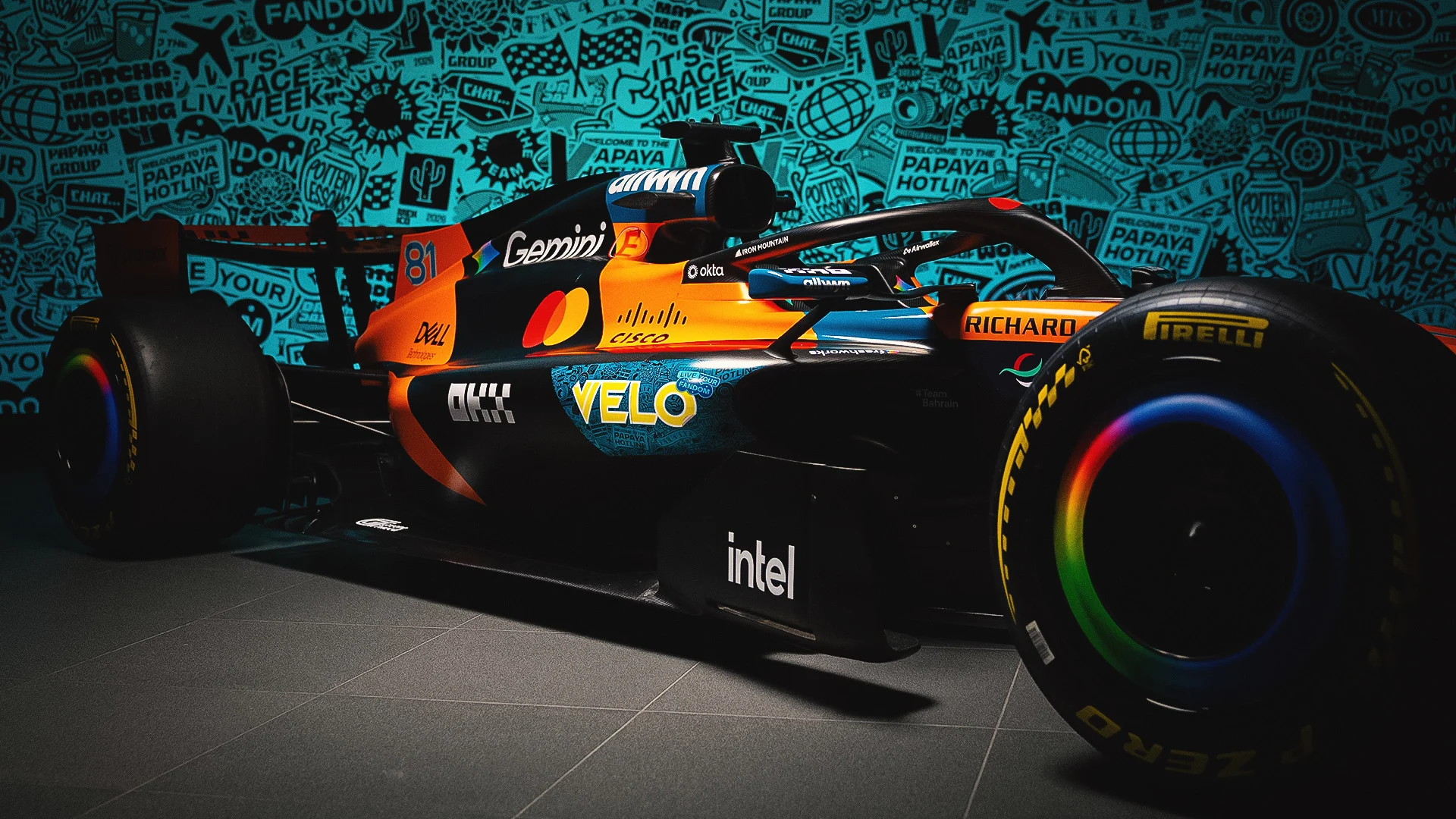
“We’ve got some updates coming to the car across the front wing, rear wing and some floor components as part of our normal development cycle. The aim is to make up ground, improve our performance over the remaining races and build momentum into next year. São Paulo has been a good circuit for us in the past and is a fairly representative track, so we’re hopeful these upgrades can help us take another step towards the front.
“The season isn't over yet: these upgrades are designed to improve the car now and help us in our fight for third in the Championship. While the learning we take from these upgrades will feed into next year’s development, we also expect to carry over the concept of the new front wing into the launch specification of next year’s car.”
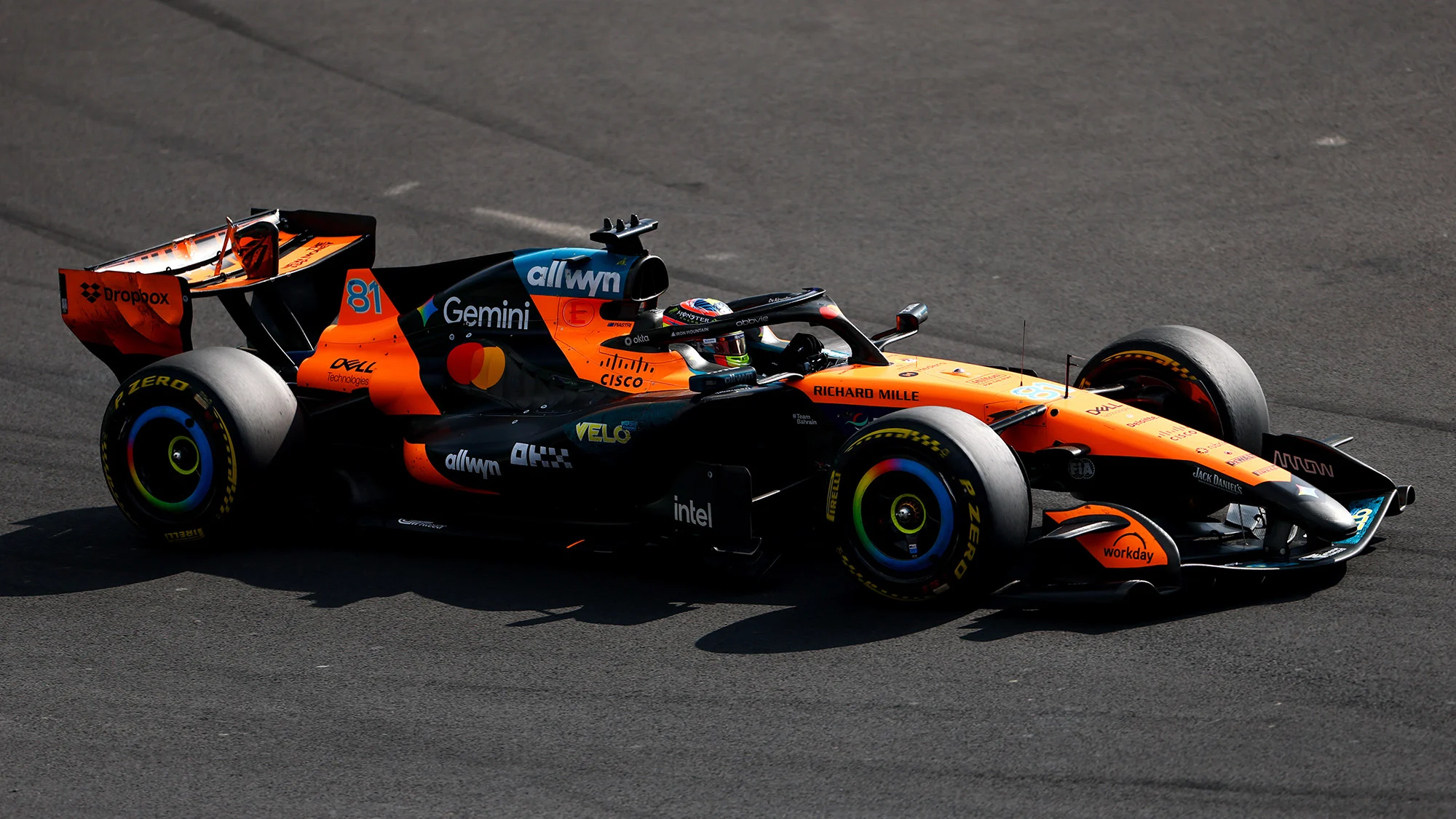
With 15 corners stretched across a 4.3km circuit, Interlagos has plenty of overtaking opportunities.
The first opportunity comes through Turns 1 to 4, where brave car placement is imperative. The heavy braking zone into Turn 1 tempts drivers into a late lunge, but the extreme camber makes locking a front wheel alarmingly easy. A driver who is passed there can hit back at Turn 2, hugging the inside line through Turn 3 and into the slower Turn 4.
Turn 12, where Hamilton made his decisive title-winning move on Timo Glock in 2008, is also a key zone. The left-hander is the last slow corner before a relentless climb through Arquibancadas and onto the main straight, meaning it can act as a slingshot for drivers who judge it correctly, or a speed bump for those who don’t.
Around 80% of overtakes take place at Turn 1 or 4, at the end of the two main straights, but there are opportunities throughout the lap, especially if the heavens open.
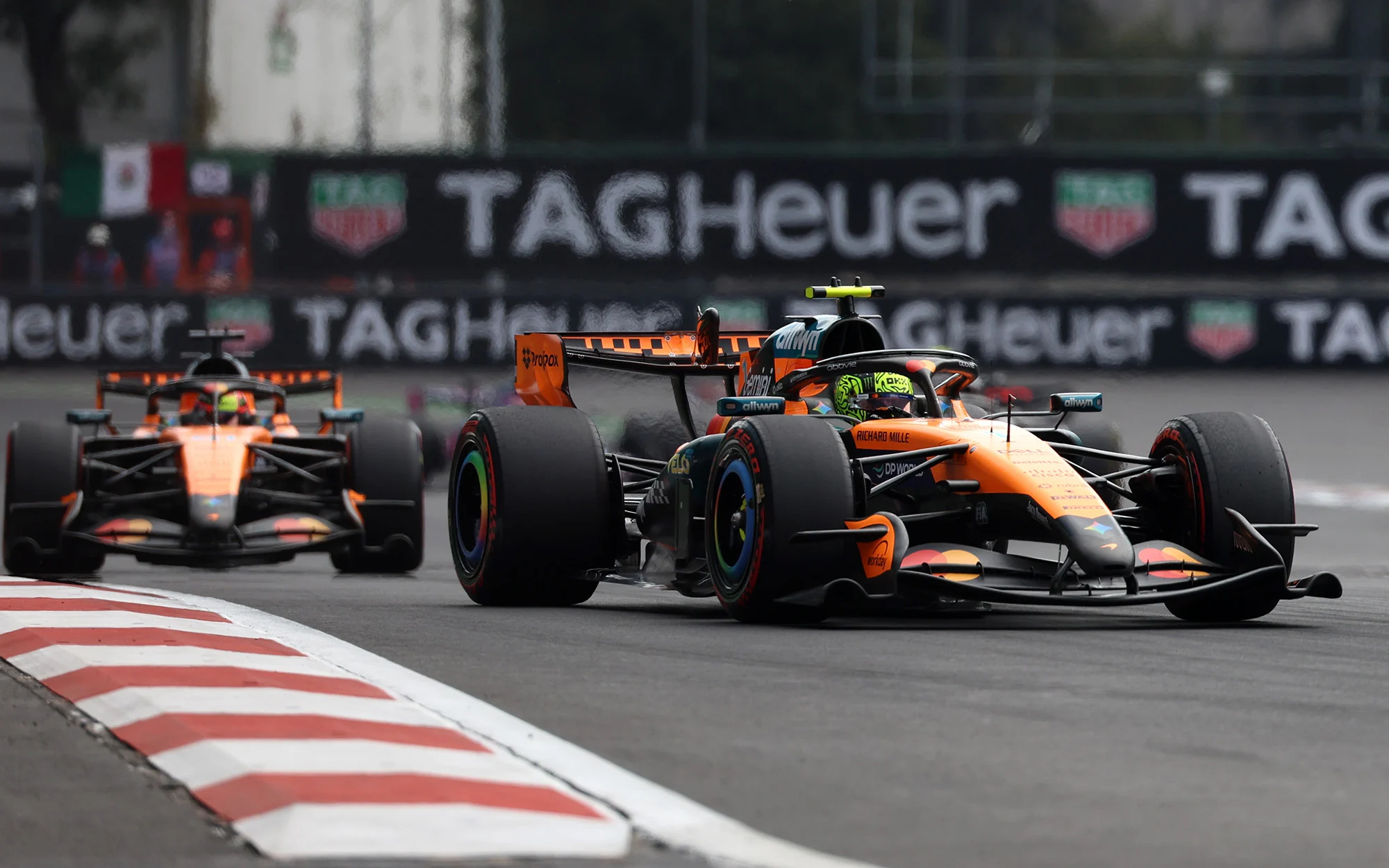
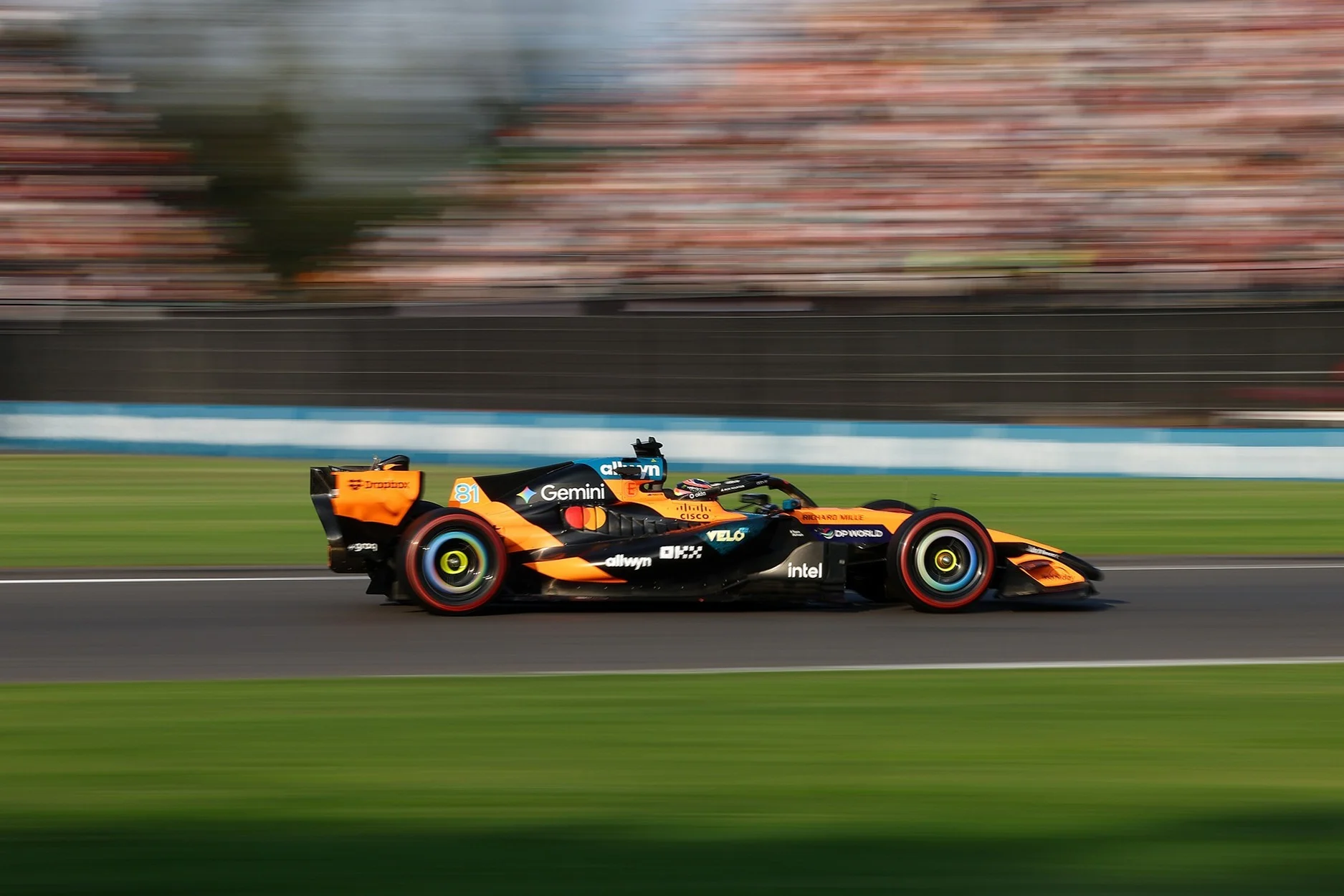
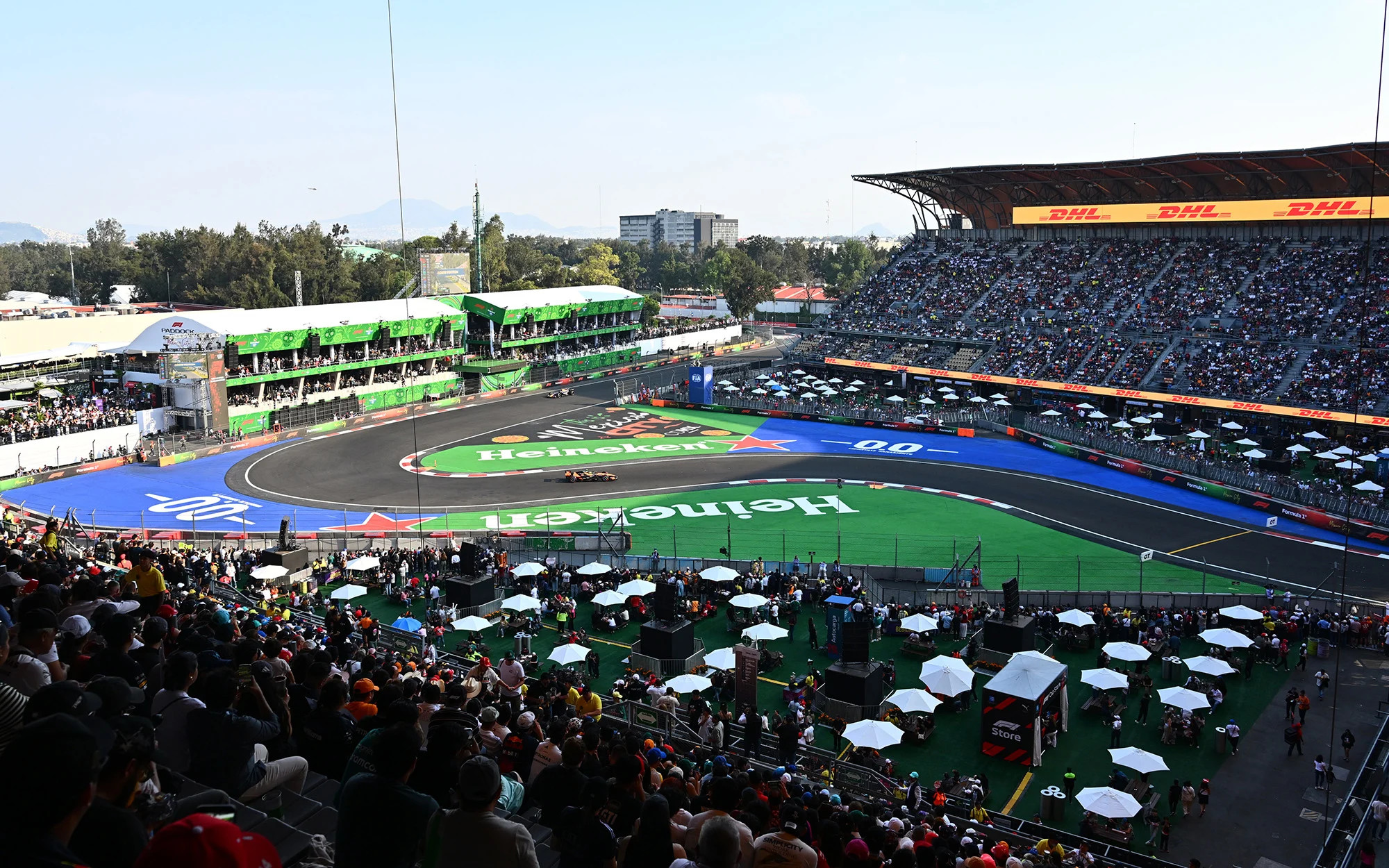
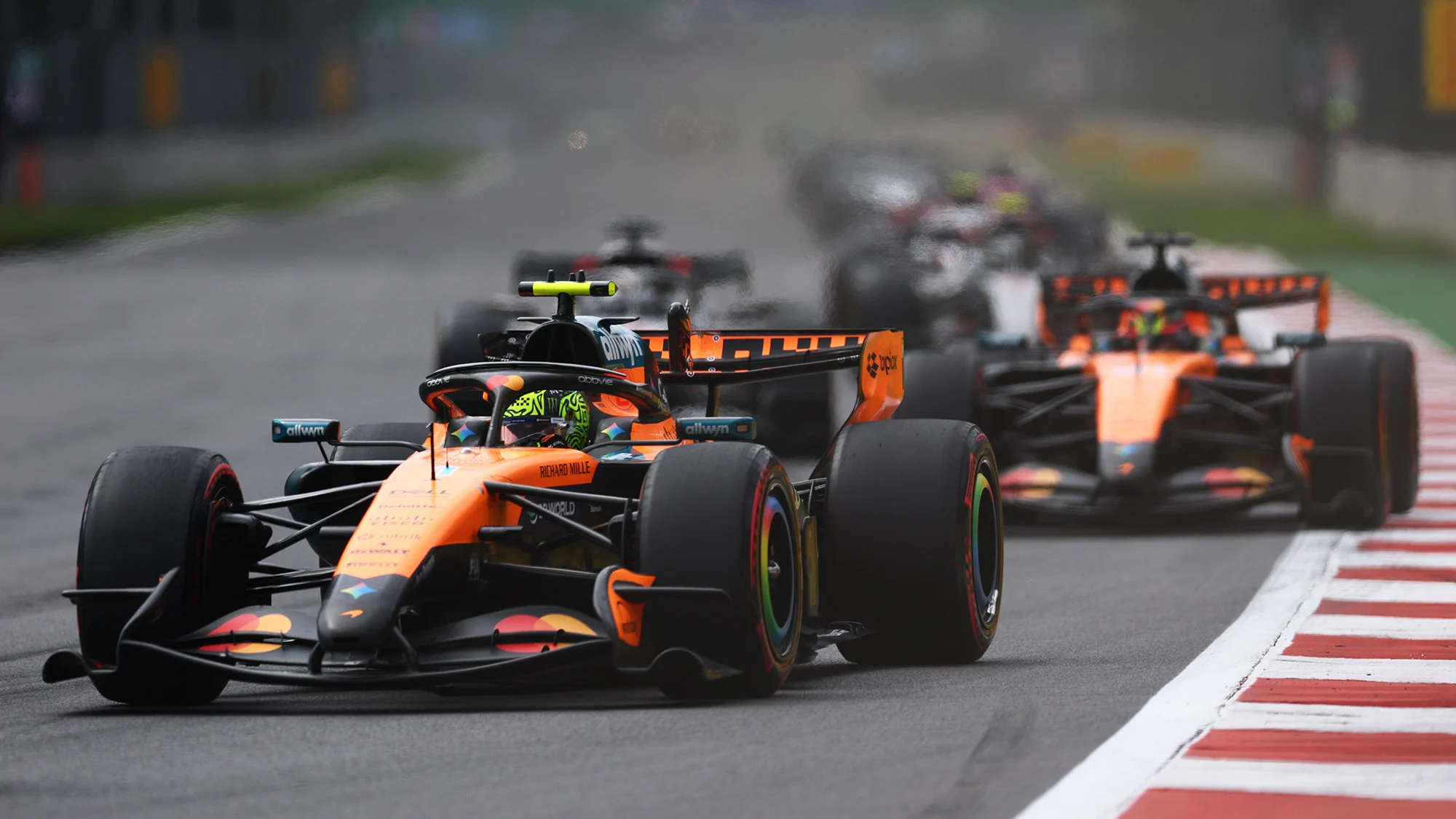
Lando finished fifth in Mexico, while Oscar was 13th after a 10-second penalty dropped him from seventh. Both drivers left disappointed with their points haul, but the MCL40 showed strong pace, which gives the team reason to be optimistic.
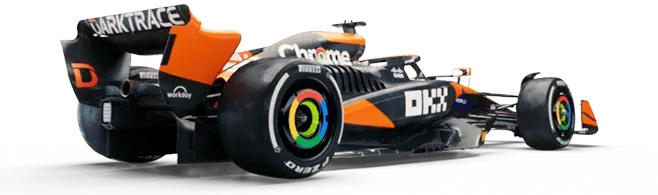
These results saw us fall 17 points behind Red Bull in the fight for third in the Constructors’ Championship. The team heads to São Paulo determined to fight at the front and close that gap. We will bring front and rear wing upgrades, along with a few small floor components, to unlock further aerodynamic performance and refine the car’s balance.
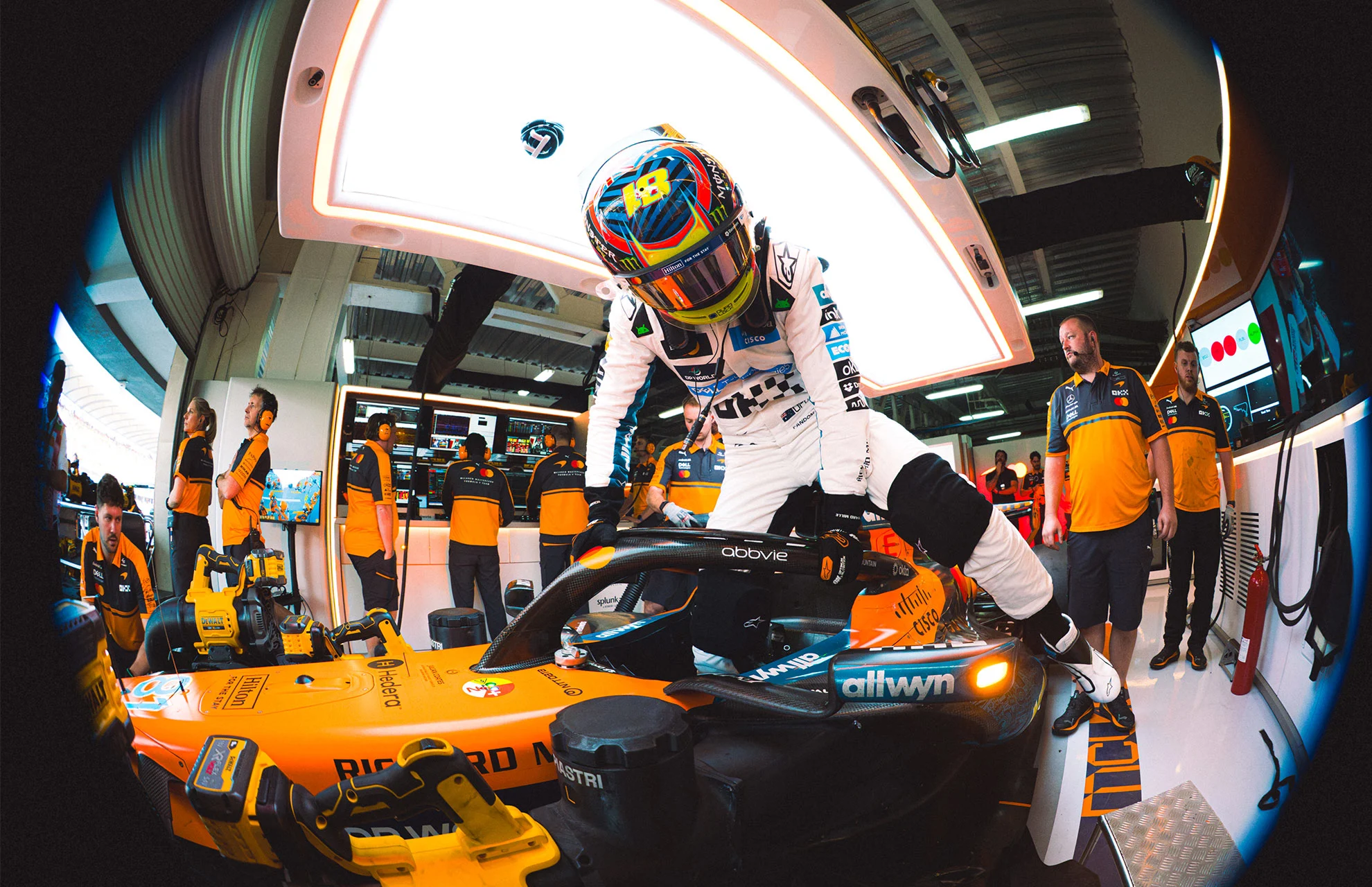
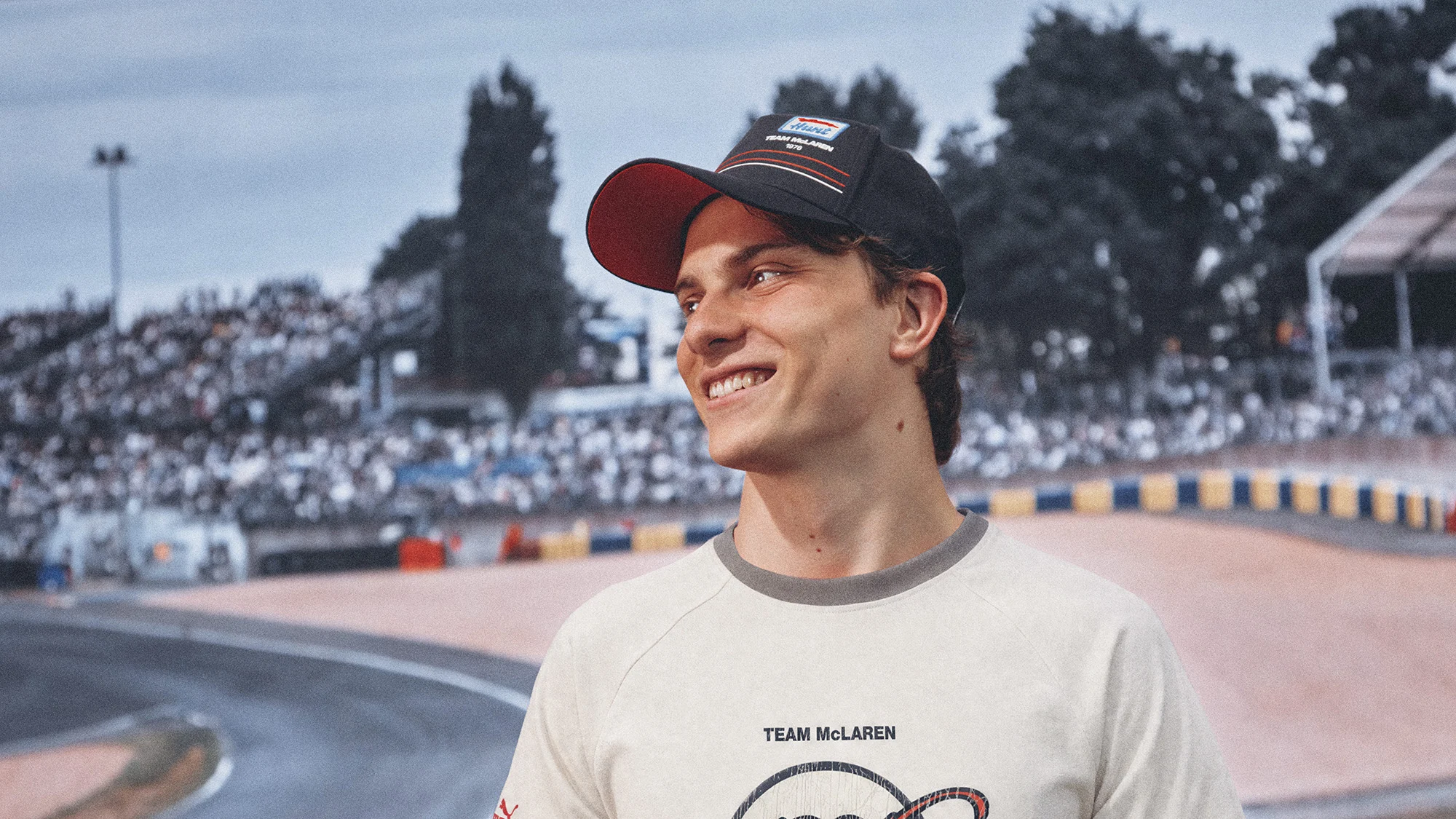
These updates will be tested through Free Practice, aided by our F1 Reserve Driver Leo Fornaroli. He’ll be back in the MCL40 for the fourth time this year in FP1, following stints in Barcelona-Catalunya, Hungary and Mexico City, replacing Oscar and completing our final mandated rookie outing.
Across the 1990s, the Brazilian Grand Prix was an early-season flyaway, and in 1993, it was the second race of the year, following on two weeks after the season opener in South Africa. It was evident from Kyalami that the Williams team had picked up where they left off in 1992, and replacing Nigel Mansell with Alain Prost hadn’t dulled their advantage. But Ayrton Senna, in front of his home fans at Interlagos, came with an added sense of manifest destiny.
It didn’t start out too well for Ayrton. He qualified the MP4-8 an excellent third behind the Williams pair – but a full 1.8 seconds off Prost’s Pole time. He slipped past Damon Hill to grab second position at the start, but the rookie took the place back on Lap 11. Things got worse for Senna when he was given a stop-go penalty for passing a backmarker under Yellow Flags. Then the rain came.
Most of the field pitted for Wet tyres, Prost did not, and paid the price, sliding out of control into a stationary backmarker, ending his race. After this, we had the novelty of a Safety Car. It debuted in 1973 at the Canadian Grand Prix, but 1993 saw its introduction as a permanent fixture. Senna was back up to P2 when racing resumed on Lap 38 but could not find a way past Hill. That changed as the track dried. Ayrton went early for slicks, on Lap 40, Hill had little choice but to follow on Lap 41. Initially, the Williams driver in his fourth Grand Prix held onto his lead coming out of the pits – but Senna was the master in the greasy conditions… and had warmer tyres.
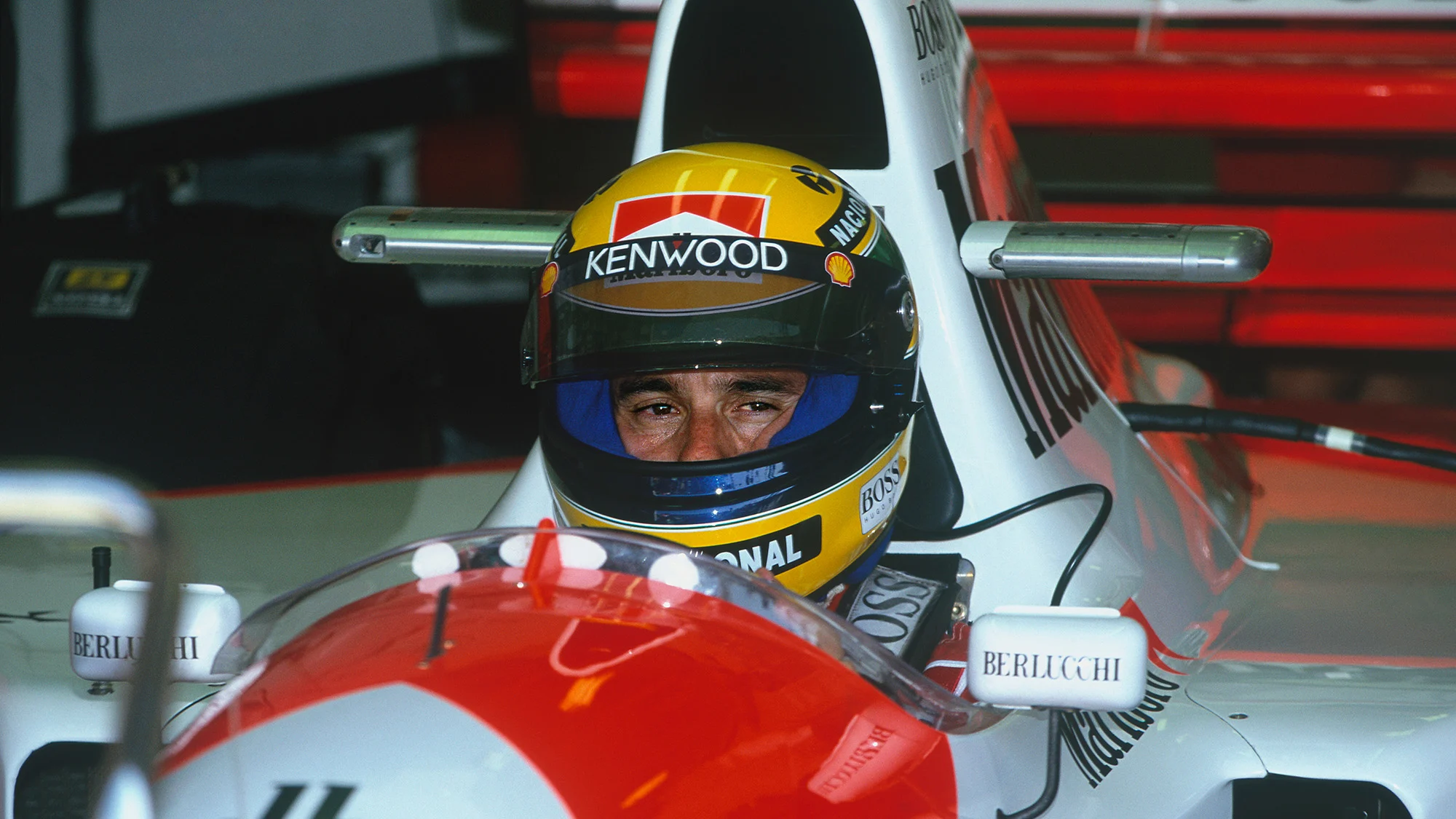
“1993 was probably some of Ayrton’s best driving,” says Gary Wheeler, who was Ayrton Senna’s No.2 Mechanic at the time. “He won some iconic races that year, including Donington.”
He took the lead into the long Ferradura corner, and pulled away to win by 16 seconds.
“He’d already won his home Grand Prix once before. We didn’t think he was going to win that race because everything was going against him,” recalls Gary. “Then he pulled it out of the bag and won it.”
The race was a milestone: McLaren’s 100th F1 victory, and Senna’s second and final victory in Brazil.
“Ayrton winning his home race in Brazil was second to none,” says Gary. “After the Chequered Flag, he stopped on the track, and someone gave him a Brazilian flag, and he waved it as he drove around. The atmosphere was incredible. I’ve never known anything like it.”
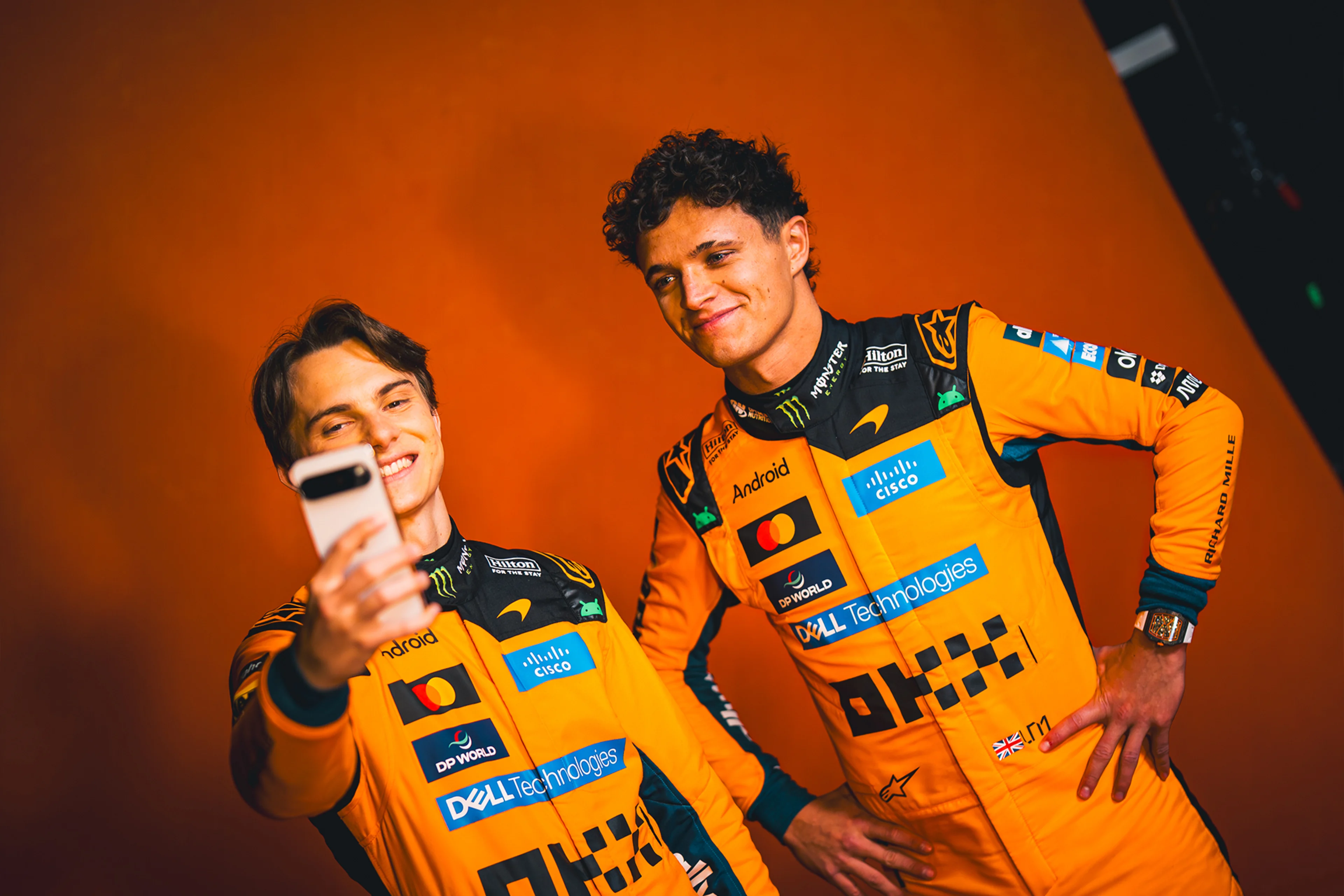
Each race week, we’ll be putting the same question to Lando and Oscar to find out just how similar (or different) they really are. The question could be anything: from their favourite corner on the F1 calendar, to their ultimate pre-race anthem, or even the one food they absolutely refuse to eat on race week.
This week, we asked them which circuit on the current F1 calendar they consider underrated.
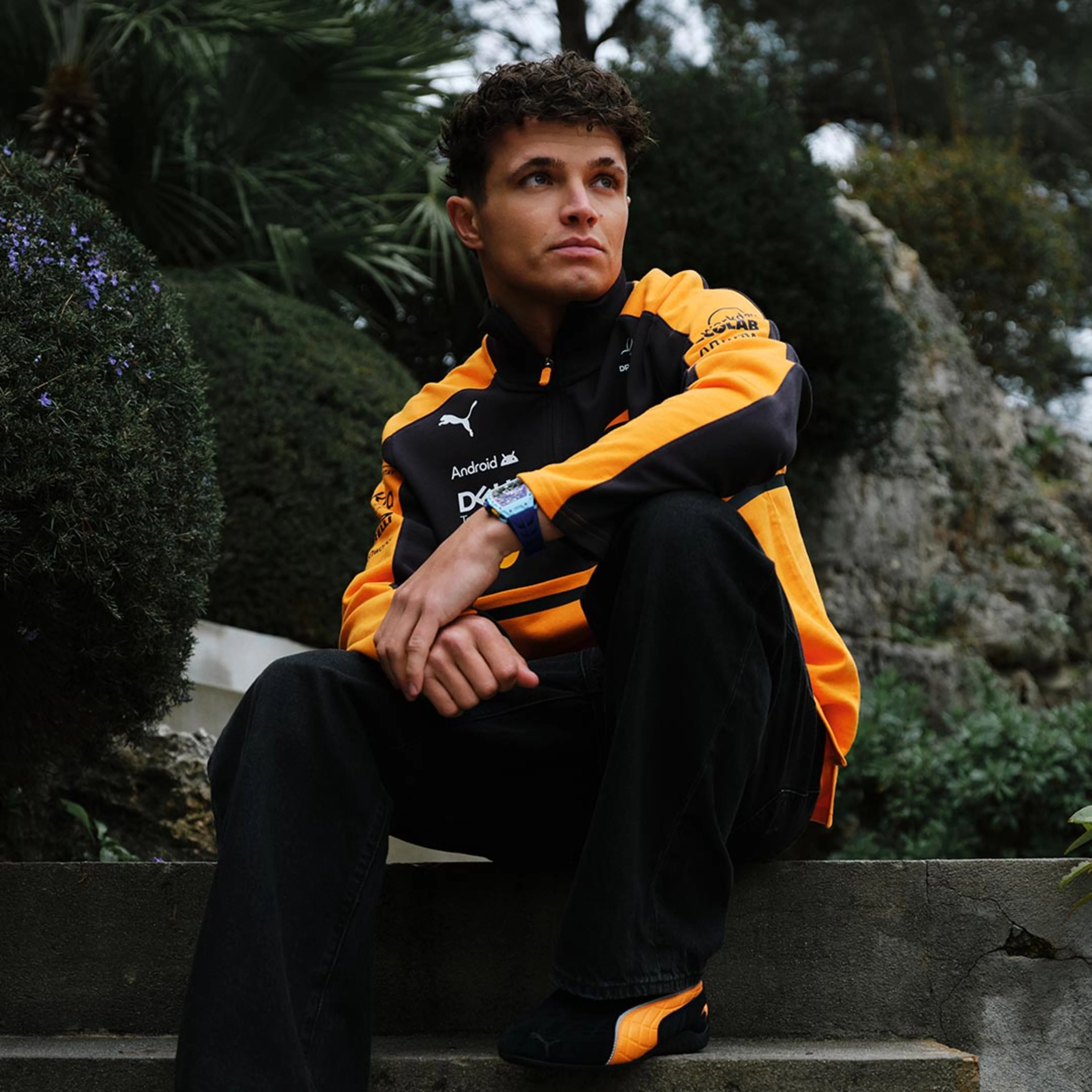
Lando: That’s a very difficult question, as it’s based on your own general opinion. I would say underrated in terms of difficulty, not in terms of your experience there or fans’ appreciation of it, would be Monza. Monza is one of the toughest tracks on the calendar. It looks very simple, but it is so easy to make a mistake there. You have a mixture of very high-speed corners and very low-speed, big braking zones. It certainly isn’t underrated in terms of your experience, but it is in terms of difficulty. Putting in a lap time in Qualifying is a lot trickier than it looks.
Oscar: Melbourne. My home Grand Prix. Maybe it isn’t underrated… but it is a very, very good track.