



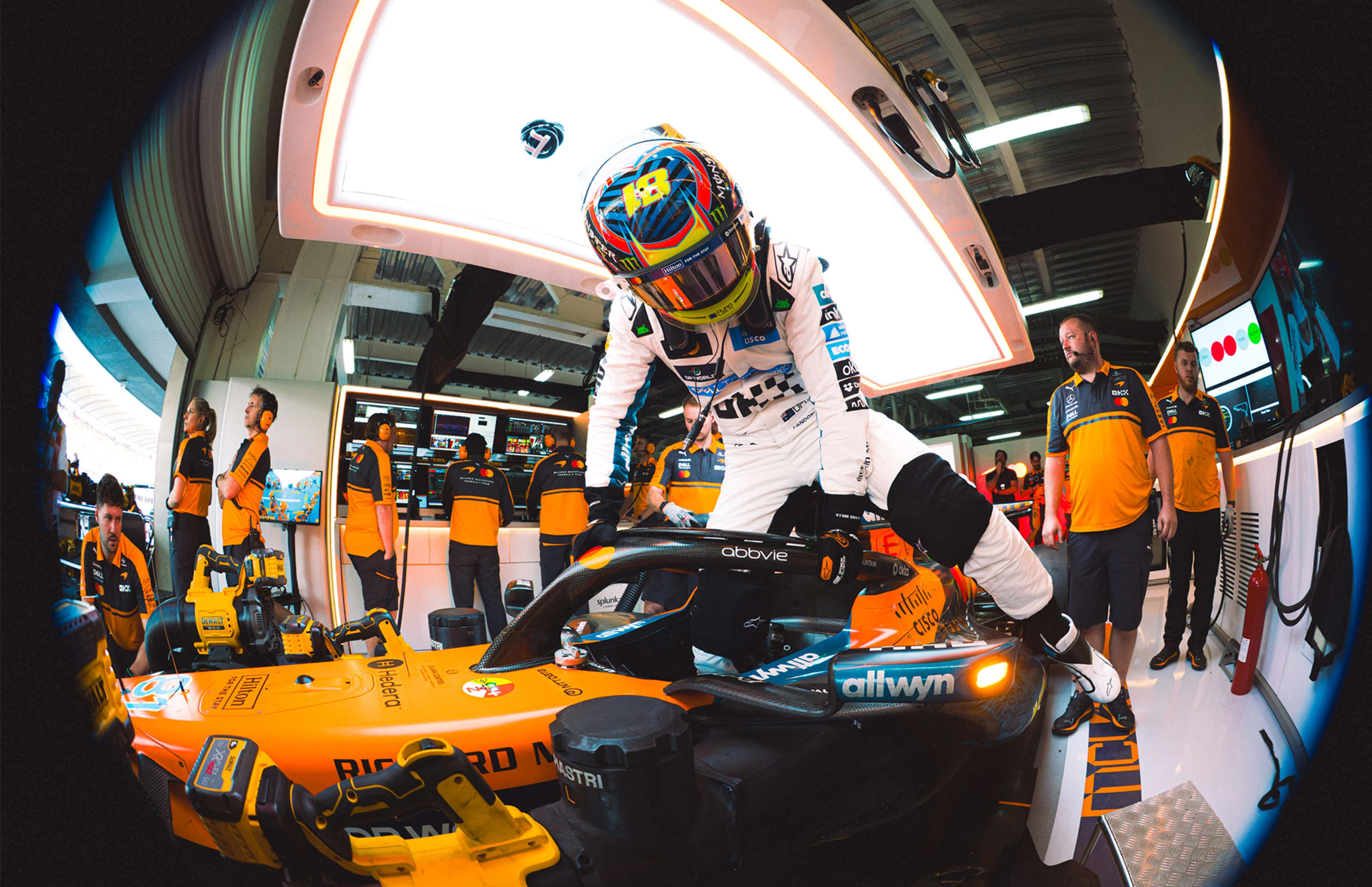
31 October 2026 01:55 (UTC)
Coping with Autódromo Hermanos Rodríguez’s thinner air: preparation, training, sleep, and nutrition

While preparing for the 2026 Football World Cup, the England National Team and their manager, Thomas Tuchel, consulted Formula 1 experts on the best strategies for coping with high altitude.
Mexico’s three host venues each sat at higher-than-normal altitude, but Estadio Azteca, located roughly 18km from the Autódromo Hermanos Rodríguez, was by far the most challenging. At 2,238 m above sea level, it was more than 600m higher than any other venue. England made history at the Azteca, becoming the first team to beat Mexico there in a World Cup match.
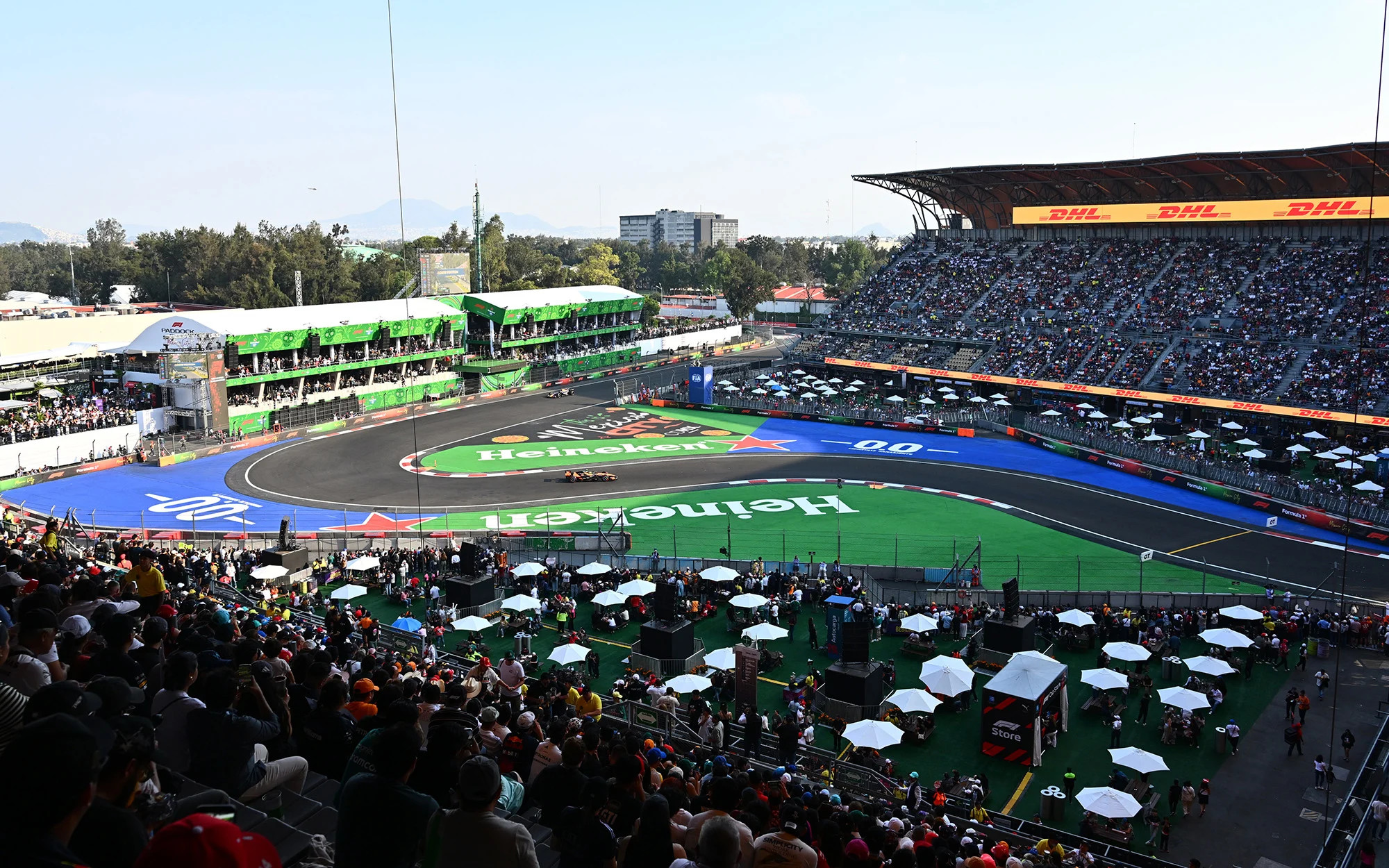
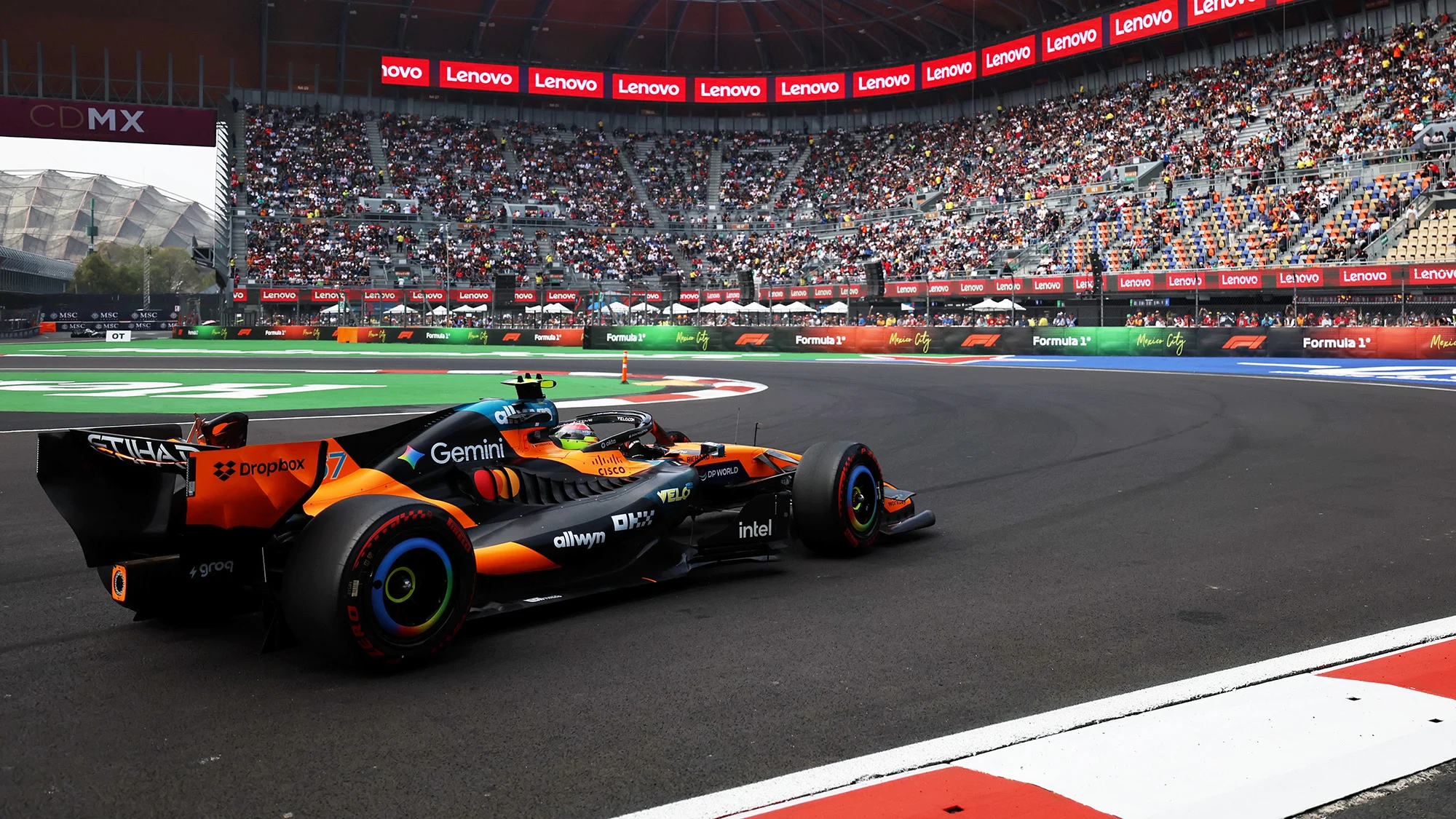
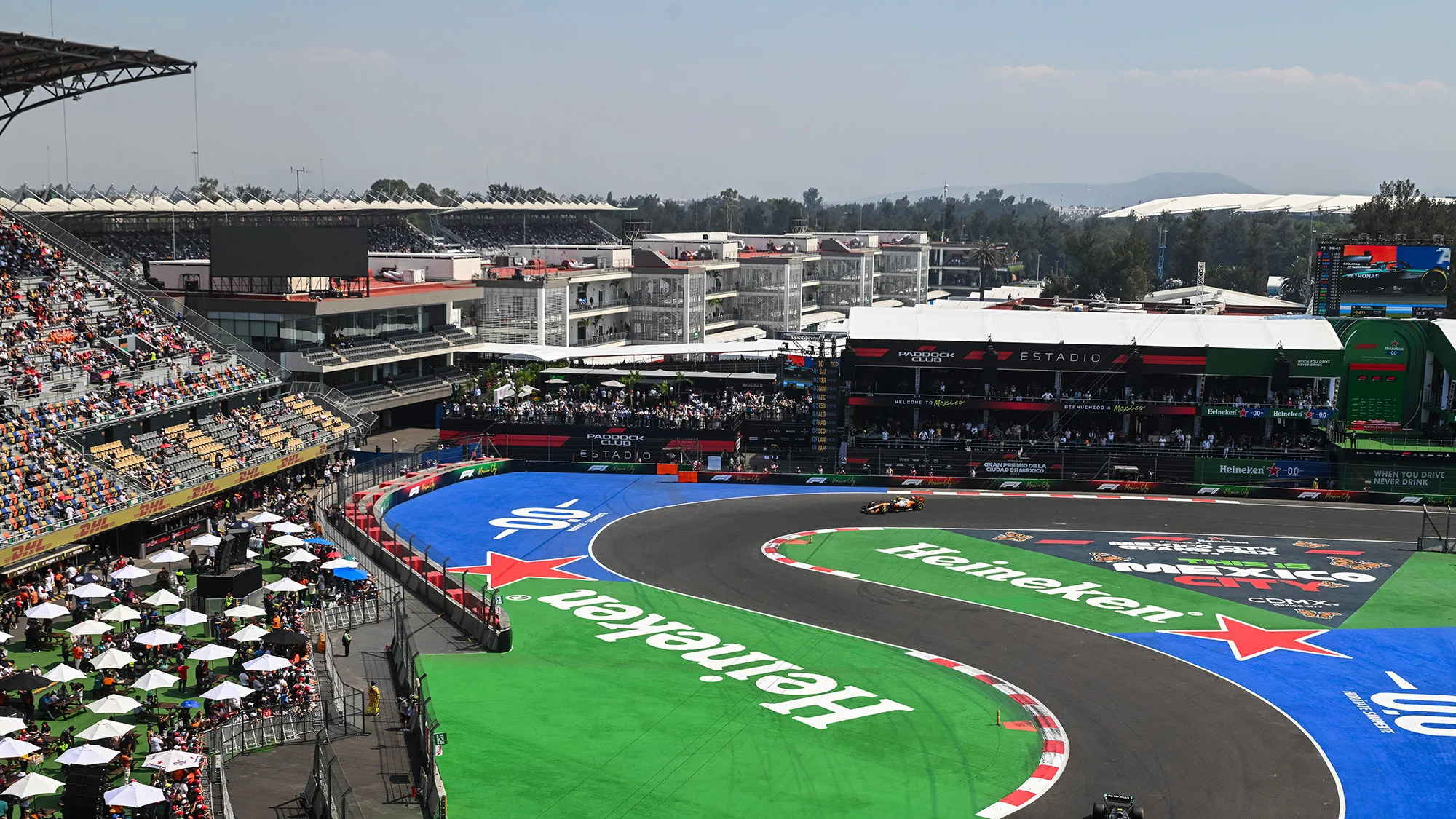
For many, this summer’s World Cup, held across the United States, Canada, and Mexico, was their first experience of elite sport at high altitude. For Formula 1, it is a familiar challenge, having first raced a Grand Prix in Mexico City back in 1963.
Sixty-three years on, preparing for Mexico City’s altitude has become a season-long task for our team, with the science having evolved considerably. With Technogym’s help, we build fitness year-round alongside education on sleep, nutrition, and recovery. Here’s how that preparation helps the team meet the challenge.
You face several challenges at such high altitude, but it all comes down to the air being significantly thinner, which means lower air density and pressure, and less oxygen available with each breath.
Naturally, the human body compensates by breathing more and increasing cardiovascular effort, which can spike heart rate and make ordinary tasks harder. Exercise can feel harder, recovery can take longer, and sleep can become more challenging.
For a driver, that can mean breathing harder and getting tired more easily, while still having to wrestle a car that is harder to drive and control. The job is already physically demanding - at altitude, sustaining that effort becomes tougher.
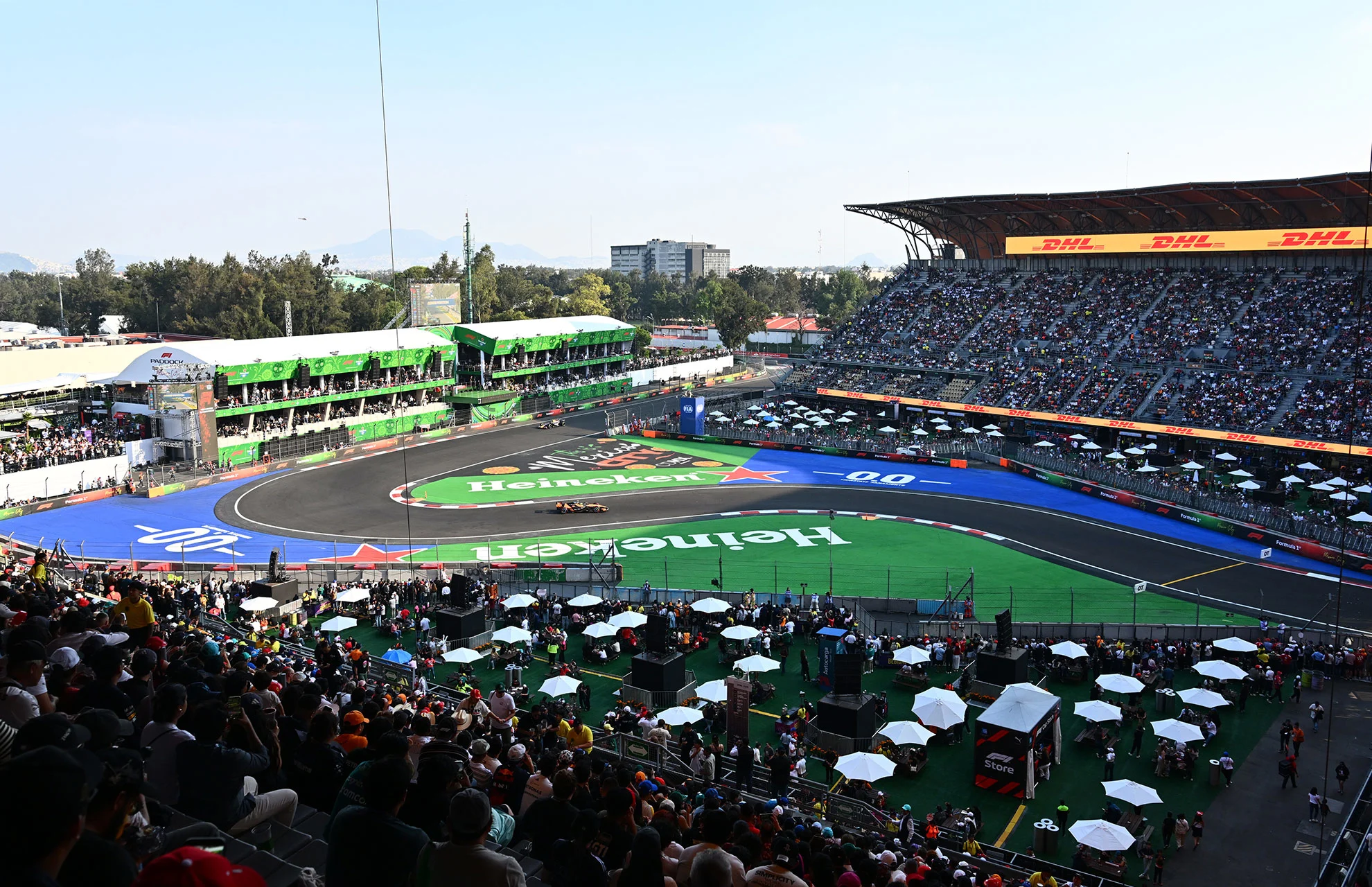
But it doesn’t only impact the drivers. It affects every member of the team, whether you’re moving equipment to set up the garage, assembling the car, practising pit stops or working in the commercial team and spending the day on your feet, walking thousands of steps around the paddock.
“Mechanics, engineers, and operational staff can be working long, physically and cognitively demanding days, so protecting decision-making, concentration and recovery across the whole team matters,” says Emer Acton, Head of Physiotherapy and Human Performance.
As humans, we know our bodies, and we know when something feels off. Changes such as increased breathing or a higher resting heart rate, or symptoms such as headaches, nausea and dizziness, could be concerning if you’ve never experienced anything like them before.
Similarly, if a familiar activity feels unexpectedly difficult, it can be unsettling. At 2,238m above sea level, a flight of stairs that usually requires little to no effort might suddenly have you out of breath, while a workout you normally recover from quickly could leave you feeling sore and tired.
And it doesn’t impact everybody in the same way - altitude affects people differently, so a quick check-in with a teammate might offer little reassurance if they’re experiencing different symptoms or fewer of them.
For this reason, education becomes an important tool for anyone heading to Mexico for the first time. Awareness of how your body reacts at high altitude can prevent anxiety and make it easier to respond.
“Our first priority is education,” affirms Emer. “We explain what people are likely to feel before they arrive so that a higher resting heart rate, a poor first night's sleep or a lower recovery score doesn't immediately become something to worry about. For most healthy people, these early changes improve as the body acclimatises.
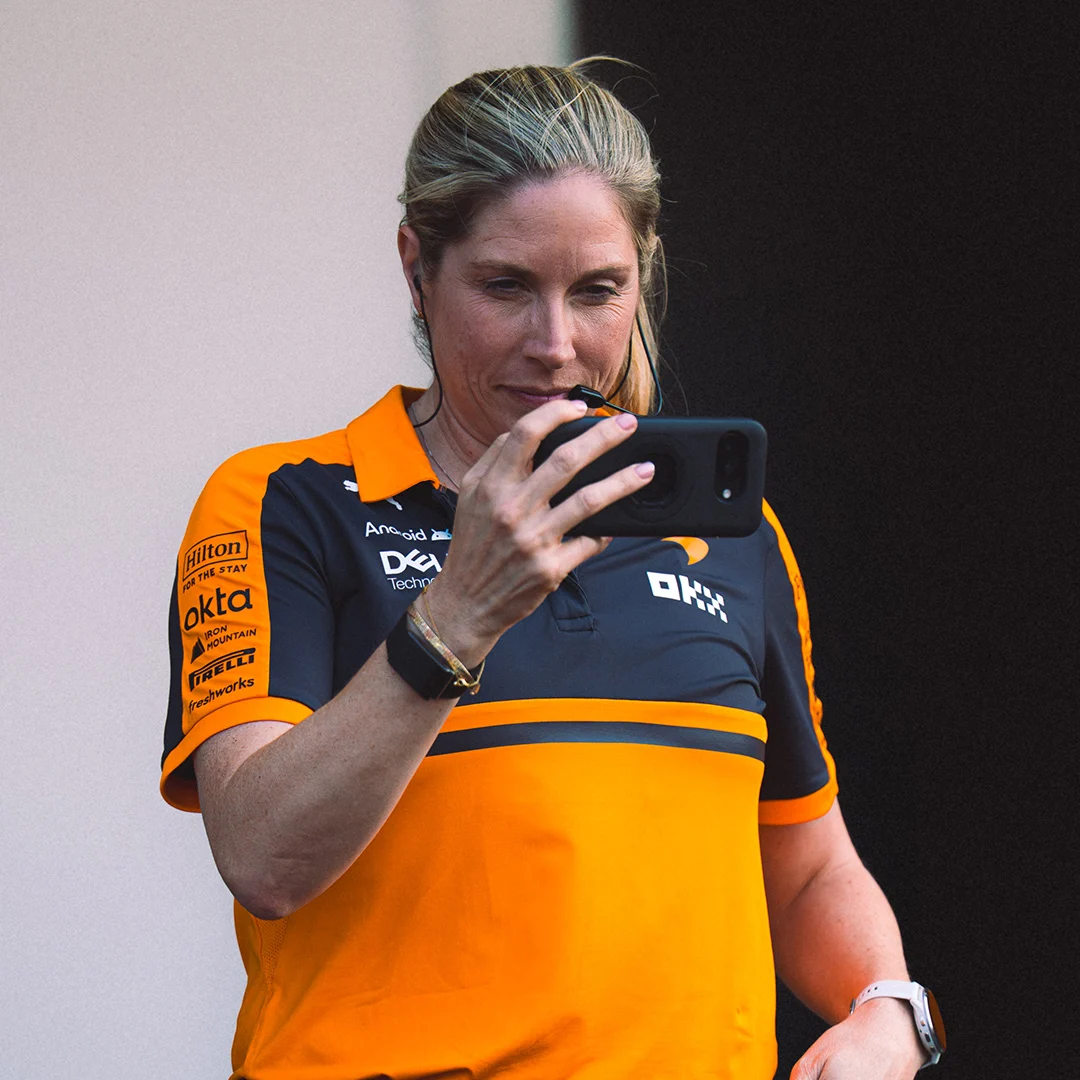
“The first thing is to make people aware that mild headache, fatigue, breathlessness and disrupted sleep can occur during the first few days at this altitude. Mexico City sits just below the conventional 2,500 m threshold often used for "high altitude", but the reduction in oxygen availability is still physiologically meaningful.”
Preparation starts long before anyone sets foot on a plane, and a lot of it is surprisingly simple. Significant resource goes into educating the team on what to expect across a season and how to prepare for it. They’re trusted to put that knowledge into practice and take ownership of their health, with medical and human performance support available when they need it.
“Self-management doesn't mean people are left to manage everything themselves,” explains Emer. “It means giving people enough knowledge to recognise their own normal response and make good decisions, while having medical and human performance support available if something isn't following the expected pattern.
“Persistent or worsening headache, repeated vomiting, significant dizziness, breathlessness at rest, confusion or any other concerning or progressive symptoms require medical review rather than simply being attributed to altitude. External clinical guidance similarly distinguishes mild initial acclimatisation symptoms from persistent headache/vomiting or respiratory and neurological warning signs.”
Education is the primary focus of preparation, but physical training matters too. For the wider team, this doesn't need to mirror the intensive environmental simulation drivers may use in the lead-up to a race like Mexico.
“Environmental simulation can certainly have a place in elite performance, particularly with drivers or where there is a specific physiological objective, but for a race team of many travelling personnel, the bigger performance opportunity is often making good behaviours scalable: education, sensible training, hydration, nutrition, sleep and recovery,” says Emer.
“This distinction is important: the most sophisticated intervention isn't always the most complicated one.”
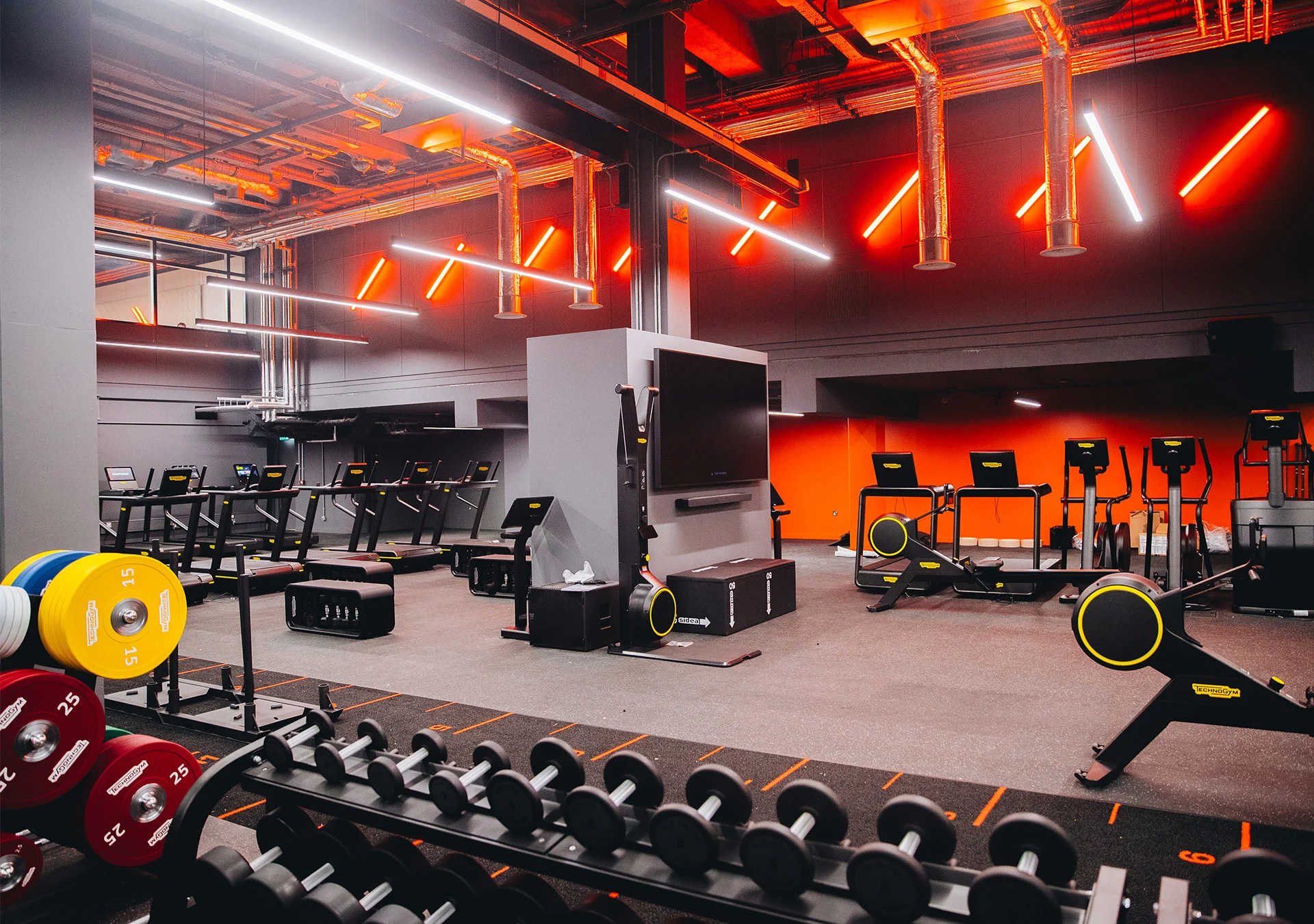
That year-round preparation has a home in the Optimum Nutrition McLaren Performance Hub (ON MPH) at the McLaren Technology Centre, where the team can build fitness, understand their individual baselines and learn how to manage travel and recovery before heading to the circuit.
Hotel gyms are a part of life on the road, and the team choose accommodation with the facilities and equipment in mind, but nothing quite compares to the ON MPH. Designed specifically around the team’s needs, it features the latest Technogym equipment, including the state-of-the-art Biostrength REV system.
“The role of the Optimum Nutrition McLaren Performance Hub is broader than simply trying to recreate Mexico in a gym,” says Emer. “The ON MPH space provides a central environment where we can prepare people physically, establish individual baselines, educate them around travel and recovery, monitor how they respond and provide medical or Human Performance support where necessary.”
And once you land in Mexico, the advice isn’t to stop exercising, but to adjust the intensity based on the conditions and how you’re feeling, rather than chasing your usual standards. A slower run or a gym session that feels harder is perfectly normal
Wearable technology helps the team to do this, although the numbers need to be considered alongside how each person feels.
“Provided we use it intelligently, wearable technology can be useful,” Emer says. “The team will assess patterns rather than isolated numbers and be taught not to panic about a reading, just as they cannot expect to perform at their usual levels during cardio or strength training.
“Look at your trend and compare yourself with yourself. That helps people understand the difference between expected physiological adaptation and something genuinely unusual. A wearable is a decision-support tool, not a diagnosis.
“Wearables can give us some guiding metrics including HRV, resting heart rate, respiratory rate, sleep, skin temperature and SpO₂ but it’s always important to remember that wearable data is not 100% accurate and therefore needs to be considered alongside subjective measures such as energy and alertness.
“In the first couple of days in Mexico we may expect resting heart rate and respiratory rate to sit slightly higher than someone's normal baseline, HRV and sleep scores to fall, and SpO₂ to be lower. Research in young adults in Mexico City reports arterial oxygen saturation around 92 to 94% compared with about 97% at sea level, with values sometimes falling below 90% during sleep or intense exercise.”
After a demanding day, sleep would normally help you recover, but at altitude, it can be harder to get the rest you need. As the body adjusts to the decrease in available oxygen, breathing during sleep can become less regular, with spells of faster breathing followed by brief pauses. Combined with a higher resting heart rate, that can make nights feel less settled and revitalising.
“The message is important psychologically as well as physiologically: a slightly poorer sleep score doesn't necessarily mean something is wrong.
“We protect sleep through consistent routines, light exposure, appropriate caffeine timing, meal timing, good sleep environments and limiting alcohol. Our existing travel guidance similarly emphasises sleep routine, hydration, appropriate caffeine use, active recovery and managing the timing of sleep around travel.”
It’s especially tough when working through a triple header late into the season, where the team are typically jet-lagged and jaded from the previous races.
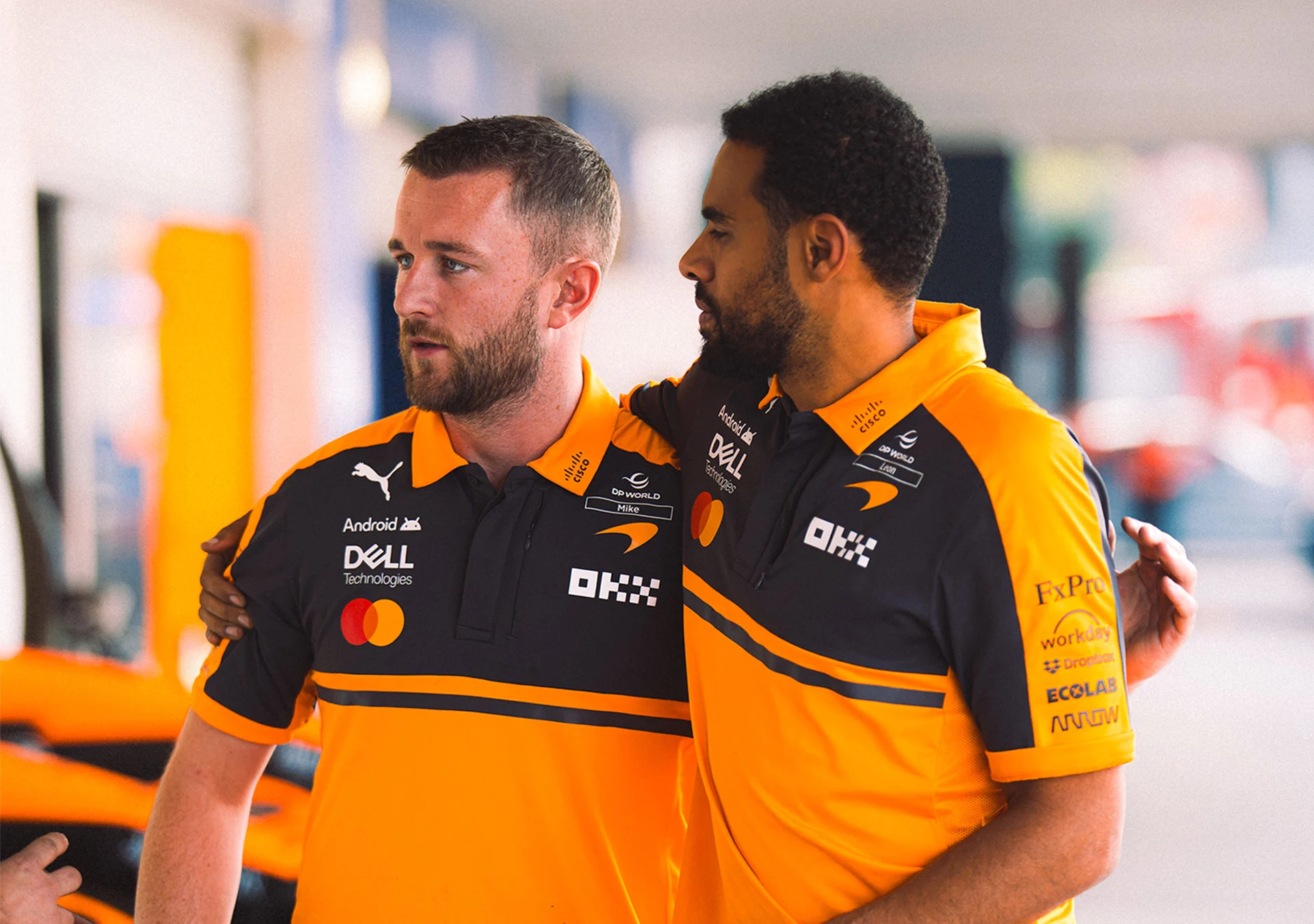
That is why they plan around the season as a whole, rather than treating each race in isolation. Mexico’s altitude challenges have to be considered alongside accumulated tiredness and the long journeys from the UK to Austin, then on to Mexico City, where the clocks move back an hour, and finally Brazil, which is three hours ahead of Mexico City.
Focus on Mexico alone, and one of the other issues will catch you out.
“This is probably where the challenge becomes most interesting, because altitude doesn't occur in isolation,” says Emer. “During a triple-header, we're managing accumulated workload, travel fatigue, circadian disruption, changing mealtimes, unfamiliar sleeping environments and altitude simultaneously.
“We think about the whole sequence of races rather than treating every destination independently. This is really what effective fatigue management looks like in Formula 1, managing the season and the journey, not just an individual race weekend.”
Nutrition and hydration are just as important as sleep, as the drier air and increased breathing can add to fluid loss – and you may not necessarily even notice.
Sweat can be a key indicator of how much fluid we’re losing, but in the dry air, it evaporates faster. A less sweaty shirt doesn’t mean you haven’t lost fluid, making it harder to judge hydration needs by perspiration alone.
For this reason, the advice is to drink regularly, rather than waiting until you feel thirsty.
“Our established recovery guidance also uses body-mass change around exercise to individualise fluid replacement, rather than adopting a one-size-fits-all target,” explains Emer. “One recommendation is to replace approximately 150% of fluid lost following exercise over the following three to four hours, including electrolytes.
“Nutrition remains familiar, balanced, and easy to digest, with carbohydrate availability particularly important when there is physical work to be done.
“Good hydration and fuelling won't remove altitude, but they prevent dehydration or poor nutrition from adding another challenge on top of it.”
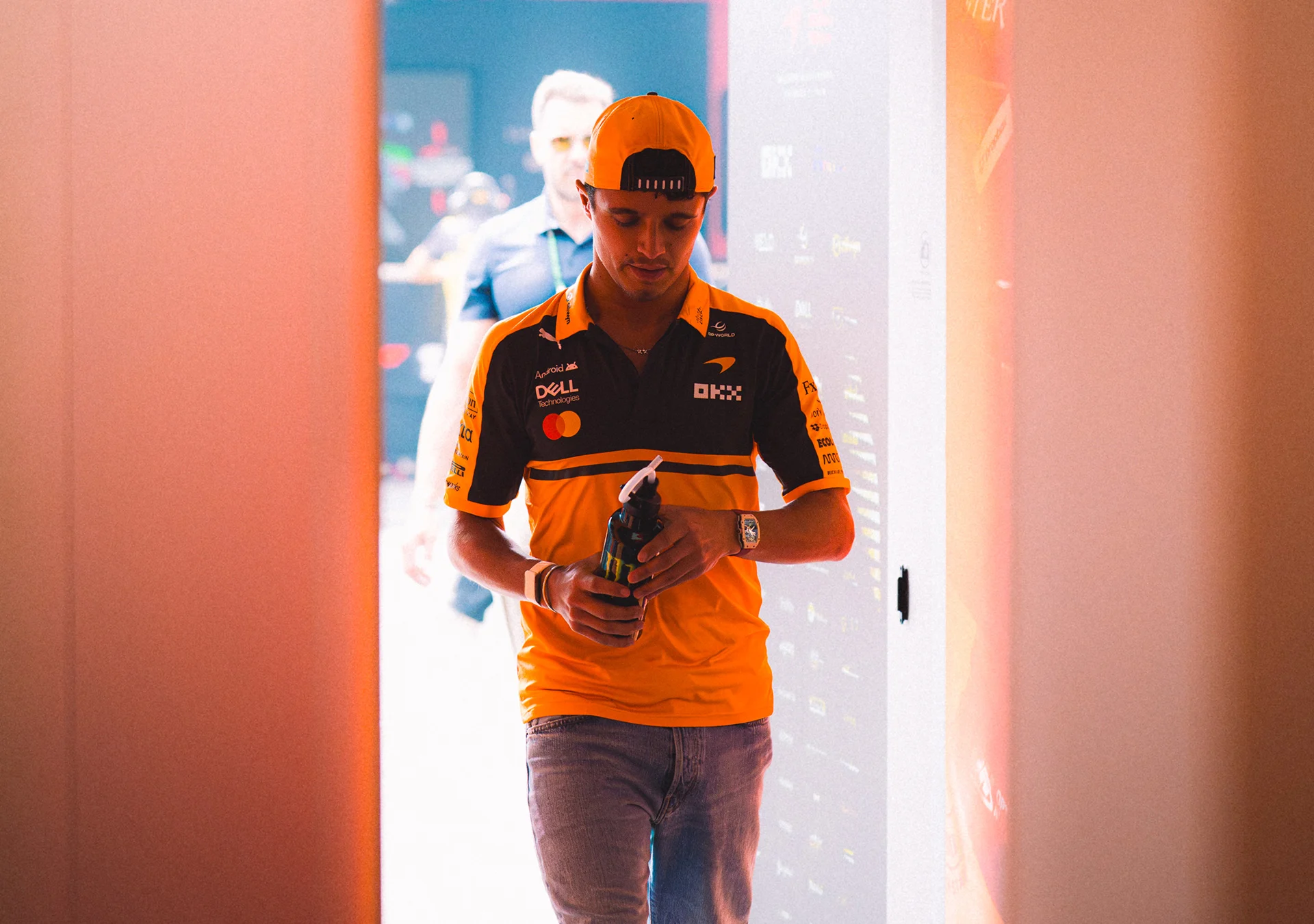
The team also need to consider potential illnesses that could disrupt a race weekend, such as a stomach bug or food poisoning. Unfamiliar bacteria or viruses, contaminated water and unsafe food handling all pose risks in Mexico, making food hygiene another practical part of preparation.
“That is another important consideration in Mexico that has little to do with sports nutrition,” says Emer. “Gastrointestinal illness can have a much greater performance impact on a race weekend than relatively small nutritional optimisations. That's why the advice can be very practical: use reliable catering, wash hands before eating, drink sealed bottled water and be sensible about higher-risk foods.”
Together, these efforts help us tackle Mexico City’s unique challenges, and while there’s no single solution, the underlying philosophy is fairly simple…
“The aim isn't to remove every physiological stressor, because in Formula 1 that's impossible,” concludes Emer. “It's to help people understand what their body is experiencing, what they can expect to feel, and what they can control.
“If we can educate people to manage their sleep, hydration, nutrition, training and recovery well, while using individual data and medical support when we need it, we give them the best chance of arriving at Sunday still able to perform at their best.”