


30 October 2026 19:50 (UTC)
Racing at altitude, Leo’s FP1 outing, and minor upgrades: Answering this weekend’s key questions

Welcome to The Briefing, where we’ll be answering the key on-track questions ahead of the Mexico City Grand Prix.
Each week, powered by Google Cloud, one of our trackside experts will join us to explain all of the weekend’s biggest talking points. This week, ahead of FP1, we spoke with Senior Director, Technical Integration & Legality Neil Houldey.
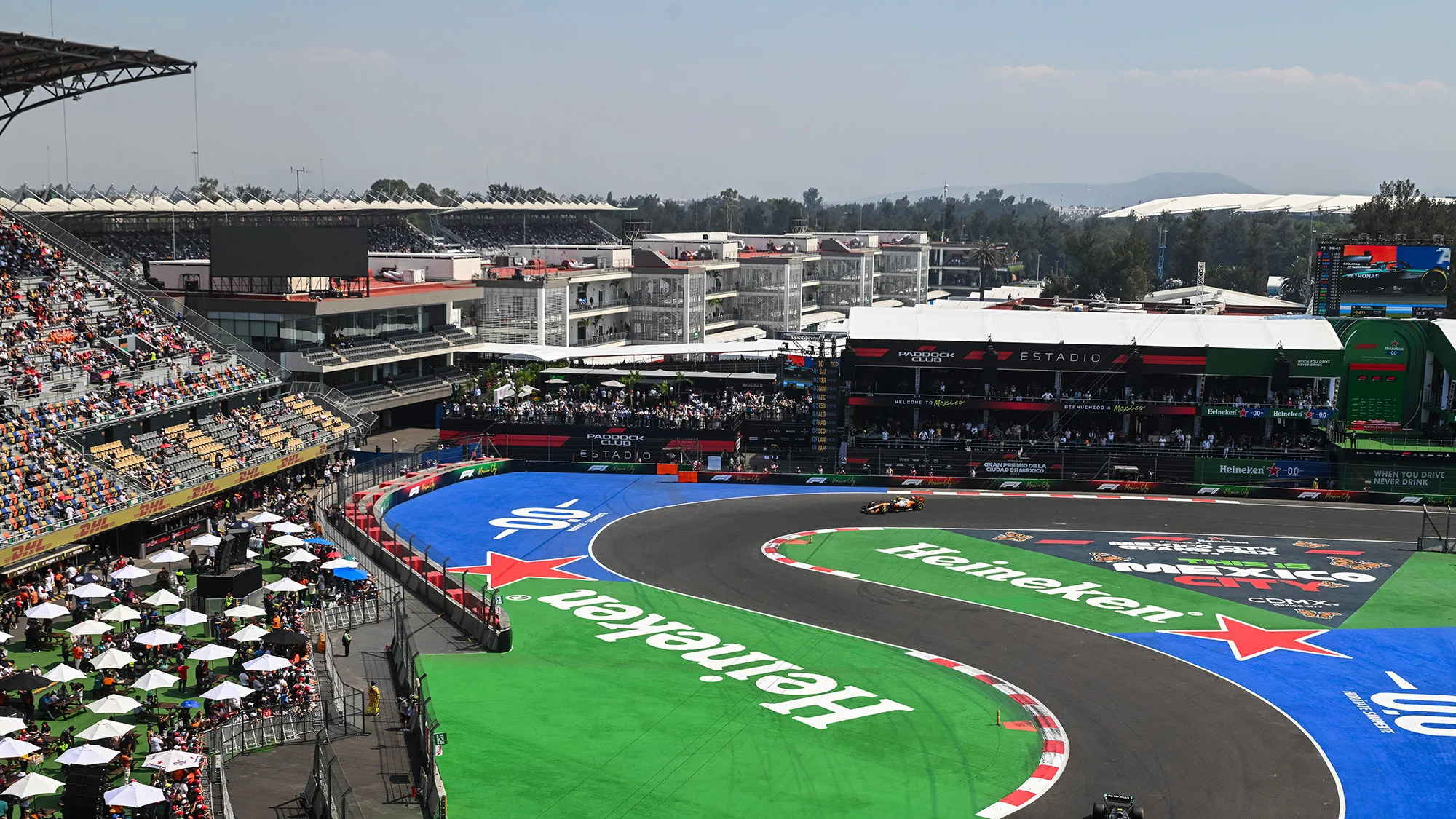
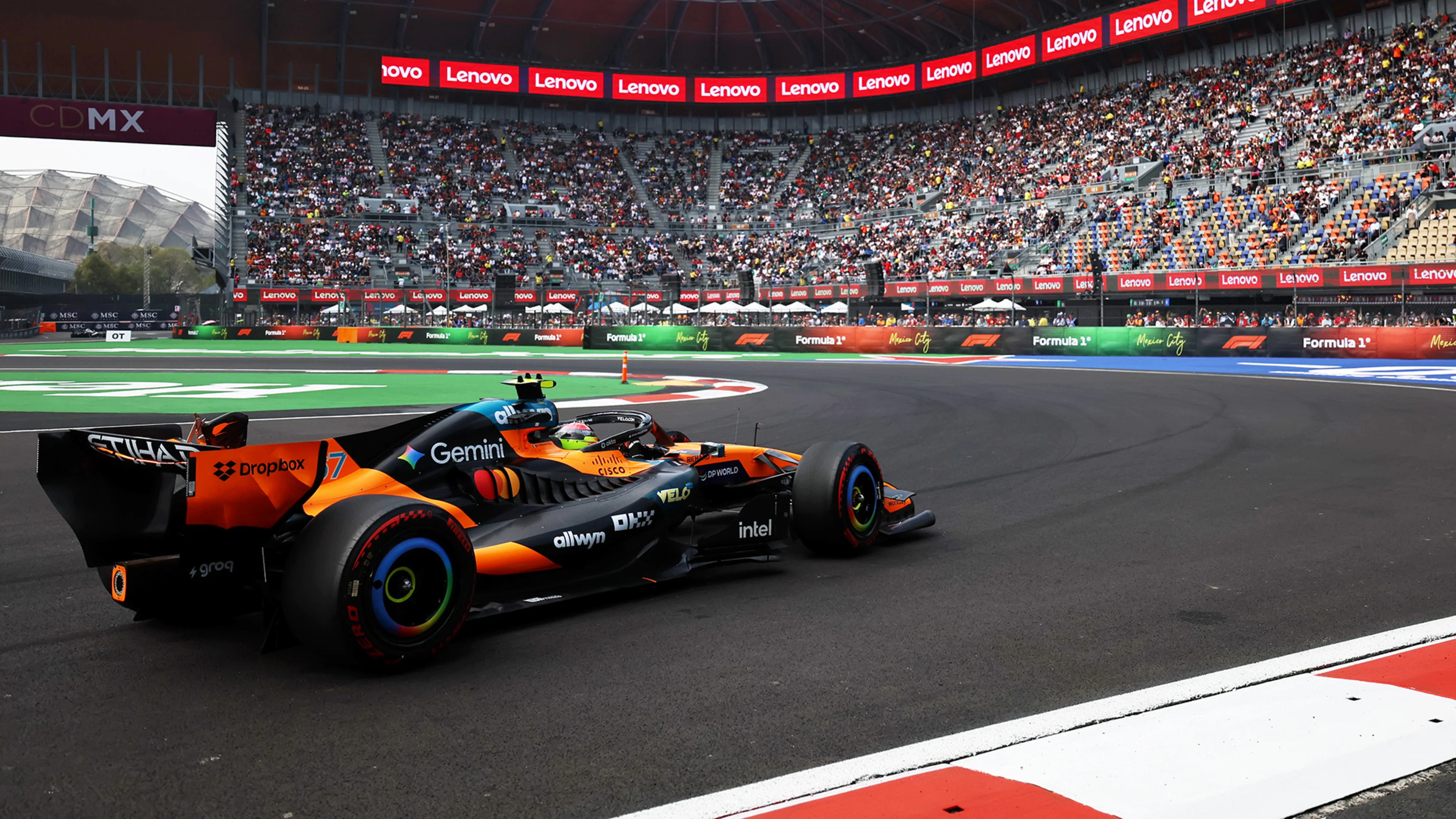
At some 2,238m above sea level, the Autódromo Hermanos Rodríguez gives the Mexico City Grand Prix its famously high-altitude setting. Here, we’ll explore how racing at this altitude will impact the MCL40 and its setup. We’ll also look at why the team chose this as the location for Leo Fornaroli’s latest FP1 session, and how they prepared him for it.
Finally, we’ll dissect the minor upgrades we’ve brought to Mexico and explain the ongoing work we’re doing to fine-tune our other recent updates.
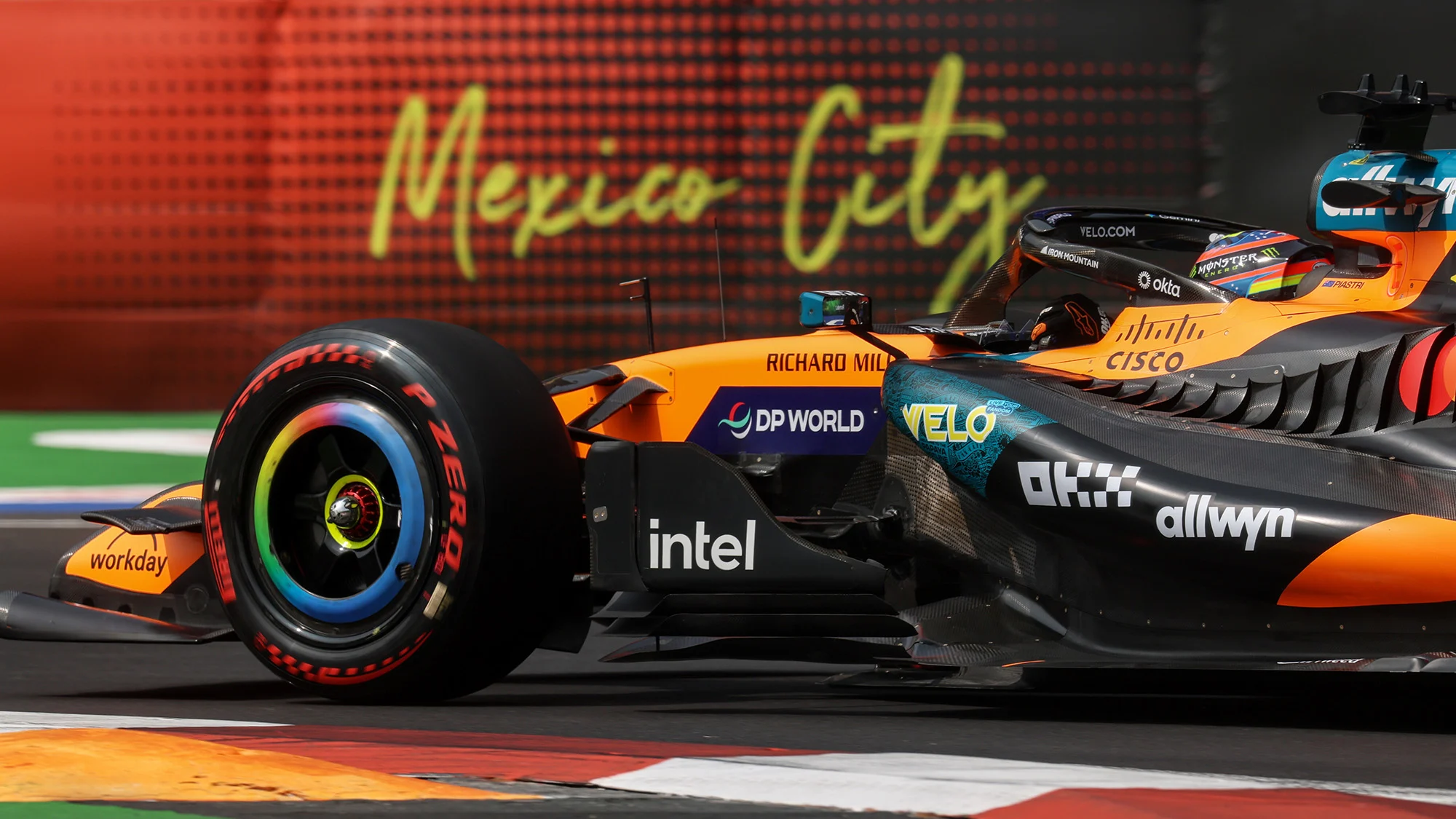
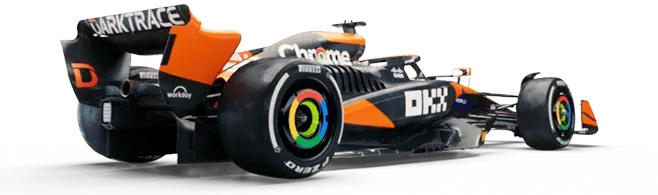
We have some additional cooling louvres on the bodywork, which provide an extra step of cooling to cope with these high-altitude track conditions. We may test a new set of forward floor mini-fences.
The altitude delivers pretty much a 20% drop in downforce compared with any other circuit this year. Now that we run quite a large rear wing at Monza, it’s going to be significantly the lowest downforce track we go to. We’ll run the bigger bodywork that we’ve tested out earlier in the year; the added louvres will help with cooling, we have enough capacity with the brake ducts, and we’ll be running our highest downforce wing, which is the version introduced in Madrid, fitted with the H-Wing.
Because of the reduced downforce, we can set the car up a lot lower if we’re prepared to run it as stiff – though we may also back off that stiffness a little bit, because the ride-height change will be reduced and therefore potentially in a better window for our car. We’ll probably try and run a little bit softer in roll compared to heave, just to get the performance that we know we're going to need across the kerbs.
We’ll start with the setup informed by our best simulation work, see what we see during FP1 and FP2 and optimise from there, trying to find the ride-height window, trying to find the right roll stiffness, heave stiffness to balance out the competing demands of the high-speed, low-speed, bumps and kerbs.
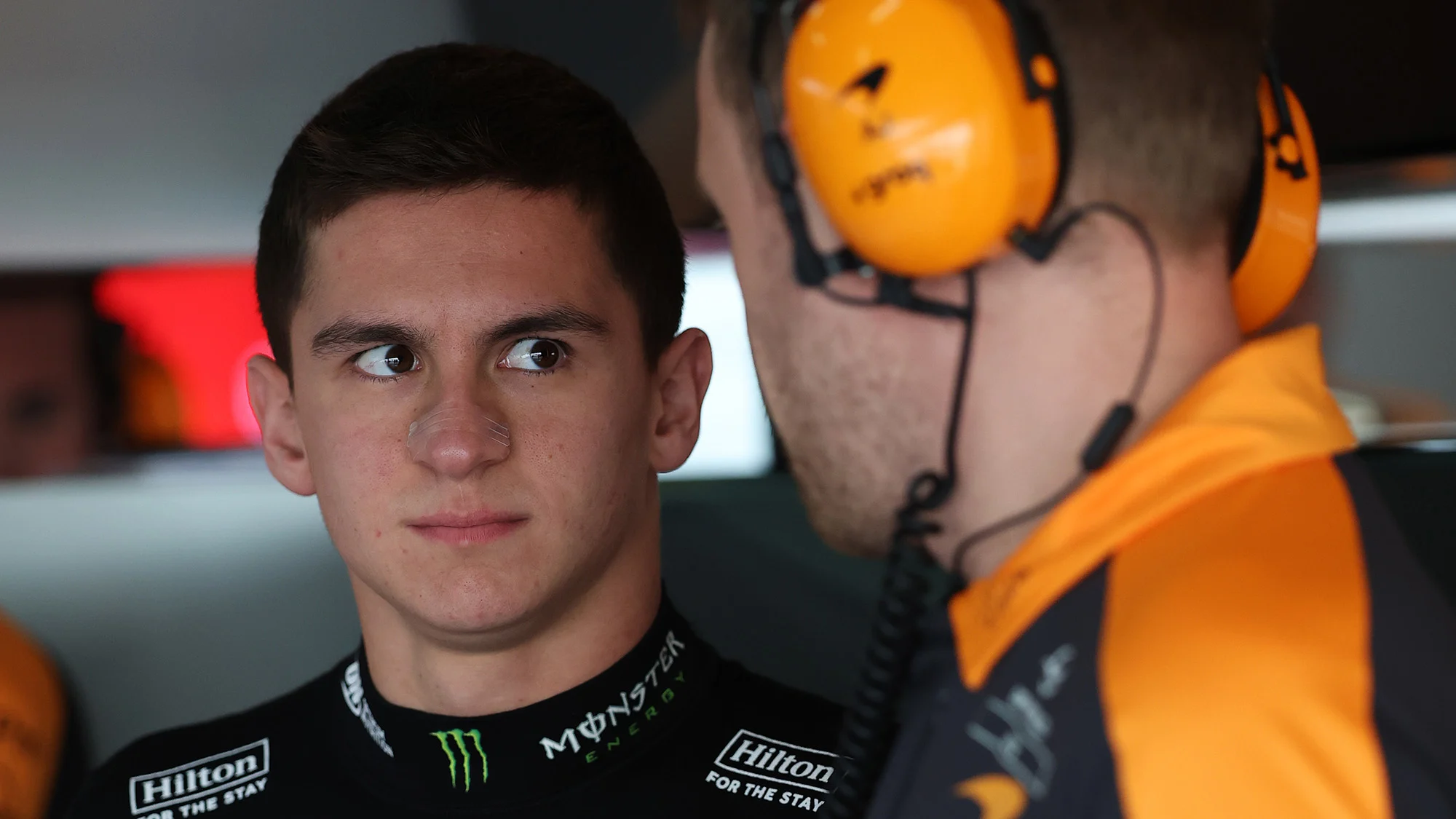
These decisions are made early in the year. Teams don’t like to put in a rookie early in the season when the race drivers are still keen to learn as much as they can about the new car, and we don’t like to put in a rookie on street races, where it is much easier to hit a wall, and the race drivers want to get as many laps as they can. This limits the tracks we can use for our four mandatory rookie sessions.
Mexico has several advantages. I think it's pretty much guaranteed to be dry, so that makes the session a little easier. The car has generally been good in Mexico, so sitting it out is less of a problem. It also starts very dusty and evolves quickly, so perhaps the team isn’t losing too much by putting another driver in here, when the track is going to be very different later on in the weekend.
Finally, the race drivers' preferences are a factor. Leo’s replacing Lando today, who's always been very good and very confident here. His victory here last year is one of his greatest, so sitting out FP1 is perhaps not as big a deal as it would be at other circuits. That said, the low downforce is awkward, so we haven't made it particularly easy for Leo from that perspective.
It’s the same process at every circuit we visit. We set the car up in the best possible way for that circuit and home in on finding the right balance for that specific track. We might learn a bit from COTA's stiffnesses and take a slightly different approach at Autódromo Hermanos Rodríguez, but for the most part it’s a case of following our normal processes.
It’s a bit boring, but at this stage of the season, generally every Friday is the same! We start with the car we think is just about right, based on simulation and what’s been learned at the last few events, then you follow your processes, and they get you to a point in FP3 where hopefully you’re in a really good position.