

13 November 2026 12:00 (UTC)
Changing conditions complicated Sunday’s Grand Prix, but our strategy team delivered a calculated response

A race track is either wet or dry – but the equivalency suggested by those terms is false. It’s very difficult for a team to make strategy plans for a wet track, because ‘wet’ contains myriad possibilities in ways that ‘dry’ does not.
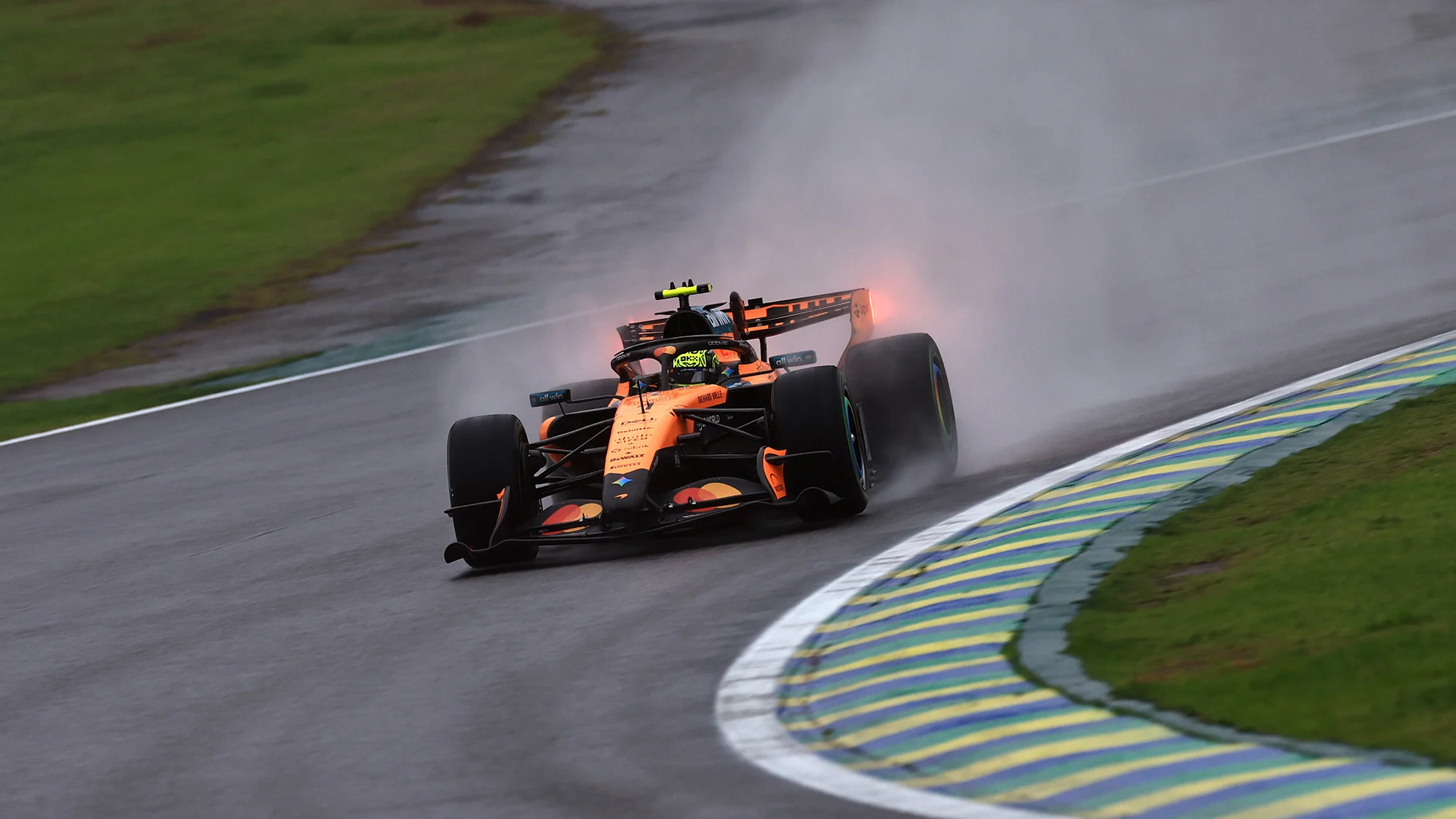
With a little bit of wiggle room for changing asphalt temperatures, dry is dry. Wet, on the other hand, can mean anything from the sure-to-be-Red-Flagged-soon aquaplaning that we saw on Saturday at Interlagos, to the rapidly-drying-almost-ready-for-slicks version of wet seen at the end of the opening stint on Sunday. There might be 20s different in lap time between those two versions of ‘wet’, and access to a radar picture doesn’t necessarily provide accurate insight into which version is coming next.
In these circumstances, F1 strategists are still able to have a huge impact on proceedings, but it’s often a case of working with what they can see right now, rather than dwelling too much on how the picture may change in 10 minutes. Of course, though, ignoring what’s likely to happen in 10 minutes would be bad too…
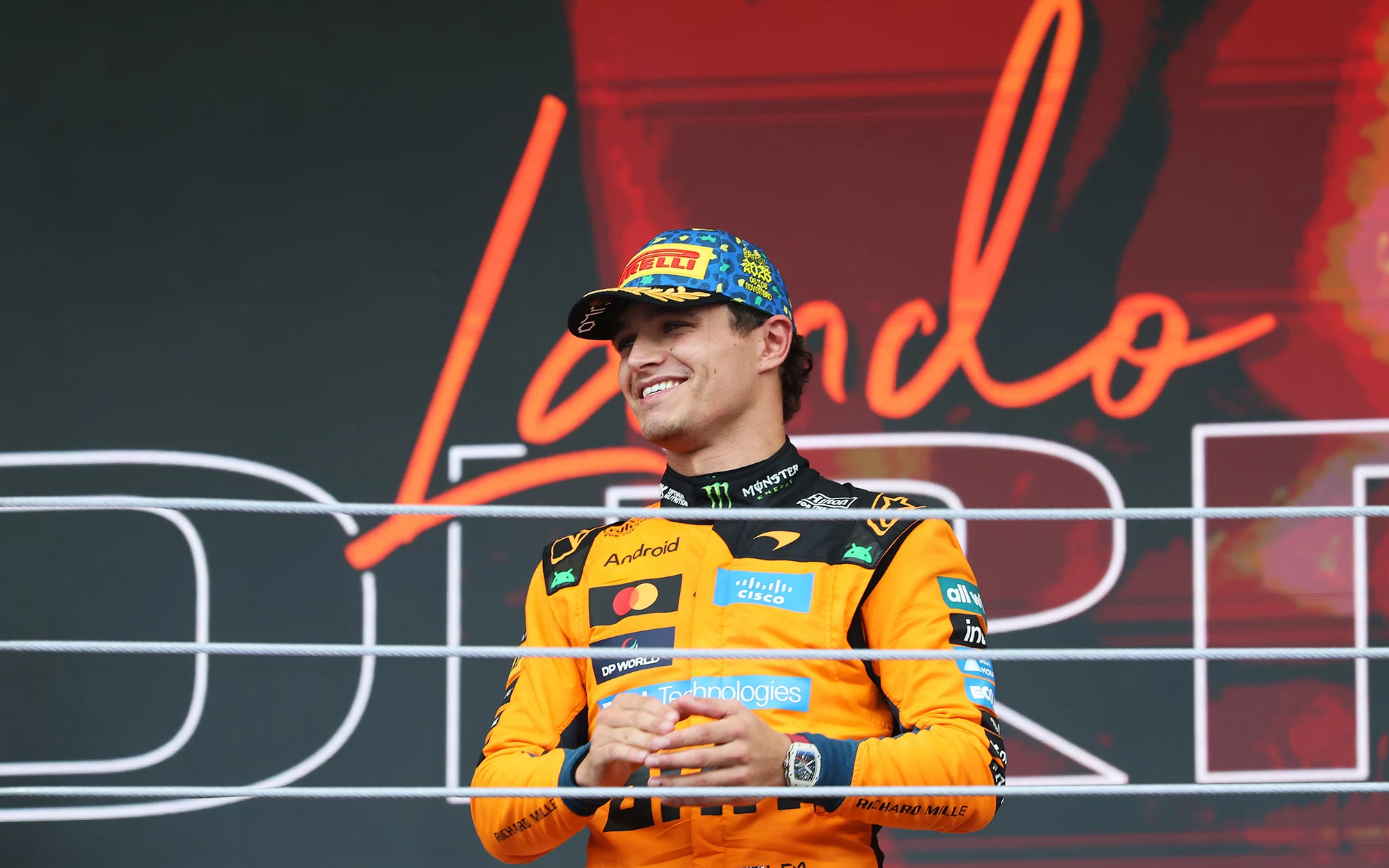
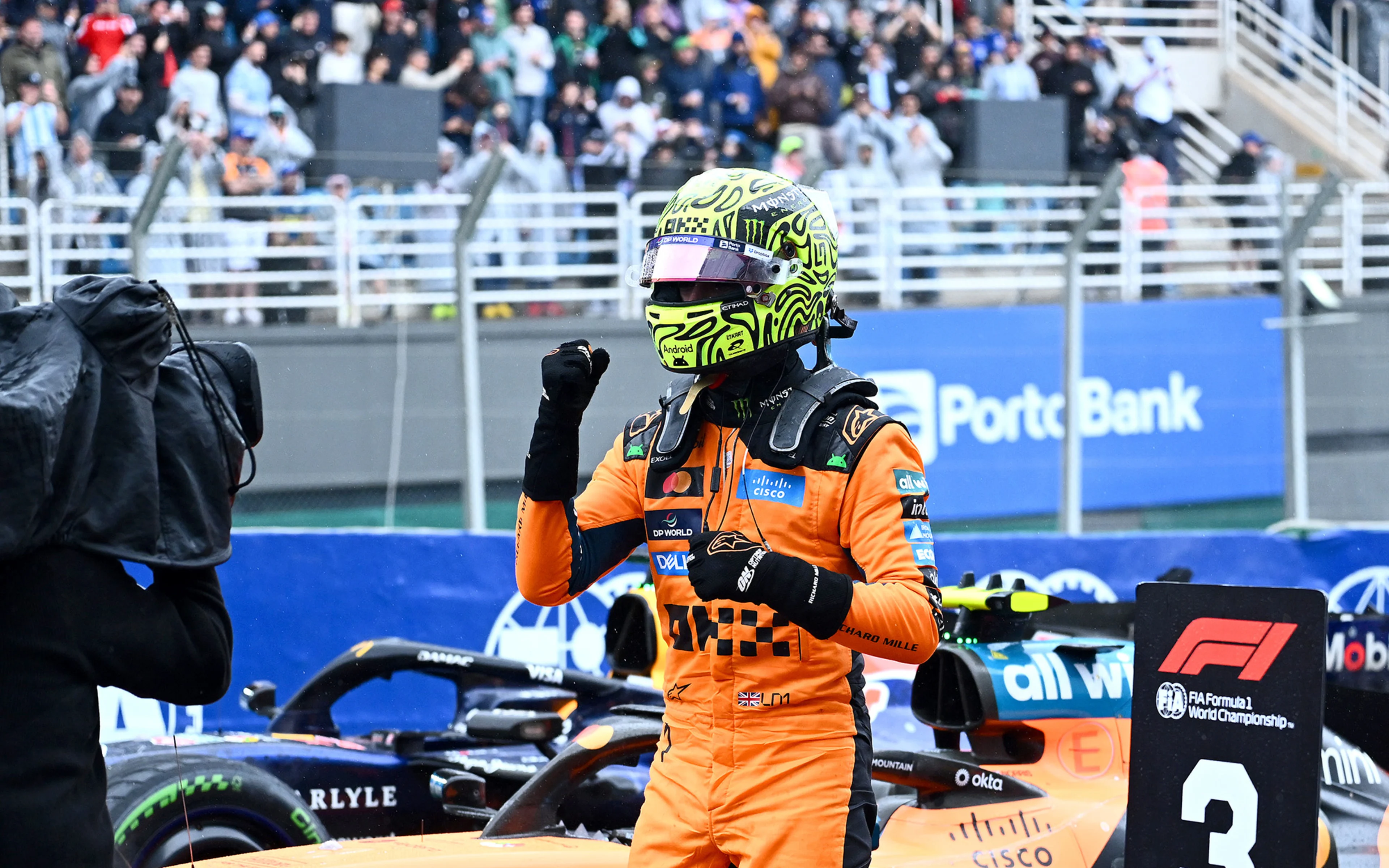
With the help of FxPro, we’ll explain how the team handled these changing circumstances on Sunday, and why it proved vital in Lando’s third win of 2026.
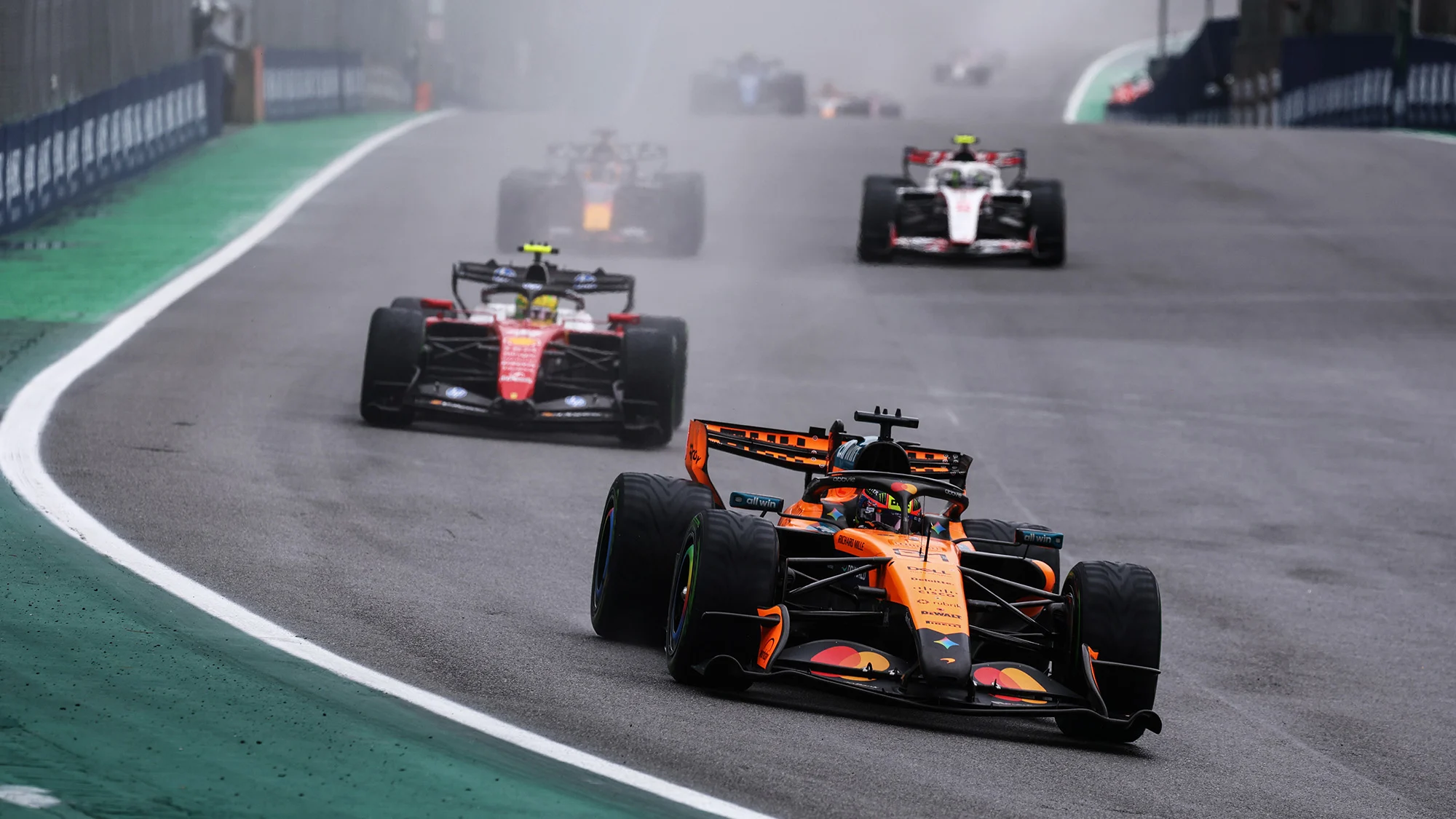
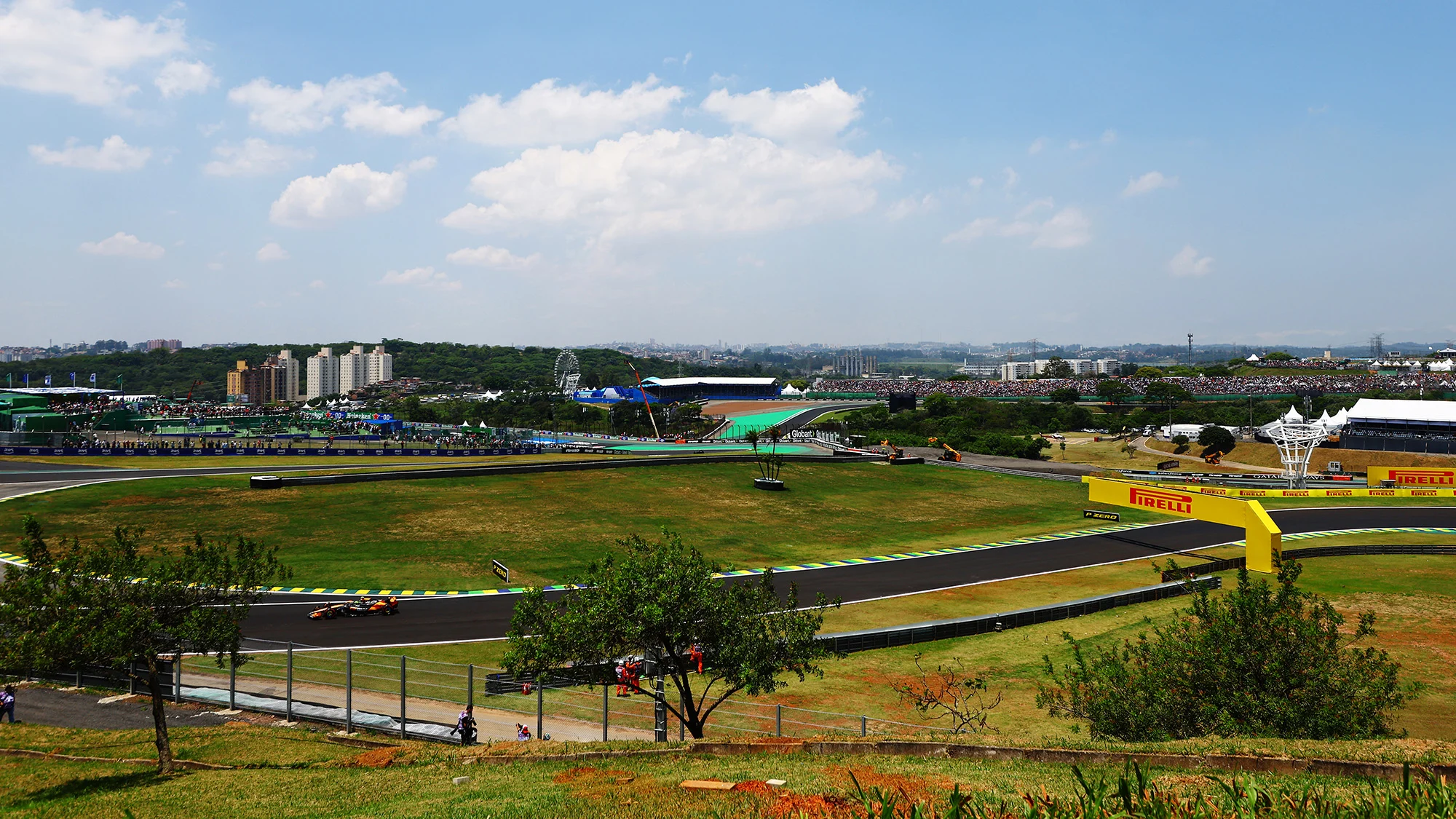
The weather at the Autódromo José Carlos Pace often has a strong sense of theatre, and it certainly put on a performance this year. After a fairly sodden morning, meaningful rain stopped shortly before the pit lane opened. Most of the cars went to the grid on the Intermediate, though Pierre Gasly, Liam Lawson, and Rafa Câmara took a full Wet. That didn’t look quicker, making up everyone’s minds, and the full grid started the race on the green-banded Intermediate.
On the formation lap, Oscar noted that the track already seemed much drier, and with the rain stopped, and the Intermediate clearing a lot of water, it didn’t take long for a dry line to appear and for the Intermediates – particularly the rears – to start burning. The problem, however, was that the track didn't dry uniformly: the first sector looked reasonable, but the run up the hill did not.
There was a lot of dialogue between the pit wall and the drivers. Teams will have a trigger – a crossover point – where the Intermediates are doing times that suggest the track is ready for slicks, but on a wet day the feel that the drivers have for the state of the asphalt tends to be given a lot of weight also.
Lewis Hamilton from P14 and Carlos Sainz from P18 gambled on a slick at the end of lap 14. The crew were ready to double-shuffle Lando and Oscar on Lap 15, but both cars went around one more time. Hamilton was the canary in the cage: when it was clear he was going quicker, they pulled both cars in on Lap 16 for the Soft tyre.
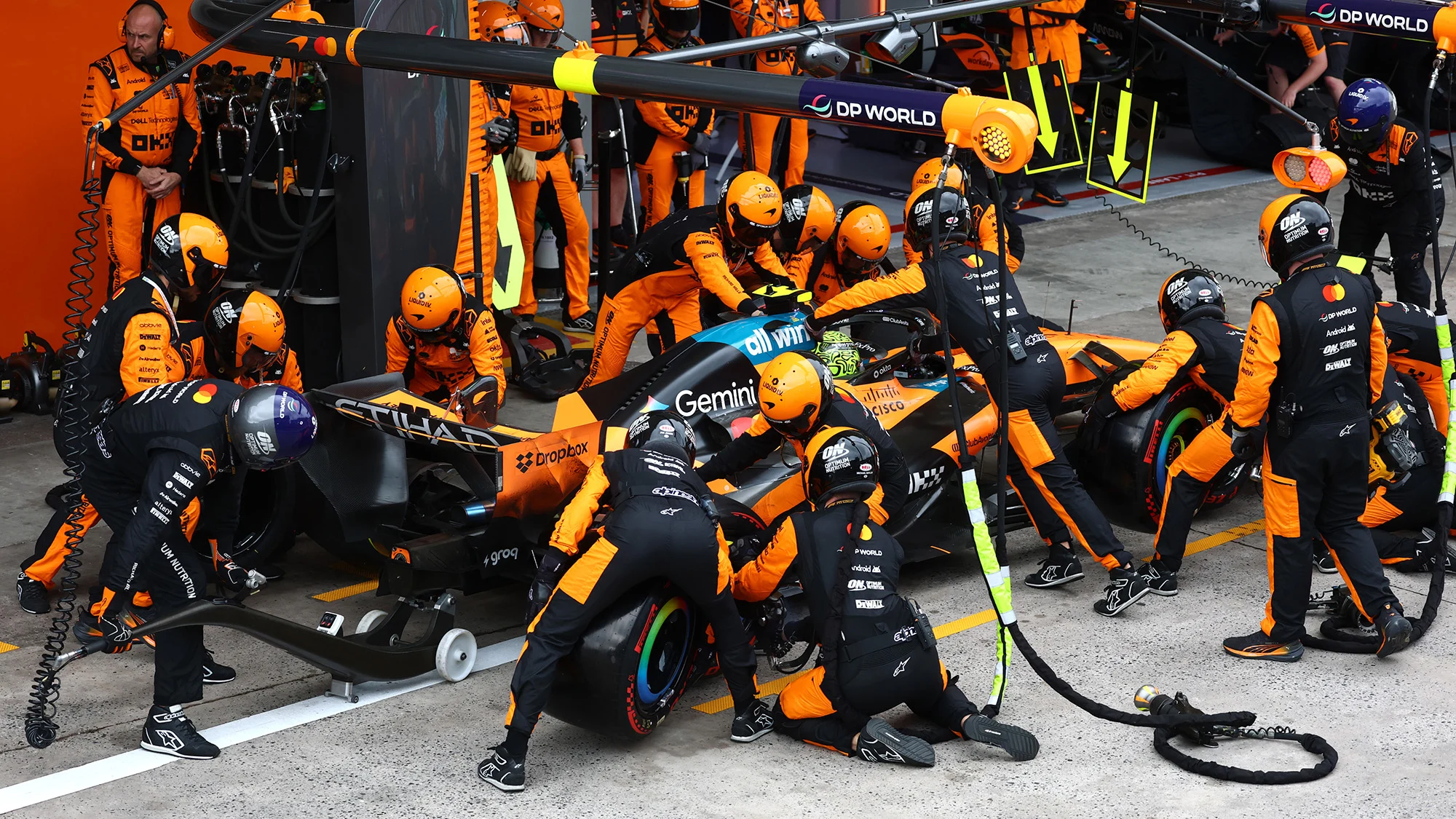
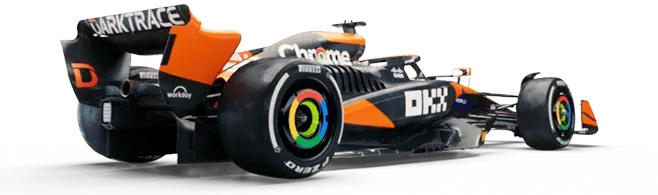
Wet Qualifying often throws up odd grids, but it wasn’t happenstance that put Lando on Pole. The MCL40 shares many characteristics with its predecessors, and tracks with plenty of medium- and high-speed corners – the Hungaroring, Zandvoort, Interlagos, Lusail – are always going to suit it. And the upgraded aero package this weekend gave it a little more edge.
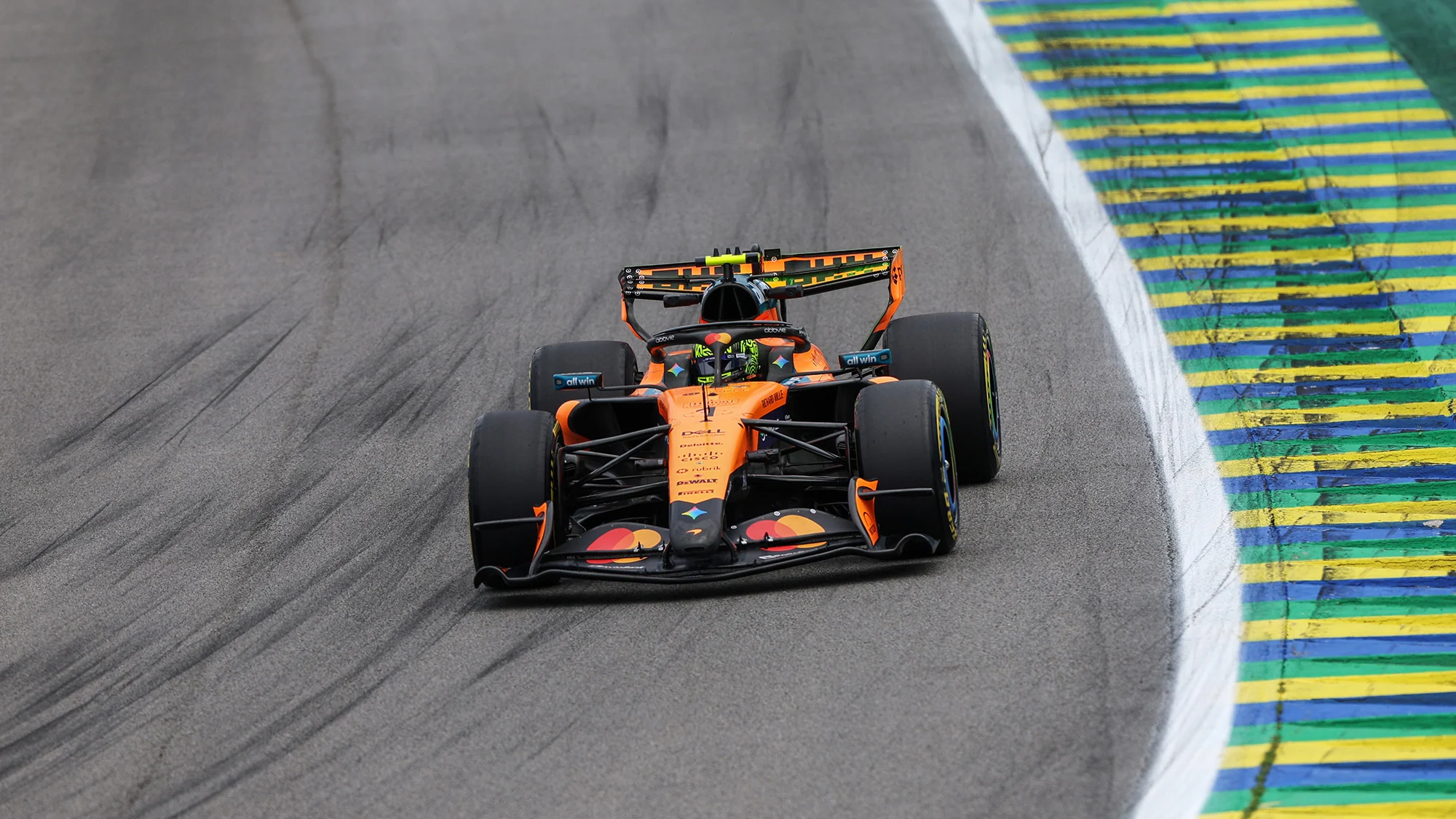
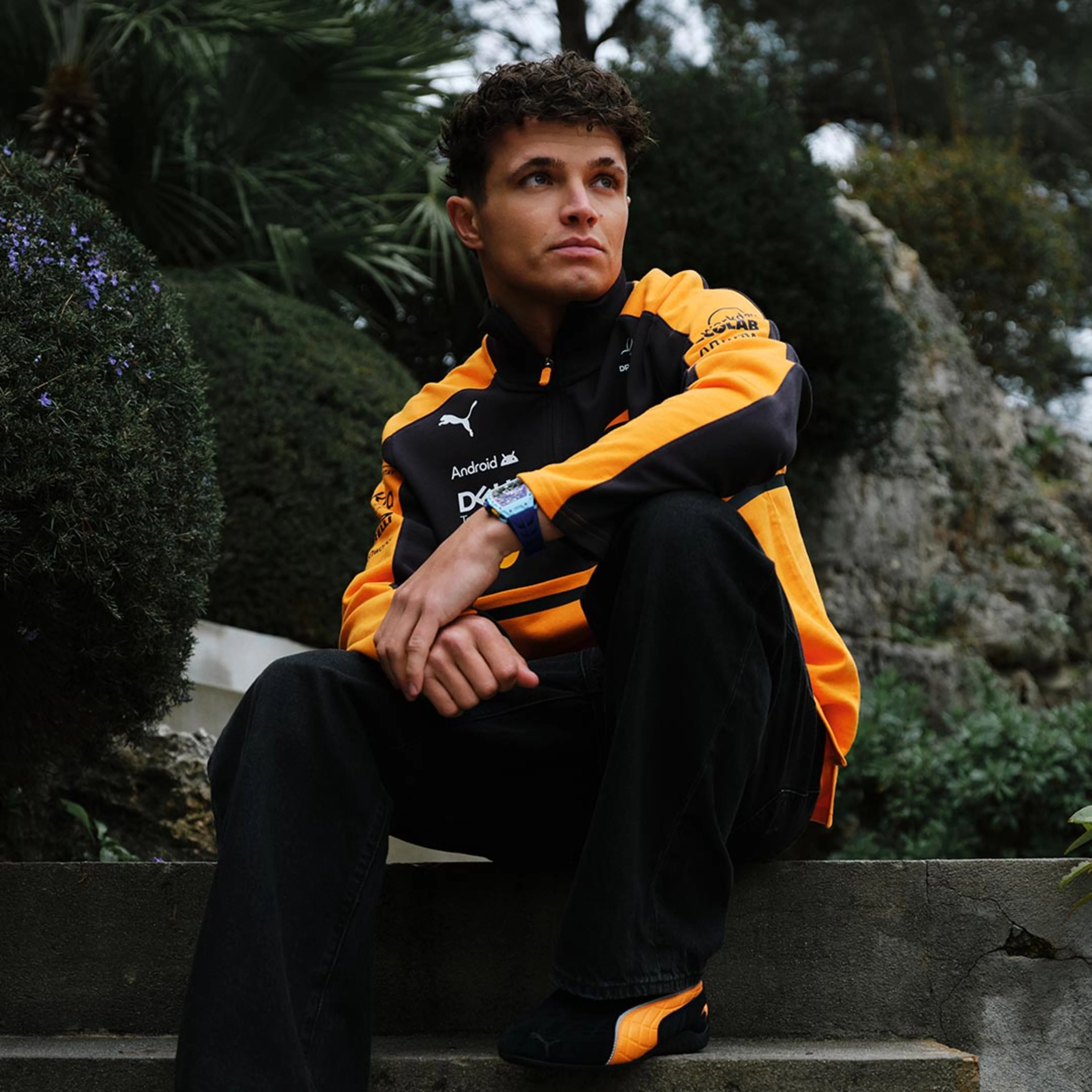
That became apparent when the track dried and both drivers were soon trading fastest laps. Lando had been pestering Kimi Antonelli for the lead, and scampered ahead of the Mercedes driver when he made a mistake at Turn 1. From here, he began to pull away, extending his lead to five seconds by Lap 30 (with Isack Hadjar P2) and 10 seconds by Lap 40 (with Max Verstappen P2). Meanwhile, Oscar had passed Liam Lawson for P5.
A problem, however, was looming, and a decision had to be made. More rain was forecast for the end of the race, starting around Lap 55. The cars had a choice: switch to a new Soft now, or hang on with the old Soft until the rain came.
A further consideration was that while the rain remained light, a new Soft, having reached temperature on a dry track, would cope with that damp surface much better than the worn Soft. Lando referenced this, asking Race Engineer Will Joseph to “remember Spa,” referring to a similar situation at the Belgian track, several years ago.
The advantage for Lando, with a good lead, was that he didn’t have to risk doing the wrong thing, instead having the luxury of reacting to, and covering others. Verstappen was first to pull the pin, pitting for new Soft on Lap 43. The team studied Verstappen’s pace on the new tyre, and pitted Lando on Lap 49 for another set of Softs.
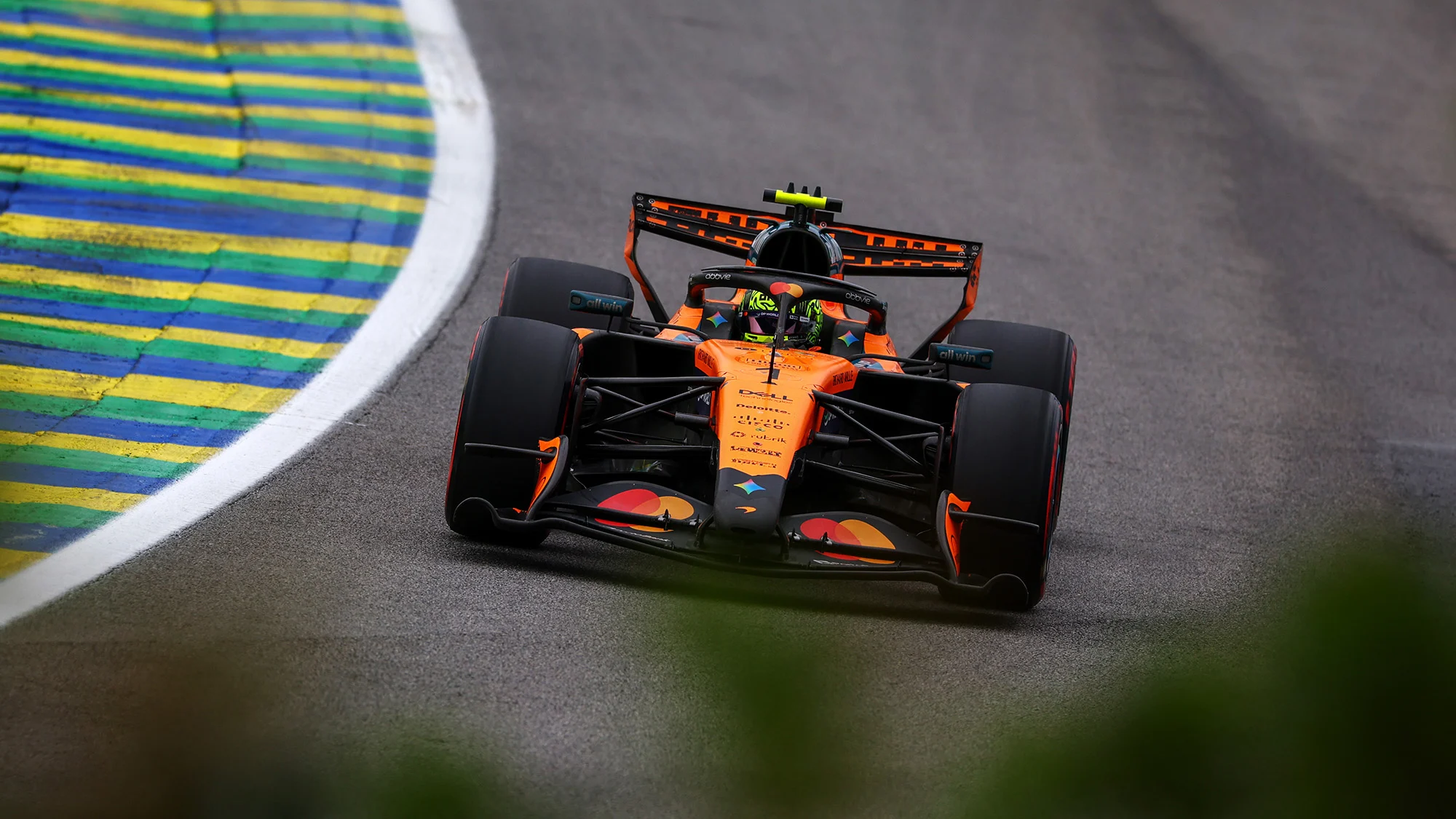
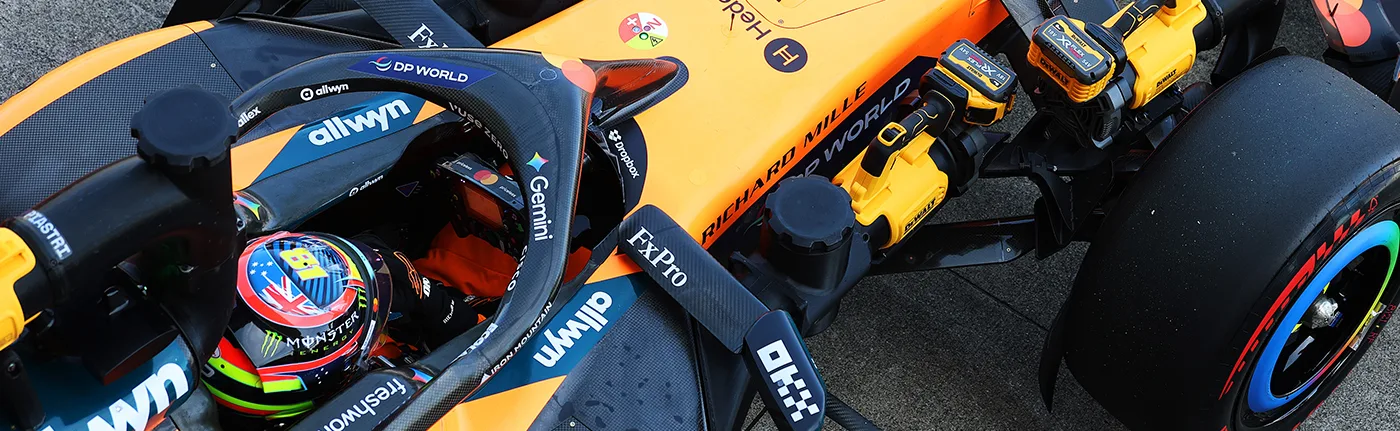
The pit stop dropped Lando to P4, behind Antonelli, Hadjar and Oscar. Oscar moved aside to not impede Lando’s progress. Lando’s gap to the front of the field was around 10s, and with 20 laps remaining, he was lapping around 1.5-2.0s quicker than the cars in front. Barring a sudden deluge or a Red Flag, he was in good shape. However, that swiftly became a moot point, with Hadjar pitting on Lap 50, and Antonelli on 53. Oscar also pitted on Lap 51 for another set of Softs, having concluded his original Softs were getting tricky and that making it to the end of the race looked like a long shot.
Around then, the first drops of rain started to fall, and we had Class 0.5 on schedule by Lap 55. The only front-running car to stay out was George Russell’s. He’d climbed from P7 to P5, following stops for Lawson and Oscar. If the rain didn’t intensify, Oscar would reclaim P5. If it got worse and everyone pitted again, Russell would keep his position. The rain got worse.
Russell and Lawson came in for Intermediates on Lap 61. Their first sector times confirmed it was a good move, and they called both Lando and Oscar in immediately. A pit stop in the rain is always tense, a double-shuffle doubly so. The extra tension was whether anyone would try to brave the conditions on the Soft tyre.
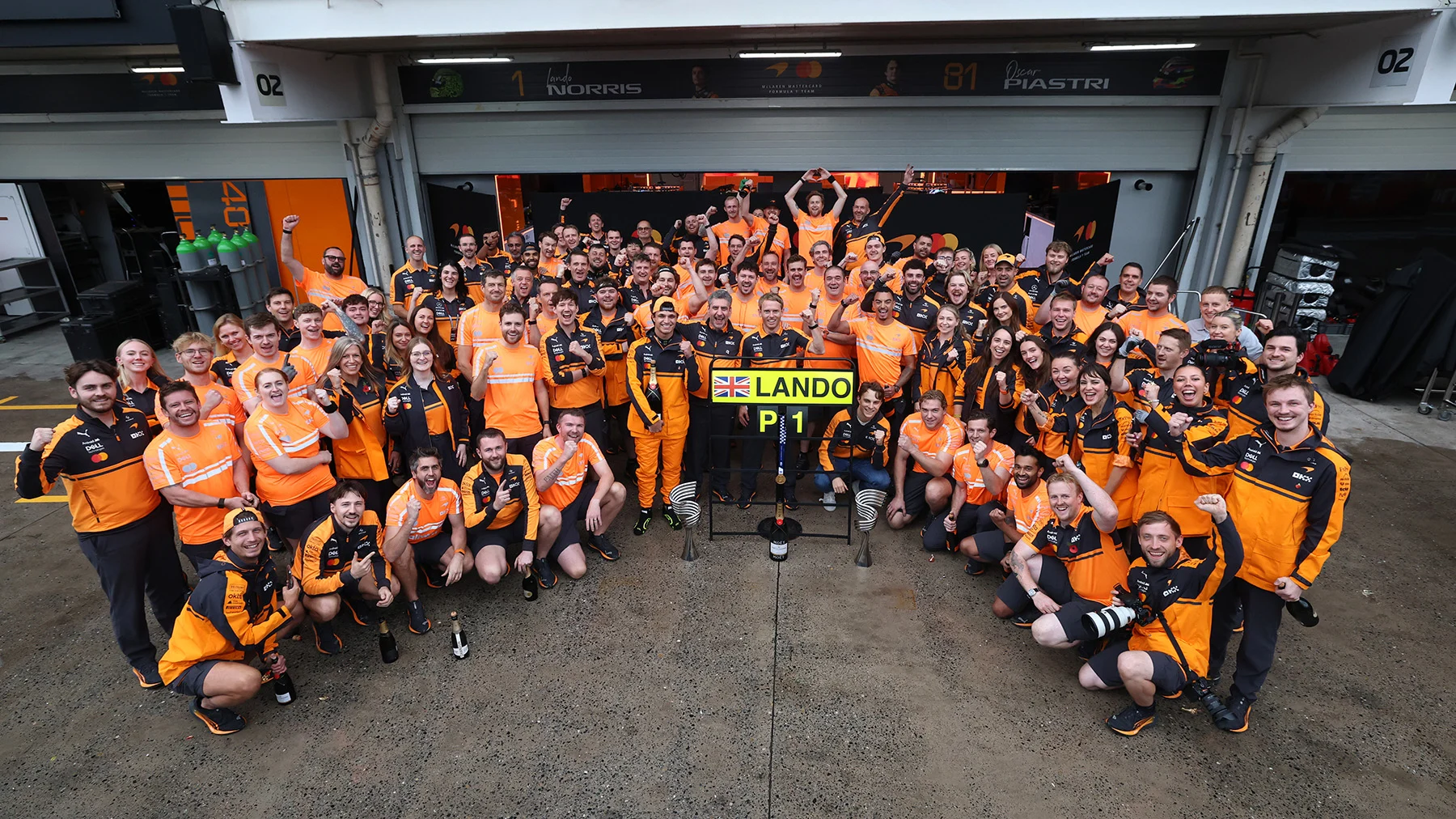
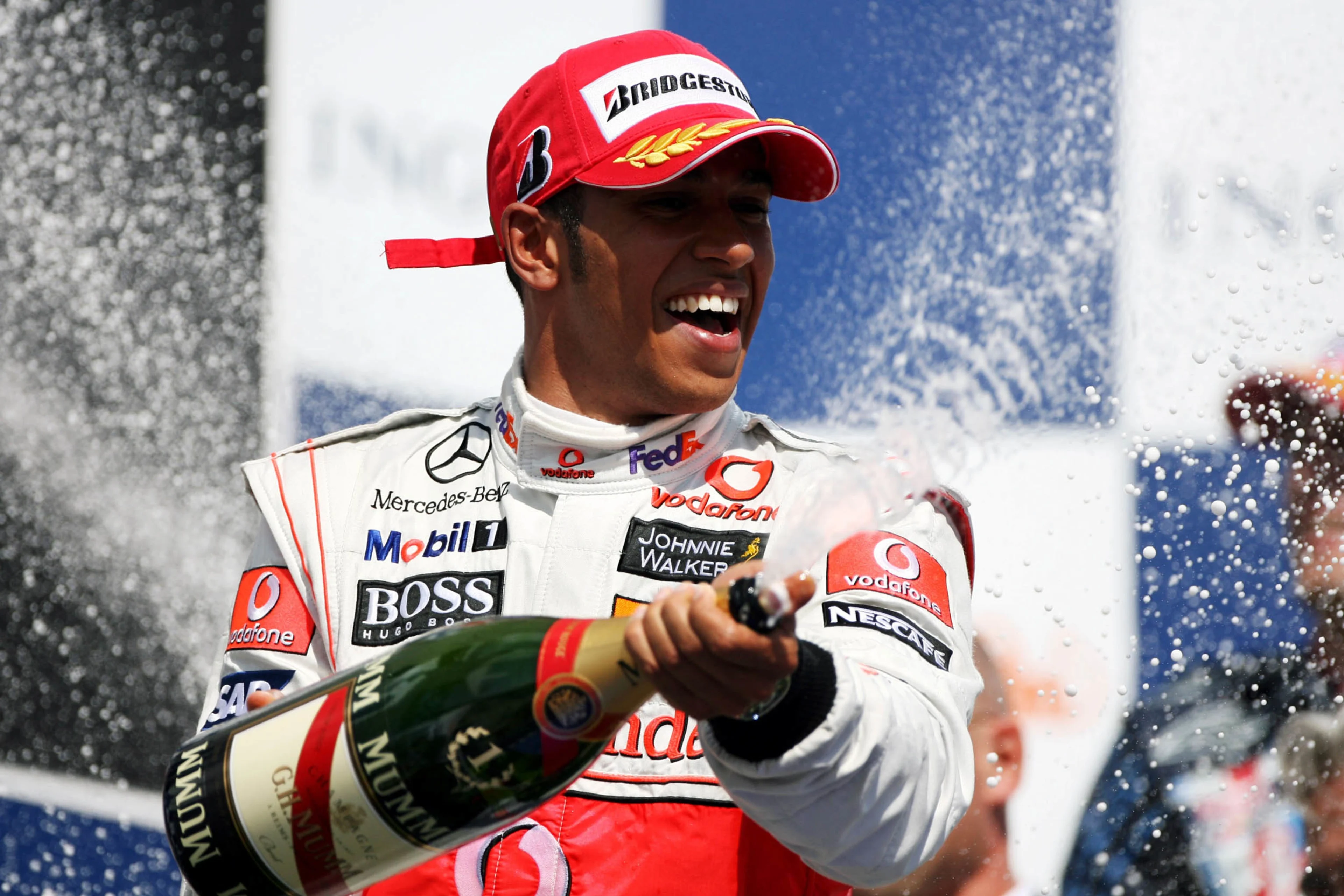
There aren’t many people in the McLaren garage left from the 2008 team, but the legend of the final laps from that particular Brazilian Grand Prix lives on. There was a certain relief, therefore, when the chasing pack all followed Lando in for pit stops of their own. The final nine laps were reasonably tense, but the positions stayed static: Oscar came over the line P6, which could potentially have been P5 had Russell’s gamble not paid off, but Lando made it back-to-back victories at Interlagos, winning by 14 seconds.
Races at Interlagos tend to be deterministic: race pace rather than track position will dominate – but the advantage for Lando, in the second half of the race, came from his track position: having built a nice cushion at the front, he could react to moves made by others, rather than having to take risks himself.
Learn how FxPro combines speed, innovation, and precision to drive performance in financial markets.