


13 January 2026 19:00 (UTC)
The No. 1 will be back on a McLaren Formula 1 car this year after a 16-year absence, and the team has a fair bit of history with the lucrative number
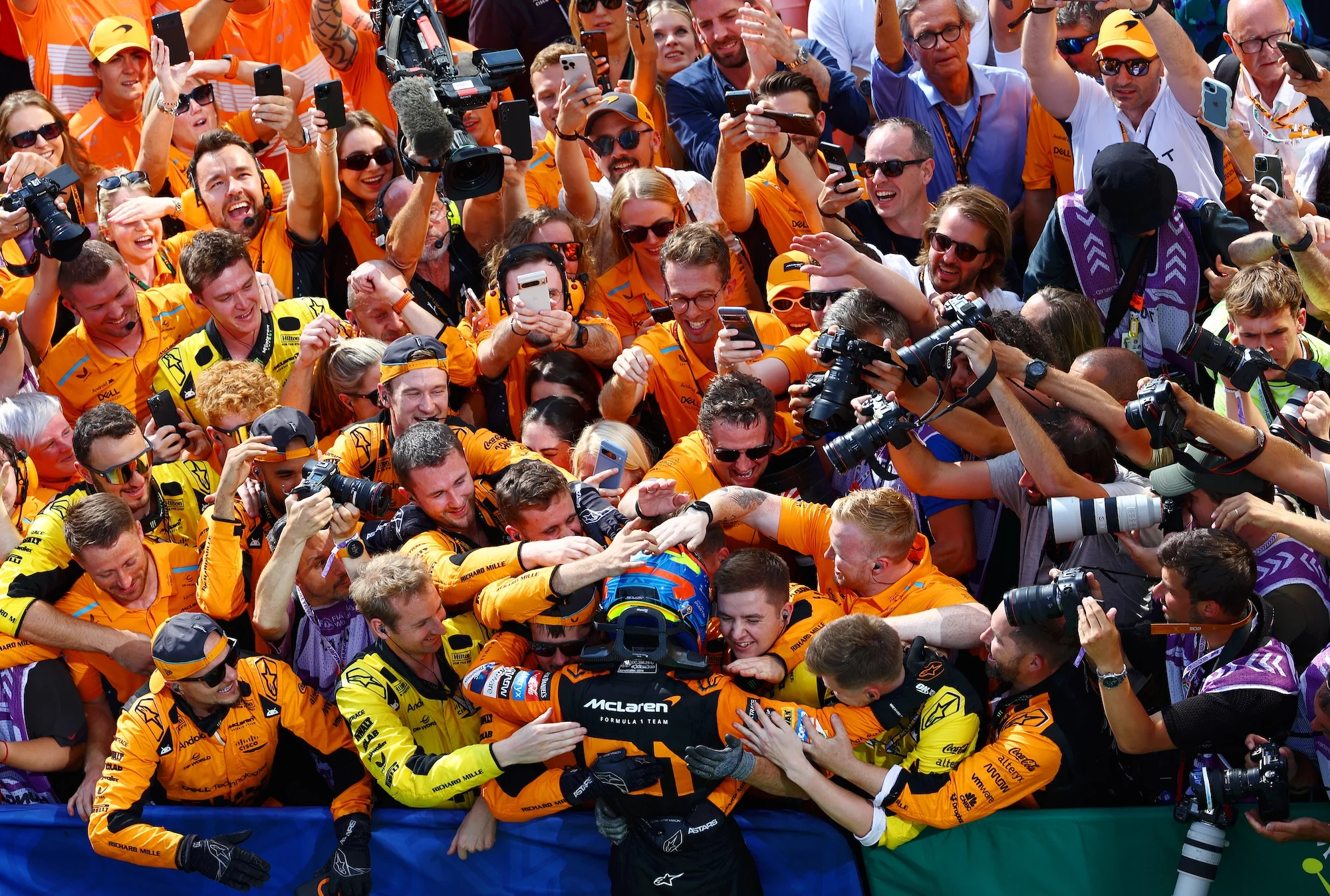
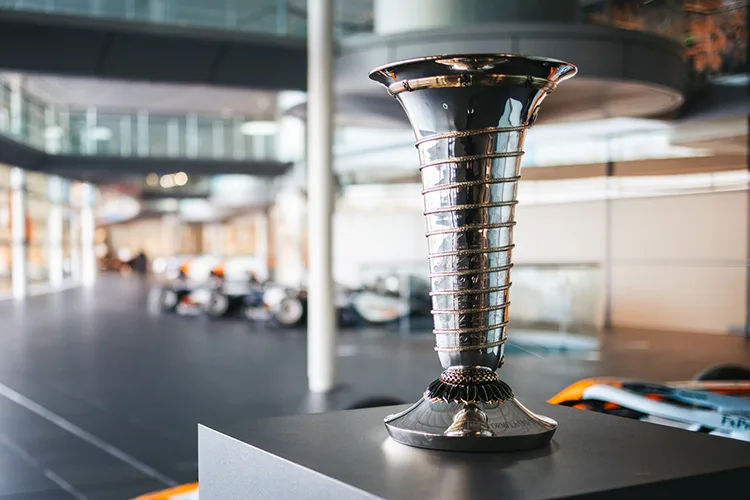
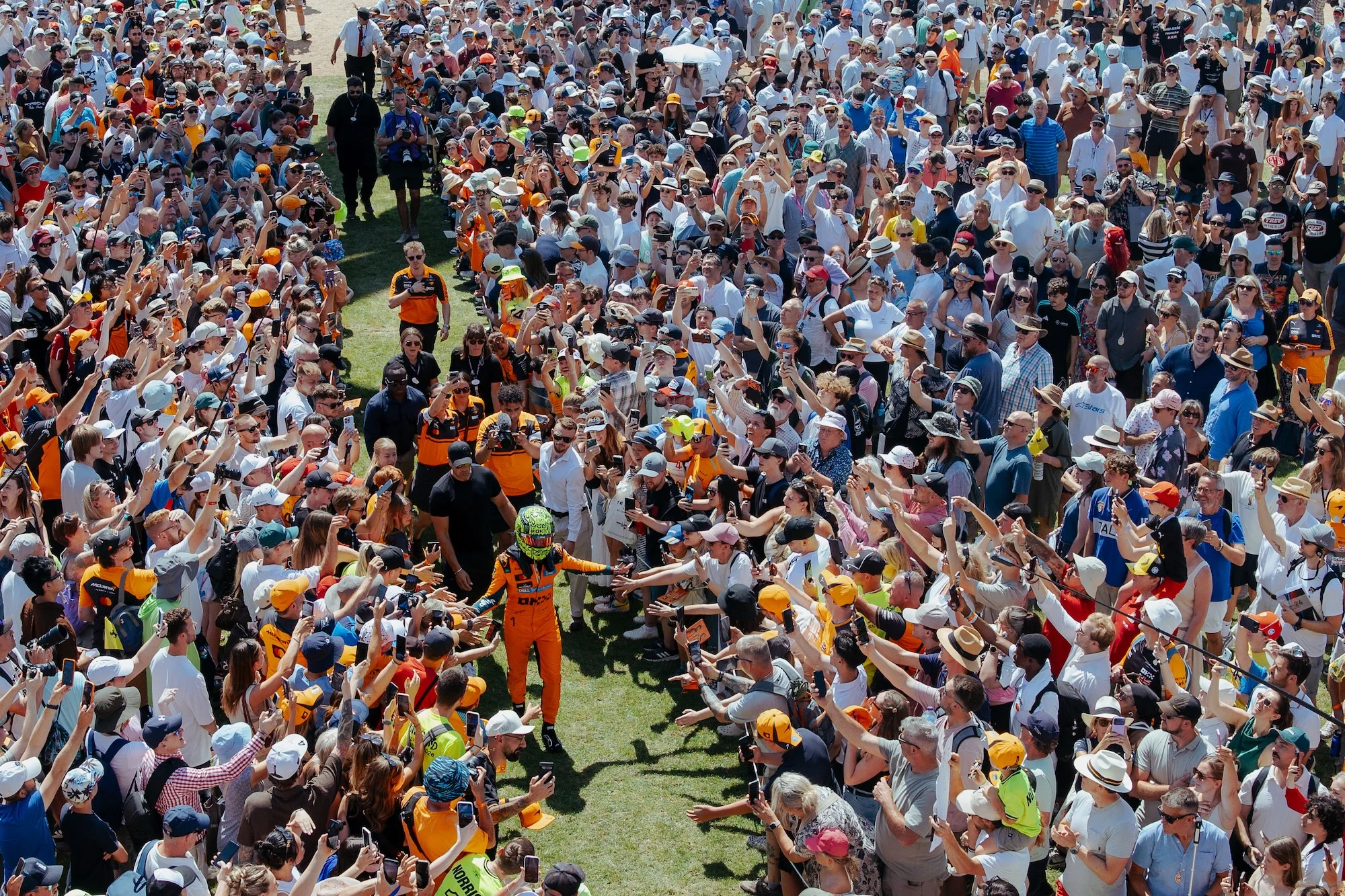
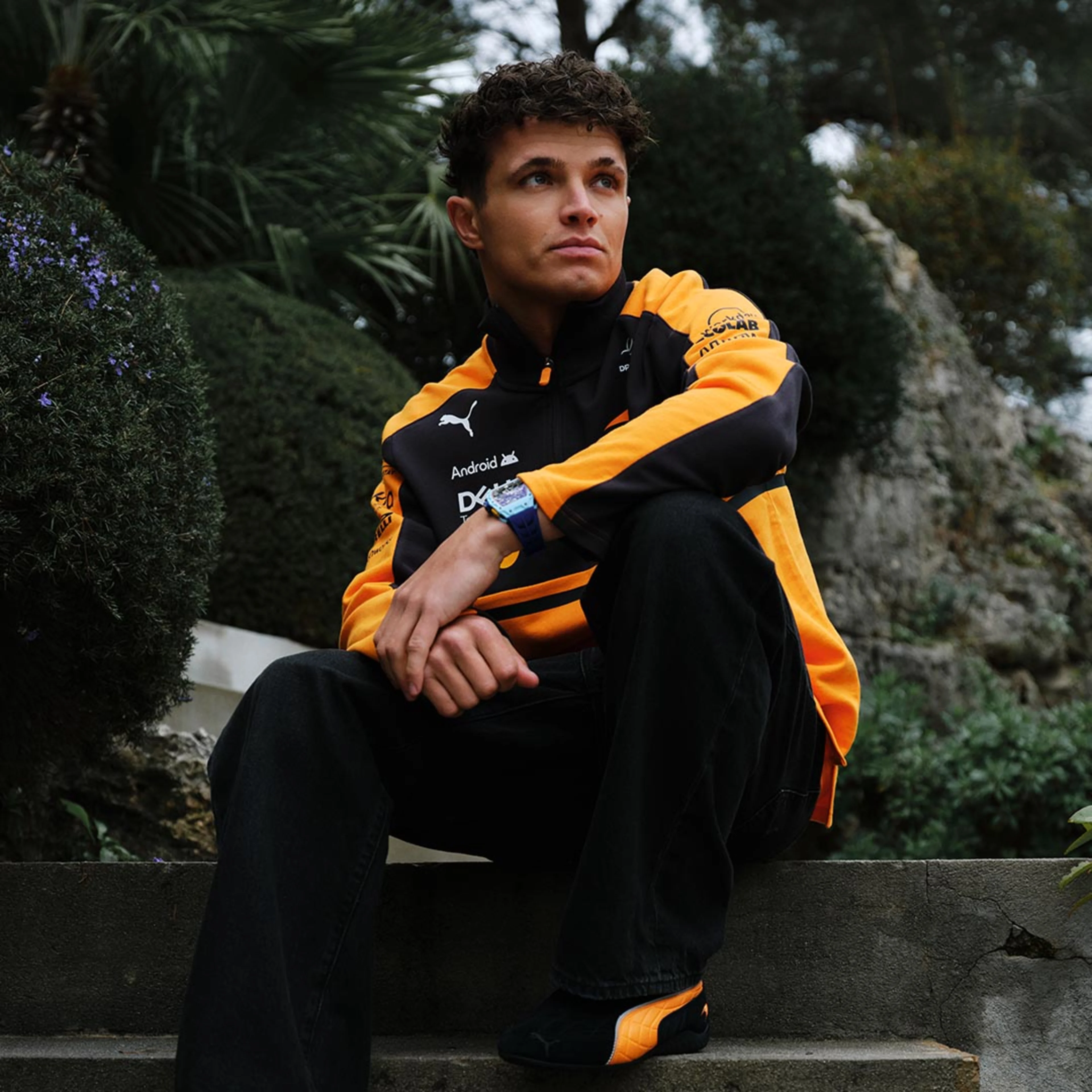
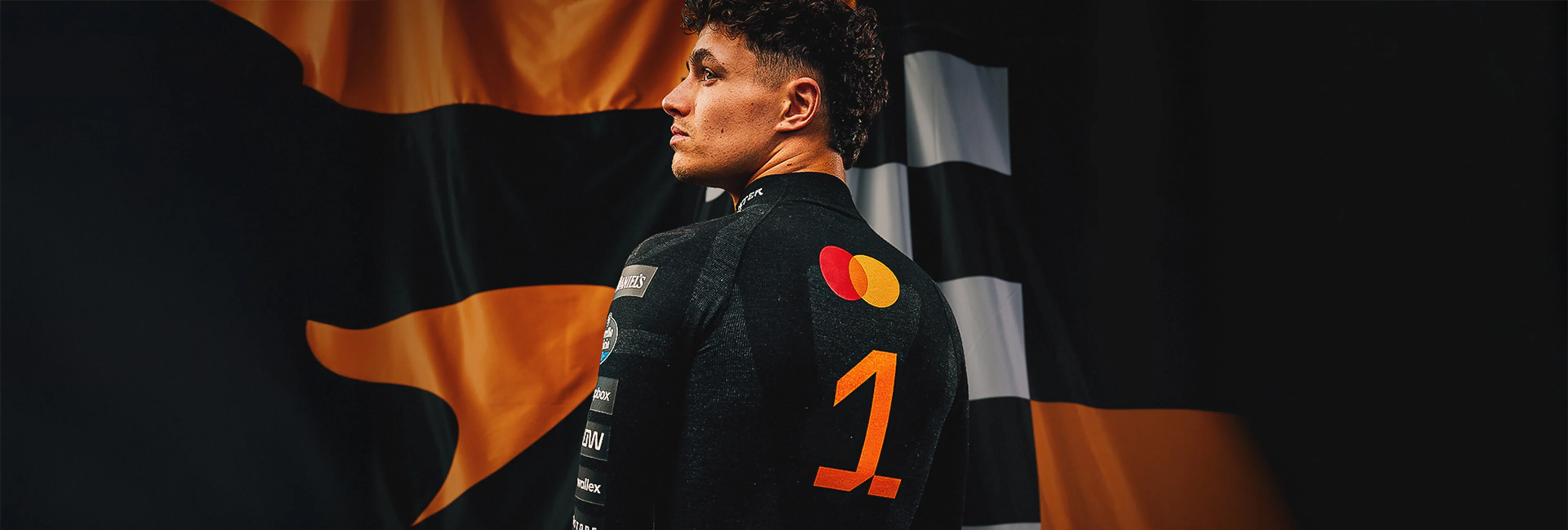
Lando Norris enters the 2026 Formula 1 season as the reigning Drivers’ World Champion, following his title triumph in 2025. As per his honour as the World Champion, Lando has taken up the option to , following in the footsteps of some legends of McLaren’s Formula 1 history.
Here, we’re taking a look back on the team’s use of the iconic No. 1 and some of the tales from our 60-year history.
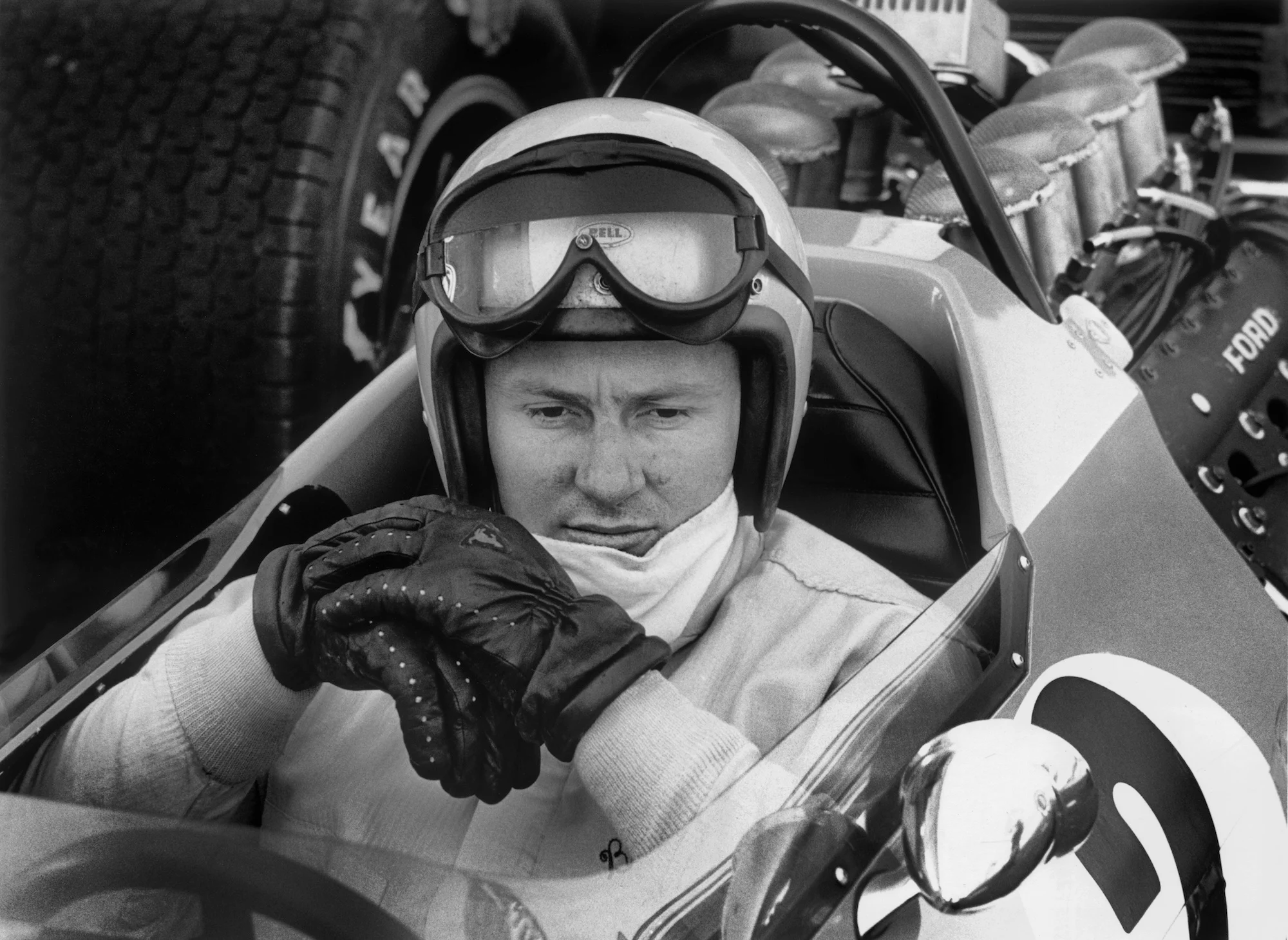
Prior to 1974, Formula 1’s numbering system didn’t have any regular structure, meaning that the allocation of starting numbers came at the behest of individual race organisers. In fact, for our very first Grand Prix, in Monaco in 1966, Chris Amon was entered with the No. 1, alongside Bruce McLaren’s No. 2. But his M2B wasn’t ready in time, and only Bruce participated in the event, meaning Amon’s No. 1 never technically existed.
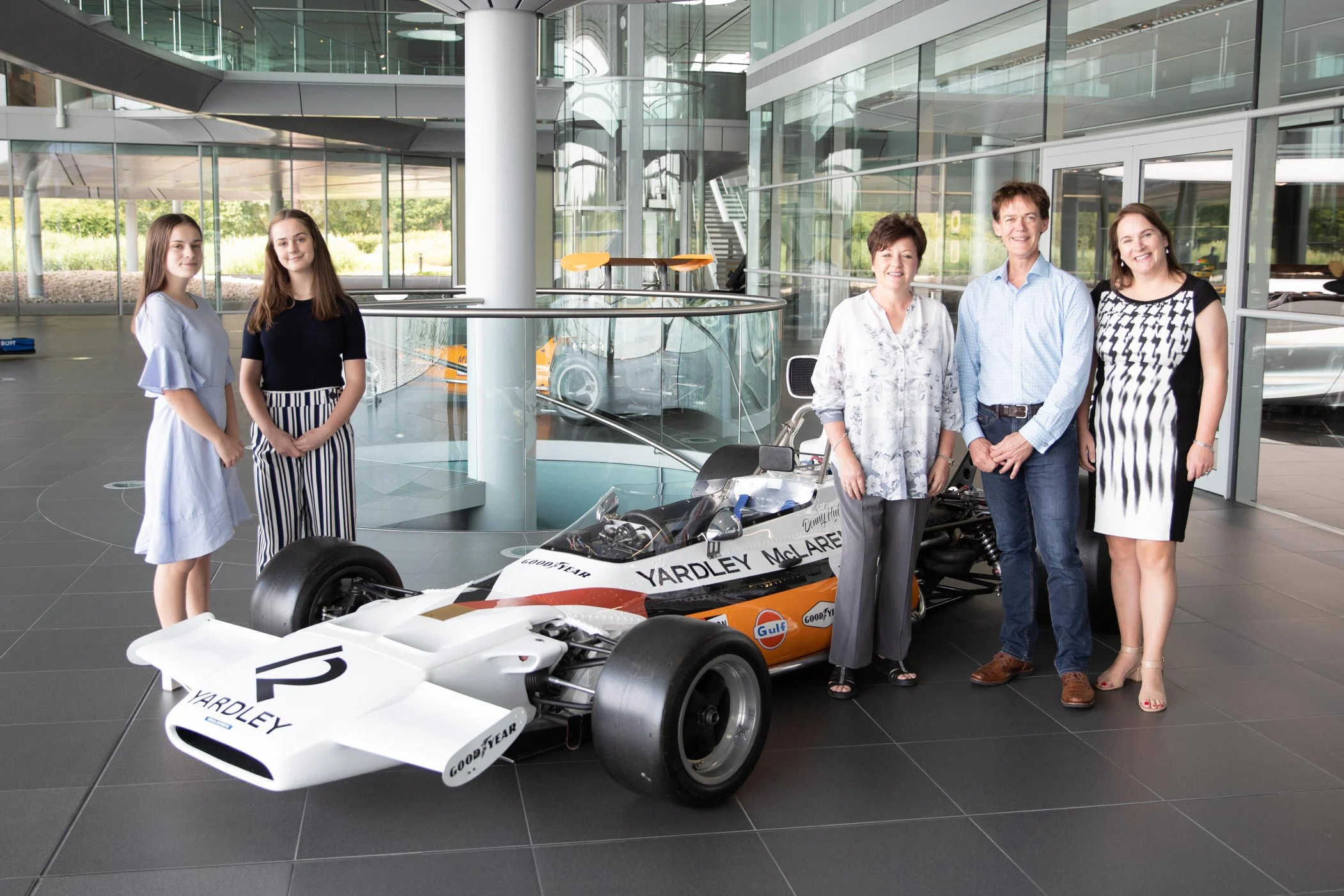
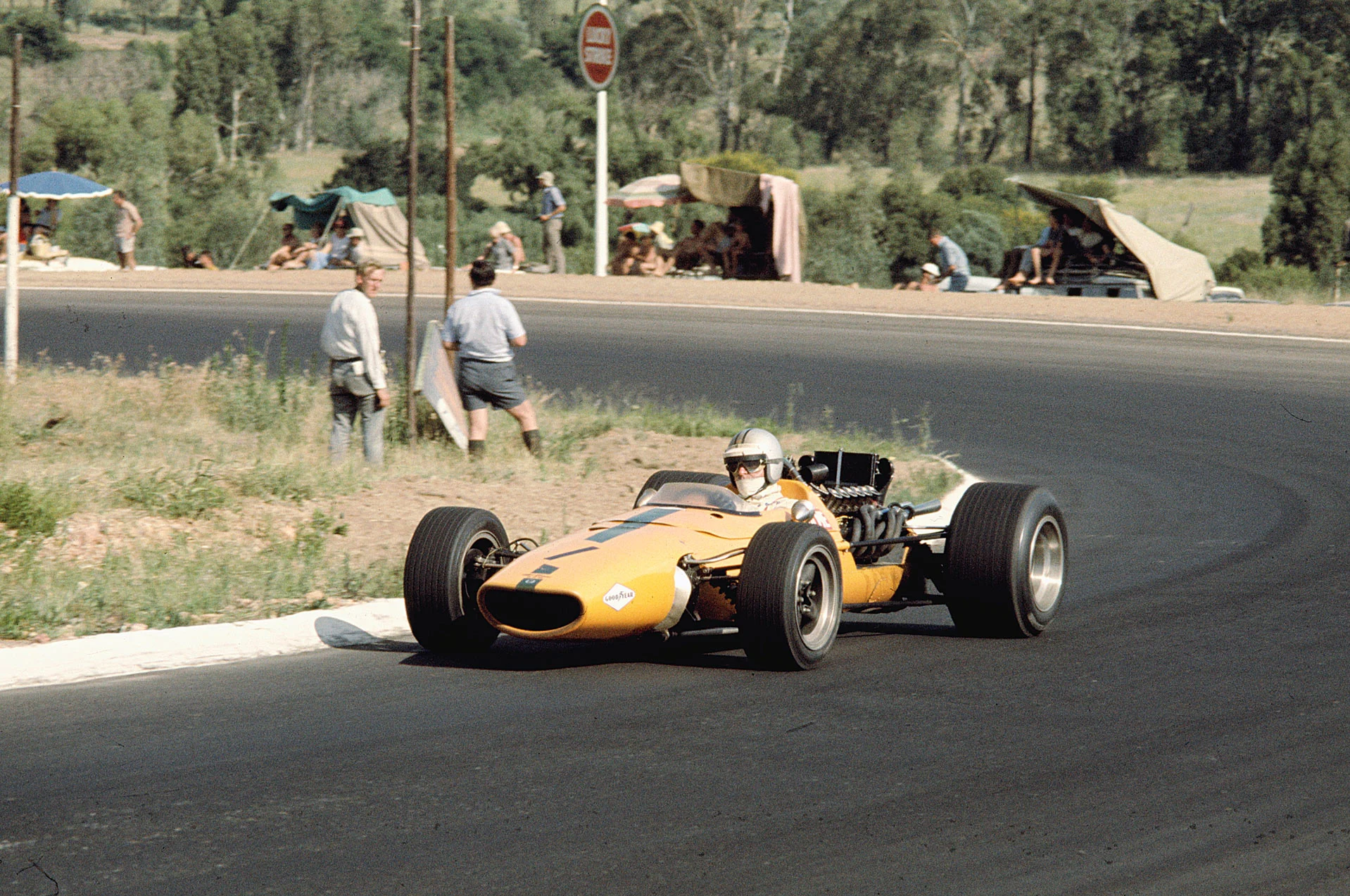
The first time a McLaren car actually appeared with the No. 1 was at the season-opening 1968 South African Grand Prix, with Denny Hulme entering the year as defending World Champion, following his triumph in ’67 with old team Brabham. He did sport the No. 1 on his M7A for both of his race victories that year in Italy and Canada, the first two occasions of a McLaren Formula 1 car taking a win with the number on the machine, but there were three events at which Hulme was without the No. 1, as it had been allocated elsewhere.
The 1974 campaign was a historic one for McLaren, with the team clinching the first of 10 Constructors’ Championships, while Emerson Fittipaldi ensured the double was completed, and took on the No. 1 for 1975 – the first season in which the Champion was able to use the number exclusively throughout. Emerson won the opening event in Argentina, and added a second win in Britain, but missed out on another title.
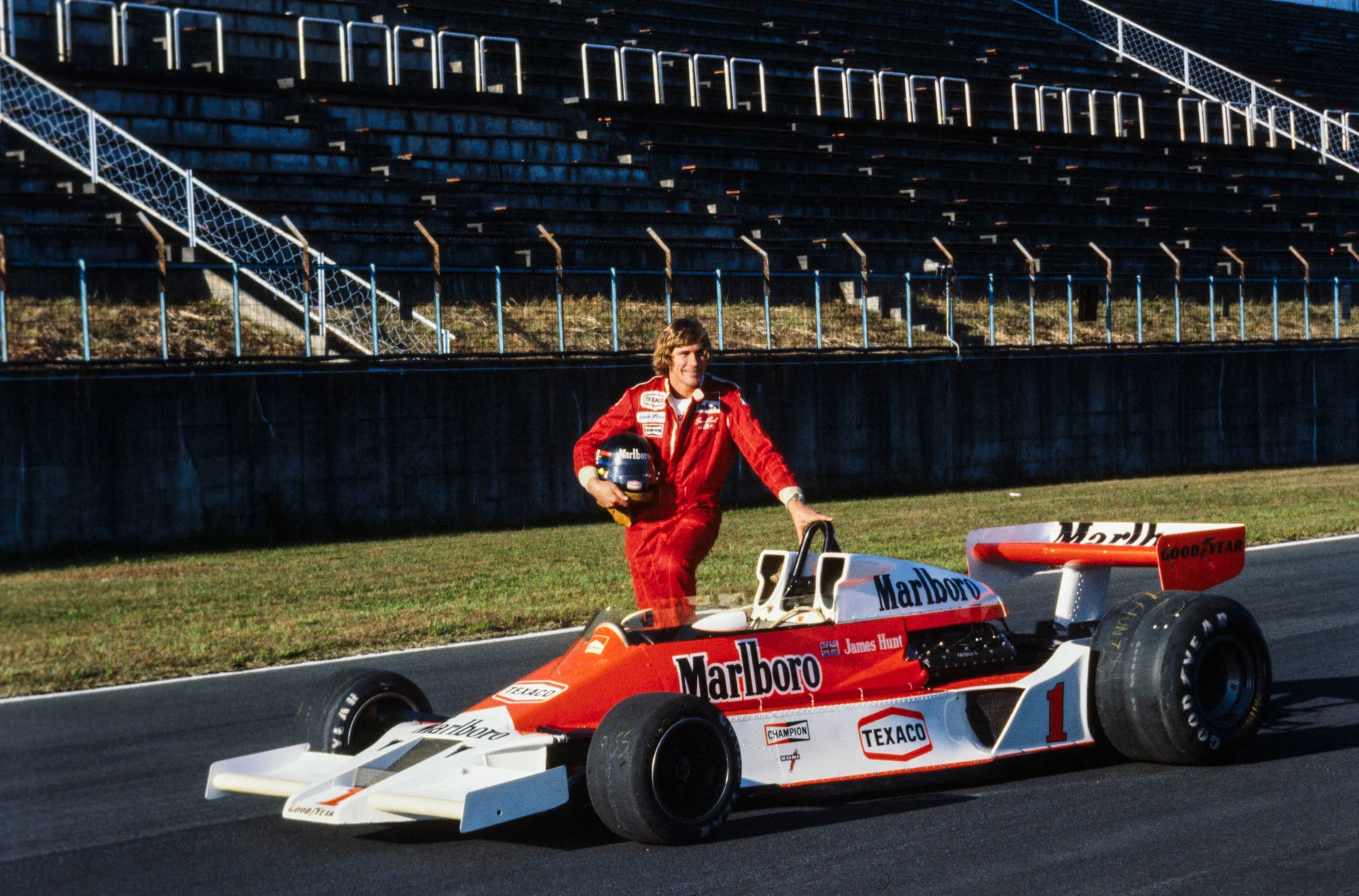
The No. 1 returned in 1977 courtesy of James Hunt, after his epic title success the previous year. It was an unsuccessful defence for James, but he still managed to win three Grands Prix with the No. 1, including a memorable triumph on home turf in Britain, avenging his controversial disqualification from the previous season. It proved to be the last time the No. 1 was within the McLaren camp until the mid-1980s, when two drivers ran it in the same season…
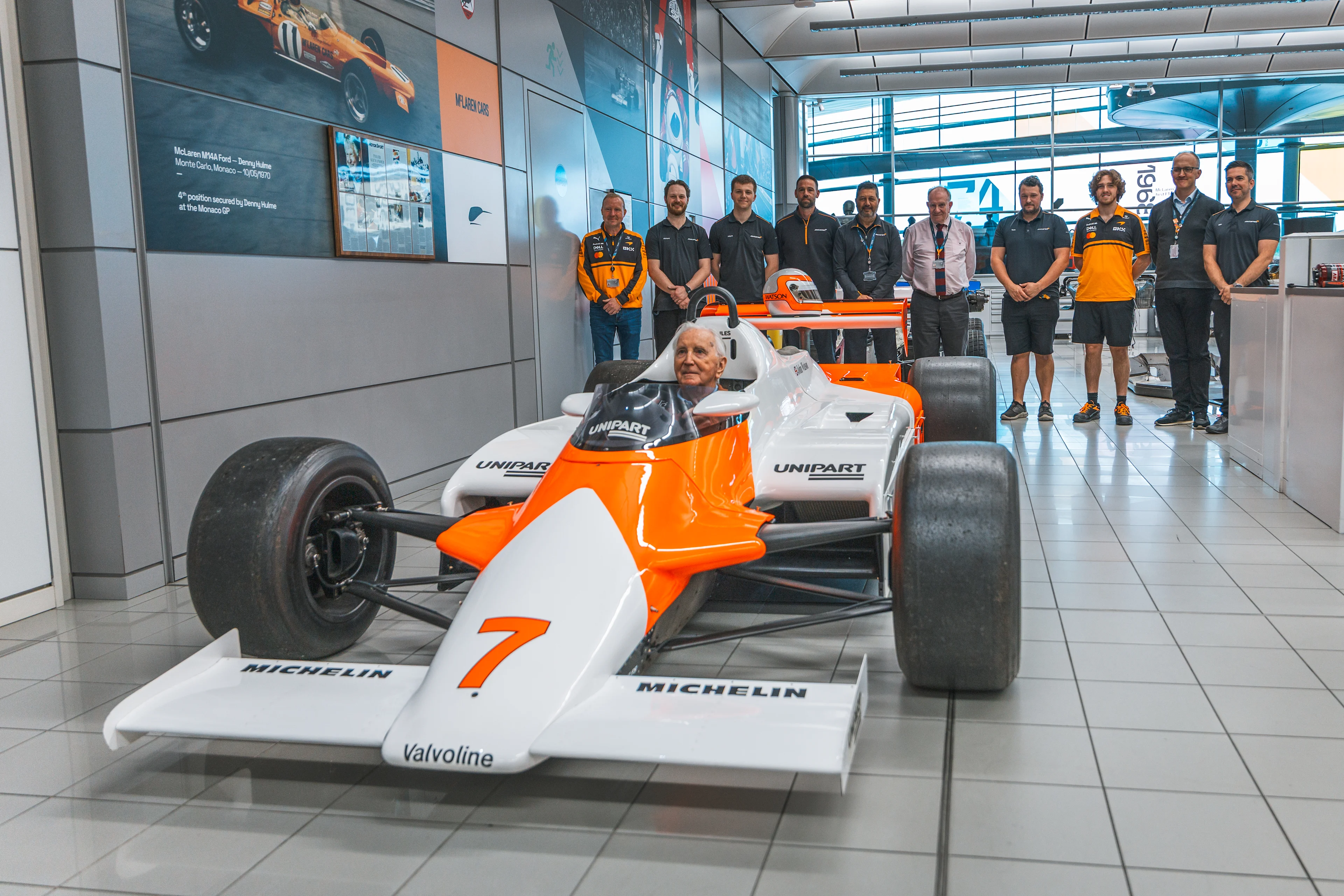
John Watson spent five seasons with McLaren between 1979 and 1983, claiming some memorable triumphs, including at the British Grand Prix in 1981, the first under the stewardship of Ron Dennis and design guru John Barnard. His last win came at Long Beach, in 1983, where remarkably he and teammate Niki Lauda rose from 22nd and 23rd on the grid to score a one-two finish.
But John’s last appearance in Formula 1, and for McLaren, actually came with the No. 1 on his car. John was drafted in to replace injured defending Champion Niki for the European Grand Prix, at Brands Hatch, in 1985. Under the regulations at the time, John was assigned Niki’s car, so he hopped into the No. 1 machine. John qualified in 21st place and rose up to seventh at the finish, on a day when Alain Prost clinched his first world title for McLaren. Niki returned for the next event, so John’s appearance with the No. 1 remains the last time a non-Champion has run the number in a Grand Prix.
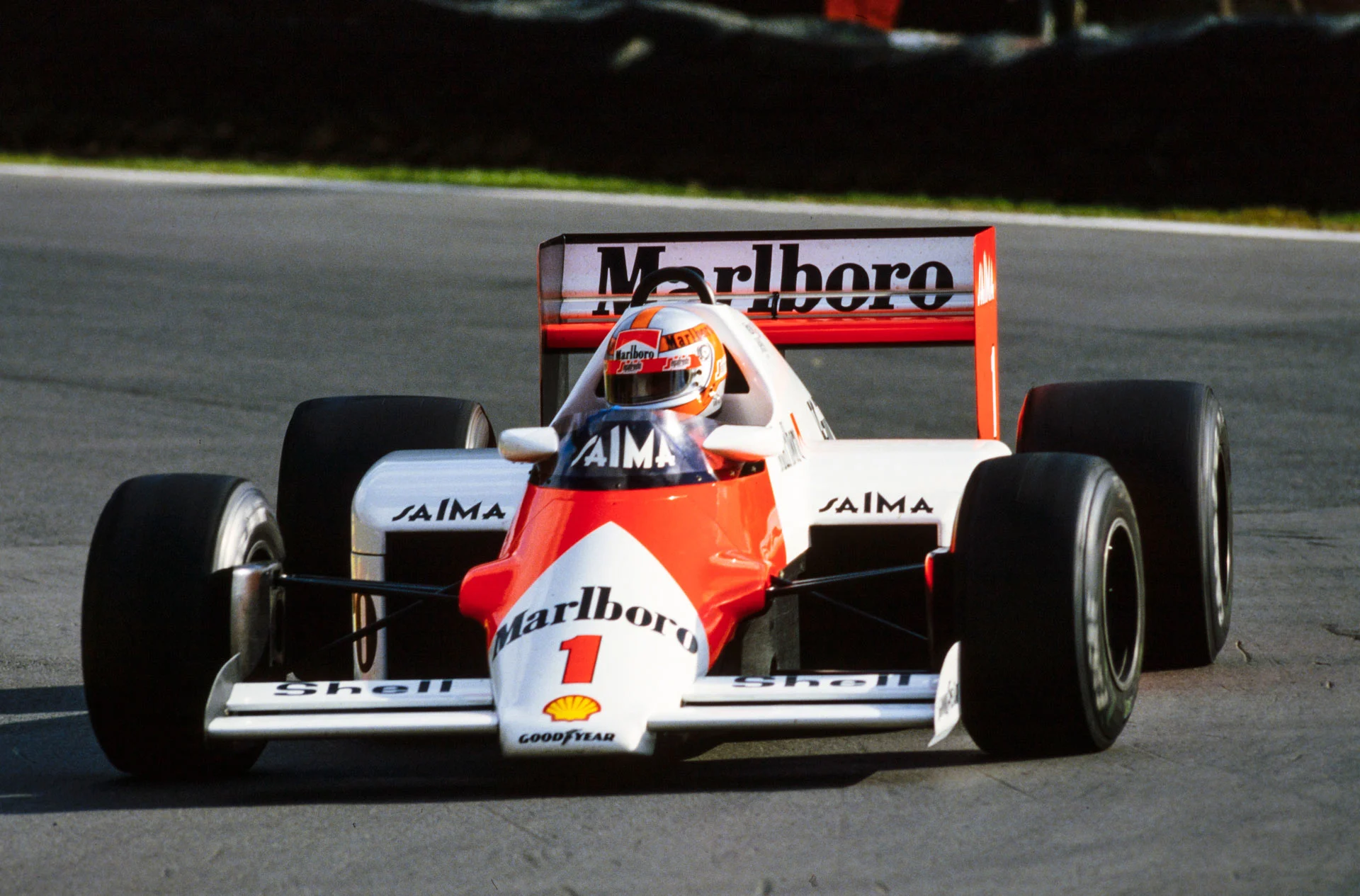
Alain Prost and Ayrton Senna’s sweep of world titles in the late 1980s and early 1990s meant the No. 1 regularly appeared on McLaren machinery. Alain became the first McLaren driver to successfully defend a world title in 1986, sporting the No. 1 throughout his title-winning campaign, a feat that Ayrton replicated in 1991.
Between them, Alain and Ayrton shared the No. 1 on McLaren cars for five seasons between 1986 and 1992, with Ayrton carrying the No. 1 for 48 Grands Prix – more than any other McLaren driver in history. Of those 48 events, Ayrton triumphed in exactly one-third of them, giving him 16 Grands Prix victories aboard the No. 1, more than any other McLaren racer. That included his iconic overdue win on home soil in São Paulo, where he overcame a worsening gearbox problem on his MP4/6 to deliver one of his greatest triumphs.
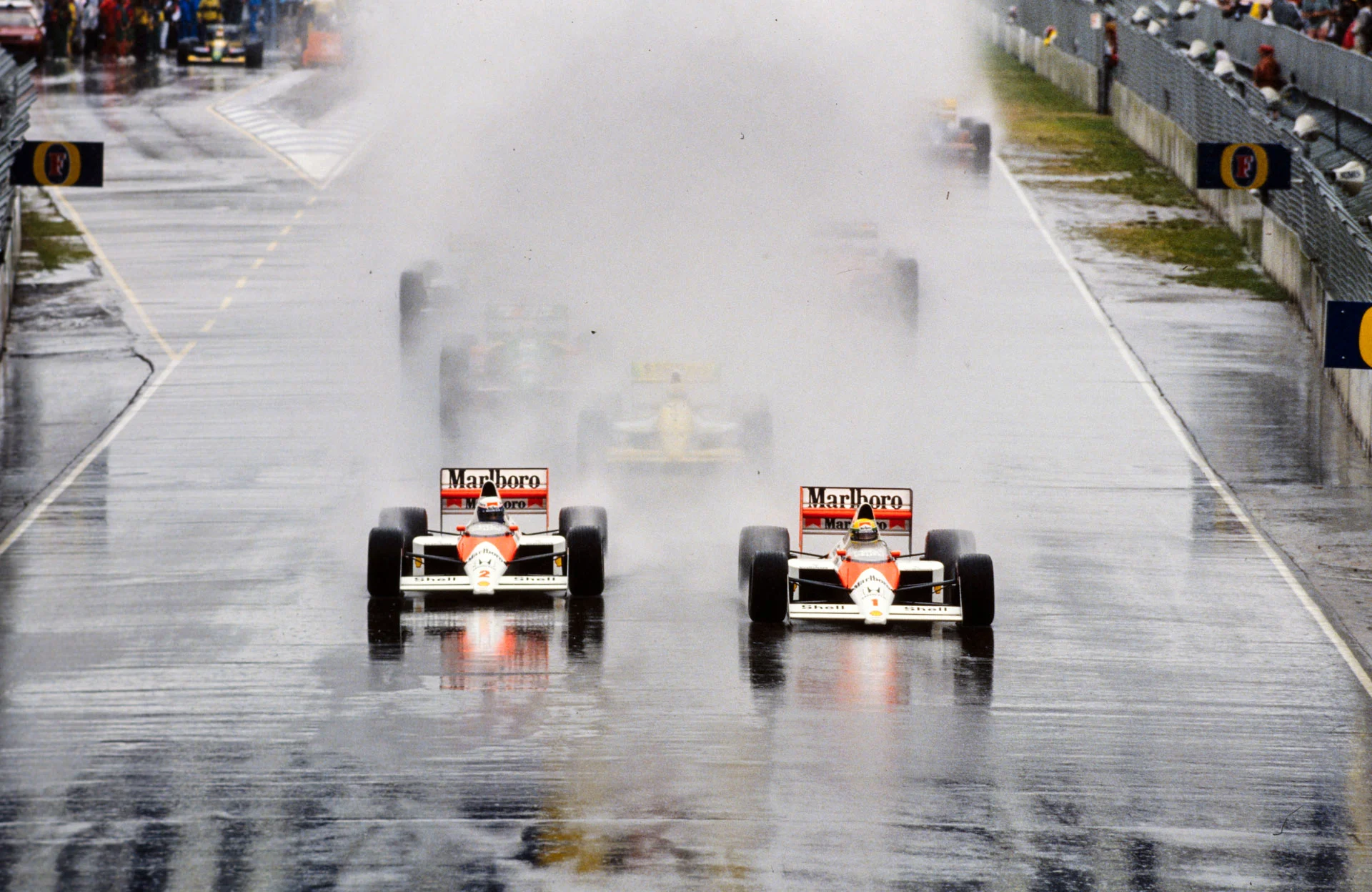
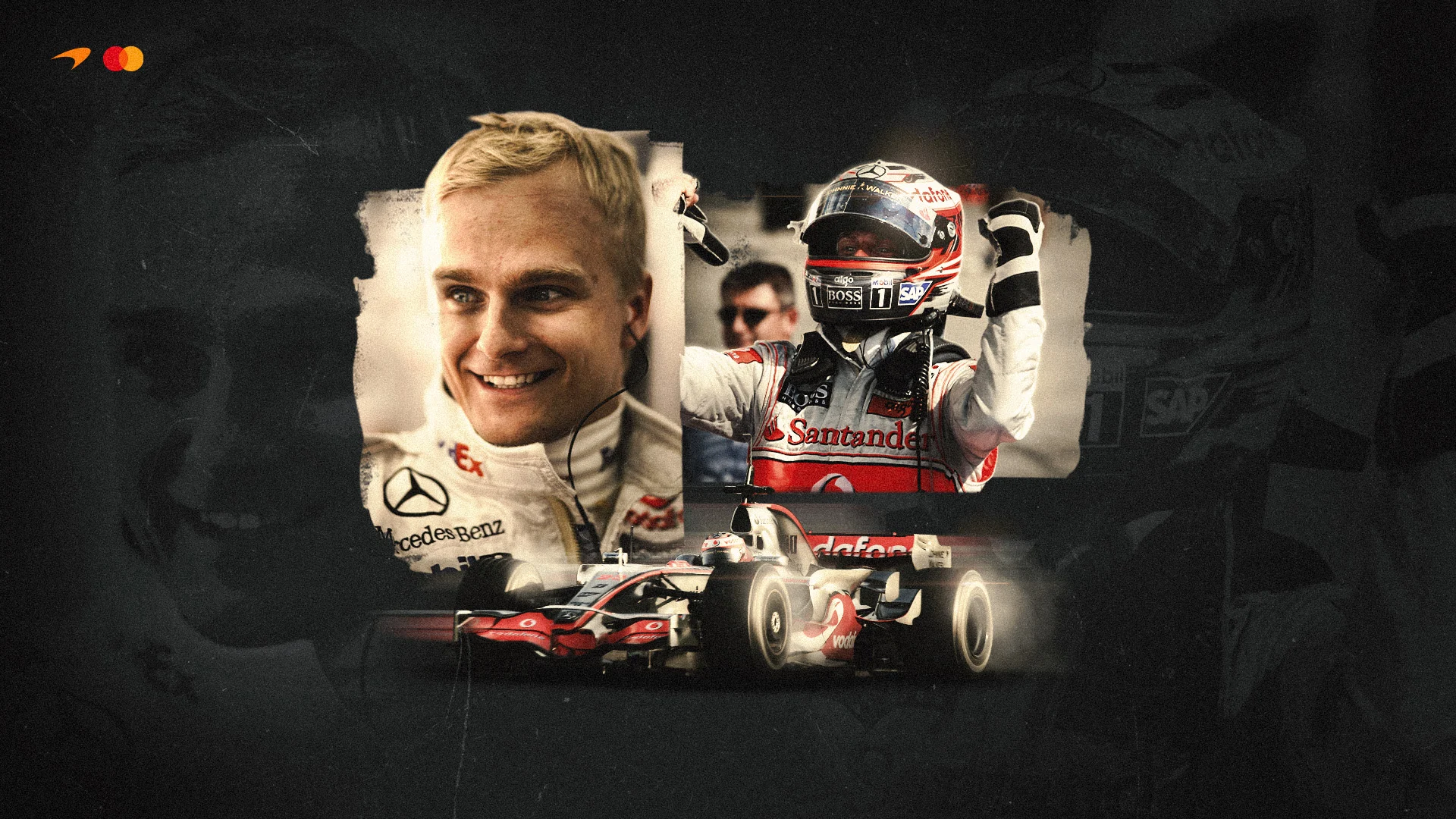
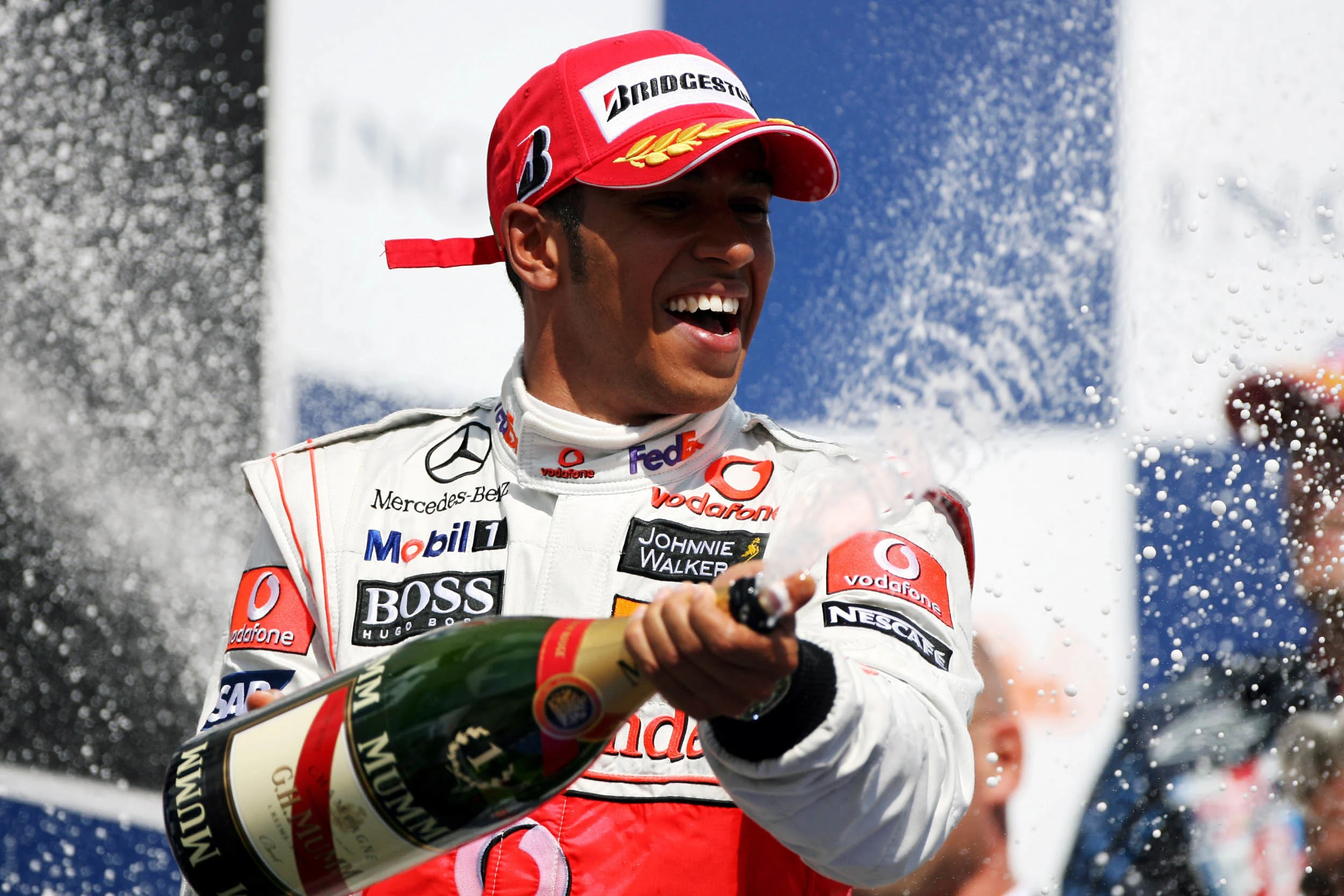
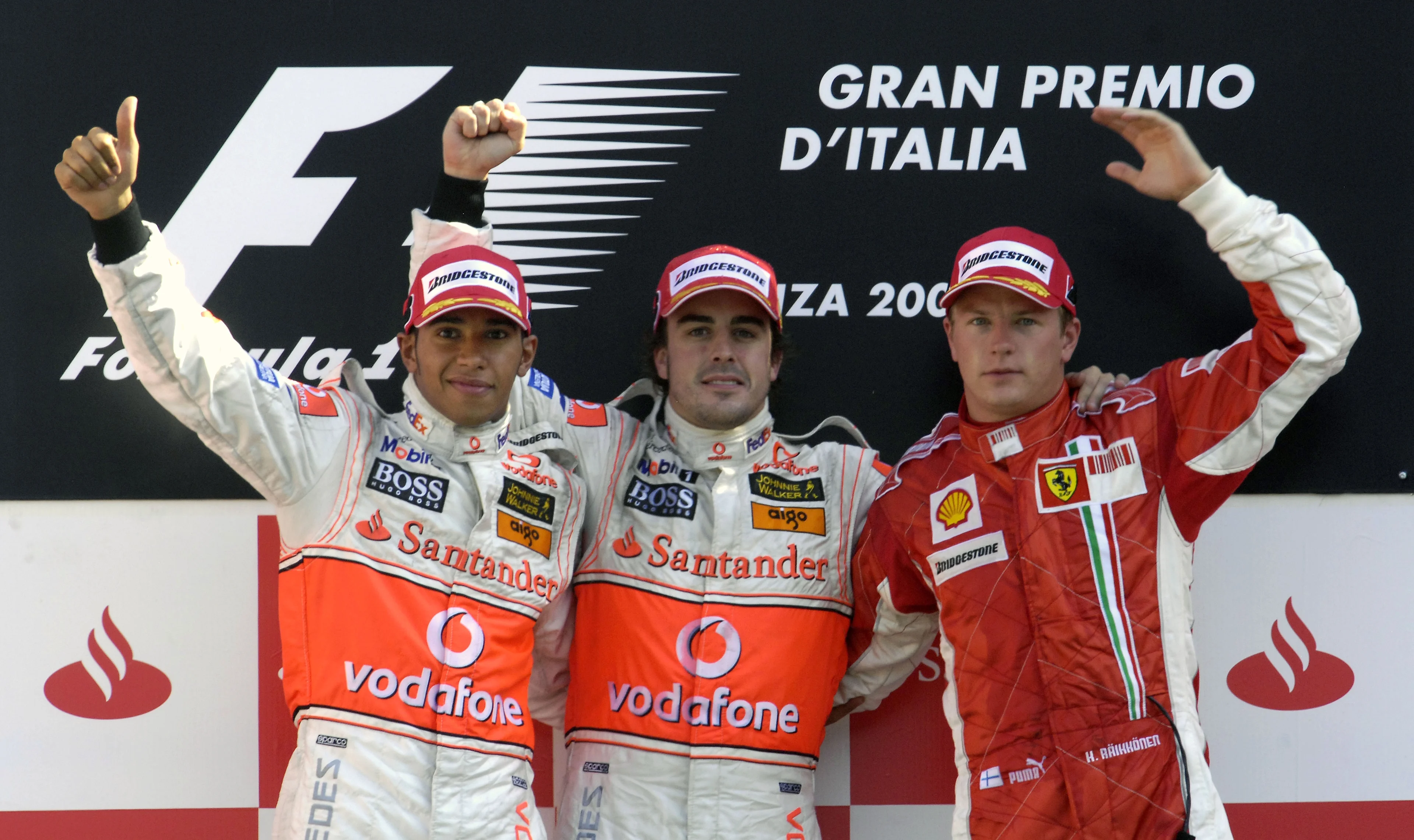
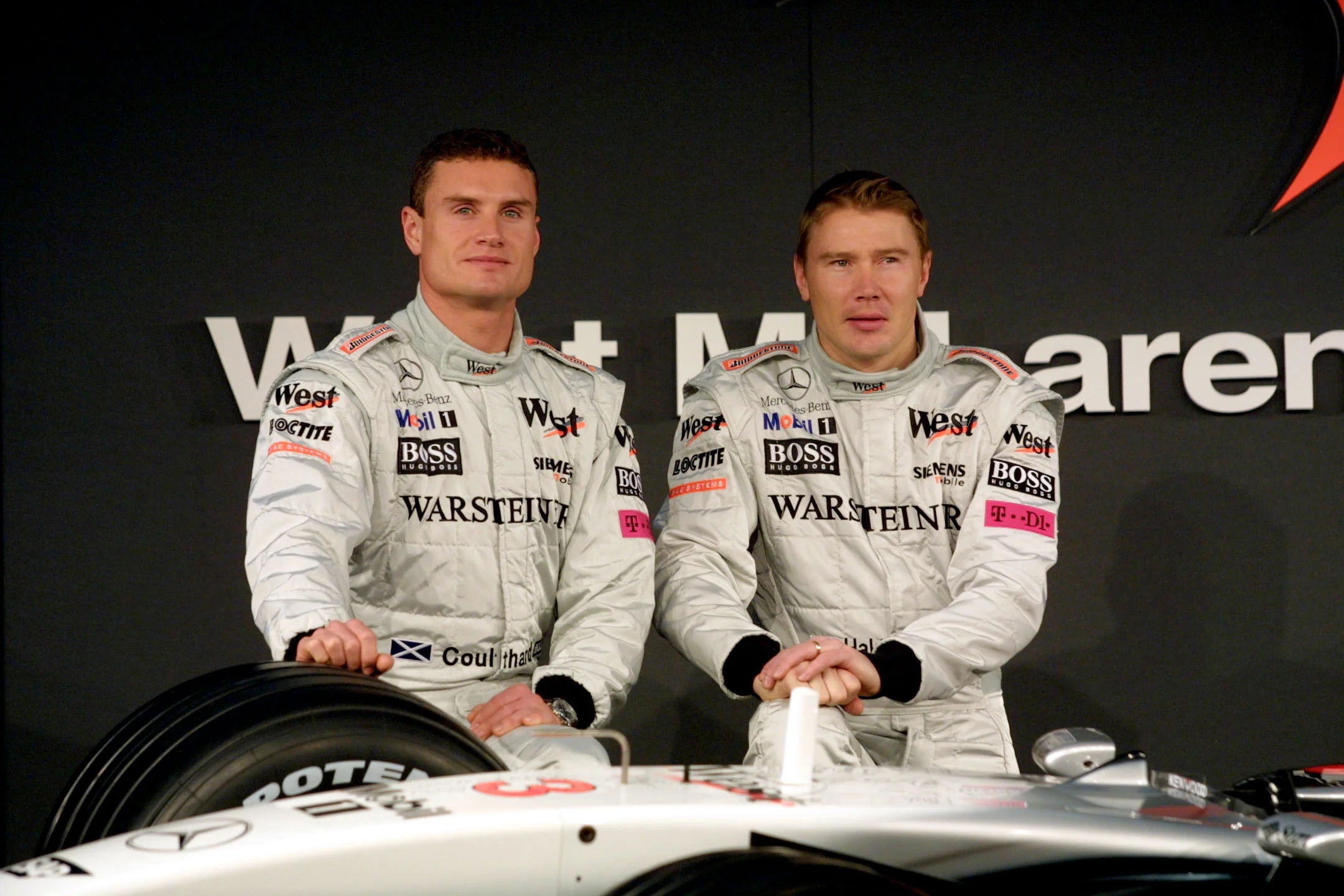
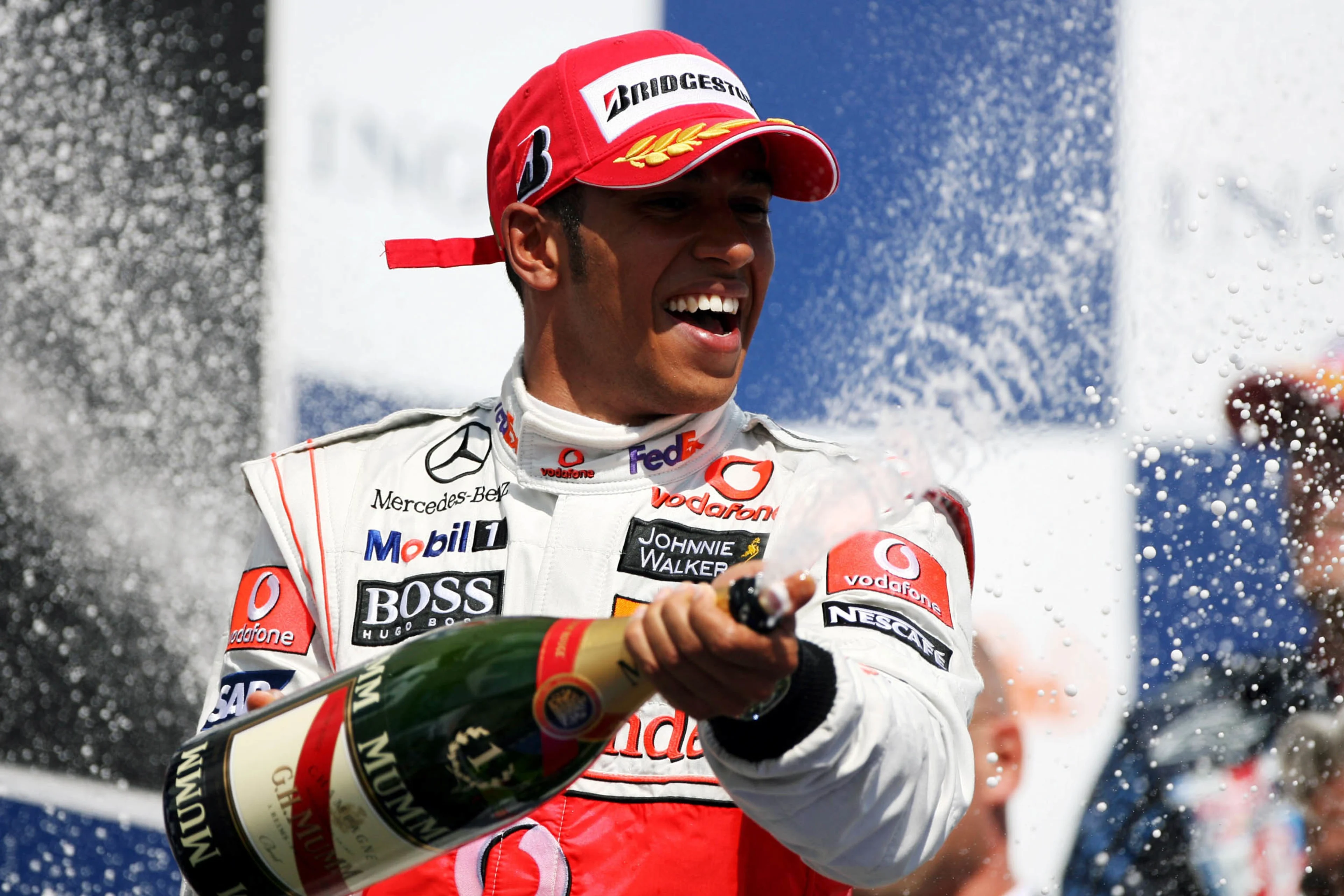
Mika Häkkinen ran the No. 1 in 1999 and 2000 as the defending Champion, with his title triumph in 1999 the last time a McLaren driver won a title with the No. 1. Three different McLaren drivers ran the No. 1 in 2007, 2009 and 2010, though quirkily, the only one of those three to use the number after winning the World Championship for McLaren was Lewis Hamilton, following his triumph in 2008. It remains the only season in Lewis’ career that he has run the No. 1 in Formula 1, having since opted to always retain his personal driver number, 44. Fernando Alonso brought the No. 1 to McLaren upon his arrival as the reigning Champion in 2007, while Jenson Button’s move to McLaren for 2010 meant the No. 1 remained at Woking for another year, following his title win with Brawn GP in 2009.
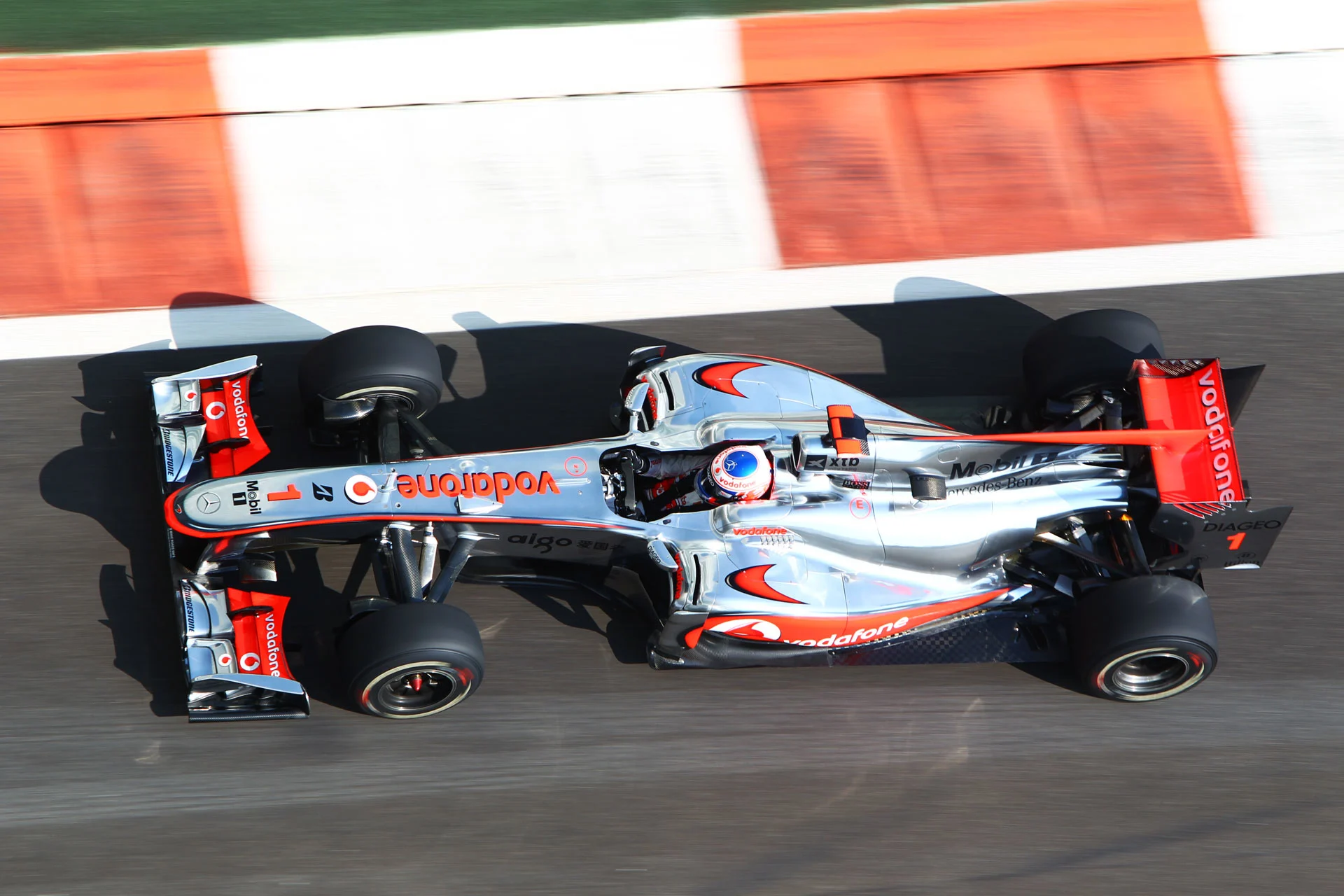
Jenson’s victory for us in China that season remains the last time a No. 1 McLaren triumphed at a Grand Prix, while that year’s season finale in Abu Dhabi is the most recent occasion that a No. 1 McLaren has appeared at an event – at least until Lando rolls out of the garage in Melbourne with the number affixed to the front of his machine…