


25 November 2026 19:00 (UTC)
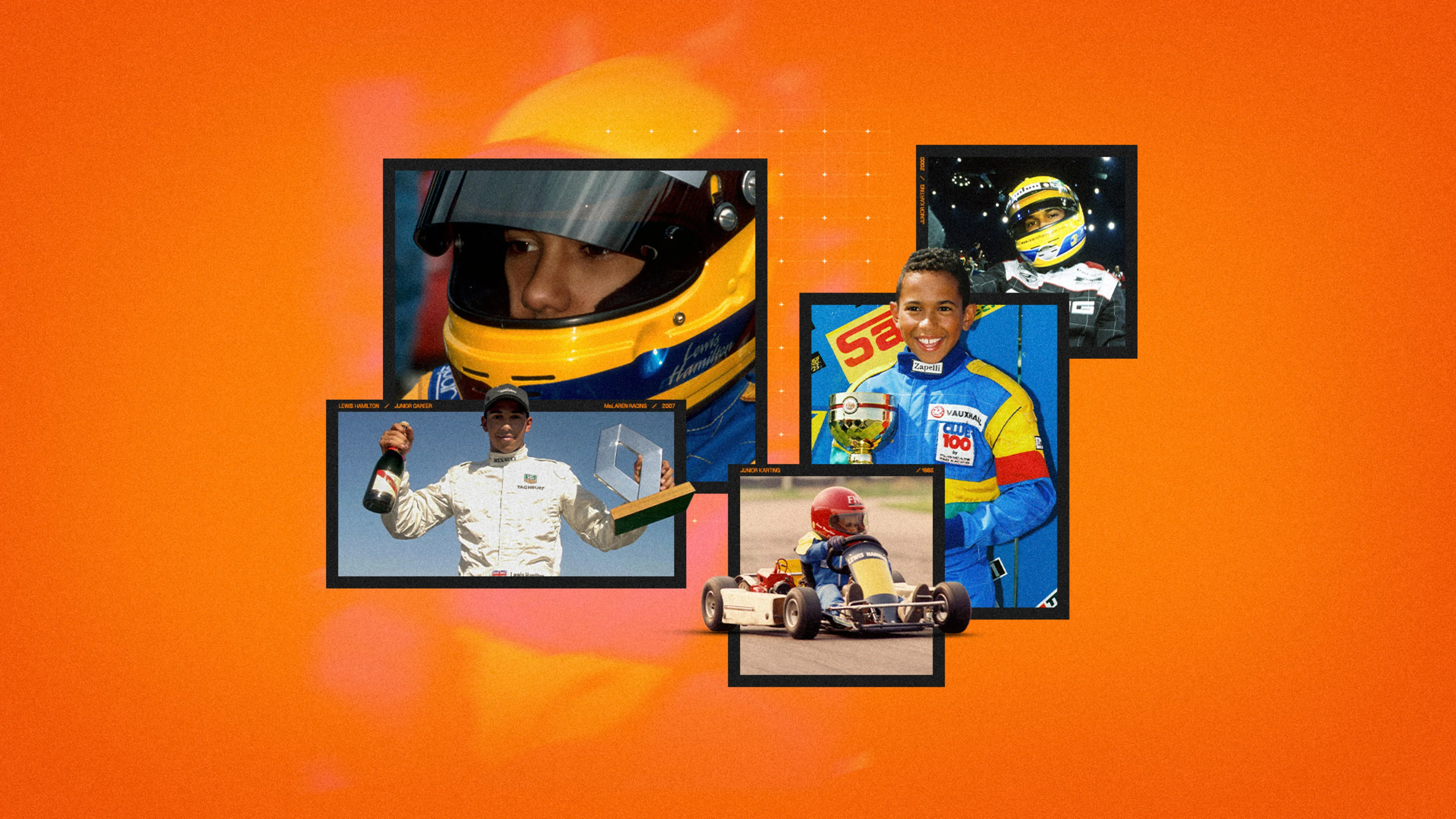
Twenty years after McLaren signed Lewis Hamilton, those who watched his rise first-hand reflect on the talent, determination, and ambition that set him apart
You’ve heard the story before: a 10-year-old Lewis Hamilton, in his tuxedo, bravely strides up to McLaren’s then Team Principal Ron Dennis at the 1995 Autosport Awards, principally for an autograph.
But Lewis had something else to tell him, a declaration of ambition that would become one of motor racing’s most enduring anecdotes: ‘One day I want to be racing your cars’.
Ron’s response was ‘phone me in nine years’, but in fact, Ron was the one dialling. It was only three years later that he offered Lewis a place in the first year of the then-named McLaren-Mercedes Young Driver Support Programme. Such was the impression Lewis had made during the early stages of his career, his talent and potential had quickly convinced McLaren he was worth investing in. The rest is history.
But while this brief meeting offers a glimpse into the ambition that has flowed throughout Lewis’ career, digging deeper into his early years reveals how much more there is to someone who has come to define Formula 1 since he signed his first McLaren contract in November 2006.
It is fitting to start in the cold and the wet, a familiar scene within British motor racing. The year is 2002, the location is Silverstone, and Lewis is preparing for his first season in the British Formula Renault 2.0 UK Championship with Manor Motorsport. Meanwhile, Fortec Motorsport’s Danny Watts is preparing for his third.
Both drivers started racing in 1993, with Lewis five years younger than Watts, and both had to battle against the financial requirements to make their way in the sport.
Lewis’ father, Anthony, sometimes had to work four jobs at a time to fund his son’s burgeoning dream, while Watts has memories of sitting in the seat of a kart squeezed into the back of his dad’s van, as they and his grandad travelled up and down the country.
Watts first became aware of Lewis at a similar time to Ron, after he won the British Cadet Championship aged just 10. Seven years later, they were testing together on a damp day at Silverstone.
“I came up behind this car and, because all the liveries were fresh and new, you didn't know who was who, because it was all new drivers coming through,” Watts remembers.
“This guy seemed really difficult to overtake, and he wasn't defending. He was being very resolute in not letting me past. Immediately, I thought, ‘okay, who's this young whippersnapper?’ You take a mental note of the aggression, selfishness, self-confidence, just in how the car was behaving. And that was Lewis.
“The next time we came across each other was on track in a race at Snetterton, and I'll never forget it. We were banging wheels at 130 miles an hour around Turn 1, which is Riches on the old Snetterton circuit, and he damaged my car. We made contact, and I think I damaged his as well. I fell down the order, and that was the second time that I marked him down as a fierce competitor.”
Also noticeable to Watts was how Lewis responded to setbacks. Despite several crashes during his first season in cars, he never appeared to lose confidence and was always ready to bounce back, underlined by a superb 2003 season in Formula Renault 2.0
Both drivers progressed to Formula 3 in 2004, Lewis after winning the Formula Renault British Championship. But it was not just Lewis’ performances on track that left an impression on Watts, with one particular memory from the Macau Grand Prix standing out as a defining example of his rival's character.
While racing, Watts was impressed by how quickly Lewis was able to learn and adapt on a notoriously tough circuit. The pair also found themselves together away from the circuit, attending media events that included a trip to the top of Macau Tower and even a cookery class. It was the journey back to the track, however, that Watts remembers most vividly.
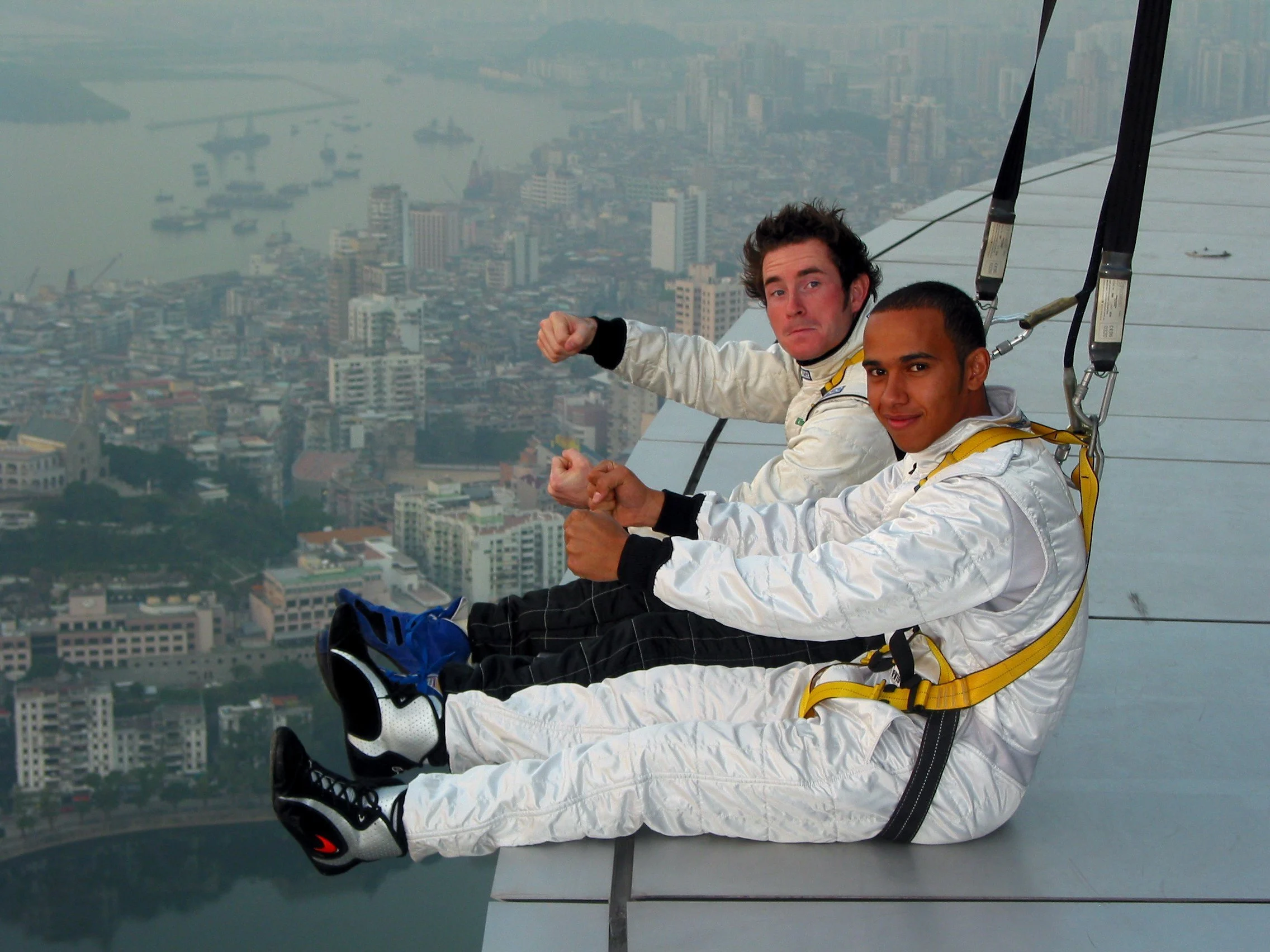
He remembers: “We were all chefs for a couple of hours at this PR event. There's Nico Rosberg, Lewis Hamilton, and a load of other top names. On the bus back to the circuit, it got out of hand with these Portuguese egg tarts being thrown at different drivers.
“I remember sitting near the front of the bus and getting a couple of egg tarts wrapped around my head, I looked behind, and Nico and Lewis were throwing these egg tarts at all of us different drivers. Those two little rascals were the protagonists.”
That was the cheeky side of Hamilton on show, but it was just one part of someone who has always seemed so multi-faceted.
Mark Norris is now Director of Commercial Trackside Operations at McLaren and was a Partner Coordinator and Partner Manager when he first came into contact with Lewis on the Young Driver Support Programme.
It was an investment that went beyond simply monitoring his performances on track, with McLaren keen to develop a relationship that would ultimately take him all the way to F1. Lewis remained humble and appreciative of the opportunity the team had given him, while McLaren made a significant commitment to supporting his development, assigning Ryan Lewis to look after him throughout the junior categories and act as a sounding board as he progressed.
“Lewis would often come into the factory,” Mark recalls. “He wanted to learn from the engineers and understand how things operated and what people were doing. I know the engineers at the time could see the ability Lewis had. They really wanted to make sure they capitalised on it and understood how he drove the car.
“People just knew where he was destined for. You look at all of the series that he raced in and won, and you just knew he was something really special. Everybody could see that there was a superstar in the making.”
Fred Vasseur, now Lewis’ Team Principal at Ferrari, was another to have a hand in his pre-F1 career. They started working together in 2006, when Lewis joined Vasseur’s team, ART Racing, in GP2 and won the title.
Lewis’ dominance in Formula 3 the previous year, when he won 15 of the 20 races, was clear. His transition to GP2 was initially less straightforward, with problems during the opening two rounds, but he quickly found his feet. By Round 10 in Istanbul, he was locked in a title battle with Nelson Piquet Jr. and delivered an iconic drive.
“I remember the Istanbul race perfectly,” Vasseur says. “In the Sunday race, he spun on the first lap and restarted from the back of the field. From there, he overtook almost everybody, sometimes one car per lap, and came back to finish P2.
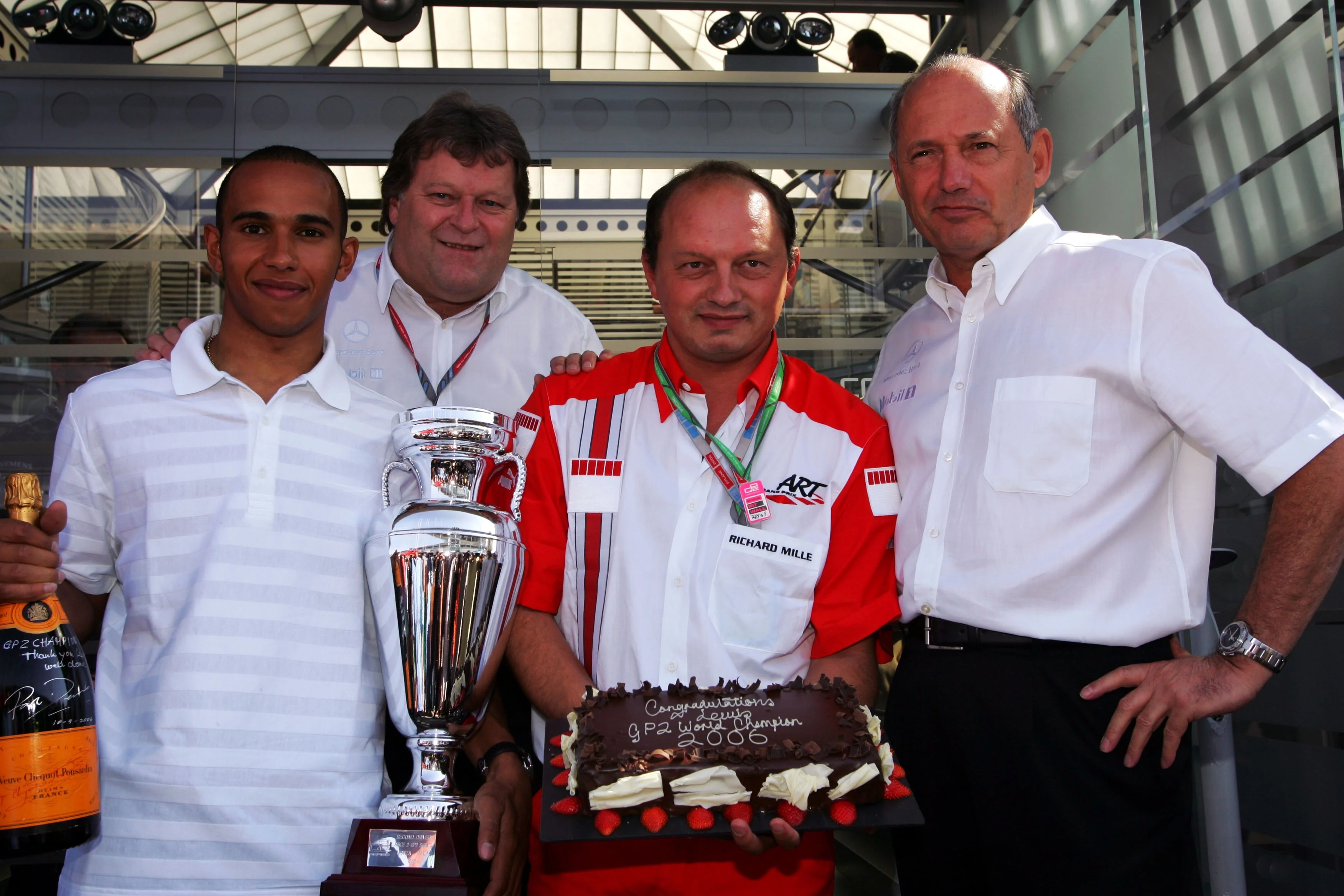
“What impressed me most was that he was completely in control of the situation. It was something I had never seen before and, honestly, I haven’t seen many performances like it since. With one more lap, I think he could have won the race.
“He was incredibly quick and consistent, and by that summer he had been confirmed for F1.”
There was no doubting Lewis’ ability and professionalism, but he remained true to himself.
“I remember we arrived quite late at the GP2 prize-giving ceremony because Lewis changed his jacket and shirt about 10 times, asking me each time, 'Is this okay?’” Vasseur recalls. “As everybody knows, I’m probably not the best person to ask about fashion! But yes, it’s a true story.”
By the time Lewis reached GP2, McLaren's belief in his ability had become increasingly apparent. Ron was not only convinced that the youngster had the talent to reach F1, but believed he could already compete with much of the established grid.
"As part of our decision-making process, we reviewed the whole grid and, apart from the top three, we reckoned that most of them had plateaued,” he said at the time, after Lewis put pen to paper. “I am distinctly unimpressed with the majority of drivers currently involved in F1. I feel Lewis is well equipped to deal with these drivers who fall into that category."
Lewis first tested a Formula 1 car for McLaren in 2004, and after his exploits in Formula 3 and GP2, he was ready to make the step up to the big league permanently. Fittingly, it was Ron who delivered the news, just as he did when asking Lewis to join the programme that set him on the path to greatness.
Mark says: “He'd won the GP2 Championship, it was Monza on the Saturday. I remember him going on the grid, standing in front of one of our cars, and Ron told him then that he was going to get the seat for 2007 in F1.” While Ron had no doubts about Lewis’ potential, he was under no illusions about the challenge ahead. Promoting a rookie into one of our two race seats was a significant decision, particularly given the expectations that came with competing for one of F1's biggest teams.
"Of course we have reservations, because Hamilton is an unproven product," was Ron’s 2007 verdict.
"But we have a World Champion [Fernando] alongside him, which allowed us to be a little less concerned about giving Lewis a chance. If he can bring the same determination that he brought to GP2, then he will satisfy the team and all those who invest in us. We will be patient.”
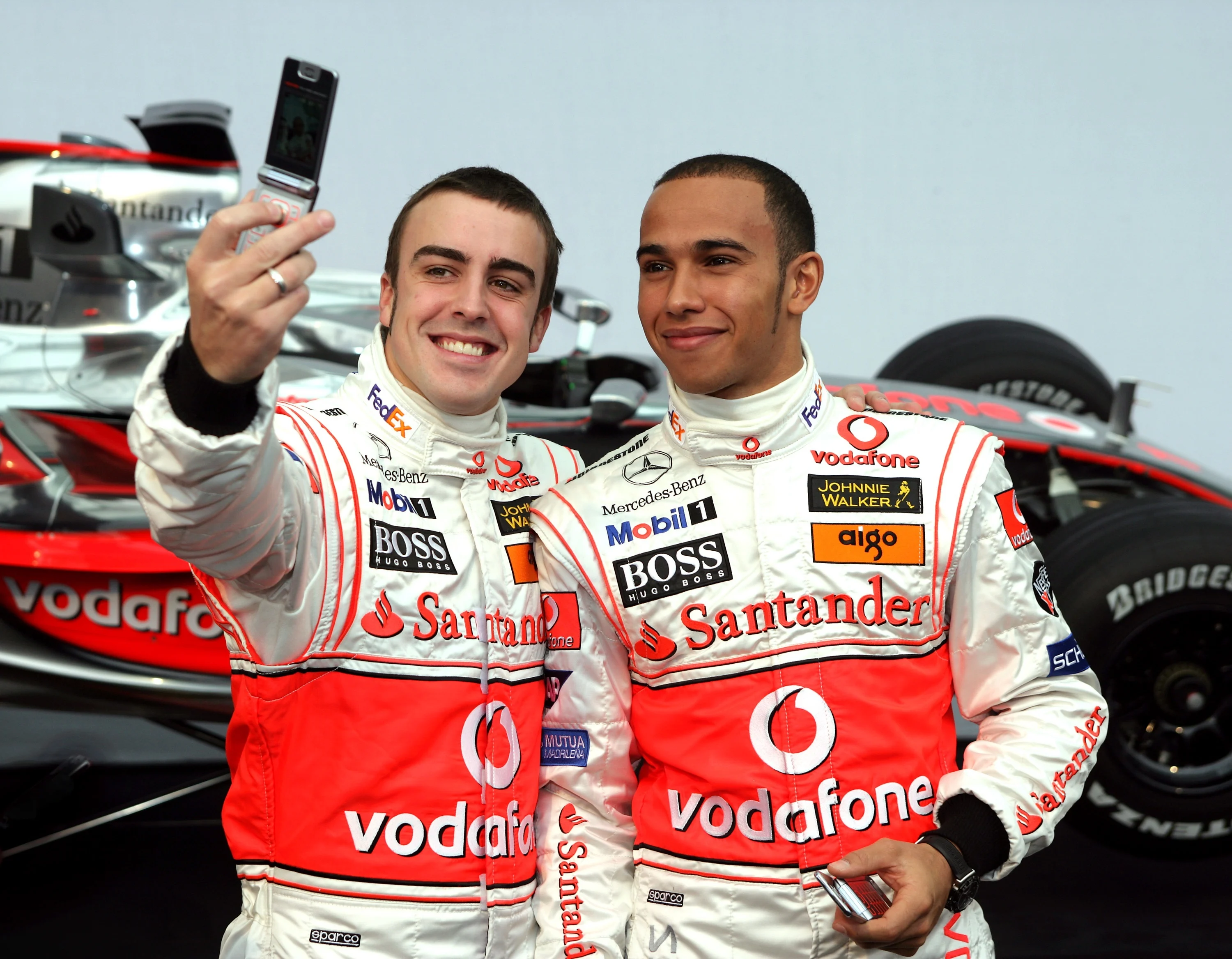
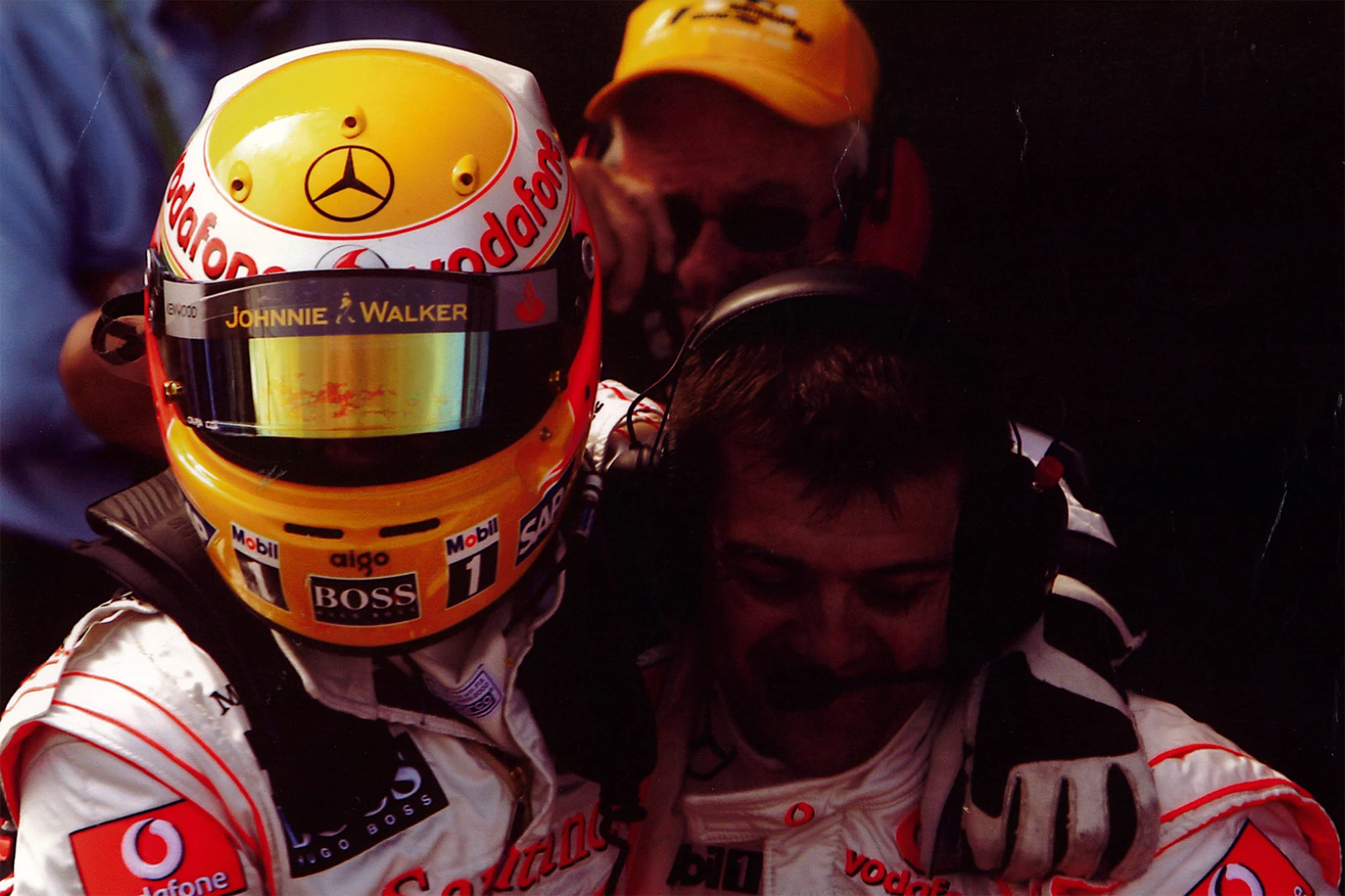
As it turned out, they didn’t have to be, as Lewis jumped straight into life as an F1 driver. A training camp in Kuortane, Finland, gave his Number One Mechanic, Paul James, his first chance to get to know this precocious young talent.
Paul knew of Lewis, but spending time with him on and off the track before seeing him test in Valencia was confirmation he was the real deal.
“From the outset, he was just amazing,” he remembers. “He was quick, he was sharp, he was focused. He was almost the full package straight away. After the first runs, we knew we had the potential of a World Champion on our hands. It was his destiny. He was that good.
“It was just a pleasure to be with him and spend some time with him. He always made time, always shook everybody's hand, said good morning when he came in. He was really easy to work with.
“His competitiveness stood out. When we were 10-pin bowling, he wanted to win. Whatever we did, he wanted to be the best at it.”
It was a test elsewhere in Spain, in Barcelona, which made another McLaren great sit up and take notice. Mika Häkkinen had watched Lewis’ rise with interest, but seeing him first-hand gave him no doubt as to where he would end up.
"He was extremely fast, no question about it,” Mika recalls. “I already knew him from the go-karting days - he was already part of McLaren then. He was very professional and dedicated.
“He was a new driver, a complete rookie, and I was a driver who had been there for years, knew the system and had been winning. But you could see immediately that he had very high ambitions. He wanted to be a winner – probably less talking and more action – and you could see his commitment to driving straight away. He was born to race, no question about it."
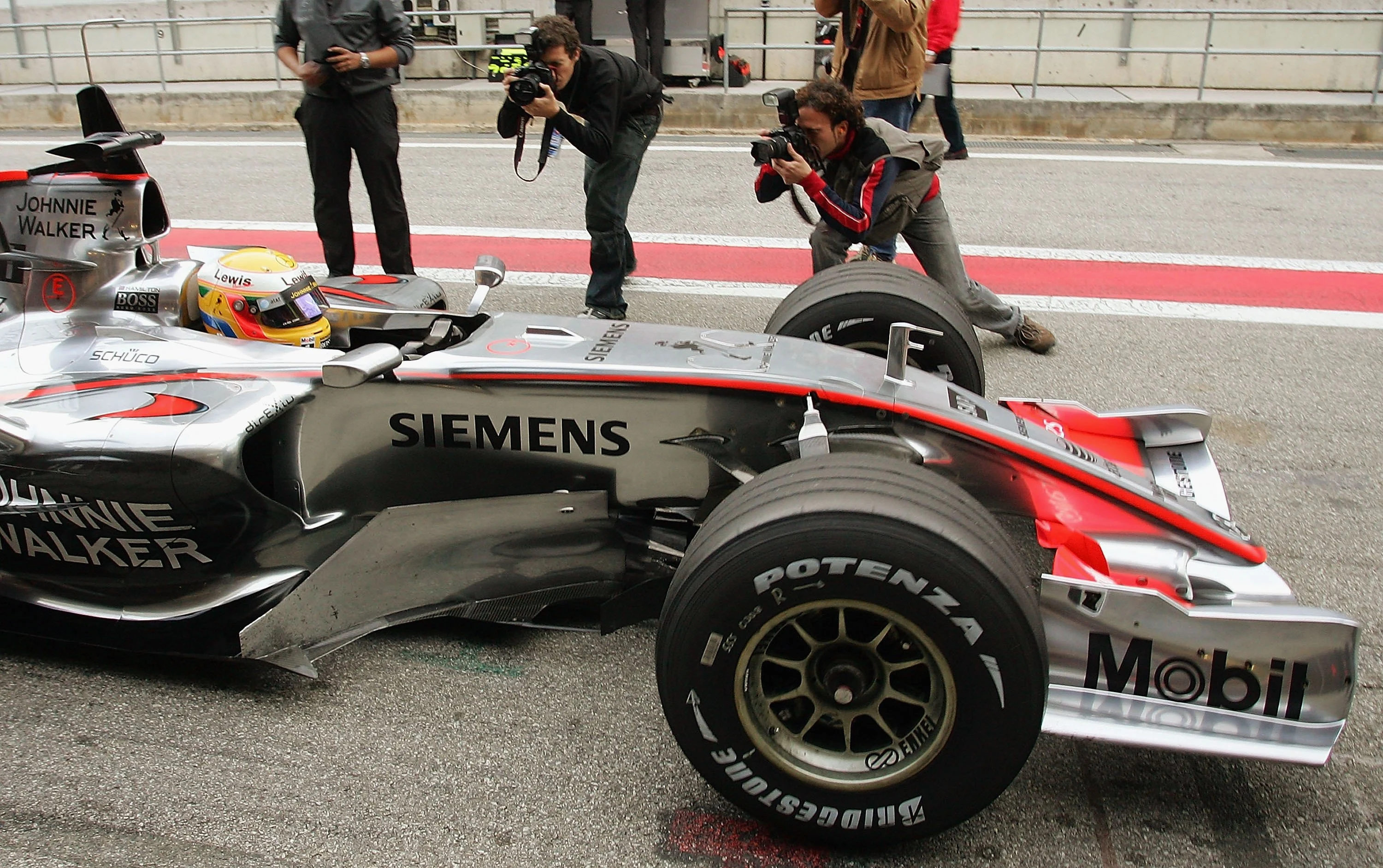
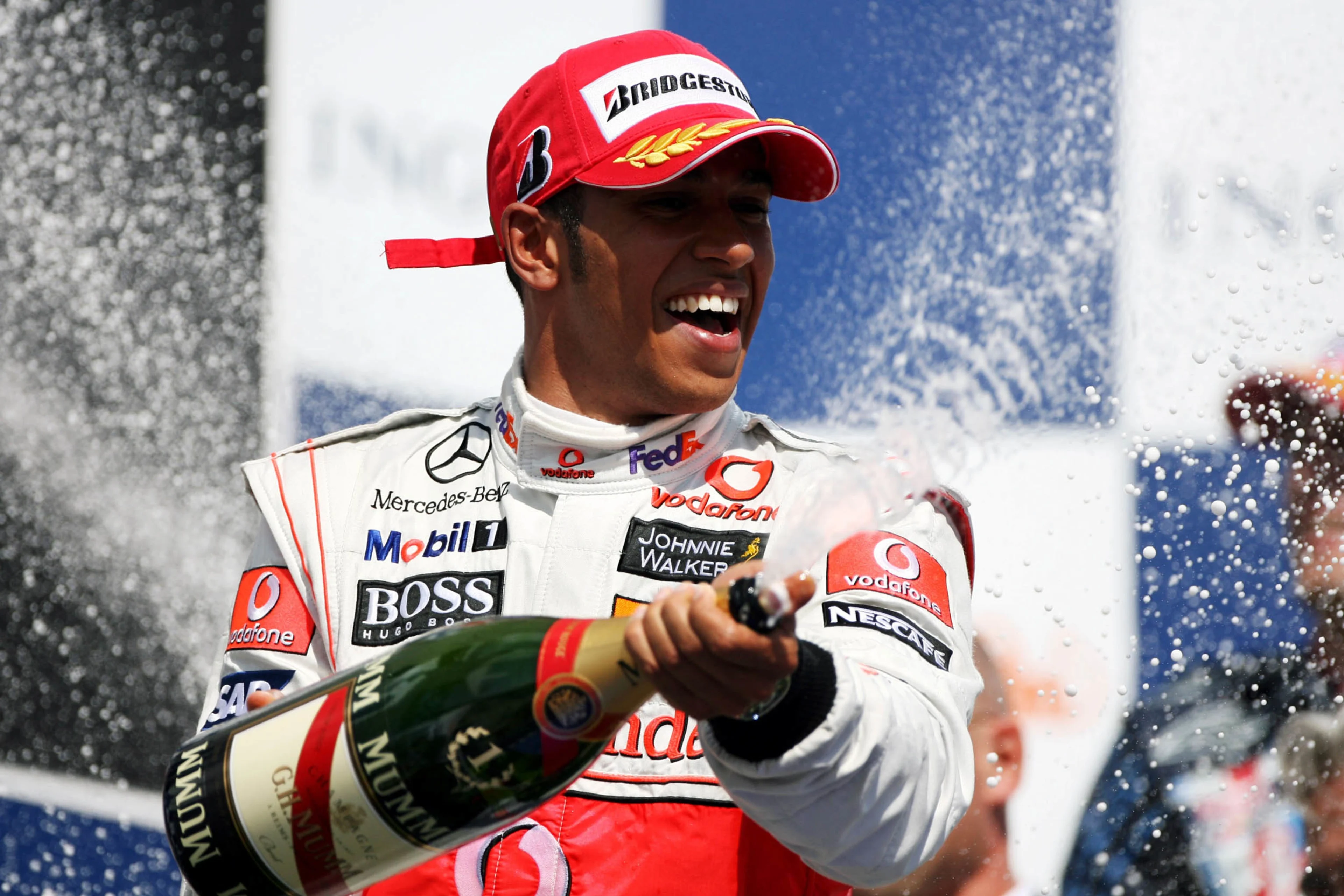
Lewis set several records in his debut season, including the joint-most wins and most points by a debutant. And by simply climbing into the car and racing his first laps in the season-opening Australian Grand Prix, he made history more powerful than any statistic. His debut made him the first, and currently only, black driver to have ever competed in Formula 1.
It made waves around the world, including for Carol Glenn, a motorsport fanatic who had made history of her own as the first black woman to be a race official in the UK.
Glenn has since sat on the Hamilton Commission, a 2020 research initiative launched to investigate the under-representation of black people in British motorsport, and set up the NRG Academy, aimed at providing more opportunities for the next Lewis to emerge.
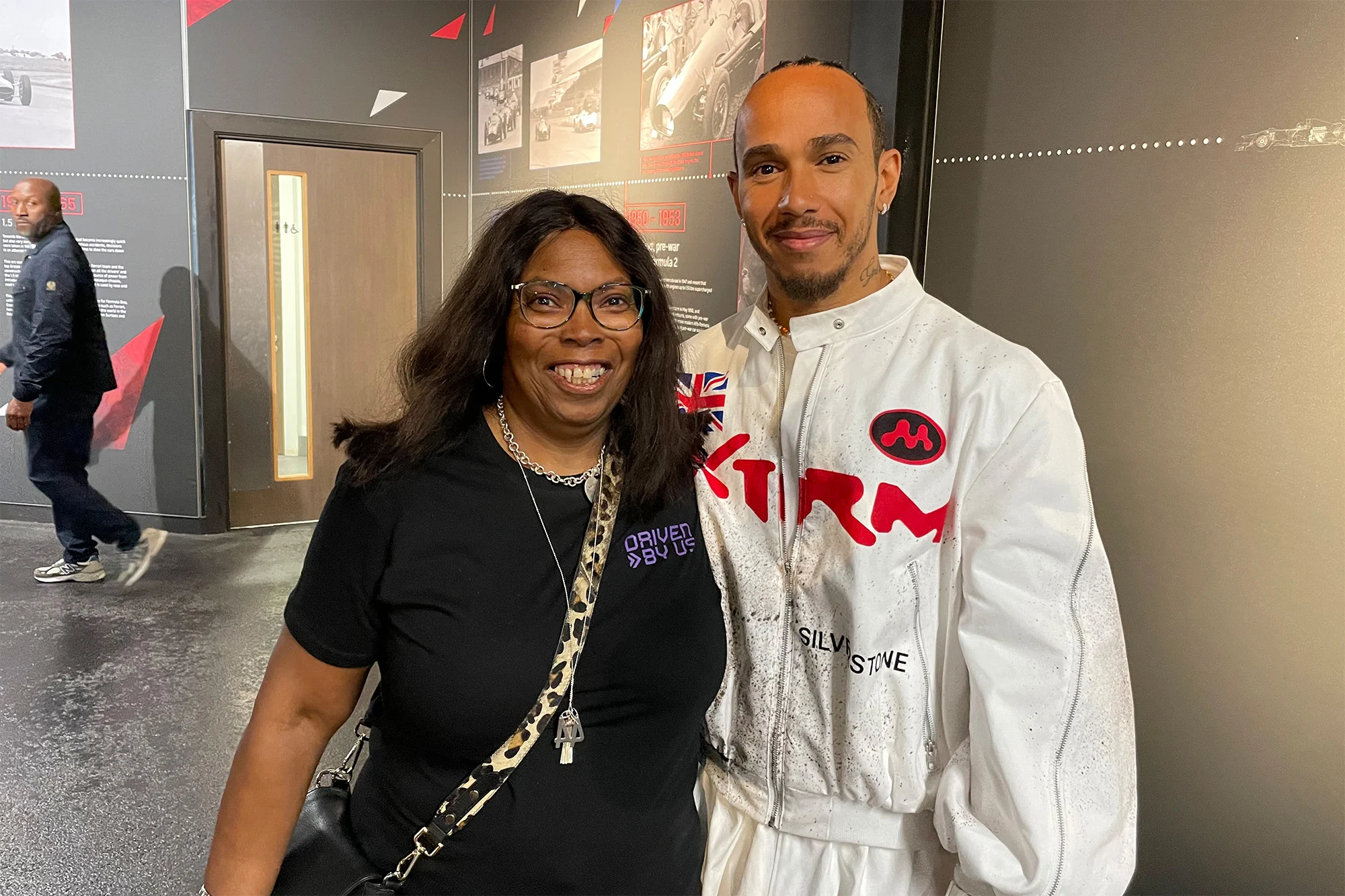
“When Lewis came along, it was significant,” Glenn recalls. “Here was someone who looked like me at the highest level of the sport. That made a big impact. When I tried to explain to friends what I did at weekends, they didn’t really understand it. But once Lewis arrived, people started asking me questions. Suddenly, they were interested.
“I don’t think people fully appreciate how much he inspires others around the world: young boys and girls sitting at home, perhaps playing in a toy car, dreaming of being in that position.
“Seeing someone who looks and sounds like them in that environment gives them hope and something to aspire to. Even if they don’t ultimately get there, they have a goal that encourages them to try.
“Lewis is now much more than a racing driver. He represents the hopes and dreams of so many people, and he’s helped change the audience for motorsport.”
NASCAR racer Bubba Wallace has made his own history across the Atlantic, as he became the first African-American driver to win one of NASCAR’s national series in 50 years when he triumphed in 2013.
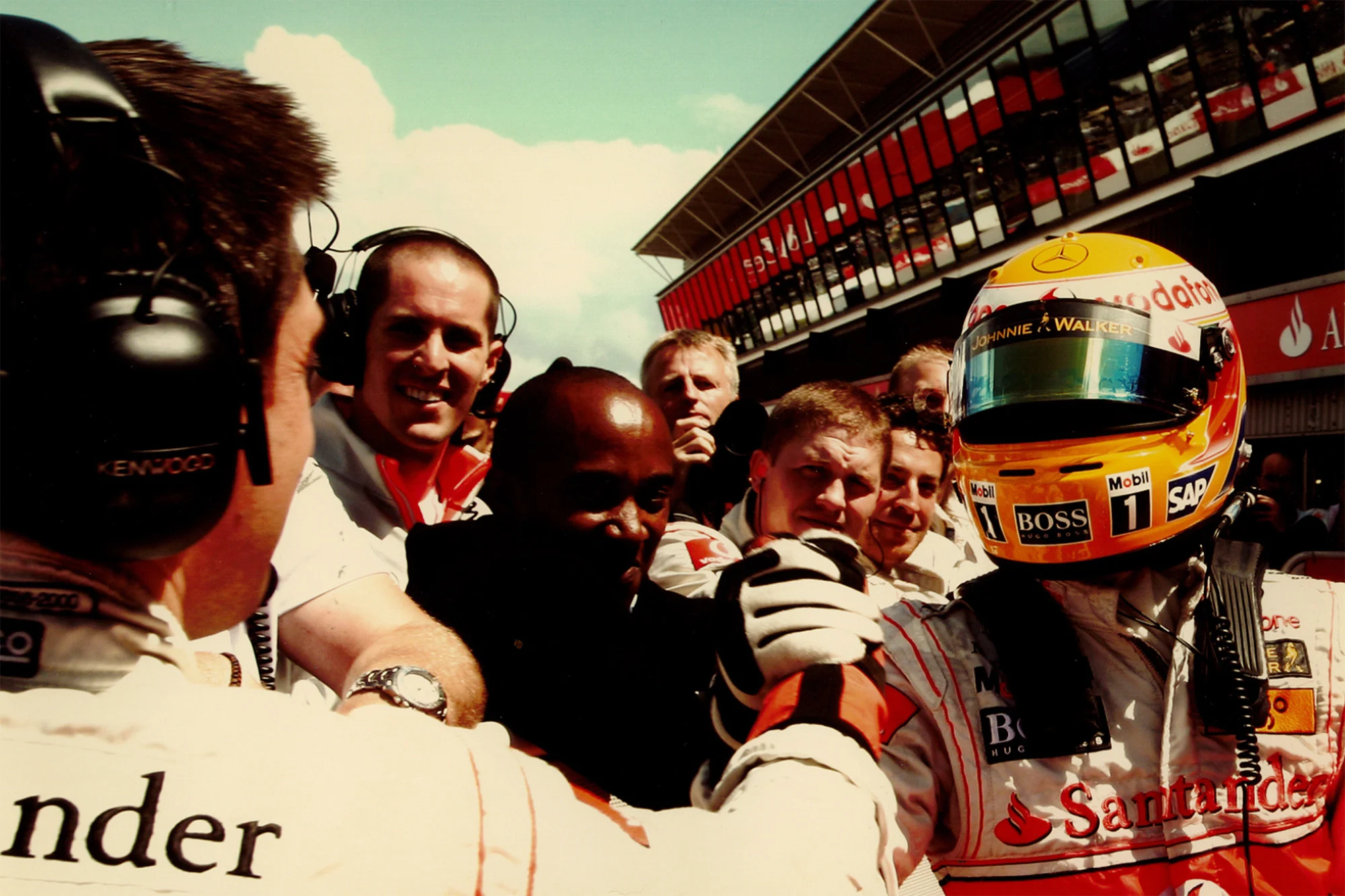
He'd taken notice of Lewis and his achievements by playing as him in the Formula 1 video game, a decision also partly motivated by McLaren’s shining chrome livery. And he only really took in what Lewis’ presence in motorsport meant around Covid as he began to take a real interest in Formula 1.
Wallace says: “I've used that as motivation, seeing how he's overcome so much, how he walks with confidence and drives the car with confidence, it shows. He's one of the most respected guys on the grid.
“At that time, I was finishing my third year in [NASCAR] Cup. The rookie stripes had been off for a while, but I was still going through the motions and fighting for respect. To see his success, you want to hit copy and paste and have the same type of results. There's definitely a lot of inspiration there.”
Mark and the wider McLaren team also had systems in place to help Lewis deal with the scrutiny which came with his status as a trailblazer.
“He was always going to be under the spotlight, and he was always going to stand out from the rest,” Mark says.
“He had very clear views, but he wasn't going to let that stand in his way. We knew that, when he went into Formula 1, it was going to attract even more attention, but we understood how to deal with it.”
Lewis has consistently managed to shut out the noise off the track and focus on the task at hand, right from his debut season – one which ended with both him and his father shedding tears of anguish when he missed out on the Drivers’ Championship in his debut season in 2007.
But true to the mindset that has served him so well, Lewis came back raring to go one better in 2008.
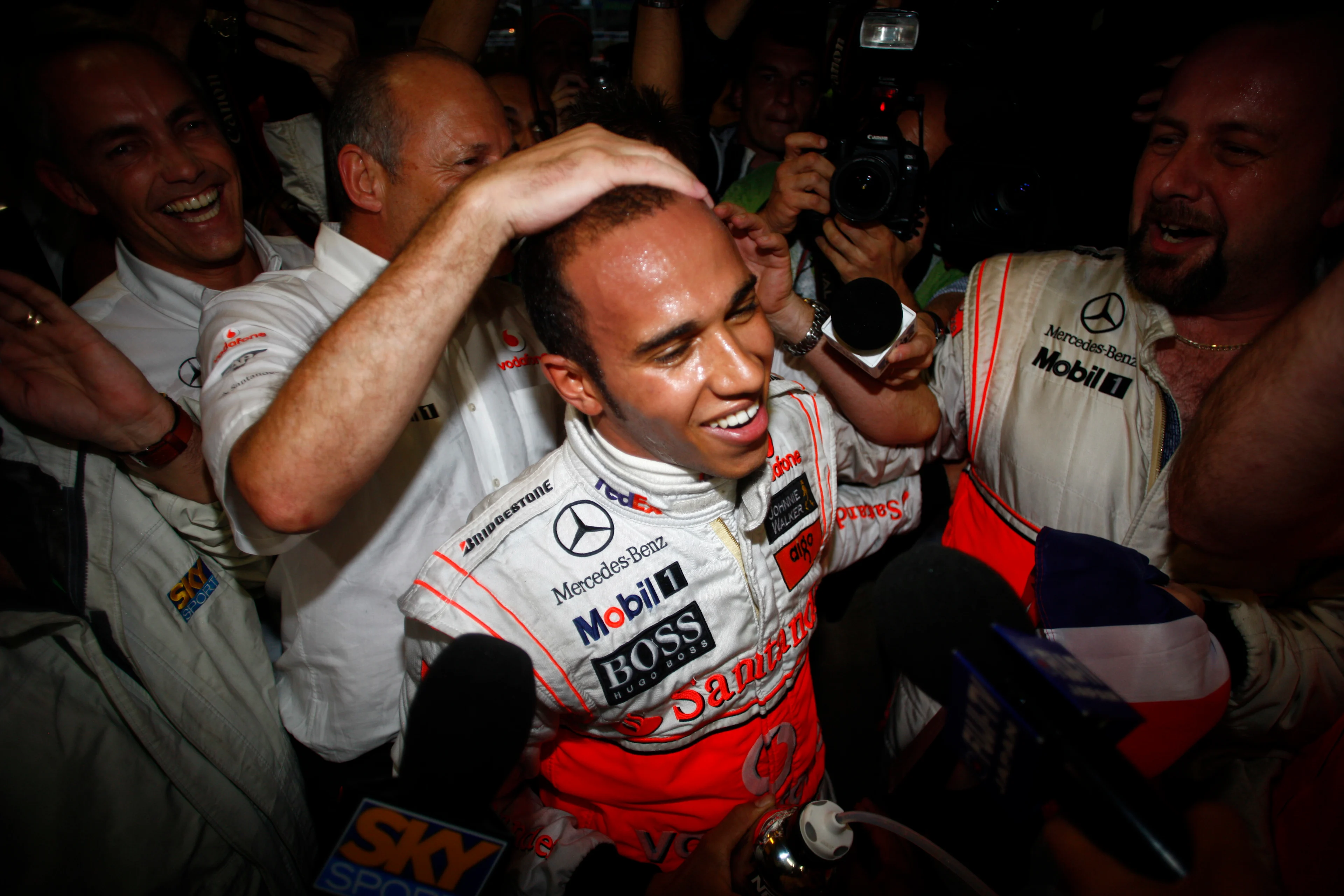
“He was fully focused from day one,” recalls Paul James. “He knew he had an opportunity and he was desperate to get that first title under his belt. He didn't need any encouragement from us, that's for sure. He already had his focus on the next year. He couldn't wait for it.”
Come the end of the season, Mark could barely watch as the rain fell in Brazil and Lewis looked like he might come up short in the final race of the season again. But this was a driver who had grown up in the rain. He had a unique ability to become one with it, just as he has an almost unmatched ability at driving a Formula 1 car.
The final lap of the 2008 Brazilian Grand Prix might just be the most famous in F1 history, as Hamilton overtook Timo Glock on the final corner to finish fifth and win the title by one point.
“When he got back into the garage, it was him and his dad,” Mark recalls. “A lot of us had a lot of tears in our eyes because we'd seen something that we knew was going to come, and it was all very, very special. You never forget that.”
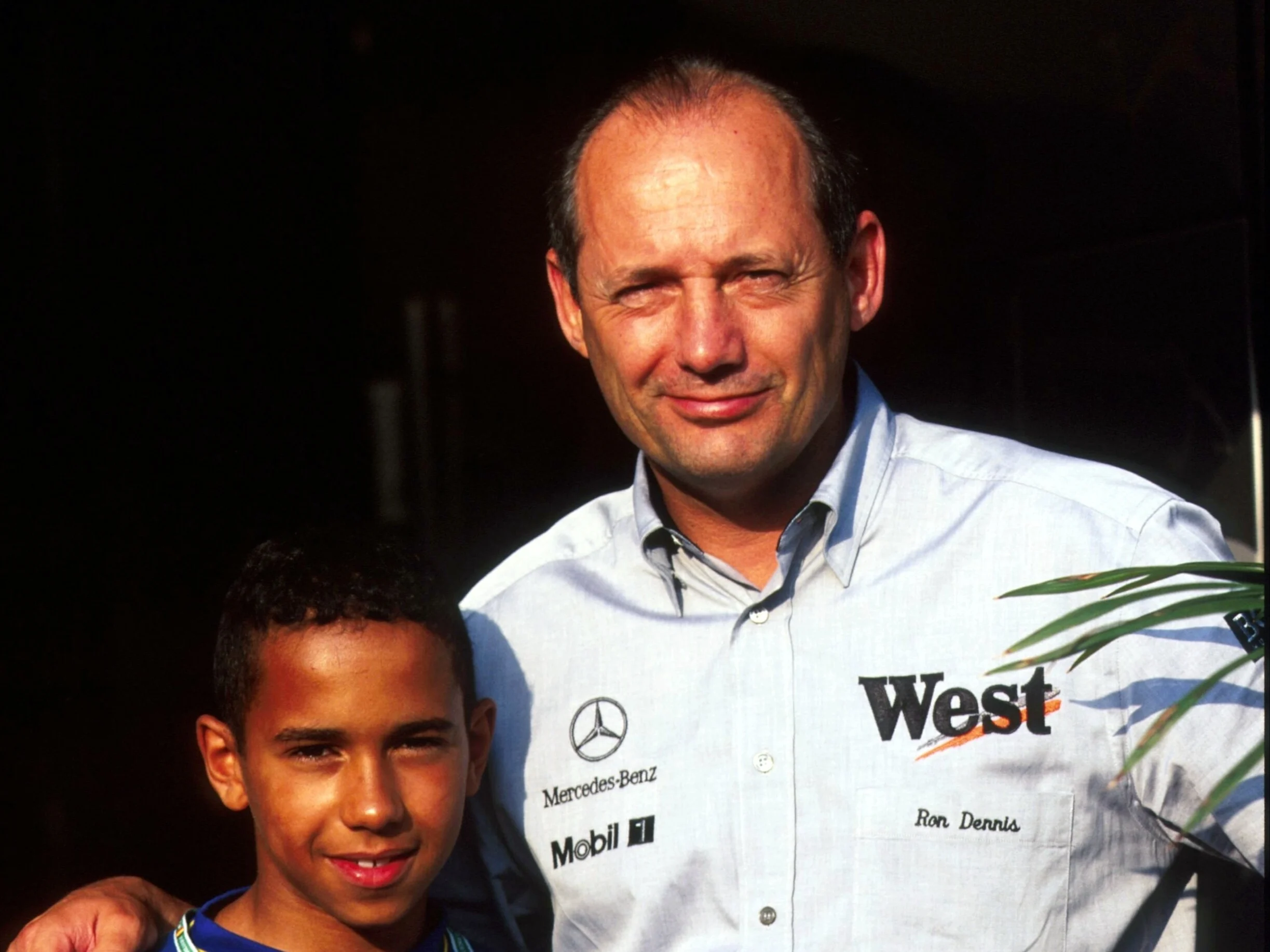
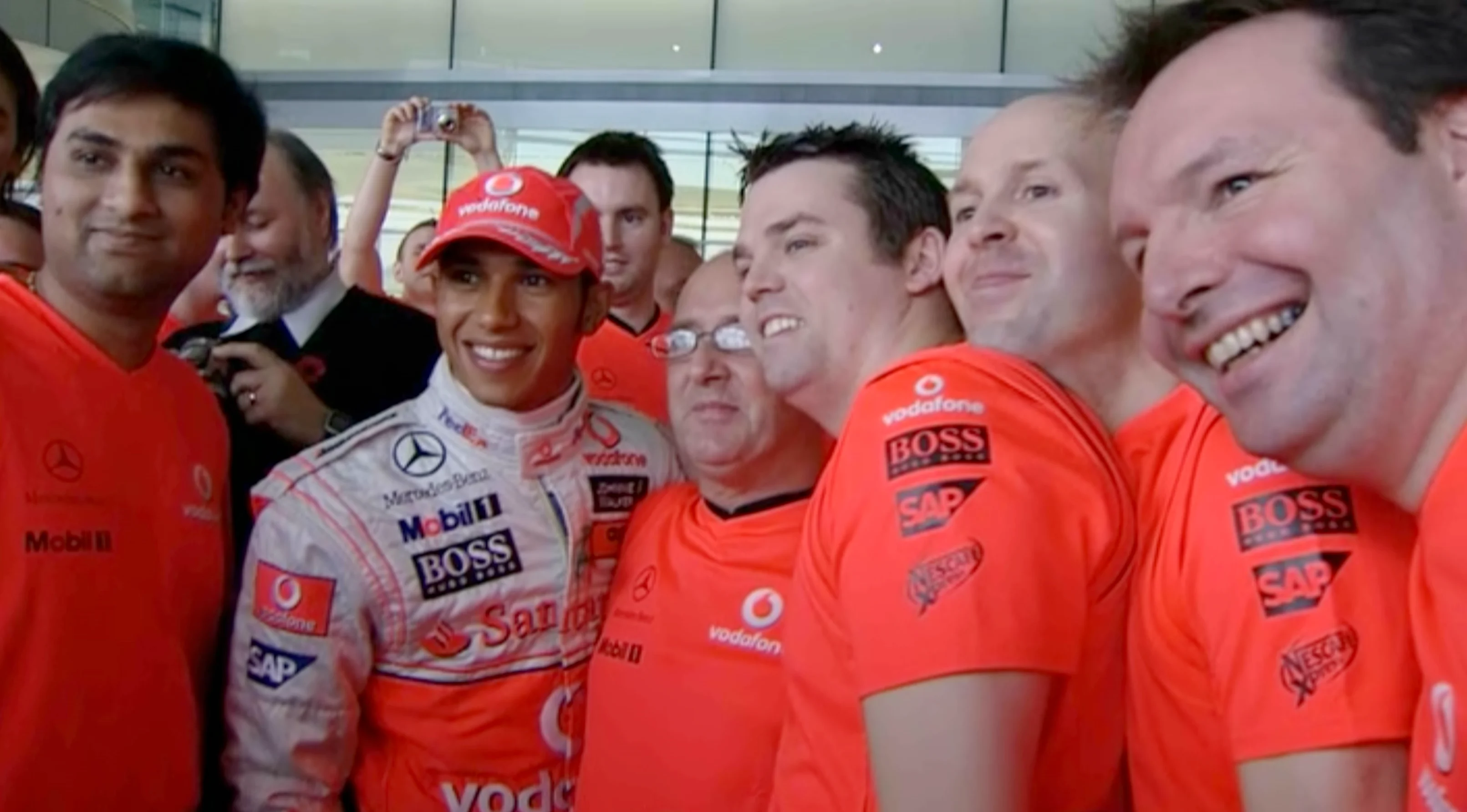
That title was a culmination of a partnership between Lewis and McLaren that had stretched 15 years to that point and reached two decades before he moved on. McLaren helped Lewis go from a boy to a man, a prodigious talent to a legend and from a Stevenage council estate to a knight of the realm – as well as delivering on that promise made back in 1995.
“When the team found out he signed his first Formula 1 contract, everyone was super, super proud that we'd given him that opportunity and he had worked for it,” Mark says.
“He worked hard for that seat. These kids give up their lives to do this, and their families give up their lives for them to fulfil their dream. He fulfilled his dream, and look what he's become. One of the world's greatest Formula 1 drivers.”