


27 March 2026 05:00 (UTC)
Wind conditions, downforce configuration, and energy deployment: Answering this weekend’s key questions

Welcome to The Briefing, where we’ll be answering the key on-track questions ahead of the Japanese Grand Prix.
Each week, powered by Google Cloud, one of our trackside experts will join us to explain all of the weekend’s biggest talking points. This week, ahead of FP1, we spoke with Will Joseph from the Race Engineering team.
As we remain in the early stages of the new regulatory era, Free Practice will continue to play a vital role for teams and drivers as they look to gain experience in how to run, drive, and improve these new cars. And having had just the one Practice session in China, due to it being a Sprint weekend, there’s plenty for us to be getting on with.
With the help of Will, we’ll explore why Suzuka looks likely to be a “harvest-poor” circuit, which downforce setup is best suited to its layout, and how wind conditions could influence the racing. Here’s everything you need to know…

There’s a little bit of braking into Turn 1, then not much going on for the rest of the first sector, then a tiny bit into Degner 2, braking for the Hairpin, not much at Spoon and then braking for the Chicane. It’s a mixture…
Definitely, the more time we spend in the car, the more learnings we collect, the more we understand about the best way to unlock the potential within the car. I think we were more developed in terms of learning and understanding in China than Australia, and will hopefully be more again in Japan. The interesting thing in Australia was about learning how to time the various lifts to recharge, whereas China, being a harvest-rich circuit, was less about that, and more about driving normally.
I think we are very aware that the more time we can give the drivers to understand what we are calling ‘power unit driving’, the better we will be. That’s still a high-priority thing, and learning all we can about it is very important.
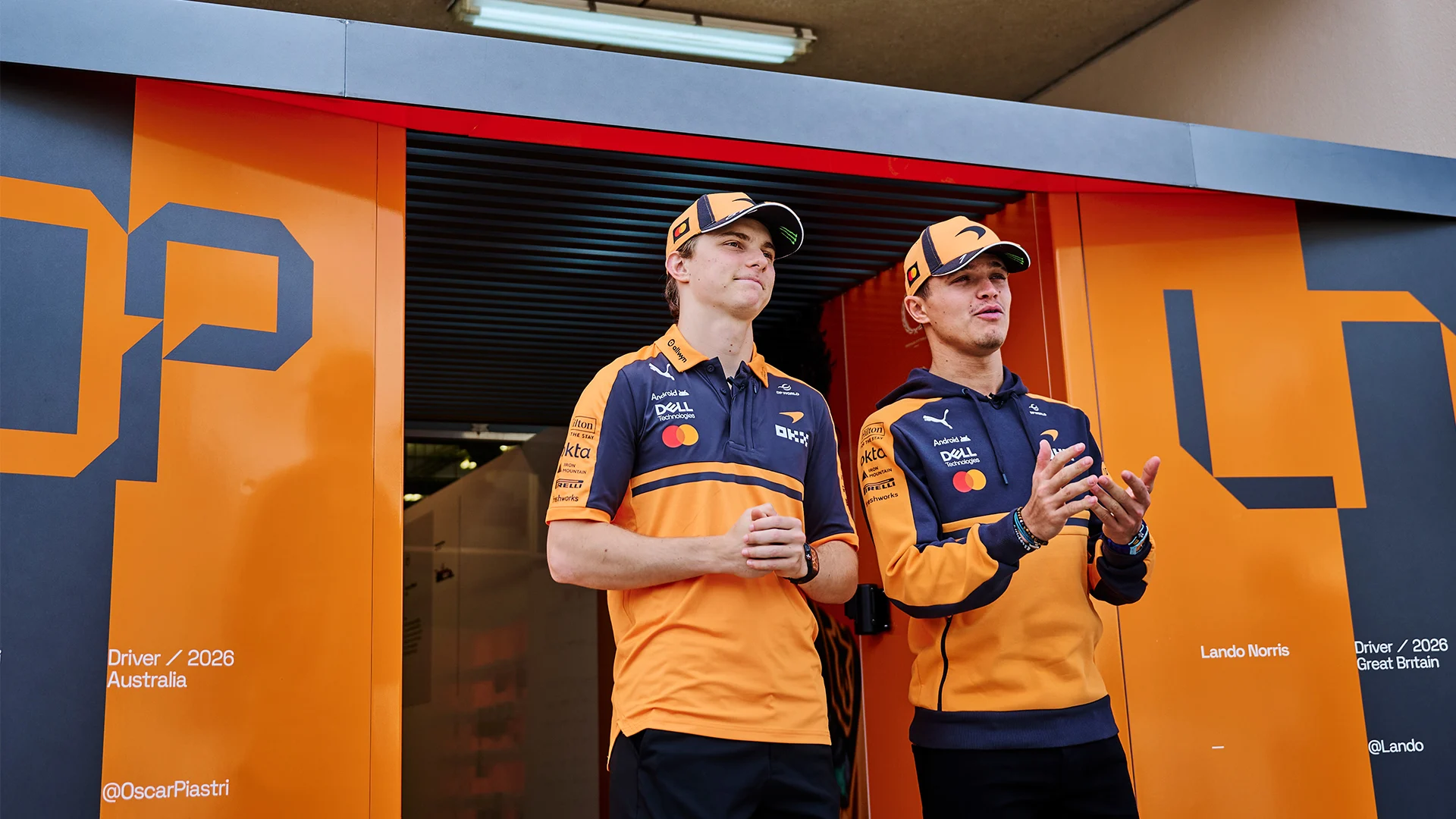
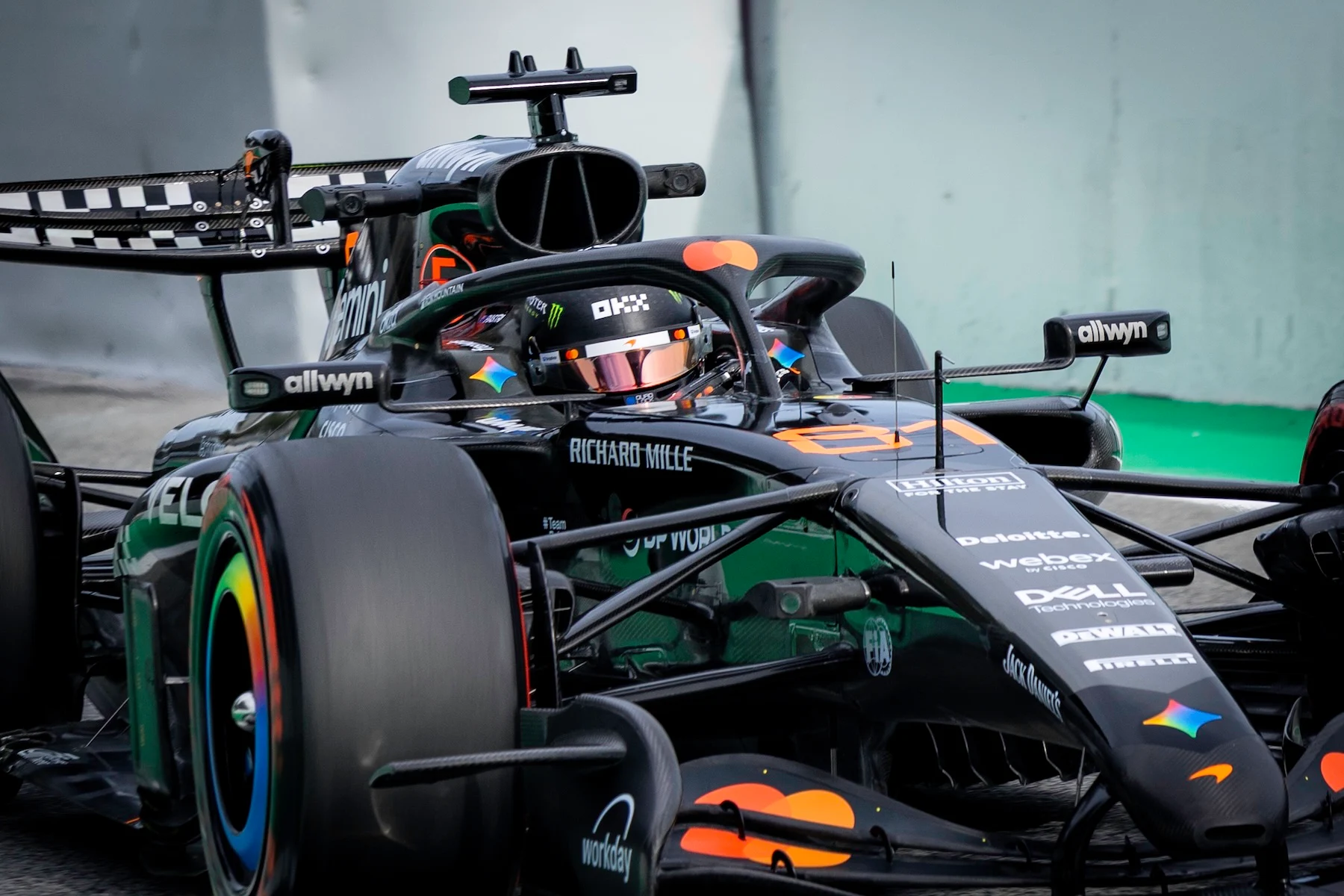
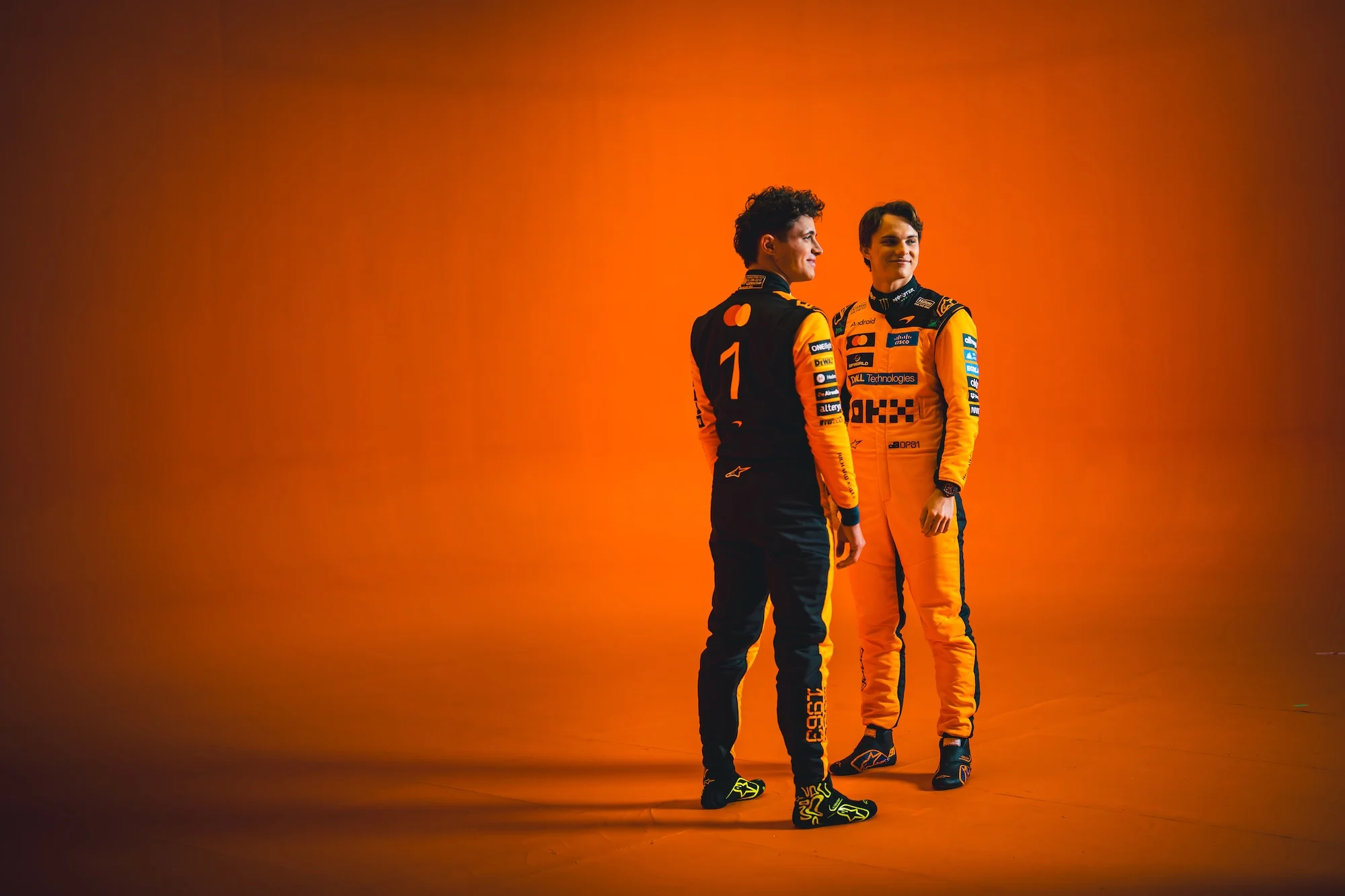
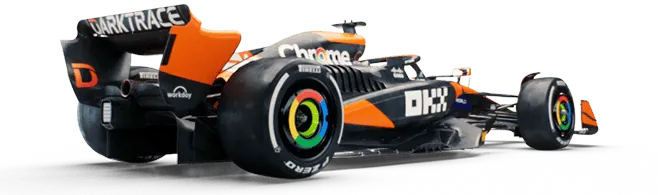
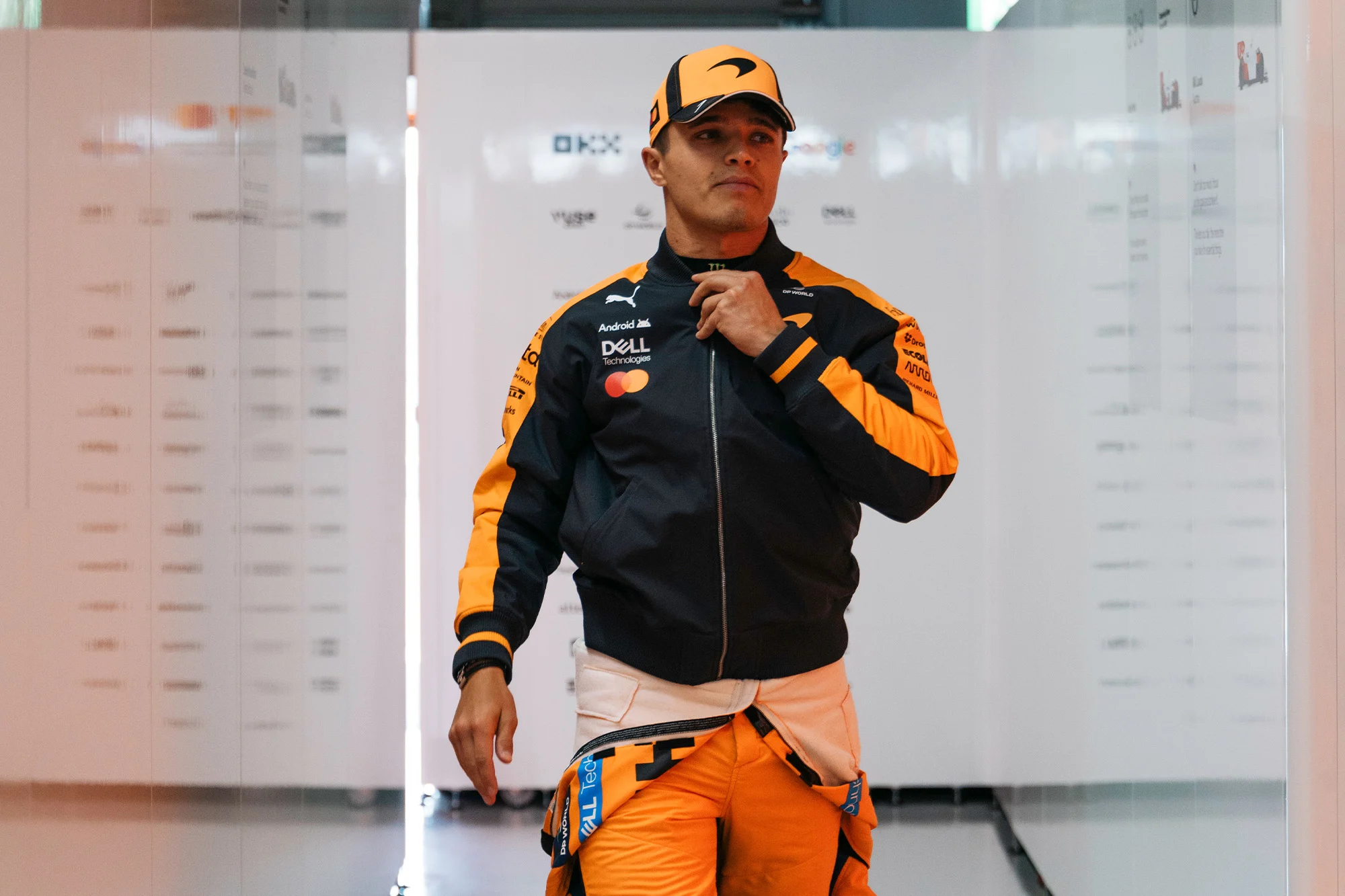
However, we also have to think about the longer term. There's still development to do, and that means you have to understand the car. So, Lando will be running a front-wheel wake rake here, and Oscar an exhaust rake, and we just have to accept there will be some track time loss – but if we don’t do it here in Japan, there’s an awfully long gap after this – and so it’s important we do some fundamental learning about the car, and have that data going into the hiatus.
There were discussions at the first two races about how much time we were prepared to spend doing experiments. Usually, as race engineers, we’re the people pushing back, to limit the number of experiments, saying we need to give the drivers more time on track to set up for the race, but inevitably, we need to do work here. The cars won’t run again until May – but we won’t have the opportunity to experiment until the middle of June, because Miami is a Sprint, Canada is a Sprint, and Monaco isn’t suitable for experimentation, so it’s going to be Barcelona before we get another opportunity. Therefore, it’s important that we make some valuable progress here.
It’s quite beneficial to have the wind moving around when we have the rakes fitted, because that provides a good cross-section of data. Once the rakes are removed and we’re working on race setup, Suzuka can be a little problematic. We talk about the quick wind and the slow wind. The quick wind is when we have the offshore breeze with a headwind through the Esses, and a tailwind out of Spoon and down the straight. The lap is much faster. When we have the onshore breeze, with a tailwind up through the Esses, and a headwind out of Spoon and along the main straight, that’s a slower lap.
Yes. There’s less Straight-Line Mode (SM) here, but the power of it drives you to higher downforce settings regardless. That’s going to be true of most tracks. There are some where it won’t work out that way, but for most of the year, it’ll be the way to go.
The surface last year was pretty decent and held up very well. The grip was sufficient that we dropped some downforce. We’ll need to see how those areas of track have weathered since last year, and what the newly resurfaced areas are like. Generally, the more the track is used, the faster the surface will normalise, and Suzuka is a busy circuit. We’ll need to look at where the grip is, which lines to use, and where the bumps are. Some may have gone, others may have appeared – so there’s always some exploration to do with a new surface.

The challenge is a little different to last year. We won’t run the rear of the car so low now, and so it’s less about bottoming on the ground and upsetting the car, and more about genuine ride. Also, with Straight-line Mode, it generally pushes our sensitivities to run a bit softer anyway, and therefore, ride is becoming less of a problem.
It’s still a racing car though, and there’s always a trade between running stiff to generate load versus running soft to ensure we keep mechanical grip.
At Suzuka, we’re always thinking about the trade. You want a nice, stiff car in roll for the Esses in Sector 1, but if you make it too stiff, you can upset the car elsewhere on the track, particularly at the chicane. And given one of the few overtaking spots is into Turn 1, you don’t want to make yourself too slow exiting the chicane. You can get away with that in Qualifying perhaps – but come Sunday, you’ll wish you had a bit more compliance for raceability.
Getting that trade right can be difficult. We’ll work on it through Practice and try to understand how the car is performing and behaving – but we’ll look beyond our own expectations and compare ourselves to other cars, try to understand what trades our competitors are making, and see if we’re doing the right thing.
Follow all of the action this weekend via the McLaren Racing App, available to download on Android and iOS.