



24 March 2026 15:00 (UTC)
“We will continue to focus on building on our learnings and developments, united as a one team”

Suzuka Circuit holds a special place in the hearts of McLaren fans, having hosted so many of our most iconic moments.
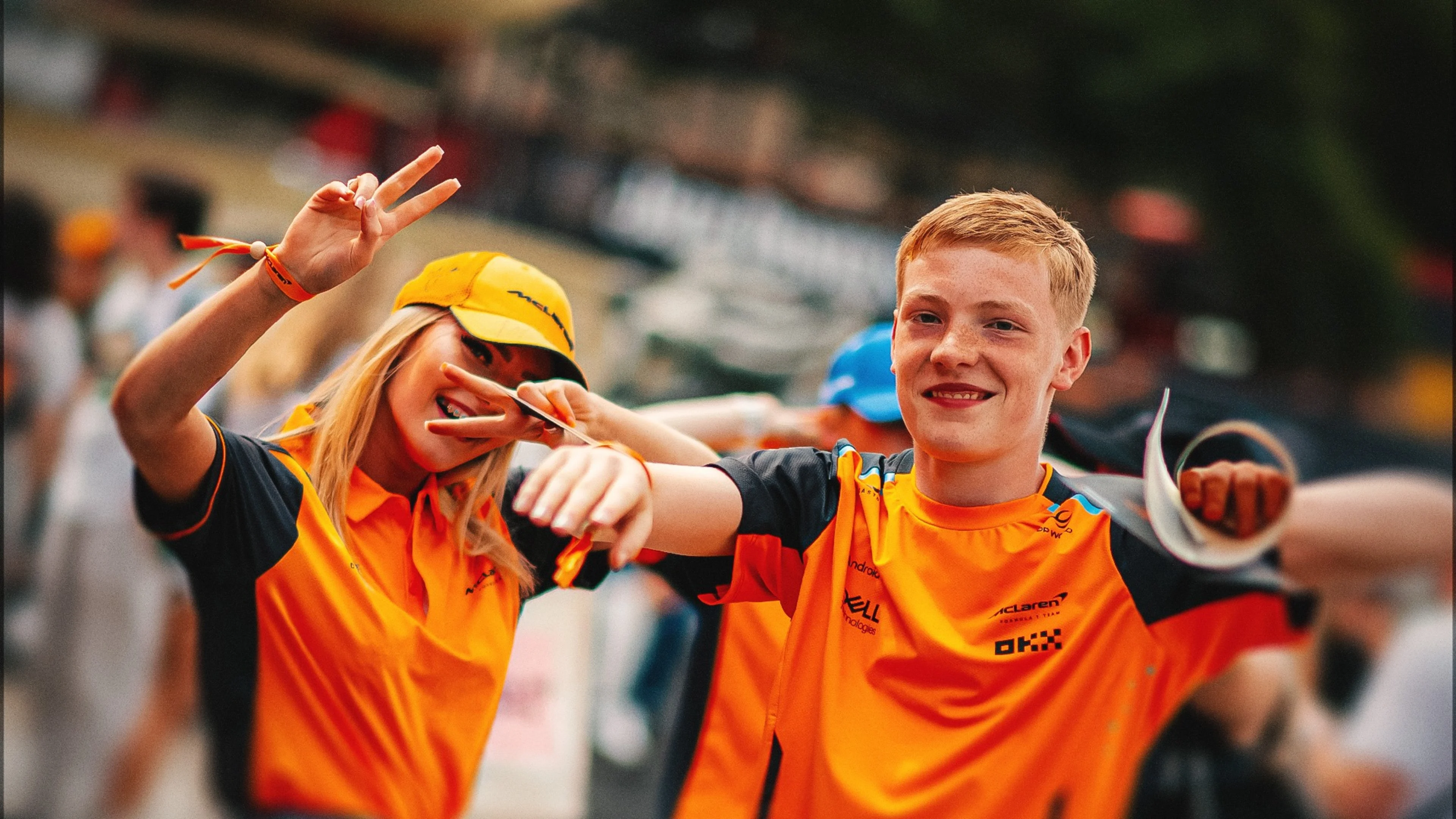
From decisive title showdowns in our favour - Ayrton Senna clinched all three of his World Championships in Suzuka, Alain Prost sealed his 1989 crown at this track, and Mika Häkkinen secured both of his titles here - to unforgettable races like Kimi Räikkönen’s thrilling charge from 17th to victory in 2005. Suzuka also delivers one of the most electric atmospheres on the calendar. Passionate fans go above and beyond to support their favourite drivers, creating extravagant handmade costumes, from replica race suits to F1-inspired headwear. Looking ahead to this weekend, Technical Director, Performance, Mark Temple joins us to preview the race. We’ll also break down some of the circuit’s most important sections, revisit one of our favourite races here, and put another quickfire question to Oscar Piastri and Lando Norris.

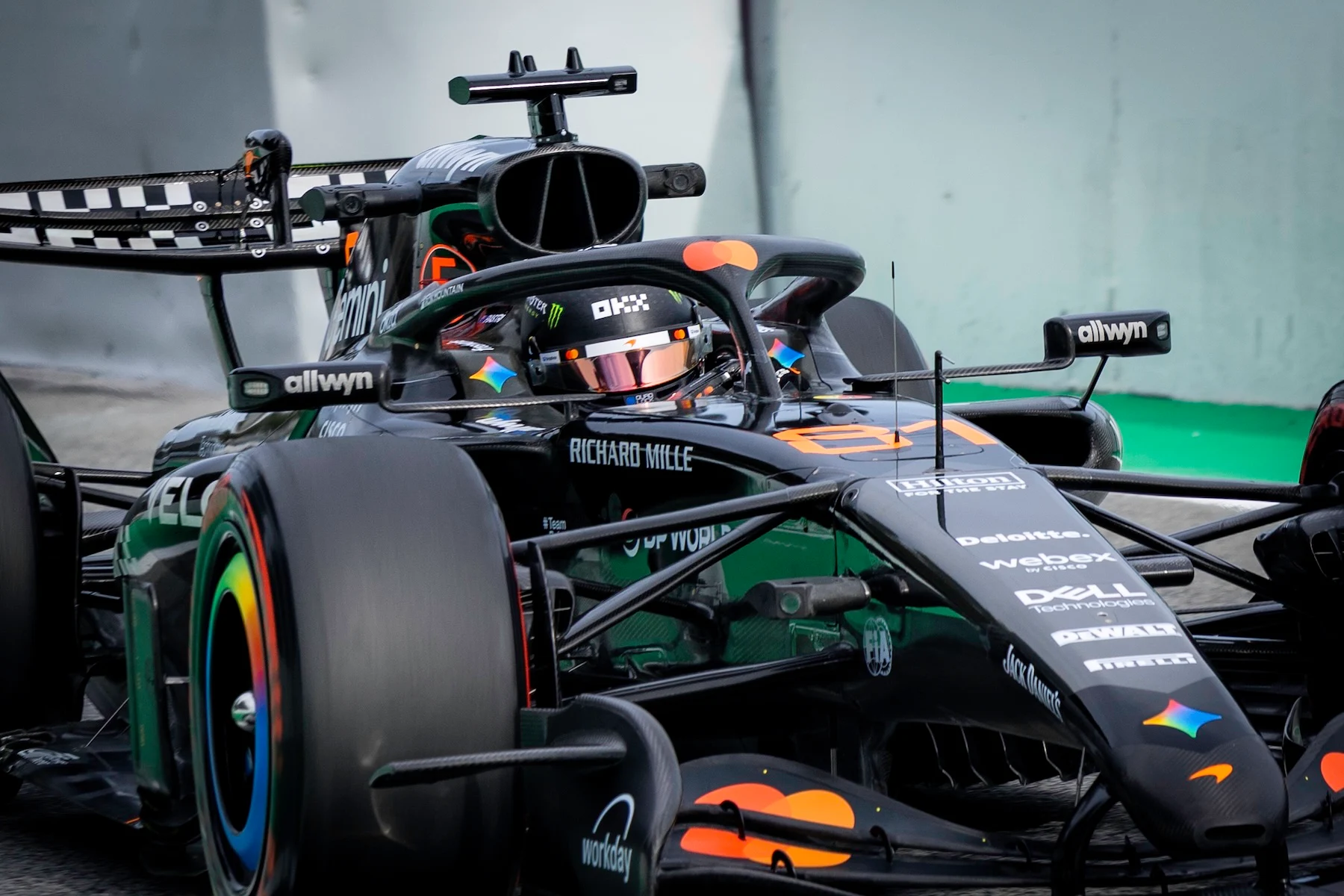
"Reflecting on the opening rounds of the 2026 Formula 1 World Championship, we have seen two very different circuit layouts. The Australian Grand Prix at Melbourne Park provided medium and high-speed chicanes, whereas the Shanghai International Circuit in China provided long, low- and medium-speed corners. “This represents that even though we are only in the early stages of this new generation of Formula 1, we have already experienced two different power unit challenges and requirements in terms of deployment, affecting areas such as driving approach and strategy factors. “Therefore, looking ahead to this weekend in Japan, we expect to see something a little more like Melbourne. As Suzuka is a more energy-starved track, we foresee there to be more artefacts of energy recovery throughout a number of areas of the circuit, such as going into Turn 1, Degner, the hairpin and Spoon. Meaning it is vital that we continue to work hard to optimise this throughout every session across the weekend. “We knew 2026 was going to be another mountain to climb, but as we have approached every challenge that has come our way, we will continue to focus on building on our learnings and developments, united as a one team. This will ultimately allow us to make sure that we are in the best position to maximise chassis performance and power unit exploitation, a key area of determining competitiveness.”

Among the more unique tracks on the calendar, the Suzuka International Racing Course is as challenging as it is unusual. Famed for being the calendar’s only figure-of-eight layout, Suzuka combines elevation changes with sweeping shifts of direction across two contrasting halves of the lap, creating an intense experience both physically and mentally. Starting with a slower, more technical first half, drivers must contend with Suzuka’s iconic ‘S’ curves, a narrow series of left- and right-handers, bordered by unforgiving grass and gravel traps, that run from Turns 3 to 7. Once drivers have made their way through these more individual challenges, focus shifts toward a faster, more overtaking-oriented section of track. Moves are possible at the Degner corners (8 and 9) and the Spoon curve (13 and 14), but are most often seen around Turn 15, known as the 130R. The high-speed left-hander is taken at roughly 190mph and it allows cars to close up before the following chicane, where late braking can create opportunities, often leading to wheel-to-wheel battles down the pit straight.
The Chinese Grand Prix was tough on the team, as separate electrical faults on the power units prevented Oscar and Lando from starting the Grand Prix. But there were some positives to take from the weekend, with the cars showing solid pace in the weekend’s other sessions. Lando qualified third and Oscar fifth for the Sprint, which they converted to fourth and sixth, respectively. And although they were unable to start the race, Oscar had qualified fifth for the Grand Prix, with Lando backing him up in sixth.

27 - 29 MARCH
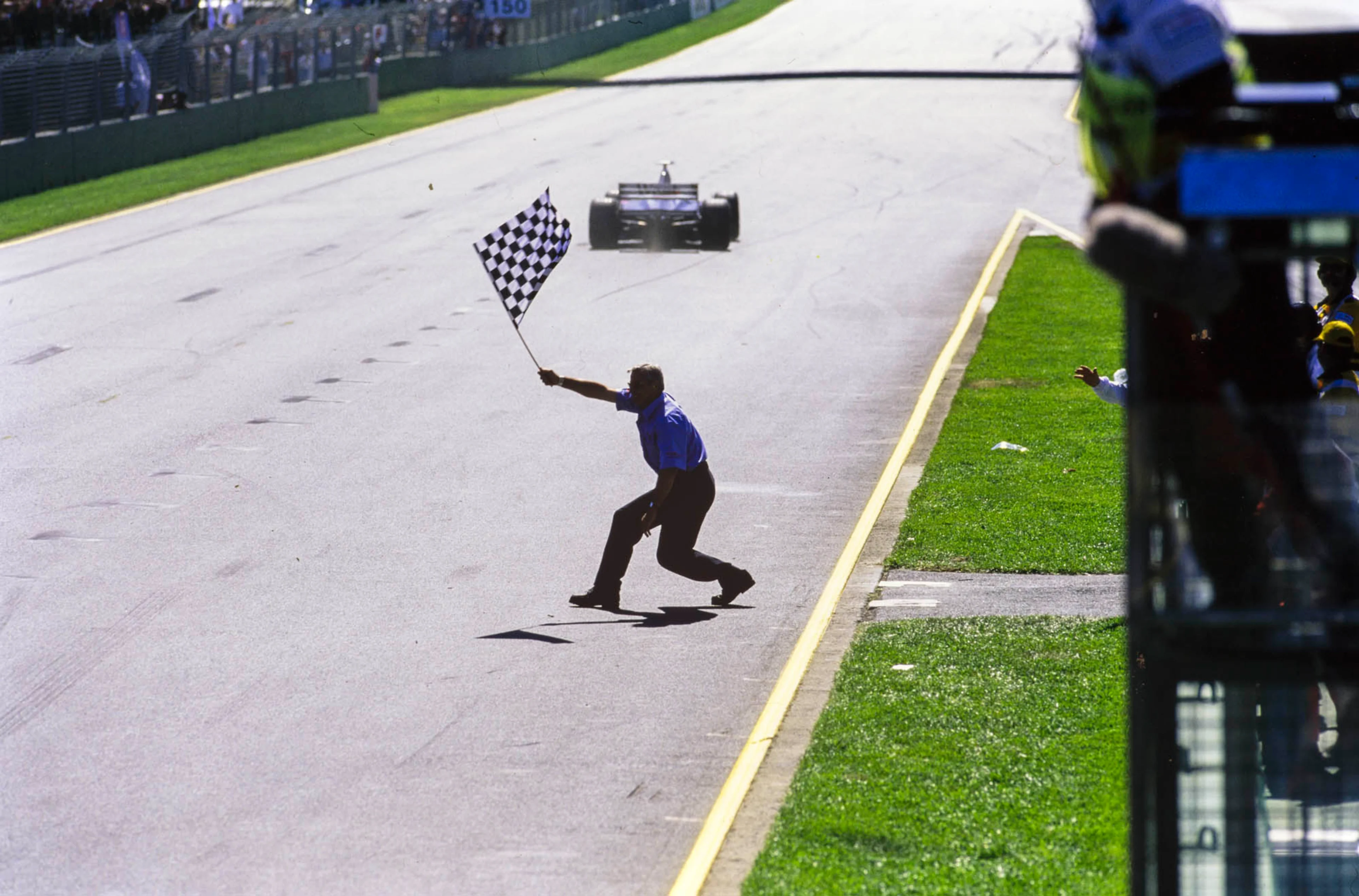
2026 will see us become only the second team in history to reach 1,000 Grand Prix starts. To celebrate this remarkable achievement, each round, we will revisit one of our favourite races from that circuit and hear from those who were there. This week, we’re looking back at the 1989 Japanese Grand Prix.
McLaren won 10 of the 16 races during the 1989 F1 season - the Japanese Grand Prix wasn’t one of them, and yet it sits among our most famous. Alain Prost had a DNF and Ayrton Senna a DSQ after the pair collided while contesting the lead, seven laps from home. Alessandro Nannini for Benetton came through to record his singular F1 victory, and Alain became a triple World Champion. Japan was Round 15 of 16, and by this stage, relations between the pair were icy. Prost arrived with a 21-point advantage in the Drivers’ Championship, while Ayrton knew only a victory would keep his title hopes alive. The Brazilian started from Pole but lost the lead to Alain at the start. It stayed that way until Lap 46, when Ayrton attacked into the chicane. Alain shut the door, the pair collided, and both went off. Alain jumped out, but Ayrton got a push start and made it back to the pits for repairs, rejoining five seconds behind Nannini. He overturned the deficit and won the race… only to be disqualified for missing the chicane, after going off at the entry and rejoining at the exit. The lost points allowed Alain to secure the Drivers’ title, his last with McLaren. “Since the conflict created at the Imola race early in the season, the drivers would not interact with each other but relied on information passing through Steve Nicholls and me,” recalled Neil Oatley, then Chief Designer. “To retain his Championship title, Ayrton needed to win both this race and the following event in Adelaide. With Alain scoring poorly, the scene was set for a tense Sunday afternoon.

“On Alain’s car, we had taken a lower downforce aero setting, creating some additional intrigue for the race ahead, despite retaining a very similar mechanical setup to Ayrton. Alain was not going to be bullied in this race, and he made a stunning start from second on the grid, leading his teammate cleanly into the first corner and proceeding to edge clear, stretching his advantage lap by lap, something I had not anticipated. “The whole race was being run with both drivers making every lap a qualifying lap, racing as it should be. Ayrton did not initially appear to be able to respond, but then, slowly, the gap began to shrink. With a dozen laps remaining, the hand-to-hand street fight began, and the anxiety across each side of the garage lifted a notch. “About to start the final five laps, our worst fears materialised. Approaching the chicane, Ayrton took a very late and unexpected lunge to the inside of Alain, who then made sure there would not be an open door. The two cars became entangled and slid into the slip road outside the chicane. Both cars stalled. Our hearts sank with a certain 1-2 destroyed. “Alain thought the race was over, but Ayrton asked the Marshalls to disengage the cars and allow him to coast downhill back to the track and bump start the engine, driving a full lap to get back to the pits and change the nose. He quickly regained first place to win the race. Or so he thought.”
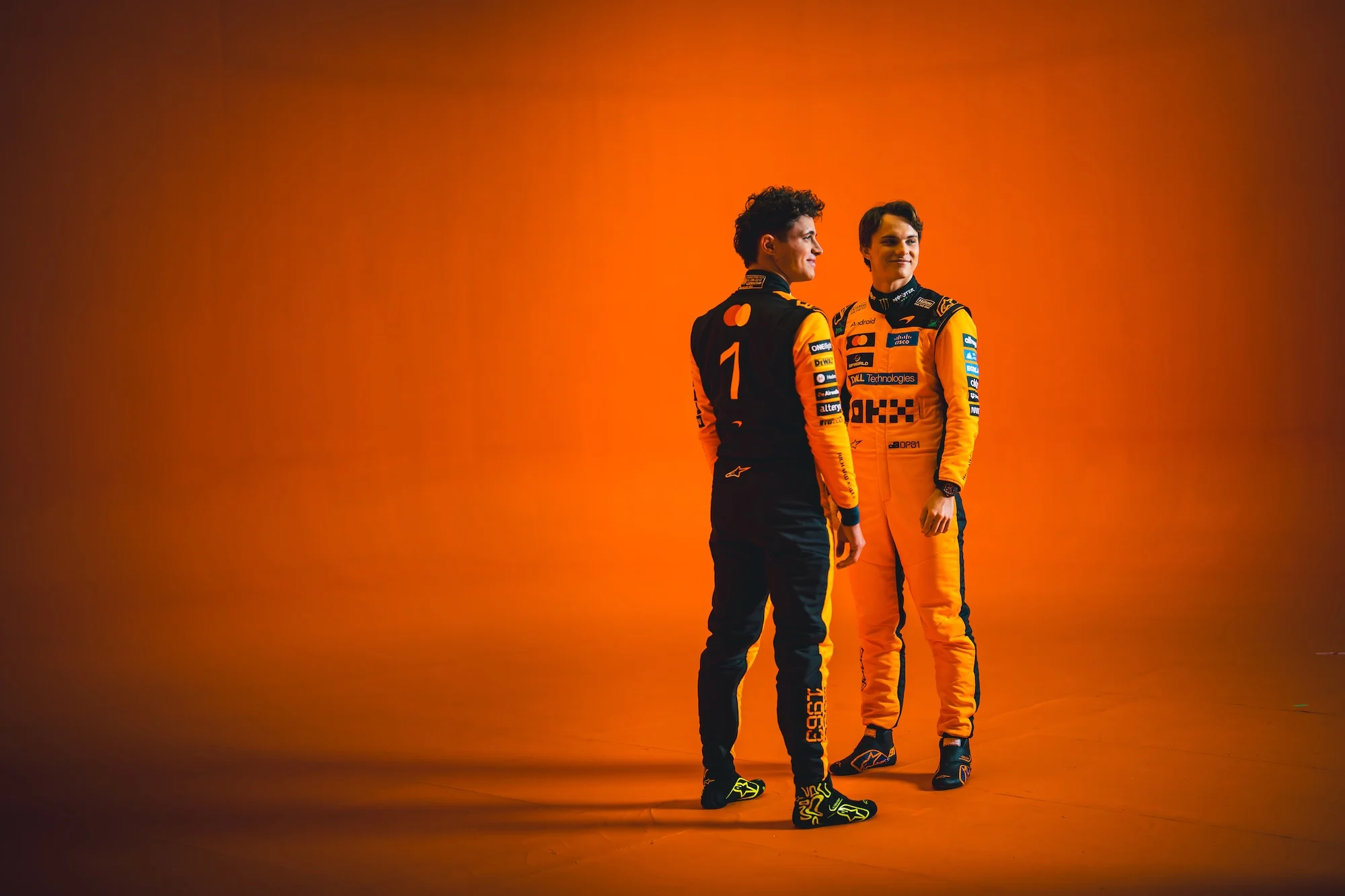
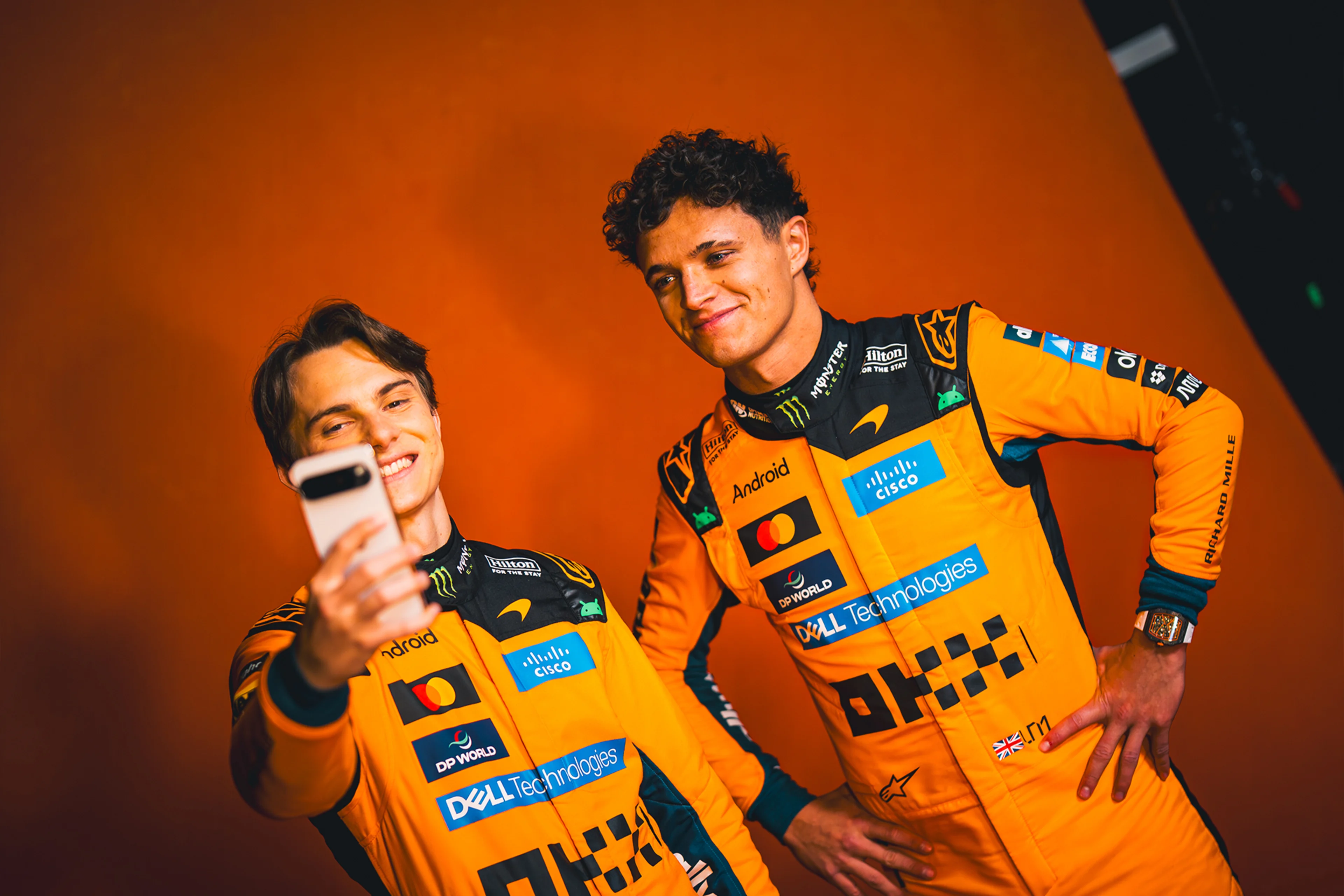
Each race week, we’ll be putting the same question to Lando and Oscar or two team members to find out just how similar (or different) they really are. The question could be anything: from their favourite corner on the F1 calendar, to their ultimate pre-race anthem, or even the one food they absolutely refuse to eat on race week.
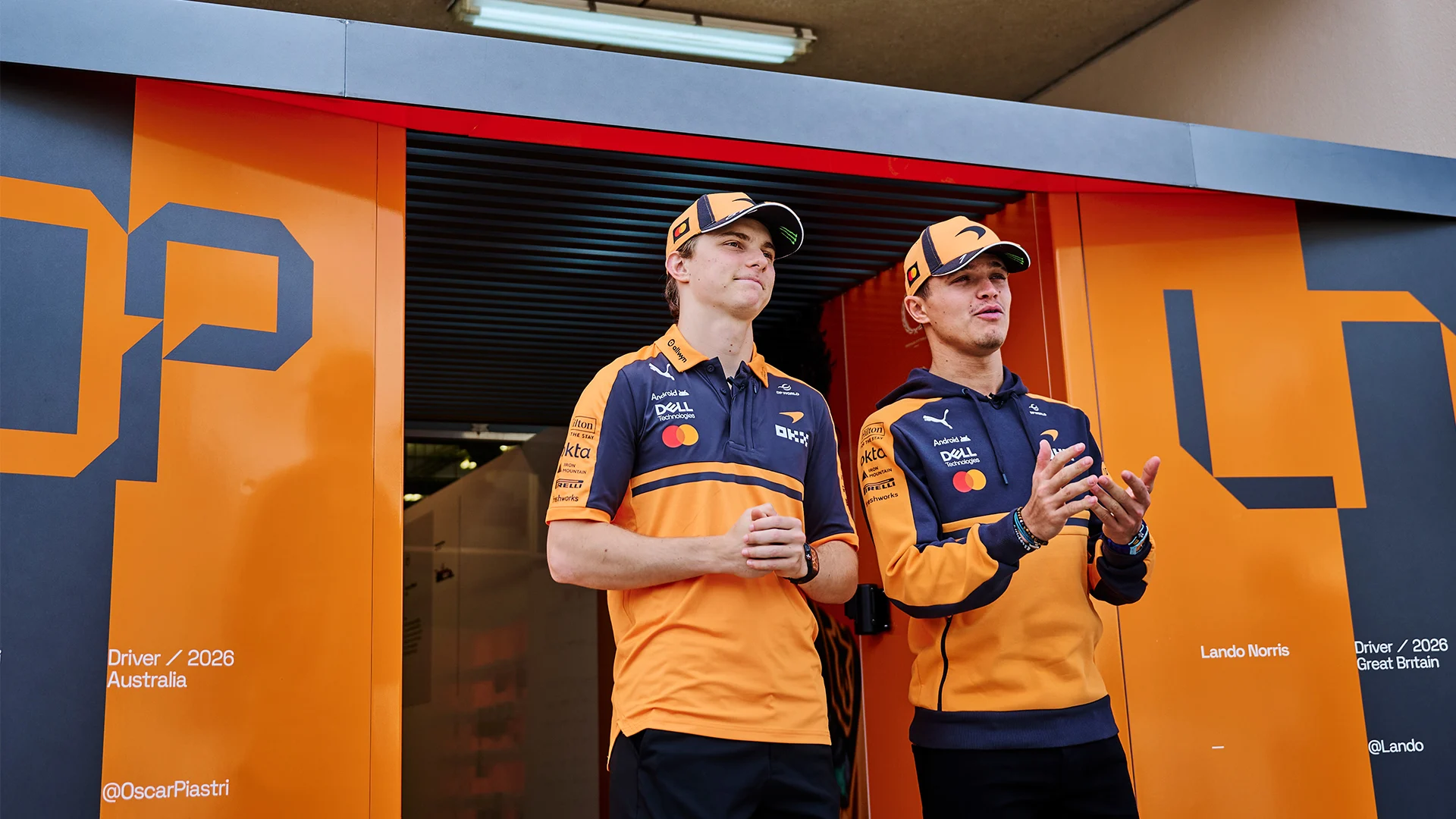
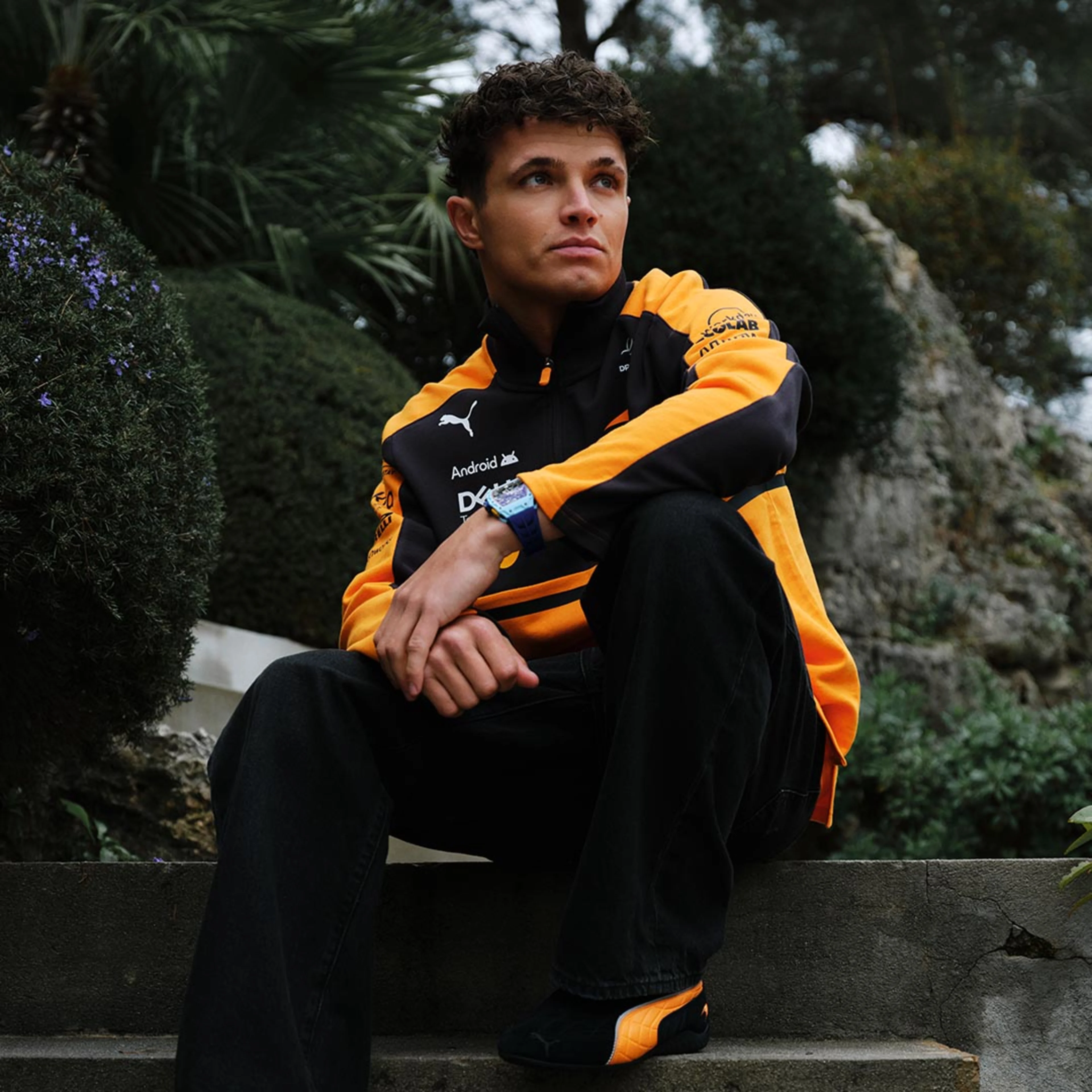
This week, we asked them what their favourite circuit on the F1 calendar is. Lando: Suzuka Oscar: Spa-Francorchamps
Follow all of the action this weekend via the McLaren Racing App, available to download on Android and iOS.