

27 November 2026 15:00 (UTC)
High-speed corners, tyre demands, and challenging temperatures: Answering this weekend’s key questions

Welcome to The Briefing, where we’ll be answering the key on-track questions ahead of the Qatar Grand Prix.
Each week, powered by Google Cloud, one of our trackside experts will join us to explain all of the weekend’s biggest talking points. This week, ahead of FP1, we spoke with Neil Houldey, Senior Director, Technical Integration & Legality.
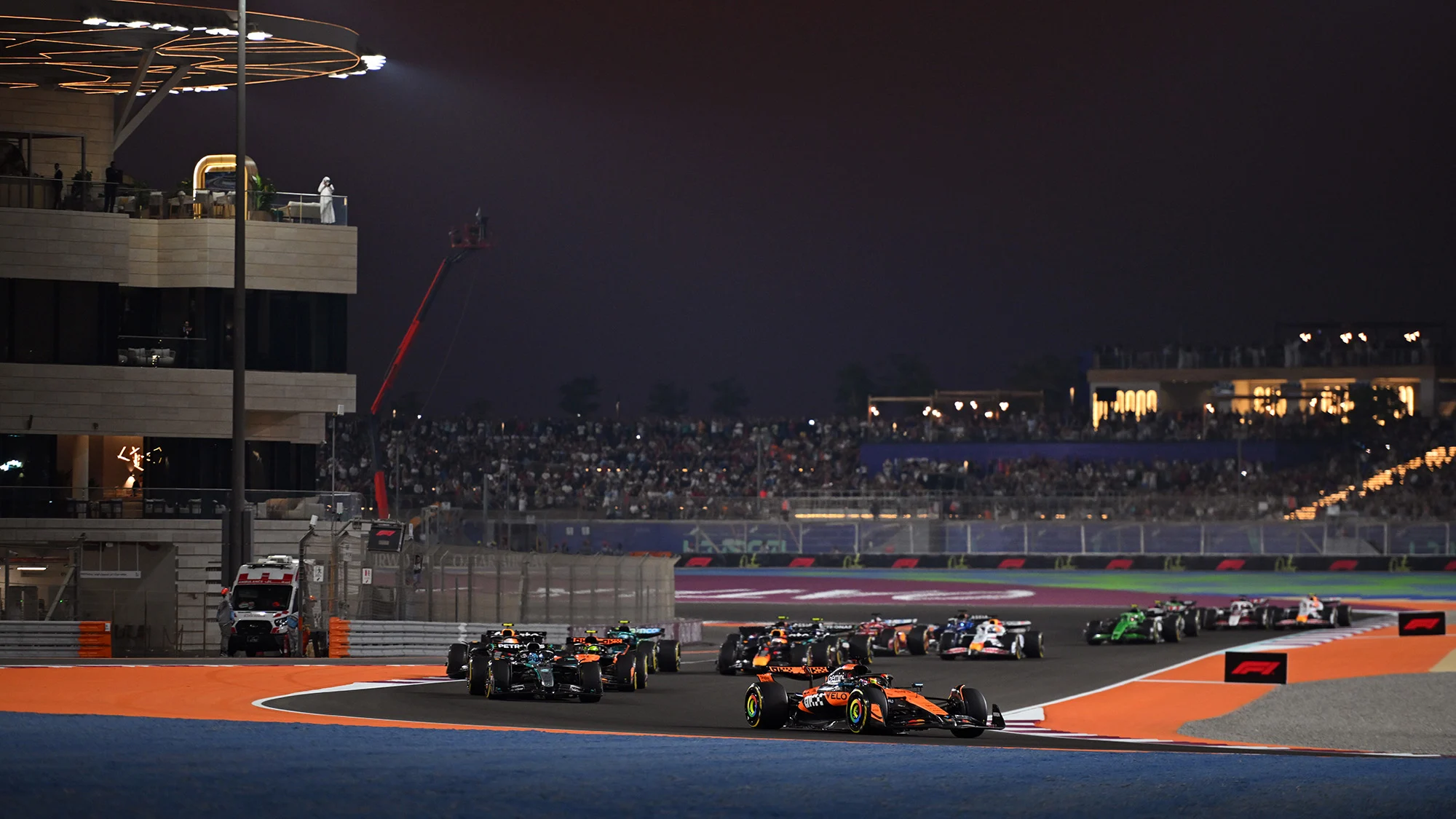
This weekend’s race in Qatar presents a much warmer challenge after a chilly weekend in Las Vegas. The heat is one of the primary reasons for the 27-lap tyre limit, which ensures at least a two-stop race on Sunday.
Although we don’t have any major upgrades in Qatar, we will use the three practice sessions to complete some key testing on the sizeable packages installed across Brazil and Las Vegas. With Neil's help, we’ll explain what that testing looks like, how the heat will affect us, and whether we expect this weekend’s race to be as action-packed as last Sunday in Las Vegas.
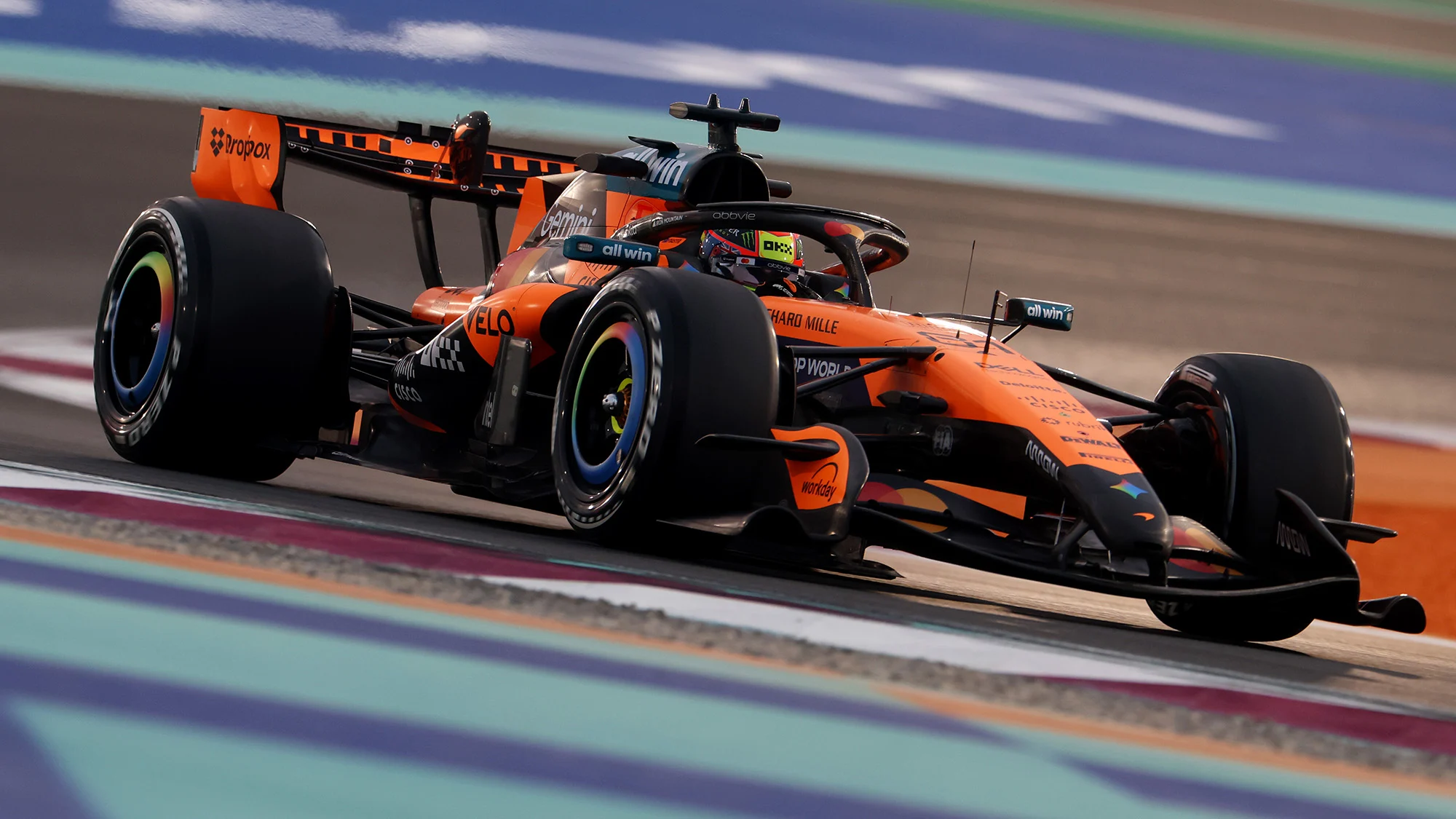
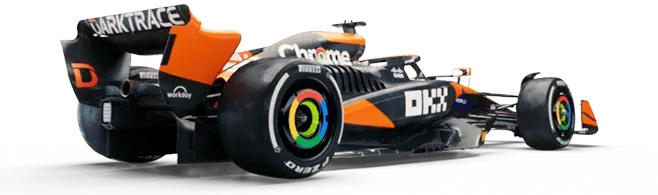
No, nothing too exciting this weekend. We’ll be running the RW9 rear wing this weekend, which has been the standard for a few races now. We will be doing some important tests through practice, though, which will give us some guidance on where we want to be next year with our aerodynamics.
The upgrades are working in the way we expected, and today is our usual programme. Across today, we’ll do some setup work to ensure we get the aero in the right place, get the front of the car as low as possible, based on skid wear or bottoming, and work on car stiffness to get the right balance. Nothing specific about the upgrade. I think we’re reasonably comfortable with where we are on that.
Mostly, it’s just a case of going back to our standard parts, where we would normally be. We’ll open up the bodywork quite a bit to allow air to flow.
It won't really affect setup itself, but we’ll still need to be reasonably careful with the tyres. The pressures have gone up a lot at the rear since last year, so that will warrant some investigation.
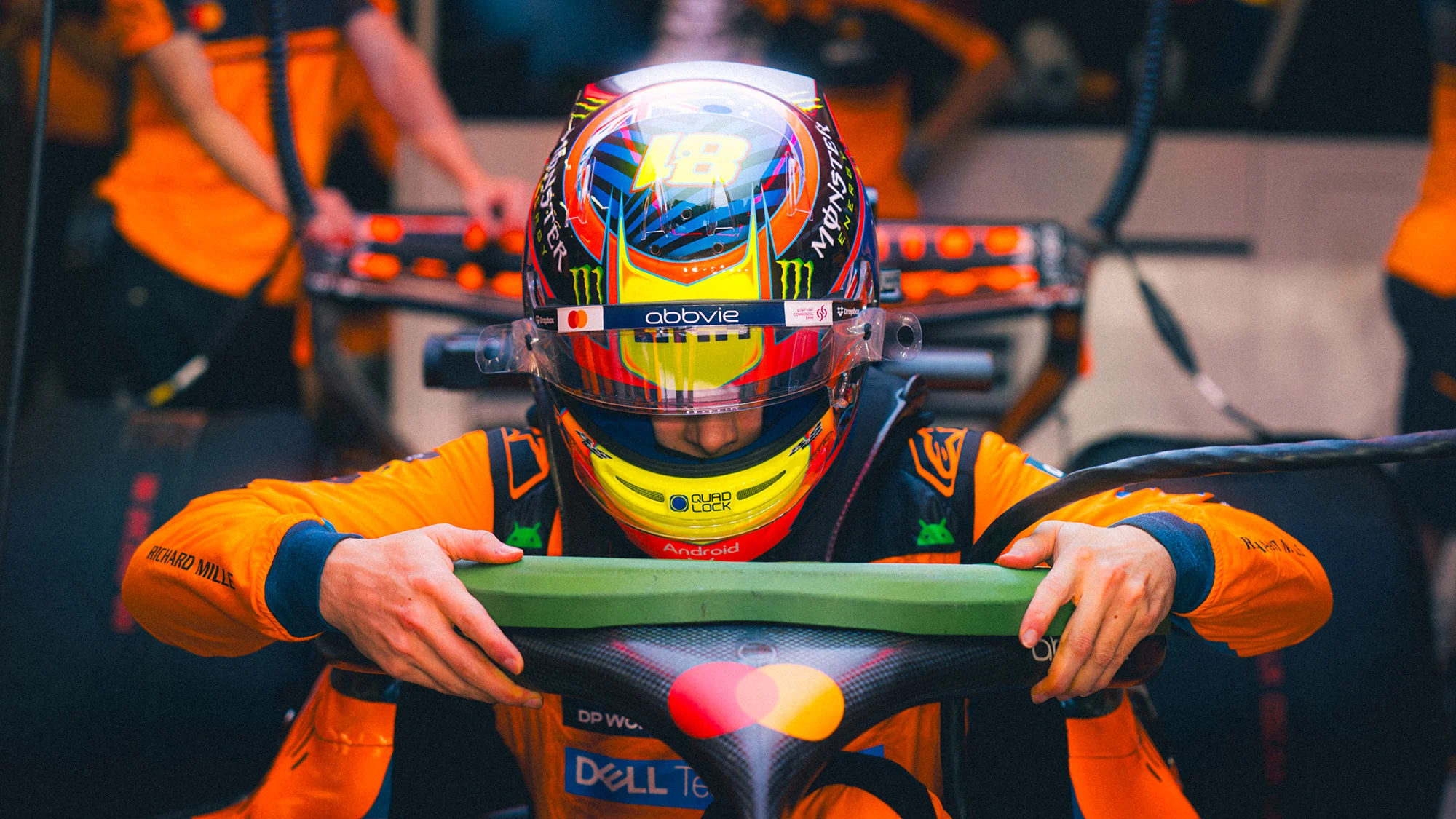
We think the system has progressed. The FIA made an allowance for teams to spend money outside the cost cap to develop this, and we’ve done quite a bit of development work.
We’ve been in the lab last week, trying to understand how effective it is and how we can make it more effective, and how we can improve the cooling shirt. The FIA made another budget allocation for next year outside the cost- cap, and we’ll develop it further. So, it’s a finished item in the sense that it now works and the FIA are happy with what we have produced, but I think there’s still some opportunities to help out the driver a little bit more.
Lusail will be another energy-starved circuit. It has been a difficult track on which to overtake, and so drivers deploying energy in different places may make overtaking easier… but our simulator data suggests it's still going to be pretty difficult, so we’ll have to see where we are with that.