



13 March 2026 05:00 (UTC)
Balancing power unit vs tyre testing, why Shanghai is a front-limited track, and assessing the impact of the Sprint: Answering this weekend’s key questions

Welcome to The Briefing, where we’ll be answering the key on-track questions ahead of the Chinese Grand Prix.
Each week, powered by Google Cloud, one of our trackside experts will join us to explain all of the weekend’s biggest talking points. This week, ahead of FP1, we spoke with Andrew Jarvis from the Race Engineering team.
Having been able to largely focus on the new power units in the opening round of the season at the Albert Park Circuit, there will be much more emphasis on tyres in Shanghai, where graining has previously played a major role in performance. It’s one of several key differences, another being the shift from an energy-limited circuit to one where it’s easier to recover that energy.
But with the Sprint format returning this weekend, and just one Practice session to utilise, the team won’t have much time for testing. With Andrew's help, we’ll explain what this means for the team and their plans to tackle these questions. Here’s everything you need to know…
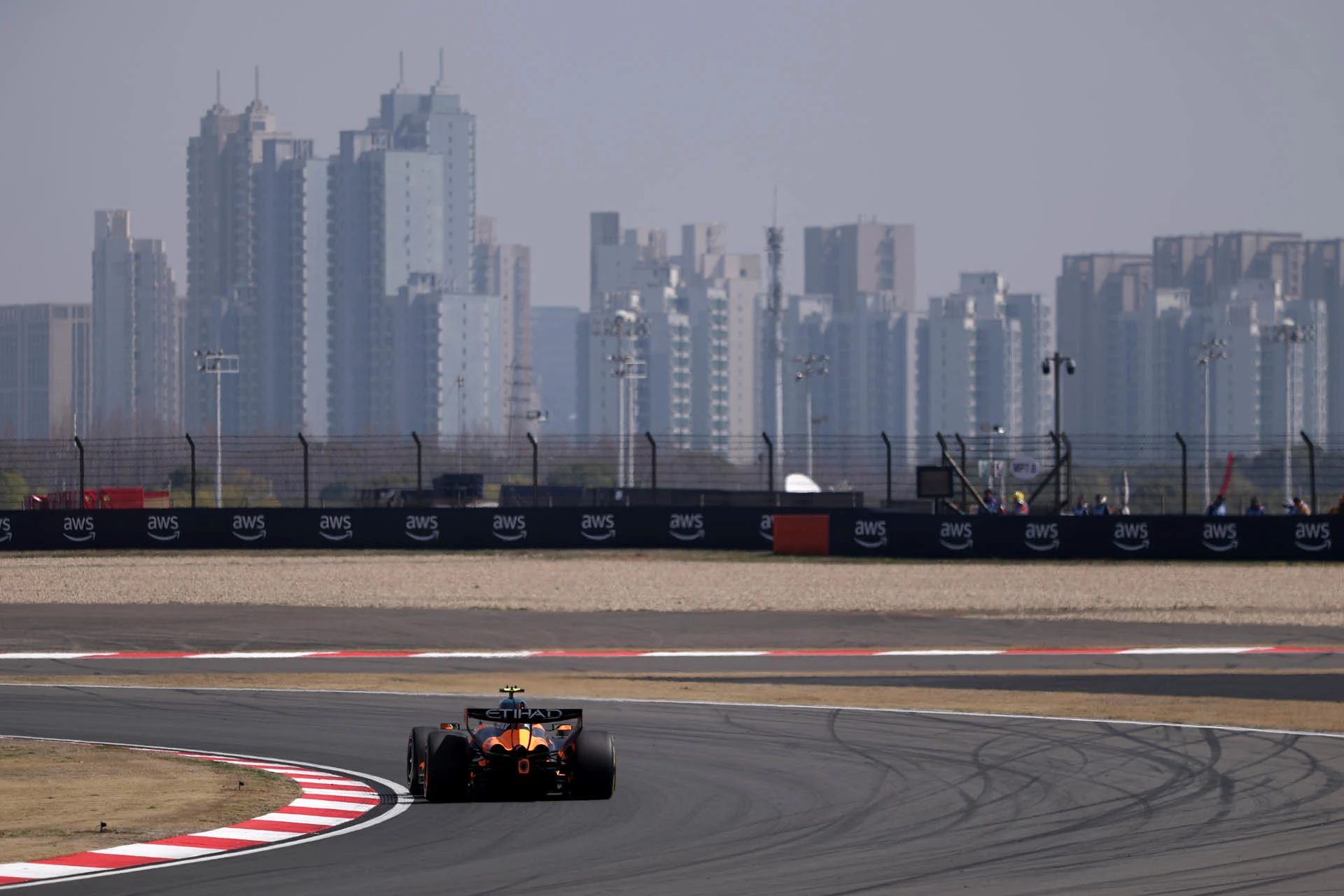
I hope so – though I think there are aspects that, potentially, will be quite similar. It’s a very front-limited circuit for us, and I think the tyres are a graining concern because of what we saw in Australia. We went to Australia not expecting graining because of the robustness of the tyres that Pirelli have supplied this year, but we saw more than we expected. As graining has been a factor previously in China, it could be a problem. And, of course, this is a Sprint weekend, so we have even less time to learn. We’re not sure how much learning we can fit into the one hour of Practice - certainly not as much as we would like!
Personally, I think the tyres will be an issue. The power unit is going to be a big focus, of course, because it’s very, very sensitive. But they’re both big issues we're going to have to work on.
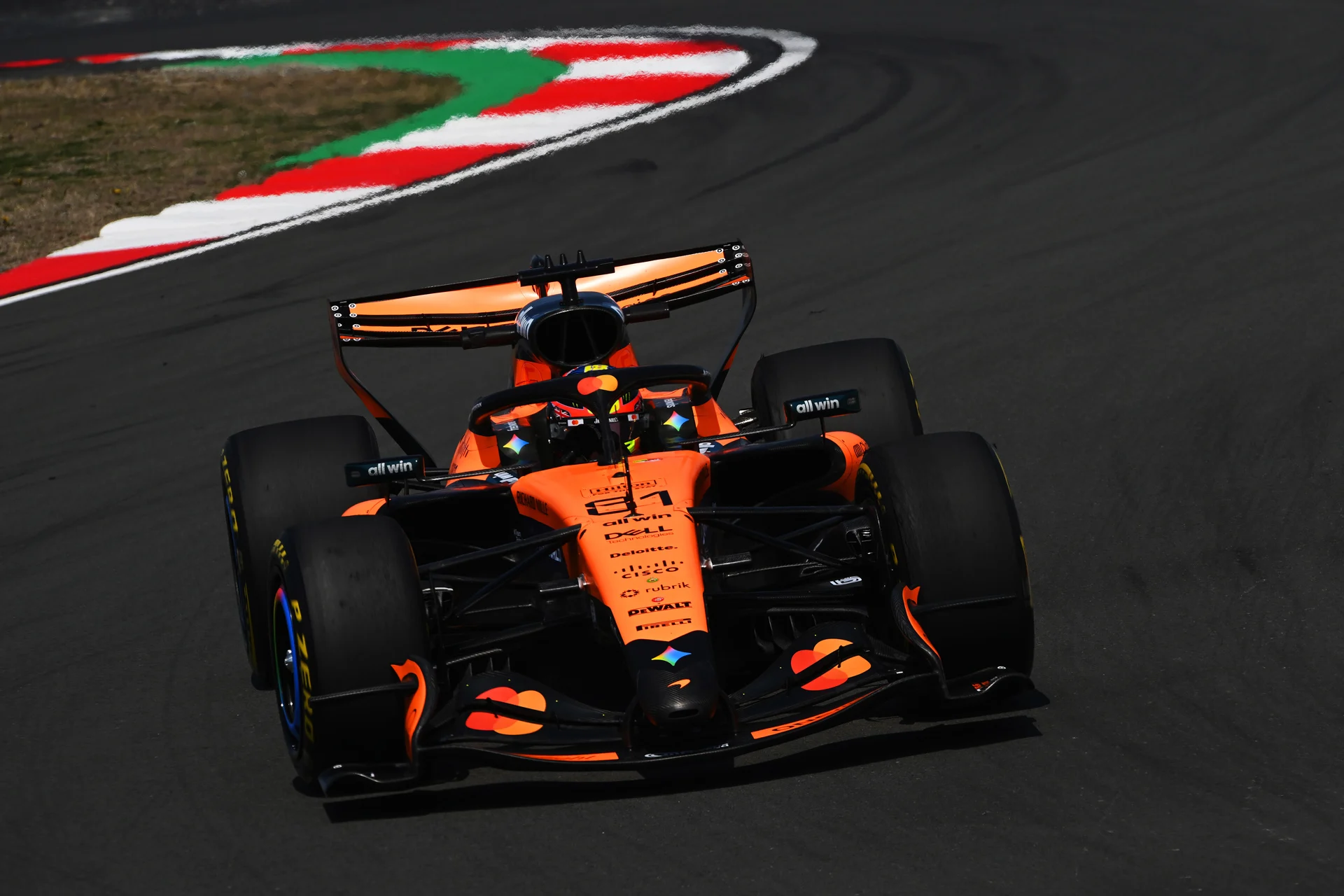
The limitations will be different. Whereas Melbourne was energy-limited, in Shanghai, we’re expecting it to be more about the power unit. In Melbourne, we had lots of super-clipping and LiCo [lift & coast], whereas we’re expecting Shanghai to be more like Bahrain, where you’re not harvest-limited. But because it’s easier to recover that energy, there will be more issues with boost pressure management. So, it’s a different limitation – but still hard for the drivers to manage.
Given we have just one hour of Practice, we’re not looking to have many test items on the car. It’s more of a weekend to concentrate on the basics.
For us, it’s been a front-limited track recently, and we’re expecting that to still be the case. It could be rear-limited, but I expect ultimately, it’s the front tyres we’re going to struggle with. The circuit was fully resurfaced for last year’s race, and we’re expecting that the track surface will have evolved a bit. The resurfacing got rid of a lot of bumps, though there were still a couple around Turns 1, 2, and 7. It will be interesting to see if any of the old bumps have come back or if new ones have appeared.
It’s a big consideration because there’s also a lot of track warp, and there’s trade to make between having a stiff car for the high-speed entries and something softer for traction and the warp.
The SLM zone going into Turn 1 will be interesting because the zone will extend into the first bit of cornering [because the car begins turning in before braking]. We’ll have to do manual deactivation there, which didn’t happen in Australia.
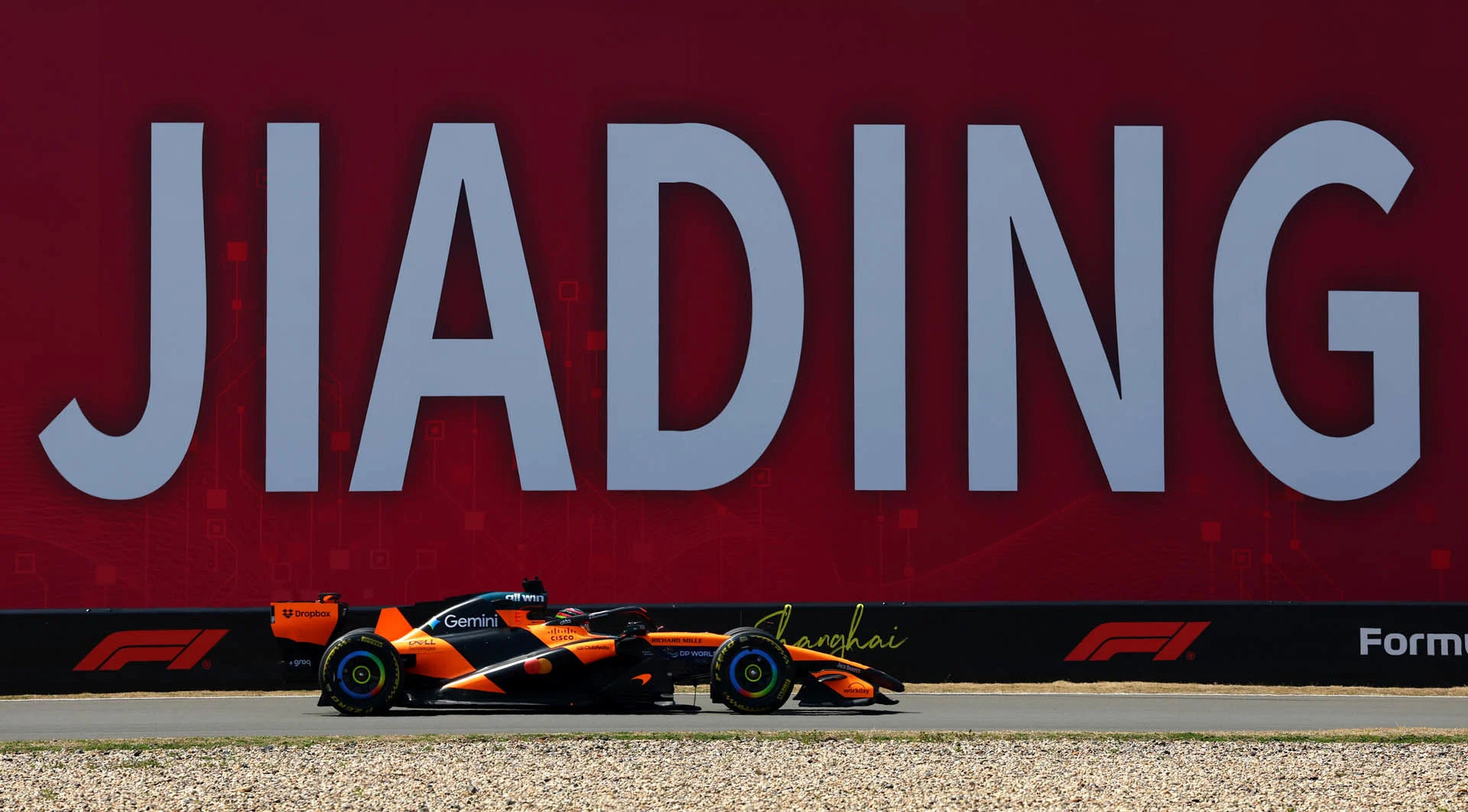
I think Lando’s was reasonably good compared to others, though not as good as Ferrari’s, which were very strong. We’ll work on launches in China – but we always do. Of course, the start procedure is more complicated this year, and there is work to be done to make it as repeatable as possible, but there are also elements of this that are, to a large extent, outside of our control.