


6 March 2026 04:40 (UTC)
Who is in the best shape? How will teams judge energy management? And what will Free Practice look like? Answering this weekend’s key questions

Welcome to The Briefing, where we’ll be answering the key on-track questions ahead of the Australian Grand Prix.
Each week, powered by Google Cloud, one of our trackside experts will join us to explain all of the weekend’s biggest talking points. This week, ahead of FP1, we spoke with Adrian Goodwin from the Race Engineering team.
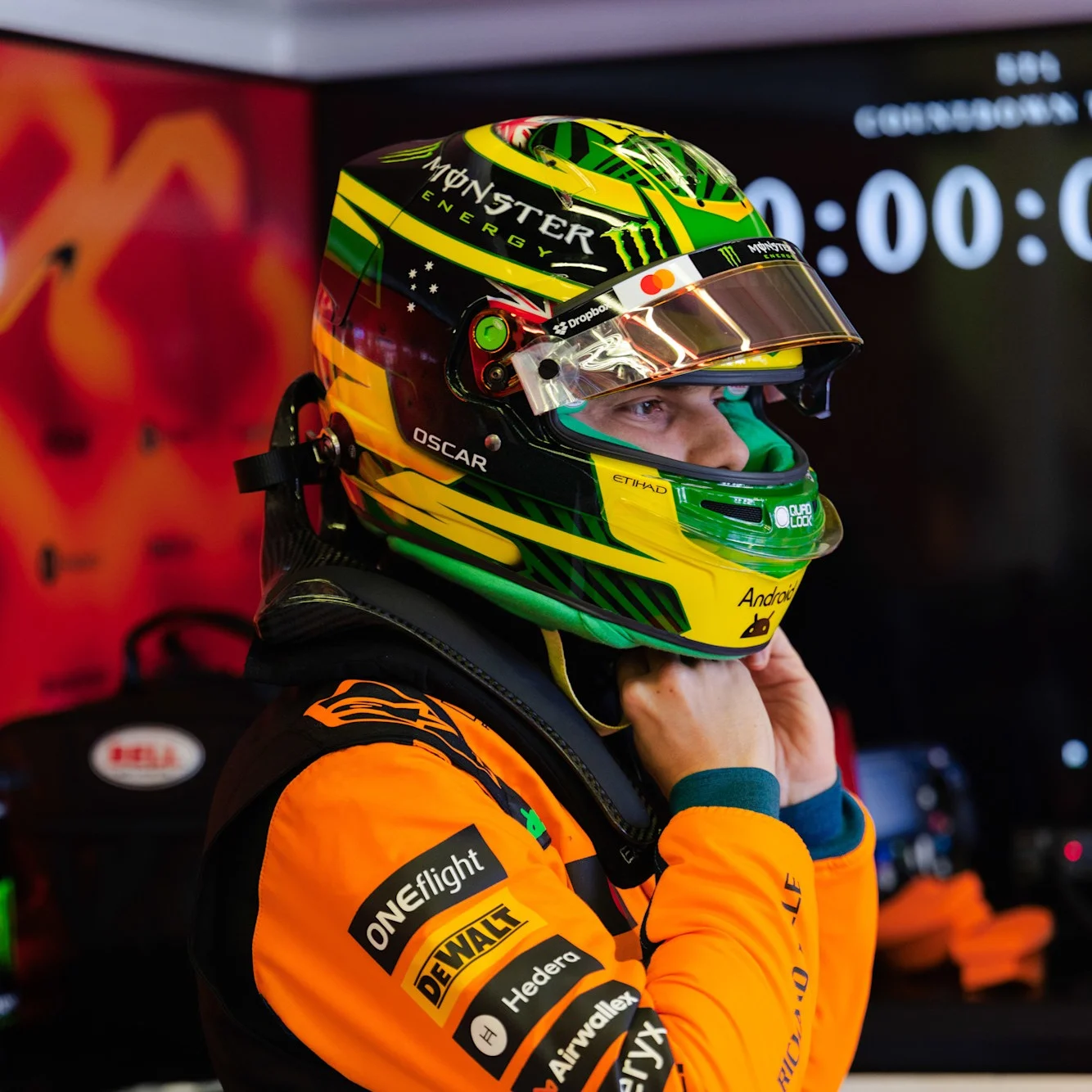
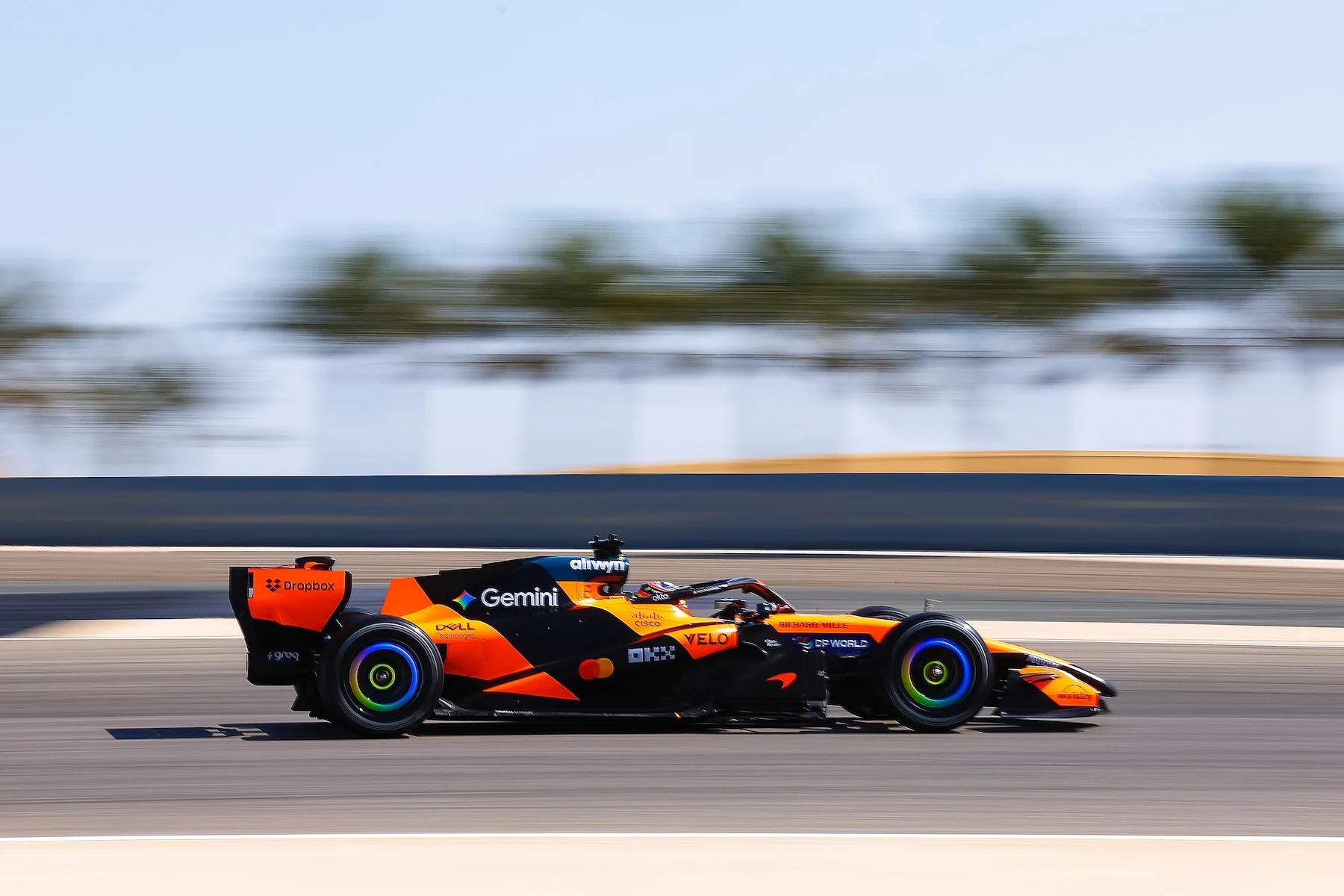
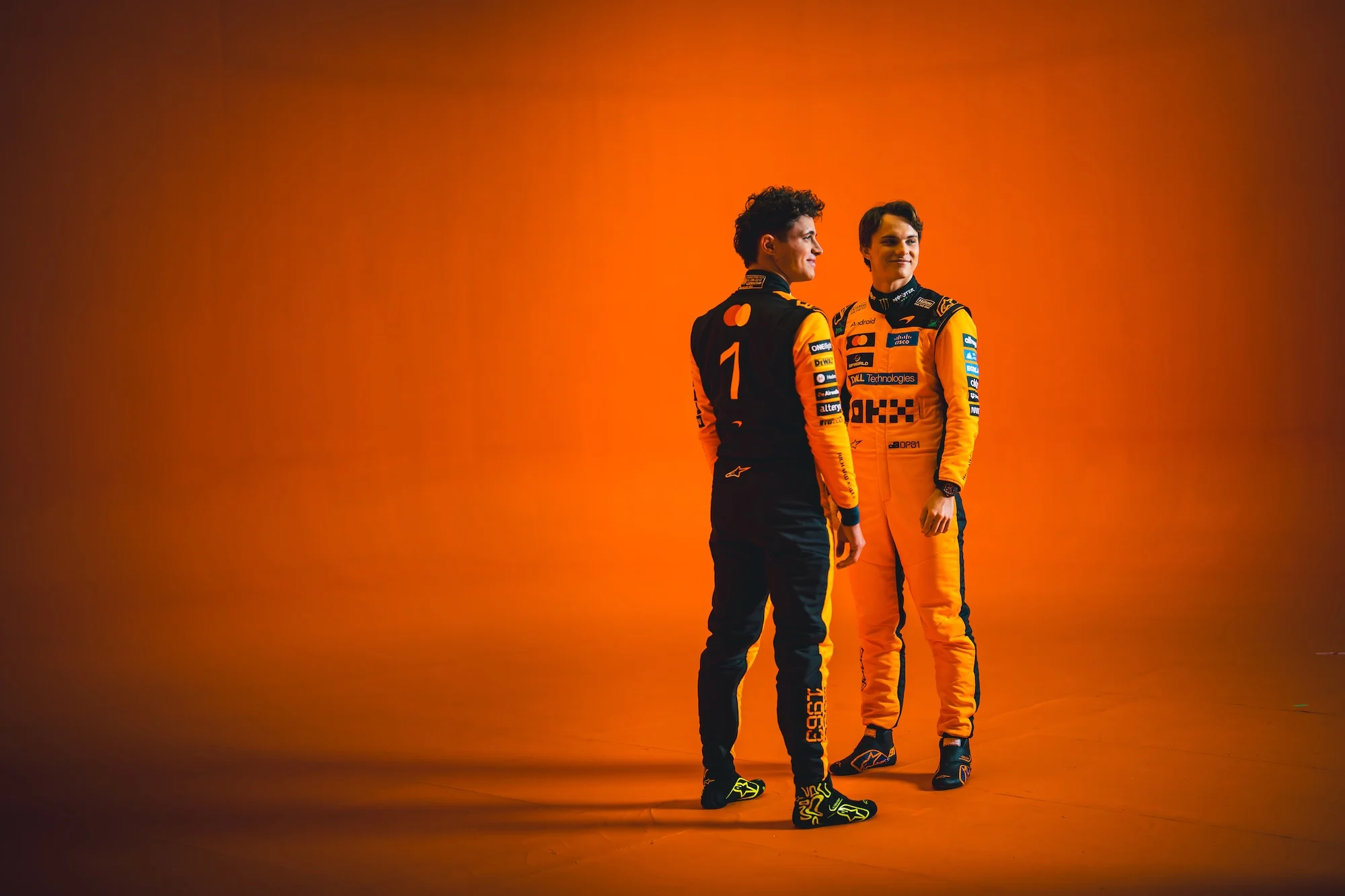
Free Practice will take on even greater importance at the start of the 2026 season as teams and drivers continue to get up to speed with the new regulations and dial in the new cars. Oscar and Lando clocked up significant mileage across the Barcelona Shakedown and the two weeks of Pre-Season Testing in Bahrain, but there are still plenty of unknowns heading into the opener.
Tyres and ride height have dominated Practice in recent years, but from 2026, energy will become the focus on Fridays, as teams and drivers attempt to work out how best to conserve, manage, and recover their limit supply.
Here’s everything you need to know…
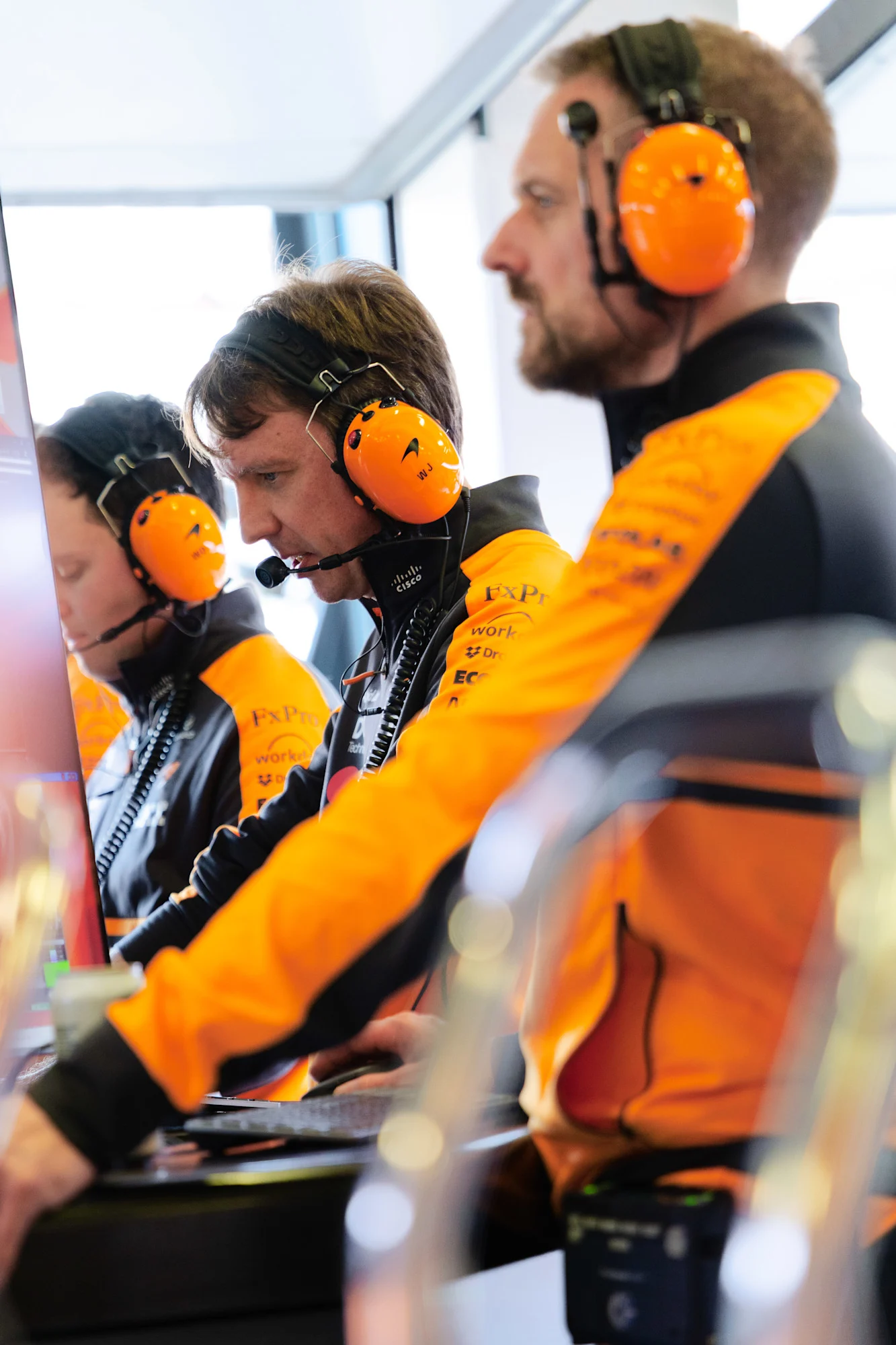
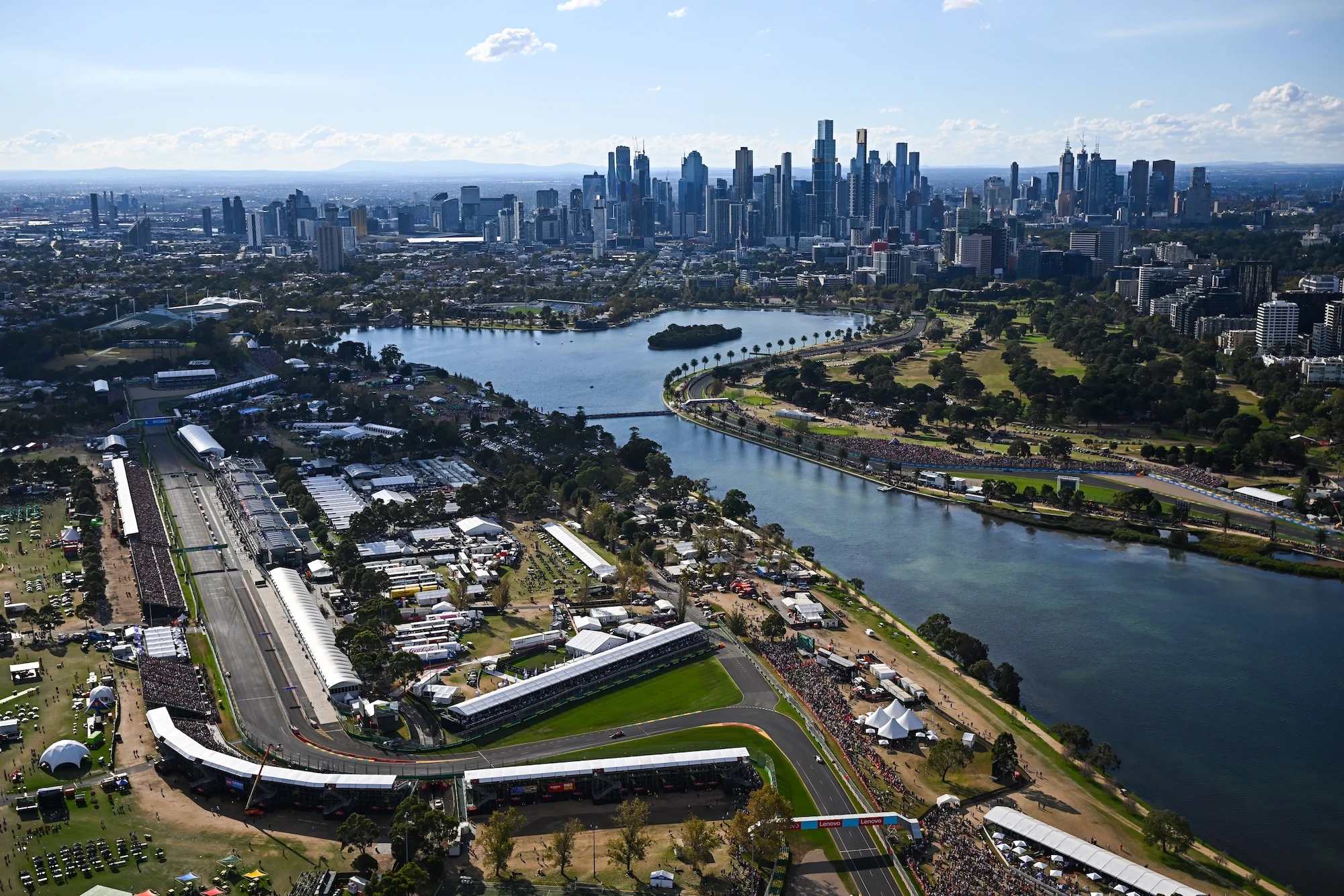
There’s a lot more uncertainty coming into this race than there has been for a number of years. We’ve got an idea from testing: there’s probably four quick teams, and we are one of them. Exactly how that shakes out is always difficult to know, but perhaps even more so this year. Having the first race in Albert Park compounds that: it’s a track that sometimes delivers a few surprises and doesn’t necessarily always shake down into the competitive order that will emerge when you get to more ‘normal’ circuits. Add in the driver learning, getting up to speed with a new power unit, and there’s going to be quite a bit of variability. Our thinking is that this is a race that’s going to be won by the team that gets the least things wrong, rather than by one that gets everything perfect.
Similar–ish. Qualifying will still have a heavy weighting because we don’t believe the cars will be able to race to their competitive position regardless of where they start. So, we’re going to need some qualifying runs in there. For continuous laps, we might be biased in favour of doing more running than would have been the case last year. There’s a lot to learn about battery deployment.
We still need to balance the time we have on track with the amount of time we need in the garage for setup changes, but so long as the car isn’t in a bad place, the extra laps are going to be more useful, because the drivers are still learning an awfully large amount about how the car operates with the battery system.
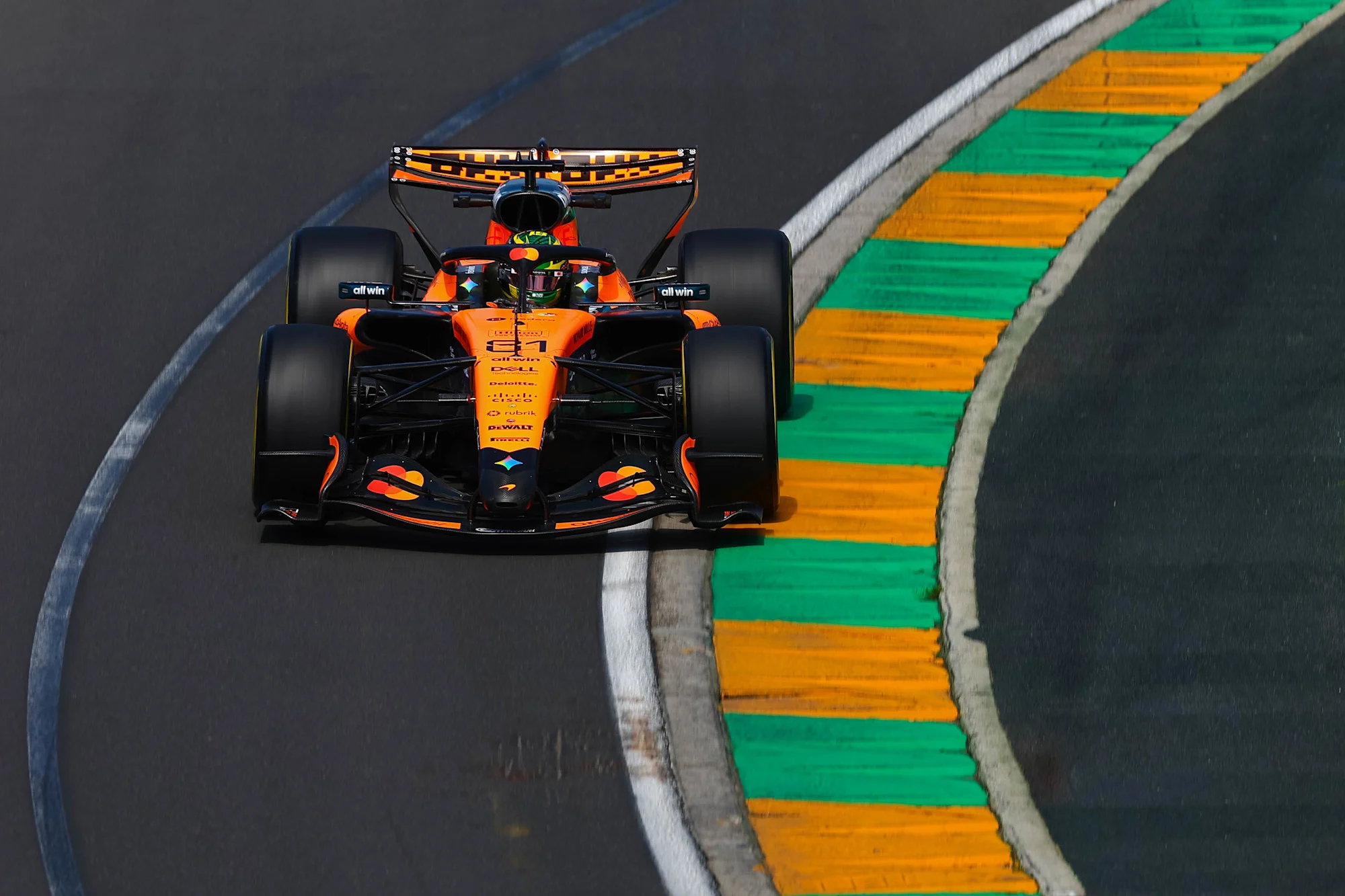
It’s going to be predominantly energy. Everything else still matters, but you’re going to lose more getting something wrong on the energy deployment than you’ll gain by finding a small tweak on setup or tyres. We certainly can’t forget about that stuff, but getting the energy in the right place around the lap is going to be crucial.
The drivers are going to have to prep themselves carefully, because their reactions to changing speeds on the straights, different braking points, etc., are going to be extremely challenging, so they need to keep practising.
Bahrain was probably an easier circuit for energy management, because there’s plenty of corners for harvesting, so it, to a degree, just happens without the driver needing to do too much. Australia, because it’s energy-poor, there’s a greater requirement to use superclip or lift-off regeneration to maximise the harvesting. The lap-time comes if you can maximise the harvest limit: Albert Park has some reasonably long straights. If you don’t have enough energy, it’s going to be pretty painful, so we need to get that dialled in.
This will hold our focus. We have to get the cars running consistently, such that the drivers know what it’s going to do, and how they can push on it. Once we have that, it’s forward planning for ‘what if’ scenarios to make ourselves as robust as possible. There’s still a lot to learn.
We learn a lot in the sim, and certainly that provides a baseline for energy management – but when you get to the track, you have a lot of extra variables the drivers have to be alert to. Things like wind direction, for instance. So, while the sim work is invaluable, nothing really matches getting out on track.
New types this year, though for the first three races, Pirelli have chosen the same three slick compounds as last year from their naming convention. Does that mean the C3, C4 and C5 this weekend are going to behave in a broadly similar fashion to how their predecessors did in previous years?
Well… no! Pirelli seem to have put a lot of effort into improving the mechanical resistance of the tyres to the sort of graining that’s been quite common in recent years. The evidence we’ve seen so far suggests they’ve been quite successful. Bahrain isn’t particularly a circuit where you see it, but based on the test in Abu Dhabi at the end of last year, the tyres look like they’re a little more resilient.
That potentially skews everyone more towards favouring softer compounds… but these cars are different, they will interact with the tyres in a different way, the aero loads being generated are different, and the energy going into the tyres is different… so there’s plenty of learning to do.
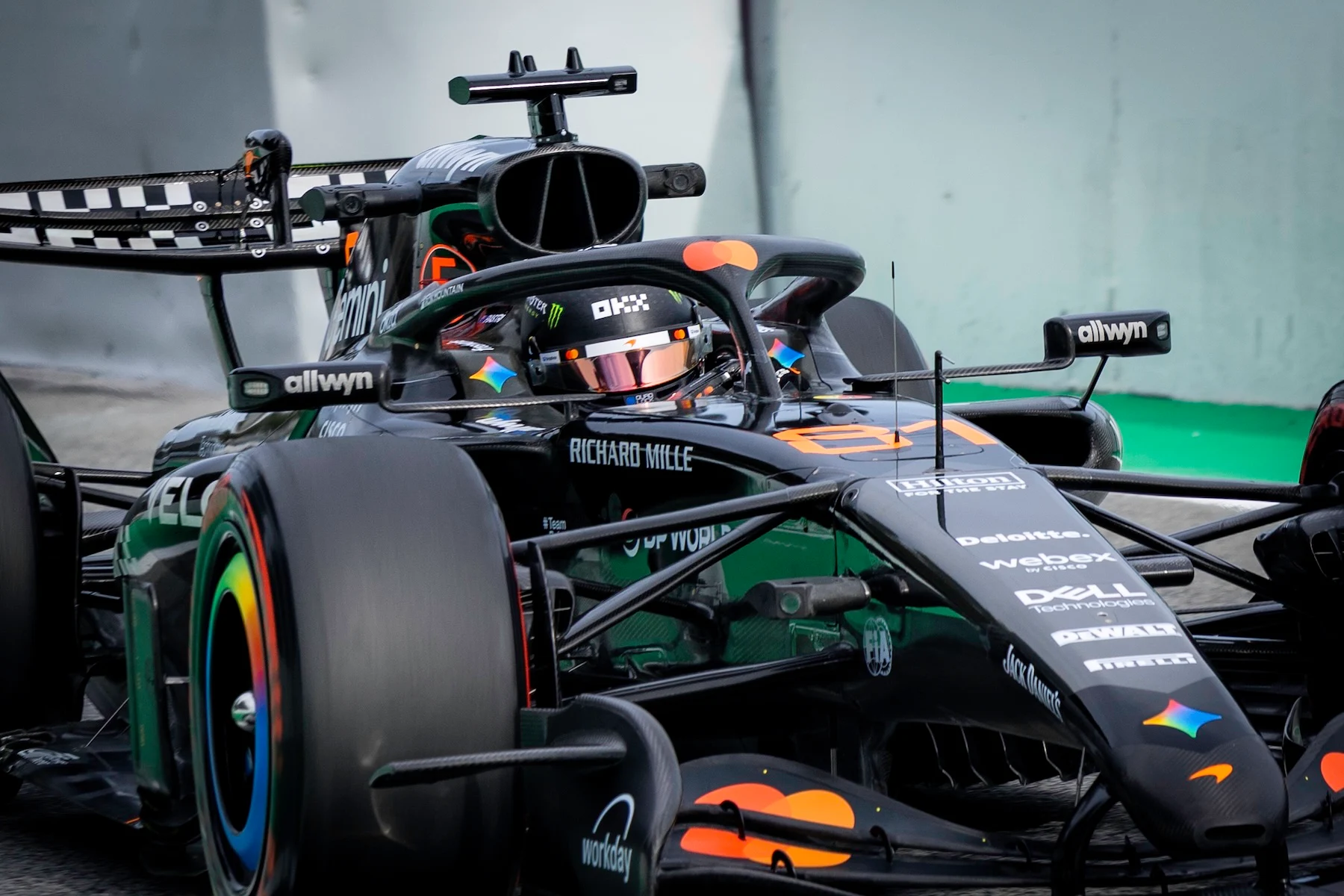
There are a few upgrades. We have a new floor and we’ll test both versions in FP1. There’s also a new rear wing available, which we will test across the cars. It’s the usual plan: split the cars in FP1, analyse after the first session, and converge on the preferred setup for FP2.
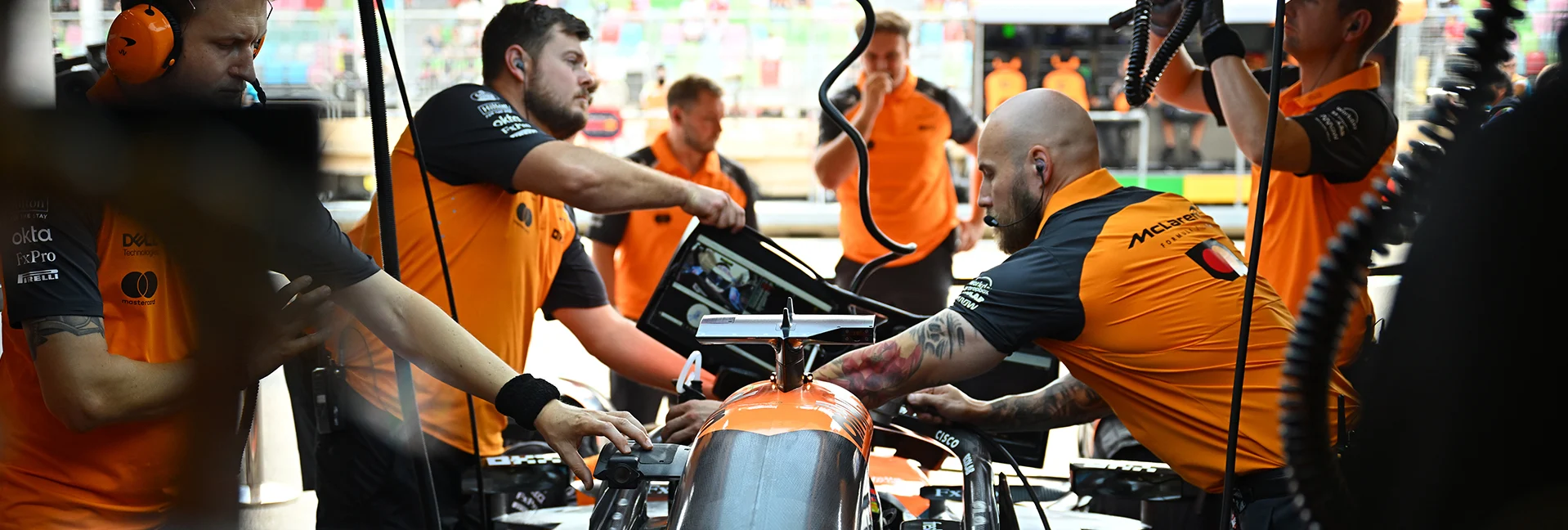
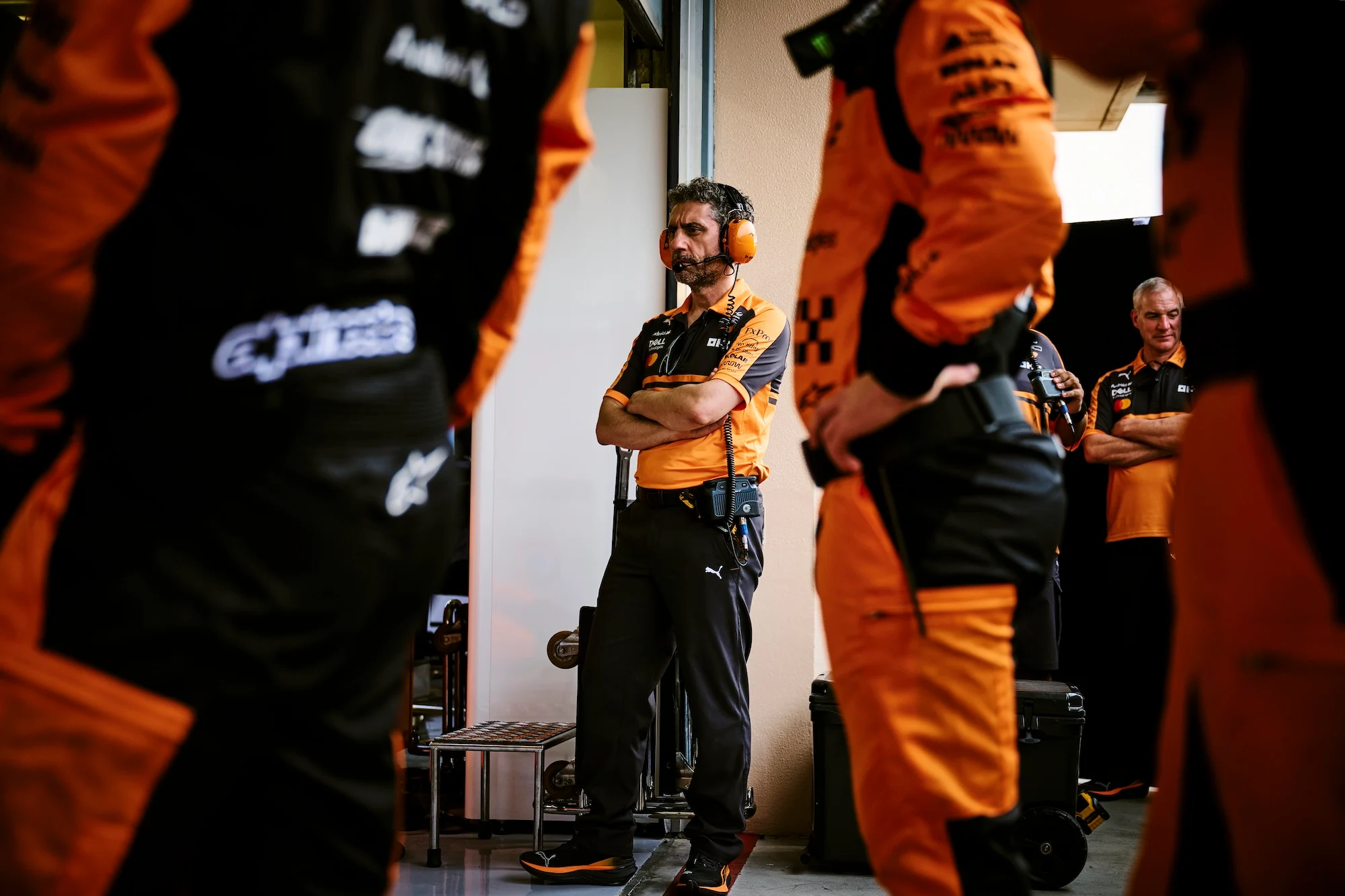
The garage operation will look fairly normal – not much has changed there – and, as I say, the Practice run plans won’t be very different to what we’re used to seeing, and Qualifying, not hugely different. What isn’t clear yet is what will happen on Sunday. Without DS, and with the way the battery works now, we won’t necessarily see the same style of racing. Albert Park is a circuit where more battery charging is needed on the straights, as we saw in Bahrain. There could be some quite big speed differentials if you get it wrong, but we just don't know what to expect, really! Where the overtaking points are is less clear.
This ties into what I said at the top: the priority in Practice is to make sure we don’t get it wrong. It’s easier said than done! The key bit is to try not to make any big mistakes, and to make fewer mistakes than everybody else. Do that, and I think your weekend will look quite good – even if you come away thinking you perhaps left quite a bit of performance on the table.
Follow all of the action this weekend via the McLaren Racing App, available to download on Android and iOS.