


9 April 2026 09:45 (UTC)
It’s a thankless task that leaves the team with soggy trainers, but it can be surprisingly impactful in the long run

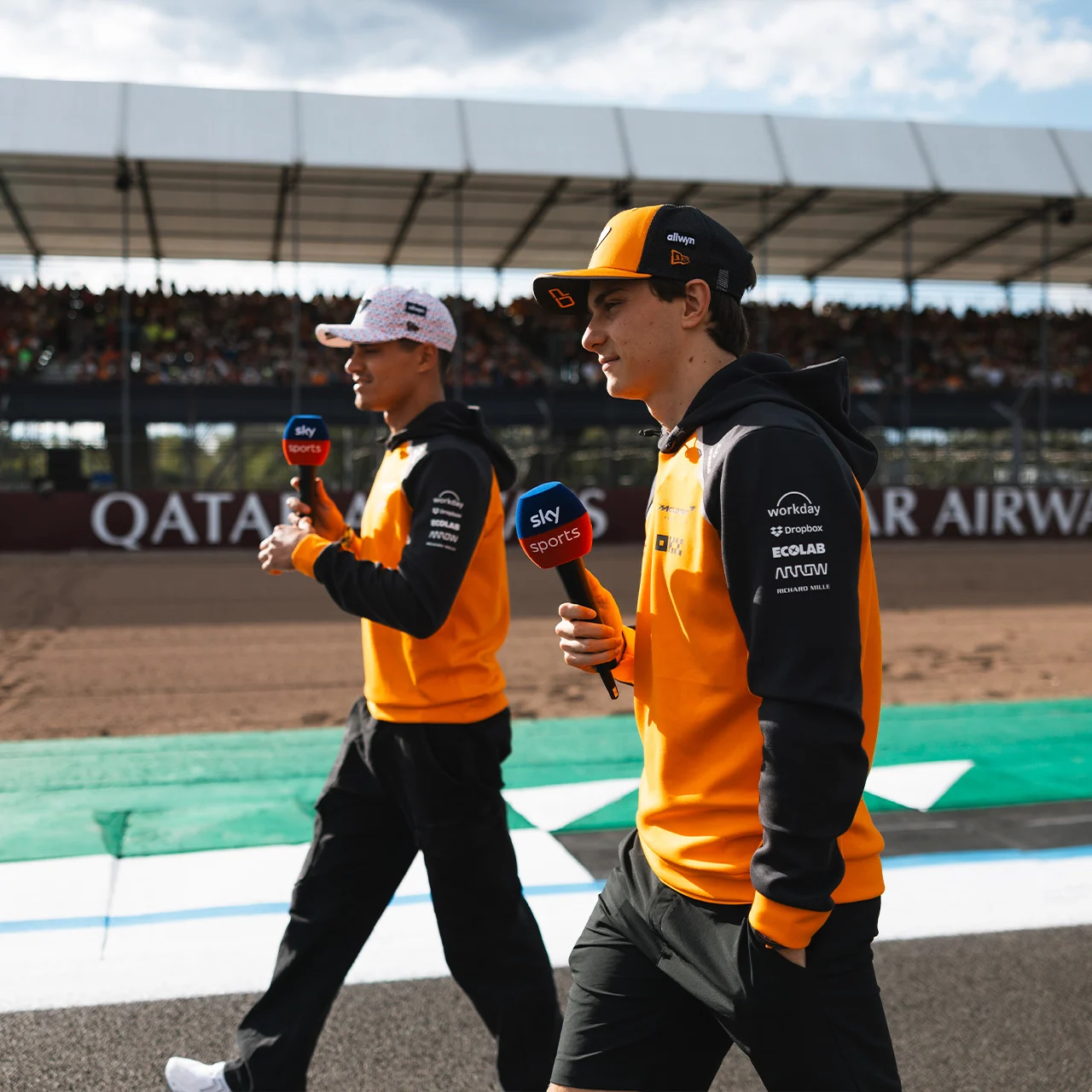
Watch Formula 1 on TV and, in the pre- and post-session analysis, invariably you’ll see presenters performing their walk-and-talk through the paddock, debriefing the action. Whatever the weather, this usually requires them to step across rivers of water, even on the driest of days.
This quite often causes comment among fans on social media, questioning what exactly makes the paddock so soaking wet, when they’ve seen nothing but sunshine on their screens.
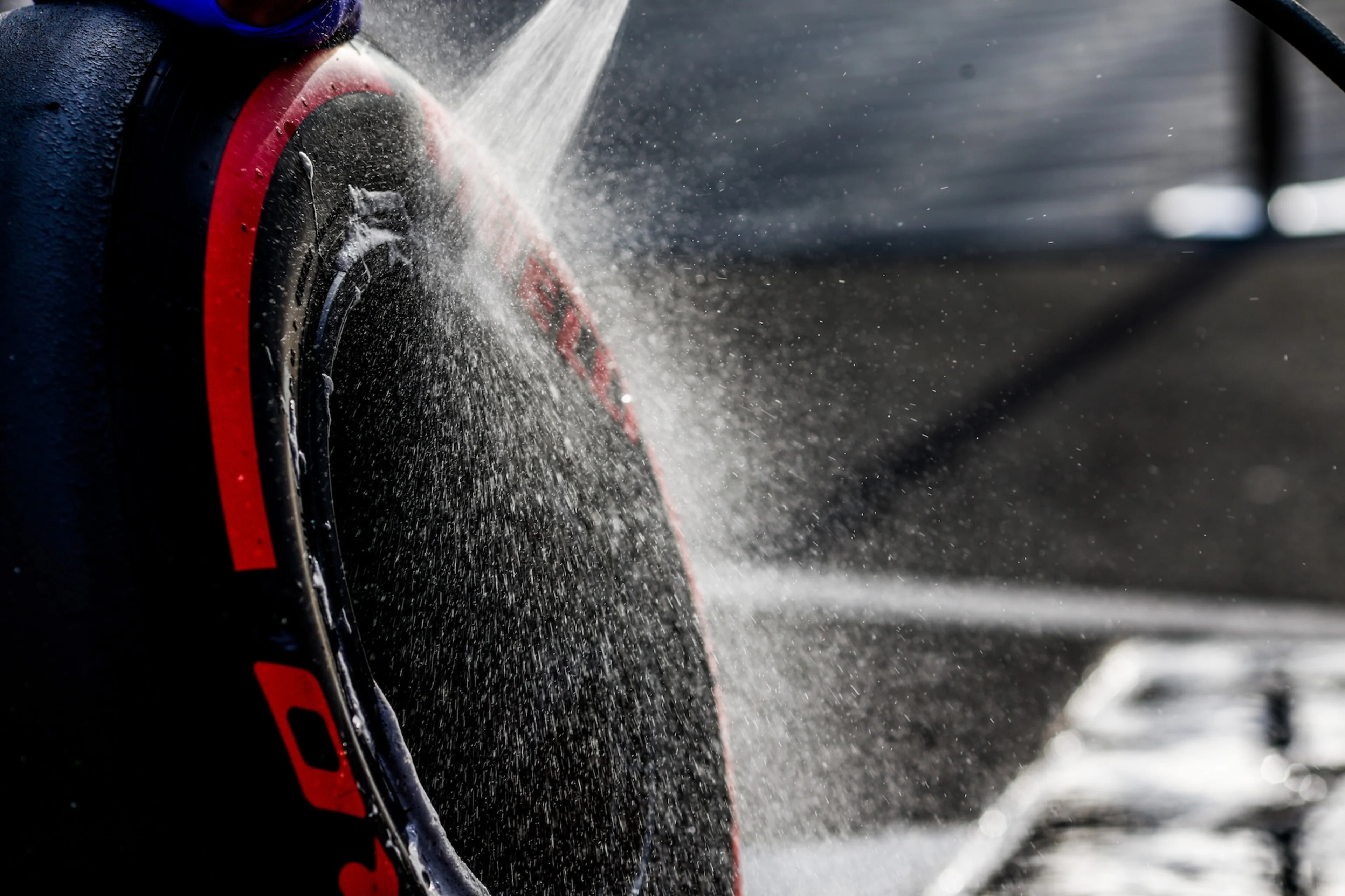
The water actually comes from a team’s hosepipe because, after each session, they’ll wash down the wheels… which begs another question: why go to all that effort given that those tyres and rims are usually done for the weekend?
This is the latest edition of our 0.1% Solutions series, where we explore how far a Formula 1 team would go to find a performance gain. The simple answer is: as far as it takes. The car upgrades that find tenths of a second are vast, seismic improvements, but that doesn’tstop everyone from chasing down the marginal advantages. Here, we explore the minute details that keep F1 at the forefront of modern technology. Today, it’s wheel washing…
Wheel washing isn’t just a mania for making everything sparkle, although that’s partially a factor - everything seen in the paddock tends to be polished until it gleams - but no, having the very busy tyre techs spend time sprucing up the used rims has a little more to it.
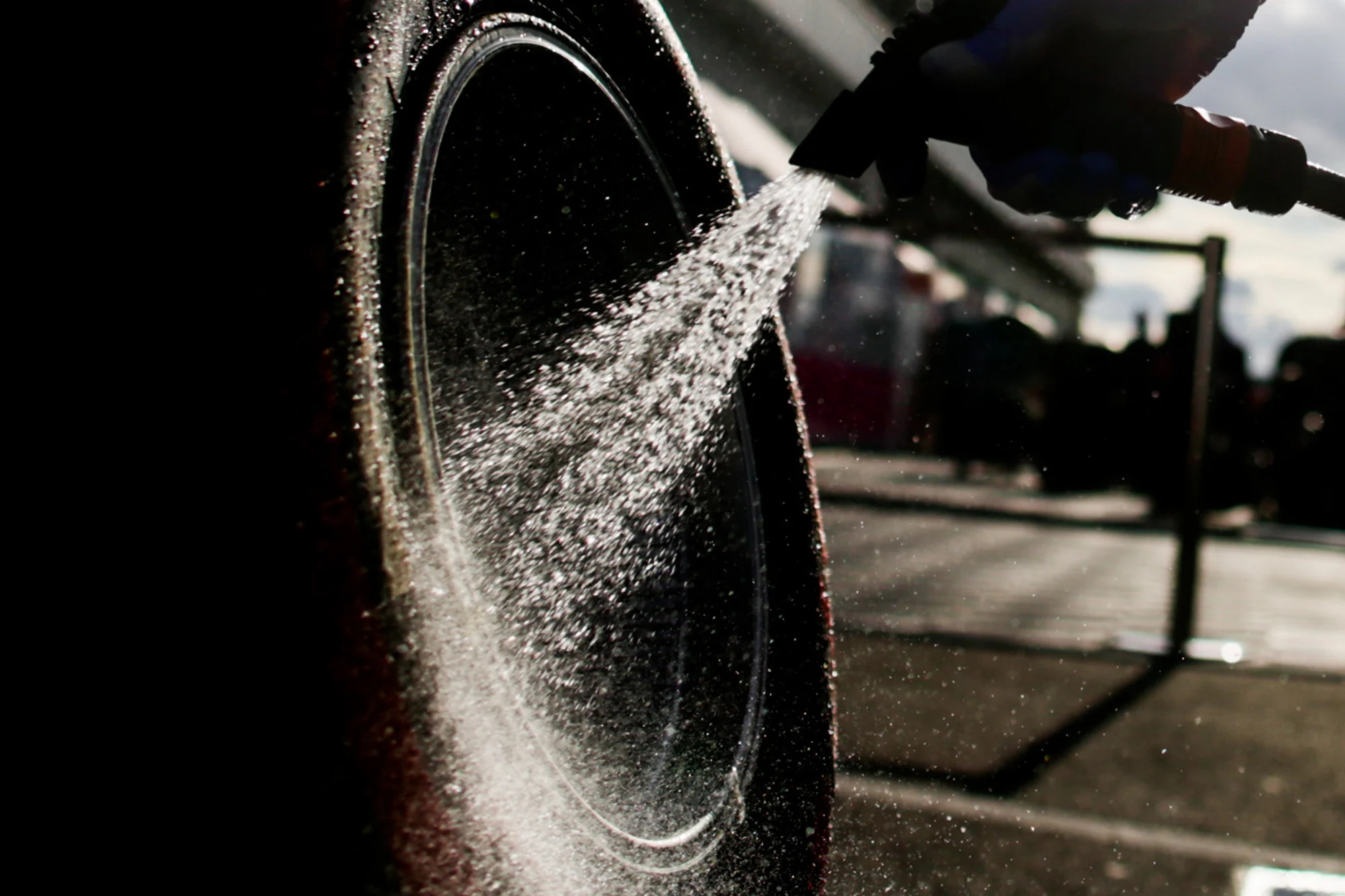
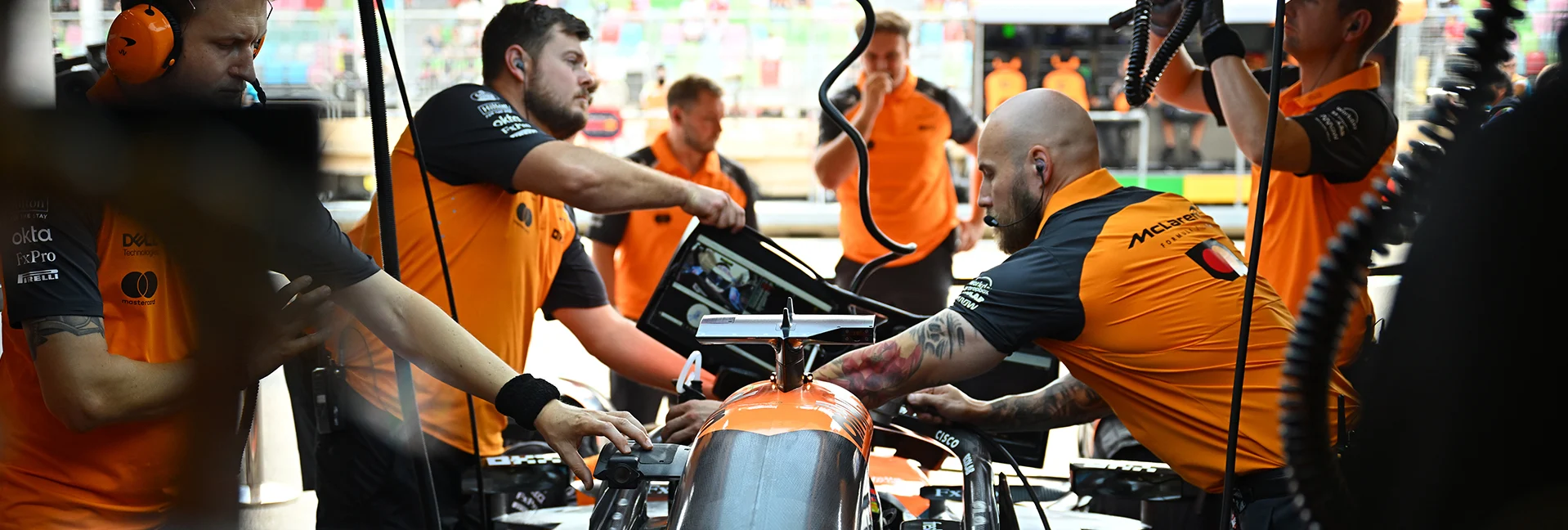
The procedure is the same after every session, whether it's Practice, Qualifying, or the race. The used tyres are taken to the back of the garage, and once the tyre engineers have had a visual inspection, the tyre techs will roll-out the hoses and give the wheels a thorough wash.
Following this, we’ll hand the tyres back to Pirelli, who will dismount them from the rims and place our 40 sets of wheels into their shipping boxes, ready for air freight to return them to either the factory or on to the next race.
Given that the wheels will be cleaned again once they’re out of the boxes, it seems like an exercise in aesthetics to wash them immediately once they’re off the car - but it isn’t. We do it because the carbon dust from the brakes, if left, can adhere aggressively to the surface of the forged magnesium wheels, which could eat into the metal and create tiny pits or surface damage. Washing the wheels as soon as practical keeps them in excellent condition, free from corrosion.
Additionally, washing the wheels enables the team to conduct a thorough inspection of each one, which is particularly relevant given F1’s increasing number of street circuit races, where brushes with the walls have become commonplace.
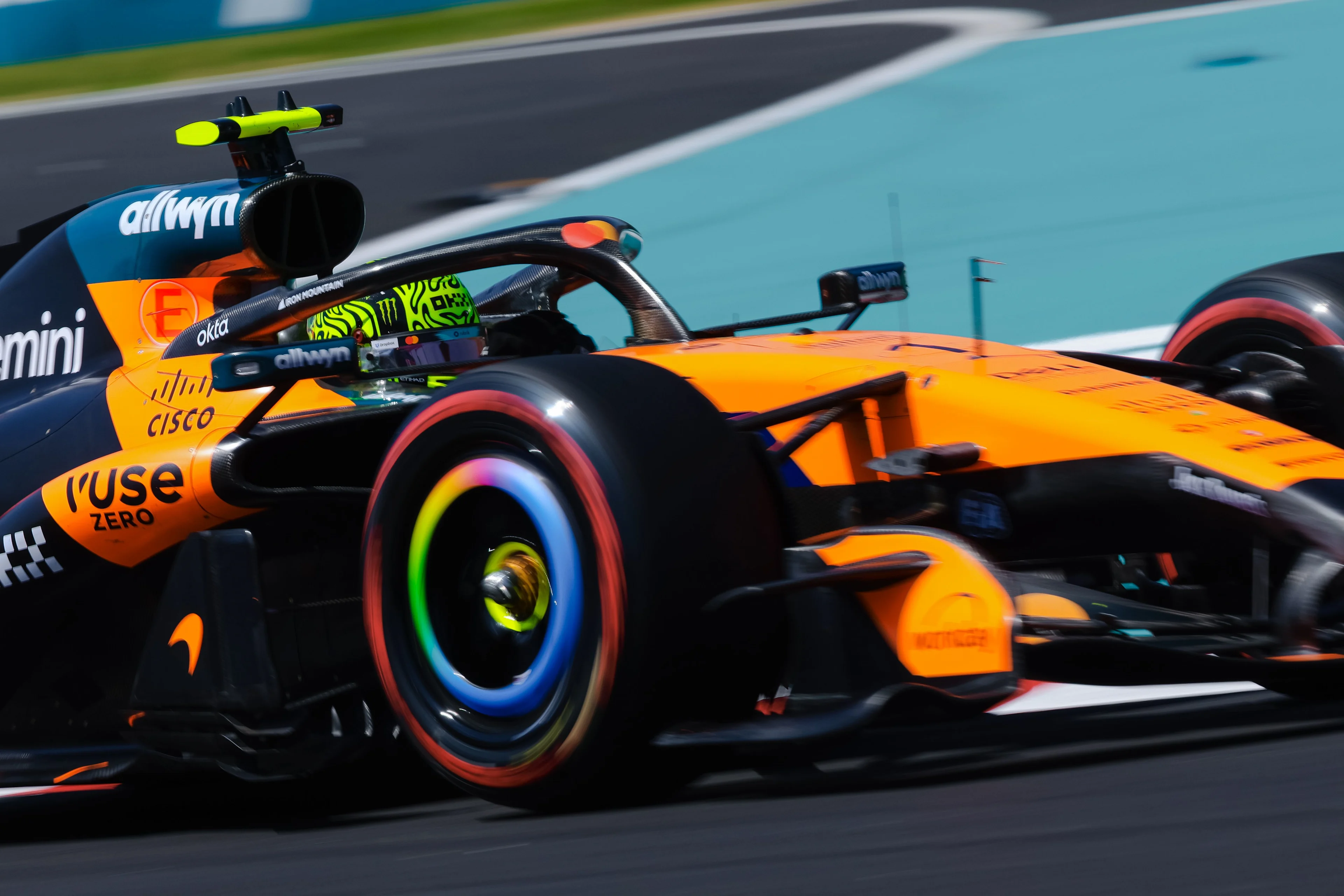
The wheels are tough but not indestructible, and a street circuit is an incredibly harsh environment. Washing the tyres provides the team with an early opportunity to check for spot scores and scratches, identify any damage, and then potentially have the wheels quarantined and sent for non-destructive crack testing, or even roundness checks.
Most cars go through two sets of tyres in Practice, about five in Qualifying, and at least three over the course of the Grand Prix - though race day demands can push that number up to five or six sets.
Anywhere from 16 to 48 tyres end up needing a thorough wash after each session. It’s a slow, often thankless task, leaving the crew members responsible with sodden trainers for the rest of the day - but it’s one of those tiny, 0.1% jobs that quietly help the team perform at its absolute best.