



4 April 2025 04:30 (UTC)
Tyre choice, setup decisions, and a partially re-laid surface: Answering this weekend’s key questions

Welcome to The Briefing, where we’ll be answering the key on-track questions ahead of the Japanese Grand Prix.
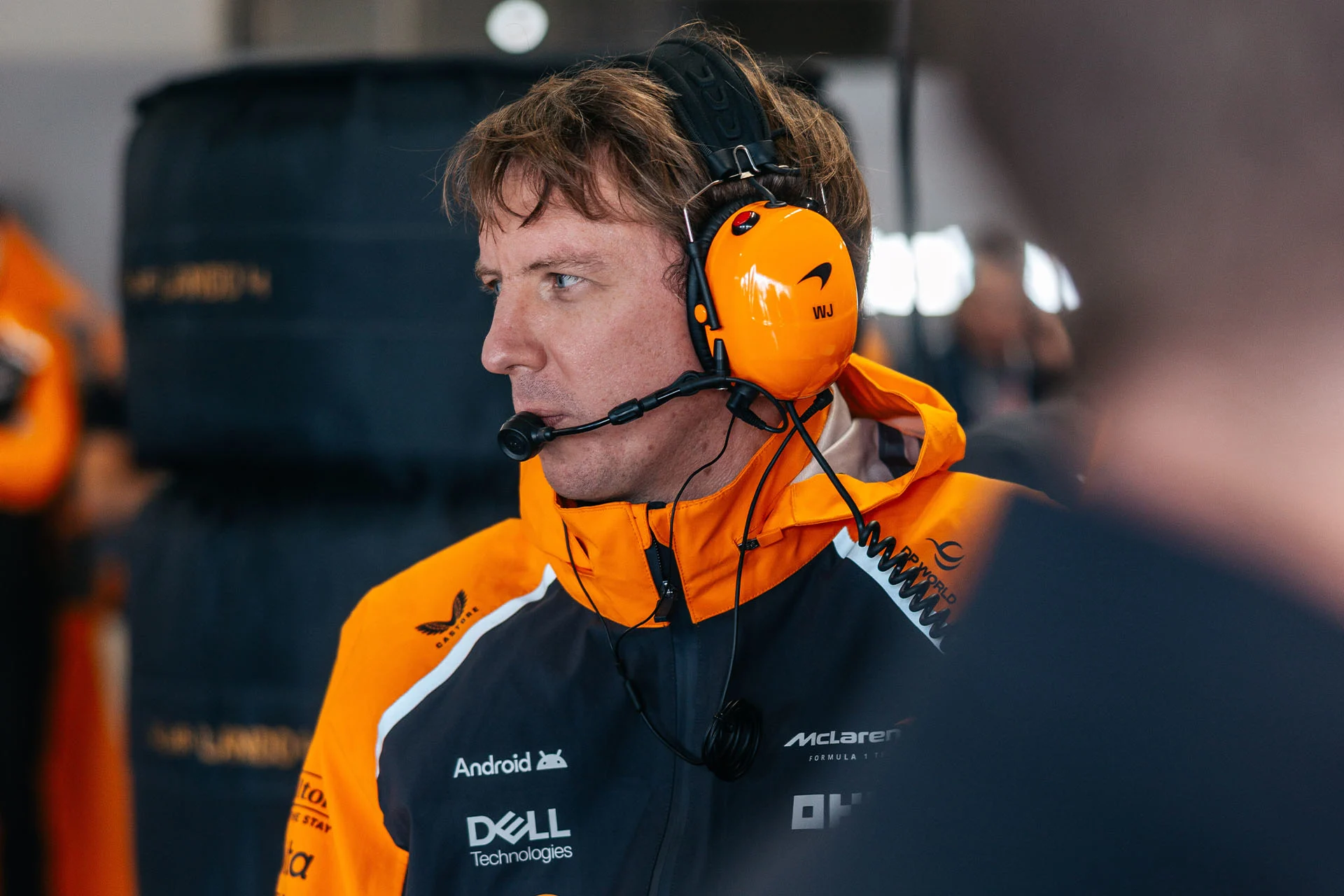
Each week, powered by Google Cloud, we’ll be speaking to one of our trackside experts to walk you through the biggest talking points and provide you with a simplified guide of what you’ll need to know to jump straight into the action. This week, we spoke to Adrian Goodwin.
Suzuka is a circuit of two halves, with a technical first half and a high-speed second half. Deciding which of these to prioritise with our setup always makes up a key part of our Free Practice plans in Japan. We’ll be explaining why, as well as looking into the questions around tyre choice, and the impact of Suzuka’s partial resurfacing.
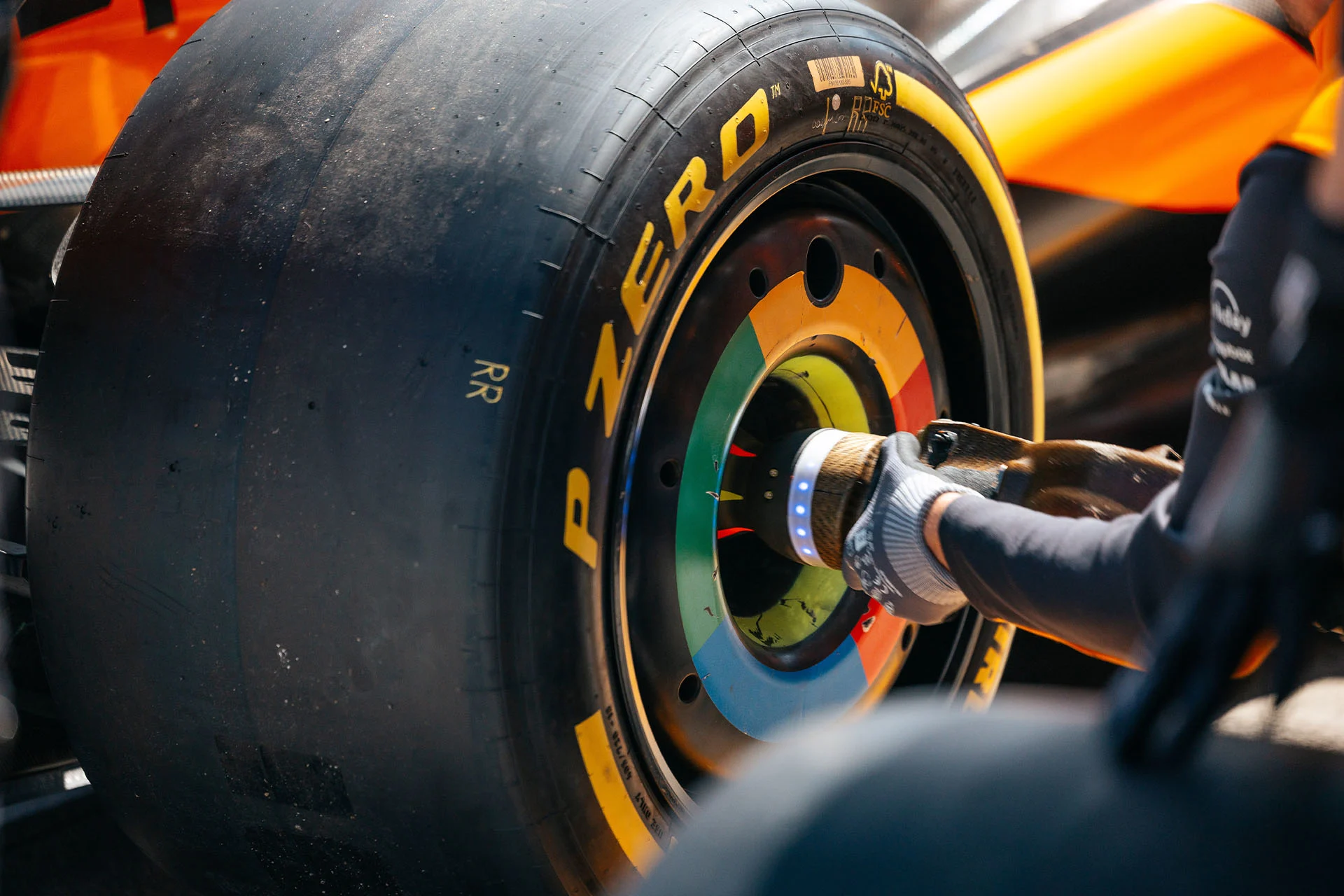
We’re in pretty good shape. I think the cars themselves are reasonably well understood from testing, and there isn’t an abundance of big setup items we need to test or dial-in. We also don’t have anything new arriving on the car. Practice this weekend is more about understanding some pretty significant track changes and, as is always the case, learning about the tyres and how the drivers can best exploit those two things to deliver performance.
The track has been resurfaced from the last corner up to the end of the first sector, which includes the high-speed Esses. Our information is that the first pass left a few bumps, which have subsequently been patched. So, the question to answer across practice is going to be how the tyres react – because it is a different track surface to the rest of Suzuka.
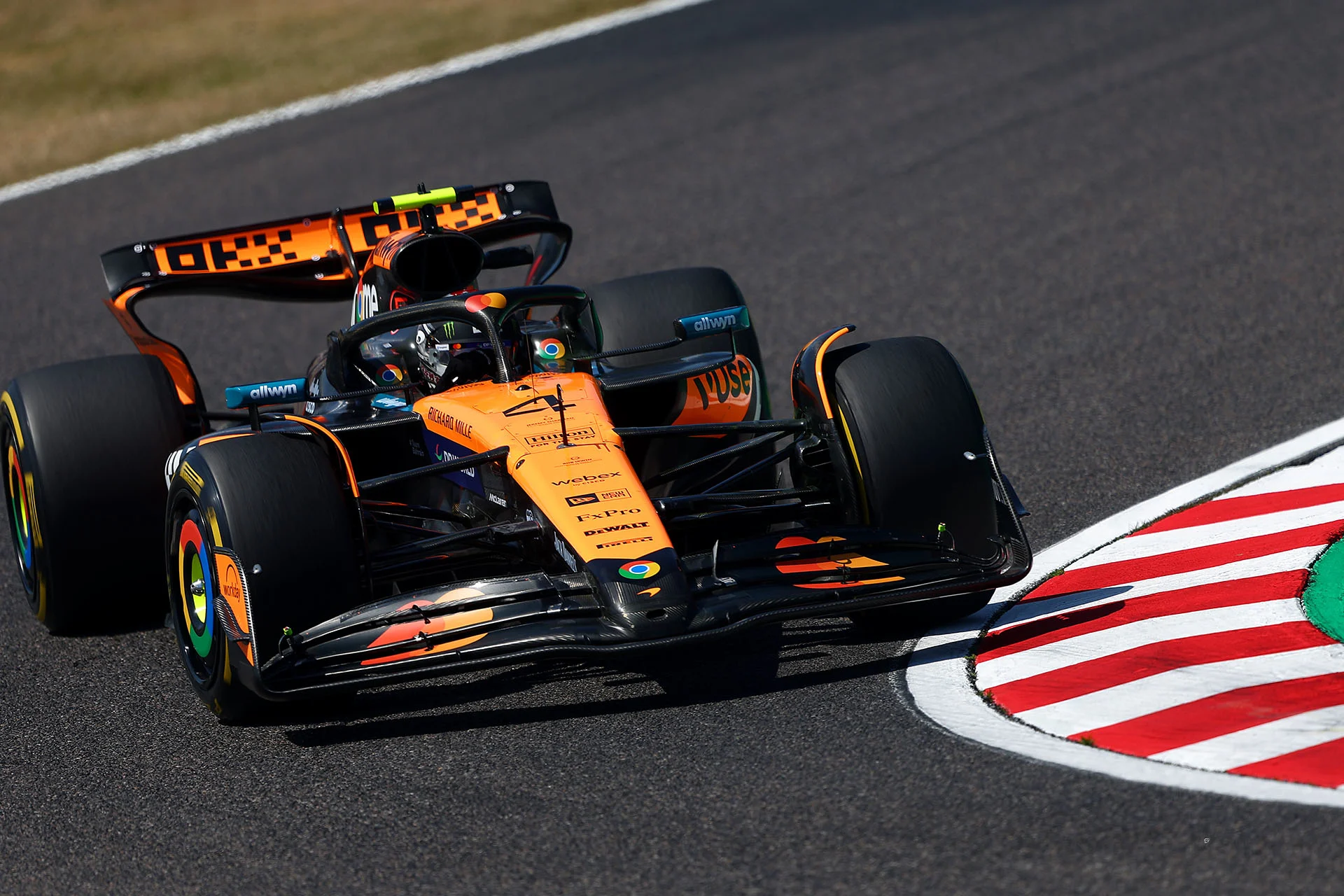
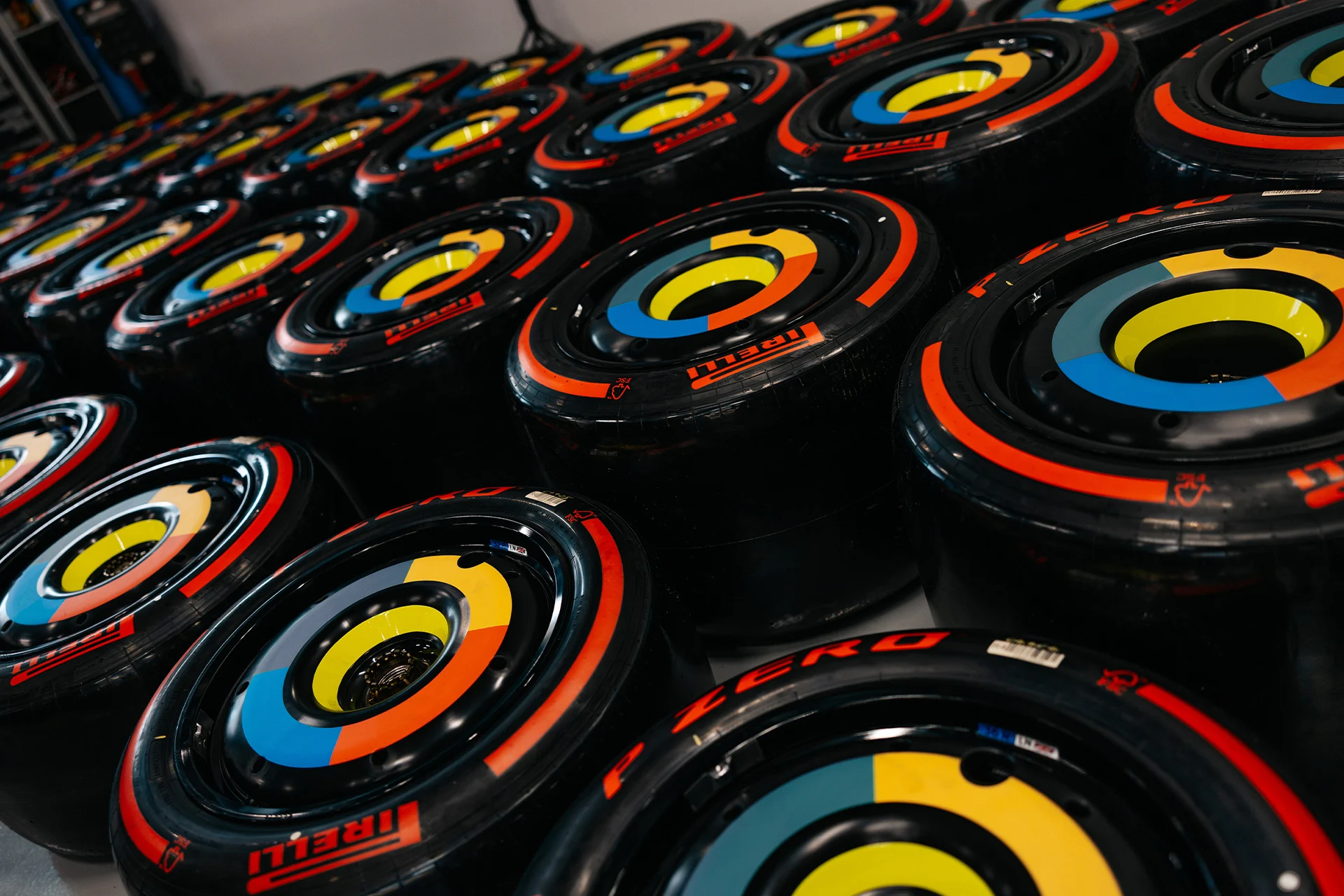
That’s going to be the big question. How does the resurfacing affect the tyre choice? It’s particularly relevant because it’s in the highest-duty part of the track. It could make a big difference to the degradation of tyres. Does it mean the Hard is better-suited now, because the track has better grip? Is graining going to be an issue on the Softer compounds? This is what we’ve got to answer today.
In China, we knew that the Medium and Soft tyres grained, and that’s what would ultimately limit the life of the tyre, but because we’d seen the Medium grain, no one then ran the Hard tyre because everyone wanted to protect the two-stop, which would need both sets. It was only in the race that we saw the Hard tyre was much more robust to graining and that you could extend the life.
So yes, the tyres themselves weren’t totally understood. Here in Japan, the big unknown is the C1, which hasn’t been used in Australia or China. We did use it during the test in Bahrain and can extrapolate from that, but this is a different sort of circuit. How well will it warm-up? How much grip will it have on this surface? There’s certainly a lot of learning to do. Ultimately, though, you learn by running your standard programme in FP1 and making sure you can then react, based on what you see there.
It’s difficult, because Japan is also very sensitive to the wind direction, and whether there’s a headwind or tailwind through the Esses, which again is the most sensitive part of the track for the high-speed grip we’re playing with. We’re expecting a headwind on Friday, switching to a tailwind for the rest of the weekend. Between that, and seeing exactly how the new tarmac behaves gives us plenty to think about – even without rain.
Ultimately, the setup will depend on how confident we are in the forecast. If it’s definitely going to be a wet, then teams will want to carry a bit more load – but equally if we had an Australian-style race where you started on Inters and then went to slicks, it’d be pretty painful if you were running too much wing.
The lower downforce rear wing would only really come into our thinking if the new section of track is a lot grippier than we’re expecting, and that’s unlikely to be the case. It’s not a case of the simulations showing the wings are close enough that we might go either way. It’s more a case that we would have to make the change if we found that our simulations are not in the same ballpark as the empirical data we find when we’re running. So, we’re likely to be running with a medium downforce rear wing, and the decisions we have to make will be around what size gurney flap we use, what sort of beam wing, and so on.
You do need to be quick through the chicane, which means cars needs to have some compliance over the kerbs. Simulations give us a guide to what the raw lap-time trade-off will be – but driver-feedback will be important, telling us how predictable the behaviour of the car is through there, and if we’ve got too greedy with the stiffnesses.
No. I think the answer is to just keep doing what we’re doing, and do it in a slightly better way than we’ve done before – if we can.
McLaren Racing leverages Google Cloud AI to gain a competitive edge by visualising race data to provide real-time insights, and creating efficiencies across processes and resources.