
27 February 2026 17:00 (UTC)
Considering watching F1 in 2026? Here’s your one-stop guide covering everything you need to know
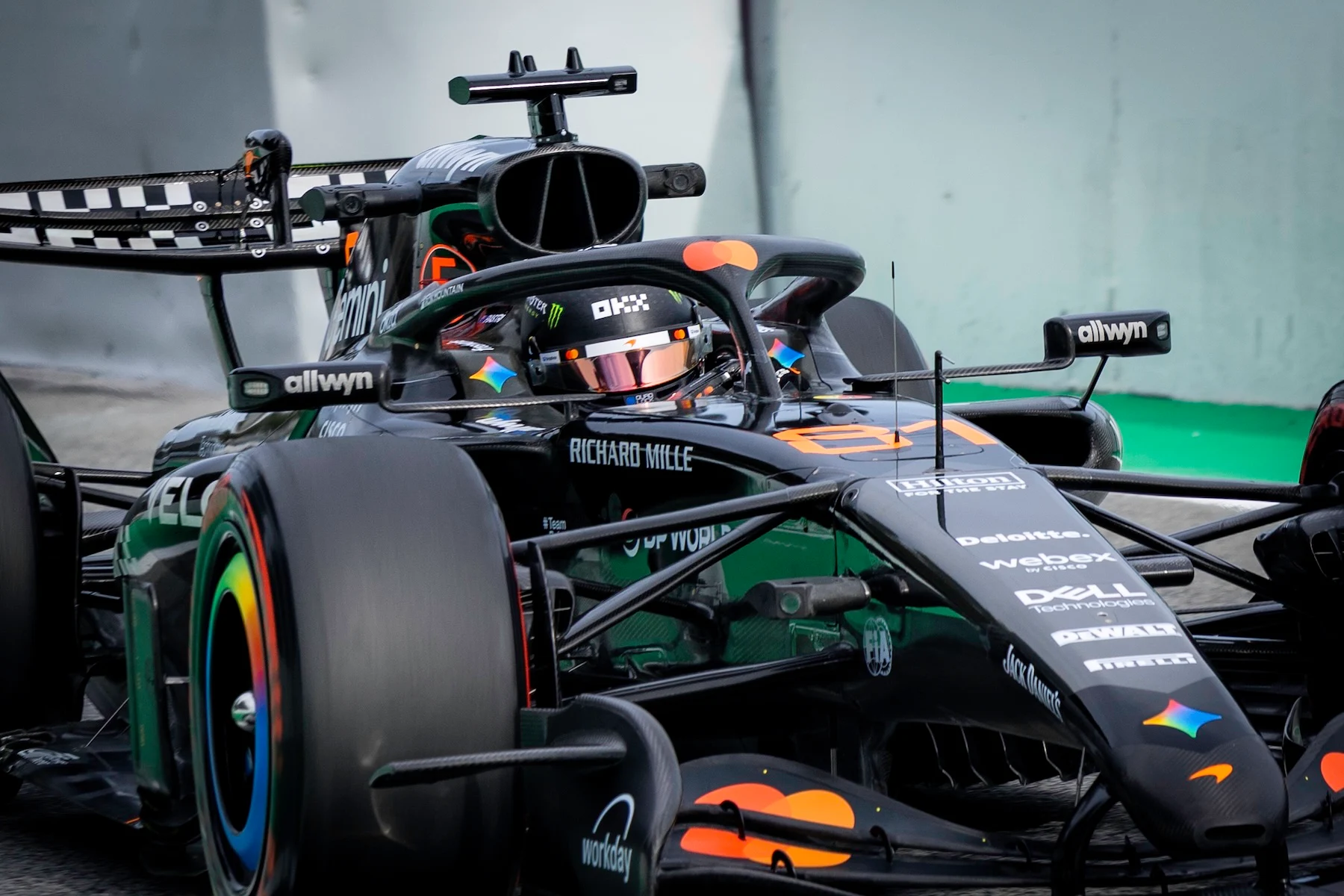
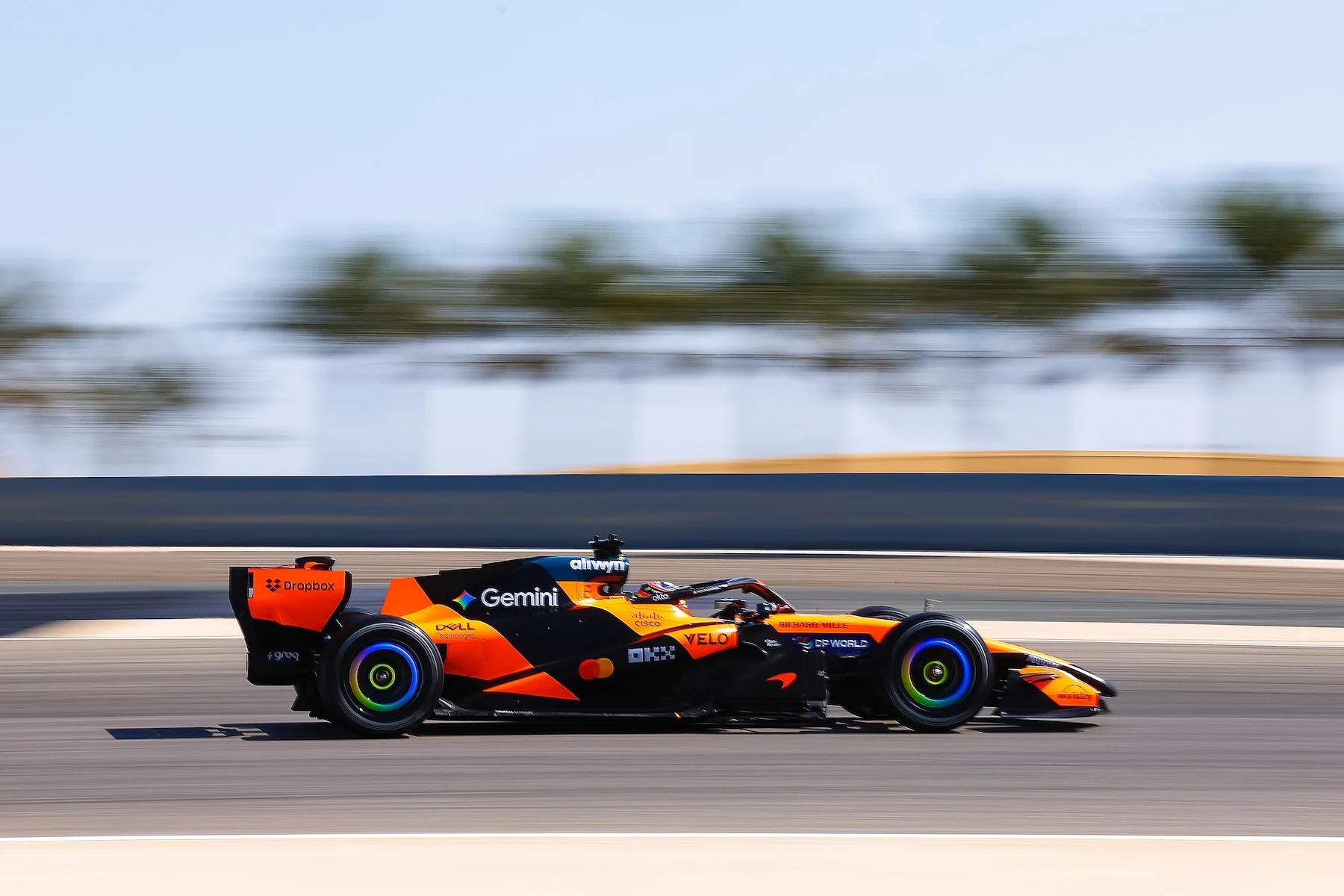
Formula 1 is now over 75 years old, but the Championship is ever evolving, and there are new rules on the horizon in 2026. With the sport undergoing a reset, there’s never been a better time to dive into Formula 1 – so if you’re new to all this then welcome to Formula 1, and to McLaren. Let us be your handy guide to everything you need to know as Formula 1 gears up for the start of the 2026 season.
There are 11 Formula 1 teams – with McLaren the reigning Constructors’ World Champions, and Lando Norris the defending Drivers’ World Champion. This year, Cadillac joins the grid as the newest team.
Each of the 11 teams have to field two identical cars, meaning there is a grid of 22 drivers. Four of the drivers are World Champions, including Lando, while over half – including Oscar Piastri – have won Grands Prix.
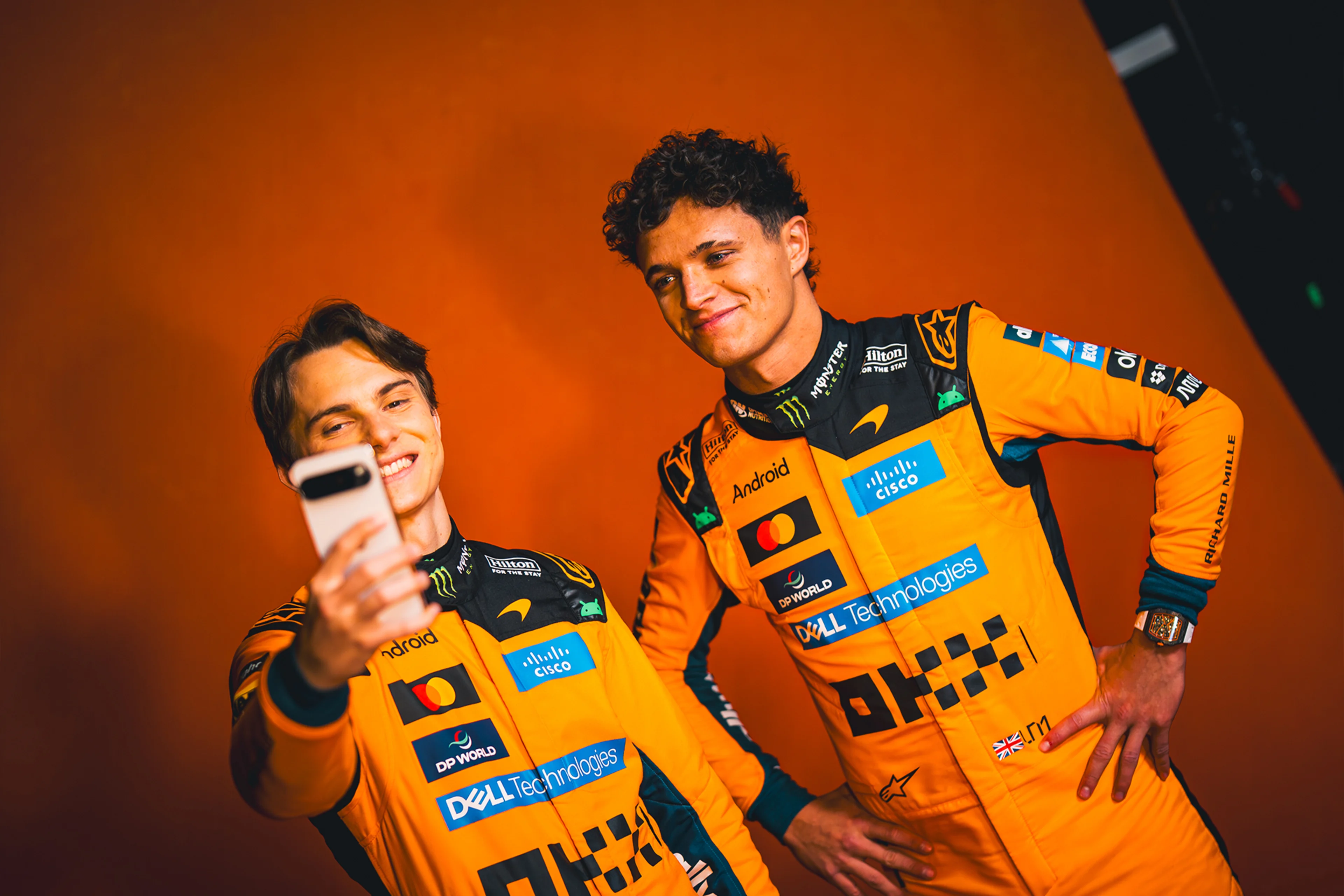
Well, we are officially the McLaren Mastercard Formula 1 Team, and our drivers are Lando Norris and Oscar Piastri.
McLaren have been competing in Formula 1 since 1966, and are the second-oldest team, with over 200 Grand Prix victories, 13 Drivers’ Championships, and 10 Constructors’ Championships.
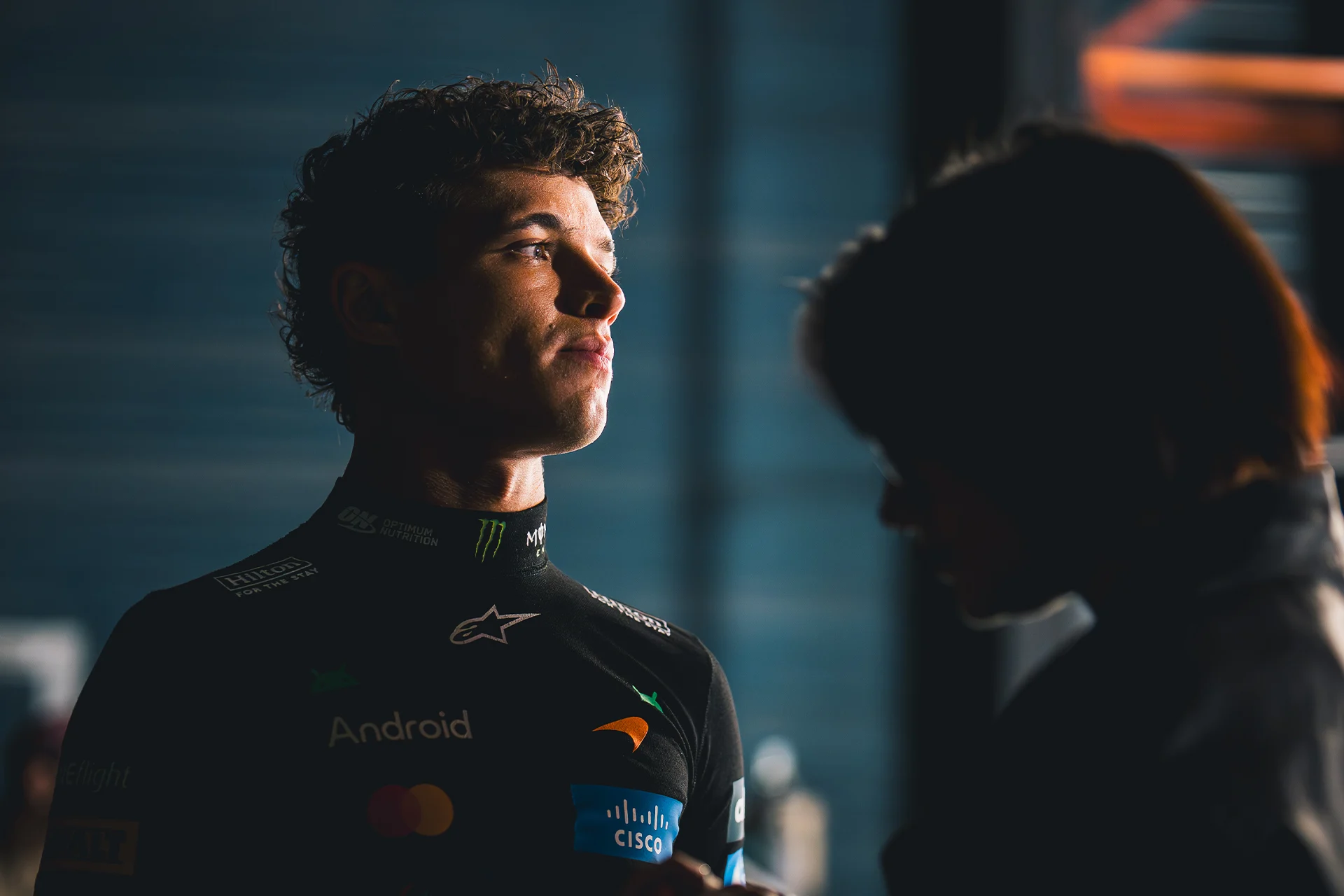
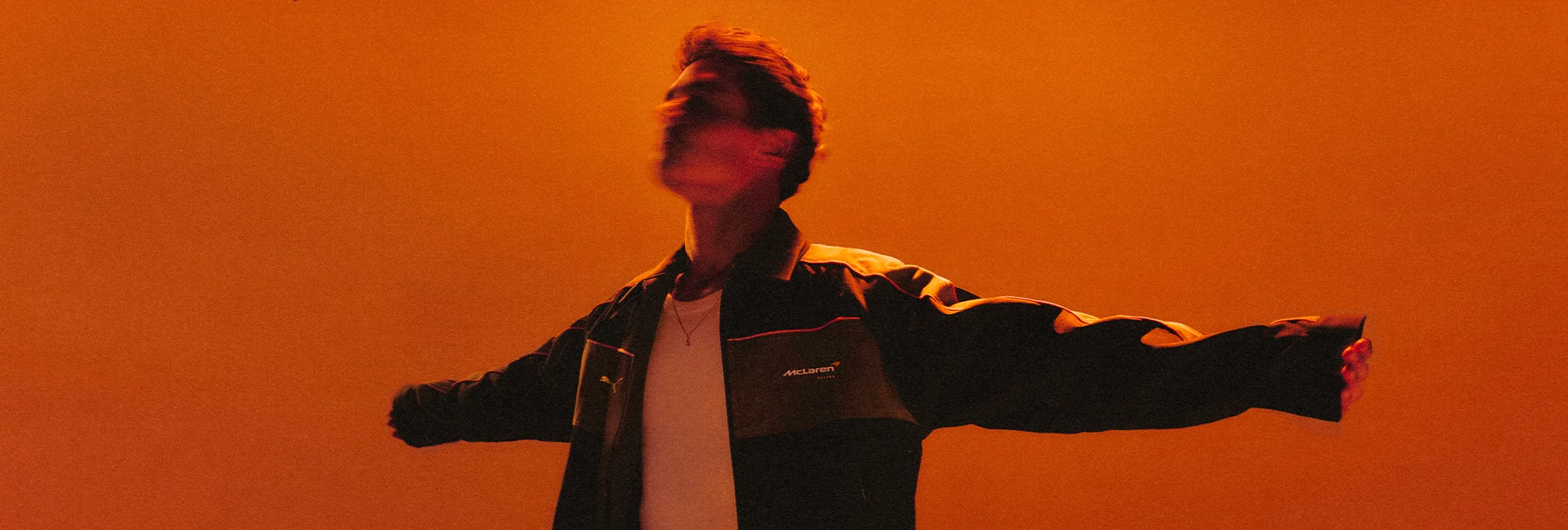
Lando joined the team’s Driver Development Programme in 2017 and graduated to a race drive in 2019. He’s been with McLaren every step of the way since. He has started more Grands Prix for McLaren than any other driver in history, winning 11 Grands Prix and his maiden Drivers’ World Championship in 2025.
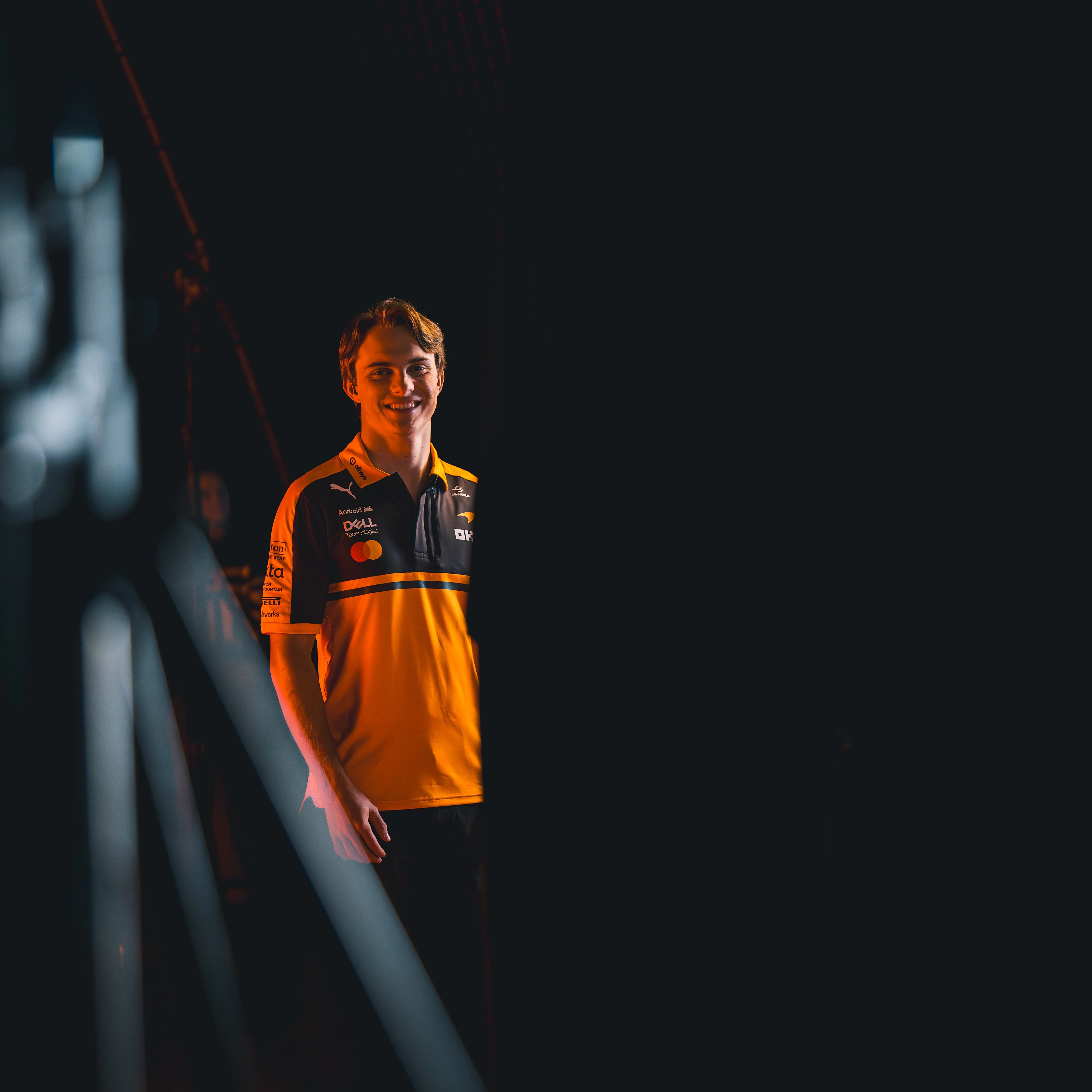
Oscar joined the team as a rookie in 2023, having won back-to-back titles in Formula 3 and Formula 2. He became a Sprint race winner in his rookie season and a Grand Prix winner in his second year - he’s now won nine Grands Prix in total and finished a career-high third in the 2025 championship.
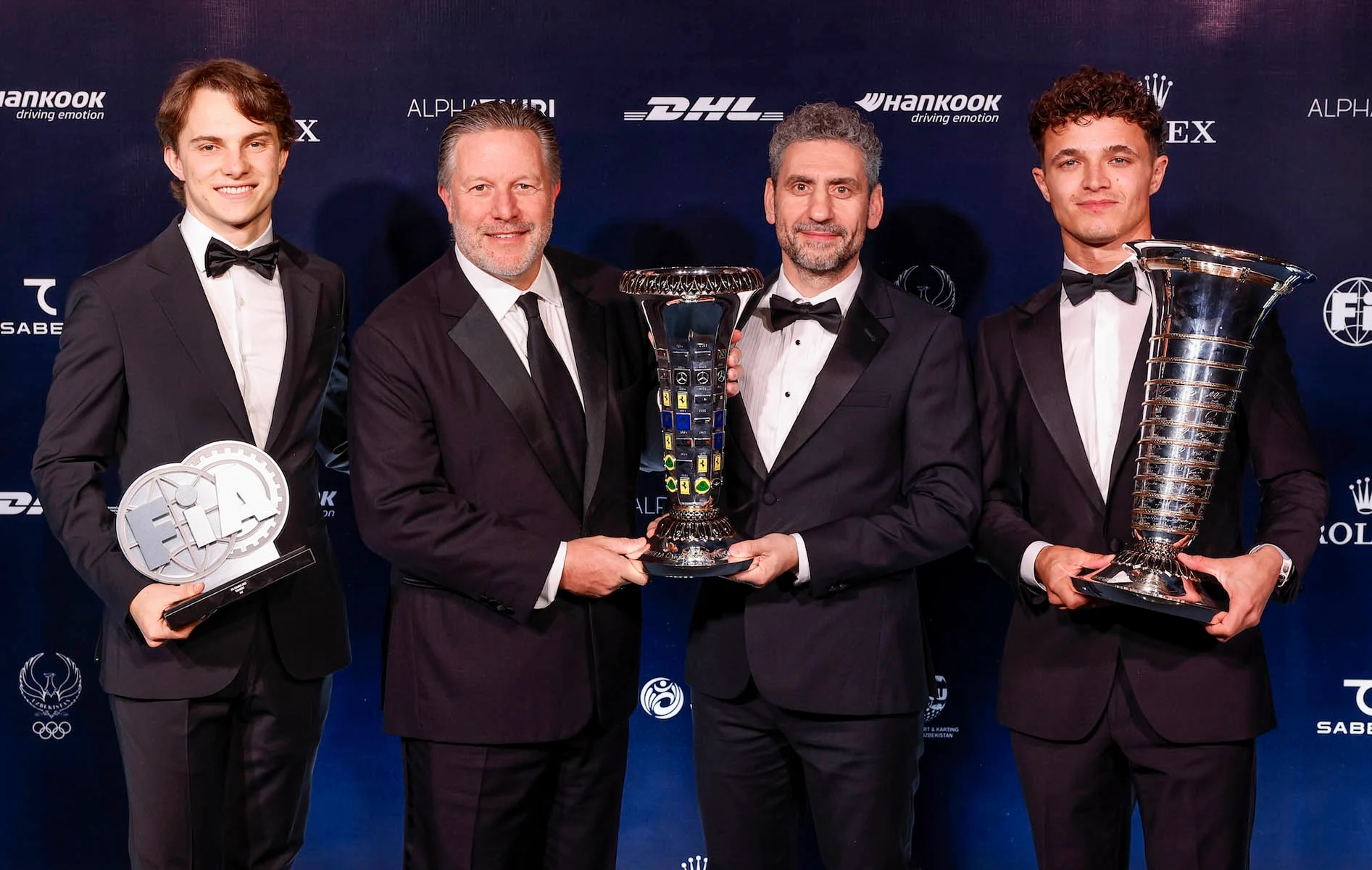
Steering the good ship McLaren are CEO Zak Brown and Team Principal Andrea Stella.
Motorsport aficionado Zak joined McLaren in 2017 after a distinguished career in marketing, and has guided the team through various pitfalls to become back-to-back World Constructors’ Champions. Zak, who raced in his younger days and remains a passionate competitor and collector of classic racing machinery, took over when McLaren was at a low ebb. Zak aided in resetting the team’s culture, restructuring several departments, and putting people at the heart of the organisation.
Andrea joined McLaren in 2015, having previously been Race Engineer to the likes of Michael Schumacher and Fernando Alonso. Andrea became Team Principal ahead of the 2023 season, having previously served as the team’s Head of Race Operations, Performance Director, and Racing Director. His calm and incisive demeanour has been key to McLaren’s success, as he’s focused on unlocking performance through empowerment, allowing his team the control and authority to make key decisions and drive improvement.
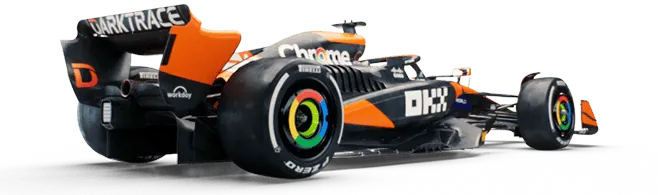
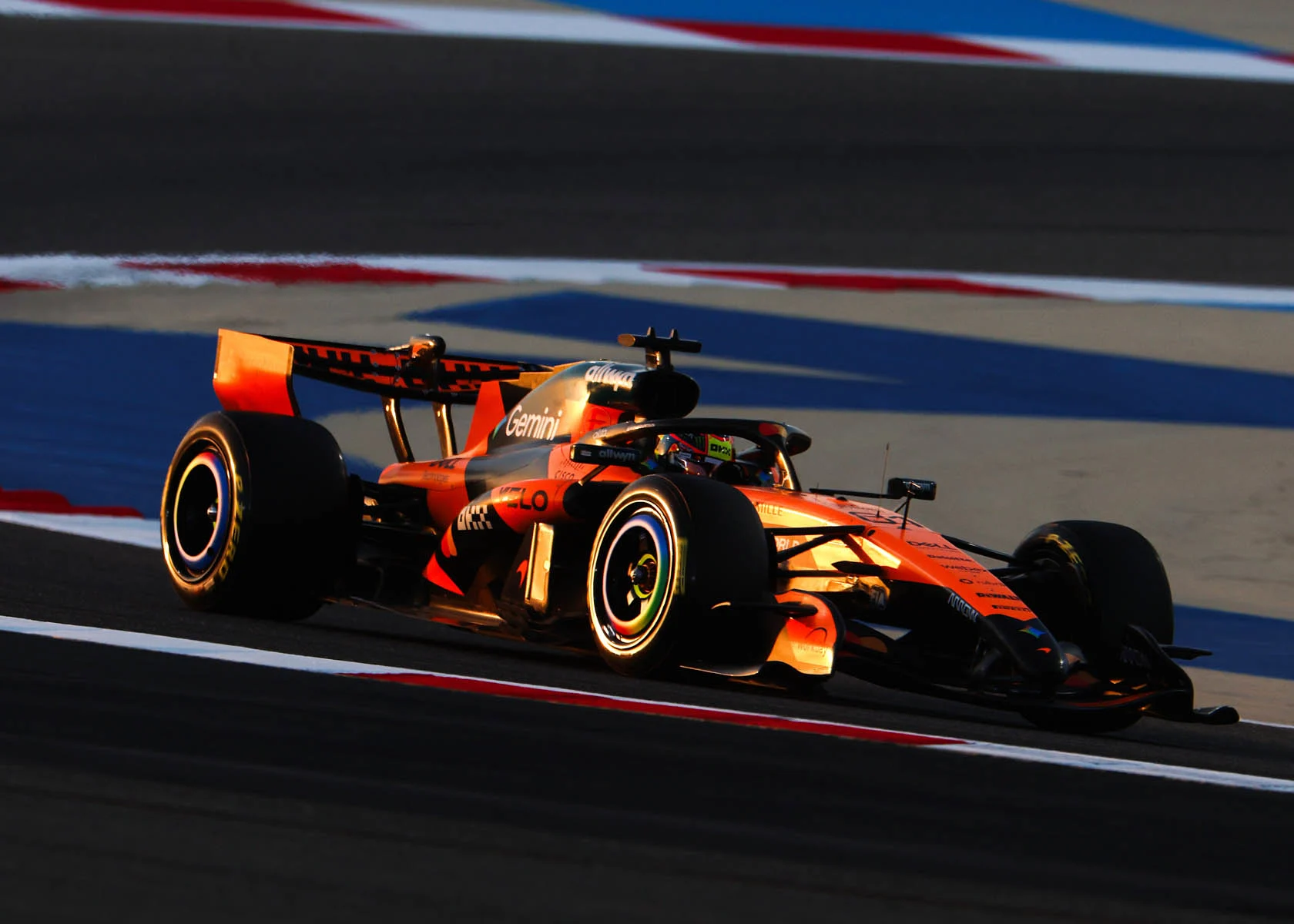
Every Formula 1 team is a Constructor, meaning we manufacture our own cars to the regulations drawn up by the FIA, which is Formula 1’s governing body. Each car is a state-of-the-art machine comprising thousands of components that work in harmony to deliver maximum performance through aerodynamic efficiency. The limits are always pushed, and each team works hard to develop innovations while protecting the DNA of their machines from interested rivals!
Formula 1 cars are capable of reaching almost 230 miles per hour, and pull extreme G-forces, particularly through high-speed corners and in heavy braking zones.
Each car is powered by a 1.6 litre V6 turbo hybrid power unit. Some teams, known as works outfits, build and produce their own engines, while a customer team works with a supplier to produce its power unit. At McLaren, we work with our long-term partner, Mercedes-AMG High Performance Powertrains, which produces our engines.
There are a record-equalling 24 Grands Prix on the 2026 calendar, mirroring the number of events from the last two seasons.
The season begins Down Under, as it has almost every year since 1996, with Melbourne’s Australian Grand Prix in early March just a stone’s throw away from Oscar’s backyard.
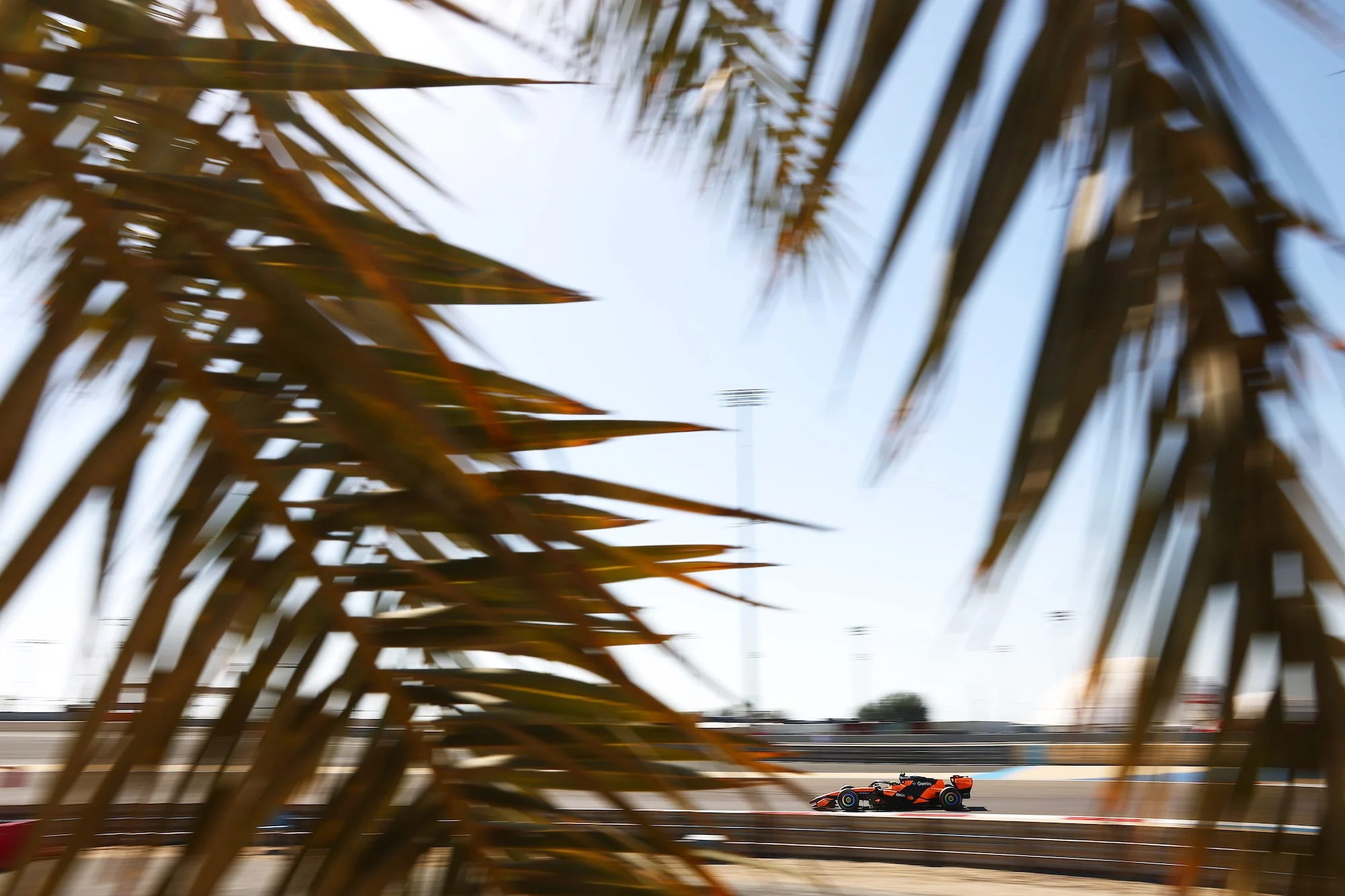
It’ll then be straight on to China, before flying to Japan, while there are trips to Bahrain and Saudi Arabia across successive weekends in April.
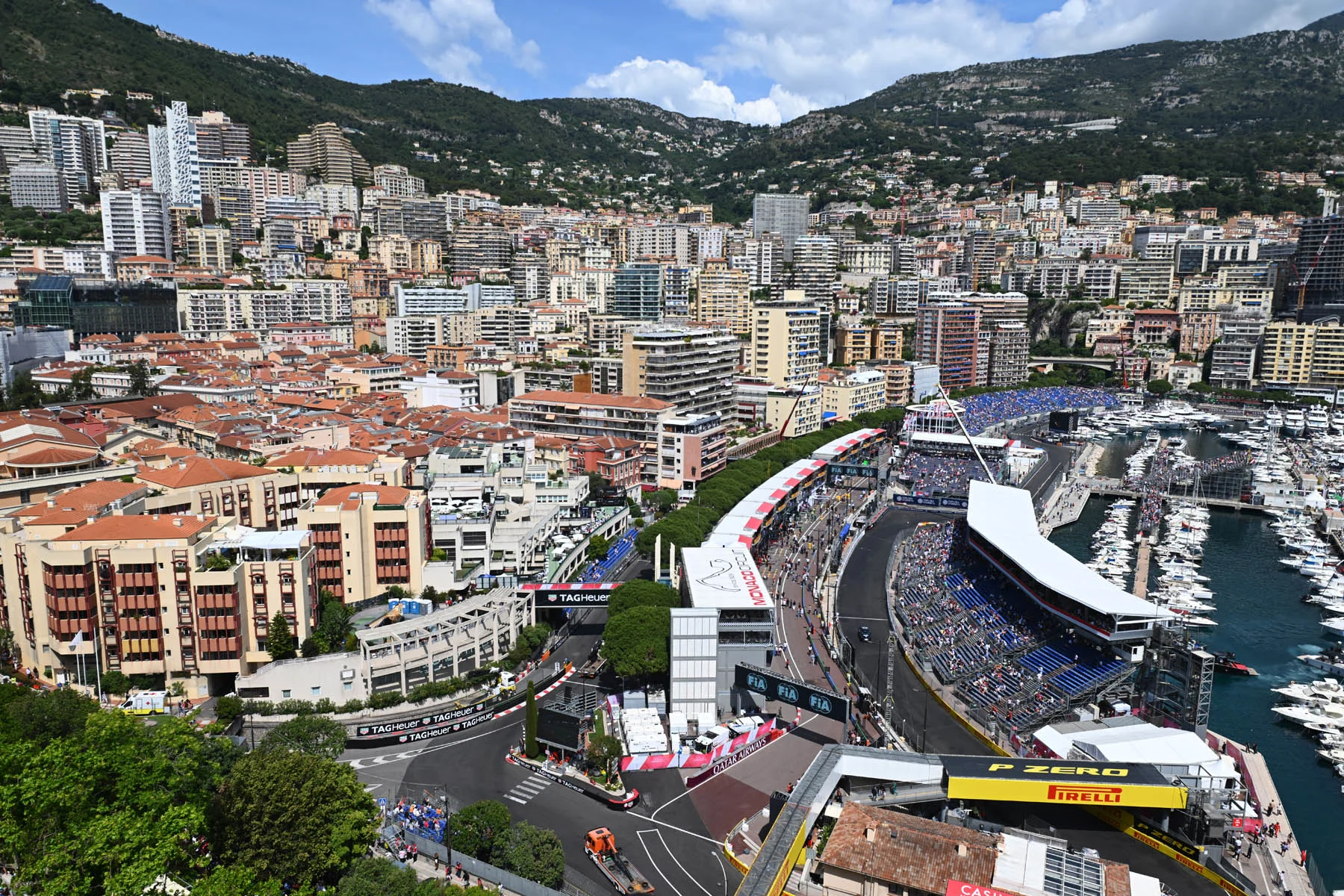
It’s then on to North America for Grands Prix in Miami and Montreal in May, before Monaco kicks off the European leg of the season in early June.
Barcelona and Austria precede the British Grand Prix in July, with Belgium and Hungary rounding out the first half of the season.
The summer break ends with races in the Netherlands and Italy, ahead of a first-ever visit to Spain’s new Madring – the only fresh addition to the 2026 schedule.
Azerbaijan and Singapore take us into the autumn months, before two triple headers make it a busy end to the year, as USA, Mexico City and São Paulo are followed by Las Vegas and Qatar, with the campaign concluding in Abu Dhabi.
It varies. F1 competes on a combination of permanent circuits, which remain in place year-round and are regularly used by other racing series, such as Silverstone, Austin, and Suzuka, and temporary tracks, where public roads are converted into temporary race circuits, like Monaco, Baku and Las Vegas.
There is roughly a 70:30 split between permanent and temporary circuits, each with its own unique challenges. Permanent circuits are often wider, with faster corners, while temporary circuits tend to make do with the existing streets – meaning overtaking can be a trickier proposition.
Some tracks, such as Italy’s Temple of Speed at Monza, are now over 100 years old, while others – such as Madring – have yet to be graced by Formula 1 machinery.
Most races take place on Sunday afternoon, just after a hearty lunch, but there are a few that run at twilight and at night.
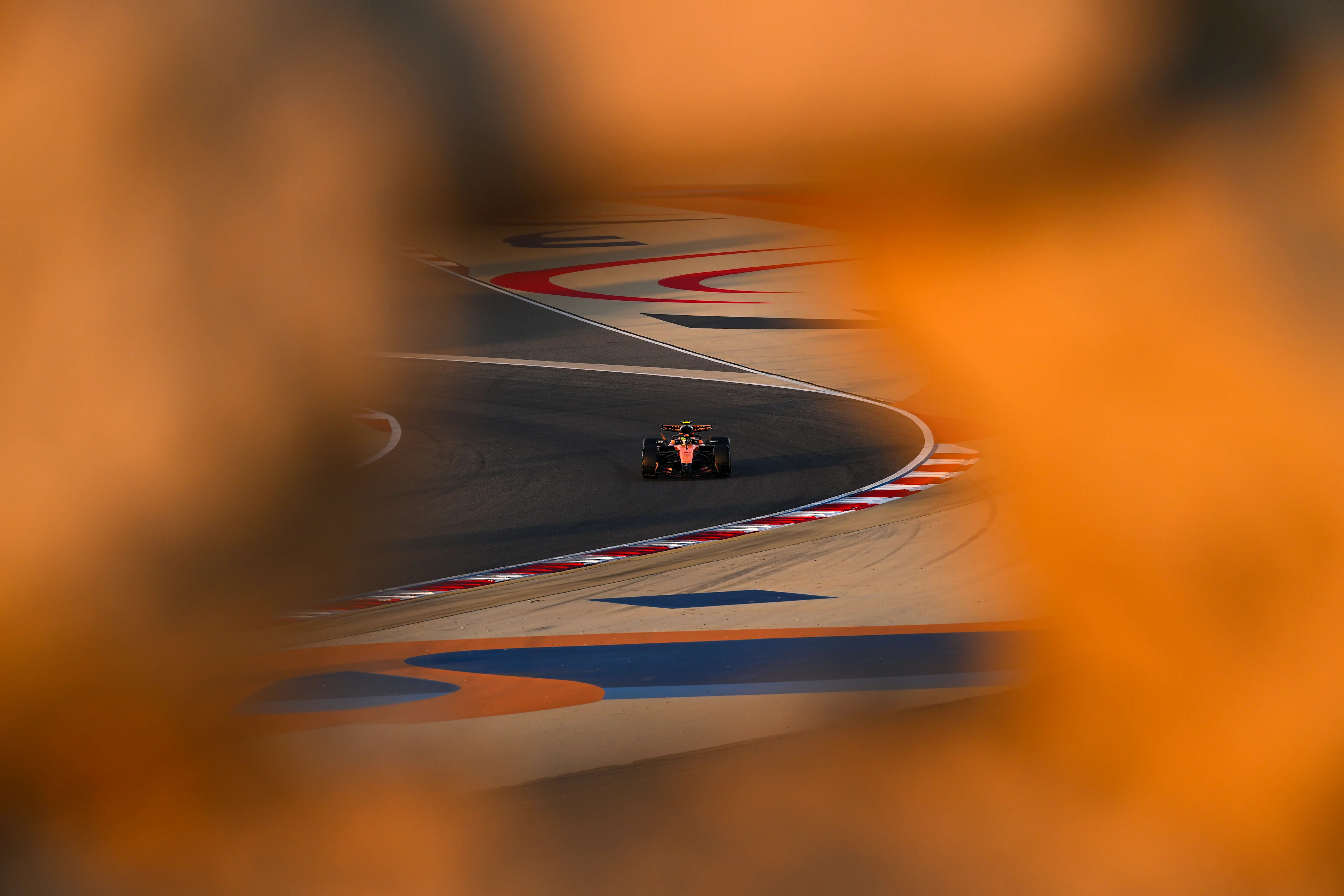
Grands Prix in Saudi Arabia, Singapore, Las Vegas and Qatar are all raced under the lights in darkness, while events in Bahrain and Abu Dhabi begin at twilight and end under the lights once the sun has set.
Drivers have three one-hour Free Practice sessions across Friday and Saturday, during which they can evaluate different car set-ups and get acclimatised to the circuit.
Once Free Practice is done and dusted, it’s down to Qualifying, where the aim is to set the fastest possible lap of the circuit.
The hour-long Qualifying session is split into three knockout stages on the Saturday of the Grand Prix weekend (Friday in Azerbaijan and Las Vegas).
At the end of the first, 18-minute segment (Q1), the six slowest drivers are eliminated, leaving 16 for Q2. The slowest six are again knocked out at the conclusion of that 15-minute section. That leaves 10 drivers to battle it out for Pole position in the final, 12-minute long Q3 section, the fastest of whom earns the honour of starting from P1 in the main Grand Prix race.
The Grand Prix race is the showpiece event. The 22-strong field lines up in grid spots eight metres apart on the pit straight, following a slow-speed formation lap of the circuit. The start procedure commences as five red lights appear one by one, until all are illuminated - the race begins the moment they are extinguished.
Each race lasts the fewest number of laps that exceeds 305km (or 260km in the case of Monaco), which is usually between 50 and 60 laps, depending on the circuit length. Drivers must undertake one mandatory tyre change during the Grand Prix.
The winner of the Grand Prix receives 25 points, the second-placed driver takes 18, and the driver in third picks up 15. Points are allocated to the rest of the top 10 on a 12, 10, 8, 6, 4, 2, 1 distribution.
The driver who collects the most points across 24 Grands Prix is crowned Drivers’ World Champion, while the points scored by each driver also go towards their team’s total tally – the team with the highest combined total clinches the Constructors’ World Championship.
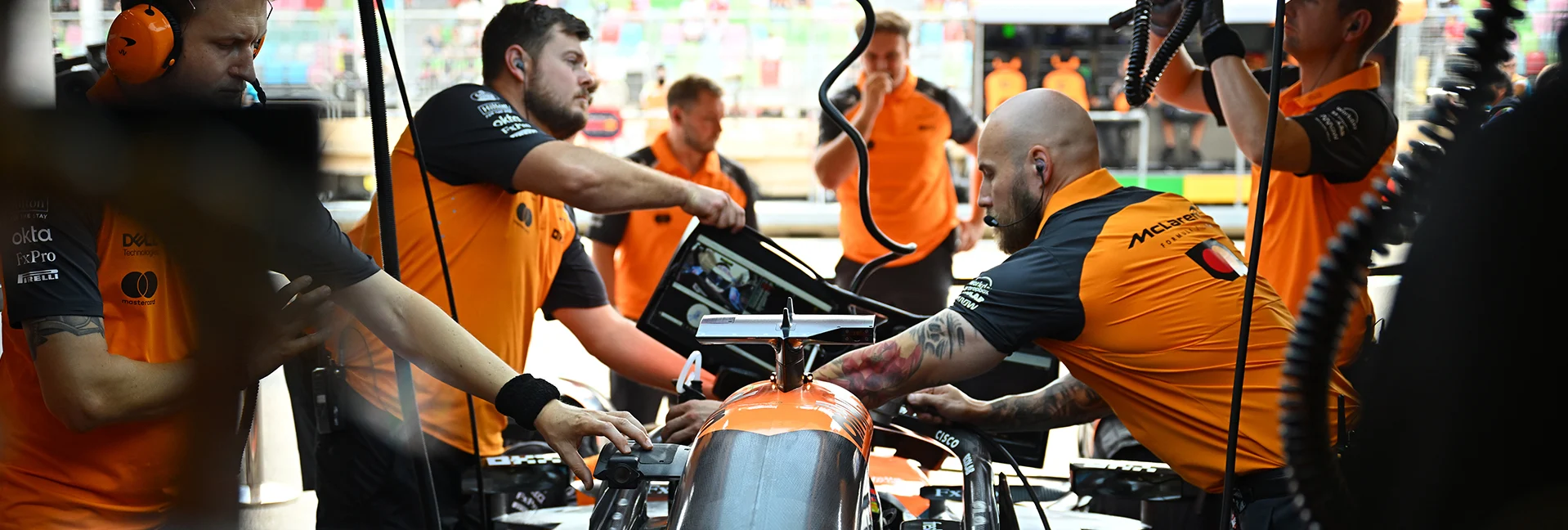
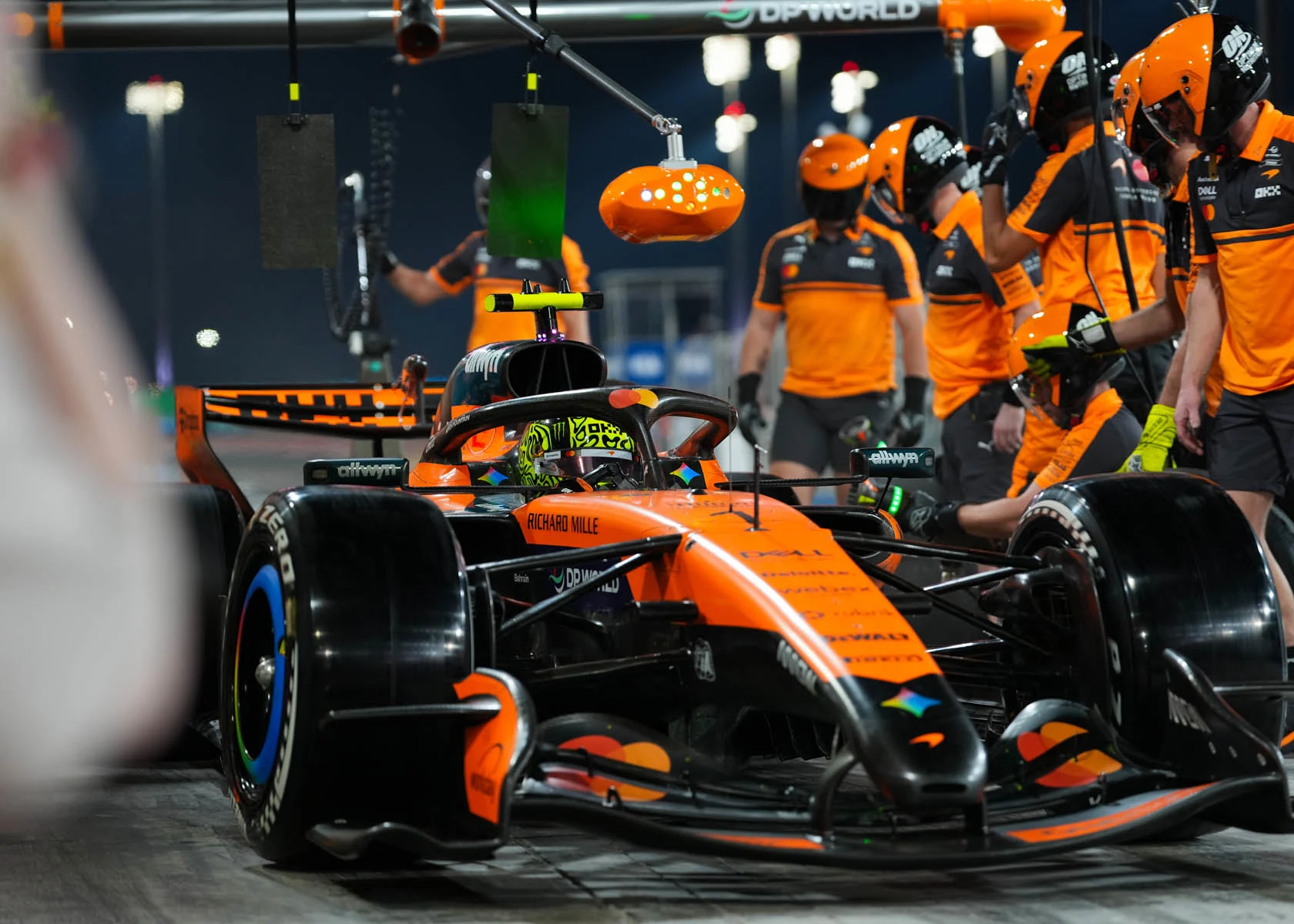
Pit stops are among the most enthralling parts of Formula 1 competition, as the on-track battling is briefly taken into the pit lane.
Each of the 11 teams has a garage in the pit lane, and outside the garages, every team has a pit box from which drivers peel off into the pit lane.
A crew of around 22 mechanics leap into action to stabilise the car, and change all four tyres. Once all four new tyres have been fitted to the car, the driver is given the all-clear to head back out onto the track and continue their race.
It can be a rapid process – we hold the World Record pit stop time of 1.8 seconds, achieved at the 2023 Qatar Grand Prix - though maintaining consistency across stops is just as important as speed!
Formula 1 introduced Sprint races in 2021, and there are now six Sprint events each season.
In 2026, these will take place at Grands Prix in China, Miami, Canada, Britain, the Netherlands, and Singapore.
Sprint Races are 100km long, which is approximately one-third the distance of a regular Grand Prix, or around 16 to 25 laps, depending on the circuit layout.
There are no mandatory pit stops, meaning it is flat-out racing on track from lights to flag.
The winner takes eight points, down to one for eighth place, with the points distributed on a sliding scale of seven for second place and so on.
The Sprint Races are independent of the remainder of the Grand Prix, meaning they have their own separate Qualifying session called Sprint Qualifying. Sprint Qualifying is a shorter version of regular Qualifying, with 12 minutes for SQ1, 10 minutes for SQ2 and eight minutes for SQ3. The Medium compound tyres are mandatory for SQ1 and SQ2, with the Soft compound compulsory for SQ3.
An amended schedule for Sprint events means there is just one Free Practice session, with Sprint Qualifying effectively replacing Free Practice 2, and the Sprint Race taking the slot of Free Practice 3.
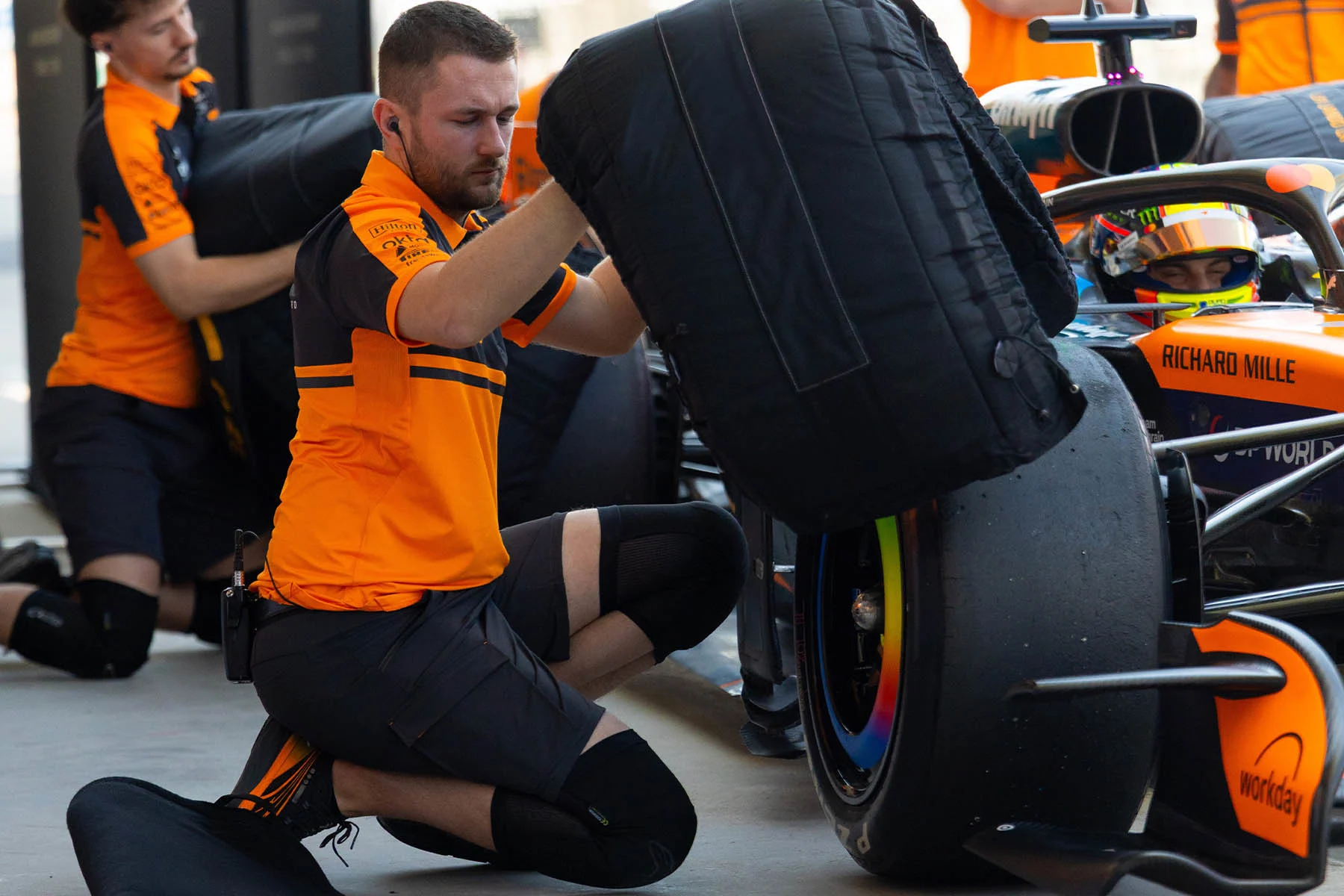
The tyres are supplied by Italian company Pirelli, which has been Formula 1’s sole supplier since 2011.
Different circuits require different demands from the tyres, and as a result, Pirelli has five different dry-weather compounds, from which three are selected for each Grand Prix.
They are designated Soft, Medium and Hard tyres. The Soft is best for maximum performance across one lap, while the Hard is a more durable tyre across a race distance. The Medium strikes a balance between them. To help with identification, the Soft has its sidewall painted red, the Medium yellow, and the Hard white.
Each driver has an allocation of tyres to use through the course of an event, and regulations stipulate that two different compounds must be used in a dry Grands Prix – choosing which tyres and when to change, also known as a team’s race strategy, can be make or break!
Pirelli also has tyres that can be used when rain strikes – and they are more readily on standby at some locations compared to others (they’re used more at Silverstone than Saudi!) The green-banded Intermediate compound is typically used in wet conditions, while the blue-coloured Full Wet compound is available during heavier rainfall or when there is more standing water.
Good question. If you’re in the United Kingdom and Ireland, then Sky Sports F1 carries each session live, while in the United States, Apple TV has become the broadcaster in 2026.
There’s also F1TV for a whole host of countries and territories, while a full list of broadcasters is available on the official Formula 1 website.
You can also keep up to date with everything McLaren across our social media channels, and follow what Lando and Oscar are up to as well.